Review

Sulbactam–Durlobactam in the Treatment of Multidrug-Resistant Acinetobacter baumannii: A Narrative Review


1
Faculty of Medicine, Wroclaw Medical University, Ludwika Pasteura 1, 50-367 Wrocław, Poland
2
Department of Microbiology, Faculty of Medicine, Wroclaw Medical University, Chałubińskiego 4, 50-368 Wrocław, Poland
*
Author to whom correspondence should be addressed.
Antibiotics 2026, 15(5), 499; https://doi.org/10.3390/antibiotics15050499
Submission received: 14 April 2026 / Revised: 11 May 2026 / Accepted: 14 May 2026 / Published: 16 May 2026

Abstract

The increasing prevalence of infections caused by multidrug-resistant (MDR) Gram-negative bacteria represents a major global public health challenge. Among hospital-acquired infections (HAIs), ventilator-associated pneumonia (VAP) caused by non-fermenting Gram-negative pathogens, particularly the Acinetobacter baumannii-calcoaceticus complex, it is associated with limited therapeutic options and high mortality. Sulbactam–durlobactam is a novel combination consisting of sulbactam, a β-lactamase inhibitor with intrinsic activity against Acinetobacter spp., and durlobactam, a diazabicyclooctane β-lactamase inhibitor targeting Ambler class A, C, and D enzymes. This review summarizes current evidence on the pharmacological properties, clinical efficacy, and resistance mechanisms associated with this combination. Clinical trials have demonstrated that sulbactam–durlobactam is non-inferior to colistin in the treatment of infections caused by carbapenem-resistant A. baumannii, with a significantly lower risk of nephrotoxicity. The combination is generally well tolerated and represents a promising therapeutic option for difficult-to-treat infections. However, emerging resistance mechanisms, including PBP3 mutations, metallo-β-lactamase production, and efflux pump overexpression, may limit its long-term effectiveness. Further research is required to better understand resistance development and optimize clinical use.

1. Introduction

The increasing incidence of infections caused by multidrug-resistant (MDR) Gram-negative bacteria (GNB) is a major clinical and epidemiological challenge. This problem affects both countries with varying levels of access to healthcare systems. Thus, this issue is global in nature and is characterized by an alarmingly rapid increase. According to epidemiological data, GNB account for 49.7–95.3% of pneumonia cases worldwide [1]. Their prevalence is particularly high in cases of hospital-acquired pneumonia (HAP), especially those associated with ventilator-associated pneumonia (VAP) [2,3]. These infections contribute to prolonged hospital stays and increased risk of death. Pathogens with an increasing prevalence of MDR strains include Acinetobacter baumannii, Pseudomonas aeruginosa, and Klebsiella pneumoniae [4]. Their tendency to rapidly acquire resistance mechanisms limits the effectiveness of standard antibiotic therapy. An example of a dominant pathogen responsible for as many as 79.9–95% of lower respiratory tract infections is XDR (extensively drug-resistant)/MDR strains of A. baumannii [5,6], which are also responsible for as many as 40–75% of fatal cases, depending on the country [7,8,9,10]. This high percentage is primarily associated with resistance to classes of antibiotics, namely carbapenems and fluoroquinolones, which are routinely used in the treatment of such infections [11,12,13].
Antibiotic resistance in GNB is a multifactorial and dynamic phenomenon. The mechanisms leading to an increase in MDR and XDR phenotypes involve: (i) a decrease in outer membrane permeability (e.g., mutations in genes encoding porins, such as OmpK35/OmpK36 in K. pneumoniae [14,15] and OprD in P. aeruginosa [16]); (ii) overexpression of efflux pumps (e.g., AdeABC in A. baumannii [17,18], MexAB-OprM in P. aeruginosa [19,20]); (iii) modification of the antibiotic target site (e.g., mutations in genes encoding PBPs, such as PBP3 in A. baumannii) [21,22]; and (iv) the ability to form a biofilm, a physical and metabolic barrier to antibiotic penetration [23]. However, a key element of this complex bacterial defense system against antimicrobial drugs is the ability to produce enzymes, such as β-lactamases. In MDR and XDR phenotypes, these mechanisms often act in concert, creating complex resistance profiles that limit the effectiveness of available therapies [24,25,26].
Therefore, new therapeutic strategies should address multiple resistance mechanisms [27]. This remains a key challenge in the treatment of infections caused by GNB. The response to this growing resistance is a therapeutic strategy involving the combination of available antimicrobial agents with new ones. The most common combinations are those of antibiotics with enzyme inhibitors [28]. This approach, which leverages a well-established pathophysiological mechanism, is highly effective in treating difficult-to-treat infections.
Among the mechanisms mentioned, β-lactamases are of particular clinical significance, as their production inactivates β-lactam antibiotics [29]. This is one of the most important resistance mechanisms in GNB, as it excludes from therapy a vast group of antibiotics with a relatively low potential for causing side effects [30,31,32]. The combinations developed to date, namely ceftazidime–avibactam [33], meropenem–vaborbactam [34,35], and imipenem–relebactam [36,37], have restored the activity of antibiotics in this group against strains producing class A, C, and D β-lactamases [38,39,40]. The complementary mechanisms of action of the antibiotic and the inhibitor result in a significant increase in treatment efficacy, which is particularly important in the case of life-threatening infections.
Among the new therapies, the combination of two β-lactamase inhibitors, sulbactam and durlobactam (SBT-DBT), is particularly noteworthy for its unique activity against Acinetobacter spp. [41,42]. Unlike other inhibitors of these enzymes, sulbactam (SBT) exhibits direct antibacterial activity with a mechanism of action identical to that of β-lactam antibiotics [43]. Durlobactam (DBT), in turn, effectively inhibits β-lactamases of classes A, C, and D, including OXA-type carbapenemases [44]. This combination appears to be a promising therapeutic strategy, as it targets key resistance mechanisms and may reduce the risk of rapid selection of resistant strains [45]. Despite the increasing amount of data, the currently available information comes from diverse sources, including in vitro studies, pharmacological analyses, and limited clinical trials, highlighting the need for a comprehensive review.
This article aims to compile current data on the pharmacological properties, clinical efficacy, and resistance mechanisms associated with the use of SBT-DBT compared to other available combination therapies. Particular attention was devoted to the analysis of epidemiological data in the context of treating infections caused by carbapenem-resistant strains of A. baumannii.

2. Characteristics of Sulbactam-Durlobactam

2.1. Chemical Structure of Sulbactam

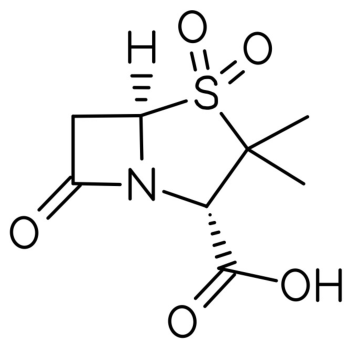
SBT, with the molecular formula (2S,5R)-3,3-dimethyl-4,4,7-trioxo-4λ6-thia-1-azabicyclo[3.2.0]heptane-2-carboxylic acid (Figure 1, is a β-lactamase inhibitor (BLI) and an analog of the fundamental penam scaffold [46]. SBT, similar to clavulanic acid and tazobactam, possesses properties that protect the β-lactam ring and expand the antibacterial spectrum of β-lactam antibiotics [47]. Consequently, SBT is often combined with other antibacterial agents. For instance, the ampicillin/sulbactam (SAM) combination is used in the treatment of intra-abdominal conditions, skin disorders, and gynecological diseases [48]. SBT is an inhibitor of type A β-lactamases, exhibiting antimicrobial activity against specific bacterial species such as Acinetobacter spp., Neisseria gonorrhoeae, and Bacteroides fragilis. The activity of SBT against A. baumannii involves the inhibition of penicillin-binding proteins (PBPs)—PBP1 and PBP3—and varies depending on the bacterial strain and resistance level [43].

2.2. Chemical Structure of Durlobactam

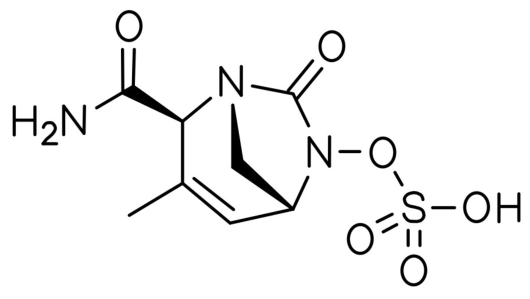
Durlobactam (DBT, ETX2514), with the molecular formula [(2S,5R)-2-carbamoyl-3-methyl-7-oxo-1,6-diazabicyclo[3.2.1]oct-3-en-6-yl] hydrogen sulfate (Figure 2), is a diazabicyclooctane (DBO) non-β-lactam BLI [49]. It exhibits potent activity against a broad spectrum of class A, C, and D serine β-lactamases, as classified by the Ambler system [41,50]. DBT represents a novel advancement among β-lactamase inhibitors currently available on the market due to its expanded spectrum of activity. Specifically, unlike other DBO BLIs (avibactam, zidebactam, nacubactam, or relebactam), it effectively targets the widely distributed class D carbapenemases (OXA enzymes) in A. baumannii [41]. ETX2514 was designed based on avibactam by incorporating a methyl group at the C3 position and introducing a double bond between C3 and C4. These modifications resulted in improved inhibitor performance in terms of chemical activity and β-lactamase binding [51,52].

2.3. Combination of Sulbactam and Durlobactam

SBT-DBT is a combination of two active compounds, marketed under the trade name XACDURO®, formulated by Entasis Therapeutics Inc. The product is intended for the treatment of infectious diseases caused by the Acinetobacter baumannii-calcoaceticus complex (ABC). This specific drug combination, through the inclusion of DBT, prevents the degradation of SBT by β-lactamases produced by ABC [50]. SBT-DBT was approved by the United States Food and Drug Administration (FDA) in 2023 for the management of patients aged 18 years or older. It is registered for the treatment of hospital-acquired bacterial pneumonia (HABP) and ventilator-associated bacterial pneumonia (VABP) caused by the Acinetobacter baumannii-calcoaceticus complex. Given the growing need for additional treatment options and the significant public health threat posed by Acinetobacter bacteria, SBT-DBT should be used exclusively for infections caused by susceptible ABC strains [53].

2.4. Pharmacokinetic Properties

Both compounds are primarily eliminated via the renal route. Consequently, in 2019, O’Donnell et al. investigated the tolerance, pharmacokinetics, and safety of SBT-DBT in individuals with various degrees of renal impairment compared to healthy subjects. The mean concentrations of SBT and DBT increased as renal function declined in healthy individuals, those with renal impairment (RI), and patients with end-stage renal disease (ESRD). Regarding the median Tmax, it was approximately 3 h for both ETX2514 (DBT) and SBT across all treatment groups. DBT and SBT differed in their half-lives: the half-life ranged from 2.3 to 7.1 h for DBT, and from 1.8 to 10.0 h for SBT. In both cases, the half-life increased with the severity of renal impairment. The majority of ETX2514 and SBT elimination occurred within 24 h post-administration. Furthermore, hemodialysis effectively removed both compounds from plasma, which is clinically relevant for ESRD patients [54]. Moreover, SBT-DBT undergoes minimal metabolism in the body, with SBT exhibiting 38% plasma protein binding, while DBT binds to plasma proteins at a rate of 10% [55]. These findings support dose adjustment in renal impairment and confirm predictable pharmacokinetics.

3. Clinical Application

3.1. Dosage

SBT-DBT is administered at a fixed dose of 2 g (1 g SBT/1 g DBT) across all renal function categories, with dosing frequency adjustments as necessary to optimize and simplify administration. For instance, XACDURO is administered every 6 h as a 3 h infusion in patients with a creatinine clearance (CLcr) between 45 and 129 mL/min. In contrast, for patients with a CLcr of ≥130 mL/min, an increased dosing frequency of every 4 h is recommended. Conversely, patients with a lower CLcr ranging from 30 to 44 mL/min require extended dosing intervals of every 8 h. The treatment duration may extend up to 14 days [55,56,57]. The conducted pharmacodynamic and pharmacokinetic analyses support the proposed dose of 2 g (1 g SBT/1 g DBT) for the management of patients with A. baumannii isolates [58]. Interestingly, XACDURO is approved for use in breastfeeding women. SBT reaches low levels in maternal milk, which is unlikely to have a negative impact on nursing infants. There are no available data on the transfer of DBT into breast milk; however, it is estimated that it likely attains levels similar to those of SBT [59].

3.2. Indications

According to the FDA’s guidelines, SBT-DBT is recommended for the treatment of hospital-acquired bacterial pneumonia (HABP) and ventilator-associated bacterial pneumonia (VABP) caused by the Acinetobacter baumannii-calcoaceticus (ABC) complex [53]. On the other hand, the European Medicines Agency (EMA) has not yet published official guidelines regarding the use of the SBT-DBT combination. The only available information pertains to the approval of an amendment to the agreed Pediatric Investigation Plan for durlobactam/sulbactam.

3.3. Adverse Effects

SBT-DBT is generally described as well-tolerated. The most frequently reported adverse effects included headaches, nausea, and injection site phlebitis [60]. Among the patients studied by O’Donnell, unfavorable outcomes were observed in 6 out of 34 individuals receiving SBT-DBT. These included dizziness, epistaxis, falls, infusion site extravasation, foot fractures, mucosal dryness, nausea, and viral upper respiratory infections [54]. No drug–drug interactions were observed between DBT, SBT, imipenem, and cilastatin in a clinical study conducted in healthy subjects [55]. Overall, the safety profile appears favorable compared to polymyxins.

4. Antimicrobial Activity of Sulbactam-Durlobactam

4.1. Clinical Trials (Phase 1–3)

The phase 3 ATTACK trial was a multicenter, randomized, active-controlled non-inferiority study comparing SBT-DBT with colistin (COL) for the treatment of infections caused by the Acinetobacter baumannii–calcoaceticus complex [56]. Patients were randomized in a 1:1 ratio, and an additional observational cohort included individuals in whom COL could not be used. The most common infections in the randomized cohort were HAP and ventilator-associated bacterial pneumonia (VABP). In the SBT-DBT and COL groups, HAP accounted for 38% and 59% of cases, respectively, while VABP accounted for 48% and 47%. In the observational cohort, bloodstream infections (61%) and VABP (25%) were predominant. The ATTACK clinical trial endpoints and treatment regimens used are shown in Table 1.
Among patients included in the microbiologically modified intention-to-treat (m-mITT) population, a high proportion of infections were caused by carbapenem-resistant A. baumannii (CRAB) (63/77 in the SBT-DBT group and 62/78 in the COL group). Overall, 96% of isolates were carbapenem-resistant and classified as MDR, and 95% were considered difficult-to-treat. SBT-DBT demonstrated non-inferior efficacy compared to COL, with similar rates of treatment-emergent adverse events (88% vs. 94%) and a significantly lower incidence of nephrotoxicity (13% vs. 38%) [56]. In the mash, clinical results also showed a favorable SBT-DBT profile when compared to colistin, including: response at the end of therapy (86% vs. 61%, respectively), response in the cure test (68% vs. 42%). These findings support its use as a safer alternative to COL-based regimens, particularly in severe infections such as ventilator-associated pneumonia. A randomized controlled trial by Sagan et al. revealed that SBT-DBT in combination with IMI/CIL showed a favorable pharmacokinetic and safety profile compared to placebo. It has been proven that the preparation in the treatment of cUTIs (complicated urinary tract infection, including acute pyelonephritis) led to an overall rate of success comparable to a group of patients obtaining a placebo (76.6% vs. 81%—in m-mITT population). A comparable overall rate of success was obtained in microbiologically evaluable analysis (80% vs. 81%). Significantly, patients from the placebo group (treated with baseline IMI/CIL regimen) and SBT-DBT-treated cohort, who were diagnosed with IMI-NS Enterobacteriaceae infection, achieved 86% clinical success in the test of cure after administration of the SBT-DBT regimen [61].

4.2. In Vitro Studies

SBT-DBT shows consistently high activity against clinical isolates of Acinetobacter baumannii-calcoaceticus complex (ABC-C), MDR, XDR, and CRAB strains. In studies involving isolates from different geographical regions and periods (2016–2024), the effectiveness of the preparation (MIC ≤ 4 μg/mL) usually exceeded 95%, reaching values up to 98–99% [62,63,64]. Importantly, high activity was observed despite the low sensitivity of the studied populations to carbapenems (MER, IMI), often below 50% [62]. The preparation also induced 100% sensitization of CRAB to COL and aminoglycoside antibiotics [65]. Analysis of MIC values indicates that SBT-DBT achieves MIC90 ≤ 4 μg/mL for the vast majority of isolates (approx. 97–98%), and efficacy is also maintained against strains resistant to numerous classes of antibiotics, including COL, MIN, ACN, and CFP [62,65,66,67]. For CRAB isolates, the susceptibility rate was typically 88–92%, with an MIC50/90 in the range of 0.5–4 μg/mL [68,69]. Additionally, significant activity was demonstrated against cefiderocol-non-susceptible (CFD-NS) strains (approx. 66–73%) [66,70]. A summary of the in vitro activity of SBT-DBT and its drug combinations against A. baumannii and other GNB is presented in Table 2.
However, sensitivity to SBT-DBT depends on the profile of resistance mechanisms. The preparation shows very high activity against strains producing OXA-type carbapenemases (especially OXA-40 and OXA-58—up to 100% sensitivity), while significantly lower efficacy, especially against strains producing MBL, where in single analyses the activity was limited (e.g., ~20% for NDM-positive isolates) [70,76]. Mutations in the PBP3 protein also remain a key mechanism limiting efficacy [64]. An important feature of SBT-DBT is its ability to act synergistically with other antibiotics. Numerous studies have shown that the addition of DBT leads to a significant reduction in MIC values for carbapenems and other β-lactams [72,77]. The combination with IMI shows particularly high efficacy, outperforming monotherapy against both COL-NS and CFD-NS strains (approx. 96% for combined vs. 85–88% for SBT-DBT alone) [78]. Strong synergistic effects (FICI ≤ 0.5) were also observed with many antibiotics, including CFP (cefepime), CAZ-AVI, MER, IMI, MIN, and ACN, as well as a significant reduction in bacterial load in in vitro models [73,79]. Despite comparable or lower efficacy against colistin in some analyses (e.g., 71% vs. 91%), the potential use of SBT-DBT is particularly important due to its more favorable safety profile and lower risk of nephrotoxicity [63,76]. Current data also indicate the advantage of combination therapies (especially with IMI) and the higher efficacy of the SBT-DBT-based regimens compared to other β-lactamase inhibitors (e.g., AVI) [65,71,75]. Taken together, the available data indicate that SBT-DBT appears to be a promising therapeutic option for the treatment of A. baumannii infections, particularly in highly resistant populations, although its efficacy may be limited in strains producing MBL and harboring PBP3 mutations. The summary of total percentage susceptibility of tested isolates to SBT-DBT is presented in Table 3.
Taken together, these data indicate that SBT-DBT maintains consistent in vitro activity (>90–95%) across diverse geographic regions and resistance phenotypes, although reduced efficacy is observed in MBL-producing isolates.

4.3. Case Reports

Several case reports highlight the potential role of SBT-DBT as salvage therapy in severe infections caused by CRAB, particularly in cases with limited treatment options. Tiseo et al. described successful treatment of VABP caused by COL- and CFD-resistant CRAB harboring multiple resistance determinants, including class D β-lactamases, as well as mutations in PBP3 and siderophore receptor genes. Despite extensive resistance, the isolate remained susceptible to SBT-DBT (MIC = 1.5 µg/mL), and targeted therapy resulted in 30-day survival [80]. Similarly, Van Natta et al. reported successful treatment of VABP using a combination regimen including SBT-DBT, following failure of multiple prior therapies. Clinical improvement and microbiological eradication were achieved despite the presence of multiple resistance mechanisms, including β-lactamases and efflux pump overexpression [81]. Additional reports support these findings. Snowdin et al. described successful treatment of A. baumannii neuroinfection following replacement of COL due to nephrotoxicity, while Xiong et al. demonstrated efficacy in a post-transplant patient with pneumonia and sepsis of CRAB etiology, resistant to multiple antibiotic classes [82,83]. Overall, available clinical reports suggest that SBT-DBT may represent an effective salvage therapy option in severe MDR infections, particularly when standard treatment regimens fail or are not tolerated. However, these findings should be interpreted with caution due to heterogeneity among included studies.

5. Resistance to Sulbactam-Durlobactam

5.1. β-Lactamases Play a Role in Resistance to SBT-DBT

β-Lactamase production represents the key mechanism limiting the activity of SBT-DBT, particularly in CRAB isolates. While DBT effectively inhibits Ambler’s class A, C, and D enzymes (serine enzymes), resistance may still arise due to enzymes not covered by its inhibitory spectrum (class B—metallo-β-lactamases) or due to high-level expression of β-lactamases [79]. The ability of SBT-DBT to overcome bacterial resistance mediated via β-lactamases is presented on Table 4.
Summarized data indicate that SBT-DBT retains activity against most serine β-lactamases, including OXA-type carbapenemases commonly found in A. baumannii. However, the lack of activity against MBL (e.g., NDM) represents a major limitation, as these enzymes are increasingly reported in clinical CRAB isolates. Literature data indicate that resistance to SBT-DBT is strongly associated with the production of multiple β-lactamases in A. baumannii, particularly class C (ADC) and class D (OXA-type) enzymes, which are intrinsic and commonly overexpressed in CRAB isolates. Studies consistently demonstrate that enzymes such as OXA-23, OXA-24, and OXA-51, often coexisting with ADC variants, contribute to reduced susceptibility to SBT-DBT, especially when expressed at high levels [66,68,76,84]. Importantly, resistance is not driven by a single enzyme but rather by the cumulative effect of multiple β-lactamases. The co-expression of class A enzymes (e.g., TEM-1) alongside class C and D enzymes further enhances resistance, suggesting a synergistic effect between different enzymatic systems [84,85]. A critical limitation of SBT-DBT therapy arises in the presence of MBLs, such as NDM-1, NDM-5, which are not inhibited by DBT. Their presence significantly reduces the efficacy of the combination, even when serine BLs are effectively inhibited. In such cases, combination strategies, including aztreonam-based regimens, have been proposed to overcome resistance [62,85]. Taken together, these findings indicate that resistance to SBT-DBT is a multifactorial phenomenon driven primarily by the accumulation and overexpression of β-lactamases, with MBLs representing the most clinically significant threat due to the lack of effective inhibition.

5.2. Mutation of the PBP3 Protein

Mutations in penicillin-binding protein 3 (PBP3), a key target of SBT, represent a primary non-enzymatic mechanism of resistance to SBT-DBT. These alterations reduce the binding affinity of SBT to its target, thereby diminishing its antibacterial activity. Current evidence indicates that not all PBP3 mutations contribute equally to resistance. Among the most clinically relevant substitutions, T526S has been consistently associated with a significant increase in MIC values (up to 8-fold), indicating a strong impact on SBT-DBT susceptibility. In contrast, the frequently reported A515V substitution appears to have a more limited effect when present alone, suggesting that it may act as a secondary (e.g., in the presence of OXA-24 expression) or facilitating mutation rather than a primary driver of resistance [62,69,76,84,85]. Additional mutations, including S390T, V505L, H370Y, and G523V, have also been identified in resistant isolates, with the latter being associated with a modest (~2-fold) increase in MIC for both SBT and SBT-DBT. These substitutions are thought to induce conformational changes that impair SBT binding, although their individual contributions to resistance vary and may depend on the genetic background of the strain [81,86]. Importantly, the accumulation of multiple PBP3 mutations appears to have an additive effect on resistance, particularly when combined with other mechanisms such as β-lactamases overexpression. Longitudinal studies further suggest that these mutations may emerge during therapy under selective pressure of β-lactam antibiotics targeting PBPs [67,81]. Exposure to different β-lactam antibiotics has been shown to select for PBP3 mutations (e.g., A515V, H370Y), contributing to the development of resistance to both SBT-DBT and CFD [81]. Notably, PBP3 alterations do not universally confer cross-resistance—to other β-lactams. For instance, some mutations associated with CFD resistance were not linked to reduced susceptibility to SBT-DBT, indicating that the structural determinants of resistance differ between these agents [66]. Overall, PBP3 mutations represent a critical and evolving mechanism of resistance to SBT-DBT, with certain substitutions (particularly T526S) having the greatest clinical relevance due to their pronounced impact on antimicrobial susceptibility.

5.3. Efflux-Mediated Resistance to SBT-DBT

Efflux-mediated resistance represents an important non-enzymatic mechanism contributing to reduced susceptibility to SBT–DBT in A. baumannii. Among the various efflux systems, resistance–nodulation–division (RND) pumps, particularly AdeABC, AdeFGH, and AdeIJK, play a central role in MDR through active extrusion of antibiotics [45,85,87]. Current evidence suggests that overexpression of these efflux systems leads to decreased intracellular concentrations of SBT-DBT, thereby reducing its antibacterial activity. This phenomenon is frequently observed in combination with other resistance mechanisms, such as β-lactamase overproduction and PBP3 mutations, making it difficult to assess the individual contribution of efflux pumps in clinical isolates [67,68]. However, it remains unclear to what extent mutations affecting regulatory systems (e.g., AdeRS, AdeL, and AdeN), which control the expression of AdeABC, AdeFGH, and AdeIJK, directly contribute to SBT-DBT resistance in MDR A. baumannii isolates. [85]. In addition to RND systems, other efflux transporters (e.g., AbeS, AbaQ, and AbaR) and tetracycline-associated pumps such as TetA(41) have also been identified in resistant strains, further supporting the role of efflux in MDR phenotypes [68]. Importantly, evidence from individual clinical cases suggests that efflux-mediated resistance may occur independently of other major mechanisms. For instance, a missense mutation in the adeJ gene was associated with reduced susceptibility to SBT-DBT in the absence of metallo-β-lactamase production and PBP3 mutations, highlighting the potential of efflux pumps as a standalone driver of resistance [85]. AdeJ variant was also identified as a potential factor in SBT-DBT resistance in CRAB isolates [81]. Overall, efflux pump overexpression represents a significant contributor to SBT-DBT resistance, particularly as part of a multifactorial resistance phenotype, although its isolated impact requires further investigation.

5.4. Spread of Resistance to SBT-DBT by a Mobile Genome

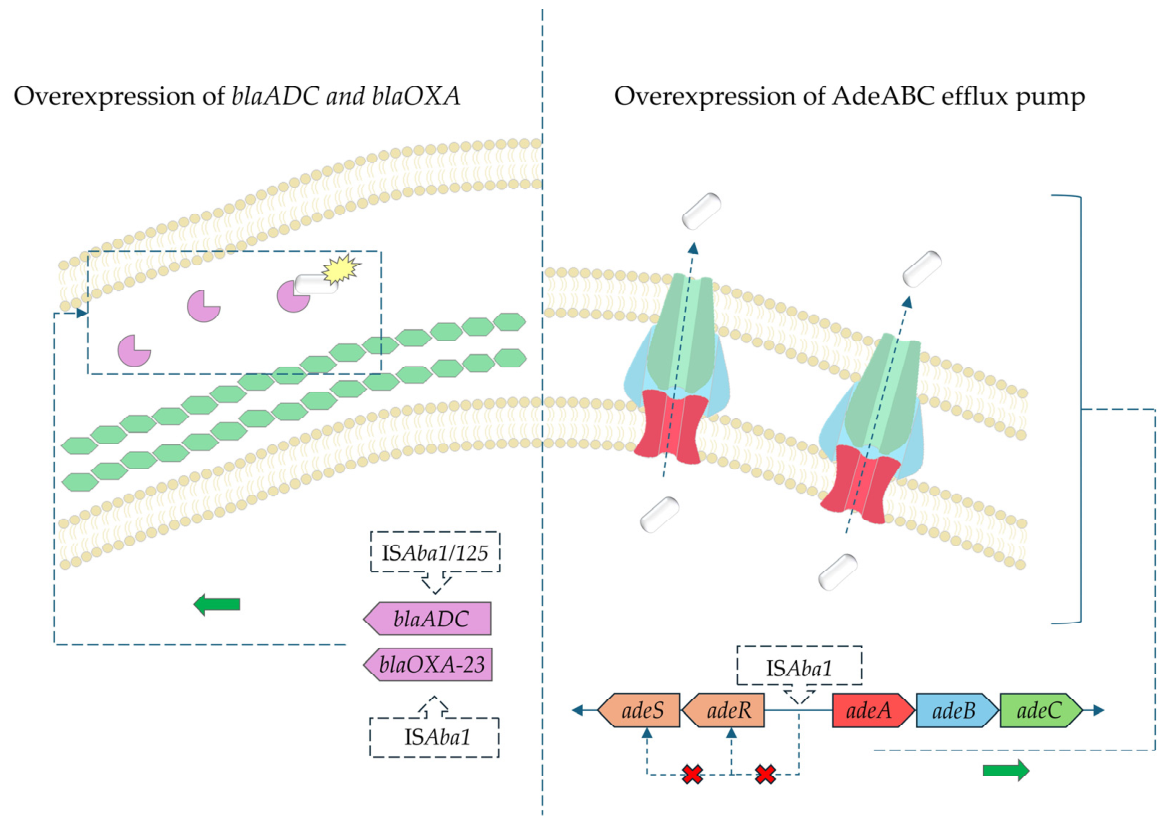
Mobile genetic elements (MGEs) play a critical role in the dissemination and regulation of antimicrobial resistance determinants in A. baumannii, including those affecting susceptibility to SBT-DBT and other antibiotics [67,88]. Insertion sequences such as ISAba1 and ISAba125 are of particular importance, as they can act as promoter elements that enhance the expression of β-lactamase genes when located upstream, including blaADC, blaOXA-23, blaOXA-51, blaOXA-58, and blaNDM-1. This leads to overexpression of these enzymes, increased β-lactam hydrolysis, and consequently elevated MIC values, potentially reducing the efficacy of SBT-DBT [68,76,89]. ISAba125 has also been shown to provide promoter sequences driving the expression of β-lactamase genes, including blaNDM-1 [90,91]. MGEs also contribute to resistance indirectly by modulating efflux pump expression. For instance, insertion of ISAba1 within regulatory regions such as adeRS has been associated with overexpression of the AdeABC efflux system, leading to decreased susceptibility to multiple antibiotics [92,93]. Given the role of RND efflux pumps in reducing intracellular concentrations of SBT-DBT, such regulatory disruptions may further compromise treatment efficacy [67,68]. The summary of the possible impact of ISAba1/125 on development of SBT-DBT resistance among A. baumannii is depicted on Figure 3.
In addition to regulatory effects, MGEs facilitate horizontal gene transfer of resistance determinants. Transposon Tn125, typically associated with blaNDM-1, has been identified in both chromosomal and plasmid contexts. In plasmids such as IncX3, blaNDM-1 is often found within truncated or remnant forms of Tn125, reflecting its role in gene mobilization. These elements are often located on conjugative plasmids (e.g., IncX3), enabling rapid dissemination across bacterial populations and promoting extensively drug-resistant phenotypes [94,95,96]. Overall, MGEs contribute to SBT-DBT resistance through a combination of gene mobilization, transcriptional upregulation of resistance determinants, and indirect modulation of efflux systems, highlighting their central role in the evolution and spread of MDR in A. baumannii.

6. Material and Methods

A literature search was conducted using PubMed, Scopus, and Web of Science databases up to March 2026. Keywords included ‘sulbactam’, ‘durlobactam’, ‘ETX2514’, and ‘Acinetobacter baumannii’. Only English-language articles were included. Clinical trials, in vitro studies, and relevant reviews were considered. Studies were selected based on relevance, recency, and methodological quality. A total of 96 articles were included in the final analysis. Table 1 summarizes the ATTACK clinical trial end-points. Table 2 stands for MIC values of SBT-DBT against selected clinical isolates tested in in vitro studies. Table 3 presents a summary of the percentage susceptibility of the tested A. baumannii isolates to SBT-DBT. Table 4 describes the ability of SBT-DBT to inhibit various β-lactamases according to Ambler. Table 5 summarizes the novel BL/BLI combinations. Figure 1 and Figure 2 present two-dimensional structures of SBT and DBT, respectively. Figure 3 depicts the scheme of ISAba1/125 sequences’ influence in development of SBT-DBT resistance among A. baumannii.

7. Conclusions

The increasing prevalence of antimicrobial resistance among GNB is a major global health challenge and continues to drive the development of novel therapeutic strategies. Within the β-lactam class, recent advances include the introduction of siderophore cephalosporins, such as cefiderocol, and next-generation β-lactamase inhibitors based on non-β-lactam scaffolds, including diazabicyclooctane and boronic acid derivatives. SBT-DBT represents a unique combination of a well-established agent with a novel β-lactamase inhibitor, demonstrating significant activity against the Acinetobacter baumannii–calcoaceticus complex. Clinical evidence, including the phase 3 ATTACK trial, indicates non-inferior efficacy compared to colistin, with a substantially improved safety profile, particularly in terms of nephrotoxicity. However, emerging resistance, particularly associated with PBP3 mutations and MBL production, remains a concern. Novel BL/BLI combinations represent one of the most important directions in the development of therapies against MDR GNB, particularly in response to the increasing prevalence of carbapenemase-producing pathogens. Currently investigated BL/BLI combinations aim to expand activity against metallo-β-lactamase-producing strains while providing more effective and accessible therapeutic options for the treatment of MDR/XDR infections (Table 5).
Nevertheless, SBT–DBT represents one of the most promising targeted therapies against CRAB infections currently available. Therefore, continued surveillance and optimization of therapeutic strategies remain essential. While further development of β-lactam-based therapies is expected, the growing complexity of resistance highlights the need for novel approaches targeting alternative bacterial pathways. However, the clinical utility of such strategies remains to be confirmed in well-designed in vivo studies.

Author Contributions

Conceptualization, S.V. and A.D.-M.; methodology, software, S.V. and P.L.; validation, A.D.-M.; investigation, S.V., P.L., P.N. and A.D.-M.; resources, S.V., P.L. and A.D.-M.; data curation, S.V., P.L. and A.D.-M.; writing—original draft preparation S.V., P.L., P.N. and A.D.-M.; writing—review and editing, S.V. and A.D.-M.; visualization, S.V. and P.L.; supervision, A.D.-M.; project administration, S.V. and A.D.-M.; funding acquisition, A.D.-M. All authors have read and agreed to the published version of the manuscript.

Funding

This research received no external funding.

Institutional Review Board Statement

Not applicable.

Informed Consent Statement

Not applicable.

Data Availability Statement

No new data were created or analyzed in this study.

Conflicts of Interest

The authors declare no conflicts of interest.

References

  1. Assefa, M. Multi-Drug Resistant Gram-Negative Bacterial Pneumonia: Etiology, Risk Factors, and Drug Resistance Patterns. Pneumonia 2022, 14, 4. [Google Scholar] [CrossRef] [Scilit] [PubMed]
  2. Torres, A.; Niederman, M.S.; Chastre, J.; Ewig, S.; Fernandez-Vandellos, P.; Hanberger, H.; Kollef, M.; Bassi, G.L.; Luna, C.M.; Martin-Loeches, I.; et al. International ERS/ESICM/ESCMID/ALAT Guidelines for the Management of Hospital-Acquired Pneumonia and Ventilator-Associated Pneumonia. Eur. Respir. J. 2017, 50, 1700582. [Google Scholar] [CrossRef] [Scilit]
  3. Kalil, A.C.; Metersky, M.L.; Klompas, M.; Muscedere, J.; Sweeney, D.A.; Palmer, L.B.; Napolitano, L.M.; O’Grady, N.P.; Bartlett, J.G.; Carratalà, J.; et al. Management of Adults with Hospital-Acquired and Ventilator-Associated Pneumonia: 2016 Clinical Practice Guidelines by the Infectious Diseases Society of America and the American Thoracic Society. Clin. Infect. Dis. 2016, 63, e61–e111. [Google Scholar] [CrossRef] [Scilit]
  4. Murray, C.J.; Ikuta, K.S.; Sharara, F.; Swetschinski, L.; Robles Aguilar, G.; Gray, A.; Han, C.; Bisignano, C.; Rao, P.; Wool, E.; et al. Global Burden of Bacterial Antimicrobial Resistance in 2019: A Systematic Analysis. Lancet 2022, 399, 629–655. [Google Scholar] [CrossRef] [Scilit]
  5. Peleg, A.Y.; Seifert, H.; Paterson, D.L. Acinetobacter baumannii: Emergence of a Successful Pathogen. Clin. Microbiol. Rev. 2008, 21, 538–582. [Google Scholar] [CrossRef] [Scilit]
  6. Mohd Sazlly Lim, S.; Zainal Abidin, A.; Liew, S.M.; Roberts, J.A.; Sime, F.B. The Global Prevalence of Multidrug-Resistance Among Acinetobacter baumannii Causing Hospital-Acquired and Ventilator-Associated Pneumonia and Its Associated Mortality: A Systematic Review and Meta-Analysis. J. Infect. 2019, 79, 593–600. [Google Scholar] [CrossRef] [Scilit]
  7. Geladari, A.; Kouroupis, D.; Vafeidou, K.; Liakos, V.; Magoudi, M.; Papathanasiou, A.-I.; Iosifidis, E.; Roilides, E.; Antachopoulos, C.; Pyrpasopoulou, A. Treating Extensively Drug-Resistant Acinetobacter baumannii: Considerations for Host Characteristics and Type of Infections. Pathogens 2026, 15, 81. [Google Scholar] [CrossRef] [Scilit] [PubMed]
  8. Manchanda, V.; Sanchaita, S.; Singh, N. Multidrug Resistant Acinetobacter. J. Glob. Infect. Dis. 2010, 2, 291. [Google Scholar] [CrossRef] [Scilit]
  9. Diop, M.; Guitoula, C.; Tamouh, A.G.; Youbong, T.; Daffé, S.M.M.; Ndoye, M.; Gueye, M.W.; Wone, F.; Ngom, M.; Seck, M.; et al. Prevalence of Bacterial Infections and Factors Associated with Death Related to These Infections in Two Medical Departments of a Tertiary Hospital in Dakar, Senegal. IJID Reg. 2025, 15, 100623. [Google Scholar] [CrossRef] [Scilit]
  10. Wong, D.; Nielsen, T.B.; Bonomo, R.A.; Pantapalangkoor, P.; Luna, B.; Spellberg, B. Clinical and pathophysiological overview of Acinetobacter infections: A century of challenges. Clin. Microbiol. Rev. 2017, 30, 409–447. [Google Scholar] [CrossRef] [Scilit] [PubMed]
  11. Prioritization of Pathogens to Guide Discovery, Research and Development of New Antibiotics for Drug-Resistant Bacterial Infections, Including Tuberculosis. Available online: https://www.who.int/publications/i/item/WHO-EMP-IAU-2017.12 (accessed on 12 May 2025).
  12. Golli, A.L.; Zlatian, O.M.; Popa, S.G.; Turcu, F.L.; Balasoiu, A.T. Trends in the Antimicrobial Resistance Pattern of Bacterial Gram-Negative Pathogens in Elderly Patients Admitted to the Intensive Care Unit. Microorganisms 2025, 13, 2330. [Google Scholar] [CrossRef] [Scilit]
  13. Khalil, K.; Alsultan, M.; Daher, N. Microbial Profile and Antimicrobial Resistance Patterns in Ventilator-Associated Pneumonia (VAP): A Cross-Sectional Study from Syria. J. Postgr. Med. 2025, 71, 7–14. [Google Scholar] [CrossRef] [Scilit]
  14. Qin, J.; Feng, Y.; Yang, Y.; Mcnally, A.; Zong, Z. OmpK35 and OmpK36 Deficiencies Driving High-Level Carbapenem Resistance in ST11 Klebsiella Pneumoniae. J. Infect. Dis. 2026, 233, S64–S71. [Google Scholar] [CrossRef] [Scilit] [PubMed]
  15. Clancy, C.J.; Chen, L.; Hong, J.H.; Cheng, S.; Hao, B.; Shields, R.K.; Farrell, A.N.; Doi, Y.; Zhao, Y.; Perlin, D.S.; et al. Mutations of the OmpK36 Porin Gene and Promoter Impact Responses of Sequence Type 258, KPC-2-Producing Klebsiella Pneumoniae Strains to Doripenem and Doripenem-Colistin. Antimicrob. Agents Chemother. 2013, 57, 5258–5265. [Google Scholar] [CrossRef] [Scilit] [PubMed]
  16. Amisano, F.; Mercuri, P.; Fanara, S.; Verlaine, O.; Motte, P.; Frère, J.M.; Hanikenne, M.; Galleni, M. Outer Membrane Permeability of Pseudomonas Aeruginosa through β-Lactams: New Evidence on the Role of OprD and OpdP Porins in Antibiotic Resistance. Microbiol. Spectr. 2025, 13, e0049524. [Google Scholar] [CrossRef] [Scilit]
  17. Wieczorek, P.; Sacha, P.; Hauschild, T.; Zórawski, M.; Krawczyk, M.; Tryniszewska, E. Multidrug Resistant Acinetobacter baumannii—The Role of AdeABC (RND Family) Efflux Pump in Resistance to Antibiotics. Folia Histochem. Cytobiol. 2008, 46, 257–267. [Google Scholar] [CrossRef] [Scilit]
  18. Choquet, M.; Lohou, E.; Pair, E.; Sonnet, P. Efflux Pump Overexpression Profiling in Acinetobacter baumannii and Study of New 1-(1-Naphthylmethyl)-Piperazine Analogs as Potential Efflux Inhibitors. Antimicrob. Agents Chemother. 2021, 65. [Google Scholar] [CrossRef] [Scilit]
  19. Pan, Y.-P.; Xu, Y.-H.; Wang, Z.-X.; Fang, Y.-P.; Shen, J.-L. Overexpression of MexAB-OprM Efflux Pump in Carbapenem-Resistant Pseudomonas Aeruginosa. Arch. Microbiol. 2016, 198, 565–571. [Google Scholar] [CrossRef] [Scilit] [PubMed]
  20. Llanes, C.; Hocquet, D.; Vogne, C.; Benali-Baitich, D.; Neuwirth, C.; Plésiat, P. Clinical Strains of Pseudomonas Aeruginosa Overproducing MexAB-OprM and MexXY Efflux Pumps Simultaneously. Antimicrob. Agents Chemother. 2004, 48, 1797–1802. [Google Scholar] [CrossRef] [Scilit] [PubMed]
  21. Toth, M.; Lee, M.; Stewart, N.K.; Vakulenko, S.B. Effects of Inactivation of D,D-Transpeptidases of Acinetobacter baumannii on Bacterial Growth and Susceptibility to β-Lactam Antibiotics. Antimicrob. Agents Chemother. 2022, 66, e0172921. [Google Scholar] [CrossRef] [Scilit]
  22. Cayô, R.; Rodríguez, M.C.; Espinal, P.; Fernández-Cuenca, F.; Ocampo-Sosa, A.A.; Pascual, Á.; Ayala, J.A.; Vila, J.; Martínez-Martínez, L. Analysis of Genes Encoding Penicillin-Binding Proteins in Clinical Isolates of Acinetobacter baumannii. Antimicrob. Agents Chemother. 2011, 55, 5907–5913. [Google Scholar] [CrossRef] [Scilit]
  23. Hall, C.W.; Mah, T.F. Molecular Mechanisms of Biofilm-Based Antibiotic Resistance and Tolerance in Pathogenic Bacteria. FEMS Microbiol. Rev. 2017, 41, 276–301. [Google Scholar] [CrossRef] [Scilit]
  24. Combined Resistance to Multiple Antibiotics: A Growing Problem in the EU. Available online: https://www.ecdc.europa.eu/en/news-events/combined-resistance-multiple-antibiotics-growing-problem-eu (accessed on 12 May 2025).
  25. Blair, J.M.A.; Webber, M.A.; Baylay, A.J.; Ogbolu, D.O.; Piddock, L.J.V. Molecular Mechanisms of Antibiotic Resistance. Nat. Rev. Microbiol. 2015, 13, 42–51. [Google Scholar] [CrossRef] [Scilit]
  26. Worthington, R.J.; Melander, C. Combination Approaches to Combat Multi-Drug Resistant Bacteria. Trends Biotechnol. 2013, 31, 177–184. [Google Scholar] [CrossRef] [Scilit] [PubMed]
  27. Tamma, P.D.; Cosgrove, S.E.; Maragakis, L.L. Combination Therapy for Treatment of Infections with Gram-Negative Bacteria. Clin. Microbiol. Rev. 2012, 25, 450–470. [Google Scholar] [CrossRef] [Scilit] [PubMed]
  28. Upadhyay, A.; Pal, D.; Kumar, A. Combinatorial Therapeutic Enzymes to Combat Multidrug Resistance in Bacteria. Life Sci. 2024, 353, 122920. [Google Scholar] [CrossRef] [Scilit] [PubMed]
  29. Bush, K.; Jacoby, G.A. Updated Functional Classification of β-Lactamases. Antimicrob. Agents Chemother. 2010, 54, 969–976. [Google Scholar] [CrossRef] [Scilit]
  30. Drawz, S.M.; Bonomo, R.A. Three Decades of β-Lactamase Inhibitors. Clin. Microbiol. Rev. 2010, 23, 160–201. [Google Scholar] [CrossRef] [Scilit] [PubMed]
  31. Mora-Ochomogo, M.; Lohans, C.T. β-Lactam Antibiotic Targets and Resistance Mechanisms: From Covalent Inhibitors to Substrates. RSC Med. Chem. 2021, 12, 1623–1639. [Google Scholar] [CrossRef] [Scilit]
  32. Pandey, N.; Cascella, M. Beta-Lactam Antibiotics; StatPearls Publishing: Treasure Island, FL, USA, 2026. Available online: https://www.ncbi.nlm.nih.gov/books/NBK545311/ (accessed on 12 May 2025).
  33. Shirley, M. Ceftazidime-Avibactam: A Review in the Treatment of Serious Gram-Negative Bacterial Infections. Drugs 2018, 78, 675–692. [Google Scholar] [CrossRef] [Scilit]
  34. Dhillon, S. Meropenem/Vaborbactam: A Review in Complicated Urinary Tract Infections. Drugs 2018, 78, 1259–1270. [Google Scholar] [CrossRef] [Scilit]
  35. Duda-Madej, A.; Viscardi, S.; Topola, E. Meropenem/Vaborbactam: β-Lactam/β-Lactamase Inhibitor Combination, the Future in Eradicating Multidrug Resistance. Antibiotics 2023, 12, 1612. [Google Scholar] [CrossRef] [Scilit]
  36. Marino, A.; Pipitone, G.; Venanzi Rullo, E.; Cosentino, F.; Ippolito, R.; Costa, R.; Bagarello, S.; Russotto, Y.; Iaria, C.; Cacopardo, B.; et al. Restoring Control: Real-World Success with Imipenem–Relebactam in Critical MDR Infections—A Multicenter Observational Study. Pathogens 2025, 14, 685. [Google Scholar] [CrossRef] [Scilit] [PubMed]
  37. Motsch, J.; De Oliveira, C.U.M.; Stus, V.; Kö Ksal, I.; Lyulko, O.; Boucher, H.W.; Kaye, K.S.; File, T.M.; Brown, M.L.; Khan, I.; et al. RESTORE-IMI 1: A Multicenter, Randomized, Doubleblind Trial Comparing Efficacy and Safety of Imipenem/Relebactam vs. Colistin Plus Imipenem in Patients with Imipenem-Nonsusceptible Bacterial Infections. Clin. Infect. Dis. 2020, 70, 1799–1808. [Google Scholar] [CrossRef] [Scilit] [PubMed]
  38. Viscardi, S.; Topola, E.; Sobieraj, J.; Duda-Madej, A. Novel Siderophore Cephalosporin and Combinations of Cephalosporins with β-Lactamase Inhibitors as an Advancement in Treatment of Ventilator-Associated Pneumonia. Antibiotics 2024, 13, 445. [Google Scholar] [CrossRef] [Scilit]
  39. Papp-Wallace, K.M.; Mack, A.R.; Taracila, M.A.; Bonomo, R.A. Resistance to Novel β-Lactam-β-Lactamase Inhibitor Combinations: The “Price of Progress”. Infect. Dis. Clin. North Am. 2020, 34, 773–819. [Google Scholar] [CrossRef] [Scilit] [PubMed] [PubMed Central]
  40. Maraki, S.; Mavromanolaki, V.E.; Moraitis, P.; Stafylaki, D.; Kasimati, A.; Magkafouraki, E.; Scoulica, E. Ceftazidime-avibactam, meropenen-vaborbactam, and imipenem-relebactam in combination with aztreonam against multidrug-resistant, metallo-β-lactamase-producing Klebsiella pneumoniae. Eur. J. Clin. Microbiol. Infect. Dis. 2021, 40, 1755–1759. [Google Scholar] [CrossRef] [Scilit] [PubMed]
  41. Shapiro, A.B.; Moussa, S.H.; McLeod, S.M.; Durand-Réville, T.; Miller, A.A. Durlobactam, a New Diazabicyclooctane β-Lactamase Inhibitor for the Treatment of Acinetobacter Infections in Combination with Sulbactam. Front. Microbiol. 2021, 12, 709974. [Google Scholar] [CrossRef] [Scilit] [PubMed]
  42. Kabbara, W.K.; Sadek, E.; Mansour, H. Sulbactam–Durlobactam: A Novel Antibiotic Combination for the Treatment of Acinetobacter baumannii-calcoaceticus Complex (ABC) Hospital-Acquired Bacterial Pneumonia and Ventilator-Associated Bacterial Pneumonia. Can. J. Infect. Dis. Med. Microbiol. 2025, 2025, 2001136. [Google Scholar] [CrossRef] [Scilit]
  43. Penwell, W.F.; Shapiro, A.B.; Giacobbe, R.A.; Gu, R.F.; Gao, N.; Thresher, J.; McLaughlin, R.E.; Huband, M.D.; DeJonge, B.L.M.; Ehmann, D.E.; et al. Molecular Mechanisms of Sulbactam Antibacterial Activity and Resistance Determinants in Acinetobacter baumannii. Antimicrob. Agents Chemother. 2015, 59, 1680–1689. [Google Scholar] [CrossRef] [Scilit]
  44. Granata, G.; Taglietti, F.; Schiavone, F.; Petrosillo, N. Durlobactam in the Treatment of Multidrug-Resistant Acinetobacter baumannii Infections: A Systematic Review. J. Clin. Med. 2022, 11, 3258. [Google Scholar] [CrossRef] [Scilit]
  45. Falagas, M.E.; Romanos, L.T.; Ragias, D.; Filippou, C. Resistance of Acinetobacter baumannii Complex Clinical Isolates to Sulbactam–Durlobactam: A Systematic Review of Data from In Vitro Studies. Pathogens 2025, 14, 1062. [Google Scholar] [CrossRef] [Scilit]
  46. Sulbaktam|C8H11NO5S|CID 130313—PubChem. Available online: https://pubchem.ncbi.nlm.nih.gov/compound/130313#section=pharmacology-and-biochemistry (accessed on 16 March 2025).
  47. Zhang, S.; Di, L.; Qi, Y.; Qian, X.; Wang, S. Treatment of Infections Caused by Carbapenem-Resistant Acinetobacter baumannii. Front. Cell. Infect. Microbiol. 2024, 14, 1395260. [Google Scholar] [CrossRef] [Scilit]
  48. Adnan, S.; Paterson, D.L.; Lipman, J.; Roberts, J.A. Ampicillin/Sulbactam: Its Potential Use in Treating Infections in Critically Ill Patients. Int. J. Antimicrob. Agents 2013, 42, 384–389. [Google Scholar] [CrossRef] [Scilit]
  49. Durlobactam|C8H11N3O6S|CID 89851852—PubChem. Available online: https://pubchem.ncbi.nlm.nih.gov/compound/89851852 (accessed on 16 March 2025).
  50. Keam, S.J. Sulbactam/Durlobactam: First Approval. Drugs 2023, 83, 1245–1252. [Google Scholar] [CrossRef] [Scilit] [PubMed]
  51. Barnes, M.D.; Kumar, V.; Bethel, C.R.; Moussa, S.H.; O’donnell, J.; Rutter, J.D.; Good, C.E.; Hujer, K.M.; Hujer, A.M.; Marshall, S.H.; et al. Targeting Multidrug-Resistant Acinetobacter spp.: Sulbactam and the Diazabicyclooctenone β-Lactamase Inhibitor ETX2514 as a Novel Therapeutic Agent. MBio 2019, 10, e00159-19. [Google Scholar] [CrossRef] [Scilit]
  52. Shapiro, A.B.; Gao, N.; Jahić, H.; Carter, N.M.; Chen, A.; Miller, A.A. Reversibility of Covalent, Broad-Spectrum Serine β-Lactamase Inhibition by the Diazabicyclooctenone ETX2514. ACS Infect. Dis. 2017, 3, 833–844. [Google Scholar] [CrossRef] [Scilit]
  53. FDA Approves New Treatment for Pneumonia Caused by Certain Difficult-to-Treat Bacteria|FDA. Available online: https://www.fda.gov/news-events/press-announcements/fda-approves-new-treatment-pneumonia-caused-certain-difficult-treat-bacteria (accessed on 20 March 2025).
  54. O’Donnell, J.; Preston, R.A.; Mamikonyan, G.; Stone, E.; Isaacs, R. Pharmacokinetics, Safety, and Tolerability of Intravenous Durlobactam and Sulbactam in Subjects with Renal Impairment and Healthy Matched Control Subjects. Antimicrob. Agents Chemother. 2019, 63, e00794-19. [Google Scholar] [CrossRef] [Scilit] [PubMed]
  55. Updated Information: 17 April 2023: Meeting of the Antimicrobial Drugs Advisory Committee Meeting Announcement—04/17/2023|FDA. Available online: https://www.fda.gov/advisory-committees/advisory-committee-calendar/updated-information-april-17-2023-meeting-antimicrobial-drugs-advisory-committee-meeting (accessed on 23 March 2025).
  56. Kaye, K.S.; Shorr, A.F.; Wunderink, R.G.; Du, B.; Poirier, G.E.; Rana, K.; Miller, A.; Lewis, D.; O’Donnell, J.; Chen, L.; et al. Efficacy and Safety of Sulbactam–Durlobactam Versus Colistin for the Treatment of Patients with Serious Infections Caused by Acinetobacter baumannii-calcoaceticus Complex: A Multicentre, Randomised, Active-Controlled, Phase 3, Non-Inferiority Clinical Trial (ATTACK). Lancet Infect. Dis. 2023, 23, 1072–1084. [Google Scholar] [CrossRef] [Scilit] [PubMed]
  57. Beninger, P. Sulbactam/Durlobactam. Clin. Ther. 2024, 46, 82–83. [Google Scholar] [CrossRef] [Scilit]
  58. O’Donnell, J.P.; Bhavnani, S.M. The Pharmacokinetics/Pharmacodynamic Relationship of Durlobactam in Combination with Sulbactam in In Vitro and In Vivo Infection Model Systems Versus Acinetobacter baumannii-calcoaceticus Complex. Clin. Infect. Dis. 2023, 76, S202. [Google Scholar] [CrossRef] [Scilit]
  59. Sulbactam and Durlobactam. Available online: https://www.ncbi.nlm.nih.gov/books/NBK594290/ (accessed on 22 March 2025).
  60. El-Ghali, A.; Kunz Coyne, A.J.; Caniff, K.; Bleick, C.; Rybak, M.J. Sulbactam-Durlobactam: A Novel β-Lactam-β-Lactamase Inhibitor Combination Targeting Carbapenem-Resistant Acinetobacter baumannii Infections. Pharmacother. J. Hum. Pharmacol. Drug Ther. 2023, 43, 502–513. [Google Scholar] [CrossRef] [Scilit]
  61. Sagan, O.; Yakubsevitch, R.; Yanev, K.; Fomkin, R.; Stone, E.; Hines, D.; O’Donnell, J.; Miller, A.; Isaacs, R.; Srinivasan, S. Pharmacokinetics and Tolerability of Intravenous Sulbactam-Durlobactam with Imipenem-Cilastatin in Hospitalized Adults with Complicated Urinary Tract Infections, Including Acute Pyelonephritis. Antimicrob. Agents Chemother. 2020, 64. [Google Scholar] [CrossRef] [Scilit]
  62. Karlowsky, J.A.; Hackel, M.A.; McLeod, S.M.; Miller, A.A. In Vitro Activity of Sulbactam-Durlobactam Against Global Isolates of Acinetobacter baumannii-calcoaceticus Complex Collected from 2016 to 2021. Antimicrob. Agents Chemother. 2022, 66, e0078122. [Google Scholar] [CrossRef] [Scilit]
  63. Yang, Q.; Xu, Y.; Jia, P.; Zhu, Y.; Zhang, J.; Zhang, G.; Deng, J.; Hackel, M.; Bradford, P.A.; Reinhart, H. In Vitro Activity of Sulbactam/Durlobactam Against Clinical Isolates of Acinetobacter baumannii Collected in China. J. Antimicrob. Chemother. 2020, 75, 1833–1839. [Google Scholar] [CrossRef] [Scilit]
  64. Xu, Q.; Liu, X.; Liu, H.; Yang, S.; Lei, T.; Hua, X.; Yu, Y. In Vitro Activity and Resistance Mechanisms of Sulbactam/Durlobactam Against Acinetobacter baumannii Clinical Isolates in China (2019–2020). Clin. Microbiol. Infect. 2026, 32, 102–109. [Google Scholar] [CrossRef] [Scilit]
  65. Koch, R.E.; Barth, J.; Clark, A.E.; Desai, D.; Kim, J.; Pybus, C.A.; Zhan, X.; Leibovici, L.; Yahav, D.; Greenberg, D.E. Antibiotic Resistance Genotype, Phenotype, and Clinical Outcomes in Patients with Gram-Negative Infections at Rabin Medical Center in Israel. Microbiol. Spectr. 2025, 13, e0038324. [Google Scholar] [CrossRef] [Scilit]
  66. Santerre Henriksen, A.; Jeannot, K.; Oliver, A.; Perry, J.D.; Pletz, M.W.; Stefani, S.; Morrissey, I.; Longshaw, C.; Willinger, B.; Leyssene, D.; et al. In Vitro Activity of Cefiderocol Against European Pseudomonas aeruginosa and Acinetobacter spp., Including Isolates Resistant to Meropenem and Recent β-Lactam/β-Lactamase Inhibitor Combinations. Microbiol. Spectr. 2024, 12, e0383623. [Google Scholar] [CrossRef] [Scilit]
  67. McLeod, S.M.; Moussa, S.H.; Hackel, M.A.; Miller, A.A. In Vitro Activity of Sulbactam-Durlobactam Against Acinetobacter baumannii-calcoaceticus Complex Isolates Collected Globally in 2016 and 2017. Antimicrob. Agents Chemother. 2020, 64. [Google Scholar] [CrossRef] [Scilit]
  68. Segatore, B.; Piccirilli, A.; Cherubini, S.; Principe, L.; Alloggia, G.; Mezzatesta, M.L.; Salmeri, M.; Di Bella, S.; Migliavacca, R.; Piazza, A.; et al. In Vitro Activity of Sulbactam–Durlobactam Against Carbapenem-Resistant Acinetobacter baumannii Clinical Isolates: A Multicentre Report from Italy. Antibiotics 2022, 11, 1136. [Google Scholar] [CrossRef] [Scilit]
  69. Petropoulou, D.; Siopi, M.; Vourli, S.; Pournaras, S. Activity of Sulbactam-Durlobactam and Comparators Against a National Collection of Carbapenem-Resistant Acinetobacter baumannii Isolates from Greece. Front. Cell. Infect. Microbiol. 2022, 11, 814530. [Google Scholar] [CrossRef] [Scilit]
  70. Le Terrier, C.; Freire, S.; Nordmann, P.; Poirel, L. Multidrug-Resistant Gram-Negative Clinical Isolates with Reduced Susceptibility/Resistance to Cefiderocol: Which Are the Best Present and Future Therapeutic Alternatives? Eur. J. Clin. Microbiol. Infect. Dis. 2024, 43, 339–354. [Google Scholar] [CrossRef] [Scilit]
  71. Seifert, H.; Müller, C.; Stefanik, D.; Higgins, P.G.; Miller, A.; Kresken, M. In Vitro Activity of Sulbactam/Durlobactam Against Global Isolates of Carbapenem-Resistant Acinetobacter baumannii. J. Antimicrob. Chemother. 2020, 75, 2616–2621. [Google Scholar] [CrossRef] [Scilit] [PubMed]
  72. Durand-Réville, T.F.; Guler, S.; Comita-Prevoir, J.; Chen, B.; Bifulco, N.; Huynh, H.; Lahiri, S.; Shapiro, A.B.; McLeod, S.M.; Carter, N.M.; et al. ETX2514 Is a Broad-Spectrum β-Lactamase Inhibitor for the Treatment of Drug-Resistant Gram-Negative Bacteria Including Acinetobacter baumannii. Nat. Microbiol. 2017, 2, 17104. [Google Scholar] [CrossRef] [Scilit]
  73. Fouad, A.; Nicolau, D.P.; Gill, C.M. In Vitro Synergy of the Combination of Sulbactam-Durlobactam and Cefepime at Clinically Relevant Concentrations Against A. baumannii, P. aeruginosa and Enterobacterales. J. Antimicrob. Chemother. 2023, 78, 2801–2809. [Google Scholar] [CrossRef] [Scilit]
  74. Palavecino, E.L.; Kilic, A. In Vitro Activity of Cefiderocol and Sulbactam–Durlobactam Against Carbapenem-Resistant Acinetobacter baumannii Clinical Isolates Collected Between 2019 and 2024. Infect. Dis. 2026, 58, 243–248. [Google Scholar] [CrossRef] [Scilit]
  75. Dorazio, A.J.; Kline, E.G.; Squires, K.M.; Griffith, M.P.; Doi, Y.; Shields, R.K. Comparative In Vitro Activity of Sulbactam with Avibactam or Durlobactam Against Carbapenem-Resistant Acinetobacter baumannii. JAC-Antimicrob. Resist. 2025, 7, dlaf098. [Google Scholar] [CrossRef] [Scilit] [PubMed]
  76. Findlay, J.; Poirel, L.; Bouvier, M.; Nordmann, P. In Vitro Activity of Sulbactam-Durlobactam Against Carbapenem-Resistant Acinetobacter Baumannii and Mechanisms of Resistance. J. Glob. Antimicrob. Resist. 2022, 30, 445–450. [Google Scholar] [CrossRef] [Scilit]
  77. O’Donnell, J.; Tanudra, A.; Chen, A.; Miller, A.A.; McLeod, S.M.; Tommasi, R. In Vitro Pharmacokinetics/Pharmacodynamics of the β-Lactamase Inhibitor, Durlobactam, in Combination with Sulbactam Against Acinetobacter baumannii-calcoaceticus Complex. Antimicrob. Agents Chemother. 2024, 68, e0031223. [Google Scholar] [CrossRef] [Scilit]
  78. Iovleva, A.; McElheny, C.L.; Fowler, E.L.; Cober, E.; Herc, E.S.; Arias, C.A.; Hill, C.; Baum, K.; Fowler, V.G.; Chambers, H.F.; et al. In Vitro Activity of Sulbactam-Durlobactam Against Colistin-Resistant and/or Cefiderocol-Non-Susceptible, Carbapenem-Resistant Acinetobacter baumannii Collected in U.S. Hospitals. Antimicrob. Agents Chemother. 2024, 68, e0125823. [Google Scholar] [CrossRef] [Scilit] [PubMed]
  79. McLeod, S.M.; Carter, N.M.; Bradford, P.A.; Miller, A.A. In Vitro Antibacterial Activity of Sulbactam-Durlobactam in Combination with Other Antimicrobial Agents Against Acinetobacter baumannii-calcoaceticus Complex. Diagn. Microbiol. Infect. Dis. 2024, 109, 116344. [Google Scholar] [CrossRef] [Scilit] [PubMed]
  80. Tiseo, G.; Giordano, C.; Leonildi, A.; Riccardi, N.; Galfo, V.; Limongi, F.; Nicastro, M.; Barnini, S.; Falcone, M. Salvage Therapy with Sulbactam/Durlobactam Against Cefiderocol-Resistant Acinetobacter baumannii in a Critically Ill Burn Patient: Clinical Challenges and Molecular Characterization. JAC-Antimicrob. Resist. 2023, 5, dlad078. [Google Scholar] [CrossRef] [Scilit] [PubMed]
  81. VanNatta, M.; Grier, L.; Khan, M.H.; Pinargote Cornejo, P.; Alam, M.; Moussa, S.H.; Smith, J.G.; Aitken, S.L.; Malek, A.E. In Vivo Emergence of Pandrug-Resistant Acinetobacter baumannii Strain: Comprehensive Resistance Characterization and Compassionate Use of Sulbactam-Durlobactam. Open Forum Infect. Dis. 2023, 10, ofad504. [Google Scholar] [CrossRef] [Scilit]
  82. Snowdin, J.W.; Mercuro, N.J.; Madaio, M.P.; Rawlings, S.A. Case Report: Successful Treatment of OXA-23 Acinetobacter baumannii Neurosurgical Infection and Meningitis with Sulbactam-Durlobactam Combination Therapy. Front. Med. 2024, 11, 1381123. [Google Scholar] [CrossRef] [Scilit]
  83. Xiong, H.-F.; Zhang, W.-T.; Liu, Y.; Hou, F.; Liu, B.; Cui, T.-T.; He, Z.-Y.; Zhang, X.; Zhao, R.; Sun, L.-Y. Successful Use of Sulbactam–Durlobactam in Treating Carbapenem-Resistant Acinetobacter baumannii Pneumonia and Sepsis After Liver Transplantation: A Case Report. Am. J. Case Rep. 2026, 27, e949738. [Google Scholar] [CrossRef] [Scilit]
  84. Miller, A.A.; Moussa, S.H.; McLeod, S.M. Characterization of Acinetobacter baumannii-calcoaceticus Complex Isolates and Microbiological Outcome for Patients Treated with Sulbactam-Durlobactam in a Phase 3 Trial (ATTACK). Antimicrob. Agents Chemother. 2024, 68, e0169823. [Google Scholar] [CrossRef] [Scilit]
  85. Moussa, S.H.; Shapiro, A.B.; McLeod, S.M.; Iyer, R.; Carter, N.M.; Tsai, Y.-K.; Siu, L.K.; Miller, A.A. Molecular Drivers of Resistance to Sulbactam-Durlobactam in Contemporary Clinical Isolates of Acinetobacter baumannii. Antimicrob. Agents Chemother. 2023, 67, e0066523. [Google Scholar] [CrossRef] [Scilit] [PubMed]
  86. Papp-Wallace, K.M.; McLeod, S.M.; Miller, A.A. Durlobactam, a Broad-Spectrum Serine β-Lactamase Inhibitor, Restores Sulbactam Activity Against Acinetobacter Species. Clin. Infect. Dis. 2023, 76, S194–S201. [Google Scholar] [CrossRef] [Scilit]
  87. Dulanto Chiang, A.; Dekker, J.P. Efflux Pump-Mediated Resistance to New Beta Lactam Antibiotics in Multidrug-Resistant Gram-Negative Bacteria. Commun. Med. 2024, 4, 170. [Google Scholar] [CrossRef] [Scilit]
  88. Mugnier, P.D.; Poirel, L.; Naas, T.; Nordmann, P. Worldwide Dissemination of the blaOXA-23 Carbapenemase Gene of Acinetobacter baumannii. Emerg. Infect. Dis. 2009, 16, 35–40. [Google Scholar] [CrossRef] [Scilit]
  89. Lopes, B.S.; Amyes, S.G.B. Role of ISAba1 and ISAba125 in Governing the Expression of Bla ADC in Clinically Relevant Acinetobacter baumannii Strains Resistant to Cephalosporins. J. Med. Microbiol. 2012, 61, 1103–1108. [Google Scholar] [CrossRef] [Scilit]
  90. Kumari, S.; Narendrakumar, L.; Chawla, M.; Das, S.; Koley, H.; Das, B. Investigating the Molecular Transmission Dynamics of blaNDM in Antibiotic-Selective Environments. J. Bacteriol. 2025, 207, e0013325. [Google Scholar] [CrossRef] [Scilit] [PubMed]
  91. Poirel, L.; Bonnin, R.A.; Nordmann, P. Analysis of the Resistome of a Multidrug-Resistant NDM-1-Producing Escherichia Coli Strain by High-Throughput Genome Sequencing. Antimicrob. Agents Chemother. 2011, 55, 4224–4229. [Google Scholar] [CrossRef] [Scilit]
  92. Ruzin, A.; Keeney, D.; Bradford, P.A. AdeABC Multidrug Efflux Pump Is Associated with Decreased Susceptibility to Tigecycline in Acinetobacter Calcoaceticus–Acinetobacter baumannii Complex. J. Antimicrob. Chemother. 2007, 59, 1001–1004. [Google Scholar] [CrossRef] [Scilit]
  93. Coyne, S.; Rosenfeld, N.; Lambert, T.; Courvalin, P.; Périchon, B. Overexpression of Resistance-Nodulation-Cell Division Pump AdeFGH Confers Multidrug Resistance in Acinetobacter baumannii. Antimicrob. Agents Chemother. 2010, 54, 4389–4393. [Google Scholar] [CrossRef] [Scilit]
  94. Krahn, T.; Wibberg, D.; Maus, I.; Winkler, A.; Bontron, S.; Sczyrba, A.; Nordmann, P.; Pühler, A.; Poirel, L.; Schlüter, A. Intraspecies Transfer of the Chromosomal Acinetobacter baumannii blaNDM-1 Carbapenemase Gene. Antimicrob. Agents Chemother. 2016, 60, 3032–3040. [Google Scholar] [CrossRef] [Scilit] [PubMed]
  95. Pfeifer, Y.; Wilharm, G.; Zander, E.; Wichelhaus, T.A.; Göttig, S.; Hunfeld, K.-P.; Seifert, H.; Witte, W.; Higgins, P.G. Molecular Characterization of Bla NDM-1 in an Acinetobacter baumannii Strain Isolated in Germany in 2007. J. Antimicrob. Chemother. 2011, 66, 1998–2001. [Google Scholar] [CrossRef] [Scilit]
  96. Li, Y.; Yang, Y.; Wang, Y.; Walsh, T.R.; Wang, S.; Cai, C. Molecular Characterization of BlaNDM-Harboring Plasmids Reveal Its Rapid Adaptation and Evolution in the Enterobacteriaceae. One Health Adv. 2023, 1, 30. [Google Scholar] [CrossRef] [Scilit]
Figure 1. Molecular structure of sulbactam (two-dimensional).
Antibiotics 15 00499 g001
Figure 2. Molecular structure of durlobactam (two-dimensional).
Antibiotics 15 00499 g002
Figure 3. Estimated molecular ways of SBT-DBT resistance among A. baumannii associated with insertion sequences ISAba1 and ISAba125.
Antibiotics 15 00499 g003
Table 1. Summary of ATTACK phase-3 trial end-points in randomized cohort based on Kaye et al. [56].
CategoriesSBT-DBT-
Based Regimen [%]
COL-
Based Regimen [%]
Treatment schemeSBT-DBT (1.0 + 1.0 g in 3 h
infusion every 6 h) + IMI/CIL (1.0 + 1.0 g in 1 h
infusion every 6 h)
COL (2.5 mg/kg in 0.5 h
infusion every 12 h) + IMI/CIL (1.0 + 1.0 g in 1 h
infusion every 6 h)
Primary end-point
28-DACM
(CRAB-C m-mITT)
19%32.3%
Secondary end-points
28-DACM
(CRAB-C microbiologically
evaluable analysis)
17%36%
28-DACM (ITT)21%33%
28-DACM (m-mITT)20%33%
14-DACM
(CRAB-C m-mITT)
6%19%
14-DACM (m-mITT)8%20%
Abbreviations: 14/28-DACM—14/28-day all-cause mortality, CRAB-C m-mITT—microbiologically modified intention to treat population with confirmed carbapenem-resistant A. baumannii—calcoaceticus complex infection, IMI/CIL—imipenem/cilastatin, ITT—intention to treat population—all patients randomized to study drug treatment (SBT-DBT or COL), m-mITT—all patients who obtained any amount of study drugs and were confirmed to be infected with CRAB-C pathogen.
Table 2. The summary of in vitro antimicrobial activity of SBT-DBT and its combination with other drugs against GNB.
PathogensMICs ValuesDrug RegimenReferences
A. baumanniiMIC50/90 = 1/2 µg/mLSBT-DBT[62,67]
MIC50/90 = 1/4 µg/mL
A. calcoaceticus
A. nosocomialis
MIC50/90 = 0.5/1 µg/mL
A. pittiiMIC50/90 = 0.5/2 µg/mL
CRAB
(harboring bla OXA-23)
MIC50/90 = 1/2 µg/mL[71]
CRAB
(harboring bla OXA-40)
MIC50/90 = 1/1 µg/mL
CRABMIC50/90 = 4/8 µg/mL
MIC50/90 = 2/4 µg/mL
SBT-DBT
SBT-DBT + IMI
[69]
MIC50/90 = 4/4 µg/mL
MIC50/90 = 2/4 µg/mL
A. baumannii
(TEM-1/KPC-2/ADC-30/OXA-23/OXA-24)
MIC = 0.5 µg/mLSBT-DBT[72]
CRABMIC50/90 = 1/4 µg/mL
A. baumannii
(including IMI-NS/SBT-NS/MIN-NS isolates)
MIC50/90 = 1/2 µg/mLSBT-DBT[63]
A. baumannii IMI-SCMIC50/90 = 0.25/0.5 µg/mL
A. baumannii
(including IMI/SBT/MIN-NS
isolates)
MIC50/90 = 1/2 µg/mLSBT-DBT + IMI
A. baumannii IMI-SCMIC50/90 =
0.12/0.25 µg/mL
A. baumannii
(OXA-23/66/TEM-1/ADC-25,82,91,162)
MIC = 2–32 µg/mLSBT-DBT[73]
E. coli (e.g., KPC-3, OXA-48)MIC ≤ 0.125 µg/mL
K. pneumoniae
(KPC-3, oqxA,
CTX-M-15, NDM-1)
A. baumannii OXA-23MIC50/90 = 0.5/2 mg/LSBT-DBT[74]
A. baumannii OXA-24/40MIC50/90 = 0.25/1 mg/L
CRABMIC50/90 = 2/4 mg/L
CRABMIC50/90 = 2/8 mg/LSBT-DBT[75]
MIC50/90 = 16/>32 mg/LSBT-AVI
MIC50/90 = 2/8 mg/LSBT-DBT + MER
MIC50/90 = 1/4 mg/LSBT-DBT + IMI
Abbreviations: ADC—Acinetobacter derived cephalosporinase, bla—β-lactamase encoding gene, AVI—avibactam, CTX-M-15—Ambler’s class A extended spectrum β-lactamase, CRAB—carbapenem-resistant A. baumannii, IMI—imipenem, KPC—Klebsiella pneumoniae carbapenemase, MIC—minimal inhibitory concentration, MIN—minocycline, NDM—New Delhi metallo-β-lactamase, NS—non-susceptible, oqxA—gene encoding K. pneumoniae efflux pump subunit, OXA—Ambler’s class D β-lactamase, SBT-DBT—sulbactam-durlobactam, SC—susceptible, TEM—Ambler’s class A narrow spectrum β-lactamase.
Table 3. Total percentage sensitivity of the tested isolates to SBT-DBT.
RegionBacteria Phenotype% SusceptibilityReferences
GlobalABC-C98.3[62]
GlobalMDR/XDR ABC-C>95[62,67]
EuropeA. baumannii
(incl. CRAB)
~97
(93.8)
[66]
GlobalABC-C~98[67]
ItalyCRAB92[68]
GreeceCRAB87.9[69]
GlobalA. baumannii
(BL positive)
71[76]
PRCA. baumannii97.9[63]
IsraelCRAB100[65]
PRCCRAB>95[64]
Abbreviations: ABC-C—A. baumannii-calcoaceticus complex, BL—beta-lactamase, CRAB—carbapenem resistant A. baumannii, MDR—multi-drug-resistant, XDR—extensively drug-resistant, PRC—People Republic of China.
Table 4. The summary of β-lactamases inhibitory properties of SBT-DBT.
Class According
to Ambler
Effect of SBT-DBTβ-Lactamase Example
AActive against various serine β-lactamasesNarrow spectrum, e.g., TEM-1
Extended spectrum, e.g., CTX-M
BLack of inhibitionNDM-1, VIM, IMP
CBroad-spectrum inhibitionADC, e.g., ADC-7, ADC-30, ADC-25, ADC-73
DBroad-spectrum inhibitionOXA-20, OXA-23, OXA-24, OXA-48, OXA-51, OXA-58, OXA-66
Abbreviations: TEM—Plasmid-encoded β-lactamase in GNB; NDM—New Delhi metallo-β-lactamase; ADC—Acinetobacter-derived cephalosporinase; OXA—Oxacillinase enzymes found in Acinetobacter spp.; VIM—Verona integron-encoded metallo-β-lactamase, IMP—imipenemase type metallo-β-lactamase.
Table 5. The summary of the cutting edge, novel BL/BLI combinations.
CombinationTrial PhaseInhibitor TypeAmbler’s ActivityAntimicrobial Targets
Cefepime/
Taniborbactam
IIICyclic boronateA–DCRE, P. aeruginosa (including NDM, VIM)
Cefepime/
Zidebactam
IIIDBOA, C, D
B (enhancing cefepime activity via binding to PBP2)
CRE, non-fermenters
(including KPC, MBL, AmpC)
Meropenem/
Nacubactam
II/IIIDBOA, C, D
B (enhancing meropenem activity via binding to PBP2)
Various G(-) bacteria including KPC, AmpC, OXA, and MBL
producers
Ceftibuten/
Ledaborbactam (QPX7728)
II/IIICyclic boronateA, C, DCRE (especially KPC producers)
Cefepime/
Xeruborbactam
ICyclic boronateA–DCRE, non-fermenters, e.g., MBL, OXA
producers
Aztreonam/
Relebactam
Early researchDBOA, C
B (via aztreonam)
D (limited activity)
CRE (especially MBL producers)
Non-fermenters (e.g., MBL, KPC producers)
Abbreviations list: AmpC—class C β-lactamase, CRE—Carbapenem-resistant Enterobacterales, DBO—diazabicyclooctane, KPC—Klebsiella pneumoniae carbapenemase, MBL—metallo-β-lactamase, NDM—New Delhi MBL, OXA—class D β-lactamase, PBP—penicillin binding protein, VIM—Verona integron-encoded MBL.
Disclaimer/Publisher’s Note: The statements, opinions and data contained in all publications are solely those of the individual author(s) and contributor(s) and not of MDPI and/or the editor(s). MDPI and/or the editor(s) disclaim responsibility for any injury to people or property resulting from any ideas, methods, instructions or products referred to in the content.