1. Introduction
Staphylococcus aureus is a globally prevalent pathogen that contributes significantly to the burden of disease across diverse populations and a wide range of clinical settings [
1]. In acute-care hospitals,
S. aureus encompass both community-onset infections diagnosed at or shortly after admission and hospital-acquired infections arising during hospitalization, reflecting the pathogen’s capacity to cause disease across the full spectrum of healthcare exposure [
2,
3]. Population-based surveillance in the United States has shown that community-onset cases (including healthcare-associated, community-onset and community-associated infections) account for approximately 80% of all invasive MRSA episodes identified among hospitalized patients, with hospital-onset infections representing the remaining 20% [
4,
5].
S. aureus infections are associated with significant excess mortality (20.2% at one year), increased risk of long-term disability, prolonged hospital stays (by an average of 12 days), and increased healthcare costs [
6,
7,
8].
The incidence of MRSA infections has declined markedly in high-resource settings over the past two decades, driven primarily by reductions in hospital-onset cases. In U.S. Department of Veterans Affairs medical centers, overall
S. aureus infections fell by 43% between 2005 and 2017, with MRSA declining by 55% and methicillin-susceptible
S. aureus (MSSA) by 12% [
7]. Although the initial decline was substantial, more recent surveillance indicates that the downward trend in hospital-onset MRSA has plateaued, while community-onset MRSA–which had been increasing before the pandemic–showed a temporary decrease during 2020–2022, likely related to COVID-19 mitigation measures [
2,
4,
5,
8]. The traditional distinction between community-associated (CA-MRSA) and healthcare-associated (HA-MRSA) lineages has become increasingly blurred, as genotypically community-associated clones such as USA300 now cause nosocomial infections, and HA-MRSA clones circulate in community settings [
9,
10].
In Latin American hospitals, recent multicenter studies indicate that MRSA continues to represent a substantial proportion of
S. aureus infections, accounting for approximately 44–45% of
S. aureus bloodstream infections across multiple countries [
11]. However, marked heterogeneity exists in MRSA prevalence by country and region, with some areas reporting higher rates (e.g., Peru) and others lower (e.g., Venezuela) [
12]. The molecular epidemiology of MRSA in the region is also evolving: community-associated clones, particularly the USA300 Latin American variant (USA300-LV, ST8-SCCmec IVc), have emerged alongside traditional healthcare-associated lineages such as the Chilean/Cordobes clone (ST5-SCCmec I), and in some countries have begun to displace hospital-acquired strains [
11,
12,
13]. In Argentina, national surveillance data indicate that while the overall incidence of
S. aureus infections has increased—driven primarily by MSSA—the incidence of MRSA infections has remained relatively stable in recent years [
14]. MRSA prevalence in Mexican hospitals has remained substantial, with recent multicenter surveillance reporting methicillin resistance rates in
S. aureus as high as 21–27% in clinical isolates from diverse regions and hospital types [
15,
16], and recent genomic characterization identifying CC5 and CC8 as the dominant clonal complexes [
17]. Comparative studies of resistance patterns in trauma patients treated in Mexican hospitals versus those in the United States further highlight the higher frequency of MRSA and other multidrug-resistant organisms in Mexican healthcare settings, emphasizing the need for robust infection control and antimicrobial stewardship [
18]. Despite these reports, most available data from the region are derived from cross-sectional or short-term multicenter surveys; single-center studies providing the longitudinal resolution needed to characterize temporal dynamics across the pre-pandemic, pandemic, and post-pandemic periods remain scarce.
Prior to the COVID-19 pandemic, multiple studies documented a gradual decline in the incidence and prevalence of MRSA in hospital settings, an effect attributed to sustained infection-control practices and antimicrobial stewardship efforts [
5,
19]. During the pandemic period, MRSA trends proved heterogeneous across epidemiologic categories and geographic settings [
20,
21,
22]. In the United States, hospital-onset MRSA bacteremia increased by approximately 40% in 2021 relative to prepandemic levels–an increase largely attributable to patients with recent COVID-19–whereas community-associated MRSA declined, possibly reflecting pandemic mitigation measures [
5]. Several investigations have reported reductions in MRSA acquisition ranging from 12.7% to 41% following the implementation of enhanced infection control measures, including intensified hand hygiene and expanded use of personal protective equipment [
23,
24,
25,
26,
27,
28,
29]. In contrast, a large multicenter cohort study observed a 31.5% increase in hospital-onset MRSA and other antimicrobial-resistant (AMR) infections during the peak of the COVID-19 pandemic (March 2020 to February 2022) compared to the pre-pandemic period [
30]. Although overall AMR rates returned to baseline as the pandemic subsided, hospital-onset AMR infections—including MRSA—remained elevated above pre-pandemic levels [
30]. Similar increases have been reported by other authors [
20,
31].
Because longitudinal data on S. aureus resistance trends from Latin American hospitals spanning the COVID-19 pandemic are scarce, this study aims to characterize the long-term epidemiology of clinical S. aureus (including MRSA) isolates–encompassing both community-onset and hospital-acquired infections–at a tertiary-care referral university hospital in western Mexico over a 9.5-year period, to identify and model underlying seasonal patterns, and to assess the pandemic’s impact on these trends, with the goal of informing future infection-prevention and antimicrobial-stewardship strategies.
3. Discussion
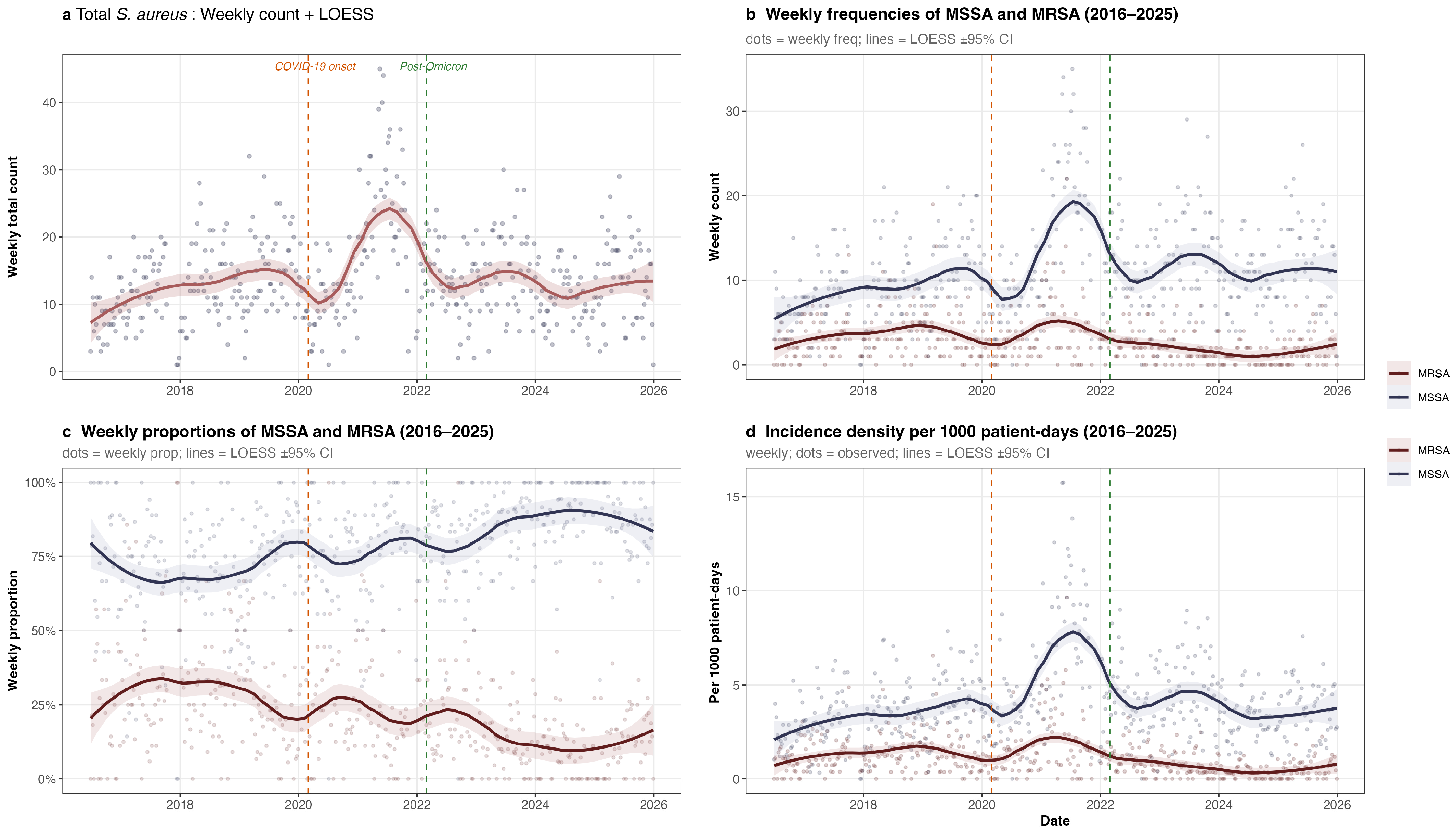
Over a 9.5-year surveillance period encompassing the pre-pandemic, COVID-19, and post-pandemic eras, we documented a sustained and statistically significant decline in MRSA among S. aureus clinical isolates at a large Mexican tertiary-care hospital. The MRSA proportion decreased from 28.1% during the pre-pandemic period (2016–2020) to 14.0% in the post-peak period (2022–2025), with LOESS smoothing revealing a peak of approximately 33.5% in late 2017, followed by a persistent downward trajectory reaching approximately 9.5% by mid-2024. The non-parametric Mann–Kendall test confirmed this monotonic decrease (z = −9.03, tau = −0.282, p < 0.001), and the Theil–Sen estimator yielded a median weekly reduction of 4.61 × 10⁻⁴ in MRSA proportion, corresponding to an annual decline of 2.4 percentage points (95% CI: 1.9–2.9). A binomial GLM with logit link estimated an odds ratio of 0.85 per year (95% CI: 0.829–0.871; p < 0.001), indicating that the odds of MRSA decreased by approximately 15% annually over the study period.
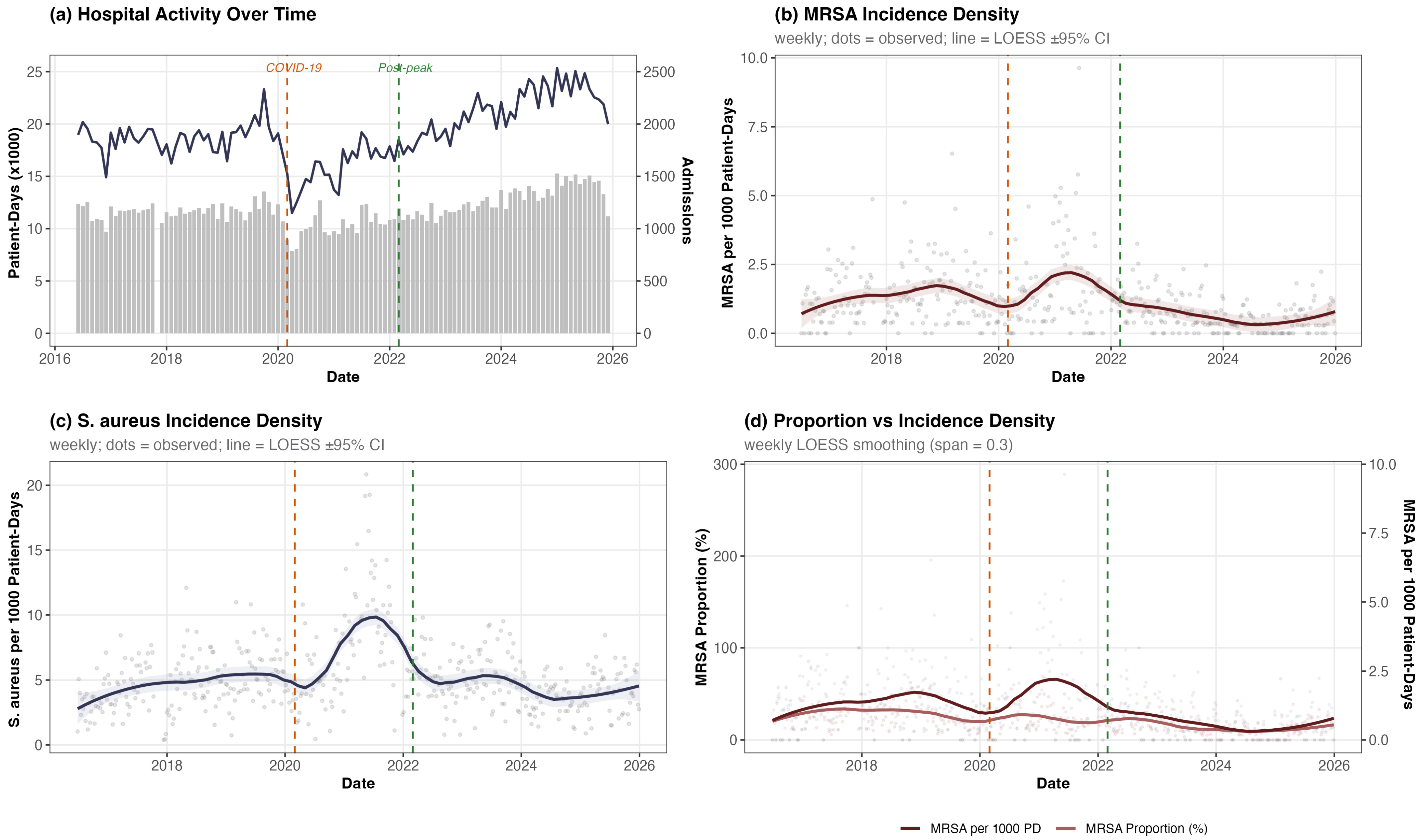
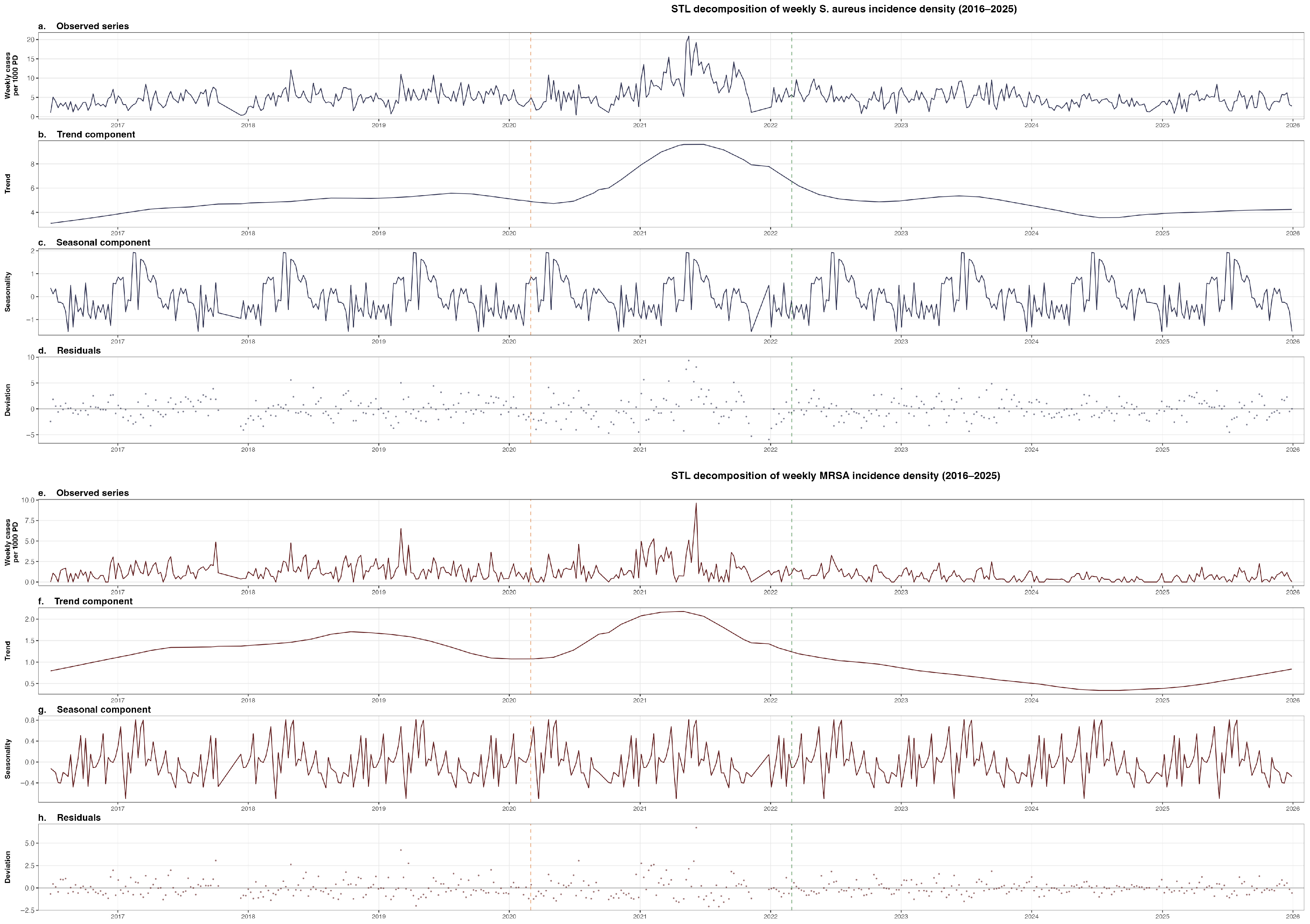
Crucially, when adjusted for hospital activity using patient-days denominators, the MRSA incidence density declined from 1.27 to 0.63 per 1000 patient-days, a 50% reduction, while the aggregate S. aureus incidence density remained stable (4.89 per 1000 patient-days; Mann–Kendall z = −0.17, p = 0.868). This dissociation confirms that the MRSA decline represents a selective reduction in resistant strains rather than an artifact of fluctuating hospital volume. Interrupted time series analysis demonstrated that the cumulative post-pandemic shift in MRSA trajectory was statistically significant (joint Wald test: F = 5.5, p = 0.019 for counts, F = 6.4, p = 0.012 for incidence density), with the steepest decline occurring after the Omicron-driven pandemic peak in early 2022.
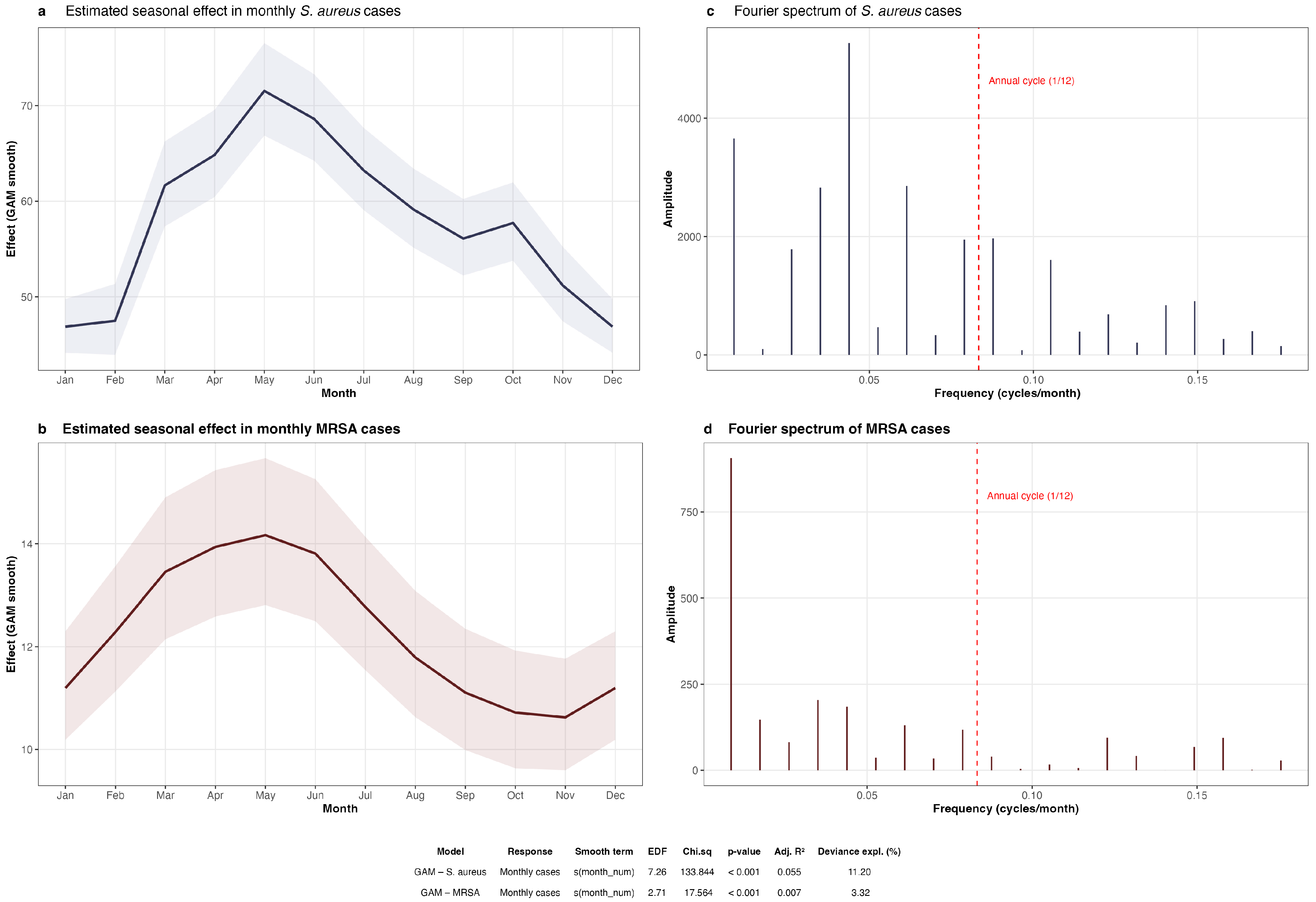
Weekly case counts also exhibited a recurring seasonal pattern. Total S. aureus isolations increased predictably from April through July each year, forming a broad mid-year peak confirmed by GAM analysis (p < 0.001, edf = 7.26). A seasonal signal was also statistically detectable for MRSA (p < 0.001, edf = 2.71), although the proportion of deviance explained was negligible (R2 = 0.007), indicating that MRSA dynamics are governed primarily by secular trends rather than seasonal forcing.
The pandemic timeline revealed a complex perturbation in
S. aureus dynamics. During the period of high viral circulation (March 2020 to February 2022), overall
S. aureus incidence increased—primarily driven by methicillin-susceptible strains—with the
S. aureus incidence density rising transiently to 6.63 per 1000 patient-days. Notably, MRSA did not exhibit the surge reported in several high-income settings [
20,
22,
32,
33]. Instead, the MRSA incidence density increased modestly to 1.51 per 1000 patient-days during the high-circulation period before declining sharply to 0.63 per 1000 patient-days post-peak. In the weekly ITS analysis, the post-peak level shift was individually significant (
p = 0.008, GLS-AR(1)), and the joint Wald test confirmed that the combined shift in trajectory was distinguishable from the pre-pandemic baseline (
p = 0.019). A sensitivity analysis using monthly aggregation (114 observations) yielded concordant results (joint
p = 0.048), though with reduced power for individual coefficients. These findings suggest that pandemic-related pressures did not reverse, and may have coincided with an acceleration of the pre-existing downward trend.
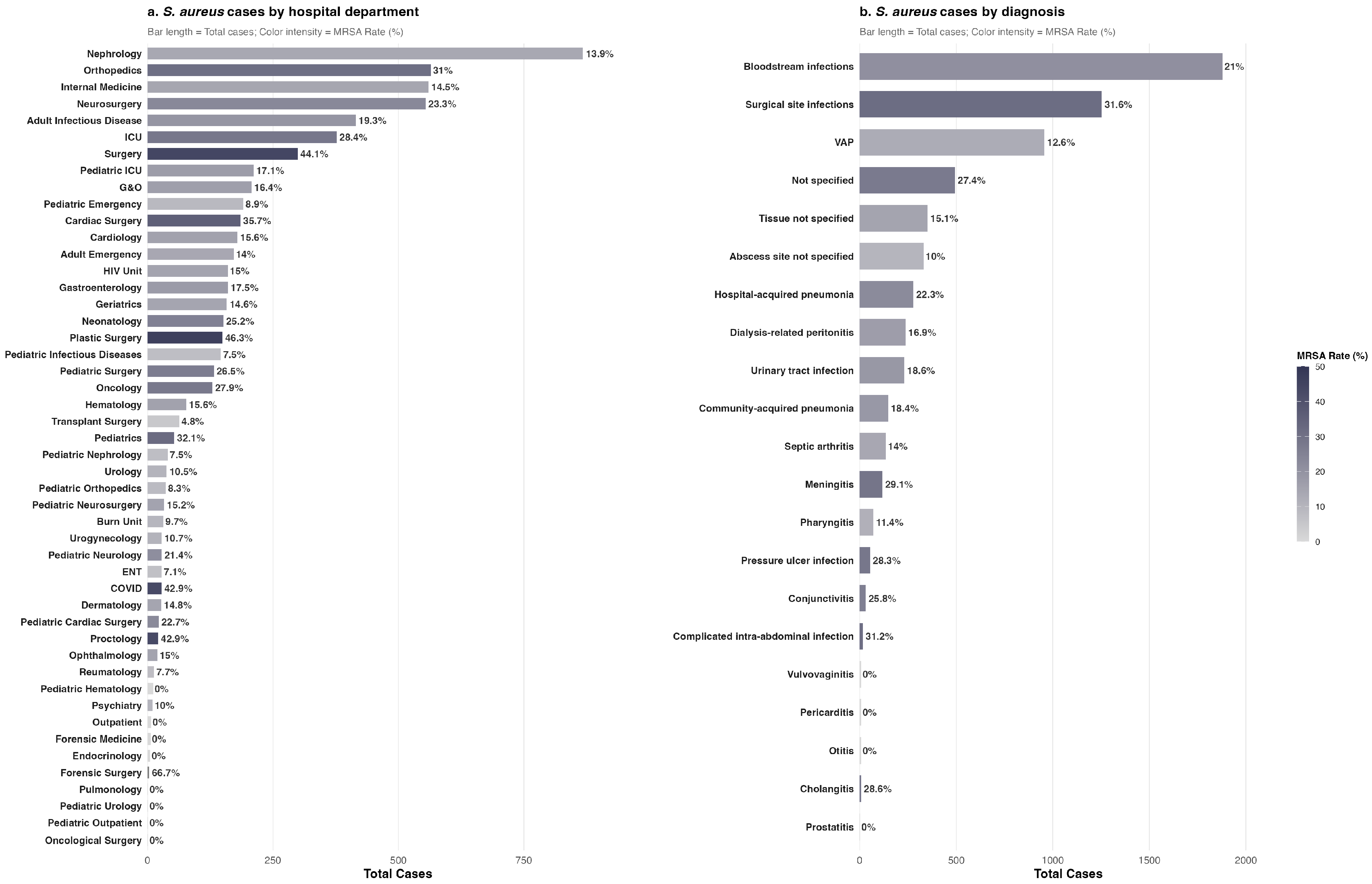
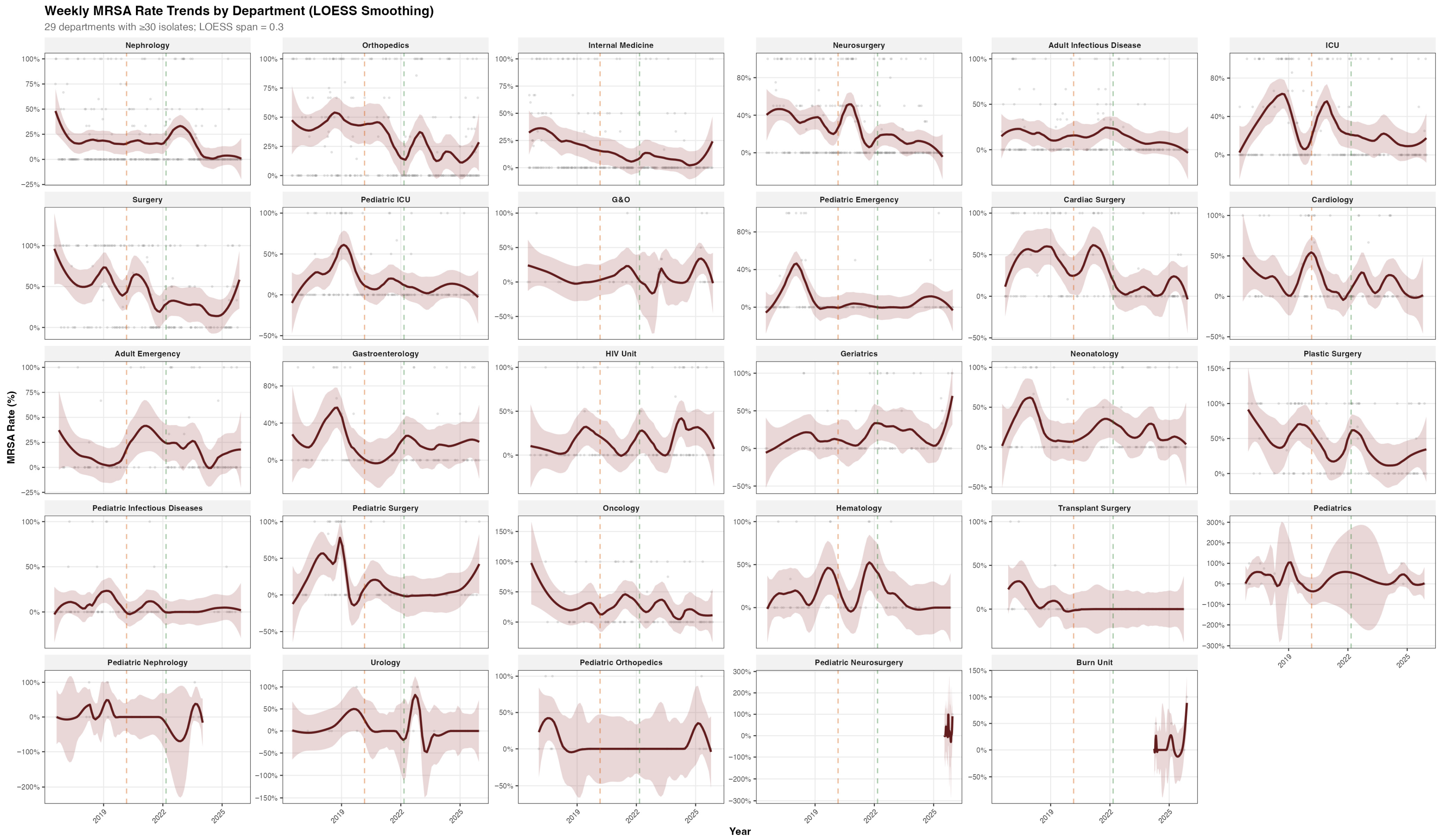
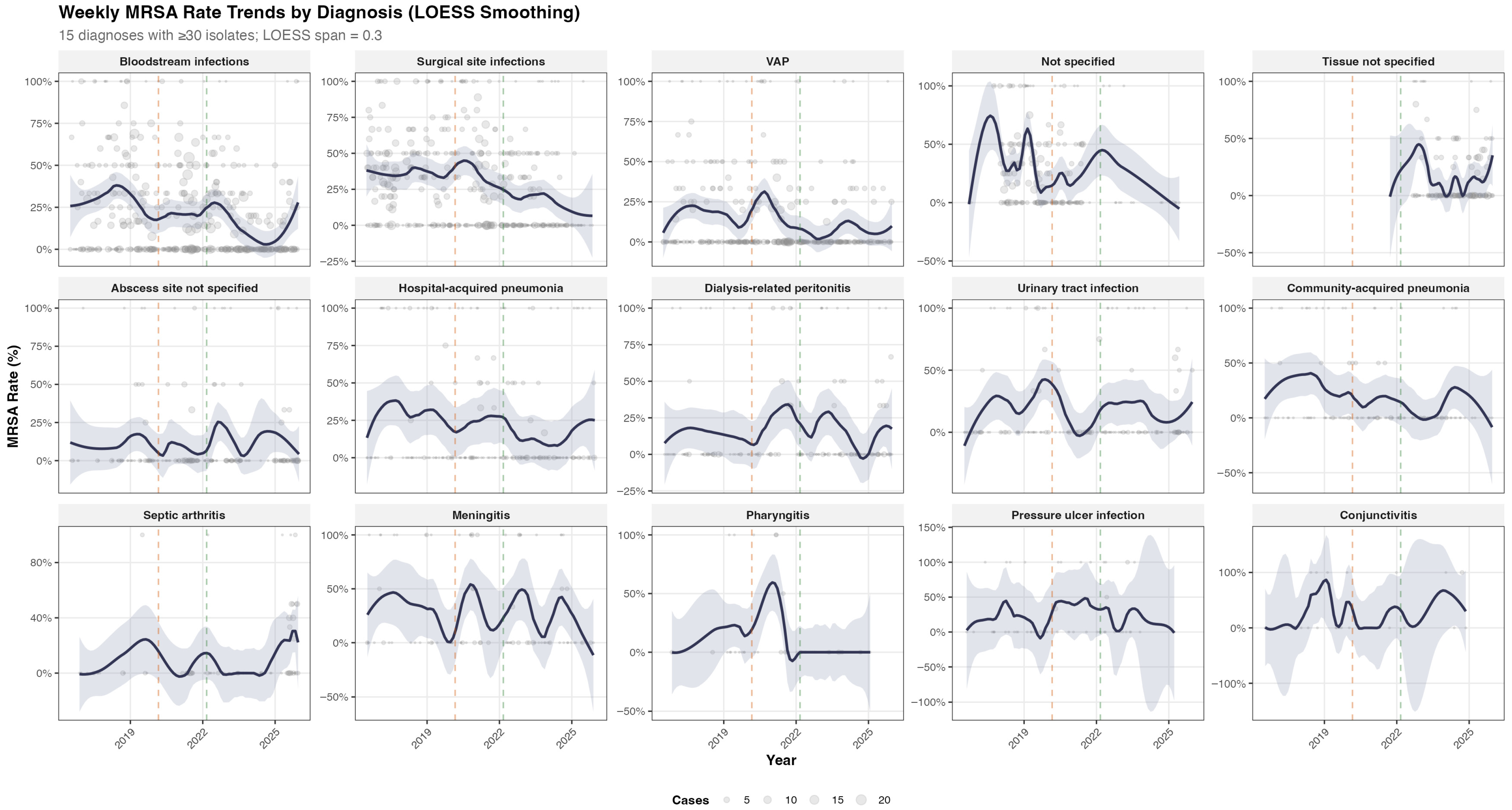
These aggregate trends masked substantial clinical heterogeneity. At the departmental level, MRSA accounted for 44.1% of isolates in General Surgery compared with 13.9% in Nephrology. At the syndromic level, MRSA prevalence reached 31.6% in surgical site infections and 21.0% in bloodstream infections—the two most frequently observed infectious syndromes. Throughout the study period, male patients contributed the majority of cases (74.2%) and consistently exhibited higher resistance rates than females (22.7% vs. 16.5%; p < 0.001). Together, these findings depict a hospital where MRSA is broadly in decline yet persists within specific high-risk departments and clinical syndromes, necessitating targeted infection-control strategies even as the overall trend remains favorable.
Published reports indicate that during 2020–2021 many institutions experienced divergent trends: some documented reductions of 28–41% associated with intensified hand hygiene and PPE use, while others reported increases in MRSA detection, reflecting heterogeneous pandemic impacts [
20,
22,
32,
34]. In Europe, declining MRSA trends have been documented in Germany [
22] and Spain [
35], attributed to national infection prevention campaigns and antimicrobial stewardship programs. In contrast, data from Latin America remain comparatively scarce. The SENTRY Antimicrobial Surveillance Program reported MRSA rates of 40–50% in Latin American hospitals during 2010–2015, substantially higher than concurrent rates in North America and Europe [
36]. Few single-center studies from the region have provided the longitudinal resolution needed to characterize temporal dynamics with the precision attempted here [
37]. Our findings, documenting a decline from approximately 28% to 14%, suggest that the global downward trajectory in MRSA prevalence extends to the Latin American tertiary-care setting, albeit from a higher baseline.
The segmented regression model employed two transition points defining three epidemiologically distinct phases. The first transition, placed at March 2020, corresponds to the identification of the first confirmed COVID-19 cases in the state of Jalisco on March 14, 2020, the World Health Organization’s declaration of a global pandemic on March 11, 2020, and the subsequent implementation of social distancing measures, including suspension of elective surgeries and hospital reorganization at our institution [
38].
The second transition, placed at March 2022, marks the post-Omicron stabilization period. By this date, the Omicron variant wave had peaked in Mexico (January–February 2022), national COVID-19 vaccination coverage had exceeded 70% of the adult population with at least one dose [
39], and our institution had progressively resumed elective surgical services and pre-pandemic operational capacity. Hospital admissions, which had declined by 12% during the high-circulation period, returned to and exceeded pre-pandemic levels during the post-peak period (
Table 3). These operational milestones, combined with the epidemiological trajectory of COVID-19 in our region, provide a rational basis for the selected phase boundaries. Sensitivity analyses using alternative cutpoints yielded qualitatively similar results, supporting the robustness of the segmented model.
The magnitude of the MRSA decline carries direct implications for clinical practice. The halving of MRSA proportion from 28.1% to 14.0%, and the parallel 50% reduction in MRSA incidence density (from 1.27 to 0.63 per 1000 patient-days), represent a substantial shift in the epidemiological landscape of staphylococcal infections at our institution.
From a therapeutic perspective, empiric antibiotic selection for suspected staphylococcal infections is guided by local MRSA prevalence thresholds. Clinical practice guidelines recommend empiric anti-MRSA coverage (e.g., vancomycin or linezolid) when the institutional MRSA rate exceeds 10–20%, depending on the clinical syndrome and patient risk factors [
2,
40]. With MRSA proportions now approaching 14% overall and falling below 13% in several clinical syndromes (e.g., ventilator-associated pneumonia at 12.6%, abscess infections at 10.0%), the continued reflexive use of anti-MRSA agents for all suspected staphylococcal infections warrants reassessment. Reductions in unnecessary vancomycin use could mitigate selection pressure for vancomycin-resistant organisms, decrease nephrotoxicity, and reduce healthcare costs.
For antimicrobial stewardship programs, our data provide evidence-based support for periodic review of empiric therapy guidelines based on institutional resistance trends [
41,
42]. The convergence of proportion-based and exposure-adjusted analyses strengthens the case for de-escalation protocols that account for evolving resistance epidemiology.
The progressive decline of MRSA is likely multifactorial, involving both epidemiological and microbiological mechanisms. A primary driver is the implementation and intensification of infection control measures in healthcare settings [
34,
43]. These include improved hand hygiene, contact precautions, active surveillance, decolonization protocols, and enhanced environmental cleaning [
34,
43]. Such interventions have been temporally associated with marked reductions in hospital-onset MRSA infections, particularly in intensive care units, and have been shown to reduce transmission of healthcare-associated MRSA clones such as USA100 in the United States and ST228-I in Europe [
34,
35,
43,
44].
Clonal replacement is another important mechanism. Over time, certain epidemic MRSA clones have been supplanted by others with different fitness characteristics [
44,
45,
46]. In several European and North American hospitals, older clones (e.g., ST228-I, CC45-MRSA-IV) have been replaced by more successful clones (e.g., CC22-MRSA-IV, CC5-MRSA-II, CC8-IV), which may have altered virulence, transmissibility, or antimicrobial susceptibility profiles [
35,
44,
45]. Some of these newer clones exhibit lower levels of antimicrobial resistance, possibly reflecting a fitness advantage in the absence of strong antibiotic selection pressure [
46,
47]
Microevolutionary changes within MRSA lineages may also play a role. There is evidence that the maintenance of methicillin resistance, conferred by the
mecA gene, imposes a fitness cost on
S. aureus in the absence of selective antibiotic pressure [
48,
49]. Loss of resistance determinants (e.g., mecA or SCCmec elements) has been observed in certain lineages, leading to the re-emergence of methicillin-susceptible
S. aureus (MSSA) from previously resistant backgrounds, particularly when the selective advantage of resistance diminishes due to reduced antibiotic use or effective infection control [
48].
The absence of a pronounced MRSA spike may reflect the influence of several mitigating factors. Broad antibiotic de-escalation guidelines implemented during the pandemic likely helped limit unnecessary use of broad-spectrum antibiotics [
2,
42]. Additionally, the early adoption of SARS-CoV-2–specific therapeutics may have reduced empiric antibiotic prescribing [
41]. Continued MRSA admission screening for patients with severe pneumonia, alongside the sustained implementation of contact precautions, may also have contributed to the stable MRSA proportion during this period [
42,
50]. This combination of measures likely preserved previous gains in antimicrobial resistance control and facilitated the accelerated decline in MRSA incidence observed after 2022.
Several factors beyond secular trends and pandemic effects could have influenced the observed changes and merit consideration. Changes in clinical sampling practices over the study period—such as shifts in the indications for obtaining cultures or the types of specimens collected—could affect the measured MRSA rate independently of true prevalence changes. Similarly, referral pattern modifications during the pandemic, with preferential admission of more severely ill patients during high-circulation periods, could have altered the case-mix and the underlying probability of MRSA isolation.
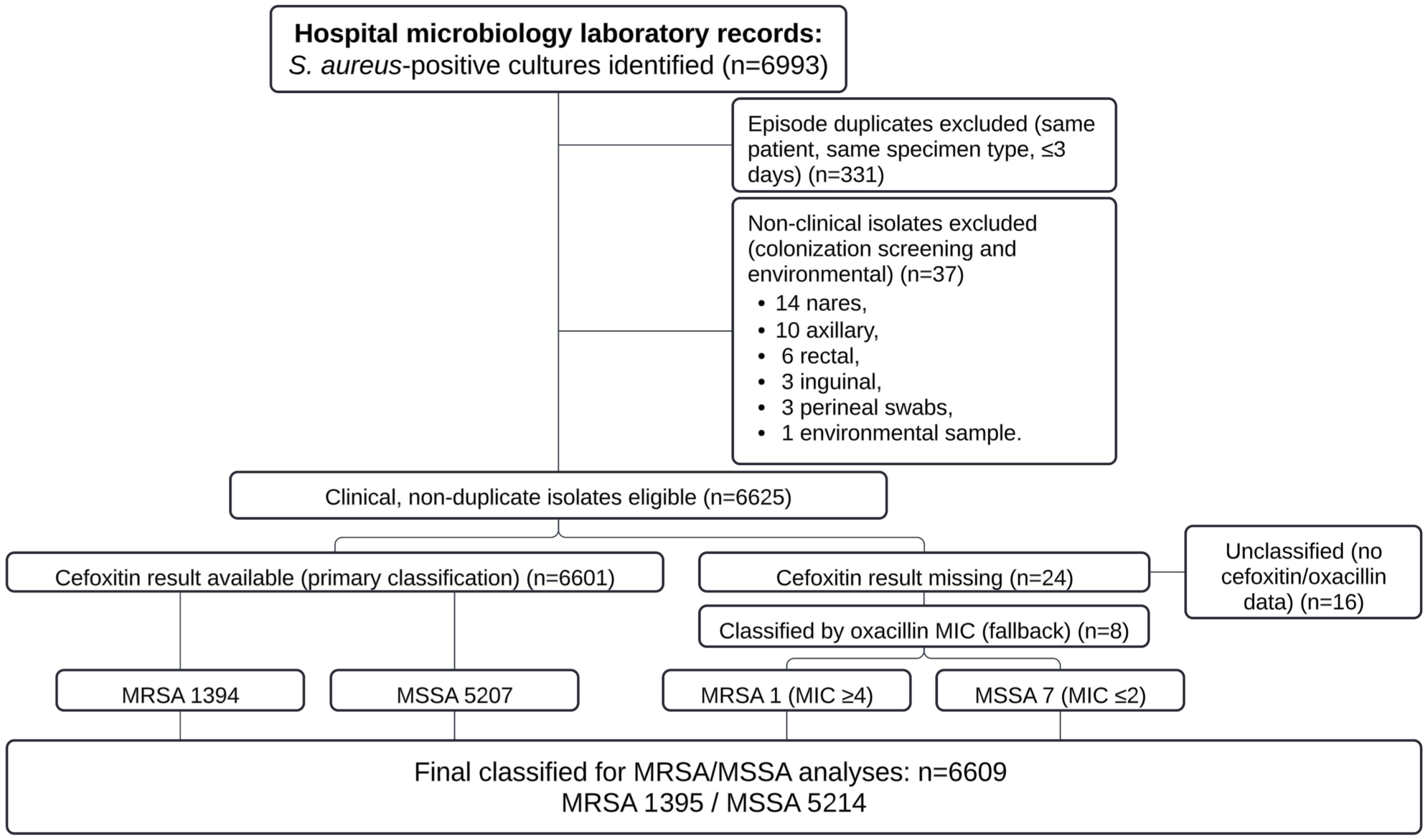
The absence of detailed antibiogram policy data prevents us from disentangling the specific contributions of stewardship interventions from broader temporal trends. Formulary changes, such as the introduction or restriction of specific antibiotics, could alter MRSA selection pressure. Additionally, changes in hospital infrastructure, staffing ratios, and infection control staffing levels over the study period were not captured in our analysis. Patient-level confounders—including comorbidity burden, prior antibiotic exposure, prior healthcare contact, and duration of hospitalization before culture collection—were not available in our dataset and represent important unmeasured sources of confounding.
The ecological nature of the analysis, which relies on aggregate time-series data rather than patient-level outcomes, precludes definitive causal attribution of the MRSA decline to any specific intervention or exposure.
The statistical framework employed in this study was designed to address specific methodological concerns. Multiple analytical approaches were applied to the same outcomes—including non-parametric tests (Mann–Kendall), robust regression (Theil–Sen), parametric models (binomial GLM), and time-series methods (ITS with OLS, GLS-AR(1), and Newey–West corrections)—to test the same pre-specified primary hypothesis of a declining MRSA trend, rather than to screen multiple independent outcomes. Accordingly, formal adjustment for multiple comparisons (e.g., Bonferroni or false discovery rate correction) was not applied, consistent with established recommendations against such adjustments when testing pre-specified hypotheses with converging methods [
51]. The convergence of all analytical approaches toward the same conclusion provides strong evidence against a type I error explanation. Methodological strengths include analytical symmetry achieved by applying weekly aggregation to both
S. aureus and MRSA ITS models (476 observations each), maximizing comparability and statistical power; monthly aggregation for MRSA was retained only as a sensitivity analysis.
For the ITS analysis, the primary weekly model (476 observations) detected a significant post-peak level shift for MRSA (p = 0.008, GLS-AR(1)), and the joint Wald test for the cumulative slope change (H0: β3 + β5 = 0) was significant (p = 0.019 for counts; p = 0.012 for incidence density). The individual post-peak slope change coefficient was non-significant (p = 0.107, GLS-AR(1)), consistent with a gradual rather than abrupt change in the rate of decline. A sensitivity analysis using monthly aggregation (114 observations) yielded concordant joint Wald results (p = 0.048 counts; p = 0.044 incidence density), though no individual coefficient reached significance, confirming that the reduced power of the monthly resolution—rather than absence of an effect—accounted for the non-significance.
This study has several limitations. First, as a single-center study conducted at a large tertiary-care hospital in western Mexico, the generalizability of our findings to other healthcare settings—including smaller hospitals, community settings, or other geographic regions—is uncertain. Tertiary-care hospitals receive referrals of complex cases and may have MRSA epidemiology that differs from community or primary-care settings. Second, molecular typing data (e.g., spa typing, multilocus sequence typing, whole-genome sequencing) were not available, precluding assessment of clonal dynamics, lineage displacement, or the relative contributions of healthcare-associated versus community-associated MRSA strains. Such data would be essential to understand the biological mechanisms underlying the observed decline. Third, detailed data on antimicrobial stewardship policies, formulary changes, and infection control interventions implemented during the study period were not systematically recorded. This limits our ability to attribute the MRSA decline to specific programmatic interventions. Fourth, hospital-level denominators were approximated using the LOS-sum method, which aggregates the total length of stay of admissions within each time period. While this approach provides a reasonable estimate of patient-days at risk, it may not perfectly capture real-time census fluctuations, particularly during the pandemic when short-stay and ICU admissions varied substantially. The concordance between count-based and incidence density-based analyses mitigates this concern. Fifth, the analysis is ecological in nature, based on aggregate counts rather than patient-level data. We cannot exclude the ecological fallacy: institutional-level trends may not reflect changes in individual-level risk. Similarly, we were unable to adjust for patient-level confounders such as prior antibiotic exposure, comorbidities, immunosuppression, or prior healthcare contact. Sixth, isolates lacking susceptibility data (4.6%) were excluded from MRSA/MSSA stratification. While the proportion is small, non-random missingness could introduce bias if the probability of missing resistance data correlates with MRSA status. Seventh, although our institution maintained cefoxitin-based MRSA screening per CLSI M100 guidelines throughout the study period, minor updates to CLSI interpretive breakpoints, changes in laboratory instrumentation (including transitions between automated susceptibility platforms), or variations in testing protocols over the 9.5-year period could theoretically affect MRSA detection rates independently of true prevalence changes. The consistency of our findings across multiple analytical approaches mitigates this concern. Eighth, the dataset encompasses all clinical S. aureus isolates, including both community-onset and hospital-acquired infections, without applying formal healthcare-associated infection (HAI) definitions (e.g., CDC/NHSN criteria). Trends should therefore be interpreted as reflecting the overall institutional burden of clinical S. aureus rather than strictly nosocomial events. Ninth, although both primary ITS models used weekly aggregation (476 time points each), the lower absolute counts of MRSA compared with total S. aureus still limit statistical power for detecting individual coefficient-level effects, particularly for slope changes within specific phases.
Despite these limitations, the study has notable strengths. The 9.5-year study period spanning three epidemiologically distinct phases provides a uniquely comprehensive temporal perspective. The use of multiple complementary analytical approaches with formal autocorrelation correction enhances robustness. The inclusion of exposure-adjusted incidence densities alongside proportion-based analyses directly addresses potential confounding by pandemic-related fluctuations in hospital activity. The large sample size (6609 isolates) provides sufficient statistical power for the primary analyses.
Future research should integrate whole-genome sequencing of archived isolates to elucidate clonal shifts, while a multicenter network spanning western Mexico could validate our findings across diverse settings. Incorporating antimicrobial-use density metrics into interrupted time-series frameworks [
52] will quantify the precise contribution of stewardship policies, and patient-level modeling can refine risk-stratified prevention bundles.




 ,
,