Article

Target Fidelity and Failure: Structure–Activity Relationship of High-Molecular-Mass Penicillin-Binding Proteins (HMM-PBPs) in Refractory Granulicatella adiacens Endocarditis

1
Department of Biomedical and Biotechnological Sciences, Section of Microbiology, University of Catania, 95123 Catania, Italy
2
Department of Medical Biotechnologies, University of Siena, 53100 Siena, Italy
3
Infectious Diseases Division, Azienda Sanitaria Universitaria Friuli Centrale (ASUFC), 33100 Udine, Italy
4
Department of Biotechnological and Applied Clinical Sciences (DISCAB), University of L’Aquila, 67100 L’Aquila, Italy
5
Bioinformatics Unit, Department of Clinical and Experimental Medicine, University of Catania, 95123 Catania, Italy
6
Microbiology Unit, Udine University Hospital, 33100 Udine, Italy
7
Department of Medicine (DMED), University of Udine, 33100 Udine, Italy
*
Author to whom correspondence should be addressed.
Antibiotics 2026, 15(2), 168; https://doi.org/10.3390/antibiotics15020168

Submission received: 6 January 2026 / Revised: 31 January 2026 / Accepted: 1 February 2026 / Published: 5 February 2026
(This article belongs to the Special Issue Progress and Challenges in the Antibiotic Treatment of Infections)

Abstract

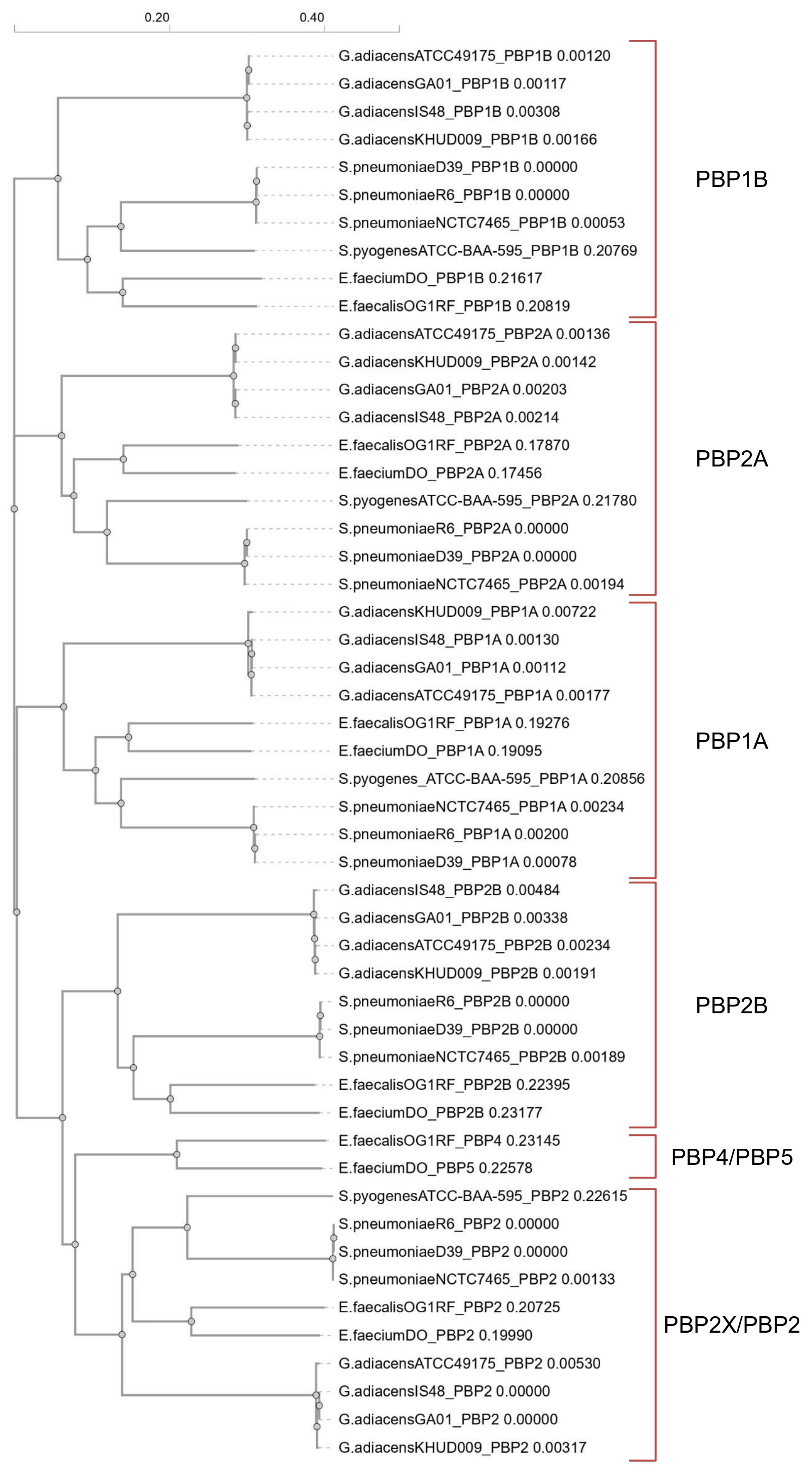
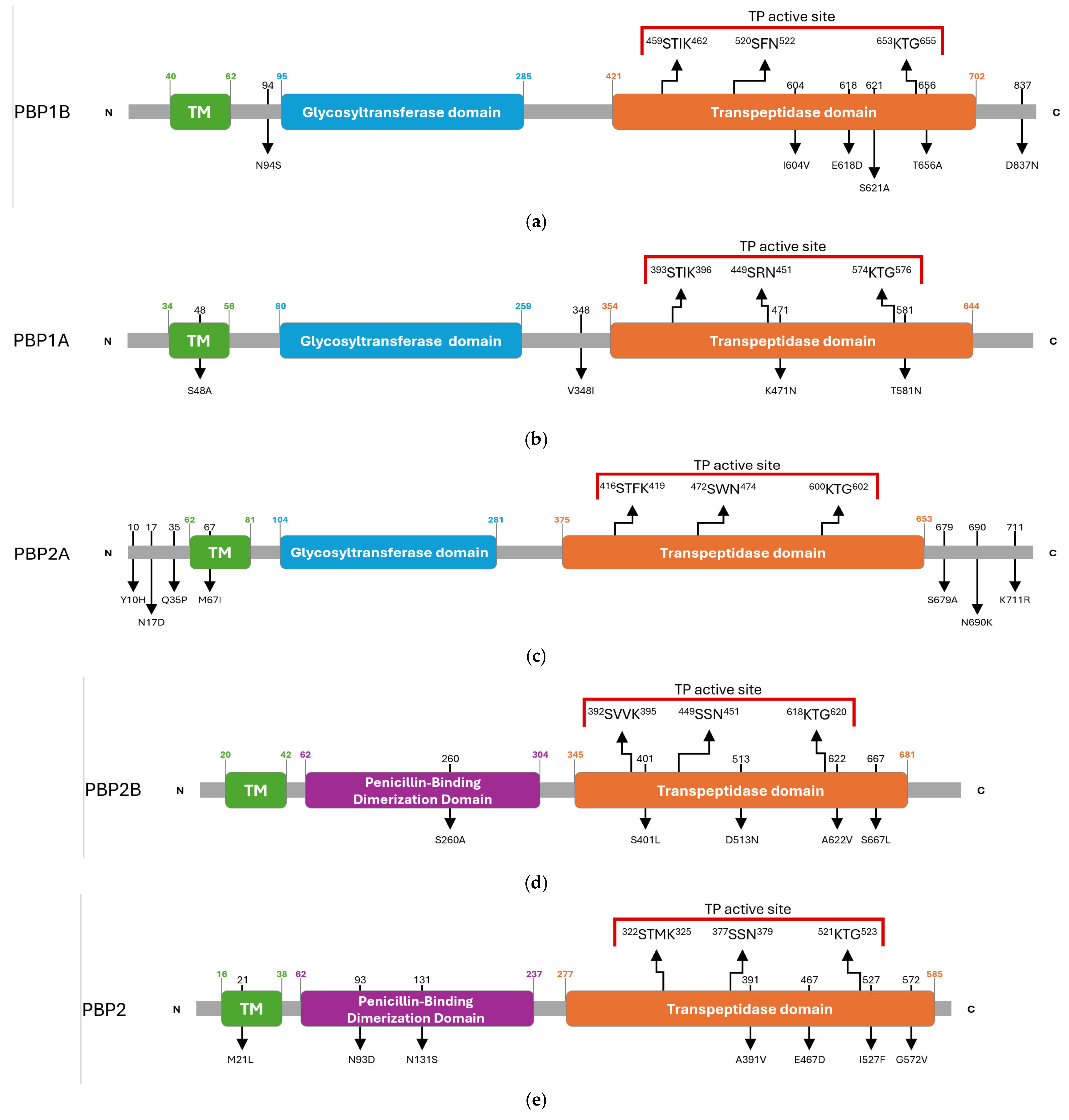
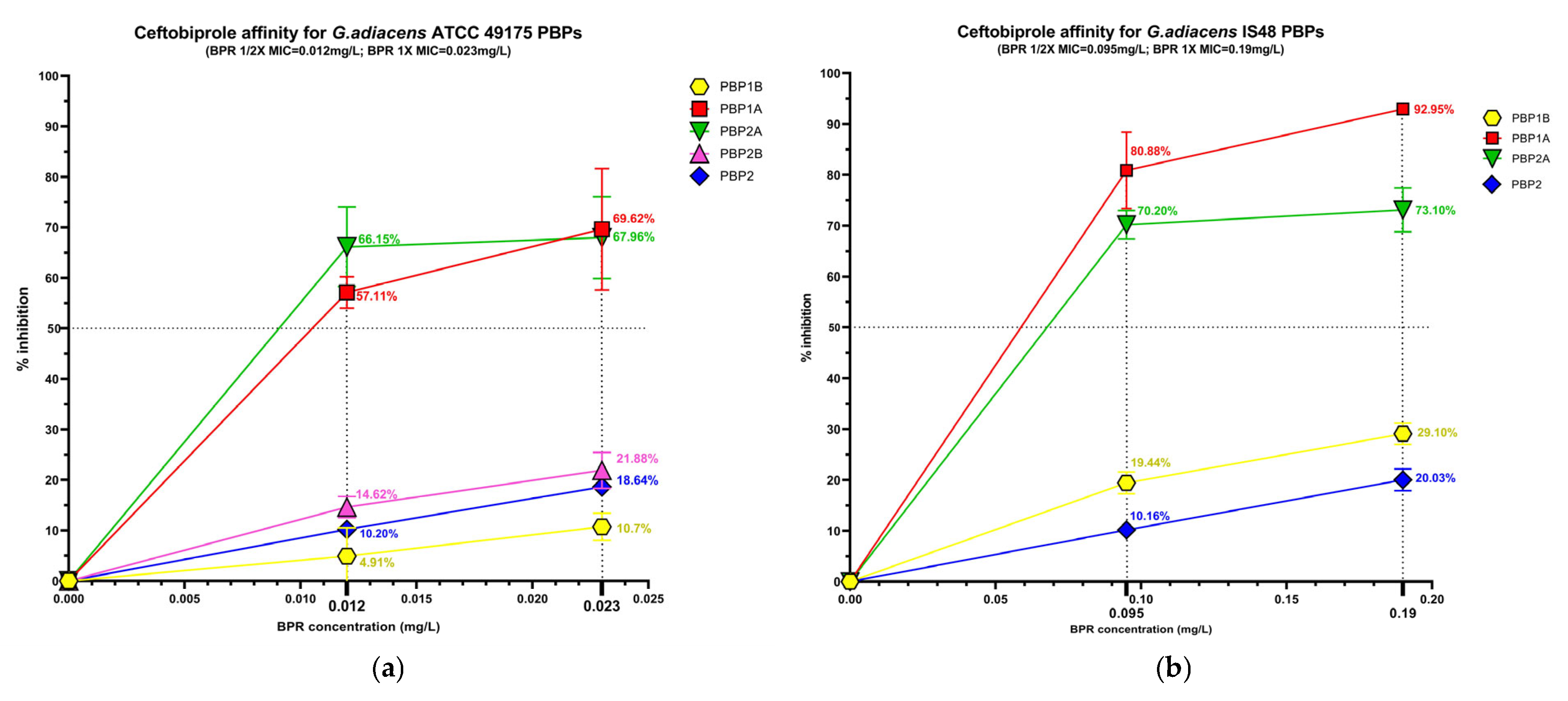
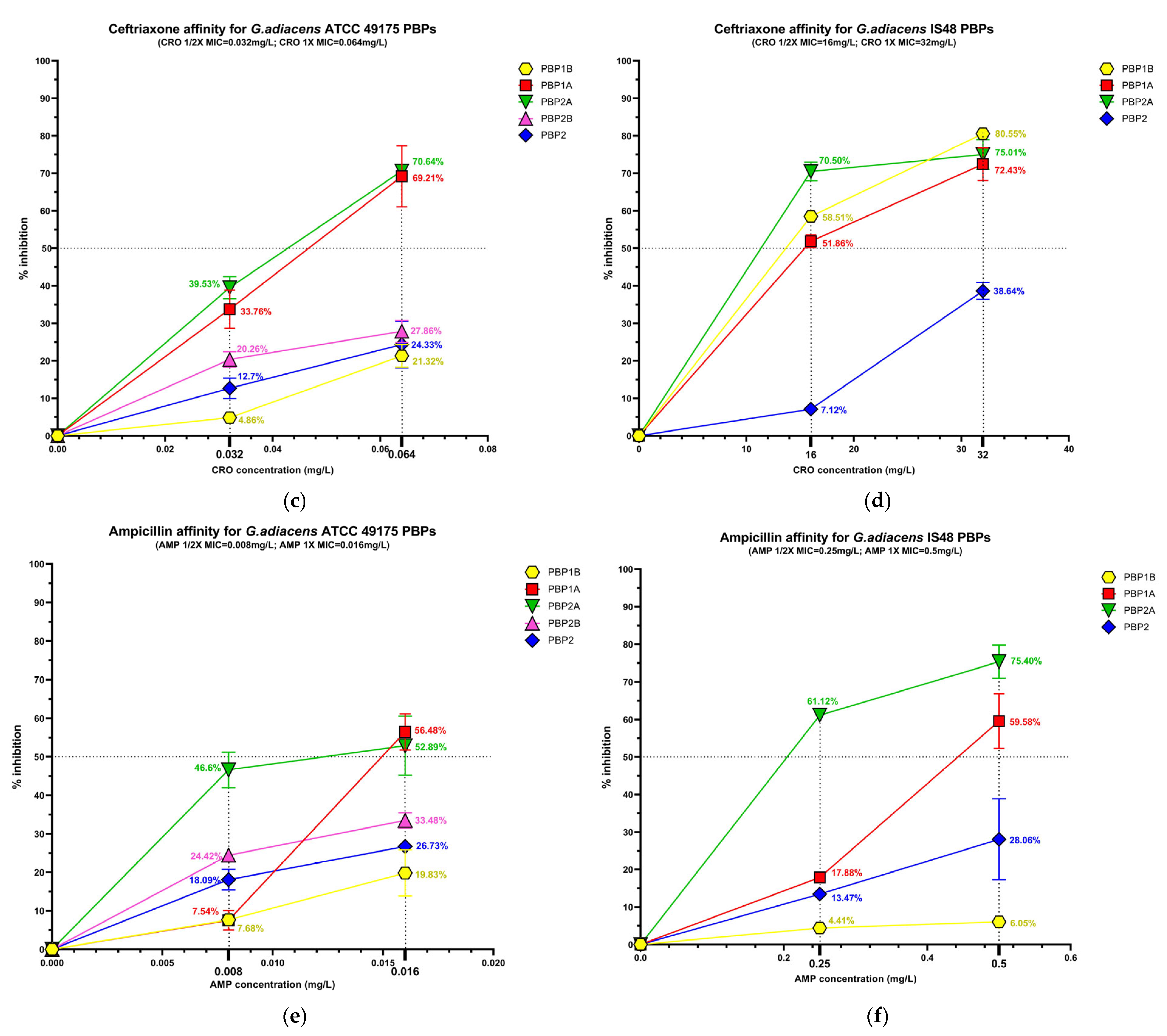
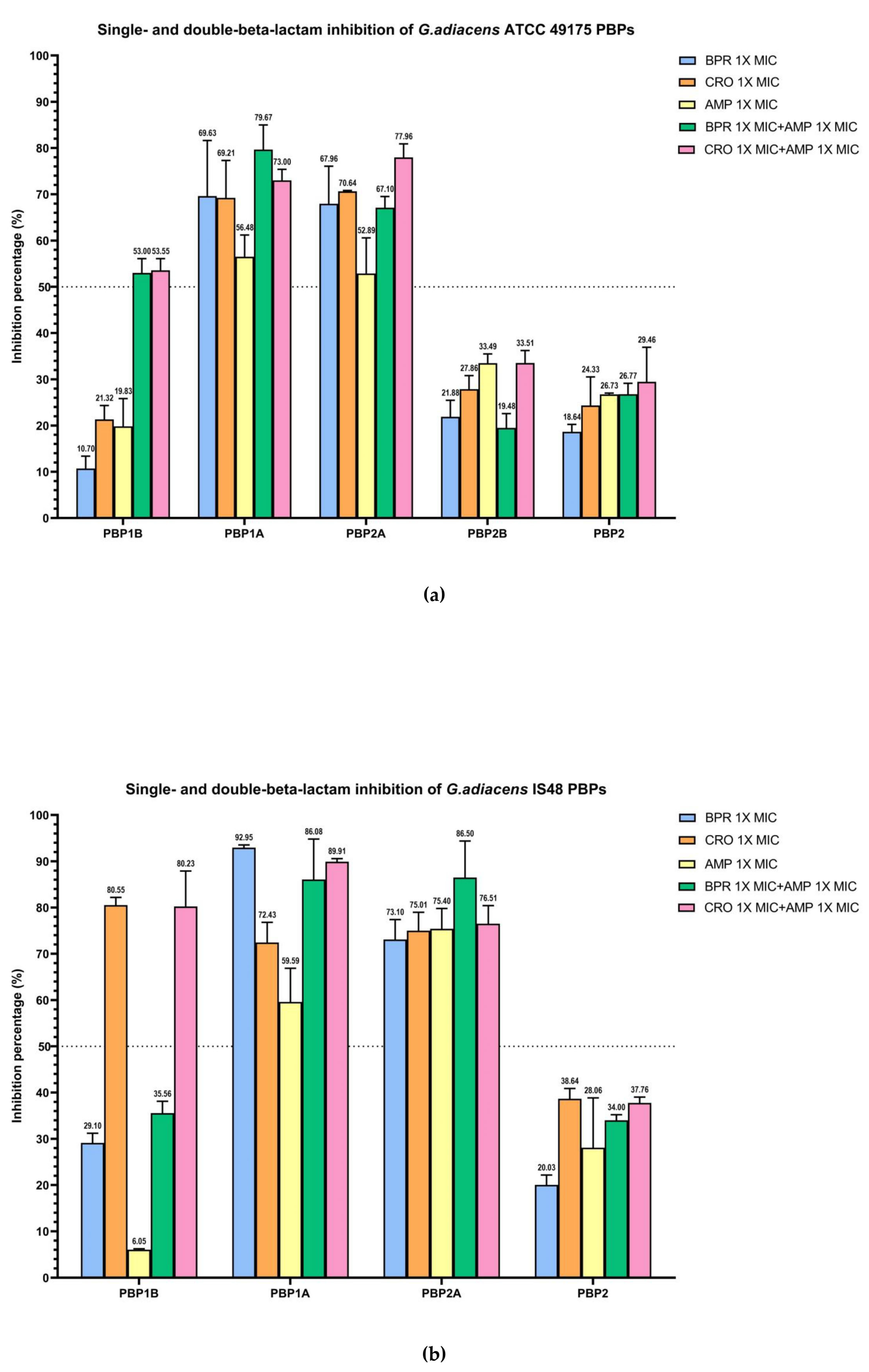
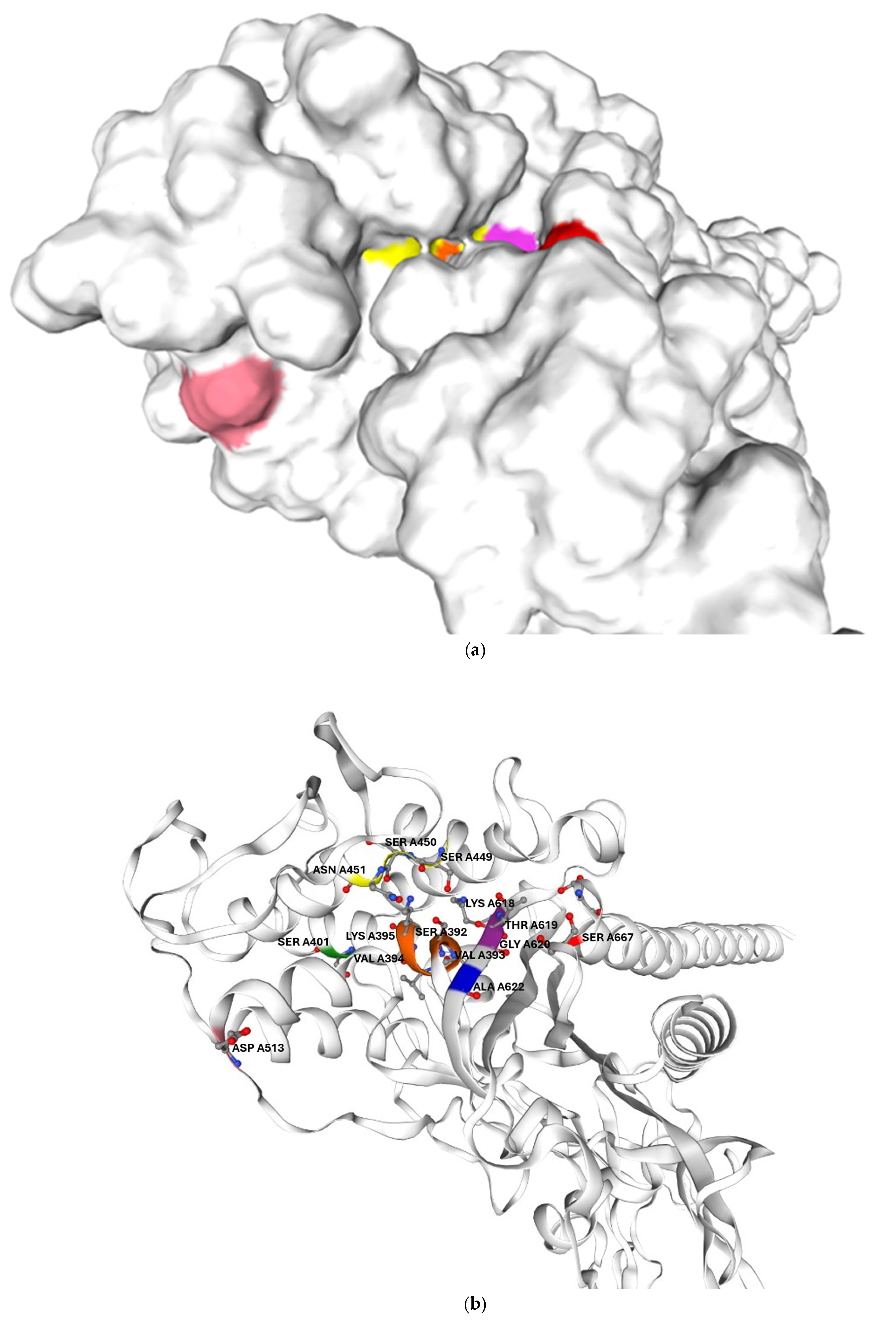
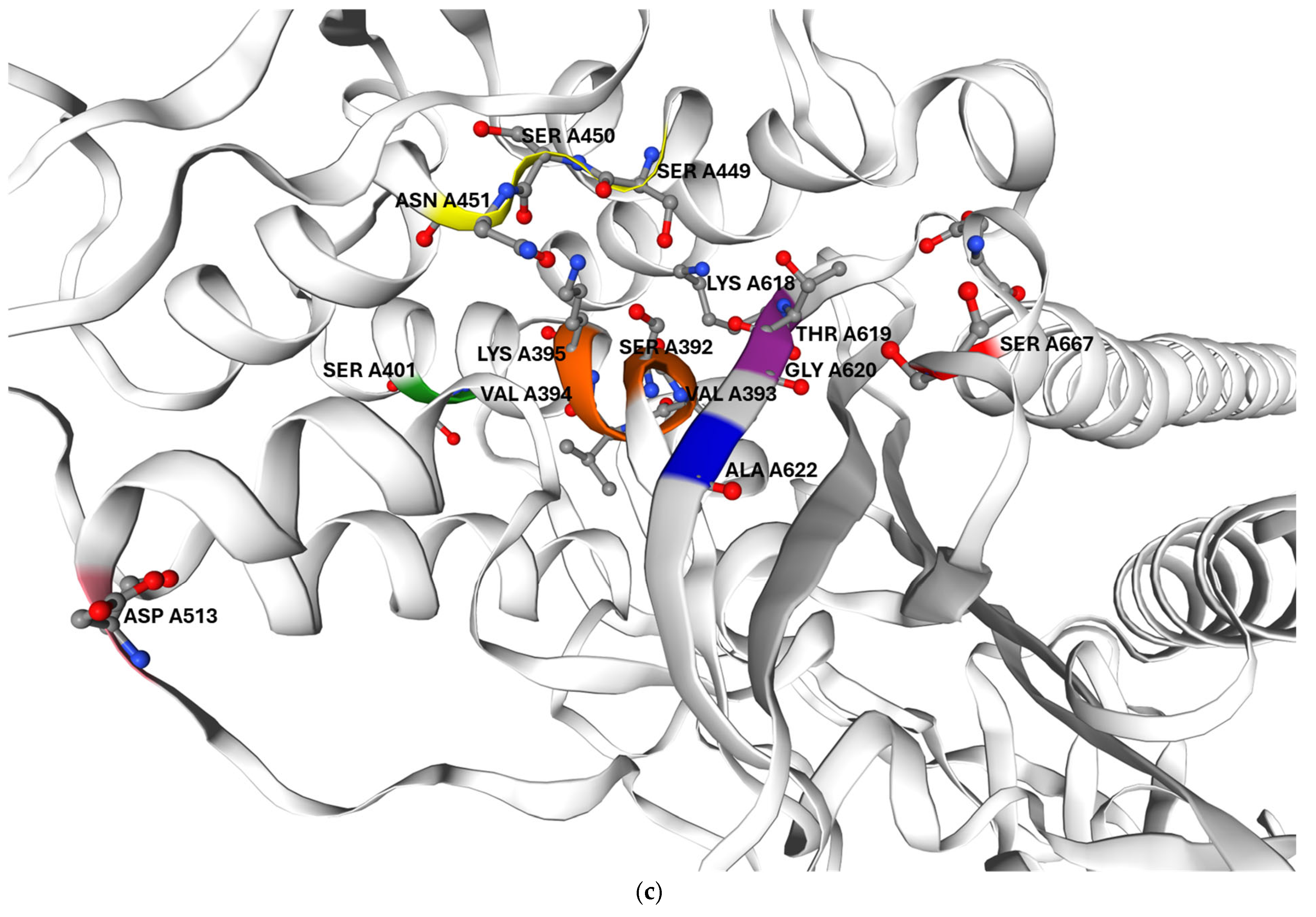
Background/Objectives: Granulicatella adiacens infective endocarditis is conventionally managed with penicillin, ampicillin, or ceftriaxone in combination with gentamicin, although double beta-lactam regiments have been proposed a safer alternative to reduce aminoglycoside-associated nephrotoxicity. To date, the High-Molecular-Mass Penicillin-Binding Proteins (HMM-PBPs) of G. adiacens and their affinities for beta-lactam antibiotics have not been previously characterized. This study investigated the HMM-PBP profile of G. adiacens, with particular interest on sequence alterations and beta-lactam binding properties, both as single agents and in combination. Methods: Beta-lactam activity, synergistic interactions and PBP binding affinities were evaluated in a clinical isolate (IS 48) and compared with those in the reference strain ATCC 49175. Binding of PBPs to ampicillin, ceftriaxone, and ceftobiprole, alone or in combination, was investigated by Bocillin-FL labeling. PBP homology and conserved active-sites motifs were assessed by sequence alignment, and pbp gene mutations were identified by whole-genome sequencing. Results: The clinical isolate was non-susceptible to ampicillin, resistant to ceftriaxone and exhibited higher minimum inhibitory concentrations (MICs) for ceftobiprole relative to the fully susceptible ATCC reference strain. Five HMM PBPs with high enterococcal homology, were identified. In the IS 48 isolate, the class A PBP showed distinct amino acid substitutions in proximity to the catalytic centers. Despite these alterations, PBP1A and PBP2A were strongly inhibited by the tested beta-lactams, whereas PBP2 and PBP2B demonstrated low acylation rates. Combination of ampicillin with either ceftobiprole or ceftriaxone resulted in enhanced acylation of the three bifunctional HMM PBPs compared with monotreatment. IC50 values were consistently higher for the IS 48 clinical isolate, suggesting decreased target availability and/or reduced beta-lactam affinity under clinical conditions. Conclusions: The resistance phenotype of G. adiacens clinical isolate appears to be primarily associated with altered PBP beta-lactam interactions. Nonetheless, beta-lactam combination regimes remain effective by achieving substantial inhibition of key HMM-PBPs involved in peptidoglycan synthesis, thereby supporting the rationale for dual beta-lactam therapy in this setting.
Keywords: Granulicatella adiacens; infective endocarditis; penicillin non-susceptible; double beta-lactam; penicillin-binding proteins; PBP affinity; Bocillin Granulicatella adiacens; infective endocarditis; penicillin non-susceptible; double beta-lactam; penicillin-binding proteins; PBP affinity; Bocillin