
Review

Multidrug-Resistant Acinetobacter baumannii: Resistance Mechanisms, Emerging Therapies, and Prevention—A Narrative Review

by
Ioana Adelina Stoian
1,
Bianca Balas Maftei
1,
Carmen-Elena Florea
1,
Alexandra Rotaru
1,
Constantin Aleodor Costin
1,2,
Maria Antoanela Pasare
1,
Radu Crisan Dabija
1,3,* and
Carmen Manciuc
1,4
1
Grigore T. Popa University of Medicine and Pharmacy, 700115 Iasi, Romania
2
Department of Morphofunctional Sciences I, Grigore T. Popa University of Medicine and Pharmacy, 700115 Iasi, Romania
3
Clinical Hospital of Pneumology, 700115 Iasi, Romania
4
“Sfânta Parascheva” Clinical Hospital for Infectious Diseases, 700116 Iasi, Romania
*
Author to whom correspondence should be addressed.
Antibiotics 2026, 15(1), 2; https://doi.org/10.3390/antibiotics15010002
Submission received: 17 November 2025 / Revised: 16 December 2025 / Accepted: 17 December 2025 / Published: 19 December 2025

Abstract

Acinetobacter baumannii is a leading intensive care unit (ICU) pathogen associated with high rates of carbapenem resistance and poor clinical outcomes. This narrative review synthesizes recent clinical, microbiological, and pharmacokinetic/pharmacodynamic (PK/PD) evidence regarding resistance mechanisms and therapeutic strategies. A literature review was performed in PubMed, Scopus, and Web of Science (January 2015–August 2025), focusing on multidrug-resistant (MDR) and extensively drug-resistant (XDR) strains, ICU-acquired infections, and pivotal trials involving cefiderocol and sulbactam–durlobactam. Resistance is driven by OXA-type carbapenemases (notably OXA-23/24/58), efflux systems (AdeABC/IJK/FGH), porin alterations (CarO, Omp33–36), and lipopolysaccharide (LPS) modifications conferring colistin resistance. Management options include polymyxins, optimized tigecycline dosing, β-lactam/β-lactamase inhibitors, and newer agents such as cefiderocol and sulbactam–durlobactam, though mortality and safety outcomes vary across trials. A comparative table is included, summarizing antimicrobial mechanism coverage, PK/PD parameters, and adverse effects to support regimen selection in ventilator-associated pneumonia (VAP) and bacteremia. Optimized, multimodal approaches integrating timely diagnostics, targeted combination therapies, infection prevention, and antimicrobial stewardship are essential to improve outcomes and limit the spread of MDR and XDR A. baumannii.

1. Introduction

Acinetobacter baumannii (A. baumannii) is a Gram-negative, aerobic, nonmotile coccobacillus commonly found in the human and animal microbiota, as well as in environmental sources such as water, soil, sewage and hospital environments [1,2]. Due to its remarkable ability to develop antimicrobial resistance and persist in clinical settings, A. baumannii has been classified among the ESKAPE pathogens—a group of six highly virulent and drug-resistant organisms that collectively represent the leading cause of hospital-acquired infections worldwide. The acronym ESKAPE stands for Enterococcus faecium, Staphylococcus aureus, Klebsiella pneumoniae, Acinetobacter baumannii, Pseudomonas aeruginosa, and Enterobacter species, all known for their capacity to “escape” the effects of most conventional antibiotics and to thrive in high-risk healthcare environments [3]. In recent decades, this opportunistic pathogen has increasingly been linked with healthcare-associated infections, particularly in intensive care units (ICUs) and among immunocompromised patients. A. baumannii can lead to a broad spectrum of serious infections, ranging from respiratory and bloodstream infections to meningitis and urinary tract involvement, especially in hospitalized patients. The primary mode of transmission is via healthcare workers’ hands, though aerosol and droplet spread have also been documented [1,2].
According to the World Health Organization’s 2024 update, carbapenem-resistant Acinetobacter baumannii (CRAB) remains classified as a “critical priority” pathogen due to its high mortality and resistance to nearly all available antibiotics [4]. Globally, CRAB accounts for approximately 80% of hospital-acquired and ventilator-associated pneumonia (HAP/VAP) cases, with prevalence exceeding 90% in Southeast Asia, compared to less than 25% in North America and Western Europe. In 2023, the EU reported a CRAB bloodstream infection incidence of 2.98 per 100,000 population, with carbapenem resistance rates ranging from under 1% in Northern Europe to over 50% in countries such as Romania, Greece, and Italy [5].
Similar resistance dynamics have also been reported in Enterobacterales isolates from the same region, especially in urinary tract infections. Recent findings documented the emergence of multidrug resistance and colistin resistance, including during the COVID-19 pandemic [6,7].
A brief overview of the taxonomic classification and evolutionary background of A. baumannii is provided below to support the understanding of its clinical relevance and global spread.
The formal taxonomy of A. baumannii was established in 1986 by Bouvet and Grimont through DNA–DNA hybridization techniques, which differentiated it from related species within the Acinetobacter calcoaceticus–baumannii (ACB) complex. Since the 1970s, A. baumannii has been recognized as a significant healthcare-associated pathogen, notable for its ability to survive harsh environmental conditions, including desiccation, and its increasing antimicrobial resistance. These characteristics contribute to its ongoing clinical importance [8,9].
Many reviews focus either on microbiological mechanisms or treatment guidelines in isolation. However, few integrate these aspects with emerging therapeutic agents and infection control strategies, despite the complex interplay between resistance mechanisms, clinical decision-making, and outcomes. This narrative review addresses this gap by providing an integrated, clinically oriented synthesis of resistance mechanisms, emerging antimicrobial therapies, and infection control strategies for multidrug-resistant A. baumannii. With a focus on severe ICU-acquired infections such as ventilator-associated pneumonia and bloodstream infections, it aims to support therapeutic decision-making by summarizing drug activity, pharmacological profiles, and clinical efficacy of novel agents.

2. Materials and Methods

2.1. Search Strategy

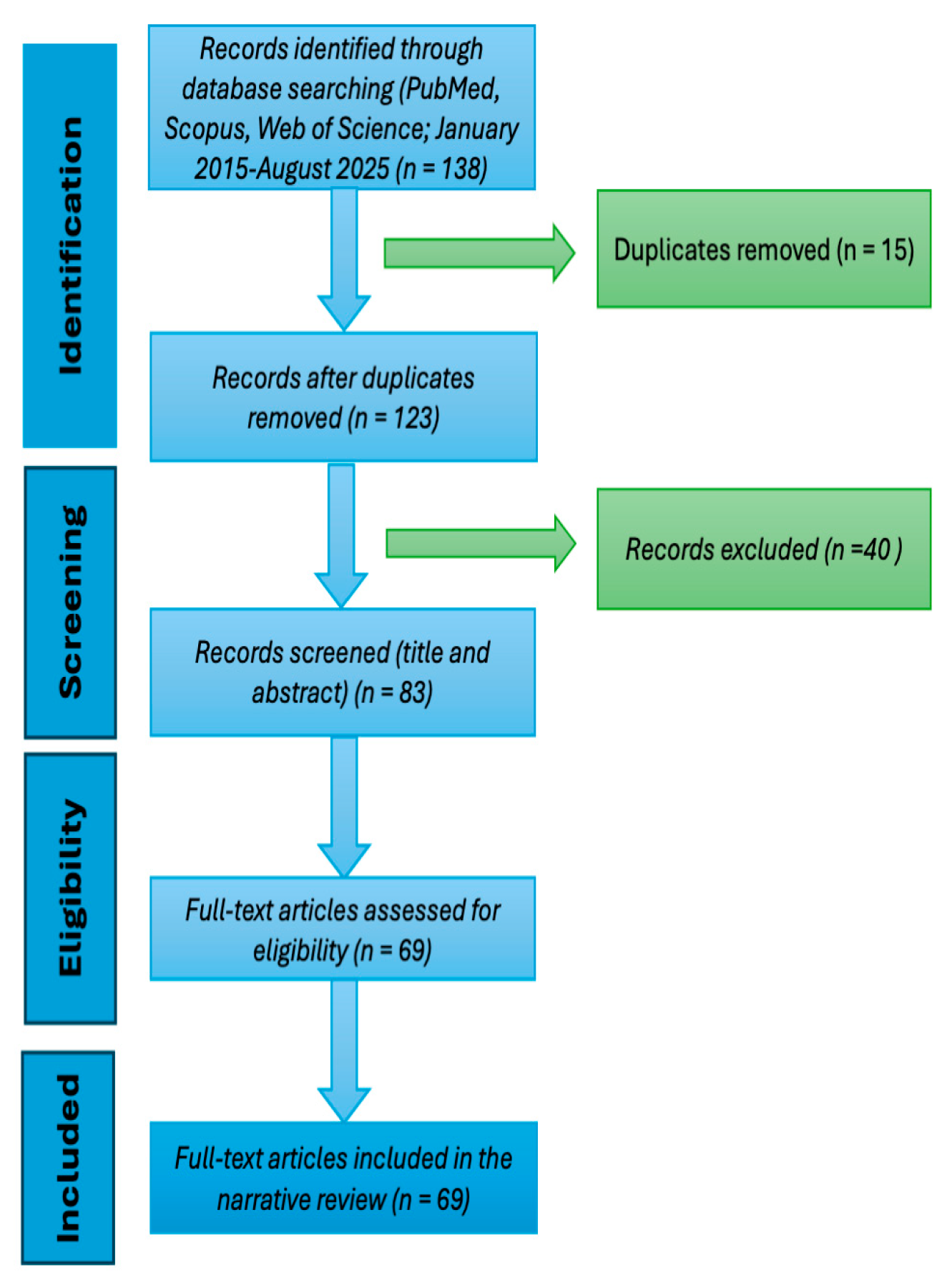
This work is a structured narrative review intended to synthesize key microbiological, clinical, and therapeutic aspects of multidrug-resistant (MDR) and extensively drug-resistant (XDR) Acinetobacter baumannii, with emphasis on ICU-acquired infections. Although a targeted and reproducible literature search was conducted, this review does not follow PRISMA methodology and should not be considered a systematic review. The database search was selective rather than exhaustive, guided by clinical relevance and expert judgment. A PRISMA-style flow diagram is included solely as a descriptive tool to illustrate the identification, screening, and selection of articles, without implying adherence to the full PRISMA framework. The search covered the period from January 2015 to August 2025 to ensure that the evidence reflected current clinical practice, particularly with respect to emerging therapeutic agents and resistance mechanisms in ICU-acquired infections. Earlier studies, while historically important, were not systematically included in order to maintain a consistent and contemporary, practice-oriented evidence base.
In PubMed, the following Boolean string was used as a representative search example: (“Acinetobacter baumannii” OR “CRAB” OR “multidrug-resistant Acinetobacter”) AND (“carbapenem resistance” OR “OXA carbapenemase” OR “cefiderocol” OR “sulbactam–durlobactam”) AND (“ICU” OR “ventilator-associated pneumonia” OR “bacteremia” OR “antimicrobial therapy”). Medical Subject Headings (MeSH) were consulted but not applied systematically, as the narrative nature of this review prioritized flexibility and inclusion of recent terms not yet indexed. Reference lists of key studies and reviews were manually screened for additional relevant articles. Duplicate records were removed manually during the selection process. Gray literature, including preprints, non-peer-reviewed reports, and conference abstracts, was excluded to ensure the reliability of included sources. The data analysis was performed using Microsoft Excel and PowerPoint 2016.

2.2. Inclusion and Exclusion Criteria

Studies were included if they focused on infections caused by multidrug-resistant (MDR), extensively drug-resistant (XDR), or carbapenem-resistant (CRAB) Acinetobacter baumannii strains, particularly in the context of healthcare-associated or ICU-acquired infections. Eligible articles had to report clinical, microbiological, or therapeutic data related to A. baumannii and its antimicrobial management. Priority was given to human clinical studies (observational or interventional studies, systematic reviews, meta-analyses, and international treatment guidelines). Selected in vitro and pharmacodynamic/pharmacokinetic studies were also included when they provided essential information on antimicrobial mechanisms of action or drug pharmacological profiles relevant to MDR/XDR/CRAB A. baumannii.
Exclusion criteria included:
  • Non-peer-reviewed sources (e.g., editorials, narrative reviews without original data, opinion papers)
  • Conference abstracts lacking full data or without an associated full-text article
  • Non-English articles (unless a verified translation was available)
  • Studies conducted exclusively in vitro that did not provide clinically relevant information on resistance mechanisms or drug properties
  • Articles not specifically addressing MDR/XDR/CRAB A. baumannii or unrelated to antimicrobial resistance and ICU/healthcare-associated infections

2.3. Data Extraction and Synthesis

Relevant data were independently extracted by four authors and included information on antimicrobial resistance mechanisms, clinical outcomes, therapeutic options, and pharmacological properties of emerging agents. Any discrepancies or differences in interpretation were resolved through discussion and mutual agreement.
Given the narrative nature of this review, study heterogeneity was not assessed statistically but was addressed through thematic organization of content. Synthesized data were structured primarily by clinical context (e.g., ICU infections, pneumonia, bacteremia) and resistance mechanism (e.g., OXA enzymes, efflux pumps) to ensure a coherent and clinically relevant presentation (Figure 1).

3. Epidemiology and Clinical Significance

3.1. Community-Acquired Infections Versus Healthcare-Associated Infections

Although mainly a healthcare-associated pathogen, A. baumannii is increasingly reported as a cause of community-acquired pneumonia (CAP), especially in tropical and subtropical regions [1]. Reports from Northern Australia, Taiwan, and Brazil link its emergence to environmental factors like temperature and humidity. Common risk factors include alcoholism, diabetes, and chronic lung disease [10]. These infections often follow a fulminant course. A study from Northern Australia reported mortality rates exceeding 60% in patients with community-acquired A. baumannii pneumonia, many of whom presented with septic shock and required early mechanical ventilation [11].
While community-acquired A. baumannii infections are less common, they highlight the organism’s clinical versatility and underscore the importance of understanding its full pathogenic spectrum before focusing on the more prevalent healthcare-associated strains. Its ability to persist on dry surfaces and rapidly acquire antimicrobial resistance mechanisms has elevated it from an opportunistic colonizer to a global healthcare priority [1,12].
Global surveillance shows that CRAB represents 30–70% of hospital isolates, with the highest rates in Southeast Asia, Eastern Europe, and Latin America [13]. The pathogen’s inclusion in the ESKAPE group underscores its role in driving antimicrobial resistance worldwide [14].

3.2. Global Resistance Trends

The WHO classifies CRAB as a critical-priority pathogen, with the 2024 WHO list reaffirming its status among the top threats due to limited therapeutic options [15]. In high-burden regions, MDR/XDR A. baumannii strains account for over 70% of isolates [16,17,18,19,20]. However, this figure varies widely depending on local epidemiology, with countries such as Finland and Norway consistently reporting resistance rates below 10%. In critically ill patients, especially those with VAP or bloodstream infections, mortality ranges from 40% to 80% [16,17,18,19,20].
Longitudinal surveillance data show a clear rise in CRAB prevalence over time. Historical data from the early 2000s indicate that carbapenem resistance among A. baumannii isolates was substantially lower in many regions, with some studies reporting rates in the range of 30–36% in Europe between 2013 and 2017 [21]. In contrast, more recent meta-analyses encompassing data from 2020 to 2023 reveal that overall carbapenem resistance among A. baumannii isolates has risen to approximately 74–81% globally, with highest resistance rates observed in Asia, Africa, and parts of southern Europe [22]. Certain regional studies further report local resistance rates reaching ~90% in the Middle East and Mediterranean area, underscoring the increasing burden in these settings [23]. These longitudinal data demonstrate a clear upward trend in CRAB prevalence over the past decade, reflecting the growing challenge of carbapenem resistance in clinical settings and the need for enhanced antimicrobial stewardship and infection control strategies.
Moreover, a 2021 European Centre for Disease Prevention and Control (ECDC) report indicated that more than 15% of intensive care patients who stay over 48 h acquire at least one healthcare-associated infection, underscoring the ongoing relevance of A. baumannii as a nosocomial pathogen [24]. Seasonal variation also plays a role, with higher incidence during warmer months—suggesting that climate factors such as temperature and humidity may influence pathogen persistence and transmission [2]. At the regional level, resistance rates show remarkable heterogeneity, with some of the highest values recorded in Eastern Europe, particularly in Romania.

3.3. Regional Data from Romania

In Romania, surveillance data consistently demonstrate alarming multidrug and carbapenem resistance rates among clinical A. baumannii isolates, particularly within intensive care units. The pathogen has become a dominant cause of ventilator-associated and bloodstream infections, reflecting intense antibiotic pressure and clonal persistence within hospital environments (Table 1).
Taken together, these data highlight A. baumannii as a resilient and rapidly evolving pathogen that continues to challenge healthcare systems worldwide. Understanding local resistance patterns—such as those described in Romania—is essential to guiding both empirical therapy and infection control policies. The regional variability in resistance underscores the need for tailored surveillance and intervention strategies, especially in high-risk areas such as Romania.

4. Mechanisms of Antimicrobial Resistance in Acinetobacter baumannii

Misuse and overuse of antibiotics have been central drivers of the escalating resistance observed in A. baumannii. In its 2024 update, the World Health Organization expanded the list of bacterial priority pathogens to include 24 agents across 15 bacterial families, reaffirming the critical threat posed by A. baumannii, especially carbapenem-resistant strains [15].
Therapeutic combinations, including ampicillin-sulbactam and carbapenems, have shown effectiveness in targeting MDR A. baumannii in both lab and clinical contexts. Nonetheless, resistance continues to evolve, necessitating new therapeutic approaches and innovative drug development strategies [29,30,31].
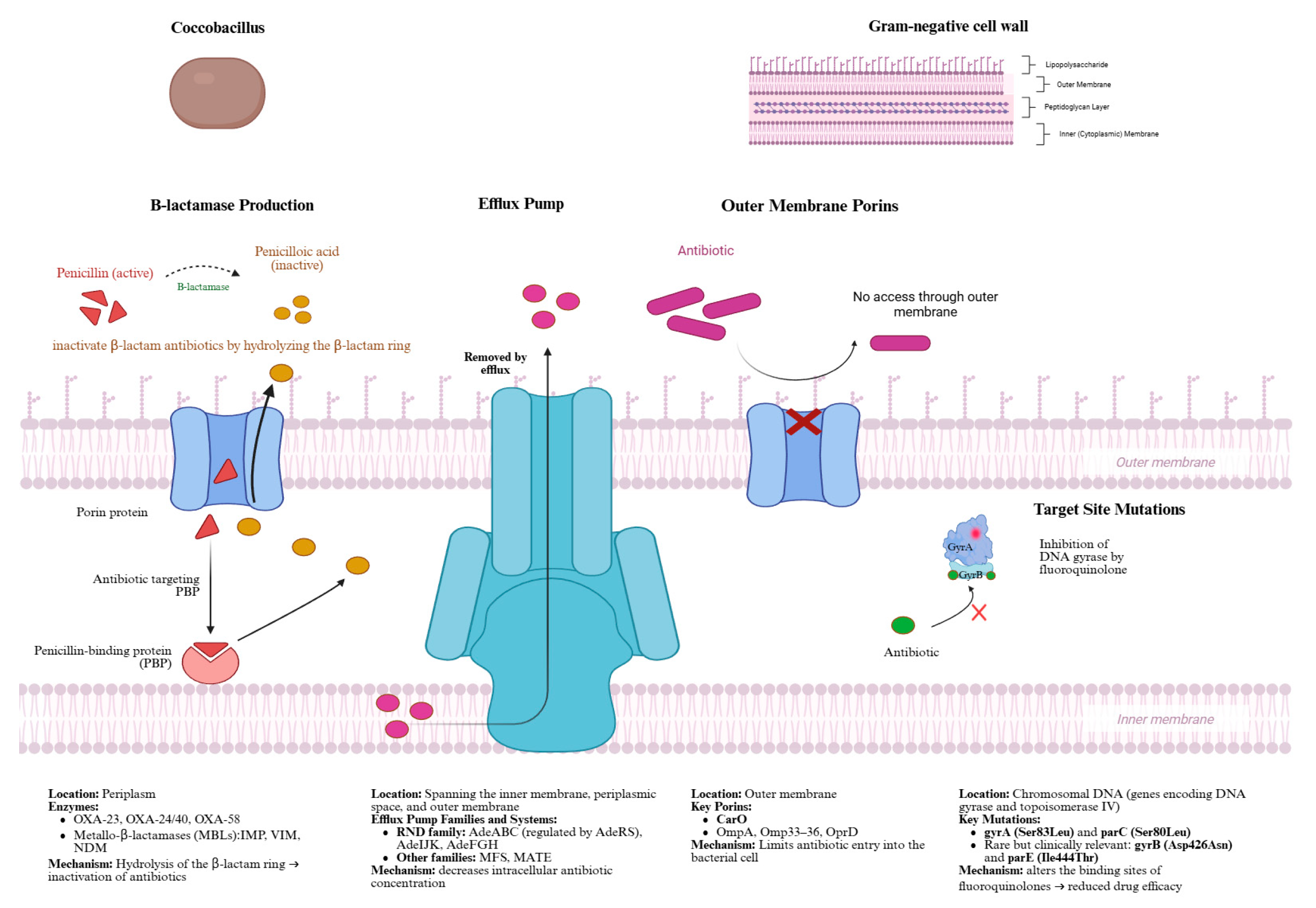
The multidrug-resistant phenotype of A. baumannii results from the interplay of several adaptive mechanisms acting simultaneously rather than independently. Understanding how these mechanisms converge is essential to designing effective therapeutic strategies. To better understand the multidrug-resistant phenotype of A. baumannii, this review highlights the primary resistance mechanisms: enzymatic degradation, altered permeability, active efflux, and target site modifications.

4.1. β-Lactamase Production and Carbapenem Resistance

The main resistance mechanism in A. baumannii is the production of β-lactamases. These enzymes inactivate β-lactam antibiotics by hydrolyzing the β-lactam ring. Among them, class D carbapenem-hydrolyzing oxacillinases (OXA-type) are the most clinically relevant. The most widespread are OXA-23, OXA-24/40, OXA-58, and, more rarely, OXA-143 and OXA-235. These enzymes confer high-level resistance to carbapenems and are often encoded by plasmids or transposons, facilitating horizontal gene transfer [32].
In addition to class D enzymes, some A. baumannii isolates produce class B metallo-β-lactamases (MBLs), such as IMP, VIM, and NDM, although these are less common. Unlike OXA enzymes, MBLs require zinc as a cofactor and are not inhibited by β-lactamase inhibitors like sulbactam or tazobactam [32].
This diversity of β-lactamases complicates both diagnosis and treatment. Routine laboratory testing may underestimate resistance when gene detection is not included, and treatment failure is common when carbapenems are used empirically [32].
Table 2 summarizes the classification (Ambler scheme), enzymatic mechanisms, inhibition profiles, and relevance to clinical isolates of A. baumannii.
The enzymes listed below represent the most frequently encountered carbapenemases in A. baumannii, including both intrinsic and acquired types (Table 3).

4.2. Efflux Pumps

Efflux pumps actively extrude antibiotics from the bacterial cell, contributing significantly to multidrug resistance [33]. These active transport systems, particularly those of the Resistance-Nodulation-Division (RND) family—AdeABC, AdeIJK, and AdeFGH—play a key role in MDR by extruding multiple antibiotics, including aminoglycosides, fluoroquinolones, β-lactams, and tigecycline [34,35].
Recent functional analyses confirm that gene knockouts of these systems reduce resistance levels, biofilm formation, and virulence expression [35]. The AdeABC system, driven by adeRS regulatory elements, is most strongly associated with MDR phenotypes. Overexpression of these pumps is closely linked to therapeutic failure, particularly in ventilator-associated pneumonia [35].
Several efflux pump systems—especially from the RND, MFS, and MATE families—contribute significantly to multidrug resistance in A. baumannii. Table 4 lists the key systems, their gene components, and the targeted antimicrobials.

4.3. Outer Membrane Porins

Porin loss reduces outer membrane permeability and limits antibiotic entry, enhancing resistance. Key porins implicated in A. baumannii include OmpA, Omp33–36, CarO, and OprD. Among them, CarO is specifically involved in imipenem uptake, and its inactivation has been strongly associated with carbapenem resistance [36]. Dynamic structural studies of Omp33–36 suggest this porin adjusts its permeability in response to antibiotic stress. Combined with efflux pump overexpression, porin alterations form a dual barrier mechanism—reducing antibiotic entry while enhancing active extrusion [9]. Loss, mutation, or downregulation of specific porins impairs antibiotic influx and contributes to resistance, as shown in Table 5.

4.4. Fluoroquinolone Resistance via Target Site Mutations

Resistance to fluoroquinolones is primarily driven by mutations in the quinolone resistance-determining regions (QRDRs) of gyrA and parC [37,38]. The most common substitutions, Ser83Leu (GyrA) and Ser80Leu (ParC), reduce fluoroquinolone binding and are strongly associated with high-level resistance [37,38]. In a 2021 study, over 70% of fluoroquinolone-resistant A. baumannii isolates harbored these mutations, often in combination with plasmid-mediated resistance genes such as qnrA and aac(6′)-Ib-cr, which further amplified resistance levels [37]. More recently, rare but clinically relevant mutations have been identified in gyrB and parE (e.g., gyrB Asp426→Asn, parE Ile444→Thr), particularly in strains with MIC values exceeding 128 µg/mL for ciprofloxacin [38]. These findings highlight the complex and dynamic nature of fluoroquinolone resistance in A. baumannii, driven by both chromosomal mutations and plasmid-mediated mechanisms.
Taken together, these resistance determinants highlight the extraordinary genomic plasticity of A. baumannii, which allows rapid adaptation to antibiotic pressure through both chromosomal mutations and horizontal gene transfer.
To enhance clarity, Figure 2 summarizes the main resistance mechanisms and patterns associated with MDR and XDR Acinetobacter baumannii.

4.5. Clinical Implications

In the context of ventilator-associated infections (VAP), these resistance mechanisms severely limit the efficacy of empirical therapy, often necessitating last-resort agents and contributing to increased ICU length of stay and mortality. Co-expression of AdeABC efflux pumps and OXA-type carbapenemases has been correlated with therapeutic failure to agents such as tigecycline and meropenem, particularly in ventilated patients [32,34,35].
A deeper understanding of these resistance mechanisms is critical for the development of effective therapeutic combinations and novel agents. Future efforts should focus on integrating molecular resistance profiling into clinical decision-making, enabling personalized antimicrobial therapy and timely infection control interventions. This approach aligns with current efforts to personalize antimicrobial therapy based on resistance genotypes.

5. Current Treatment Options and Emerging Therapies

Treating A. baumannii infections, particularly MDR and XDR strains, is a major clinical challenge due to limited options and poor outcomes. In addition, pharmacokinetic issues, nephrotoxicity, and limited clinical trial data complicate their use in clinical practice. As a result, clinicians are often forced to rely on off-label regimens or combination strategies with variable success. This section provides a structured overview of both established and emerging antimicrobial agents, including siderophore cephalosporins, β-lactamase inhibitors, and last-resort options. Key pharmacological properties, clinical evidence and safety considerations are discussed to support informed therapeutic decision-making in the era of antimicrobial resistance.

5.1. Colistin

Colistin remains a widely used last-line agent for the treatment of pneumonia caused by carbapenem-resistant A. baumannii (CRAB), particularly in ventilator-associated pneumonia (VAP) among critically ill patients [39,40]. Despite in vitro activity, intravenous colistin often yields poor outcomes due to low lung penetration, nephrotoxicity, and altered pharmacokinetics in ICU patients [41].
Recent observational studies suggest that adjunctive inhaled (nebulized) colistin, when added to systemic therapy, may enhance treatment efficacy in VAP. A 2023 meta-analysis by Zhang et al. concluded that inhaled colistin as adjunctive therapy significantly improved microbiological eradication and oxygenation parameters, with no increase in nephrotoxicity compared to intravenous therapy alone [40]. In a 2024 randomized controlled trial, patients receiving both intravenous and nebulized colistin showed faster clinical resolution and higher rates of radiologic improvement than those receiving only intravenous treatment [39].
Combination therapy is increasingly preferred. In CRAB-associated VAP, a retrospective study showed that colistin combined with high-dose tigecycline or carbapenems improved clinical response and reduced ICU mortality compared to colistin alone [42]. In vitro data also support synergistic effects between colistin and antibiotics such as fosfomycin, sulbactam, and rifampin, although evidence from prospective clinical trials remains limited [43].
Resistance to colistin, although still relatively low, is on the rise. A systematic review published in 2024 reported an increase in colistin resistance among A. baumannii isolates from 3.2% pre-2015 to 8.9% post-2020, particularly in ICU environments [44]. This underscores the importance of antimicrobial stewardship and combining colistin with other agents when used.

5.2. Cefiderocol

Cefiderocol is a novel siderophore cephalosporin that demonstrates potent in vitro activity against multidrug-resistant (MDR) Gram-negative pathogens, including A. baumannii. Its mechanism of action relies on active transport through bacterial iron uptake systems and enhanced stability against both serine- and metallo-β-lactamases, including OXA-type carbapenemases [45,46].
Clinical trial data have yielded mixed outcomes regarding cefiderocol’s efficacy against A. baumannii. In the randomized controlled APEKS-NP trial, cefiderocol demonstrated non-inferiority to high-dose meropenem in the treatment of nosocomial pneumonia, including infections caused by A. baumannii [47]. However, in the open-label CREDIBLE-CR trial, a higher mortality rate was observed in the cefiderocol group compared to best available therapy (BAT), particularly in patients infected with A. baumannii [47]. Baseline differences, such as more frequent renal impairment and ICU admission in the cefiderocol group, complicate the interpretation of efficacy results.
Between 2016 and 2019, 152 patients were randomized: 101 received cefiderocol and 51 received the best available therapy. Of these, 150 were treated (101 with cefiderocol, 85% in monotherapy, and 49 with standard therapy, 61% in combination therapy). In the carbapenem-resistant microbiological ITT population (118 patients), the most common pathogens were Acinetobacter baumannii (46%), Klebsiella pneumoniae (33%), and Pseudomonas aeruginosa (19%) [47].
Treatment-emergent adverse events were observed in 91% of the cefiderocol group and 96% of the best available therapy group. Mortality rates were higher in the cefiderocol group (34%) compared to the best available therapy group (18%), with one death directly related to the study drug. Patients with Acinetobacter infections treated with cefiderocol had more baseline risk factors, including renal dysfunction and ICU admission [47].
Higher mortality in the cefiderocol group occurred mainly in patients with Acinetobacter infections and preexisting risk factors, complicating the interpretation of efficacy data. The small sample size and patient heterogeneity limited the study’s ability to balance baseline factors. Future studies could consider additional stratification factors to better balance mortality risk. The open-label design was necessary due to the variability in best available therapy regimens. The composite endpoint used was confounded by individual components, and further limitations included the inability to adjust for factors affecting outcomes and the mixing of safety and efficacy evaluations [47].

5.3. Tigecycline

Tigecycline is a glycylcycline antibiotic with broad-spectrum activity against Gram-negative pathogens, including certain multidrug-resistant A. baumannii strains. It inhibits bacterial protein synthesis by binding to the 30S ribosomal subunit. Despite in vitro activity, tigecycline’s role in severe infections is debated due to low serum levels, especially in bloodstream infections [48].
Several studies have investigated the efficacy of high-dose tigecycline (HD-TGC) regimens. In a retrospective cohort of patients with XDR A. baumannii bacteremia, Han et al. reported improved outcomes in those treated with high-dose tigecycline (200 mg loading dose followed by 100 mg every 12 h), compared to standard doses [49]. Similarly, a prospective pharmacokinetic study published in 2023 confirmed that high-dose tigecycline achieved better pharmacokinetic targets, though no significant differences were observed in overall mortality or microbiological eradication between dosing groups [50].
A meta-analysis published in 2024 confirmed that high-dose tigecycline [100 mg every 12 h] was significantly more effective than control regimens in VAP due to MDR pathogens, without increasing adverse event rates [51].
Combination therapy involving tigecycline is often pursued to enhance efficacy. A retrospective cohort study found that adding tigecycline to combination therapy improved clinical response and reduced failure in ICU pneumonia cases [52]. In vitro studies also suggest synergistic interactions between tigecycline and polymyxins, especially colistin, against A. baumannii [53].
Nonetheless, resistance to tigecycline is increasing, mainly due to the upregulation of efflux pumps [e.g., AdeABC, AdeIJK] and mutations in ribosomal targets. A narrative review published in 2023 emphasized the need for careful use of tigecycline to preserve its effectiveness in multidrug-resistant infections [54]. Though limited as monotherapy, tigecycline is useful in optimized or combination regimens, especially in salvage cases with few options.

5.4. Combination Therapies

Due to the limited efficacy of monotherapy in treating MDR and XDR A. baumannii infections, combination regimens are increasingly used in clinical practice. These strategies aim to enhance antibacterial activity, reduce resistance development, and improve outcomes in severe infections such as pneumonia and bacteremia. Although high-quality evidence remains limited, available data support the use of selected combinations, particularly in critically ill patients with few therapeutic options.

5.4.1. Comparative Efficacy: Colistin Plus Tigecycline vs. Colistin Plus Carbapenem

Several clinical and observational studies, as well as meta-analyses, have evaluated outcomes of different colistin-based dual therapies in CRAB infections, though direct head-to-head comparisons remain limited. Overall, the evidence suggests that although combination regimens may improve secondary outcomes compared with monotherapy, there is no consistent evidence that colistin plus tigecycline is superior to colistin plus carbapenem across studies.
A recent retrospective cohort study reported favorable outcomes with both combinations. Clinical cure and microbiological eradication rates were higher than with colistin monotherapy. However, 30-day mortality did not differ significantly between the two combinations [55]. In patients with CRAB pneumonia, another study compared meropenem–colistin and meropenem–tigecycline. The results showed similar mortality rates and adverse event profiles [56]. These findings suggest that both combinations are clinically useful, but no clear superiority was demonstrated.
Pharmacologically, the combinations have distinct advantages. Tigecycline achieves higher concentrations in lung tissue. This makes it suitable for pulmonary infections. In contrast, carbapenems provide better plasma concentrations, favoring their use in bacteremia [57]. Importantly, using colistin in combination can reduce the risk of resistance development. This supports the rationale for avoiding monotherapy in severe CRAB infections [58].
In conclusion, both colistin plus tigecycline and colistin plus carbapenem are reasonable options. The decision should be based on the site of infection, antibiotic susceptibility, and patient-specific factors. Further randomized clinical trials are needed to establish a clear therapeutic advantage.

5.4.2. Ceftazidime/Avibactam

Ceftazidime–avibactam, a combination of a third-generation cephalosporin and a non-β-lactam β-lactamase inhibitor, is approved for the treatment of infections caused by carbapenem-resistant Enterobacterales and some Pseudomonas aeruginosa strains. However, its activity against A. baumannii is significantly limited. Avibactam fails to inhibit OXA-type β-lactamases, the main resistance mechanism in A. baumannii, making this combination largely ineffective [59,60].
Resistance to ceftazidime–avibactam in A. baumannii is typically intrinsic but can also be mediated by porin mutations and efflux pump overexpression. A systematic analysis reported that more than 50% of A. baumannii isolates tested globally between 2015 and 2022 were non-susceptible to ceftazidime–avibactam [61].
Given this limited spectrum and resistance profile, current international guidelines do not recommend ceftazidime–avibactam for the treatment of A. baumannii infections. Its use remains investigational in this context and may only be considered in exceptional cases involving co-infections or as part of salvage regimens guided by susceptibility results [62].

5.4.3. Sulbactam–Durlobactam

Sulbactam–durlobactam (SUL–DUR) is a newly approved combination consisting of sulbactam, a β-lactam antibiotic with intrinsic activity against Acinetobacter spp., and durlobactam, a novel diazabicyclooctane β-lactamase inhibitor. Sulbactam exerts its activity by binding to penicillin-binding proteins [PBPs], particularly PBP1a, PBP1b, and PBP3, while durlobactam inhibits class A, C, and D β-lactamases, including the clinically significant OXA-type enzymes that mediate carbapenem resistance in A. baumannii [63].
The combination has shown promising in vitro activity against a broad range of multidrug-resistant A. baumannii isolates, including those resistant to carbapenems, colistin, and aminoglycosides [64]. The pivotal ATTACK trial, a randomized, controlled, phase 3 study, demonstrated non-inferiority of SUL–DUR compared to colistin in patients with serious infections caused by A. baumannii-calcoaceticus complex. Notably, SUL–DUR was associated with a significantly lower rate of nephrotoxicity (13.2% vs. 37.6%) while achieving similar clinical cure and 28-day mortality rates [65].
These findings position SUL-DUR as a valuable therapeutic option for infections due to CRAB, particularly in critically ill patients at risk for renal injury. However, real-world effectiveness data remain limited, and ongoing surveillance is needed to monitor for emerging resistance under therapeutic pressure.
Given the increasing complexity of resistance mechanisms and the growing number of therapeutic options under evaluation, a structured comparison of key agents may assist clinicians in selecting appropriate regimens. Table 6 summarizes the main pharmacological and clinical features of both established and emerging treatments for A. baumannii infections.

6. Prevention

Effective prevention of A. baumannii pneumonia in hospital settings hinges on a multimodal infection prevention and control (IPC) bundle.
Hand hygiene remains essential, with improved compliance among healthcare workers associated with a notable annual reduction in CRAB incidence (≈9.8%), as shown in cohort studies based on direct observation [56].
Active screening and surveillance cultures in high-risk areas such as ICUs allow early detection of colonized patients, enabling prompt isolation or cohorting measures [66].
Environmental cleaning and surface disinfection, including regular rotation of disinfectants during outbreaks, has proven effective in controlling CRAB transmission in ICUs [67,68].
Contact precautions and isolation, such as single-room placement or cohorting CRAB-positive patients, are recommended in international guidelines to prevent respiratory cross-transmission [66].
Finally, antimicrobial stewardship is critical. Approaches like de-escalation based on culture results, shorter durations of broad-spectrum therapy, and frequent clinical reassessment have been shown to be safe in VAP and help reduce resistance pressure [69].

7. Conclusions

In conclusion, the management of A. baumannii infections—particularly those caused by MDR and XDR strains—remains a major challenge due to limited therapeutic options and rising resistance. While novel antimicrobials and optimized combination regimens offer new hope, their success is inherently linked to rapid diagnostics, antimicrobial stewardship, and timely clinical decision-making. Crucially, preventive strategies such as infection control, surveillance, and hygiene measures are essential pillars in curbing the spread of MDR-AB. Without coordinated action that couples effective infection prevention with stewardship, rapid diagnostics, and access to active therapies, MDR/XDR A. baumannii will continue to drive avoidable morbidity and mortality in high-risk hospital settings.

Author Contributions

Conceptualization, I.A.S. and C.M.; writing—original draft preparation, I.A.S., B.B.M., A.R. and C.-E.F.; writing—review and editing, R.C.D., C.A.C. and M.A.P.; supervision, C.M. All authors have read and agreed to the published version of the manuscript.

Funding

This research received no external funding.

Institutional Review Board Statement

Not applicable.

Informed Consent Statement

This study did not involve humans. It is a narrative review of published literature in the field.

Data Availability Statement

The data published in this research are available on request from the first author and corresponding author. All information provided in this review is documented by relevant references.

Conflicts of Interest

The authors declare no conflicts of interest.

Abbreviations

ABAcinetobacter baumannii
AbeMAcinetobacter efflux pump type MATE
ACBAcinetobacter calcoaceticus–baumannii
ADCAcinetobacter-Derived Cephalosporinase
AdeABCMultidrug efflux pump system
AmpCClass C cephalosporinase
AMRAntimicrobial Resistance
AmvAAcinetobacter multiple valence efflux type A
APEKS-NPAcinetobacter-Pseudomonas Evaluation for Carbapenem Susceptibility—Non-fermenter Panel
ArmAAminoglycoside resistance methyltransferase
APCArticle Processing Charge
ASTAntimicrobial Susceptibility Testing
ATTACKAcinetobacter Treatment Trial Against Colistin-Resistant A. baumannii
blaSHVBeta-lactamase sulfhydryl reagent variable
blaGESBeta-lactamase Guiana extended-spectrum
BL/BLIBeta-Lactam/Beta-Lactamase Inhibitor
CAPCommunity-acquired pneumonia
CarOCarbapenem-Associated outer membrane protein O
CFDCCefiderocol
CLSIClinical and Laboratory Standards Institute
CMYCephamycin
CraAChloramphenicol Resistance Acinetobacter
CRABCarbapenem-Resistant Acinetobacter baumannii
CREDIBLE-CRCeftazidime–Avibactam in the Treatment of Serious Infections due to Carbapenem-Resistant Gram-Negative Pathogens
DNADeoxyribonucleic Acid
ESBLExtended-Spectrum Beta-Lactamase
EUCASTEuropean Committee on Antimicrobial Susceptibility Testing
FOXForkhead box protein
gyrADNA gyrase subunit A
gyrBDNA gyrase subunit B
HAPHospital-Acquired Pneumonia
HD-TGCHigh-dose Tigecycline
ICUIntensive Care Unit
IMPImipenemase
ISInsertion Sequence
ISAba1Insertion Sequence Aba1
KPCKlebsiella pneumoniae Carbapenemase
LPSLipopolysaccharide
MATEMultidrug and Toxic Compound Extrusion
MBLsMetallo-β-lactamases
MDRMultidrug-Resistant
MFSMajor Facilitator Superfamily
MICMinimum Inhibitory Concentration
MLSTMultilocus Sequence Typing
NDMNew Delhi metallo-β-lactamase
OmpAOuter Membrane Protein A
Omp33-36Outer membrane porin 33–36 kDa
OprDOuter membrane porin D
OXAOxacillinase
parCTopoisomerase IV subunit A gene
parETopoisomerase IV subunit B gene
PBPsPenicillin-binding proteins
PCRPolymerase Chain Reaction
PDRPandrug resistance
PK/PDPharmacokinetics / Pharmacodynamics
QRDRsQuinolone resistance-determining regions
RNDResistance Nodulation Division
SHVSulfhydryl variable
SUL–DURSulbactam–durlobactam
TEMTemoneira β-lactamase
VAPVentilator-associated pneumonia
VIMVerona integron-encoded metallo-β-lactamase
WHOWorld Health Organisation
XDRExtensively drug-resistant
WGSWhole Genome Sequencing
VITEK 2Automated identification and antimicrobial susceptibility testing system

References

  1. Buchhorn De Freitas, S.; Hartwig, D.D. Promising targets for immunotherapeutic approaches against Acinetobacter baumannii. Microb. Pathog. 2022, 173, 105855. [Google Scholar] [CrossRef]
  2. Piperaki, E.T.; Tzouvelekis, L.S.; Miriagou, V.; Daikos, G.L. Carbapenem-resistant Acinetobacter baumannii: In pursuit of an effective treatment. Clin. Microbiol. Infect. 2019, 25, 951–957. [Google Scholar] [CrossRef]
  3. Santajit, S.; Indrawattana, N. Mechanisms of Antimicrobial Resistance in ESKAPE Pathogens. Biomed. Res. Int. 2016, 2016, 2475067. [Google Scholar] [CrossRef] [PubMed]
  4. WHO. WHO Updates List of Drug-Resistant Bacteria Most Threatening to Human Health. Available online: https://www.who.int/news/item/17-05-2024-who-updates-list-of-drug-resistant-bacteria-most-threatening-to-human-health (accessed on 10 December 2025).
  5. Boutzoukas, A.; Doi, Y. The global epidemiology of carbapenem-resistant Acinetobacter baumannii. JAC Antimicrob. Resist. 2025, 7, dlaf134. [Google Scholar] [CrossRef] [PubMed]
  6. Miftode, I.L.; Pasare, M.A.; Miftode, R.S.; Nastase, E.; Plesca, C.E.; Lunca, C.; Miftode, E.G.; Timpau, A.S.; Iancu, L.S.; Dorneanu, O.S. What Doesn’t Kill Them Makes Them Stronger: The Impact of the Resistance Patterns of Urinary Enterobacterales Isolates in Patients from a Tertiary Hospital in Eastern Europe. Antibiotics 2022, 11, 548. [Google Scholar] [CrossRef]
  7. Miftode, I.L.; Leca, D.; Miftode, R.S.; Roşu, F.; Plesca, C.; Loghin, I.; Timpau, A.S.; Mitu, I.; Mititiuc, I.; Dorneanu, O.; et al. The Clash of the Titans: COVID-19, Carbapenem-Resistant Enterobacterales, and First mcr-1-Mediated Colistin Resistance in Humans in Romania. Antibiotics 2023, 12, 324. [Google Scholar] [CrossRef]
  8. Wong, D.; Nielsen, T.B.; Bonomo, R.A.; Pantapalangkoor, P.; Luna, B.; Spellberg, B. Clinical and Pathophysiological Overview of Acinetobacter Infections: A Century of Challenges. Clin. Microbiol. Rev. 2017, 30, 409–447. [Google Scholar] [CrossRef]
  9. Rangel, K.; De-Simone, S.G. Treatment and Management of Acinetobacter Pneumonia: Lessons Learned from Recent World Event. Infect. Drug Resist. 2024, 17, 507–529. [Google Scholar] [CrossRef] [PubMed]
  10. Filho, S.P.F.; Pereira, M.S.; Nobre Rodrigues, J.L.; Guimarães, R.B.; Ribeiro da Cunha, A.; Corrente, J.E.; Pignatari, A.C.C.; Fortaleza, C.M.C.B. Seasonality and weather dependance of Acinetobacter baumannii complex bloodstream infections in different climates in Brazil. PLoS ONE 2021, 16, e0255593. [Google Scholar] [CrossRef]
  11. Dexter, C.; Murray, G.L.; Paulsen, I.T.; Peleg, A.Y. Community-acquired Acinetobacter baumannii: Clinical characteristics, epidemiology and pathogenesis. Expert Rev. Anti-Infect. Ther. 2015, 13, 567–573. [Google Scholar] [CrossRef]
  12. Zollner-Schwetz, I.; Zechner, E.; Ullrich, E.; Luxner, J.; Pux, C.; Pichler, G.; Schippinger, W.; Krause, R.; Leitner, E. Colonization of long term care facility patients with MDR-Gram-negatives during an Acinetobacter baumannii outbreak. Antimicrob. Resist. Infect. Control 2017, 6, 49. [Google Scholar] [CrossRef]
  13. Ayobami, O.; Willrich, N.; Harder, T.; Okeke, I.N.; Eckmanns, T.; Markwart, R. The incidence and prevalence of hospital-acquired (carbapenem-resistant) Acinetobacter baumannii in Europe, Eastern Mediterranean and Africa: A systematic review and meta-analysis. Emerg. Microbes Infect. 2019, 8, 1747–1759. [Google Scholar] [CrossRef]
  14. Weinberg, S.E.; Villedieu, A.; Bagdasarian, N.; Karah, N.; Teare, L.; Elamin, W.F. Control and management of multidrug resistant Acinetobacter baumannii: A review of the evidence and proposal of novel approaches. Infect. Prev. Pract. 2020, 2, 100077. [Google Scholar] [CrossRef]
  15. WHO. WHO Bacterial Priority Pathogens List, 2024: Bacterial Pathogens of Public Health Importance to Guide Research, Development and Strategies to Prevent and Control Antimicrobial Resistance. Available online: https://www.who.int/publications/i/item/9789240093461 (accessed on 25 May 2025).
  16. Zhang, Y.; Xu, G.; Miao, F.; Huang, W.; Wang, H.; Wang, X. Insights into the epidemiology, risk factors, and clinical outcomes of carbapenem-resistant Acinetobacter baumannii infections in critically ill children. Front. Public Health 2023, 11, 1282413. [Google Scholar] [CrossRef]
  17. Pathoor, N.N.; Ganesh, P.S.; Gopal, R.K. Understanding the prevalence, antimicrobial resistance, and public health challenges of Acinetobacter baumannii in India and China. J. Appl. Microbiol. 2025, 136, lxaf102. [Google Scholar] [CrossRef] [PubMed]
  18. Jean, S.S.; Lee, N.Y.; Tang, H.J.; Lu, M.C.; Ko, W.C.; Hsueh, P.R. Carbapenem-Resistant Enterobacteriaceae Infections: Taiwan Aspects. Front. Microbiol. 2018, 9, 2888. [Google Scholar] [CrossRef] [PubMed]
  19. Holmes, C.L.; Anderson, M.T.; Mobley, H.L.T.; Bachman, M.A. Pathogenesis of Gram-Negative Bacteremia. Clin. Microbiol. Rev. 2021, 34, 10–1128. [Google Scholar] [CrossRef] [PubMed]
  20. Cruz-López, F.; Martínez-Meléndez, A.; Morfin-Otero, R.; Rodriguez-Noriega, E.; Maldonado-Garza, H.J.; Garza-González, E. Efficacy and In Vitro Activity of Novel Antibiotics for Infections With Carbapenem-Resistant Gram-Negative Pathogens. Front. Cell Infect. Microbiol. 2022, 12, 884365. [Google Scholar] [CrossRef]
  21. Ayobami, O.; Willrich, N.; Suwono, B.; Eckmanns, T.; Markwart, R. The epidemiology of carbapenem-non-susceptible Acinetobacter species in Europe: Analysis of EARS-Net data from 2013 to 2017. Antimicrob. Resist. Infect. Control. 2020, 9, 89. [Google Scholar] [CrossRef]
  22. Beig, M.; Parvizi, E.; Navidifar, T.; Bostanghadiri, N.; Mofid, M.; Golab, N.; Sholeh, M. Geographical mapping and temporal trends of Acinetobacter baumannii carbapenem resistance: A comprehensive meta-analysis. PLoS ONE 2024, 19, e0311124. [Google Scholar] [CrossRef]
  23. Al-Rashed, N.; Bindayna, K.M.; Shahid, M.; Saeed, N.K.; Darwish, A.; Joji, R.M.; Al-Mahmeed, A. Prevalence of Carbapenemases in Carbapenem-Resistant Acinetobacter baumannii Isolates from the Kingdom of Bahrain. Antibiotics 2023, 12, 1198. [Google Scholar] [CrossRef]
  24. Healthcare-Associated Infections Acquired in Intensive Care Units—Annual Epidemiological Report for 2021. Available online: https://www.ecdc.europa.eu/en/publications-data/healthcare-associated-infections-acquired-intensive-care-units-annual-0 (accessed on 10 December 2025).
  25. Pană, A.G.; Șchiopu, P.; Țoc, D.A.; Neculicioiu, V.S.; Butiuc-Keul, A.; Farkas, A.; Dobrescu, M.; Flonta, M.; Costache, C.; Szász, I.É.; et al. Clonality and the Phenotype–Genotype Correlation of Antimicrobial Resistance in Acinetobacter baumannii Isolates: A Multicenter Study of Clinical Isolates from Romania. Microorganisms 2025, 13, 176. [Google Scholar] [CrossRef] [PubMed]
  26. Borcan, A.M.; Rotaru, E.; Caravia, L.G.; Filipescu, M.C.; Simoiu, M. Trends in Antimicrobial Resistance of Acinetobacter baumannii and Pseudomonas aeruginosa from Bloodstream Infections: An Eight-Year Study in a Romanian Tertiary Hospital. Pharmaceuticals 2025, 18, 948. [Google Scholar] [CrossRef] [PubMed]
  27. Lăzureanu, V.; Poroșnicu, M.; Gândac, C.; Moisil, T.; Bădițoiu, L.; Laza, R.; Marinescu, A.R. Infection with Acinetobacter baumannii in an intensive care unit in the Western part of Romania. BMC Infect. Dis. 2016, 16, 95. [Google Scholar] [CrossRef] [PubMed]
  28. Gheorghe-Barbu, I.; Barbu, I.C.; Popa, L.I.; Pîrcălăbioru, G.G.; Popa, M.; Măruțescu, L.; Niță-Lazar, M.; Banciu, A.; Stoica, C.; Gheorghe, Ș.; et al. Temporo-spatial variations in resistance determinants and clonality of Acinetobacter baumannii and Pseudomonas aeruginosa strains from Romanian hospitals and wastewaters. Antimicrob. Resist. Infect. Control 2022, 11, 115. [Google Scholar] [CrossRef]
  29. Mancuso, G.; Midiri, A.; Gerace, E.; Biondo, C. Bacterial Antibiotic Resistance: The Most Critical Pathogens. Pathogens 2021, 10, 1310. [Google Scholar] [CrossRef]
  30. Karaiskos, I.; Lagou, S.; Pontikis, K.; Rapti, V.; Poulakou, G. The “Old” and the “New” Antibiotics for MDR Gram-Negative Pathogens: For Whom, When, and How. Front. Public Health 2019, 7, 151. [Google Scholar] [CrossRef]
  31. Harding, C.M.; Hennon, S.W.; Feldman, M.F. Uncovering the mechanisms of Acinetobacter baumannii virulence. Nat. Rev. Microbiol. 2018, 16, 91–102. [Google Scholar] [CrossRef]
  32. Černiauskienė, K.; Dambrauskienė, A.; Vitkauskienė, A. Associations between β-Lactamase Types of Acinetobacter baumannii and Antimicrobial Resistance. Medicina 2023, 59, 1386. [Google Scholar] [CrossRef]
  33. Kornelsen, V.; Kumar, A. Update on Multidrug Resistance Efflux Pumps in Acinetobacter spp. Antimicrob. Agents Chemother. 2021, 65, e0051421. [Google Scholar] [CrossRef]
  34. Choquet, M.; Lohou, E.; Pair, E.; Sonnet, P.; Mullié, C. Efflux Pump Overexpression Profiling in Acinetobacter baumannii and Study of New 1-(1-Naphthylmethyl)-Piperazine Analogs as Potential Efflux Inhibitors. Antimicrob Agents Chemother. 2023, 65, e00710-21. [Google Scholar] [CrossRef] [PubMed]
  35. Xie, L.; Li, J.; Peng, Q.; Liu, X.; Lin, F.; Dai, X.; Ling, B. Contribution of RND superfamily multidrug efflux pumps AdeABC, AdeFGH, and AdeIJK to antimicrobial resistance and virulence factors in multidrug-resistant Acinetobacter baumannii AYE. Antimicrob. Agents Chemother. 2025, 69, e01858-24. [Google Scholar] [CrossRef]
  36. Sarshar, M.; Behzadi, P.; Scribano, D.; Palamara, A.T.; Ambrosi, C. Acinetobacter baumannii: An Ancient Commensal with Weapons of a Pathogen. Pathogens 2021, 10, 387. [Google Scholar] [CrossRef]
  37. Mohammed, M.A.; Salim, M.T.A.; Anwer, B.E.; Aboshanab, K.M.; Aboulwafa, M.M. Impact of target site mutations and plasmid associated resistance genes acquisition on resistance of Acinetobacter baumannii to fluoroquinolones. Sci. Rep. 2021, 11, 20136. [Google Scholar] [CrossRef]
  38. Manik, M.R.K.; Mishu, I.D.; Mahmud, Z.; Muskan, M.N.; Emon, S.Z. Association of fluoroquinolone resistance with rare quinolone resistance-determining region (QRDR) mutations and protein-quinolone binding affinity (PQBA) in multidrug-resistant Escherichia coli isolated from patients with urinary tract infection. J. Infect. Public Health 2025, 18, 102766. [Google Scholar] [CrossRef]
  39. Maan, L.; Anand, N.; Yadav, G.; Mishra, M.; Gupta, M.K. The Efficacy and Safety of Intravenous Colistin Plus Aerosolized Colistin Versus Intravenous Colistin Alone in Critically Ill Trauma Patients With Multi-Drug Resistant Gram-Negative Bacilli Infection. Cureus 2021, 15, e49314. [Google Scholar] [CrossRef] [PubMed]
  40. Zhang, X.; Cui, X.; Jiang, M.; Huang, S.; Yang, M. Nebulized colistin as the adjunctive treatment for ventilator-associated pneumonia: A systematic review and meta-analysis. J. Crit. Care 2023, 77, 154315. [Google Scholar] [CrossRef] [PubMed]
  41. Jeon, C.H.; Kim, S.H.; Kim, H.T.; Park, K.J.; Wi, Y.M. Ineffectiveness of colistin monotherapy in treating carbapenem-resistant Acinetobacter baumannii Pneumonia: A retrospective single-center cohort study. J. Infect. Public Health 2024, 17, 774–779. [Google Scholar] [CrossRef]
  42. Li, J.; Fu, Y.; Zhang, J.; Zhao, Y.; Fan, X.; Yu, L.; Wang, Y.; Zhang, X.; Li, C. The efficacy of colistin monotherapy versus combination therapy with other antimicrobials against carbapenem-resistant Acinetobacter baumannii ST2 isolates. J. Chemother. 2020, 32, 359–367. [Google Scholar] [CrossRef]
  43. Xie, M.; Chen, K.; Chan, E.W.C.; Chen, S. Synergistic Antimicrobial Effect of Colistin in Combination with Econazole against Multidrug-Resistant Acinetobacter baumannii and Its Persisters. Microbiol. Spectr. 2022, 10, e0093722. [Google Scholar] [CrossRef]
  44. Bostanghadiri, N.; Narimisa, N.; Mirshekar, M.; Dadgar-Zankbar, L.; Taki, E.; Navidifar, T.; Darban-Sarokhalil, D. Prevalence of colistin resistance in clinical isolates of Acinetobacter baumannii: A systematic review and meta-analysis. Antimicrob. Resist. Infect. Control 2024, 13, 24. [Google Scholar] [CrossRef]
  45. Sato, T.; Yamawaki, K. Cefiderocol: Discovery, Chemistry, and In Vivo Profiles of a Novel Siderophore Cephalosporin. Clin. Infect. Dis. 2019, 69, S538–S543. [Google Scholar] [CrossRef]
  46. Ito, A.; Sato, T.; Ota, M.; Takemura, M.; Nishikawa, T.; Toba, S.; Yamano, Y. In Vitro Antibacterial Properties of Cefiderocol, a Novel Siderophore Cephalosporin, against Gram-Negative Bacteria. Antimicrob. Agents Chemother. 2017, 62, 10–1128. [Google Scholar] [CrossRef]
  47. Bassetti, M.; Echols, R.; Matsunaga, Y.; Ariyasu, M.; Doi, Y.; Ferrer, R.; Lodise, T.P.; Naas, T.; Niki, Y.; Paterson, D.L.; et al. Efficacy and safety of cefiderocol or best available therapy for the treatment of serious infections caused by carbapenem-resistant Gram-negative bacteria (CREDIBLE-CR): A randomised, open-label, multicentre, pathogen-focused, descriptive, phase 3 trial. Lancet Infect. Dis. 2021, 21, 226–240. [Google Scholar] [CrossRef] [PubMed]
  48. Fritzenwanker, M.; Imirzalioglu, C.; Herold, S.; Wagenlehner, F.M.; Zimmer, K.P.; Chakraborty, T. Treatment Options for Carbapenem-Resistant Gram-Negative Infections. Dtsch. Ärzteblatt Int. 2018, 115, 345. [Google Scholar] [CrossRef]
  49. Han, H.; Qin, W.; Zheng, Y.; Cao, D.; Lu, H.; Zhang, L.; Cui, Y.; Hu, Y.; Li, W.; Guo, H.; et al. High-Dose versus Standard-Dose Tigecycline Treatment of Secondary Bloodstream Infections Caused by Extensively Drug-Resistant Acinetobacter baumannii: An Observational Cohort Study. Infect. Drug Resist. 2021, 14, 3837–3848. [Google Scholar] [CrossRef] [PubMed]
  50. Bai, X.R.; Wang, Z.Z.; Li, W.C.; Wang, Y.G.; Lou, R.; Qu, X.; Zhang, L. Clinical efficacy and safety of tigecycline based on therapeutic drug monitoring for carbapenem-resistant Gram-negative bacterium pneumonia in intensive care units. BMC Infect. Dis. 2023, 23, 830. [Google Scholar] [CrossRef]
  51. Feng, C.; Yang, X.; Lu, J.; Mo, Q.; Cai, Z.; Zhu, W. Efficacy and safety of tigecycline doses for ventilator-associated pneumonia caused by multiple resistant bacteria: A systematic review and meta-analysis. Arch. Med. Sci. 2023, 21, 883–888. [Google Scholar]
  52. Yang, K.Y.; Peng, C.K.; Sheu, C.C.; Lin, Y.C.; Chan, M.C.; Wang, S.H.; T-CARE (Taiwan Critical Care and Infection) Group. Clinical effectiveness of tigecycline in combination therapy against nosocomial pneumonia caused by CR-GNB in intensive care units: A retrospective multi-centre observational study. J. Intensive Care 2023, 11, 1. [Google Scholar] [CrossRef]
  53. Park, S.; Jin, Y.; Ko, K.S. Effect of colistin-tigecycline combination on colistin-resistant and carbapenem-resistant Klebsiella pneumoniae and Acinetobacter baumannii. Microbiol. Spectr. 2025, 13, e0202124. [Google Scholar] [CrossRef] [PubMed]
  54. Sun, C.; Yu, Y.; Hua, X. Resistance mechanisms of tigecycline in Acinetobacter baumannii. Front. Cell Infect. Microbiol. 2023, 13, 1141490. [Google Scholar] [CrossRef]
  55. Alwazzeh, M.J.; Algazaq, J.; Al-Salem, F.A.; Alabkari, F.; Alwarthan, S.M.; Alhajri, M.; AlShehail, B.M.; Alnimr, A.; Alrefaai, A.W.; Alsaihati, F.H.; et al. Mortality and clinical outcomes of colistin versus colistin-based combination therapy for infections caused by Multidrug-resistant Acinetobacter baumannii in critically ill patients. BMC Infect. Dis. 2025, 25, 416. [Google Scholar] [CrossRef]
  56. Park, J.M.; Yang, K.S.; Chung, Y.S.; Lee, K.B.; Kim, J.Y.; Kim, S.B.; Yoon, Y.K. Clinical Outcomes and Safety of Meropenem-Colistin versus Meropenem-Tigecycline in Patients with Carbapenem-Resistant Acinetobacter baumannii Pneumonia. Antibiotics 2021, 10, 903. [Google Scholar] [CrossRef]
  57. Huang, C.; Chen, I.; Tang, T. Colistin Monotherapy versus Colistin plus Meropenem Combination Therapy for the Treatment of Multidrug-Resistant Acinetobacter baumannii Infection: A Meta-Analysis. J. Clin. Med. 2022, 11, 3239. [Google Scholar] [CrossRef]
  58. Durante-Mangonim, E.; Andini, R.; Zampino, R. Management of carbapenem-resistant Enterobacteriaceae infections. Clin. Microbiol. Infect. 2019, 25, 943–950. [Google Scholar] [CrossRef] [PubMed]
  59. Sader, H.S.; Castanheira, M.; Jones, R.N.; Flamm, R.K. Antimicrobial activity of ceftazidime-avibactam and comparator agents when tested against bacterial isolates causing infection in cancer patients (2013–2014). Diagn. Microbiol. Infect. Dis. 2017, 87, 261–265. [Google Scholar] [CrossRef] [PubMed]
  60. Tacconelli, E.; Carrara, E.; Savoldi, A.; Harbarth, S.; Mendelson, M.; Monnet, D.L.; Pulcini, C.; Kahlmeter, G.; Kluytmans, J.; Carmeli, Y.; et al. Discovery, research, and development of new antibiotics: The WHO priority list of antibiotic-resistant bacteria and tuberculosis. Lancet Infect. Dis. 2018, 18, 318–327. [Google Scholar] [CrossRef] [PubMed]
  61. Papp-Wallace, K.M.; Mack, A.R.; Taracila, M.A.; Bonomo, R.A. Resistance to Novel β-Lactam–β-Lactamase Inhibitor Combinations. Infect. Dis. Clin. N. Am. 2020, 34, 773–819. [Google Scholar] [CrossRef]
  62. Tamma, P.D.; Aitken, S.L.; Bonomo, R.A.; Mathers, A.J.; Van Duin, D.; Clancy, C.J. Infectious Diseases Society of America 2023 Guidance on the Treatment of Antimicrobial Resistant Gram-Negative Infections. Clin. Infect. Dis. 2023, ciad428. [Google Scholar] [CrossRef]
  63. McLeod, S.M.; Carter, N.M.; Bradford, P.A.; Miller, A.A. In vitro antibacterial activity of sulbactam–durlobactam in combination with other antimicrobial agents against Acinetobacter baumannii-calcoaceticus complex. Diagn. Microbiol. Infect. Dis. 2024, 109, 116344. [Google Scholar] [CrossRef]
  64. Findlay, J.; Poirel, L.; Bouvier, M.; Nordmann, P. In vitro activity of sulbactam–durlobactam against carbapenem-resistant Acinetobacter baumannii and mechanisms of resistance. J. Glob. Antimicrob. Resist. 2022, 30, 445–450. [Google Scholar] [CrossRef] [PubMed]
  65. Kaye, K.S.; Shorr, A.F.; Wunderink, R.G.; Du, B.; Poirier, G.E.; Rana, K.; Miller, A.; Lewis, D.; O’Donnell, J.; Chen, L.; et al. Efficacy and safety of sulbactam–durlobactam versus colistin for the treatment of patients with serious infections caused by Acinetobacter baumannii-calcoaceticus complex: A multicentre, randomised, active-controlled, phase 3, non-inferiority clinical trial (ATTACK). Lancet Infect. Dis. 2023, 23, 1072–1084. [Google Scholar] [PubMed]
  66. WHO. Guidelines for the Prevention and Control of Carbapenem-Resistant Enterobacteriaceae, Acinetobacter baumannii and Pseudomonas aeruginosa in Health Care Facilities (WHO Guidelines Approved by the Guidelines Review Committee); WHO: Geneva, Switzerland, 2017. Available online: http://www.ncbi.nlm.nih.gov/books/NBK493061/ (accessed on 15 October 2025).
  67. Wong, S.C.; Chau, P.H.; So, S.Y.C.; Lam, G.K.M.; Chan, V.W.M.; Yuen, L.L.H.; Cheng, V.C.C. Control of Healthcare-Associated Carbapenem-Resistant Acinetobacter baumannii by Enhancement of Infection Control Measures. Antibiotics 2022, 11, 1076. [Google Scholar] [CrossRef] [PubMed]
  68. Kelemen, J.; Sztermen, M.; Dakos, E.K.; Budai, J.; Katona, J.; Szekeressy, Z.; Sipos, L.; Papp, Z.; Stercz, B.; Dunai, Z.A.; et al. Complex Infection-Control Measures with Disinfectant Switch Help the Successful Early Control of Carbapenem-Resistant Acinetobacter baumannii Outbreak in Intensive Care Unit. Antibiotics 2024, 13, 869. [Google Scholar] [CrossRef]
  69. Foucrier, A.; Roquilly, A.; Bachelet, D.; Martin-Loeches, I.; Bougle, A.; Timsit, J.F.; Montravers, P.; Zahar, J.-R.; Eloy, P.; Weiss, E.; et al. Antimicrobial Stewardship for Ventilator Associated Pneumonia in Intensive Care (the ASPIC trial): Study protocol for a randomised controlled trial. BMJ Open 2023, 13, e065293. [Google Scholar] [CrossRef]
Figure 1. Flow diagram illustrating the literature search and study selection process.
Antibiotics 15 00002 g001
Figure 2. Mechanisms of antibiotic resistance in Acinetobacter baumannii. PBP—Penicillin Binding Protein; OXA—Oxacillinase; IMP—Imipenemase RND—Resistance Nodulation Division; VIM—Verona integron-encoded metallo-β-lactamase; NDM—New Delhi metallo-β-lactamase; Ade—Multidrug efflux pump system; MFS—Major Facilitator Superfamily; MATE—Multidrug and Toxic Compound Extrusion; MFS—Major Facilitator Superfamily; CarO—Carbapenem-Associated outer membrane protein O; OmpA—Outer Membrane Protein A; Omp33-36—Outer membrane porin 33–36 kDa; OprD—Outer Membrane Protein D; DNA—deoxyribonucleic acid; Gyr A—DNA gyrase subunit A; GyrB—DNA gyrase subunit B; parC—Topoisomerase IV subunit A gene; parE—Topoisomerase IV subunit B gene; Asp—Aspartic acid; Asn—Asparagine; Ile—Isoleucine; Thr—Threonine; Leu—Leucine; Ser—Serine. Created in BioRender. Stoian, A. (2026) https://BioRender.com/sznrk83. Accessed on 16 December 2025.
Antibiotics 15 00002 g002
Table 1. Summary of key Romanian studies on antimicrobial resistance in A. baumannii (2011–2025) [25,26,27,28].
Region/ContextNo. of IsolatesMethodology/TestingMain Findings
Multicenter (Romania, 2025)142 clinical isolates from 6 hospitalsPhenotypic AST (EUCAST); genotyping by PCR and WGSApproximately 91.5% of A. baumannii isolates were extensively drug-resistant and carbapenem-resistant (XDR-CRAB). The predominant genes were bla_OXA-23-like (91.5%), bla_OXA-24/40-like (74.6%), and ArmA (63.6%) [25].
Bucharest (Tertiary Infectious Disease Hospital, 2017–2024)289 bloodstream isolatesAutomated susceptibility testing (VITEK 2)Bloodstream isolates of A. baumannii showed 100% resistance to carbapenems and aminoglycosides by 2024; overall MDR prevalence ≈ 90.7% [26].
Western Romania (ICU, Timișoara, 2011–2015)185 ICU isolatesDisk diffusion (CLSI); confirmatory E-testA. baumannii isolates exhibited 94.6% resistance to both imipenem and ceftazidime; 81.1% to ampicillin/sulbactam [27].
Clinical and Environmental Isolates (2018–2019)70 clinical + 28 wastewater isolatesPhenotypic AST + PCR for resistance genesBoth hospital and wastewater A. baumannii isolates carried multiple resistance genes (bla_OXA-23, bla_OXA-24, bla_SHV, bla_TEM, bla_GES), suggesting cross-contamination between hospitals and environment [28].
AST—Antimicrobial susceptibility testing; CRAB—Carbapenem-resistant Acinetobacter baumannii; XDR—Extensively drug-resistant, EUCAST—European Committee on Antimicrobial Susceptibility Testing; PCR—Polymerase Chain Reaction; WGS—Whole genome sequencing; VITEK 2—automated identification and antimicrobial susceptibility testing system; MDR—Multidrug-Resistant; ICU—Intensive Care Unit; CLSI—Clinical and Laboratory Standards Institute; OXA—Oxacillinase; ArmA—Aminoglycoside resistance methyltransferase; bla_SHV—gene encoding SHV (sulfhydryl reagent variable) β-lactamase; bla_TEM—gene encoding TEM (Temoniera) β-lactamase; bla_GES—gene encoding GES (Guiana extended-spectrum) β-lactamase.
Table 2. Overview of resistance mechanisms and associated antibiotics in Acinetobacter baumannii. Data adapted and synthesized from Černiauskienė et al. [24], under CC BY 4.0 license.
ClassEnzyme TypeMechanismExample EnzymesInhibition by β-Lactamase Inhibitors?Found in A. baumannii
ASerine β-lactamaseHydrolyzes via serine siteKPC, TEM, SHVYesOccasional (ESBL TEM/SHV); KPC very rare
BMetallo-β-lactamaseZinc-dependent hydrolysisNDM, VIM, IMPLimited/variableCommon (intrinsic ADC)
CAmpC cephalosporinaseChromosomal or plasmidic cephalosporinaseCMY, FOXLimited/variableRare
DOxacillinases (OXA)Hydrolyzes oxacillin and carbapenemsOXA-23, OXA-24/40, OXA-58, OXA-51 likeLimited/variableCommon
KPC—Klebsiella pneumoniae Carbapenemase; TEM—Temoneira β-lactamase; SHV—Sulfhydryl variable; ESBL—Extended-Spectrum Beta-Lactamase; NDM—New Delhi metallo-β-lactamase; VIM—Verona integron-encoded metallo-β-lactamase; IMP—Imipenemase; ADC—Acinetobacter-Derived Cephalosporinase, AmpC—Class C cephalosporinase, CMY—Cephamycin; FOX—Forkhead box protein; OXA—Oxacillinase.
Table 3. Clinically relevant carbapenemases detected in Acinetobacter baumannii strains. Adapted from Mancuso et al. [29] and Černiauskienė et al. [32].
Carbapenemase [Gene]Carbapenem ActivityPrevalenceNotes
OXA-23HighGlobal, high in Asia and EuropeMost prevalent; often associated with ISAba1 insertions
OXA-24/40Moderate to HighEurope, sporadic
elsewhere
Plasmid or chromosomal; potent but less widespread
OXA-58VariableOutbreak-relatedFrequently plasmid-mediated; involved in nosocomial outbreaks
OXA-51-likeLow unless upregulatedIntrinsic to all
A. baumannii
Chromosomal; expression level determines resistance
NDM-1 [29]Very HighEmerging globally, rare in A. baumanniiRequires zinc; not inhibited by classical inhibitors
OXA—Oxacillinase; NDM—New Delhi metallo-β-lactamase; ISAba1—Insertion Sequence Aba1.
Table 4. Major efflux pump systems and associated resistance profiles in Acinetobacter baumannii. Efflux data summarized based on Choquet et al. [34] and Xie et al. [35].
Efflux Pump SystemSuperfamilyGenes InvolvedAntibiotics Affected
AdeABC [34,35]RNDadeA, adeB, adeCAminoglycosides,
β-lactams, fluoroquinolones, tigecycline
AdeIJK [34,35]RNDadeI, adeJ, adeKChloramphenicol,
tetracycline,
fluoroquinolones
AdeFGH [34,35]RNDadeF, adeG, adeHChloramphenicol, tigecycline, trimethoprim
CraA [34]MFScraAChloramphenicol
AmvA [34]MFSamvADisinfectants, dyes
AbeM [34]MATEabeMFluoroquinolones, gentamicin
AdeABC/AdeIJK/AdeFGH- Multidrug efflux pump system; CraA—Chloramphenicol Resistance Acinetobacter; AmvA—Acinetobacter multiple valence efflux type A; Acinetobacter efflux pump type MATE; RND—Resistance Nodulation Division; MFS—Major Facilitator Superfamily; AbeM—Acinetobacter efflux pump type MATE; MATE—Multidrug and Toxic Compound Extrusion.
Table 5. Outer membrane porins in Acinetobacter baumannii and their roles in antibiotic resistance. Adapted from Sarshar et al. [36] and Rangel et al. [9], based on structural and functional analyses of outer membrane proteins.
PorinFunctionResistance MechanismAntibiotics Affected
OmpA [36]Structural OMP; adhesion and biofilmMinor role in permeability and biofilm-related toleranceMultiple, including β-lactams
Omp33–36 [9]Non-specific diffusion channelDownregulation reduces β-lactam and carbapenem influxCarbapenems, cephalosporins
CarO [36]Facilitates imipenem uptakeGene disruption or mutation leads to decreased permeabilityPrimarily imipenem
OprD [9]Basic amino acids/antibiotic uptakeOften altered or downregulated in resistant strainsCarbapenems (primarily described in Pseudomonas aeruginosa; evidence in A. baumannii is limited)
OmpA—Outer Membrane Protein A; Omp33-36—Outer membrane porin 33–36 kDa; CarO—Carbapenem-Associated outer membrane protein O; OprD—Outer membrane porin D.
Table 6. Summary of antimicrobial agents used in the treatment of Acinetobacter baumannii infections, including pharmacological features, MIC ranges, and adverse events.
Antibiotic/CombinationMechanism of ActionMIC Range [µg/mL]Level of EvidenceAdverse Effects
Colistin
(Polymyxin E)
Disrupts bacterial membranes0.5–2 (susceptible)Moderate (observational, in vitro)Nephrotoxicity, neurotoxicity
TigecyclineInhibits protein synthesis (30S ribosome)0.25–2 (variable)Low (retrospective studies)Nausea, vomiting, hepatotoxicity
Carbapenems (e.g., meropenem)Inhibits cell wall synthesis>8 (often resistant)Moderate (clinical practice, guidelines)Seizures (especially imipenem), nephrotoxicity
CefiderocolSiderophore cephalosporin0.12–4High (clinical trials)Diarrhea, infusion site reactions
Sulbactam–Durlobactamβ-lactamase inhibitor + β-lactam1–4High (Phase 3 trials)Mild gastrointestinal disturbances
Ampicillin–SulbactamCell wall inhibition + β-lactamase block2–8Moderate (clinical use)Hepatotoxicity, rash
Ceftazidime–AvibactamCephalosporin + β-lactamase inhibitor>16Low (limited studies for A. baumannii)Hypersensitivity, diarrhea
Polymyxin BSimilar to colistin0.25–2Moderate (clinical use, observational)Nephrotoxicity, neurotoxicity
MIC—minimum inhibitory concentration; Level of Evidence: based on available trial data or guidelines.
Disclaimer/Publisher’s Note: The statements, opinions and data contained in all publications are solely those of the individual author(s) and contributor(s) and not of MDPI and/or the editor(s). MDPI and/or the editor(s) disclaim responsibility for any injury to people or property resulting from any ideas, methods, instructions or products referred to in the content.