Article

Hydroquinine Enhances the Efficacy of Contact Lens Solutions for Inhibiting Pseudomonas aeruginosa Adhesion and Biofilm Formation


by
Sattaporn Weawsiangsang
1,
Nontaporn Rattanachak
2,
Sukunya Ross
3,4,
Gareth M. Ross
3,4,
Robert A. Baldock
5,
Touchkanin Jongjitvimol
2 and
Jirapas Jongjitwimol
1,4,6,*
1
Biomedical Sciences Program, Faculty of Allied Health Sciences, Naresuan University, Phitsanulok 65000, Thailand
2
Biology Program, Faculty of Science and Technology, Pibulsongkram Rajabhat University, Phitsanulok 65000, Thailand
3
Biopolymer Group, Department of Chemistry, Faculty of Science, Naresuan University, Phitsanulok 65000, Thailand
4
Centre of Excellence in Biomaterials, Faculty of Science, Naresuan University, Phitsanulok 65000, Thailand
5
School of Pharmacy and Biomedical Sciences, Faculty of Science and Health, University of Portsmouth, Portsmouth PO1 2DT, UK
6
Department of Medical Technology, Faculty of Allied Health Sciences, Naresuan University, Phitsanulok 65000, Thailand
*
Author to whom correspondence should be addressed.
Antibiotics 2024, 13(1), 56; https://doi.org/10.3390/antibiotics13010056

Submission received: 19 December 2023 / Revised: 3 January 2024 / Accepted: 4 January 2024 / Published: 5 January 2024
(This article belongs to the Special Issue Discovery and Development of the Novel Antimicrobial Agent)

Abstract

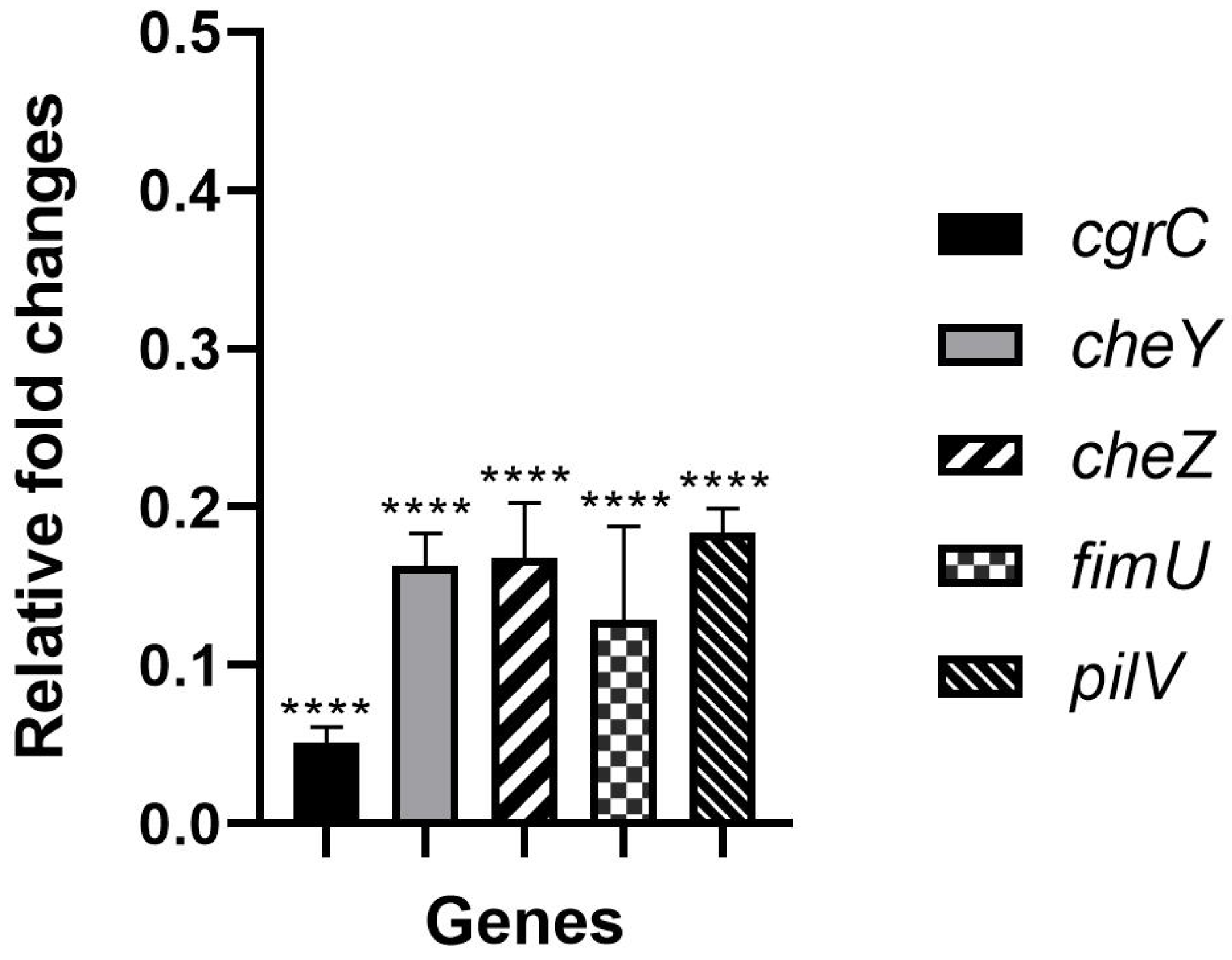
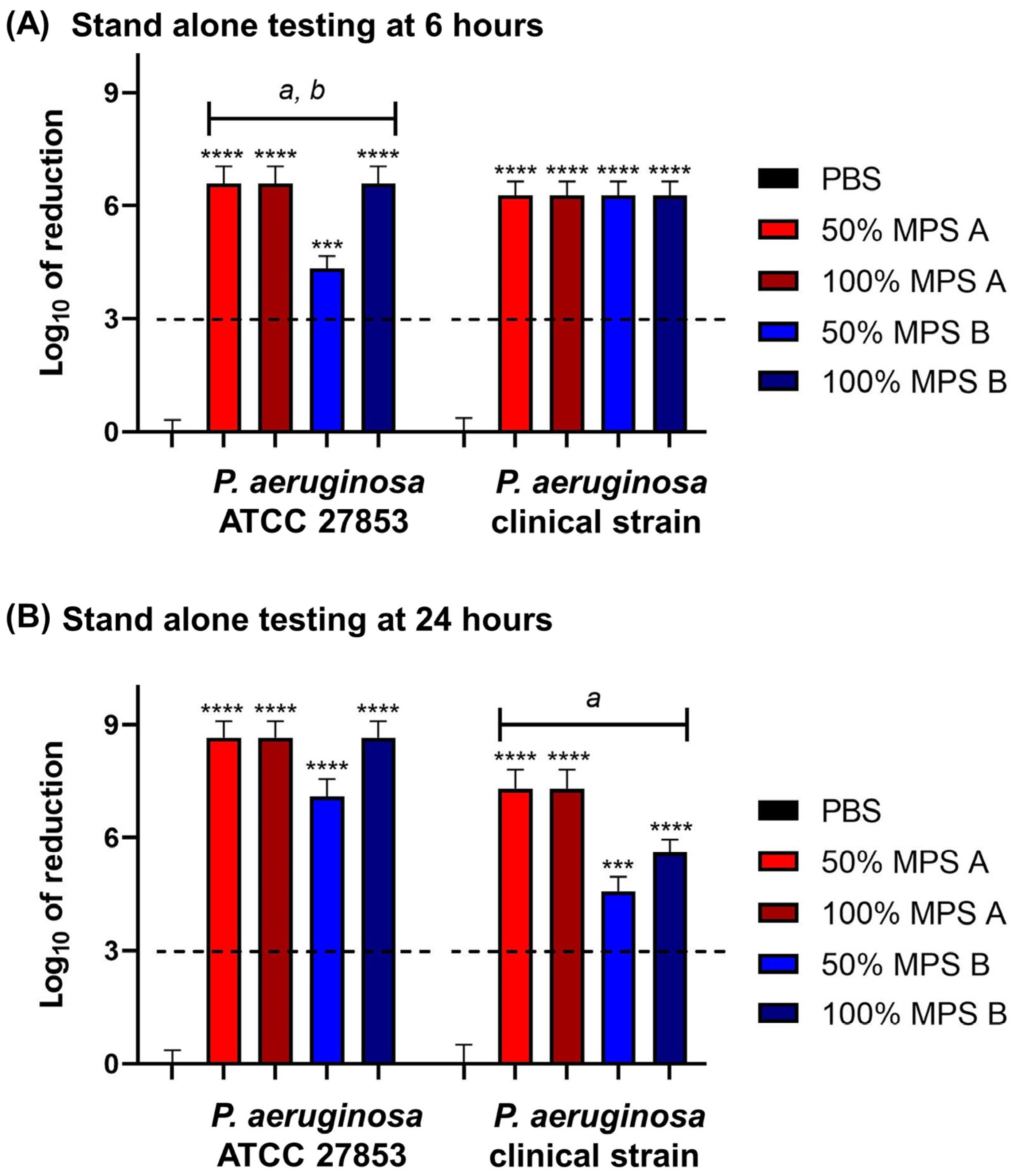
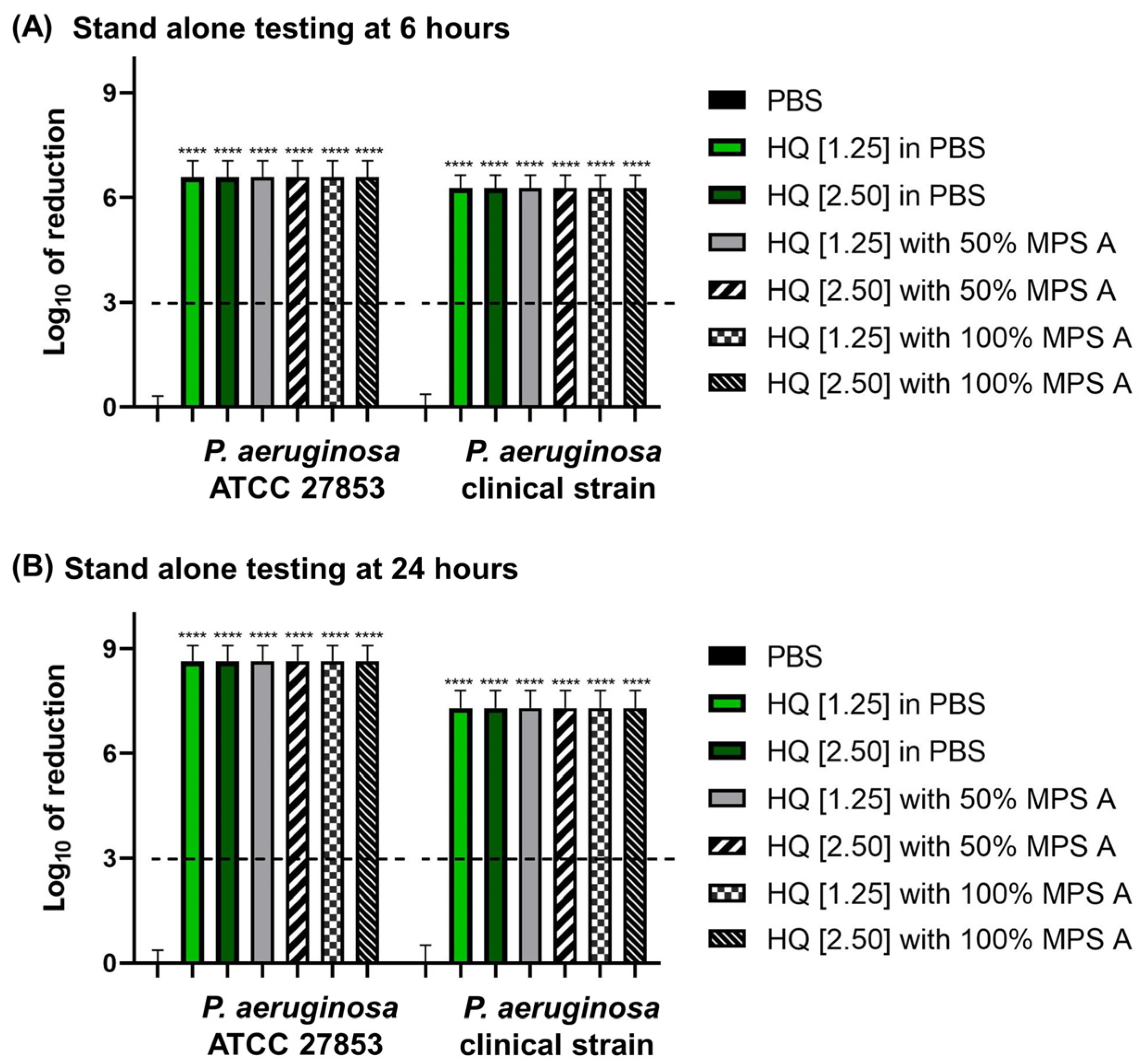
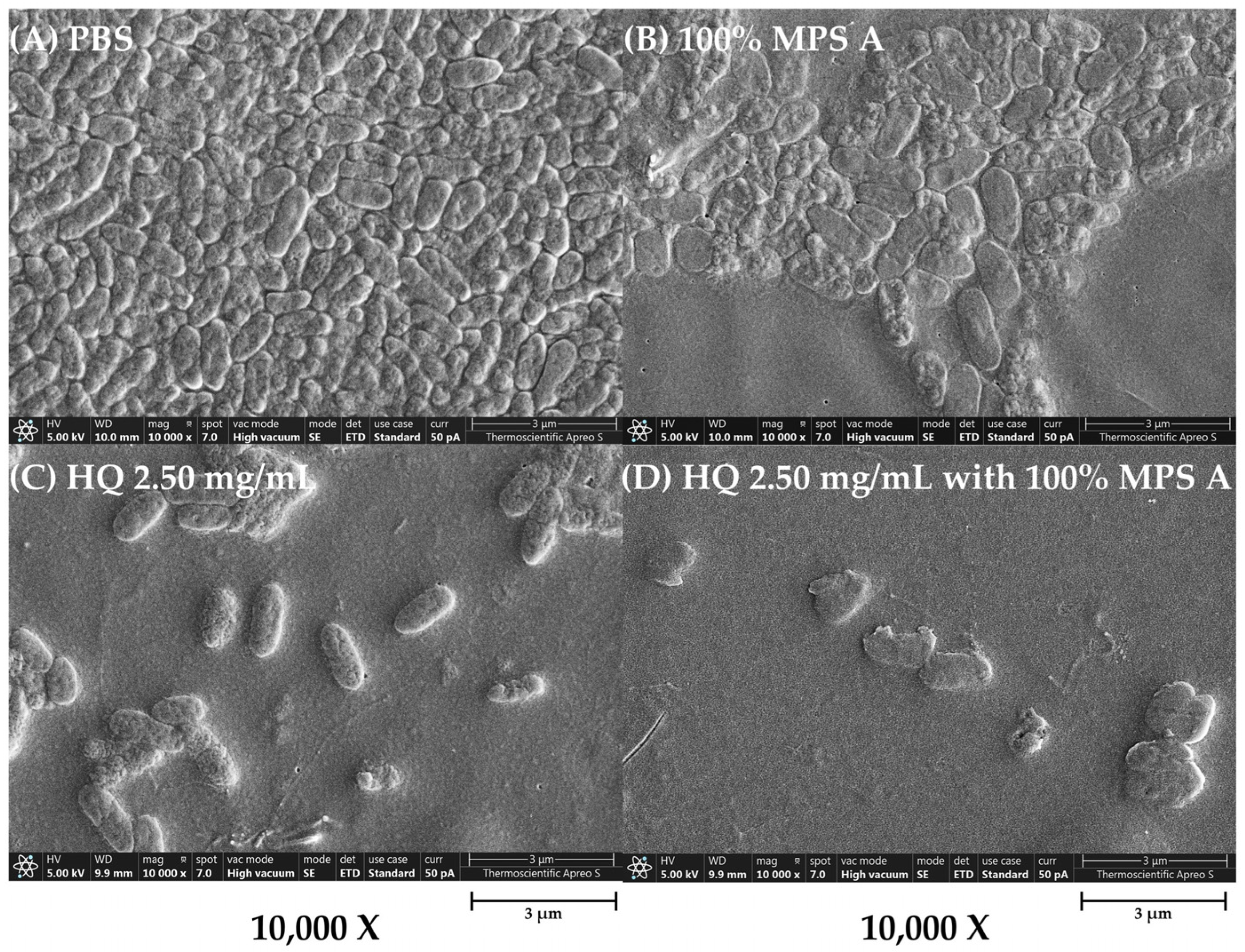
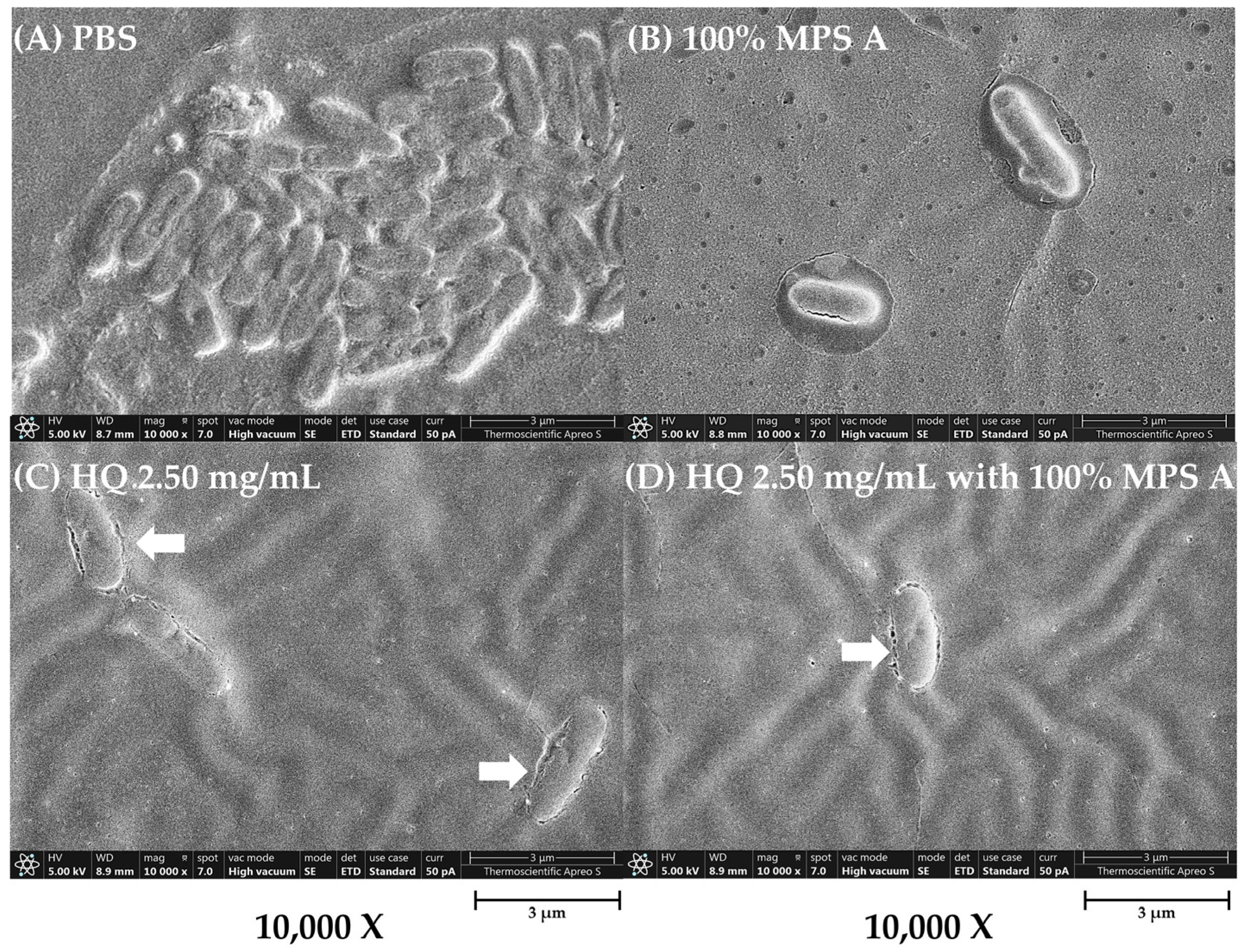
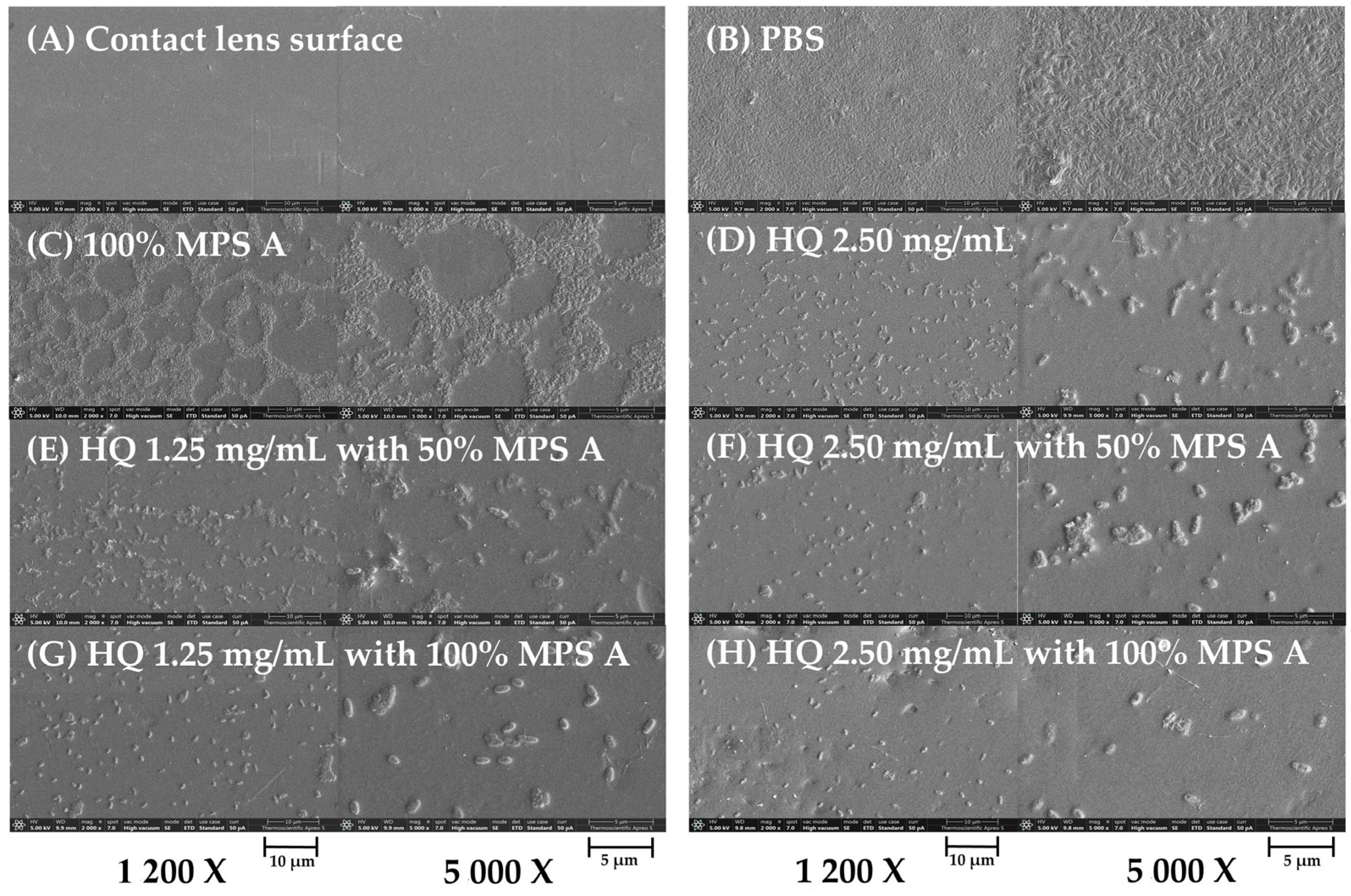
P. aeruginosa is one of the most common bacteria causing contact lens-related microbial keratitis (CLMK). Previous studies report that disinfecting solutions were ineffective in preventing biofilm formation. Solutions containing novel natural agents may be an excellent alternative for reducing the risk of CLMK. Here, we investigate the disinfecting properties of hydroquinine in combination with multipurpose solutions (MPSs) to prevent P. aeruginosa adhesion and biofilm formation. We examined the antibacterial, anti-adhesion, and anti-biofilm properties of hydroquinine-formulated MPSs compared to MPSs alone. Using RT-qPCR, hydroquinine directly affected the expression levels of adhesion-related genes, namely, cgrC, cheY, cheZ, fimU, and pilV, resulting in reduced adhesion and anti-biofilm formation. Using ISO 14729 stand-alone testing, hydroquinine met the criteria (>99.9% killing at disinfection time) against both P. aeruginosa reference and clinical strains. Using the crystal violet retention assay and FE-SEM, MPSs combined with hydroquinine were effective in inhibiting P. aeruginosa adhesion and destroying preexisting biofilms. This report is the first to highlight the potential utility of hydroquinine-containing formulations as a disinfecting solution for contact lenses, specifically for inhibiting adhesion and destroying biofilm. These findings may aid in the development of novel disinfectants aimed at combating P. aeruginosa, thereby potentially reducing the incidence of CLMK.
Keywords: adhesion; biofilm; contact lens solution; hydroquinine; microbial keratitis; Pseudomonas aeruginosa adhesion; biofilm; contact lens solution; hydroquinine; microbial keratitis; Pseudomonas aeruginosa