3.1. Construction and Detection Principle of the Electrochemical/Colorimetric Dual-Mode Aptasensor
As shown in
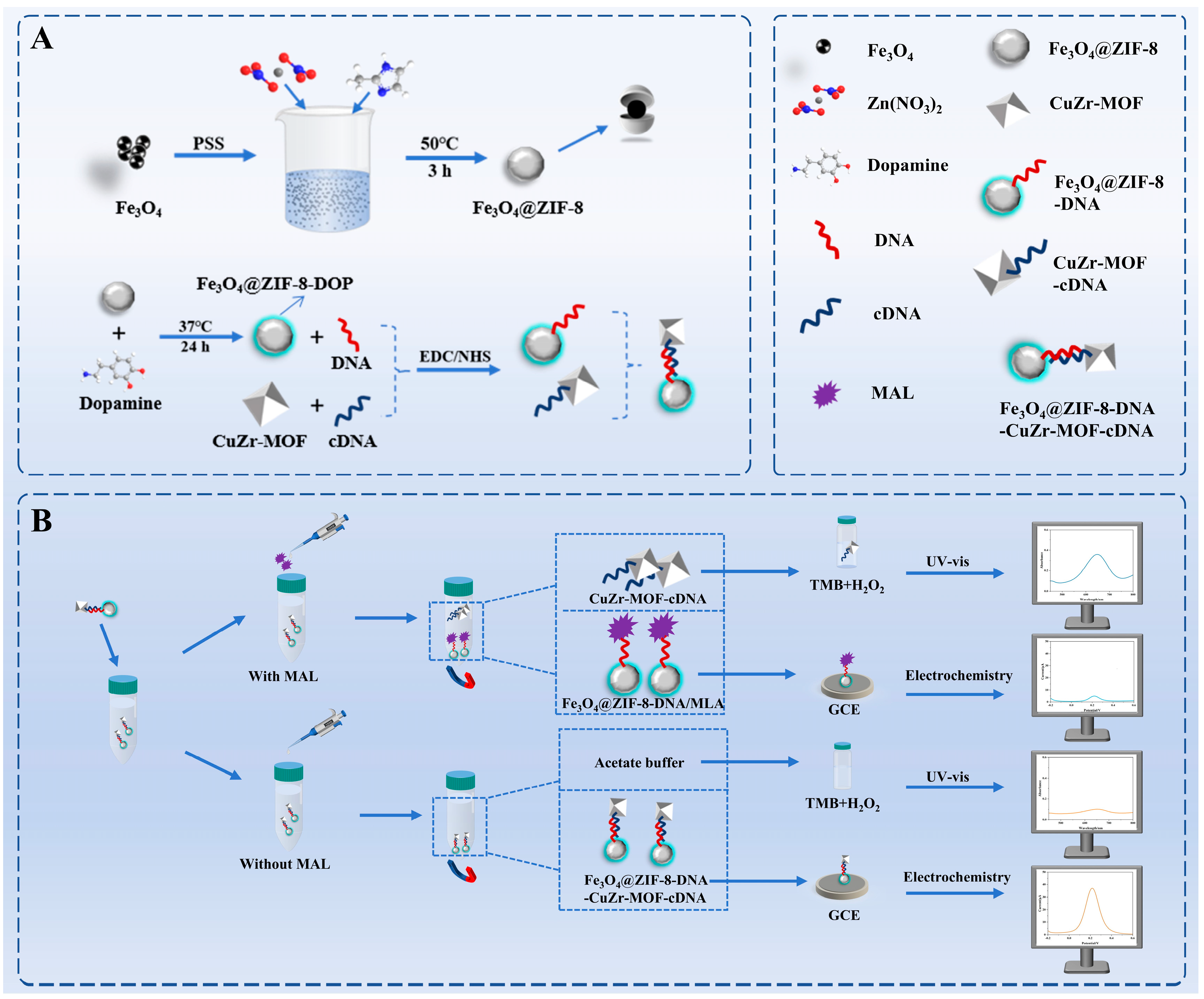
Figure 1A, magnetic nanocomposite materials Fe
3O
4@ZIF-8 and bimetallic CuZr-MOF were prepared. The prepared magnetic nanocomposite Fe
3O
4@ZIF-8 was used to fix the carboxyl-modified aptamer through amide bonds, resulting in Fe
3O
4@ZIF-8-DNA. The amino-modified cDNA was covalently immobilized onto the carboxyl-rich CuZr-MOF (synthesized with the H
2BDC ligand) via the EDC/NHS chemistry method, yielding CuZr-MOF-cDNA. The two composites were assembled through the specific binding between the aptamer DNA and complementary chain cDNA.
As shown in
Figure 1B, in the initial state, a large number of CuZr-MOF-cDNA probes were fixed on the Fe
3O
4@ZIF-8-DNA composite material, with almost no free CuZr-MOF-cDNA probes in the supernatant. When the target compound, MAL, was introduced, the aptamer preferentially bound to the target, leading to the release of CuZr-MOF-cDNA probes from the Fe
3O
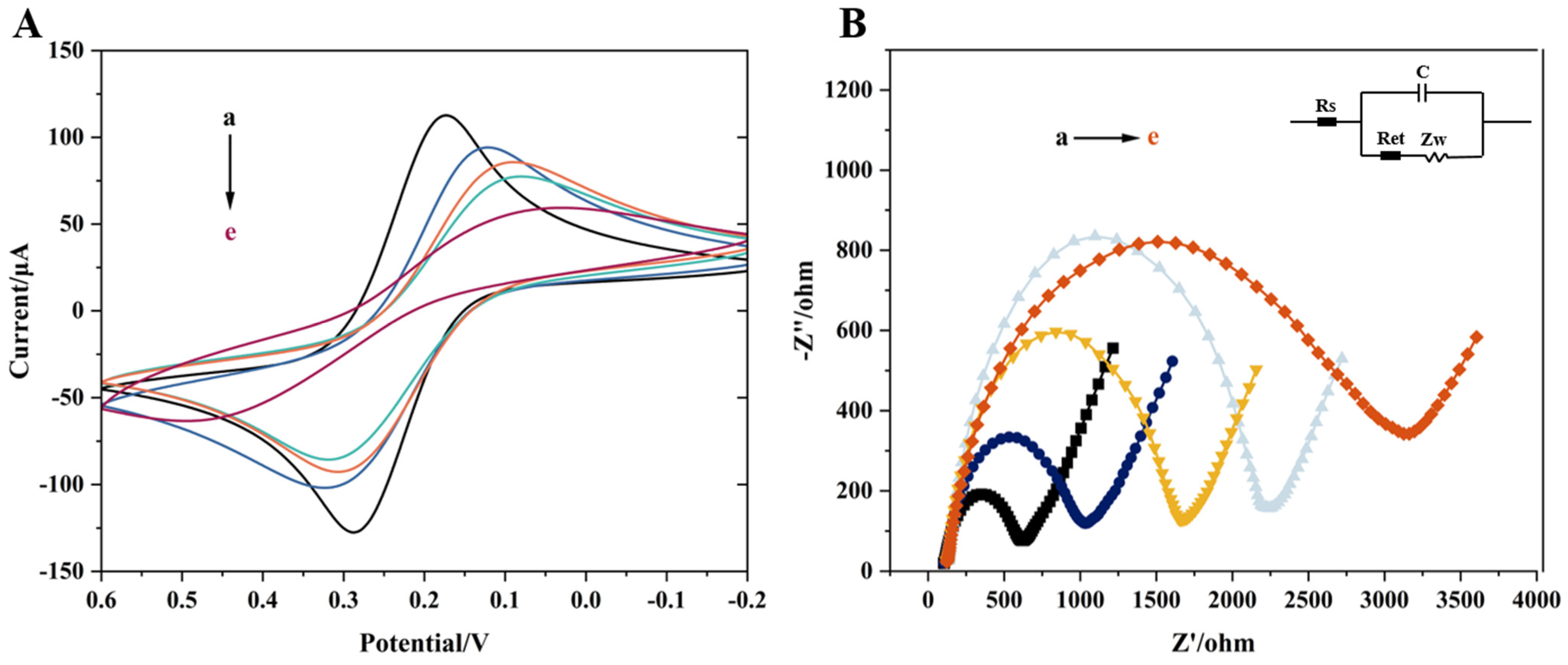
4@ZIF-8-DNA composite material. Some probes entered the supernatant. Through magnetic separation, the precipitate and supernatant were separated. The precipitate retained the un-released CuZr-MOF-cDNA probes, which were detected electrochemically. The electrochemical response stems from the redox reaction of the [Fe(CN)
6]3-/4-probe. Its signal attenuation is attributed to the compromised electron transfer, resulting from the formation of the aptamer–target complex and the release of conductive CuZr-MOF from the electrode surface. The free CuZr-MOF-cDNA probes in the supernatant participated in the 3,3′,5,5′-Tetramethylbenzidine (TMB)-H
2O
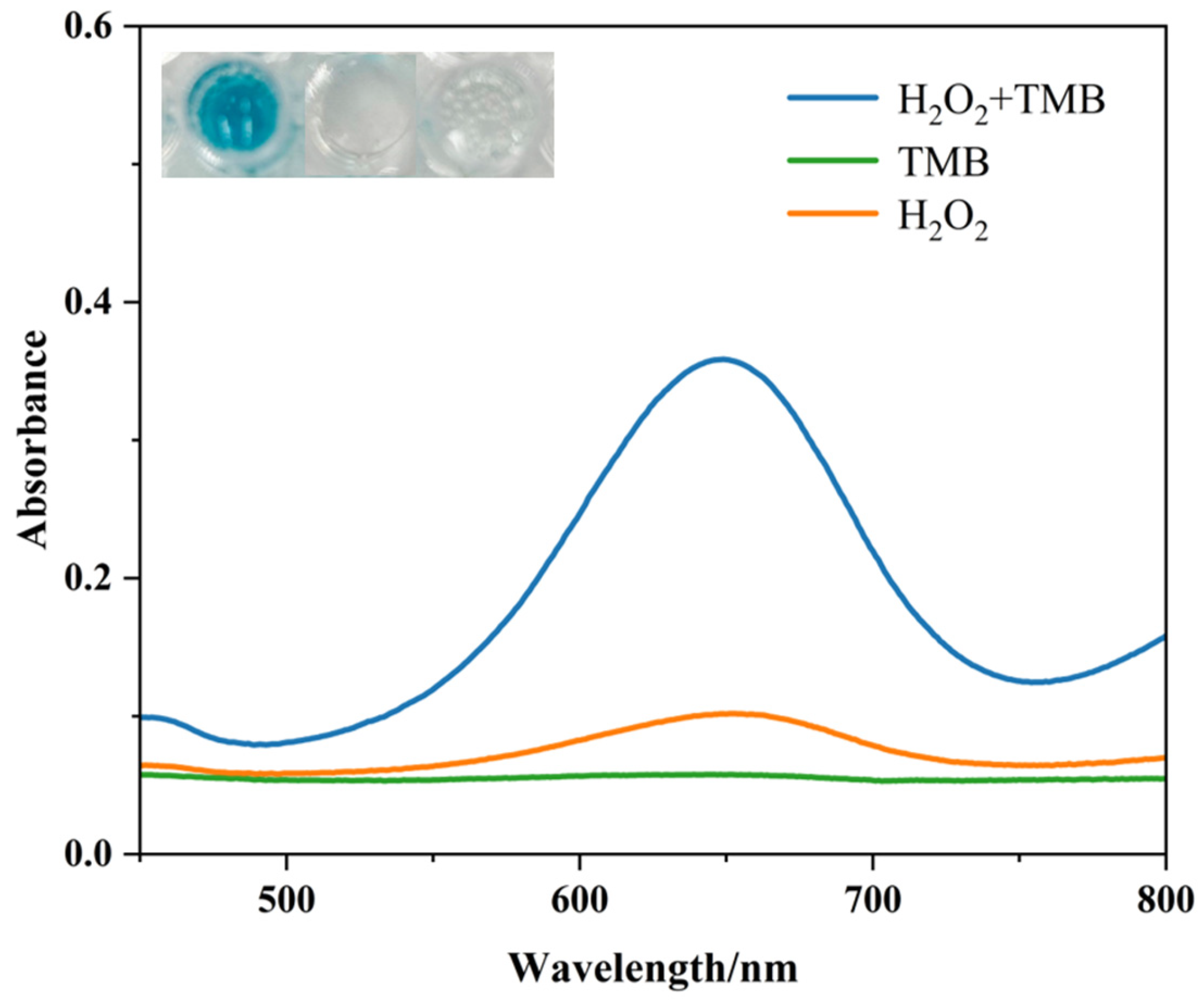
2 catalytic reaction, producing a blue oxidation product, and the colorimetric signal was measured using a UV–visible spectrophotometer. This colorimetric signal is generated because the released CuZr-MOF acts as a nanozyme, catalyzing the H
2O
2-mediated oxidation of TMB to blue oxTMB.
As the concentration of the target compound increases, more CuZr-MOF-cDNA probes are released from the composite material, causing the colorimetric signal to gradually increase. At the same time, due to the release of CuZr-MOF and the capture of aptamers that hinder electron transfer, the electrochemical signal gradually decreases. This “dual-mode differential response” characteristic enables cross-validation of the signals, enhancing the accuracy and reliability of the detection system.
3.2. Characterization of Nanomaterials
The synthesized nanomaterials, including Fe
3O
4, ZIF-8, and Fe
3O
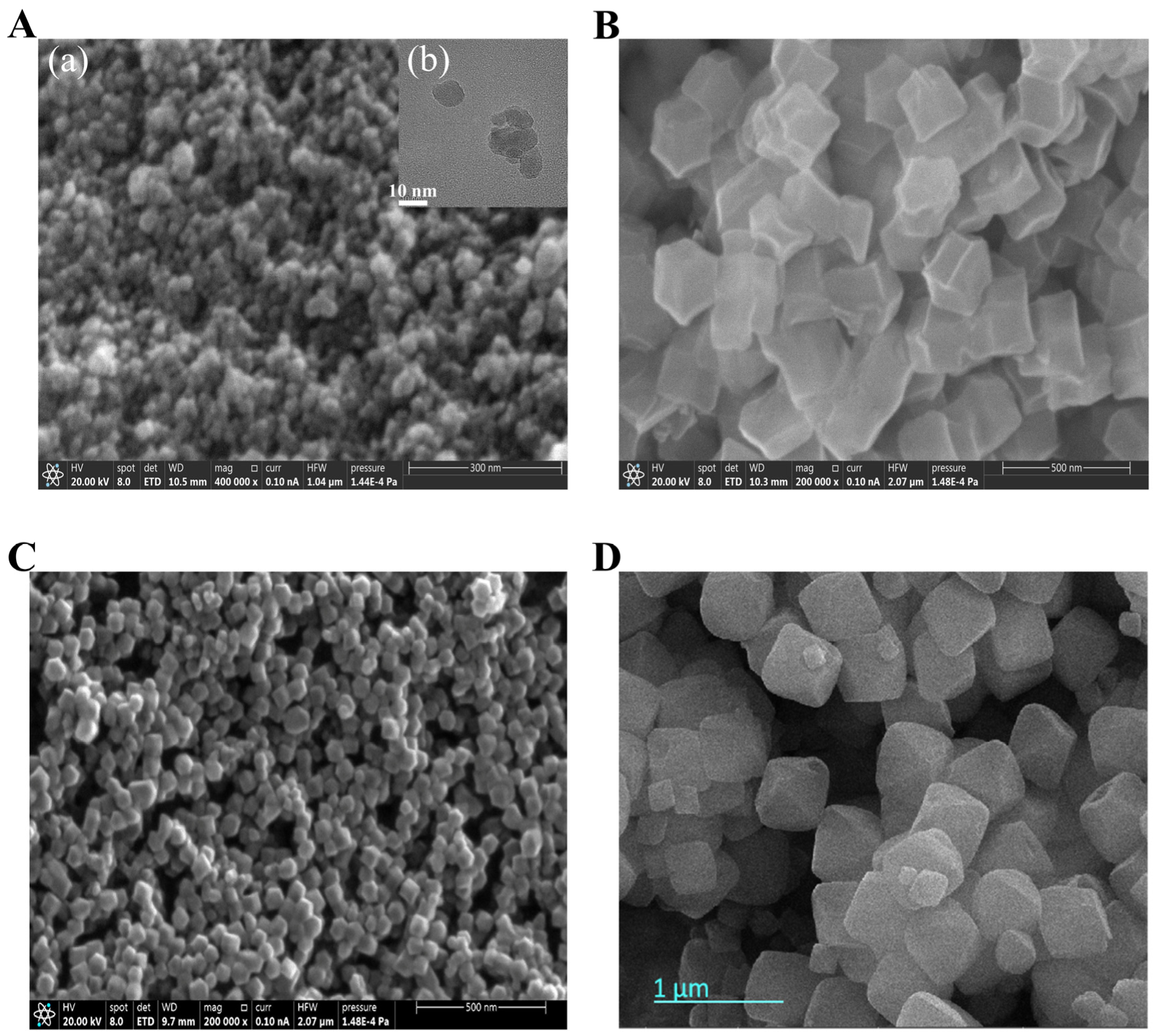
4@ZIF-8, were systematically characterized by scanning electron microscopy (SEM) and transmission electron microscopy (TEM), as shown in
Figure 2. As illustrated in the SEM image of Fe
3O
4 (
Figure 2A(a)), the particles exhibit a uniform quasi-spherical morphology. The corresponding TEM image (
Figure 2A(b)) reveals an average particle size of approximately 10 nm.
For ZIF-8 (
Figure 2B), the SEM image shows a typical rhombic dodecahedron shape with an average particle size of about 300 nm. The smooth surface and well-defined crystal facets are consistent with the anisotropic growth characteristics of metal–organic frameworks (MOFs) regulated by 2-methylimidazole. In contrast, the SEM image of the Fe
3O
4@ZIF-8 composite (
Figure 2C) indicates a smaller particle size of approximately 100 nm, which is about 70% smaller than that of pure ZIF-8. This size reduction is closely related to the altered nucleation dynamics induced by the core–shell structure. According to classical crystal growth theory, the Fe
3O
4 nanocores act as heterogeneous nucleation sites, significantly reducing the activation energy for the growth of the ZIF-8 shell and thereby promoting the formation of smaller crystals.
Furthermore, no free Fe3O4 nanoparticles were observed on the surface of the composite, which can be attributed to the surface functionalization strategy employed during synthesis. The Fe3O4 nanoparticles were pretreated with sodium polystyrene sulfonate (PSS), which enhanced the surface negative charge density and ensured a more uniform charge distribution. This facilitated the uniform and continuous growth of the ZIF-8 shell, with an average thickness of approximately 100 nm, and promoted the formation of ZIF-8 crystal nuclei.
These results indicate that the synthesized Fe3O4@ZIF-8 composites possess the desired core–shell structure and meet the design expectations.
The SEM image of CuZr-MOF is presented in
Figure 2D. Detailed characterization and validation of CuZr-MOF have been reported in our previous work [
12].
To verify the successful synthesis of the Fe
3O
4@ZIF-8 composite, Fourier transform infrared spectroscopy (FTIR) was employed to comparatively analyze Fe
3O
4, ZIF-8, and the composite material (
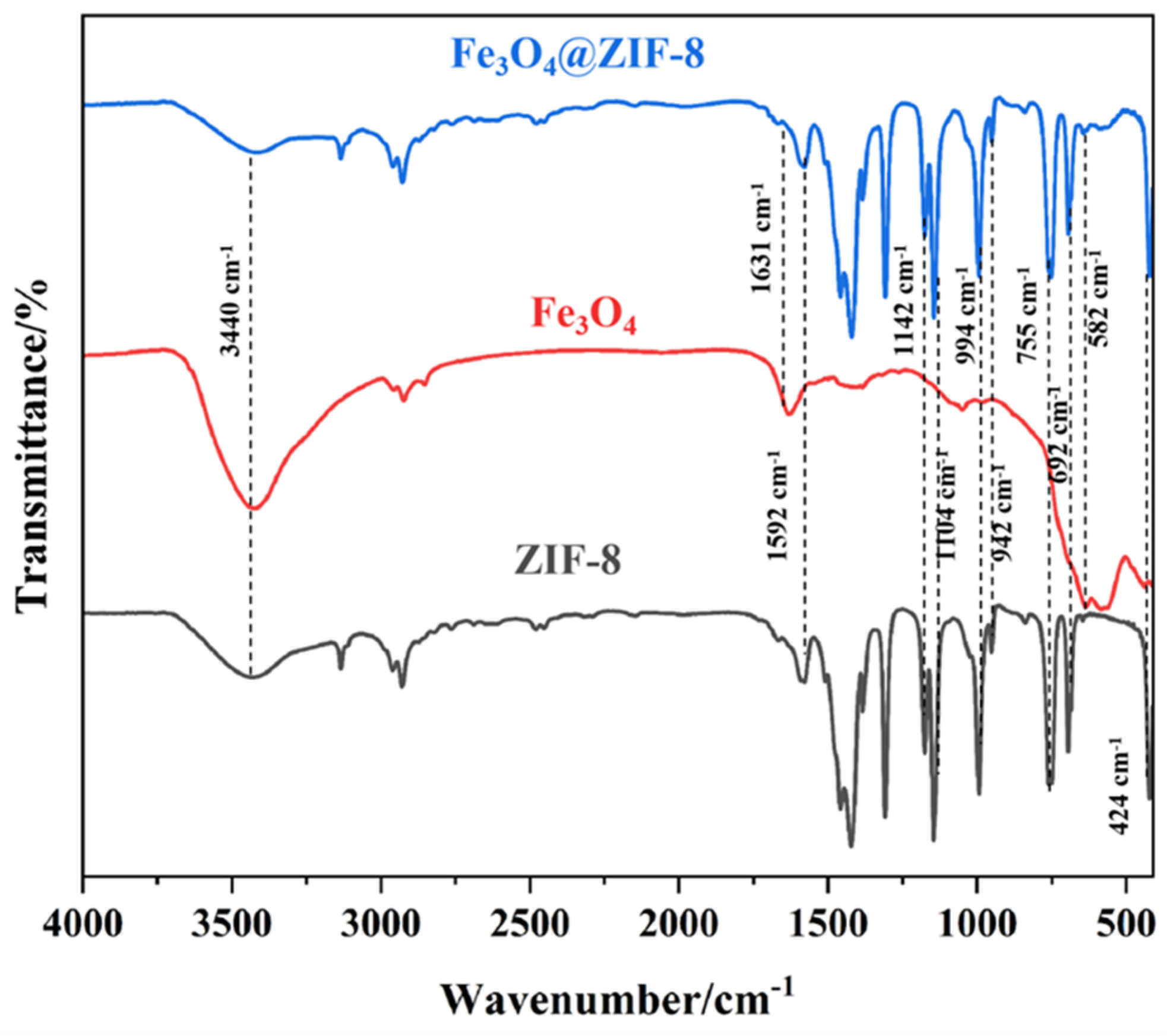
Figure 3), with key spectral bands assigned and interpreted. In the spectrum of Fe
3O
4@ZIF-8, a strong absorption peak at 582 cm
−1 corresponds to the stretching vibration of the Fe–O bond, which closely matches the characteristic peak of pure Fe
3O
4 at 581 cm
−1, confirming the preservation of the magnetic core. A distinct vibration band at 424 cm
−1 is attributed to the Zn-N coordination bond, indicative of the coordination interaction between the metal nodes and 2-methylimidazole ligands in ZIF-8, thereby verifying the successful formation of the ZIF-8 framework.
Within the 500–1500 cm−1 region, characteristic bands associated with the imidazole ring vibrations are observed: peaks at 755 cm−1 and 692 cm−1 correspond to out-of-plane bending vibrations, those at 994 cm−1 and 1145 cm−1 relate to in-plane C–H bending, and the peak at 1308 cm−1 is attributed to C-N stretching. A sharp peak at 1592 cm−1 arises from symmetric stretching of the C=N bond in the imidazole ring, while the broad band at 3440 cm−1 is associated with C-H stretching vibrations from the methyl group of the ligand.
These results confirm that Fe3O4@ZIF-8 possesses the characteristic functional groups of both Fe3O4 and ZIF-8, demonstrating the formation of a core–shell structure. Furthermore, the shift in peak positions is less than 5 cm−1, indicating that the composite process does not alter the intrinsic chemical structures of the individual components.
To investigate the crystal structures of the synthesized Fe
3O
4 nanoparticles, ZIF-8, and the Fe
3O
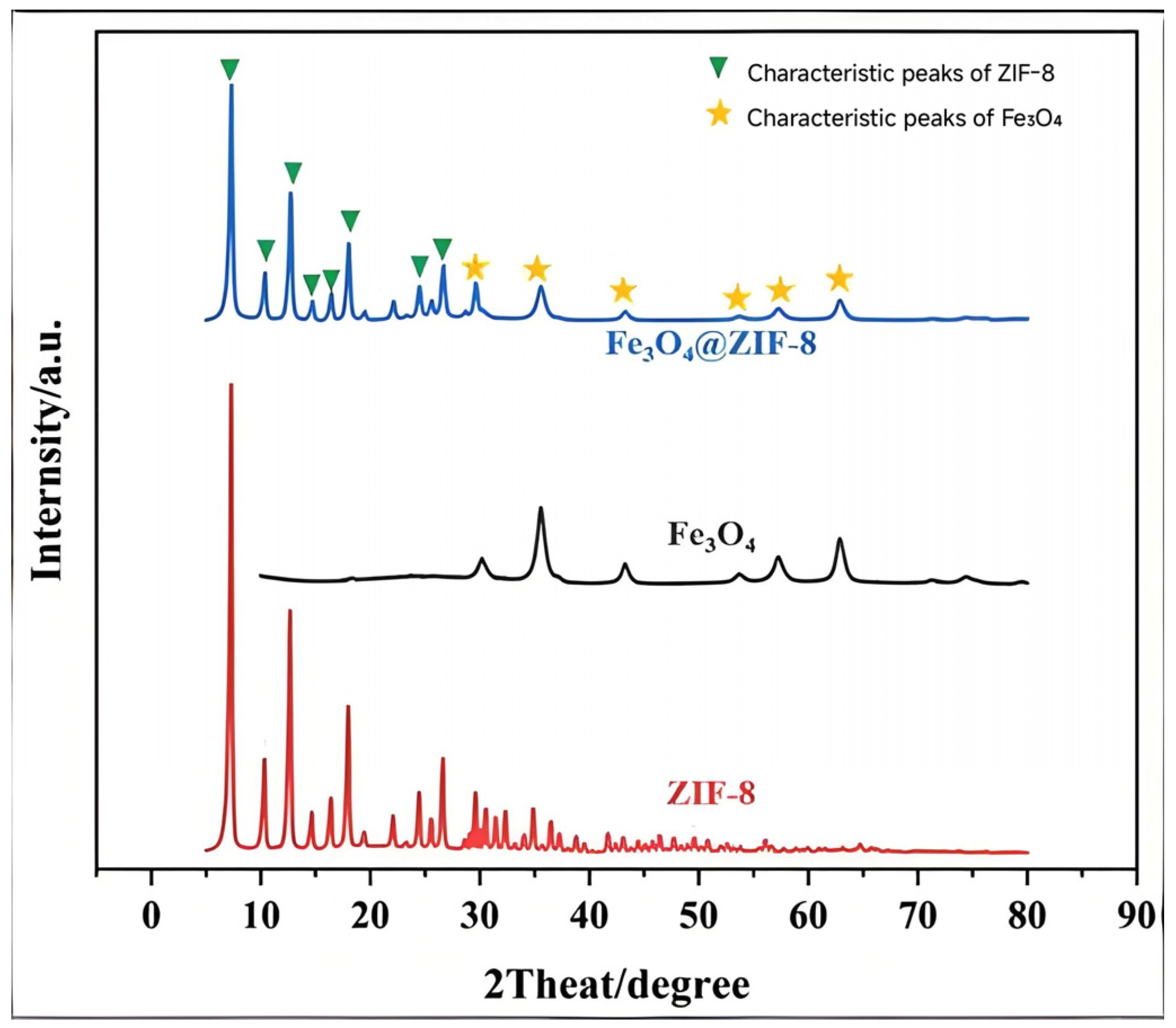
4@ZIF-8 composite, X-ray diffraction (XRD) analysis was performed. As shown in
Figure 4, six distinct diffraction peaks were observed in the XRD pattern of Fe
3O
4 nanoparticles at 2θ values of 29.7°, 35.0°, 42.5°, 52.8°, 56.6°, and 62.4°, corresponding to the (220), (311), (400), (422), (511), and (440) crystal planes, respectively. These peaks are in good agreement with the typical diffraction pattern of Fe
3O
4 reported in the literature [
13], confirming the high crystallinity of the synthesized Fe
3O
4.
For ZIF-8, the XRD pattern exhibits a series of characteristic diffraction peaks at 7.3°, 10.3°, 12.7°, 14.7°, 16.4°, 18.0°, 24.6°, and 26.7°, which can be indexed to the (011), (002), (112), (022), (013), (222), (233), and (134) planes of ZIF-8, respectively. These results are consistent with the reported diffraction features of ZIF-8 in the literature [
14], indicating good crystallinity of the synthesized ZIF-8 material.
In the XRD pattern of the Fe3O4@ZIF-8 composite, diffraction peaks corresponding to both Fe3O4 and ZIF-8 are observed, confirming that the ZIF-8 framework has been successfully coated onto the Fe3O4 nanoparticles and that the crystal structures of both components coexist. This indicates that the introduction of ZIF-8 does not alter the intrinsic crystal structure of Fe3O4 nanoparticles. Moreover, the retention of the characteristic peaks of ZIF-8 suggests that the structural integrity of the framework was preserved during the composite formation.
The XRD analysis also implies potential interactions between the Fe3O4 nanoparticles and the ZIF-8 crystals, which may facilitate the growth of the ZIF-8 framework on the surface of Fe3O4 via heterogeneous nucleation.
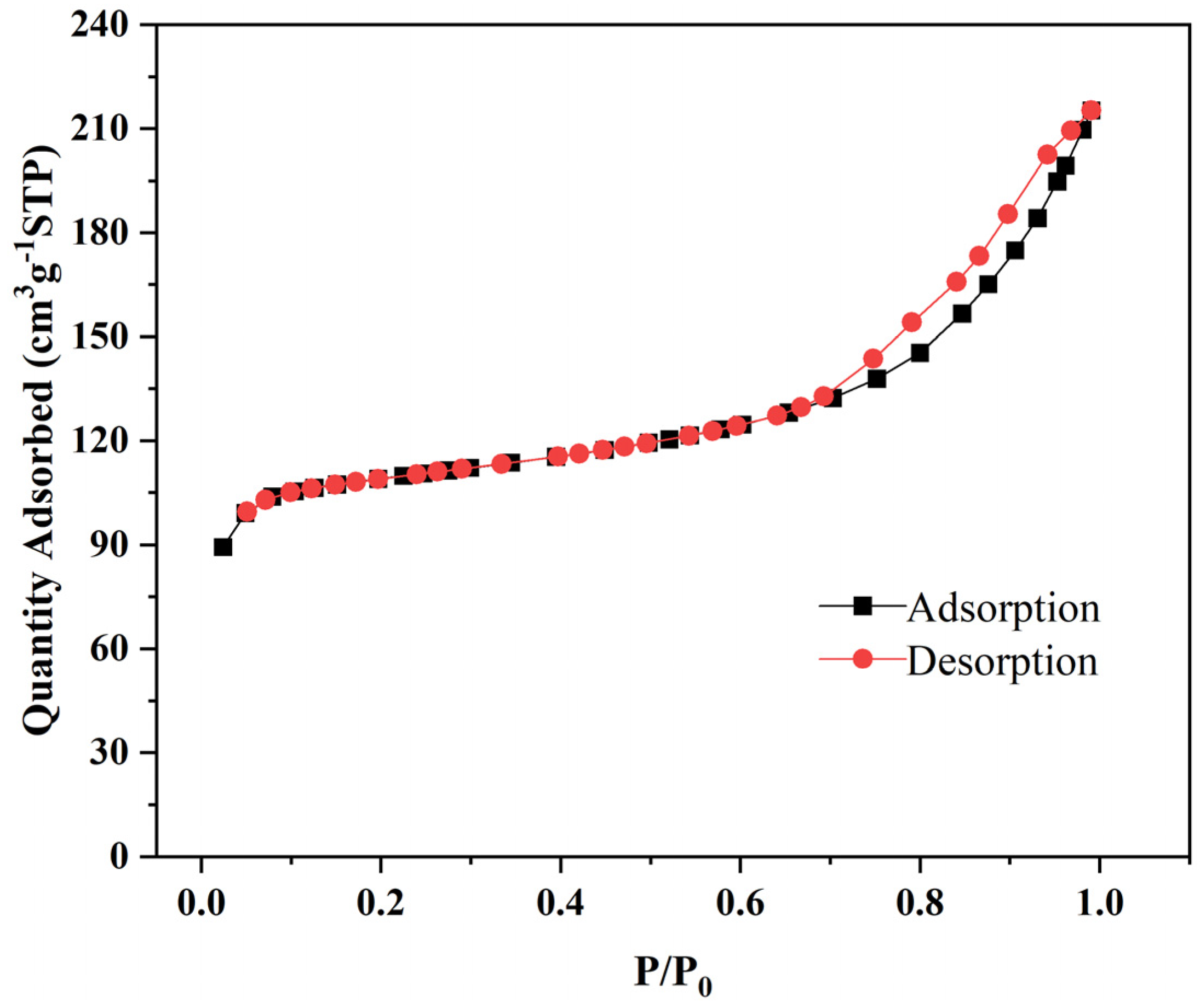
Figure 5 shows the nitrogen adsorption–desorption isotherm of Fe
3O
4@ZIF-8, which exhibits a typical type I isotherm. This is indicative of the rapid filling of micropores with diameters ranging from 1 to 1.5 nm, characteristic of the ZIF-8 structure. After the initial adsorption phase, the isotherm becomes nearly horizontal, suggesting minimal additional adsorption once the micropores are saturated. At higher relative pressures (P/P
0 > 0.7), a noticeable hysteresis loop is observed between the adsorption and desorption branches, which is attributed to the interparticle voids formed by the aggregation of Fe
3O
4@ZIF-8 particles. The specific surface area of Fe
3O
4@ZIF-8 is measured to be 331.3 m
2/g, which is significantly lower than the reported value for pure ZIF-8 (1173 m
2/g). This reduction is due to the presence of the Fe
3O
4 core, which contributes little to the surface area, with the majority of the specific surface area originating from the ZIF-8 shell.
3.4. Optimization of Experimental Conditions
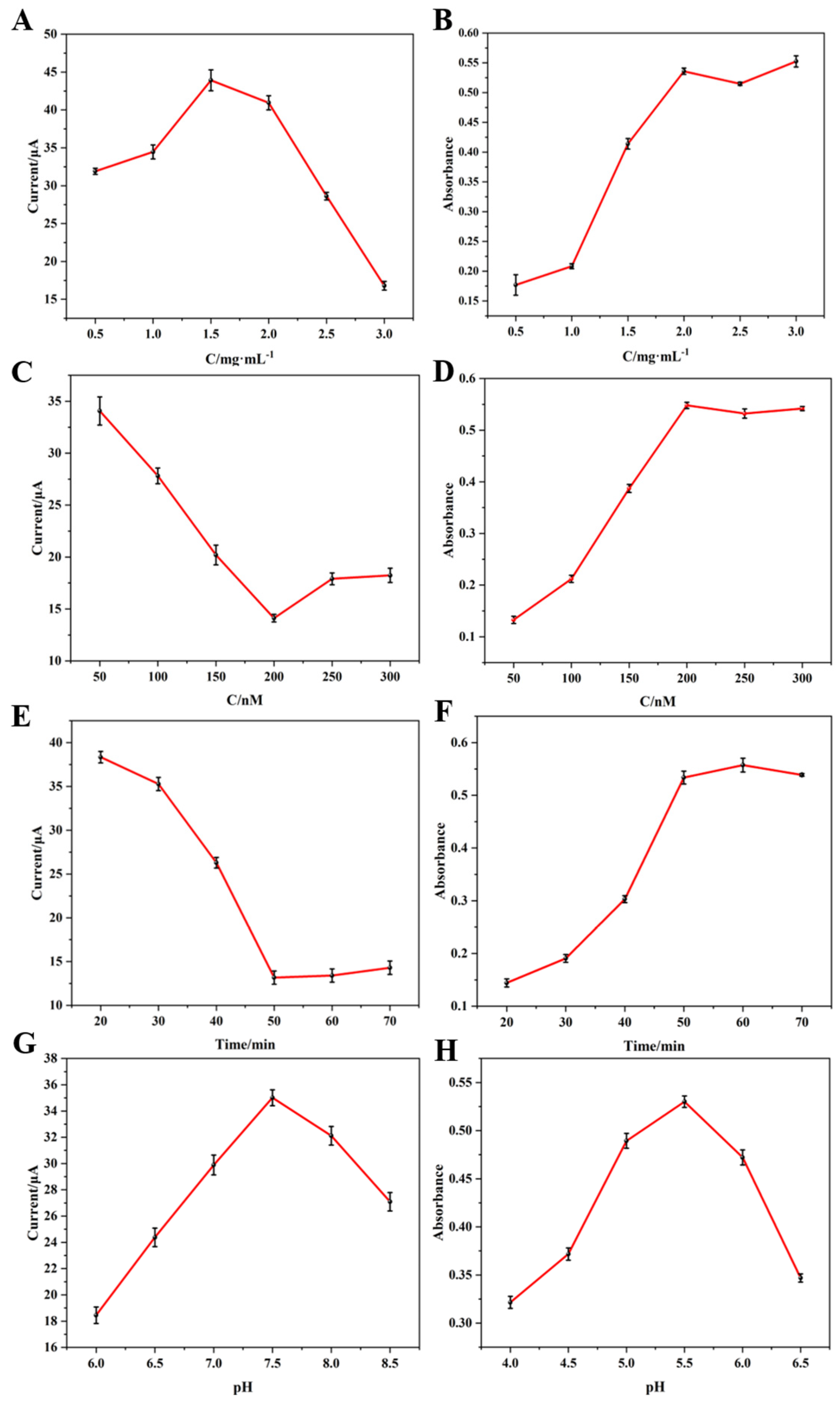
In the construction of the electrochemical/colorimetric dual-mode sensor, several key factors—namely the concentration of nanomaterials, the concentration of aptamers, the incubation time between aptamers and targets, the pH of the electrochemical test buffer, and the pH of the acetate buffer used in colorimetric detection—significantly affect the performance of the sensor. Therefore, optimization experiments were carried out for these six parameters.
The concentration of the nanocomposite material influences both electrochemical and colorimetric detection. Optimization was performed using different concentrations of Fe
3O
4@ZIF-8-DNA@cDNA-CuZr-MOF (with a Fe
3O
4@ZIF-8-DNA to cDNA-CuZr-MOF ratio of 1:1, aptamer concentration of 200 nM, and testing buffer at pH 7.5). As shown in
Figure 8A, the electrochemical signal increased with increasing concentration of nanomaterials; however, when the concentration increased from 1.5 mg/mL to 2 mg/mL, the signal slightly declined, and it dropped sharply at higher concentrations. This is attributed to the excessive thickness of the nanomaterial layer on the electrode surface, which increases the electron transfer path and interfacial impedance. In colorimetric detection (
Figure 8B), the supernatant obtained after adding the target (1 μM) was used for the TMB reaction. At low concentrations of nanomaterials, the absorbance of TMB oxidation in the supernatant was low. As the concentration increased, the absorbance increased until stabilizing at 2 mg/mL. Based on both electrochemical and colorimetric results, 2 mg/mL was selected as the optimal concentration.
The aptamer concentration directly affects target recognition and influences the specific hybridization between nanomaterials via aptamer and cDNA. Under the optimal nanomaterial concentration, different concentrations of aptamers (DNA and cDNA at a 1:1 ratio) were incubated with 1 μM MAL for 50 min. The supernatant and precipitate were separately analyzed by electrochemical and colorimetric methods. As shown in
Figure 8C, the electrochemical signal decreased as the aptamer concentration increased, reaching a minimum at 200 nM. Increasing the concentration further to 250 nM caused a slight increase in the signal, which then leveled off. This is because at low aptamer concentrations, the binding efficiency with the target is insufficient and CuZr-MOF and Fe
3O
4@ZIF-8 are not fully hybridized, so the precipitate is mainly magnetic Fe
3O
4@ZIF-8. As the aptamer concentration increases, more target–aptamer complexes form, reducing the signal. When saturation is reached at 200 nM, excess CuZr-MOF in the precipitate increases the signal slightly.
Figure 8D shows consistent results: after 200 nM, the absorbance no longer increases. Therefore, 200 nM was selected as the optimal aptamer concentration.
To ensure complete binding between aptamer and target, the incubation time with 1 μM target was optimized under the above conditions. As shown in
Figure 8E,F, at 50 min, the electrochemical signal reached a minimum and the colorimetric signal reached a maximum, after which the signal plateaued. To ensure full binding while minimizing non-specific interactions, 60 min was chosen as the optimal incubation time.
The pH of the electrochemical test solution was optimized as shown in
Figure 8G. The electrochemical signal peaked at pH 7.5, so a slightly alkaline pH of 7.5 was selected for the test buffer. Lastly, the pH of the acetate buffer for the H
2O
2-mediated TMB reaction was optimized. As shown in
Figure 8H, the absorbance increased steadily from pH 4.0 to 5.5, then decreased from pH 5.5 to 6.5. Thus, pH 5.5 was chosen as the optimal pH for the acetate buffer in the colorimetric assay.
Optimized experimental conditions: concentration of nanocomposite 2 mg/mL, concentration of aptamer 200 nM, incubation time of aptamer with target 60 min, pH of the supporting electrolyte for electrochemical tests 7.5, pH of sodium acetate buffer 5.5.
3.5. Performance Analysis of the Dual-Mode Aptasensor
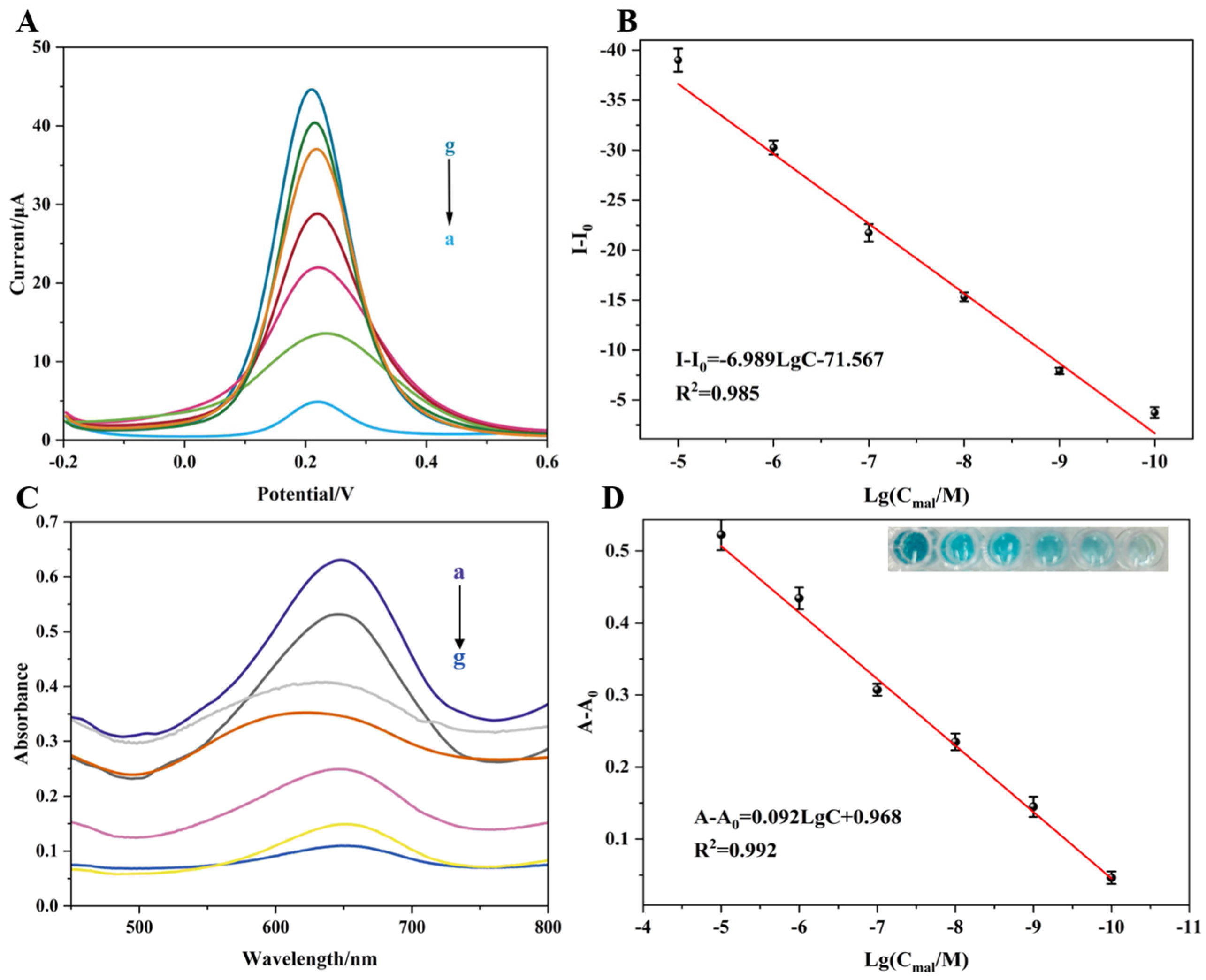
After optimizing the experimental conditions, the detection performance of the electrochemical/colorimetric dual-mode aptasensor for different concentrations of MAL was analyzed. As shown in
Figure 9A, the differential pulse voltammetry (DPV) responses decreased progressively with increasing concentrations of MAL in the range from 10
−10 to 10
−5 M.
Figure 9B illustrates the linear relationship between the logarithm of MAL concentration and the change in current response (I − I
0, where I is the measured current response and I
0 is the blank control). The fitted linear regression equation is:
with a correlation coefficient of R
2 = 0.985. As shown in
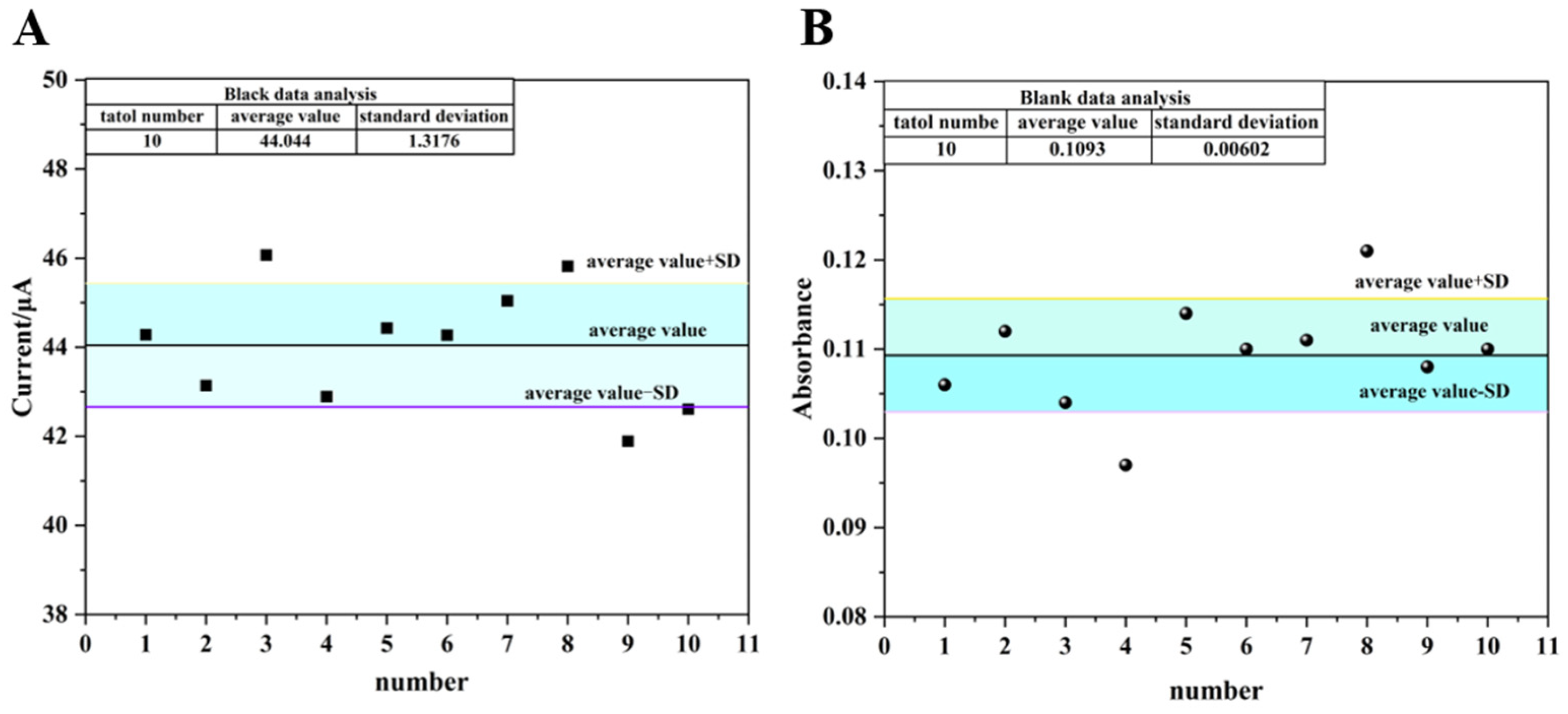
Figure 10A, ten blank samples (without the target analyte) were tested, yielding an average current response of 44.044 μA with a standard deviation of 1.318 μA. According to the equation LOD = 3SD (where SD is the standard deviation of the blank samples), the limit of detection (LOD) for electrochemical detection was calculated to be 1.57 × 10
−11 M.
Figure 9C displays the UV-Vis absorption spectra corresponding to different MAL concentrations. Within the concentration range of 10
−10 M to 10
−5 M, the absorbance of oxidized TMB (oxTMB) gradually increased with the rising concentration of MAL. As shown in
Figure 9D, a good linear relationship was observed between the absorbance change (A − A
0, where A is the measured absorbance and A
0 is the blank) and the logarithm of MAL concentration. The baseline drift in
Figure 9C was corrected by calculating the absorbance change value (A − A
0); thus, it accurately reflects the signal variation induced by the change in target concentration. The absorbance intensities of spectra c–e (corresponding to concentrations of 10
−7 to 10
−9 M) are similar, which is because the amount of probe released exhibits an approximately linear competitive binding relationship with the target concentration in the low concentration range, resulting in a small difference in the amplitude of signal variation. The linear regression equation is:
with a correlation coefficient of R
2 = 0.992. As shown in
Figure 10B, the average absorbance value of the blank samples was 0.1093, and the standard deviation was 0.00602. Consequently, the LOD for colorimetric detection was calculated to be 4.76 × 10
−11 M.
The prepared electrochemical/colorimetric dual-mode aptasensor was compared with other previously reported methods for MAL detection. As shown in
Table 1, compared with other methods, the approach proposed in this study exhibits a wider detection range and a lower LOD for MAL. These results indicate that this method offers certain advantages in the detection of MAL.
3.6. Specificity, Repeatability, and Stability of the Dual-Mode Aptasensor
Under optimized experimental conditions, the specificity, repeatability, and stability of the electrochemical/colorimetric dual-mode aptasensor were analyzed.
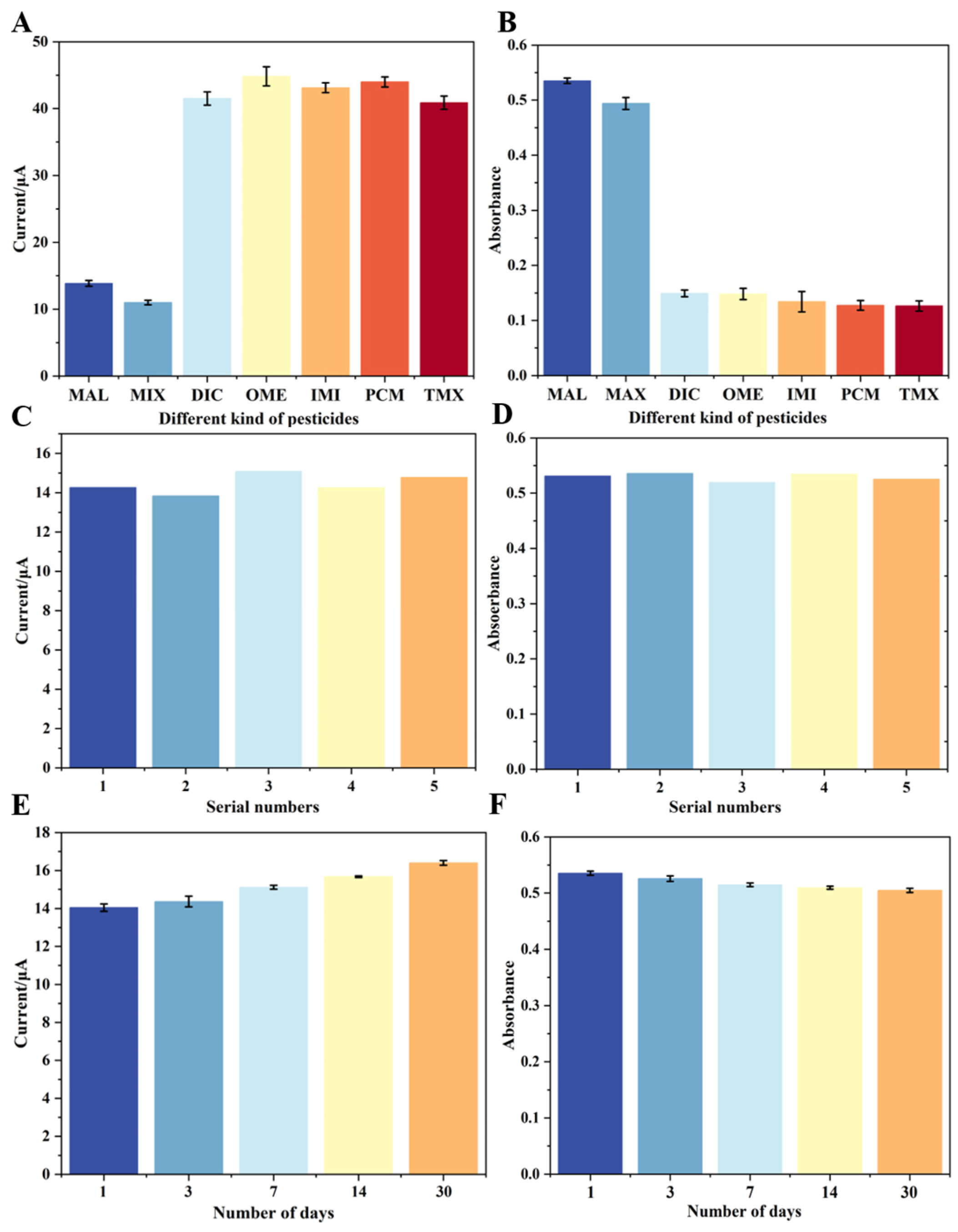
Five common pesticides were selected as potential interferents and grouped into seven sets: MAL, DIC, OME, IMI, PCM, TMX, and a mixture of all six pesticides (MIX). Each 1 μM pesticide sample was incubated under optimal conditions, followed by separation of the supernatant and precipitate, which were then subjected to electrochemical and colorimetric detection, respectively. As shown in
Figure 11A, a significant decrease in DPV signal from the precipitate was observed only in the presence of the target analyte. Similarly, in
Figure 11B, a high absorbance was only observed in the presence of MAL and in the MIX group. This is attributed to the strong specificity of the aptamer toward the target, which causes CuZr-MOF-cDNA to be competitively displaced into the supernatant. These results confirm that the sensor exhibits excellent specificity for MAL and is suitable for practical detection applications.
To demonstrate the repeatability of the fabricated sensor, five independent tests were performed under the same experimental conditions. As shown in
Figure 11A,B, the results were highly consistent across replicates. The relative standard deviation (RSD) was 3.38% for electrochemical detection and 1.27% for colorimetric detection, indicating good repeatability.
The storage stability of the dual-mode sensor was evaluated, with detection performed on the supernatant and precipitate after 1, 3, 7, 14, and 30 days, using both electrochemical and colorimetric methods. As shown in
Figure 11E,F, the RSDs were 4.33% for the colorimetric method and 2.39% for the electrochemical method, indicating good storage stability of the dual-mode sensor over a 30-day period.