Article

Kinematic Monitoring of the Thorax During the Respiratory Cycle Using a Biopolymer-Based Strain Sensor: A Chitosan–Glycerol–Graphite Composite

by
María Claudia Rivas Ebner
1,
Emmanuel Ackah
1,
Seong-Wan Kim
2,
Young-Seek Seok
3,* and
Seung Ho Choi
1,4,*
1
Department of Biomedical Engineering, Yonsei University, Wonju 26493, Republic of Korea
2
Department of Agricultural Biology, National Institute of Agricultural Sciences, Rural Development Administration, Wanju 55365, Republic of Korea
3
Gangwon-do Agricultural Product Registered Seed Station, Chuncheon 24410, Republic of Korea
4
Department of Integrative Medicine, Major in Digital Healthcare, Yonsei University College of Medicine, Seoul 06229, Republic of Korea
*
Authors to whom correspondence should be addressed.
Biosensors 2025, 15(8), 523; https://doi.org/10.3390/bios15080523
Submission received: 25 June 2025 / Revised: 25 July 2025 / Accepted: 31 July 2025 / Published: 9 August 2025

Abstract

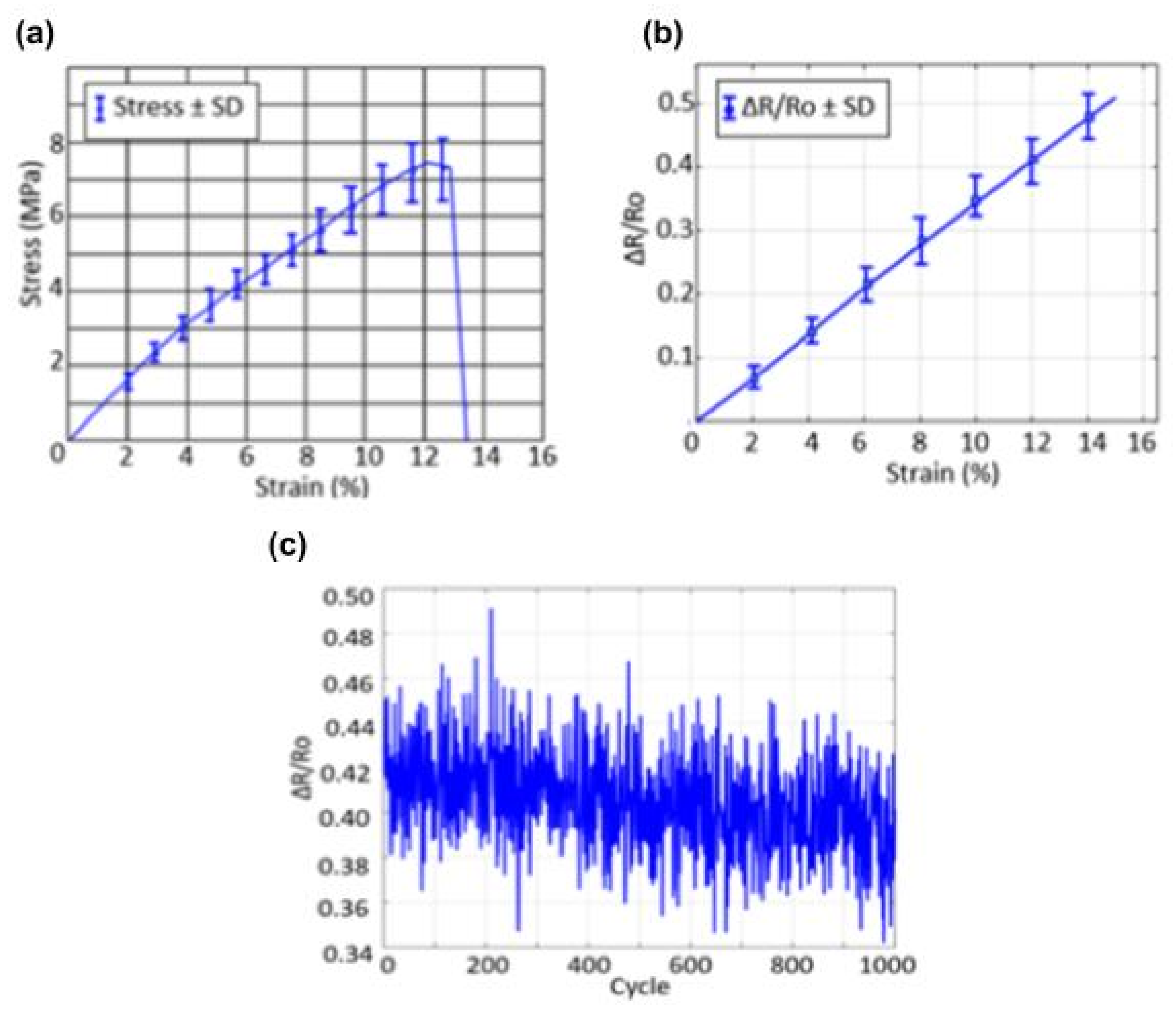
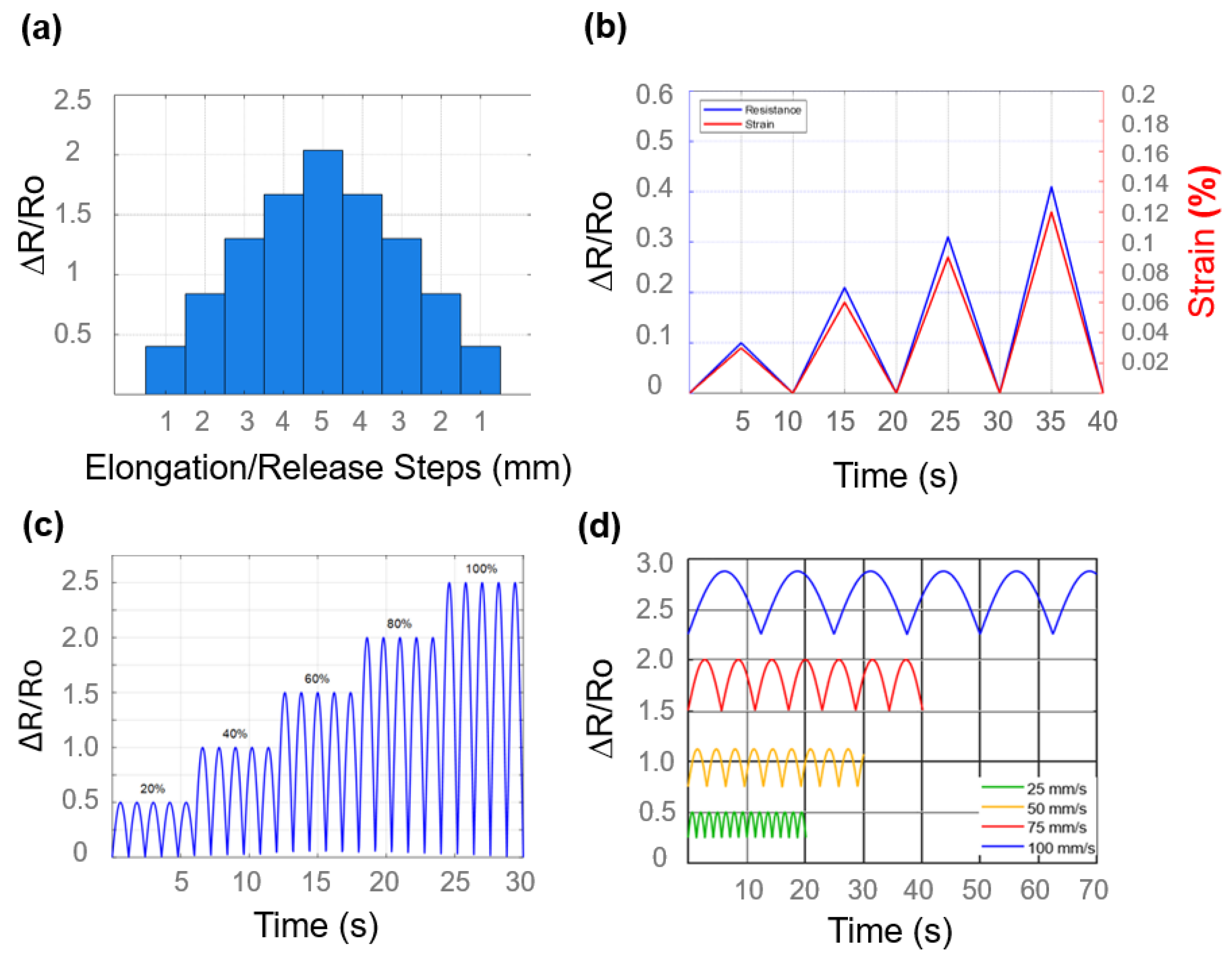
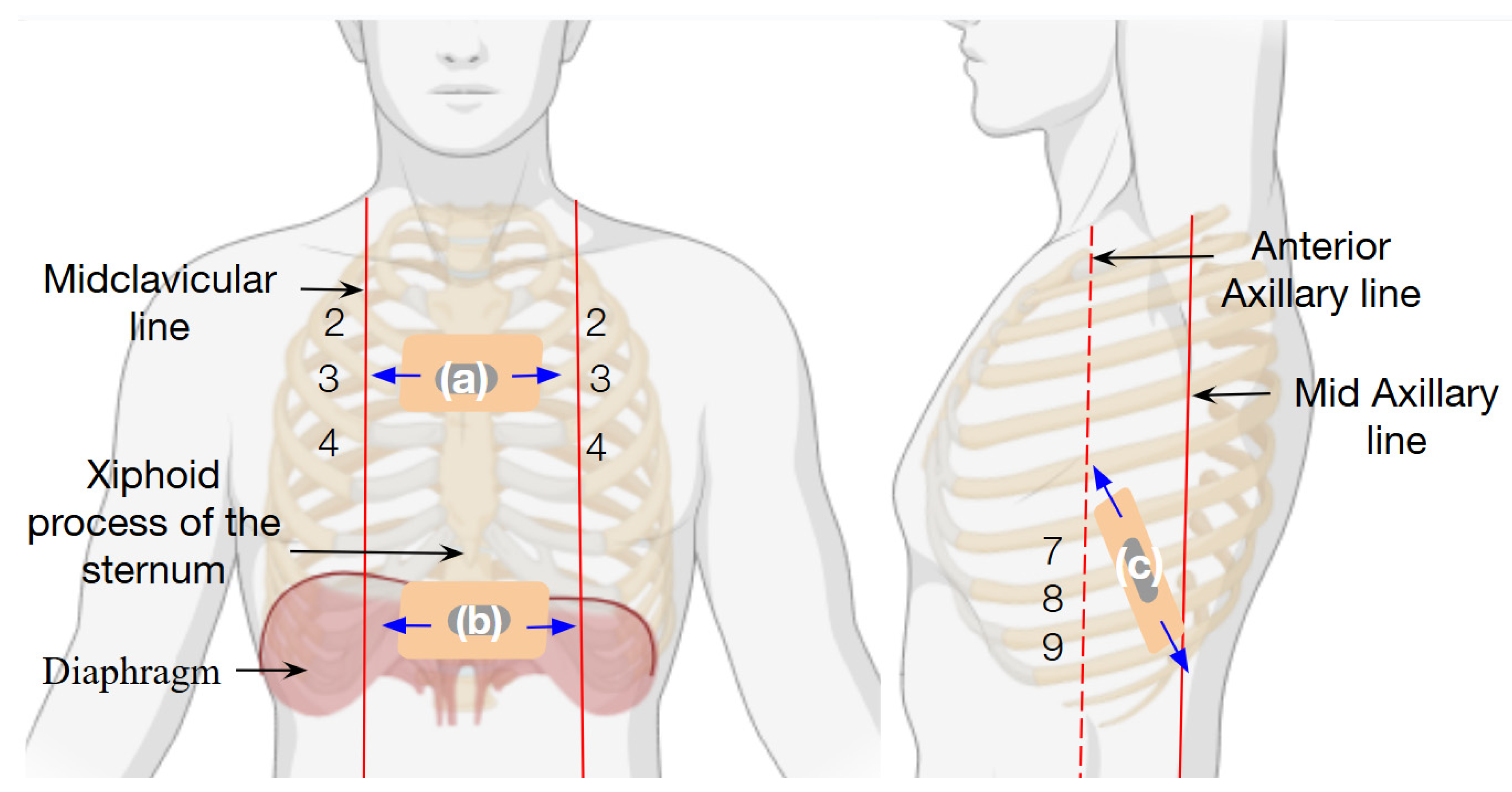
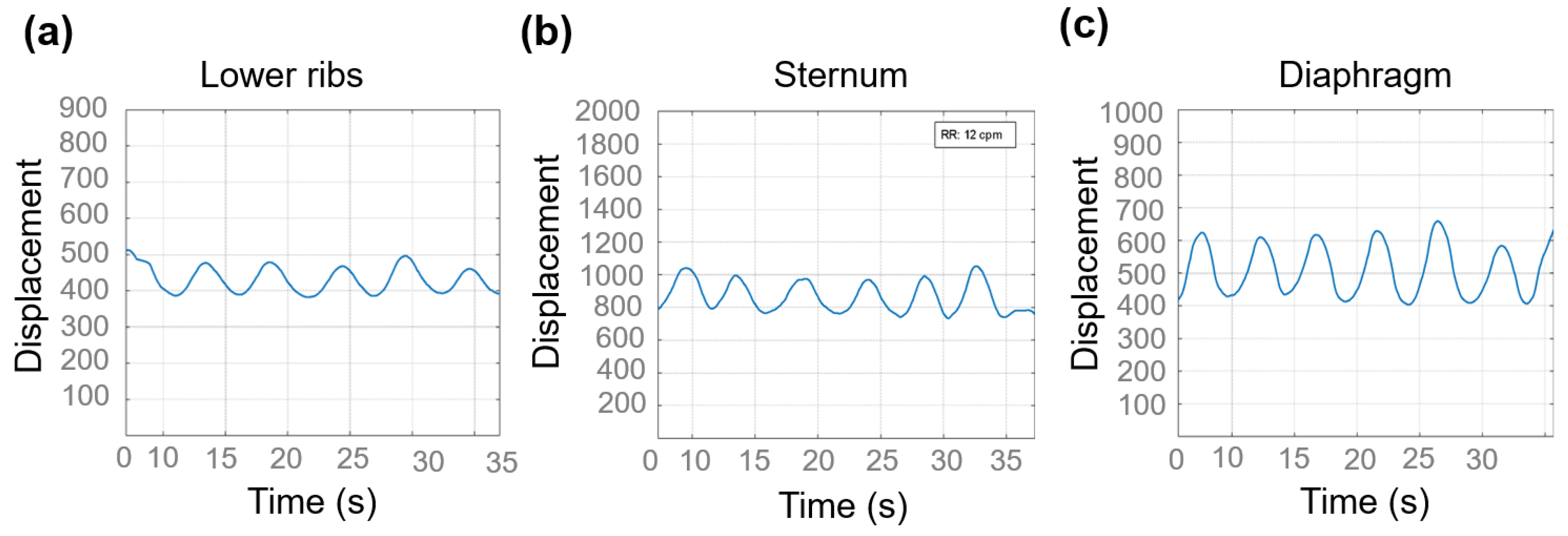
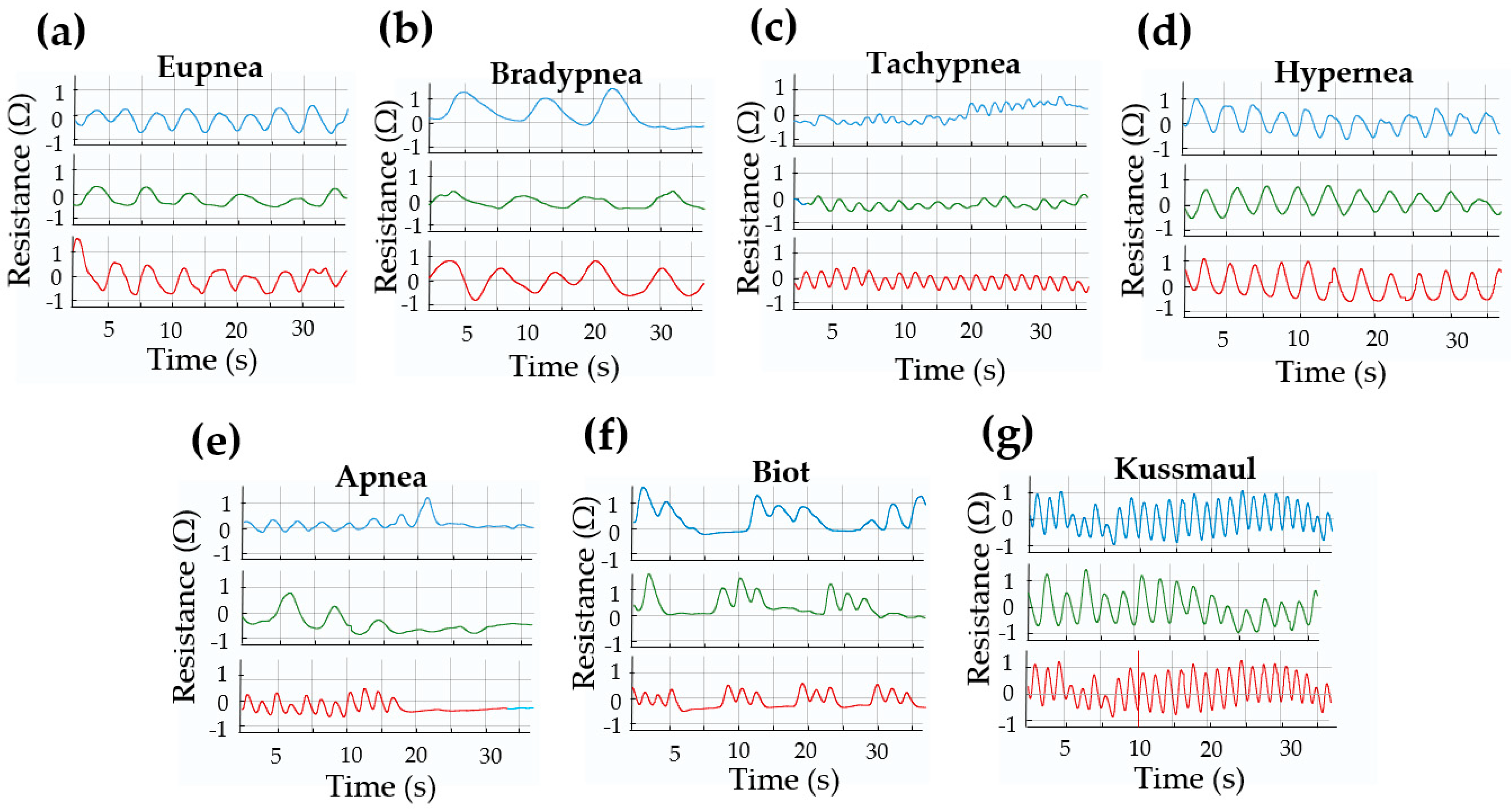
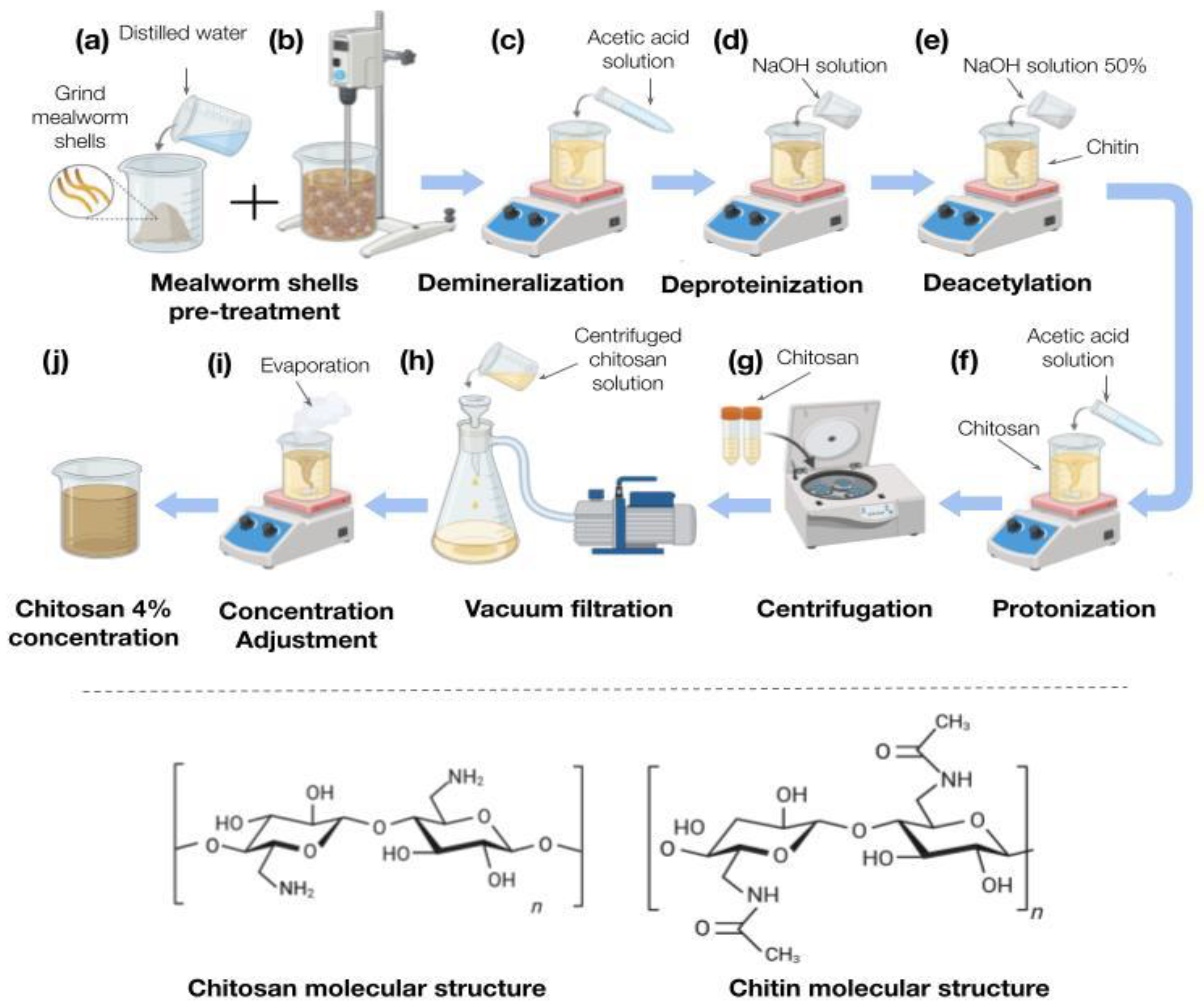
This study presents the development and the mechanical and clinical characterization of a flexible biodegradable chitosan–glycerol–graphite composite strain sensor for real-time respiratory monitoring, where the main material, chitosan, is derived and extracted from Tenebrio Molitor larvae shells. Chitosan was extracted using a sustainable, low-impact protocol and processed into a stretchable and flexible film through glycerol plasticization and graphite integration, forming a conductive biocomposite. The sensor, fabricated in a straight-line geometry to ensure uniform strain distribution and signal stability, was evaluated for its mechanical and electrical performance under cyclic loading. Results demonstrate linearity, repeatability, and responsiveness to strain variations in the stain sensor during mechanical characterization and performance, ranging from 1 to 15%, with minimal hysteresis and fast recovery times. The device reliably captured respiratory cycles during normal breathing across three different areas of measurement: the sternum, lower ribs, and diaphragm. The strain sensor also identified distinct breathing patterns, including eupnea, tachypnea, bradypnea, apnea, and Kussmaul respiration, showing the capability to sense respiratory cycles during pathological situations. Compared to conventional monitoring systems, the sensor offers superior skin conformity, better adhesion, comfort, and improved signal quality without the need for invasive procedures or complex instrumentation. Its low-cost, biocompatible design holds strong potential for wearable healthcare applications, particularly in continuous respiratory tracking, sleep disorder diagnostics, and home-based patient monitoring. Future work will focus on wireless integration, environmental durability, and clinical validation.
Keywords: strain sensor; wearable device; respiratory monitoring; chitosan-graphite; health monitoring strain sensor; wearable device; respiratory monitoring; chitosan-graphite; health monitoring