Article

Faradaic Impedimetric Immunosensor for Label-Free Point-of-Care Detection of COVID-19 Antibodies Using Gold-Interdigitated Electrode Array


1
Department of Electrical and Computer Engineering, University of Alberta, Edmonton, AB T6G 1H9, Canada
2
Department of Laboratory Medicine and Pathology, University of Alberta, Edmonton, AB T6G 1C9, Canada
3
Public Health Laboratory, Alberta Precision Laboratories, Calgary, AB T2N 1M7, Canada
4
Li Ka Shing Institute for Virology, University of Alberta, Edmonton, AB T6G 2E1, Canada
5
Division of Infectious Diseases, Department of Medicine, Cumming School of Medicine, University of Calgary, Calgary, AB T2N 4N1, Canada
6
Department of Pathology & Laboratory Medicine, Cumming School of Medicine, University of Calgary, Calgary, AB T2N 4N1, Canada
7
National Centre for Foreign Animal Disease, Canadian Food Inspection Agency, Winnipeg, MB R3E 3M4, Canada
8
Department of Immunology, University of Manitoba, Winnipeg, MB R3E 0T5, Canada
9
Vaccine and Infectious Disease Organization, University of Alberta, Edmonton, AB T6G 2G3, Canada
10
Department of Biomedical Engineering, University of Alberta, Edmonton, AB T6G 1H9, Canada
*
Author to whom correspondence should be addressed.
Biosensors 2024, 14(1), 6; https://doi.org/10.3390/bios14010006
Submission received: 17 November 2023 / Revised: 18 December 2023 / Accepted: 18 December 2023 / Published: 22 December 2023
(This article belongs to the Section Biosensor and Bioelectronic Devices)

Abstract

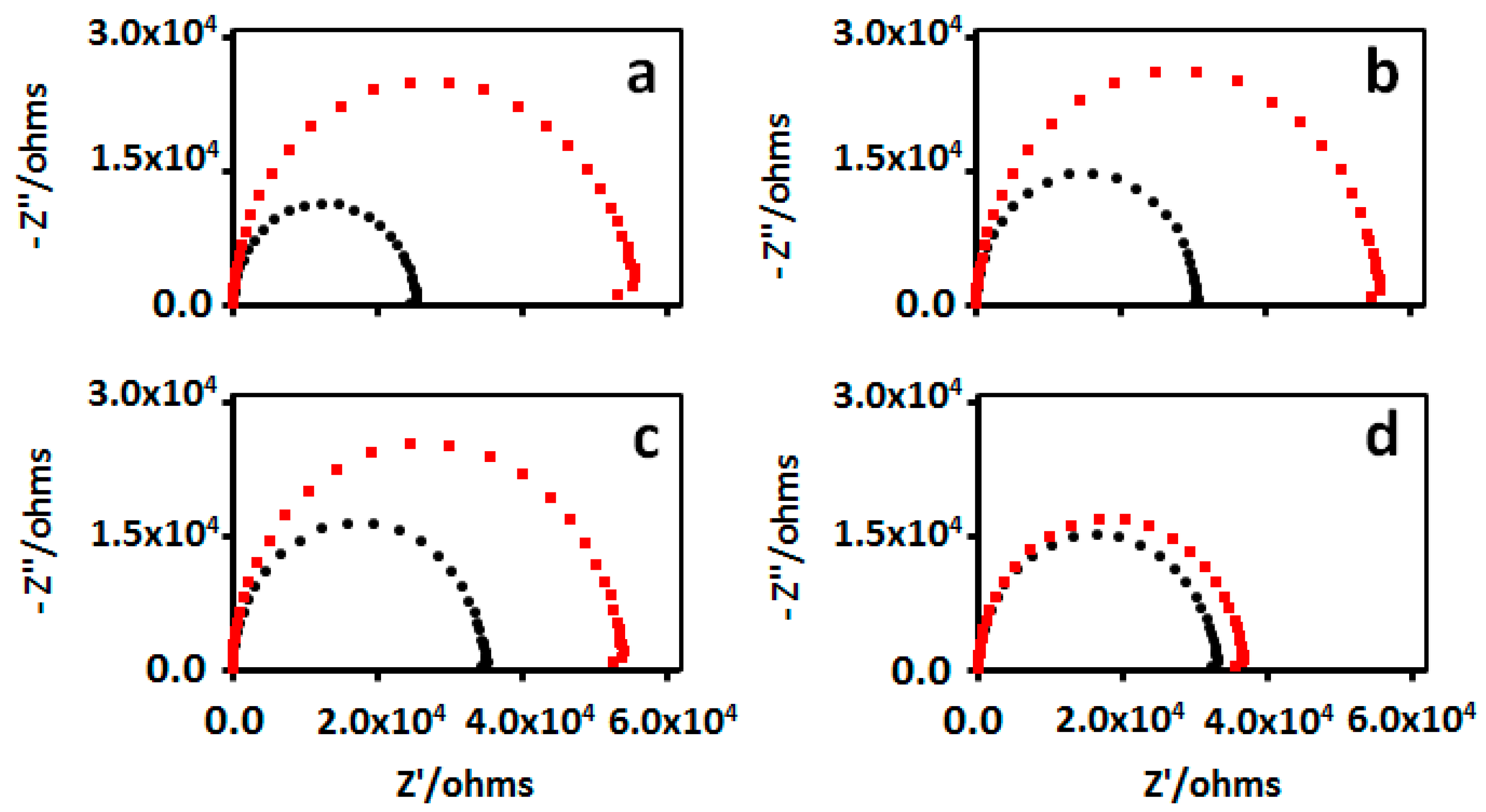
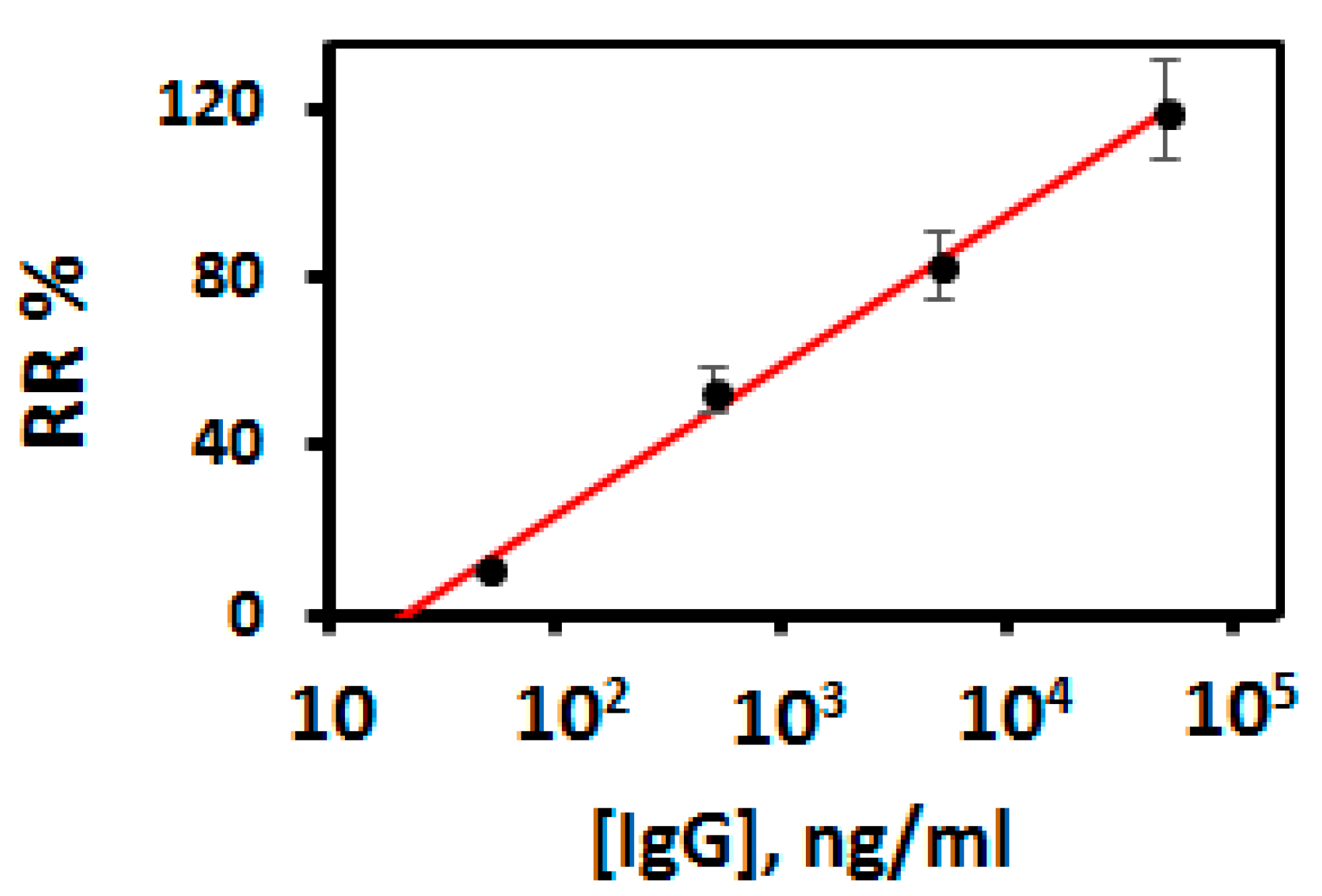
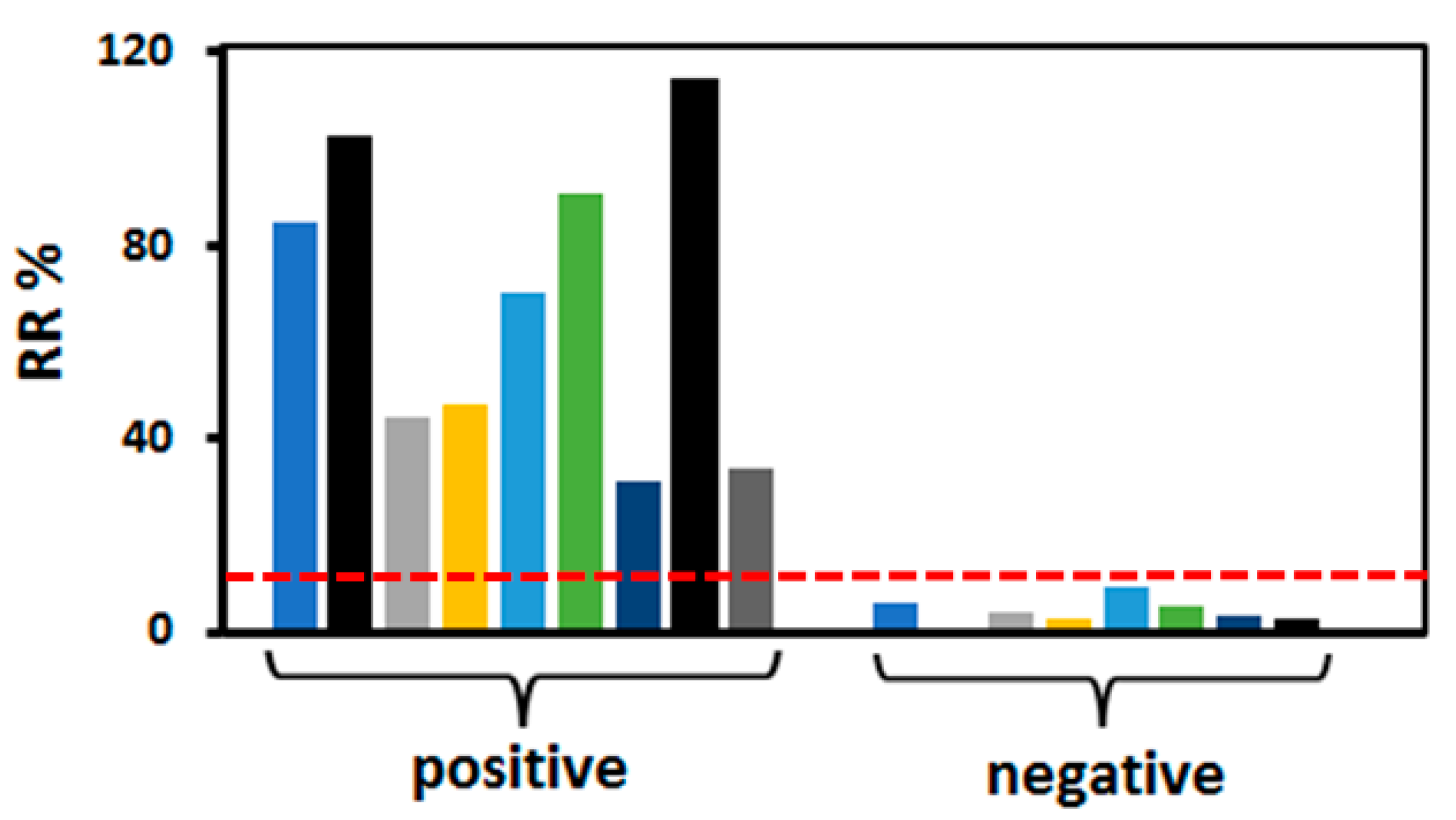
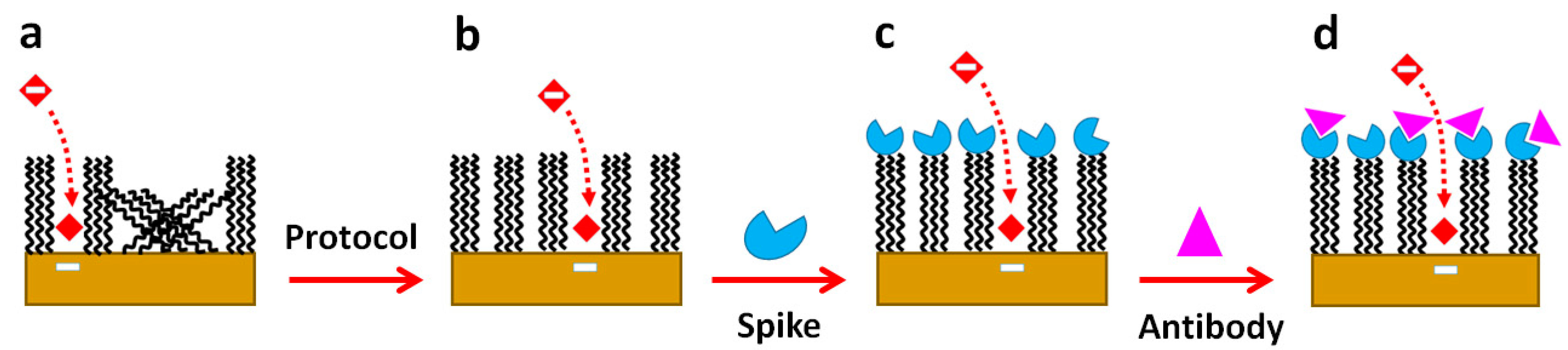
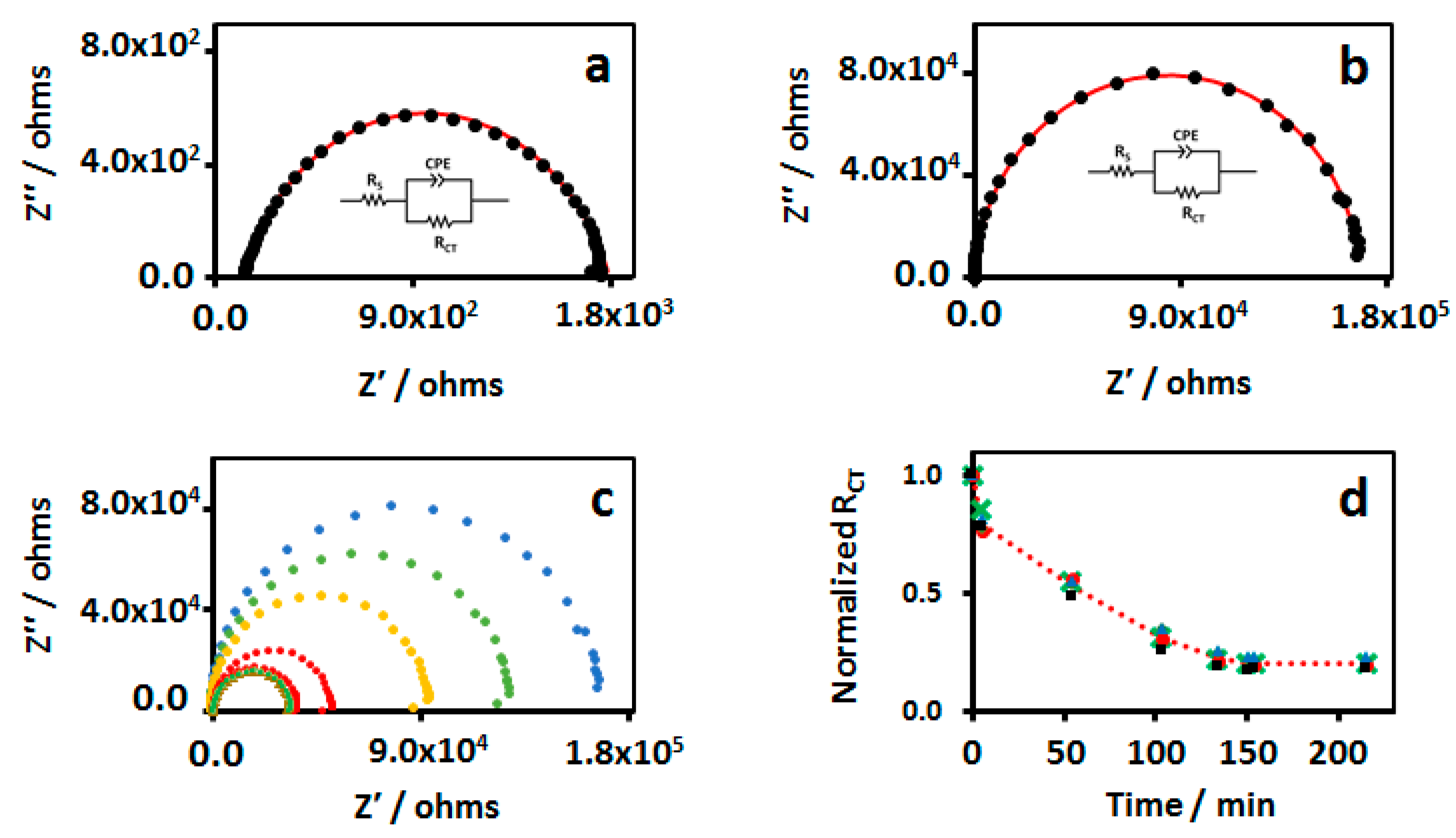
Label-free electrochemical biosensors have many desirable characteristics in terms of miniaturization, scalability, digitization, and other attributes associated with point-of-care (POC) applications. In the era of COVID-19 and pandemic preparedness, further development of such biosensors will be immensely beneficial for rapid testing and disease management. Label-free electrochemical biosensors often employ [Fe(CN)6]−3/4 redox probes to detect low-concentration target analytes as they dramatically enhance sensitivity. However, such Faradaic-based sensors are reported to experience baseline signal drift, which compromises the performance of these devices. Here, we describe the use of a mecaptohexanoic (MHA) self-assembled monolayer (SAM) modified Au-interdigitated electrode arrays (IDA) to investigate the origin of the baseline signal drift, developed a protocol to resolve the issue, and presented insights into the underlying mechanism on the working of label-free electrochemical biosensors. Using this protocol, we demonstrate the application of MHA SAM-modified Au-IDA for POC analysis of human serum samples. We describe the use of a label-free electrochemical biosensor based on covalently conjugated SARS-CoV-2 spike protein for POC detection of COVID-19 antibodies. The test requires a short incubation time (10 min), and has a sensitivity of 35.4/decade (35.4%/10 ng mL−1) and LOD of 21 ng/mL. Negligible cross reactivity to seasonal human coronavirus or other endogenous antibodies was observed. Our studies also show that Faradaic biosensors are ~17 times more sensitive than non-Faradaic biosensors. We believe the work presented here contributes to the fundamental understanding of the underlying mechanisms of baseline signal drift and will be applicable to future development of electrochemical biosensors for POC applications.
Keywords: Faradaic detection; pinholes; baseline drift; label-free; interdigitated electrode microelectrode array; COVID-19 antibody detection Faradaic detection; pinholes; baseline drift; label-free; interdigitated electrode microelectrode array; COVID-19 antibody detection
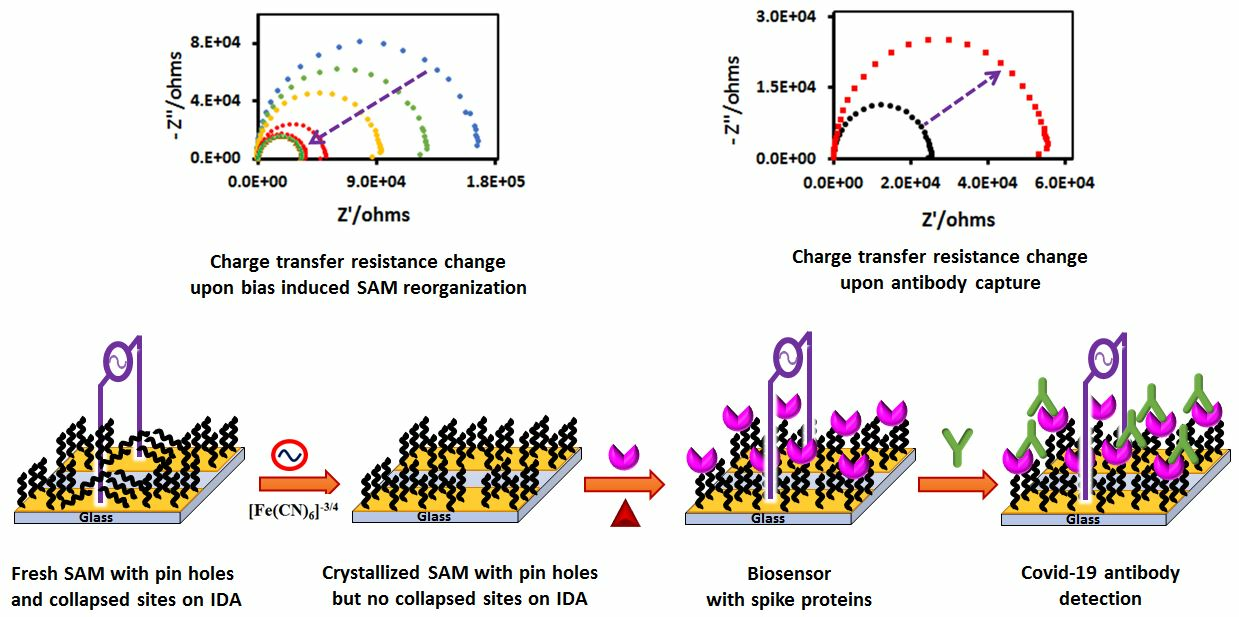
Graphical Abstract