Article

Optimization Strategies Used for Boosting Piezoelectric Response of Biosensor Based on Flexible Micro-ZnO Composites

1
Electrical Department, LGEF, Université Lyon, INSA-Lyon, EA682, F-69621 Villeurbanne, France
2
CNRS, Grenoble INP, LMGP, Université Grenoble Alpes, F-38000 Grenoble, France
3
CNRS, Grenoble INP, Institute NEEL, Université Grenoble Alpes, F-38000 Grenoble, France
4
Department of Neurosurgery, Icahn School of Medicine at Mount Sinai, New York, NY 10029, USA
5
Sinai BioDesign, Icahn School of Medicine at Mount Sinai, New York, NY 10029, USA
6
Department of Cardiac Surgery, “Louis Pradel” Cardiologic Hospital, F-69500 Bron, France
*
Author to whom correspondence should be addressed.
Biosensors 2022, 12(4), 245; https://doi.org/10.3390/bios12040245
Submission received: 18 March 2022 / Revised: 11 April 2022 / Accepted: 12 April 2022 / Published: 14 April 2022
(This article belongs to the Special Issue Flexible Biosensors for Health Monitoring)

Abstract

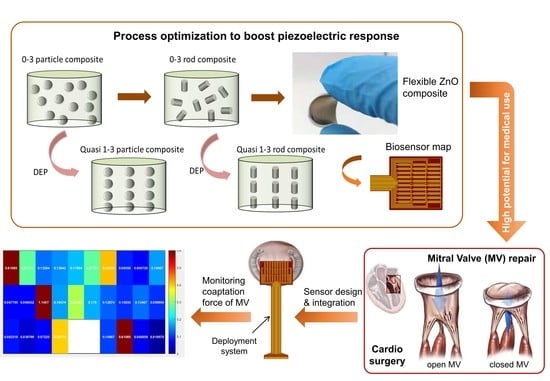

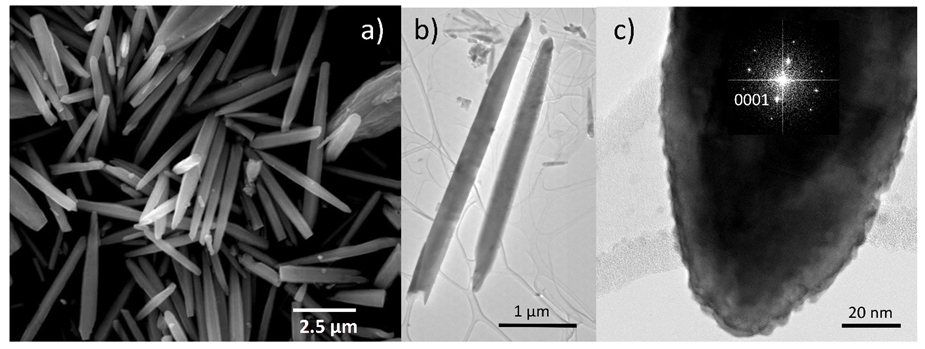
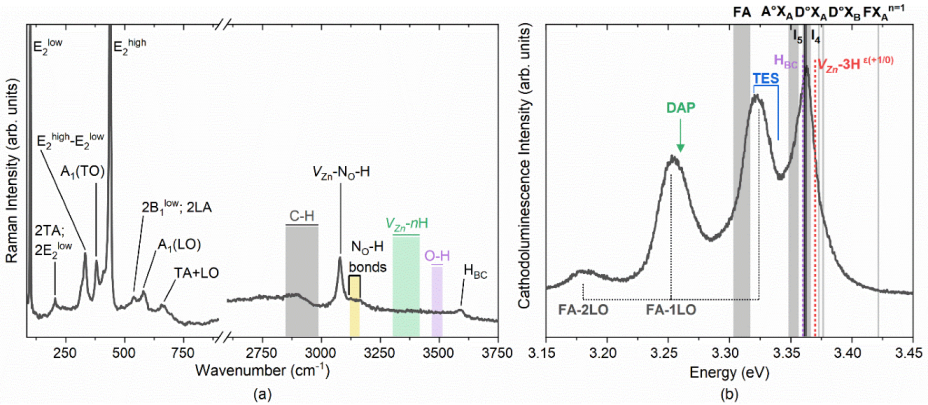
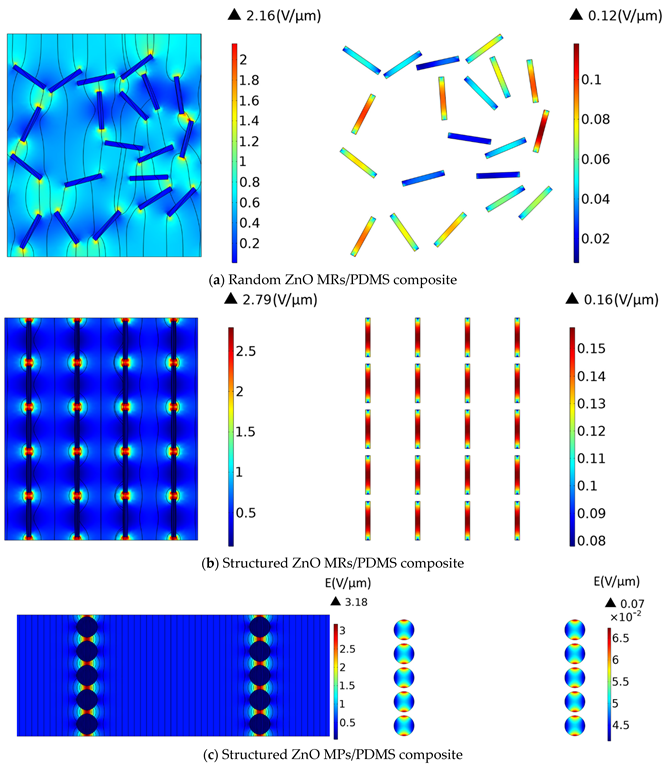
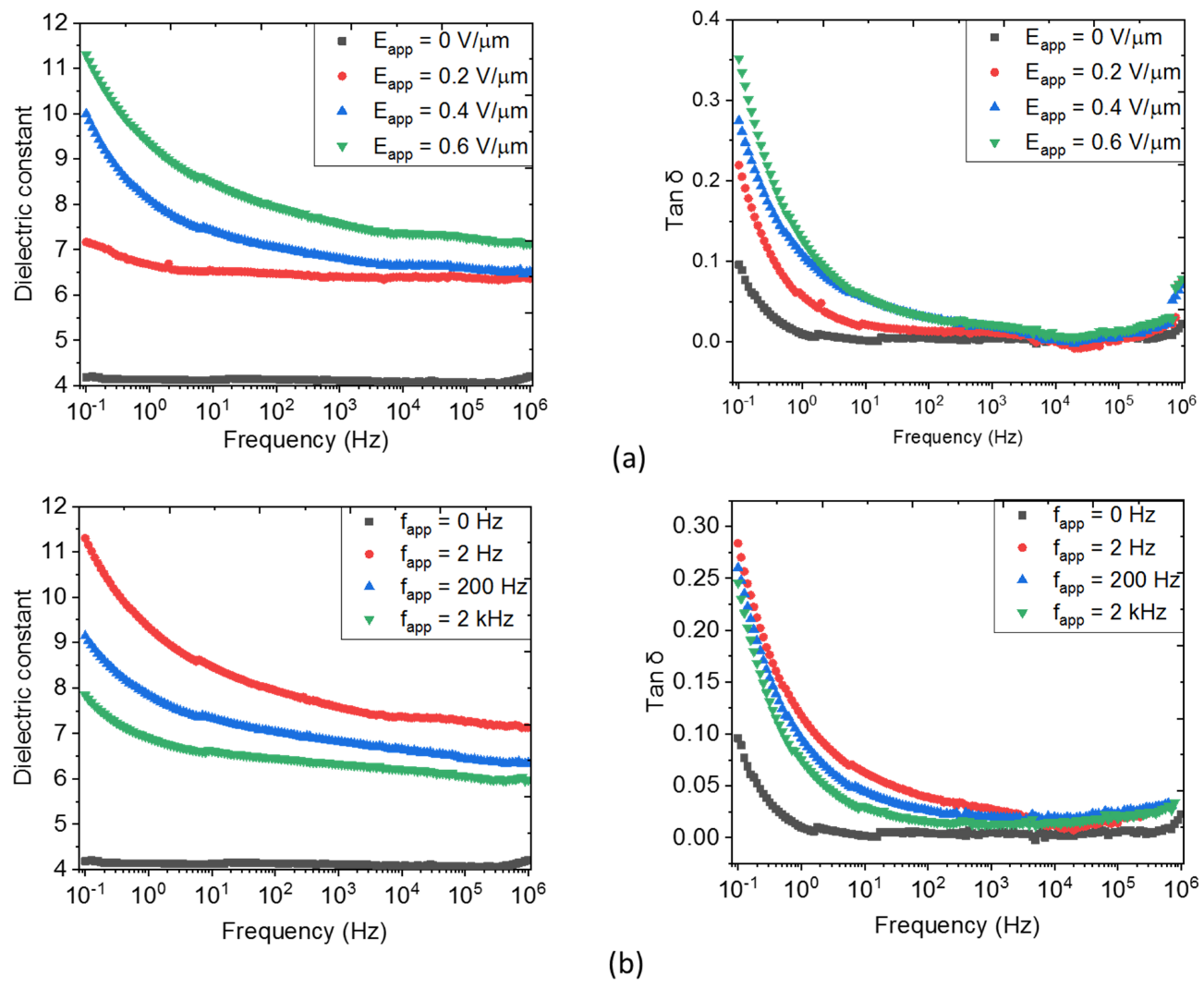
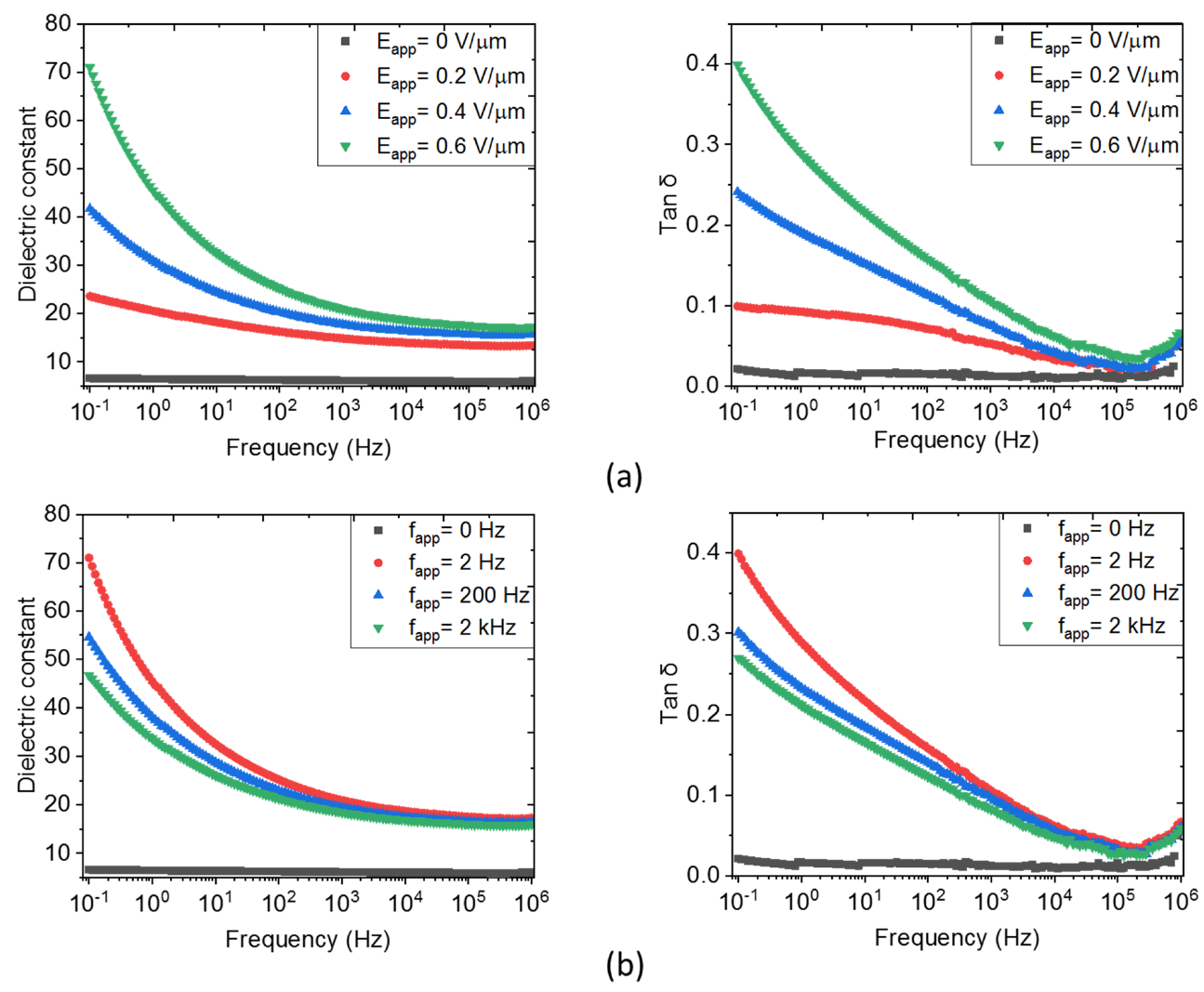
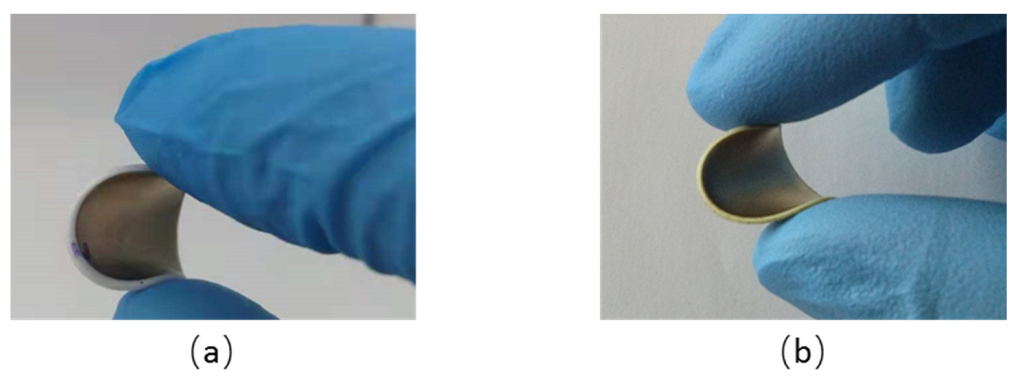
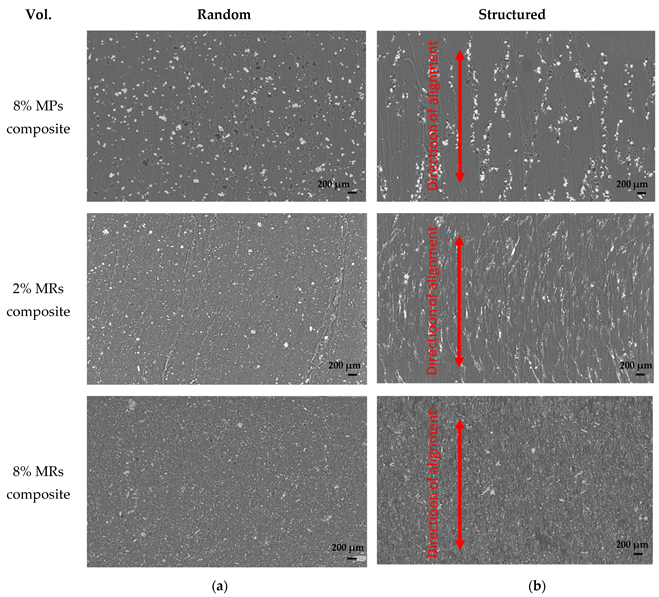
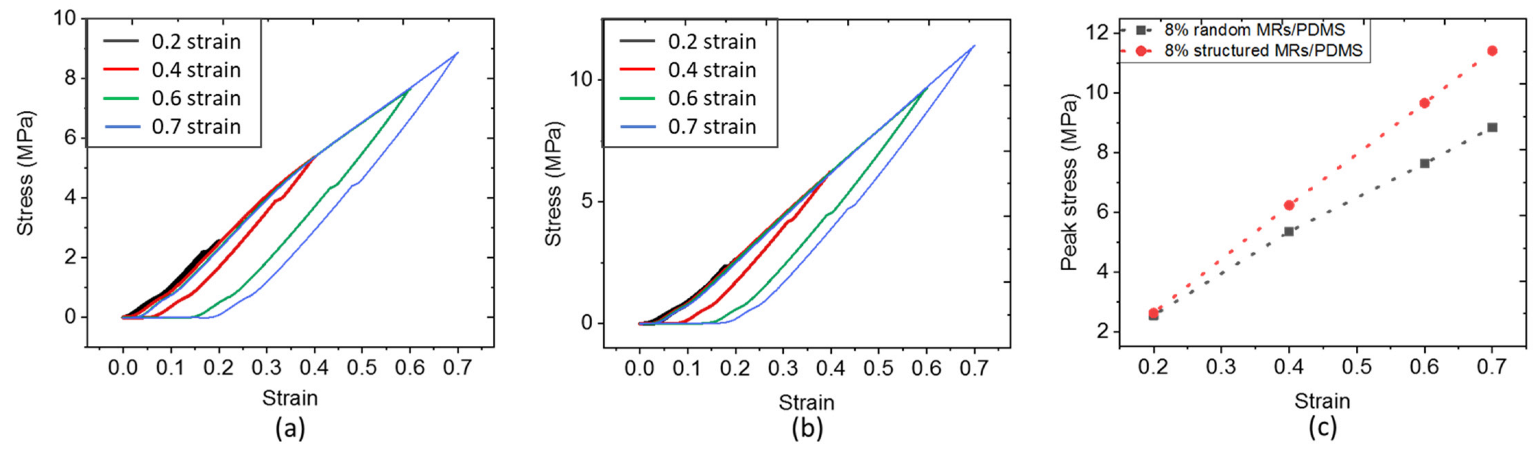
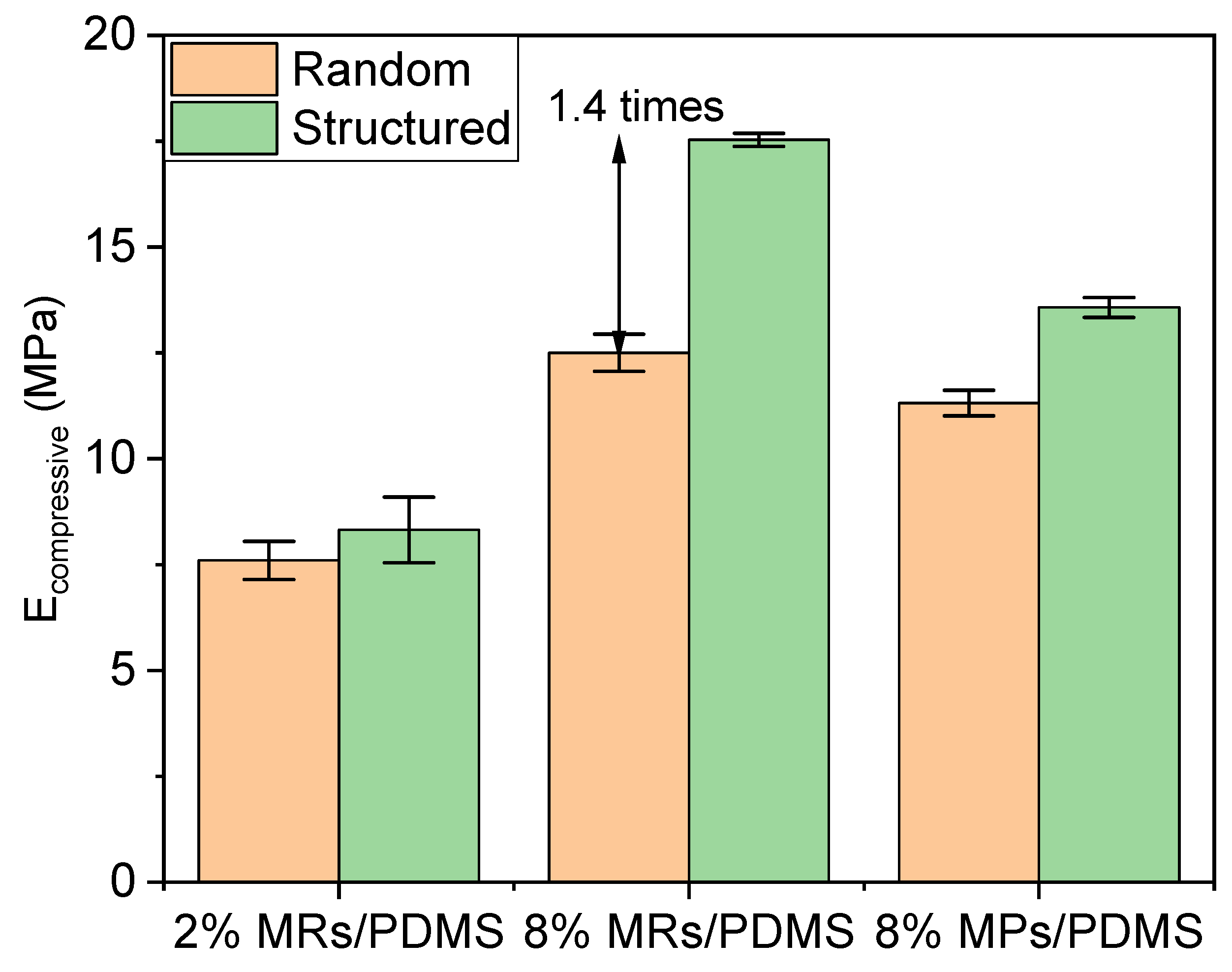
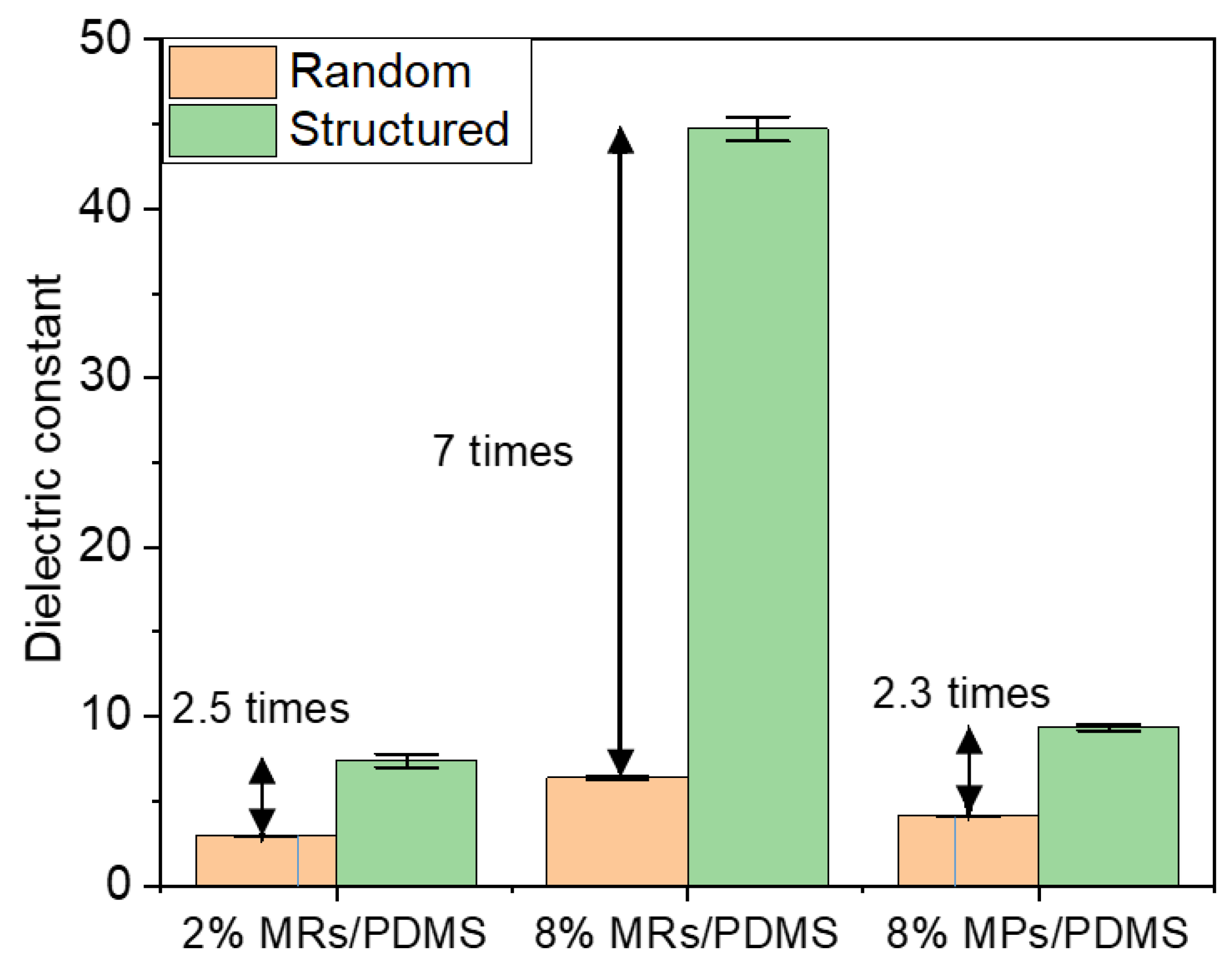
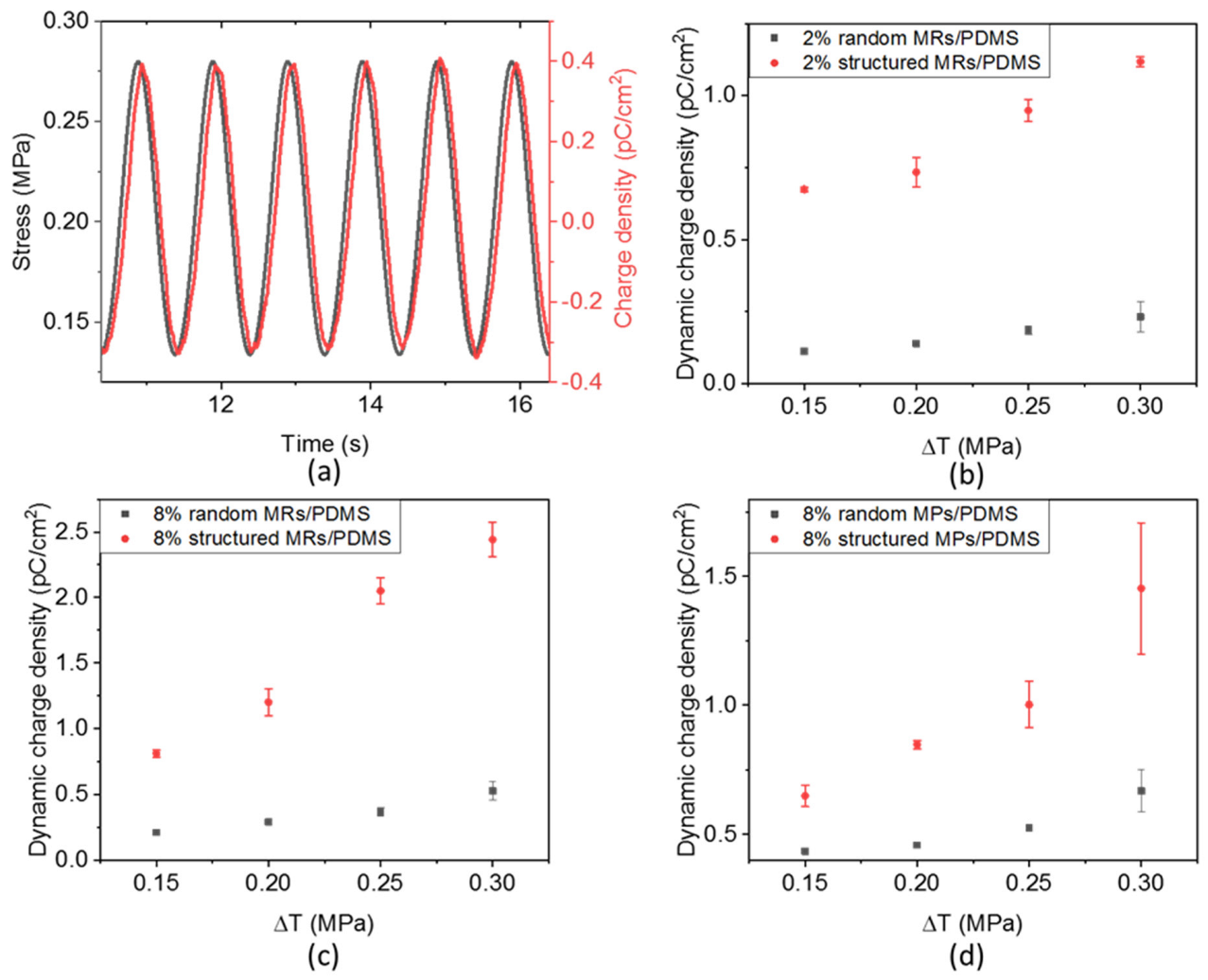
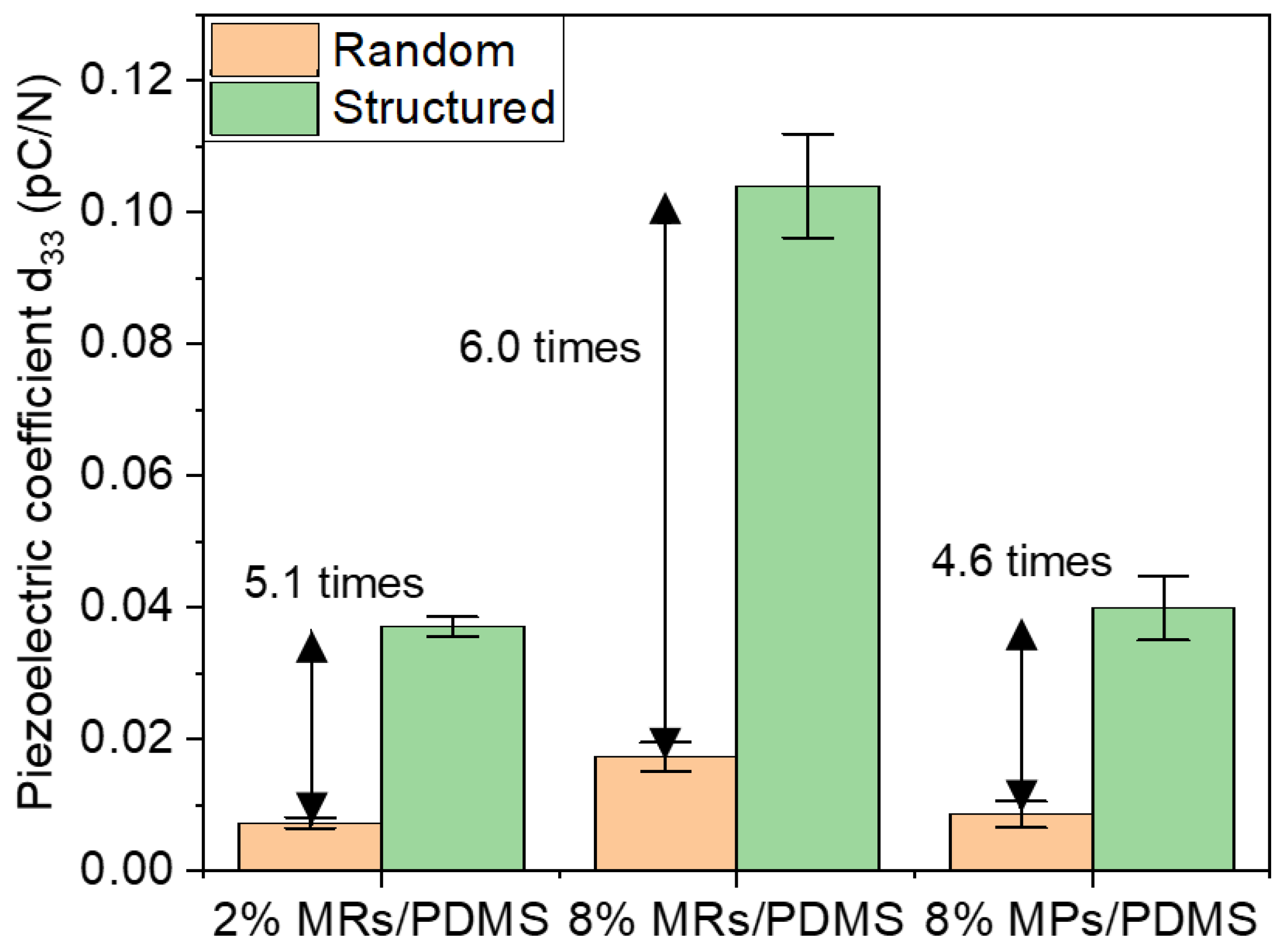
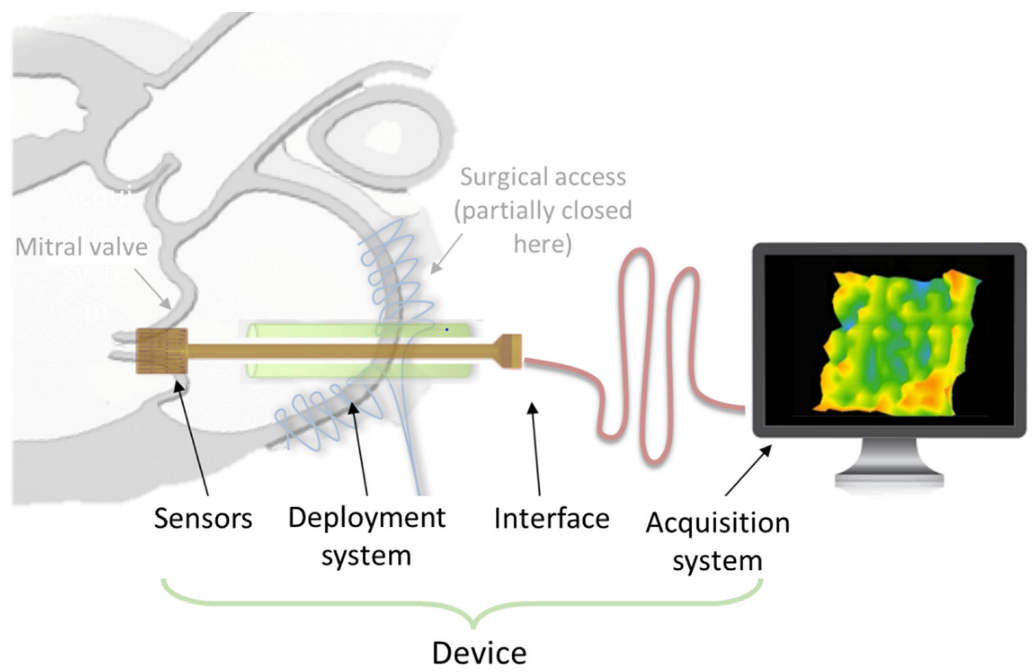
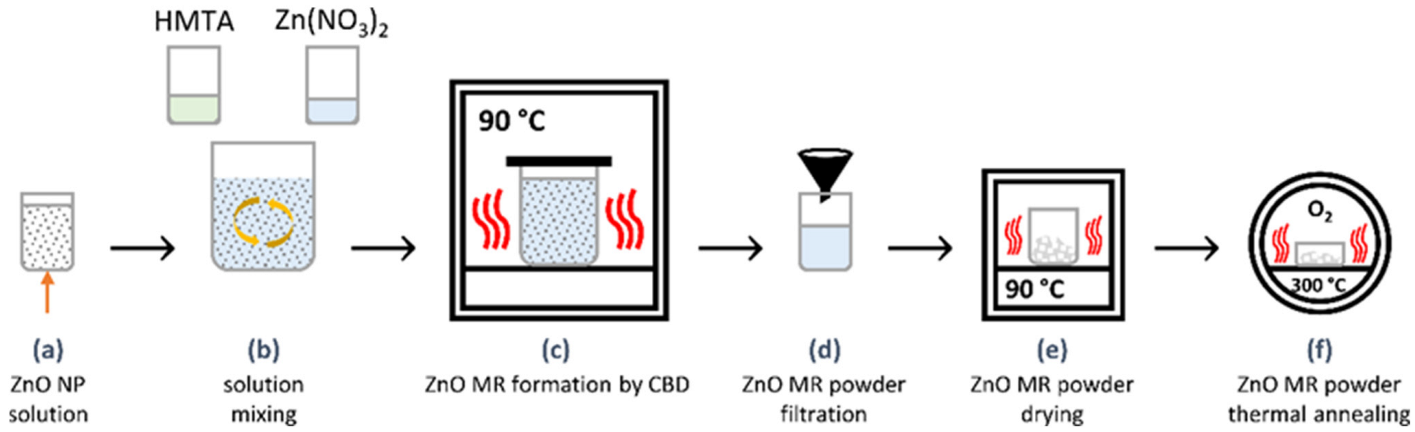
Piezoelectric ZnO-based composites have been explored as a flexible and compact sensor for the implantable biomedical systems used in cardio surgery. In this work, a progressive development route was investigated to enhance the performance of piezoelectric composites incorporated with different shape, concentration and connectivity of ZnO fillers. ZnO microrods (MRs) have been successfully synthesized homogeneously in aqueous solution using a novel process-based on chemical bath deposition (CBD) method. The morphological analysis along with Raman scattering and cathodoluminescence spectroscopy of ZnO MRs confirm their high crystalline quality, their orientation along the polar c-axis and the presence of hydrogen-related defects acting as shallow donors in their center. The experimental characterizations highlight that ZnO MR-based composites, with a higher aspect ratio (AR), lead to a significant improvement in the mechanical, dielectric and piezoelectric properties as opposed to the ZnO microparticles (MP) counterparts. The dielectrophoretic (DEP) process is then subjected to both ZnO MP- and MR-based composites, whose performance is expected to be improved as compared to the randomly dispersed composites, thanks to the creation of chain-like structures along the electric field direction. Furthermore, a numerical simulation using COMSOL software is developed to evaluate the influence of the material structuration as well as the filler’s shape on the electric field distribution within different phases (filler, matrix and interface) of the composites. Finally, the aligned MR piezoelectric composites are revealed to be high potential in the development of innovative compact and biocompatible force-sensing devices. Such a technological breakthrough allows the achievement of a real-time precise characterization of mitral valve (MV) coaptation to assist surgeons during MV repair surgery.
Keywords: flexible ZnO composites; micro-rod/particles; dielectrophoresis; piezoelectric biosensor; synthesis-based chemical bath deposition; characterization; simulation; medical application flexible ZnO composites; micro-rod/particles; dielectrophoresis; piezoelectric biosensor; synthesis-based chemical bath deposition; characterization; simulation; medical application
Graphical Abstract