Next Article in Journal
Sintering Inhibition of Silver Nanoparticle Films via AgCl Nanocrystal Formation
Previous Article in Journal
Polyaspartamide-Based Nanoparticles Loaded with Fluticasone Propionate and the In Vitro Evaluation towards Cigarette Smoke Effects
Article

Time-Resolved Study of Nanomorphology and Nanomechanic Change of Early-Stage Mineralized Electrospun Poly(lactic acid) Fiber by Scanning Electron Microscopy, Raman Spectroscopy and Atomic Force Microscopy

1
School of Chemistry and Chemical Engineering, Yangzhou University, Yangzhou 225002, China
2
Jiangsu Collaborative Innovation Center of Biomedical Functional Materials and Jiangsu Key Laboratory of Biofunctional Materials, School of Chemistry and Materials Science, Nanjing Normal University, Nanjing 210023, China
*
Author to whom correspondence should be addressed.
Nanomaterials 2017, 7(8), 223; https://doi.org/10.3390/nano7080223
Received: 16 June 2017 / Revised: 5 August 2017 / Accepted: 10 August 2017 / Published: 17 August 2017
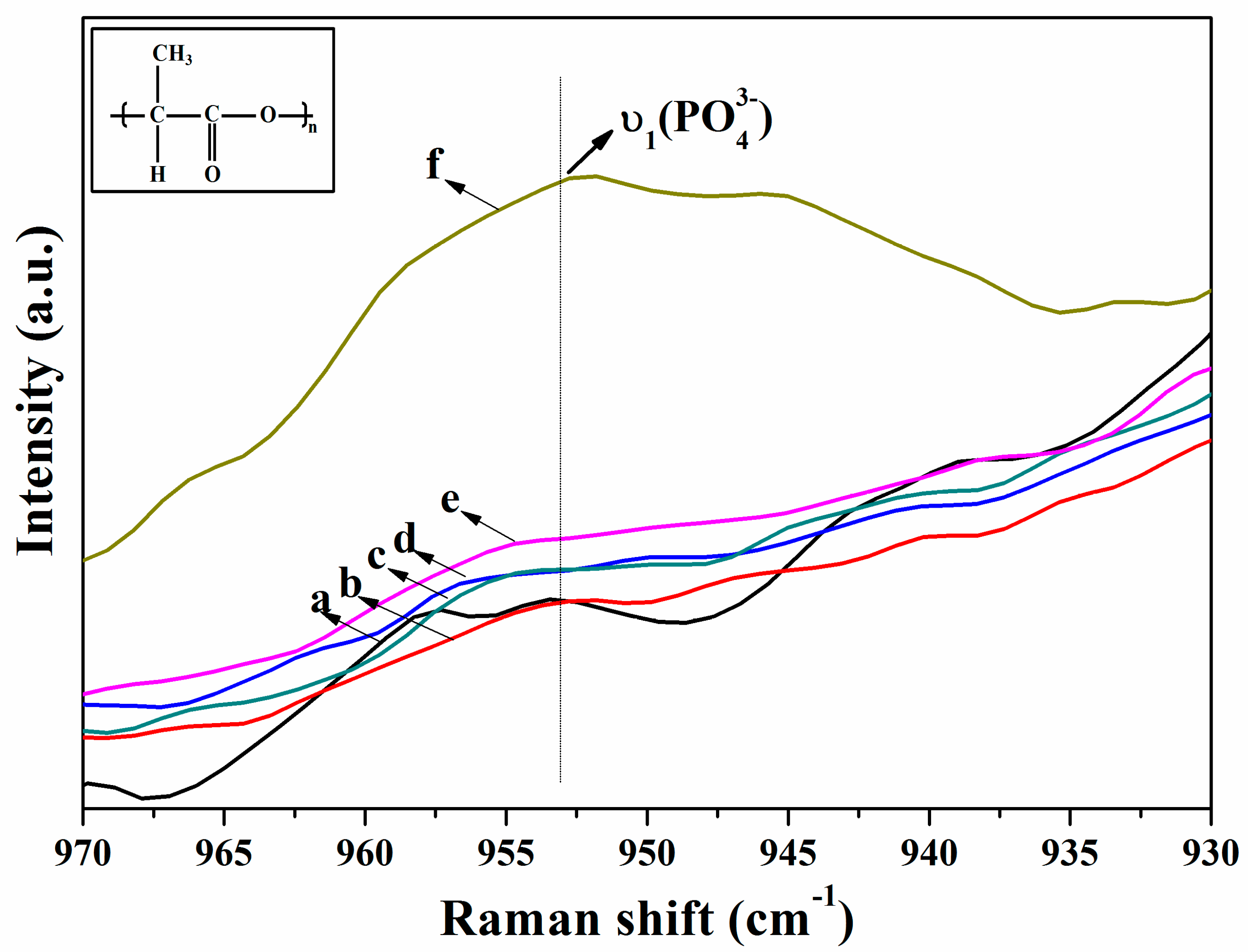
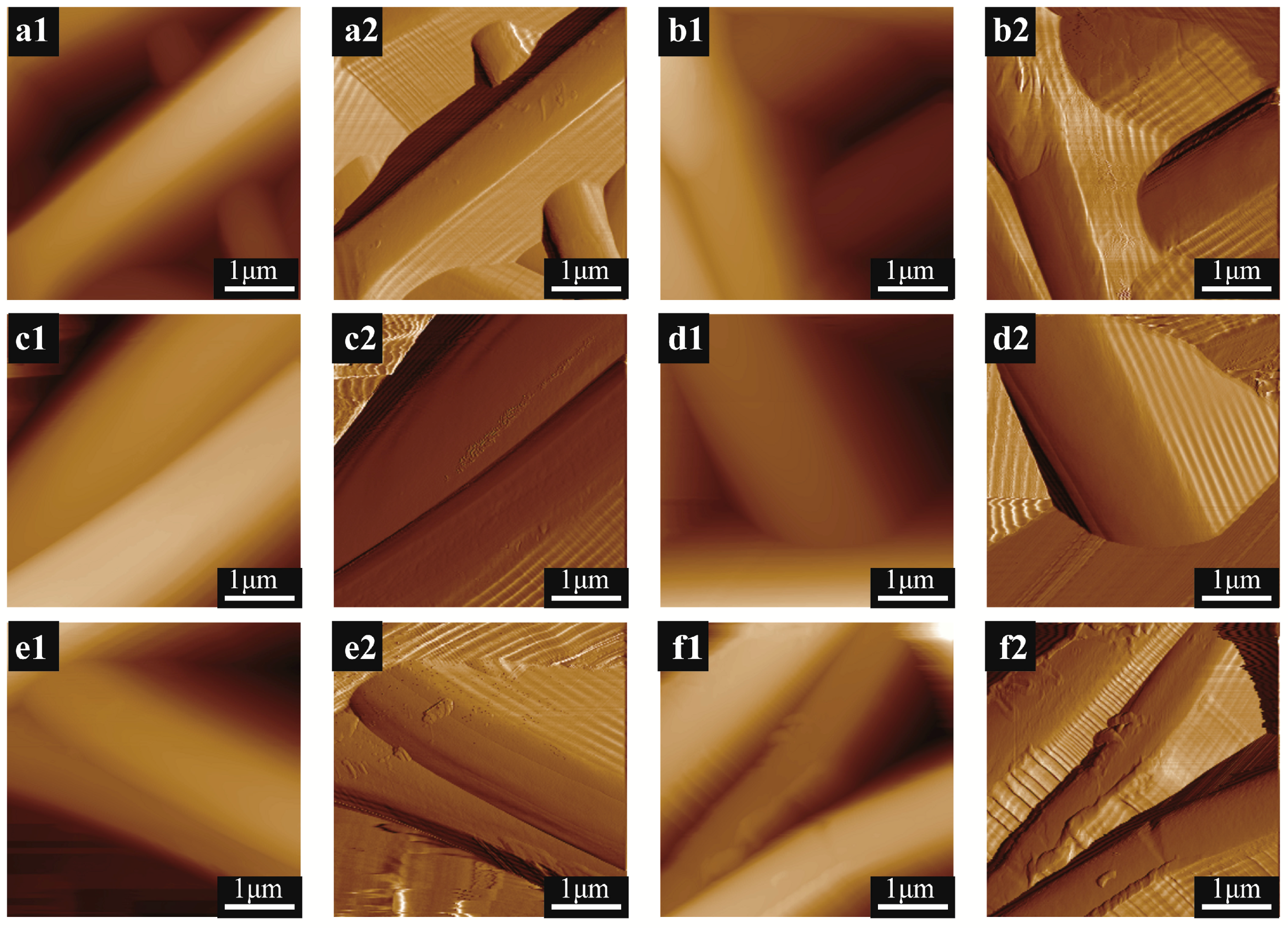
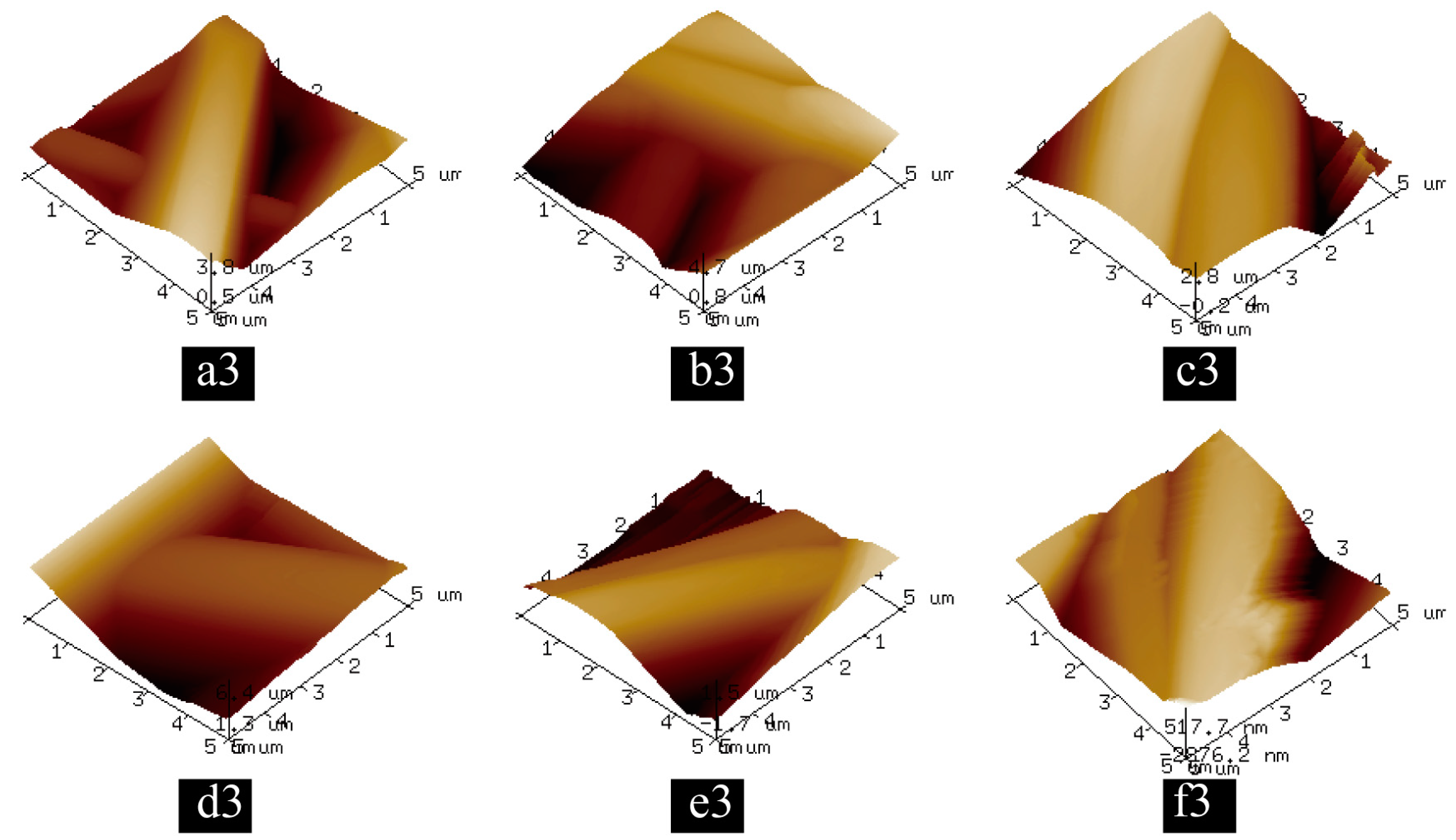
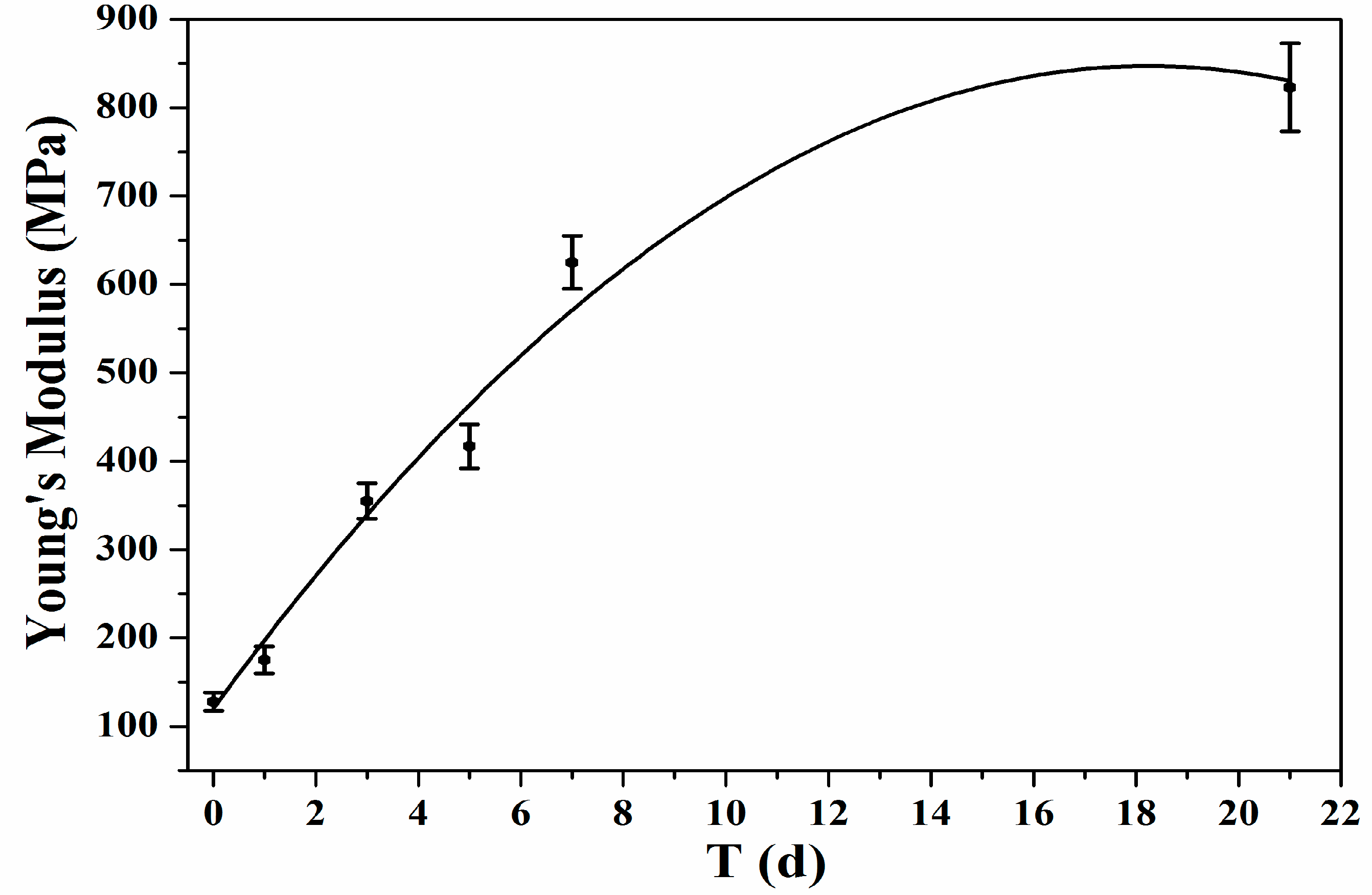
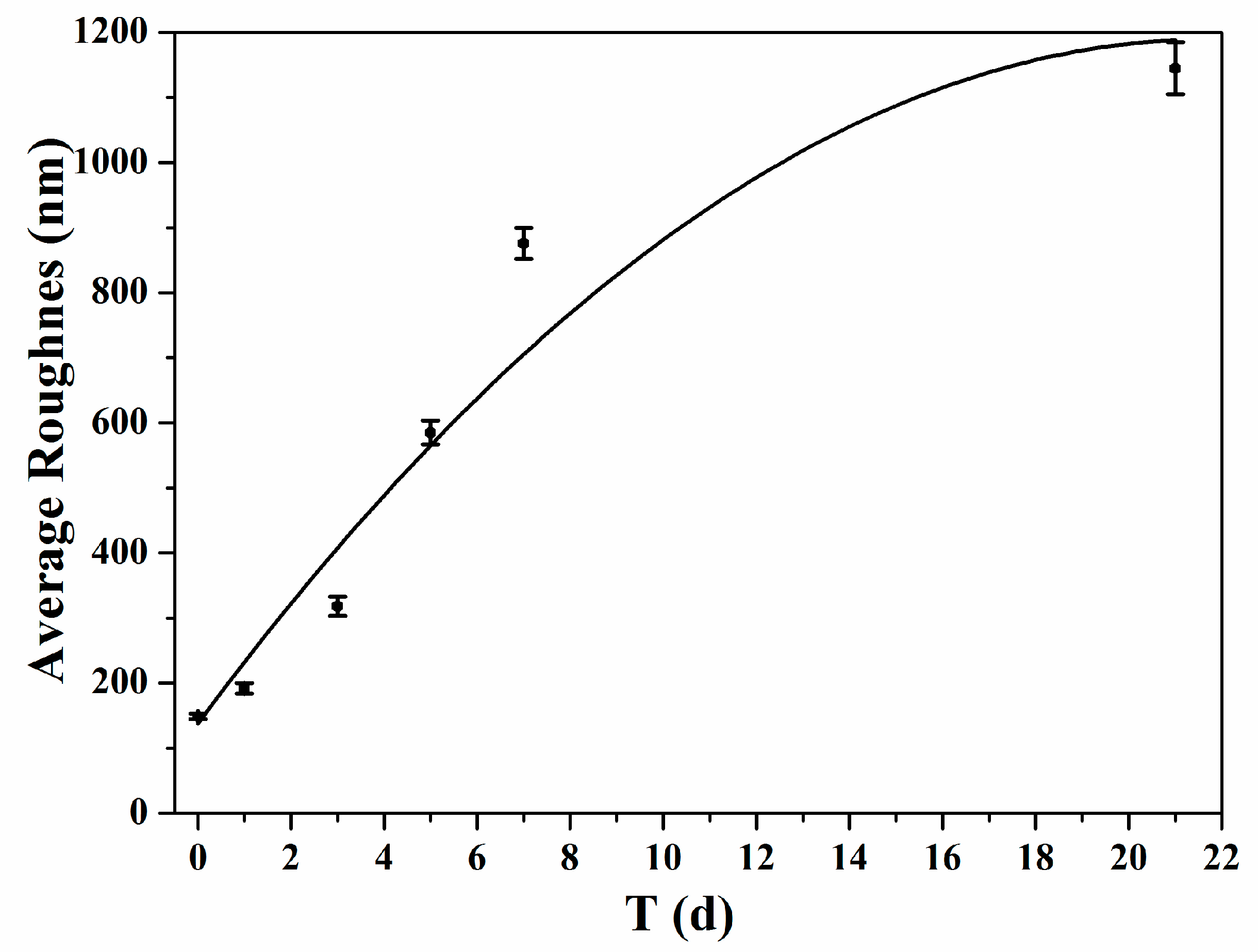
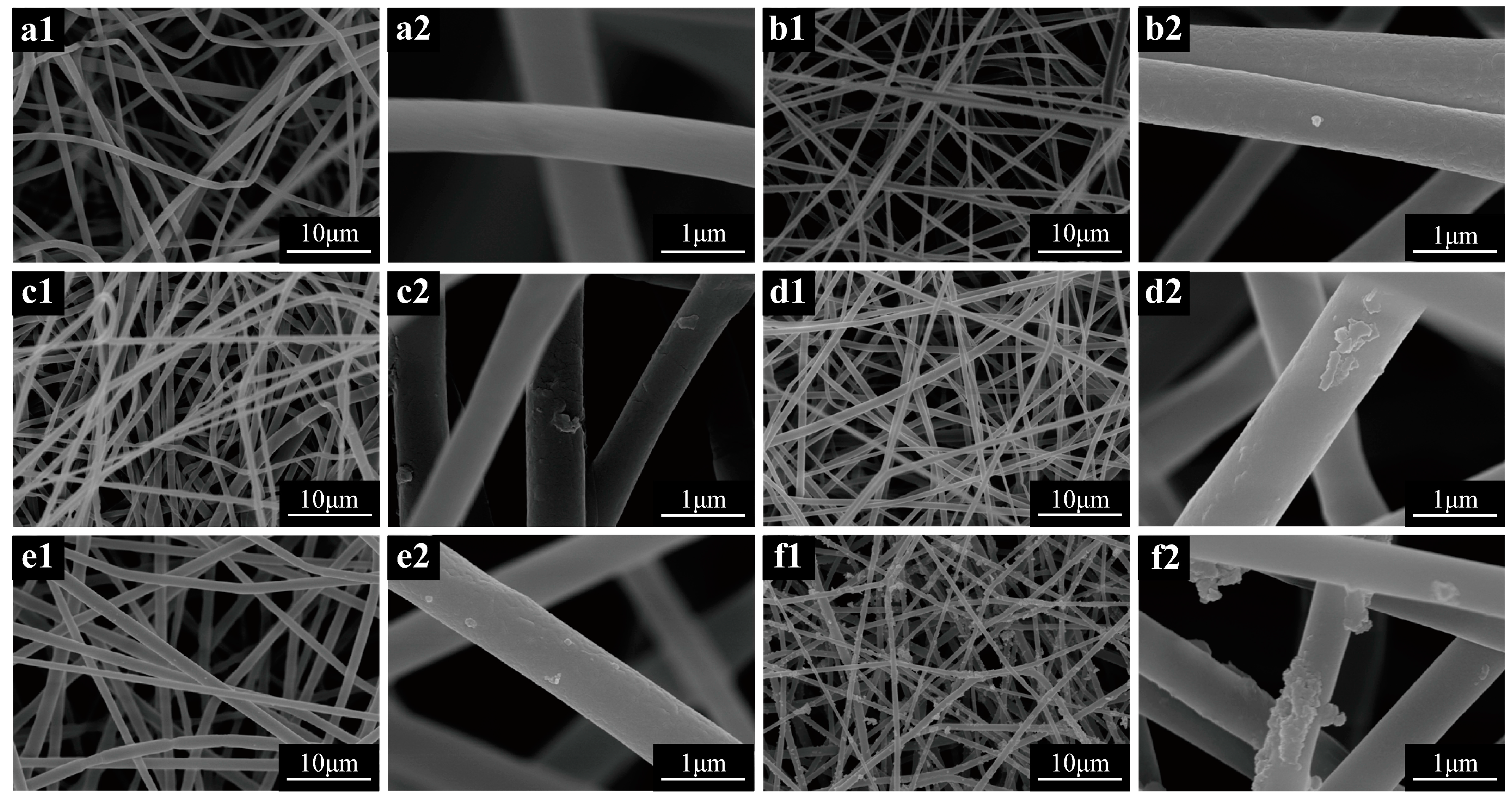
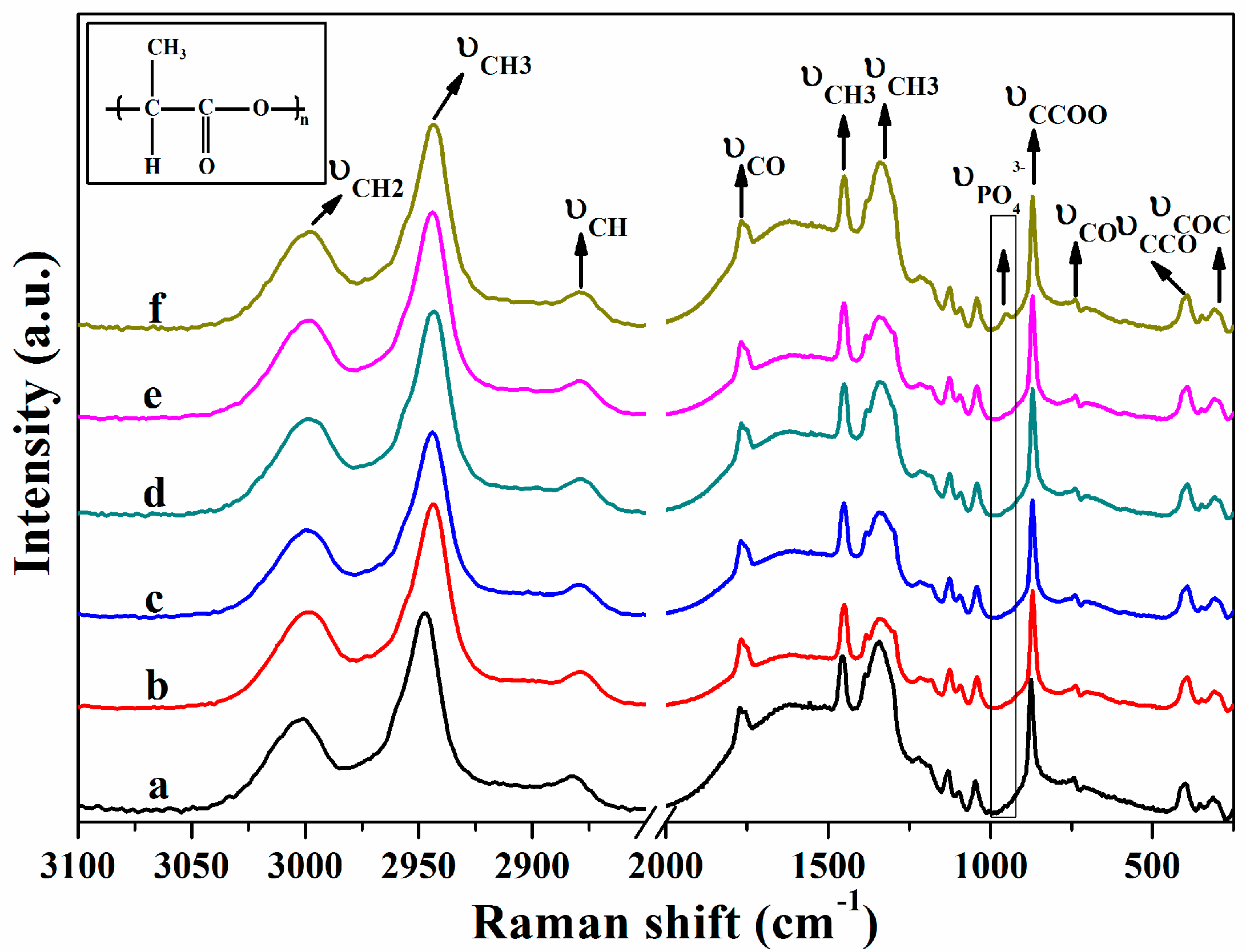
In this study, scanning electron microscopy (SEM), Raman spectroscopy and high-resolution atomic force microscopy (AFM) were used to reveal the early-stage change of nanomorphology and nanomechanical properties of poly(lactic acid) (PLA) fibers in a time-resolved manner during the mineralization process. Electrospun PLA nanofibers were soaked in simulated body fluid (SBF) for different periods of time (0, 1, 3, 5, 7 and 21 days) at 10 °C, much lower than the conventional 37 °C, to simulate the slow biomineralization process. Time-resolved Raman spectroscopy analysis can confirm that apatites were deposited on PLA nanofibers after 21 days of mineralization. However, there is no significant signal change among several Raman spectra before 21 days. SEM images can reveal the mineral deposit on PLA nanofibers during the process of mineralization. In this work, for the first time, time-resolved AFM was used to monitor early-stage nanomorphology and nanomechanical changes of PLA nanofibers. The Surface Roughness and Young’s Modulus of the PLA nanofiber quantitatively increased with the time of mineralization. The electrospun PLA nanofibers with delicate porous structure could mimic the extracellular matrix (ECM) and serve as a model to study the early-stage mineralization. Tested by the mode of PLA nanofibers, we demonstrated that AFM technique could be developed as a potential diagnostic tool to monitor the early onset of pathologic mineralization of soft tissues. View Full-Text
Keywords: poly(lactic acid); electrospun; atomic force microscopy (AFM); scanning electron microscope (SEM); nanomechanical properties; biomineralization poly(lactic acid); electrospun; atomic force microscopy (AFM); scanning electron microscope (SEM); nanomechanical properties; biomineralization
Show Figures

Figure 1

MDPI and ACS Style

Wang, M.; Cai, Y.; Zhao, B.; Zhu, P. Time-Resolved Study of Nanomorphology and Nanomechanic Change of Early-Stage Mineralized Electrospun Poly(lactic acid) Fiber by Scanning Electron Microscopy, Raman Spectroscopy and Atomic Force Microscopy. Nanomaterials 2017, 7, 223. https://doi.org/10.3390/nano7080223

AMA Style

Wang M, Cai Y, Zhao B, Zhu P. Time-Resolved Study of Nanomorphology and Nanomechanic Change of Early-Stage Mineralized Electrospun Poly(lactic acid) Fiber by Scanning Electron Microscopy, Raman Spectroscopy and Atomic Force Microscopy. Nanomaterials. 2017; 7(8):223. https://doi.org/10.3390/nano7080223
Chicago/Turabian Style

Wang, Mengmeng, Yin Cai, Bo Zhao, and Peizhi Zhu. 2017. "Time-Resolved Study of Nanomorphology and Nanomechanic Change of Early-Stage Mineralized Electrospun Poly(lactic acid) Fiber by Scanning Electron Microscopy, Raman Spectroscopy and Atomic Force Microscopy" Nanomaterials 7, no. 8: 223. https://doi.org/10.3390/nano7080223
Find Other Styles
Note that from the first issue of 2016, MDPI journals use article numbers instead of page numbers. See further details here.

Article Access Map by Country/Region

1
Back to TopTop