3.1. Selection of the Active Metal Oxide Component
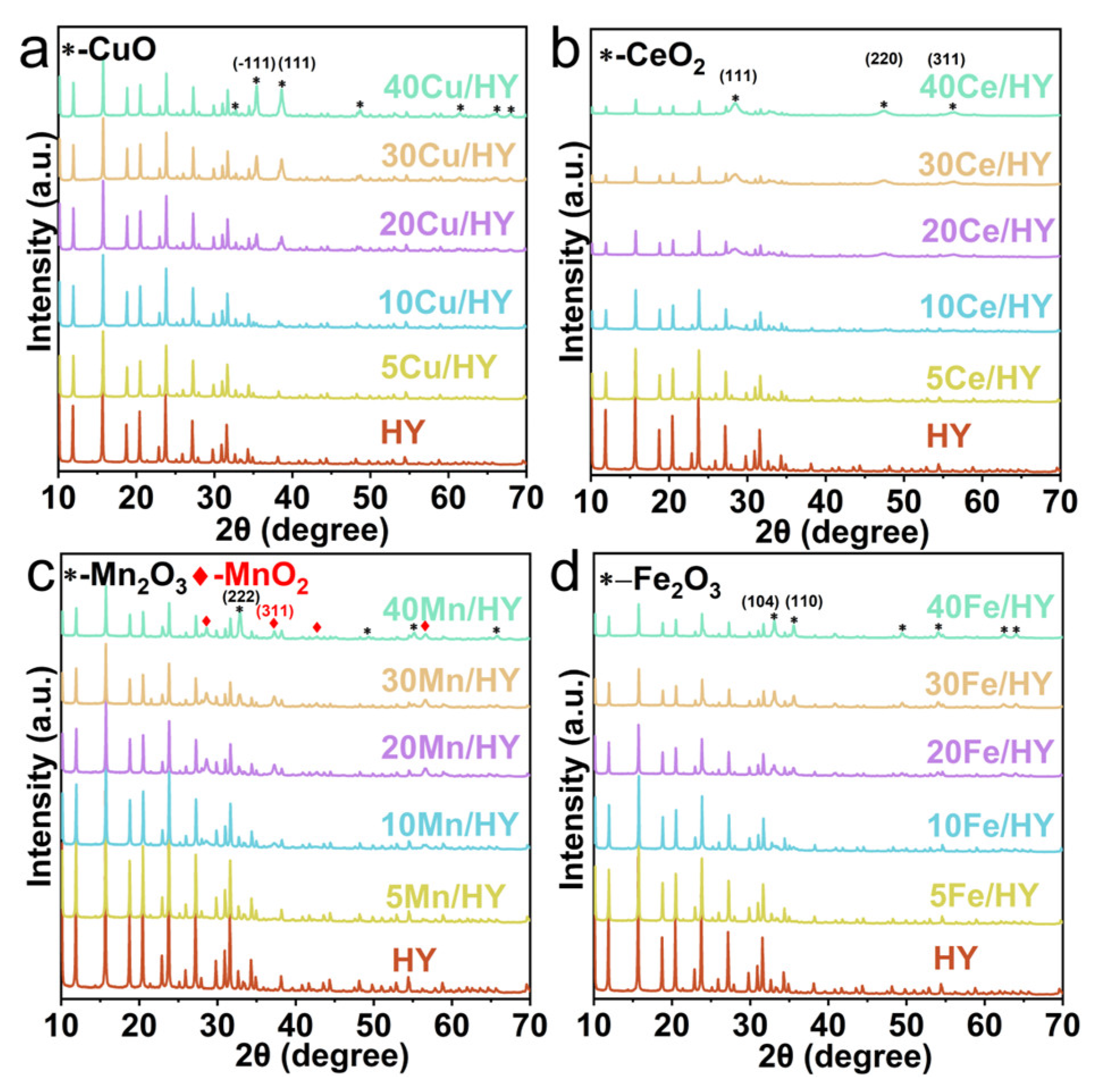
Figure 1 presents the X-ray diffraction (XRD) patterns of the synthesized xM/HY catalysts (x = 5, 10, 20, 30, 40; M = Cu, Ce, Mn, Fe). All observed diffraction peaks can be indexed to the crystalline phases of the HY zeolite support (JCPDS 45-0112) and the respective metal oxides—CuO (JCPDS 80-1916), CeO
2 (JCPDS 34-0394), Mn
2O
3 (JCPDS 24-0508), MnO
2 (JCPDS 42-1169), and Fe
2O
3 (JCPDS 33-0644). The absence of extraneous peaks confirms the successful preparation of the intended series of supported metal oxide catalysts.
To identify the most effective active component for CB decomposition, we evaluated the catalytic performance of a series of xM/HY catalysts (x = 5, 10, 20, 30, 40; M = Cu, Ce, Mn, Fe).
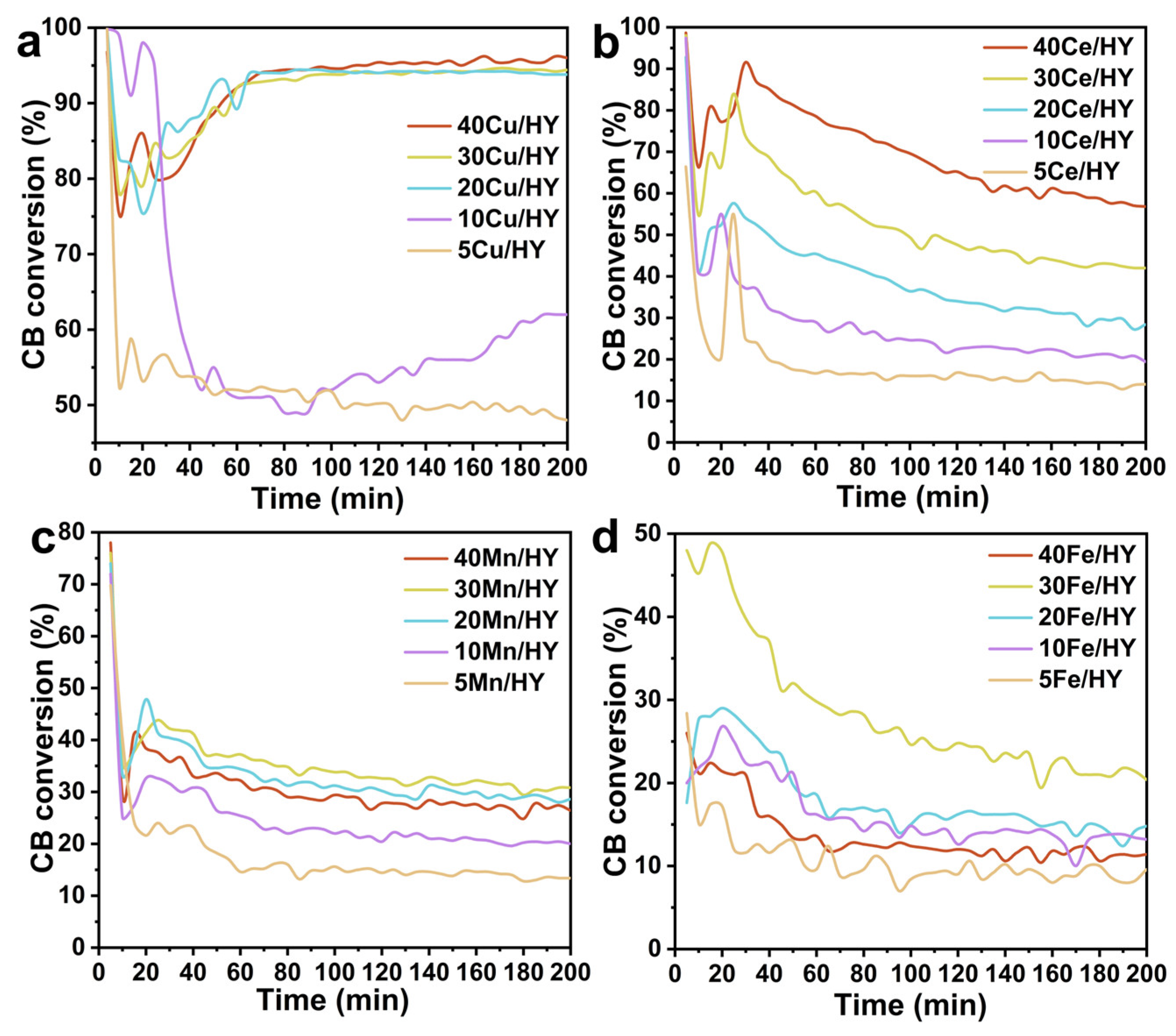
Figure 2 presents the CB conversion as a function of time on stream (up to 200 min) for these catalysts. For the Cu/HY series (
Figure 2a), all catalysts exhibited an initial conversion ≥99%, demonstrating that the initial activity is independent of the Cu loading. However, a rapid deactivation was observed for the catalysts with lower loadings: the conversion for 5Cu/HY and 10Cu/HY dropped steeply to ~40% within the first 30 min for CB, respectively. In stark contrast, catalysts with higher Cu loadings (20–40 wt%) maintained stable and high activity, sustaining ~97% conversion. This indicates that a lower CuO loading results in a sparser distribution of active sites, rendering the catalyst more susceptible to rapid deactivation. For the Ce/HY series (
Figure 2b), the catalytic activity increased progressively with higher metal loadings in the 20–40 wt% range. In the cases of Mn/HY and Fe/HY, the optimal loading was found to be 30 wt%; however, even at this optimum, their CB conversion levels remained lower than those achieved by 30Cu/HY and 30Ce/HY catalysts. This comparative analysis identifies Cu/HY and Ce/HY as the most active systems among the four metal oxides screened. Furthermore, an examination of the entire dataset in
Figure 2 highlights the exceptional catalytic stability of the Cu/HY catalysts throughout the 200 min test. Based on these activity and stability assessments, Cu/HY and Ce/HY were selected as the most promising catalyst systems. Therefore, the catalysts of 30M/HY (M = Cu, Ce, Mn, Fe) were selected for subsequent comparative characterization and mechanistic studies.
3.2. Analysis of Catalyst Morphology
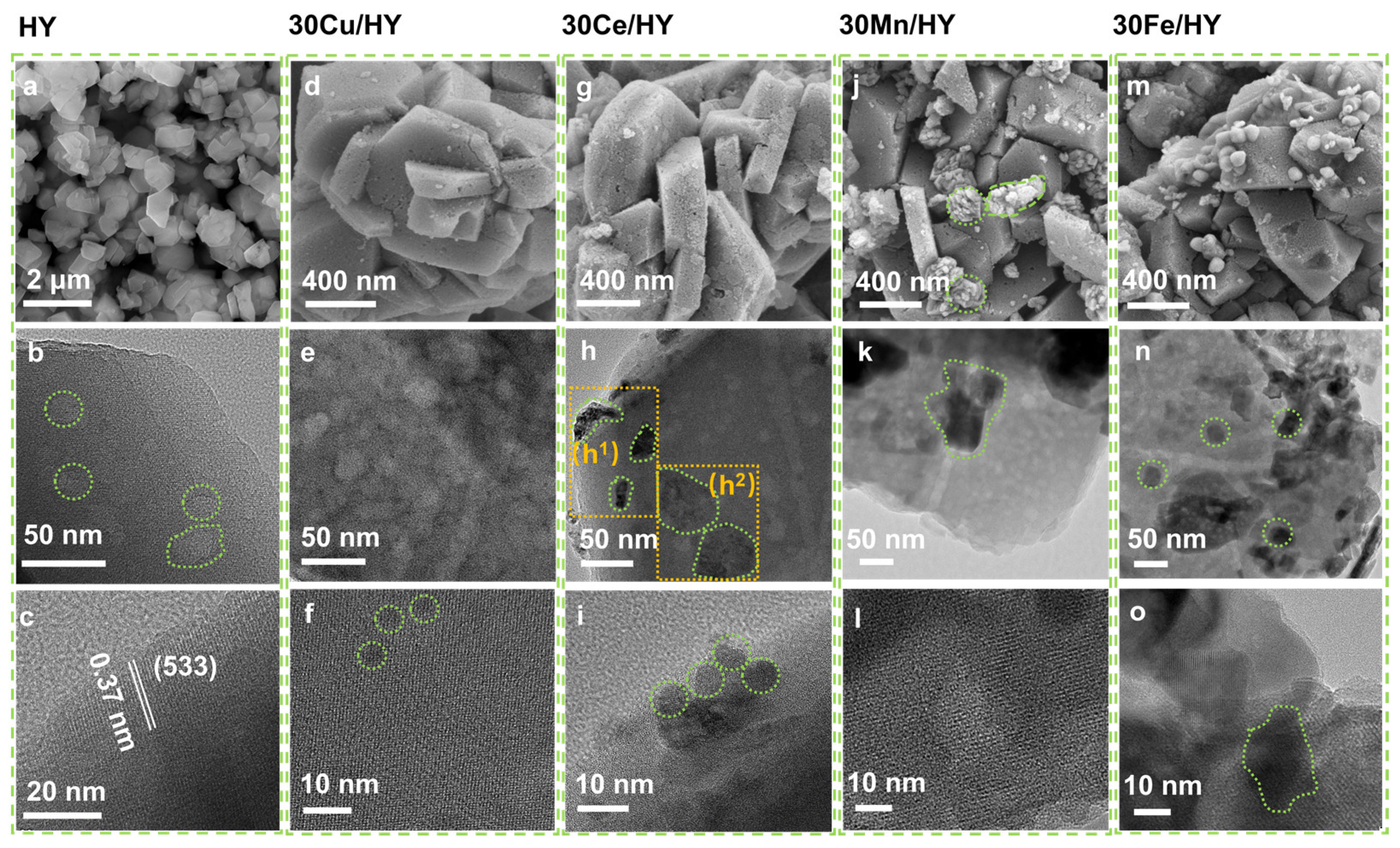
Figure 3 presents representative scanning and transmission electron microscopy (SEM/TEM) images of the HY zeolite and the 30M/HY catalysts (M = Cu, Ce, Mn, Fe). The HY support (
Figure 3a) displays an irregular morphology consisting of flakes and particles with dimensions between 200 nm and 1 μm, providing ample sites for metal anchoring. TEM analysis at lower magnification (
Figure 3b) reveals a highly porous architecture with irregular pore sizes predominantly in the 10–50 nm range. This extensive porosity affords a high specific surface area, promoting efficient diffusion of reactant molecules to internal active and acid sites [
25]. High-resolution TEM (HRTEM,
Figure 3c) confirms the crystalline nature of HY, showing lattice fringes with a measured d-spacing of 0.37 nm, indexed to the (533) plane. The SEM image of 30Cu/HY (
Figure 3d) shows that CuO nanoparticles are deposited on the zeolite flakes without severe large-scale aggregation. TEM images at different magnifications (
Figure 3e,f) reveal that the CuO particles exhibit better dispersion performance on the HY surface with an average size of approximately 5 nm. Due to the small particle size, the lattice fringes of CuO observed in high-resolution transmission electron microscopy (HRTEM) images are not distinct; however, this nanometric dimension is conducive to exposing a greater number of active sites, thereby enhancing catalytic activity. For 30Ce/HY, the SEM image (
Figure 3g) indicates a tendency for CeO
2 to form agglomerates on the zeolite surface. This is corroborated by higher-magnification TEM (
Figure 3h,i), which reveals a non-uniform distribution; some regions (e.g., h
1) show significant aggregation, while others (e.g., h
2) retain a relatively good dispersion of CeO
2 particles. This suggests a coexistence of agglomerated and well-dispersed CeO
2 phases on the support. In stark contrast, both MnO
x and Fe
2O
3 displayed pronounced aggregation and non-uniform distribution on the HY support (
Figure 3j,m). TEM analysis at varying magnifications (
Figure 3k,l for 30Mn/HY;
Figure 3n,o for 30Fe/HY) confirms the formation of large, irregular clusters of metal oxides with no defined morphology. This severe aggregation likely contributes to their inferior catalytic performance. We speculate that during impregnation, Mn
2+ and Fe
3+ ions may compete less effectively with the framework protons (H
+) of HY for exchange sites compared to Cu
2+ or Ce
3+, leading to preferential deposition and growth on the external surface rather than within the zeolite channels [
26]. Elemental mapping by energy-dispersive X-ray spectroscopy (EDS,
Figure S1) provides further evidence: Cu and Ce elements are uniformly distributed across the HY support, whereas Mn and Fe signals are concentrated in dense clusters. The improved dispersion and uniform distribution of CuO and CeO
2 facilitate the optimal exposure of active sites, serving as a critical factor for their superior catalytic performance.
3.3. Specific Surface Area and Elemental Content of Catalyst
The textural properties of the catalysts were investigated by N
2 physisorption. The Brunauer–Emmett–Teller (BET) surface areas (S
BET), derived from the isotherms shown in
Figure S2, are compiled in
Table 1. Loading with metal oxides significantly reduces the S
BET from 686.47 m
2/g for HY to 416.06 (30Cu/HY), 408.24 (30Ce/HY), 387.26 (30Mn/HY), and 385.69 m
2/g (30Fe/HY). This decrease is expected and can be primarily ascribed to two factors: (i) the partial occupation or blocking of the micropores by the deposited metal oxide nanoparticles, and (ii) potential structural alterations or partial collapse of the zeolite framework due to interaction with the metal precursors during calcination [
27]. Notably, the more pronounced S
BET reduction for Mn/HY and Fe/HY aligns with their observed severe metal oxide aggregation on the external surface (
Figure 3j,m), which contributes less to the internal porosity. Furthermore, it is critical to highlight the distinct but synergistic roles of microporosity and mesoporosity in the catalytic oxidation of CB. The native micropores (<2 nm) of the HY zeolite provide a robust spatial confinement effect and host a high density of Brønsted acid sites, which serve as the primary micro-environments for the strong adsorption and initial electrophilic activation of the CB molecules. However, relying solely on micropores often leads to severe mass-transfer limitations for the bulky aromatic intermediates generated during the reaction. The presence of mesopores (2–50 nm), primarily arising from the inter-particle voids formed during metal oxide loading, addresses this limitation by providing efficient diffusion pathways. These mesoporous channels significantly enhance the internal diffusion kinetics, facilitating the rapid migration of bulky intermediates to accessible active sites for complete mineralization, or allowing their timely desorption before they polymerize into polyaromatic coke. Therefore, maintaining this hierarchical (micro-mesoporous) pore architecture is a prerequisite for achieving sustained catalytic activity and preventing rapid deactivation.
The actual metal loadings of the 30M/HY (M = Cu, Ce, Mn, Fe) catalysts were determined by inductively coupled plasma optical emission spectrometry (ICP-OES).
Table 1 compares the measured values (
Ca) with the theoretical metal content (
Ct), the latter calculated assuming complete conversion of the precursors to their respective oxides (CuO, CeO
2, Mn
2O
3, Fe
2O
3). The measured loadings (19.18% Cu, 21.35% Ce, 18.03% Mn, 20.93% Fe) are consistently lower than the corresponding theoretical values (21.81% Cu, 21.92% Ce, 20.97% Mn, 20.99% Fe). This minor deviation is commonly observed for impregnated zeolite catalysts and can be attributed to losses during drying and calcination, such as precursor migration or incomplete retention on the support.
3.4. Redox Properties of the Catalyst
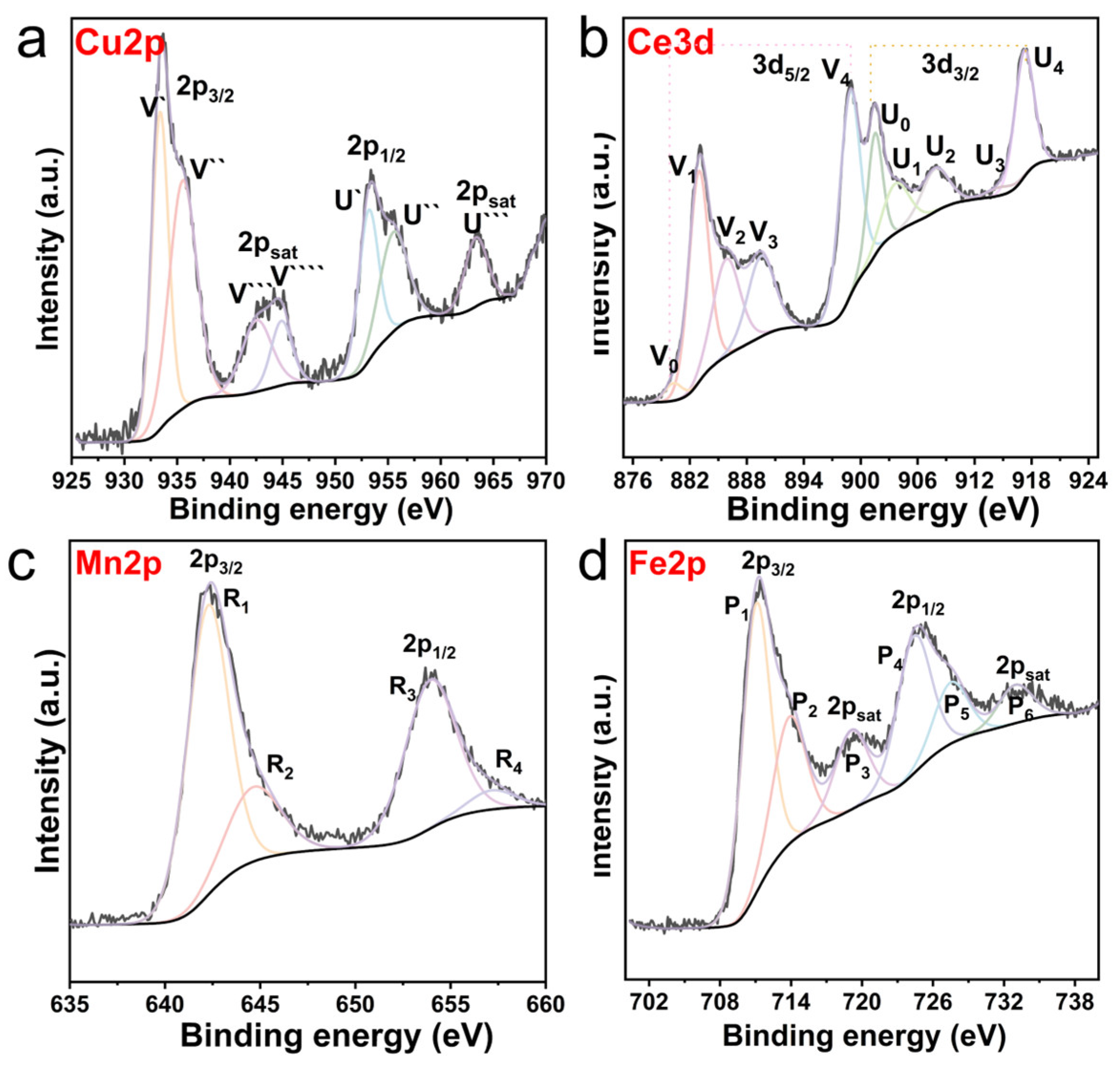
The surface chemical states of the active metals in the 30M/HY (M = Cu, Ce, Mn, Fe) catalysts were investigated by X-ray photoelectron spectroscopy (XPS), with deconvoluted spectra and peak assignments presented in
Figure 4. The Cu 2p spectrum for the 30Cu/HY catalyst (
Figure 4a) was deconvoluted into multiple components. The main spin–orbit doublet (Cu 2p
3/2 at 933.58 eV and Cu 2p
1/2 at 953.38 eV) along with its pronounced shake-up satellite features are characteristic of Cu
2+ species. A minor component at a slightly lower binding energy (~933.4 eV) suggested the presence of reduced copper (Cu
+/Cu
0). Since Cu 2p spectra alone cannot unambiguously discriminate between Cu
+ and Cu
0, complementary Cu LMM Auger electron spectroscopy was performed (
Figure S3). The Auger parameter confirmed the existence of Cu
+ on the catalyst surface. The Ce 3d spectrum for 30Ce/HY (
Figure 4b) exhibits the complex multiplet structure typical of cerium oxides. Deconvolution yields ten peaks, conventionally labeled V and U for the 3d
5/2 and 3d
3/2 spin–orbit doublets, respectively. Peaks labeled V
0, V
3, V
4, U
0, U
3, and U
4 are characteristic of Ce
4+ species (3d
104f
0 final state), while peaks V
1, V
2, U
1, and U
2 are attributed to Ce
3+ species (3d
104f
1 final state), indicating a mixed Ce
4+/Ce
3+ valence state. The Mn 2p spectrum for 30Mn/HY (
Figure 4c) was fitted with four components. The Mn 2p
3/2 and Mn 2p
1/2 envelopes suggest the presence of mixed manganese oxidation states, primarily Mn
3+ and Mn
4+. This finding corroborates the XRD analysis (
Figure 1), which identified the co-existence of Mn
2O
3 and MnO
2 crystalline phases. The Fe 2p spectrum for 30Fe/HY (
Figure 4d) was deconvoluted into six peaks within the Fe 2p
3/2 and Fe 2p
1/2 regions. The peak positions and their relative intensities indicate the co-existence of both Fe
2+ and Fe
3+ oxidation states on the catalyst surface, consistent with the reported values for iron oxides [
28,
29]. In summary, XPS analysis reveals that the surface metal species in all four M/HY catalysts exist in mixed oxidation states (Cu
2+/Cu
+, Ce
4+/Ce
3+, Mn
4+/Mn
3+, Fe
3+/Fe
2+). The presence of lower-valent cations is intrinsically linked to the formation of oxygen vacancies within the metal oxide phases. These vacancies are crucial for enhancing lattice oxygen mobility and facilitating the redox cycles that underpin the catalytic activity in oxidation reactions, highlighting a key merit of using metal oxides as active components.
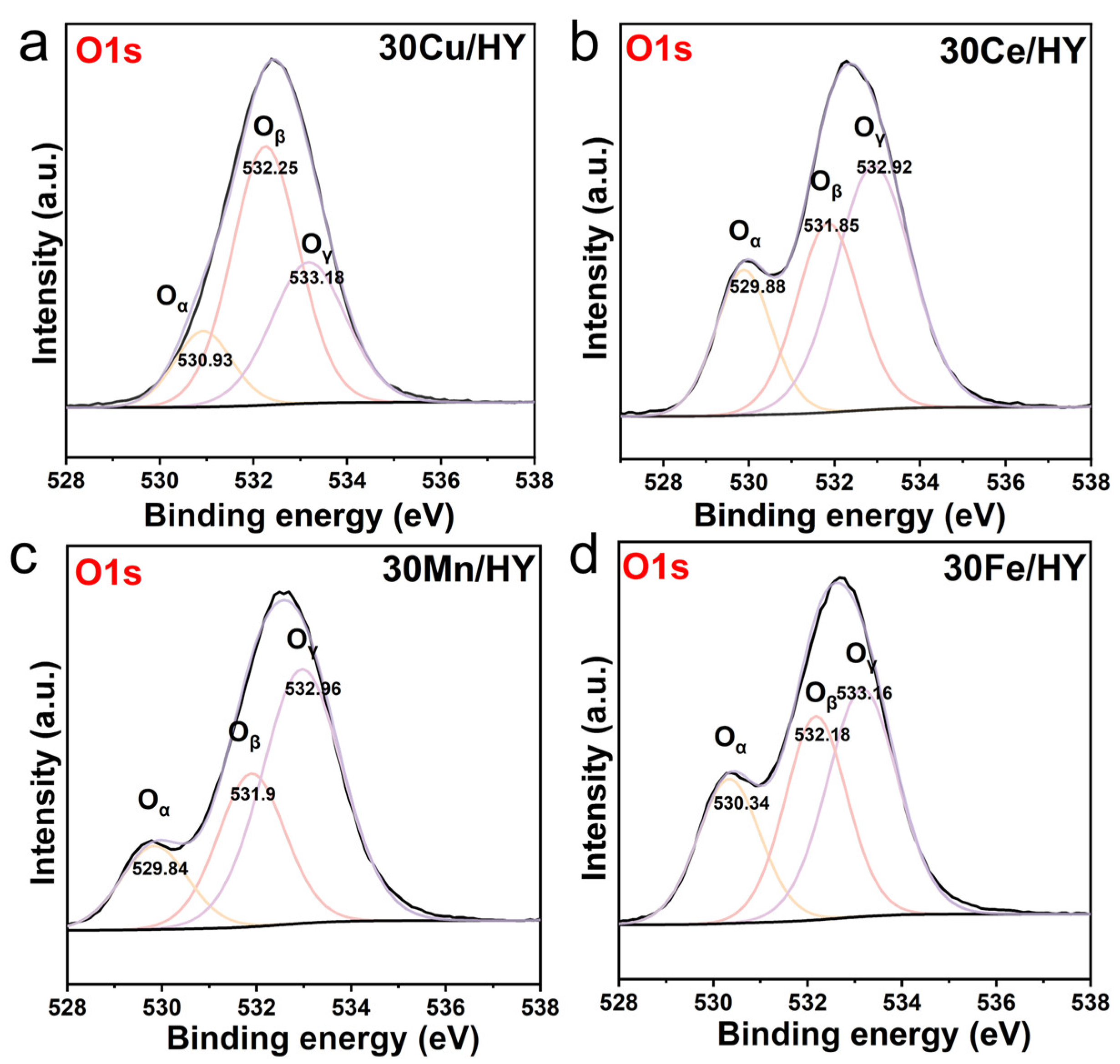
The chemical nature of oxygen species on the catalyst surfaces was further investigated by XPS. As shown in
Figure 5, the O1s spectra for all four 30M/HY catalysts (M = Cu, Ce, Mn, Fe) were deconvoluted into three distinct components, denoted as O
α, O
β, and O
γ. The O
α peak is attributed to lattice oxygen within the metal oxides. The O
β component corresponds to surface-adsorbed oxygen species, including reactive oxygen (e.g., O
−, O
2−), oxygen vacancies, and surface hydroxyl groups (-OH). The O
γ peak is assigned to physically adsorbed water and the framework oxygen (Si-O-Si, Si-O-Al) of the HY zeolite. Notably, the surface-active oxygen species represented by the O
β component (such as oxygen vacancies and chemisorbed oxygen) are strictly crucial for catalytic oxidation, as they act as the primary active sites for the deep mineralization of reactant molecules. To quantitatively compare the abundance of these crucial species, the relative atomic ratios of the oxygen components were calculated and summarized in
Table 1. Remarkably, the 30Cu/HY catalyst exhibits the highest proportion of surface-active oxygen (O
β/O
all = 0.54), significantly surpassing those of 30Fe/HY (0.33), 30Ce/HY (0.31), and 30Mn/HY (0.28). This exceptionally high relative concentration of reactive oxygen species on the outermost layer of 30Cu/HY ensures a continuous and abundant supply of highly reactive surface oxygen.
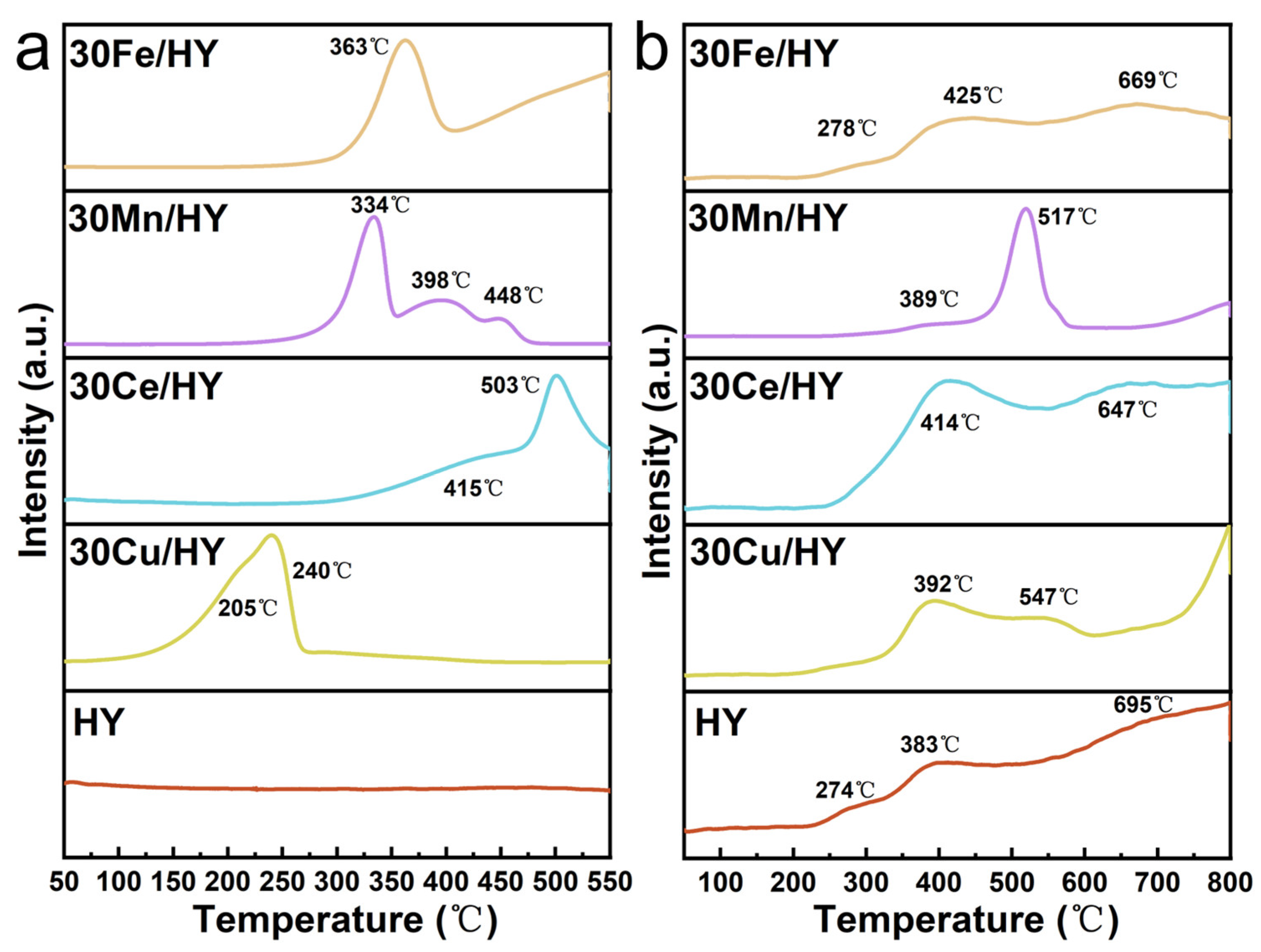
The redox properties and oxygen mobility of the catalysts were probed by H
2 temperature-programmed reduction (H
2-TPR) and O
2 temperature-programmed desorption (O
2-TPD) experiments, as shown in
Figure 6a and
Figure 6b, respectively. The H
2-TPR profile of the HY zeolite (
Figure 6a) shows no reduction features up to 550 °C, confirming its redox inactivity. In contrast, distinct reduction peaks appear for all metal oxide-loaded catalysts. For 30Cu/HY, a broad, asymmetric reduction feature is observed between 100 and 250 °C, with a maximum at 240 °C and a distinct shoulder at 205 °C. This profile signifies multiple CuO species with different dispersions and interactions with the support. The low-temperature shoulder (205 °C) is assigned to the reduction of highly dispersed CuO clusters strongly interacting with the zeolite framework. The main peak at 240 °C corresponds to the reduction of larger, yet well-dispersed, CuO nanoparticles (Cu
2+ → Cu
0) [
30]. The H
2-TPR profile of 30Ce/HY features two peaks at 415 °C and 503 °C, characteristic of ceria reduction. The lower-temperature peak is typically assigned to the removal of surface-adsorbed and labile lattice oxygen (e.g., O
22−/O
−), while the peak at 503 °C corresponds to the reduction of bulk-like (subsurface) oxygen and the associated reduction of Ce
4+ to Ce
3+ [
31]. The reduction of 30Mn/HY proceeds in three consecutive steps, with peaks at 334, 398, and 448 °C. This stepwise profile is consistent with the sequential reduction of mixed manganese oxides (MnO
2 and Mn
2O
3) as follows: MnO
2 → Mn
2O
3 (334 °C), Mn
2O
3 → Mn
3O
4 (398 °C), and Mn
3O
4 → MnO (448 °C) [
32]. In contrast, the H
2-TPR profile of 30Fe/HY presents a single, broad reduction peak centered at 363 °C. This is characteristic of the overlapping, multi-step reduction of Fe
2O
3 to metallic Fe (Fe
2O
3 → Fe
3O
4 → FeO → Fe
0) [
33], consistent with the hematite phase identified by XRD. The broadness of the peak indicates a distribution of particle sizes or reduction kinetics. A comparative analysis of the H
2-TPR profiles (
Figure 6a) reveals that the 30Cu/HY catalyst initiates reduction at the lowest temperature among the monometallic catalysts. This lower reduction temperature signifies a higher intrinsic redox activity, which correlates well with its superior low-temperature catalytic performance.
The O
2-TPD profile of the HY zeolite (
Figure 6b) exhibits three desorption features at 274, 383, and 695 °C. The low-temperature peak (274 °C) is assigned to the desorption of physisorbed or weakly bound molecular oxygen (O
2). The peak at 383 °C likely corresponds to the removal of hydroxyl groups associated with framework defects. The high-temperature peak at 695 °C is attributed to the evolution of lattice oxygen from the zeolite framework, a process potentially linked to severe dealumination and structural rearrangement at elevated temperatures [
34]. For 30Cu/HY, two distinct O
2 desorption peaks are observed at 392 and 547 °C (
Figure 6b). The lower-temperature peak (392 °C) is characteristic of desorbing surface chemisorbed oxygen species, which are crucial as active oxygen sources for low-temperature oxidation. The prominence of this peak aligns with the catalyst’s facile reducibility observed in H
2-TPR (main peak at ~240 °C), collectively underscoring its high low-temperature redox activity [
35]. The higher-temperature peak (547 °C) is associated with the release of strongly bound lattice oxygen (O
2−) from bulk-like CuO or from interfacial sites between CuO and the zeolite support [
36]. The O
2-TPD profile of 30Ce/HY features two peaks at 414 and 647 °C. The peak at 414 °C is assigned to surface-adsorbed reactive oxygen, which serves as the primary active oxygen pool for catalytic reactions on ceria. The high-temperature peak at 647 °C corresponds to the release of bulk lattice oxygen (O
2−). Its evolution at such a high temperature indicates a process involving the diffusion of O
2− through the lattice via oxygen vacancies and is intimately linked to the reduction of Ce
4+ to Ce
3+, reflecting the material’s bulk oxygen mobility and storage capacity [
37]. In the case of 30Mn/HY, desorption occurs at 389 and 517 °C. The lower-temperature signal (389 °C) originates from surface chemisorbed oxygen. The dominant peak at 517 °C is attributed to the release of lattice oxygen (O
2−) from the bulk of the manganese oxide phases (Mn
2O
3/MnO
2) [
38], consistent with the mixed oxidation states identified by XPS. The O
2-TPD profile for 30Fe/HY is complex, showing three peaks at 278, 425, and 669 °C. This multiplicity is characteristic of bulk-like iron oxide (Fe
2O
3). The peak at 278 °C is ascribed to weakly bound surface chemisorbed oxygen. The intermediate peak at 425 °C may arise from more strongly bound surface oxygen or the release of oxygen from near-surface layers. The high-temperature peak at 669 °C corresponds to the evolution of bulk lattice oxygen from Fe
2O
3, consistent with its reduction profile in H
2-TPR. A quantitative comparison of the low-temperature O
2 desorption peaks (representing reactive surface oxygen species) reveals the following order in peak area: 30Ce/HY > 30Cu/HY > 30Fe/HY > 30Mn/HY (
Figure 6b). This trend suggests that the CeO
2 phase in 30Ce/HY possesses the highest capacity for supplying reactive surface oxygen, followed by CuO in 30Cu/HY. However, although 30Ce/HY possesses a larger capacity for reactive oxygen, its higher reduction temperature (observed in H
2-TPR) limits the utilization of these species at lower temperatures compared to 30Cu/HY. The abundance of these readily available oxygen species correlates directly with the catalytic activity, explaining why 30Ce/HY and 30Cu/HY exhibit superior performance in the low-temperature oxidation of CB compared to their Mn and Fe counterparts.
3.5. Brønsted and Lewis Acid Concentrations on the Catalyst
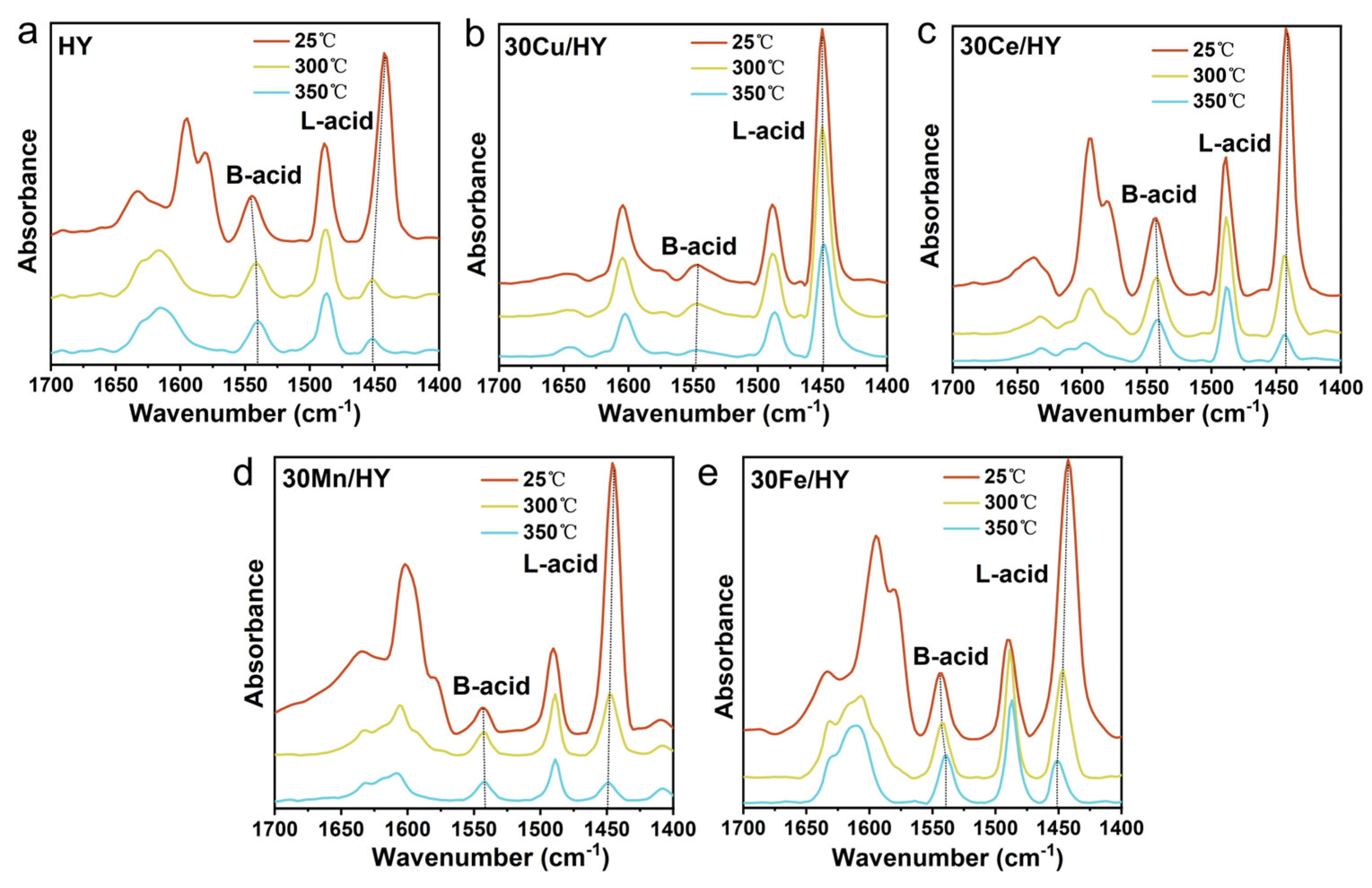
The type, concentration, and thermal stability of acid sites on the catalysts, which are crucial for the adsorption and activation of CB, were evaluated using pyridine-adsorption infrared spectroscopy (Py-IR) at desorption temperatures of 25, 300, and 350 °C. As shown in
Figure 7, all spectra exhibit characteristic bands at approximately 1450 cm
−1 and 1540 cm
−1, which are assigned to pyridine coordinately bound to Lewis acid (L-acid) sites and pyridinium ions (PyH
+) adsorbed on Brønsted acid (B-acid) sites, respectively. The quantitative results derived from the peak integrations are summarized in
Table 2. The pure HY zeolite is dominated by abundant B-acid sites (199.36 μmol/g at 300 °C) originating from its framework hydroxyls (≡Si–OH–Al≡), with a relatively low L-acid concentration.
Upon the introduction of metal oxides, the acid site distribution undergoes significant alterations. Among the impregnated catalysts, the 30Cu/HY sample presents a striking and highly anomalous acid profile. At the catalytic reaction temperature (300 °C), 30Cu/HY possesses the highest L-acid concentration (143.98 μmol/g) among all samples, accompanied by a drastic depletion of B-acid sites (dropping to merely 18.79 μmol/g) compared to the pure HY support. Consequently, its B/L ratio plummets to 0.13. This anomalous massive consumption of B-acid sites with the concurrent generation of highly stable L-acid sites provides unequivocal evidence for the occurrence of extensive ion exchange during the preparation process [
39]. Rather than merely accumulating as bulk CuO particles on the external surface, a substantial fraction of Cu
2+ precursor ions migrate into the zeolite channels and undergo solid-state ion exchange with the framework protons (H
+). This interaction replaces the zeolitic Brønsted acid sites with isolated Cu
2+ or [Cu-OH]
+ species, thereby forming robust Cu-Y structures [
40]. These exchanged copper species act as strong Lewis acid centers that exhibit remarkable thermal stability, retaining a high L-acid concentration (93.35 μmol/g) even at a harsh desorption temperature of 350 °C. In contrast, the 30Mn/HY catalyst exhibits a severe loss of L-acidity at elevated temperatures, dropping to only 25.51 μmol/g at 300 °C. This indicates that the Mn species predominantly exist as bulk manganese oxides (corroborating the XRD and SEM results) which only provide weak surface acidity and fail to construct stable L-acid sites. During the reaction at 300 °C, the abundant and thermally stable L-acid sites (exchanged Cu
2+) on 30Cu/HY serve as potent anchoring points for the nucleophilic chlorine atom of CB, deeply polarizing the C-Cl bond. Simultaneously, the residual B-acid sites provide the necessary protons for the rapid desorption of dissociated chlorine as HCl. This optimal balance and stability of acid sites distinctly set 30Cu/HY apart as the most efficient catalyst for CB destruction.
3.6. Evaluation of Catalytic Stability and Coking Behavior
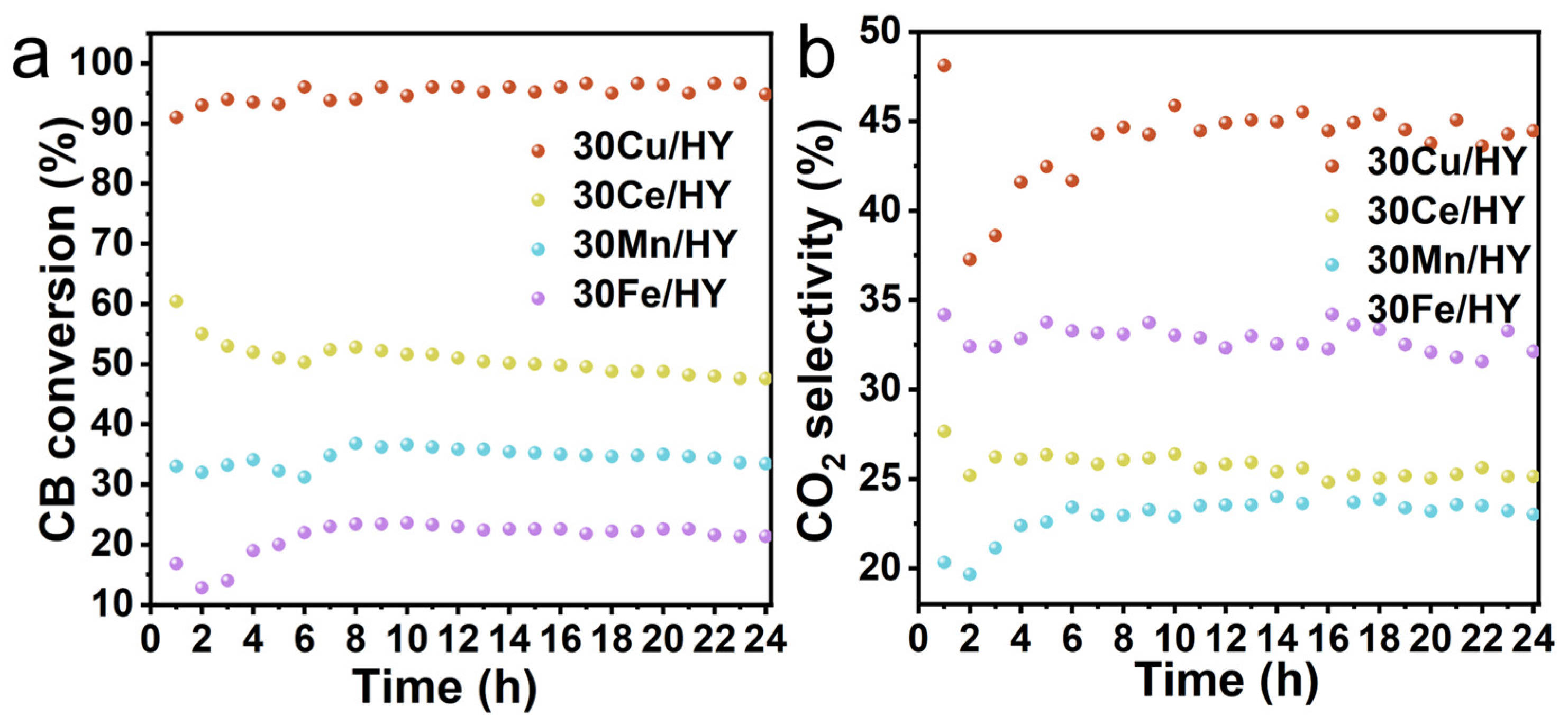
To assess the practical application potential of the catalysts, long-term stability tests for CB decomposition were conducted continuously for 24 h at 300 °C. As depicted in
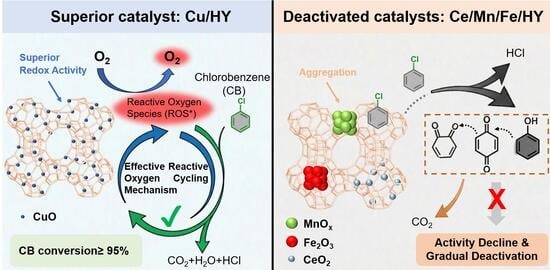
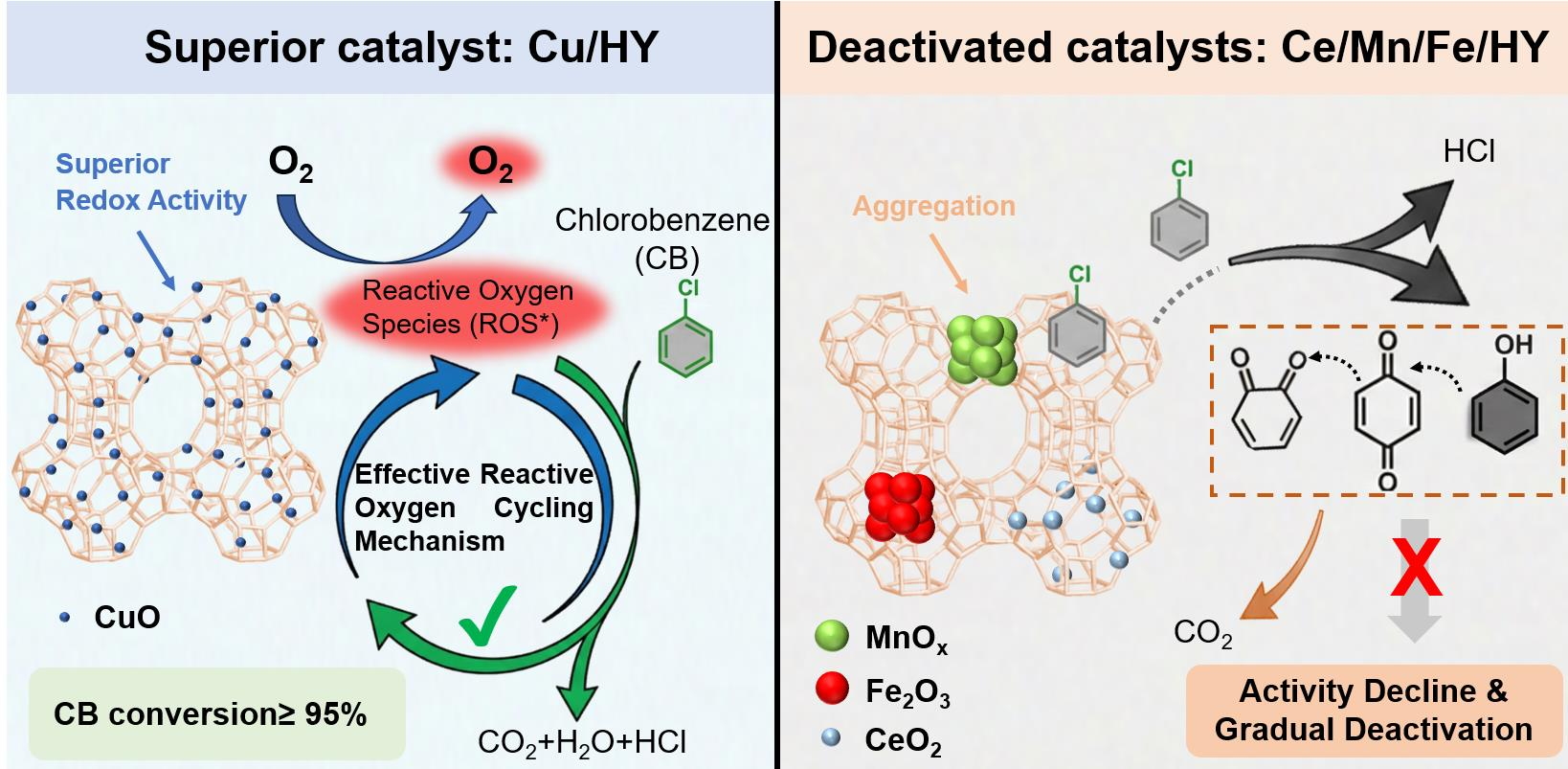
Figure 8a, the 30Cu/HY catalyst exhibited exceptional durability. Its CB conversion rapidly reached over 95%, maintaining this remarkable activity without any sign of degradation throughout the entire 24 h period. In parallel, its CO
2 selectivity steadily increased and stabilized at ~45% (
Figure 8b), indicating a sustained and robust deep oxidation capability. In contrast, the 30Ce/HY catalyst suffered from noticeable deactivation, with its conversion dropping from an initial ~60% to ~45%. The 30Mn/HY and 30Fe/HY catalysts exhibited lower steady-state CB conversions of approximately 35% and 24%, respectively, accompanied by inferior CO
2 selectivities (<35%). To contextualize this exceptional durability, the performance of 30Cu/HY was benchmarked against recently reported state-of-the-art catalysts. For instance, while noble metal-based catalysts (e.g., Ru systems) can achieve CB conversion at lower temperatures, they are notoriously susceptible to rapid chlorine poisoning and structural deactivation within a few hours [
41]. Conversely, typical non-noble transition metal oxides (such as bulk Mn/Ce-based systems) generally require significantly higher operating temperatures (often >350 °C) to reach comparable conversions and frequently suffer from severe carbonaceous deposition (coking) during prolonged continuous operation [
42,
43]. By achieving near 100% CB conversion at a relatively mild 300 °C while maintaining peak performance over a 24 h period, the 30Cu/HY system successfully bridges these critical performance gaps. Although the 30Cu/HY catalyst exhibits superior low-temperature activity for CB conversion, its CO
2 selectivity (~44%) indicates a need for enhanced deep oxidation capabilities. Future strategies to improve complete mineralization could involve constructing multimetallic synergistic systems. For instance, integrating Cu with Ce and Mn could combine the powerful low-temperature reducibility of Cu, the exceptional oxygen storage capacity of Ce, and the multivalent redox properties of Mn to facilitate deep oxidation. Additional strategies, such as noble metal doping or hierarchical pore engineering of the zeolite support, could also be explored to promote the rapid mass transfer and deep mineralization of bulky intermediate species.
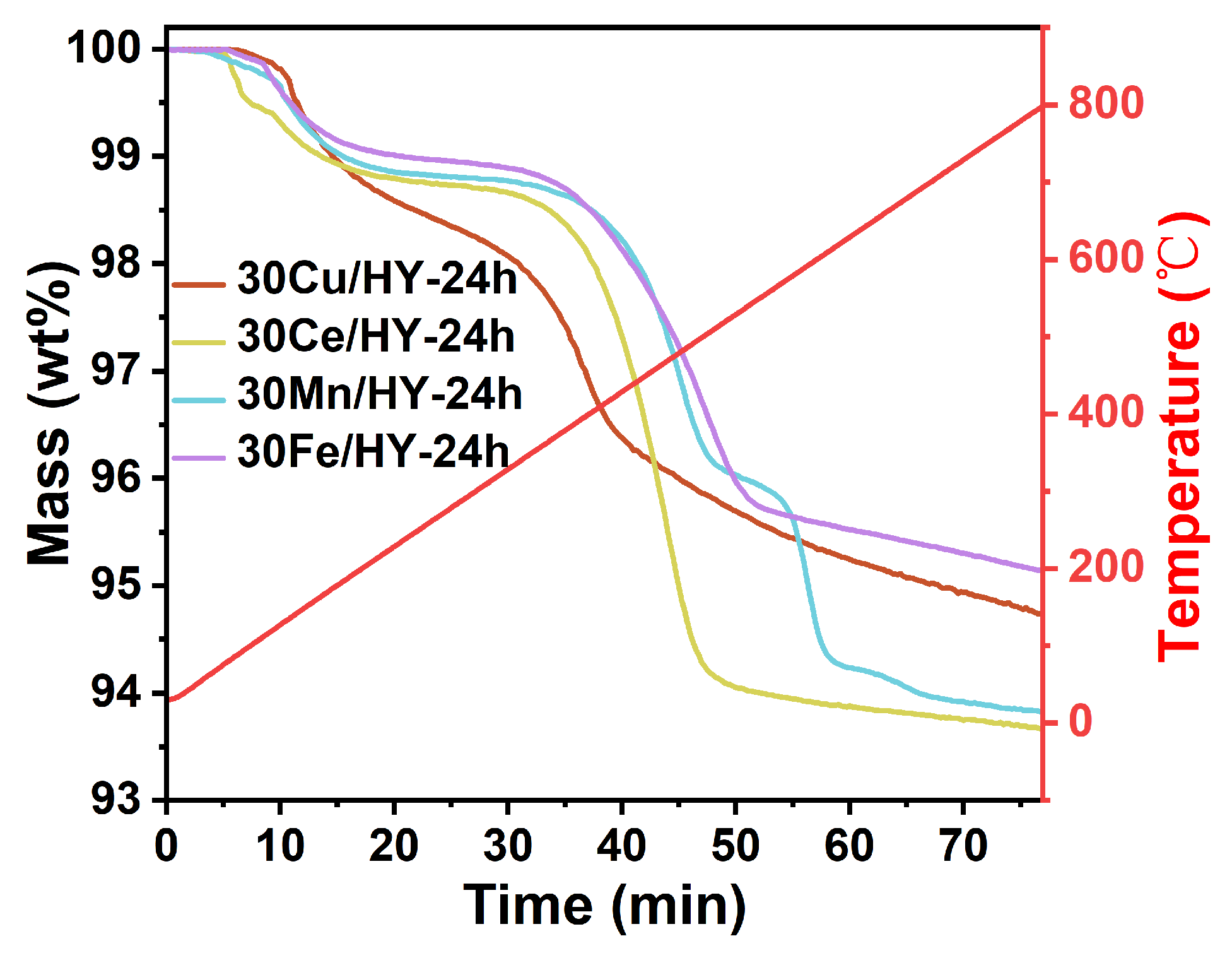
To elucidate the fundamental causes of deactivation, thermogravimetric analysis (TGA) was performed on the spent catalysts (
Figure 9). The weight loss in the critical high-temperature region (300–600 °C), which corresponds to the combustion of hard coke, provides a quantitative measure of catalyst coking. Notably, the mass loss in this region followed the order: 30Cu/HY (2.91 wt%) < 30Fe/HY (3.35 wt%) < 30Mn/HY (4.25 wt%) < 30Ce/HY (4.80 wt%). The 30Cu/HY-24h catalyst exhibited the minimum amount of carbonaceous deposition, confirming that its superior redox property effectively facilitates the deep oxidation of intermediates, thereby inhibiting coke precursor formation. Conversely, the significantly higher weight losses for 30Ce/HY-24h (4.80 wt%) and 30Mn/HY-24h (4.25 wt%) corroborate their more pronounced deactivation, as excessive coke accumulation physically encapsulates active centers.
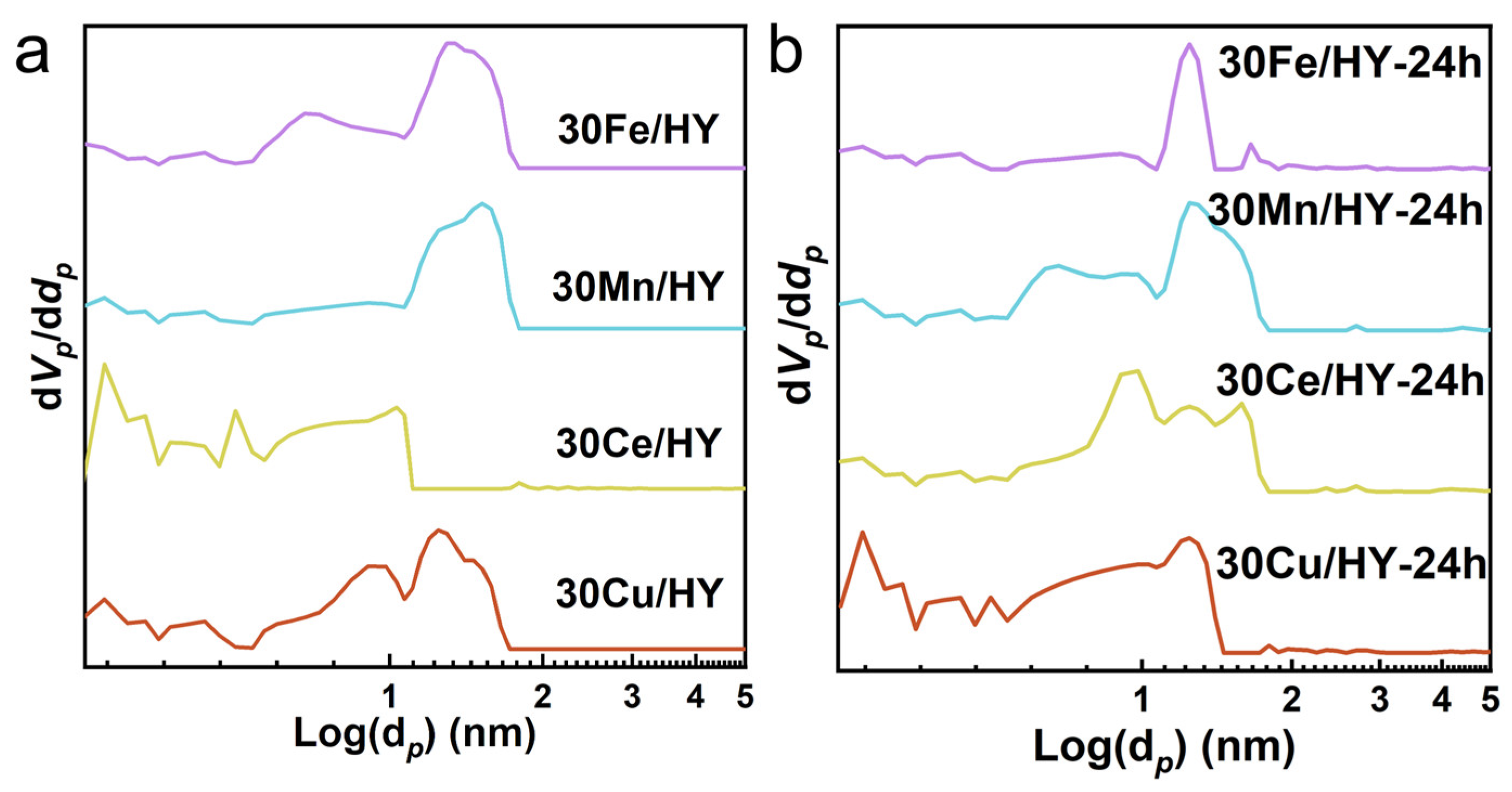
The structural impact of this coking is further evidenced by the NLDFT pore size distributions (
Figure 10). While the fresh catalysts (
Figure 10a) possess a well-defined hierarchical pore structure, the spent catalysts (
Figure 10b) show dramatic changes. For 30Ce/HY-24h and 30Mn/HY-24h, which suffered from the heaviest coking (4.80 and 4.25 wt%, respectively), the characteristic micropore peaks (Log(d
p) < 0.5) were almost completely obliterated. This confirms that the accumulated coke occupies the internal zeolite channels, leading to severe pore blockage. In stark contrast, 30Cu/HY-24h, with its minimal carbon deposit (2.91 wt%), successfully preserved its primary microporous architecture. This integrated analysis demonstrates that the high chlorine-resistance and stability of Cu/HY originate from its ability to maintain an open pore network by minimizing carbonaceous residues through efficient deep oxidation. Furthermore, the exceptional preservation of the intrinsic microporous framework in the spent 30Cu/HY catalyst also indirectly confirms its robust structural resistance against potential dealumination caused by the in situ generated HCl.
3.8. In Situ DRIFTS Spectra and Mechanism Discussion
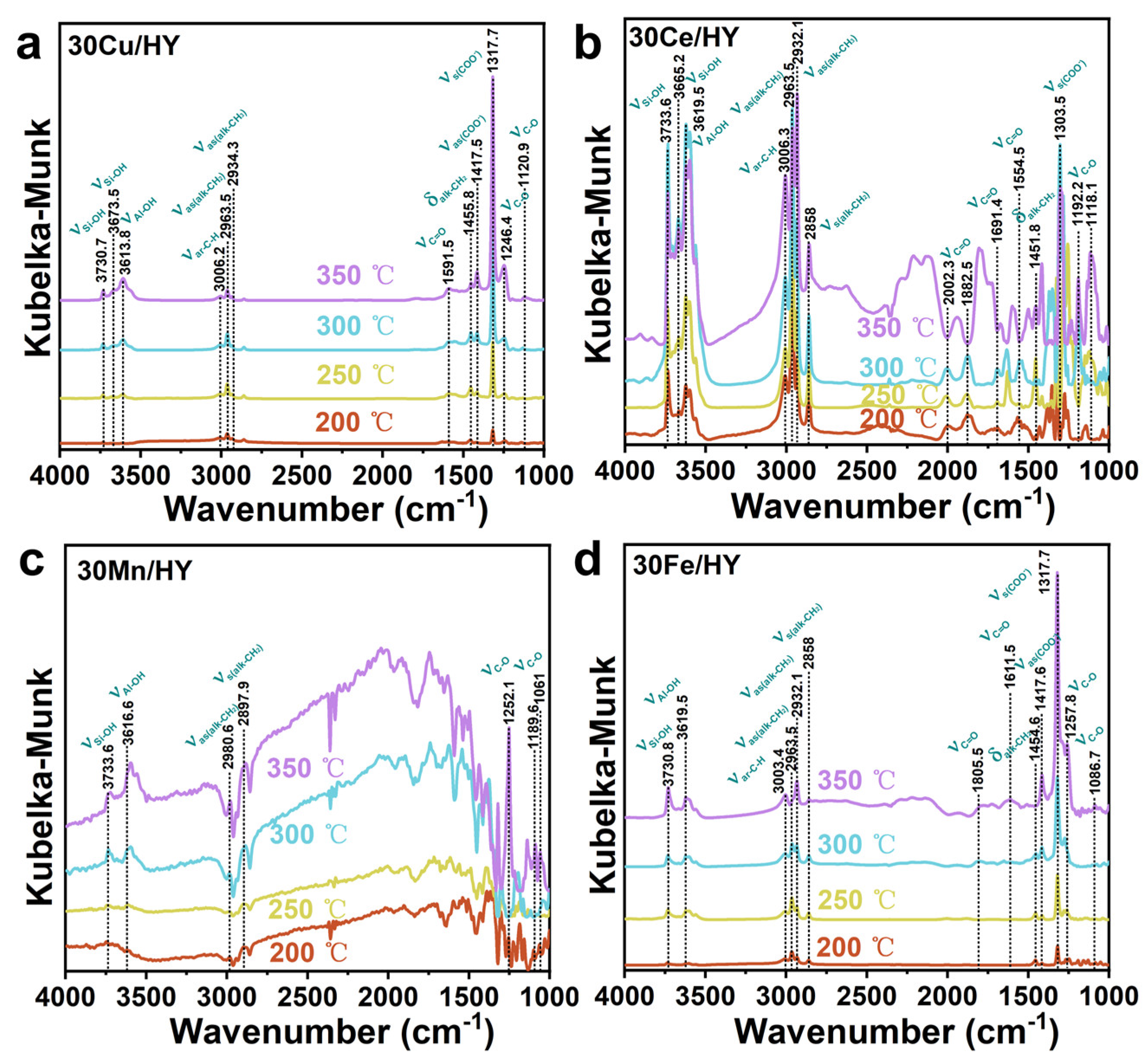
Figure 12 presents the in situ DRIFTS spectra acquired on the surfaces of the 30M/HY catalysts (M = Cu, Ce, Mn, Fe) during CB decomposition over a temperature range of 200 to 350 °C. A broad feature in the region of 3734–3613 cm
−1 is assigned to O–H stretching vibrations of surface silanol (Si-OH) and aluminol (Al-OH) groups [
25,
34]. The evolution of this band with temperature reflects hydrogen bonding with water produced from the reaction, which modulates the apparent concentration of surface hydroxyls. The aromatic C-H stretching vibrations, observed around 3005 cm
−1 [
41,
42], serve as a probe for surface aromatic intermediates. For 30Cu/HY, the near-constant intensity of this band with rising temperature indicates a steady-state concentration, suggesting efficient conversion of these species. In stark contrast, the progressive intensity increase observed for 30Ce/HY, 30Mn/HY, and 30Fe/HY points to significant accumulation of aromatic intermediates on these surfaces. The emergence of characteristic aliphatic bands confirms aromatic ring-opening. These include methylene asymmetric/symmetric stretches (2981–2963 cm
−1, 2898–2858 cm
−1), methyl asymmetric stretches (2935–2932 cm
−1), and methylene bending vibrations (1456–1451 cm
−1) [
42]. For 30Cu/HY, 30Ce/HY, and 30Fe/HY, the intensities of the methylene bands first increase (accumulation > consumption) and then diminish at 350 °C, signifying their subsequent deep oxidation. In contrast, for 30Mn/HY, these bands intensify continuously with temperature, suggesting a slower consumption rate relative to accumulation. A similar trend is observed for the methyl group bands: stable intensity on 30Cu/HY versus a progressive increase on the other catalysts, highlighting the more efficient processing of aliphatic fragments on 30Cu/HY. A broad, complex absorption spanning 2572–2073 cm
−1, characteristic of cumulated C≡C and conjugated C=C stretching vibrations [
41,
42], is prominent for 30Ce/HY, 30Mn/HY, and 30Fe/HY but negligible for 30Cu/HY. This indicates significant formation of unsaturated carbonaceous deposits on the former catalysts. Bands in the 2003–1805 cm
−1 region correspond to C=O stretches of aldehyde/ketone carbonyls [
41,
42]. A notable red shift of this band for 30Ce/HY suggests a perturbation of the carbonyl group’s electronic environment, likely due to strong interaction with the ceria surface or extended conjugation [
41]. Vibrations in the 1692–1591 cm
−1 range are characteristic of quinoid C=O groups [
42], confirming the formation of benzoquinone-type intermediates via partial ring oxidation. These carbonyl-containing intermediates are detected on all catalyst surfaces. Further oxidation leads to the formation of carboxylate species (COO
−), evidenced by asymmetric and symmetric stretching vibrations at ~1417.5 cm
−1 and 1318–1303 cm
−1, respectively [
41,
42]. An additional band at ~1554 cm
−1, assigned to the carbonyl vibration of metal-coordinated carboxylates [
41], confirms the binding of these intermediates to the respective metal centers (Cu, Ce, Mn, Fe). Finally, the appearance of C-O stretching vibrations in the regions of 1258–1246 cm
−1 (phenol/alcohol), 1193–1189 cm
−1 (ether/alcohol), and 1121–1061 cm
−1 (primary alcohol) [
41] signifies the formation of various oxygenates (phenols, alcohols, ethers) as products of progressive ring oxidation and cleavage.
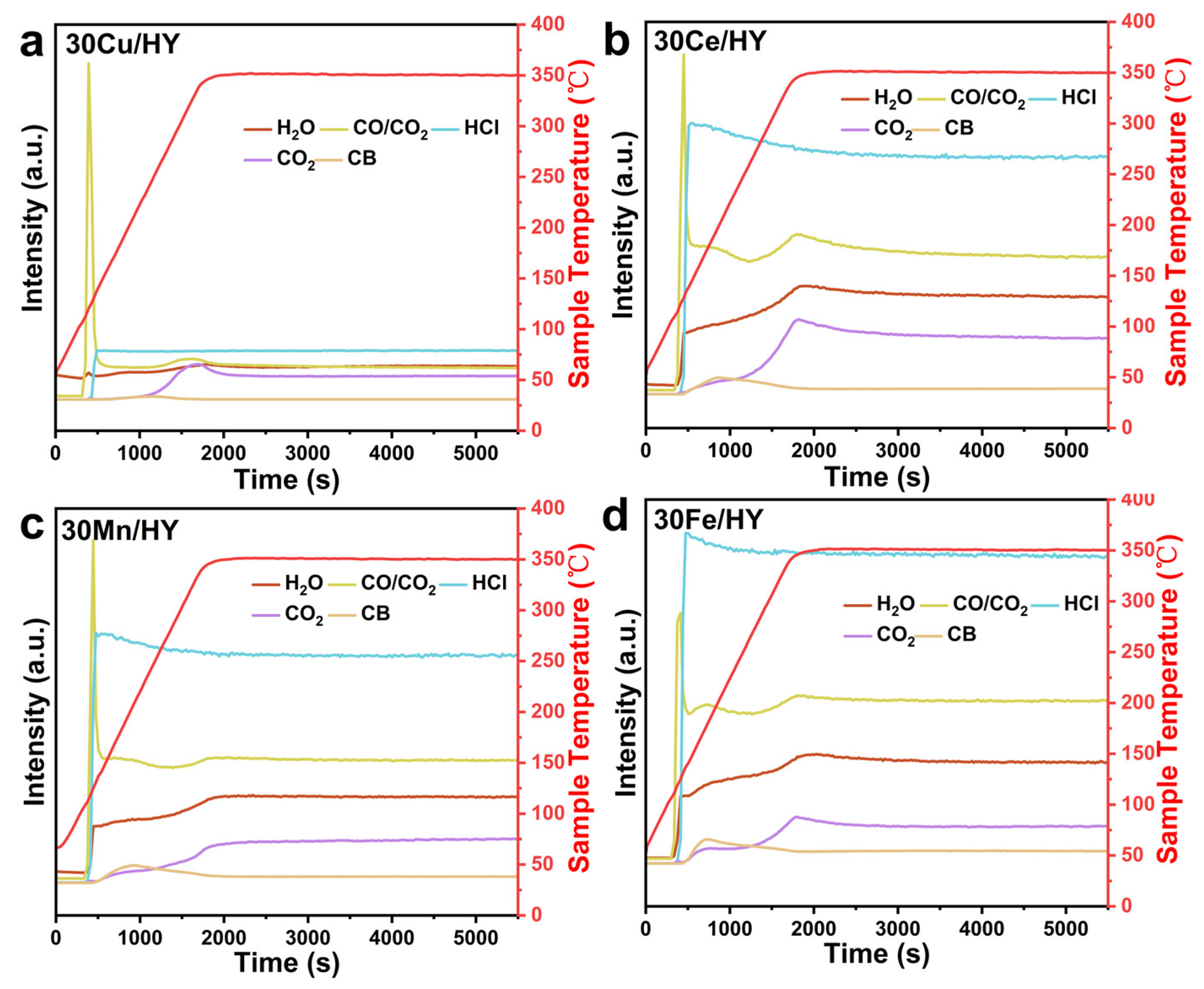
Integrated analysis of online mass spectrometry and in situ DRIFTS reveals that the primary gaseous products are H
2O, CO, HCl, and CO
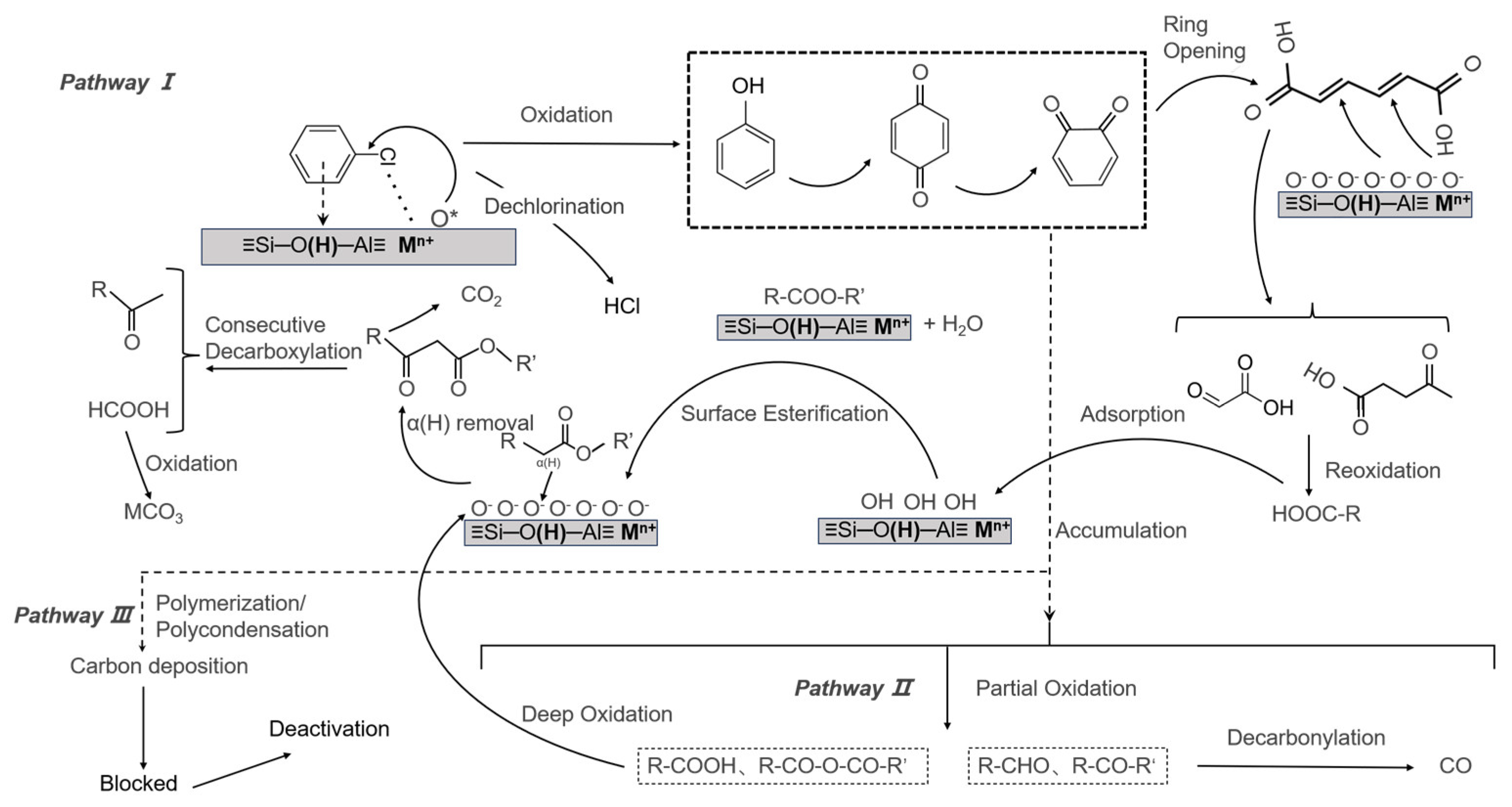
2. Surface-bound intermediates from incomplete oxidation include phenols, aldehydes, carboxylic acids, esters, and ketones, while carbonates are identified as terminal surface species from complete oxidation. Drawing upon these observations and supporting literature, we propose the predominant reaction pathways and elucidate the deactivation mechanisms for CB decomposition over the 30M/HY catalysts. The proposed dominant reaction pathway (Pathway I in
Figure 13) initiates with the adsorption and activation of CB. The aromatic ring interacts with Brønsted acid sites (≡Si–OH–Al≡) of the HY zeolite, while the chlorine atom coordinates to Lewis acid sites (metal cations, M
n+). This dual interaction significantly polarizes and weakens the C-Cl bond, rendering the aromatic carbon electrophilic. Rather than undergoing complete heterolytic cleavage to form an unstable phenyl cation, the activated aromatic ring is concurrently attacked by adjacent reactive surface oxygen species in a concerted nucleophilic-like substitution. This process facilitates the cleavage of the C-Cl bond and directly yields a surface phenolate intermediate (which acts as the precursor to phenol [
41]), while the dissociated chloride ion combines with a proton from a neighboring Brønsted acid site to form and desorb as HCl. Subsequent oxidation converts phenol to p-benzoquinone, isomerizing to o-benzoquinone. Ring-opening of o-benzoquinone produces muconic acid, whose C=C bonds are cleaved by oxidative attack to yield short-chain dicarboxylic acids (e.g., glyoxylic acid) [
42]. Further oxidation of aldehydes generates carboxylic acids (R–COOH). These acids can esterify with surface hydroxyls, and the resulting esters undergo oxidative decarboxylation (via β-ketoester intermediates) to release CO
2 and shorten the carbon chain. This cycle continues until formate is formed and ultimately oxidized to surface carbonate. Parallel side pathways (Pathways II and III,
Figure 13) contribute to product distribution and deactivation. In Pathway II, phenolic/quinoid intermediates from Pathway I can be over-oxidized to yield a mixture of carboxylic acids, anhydrides, aldehydes, and ketones. While some acids re-enter the main oxidation cycle, aldehydes and ketones may undergo decarbonylation to release CO, which can subsequently be oxidized to CO
2 if sufficient active oxygen is available. Concurrently, Pathway III involves the polymerization and condensation of phenolic/quinone species, leading to the formation of polyaromatic coke precursors. Catalyst deactivation is primarily attributed to the coverage of active sites by residual surface species. These include partially oxidized intermediates and stable carbonate deposits originating from incomplete combustion, as well as the polymeric carbonaceous species formed via Pathway III, which collectively block access to the active metal centers and acid sites.