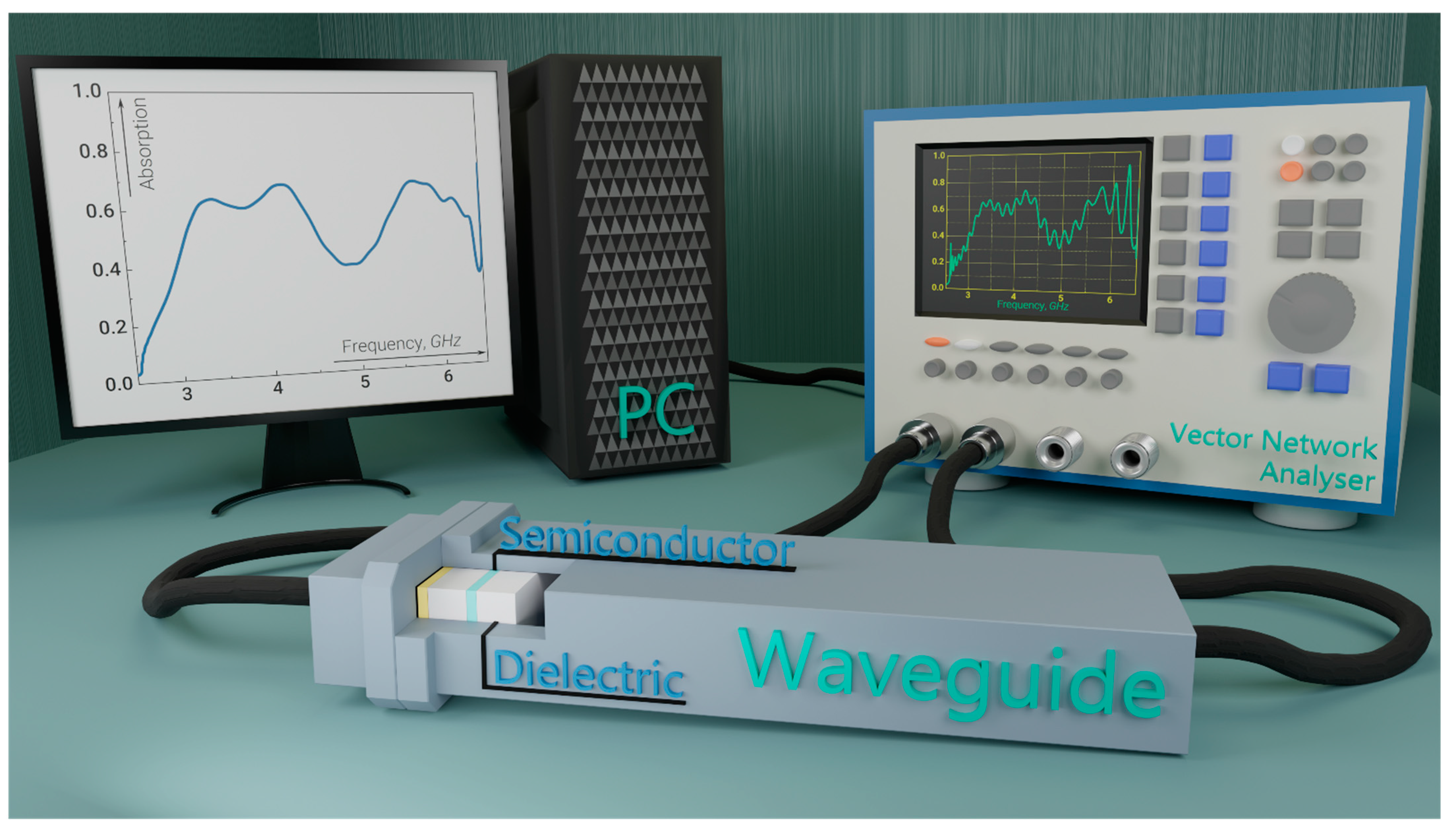
Multilayer Bolometric Structures for Efficient Wideband Communication Signal Reception

 , , , ,
  and
and 
Abstract
Share and Cite
Bogatskaya, A.V.; Klenov, N.V.; Popov, A.M.; Schegolev, A.E.; Titovets, P.A.; Tereshonok, M.V.; Yakovlev, D.S. Multilayer Bolometric Structures for Efficient Wideband Communication Signal Reception. Nanomaterials 2024, 14, 141. https://doi.org/10.3390/nano14020141
Bogatskaya AV, Klenov NV, Popov AM, Schegolev AE, Titovets PA, Tereshonok MV, Yakovlev DS. Multilayer Bolometric Structures for Efficient Wideband Communication Signal Reception. Nanomaterials. 2024; 14(2):141. https://doi.org/10.3390/nano14020141
Chicago/Turabian StyleBogatskaya, Anna V., Nikolay V. Klenov, Alexander M. Popov, Andrey E. Schegolev, Pavel A. Titovets, Maxim V. Tereshonok, and Dmitry S. Yakovlev. 2024. "Multilayer Bolometric Structures for Efficient Wideband Communication Signal Reception" Nanomaterials 14, no. 2: 141. https://doi.org/10.3390/nano14020141
APA StyleBogatskaya, A. V., Klenov, N. V., Popov, A. M., Schegolev, A. E., Titovets, P. A., Tereshonok, M. V., & Yakovlev, D. S. (2024). Multilayer Bolometric Structures for Efficient Wideband Communication Signal Reception. Nanomaterials, 14(2), 141. https://doi.org/10.3390/nano14020141