Review

Recent Progress Regarding Materials and Structures of Triboelectric Nanogenerators for AR and VR

School of Physics and Microelectronics, Zhengzhou University, Zhengzhou 450001, China
*
Author to whom correspondence should be addressed.
Nanomaterials 2022, 12(8), 1385; https://doi.org/10.3390/nano12081385
Submission received: 5 January 2022 / Revised: 21 March 2022 / Accepted: 15 April 2022 / Published: 18 April 2022
(This article belongs to the Special Issue Advanced Materials and Technologies in Nanogenerators)

Abstract

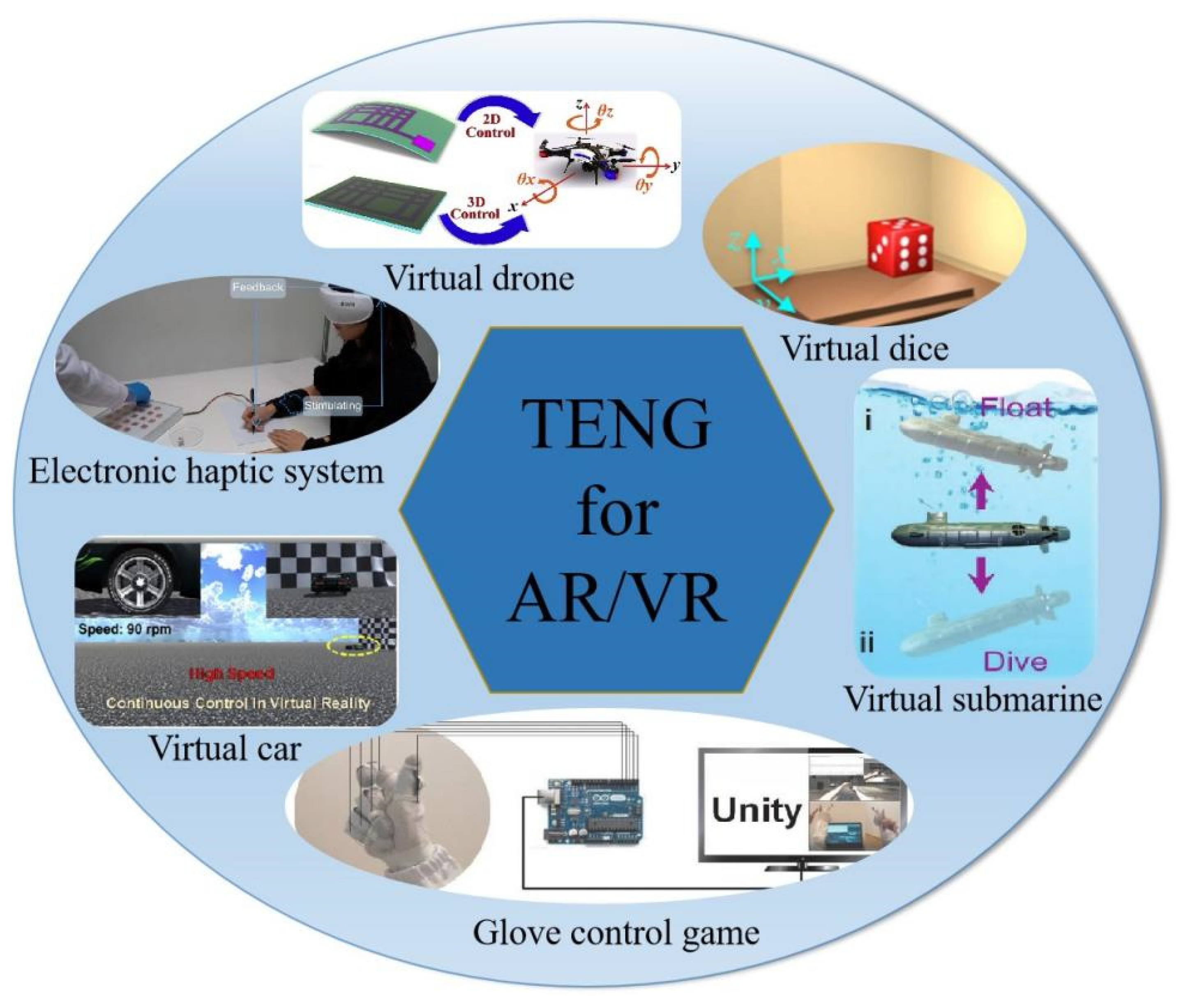
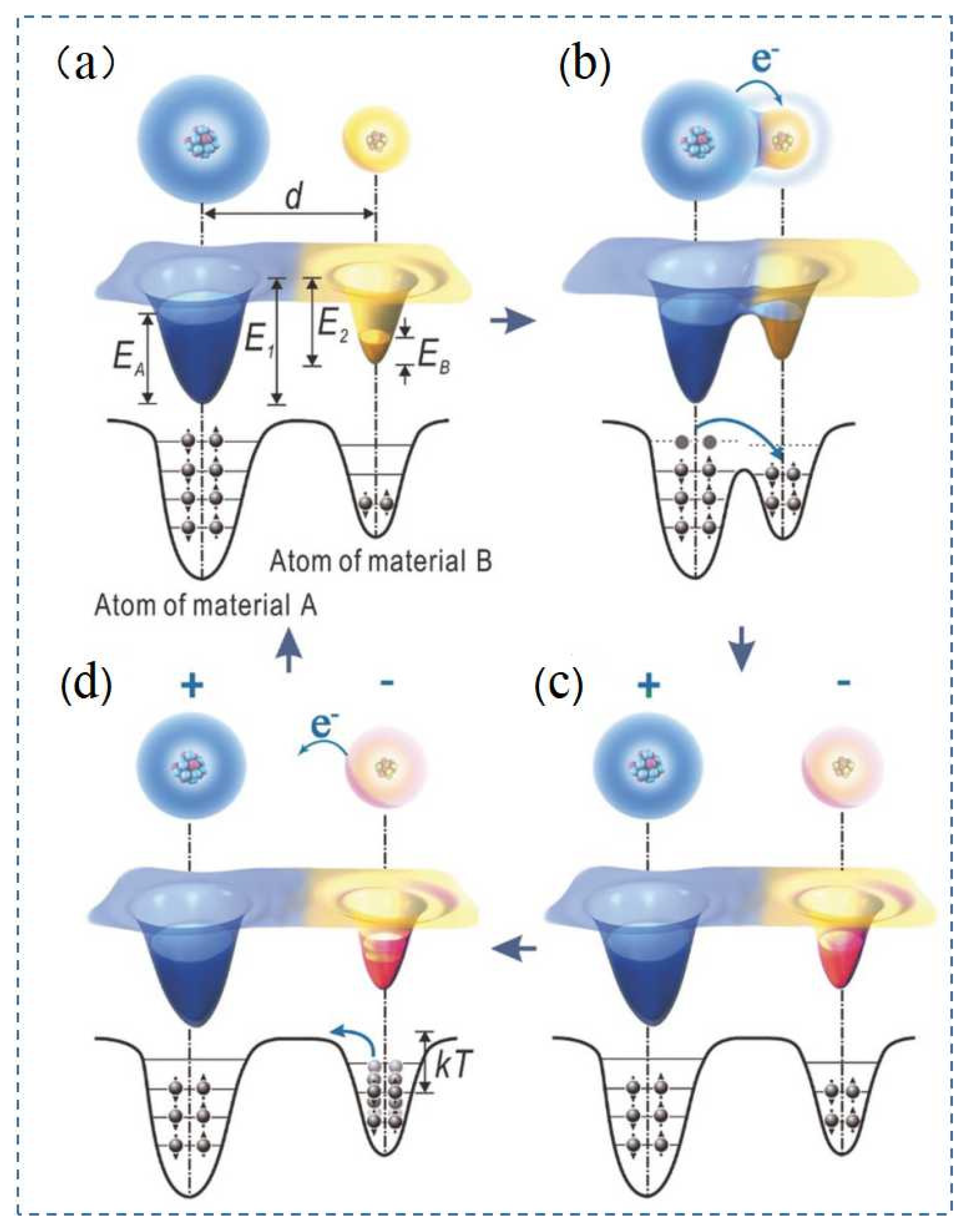
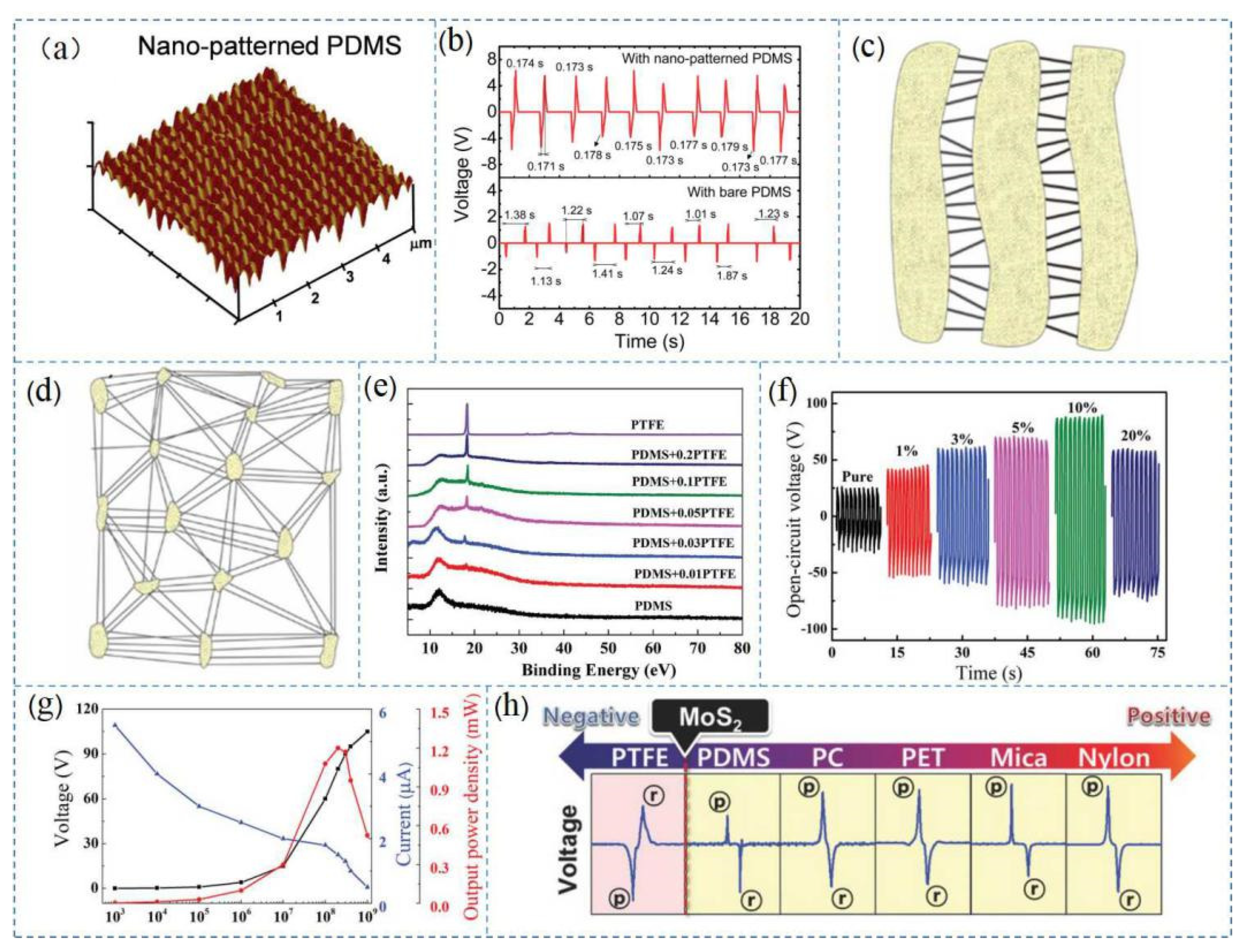
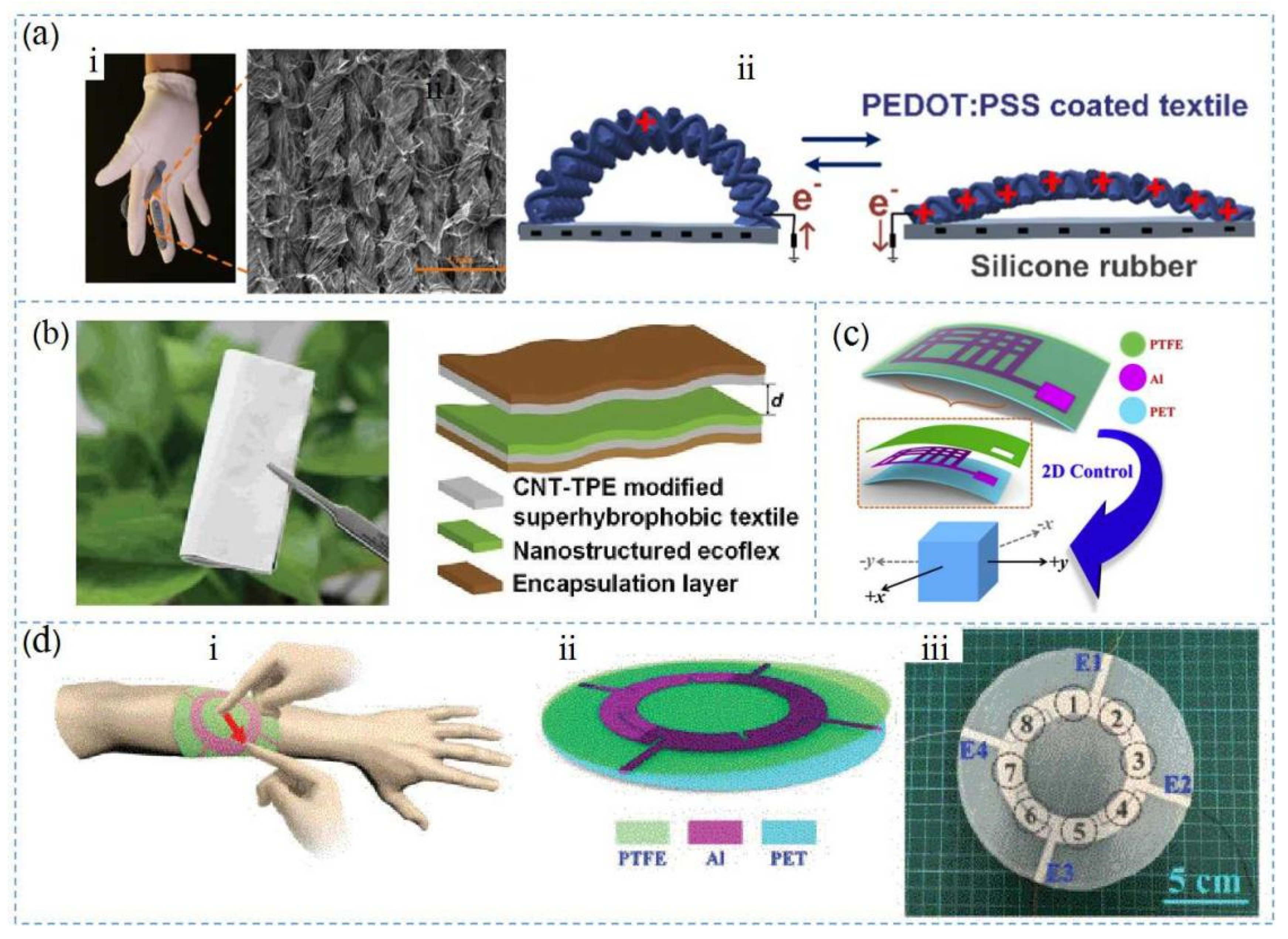
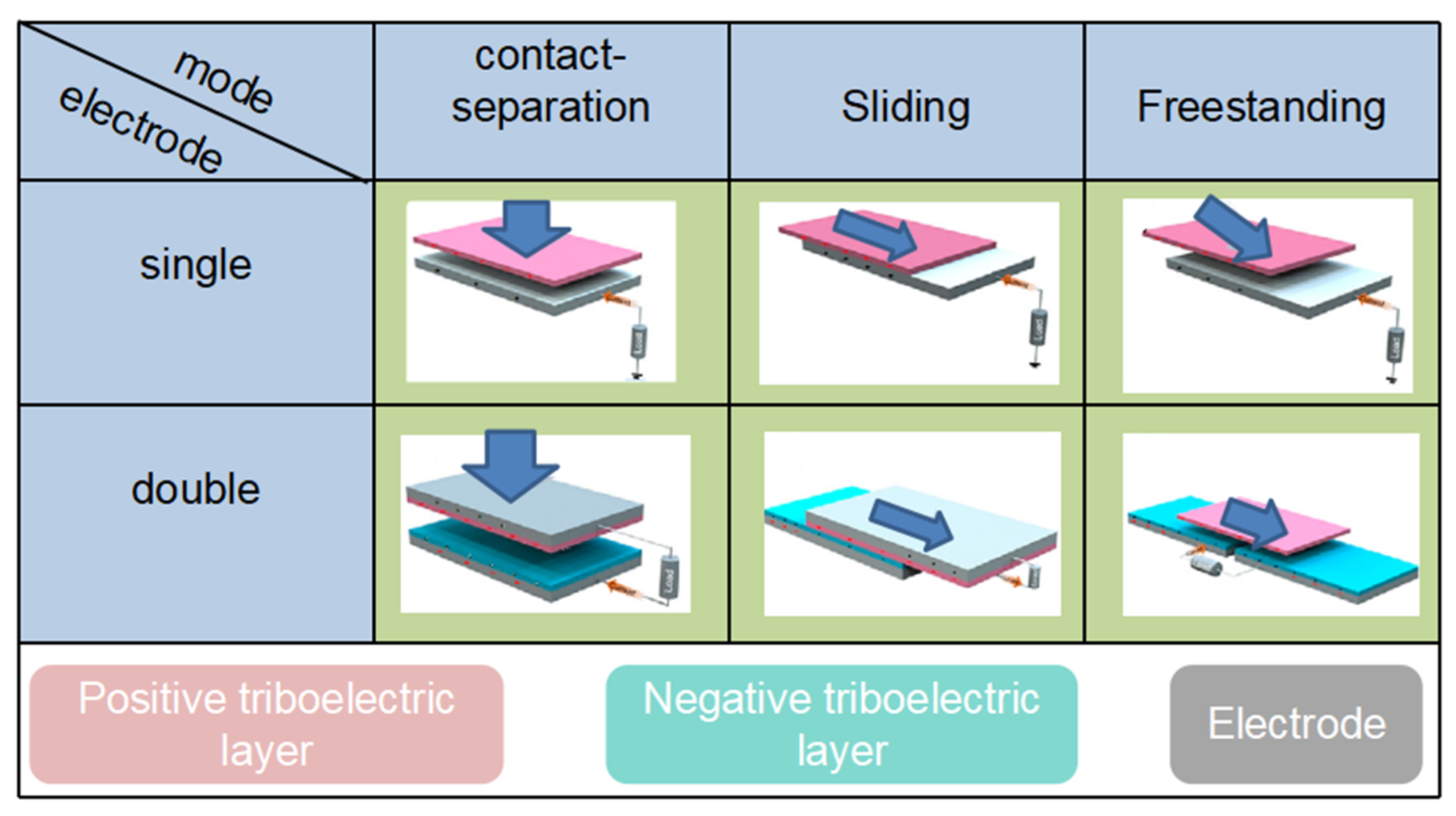
With the continuous advancement in technology, electronic products used in augmented reality (AR) and virtual reality (VR) have gradually entered the public eye. As a result, the power supplies of these electronic devices have attracted more attention from scientists. Compared to traditional power sources, triboelectric nanogenerators (TENGs) are gradually being used for energy harvesting in self-powered sensing technology such as wearable flexible electronics, including AR and VR devices due to their small size, high conversion efficiency, and low energy consumption. As a result, TENGs are the most popular power supplies for AR and VR products. This article first summarizes the working mode and basic theory of TENGs, then reviews the TENG modules used in AR and VR devices, and finally summarizes the material selection and design methods used for TENG preparation. The friction layer of the TENG can be made of a variety of materials such as polymers, metals, and inorganic materials, and among these, polytetrafluoroethylene (PTFE) and polydimethylsiloxane (PDMS) are the most popular materials. To improve TENG performance, the friction layer material must be suitable. Therefore, for different application scenarios, the design methods of the TENG play an important role in its performance, and a reasonable selection of preparation materials and design methods can greatly improve the work efficiency of the TENG. Lastly, we summarize the current research status of nanogenerators, analyze and suggest future application fields, and summarize the main points of material selection.
Keywords: nanomaterials; triboelectric nanogenerator; AR and VR; self-powered sensing nanomaterials; triboelectric nanogenerator; AR and VR; self-powered sensing