Article

Comparative Study between Curcumin and Nanocurcumin Loaded PLGA on Colon Carcinogenesis Induced Mice


by
Farida E. Elbassiouni
1,*,
Wafaa M. El-Kholy
1,
El-Sayed M. Elhabibi
1,
Sarah Albogami
2 and
Eman Fayad
2,*
1
Department of Zoology, Faculty of Science, Mansoura University, Mansoura 35516, Egypt
2
Department of Biotechnology, Faculty of Sciences, Taif University, P.O. Box 11099, Taif 21944, Saudi Arabia
*
Authors to whom correspondence should be addressed.
Nanomaterials 2022, 12(3), 324; https://doi.org/10.3390/nano12030324
Submission received: 5 December 2021 / Revised: 7 January 2022 / Accepted: 11 January 2022 / Published: 20 January 2022

Abstract

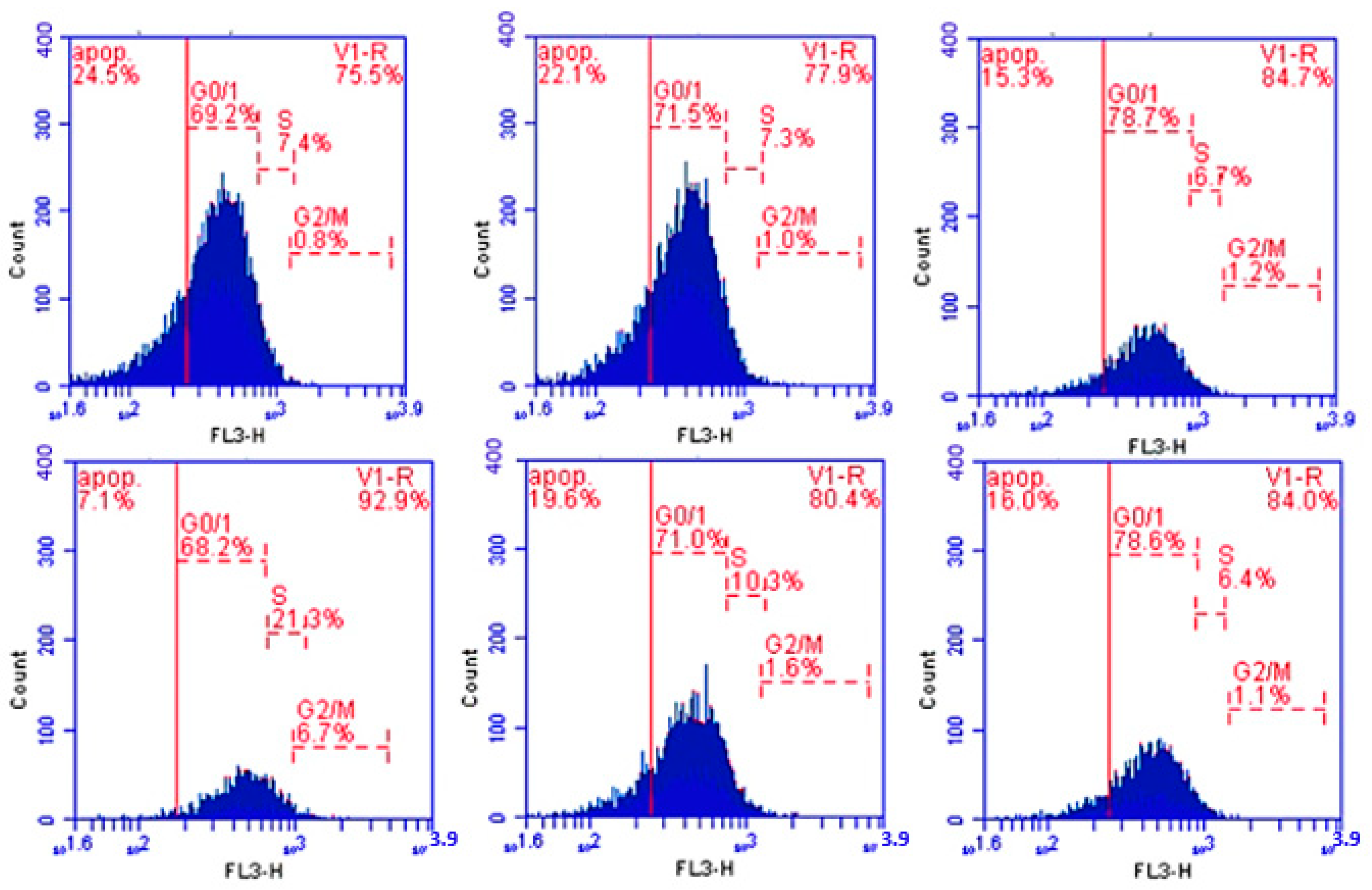
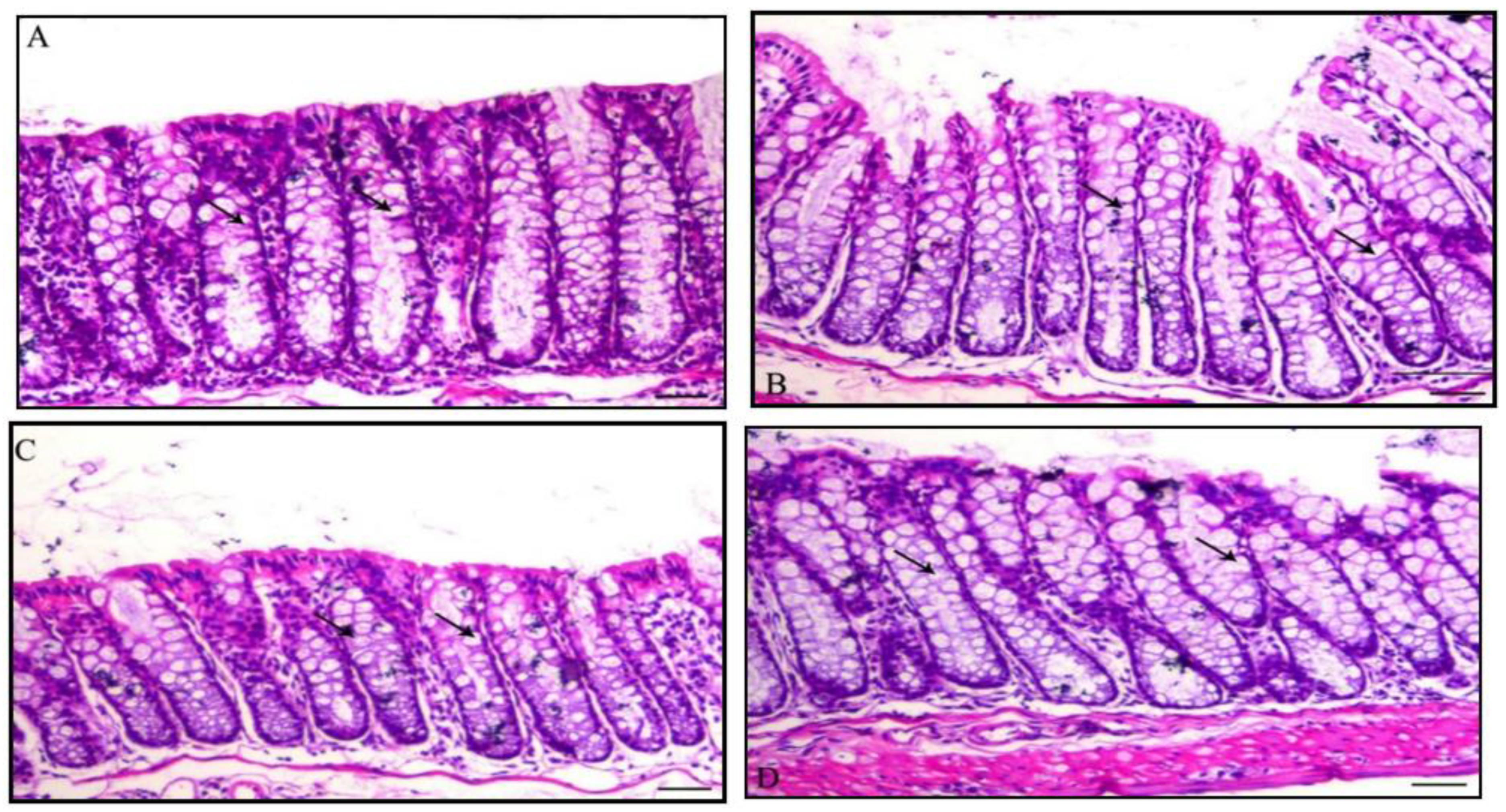
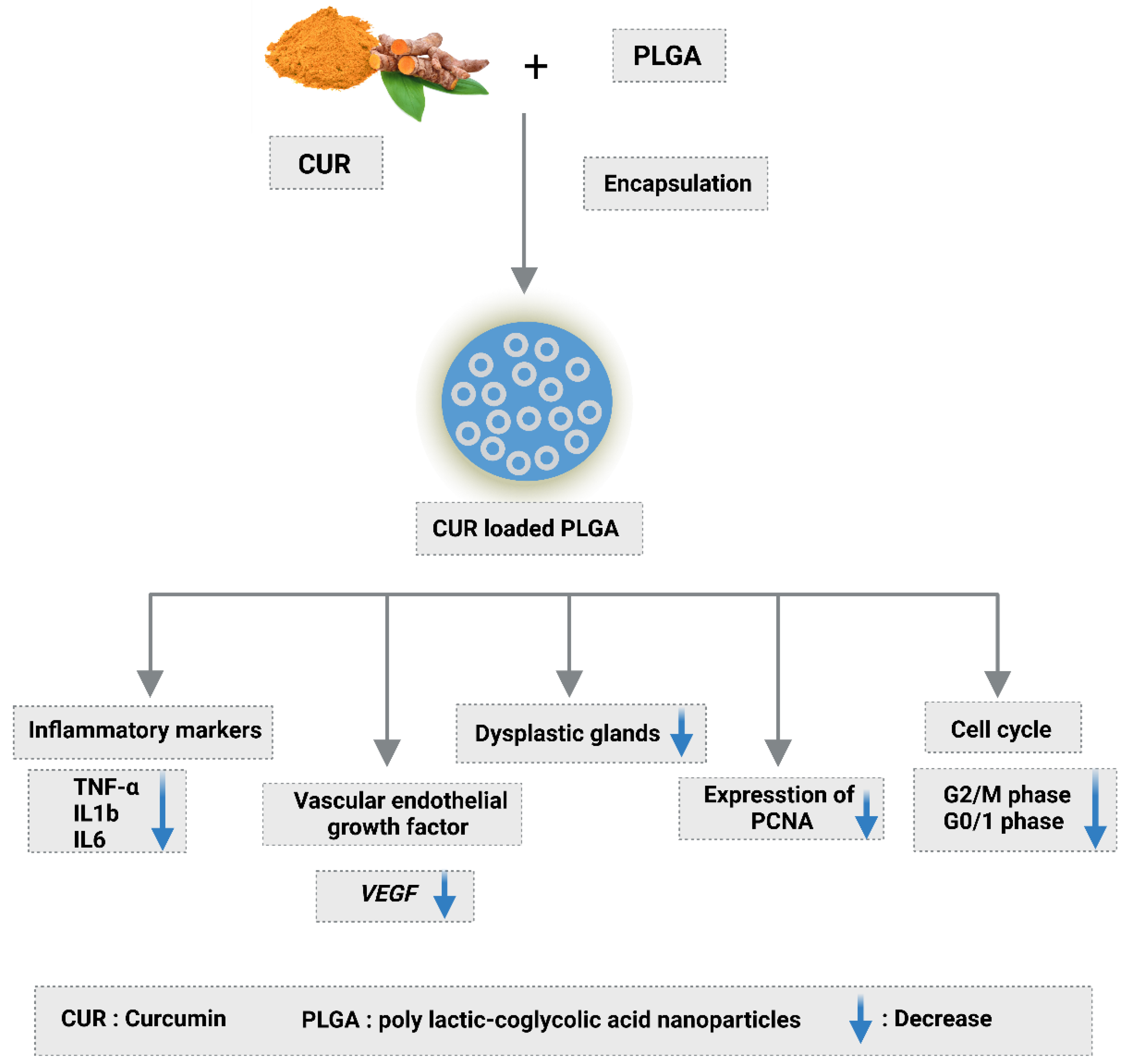
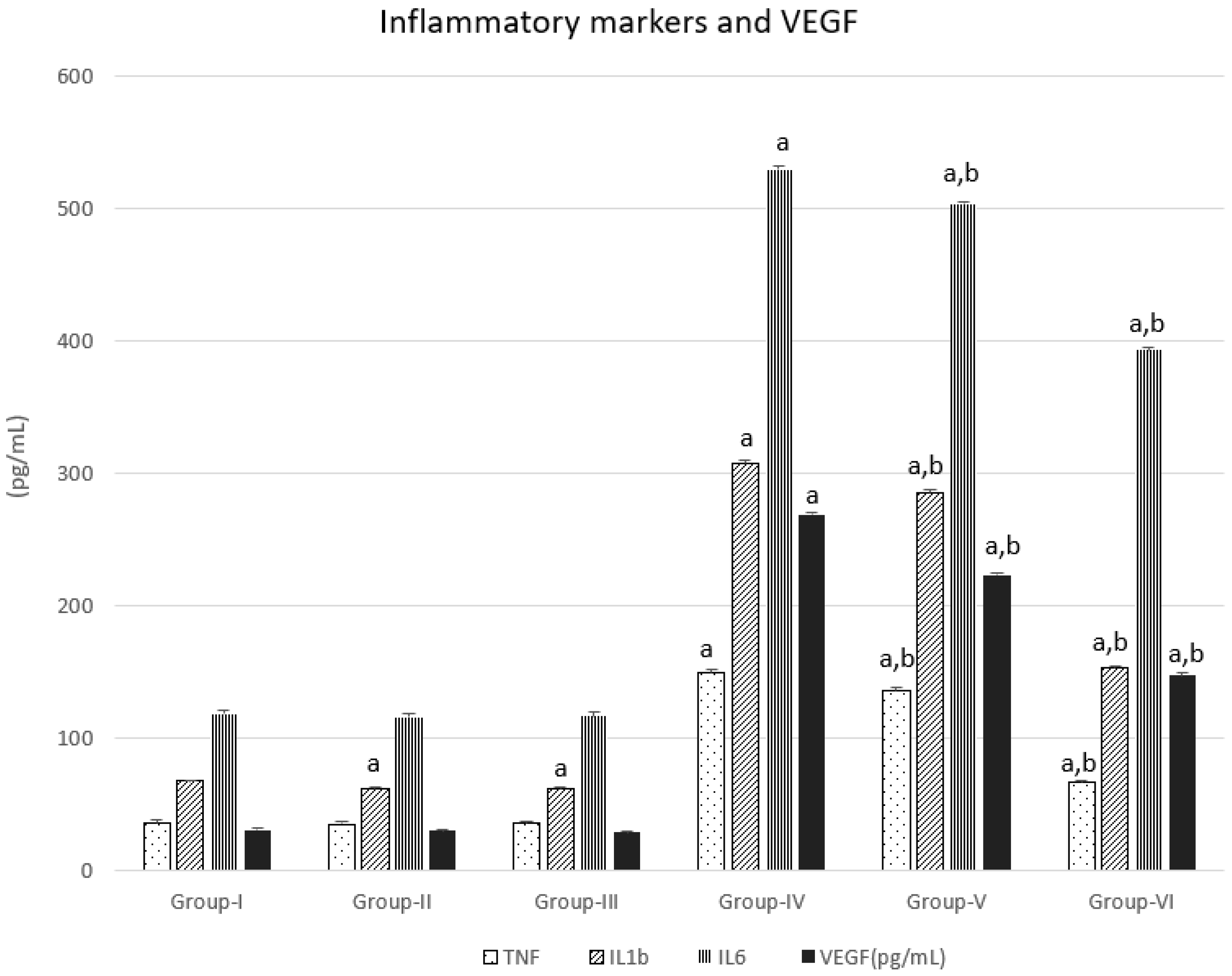
Colorectal cancer is the third most common cancer. Because curcumin (CUR) has anti-inflammatory and anticancer properties, research has been undertaken to indicate that nanocurcumin compounds can be used to treat a variety of cancers. CUR in nanoform has been found to have a stronger effect than conventional CUR. The purpose of this study was to show that CUR-loaded poly lactic-co-glycolic acid nanoparticles (PLGA) (CUR-loaded PLGA) have anti-inflammatory and anticancer effects on colon carcinogenesis in male dimethyl hydrazine (DMH) mice as a comparative study between the nanoform of curcumin and normal curcumin, focusing on the anticancer effect of nanocurcumin. Mice were separated into six groups: No treatment was given to Group I (negative Group-I). Group II was treated with CUR. Group III was treated with CUR-loaded PLGA. Group IV was treated with DMH. Group V received DMH and curcumin. Group VI received DMH and CUR-loaded PLGA. At the conclusion of the trial, the animals were slain (6 weeks). Inflammatory indicators and vascular endothelial growth factor (VEGF) levels all changed significantly in this study, as the following inflammatory markers as TNF showed percent of change compared to the DMH group. Recovery percentage for Groups V and VI, respectively, were 9.18 and 55.31%. In addition, IL1 was 7.45 and 50.37% for Groups V and VI, respectively. The results of IL6 were 4.86 and 25.79% for Groups V and VI, respectively. The vascular endothelial growth factor (VEGF) recovery percent was 16.98 and 45.12% for Groups V and VI, respectively. Following the effect of DMH on colon mucosa shape, the researchers looked at the effect of CUR-loaded PLGA on colon histology. It was shown that CUR-loaded PLGA affects the cell cycle and PCNA expression. We conclude that nanocurcumin is an important anti-inflammatory and cancer-fighting agent.
Keywords: colorectal cancer; inflammatory factors; VEGF; DMH and curcumin encapsulated PLGA colorectal cancer; inflammatory factors; VEGF; DMH and curcumin encapsulated PLGA