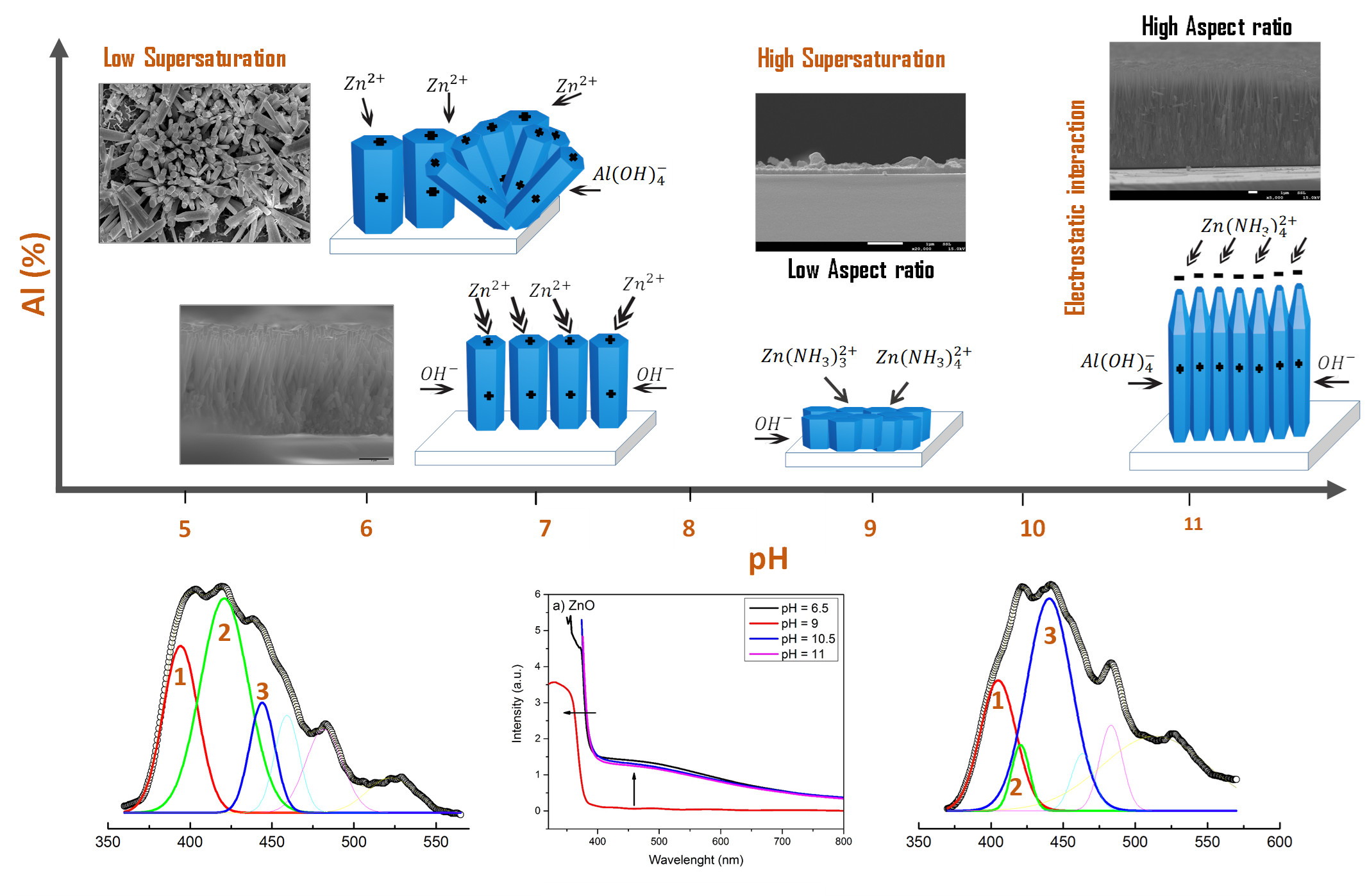
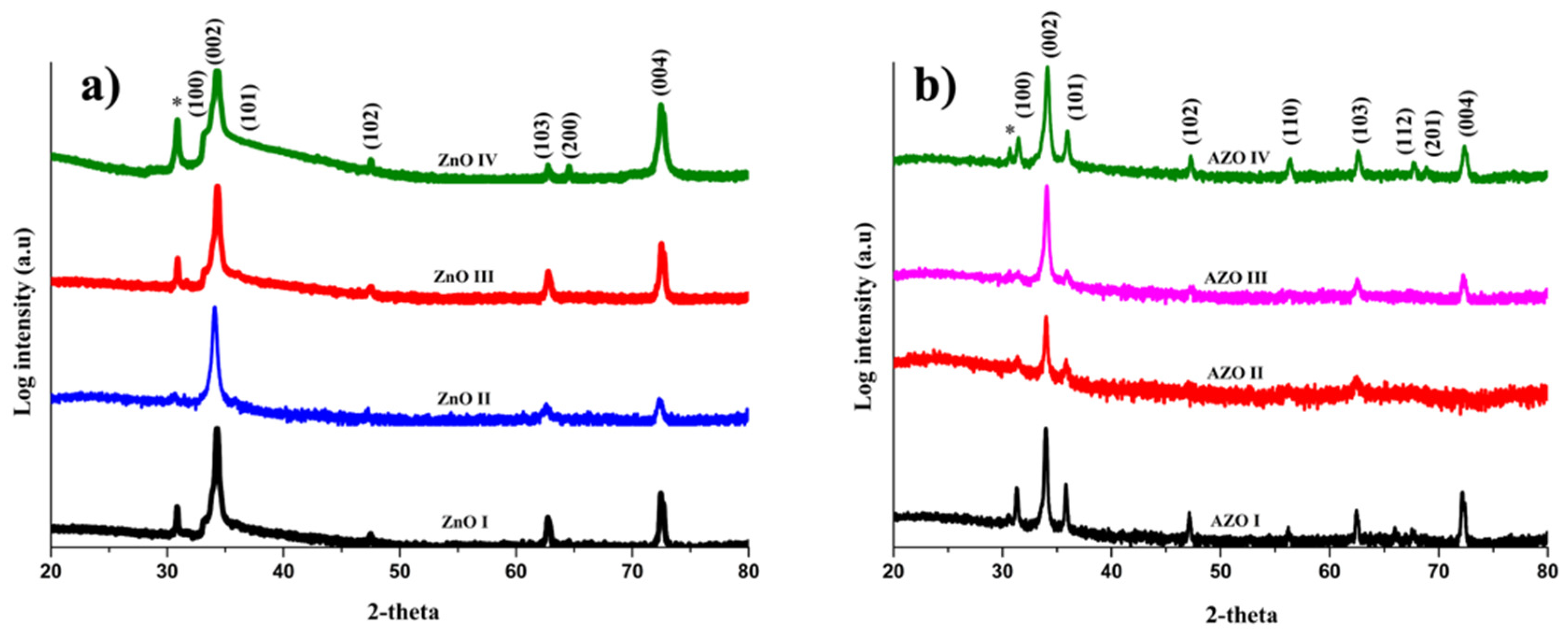
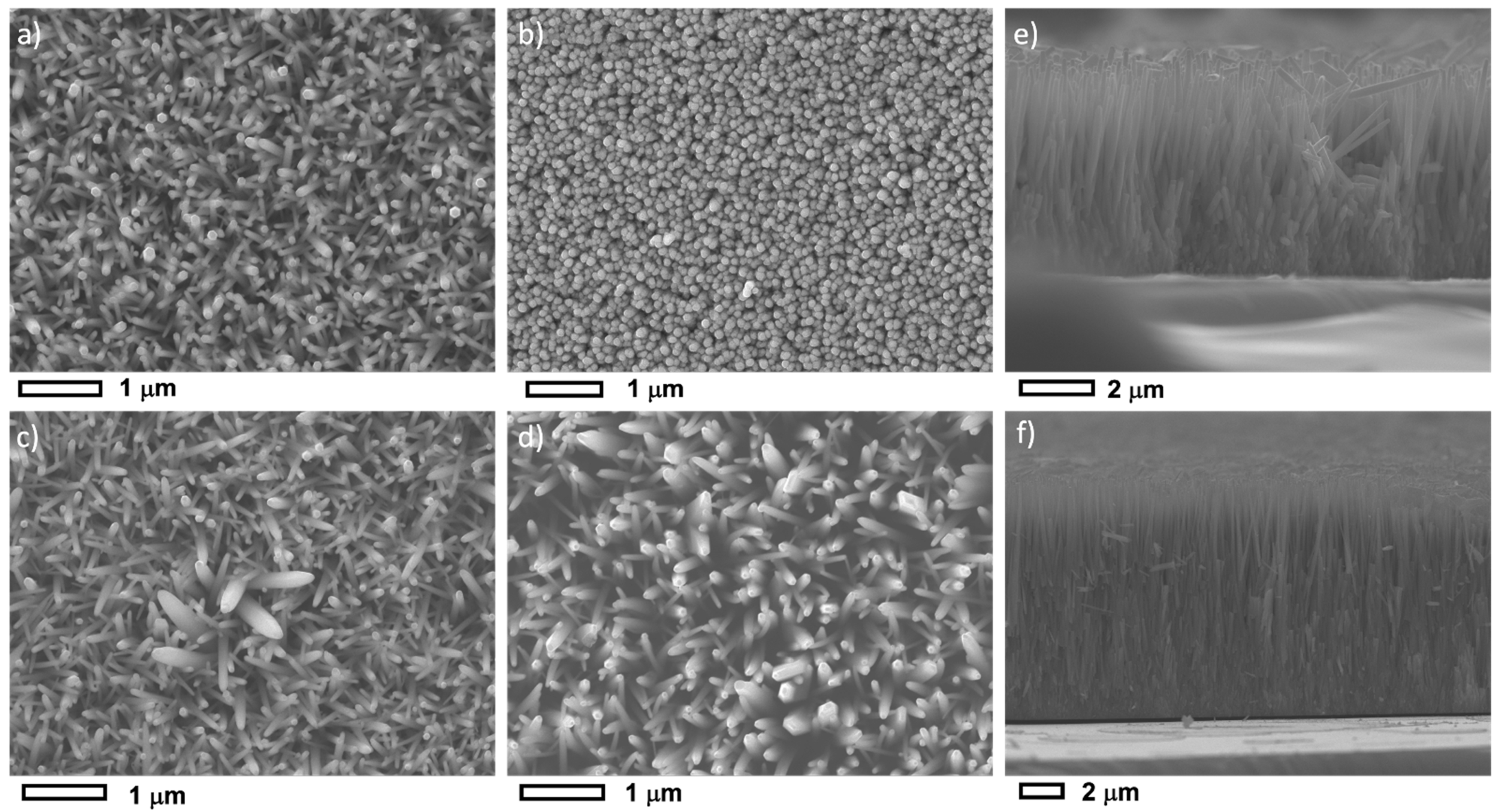
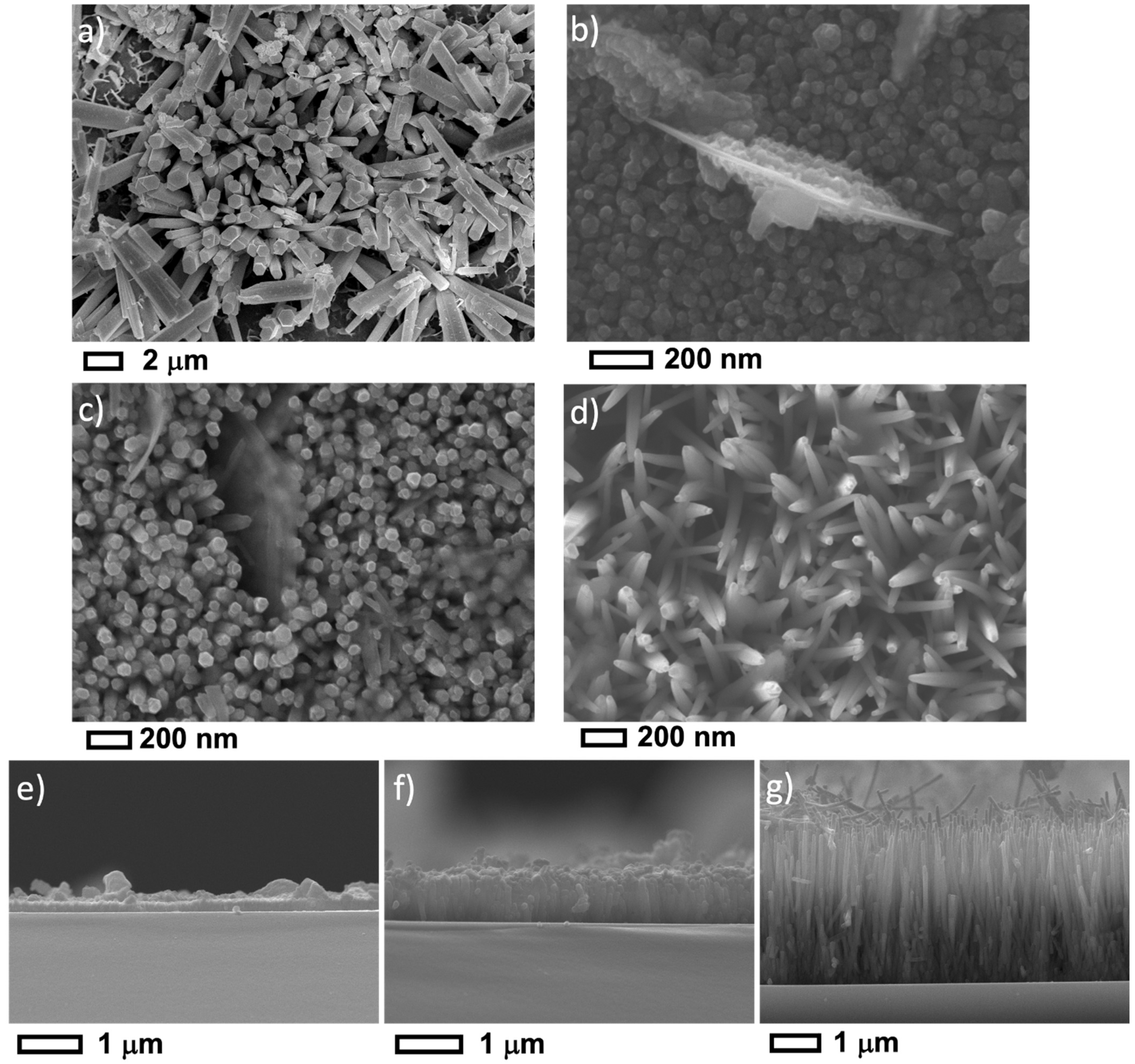
pH Controlled Nanostructure and Optical Properties of ZnO and Al-Doped ZnO Nanorod Arrays Grown by Microwave-Assisted Hydrothermal Method

 , and
, and 
Abstract
Share and Cite
Al-Farsi, L.; Souier, T.M.; Al-Hinai, M.; Myint, M.T.Z.; Kyaw, H.H.; Widatallah, H.M.; Al-Abri, M. pH Controlled Nanostructure and Optical Properties of ZnO and Al-Doped ZnO Nanorod Arrays Grown by Microwave-Assisted Hydrothermal Method. Nanomaterials 2022, 12, 3735. https://doi.org/10.3390/nano12213735
Al-Farsi L, Souier TM, Al-Hinai M, Myint MTZ, Kyaw HH, Widatallah HM, Al-Abri M. pH Controlled Nanostructure and Optical Properties of ZnO and Al-Doped ZnO Nanorod Arrays Grown by Microwave-Assisted Hydrothermal Method. Nanomaterials. 2022; 12(21):3735. https://doi.org/10.3390/nano12213735
Chicago/Turabian StyleAl-Farsi, Lamia, Tewfik M. Souier, Muna Al-Hinai, Myo T. Z. Myint, Htet H. Kyaw, Hisham M. Widatallah, and Mohammed Al-Abri. 2022. "pH Controlled Nanostructure and Optical Properties of ZnO and Al-Doped ZnO Nanorod Arrays Grown by Microwave-Assisted Hydrothermal Method" Nanomaterials 12, no. 21: 3735. https://doi.org/10.3390/nano12213735
APA StyleAl-Farsi, L., Souier, T. M., Al-Hinai, M., Myint, M. T. Z., Kyaw, H. H., Widatallah, H. M., & Al-Abri, M. (2022). pH Controlled Nanostructure and Optical Properties of ZnO and Al-Doped ZnO Nanorod Arrays Grown by Microwave-Assisted Hydrothermal Method. Nanomaterials, 12(21), 3735. https://doi.org/10.3390/nano12213735