Article

Electrospun Methacrylated Gelatin/Poly(L-Lactic Acid) Nanofibrous Hydrogel Scaffolds for Potential Wound Dressing Application

1
College of Textiles and Clothing, Qingdao University, Qingdao 266071, China
2
Shandong Academy of Pharmaceutical Science, Key Laboratory of Biopharmaceuticals, Engineering Laboratory of Polysaccharide Drugs, National-Local Joint Engineering Laboratory of Polysaccharide Drugs, Jinan 250101, China
*
Authors to whom correspondence should be addressed.
Nanomaterials 2022, 12(1), 6; https://doi.org/10.3390/nano12010006
Submission received: 24 November 2021 / Revised: 14 December 2021 / Accepted: 16 December 2021 / Published: 21 December 2021

Abstract

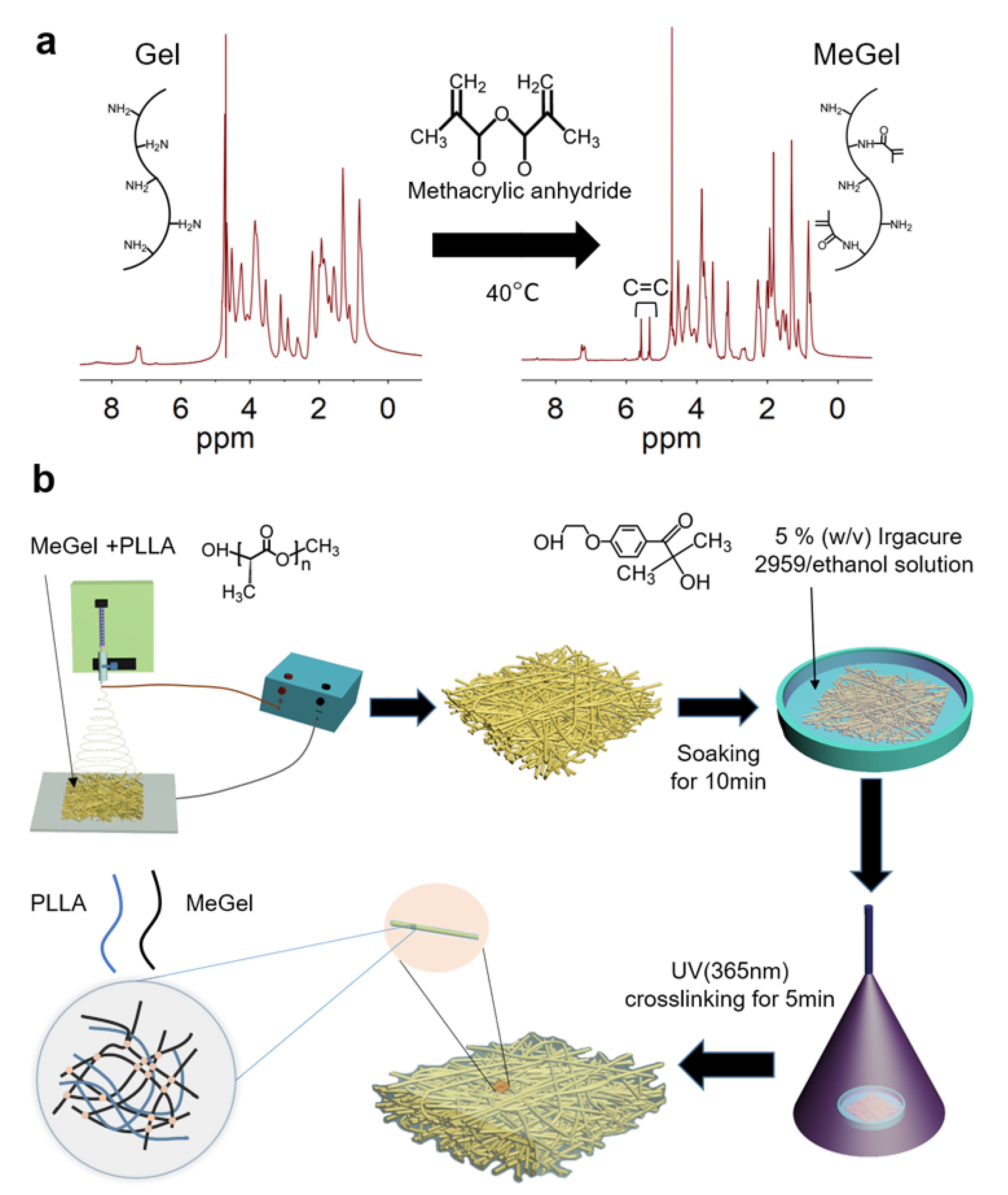
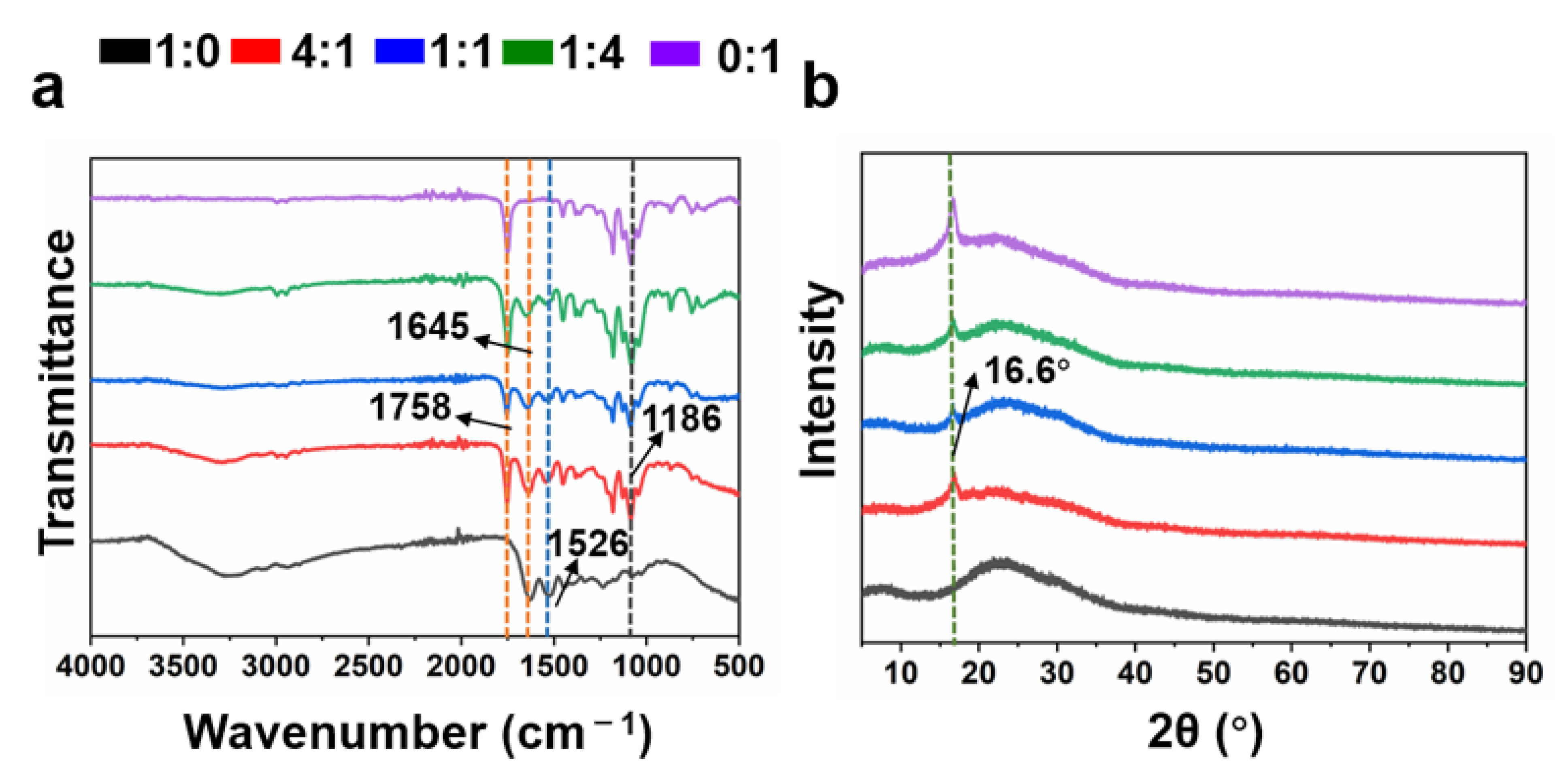
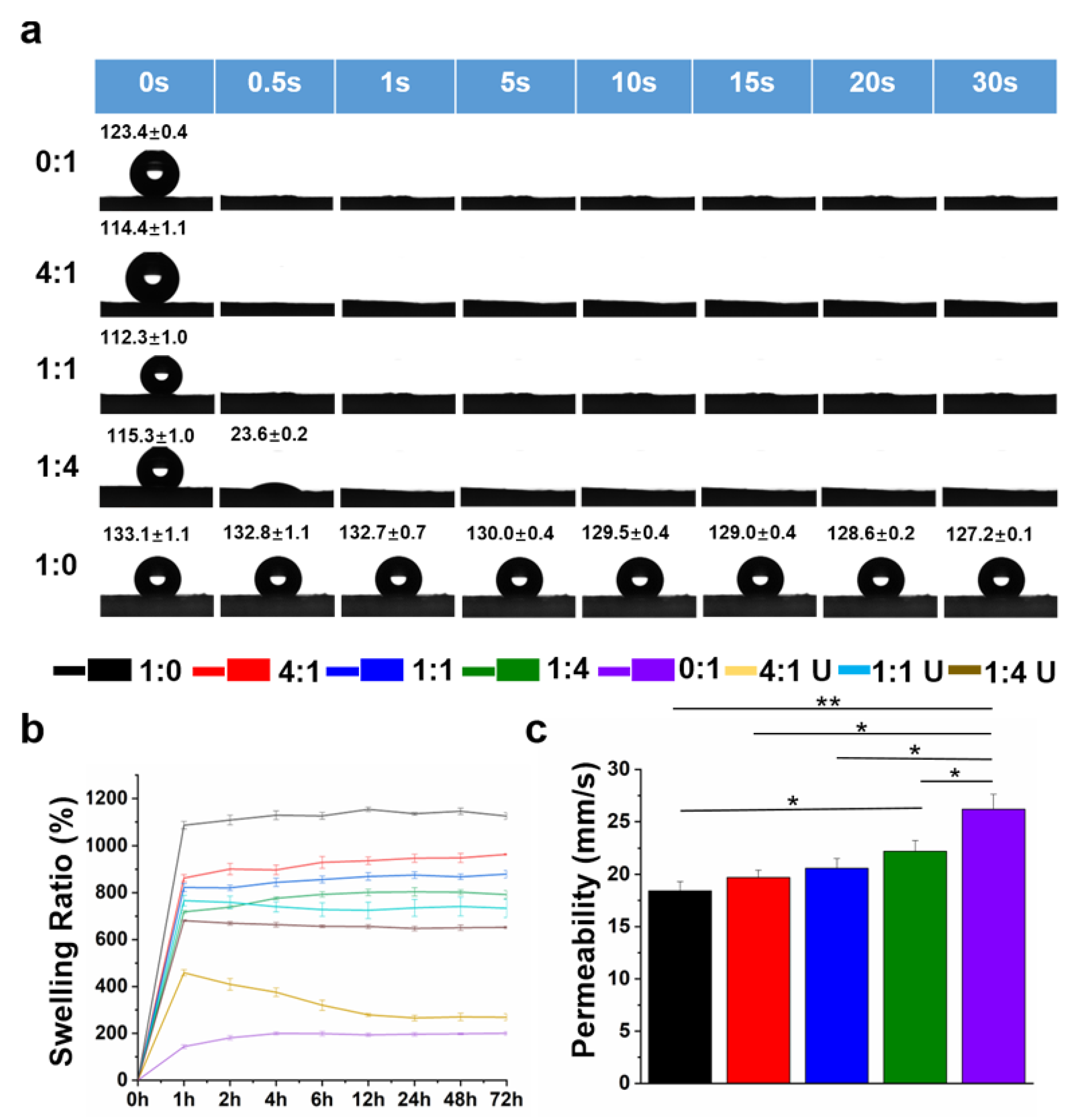
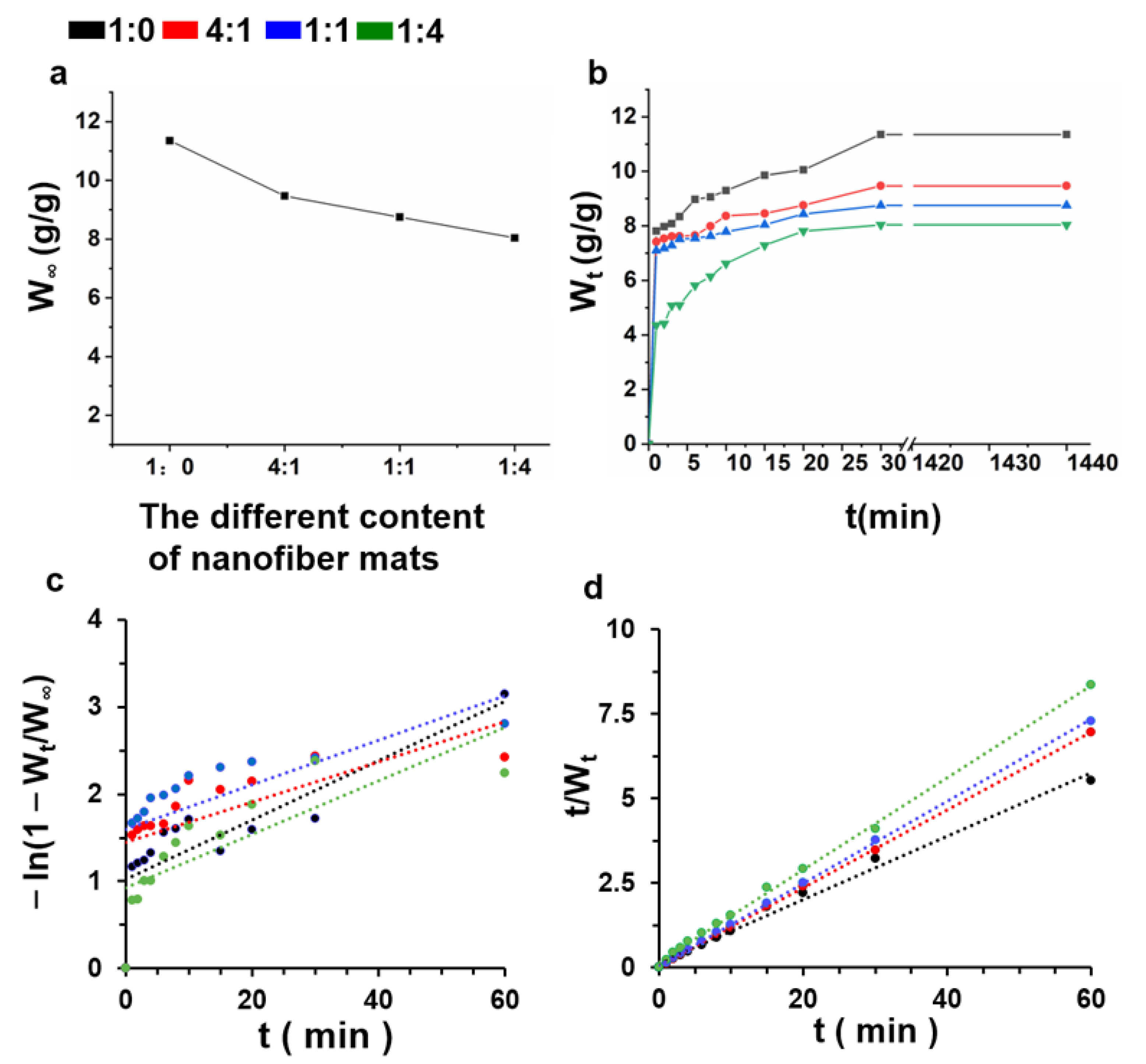
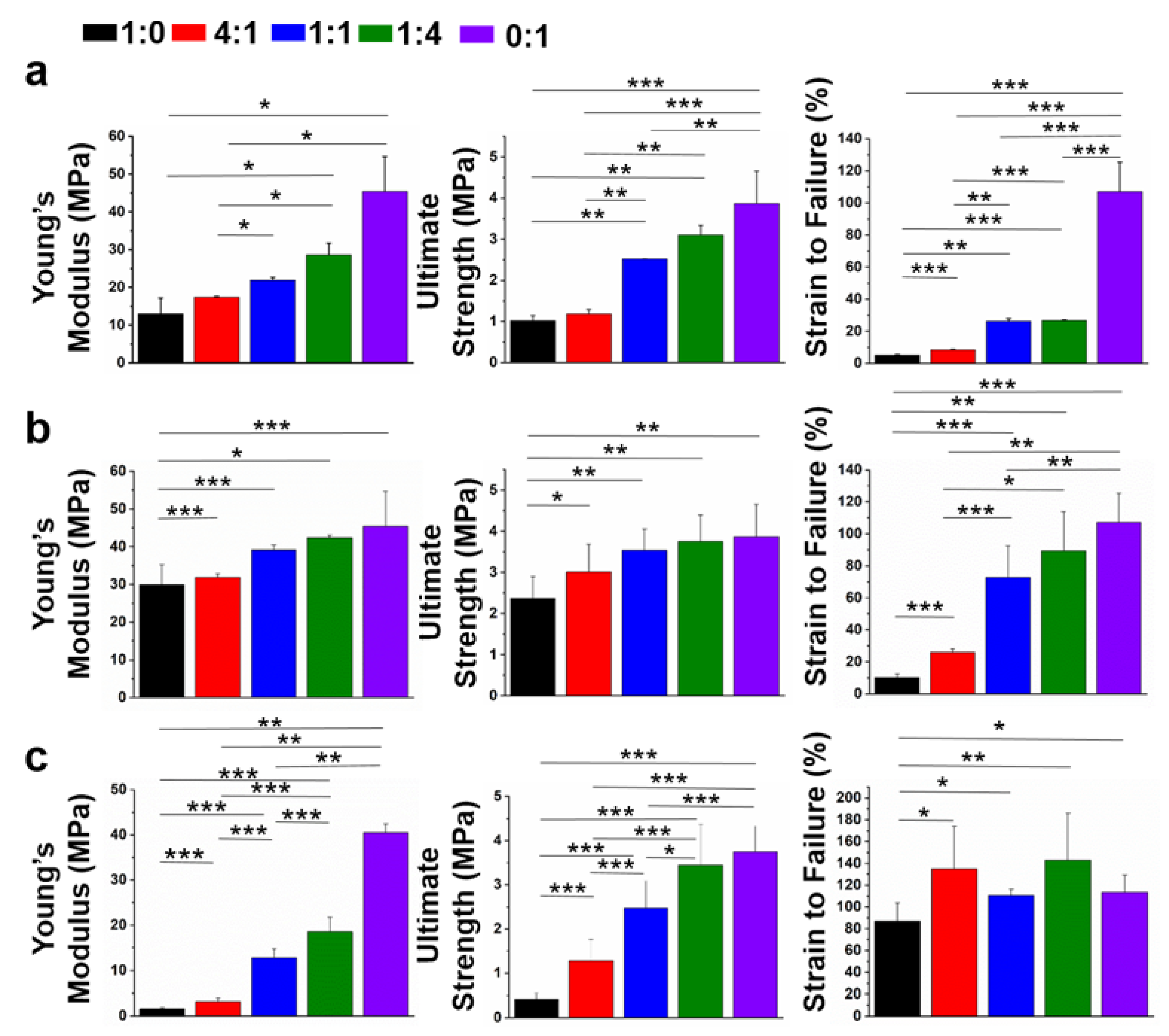
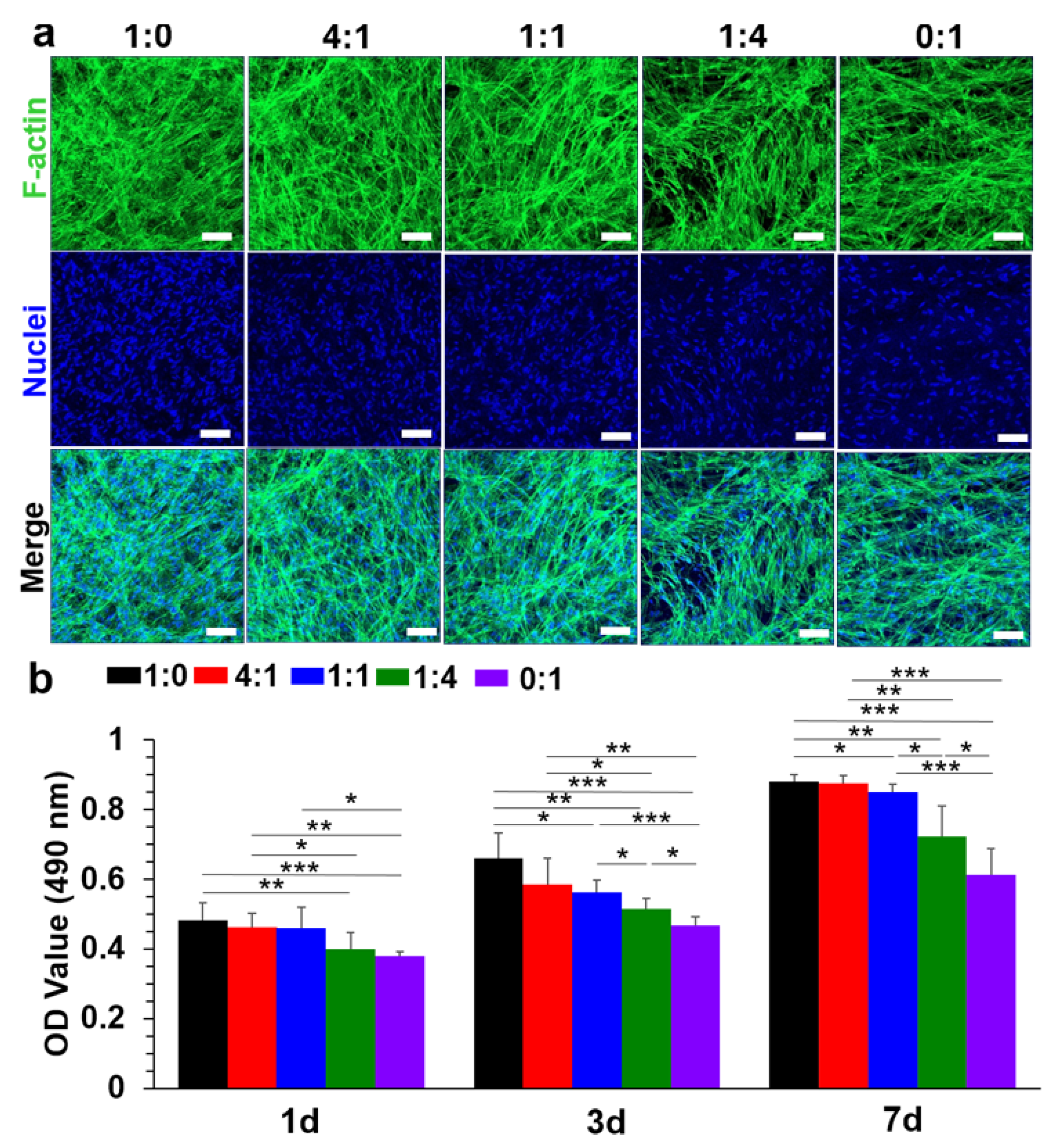
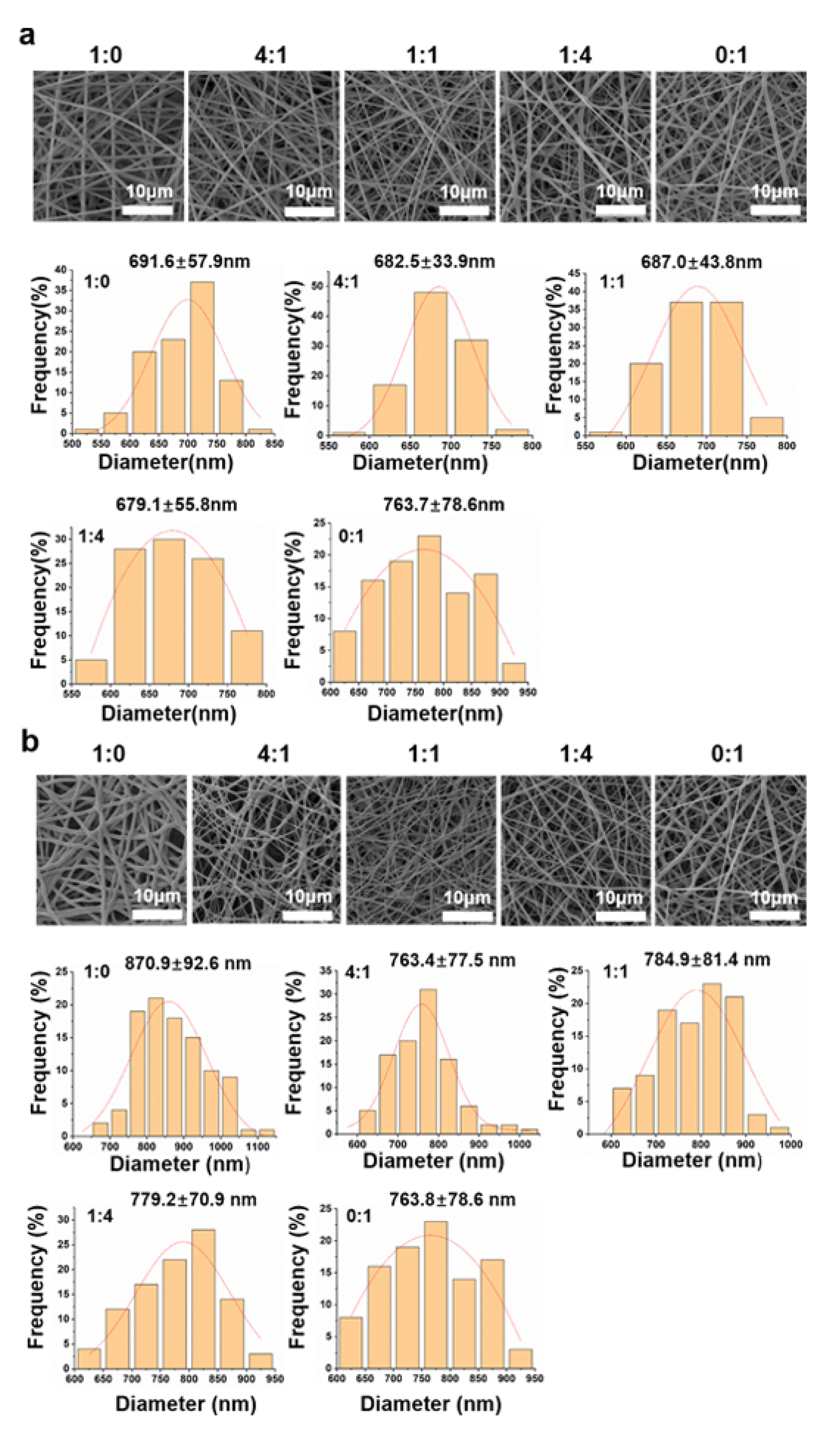
Electrospun nanofiber mats have attracted intense attention as advanced wound dressing materials. The objective of this study was to fabricate methacrylated gelatin (MeGel)/poly(L-lactic acid) (PLLA) hybrid nanofiber mats with an extracellular matrix (ECM) mimicking nanofibrous structure and hydrogel-like properties for potential use as wound dressing materials. MeGel was first synthesized via the methacryloyl substitution of gelatin (Gel), a series of MeGel and PLLA blends with various mass ratios were electrospun into nanofiber mats, and a UV crosslinking process was subsequently utilized to stabilize the MeGel components in the nanofibers. All the as-crosslinked nanofiber mats exhibited smooth and bead-free fiber morphologies. The MeGel-containing and crosslinked nanofiber mats presented significantly improved hydrophilic properties (water contact angle = 0°; 100% wettability) compared to the pure PLLA nanofiber mats (~127°). The swelling ratio of crosslinked nanofiber mats notably increased with the increase of MeGel (143.6 ± 7.4% for PLLA mats vs. 875.0 ± 17.1% for crosslinked 1:1 MeGel/PLLA mats vs. 1135.2 ± 16.0% for crosslinked MeGel mats). The UV crosslinking process was demonstrated to significantly improve the structural stability and mechanical properties of MeGel/PLLA nanofiber mats. The Young’s modulus and ultimate strength of the crosslinked nanofiber mats were demonstrated to obviously decrease when more MeGel was introduced in both dry and wet conditions. The biological tests showed that all the crosslinked nanofiber mats presented great biocompatibility, but the crosslinked nanofiber mats with more MeGel were able to notably promote the attachment, growth, and proliferation of human dermal fibroblasts. Overall, this study demonstrates that our MeGel/PLLA blend nanofiber mats are attractive candidates for wound dressing material research and application.
Keywords: electrospinning; hydrogel; methacrylated gelatin; poly(L-lactic acid); wound dressing electrospinning; hydrogel; methacrylated gelatin; poly(L-lactic acid); wound dressing