Article

Comparison of the Surface Properties of Hydrothermally Synthesised Fe3O4@C Nanocomposites at Variable Reaction Times


1
School of Chemical Sciences, Universiti Sains Malaysia (USM), Penang 11800, Malaysia
2
Department of Applied Chemistry, Federal University Dutsin-Ma, Dutsinma P.M.B. 5001, Nigeria
*
Author to whom correspondence should be addressed.
Nanomaterials 2021, 11(10), 2742; https://doi.org/10.3390/nano11102742
Submission received: 1 September 2021 / Revised: 6 October 2021 / Accepted: 13 October 2021 / Published: 16 October 2021
(This article belongs to the Section Synthesis, Interfaces and Nanostructures)

Abstract

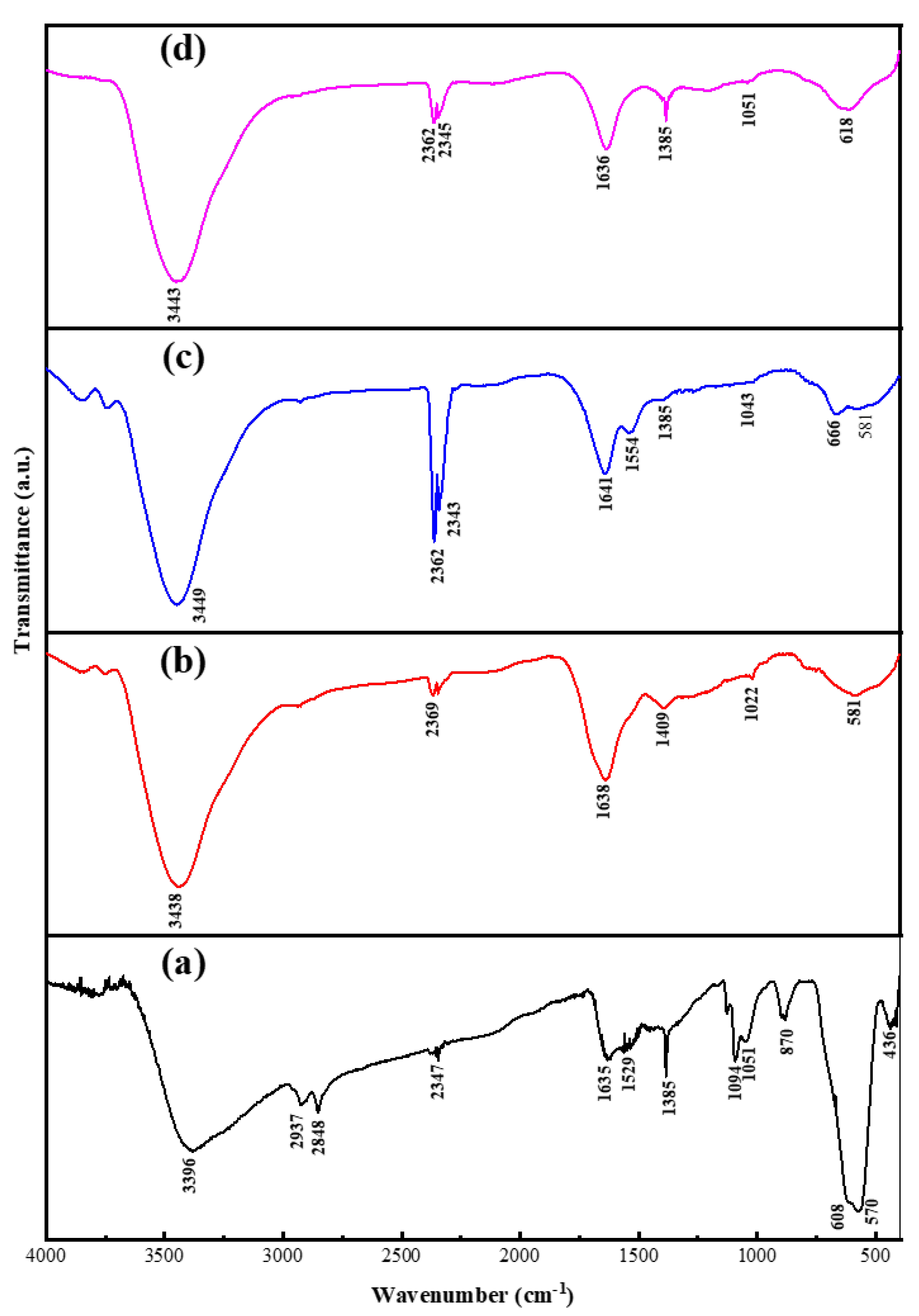
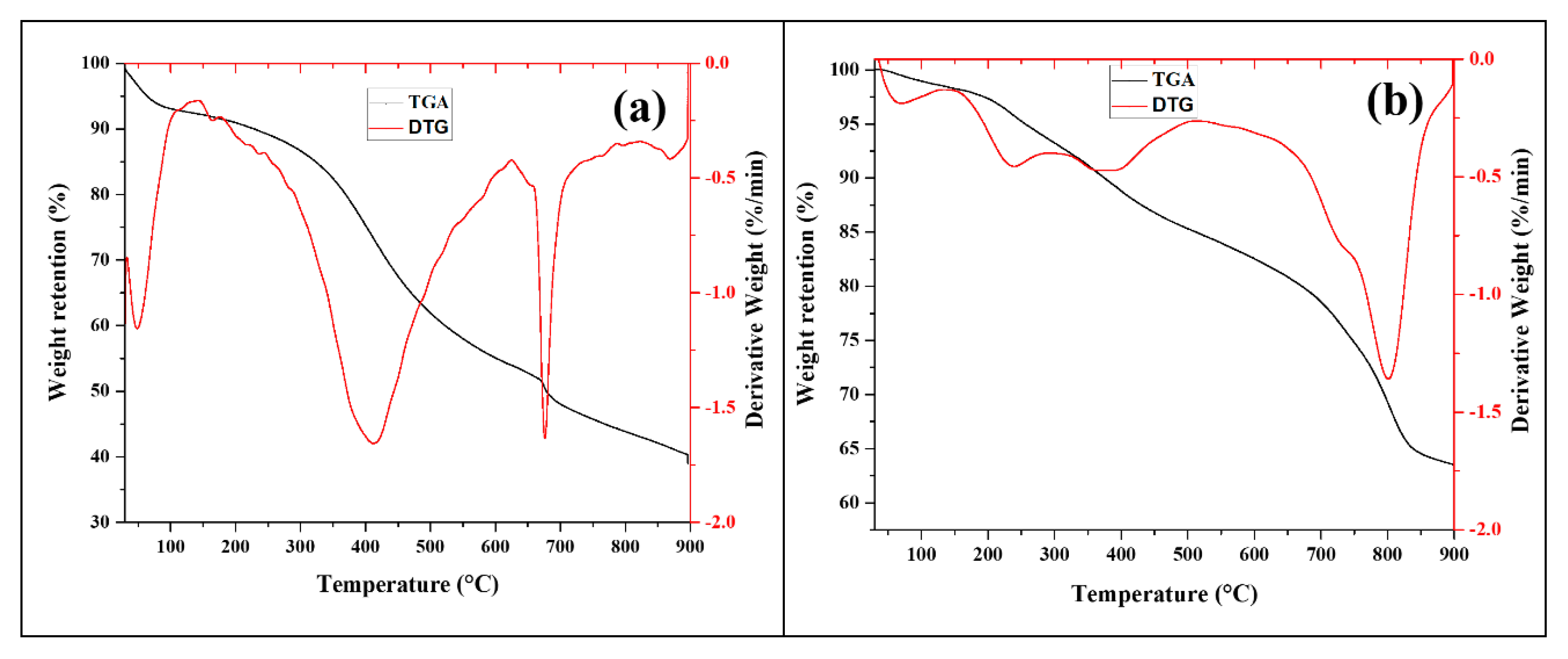
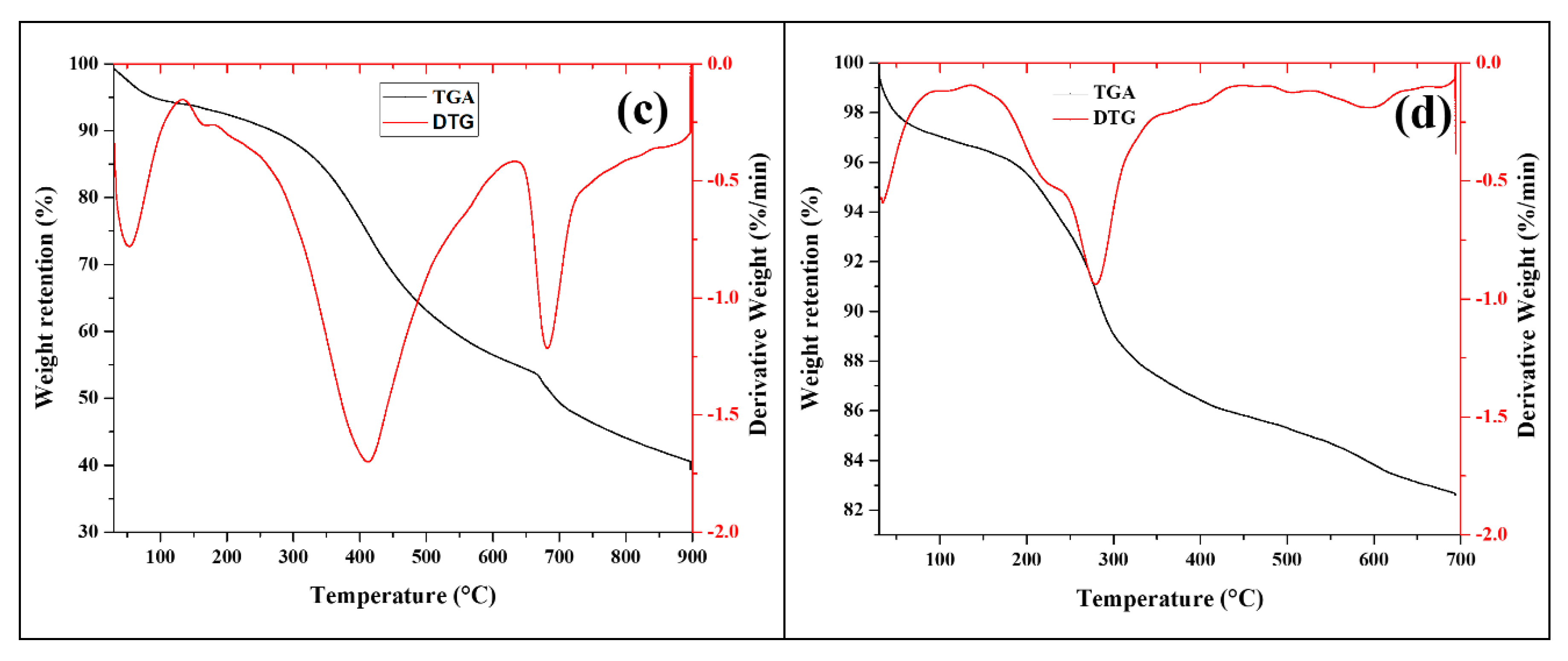
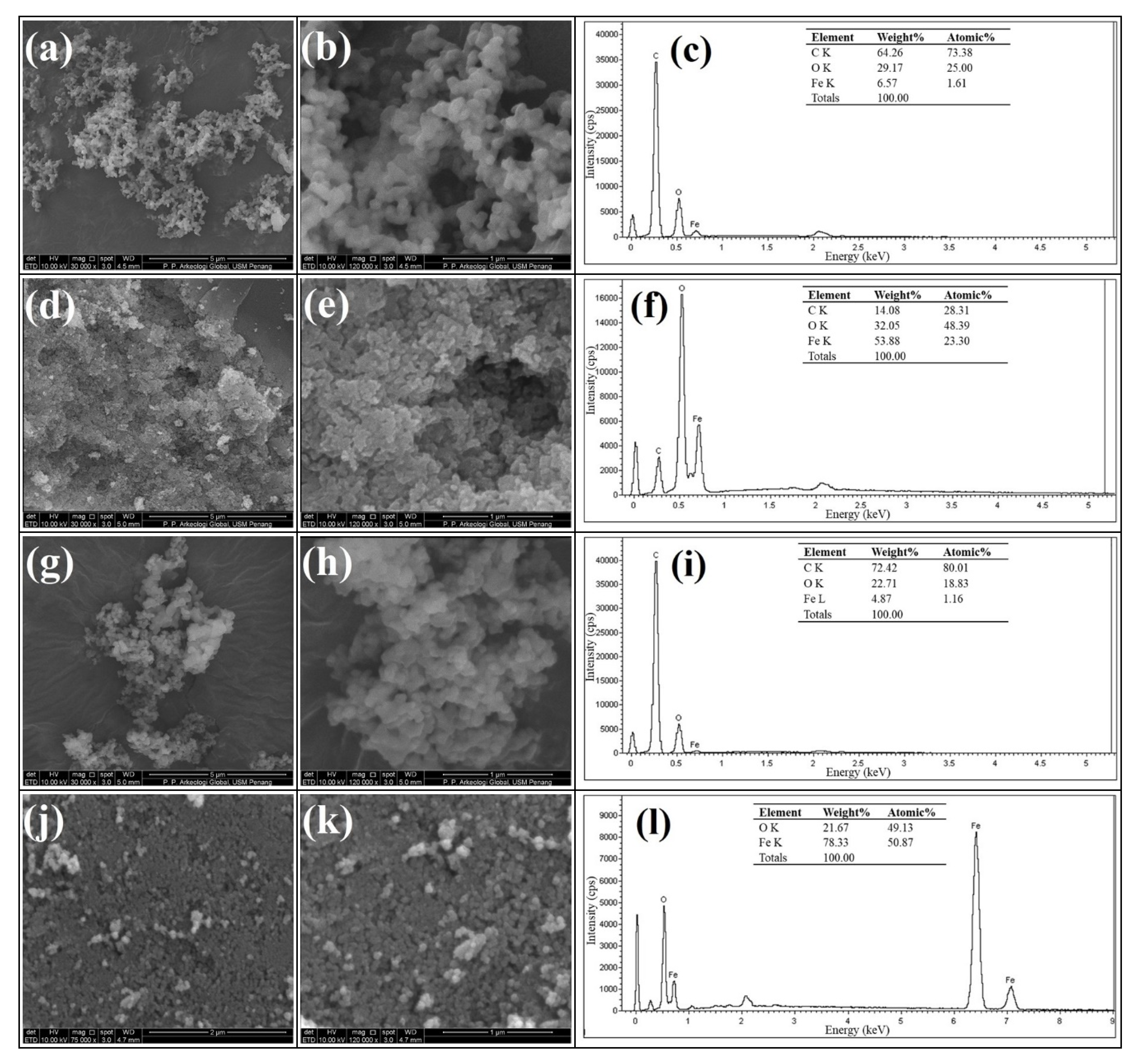
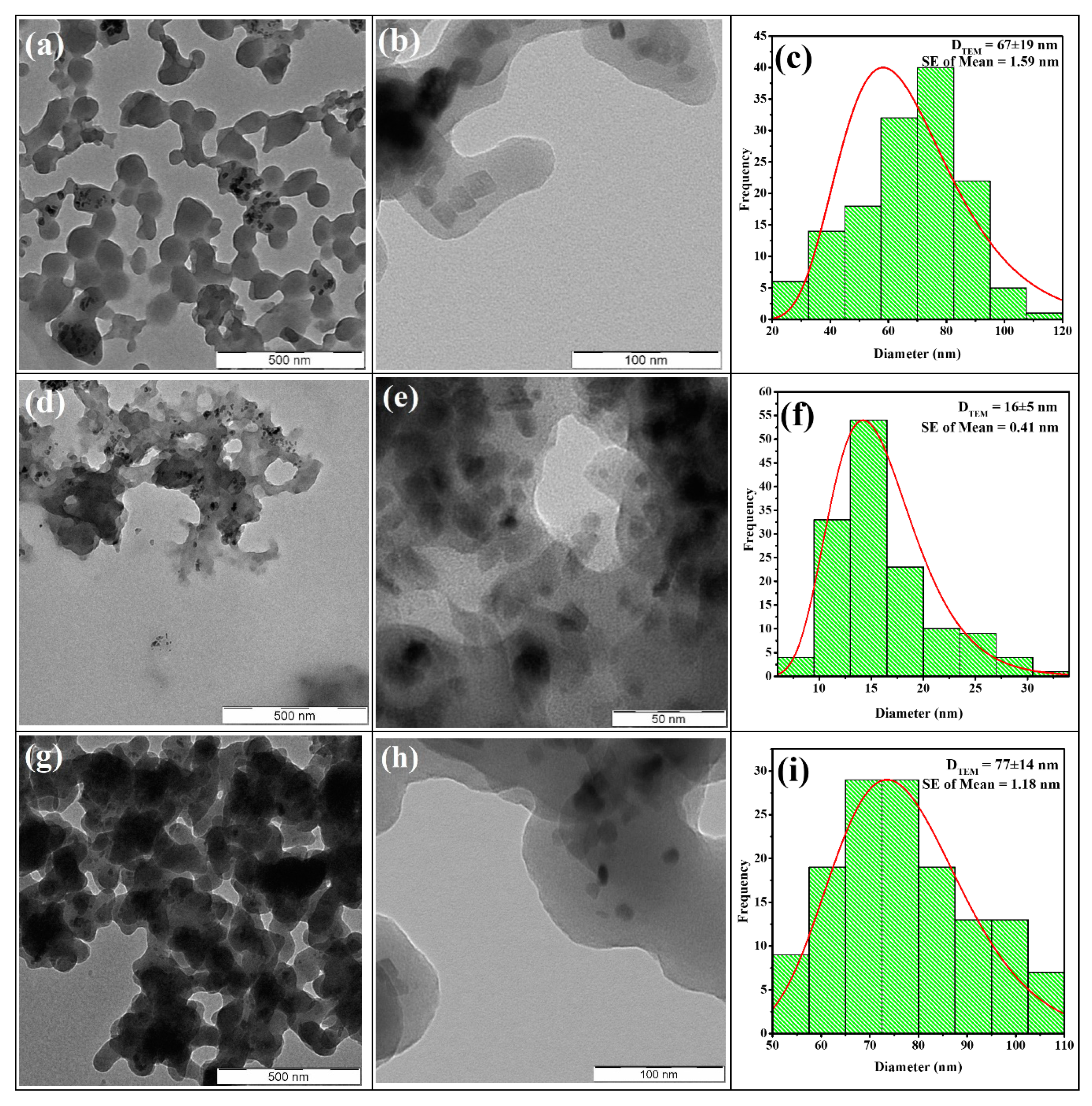
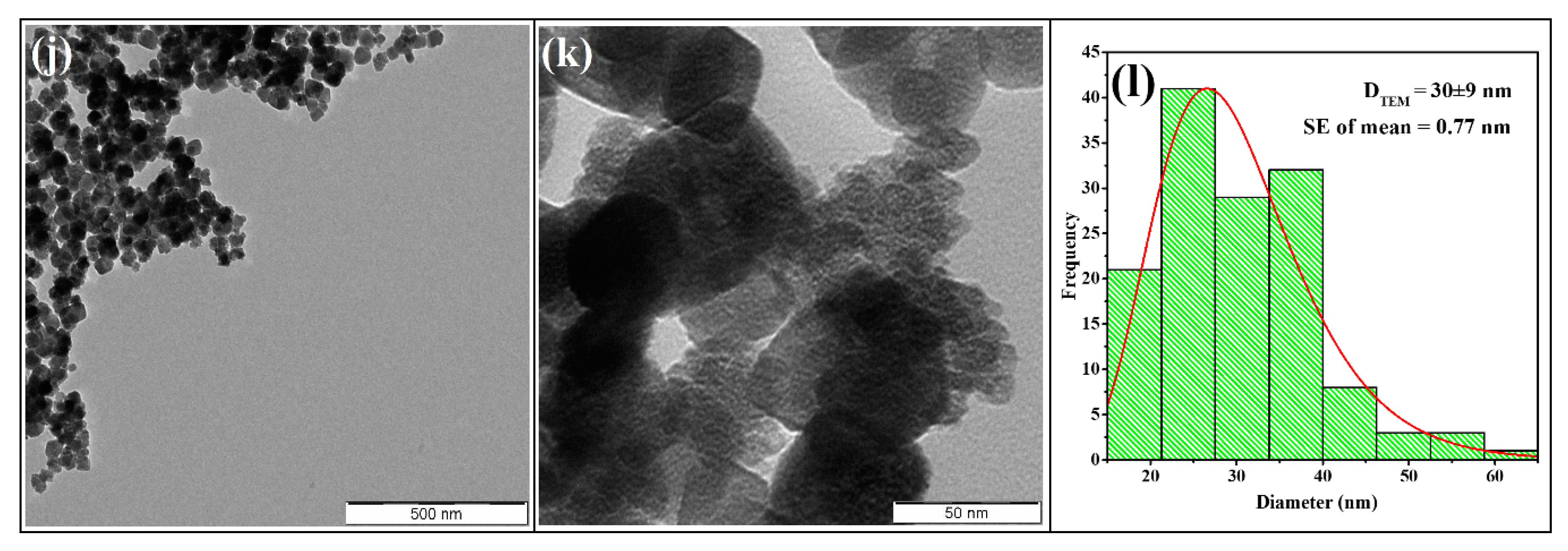
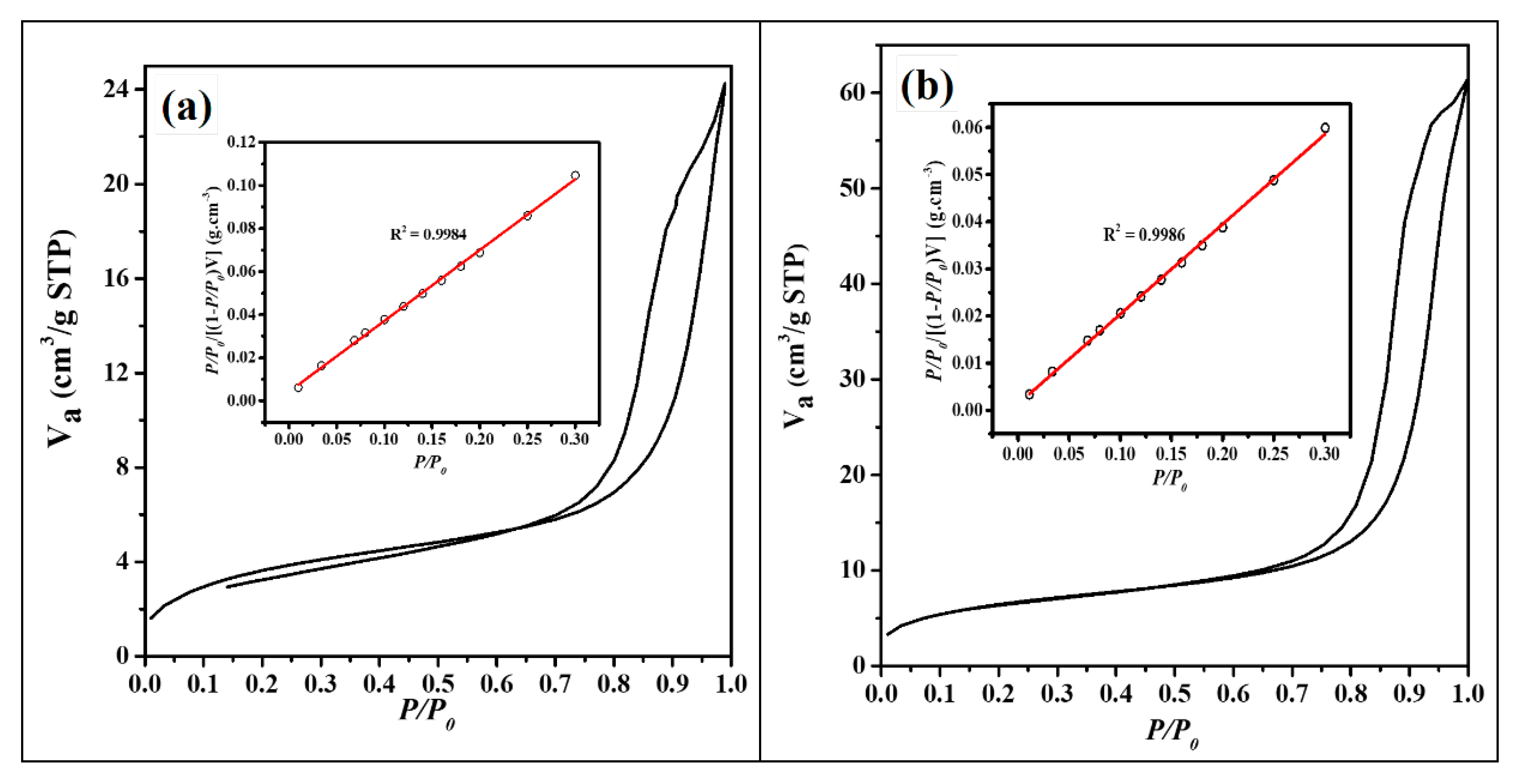
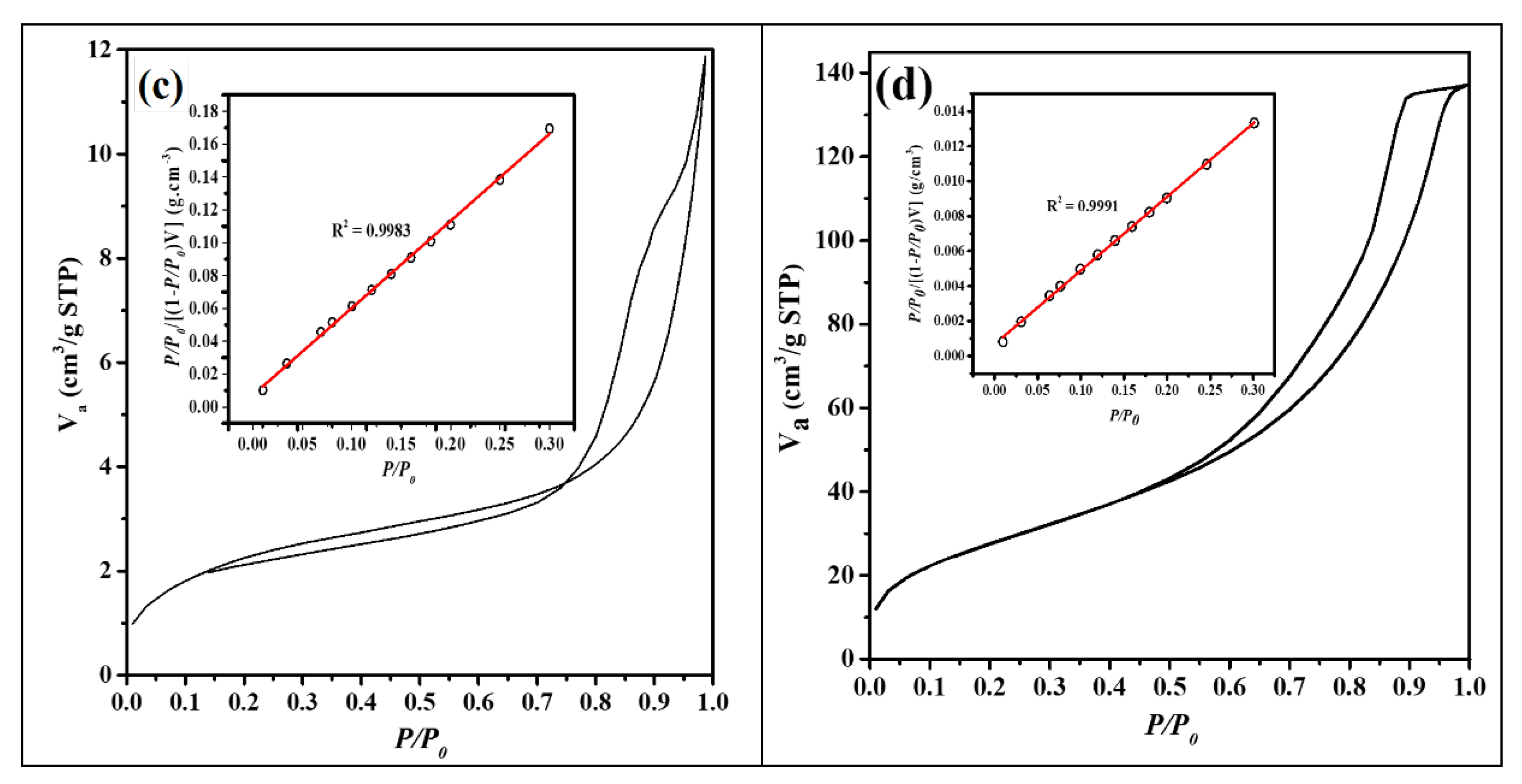
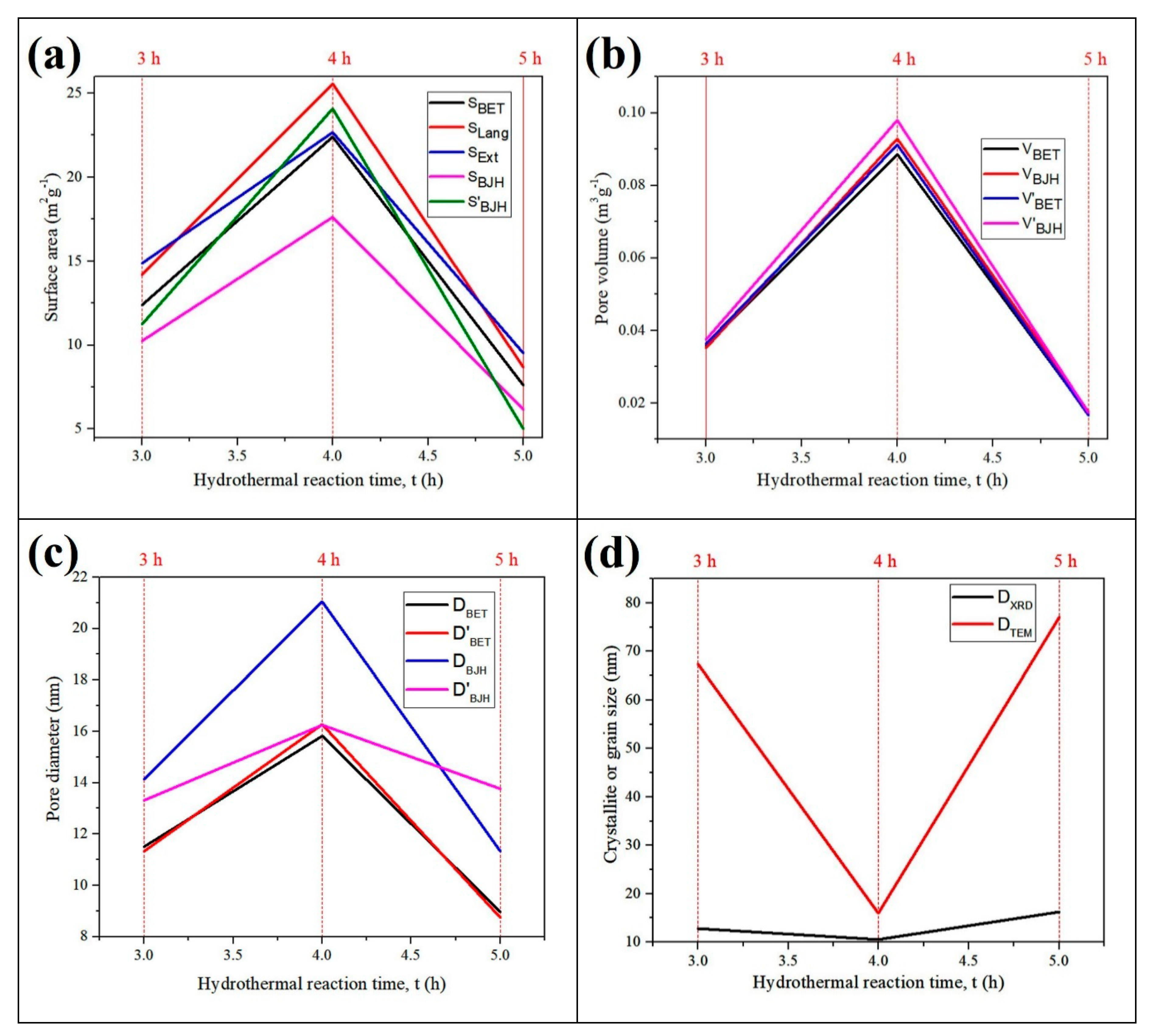
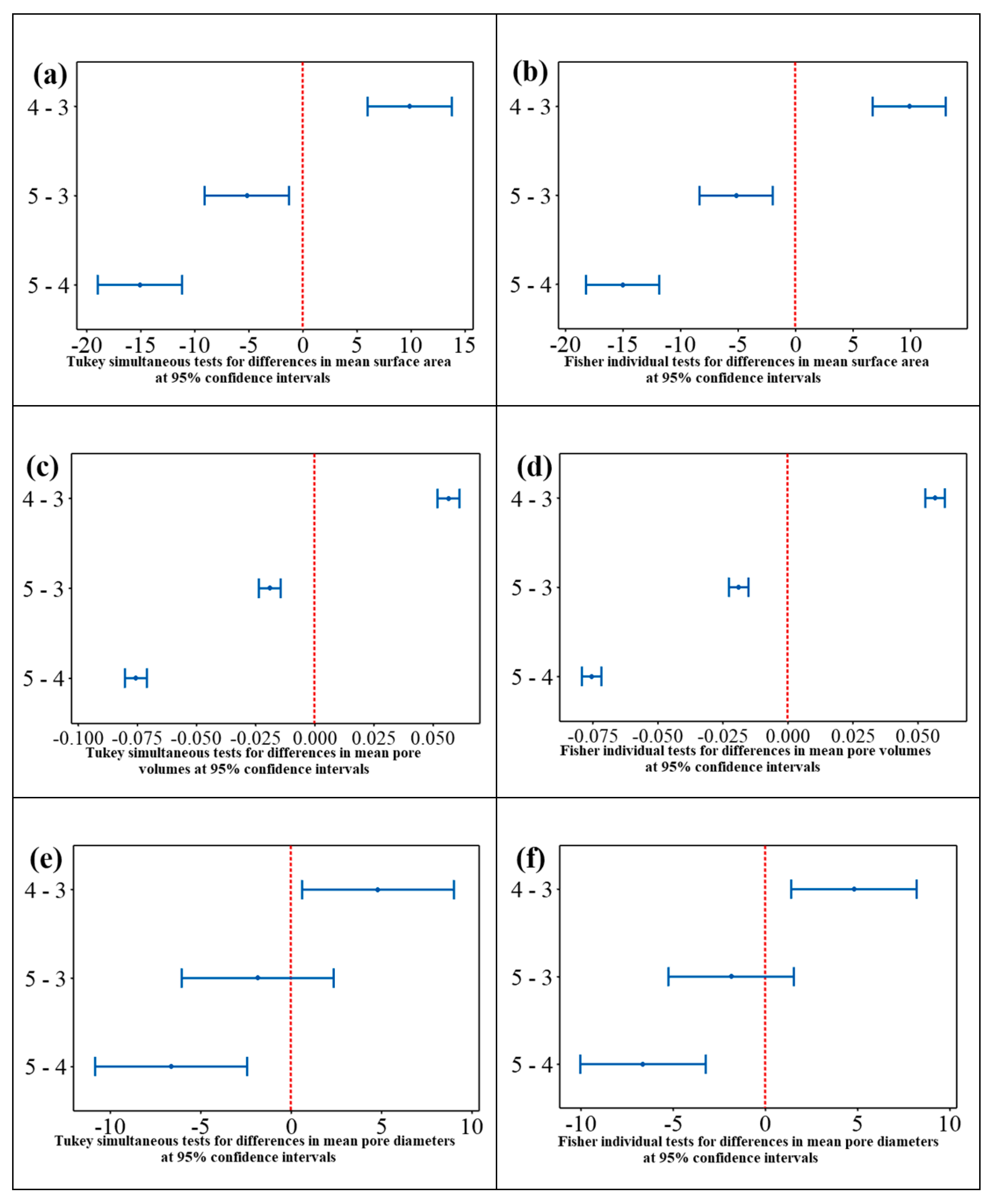
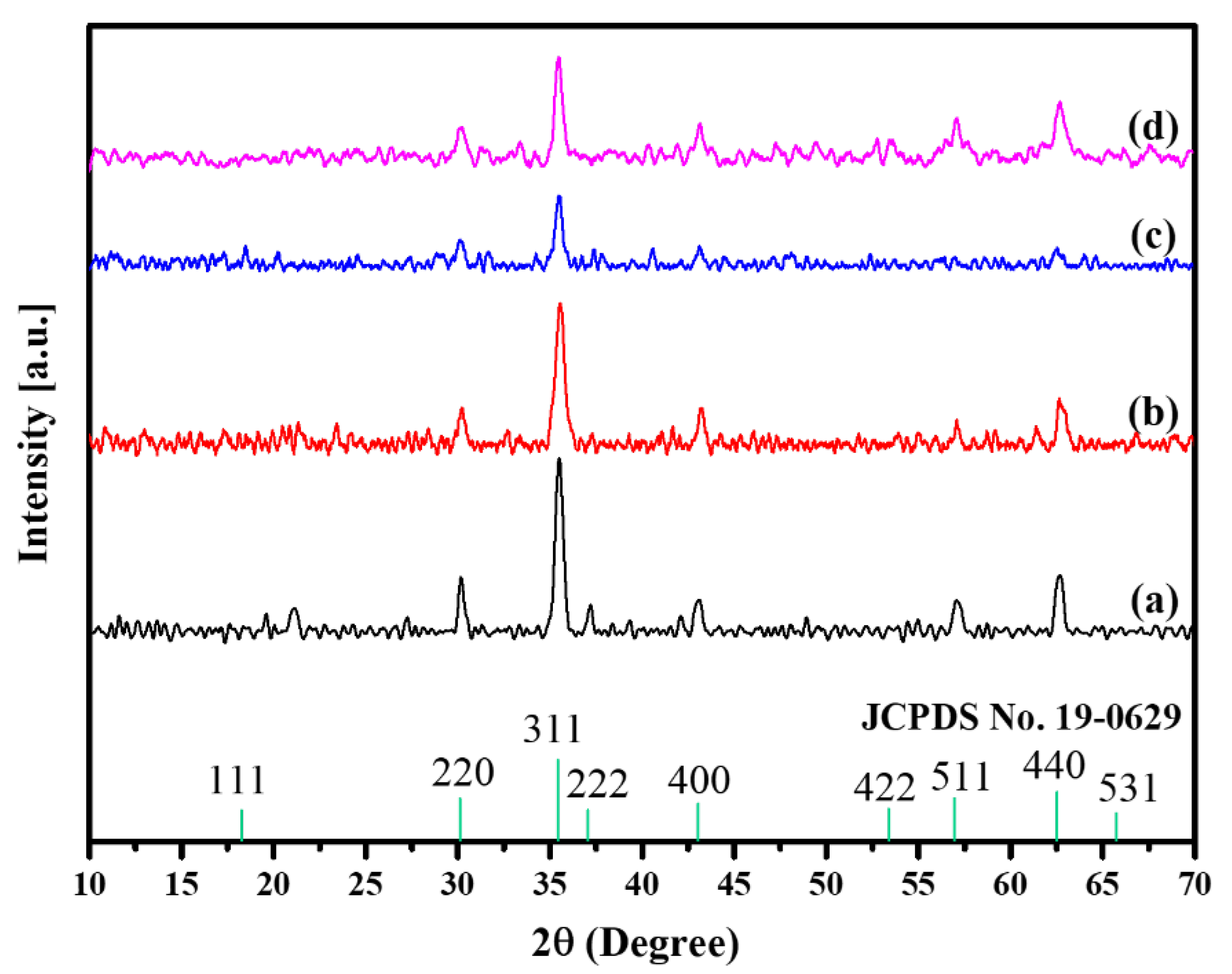
The influence of variable reaction time (tr) on surface/textural properties (surface area, total pore volume, and pore diameter) of carbon-encapsulated magnetite (Fe3O4@C) nanocomposites fabricated by a hydrothermal process at 190 °C for 3, 4, and 5 h was studied. The properties were calculated using the Brunauer–Emmett–Teller (BET) isotherms data. The nanocomposites were characterised using Fourier transform infrared spectroscopy, X-ray diffraction analysis, thermogravimetry, and scanning and transmission electron microscopies. Analysis of variance shows tr has the largest effect on pore volume (F value = 1117.6, p value < 0.0001), followed by the surface area (F value = 54.8, p value < 0.0001) and pore diameter (F value = 10.4, p value < 0.001) with R2-adjusted values of 99.5%, 88.5% and 63.1%, respectively. Tukey and Fisher tests confirmed tr rise to have caused increased variations in mean particle sizes (11–91 nm), crystallite sizes (5–21 nm), pore diameters (9–16 nm), pore volume (0.017–0.089 cm3 g−1) and surface area (7.6–22.4 m2 g−1) of the nanocomposites with individual and simultaneous confidence limits of 97.9 and 84.4 (p-adj < 0.05). The nanocomposites’ retained Fe–O vibrations at octahedral (436 cm−1) and tetrahedral (570 cm−1) cubic ferrite sites, modest thermal stability (37–60 % weight loss), and large volume-specific surface area with potential for catalytic application in advanced oxidation processes.
Keywords: ANOVA model; heating temperature; hydrothermal synthesis; magnetic nanocomposite; reaction time; surface properties ANOVA model; heating temperature; hydrothermal synthesis; magnetic nanocomposite; reaction time; surface properties