Review

A Review of Thermal Property Enhancements of Low-Temperature Nano-Enhanced Phase Change Materials
Georgia Institute of Technology, Woodruff School of Mechanical Engineering, Atlanta, GA 30332, USA
*
Author to whom correspondence should be addressed.
Nanomaterials 2021, 11(10), 2578; https://doi.org/10.3390/nano11102578
Submission received: 29 June 2021 / Revised: 13 September 2021 / Accepted: 22 September 2021 / Published: 30 September 2021
(This article belongs to the Special Issue Nanotechnology for Heat Transfer and Storage)

Abstract

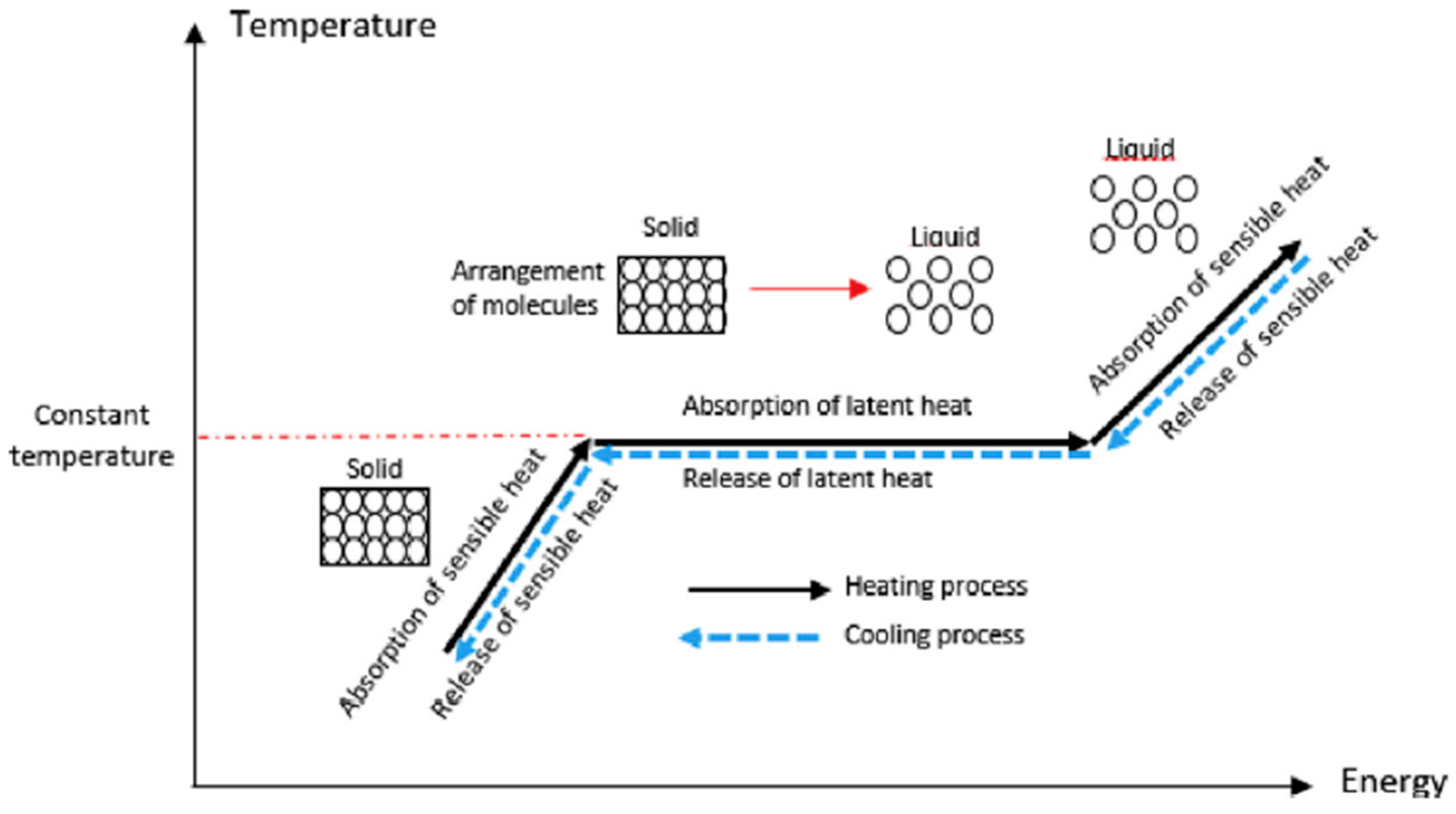
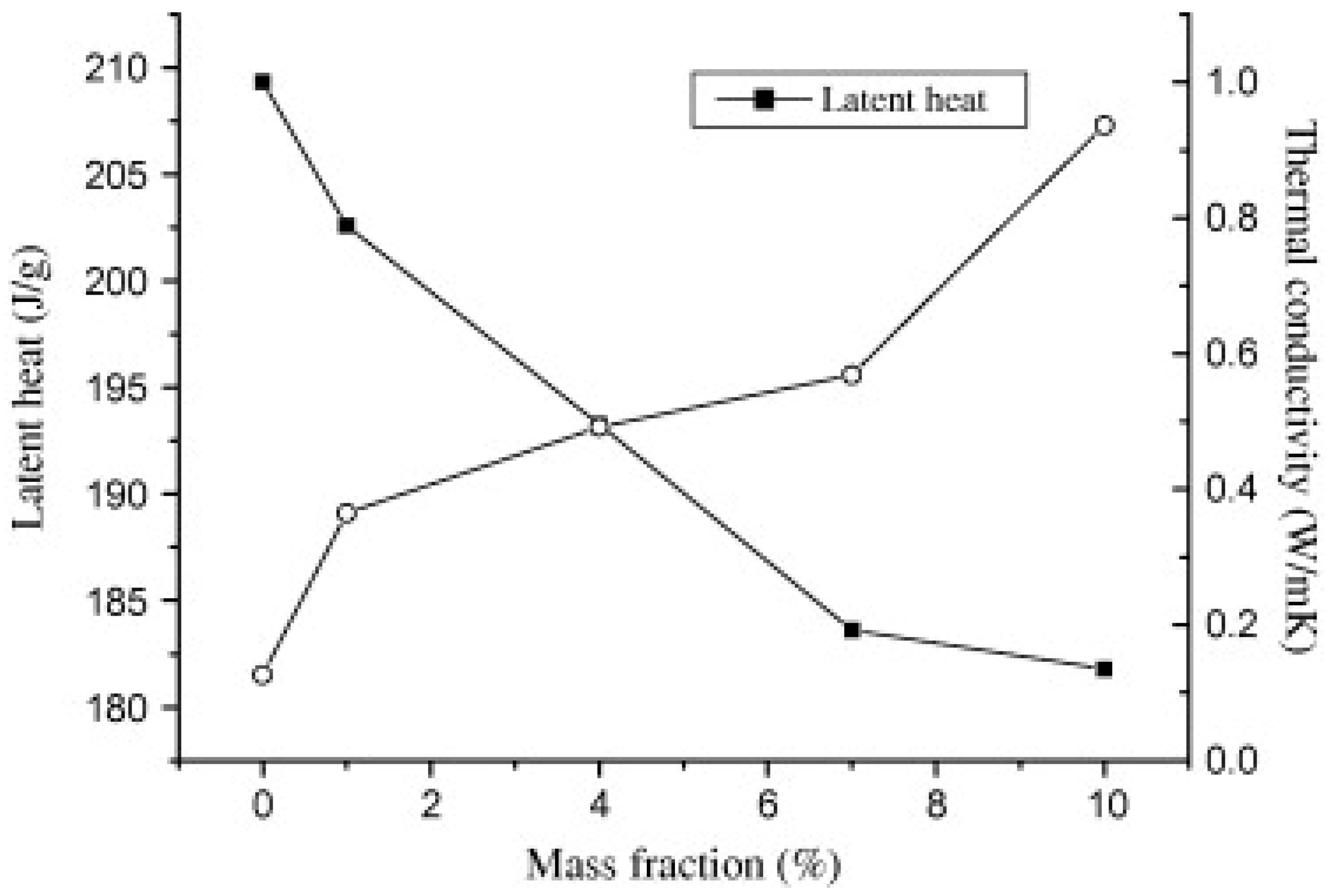
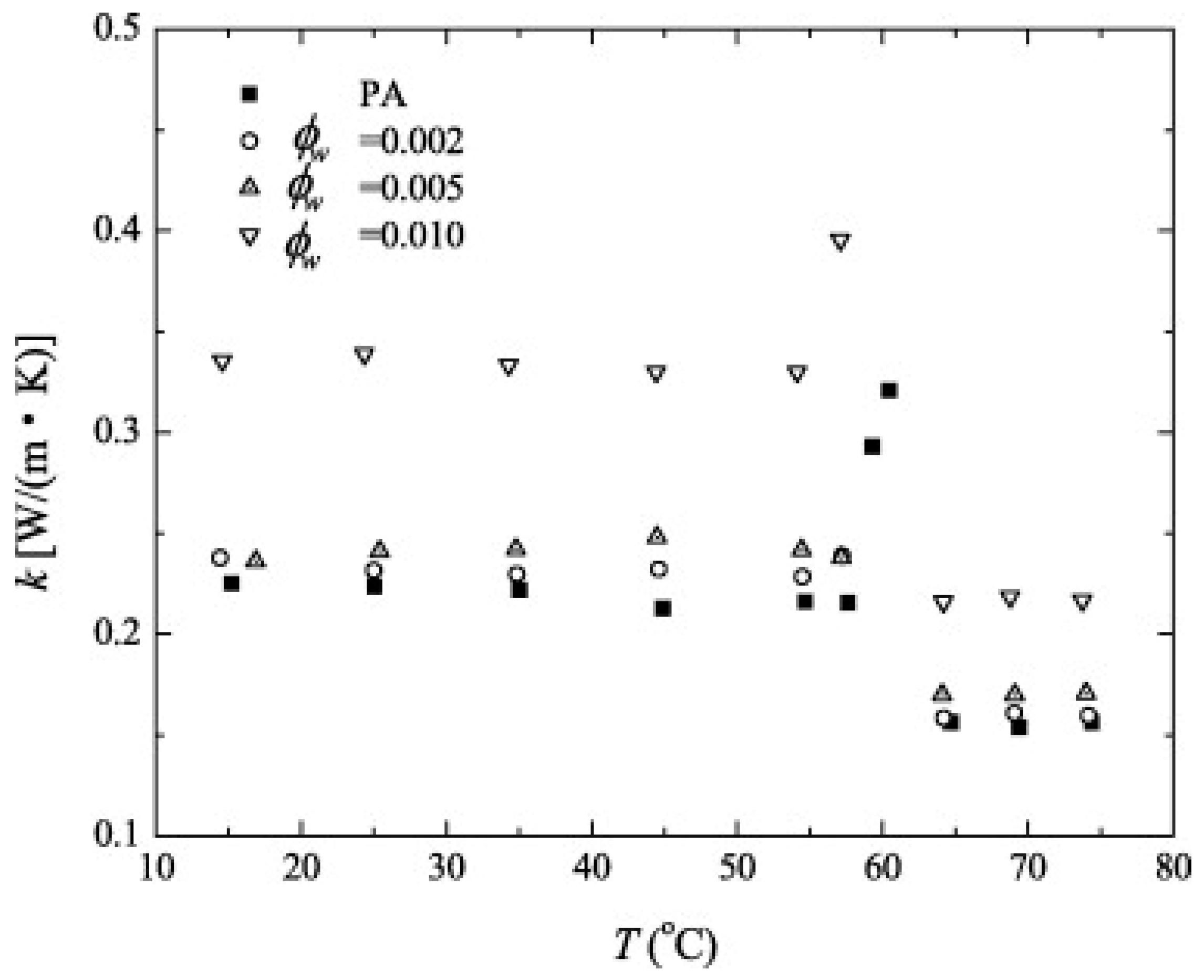
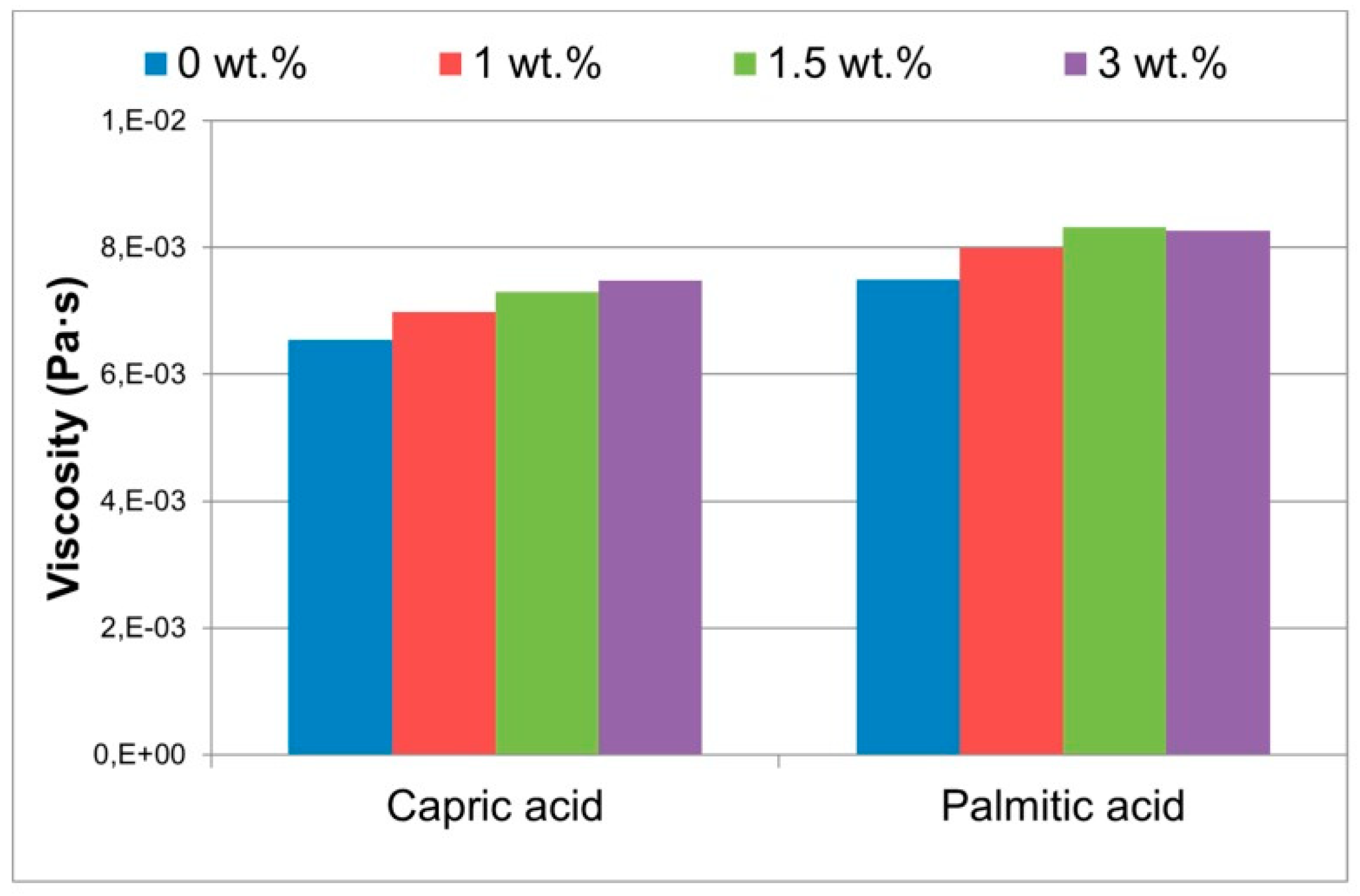
Phase change materials (PCMs) are of increasing interest due to their ability to absorb and store large amounts of thermal energy, with minimal temperature variations. In the phase-change process, these large amounts of thermal energy can be stored with a minimal change in temperature during both the solid/liquid and liquid/vapor phase transitions. As a result, these PCMs are experiencing increased use in applications such as solar energy heating or storage, building insulation, electronic cooling, food storage, and waste heat recovery. Low temperature, nano-enhanced phase change materials (NEPCM) are of particular interest, due to the recent increase in applications related to the shipment of cellular based materials and vaccines, both of which require precise temperature control for sustained periods of time. Information such as PCM and nanoparticle type, the effective goals, and manipulation of PCM thermal properties are assembled from the literature, evaluated, and discussed in detail, to provide an overview of NEPCMs and provide guidance for additional study. Current studies of NEPCMs are limited in scope, with the primary focus of a majority of recent investigations directed at increasing the thermal conductivity and reducing the charging and discharging times. Only a limited number of investigations have examined the issues related to increasing the latent heat to improve the thermal capacity or enhancing the stability to prevent sedimentation of the nanoparticles. In addition, this review examines several other important thermophysical parameters, including the thermal conductivity, phase transition temperature, rheological affects, and the chemical stability of NEPCMs. This is accomplished largely through comparing of the thermophysical properties of the base PCMs and their nano-enhanced counter parts and then evaluating the relative effectiveness of the various types of NEPCMs. Although there are exceptions, for a majority of conventional heat transfer fluids the thermal conductivity of the base PCM generally increases, and the latent heat decreases as the mass fraction of the nanoparticles increases, whereas trends in phase change temperature are often dependent upon the properties of the individual components. A number of recommendations for further study are made, including a better understanding of the stability of NEPCMs such that sedimentation is limited and thus capable of withstanding long-term thermal cycles without significant degradation of thermal properties, along with the identification of those factors that have the greatest overall impact and which PCM combinations might result in the most significant increases in latent heat.
Keywords: nano-enhanced PCM; phase change materials; thermal conductivity; latent heat; thermal energy storage nano-enhanced PCM; phase change materials; thermal conductivity; latent heat; thermal energy storage