Article

Investigation of the Misinformation about COVID-19 on YouTube Using Topic Modeling, Sentiment Analysis, and Language Analysis


1
Department of Computer Science, Emory University, Atlanta, GA 30322, USA
2
Program in Linguistics, Emory University, Atlanta, GA 30322, USA
*
Author to whom correspondence should be addressed.
Computation 2024, 12(2), 28; https://doi.org/10.3390/computation12020028

Submission received: 20 December 2023 / Revised: 22 January 2024 / Accepted: 27 January 2024 / Published: 6 February 2024

Abstract

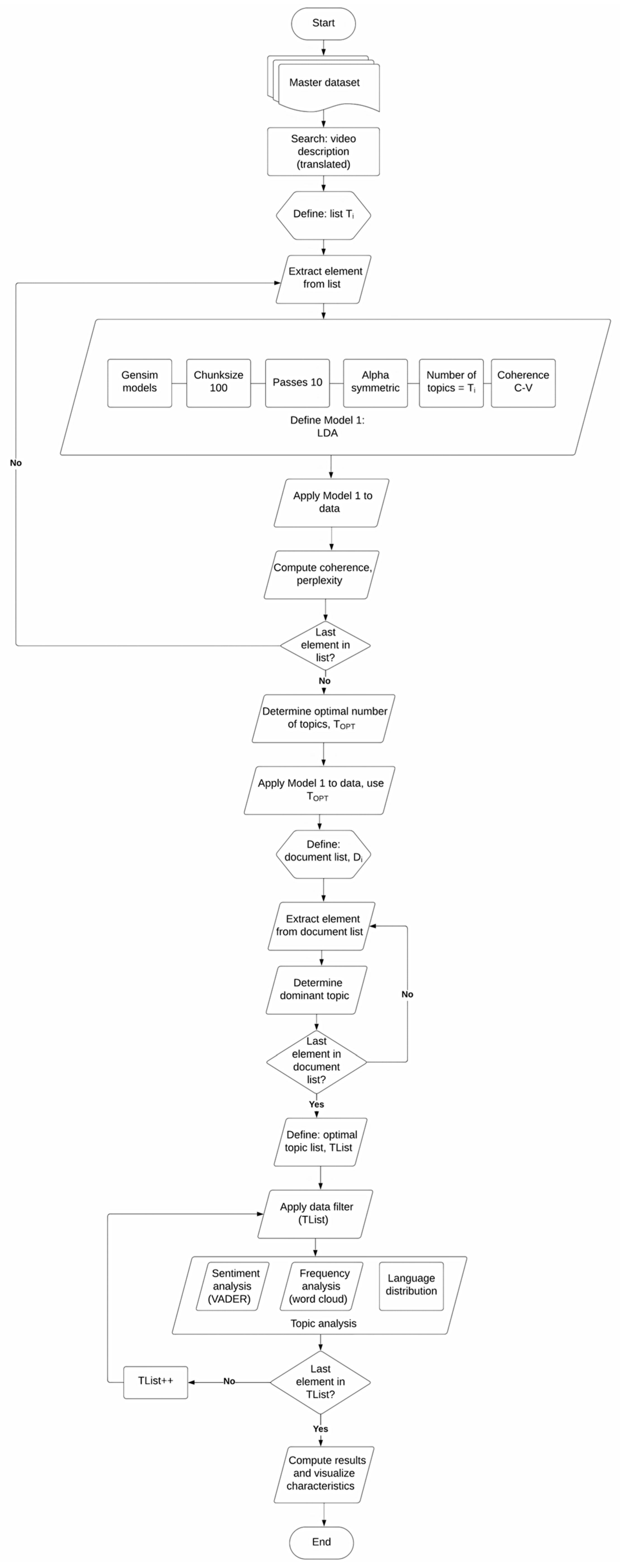
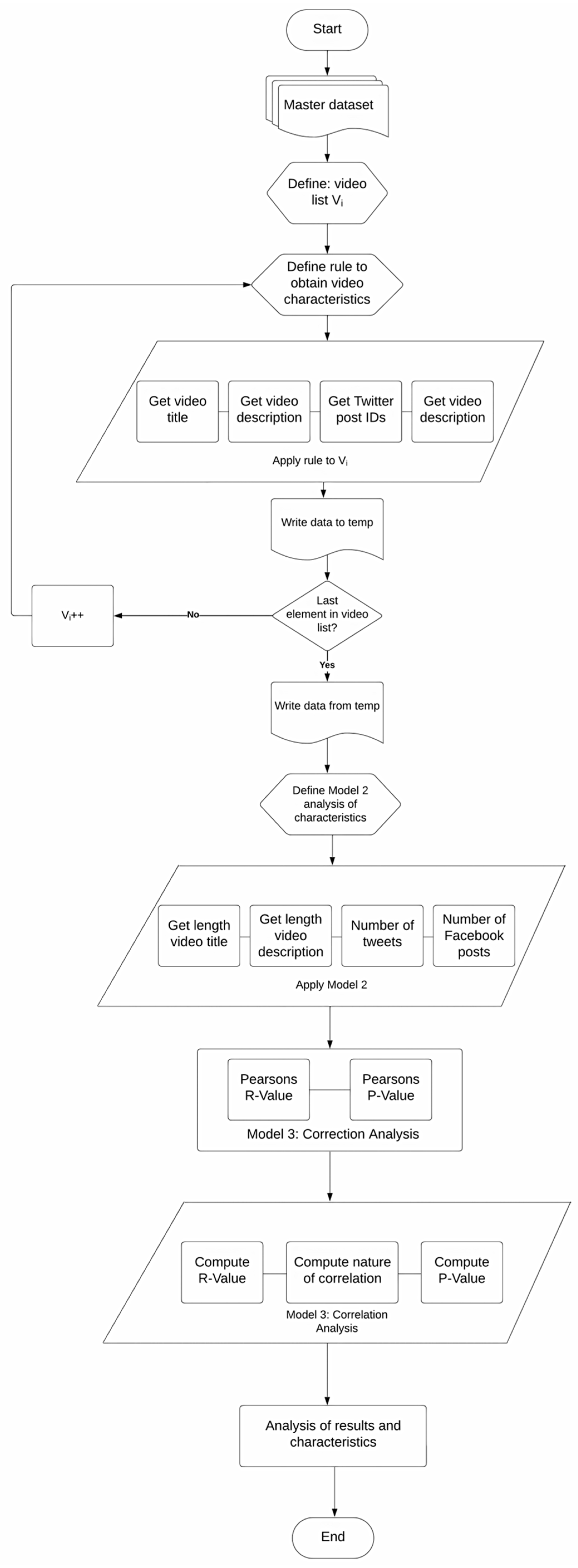
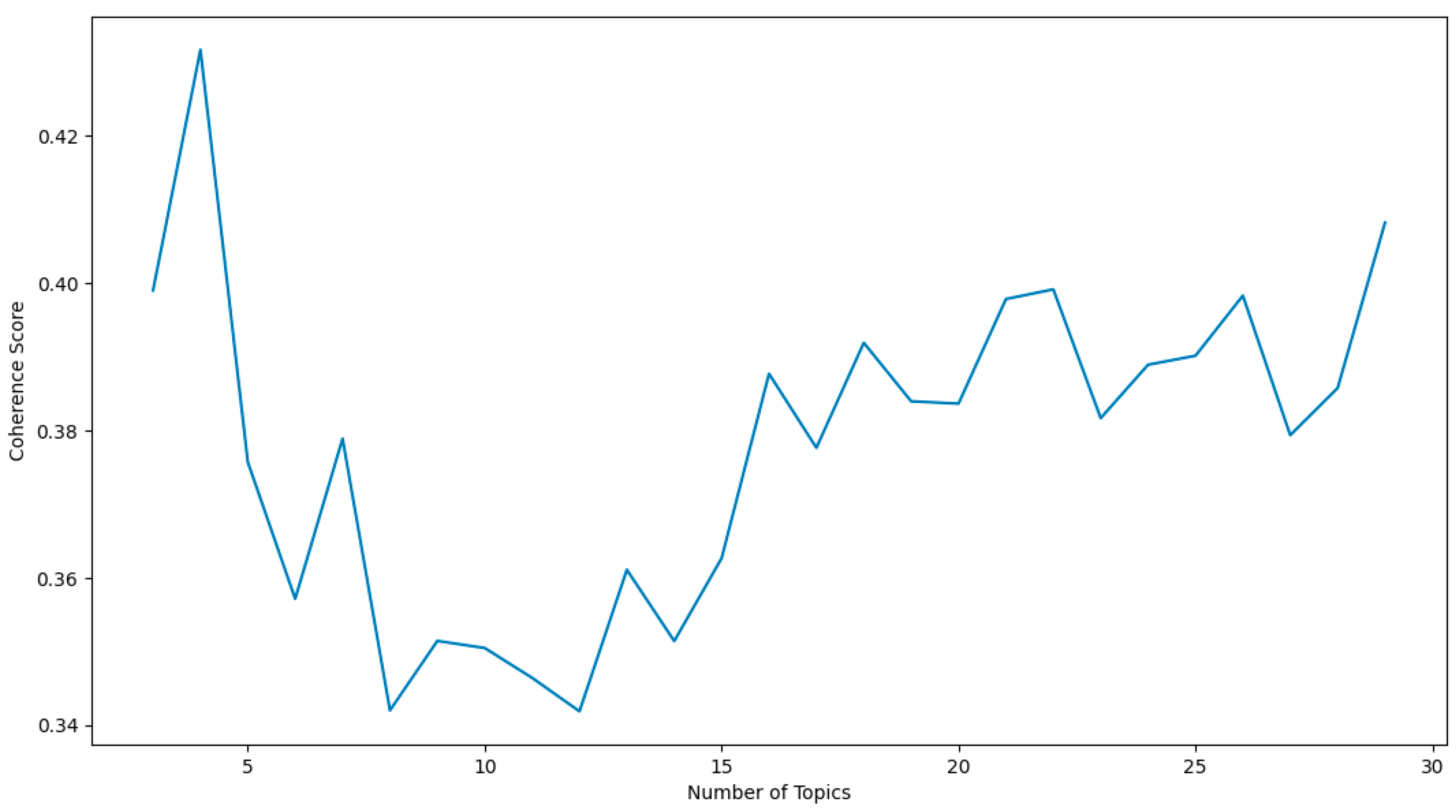
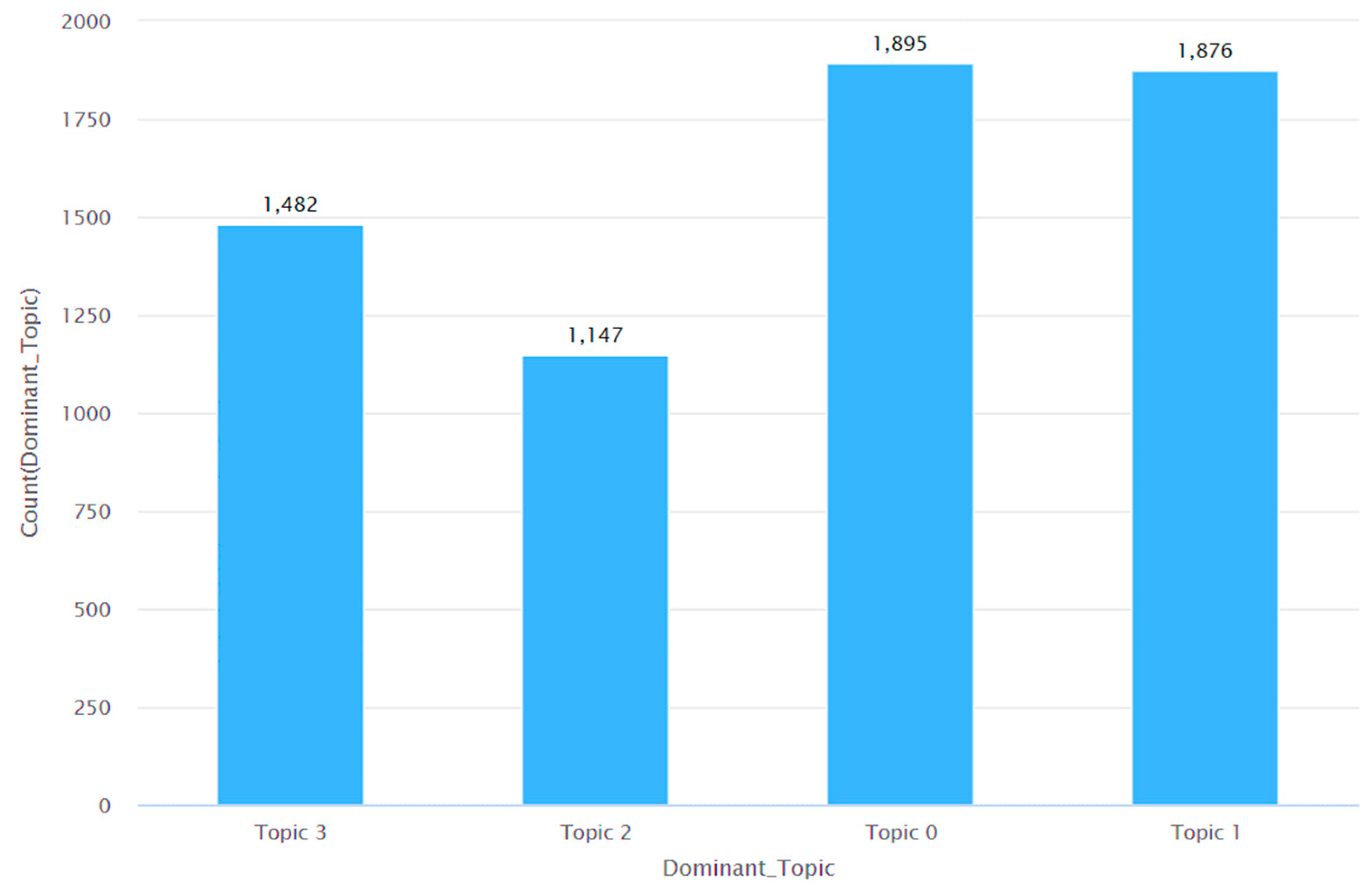
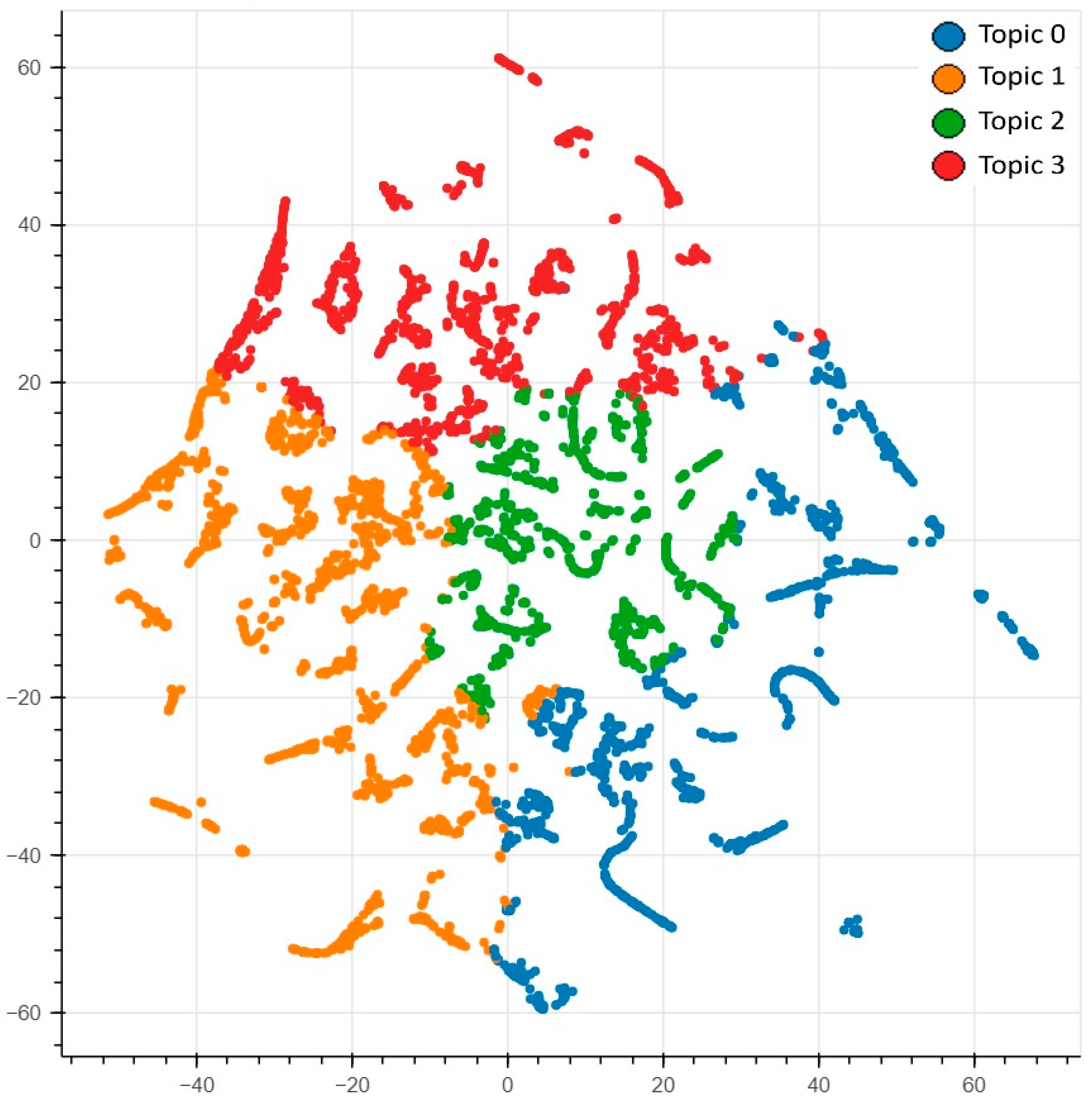
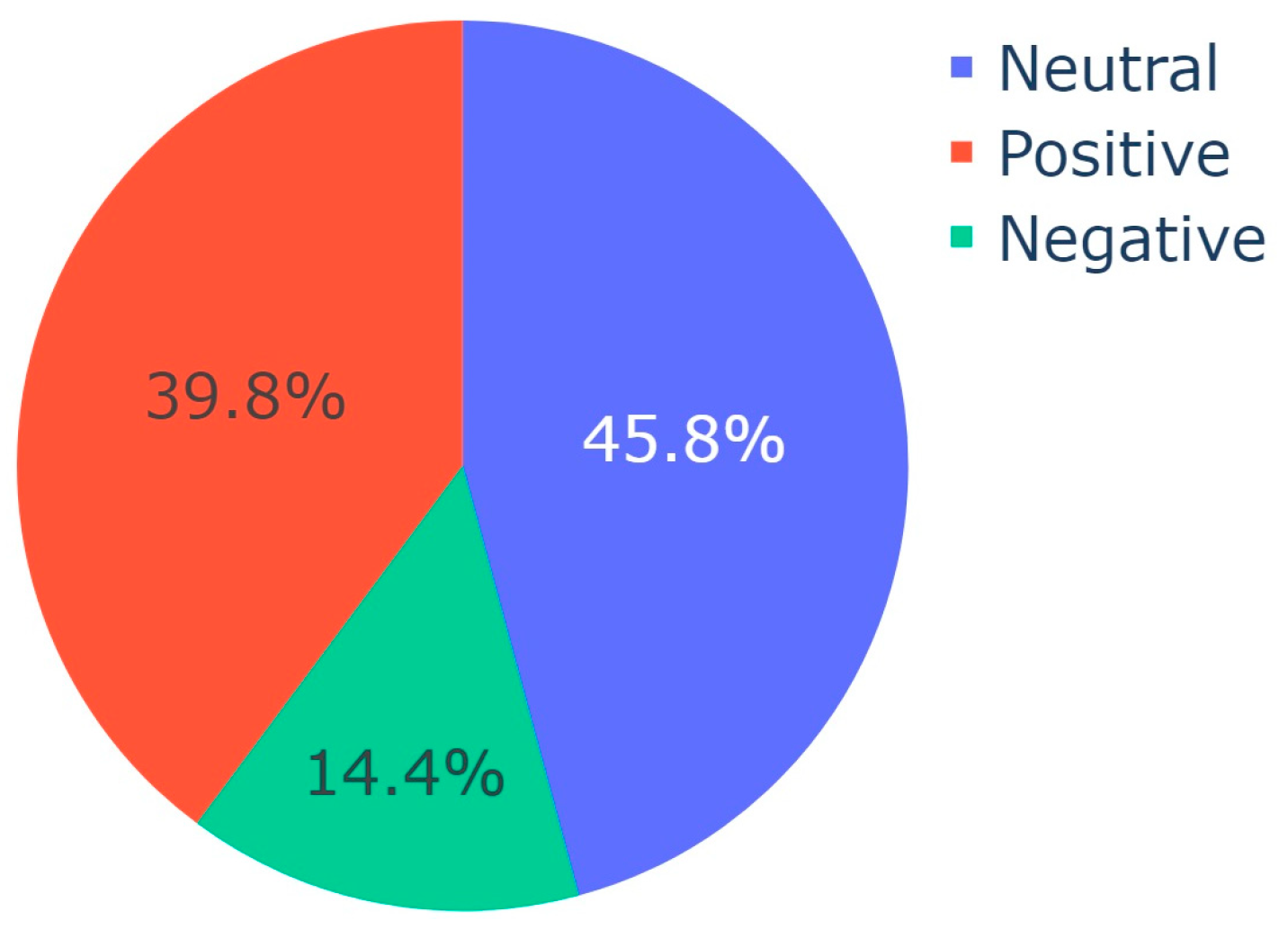
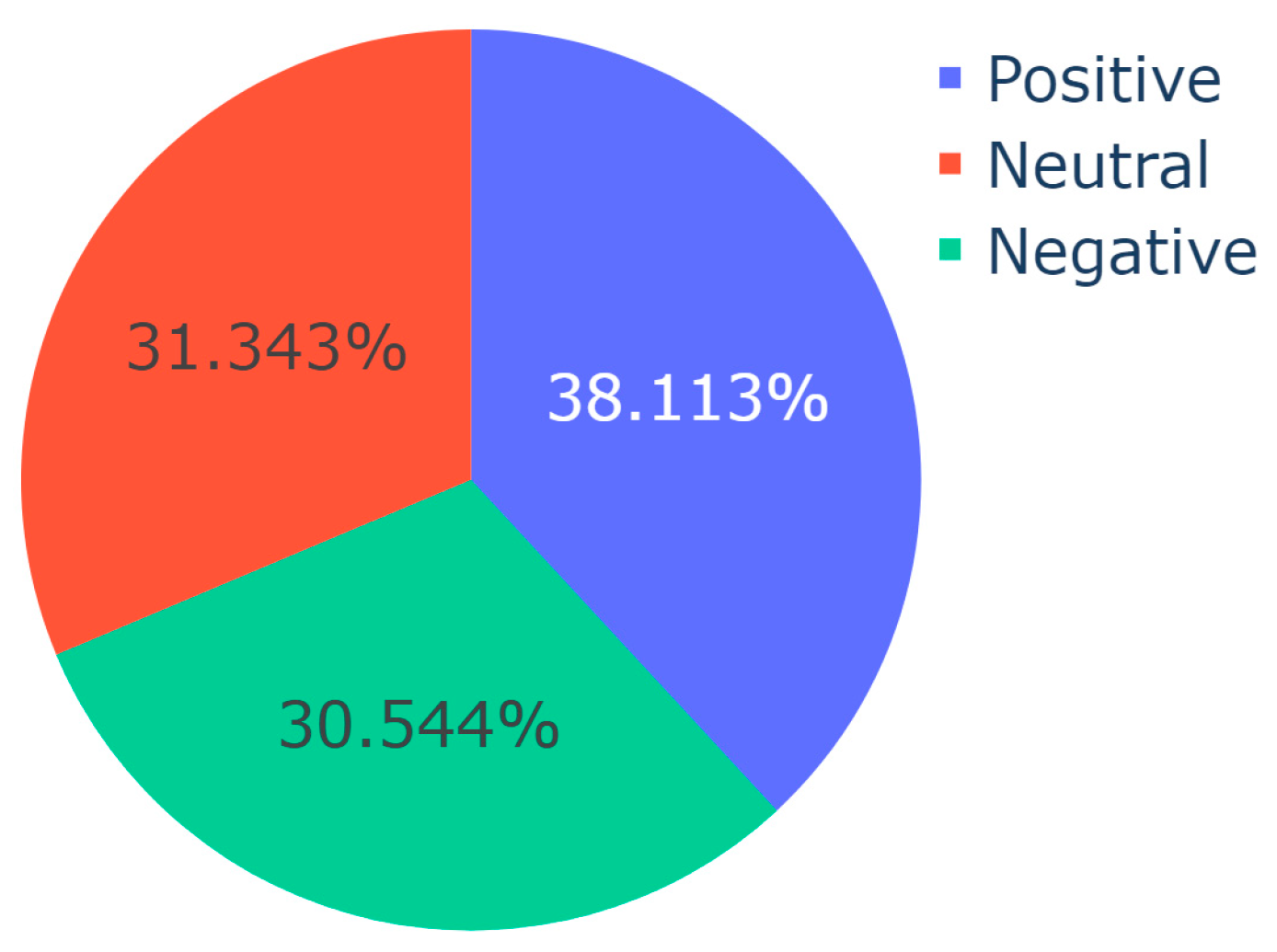
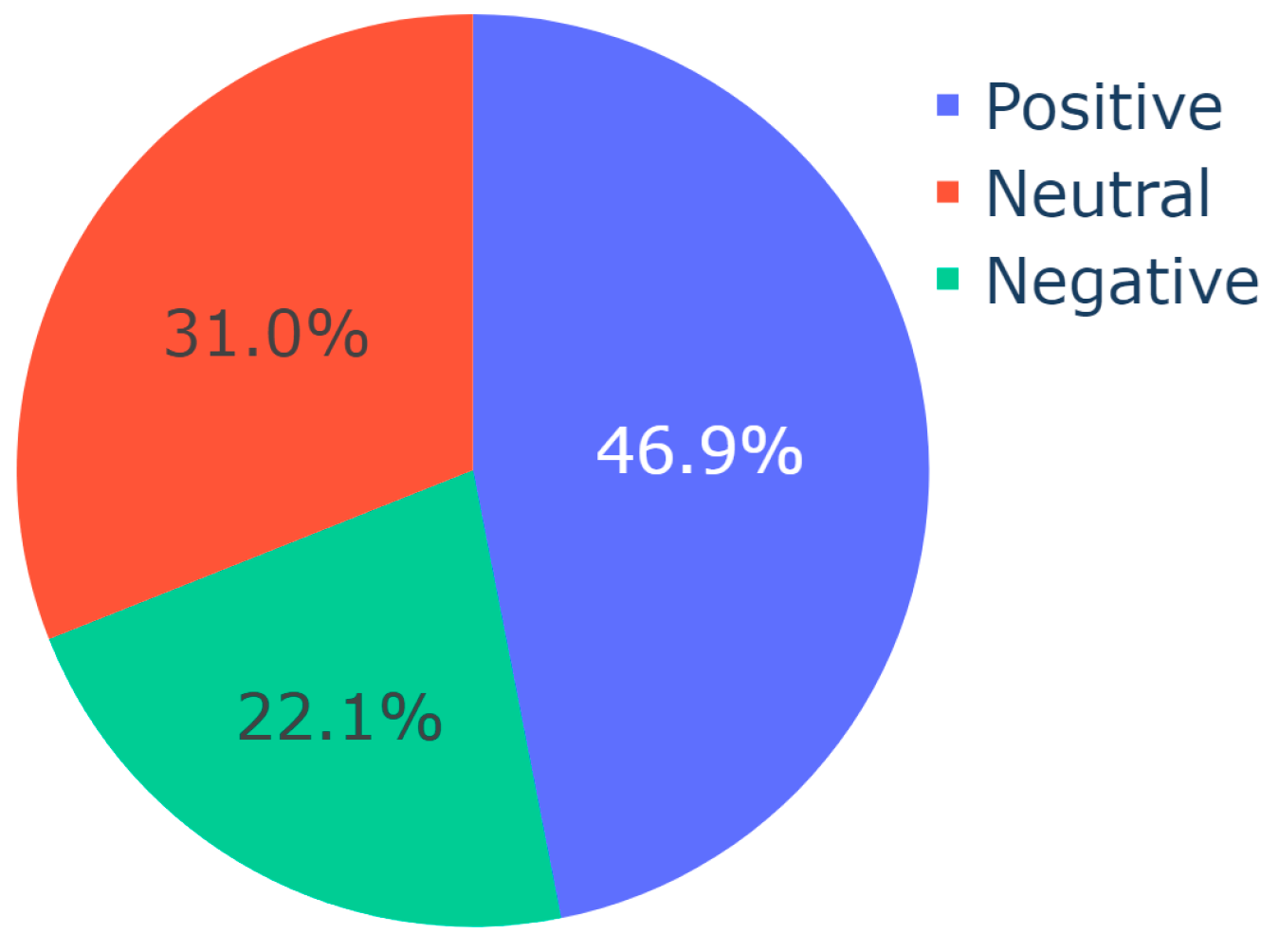
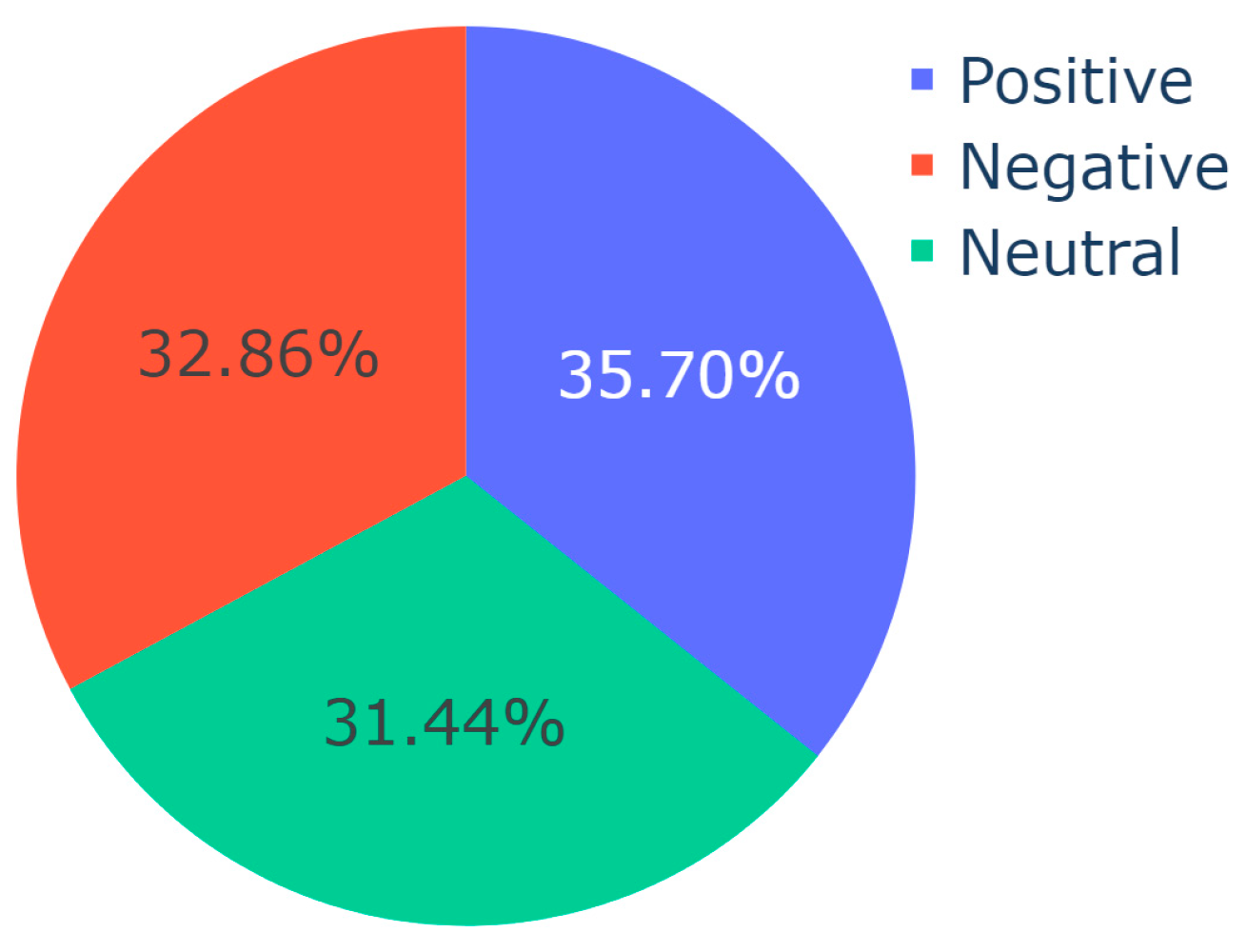
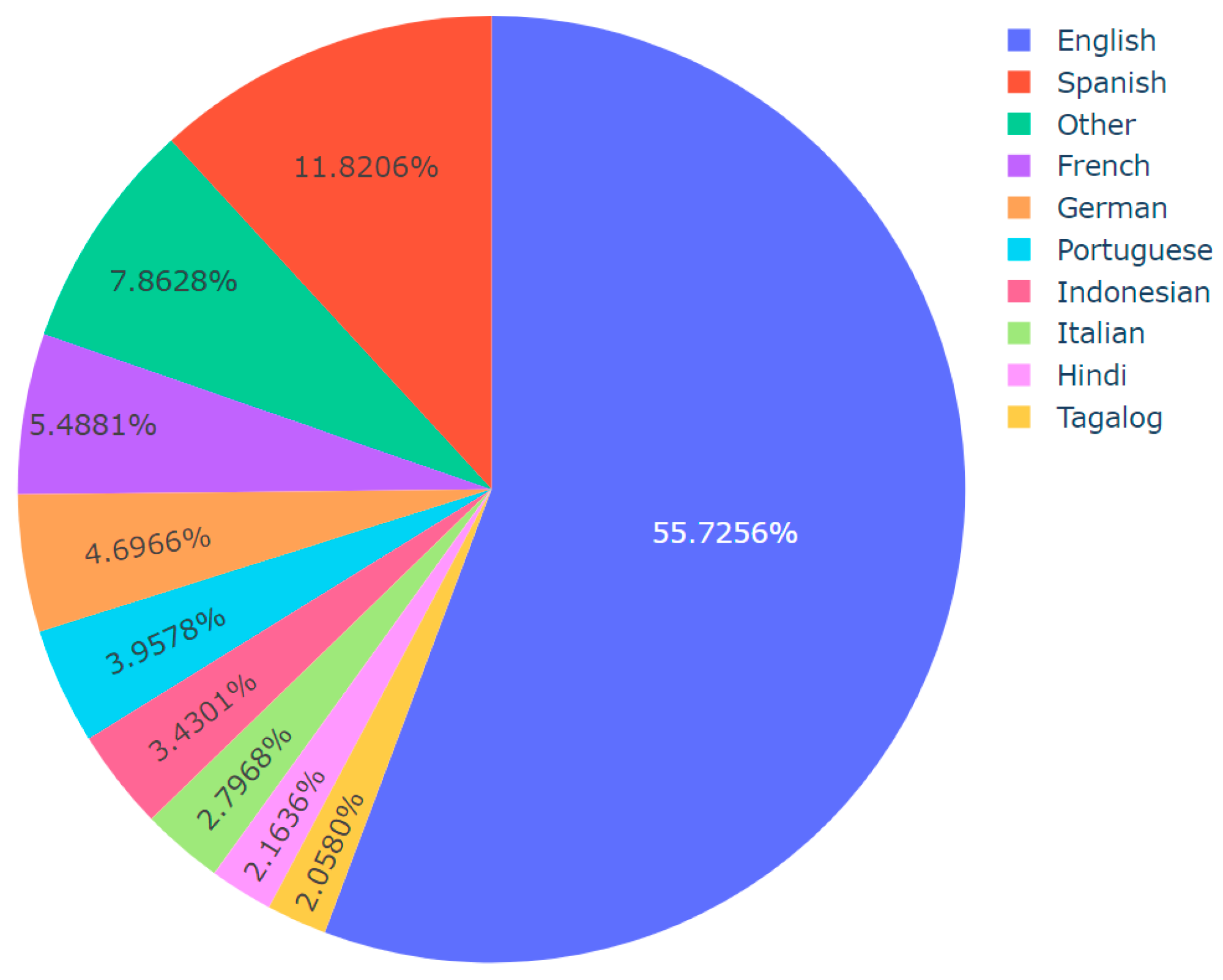
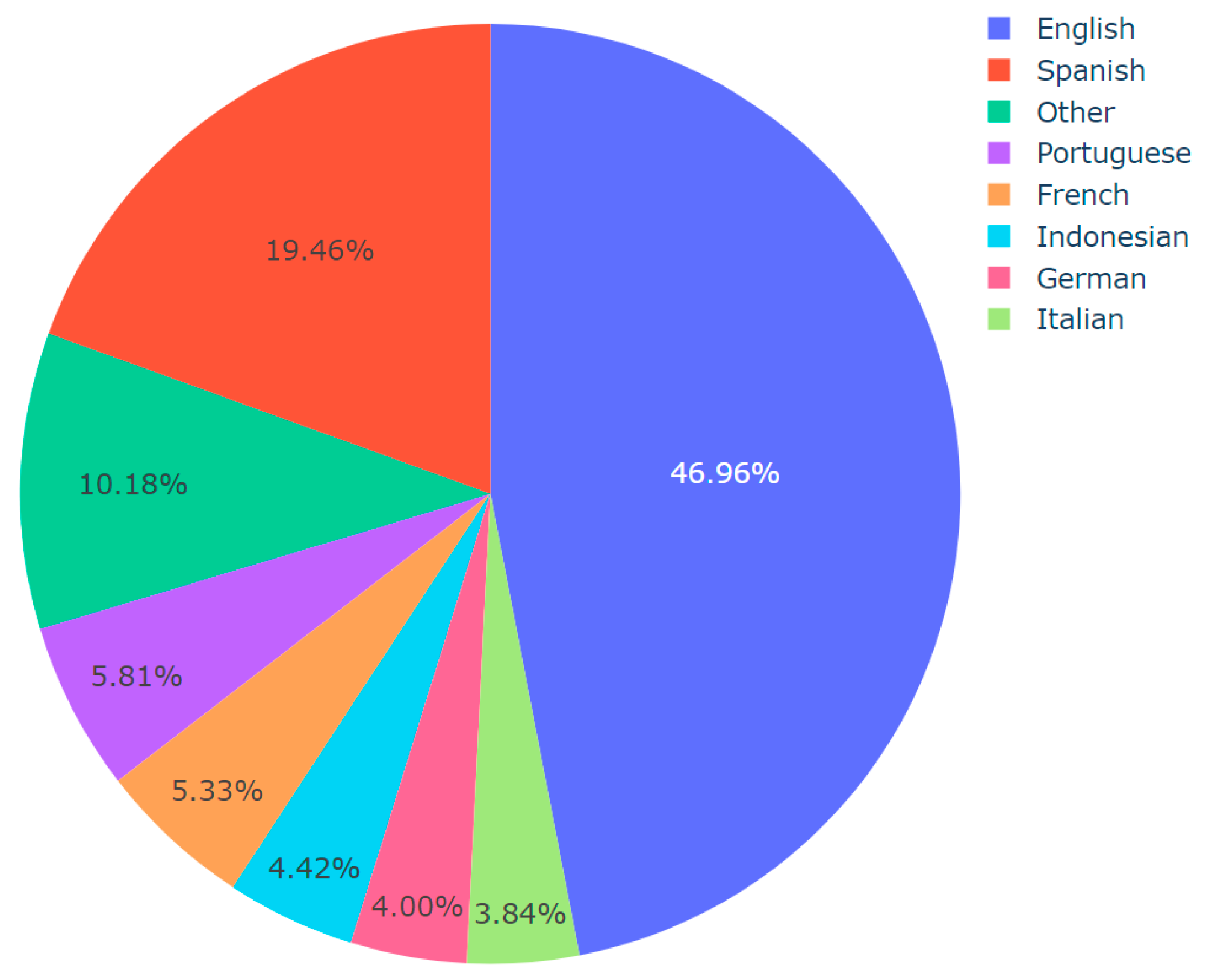
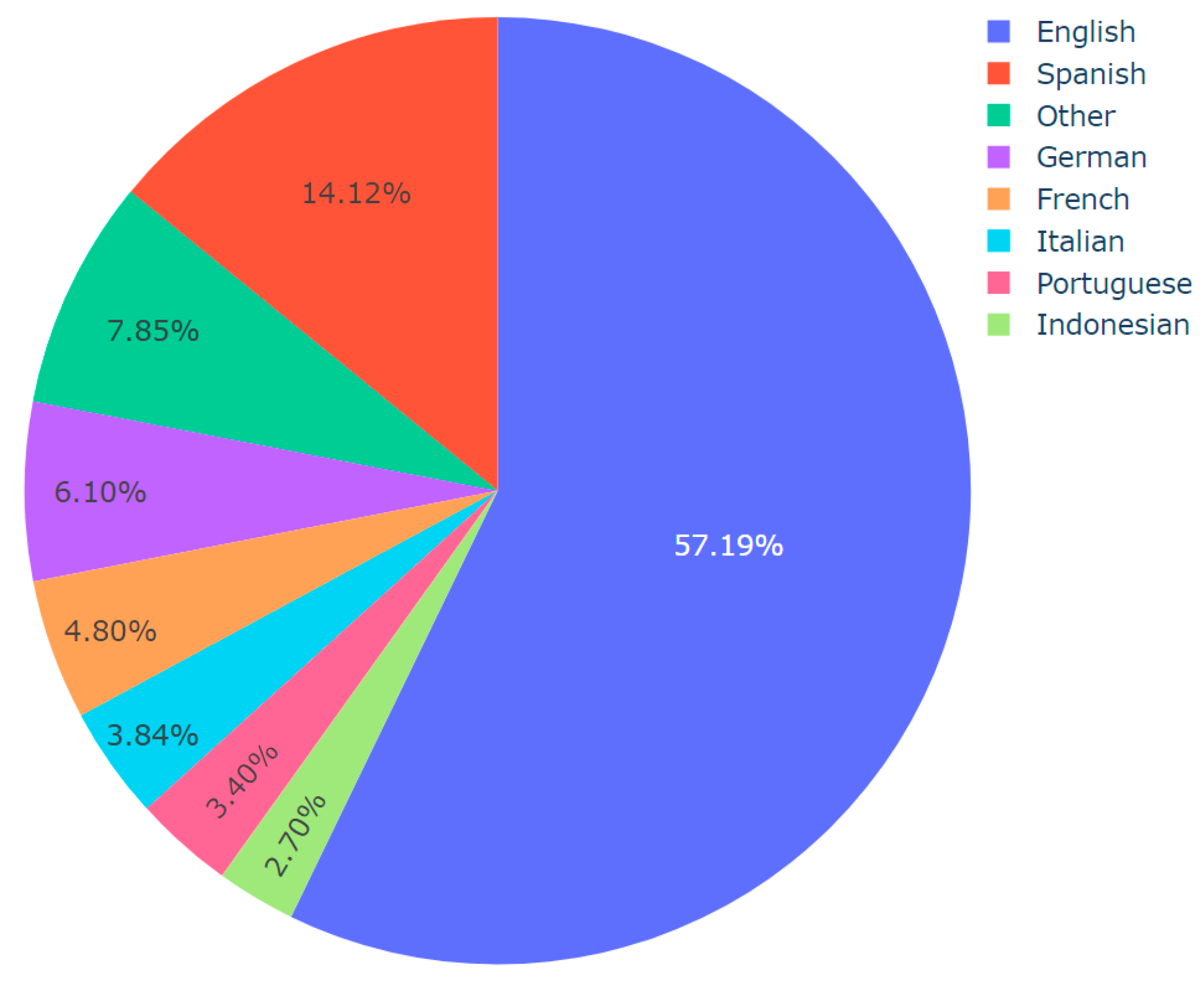
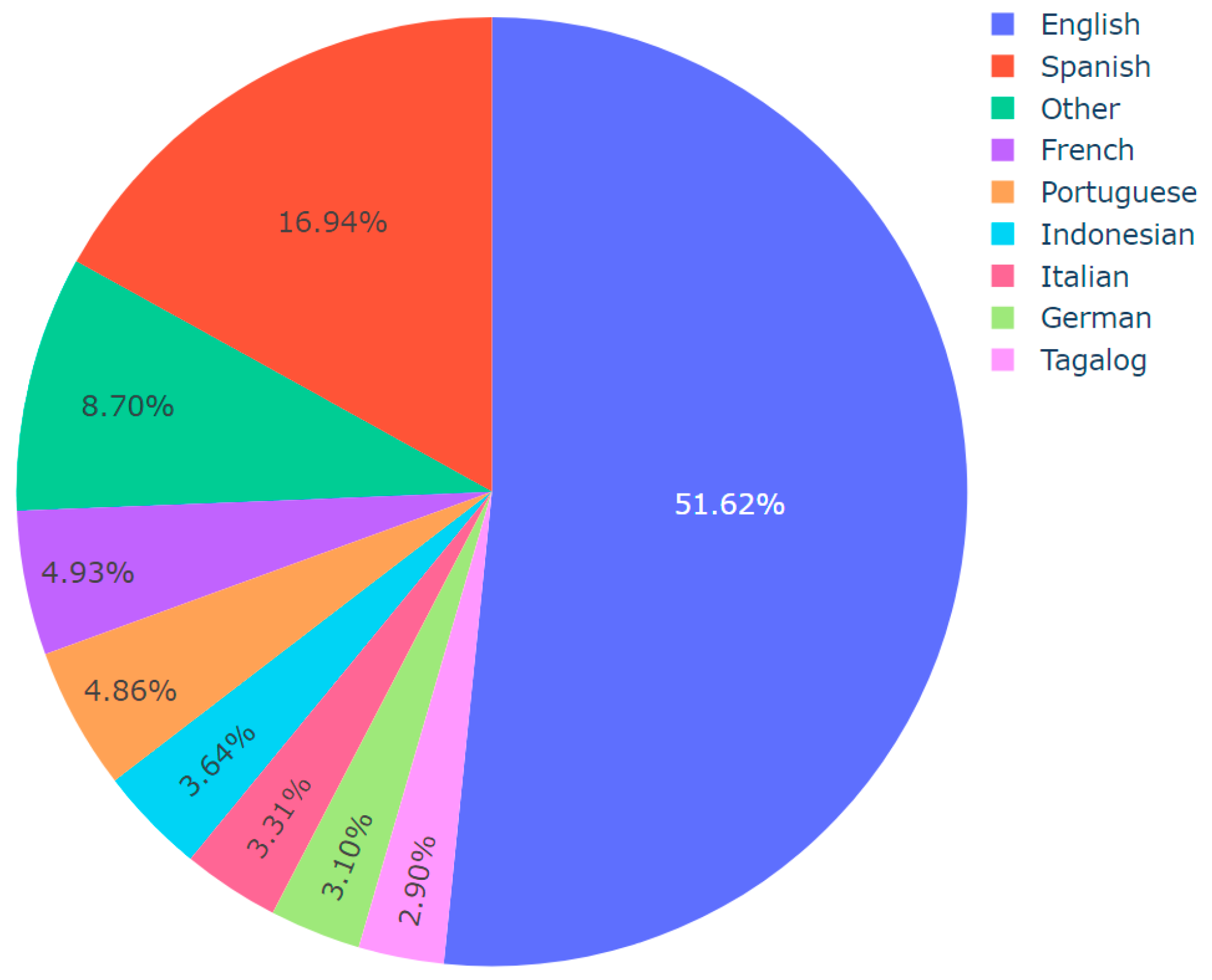
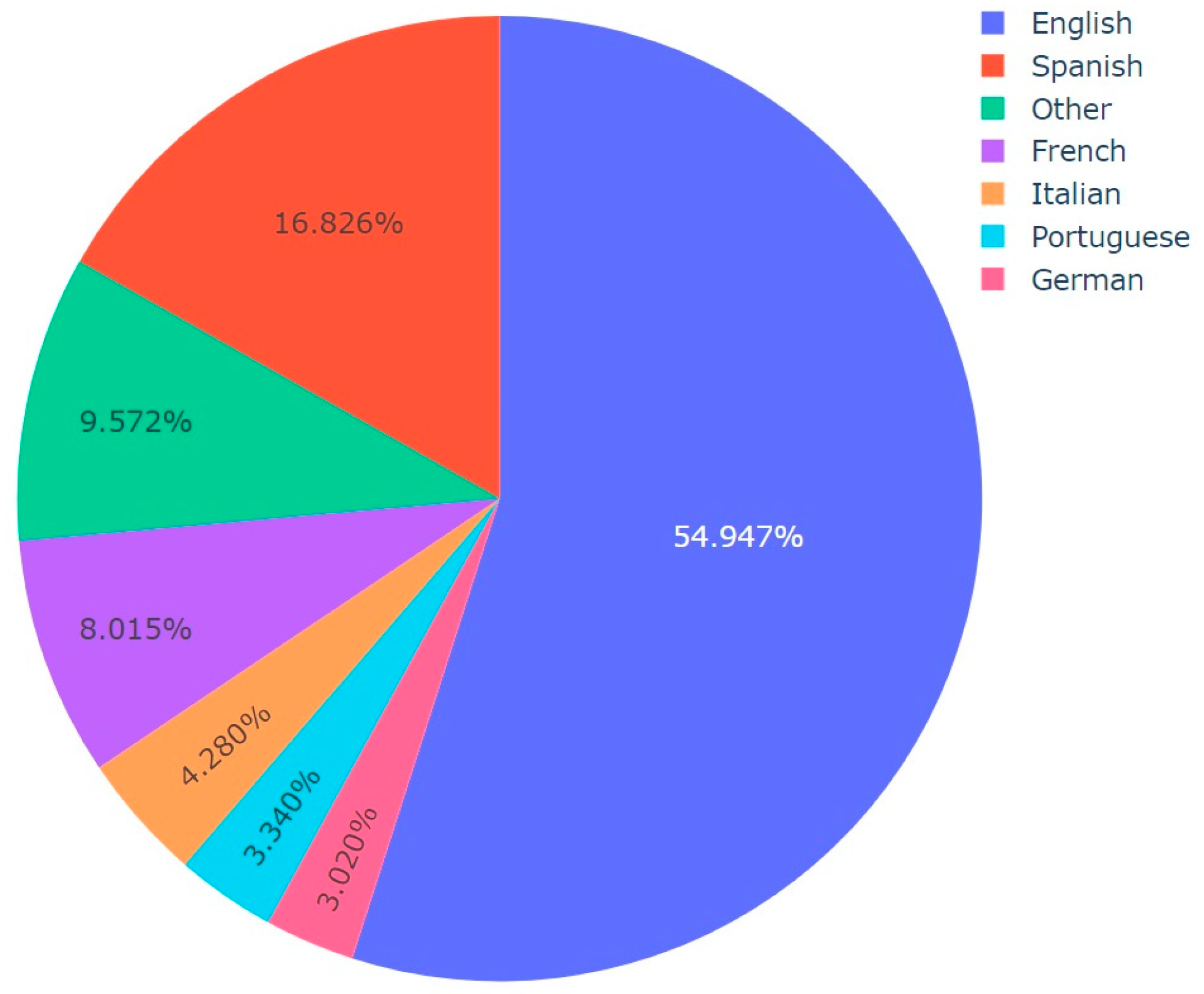
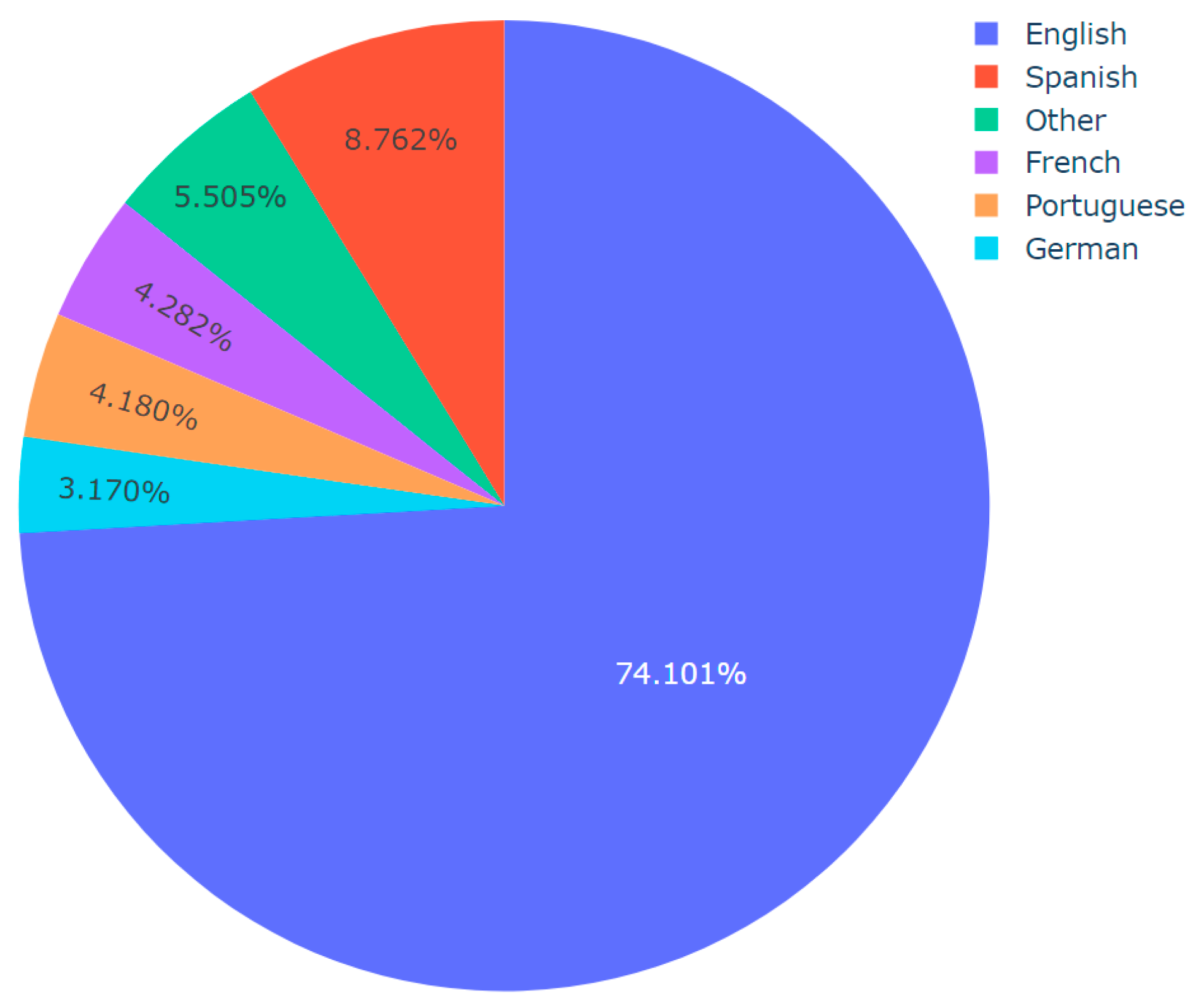
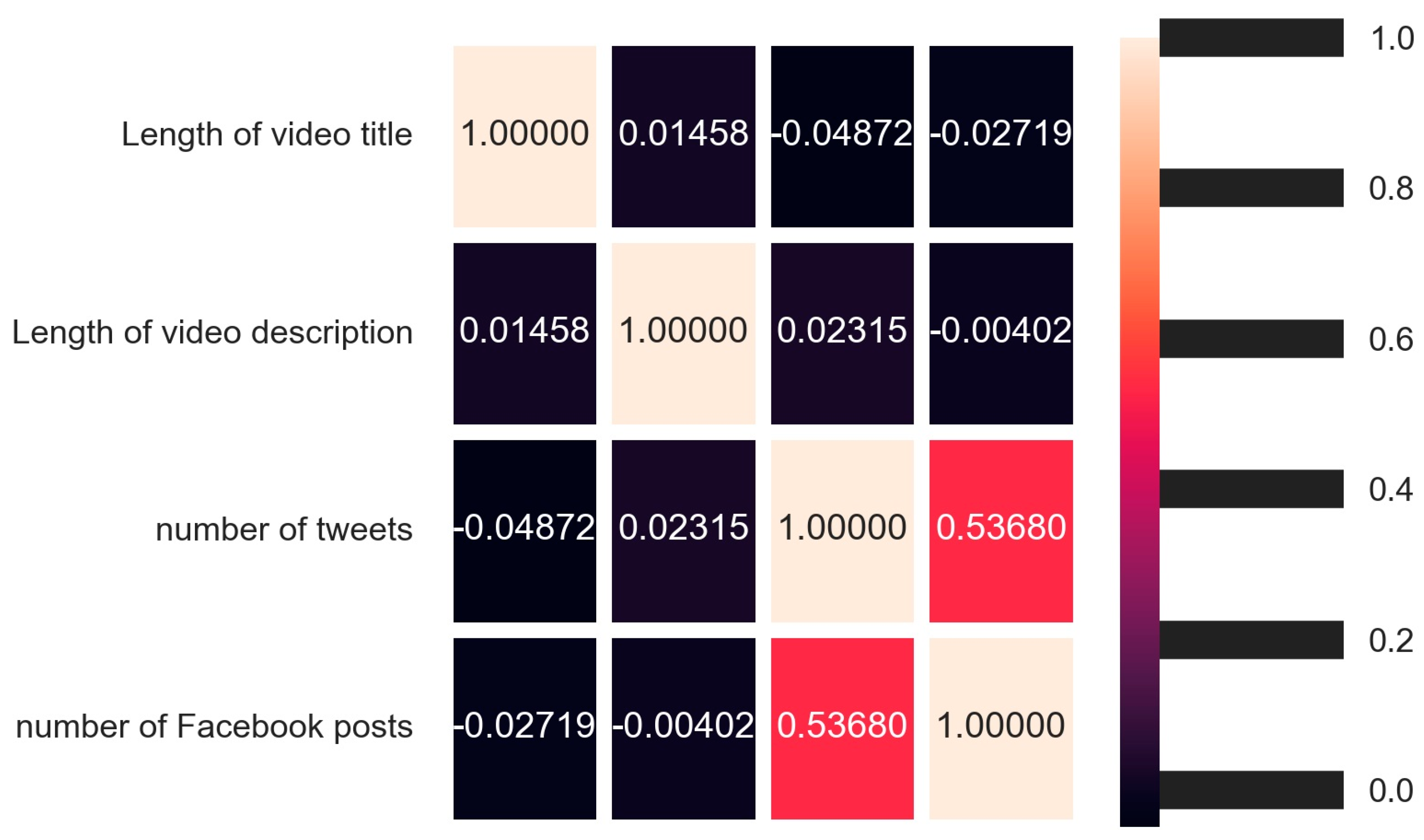
The work presented in this paper makes multiple scientific contributions with a specific focus on the analysis of misinformation about COVID-19 on YouTube. First, the results of topic modeling performed on the video descriptions of YouTube videos containing misinformation about COVID-19 revealed four distinct themes or focus areas—Promotion and Outreach Efforts, Treatment for COVID-19, Conspiracy Theories Regarding COVID-19, and COVID-19 and Politics. Second, the results of topic-specific sentiment analysis revealed the sentiment associated with each of these themes. For the videos belonging to the theme of Promotion and Outreach Efforts, 45.8% were neutral, 39.8% were positive, and 14.4% were negative. For the videos belonging to the theme of Treatment for COVID-19, 38.113% were positive, 31.343% were neutral, and 30.544% were negative. For the videos belonging to the theme of Conspiracy Theories Regarding COVID-19, 46.9% were positive, 31.0% were neutral, and 22.1% were negative. For the videos belonging to the theme of COVID-19 and Politics, 35.70% were positive, 32.86% were negative, and 31.44% were neutral. Third, topic-specific language analysis was performed to detect the various languages in which the video descriptions for each topic were published on YouTube. This analysis revealed multiple novel insights. For instance, for all the themes, English and Spanish were the most widely used and second most widely used languages, respectively. Fourth, the patterns of sharing these videos on other social media channels, such as Facebook and Twitter, were also investigated. The results revealed that videos containing video descriptions in English were shared the highest number of times on Facebook and Twitter. Finally, correlation analysis was performed by taking into account multiple characteristics of these videos. The results revealed that the correlation between the length of the video title and the number of tweets and the correlation between the length of the video title and the number of Facebook posts were statistically significant.
Keywords: COVID-19; YouTube; misinformation; big data; data analysis; topic modeling; sentiment analysis; correlation analysis COVID-19; YouTube; misinformation; big data; data analysis; topic modeling; sentiment analysis; correlation analysis