Article

Evaluating an Augmented Reality Educational Application for Earthquake Preparedness Among International Visitors and Newly Arrived Foreign Residents in Japan †

by
Gowit Chanaken
1,* and
Osamu Uchida
2,*
1
Graduate School of Science and Technology, Tokai University, Hiratsuka 259-1292, Japan
2
Tokai University Research and Information Center, Hiratsuka 259-1292, Japan
*
Authors to whom correspondence should be addressed.
This article is a revised and expanded version of a paper entitled “Design and Implementation of an Augmented Reality System for Raising Disaster Awareness Among Thai Tourists in Japan”, which was presented at the 2024 5th International Conference on Computational Science & Information Management (ICoCSIM), Melbourne, Australia, 28–29 October 2024.
Information 2026, 17(8), 716; https://doi.org/10.3390/info17080716
Submission received: 18 June 2026 / Revised: 15 July 2026 / Accepted: 20 July 2026 / Published: 23 July 2026
(This article belongs to the Collection Augmented Reality Technologies, Systems and Applications)

Abstract

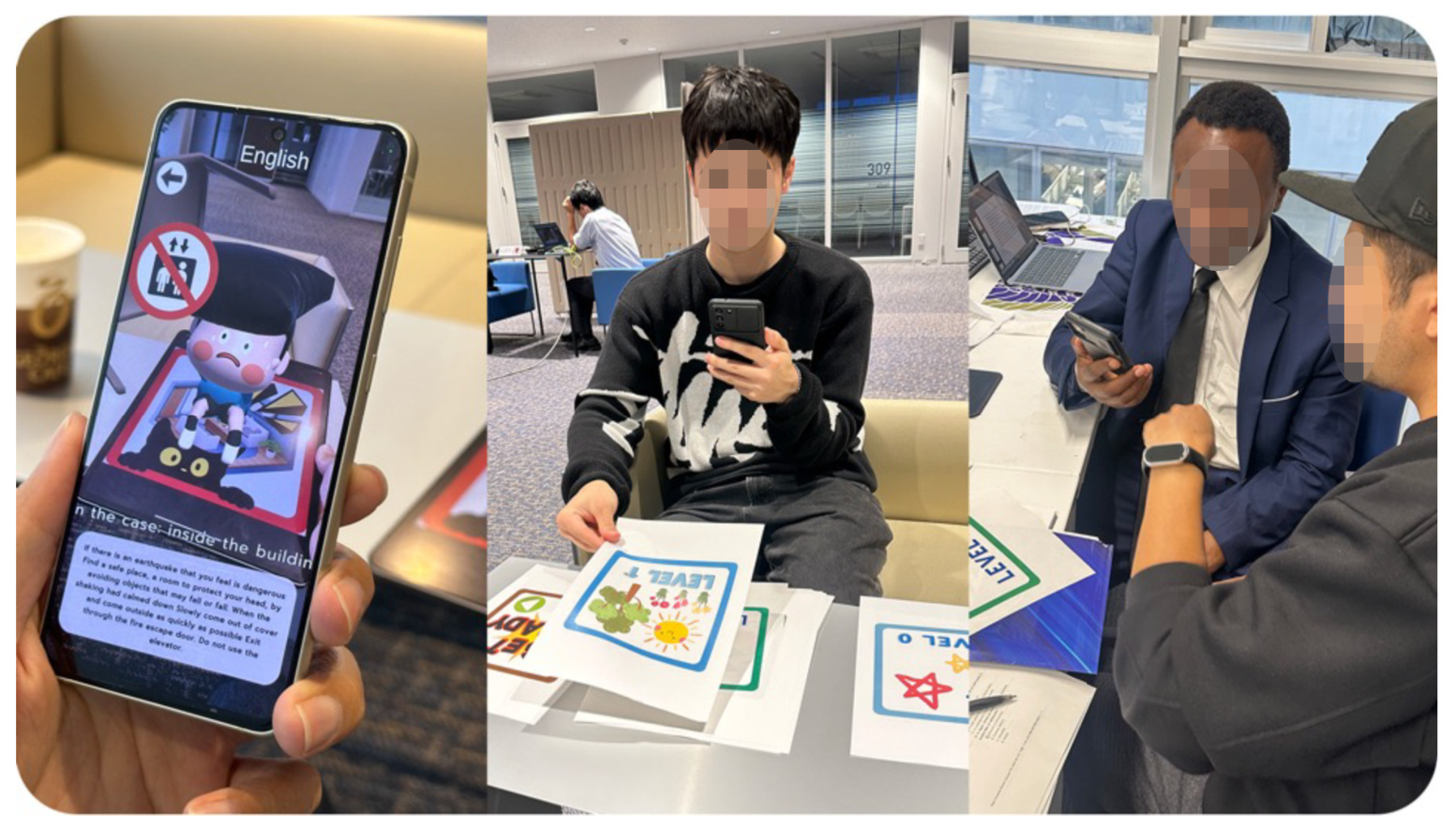
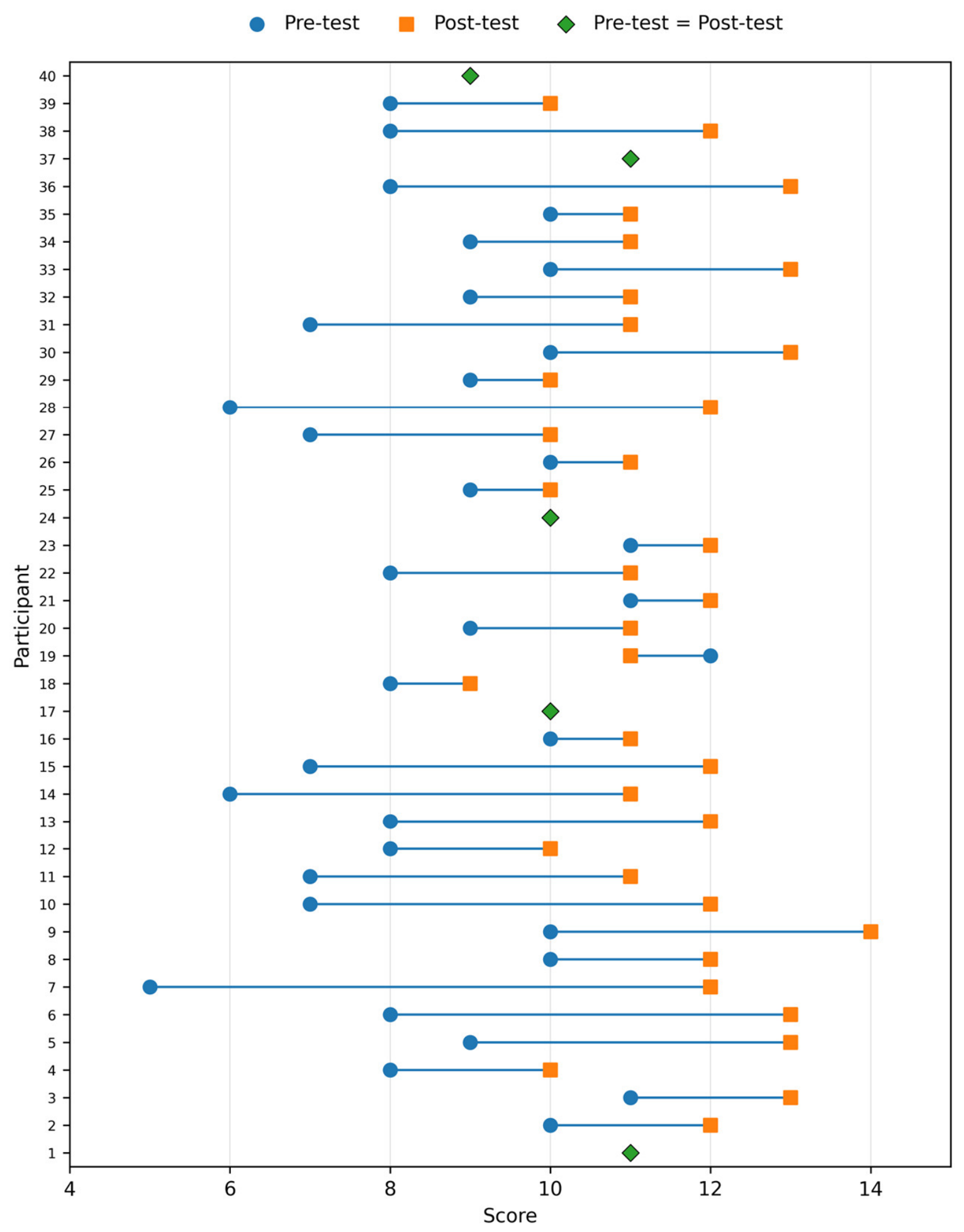
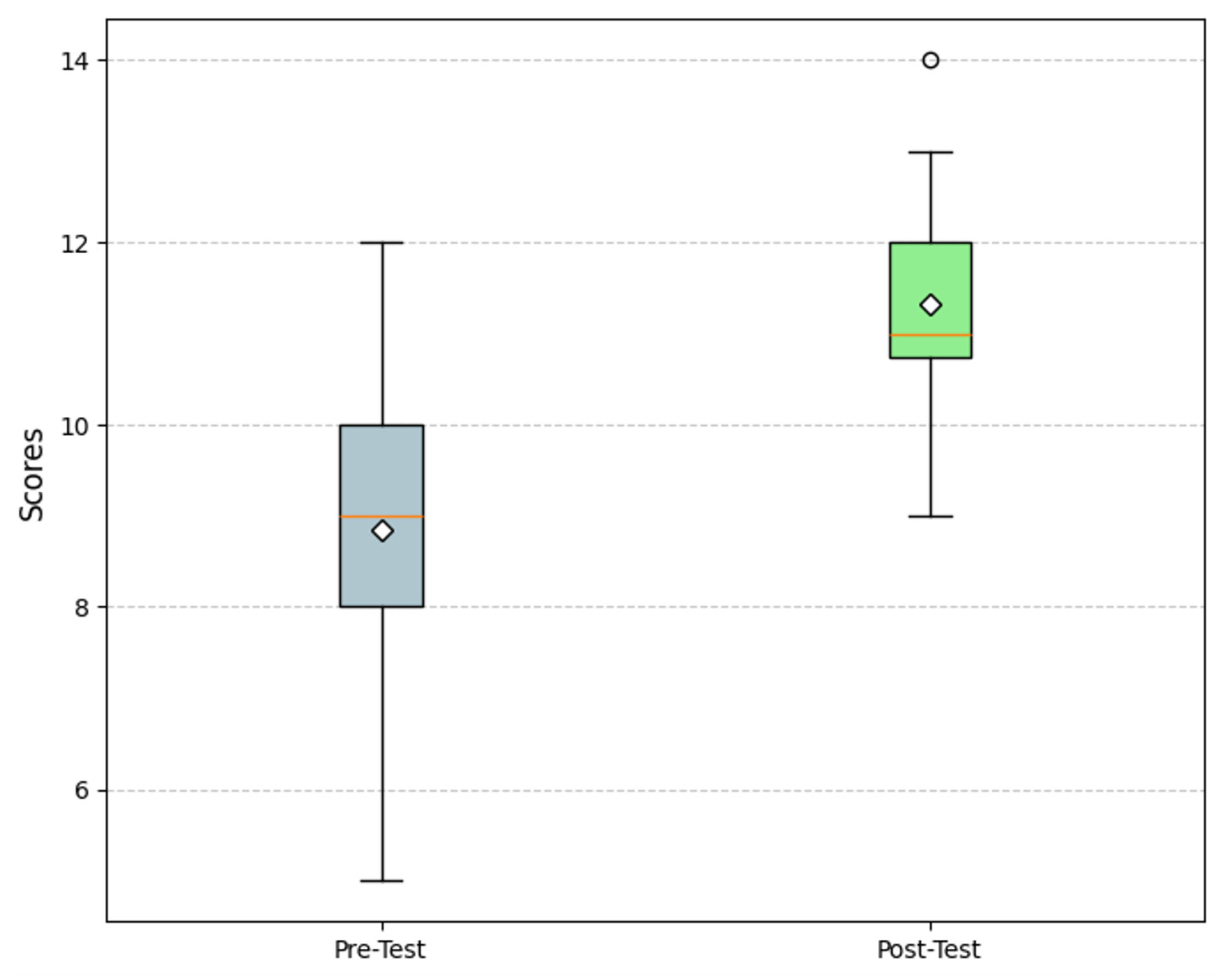
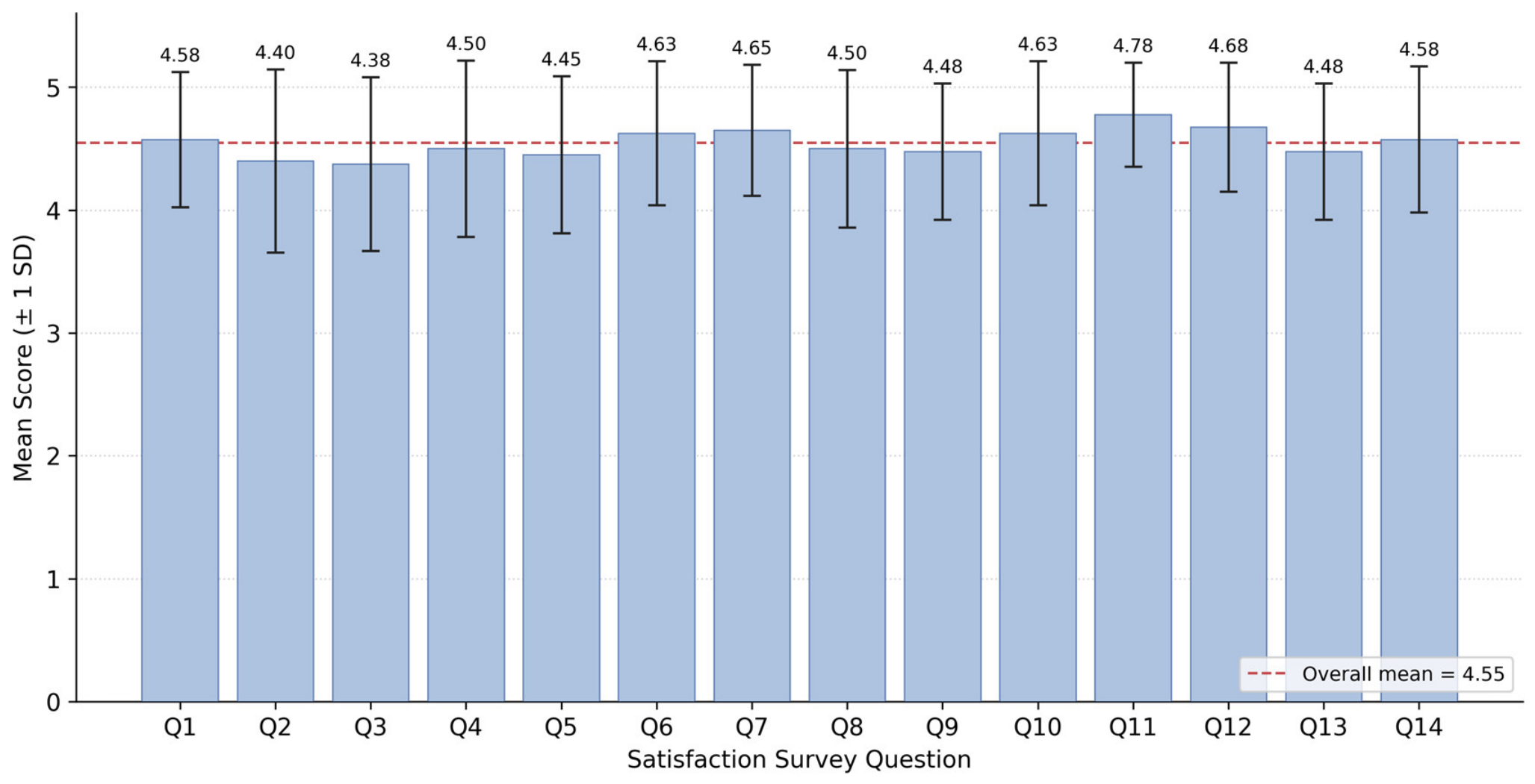
Japan is one of the most earthquake-prone countries in the world. The 2011 Great East Japan Earthquake alone caused nearly 20,000 deaths and missing persons. International visitors and newly arrived foreign residents in Japan may face heightened risk during earthquakes, as limited prior experience with earthquakes and limited Japanese-language proficiency can restrict access to essential safety information. In addition, because disaster-preparedness education is often insufficient in countries with low disaster risk, they may be especially vulnerable in emergencies. This study designed, developed, and evaluated an augmented reality (AR) application intended to provide earthquake-preparedness and survival guidance in the Japanese context. The application was evaluated using a pre-test/post-test design with 40 participants from 10 countries, who completed a 14-item multiple-choice disaster-preparedness knowledge test and a user satisfaction survey. Participants’ knowledge scores improved significantly from the pre-test to the post-test (t(39) = 8.20, p < 0.001), with a large effect size (Cohen’s d = 1.30), and participants reported high satisfaction (4.55/5, SD = 0.61). These results suggest the potential of AR as an accessible educational approach for enhancing earthquake-preparedness knowledge among international visitors and newly arrived foreign residents in earthquake-prone regions.
Keywords: augmented reality (AR); disaster education; earthquake preparedness; international visitors; foreign residents; mobile learning; mobile application; user experience augmented reality (AR); disaster education; earthquake preparedness; international visitors; foreign residents; mobile learning; mobile application; user experience