

Article

PLSSEM Comparison Study of Mobile Payment Usage in Hong Kong and Mainland China: Factors Affecting the Popularity of Mobile Payment


Department of Information Systems, City University of Hong Kong, Hong Kong 999077, China
*
Author to whom correspondence should be addressed.
Information 2025, 16(12), 1104; https://doi.org/10.3390/info16121104
Submission received: 25 September 2025 / Revised: 1 December 2025 / Accepted: 10 December 2025 / Published: 15 December 2025

Abstract

As a financial center of Asia, Hong Kong has been the leading edge of fintech innovation, with the a leading ranking of the Global Innovation Index, which only ranked the fifth among all the payment methods in 2023 whereas mainland China achieved 90% acceptance in 2018. Since Hong Kong is part of China and shares similar origins and cultures, we found the need to study consumer behaviors in both of the two regions. We use comparison study methodology to find out the reasons of the difference in the usage. This research aims to investigate the factors influencing the acceptance of mobile payment services in Hong Kong and its difference in mainland China. In this research, we use the Partial Least Square Structural Equation Modeling methodology which discovers several significant factors influencing the actual use of mobile payment systems in Hong Kong and mainland China and tries to explain this. The findings will contribute to a better understanding of user behaviors and preferences, assisting stakeholders to address the challenges, develop effective strategies to increase the acceptance and use of mobile payment services, and promote payment convenience in Hong Kong.

1. Introduction

Mobile payment is playing a more and more significant role in people’s daily lives. In 2023, the volume of electronic payment services reached 340 billion yuan and 296 billion times in mainland China [1]. In contrast, digital wallets only rank fifth among the most popular payment methods by 2023 [2]. For such a convenient payment method, why is there a gap of relatively low acceptance rate in Hong Kong? What are the reasons that thwart Hong Kong citizens’ embrace of this emerging technology?
The mobile payment system can be defined as transactions involving monetary value conducted through a mobile network using devices like smartphones [3]. Currently, there are many online mobile payment platforms like Apple Pay, Samsung Pay, Google Pay, and e-Octopus, which are among the most popular tools for mobile payment in Hong Kong [4]. On the contrary, traditional payment methods are usually referred to as cash and Octopus cards, consumers transfer funds, and services using mobile devices like debit cards and credit cards [5].
Mobile payment approaches can reform daily financial transaction activities in the physical setting into a more mobile-based ecosystem [6]. However, the process of adopting such systems in Hong Kong is facing more pressure: After many years’ promotion [4], the credit card is still the primary payment method, accounting for 39% of transactions in Hong Kong by 2025 [7], while for mainland China, it completed the universal application of mobile payment by 2018 with more than 90% of big city residents taking Alipay as their primary payment method [8].
It has been a great incentive for Information System (IS) researchers to analyze people’s willingness to accept a new technology [9], especially for such a convenient payment method, as the potential benefits of propagating the use of a more advanced information technology is prodigious. Among the IS adoption models, the Technology Acceptance Model (TAM) is the framework used to examine a wide range of behaviors based on the technology context [9]. TAM has been applied by many researchers for studying technology acceptance [10,11], with adopting variant parameters accordingly to the context, as the cornerstone to support IS research, and proved to be valid [12]. Mobile payment is still penetrating the Hong Kong market, and using TAM to reveal what hinders the progress of mobile payment method would be proper and of value.

2. Literature Review

Payment behaviors should not be merely people’s preference. Currently there are some widely applied theories discussing deeper factors affecting technology acceptance behaviors and they have shown a valid link of various factors to the actual usage behaviors of a technology. Moreover, those theories, such as TAM, provide a solid structure to understand the reasons behind people’s payment behaviors, suggesting possible ways to promote technology acceptance. The concept of TAM is still expanding, with TAM2 and TAM3 proposed by Venkatesh et al. [12,13] and other popular structures [14], adding new factors and testing those factors to increase the model’s persuasiveness and inclusiveness. Meanwhile, most of the research modifies the factors for the TAM structure to suit a specific context.

2.1. Apply Familiarity as a Variable

The primary form of TAM, the Theory of Planned Behavior (TPB) considered three aspects influencing people’s intention toward behaviors: attitude, subjective norm, and perceived behavior control, which refers to how much control and understanding people have about the technology [15], but it is posited that perceived behavior control is at the same level as attitude. The more understanding or familiarity a person feels toward a system, they will feel that the system is easier to use and more useful to their beliefs. Some other research also viewed familiarity toward the technology as an important impacting factor on perceptions. Thompson et al. [16] found that “familiarity with antibiotics and bacteriophages is significantly associated with the acceptance of alternative microbial control technologies and perceptions of resulting products”. In addition, Coupey et al. [17] considered that customers’ preferences can be reversed depending on factors of familiarity. These studies show a direct link between familiarity and the users’ perceptions or attitudes which are not clearly derived from the TAM framework. In this regard, it is better to reexamine the potential relationship between familiarity and beliefs or attitudes.

2.2. Apply Perceived Security as a Variable

In addition to the perceived usefulness and perceived ease of use, perceived security might be considered as the third factor that comprises behavior intention to technology, according to some TAM [18]. Security is “the quality or state of being secure—to be free from danger” [19], while perceived security is “the customer’s perceptions and subjective valuations on a system security, and how well they are protected against potential risks” [20]. A low sense of security might reduce technology acceptance. While being a recurring topic, perceived security and its interrelationships are opaque. Pietro et al. [21] used the Structural Equation Model (SEM) analyzing security to be positively related to intention to use, but it only accounted for 5.95% of the total variance. Wong et al. [22] also found that perceived security has a positive impact on Hong Kong consumers’ intention to use mobile payment, but their questionnaire did not screen the respondents who need to have direct experience in mobile payment usage and so their measured attitudes might not be sufficient indicators of behaviors [23]. There are also many researchers studying trust, “the perceived credibility and benevolence of a target of trust” [24] as defined by Donny et al. In their definition, trust is developed, influencing future purchase intentions. Kim et al. [25], adopting SEM, analyzed the positive relationship of usage intentions of mobile banking and initial trust, which was actually more of the concept of security on a system, and trust is between the trustor and the salesperson or the firm. Hence, to evince the precise belief of a user towards mobile payment system, in this article we use perceived security as a measurement.

2.3. Facilitating Factors Influencing User Acceptance

Extended TAM viewed facilitating conditions as a significant factor [14]. Other factors that could affect technology acceptance include costs or discounts and migration trend, which are less studied in current research. Narteh et al. [26] found that cost of usage has a strong influence on behavior intention, but it might also be possible that costs affect directly on usage without affecting intention or attitude. Yang [27] viewed that the cost barrier explained the mislink of young Americans’ attitudes and their actual use of apps, but did not give proof. Costs like service charges might cause a direct dint to people’s behavior intentions or actual usage, but it needs further checking. And the migration trend, such as Hong Kong people moving north, could affect people’s perceived usefulness of the mobile payment because the adoption rates of mobile payment of these two regions are different.
In general, familiarity, perceived security, costs or discounts of usage, and migration trend all have the possibility to affect system usage, both directly or via other variables. Nevertheless, the exact way they are functioning is under debate and needs re-examining. Therefore, we put forward our first research question as
(a)
What are the factors influencing users’ actual use of a payment system, and how do they interact with each other?

2.4. Cultural and Regional Influence

Culture and regions are closely corresponded with beliefs hence they might bring divergence to the TAM result. Additionally, Hofstede’s Cultural Dimensions Theory [28] also suggests that different culture groups have vary uncertainty avoidance level which may affect the acceptance of new technologies. Straub et al. [29] found that the US and Switzerland have similar cultures, but people’s level of perceived usefulness and perceived ease of use differ, suggesting a regional difference. Saari et al. [30] analyzed the relation of changes in e-diesel fast charging availability to market shares of green freights, and under their Mobility and Energy Transportation Analysis (META) Model which takes into account mainly the cost, the market shares of green freights changes have a similar trend for two different regions: EU and Saudi Arabia in spite of the different cost of carbon dioxide abatement technologies of the two regions. Albeit the cultural or regional structure consideration, a pinned pattern also occurs, i.e., “the effect of perceived Usefulness was almost invariantly significant [31]”. It may be suggested that cultural and regional influence can bring structural change, but a common pattern may also exist. Therefore, our second research question is
(b)
How are TAM factors different between mainland China and Hong Kong?
By studying the difference in TAM and its factors between mainland China and Hong Kong, we can analyze why mobile payment is still unpopular in Hong Kong and suggest possible solutions. Thus, our third research question is
(c)
What should be performed to improve mobile payment adoption in Hong Kong?
Based on the literature review, we then build our model as follows (Figure 1):

3. Theoretical Framework

3.1. Technology Acceptance Model (TAM)

Davis built this model [32] which is based on principles adopted from Ajzen et al.’s [15] attitude paradigm from psychology. He began his model from external stimuli, or system characteristics (Sys), which influences the two beliefs of perceived ease of use (PE) and perceived usefulness (PU). PU is influenced by PE, and the two beliefs together formed users’ attitudes toward using which was later clarified as behavior intention (BI) in TAM2 and TAM3 [12,13]. BI at last is the determinant of actual system use (USE).

3.1.1. System (Sys)

IS researchers are interested in how to design the system of a technology because system characteristics (Sys) are causally linked to beliefs, attitudes, and behaviors. To be more specific, should the system be more versatile, should it be easier, or should it be safer? “Needed is a model of how such design choices affect user acceptance” [32].

3.1.2. Perceived Ease of Use (PE)

Perceived ease of use (PE) is “the degree to which an individual believes that using a particular system would be free of physical and mental effort.” [32] “In the mobile money services, PE includes how easy the registration procedure is, ease of use of the payment method, easy access to customer services, minimal steps required to make a payment, availability of mobile money transfer agents and how accessible the service is on mobile phones with the basic features and software” [26]. PE, as proposed by Davis [32], should influence BI.

3.1.3. Perceived Usefulness (PU)

As was mentioned above, perceived usefulness (PU) might be influenced by the adoption rate of mobile payment and migration trend. It is almost certain now PU would definitely affect user acceptance [31] as it has been verified by so many studies like [27].

3.1.4. Behavior Intention (BI)

Davis’s first version of TAM used attitude toward using, the weighted average of PU and PE, as the intermediate variable [32]. In the later model, attitude was further clarified as behavior intention which was still measured by the weighted average of the belief variables [13]. Thus, this research will also regard BI as the weighted average of PU, PE, and perceived security (PS) whose weight is measured by regressions rather than pre-determined [32].

3.2. Partial Least Squares Structural Equation Modeling (PLSSEM)

Compared with traditional statistical techniques, SEM allows for a more complex structure spontaneously measuring multiply dependent variables using multiple measurable variables for one latent variable [33]. As a development of SEM which yields one covariance matrix at once, PLSSEM uses iteration to obtain weights and scores for each one and thus is suitable for non-continuous, i.e., nominal and ordinal variables. To be more specific, PLSSEM is more suggested under four conditions [34]: 1. The goal is predicting the key target construct; 2. the structural model is complex, including many indicators/constructs; 3. the sample size is small; 4. the plan is to use latent variable scores in further analyses. For this research, the major output, the SEM complex construct of latent variables, and a small sample size is precise for PLSSEM.

3.2.1. Factor Settings

There are five latent factors in our model: FL, PE, PU, PS, and BI. For each latent factor, two measurable factors and accordingly two questionnaire items are developed to fit the SEM.
Based on the previous literature review, FL is considered a potential factor that would influence the TAM structure and is connected to belief variables. Given the relatively limited research on familiarity in TAM, Gefen’s [35] study is one of the authoritative works which decomposes the latent factor FL into two measurable variables: the understanding of how to inquire the service or the structure of the interface and what the procedure involved is or the structure of interaction. In other words, interface familiarity and interaction familiarity can be viewed as the reflective or measurable variables on the latent FL. For PS, this research adopted the items that were proved to be valid and consistent [36]. Specifically, PS measures the subjective sense of security of mobile payment apps of illegal surveillance and information abuse. In other words, varying levels of PS will cause a varying sense of security-related reflective indexes like participants’ views of illegal surveillance and information abuse. While many studies documented a significant relation of PS on BI [22,26], they have not reached a consensus on how exactly PS will influence other factors. Most of the research using SEM [26] has confirmed the latent link between PS and BI. As exploratory factor analysis is composed of SEM, this research will provide a more comprehensive view on the exact effect of PS.

3.2.2. Application Procedure

In this research, we use the “plspm” package of GoogleCloudPlatform (version 0.5.7) on github to perform the calculation. The plspm package on github provides comprehensive functions to conduct PLSSEM calculation and is open-sourced. Compared with other software such as AMOS (Commercial Editions, V31), the plspm package offers a more point-to-point solution and is easier to understand and handle. The plspm package can be used for: 1. data filter and preparation, 2. matrix iteration, 3. Outer model and inner model summary, and 4. bootstrap and parameter robustness validation.
The core capability of the plspm package and the center idea of PLSSEM lies in its iteration calculation for nonmetric data of this research. The iteration process can be illustrated as matrix calculations: 1. First, generate initial score and weight matrixes from the dataset, i.e., weight is the inverse of the square-root of the measurable variables and score is the weighted sum of the measurable variables. 2. Second, iterate. Obtain the inner model path coefficients and use them to refresh the score vector. Use the score vector to scale the data. Obtain the outer model weight and score matrix out of scaled data. Calculate the convergence by deducting the absolute value of the old score matrix and the new one and sum all the values. Continue iteration until the convergence value is less than a threshold. 3. After reaching the threshold, use the newest score matrix to calculate the final inner model path coefficients by regressions of the score matrix and outer model loadings by correlation of the score matrix.

4. Hypotheses

Based on Davis’s structure equations [32], we add a few elements which can be expressed by the following equations:
P S = β 11 F L + μ 1
P U = β 31 F L + β 32 P E + μ 3
B I = β 41 P E + β 42 P U + β 43 P S + μ 4
U S E = β 51 B I + μ 5
Familiarity (FL) measures the degree to which people are familiar with each operation system. PE is perceived ease of use, PU is perceived usefulness, PS is perceived security, BI is behavior intention, and USE measures people’s actual usage frequency of each system. We use SEM to test these structural equations following our linear hypothesis. The SEM turns out to be efficient and precise for capturing much of the variation [26]. The relationship between different parameters can be expressed by the hypotheses above and below:
As Davis [32] noted, “intrinsic motivation may be one mechanism underlying the observed direct effect of system characteristics on attitude toward using”. FL, a sense of control and understanding [15], can be viewed as this “intrinsic motivation underlying” functioning together as stimulus. Other TAM frameworks also considered the intrinsic motivation as a stimulus like Sys [12,13], and find that FL could contribute to increased trust such as [35]. Therefore, we propose the second hypothesis as
H1. 
FL will have a positive impact on PS (H1a) PE (H1b) and PU (H1c).
TAM built a “flow of causality from system design features through perceptions to attitude and finally to usage” [32]. It stated that Sys has an indirect effect on BI and USE through the three beliefs: PE, PU, and PS. Thereafter, “Attitude toward using, in turn, is a function of two beliefs: Perceived Usefulness and Perceived Ease of Use. PE has a causal effect on PU”. In this research, we also add PS as a belief and try to find the impact of this element. We argue that for those beneficial beliefs, the impact will be positive on BI, that is, promoting the actual usage. Thus, we propose the hypotheses 3–7 as follows.
H2. 
PS will have a significant positive impact on BI.
H3. 
PE will have a significant positive impact on BI.
H4. 
PU will have a significant positive impact on BI.
H5. 
BI will have a significant positive effect on USE.
H6. 
PE will have a significant positive impact on PU.
Finally, to measure regional difference, we make the following hypothesis:
H7. 
TAM fits in both areas but the affecting factors may be different.
We also estimate the impact of costs or discounts and migration on various variables according to our literature review to gain a broader view on regional difference.

5. Methodology

5.1. Subjects and Procedure

In this article, we focus on the factors affecting user behaviors under different implementation conditions between mainland China and Hong Kong of mobile payment based on the Technology Acceptance Model (TAM) and the related TAM structures. By examining those beliefs and intentions and the variables and factors, we aim to provide insights into the barriers and drivers of further mobile payment adoption in the region, improving the payment convenience for Hong Kong citizens and offer recommendations for vendors and regulators.
We implement questionnaires from existing research (see Table 1). We collect electronic questionnaires from 115 respondents with different geographical and demographic backgrounds. We sent online questionnaires through both online channels, i.e., WeChat groups and some offline distributions, and by implementing this diverse diffusion method, we expect to receive responses from various respondents and reduce the Common Method Variance (CMV). Furthermore, we have tested the block communality and cross-loadings as supplementary evidence, and if we observe a high block communality, which indicates a high similarity within blocks and a low cross-loading, this indicates a low similarity between blocks, and CMV can be inferred to be insignificant. Based on the setting of the questionnaires, all the participants must finish every question we ask. The descriptive information of all respondents is shown in the following table:
Most of the respondents received higher education, less than 8% of them received education below college (See Table 2). As mobile payment naturally targets a higher educated group [4], it may be tendentious that we collect more questionnaires from them. There are 64% of respondents out of all the Hong Kong samples holding a permanent Hong Kong identity and viewed as Hong Kong locals (Table 2). We split our samples according to the province they are now living in: about half of the respondents live now in mainland China, and the other half live in Hong Kong.

5.2. Reliability Analysis

The value of Cronbach’s alpha of the variables we are analyzing are listed in Table 2. All of them pass the threshold of 0.8 (Table 1), and, thus, the inherent conformity is certain [37]. We also calculated the Average Variance Extracted (AVE) in accessory to CA, and the result shows that all the indicators reach a good explanatory power with AVE exceeding 0.5 (Table 1).

5.3. Questionnaires

The questionnaires first set a “Yes” or “No” question to screen the respondents to make sure that people answer questions about the mobile payment method have tried this method before [32]. People who did not use mobile payment methods are filtered out so that the beliefs and intentions measured were formed based on direct behavior experience with the intention object [23]. All participants have used mobile payment methods before. For each payment method, participants need to rate their familiarity with the system, their perceived ease of use, perceived usefulness, perceived security, perceived cost, behavior intention, and the actual system use. Then, the questionnaires are divided into two parts according to the current place of residence, Hong Kong and mainland China, which are measured separately. The reason for taking current residence as separation is because it fits for most of the data, and those who often traverse across borders are, after all, the minority.
FL, PE, PU, PS, and BI are measured using a 7-point Likert scale to estimate the range from 1 = strongly disagree to 7 = strongly agree [12]. FL items are adapted from Gefen [35]. Perceived ease of use, perceived usefulness, and perceived security are adapted from Schierz, Schilke & Wirtz [36]. Perceived cost of use is adapted from Cruz [38]. Migration trend items are adapted from Rose, Evaristo & Straub [39]. They all carried out systematic investigation and gained reliable results using their questionnaire items.
According to Davis, we used two items to measure self-reported system use. The first one, the frequency with which the respondents use the system, read as follows: “What is the frequency you use mobile (traditional) payment methods” [32]. The second item is slightly different from Davis [32] by asking them what is the earliest year that they used the mobile payment system (tenure), considering that using the payment system is a very quick process, so his question of how many hours a week they spend on each system is not feasible, and for questionnaires of traditional payment methods, we set the second question as “How many times do you use traditional payment methods (Cash, Octopus, credit cards and so on) to pay per 100 shopping”. Similarly to Davis [32], we also face inaccuracy for this question, hence we want to drop out the outliers and replace it with the mean value and use the logarithms and a linear transformation to give it the same range as frequency and more symmetry.
After skimming the data, we observed that there was a link between age and their earliest use of mobile payment, the first measurement term of USE, or the use1 of mobile payment questionnaires. In Asian countries, many children are not allowed to use mobile phones until college, and smartphones did not become popular until the past 20 years, so this may cause a low level of the USE indicator as the earlier the respondents were born, the earlier they can access smartphones without limitation, leading to the low level of this usage item, use1, in the young generation. We then adjusted the raw data by regressing the usage item with age and took the residual as the replacement. After this adjustment, the link disappeared with the coefficients of age and the residual of use1 possessing 0 confidence level. In conclusion, after the removal of the linear effect of age, a higher score in the residual of use1 does not reflect a later first usage age anymore, and the new use1 (the residual) follows a random distribution among all age groups. For the other variables, we use all of their relative questionnaire items except for migration we use the maximum of the 4 questionnaire items.
This research implements common thresholds for the testing indicators: for Cronbach’s alpha, if the index exceeds 0.7, the questionnaires have good internal conformity; however, if it exceeds 0.9, it may allude to some redundancy [40]; For AVE, the common threshold is 0.5 [41]; for block communality, 0.7 is regarded as the minimal accepting level [42]; for mean redundancy, however, there is not a common standard.

6. Results

6.1. PLSSEM Analysis

PLSSEM is performed using panel data across the two payment methods [32] to test the TAM structures drawn before. While hierarchical regressions are not suggested when the model is not simple structured [43], using SEM tests will bring two major benefits: 1. The principles of PLSSEM are better suited for a more complex structure. As we have hypothesized, there could exist indirect effects of non-adjacent factors. PLSSEM tests all the cross-loadings of all the measurable variables on latent variables. 2. PLSSEM tests can perform well under a small number of samples. PLSSEM uses iterations instead of direct regressions which require a large number of samples to draw statistical corollaries. The result of PLSSEM also has good fitness even though the samples do not fit strictly to statistical prepositions. Table 3 includes the evaluation metrics of PLSSEM applied to the hypotheses, using the data from Hong Kong and mainland China separately. Table 4 contains PLSSEM cross-loadings and path coefficients to evince the calculated model. Table 5 shows the path coefficients of the exogenous latent variables (column labels) on endogenous latent variables (row labels). Some hypotheses have been confirmed.
Our analysis shows generally good fitness in Hong Kong with four out of six latent variable regressions displaying R2 over 0.5. In addition, except for USE, which has outer loadings over 0.4 [34], five out of six latent variables have a block community over 0.7, manifesting a good reflection of measurable variables to latent variables. PS items catch less variance with a R2 of 0.113, similar to our literature [21]. Another evaluation index, mean redundancy, also proves that this model has good explanatory power, with four out of six latent variable scores over 0.2 (Table 3). Nevertheless, the cross-loading comparison shows good indicators of the measurable variables to the latent variables, with their cross-loading higher than the other measurable variables except use1 on USE, which does not influence the general fitting tendency (Table 4). Additionally, in Hong Kong, the flow of the TAM structure is proved: FL has a strong effect on PE. PU is influenced by PE. PS has a moderate effect on BI, even with less variance caught, hence leading to an overall moderate effect, and PU has a strong effect on BI (Table 5). BI has a strong impact on USE (Table 5). It is suggested FL has good explanatory power over PE, PU, and PS in Hong Kong, confirming our hypotheses and that it is important especially on PE. For Hong Kong citizens, their attitudes are mainly overtaken by PU, and their behaviors are determined by their attitudes (Table 5), indicating a more practical attitude of Hong Kong citizens.
In mainland China, the model also fits well, with three out of six latent variable regressions showing R2 over 0.5. PS is also observed to catch less variance with a very low R2(0.054). Except for USE, which also has outer loadings over 0.4 [34], the other latent variables have high inner conformity with their measurable variables’ block community over 0.7. For mean redundancy, three out of six latent variable have scores over 0.2 (Table 3). For all the cross-loadings, they are higher than the other measurable variables with respect to their latent variables (Table 4). Additionally, TAM flow also stands in the mainland of China: FL has a strong effect on PE. PE has a moderate impact on PU. PU and PS have moderate effects on BI, and BI also has a moderate effect on USE (Table 5). Compared with Hong Kong, PU’s effect on BI is weakened, and attitudes are not deterministic on behaviors. This appeals for more focus on the function of mobile payment apps for service providers in Hong Kong compared with mainland China.

6.2. Complementary Results

Besides the PLSSEM main hypotheses, we have also tested some complementary effects by OLS regressions which can provide a composite view and deepen our understanding of the main results. It is suggested that costs or discounts have a significant and positive effect on PS controlled for Sys/FL both in mainland China with a beta of 0.633 and Hong Kong with a beta of 0.912. In Hong Kong, we also find that costs or discounts significantly, strongly, and positively affect BI controlled for PS/PU/PE with a beta of 1.108, and significantly and negatively affect PU/PE controlled for Sys/FL with betas of −0.327 and −0.639, respectively, while in mainland China, costs or discounts are only significantly and positively related with Sys with a beta of 0.275, displaying a less important role. Nevertheless, the migration trend that people often traverse between Hong Kong and mainland China does not have significance on PU/BI/USE both in mainland China and Hong Kong. This might be due to the converging gap of usefulness of mobile payment applications: as more and more Hong Kong local apps gradually emanate from mainland China’s, people will feel useful for them both in the two regions [4].

7. Discussion

For RQ(a), we find that there are four factors influencing people’s actual use of mobile payment systems both in the two regions: FL, PU, PS, and BI. Our analysis basically supports the flow of our hypothesized structure. FL have positive effect on PE, PU, and PS [23], and PU and PS have positive effects on BI, both in Hong Kong and mainland China (Table 5). In addition, the facilitating factors, like costs or discounts, could also be encouragingly affective in Hong Kong.
For RQ(b), the main difference lies not in factors but in degrees. While in mainland China, PU and PS have a nearly equal power on BI, PU turns out to be dominant in Hong Kong, reflecting a more pragmatic attitude of Hong Kong citizens toward mobile payment services. In addition, BI is also more influential for Hong Kong citizens than mainland China residents, with a path coefficient four times of that in the mainland.
For RQ(c), this research supports some common pattern between the two regions. We find that the belief variables have very similar effects on BI, i.e., PE has limited influence on BI in both of the two regions, and FL has a strong impact on PU with their path coefficients very close. This to some extent might reveal the cultural correlations of the two regions, further enhancing the conclusions drawn by regional comparisons.
Based on the above discussions, to improve mobile payment use in Hong Kong, we then put forward the following suggestions to mobile payment vendors:
  • Simplify the payment process. Make the payment steps easy to remember and understand. Make the user interface impressionable and function-highlighted;
  • Disseminate your product. Interface with as many Hong Kong local merchants as possible so that Hong Kong citizens have chances to pay with your product. Integrate with the merchants’ current devices [44];
  • Offer a little incentive like shopping coupons or credits. Reduce transaction costs;
  • Enhance data security. Implement multiple information security methods to ensure users’ money security and customers’ rights. Cooperate with the Hong Kong government to stipulate your security and confidentiality laws according to Hong Kong’s local laws and clarify your security laws with Hong Kong users.

8. Conclusions

There are four main factors influencing people’s use of mobile systems both in Hong Kong and mainland China, namely, familiarity, perceived usefulness, perceived security, and behavior intention. The factors basically follow a flow of the TAM structure. Other factors that could influence actual usage of mobile payment systems include costs or discounts. On the foundations of the comparison, this research then put forward three suggestions to mobile payment vendors: local merchant acceptance, offering a discount, and enhancing security.
This study updates a more comprehensive theoretical framework based on TAM to explore the affecting variables of familiarity, perceived usefulness, and perceived ease of use. This framework supports factors of familiarity towards beliefs, regional comparison, and so on, as well as provides empirical guidance for future study. Compared with most of the work, this study focuses on regional and cultural TAM structural comparison, which is less discussed in the TAM literature [28], providing a new channel to better understand the TAM. Moreover, this study further clarifies the important factors such as familiarity and trust under the same PLSSEM and TAM structure based on the most recent works and discusses facilitating factors like costs or discounts and migration trend.
For limitations, this research adopts parallel PLSSEM as comparison and hence the regional invariance results should be regarded as suggestive rather than definitive. For further improvement, we would consider increasing the size of surveys and collecting data from lower educational backgrounds to gain a more comprehensive and accurate view. We would also like to include more variables and evaluate its effect in Hong Kong for accepting new technologies in the future.

Author Contributions

All authors have shared an equal workload in all areas. All authors have read and agreed to the published version of the manuscript.

Funding

This research received no external funding.

Institutional Review Board Statement

The study was conducted in accordance with the Declaration of Helsinki and approved by the Research Office of City University of Hong Kong Research Office with protocol code 2025-17 approved on 21 May 2025.

Informed Consent Statement

Informed consent was obtained from all subjects involved in the study.

Data Availability Statement

The data presented in this study are available on request from the corresponding author due to the privacy concerns.

Conflicts of Interest

The authors declare no conflict of interest.

References

  1. The Overall Operation of the Payment System in 2023. Available online: https://www.pcac.org.cn/eportal/ui?pageId=598168&articleKey=620383&columnId=595055 (accessed on 9 December 2025). (In Chinese).
  2. Penetration Rate of Leading Payment Methods in Hong Kong in 2023. Available online: https://www.statista.com/statistics/1421057/hong-kong-leading-payment-methods/ (accessed on 9 December 2025).
  3. Raina, V. Overview of Mobile Payment: Technologies and Security. Electron. Paym. Syst. Compet. Advant. E-Commer. 2014, 1, 180–217. [Google Scholar]
  4. The Digital Payments Landscape in Hong Kong. Available online: https://www.doc88.com/p-5798771524681.html (accessed on 9 December 2025). (In Chinese).
  5. Shah, M.H. Mobile Working: Technologies and Business Strategies, 1st ed.; Routledge: New York, NY, USA, 2013; pp. 4–10. [Google Scholar]
  6. Edu, A.S. Paths to digital mobile payment platforms acceptance and usage: A topology for digital enthusiast consumers. Telemat. Inform. Rep. 2024, 15, 100–158. [Google Scholar] [CrossRef]
  7. 2025 Global Payment Report. Available online: https://www.hkdca.com/wp-content/uploads/2025/05/gpr-2025-worldpay.pdf (accessed on 9 December 2025).
  8. Wang Xun: How Does Mobile Payment Change Economics and Finance. Available online: http://nsd.pku.edu.cn/sylm/gd/502518.htm (accessed on 9 December 2025). (In Chinese).
  9. Davis, F.D. Perceived Usefulness, Perceived Ease of Use, and User Acceptance of Information Technology. MIS Q. 1989, 13, 319. [Google Scholar] [CrossRef]
  10. Adams, D.A.; Nelson, R.R.; Todd, P.A. Perceived Usefulness, Ease of Use, and Usage of Information Technology: A Replication. MIS Q. 1992, 16, 227. [Google Scholar] [CrossRef]
  11. Al-Gahtani, S.S. Empirical investigation of e-learning acceptance and assimilation: A structural equation model. Appl. Comput. Inform. 2016, 12, 27–50. [Google Scholar] [CrossRef]
  12. Venkatesh, V.; Hillol, B. Technology Acceptance Model 3 and a Research Agenda on Interventions. Decis. Sci. 2008, 39, 273–315. [Google Scholar] [CrossRef]
  13. Venkatesh, V.; Davis, F. A Theoretical Extension of the Technology Acceptance Model: Four Longitudinal Field Studies. Manag. Sci. 2000, 46, 186–204. [Google Scholar] [CrossRef]
  14. Fathema, N.; Shannon, D.; Ross, M. Expanding the Technology Acceptance Model (TAM) to examine faculty use of Learning Management Systems (LMS). J. Online Learn. Teach. 2015, 11, 210–233. [Google Scholar]
  15. Ajzen, I.; Fishbein, M. Attitude-behavior relations: A theoretical analysis and review of empirical research. Psychol. Bull. 1977, 84, 888–918. [Google Scholar] [CrossRef]
  16. Thompson, T.; Kilders, V.; Widmar, N.; Ebner, P. Consumer acceptance of bacteriophage technology for microbial control. Sci. Rep. 2024, 14, 25279. [Google Scholar] [CrossRef]
  17. Coupey, E.; Irwin, J.R.; Payne, J.W. Product Category Familiarity and Preference Construction. J. Consum. Res. 1998, 24, 459–468. [Google Scholar] [CrossRef]
  18. Gefen, D.; Karahanna, E.; Straub, D.W. Trust and TAM in Online Shopping: An Integrated Model. MIS Q. 2003, 27, 51–90. [Google Scholar] [CrossRef]
  19. Whitman, M.; Mattord, H. Principles of Information Security, 7th ed.; Cengage: Boston, MA, USA, 2022; p. 17. [Google Scholar]
  20. Linck, K.; Pousttchi, K.; Wiedemann, D. Security issues in mobile payment from the customer viewpoint. In Proceedings of the 14th European Conference on Information Systems, Tel Aviv, Israel, 9–11 June 2014; pp. 1085–1095. [Google Scholar]
  21. Pietro, L.D.; Mugion, R.G.; Mattia, G.; Renzi, M.F.; Toni, M. The integrated model on mobile payment acceptance (IMMPA): An empirical application to public transport. Transp. Res. Part C Emerg. Technol. 2015, 56, 463–479. [Google Scholar] [CrossRef]
  22. Wong, W.; Mo, W. A Study of Consumer Intention of Mobile Payment in Hong Kong, Based on Perceived Risk, Perceived Trust, Perceived Security and Technological Acceptance Model. J. Adv. Manag. Sci. 2019, 7, 33–38. [Google Scholar] [CrossRef]
  23. Fazio, R.; Zanna, M. Direct Experience and Attitude-Behavior Consistency. Adv. Exp. Soc. Psychol. 1981, 14, 161–202. [Google Scholar]
  24. Doney, P.M.; Cannon, J.P. An Examination of the Nature of Trust in Buyer–Seller Relationships. J. Mark. 1997, 61, 35–51. [Google Scholar] [CrossRef]
  25. Kim, G.M.; Shin, B.; Lee, H.G. Understanding dynamics between initial trust and usage intentions of mobile banking. Inf. Syst. J. 2010, 19, 283–311. [Google Scholar] [CrossRef]
  26. Narteh, B.; Mahmoud, M.A.; Amoh, S. Customer behavioural intentions towards mobile money services adoption in Ghana. Serv. Ind. J. 2017, 37, 426–447. [Google Scholar] [CrossRef]
  27. Yang, H.W. Bon appétit for apps: Young American consumers’ acceptance of mobile applications. J. Comput. Inf. Syst. 2013, 53, 85–95. [Google Scholar] [CrossRef]
  28. Hofstede, G.; Hofstede, G.J.; Minkov, M. Cultures and Organizations: Software of the Mind, 3rd ed.; McGraw-Hill: New York, NY, USA, 2010; pp. 28–30. [Google Scholar]
  29. Straub, D.; Keil, M.; Brenner, W. Testing the technology acceptance model across cultures: A three country study. Inf. Manag. 1997, 33, 1–11. [Google Scholar] [CrossRef]
  30. Saafi, M.A.; Gordillo, V.; Alharbi, O.; Mitschler, M. Investigating the Future of Freight Transport Low Carbon Technologies Market Acceptance across Different Regions. Energies 2024, 17, 4925. [Google Scholar] [CrossRef]
  31. Technology Acceptance Model: A Review. Available online: https://open.ncl.ac.uk/theories/1/technology-acceptance-model (accessed on 9 December 2025).
  32. Davis, F.D. User acceptance of information technology: System characteristics, user perceptions and behavioral impacts. Int. J. Man-Mach. Stud. 1993, 38, 475–487. [Google Scholar] [CrossRef]
  33. Venturini, S.; Mehmetoglu, M. Plssem: A Stata Package for Structural Equation Modeling with Partial Least Squares. J. Stat. Softw. 2019, 88, 1–35. [Google Scholar] [CrossRef]
  34. Hair, J.F.; Hult, G.T.M.; Ringle, C.M.; Sarstedt, M. A Primer on Partial Least Squares Structural Equation Modeling (PLS-SEM), 1st ed.; Sage: Atlanta, GA, USA, 2014; p. 19. [Google Scholar]
  35. Gefen, D. E-commerce: The Role of Familiarity and Trust. Omega 2020, 28, 725–737. [Google Scholar] [CrossRef]
  36. Schierz, P.G.; Schilke, O.; Wirtz, B.W. Understanding consumer acceptance of mobile payment services: An empirical analysis. Electron. Commer. Res. Appl. 2010, 9, 209–216. [Google Scholar] [CrossRef]
  37. Nunnally, J.C.; Bernstein, I.H. The assessment of reliability. Psychom. Theory 1994, 3, 248–292. [Google Scholar]
  38. Cruz, P.; Neto, L.B.F.; Muñoz-Gallego, P.A.; Laukkanen, T. Mobile banking rollout in emerging markets: Evidence from Brazil. Int. J. Bank Mark. 2010, 28, 342–371. [Google Scholar] [CrossRef]
  39. Rose, G.; Evaristo, J.; Straub, D. Culture and Consumer Responses to Web Download Time: A Four-Continent Study of Mono and Polychronism. Eng. Manag. 2003, 50, 31–44. [Google Scholar] [CrossRef]
  40. Tavakol, M.; Dennick, R. Making sense of Cronbach’s alpha. Int. J. Med. Educ. 2011, 2, 53–55. [Google Scholar] [CrossRef]
  41. Fornell, C.; Larcker, D.F. Evaluating structural equation models with unobservable variables and measurement error. J. Mark. Res. 1981, 18, 39–50. [Google Scholar] [CrossRef]
  42. Sanchez, G. PLS Path Modeling with R, 1st ed.; Trowchez Editions: Berkeley, CA, USA, 2013; p. 64. [Google Scholar]
  43. What Are the Disadvantages of Hierarchical Regression Compared to SEM? Available online: https://www.researchgate.net/post/What-are-the-disadvantages-of-hierarchical-regression-compared-to-SEM/55c060b4614325a85e8b45a8/citation/download (accessed on 9 December 2025).
  44. Kimes, S.E.; Collier, J. Customer-facing payment technology in the US restaurant industry. Cornell Hosp. Rep. 2014, 14, 1–20. [Google Scholar]
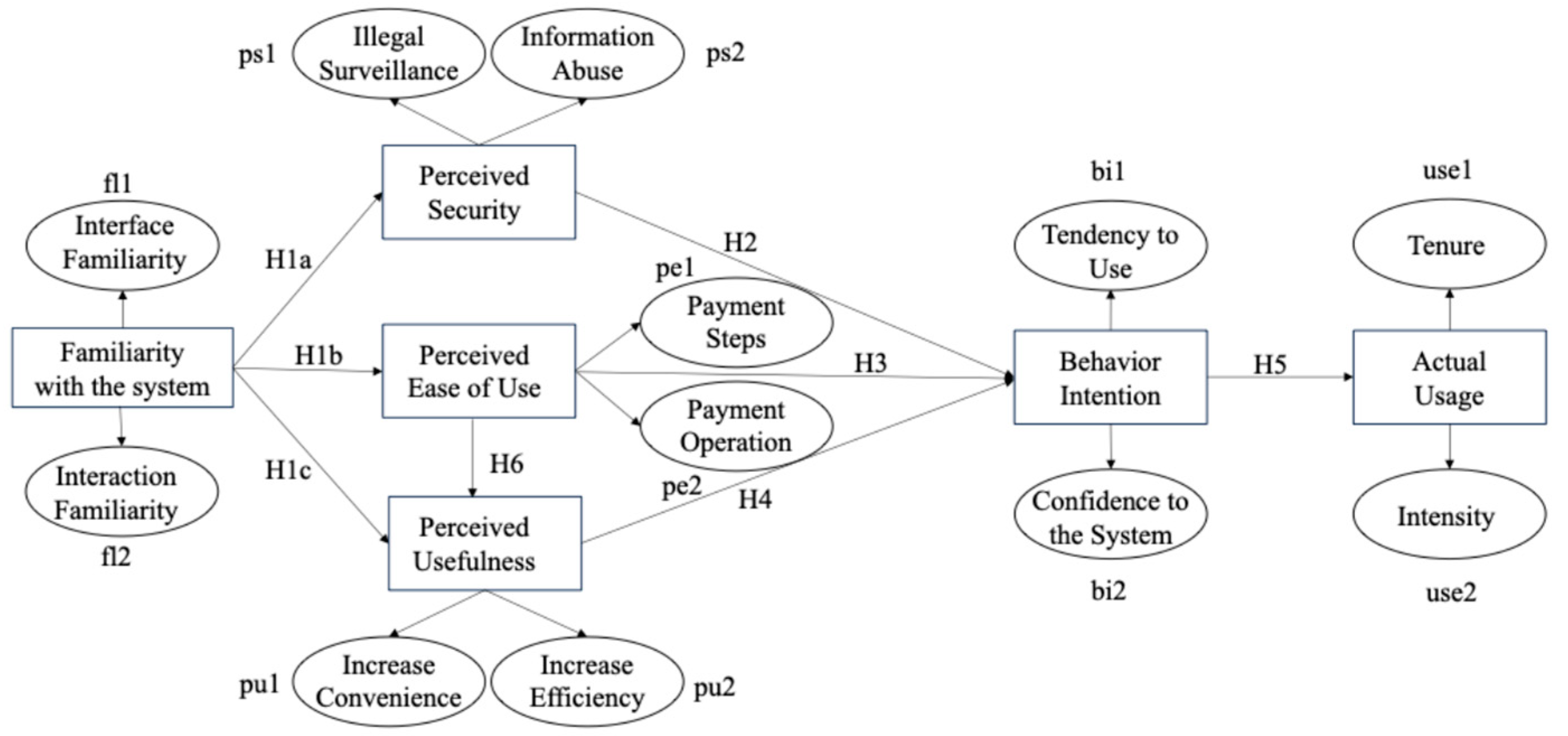
Figure 1. Theoretical model of SEM structure.
Information 16 01104 g001
Table 1. Cronbach’s α and AVE for each latent variable.
LabelItemsCAAVE
HK/Mainland
Number of ItemsSource
FLFamiliarity0.8620.860/0.9392[35]
PEEase0.9420.947/0.9452[36]
PUPU0.9350.939/0.9052[36]
PSSecurity0.8480.757/0.9022[36]
BIIntention0.8990.885/0.8382[12]
Table 2. Demographic description of respondents.
VariableCategoryFrequencyPercentage
Level of educationPrimary school10.87%
High school97.83%
Bachelor4740.87%
Post-graduate5547.83%
Doctor32.61%
Current place of residenceMainland6556.52%
Hong Kong5043.48%
Table 3. SEM fitting evaluation metrics for Hong Kong and mainland China.
Hong Kong
TypeR_squaredR_squared_adjBlock_communalityMean_redundancy
BIEndogenous0.6369840.6029510.8847370.563564
FLExogenous0.0000000.0000000.8596300.000000
PEEndogenous0.5783080.5659050.9469110.547607
PSEndogenous0.1126930.0865960.7574780.085363
PUEndogenous0.5264800.4977820.9388380.494279
USEEndogenous0.6413000.6307500.5711570.366283
Mainland
TypeR_squaredR_squared_adjBlock_communalityMean_redundancy
BIEndogenous0.5324060.5054300.8384080.446373
FLExogenous0.0000000.0000000.9391040.000000
PEEndogenous0.5108490.5017900.9454390.482976
PSEndogenous0.0542750.0367610.9017130.048940
PUEndogenous0.5341060.5165260.9054080.483584
USEEndogenous0.0434570.0257430.5498910.023896
Table 4. PLSSEM cross-loadings for Hong Kong and mainland China.
Hong Kong
FLPSPEPUBIUSE
fl10.9207150.3552440.6708330.5521430.4662460.307172
fl20.9335650.2710000.7368900.6532360.5847110.562607
ps10.3352130.9171180.4550580.2994660.3759970.334447
ps20.2364030.8208850.2329320.1083840.2602560.040772
pe10.7222510.4293380.9743390.7356290.5572030.515607
pe20.7586320.3761670.9718470.6291370.5314510.513998
pu10.6506110.2497340.7029880.9695080.7427470.706780
pu20.6128920.2380070.6579310.9683650.7593260.765387
bi10.5499630.3238640.4792030.7082050.9419900.793391
bi20.5207370.3808190.5747390.7502930.9392170.712209
use10.3653300.1059240.2562790.3914520.2629530.474311
use20.4089730.2363970.5049580.7171340.8051720.957780
Mainland
FLPSPEPUBIUSE
fl10.9677180.2200420.6926530.5693480.4060490.171784
fl20.9704280.2312570.6926530.6291620.4573850.093576
ps10.2288710.9552660.3478660.2897450.6150090.051502
ps20.2128300.9438710.3382190.2024840.5476480.196598
pe10.6867790.3575450.9706380.6776900.4447820.225568
pe20.7027390.3456990.9740330.7101630.5251220.258234
pu10.5854850.2646970.7599500.9579020.5200260.005391
pu20.5935660.2312570.5885880.9451140.505888−0.110704
bi10.4340440.5631810.4144360.4724860.9170880.258681
bi20.3823960.5611520.5018880.5155760.9142010.121961
use1−0.175436−0.115988−0.2717090.049159−0.1814510.848985
use2−0.0056390.0648370.063875−0.0233680.1216720.615635
Table 5. PLSSEM path coefficients for Hong Kong and mainland China.
Hong Kong
FLPSPEPUBIUSE
FL0.0000000.0000000.0000000.0000000.0000000.000000
PS0.3356980.0000000.0000000.0000000.0000000.000000
PE0.7604660.0000000.0000000.0000000.0000000.000000
PU0.2797420.0000000.4897470.0000000.0000000.000000
BI0.0000000.208447−0.0677580.7701570.0000000.000000
USE0.0000000.0000000.0000000.0000000.8008120.000000
Mainland
FLPSPEPUBIUSE
FL0.0000000.0000000.0000000.0000000.0000000.000000
PS0.2329690.0000000.0000000.0000000.0000000.000000
PE0.7147370.0000000.0000000.0000000.0000000.000000
PU0.2220300.0000000.5554440.0000000.0000000.000000
BI0.0000000.4968580.0572790.3684440.0000000.000000
USE0.0000000.0000000.0000000.0000000.2084630.000000
Disclaimer/Publisher’s Note: The statements, opinions and data contained in all publications are solely those of the individual author(s) and contributor(s) and not of MDPI and/or the editor(s). MDPI and/or the editor(s) disclaim responsibility for any injury to people or property resulting from any ideas, methods, instructions or products referred to in the content.


