Article

A Systems Approach to Validating Large Language Model Information Extraction: The Learnability Framework Applied to Historical Legal Texts


Department of Computer Engineering, Faculty of Technology, Selçuk University, 42250 Konya, Turkey
Information 2025, 16(11), 960; https://doi.org/10.3390/info16110960
Submission received: 3 September 2025 / Revised: 26 September 2025 / Accepted: 22 October 2025 / Published: 5 November 2025

Abstract

This paper introduces a learnability framework for validating large language model (LLM) information extraction without ground-truth annotations. Applied to 20,809 Ottoman legal texts, the framework achieves a Learnability Score of 0.891 through multi-classifier consensus, with external validation confirming substantial agreement across five diverse LLMs ( κ = 0.785) and human experts ( κ = 0.786). The approach treats internal consistency as a measurable systemic property, where heterogeneous machine learning models independently rediscover LLM-assigned patterns. Confusion analysis reveals errors concentrate at jurisprudentially meaningful boundaries (e.g., commercial-inheritance: 20.4% of disagreements), demonstrating semantic coherence rather than arbitrary noise. The framework offers practical validation for historical and specialized corpora where traditional annotation is infeasible, processing documents at USD 0.01 each with parallelizable throughput. Validated annotations enable knowledge graph construction with 20,809 document nodes, 7 category nodes, and confusion-weighted semantic proximity edges. This systems-based methodology advances reproducible computational research in domains lacking established benchmarks.

1. Introduction

Information extraction (IE) has evolved from rule-based pattern matching to sophisticated neural approaches capable of processing complex, domain-specific texts [1,2,3]. The integration of large language models (LLMs) into IE pipelines represents a transformative advancement, enabling the processing of historical, multilingual, and specialized corpora at unprecedented scale [4,5]. However, this technological leap has created a critical validation bottleneck: while LLMs can perform IE tasks with remarkable sophistication, the quality assurance mechanisms for their outputs remain underdeveloped, particularly in domains where creating ground-truth datasets is impractical or impossible [6,7].
This validation challenge is especially acute in computational humanities and social sciences, where IE often involves interpretive categories that resist simple binary classification [8]. Historical legal texts exemplify this complexity—documents like the Ottoman fatwas contain layered juridical reasoning that requires contextual understanding beyond surface-level pattern recognition [9]. Traditional IE evaluation relies on comparing system outputs to human-annotated gold standards [10], but this approach faces fundamental limitations when applied to specialized historical domains where annotator expertise is scarce and interpretive disagreement may signal legitimate semantic ambiguity rather than error [11,12].
The resulting systemic disconnect—powerful IE capabilities coupled with inadequate validation mechanisms—threatens the foundation of reproducible computational research. Current approaches to this problem have evolved through several paradigms, yet none fully address the challenge of validating high-quality LLM-based IE in the absence of ground truth.

1.1. Information Extraction Validation: Current Approaches and Limitations

Early IE systems relied heavily on precision–recall metrics computed against manually annotated datasets [13]. While effective for well-defined domains, this approach is problematic for historical texts where “correct” extraction may be subjective [12]. Crowdsourcing, while scalable, often fails due to a lack of domain expertise [14].
Recent advances in weak supervision and confident learning have attempted to circumvent the ground-truth requirement [15,16,17], but these methods are designed primarily for training data creation or sample-level diagnostics rather than holistic system validation. The most promising recent work has focused on learning dynamics [18,19,20], but their application has been limited to sample-level diagnostics rather than system-level quality assessment.

1.2. Large Language Models in Information Extraction: Opportunities and Challenges

LLMs have demonstrated remarkable capabilities in IE tasks [21,22,23]. However, their black-box nature and tendency toward confident but incorrect outputs creates new validation challenges [24]. In historical IE, LLMs can handle linguistic variation and noisy text [25], but their plausible yet incorrect outputs are difficult to detect without deep domain expertise [26].

1.3. Systems Theory and Information Extraction Validation

This paper approaches IE validation through the lens of systems theory [27], conceptualizing validation as a feedback mechanism. A well-functioning IE system should produce internally consistent outputs that can be reliably reproduced by independent learning algorithms—a property we term “learnability.” Drawing from computational learning theory [28], we hypothesize that a systematic and consistent IE process will produce datasets with high internal coherence.

1.4. Research Objectives and Contributions

This study addresses three fundamental research questions:
  • RQ1: How can the internal consistency of LLM-based IE be quantitatively measured as a systemic property in the absence of ground-truth annotations?
  • RQ2: Does this proposed validation system provide robust empirical evidence of systematic, semantically coherent IE when applied to historical legal texts?
  • RQ3: What are the implications of using such a framework for enhancing the reliability of AI-assisted IE in computational research?
Our contributions are fourfold: (1) a novel validation paradigm based on cross-model consensus, (2) comprehensive empirical validation on a large-scale historical corpus with multi-LLM comparison, (3) detailed error analysis revealing semantically coherent confusion patterns, and (4) practical implementation guidelines with cost-efficiency metrics.

2. Materials and Methods

Our methodology implements a complete IE and validation system that takes unannotated historical texts as input and outputs validated, structured annotations with quantitative quality metrics. The system comprises three interconnected subsystems: (1) LLM-based IE, (2) learnability-based internal validation, and (3) multi-method external validation Figure 1 illustrates this three-stage validation framework.

2.1. Corpus and Information Extraction Task Definition

2.1.1. Historical Legal Corpus

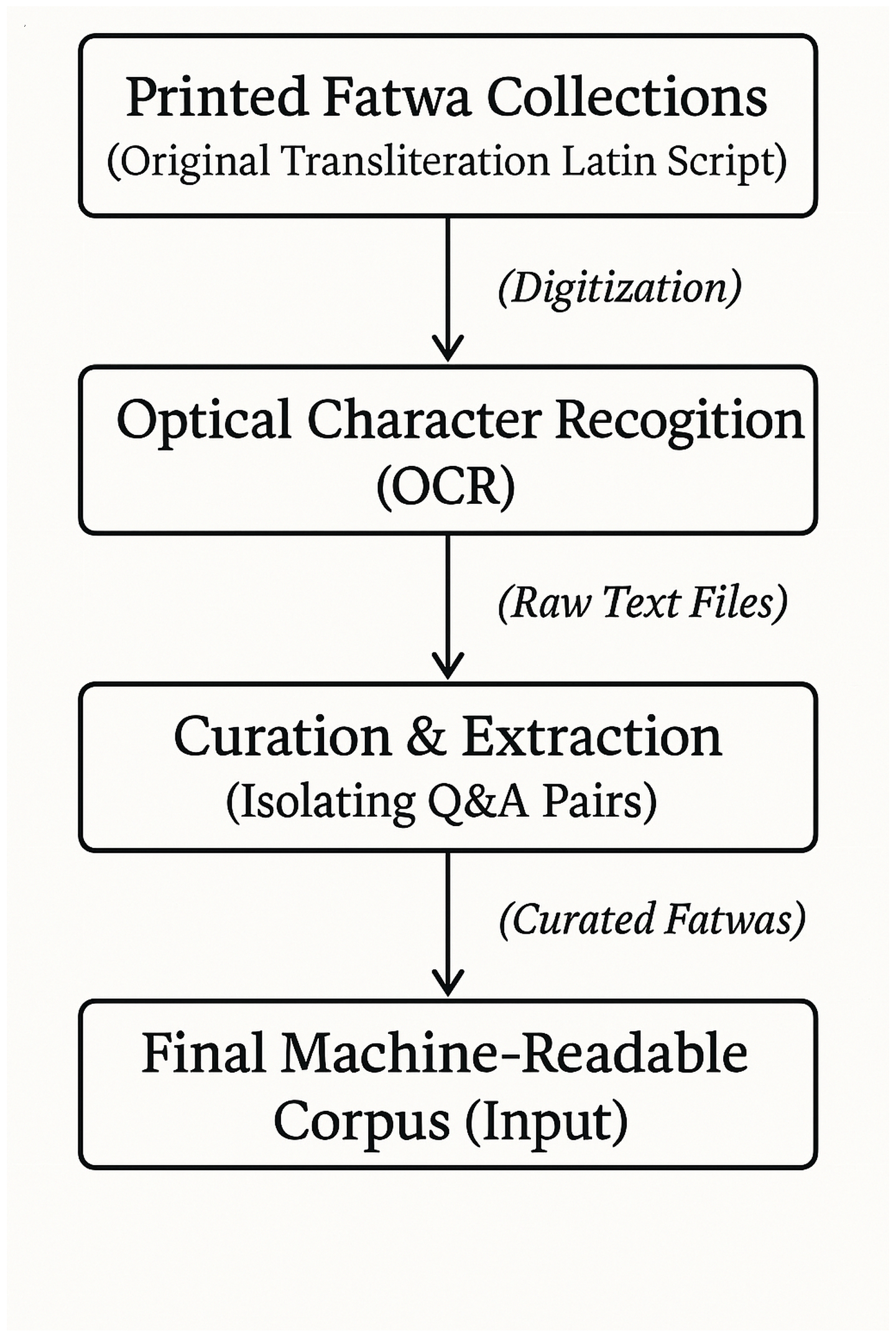
The corpus comprises 20,809 Ottoman Şeyhülislam fatwas spanning the 15th–20th centuries. The information extraction task involves categorizing these documents according to their primary legal domain. The corpus was assembled from seven authoritative print collections [29,30,31,32,33,34,35] using a multi-stage digitization pipeline. Latin-script transliterations were processed via Optical Character Recognition (OCR), introducing realistic noise that tests the robustness of our extraction and validation methods. Individual fatwas were programmatically segmented from continuous text, preserving the authentic complexity of working with historical document collections.

2.1.2. Information Extraction Schema Design

We designed a seven-category classification schema based on classical Islamic jurisprudence (fiqh) divisions, as detailed in Table 1.
The data curation pipeline is depicted in Figure 2.

2.2. Large Language Model Information Extraction System

2.2.1. LLM Architecture and Selection

We selected Claude-3.5-Sonnet for its documented proficiency in complex reasoning and structured output generation [36].

2.2.2. Prompt Engineering for Information Extraction

The IE system was implemented through careful prompt engineering, following best practices [37]. The prompt integrated domain knowledge, linguistic cues, a decision hierarchy, and a structured JSON output schema (see Appendix A).

2.2.3. Information Extraction Implementation

The extraction process applied the prompt to all 20,809 fatwas. The resulting class distribution reflects authentic patterns in Ottoman legal practice: COMMERCIAL_LEGAL (35.8%), PROPERTY_INHERITANCE (23.8%), FAMILY_MARRIAGE (16.1%), LEGAL_JUDICIAL (15.8%), WORSHIP_RITUAL (4.0%), FAITH_THEOLOGY (2.4%), SOCIAL_CHARITY (2.0%).

2.3. The Learnability Framework for Information Extraction Validation

2.3.1. Theoretical Foundation: Distinguishing Learnability from Cross-Validation

The learnability framework operationalizes a fundamentally different validation paradigm from traditional cross-validation approaches. While cross-validation measures how well a single model generalizes to unseen data from the same distribution [38], our framework measures whether multiple architecturally diverse models can independently discover and replicate the label structure—a systemic property of the dataset itself.
We formalize this distinction as follows. Traditional cross-validation estimates the following:
CV k = 1 k i = 1 k L ( M θ , D i test )
where M θ represents a single model with parameters θ trained on different folds. In contrast, the learnability score measures the following:
L score = 1 | M | m M F 1 macro ( m )
where M = { M LR , M SVM , M RF , M XGB } represents distinct learning algorithms with different inductive biases. This cross-model consensus serves as evidence of systematic, learnable patterns rather than model-specific overfitting.
The theoretical foundation draws from PAC learning theory [28], which establishes that truly systematic patterns should be learnable by any sufficiently expressive algorithm. When diverse learners—from linear models to tree ensembles—converge on similar decision boundaries, this provides evidence that the extracted information contains genuine semantic structure rather than annotation noise or LLM hallucinations.

2.3.2. Implementation of Internal Validation

The internal validation subsystem implements the learnability assessment through four algorithmically diverse classifiers: Logistic Regression, Support Vector Machine (SVM), Random Forest, and XGBoost. Text was vectorized using TF-IDF. The dataset was partitioned using stratified sampling (60% training, 20% validation, and 20% test). Statistical robustness was assessed through bootstrapping (B = 1000 resamples).

2.4. External Multi-Method Validation

2.4.1. Multi-LLM Information Extraction Comparison

Comprehensive comparative analysis was conducted using five diverse LLMs on a stratified random sample of 442 documents: Claude-3.5-Sonnet (Anthropic), DeepSeek-Reasoner [39], GPT-4 (OpenAI), Gemini-Pro (Google), and Llama-3.1-70B (Meta). This selection ensures architectural diversity and reduces dependency on proprietary APIs.

2.4.2. Human Expert Validation Protocol

Two domain specialists with expertise in Ottoman legal history reviewed a stratified sample of 338 documents. To ensure inter-annotator reliability, we first conducted a calibration phase with 50 documents, achieving a Cohen’s κ of 0.82 between annotators before proceeding to the main validation. The final κ = 0.786 represents agreement between the consensus human annotation and Claude’s classifications. Disagreements between human annotators (8.3% of cases) were resolved through discussion, with unresolved cases excluded from the final analysis. This rigorous protocol ensures our human validation benchmark represents genuine expert consensus rather than individual interpretations.

2.5. Knowledge Graph Construction from Validated Extractions

The validated single-label annotations function as high-confidence anchors for knowledge graph (KG) construction. We model Fatwa nodes (documents) linked to DomainCategory via :hasDomain, enriched with Term, Person, SourceVolume, and confusion-weighted semantic proximity edges derived from the multi-LLM agreement analysis.

3. Results

The proposed learnability framework was evaluated on the 20,809-document Ottoman fatwa corpus. This section presents a multi-faceted validation of the information extraction system, beginning with its internal consistency (Section 3.1). We then report on extensive external validation against a suite of diverse large language models (Section 3.2) and human domain experts (Section 3.5). A detailed analysis of classification disagreements reveals semantically coherent error patterns (Section 3.3), which are further supported by linguistic feature analysis (Section 3.4) and learning dynamics (Section 3.6). Finally, we document the system’s cost-effectiveness and scalability (Section 3.7).

3.1. Information Extraction System Performance and Statistical Robustness

The internal validation revealed high consistency. All four classifiers successfully replicated the LLM’s categorization patterns with high fidelity, as detailed in Table 2. We report macro-average F1 to balance class frequencies; this metric is widely used in retrieval and agreement settings and its relationship to reliability has been discussed in the IR literature [40].
The resulting Learnability Score ( L s c o r e ) of 0.8906 with a tight 95% confidence interval of [0.8428, 0.9301] indicates highly systematic information extraction. The performance gradient from complex (XGBoost) to simple (Logistic Regression) models suggests that categories are largely separable based on distinct terminology, while complex models capture subtle contextual nuances.

3.2. External Validation: Comprehensive Multi-LLM Comparison

To address concerns about single-model dependency and demonstrate the generalizability of our extracted categories, we conducted extensive validation across five diverse large language models on a stratified sample of 442 documents.

3.2.1. Model Selection and Architectural Diversity

We deliberately selected models representing different architectures, training approaches, and development philosophies:
  • Claude-3.5-Sonnet (Anthropic): Our primary extraction model
  • DeepSeek-Reasoner: Reasoning-optimized architecture
  • GPT-4 (OpenAI): Different transformer variant
  • Gemini-Pro (Google): Multimodal foundation model
  • Llama-3.1-70B (Meta): Open-weight model

3.2.2. Quantitative Agreement Analysis

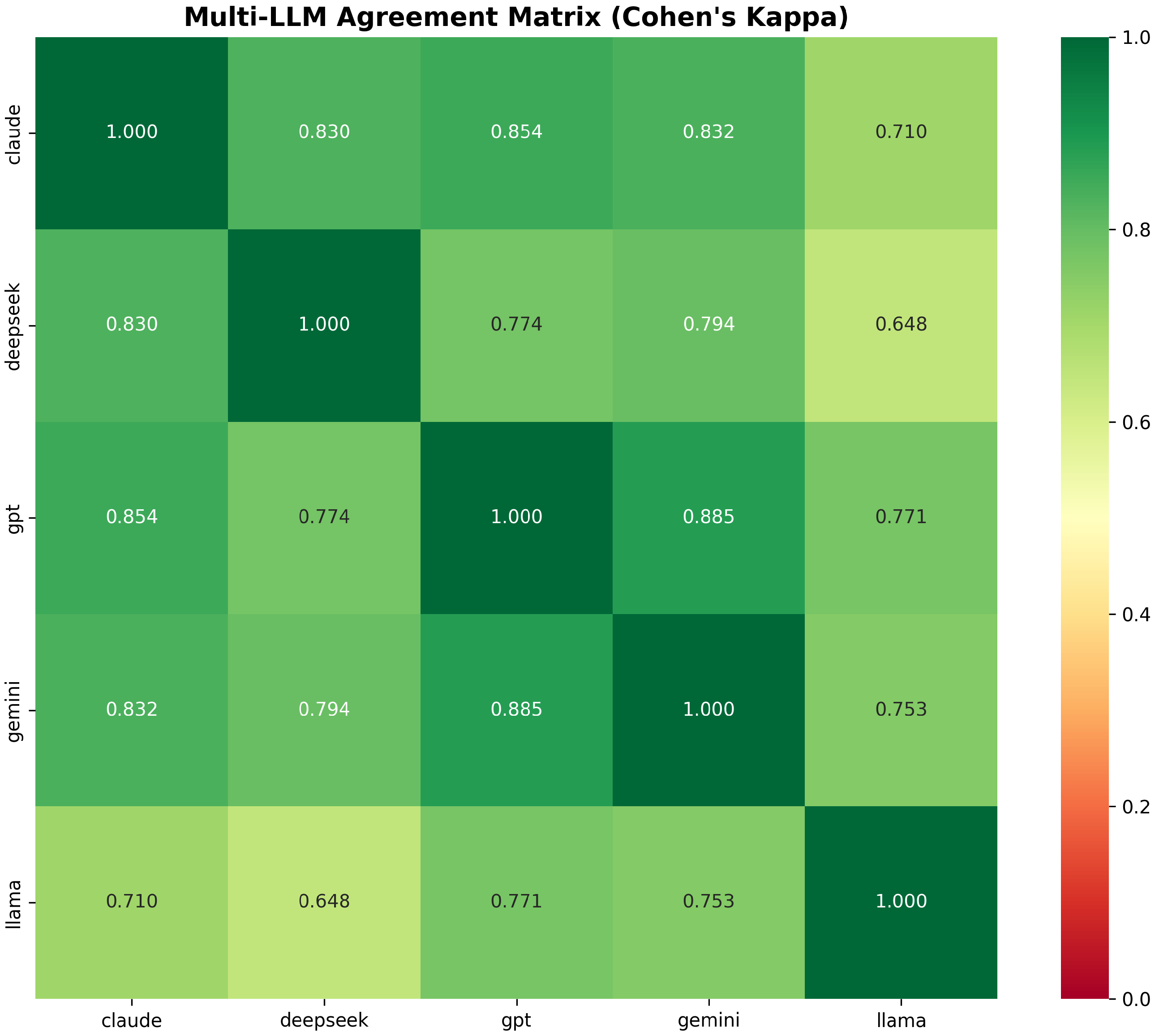
Inter-model agreement was measured using Cohen’s Kappa [41]. The complete agreement matrix reveals remarkably high consistency as summarized in Table 3.
The overall average Cohen’s κ = 0.785 (95% CI: [0.751, 0.819]) indicates “substantial to almost perfect agreement” [42].

3.2.3. Confusion Pattern Analysis Across Models

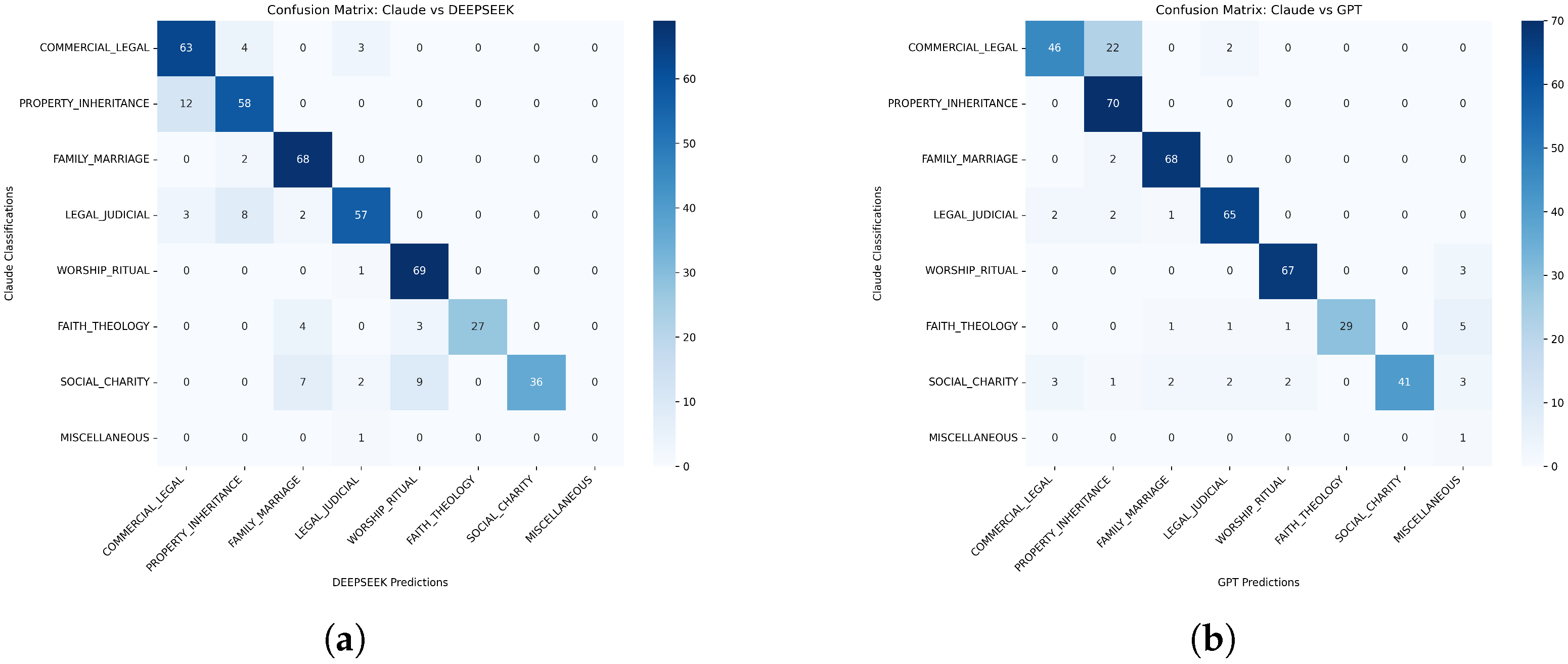
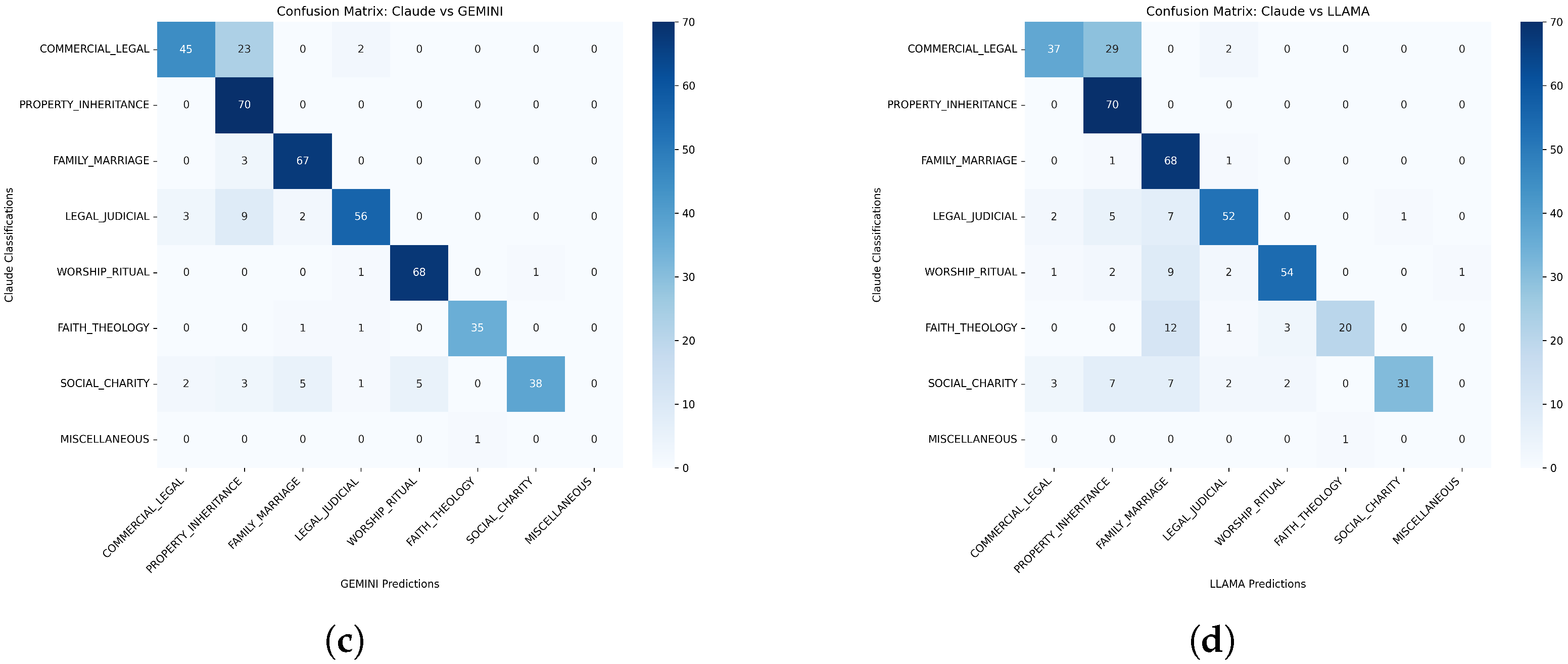
Figure 3 presents confusion matrices for each model pair, revealing consistent patterns across all comparisons.
The confusion matrices reveal that disagreements concentrate at specific category boundaries, particularly COMMERCIAL_LEGAL ↔ PROPERTY_INHERITANCE, reflecting genuine jurisprudential ambiguity.
Inter-model agreement across the five LLMs is summarized in Figure 4.

3.3. Error Analysis: Semantic Coherence in Classification Disagreements

Analysis of the 157 documents (35.5%) showing any inter-model disagreement reveals highly structured error patterns as detailed in Table 4.
These systematic patterns across independent models provide strong evidence that our categorization scheme captures real jurisprudential structure.

3.4. Feature Importance Analysis: Linguistic Validation

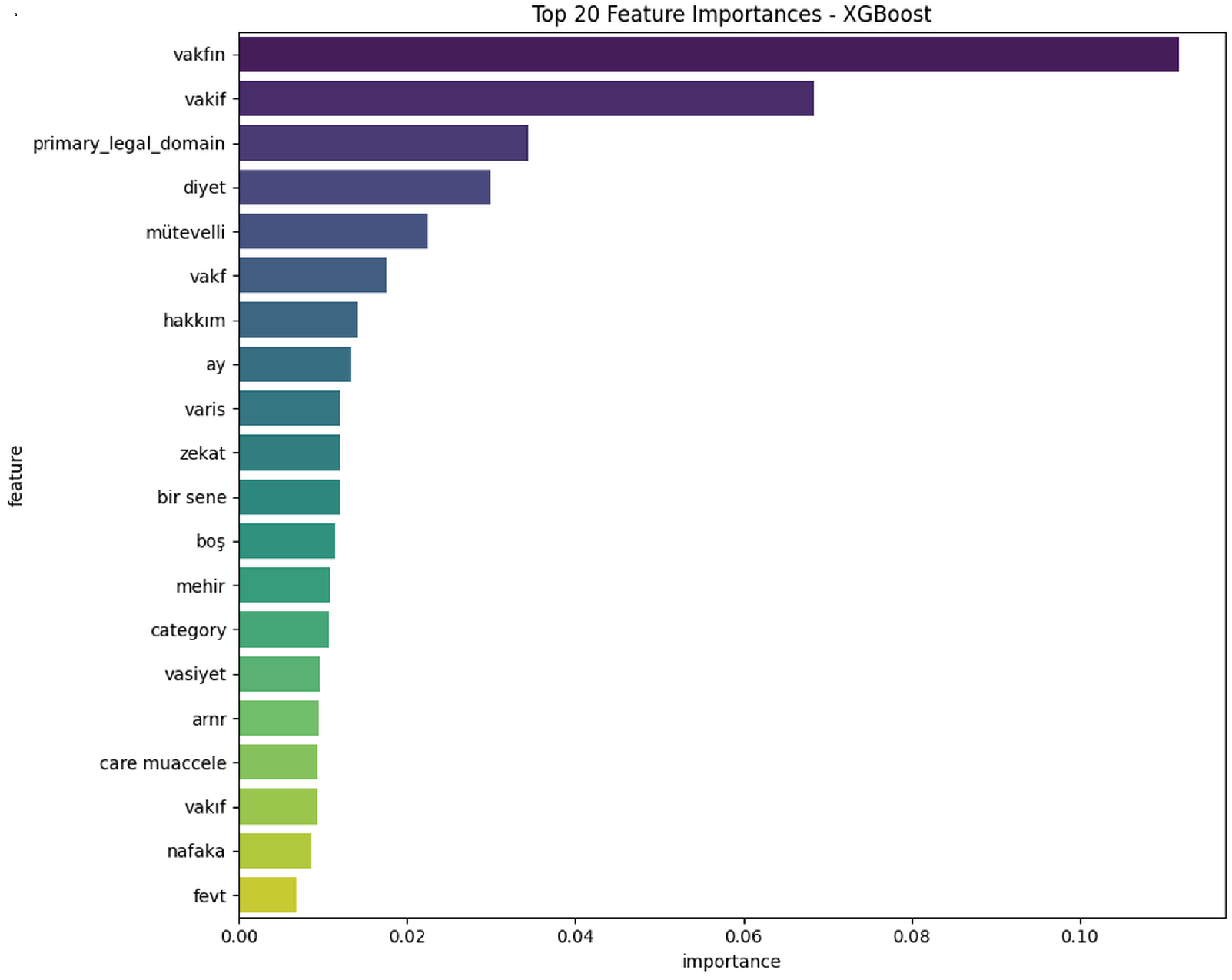
Feature importance analysis in Figure 5 confirms that extraction decisions are driven by authentic domain-specific terminology.

3.5. Human Expert Validation

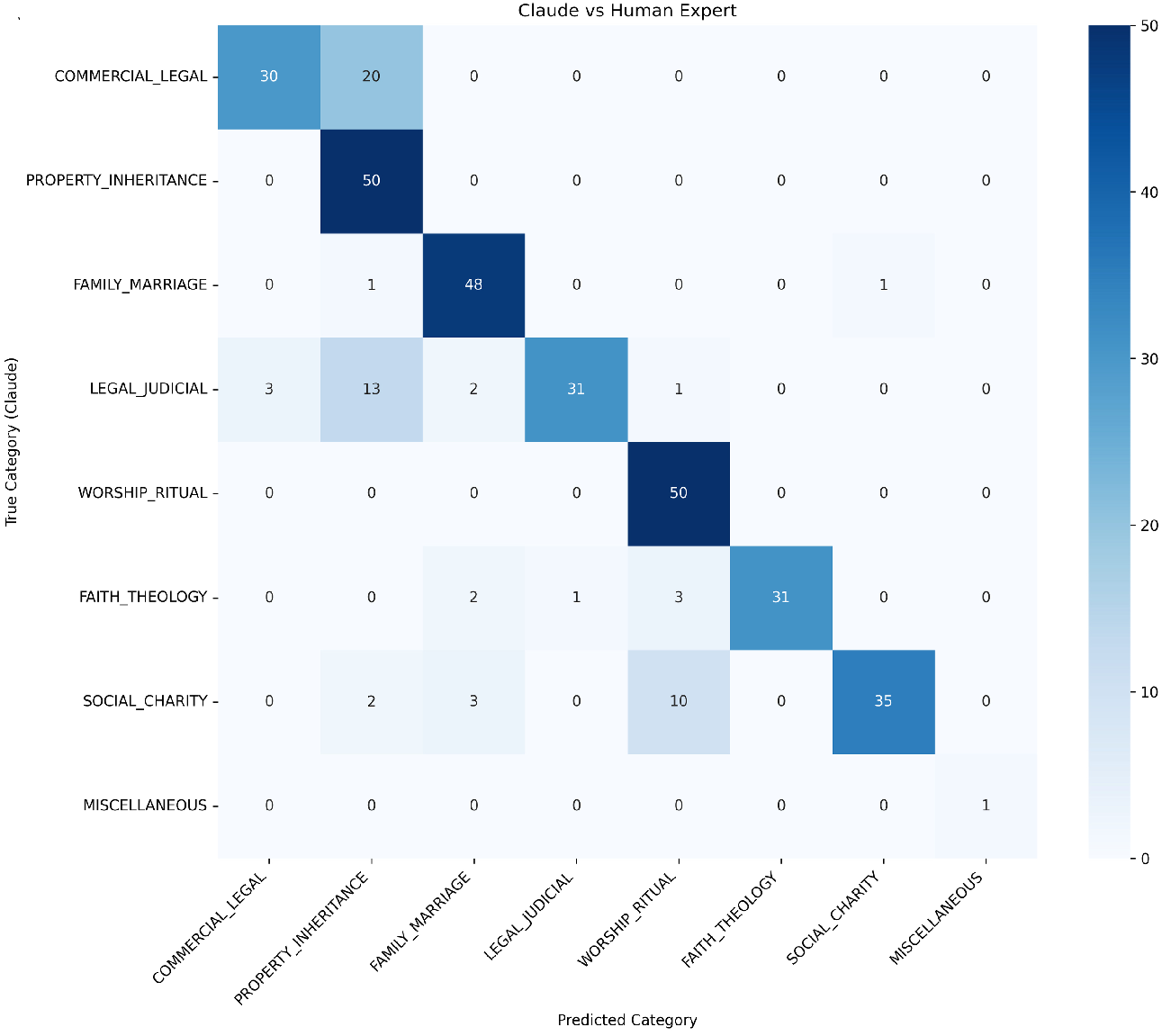
Agreement with human experts reached Cohen’s κ = 0.786 , representing “substantial agreement”, as shown in Figure 6.

3.6. Learning Curve Analysis: Evidence of Data Quality

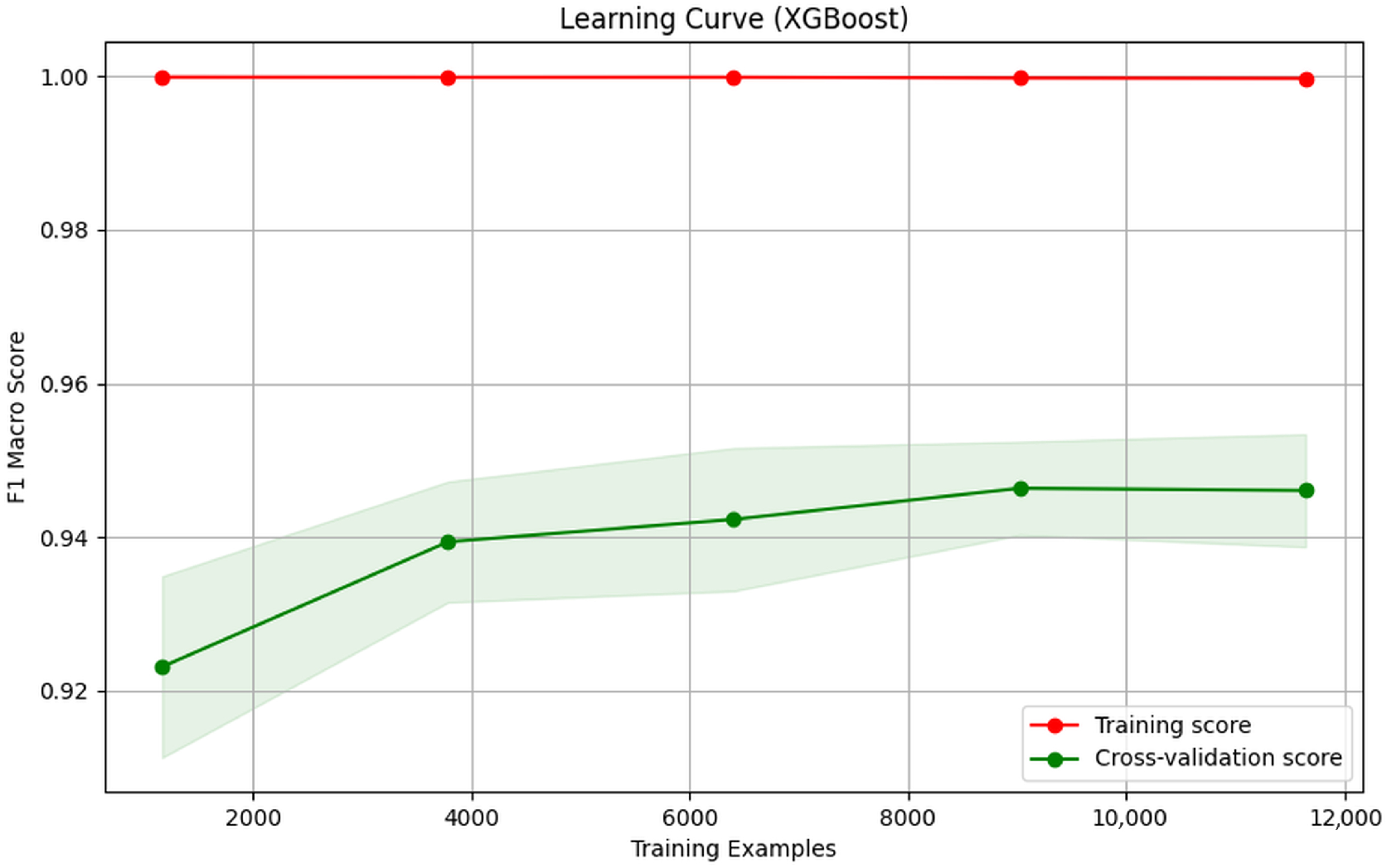
   The learning curve analysis shows rapid convergence to high-performance plateaus as depicted in Figure 7.

3.7. Cost-Effectiveness and Scalability

The process was highly cost-efficient:
  • Total cost:  USD 200 for 20,809 documents (USD 0.01 per document).
  • Processing time:  5 s per document (parallelizable).
  • Total time:  28.9 h (reducible with parallelization).

4. Discussion

4.1. Validation Without Ground Truth: A Paradigm Shift

Our results demonstrate that internal consistency, measured through multi-model learnability, provides a reliable proxy for extraction quality in the absence of ground truth. The strong correlation between our Learnability Score (0.891) and external validation measures ( κ = 0.785 multi-LLM, κ = 0.786 human expert) empirically validates this approach.
This finding has profound implications for computational humanities and information management. Traditional IE evaluation assumes the existence of “correct” annotations against which systems can be measured [10]. However, in specialized domains like historical legal texts, this assumption often fails. Our framework sidesteps these limitations by treating validation as a measurement of systemic properties rather than comparison to an external standard.

4.2. Comparison with Prior Validation Methods

Table 5 contrasts our approach with existing IE validation methods:
Our framework uniquely combines scalability with interpretability while eliminating ground-truth requirements.

4.3. Implications for Knowledge Graph Construction

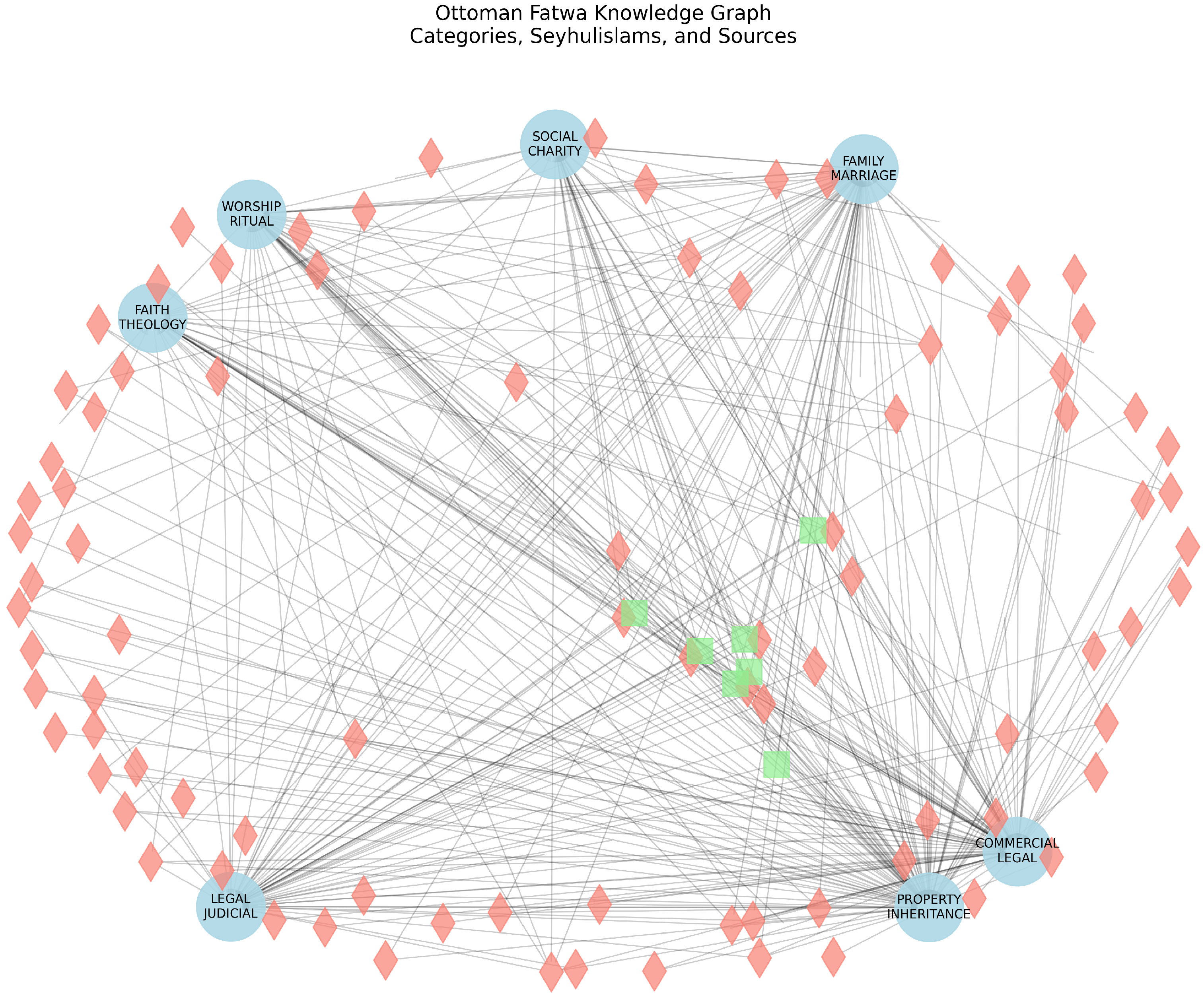
The validated annotations provide reliable input for downstream knowledge graph construction. Figure 8 illustrates the potential structure:
The error patterns’ semantic coherence can inform relationship modeling between legal domains, capturing the interconnected nature of Islamic jurisprudence.

4.4. Limitations and Boundary Conditions

While our results are encouraging, several limitations warrant discussion:
Single-Label Assumption: Our current framework assumes each document belongs to exactly one category. Many historical legal texts address multiple juridical domains.
Domain Specificity: The high performance may partly reflect the structured nature of Islamic legal categories.
Language Model Dependencies: Despite multi-LLM validation, all models share transformer architectures and may exhibit correlated biases.

4.5. Practical Implementation Guidelines

Based on our results, we propose specific diagnostic thresholds:
Quality Benchmarks:
  • Learnability Score ( L s c o r e ) > 0.85: High-quality extraction.
  • L s c o r e = 0.70–0.85: Moderate quality requiring targeted review.
  • L s c o r e < 0.70: Systematic issues requiring revision.
External Validation Requirements:
  • κ external > 0.75: Sufficient agreement for research applications.
  • κ external = 0.60–0.75: Acceptable with acknowledged limitations.
  • κ external < 0.60: Inadequate reliability requiring redesign.

5. Conclusions

This study introduced and empirically validated a learnability framework for assessing the quality of large language model-based information extraction in the absence of gold-standard annotations. Applied to a large corpus of Ottoman legal texts (n = 20,809), the approach produced a learnability score of L score = 0.891 (95% CI [0.843, 0.930]) and demonstrated strong external agreement with both five independent LLMs (average Cohen’s κ = 0.785 ) and human experts ( κ = 0.786 ). Error patterns concentrate between jurisprudentially adjacent domains, indicating semantic coherence rather than arbitrary noise.
  • Primary contributions:
(i)
A systems-based validation paradigm that provides scalable, model-agnostic quality assessment without ground truth.
(ii)
Comprehensive multi-LLM validation demonstrating robust cross-model consensus across diverse architectures.
(iii)
Detailed error analysis revealing semantically meaningful confusion patterns that reflect genuine domain ambiguity.
(iv)
Practical implementation guidelines with cost-efficiency metrics (USD 0.01 per document).
(v)
An explicit pathway to knowledge graphs using validated labels as high-confidence anchors.
  • Broader Impact:
The framework advances IE methodology by providing a principled, reproducible mechanism for validating LLM-derived annotations. It enhances the reproducibility and trustworthiness of computational research in the humanities and social sciences, while offering clear operational benefits for information management systems [43]. The methodology is domain-agnostic and applicable to other specialized corpora where traditional annotation approaches are infeasible.
  • Future Directions:
Multi-Label Extension: While this study focuses on single-label classification, many Ottoman fatwas address multiple juridical domains simultaneously. For instance, a fatwa about inheritance disputes involving commercial partnerships spans both PROPERTY_INHERITANCE and COMMERCIAL_LEGAL categories. Future work will extend the learnability framework to multi-label scenarios, requiring modified consensus metrics that account for partial agreement across label sets. This could involve Jaccard similarity for label overlap or weighted κ statistics for multi-label agreement.
Active Learning for Targeted Validation: The confusion patterns from our error analysis in Table 4 are natural starting points for active learning. Documents with high inter-model disagreement, especially the 4.5% showing high divergence, can be prioritized for human review. This creates a powerful feedback loop. In this loop, the most informative samples—those at ambiguous category boundaries—receive expert annotation. This process progressively refines the extraction system while minimizing annotation effort. We estimate that a targeted annotation of just 5% of these high-uncertainty documents could improve overall accuracy by 2–3 percentage points.
Beyond Classical ML Validators: While our current implementation uses classical ML models (SVM, Random Forest, and XGBoost), incorporating neural validators could capture more complex semantic patterns. A hybrid approach combining transformer-based encoders with our classical validators might identify subtle linguistic nuances while maintaining interpretability.
The learnability framework thus offers a practical solution to a critical bottleneck in modern information extraction, enabling quality-assured processing of historical and specialized texts at scale.

Funding

This research received no external funding.

Institutional Review Board Statement

Not applicable.

Informed Consent Statement

Not applicable.

Data Availability Statement

The data presented in this study are available on request from the corresponding author. The data are not publicly available due to copyright restrictions on the historical source materials.

Acknowledgments

The author acknowledges the domain experts who participated in the human validation phase.

Conflicts of Interest

The author declares no conflicts of interest.

Appendix A. Large Language Model Information Extraction Prompt

This appendix contains the complete prompt used for classification.
Prompt
You are an expert in information extraction from legal documents and Islamic
jurisprudence classification. Your task is to perform structured information
extraction on Ottoman fatwa records, categorizing them into predefined legal
domains to create machine-readable knowledge representations.
INFORMATION EXTRACTION TASK: Extract the primary legal domain from each fatwa
document by analyzing both explicit terminological markers and implicit contextual
 ↪    cues.
TARGET CATEGORIES (Choose ONE):
- COMMERCIAL_LEGAL: All commercial transactions, trade, property rights,
  financial dealings, business partnerships, rentals, agency relationships.
  Keywords: trade, sales, finance, rental, partnership, property rights, land,
  agency, trust, icare, bey, şirket, vekalet
- PROPERTY_INHERITANCE: Inheritance law, wills, endowments (waqf), religious
  foundations, property transfer through inheritance or donation.
  Keywords: inheritance, wills, waqf, endowment, miras, vakıf, hibe, vasiyet
- FAMILY_MARRIAGE: Marriage contracts, marital rights, divorce procedures,
  family relationships, spousal obligations.
  Keywords: marriage, divorce, family, spouse, nikâh, talak, zevc/zevce, family
 ↪    rights
- LEGAL_JUDICIAL: Court procedures, legal evidence, criminal law, judicial
  processes, legal rights, punishment.
  Keywords: court, evidence, criminal, qisas, hudud, judge, şahit, dava, mahkeme
- WORSHIP_RITUAL: Daily prayers, congregational prayers, pilgrimage, fasting,
  purification, ritual worship practices.
  Keywords: prayer, fasting, pilgrimage, purification, namaz/salat, oruç, hac,
 ↪    abdest
- FAITH_THEOLOGY: Religious beliefs, theological questions, matters of faith,
  destiny, core Islamic doctrines.
  Keywords: faith, belief, theology, destiny, iman, akaid, kader
- SOCIAL_CHARITY: Charitable obligations, social ethics, community
 ↪    responsibilities,
  food regulations, zakat.
  Keywords: charity, ethics, zakat, social conduct, sadaka, ahlak, food, drink
CLASSIFICATION PRIORITY HIERARCHY:
1. COMMERCIAL_LEGAL (if involves business/property transactions)
2. PROPERTY_INHERITANCE (if involves inheritance/waqf/property transfer)
3. FAMILY_MARRIAGE (if involves marital/family relationships)
4. LEGAL_JUDICIAL (if involves court procedures/criminal matters)
5. WORSHIP_RITUAL (if involves religious practices/rituals)
6. FAITH_THEOLOGY (if involves beliefs/theological questions)
7. SOCIAL_CHARITY (if involves social ethics/charitable obligations)
OUTPUT FORMAT:
Respond with a valid JSON object containing exactly this field:
{
  "ew_category": "CATEGORY_NAME"
}
CRITICAL: Your response must be ONLY valid JSON. No explanations, no additional
 ↪    text,
no markdown formatting.

References

  1. Sarawagi, S. Information extraction. Found. Trends Databases 2008, 1, 261–377. [Google Scholar] [CrossRef]
  2. Yates, A.; Cafarella, M.; Banko, M.; Etzioni, O.; Broadhead, M.; Soderland, S. TextRunner: Open information extraction on the Web. In Proceedings of the Human Language Technologies: The Annual Conference of the North American Chapter of the Association for Computational Linguistics, Rochester, NY, USA, 22–27 April 2007; pp. 25–26. [Google Scholar]
  3. Martinez-Rodriguez, J.L.; Hogan, A.; Lopez-Arevalo, I. Information extraction meets the Semantic Web: A survey. Semant. Web 2020, 11, 255–335. [Google Scholar] [CrossRef]
  4. Qiu, J.; Li, Q.; Sun, L.; Peng, W.; Liu, P. Large Language Models for Information Extraction: A Survey. arXiv 2024, arXiv:2402.12563. [Google Scholar]
  5. Wadhwa, S.; Amir, S.; Wallace, B.C. Revisiting relation extraction in the era of large language models. In Proceedings of the 61st Annual Meeting of the Association for Computational Linguistics, Toronto, ON, Canada, 9–14 July 2023; pp. 15566–15589. [Google Scholar]
  6. Gilardi, F.; Alizadeh, M.; Kubli, M. ChatGPT outperforms crowd-workers for text-annotation tasks. Proc. Natl. Acad. Sci. USA 2023, 120, e2305016120. [Google Scholar] [CrossRef] [PubMed]
  7. Goel, A.; Vashisht, S.; Penha, G.; Beirami, A. LLMs Accelerate Annotation for Medical Information Extraction. In Proceedings of the Conference on Health, Inference, and Learning, New York, NY, USA, 11–13 April 2023; pp. 82–100. [Google Scholar]
  8. Aroyo, L.; Welty, C. Truth Is a Lie: Crowd Truth and the Seven Myths of Human Annotation. AI Mag. 2015, 36, 15–24. [Google Scholar] [CrossRef]
  9. İmber, C. Ebu’s-su’ud: The Islamic Legal Tradition; Stanford University Press: Stanford, CA, USA, 1997. [Google Scholar]
  10. Pustejovsky, J.; Stubbs, A. Natural Language Annotation for Machine Learning; O’Reilly Media: Sebastopol, CA, USA, 2012. [Google Scholar]
  11. Artstein, R.; Poesio, M. Inter-coder agreement for computational linguistics. Comput. Linguist. 2008, 34, 555–596. [Google Scholar] [CrossRef]
  12. Plank, B. The “Problem” of Human Label Variation: On Ground Truth in Data, Modeling and Evaluation. In Proceedings of the 2022 Conference on Empirical Methods in Natural Language Processing, Abu Dhabi, United Arab Emirates, 7–11 December 2022; pp. 10671–10682. [Google Scholar]
  13. Appelt, D.E.; Hobbs, J.R.; Bear, J.; Israel, D.; Tyson, M. FASTUS: A finite-state processor for information extraction from real-world text. In Proceedings of the 13th International Joint Conference on Artificial Intelligence, Chambéry, France, 28 August–3 September 1993; pp. 1172–1178. [Google Scholar]
  14. Snow, R.; O’Connor, B.; Jurafsky, D.; Ng, A.Y. Cheap and fast-but is it good? Evaluating non-expert annotations for natural language tasks. In Proceedings of the Conference on Empirical Methods in Natural Language Processing, Honolulu, HI, USA, 25–27 October 2008; pp. 254–263. [Google Scholar]
  15. Ratner, A.; Sa, C.D.; Wu, S.; Selsam, D.; Ré, C. Data programming: Creating large training sets, quickly. In Proceedings of the 30th International Conference on Neural Information Processing Systems, Barcelona, Spain, 5–10 December 2016; pp. 3567–3575. [Google Scholar]
  16. Ratner, A.; Bach, S.H.; Ehrenberg, H.; Fries, J.; Wu, S.; Ré, C. Snorkel: Rapid training data creation with weak supervision. Proc. VLDB Endow. 2017, 11, 269–282. [Google Scholar] [CrossRef] [PubMed]
  17. Northcutt, C.G.; Jiang, L.; Chuang, I.L. Confident Learning: Estimating Uncertainty in Dataset Labels. J. Artif. Intell. Res. 2021, 70, 1373–1411. [Google Scholar] [CrossRef]
  18. Swayamdipta, S.; Schwartz, R.; Lourie, N.; Wang, Y.; Hajishirzi, H.; Smith, N.A.; Choi, Y. Dataset Cartography: Mapping and Diagnosing Datasets with Training Dynamics. In Proceedings of the 2020 Conference on Empirical Methods in Natural Language Processing, Online, 16–20 November 2020; pp. 9275–9293. [Google Scholar]
  19. Toneva, M.; Sordoni, A.; des Combes, R.T.; Trischler, A.; Bengio, Y.; Gordon, G.J. An Empirical Study of Example Forgetting During Deep Neural Network Learning. In Proceedings of the International Conference on Learning Representations, New Orleans, LA, USA, 6–9 May 2019. [Google Scholar]
  20. Paul, M.; Ganguli, S.; Dziugaite, G.K. Deep learning on a data diet: Finding important examples early in training. In Proceedings of the 35th Conference on Neural Information Processing Systems, Online, 6–14 December 2021; pp. 20596–20607. [Google Scholar]
  21. Zhao, W.X.; Zhou, K.; Li, J.; Tang, T.; Wang, X.; Hou, Y.; Min, Y.; Zhang, B.; Zhang, J.; Dong, Z.; et al. A Survey of Large Language Models. arXiv 2023, arXiv:2303.18223. [Google Scholar] [PubMed]
  22. Devlin, J.; Chang, M.W.; Lee, K.; Toutanova, K. BERT: Pre-training of Deep Bidirectional Transformers for Language Understanding. In Proceedings of the 2019 Conference of the North American Chapter of the Association for Computational Linguistics: Human Language Technologies, Minneapolis, MN, USA, 2–7 June 2019; pp. 4171–4186. [Google Scholar]
  23. Chalkidis, I.; Fergadiotis, M.; Malakasiotis, P.; Aletras, N.; Androutsopoulos, I. LEGAL-BERT: The Muppets straight out of Law School. In Proceedings of the Findings of the Association for Computational Linguistics: EMNLP 2020, Online, 16–20 November 2020; pp. 2898–2904. [Google Scholar]
  24. Guo, C.; Pleiss, G.; Sun, Y.; Weinberger, K.Q. On Calibration of Modern Neural Networks. In Proceedings of the 34th International Conference on Machine Learning, Sydney, Australia, 6–11 August 2017; pp. 1321–1330. [Google Scholar]
  25. Taşdemir, E.F.B.; Tandoğan, Z.; Akansu, S.D.; Kızılırmak, F.; Şen, U.; Akca, A.; Kuru, M.; Yanıkoğlu, B. Automatic Transcription of Ottoman Documents Using Deep Learning. In Proceedings of the 2024 International Conference on Document Analysis and Recognition (ICDAR), Athens, Greece, 30–31 August 2024; IEEE: Piscataway, NJ, USA, 2024; pp. 421–436. [Google Scholar]
  26. Liu, P.; Yuan, W.; Fu, J.; Jiang, Z.; Hayashi, H.; Neubig, G. Pre-train, Prompt, and Predict: A Systematic Survey of Prompting Methods in Natural Language Processing. ACM Comput. Surv. 2023, 55, 1–35. [Google Scholar] [CrossRef]
  27. Meadows, D.H. Thinking in Systems: A Primer; Chelsea Green Publishing: White River Junction, VT, USA, 2008. [Google Scholar]
  28. Valiant, L.G. A Theory of the Learnable. Commun. ACM 1984, 27, 1134–1142. [Google Scholar] [CrossRef]
  29. Akgündüz, A. Şeyhülislam Ebüssuüd Efendi Fetvaları; Osmanlı Araştırmaları Vakfı: Istanbul, Turkey, 2018. [Google Scholar]
  30. Cebeci, İ. Ceride-i İlmiyye Fetvaları; Klasik Yayınları: Istanbul, Turkey, 2009. [Google Scholar]
  31. Demirtaş, H.N. Açıklamalı Osmanlı Fetvaları: Fetâvâ-yi Ali Efendi; Kubbealtı Neşriyatı: Istanbul, Turkey, 2014. [Google Scholar]
  32. Efendi, A.; el-Gedûsî, H.M.b.A. Neticetü’l-Fetava; Kaya, S., Algın, B., Çelikçi, A.N., Kaval, E., Eds.; Klasik Yayınları: Istanbul, Turkey, 2014. [Google Scholar]
  33. Kaya, S. Fetāvâ-yı Feyziye; Klasik Yayınları: Istanbul, Turkey, 2009. [Google Scholar]
  34. Kaya, S.; Algın, B.; Trabzonlu, Z.; Erkan, A. Behcetü’l-Fetava; Klasik Yayınları: Istanbul, Turkey, 2011. [Google Scholar]
  35. Kaya, S.; Toprak, E.; Kaval Koss, N.; Mercan, Z. Câmiu’l-Icareteyn; Klasik Yayınları: Istanbul, Turkey, 2019. [Google Scholar]
  36. Anthropic. Introducing Claude 3.5 Sonnet. 2025. Available online: https://www.anthropic.com/news/claude-3-5-sonnet (accessed on 1 September 2025).
  37. Wei, J.; Wang, X.; Schuurmans, D.; Bosma, M.; Xia, F.; Chi, E.; Le, Q.V.; Zhou, D. Chain-of-Thought Prompting Elicits Reasoning in Large Language Models. In Proceedings of the 36th Conference on Neural Information Processing Systems, New Orleans, LA, USA, 28 November–9 December 2022; pp. 24824–24837. [Google Scholar]
  38. Stone, M. Cross-Validatory Choice and Assessment of Statistical Predictions. J. R. Stat. Soc. Ser. B Methodol. 1974, 36, 111–133. [Google Scholar] [CrossRef]
  39. DeepSeek AI. DeepSeek-V2 and DeepSeek-Coder-V2 Technical Report. 2025. Available online: https://deepseek.com/research (accessed on 1 September 2025).
  40. Hripcsak, G.; Rothschild, A.S. Agreement, the f-measure, and reliability in information retrieval. J. Am. Med. Inform. Assoc. 2005, 12, 296–298. [Google Scholar] [CrossRef] [PubMed]
  41. Cohen, J. A Coefficient of Agreement for Nominal Scales. Educ. Psychol. Meas. 1960, 20, 37–46. [Google Scholar] [CrossRef]
  42. Landis, J.R.; Koch, G.G. The Measurement of Observer Agreement for Categorical Data. Biometrics 1977, 33, 159–174. [Google Scholar] [CrossRef] [PubMed]
  43. National Institute of Standards and Technology. AI Risk Management Framework (AI RMF 1.0); NIST: Gaithersburg, MD, USA, 2023. [Google Scholar]
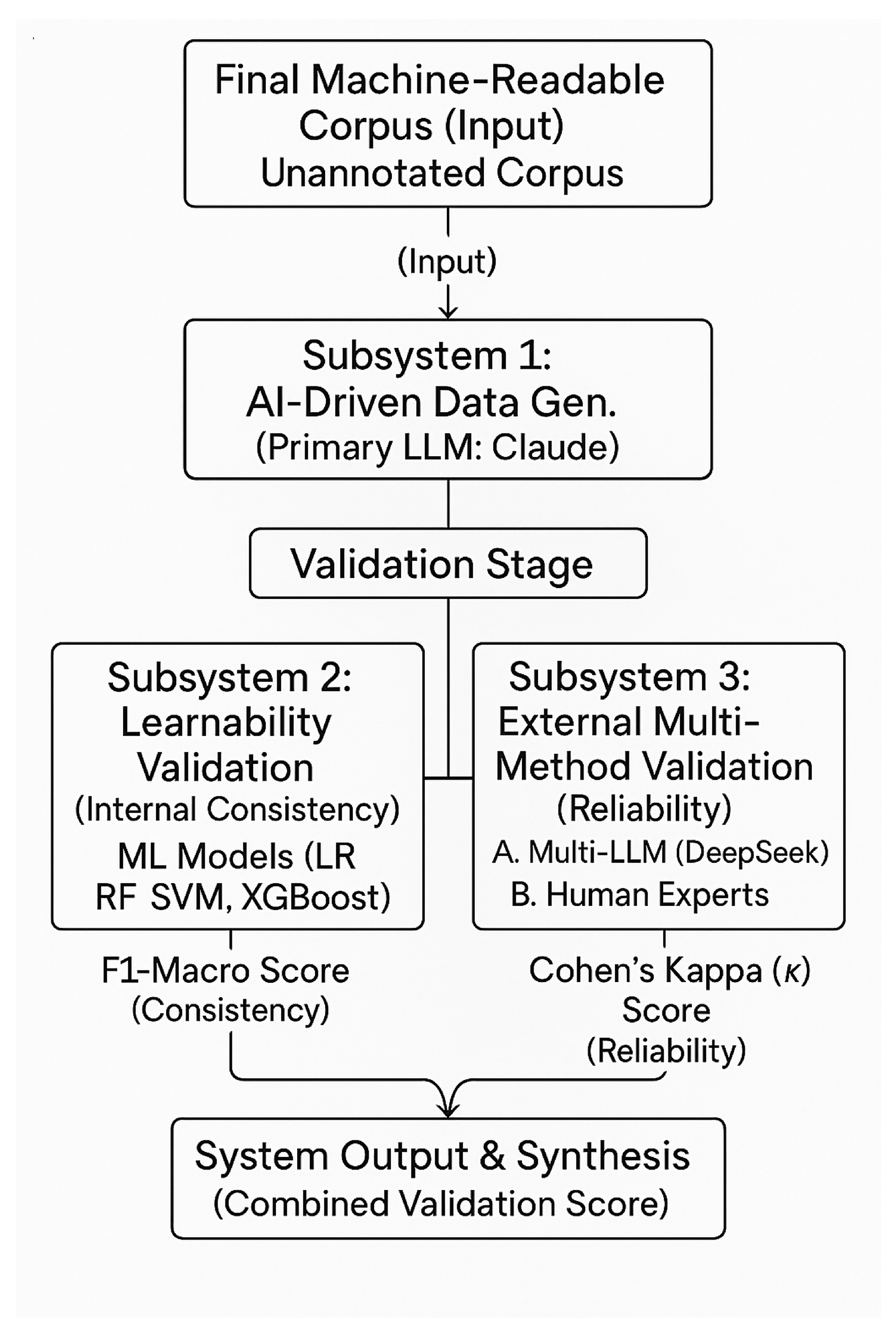
Figure 1. The learnability framework as a validation system. This flowchart illustrates the three-stage process. Stage 1 (AI-driven data generation) involves using an LLM to extract structured categories from raw text. Stage 2 consists of parallel validation subsystems: Internal validation uses machine learning classifiers to compute a learnability score, while external validation uses multi-LLM and human expert comparisons. Stage 3 (validated output) synthesizes these results to produce a validated, structured dataset with quality assurance metrics.
Information 16 00960 g001
Figure 2. The data curation pipeline. This diagram shows the linear process from print sources to a machine-readable corpus. It begins with physical historical books, which undergo Optical Character Recognition (OCR) to produce digital text. This raw text is then processed via programmatic extraction to segment it into individual, analysis-ready documents, forming the final corpus.
Information 16 00960 g002
Figure 3. Confusion matrices comparing Claude’s classifications with four other LLMs. Strong diagonal dominance indicates high agreement, while off-diagonal patterns reveal consistent confusion between semantically adjacent categories. (a) Claude vs. DeepSeek ( κ = 0.830 ); (b) Claude vs. GPT-4 ( κ = 0.854 ); (c) Claude vs. Gemini ( κ = 0.832 ); (d) Claude vs. Llama ( κ = 0.710 ).
Information 16 00960 g003aInformation 16 00960 g003b
Figure 4. Heatmap of pairwise Cohen’s Kappa values between all five LLMs. Darker green indicates higher agreement.
Information 16 00960 g004
Figure 5. Top 20 feature importances from the XGBoost model. Terms like “vakfın” (endowment) and “diyet” (blood money) are highly predictive.
Information 16 00960 g005
Figure 6. Confusion matrix for Claude vs. human experts (n = 338). Strong diagonal correlation demonstrates alignment with domain expertise.
Information 16 00960 g006
Figure 7. Learning curve for the XGBoost model. Training and cross-validation scores converge at F1 ≈ 0.95.
Information 16 00960 g007
Figure 8. Knowledge graph visualization of the Ottoman Fatwa Corpus. Nodes represent legal categories (sized by document count), with edge thickness indicating confusion frequency from error analysis.
Information 16 00960 g008
Table 1. Information extraction schema for Ottoman legal texts.
DomainDescriptionKey Linguistic Markers
COMMERCIAL_LEGALCommercial transactions, property rights, financial dealings, business partnershipstrade, sales, finance, rental, partnership, property rights, land, agency, trust, icare, bey, şirket, vekalet
PROPERTY_INHERITANCEInheritance law, wills, endowments (waqf), property transfer through inheritance or donationinheritance, wills, waqf, endowment, miras, vakıf, hibe, vasiyet
FAMILY_MARRIAGEMarriage contracts, marital rights, divorce procedures, family relationships, spousal obligationsmarriage, divorce, family, spouse, nikâh, talak, zevc/zevce, family rights
LEGAL_JUDICIALCourt procedures, legal evidence, criminal law, judicial processes, legal rights, punishmentcourt, evidence, criminal, qisas, hudud, judge, şahit, dava, mahkeme
WORSHIP_RITUALDaily prayers, congregational prayers, pilgrimage, fasting, purification, ritual worship practicesprayer, fasting, pilgrimage, purification, namaz/salat, oruç, hac, abdest
FAITH_THEOLOGYReligious beliefs, theological questions, matters of faith, destiny, core Islamic doctrinesfaith, belief, theology, destiny, iman, akaid, kader
SOCIAL_CHARITYCharitable obligations, social ethics, community responsibilities, food regulations, zakatcharity, ethics, zakat, social conduct, sadaka, ahlak, food, drink
Table 2. Comprehensive information extraction validation results.
ModelTest AccuracyTest F1-MacroCV Mean (F1)CV Std (F1)
XGBoost0.95650.94520.94590.0091
SVM0.93890.91510.91120.0049
Random Forest0.92910.88330.89650.0166
Logistic Regression0.88100.81870.82470.0122
Table 3. Pairwise Cohen’s Kappa agreement between five LLMs (n = 442).
ClaudeDeepSeekGPT-4GeminiLlama
Claude1.000
DeepSeek0.8301.000
GPT-40.8540.7741.000
Gemini0.8320.7940.8851.000
Llama0.7100.6480.7710.7531.000
Average0.8070.7620.8210.8160.720
Table 4. Representative classification disagreements with linguistic analysis.
IDOttoman Text (Excerpt)English TranslationClassificationsContext
CAMIUL_0576“sahib-i arz ol değirmen ocağını tapu ile Bekir’e verip…”(The landowner gave the mill site to Bekir with title deed…)Claude: COMMERCIAL Others: PROPERTYContains both transactional and property transfer elements
CAMIUL_1073“Zeyd tarlasını şu kadar akçe bedel mukabelesinde…”(Zeyd [transferred] his field for such amount of akçe…)Claude: COMMERCIAL Others: PROPERTYCombines sale, property transfer, and inheritance aspects
Table 5. Comparison of IE validation approaches.
MethodGround TruthScalabilityDomain-AgnosticInterpretableCost
Gold StandardRequiredLowYesHighHigh
CrowdsourcingCreatedHighLimitedMediumMedium
Weak SupervisionPartialHighYesLowLow
Learnability (Ours)Not RequiredHighYesHighLow
Disclaimer/Publisher’s Note: The statements, opinions and data contained in all publications are solely those of the individual author(s) and contributor(s) and not of MDPI and/or the editor(s). MDPI and/or the editor(s) disclaim responsibility for any injury to people or property resulting from any ideas, methods, instructions or products referred to in the content.