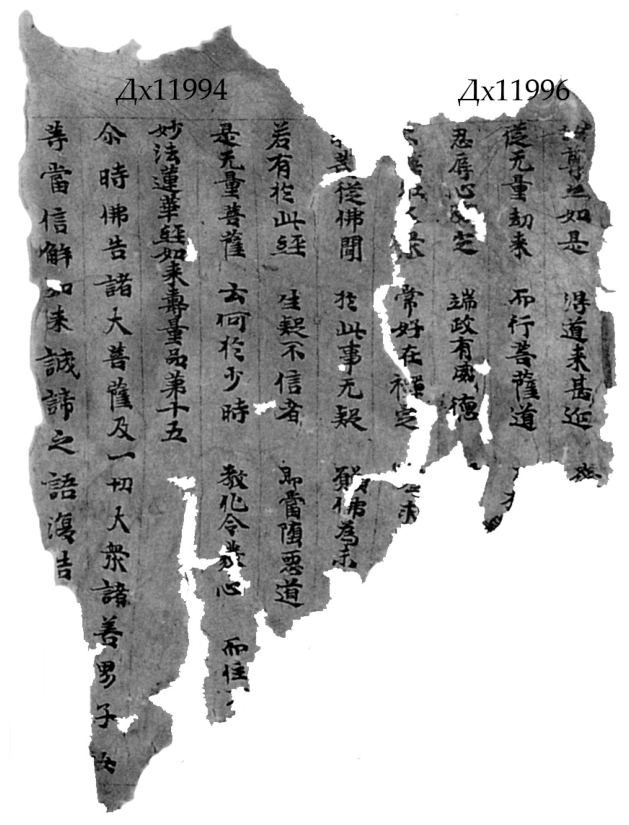
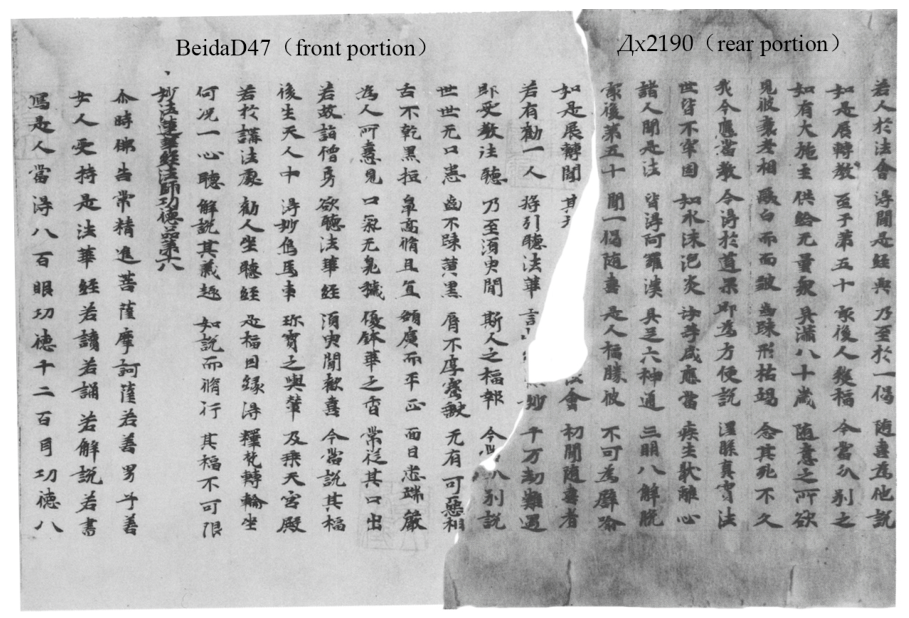
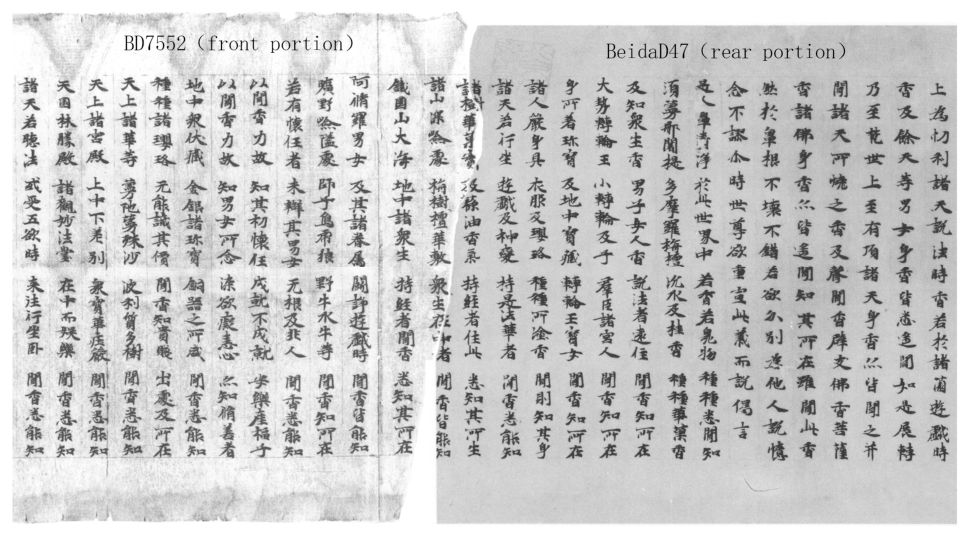
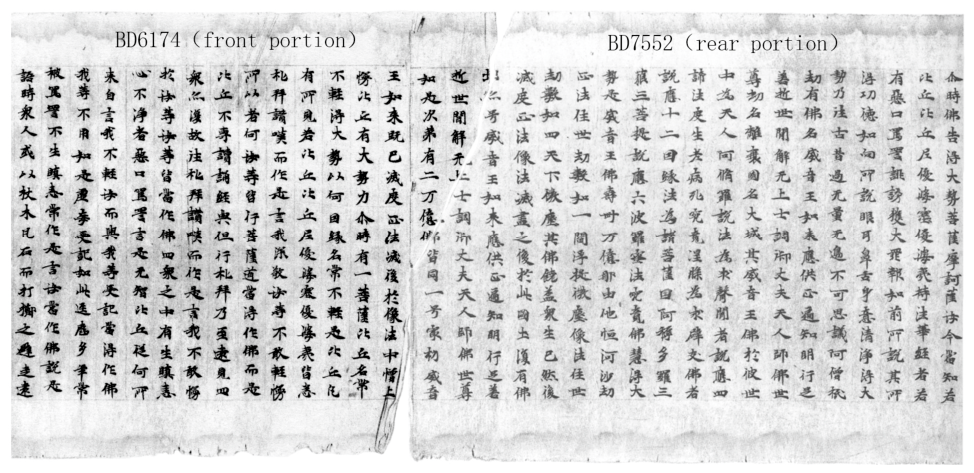
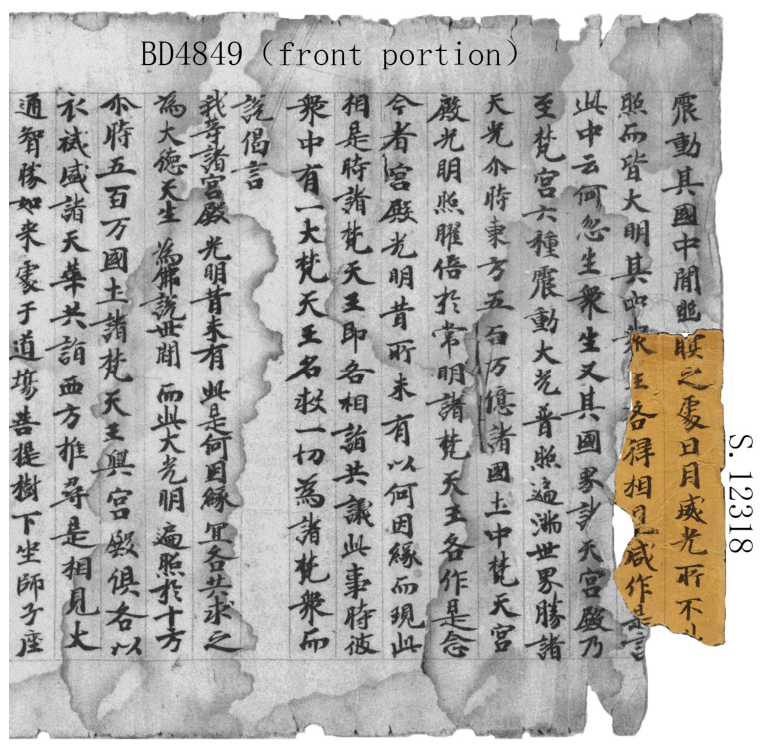
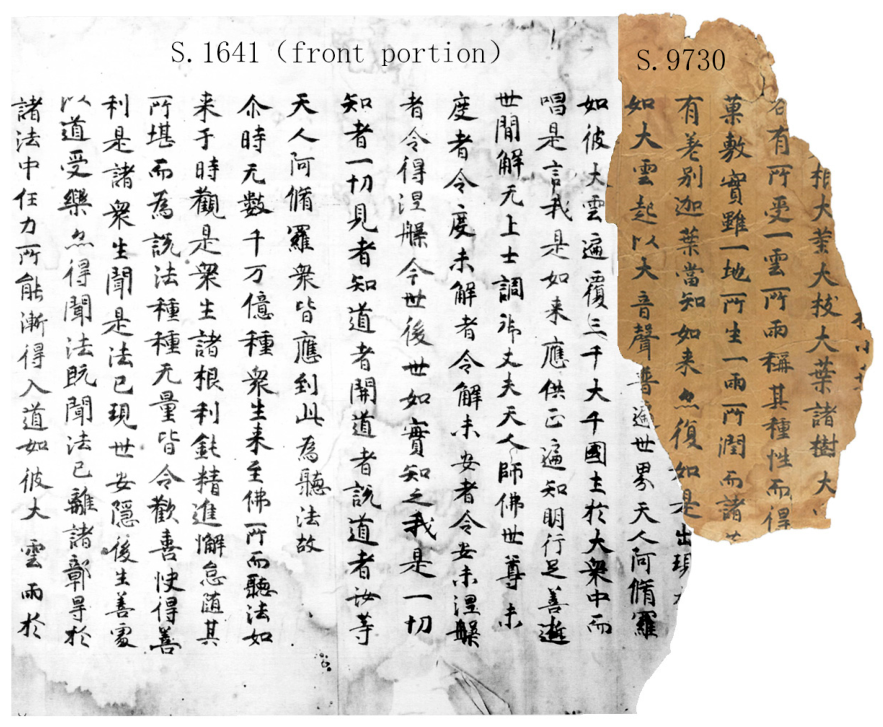
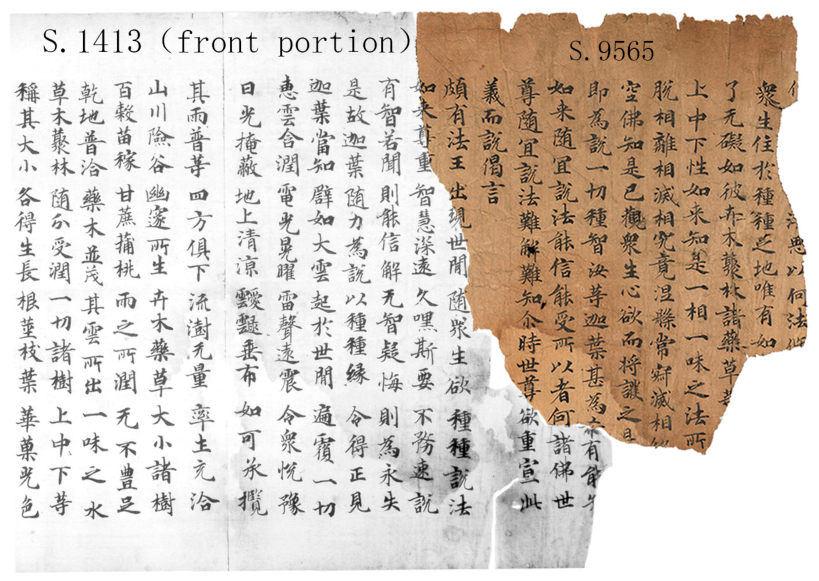
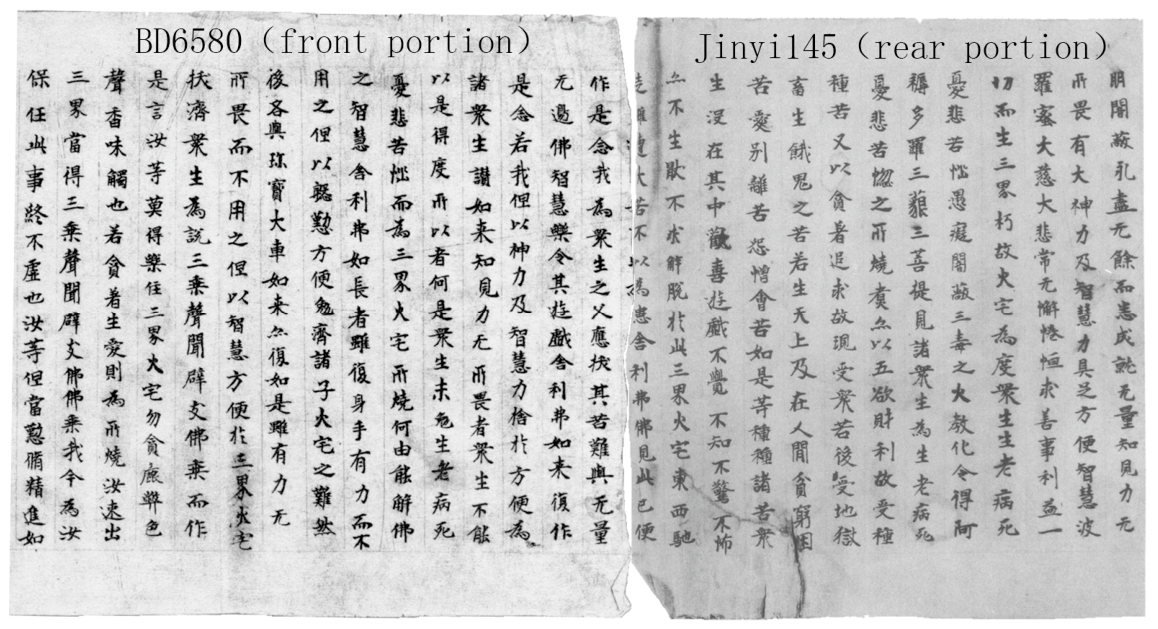
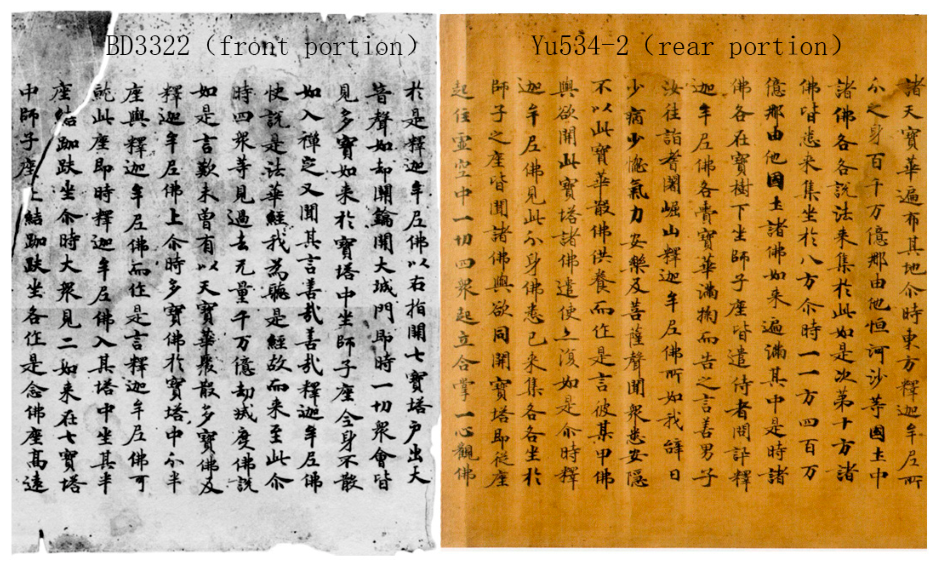
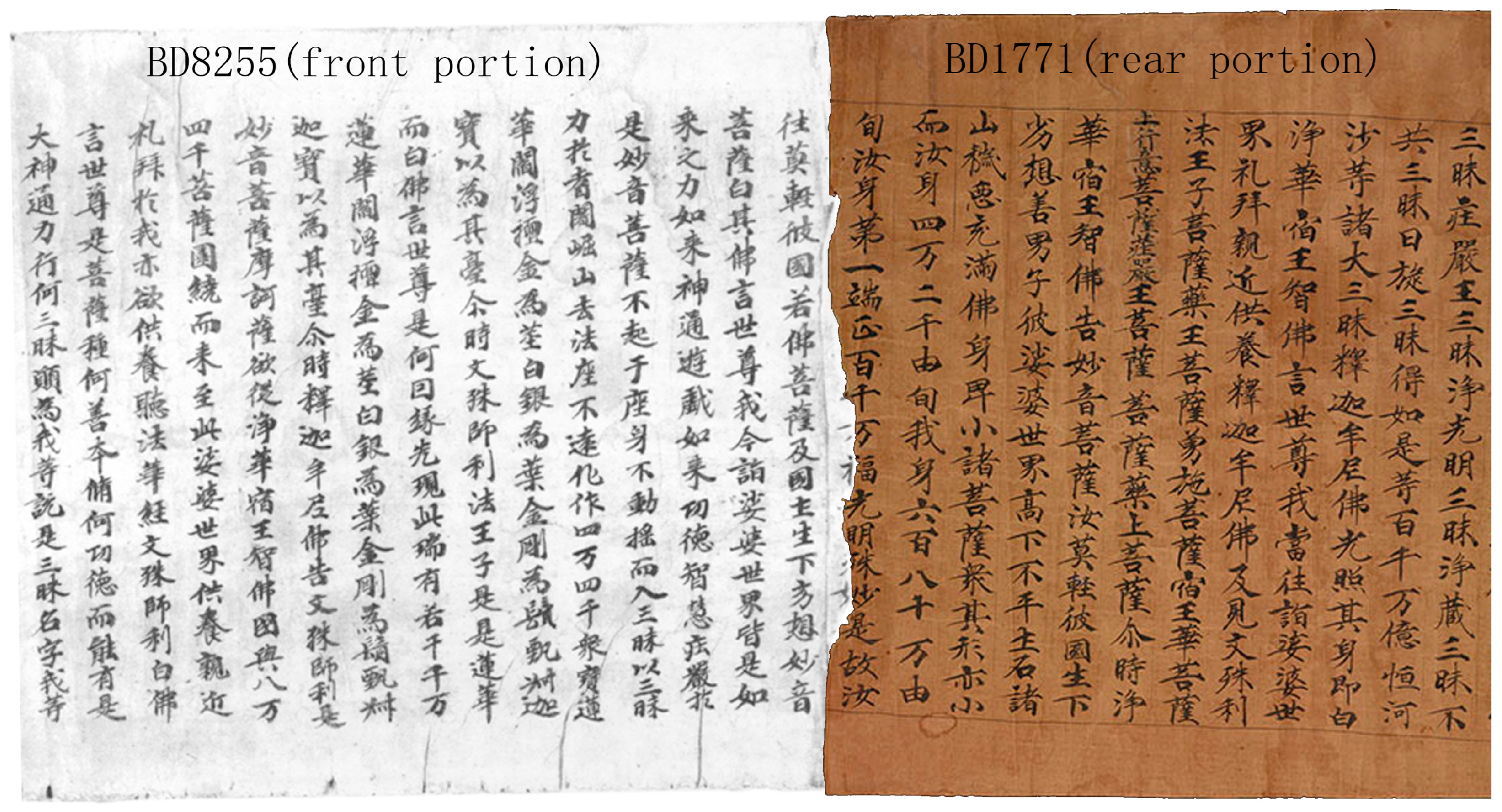
Patching up Dunhuang Manuscripts of the Miaofa lianhua jing: Exploring the Buddhist Philological Significance of Textual Reconstruction

Abstract
Share and Cite
Qin, L. Patching up Dunhuang Manuscripts of the Miaofa lianhua jing: Exploring the Buddhist Philological Significance of Textual Reconstruction. Religions 2026, 17, 731. https://doi.org/10.3390/rel17060731
Qin L. Patching up Dunhuang Manuscripts of the Miaofa lianhua jing: Exploring the Buddhist Philological Significance of Textual Reconstruction. Religions. 2026; 17(6):731. https://doi.org/10.3390/rel17060731
Chicago/Turabian StyleQin, Longquan. 2026. "Patching up Dunhuang Manuscripts of the Miaofa lianhua jing: Exploring the Buddhist Philological Significance of Textual Reconstruction" Religions 17, no. 6: 731. https://doi.org/10.3390/rel17060731
APA StyleQin, L. (2026). Patching up Dunhuang Manuscripts of the Miaofa lianhua jing: Exploring the Buddhist Philological Significance of Textual Reconstruction. Religions, 17(6), 731. https://doi.org/10.3390/rel17060731