Article

Shia Clerics, Holy Sites, and the Online Visual Culture of the Revolutionary Youth in Iran
by
Alireza Taherifard
Department of Architecture, Urban Planning, and Landscape Design, University of Kassel, 34127 Kassel, Germany
Religions 2022, 13(6), 542; https://doi.org/10.3390/rel13060542
Submission received: 10 February 2022 / Revised: 6 June 2022 / Accepted: 8 June 2022 / Published: 13 June 2022
(This article belongs to the Special Issue Digital Youth and Religion)

Abstract

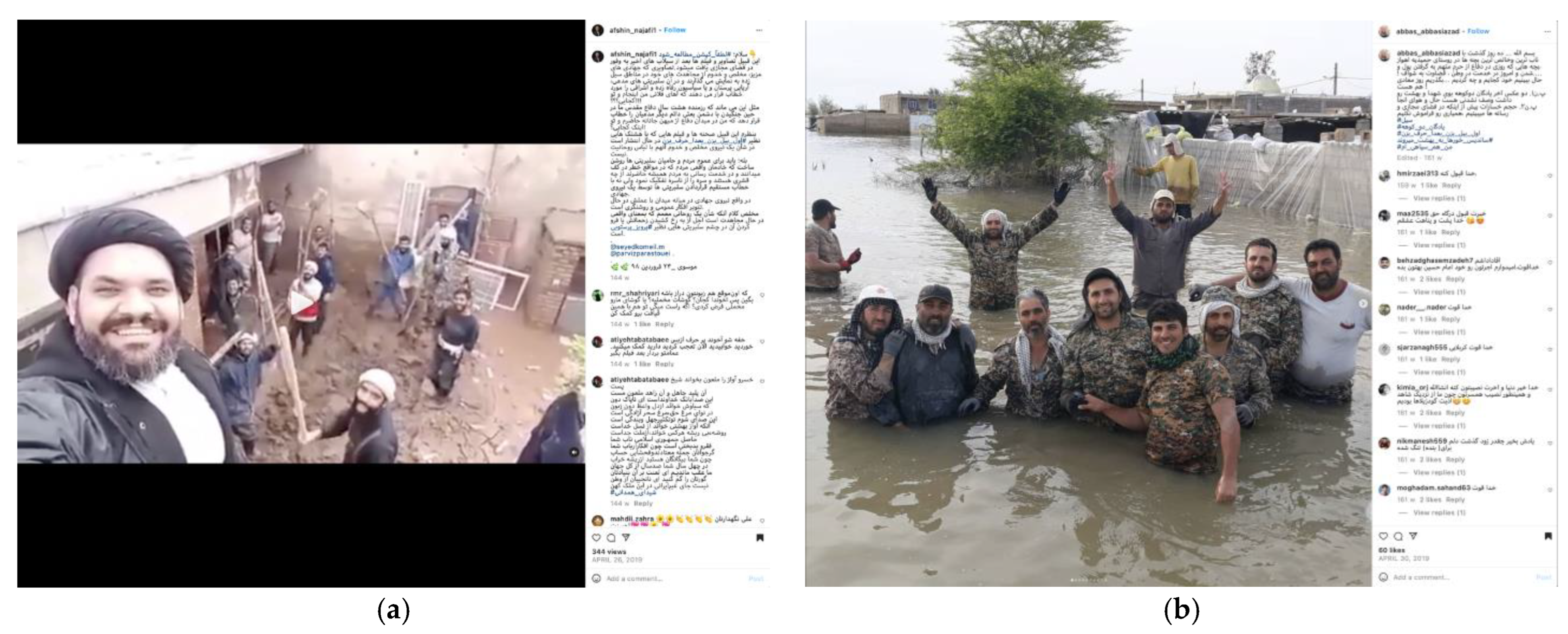
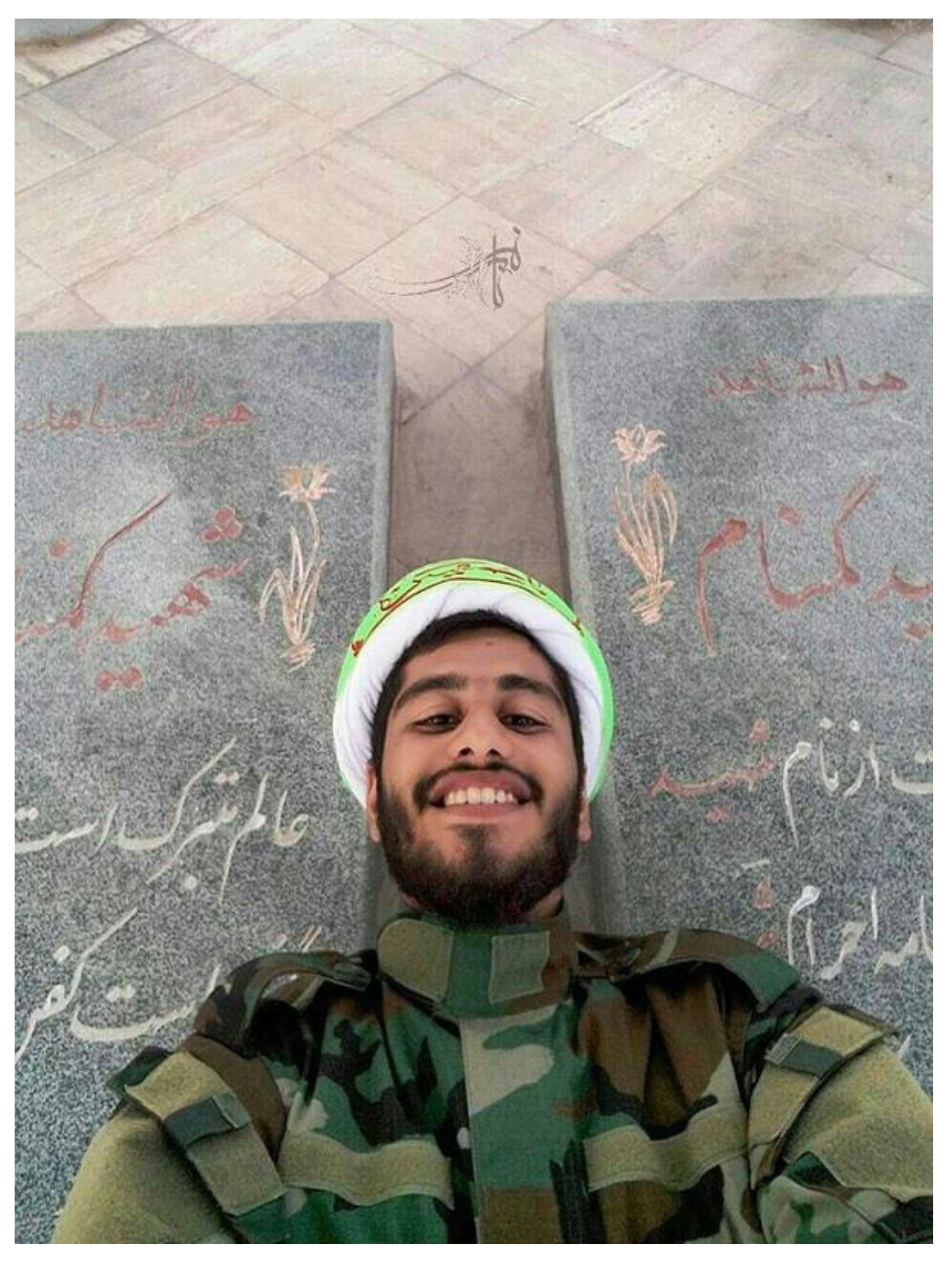
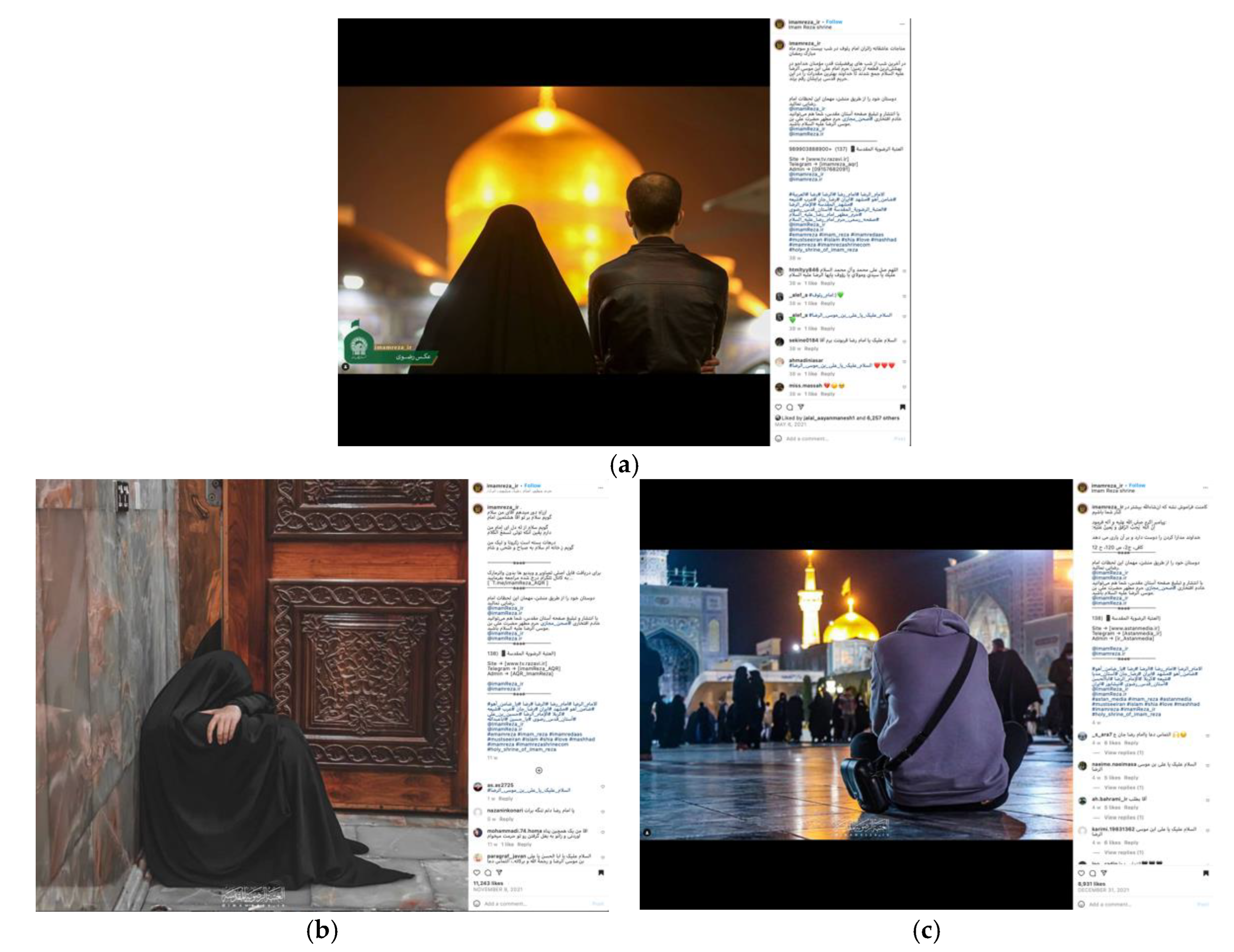
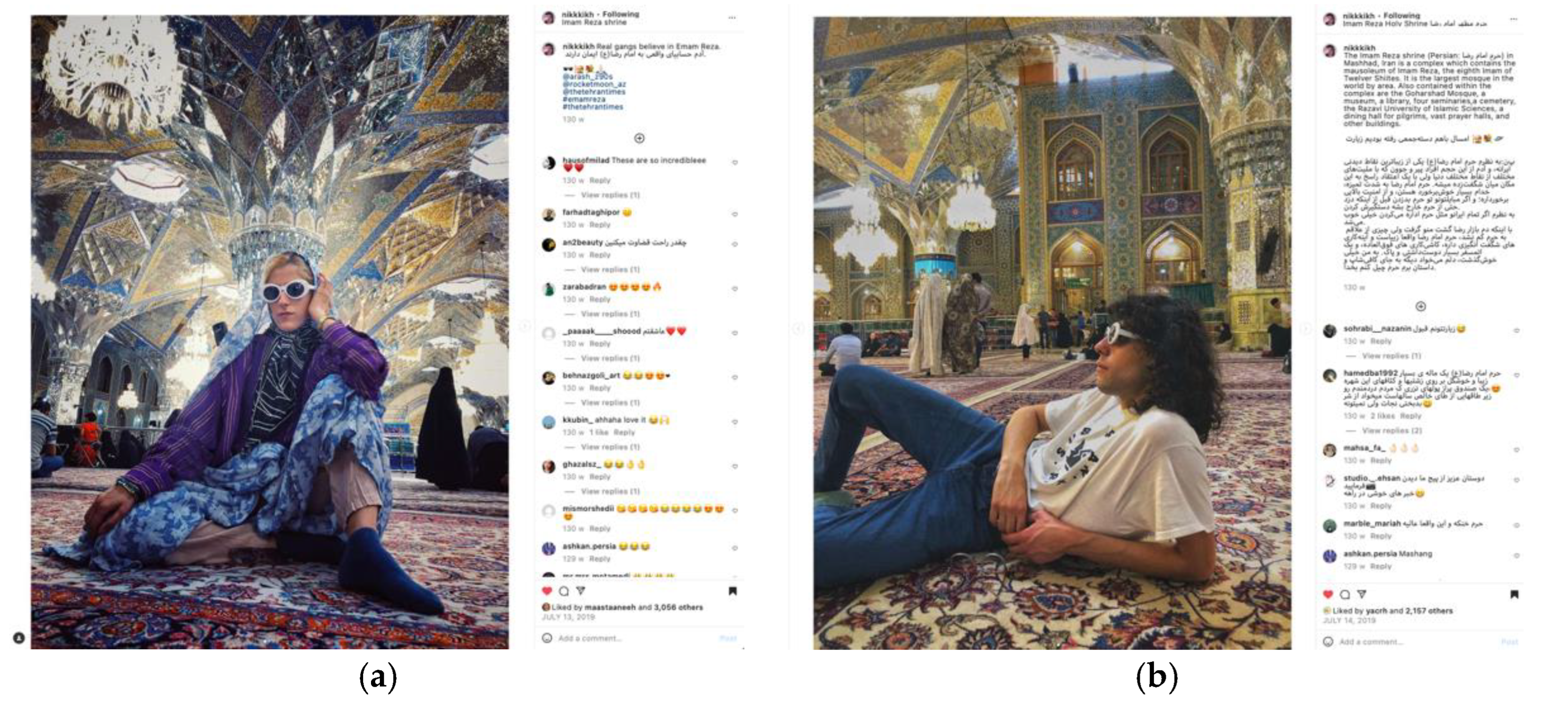
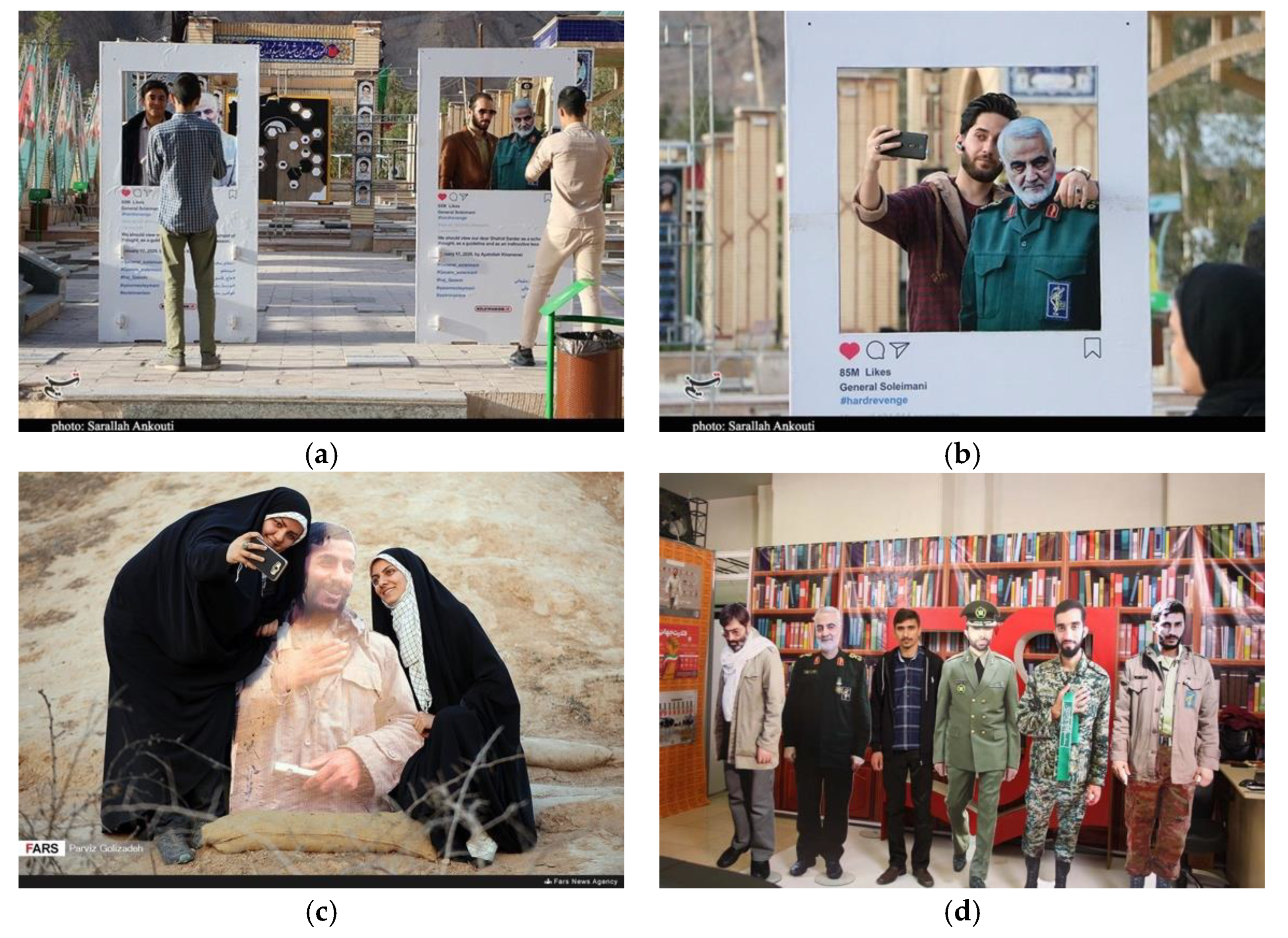
Since the supreme leader of the Islamic Republic of Iran (IRI) called on the clergy to embark on an online jihad to rescue youngsters trapped in the “killing field” of the internet, a vast number of clerics and state-sponsored religious organizations and actors have expanded their online activities. The growing body of Islamic online contents produced by the IRI’s promoters and the proliferation of social media-related practices in religious places and events have shaped the online visual culture of the Iranian revolutionary youths. To explore this under-researched area, this study concentrates on three sets of visual tropes: (1) selfies with martyrs, (2) selfies taken by revolutionary clerics in disaster-stricken areas, and (3) shared images of the holy shrine of Imam Reza on Instagram. In addition to online documents (including posters, photographs, and reports), the data includes selectively chosen Instagram postings retrieved by searching pertinent accounts, hashtags, and locations on the platform. The investigation inquires the ways in which online image-making has been incorporated in the construction of holy sites and the culture of sacrifice and martyrdom propagated by the IRI as ideal youth aspirations. The findings demonstrate the extensive appropriation of social media and intensive integration of online image-making in this field. The study contributes to understanding of the online spaces and practices aimed at extending the influence over the online youth culture in Iran in line with the IRI’s cultural plans and policies.
Keywords: Iran; Instagram; Shi Islam; clerics; online religious space; youth Iran; Instagram; Shi Islam; clerics; online religious space; youth