Article

Fractal Dimension as an Effective Feature for Characterizing Hard Marine Growth Roughness from Underwater Image Processing in Controlled and Uncontrolled Image Environments


1
Research Institute of Civil Engineering and Mechanics (GeM), Sea and Littoral Research Institute (IUML), Université de Nantes, CNRS UMR 6183/FR 3473, 44300 Nantes, France
2
IXEAD, CAPACITES Society, 44000 Nantes, France
3
QUANT Group, Department of Civil, Structural and Environmental Engineering, Trinity College Dublin, Dublin 2, Ireland
4
Dynamical Systems and Risk Laboratory, UCD Centre for Mechanics, School of Mechanical and Materials Engineering, University College Dublin, Dublin 4, Ireland
5
Science Foundation Ireland MaREI Centre, University College Dublin, Dublin 4, Ireland
6
The Energy Institute University College Dublin, Dublin 4, Ireland
7
Science Foundation Ireland Connect Centre, Trinity College Dublin, Dublin 4, Ireland
8
Laboratoire de Recherche en Hydrodynamique, Énergétique et Environnement Atmosphérique (LHEEA), Sea and Littoral Research Institute (IUML), Ecole Centrale de Nantes, CNRS UMR 6598/FR 3473, 44300 Nantes, France
*
Author to whom correspondence should be addressed.
J. Mar. Sci. Eng. 2021, 9(12), 1344; https://doi.org/10.3390/jmse9121344
Submission received: 15 October 2021 / Revised: 8 November 2021 / Accepted: 9 November 2021 / Published: 29 November 2021
(This article belongs to the Special Issue Underwater Computer Vision and Image Processing)

Abstract

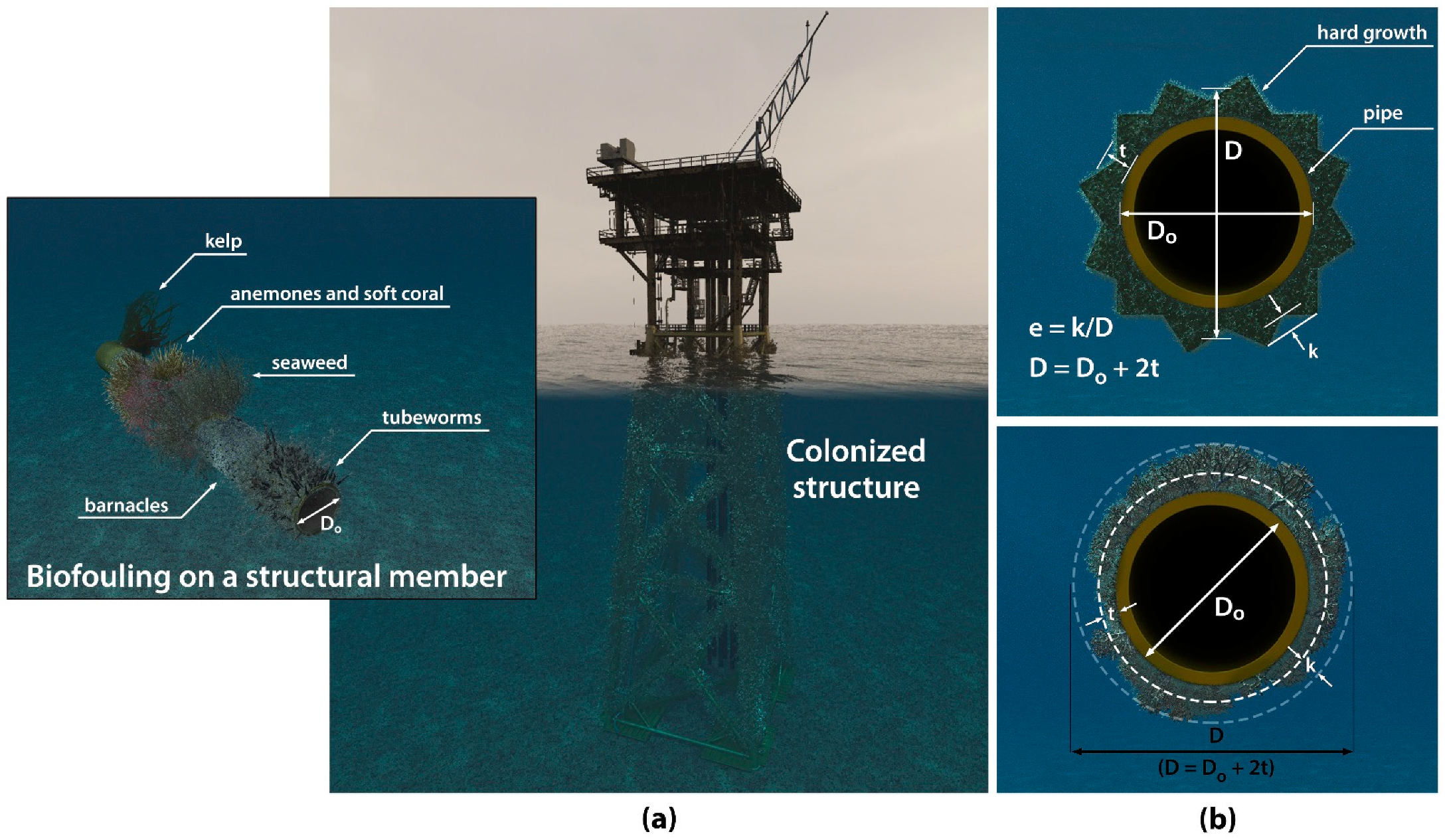
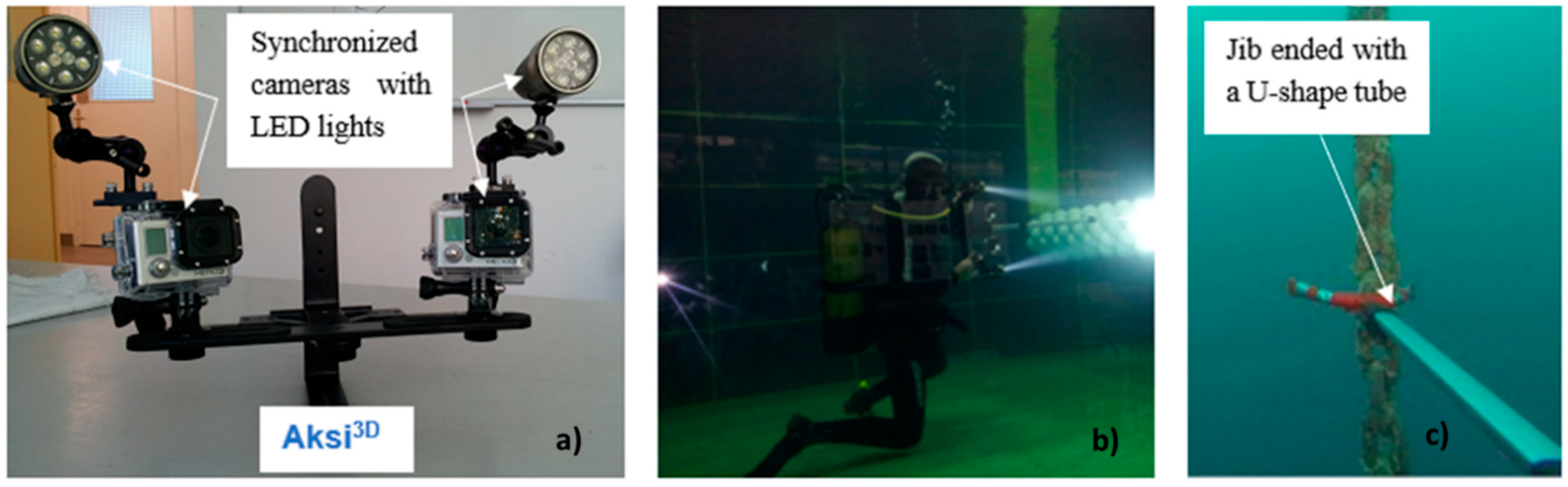
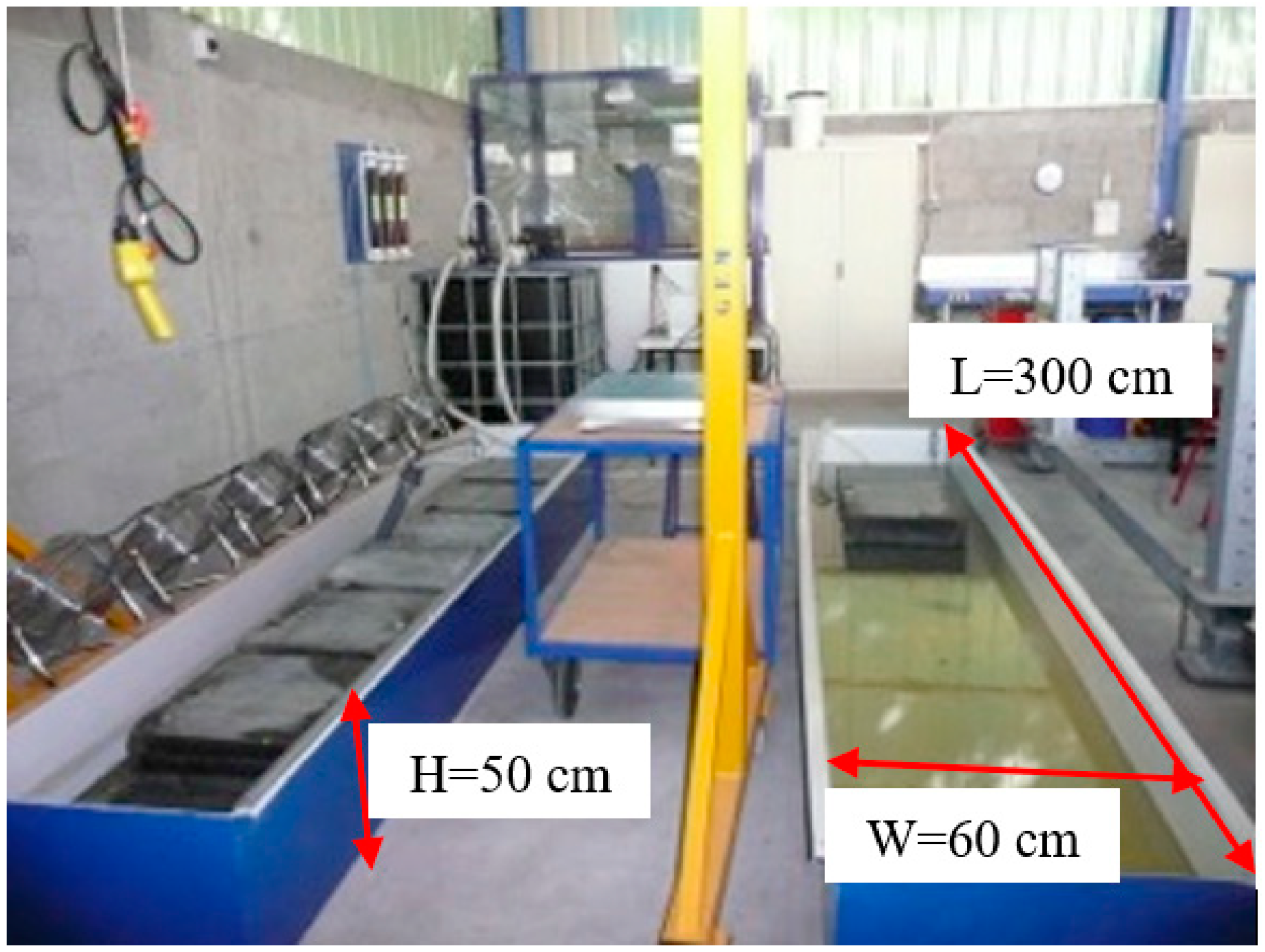
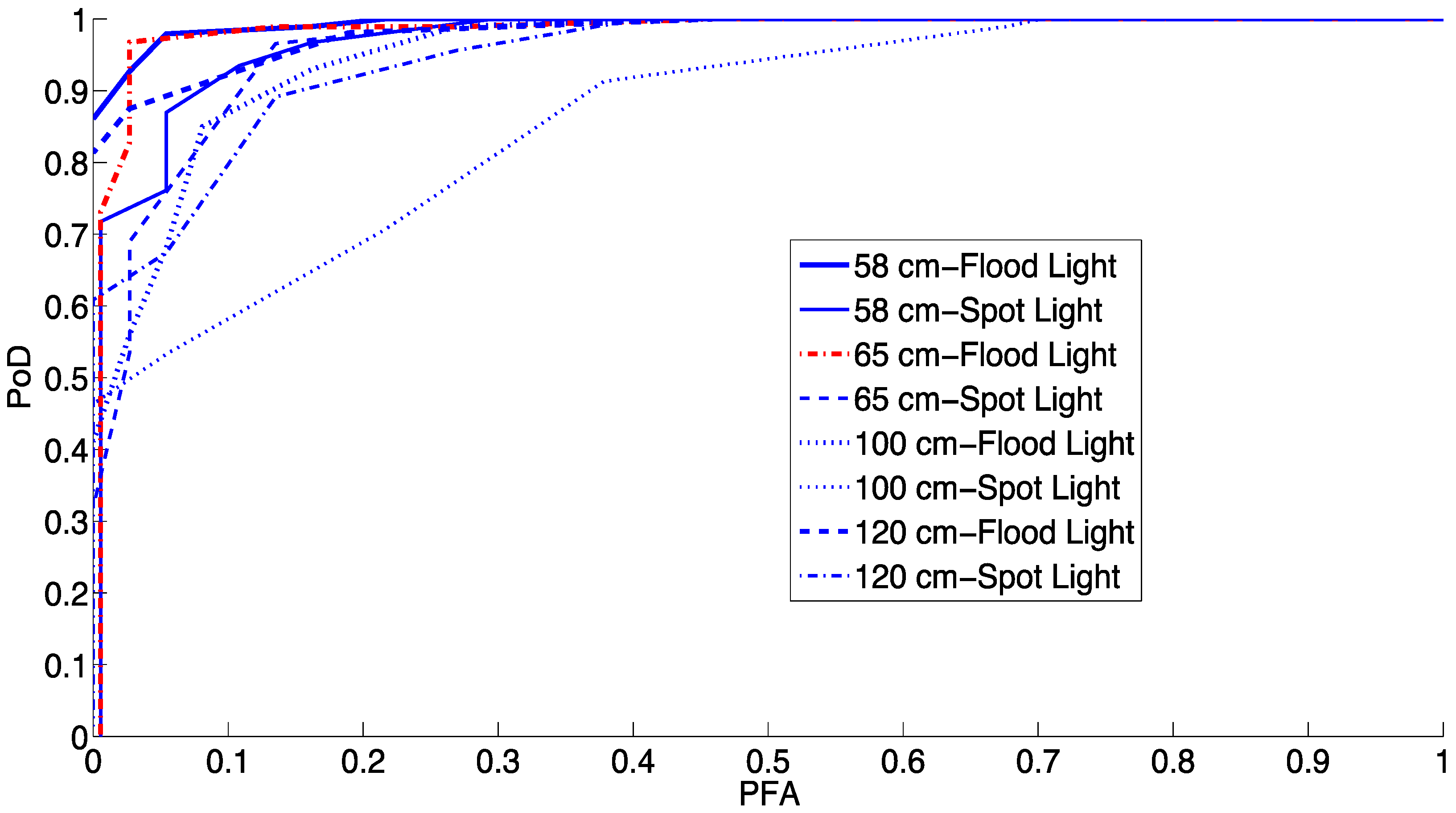
Hard marine growth is an important process that affects the design and maintenance of floating offshore wind turbines. A key parameter of hard biofouling is roughness since it considerably changes the level of drag forces. Assessment of roughness from on-site inspection is required to improve updating of hydrodynamic forces. Image processing is rapidly developing as a cost effective and easy to implement tool for observing the evolution of biofouling and related hydrodynamic effects over time. Despite such popularity; there is a paucity in literature to address robust features and methods of image processing. There also remains a significant difference between synthetic images of hard biofouling and their idealized laboratory approximations in scaled wave basin testing against those observed in real sites. Consequently; there is a need for such a feature and imaging protocol to be linked to both applications to cater to the lifetime demands of performance of these structures against the hydrodynamic effects of marine growth. This paper proposes the fractal dimension as a robust feature and demonstrates it in the context of a stereoscopic imaging protocol; in terms of lighting and distance to the subject. This is tested for synthetic images; laboratory tests; and real site conditions. Performance robustness is characterized through receiver operating characteristics; while the comparison provides a basis with which a common measure and protocol can be used consistently for a wide range of conditions. The work can be used for design stage as well as for lifetime monitoring and decisions for marine structures, especially in the context of offshore wind turbines.
Keywords: underwater inspections; infrastructure damage assessment; image-processing; biofouling; roughness; drag; fractals underwater inspections; infrastructure damage assessment; image-processing; biofouling; roughness; drag; fractals