Article

Emissions Performance Assessment of a Retrofitted Marine Genset Combusting Biomethane in Dual-Fuel Mode


1
Centre for Naval Architecture, Ocean, and Marine Engineering, Cyprus Marine and Maritime Institute, Larnaca 6023, Cyprus
2
InoMob LTD, Paphos 8028, Cyprus
*
Author to whom correspondence should be addressed.
J. Mar. Sci. Eng. 2025, 13(12), 2389; https://doi.org/10.3390/jmse13122389
Submission received: 7 November 2025 / Revised: 8 December 2025 / Accepted: 13 December 2025 / Published: 17 December 2025

Abstract

The purpose of this research article is to assess the emissions performance of a marine genset that was retrofitted to combust biomethane in a dual-fuel mode. The retrofits are part of our research efforts to provide a green cold-ironing solution for vessels at berth or in anchorage, and to advocate for a greener electrification of the port sector. An experimental campaign is presented to test the emissions performance by substituting biomethane as an energy basis. Up to 60% biomethane energy substitution is tested under low, medium, and high engine loads. The engine load is controlled via a resistive load bank, and the respective emissions were captured using portable gas analyzers. The results reveal a poor utilization of the gaseous fuel, leading to low engine efficiencies, high CO, and unburnt hydrocarbons at low and intermediate engine loads. However, marine gensets are utilized at high engine loads. At these loads, the specific fuel consumption improves. As indicated in the open literature, biomethane leads to high CO, and unburnt hydrocarbons and the respective NOx emissions drop compared to diesel-only cases.

1. Introduction

There has been a significant drive to achieve a decarbonization of the maritime industry that is led by recent legislation (the provisions of the European Green Deal and “Fit for 55” legislation package), as well as the IMO’s deep decarbonization targets. Decarbonizing the maritime industry is a multifaceted problem that requires a plethora of solutions, including existing technologies, niche technologies, and the use of alternative green fuels, as well as incentives [1]. One such option is the use of biomethane as a maritime fuel. A comprehensive review of biomethane use is thoroughly discussed by Mallouppas et al., indicating the potential of the fuel as a maritime decarbonization option [2].
The purpose of this research article is to assess the emissions performance of a marine genset retrofitted to combust biomethane in a dual-fuel mode. Biomethane is upgraded from biogas, with pig manure as a feedstock. The research is part of the envisioned Net-Zero-Emissions-CI project [3] project, which aims to provide green electrification to vessels while at berth or at anchorage. In summary, the retrofitted marine genset has been installed on a barge that operates under a dual-fuel model. To accommodate the genset and the biomethane storage tanks, the barge was also retrofitted. The overall solution of Net-Zero-Emissions-CI aims to advance current bioCNG production, which mainly utilizes animal waste feedstocks, and to integrate it with bioCO2 capture and liquification technology, resulting in a carbon negative bioCNG production and its utilization for cold-ironing applications. This concept is applicable to countries and/or regions lacking the available infrastructure to transport compressed methane. Thus, the Net-Zero-Emissions-CI concept will offer a cost-effective locally produced green solution for cold-ironing so that vessels are compliant with European directives and international legislation. This maximizes the energy efficiency of power generation compared to the status quo onboard vessels, either at berth or at anchorage. For more information on the concept and the overall lifecycle assessments of the solution applied to the Port of Limassol, the reader is referred to Mallouppas et al. [4]. The following paragraphs present a brief description of the open literature regarding the use of biomethane, in particular, for cold-ironing applications.
As already alluded to, a major global industry severely affected by the energy market disruption is the shipping industry, with cascading effects on consumers due to the increasing prices on fuels and other goods. The BioCNG-to-CI concept is a very pragmatic and tangible solution for the case of Cyprus, as illustrated by Mallouppas et al. [4]. The shipping industry is catalytic to the Cyprus economy, contributing to more than 7% of the country’s GDP. It is well accepted that the decarbonization of the maritime industry is a complex challenge, and solutions will require interdisciplinary collaboration among stakeholders across the globe. Biofuels are the most promising option for lowering CO2 emissions in deep-sea maritime shipping, irrespective of the fact that their share is currently very low [5]. In addition, the need to transition to climate neutrality in the shipping sector requires, among other things, the development of a cold-ironing infrastructure, otherwise called a Shore-Side Electricity (SSE) supply. Traditional cold-ironing is the process of providing external electrical power to a ship at berth while its main and auxiliary engines are turned off, which avoids local air pollution and limits energy inefficiencies due to low-load engine operation at berthing. As per FuelEUMaritime, cold-ironing should be available at all European core ports for calling ships by 2025 (Directive 2014/EU). This facility will be provided to cruise/passenger and container ships, with the potential, yet to be decided, to be extended to all vessels. For the time being, cold-ironing infrastructure is not yet available in Cypriot ports. Note that the Port of Limassol is a European core port.
Biomethane is considered a promising second-generation (advanced) marine biofuel due to its environmental sustainability, its financial competitiveness, the relative feedstock abundance (organic waste) across the globe [6], easy combustion in internal combustion engines, compatibility with existing natural gas infrastructure, and the potential to “revitalise rural areas” by providing “new end markets for agricultural commodities” [2,7]. Biomethane as an advanced biofuel is a promising renewable power source for demanding cold-ironing applications.
Cold-ironing can offer direct and significant CO2 reductions for fossil-powered auxiliary engines of ships at berth [5,8] or at anchorage. In fact, Bjerkan and Seter [9], in their extended review, present cold-ironing as the most viable option for ports to satisfy the “increased demands for sustainability”. Williamsson et al. [7] discuss, in their extended survey, the key barriers and drivers for cold-ironing. In their review, they identify a key barrier as “limited access to power and especially renewable power” due to the unavailability of access to non-intermittent renewable power sources. In view of the above limitations, producing and utilizing carbon-negative bioCNG as a cold-ironing power source is seen as a very promising global solution for a continuous off-grid, on-demand, net-zero emissions cold-ironing solution for the maritime industry.
In a recent study conducted by the Cyprus Marine and Maritime Institute, Cyprus, for the Ministry of Energy, Commerce and Industry of the Republic of Cyprus, the peak power demands for cold-ironing in Cyprus were estimated at 40 MW (considering the available capacity of the Cypriot ports of Limassol and Larnaca) [10]. Note that the estimated 40 MW demand does not include the demand needed by vessels while at anchorage, hence the importance of solutions such as BioCNG-to-CI, as they offer “green” solutions in terms of cold-ironing for vessels at anchorage.
Due to the intermittent nature of traditional Renewable Energy Sources (RESs) (e.g., Solar, Waves, and Wind), the energy mix could include the use of locally produced compressed biomethane, aiming for on-demand, off-grid, net-zero emissions cold-ironing applications. Intermittent RESs also require the necessary solutions and infrastructure for storage. Currently, for countries with isolated grids, such as Cyprus, this presents a significant challenge. This isolation imposed on isolated grids leads to a high wastage in RES production, requiring the need for effective storage solutions [11,12]. This challenge, on the other hand, presents an important opportunity for biomethane as a drop-in fuel in terms of cold-ironing, since solutions for the storage of gaseous fuels are already available, i.e., a Power2Gas solution [13]. Therefore, the above restrictions necessitate more in-depth research and exploration activities in engine retrofitting, serving as the motivation for this study. From the above literature and motivation, the current study’s objectives and scope were defined.
This study investigates the emission performance of a marine genset that was modified to operate in a dual-fuel mode, and it was part of the Net-Zero-Emissions-CI project’s framework [3], an effort to offer green cold-ironing solutions to vessels at berth and anchorage. An experimental-based campaign was carried out in which biomethane replaced up to 60% of the fossil fuel requirement across low-, medium-, and high-load conditions. The engine load was controlled using a resistive load bank, and emissions were measured with portable gas analyzers. The results reveal that, at low and medium loads, the engine does not fully combust biomethane efficiently, resulting in reduced efficiency and elevated emissions of carbon monoxide and unburned hydrocarbons. However, at high loads, the performance is found to be efficient, and specific fuel consumption decreases. Demonstrating the real-world behavior of a retrofitted marine engine at a land-based environment operated at a dual-fuel mode for cold-ironing applications is considered a novel aspect of the paper. In addition, the results provide unique evidence across various loading conditions, establishing practical performance limits and emissions trade-offs that are crucial for port electrification strategies.
The current paper has been structured into different sections, as mentioned below. Section 2 presents the retrofits performed in order to combust biomethane in a dual-fuel mode. Biomethane was obtained from the actual production and upgrading of biogas, where the feedstock used was pig manure. Section 3 describes the experimental methodology and test campaigns. Section 4 presents the analysis in terms of the emissions performance of the retrofitted genset. Section 5 summarizes the key findings of this research work. Biomethane was considered as a dual fuel alongside MGO for combustion.

2. Retrofits for the Marine Genset to Combust Biomethane in Dual-Fuel Mode

2.1. Marine Genset Specifications

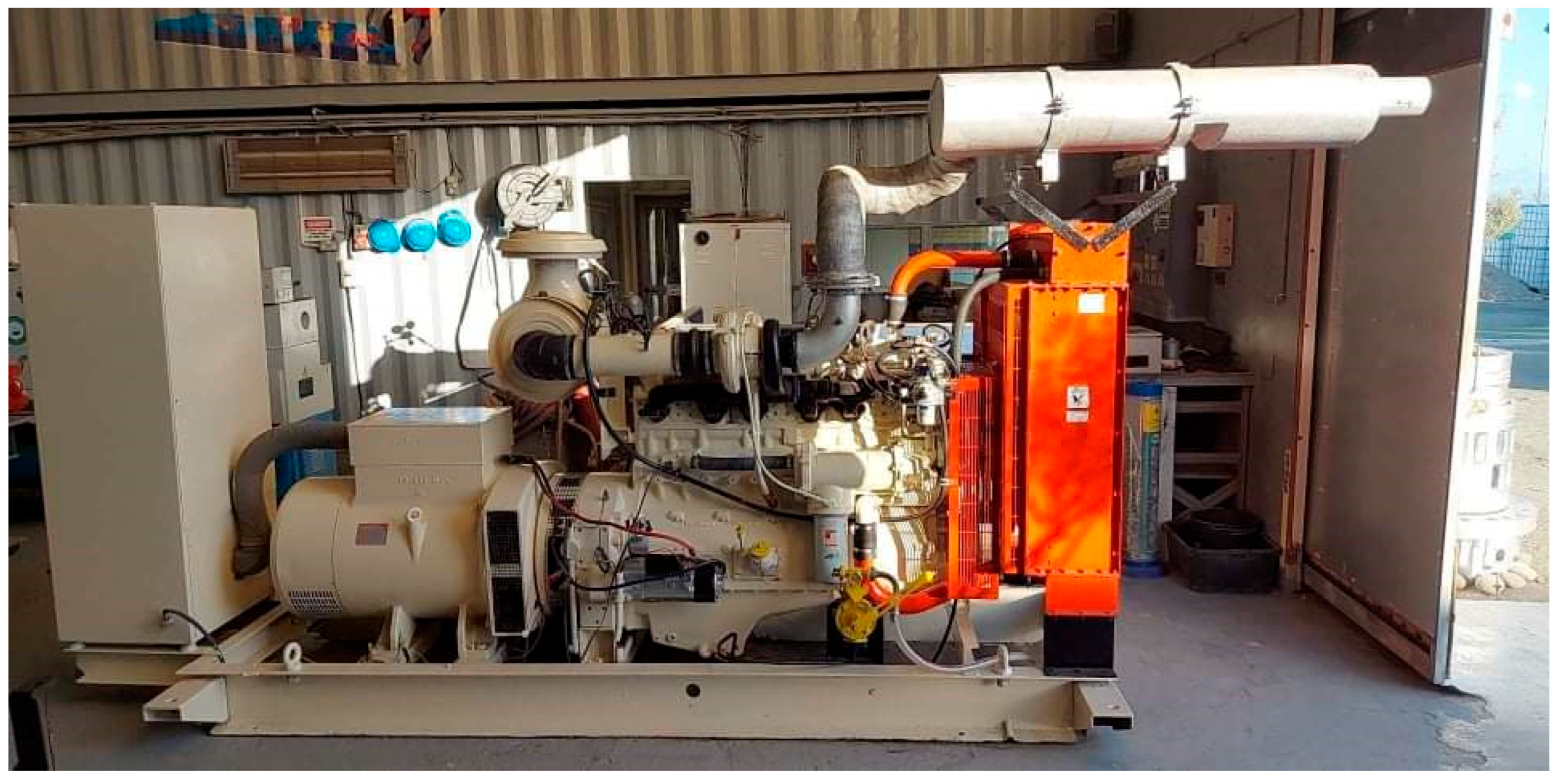
A Cummins NT-855 GenSet is used in the retrofits, and its specifications are described in Table 1 and illustrated in Figure 1.

2.2. Retrofits on Marine Genset

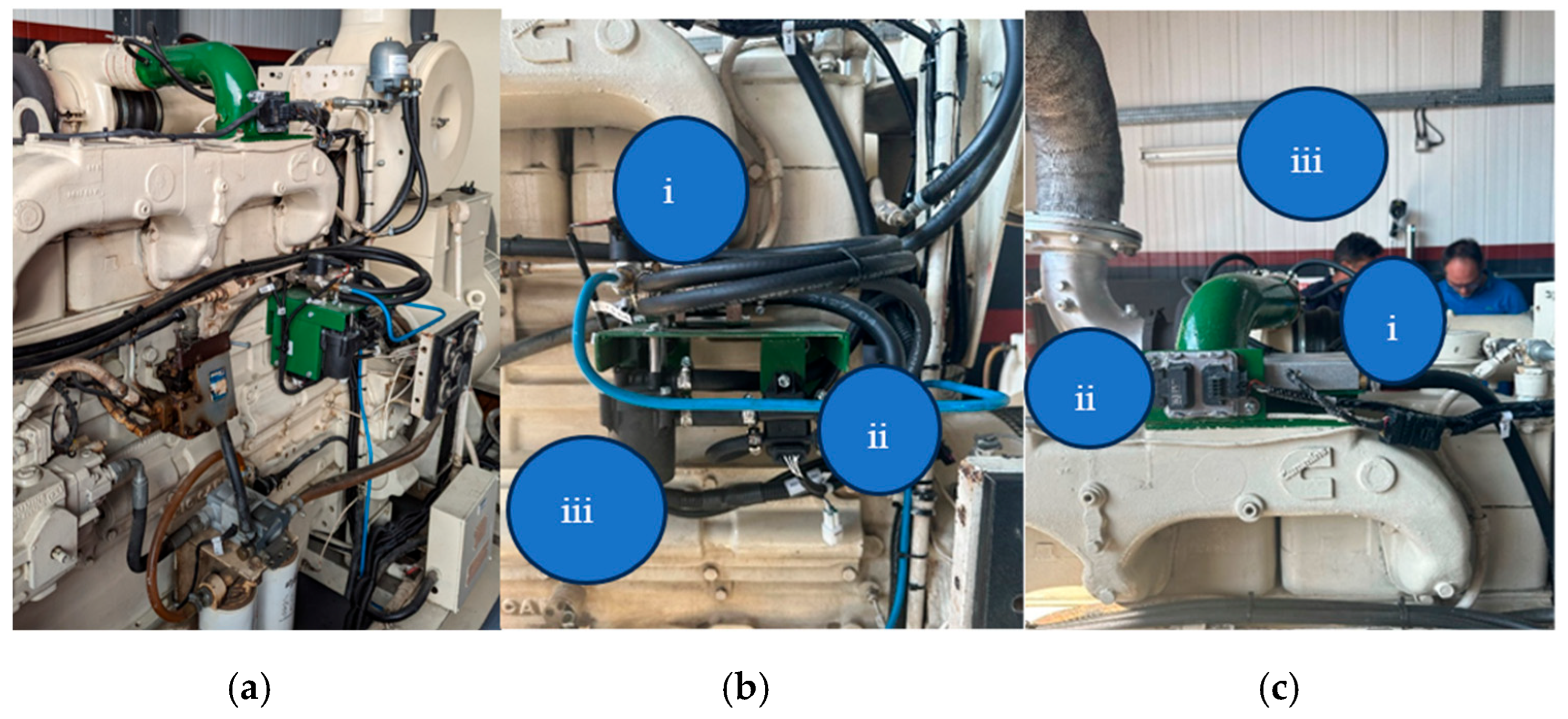
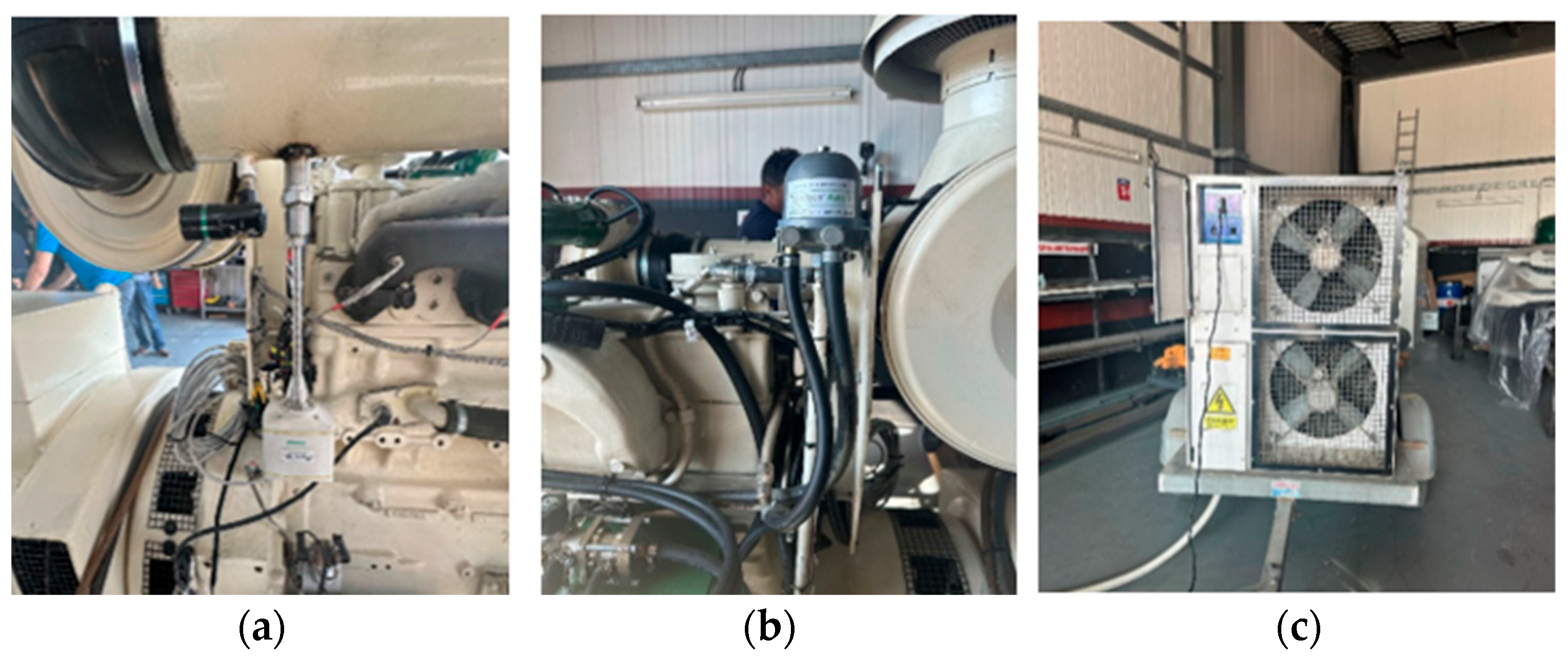
The required engine retrofits (see Figure 2 and Figure 3) have been performed in the framework of the BioCH4-to-Market (ENTERPRISES/0521/0162) project; refer to Mallouppas et al. [14].

3. Experimental Methodology, Measurement Campaigns, and Datalogging

3.1. Biomethane Composition

The biomethane used in the current research work was upgraded from biogas, and the feedstock was from pig manure. The biomethane composition is shown in Table 2.

3.2. Experimental Setup, Measurement Campaigns, and Datalogging

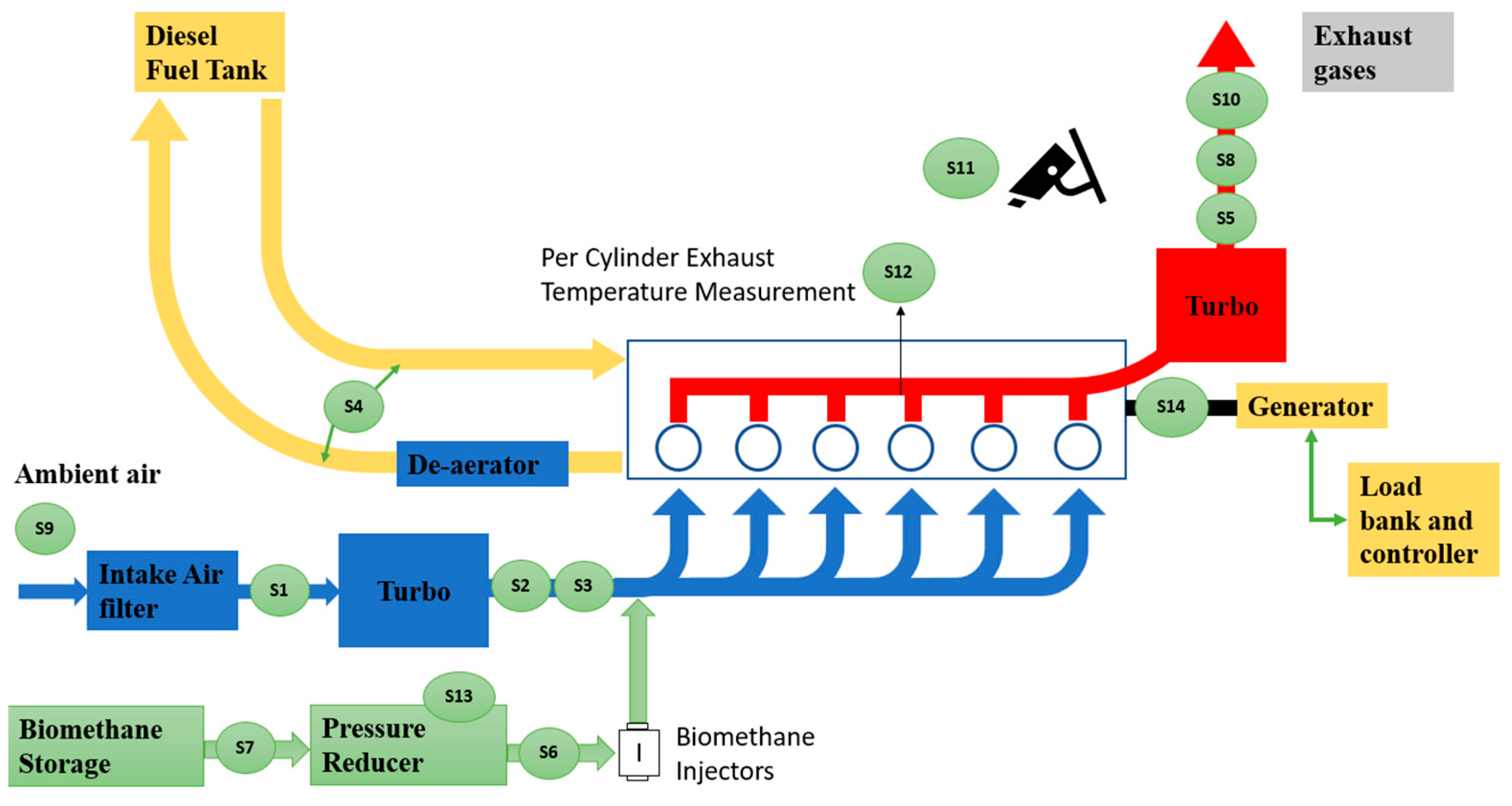
The experimental setup and various measuring equipment are shown in Figure 4. The engine load was controlled via a resistive load bank. Table 3 presents the sensors included in the measurement setup.
Portable flue gas analyzers were used to analyze the flue gas emissions: (1) one from Land Ametek [15], to measure flue gas temperature, CO, SO2, O2, NO2, NO (NOx as cumulative of NO2 and NO), CxHy, CO2, and water vapor, and (2) VARIOluxx [16], from MRU Gmbh, to measure methane slipping. The gas analyzers also measured ambient air temperatures. A S401 thermal mass flow sensor was used to measure the air flow rate and a DFM diesel flow meter from Technoton was used to monitor the diesel fuel flow rate [17]. A Tigerloop Auto 2 diesel de-aerator was used on the fuel return line to remove air from the fuel line for accurate measurement of the diesel flow rate.
All experiments were conducted at an engine speed level of 1500 rpm, each lasting a standardized 5 min after ensuring steady state conditions and engine operation. To maintain control over the quantity of MGO injected into the engine, an electrical speed governor was employed. This governor is equipped with a magnetic pickup sensor that continuously monitors and controls the rotational speed of the engine (rpm). In response to the changes in electrical load imposed by the load bank, the governor dynamically adjusts the fuel supply to ensure a constant engine speed of 1500 rpm. For instance, an increase in load on the engine (kW) prompts the governor to increase fuel injection, maintaining the desired speed. Similarly, under constant load conditions and the introduction of biomethane into the engine, the governor reduces fuel to sustain steady engine speed. This adjustment is made to adjust to added energy due to biomethane injection.
Control over the biomethane injection quantity is achieved through the adjustment of the opening duration (ms) of the injectors. This adjustment, in conjunction with biomethane injection pressure and temperature, engine speed, and injector characterization, facilitates the computation of the biomethane flow rate (kg/h).
During dual-fuel experiments, the injection opening duration was manually fine-tuned. The X% energy supplementation was computed based on the biomethane flow rate (kg/h), measured MGO flow rate (L/h), and the pertinent Lower Heating Values (LHVs) for each fuel. Once the X% energy supplementation reached the predetermined target, data logging for the experiment commenced.
A data logger was used to log the data during the measurement campaigns, ensuring their synchronization. All recorded measurements were transmitted to the Engine Control Unit (ECU) via CAN bus and documented through the in-house data-logging system.
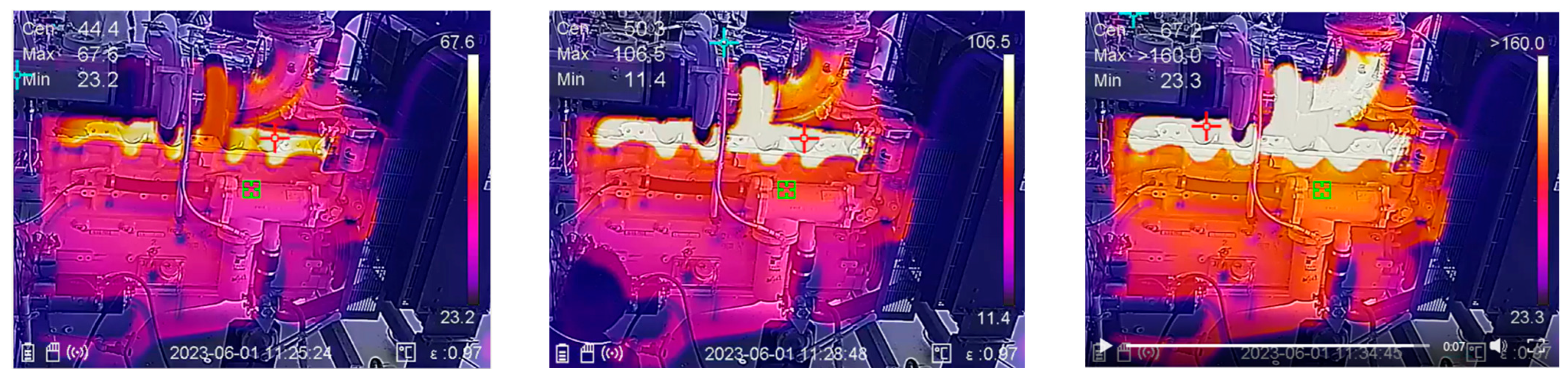
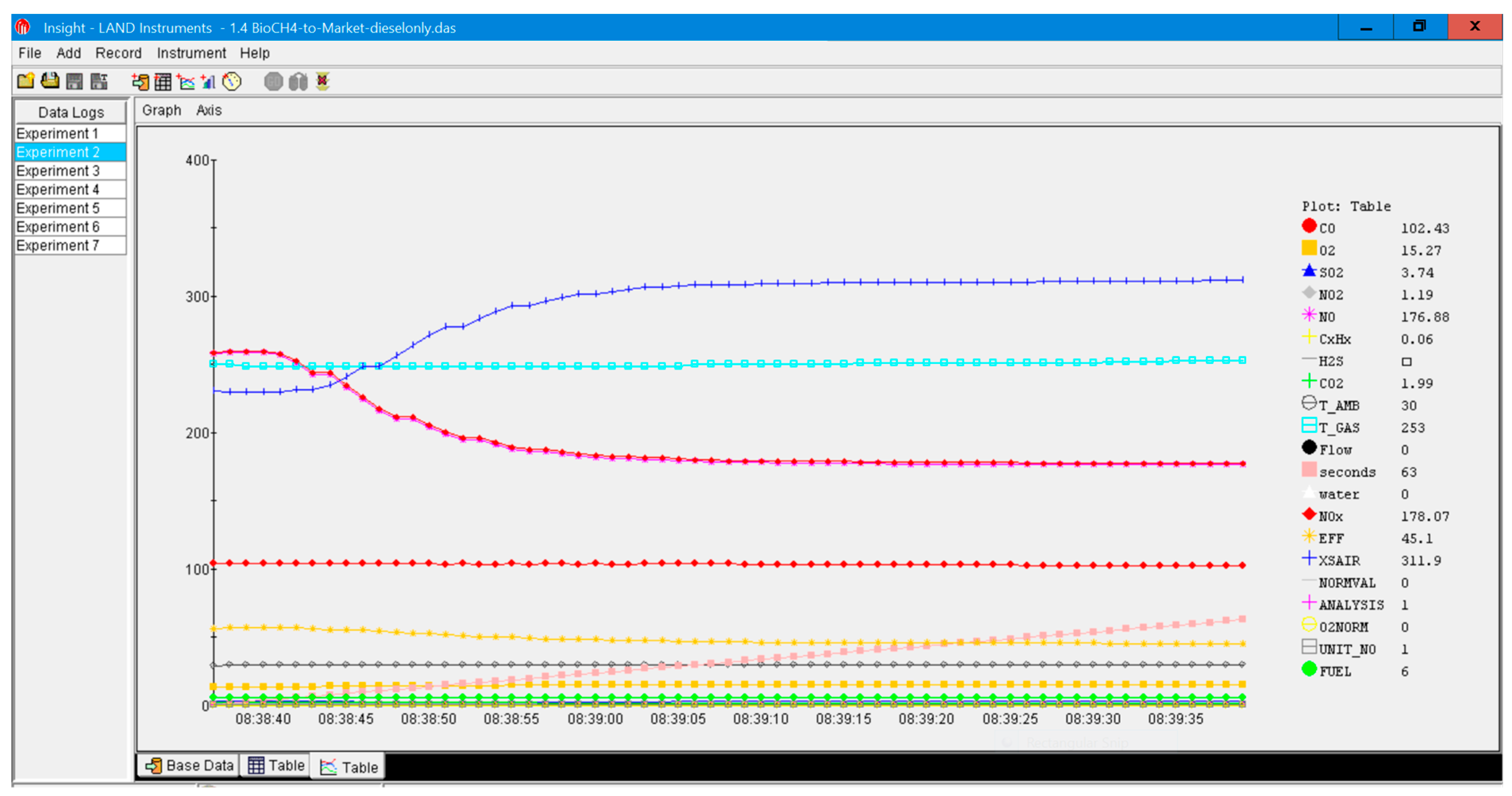
Ample time was provided for the engine to warm up. Steady state conditions were ensured via the use of an HIK thermography camera; see Figure 5. In addition, the gas analyzers were used to monitor the emissions during load changes; steady state conditions were ensured via the real-time monitoring of the emissions from the gas analyzers (see Figure 6). Table 4 presents the testing matrix of the measurement campaigns.

4. Results and Discussion

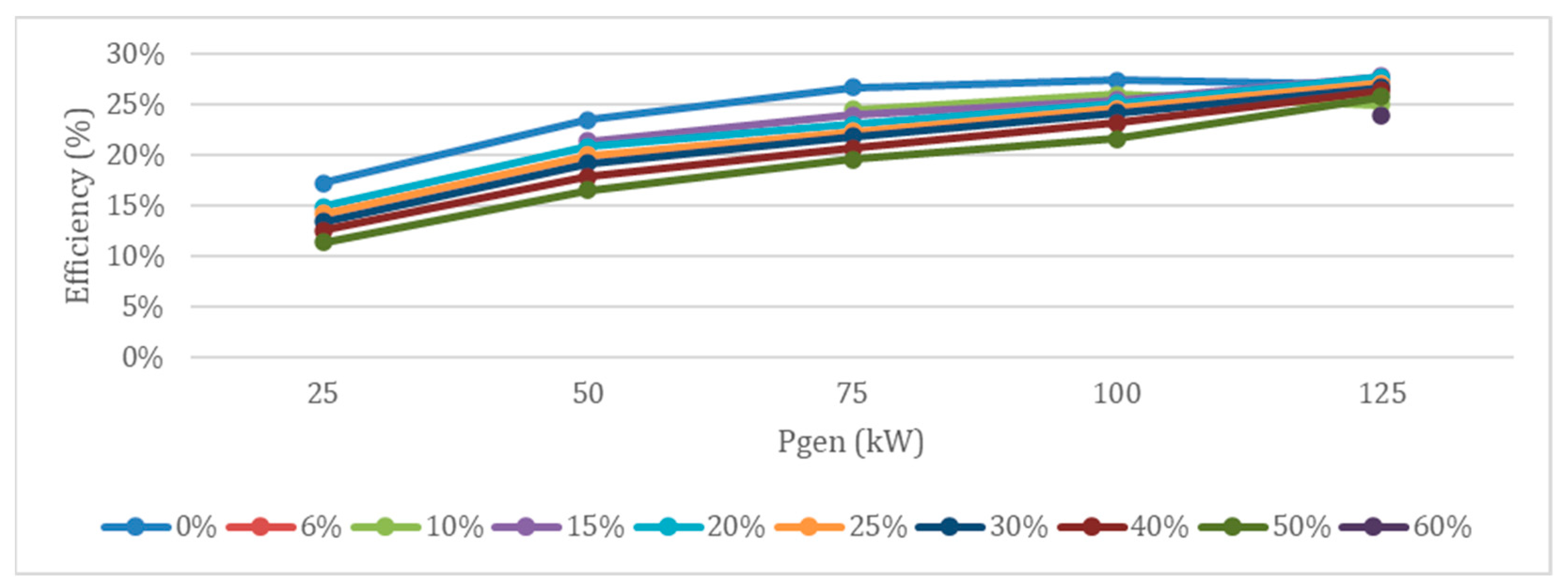
Figure 7 shows two main observations regarding engine efficiency. These observations are also confirmed by Papagiannakis et al. [18], who examined a DI diesel single-cylinder engine with natural gas. Note, however, that Papagiannakis et al. [18] have replaced natural gas on a mass basis. In this work, biomethane is replaced on an energy basis.
  • A lower engine efficiency (especially at low and intermediate loads) was observed in this case for the dual-fuel mode compared to diesel-only operation, similar to the observations obtained by Papagiannakis et al. [18]. This is due to a lower control of the premixed combustion rate as opposed to diesel-only operation.
  • Improvements were found in engine efficiency and overall performance at high loads due to a better utilization of the gaseous fuel under dual-fuel mode compared to diesel-only conditions.
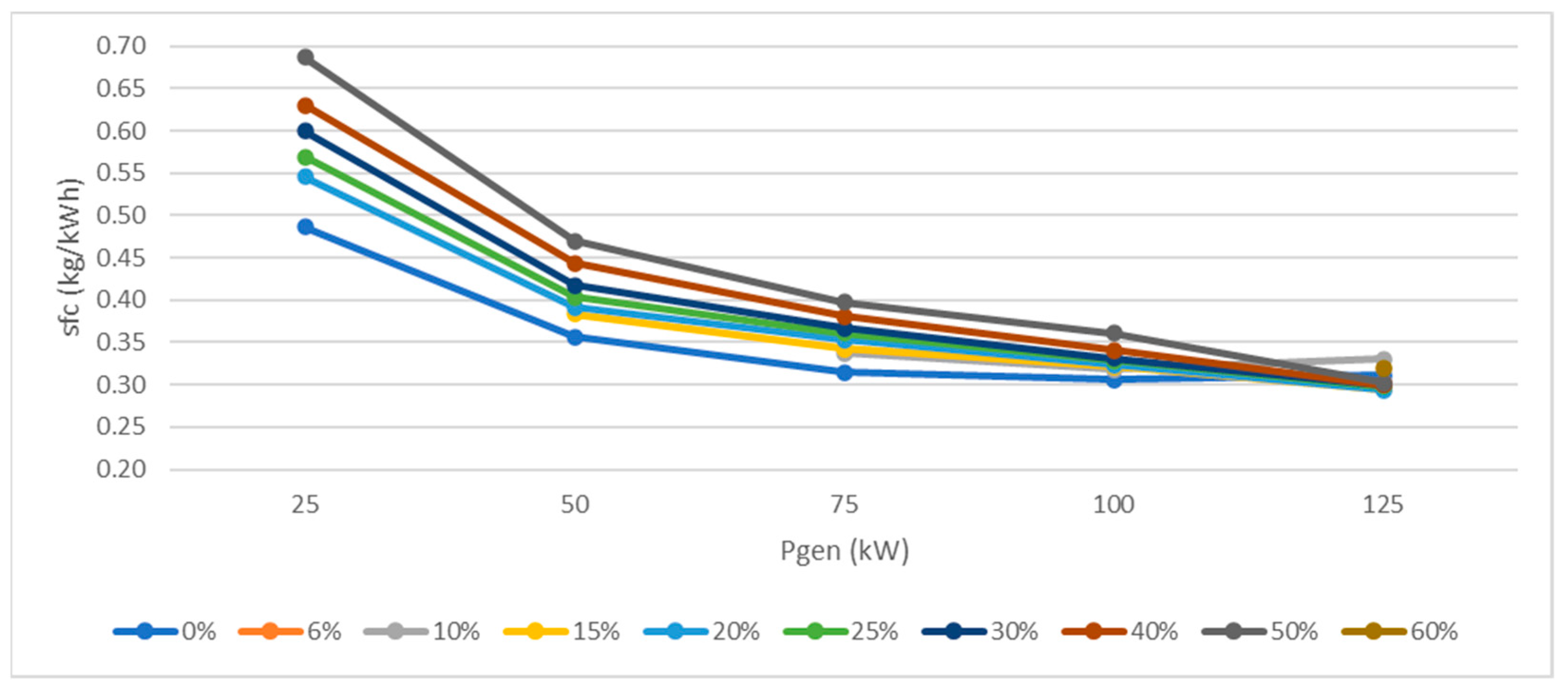
The definition of the specific fuel consumption includes the LHVs of MDO and biomethane based on the percentage of energy supplemented. Similarly, with the impact on engine efficiency, Figure 8 indicates that, with an increasing biomethane percentage, the specific fuel consumption (SFC) increases, especially at low loads, further confirming the observations of Papagiannakis et al. [18]. Higher values of total break specific fuel consumption were also reported by Papagiannakis et al. [18], particularly at part-load conditions. At high-load conditions, Papagiannakis et al. [18] noted that “the values observed between both types of dual-fuel operating modes tend to be converging”; a similar trend was observed with the current results.
The volumetric efficiency of the engine operating with biomethane was taken into account by calculating a new specific heat ratio, k, and a gas constant of the mixture, R (kJ/kg/K), which are defined as follows:
k = y a i r C p , a i r + y C H 4 C p , C H 4 y a i r C v , a i r + y C H 4 C v , C H 4 ,
R = y a i r C p , a i r + y C H 4 C p , C H 4 ( y a i r C v , a i r + y C H 4 C v , C H 4 ) ,
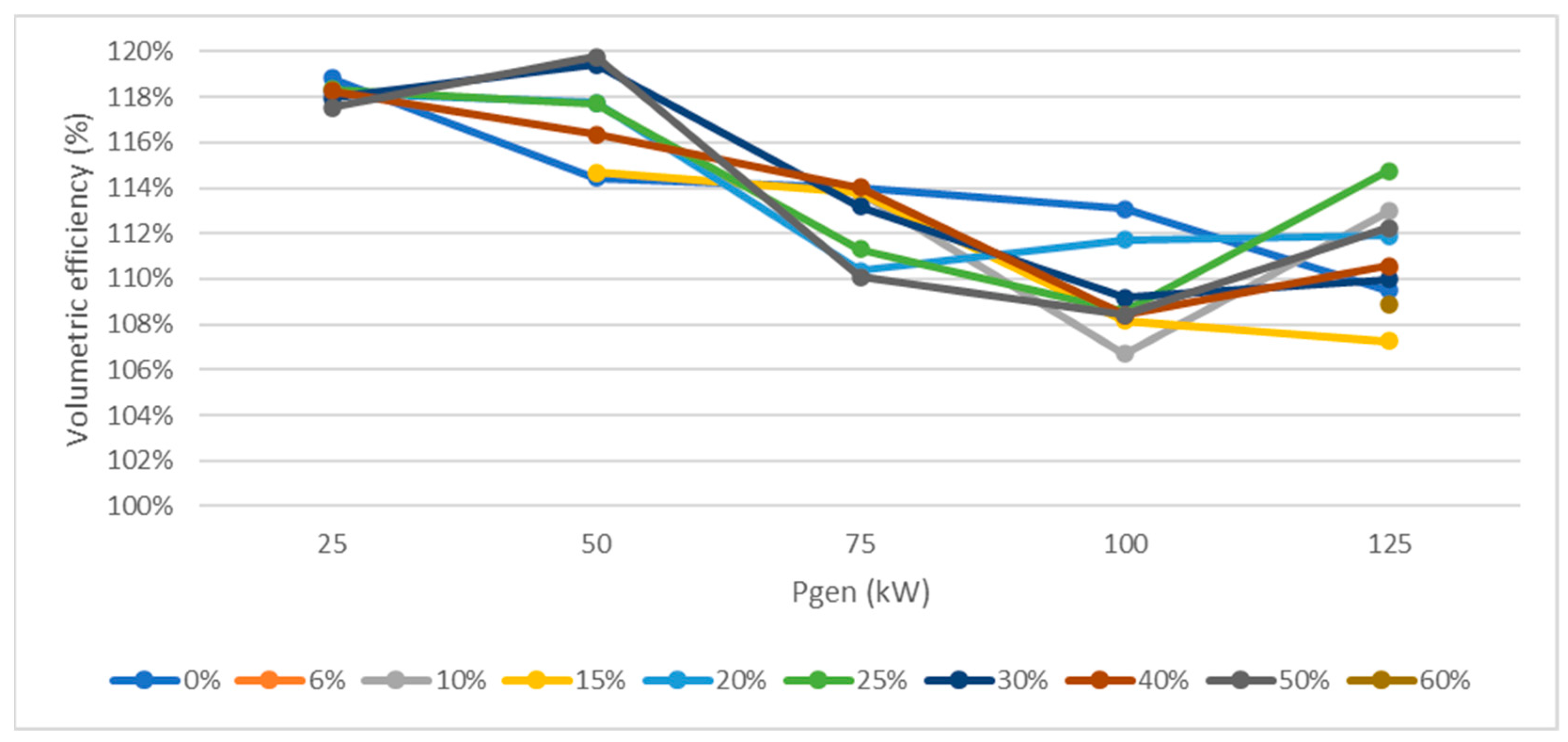
where y a i r and y C H 4 are the mass fractions of air and biomethane, respectively. C p and C v are the specific heat capacity at constant pressure and constant volume, respectively. In this study, C p , a i r = 1.005 k J k g K , C v , a i r = 0.718 k J k g K , C p , C H 4 = 2.2537 k J k g K , and C v , C H 4 = 1.7354 k J k g K [19]. The volumetric efficiency (Figure 9), compared to diesel-only measurements (part of the current study), at the tested loads and energy replacements (up to 30%) seems unaffected. The percentage of biomethane on a mass basis ranges from 0.2% to 0.85%. The variation from the diesel-only measurements is accounted for by the uncertainty of the air flow measurements and turbocharger pressure. Note that the specific heat ratio of the air/biomethane mixture (affected by the synthesis of the mixture) must be taken into consideration when calculations are conducted to estimate the mixture conditions by the end of the compression process (also affecting the peak combustion temperature and the expansion process). An analysis of in-cylinder pressure data could lead to a better understanding of the governing mechanisms.
Table 5 reports the turbocharger pressure, computed temperature, and computed specific heat ratio at the different conditions. The variation in these properties is very small.
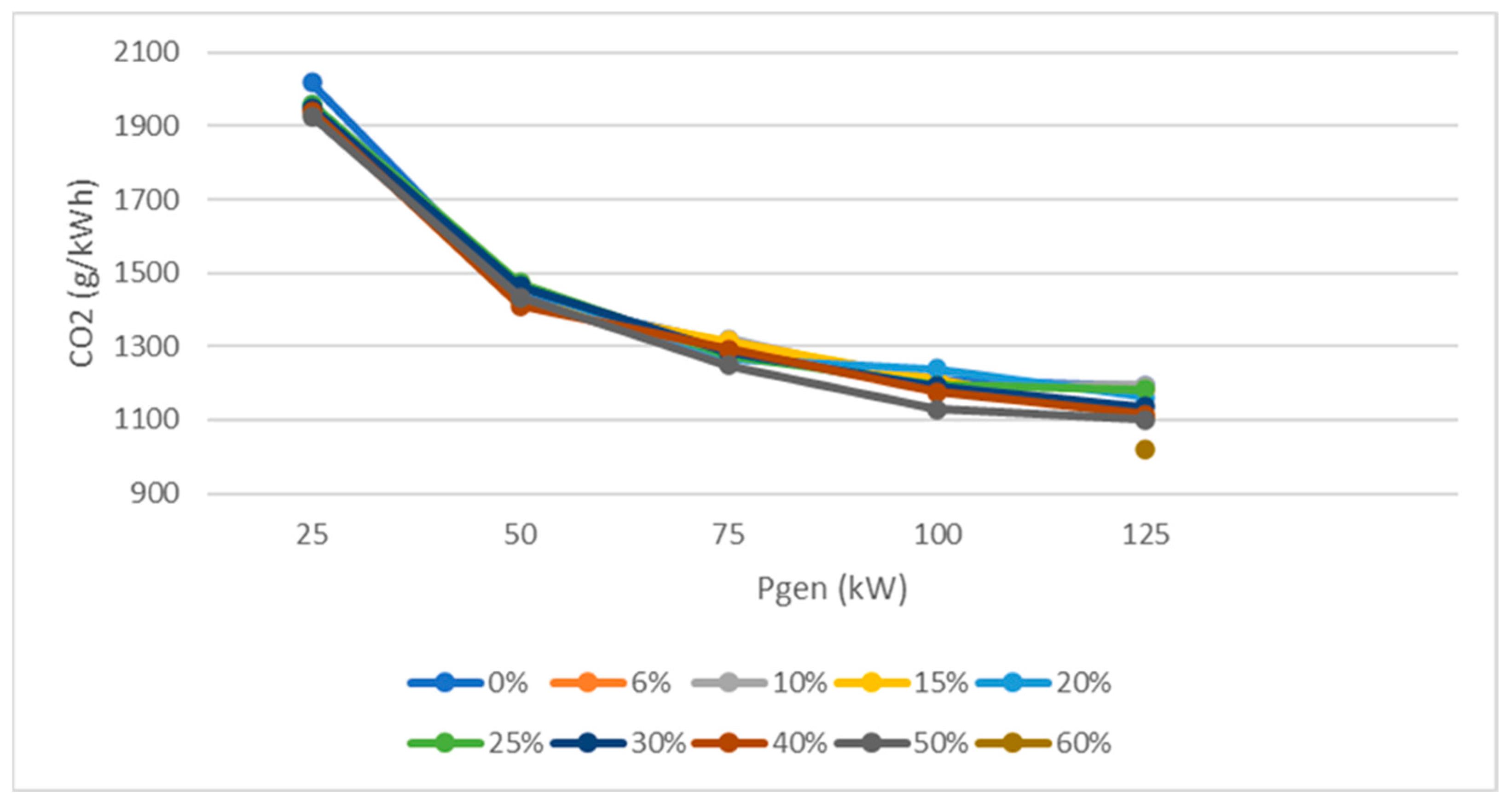
Figure 10 leads to the following observations:
  • Lower CO2 emissions at higher loads are observed in the diesel-only measurements due to an improvement in the specific fuel consumption. This is also confirmed by Papagiannakis et al. [18].
  • CO2 emissions seem unaltered irrespective of biomethane energy substitution. However, in a lifecycle analysis, a percentage of the CO2 emissions are accounted for due to their “green” source (biomethane). Note that, in terms of lifecycle assessments, methane has a very potent GWP compared to CO2. Thus, by combusting bioCH4, instead of it being naturally decomposed and released into the atmosphere, it is effectively removed from the environment. Therefore, the same number of CO2 molecules are produced, but with significantly less of a greenhouse effect.
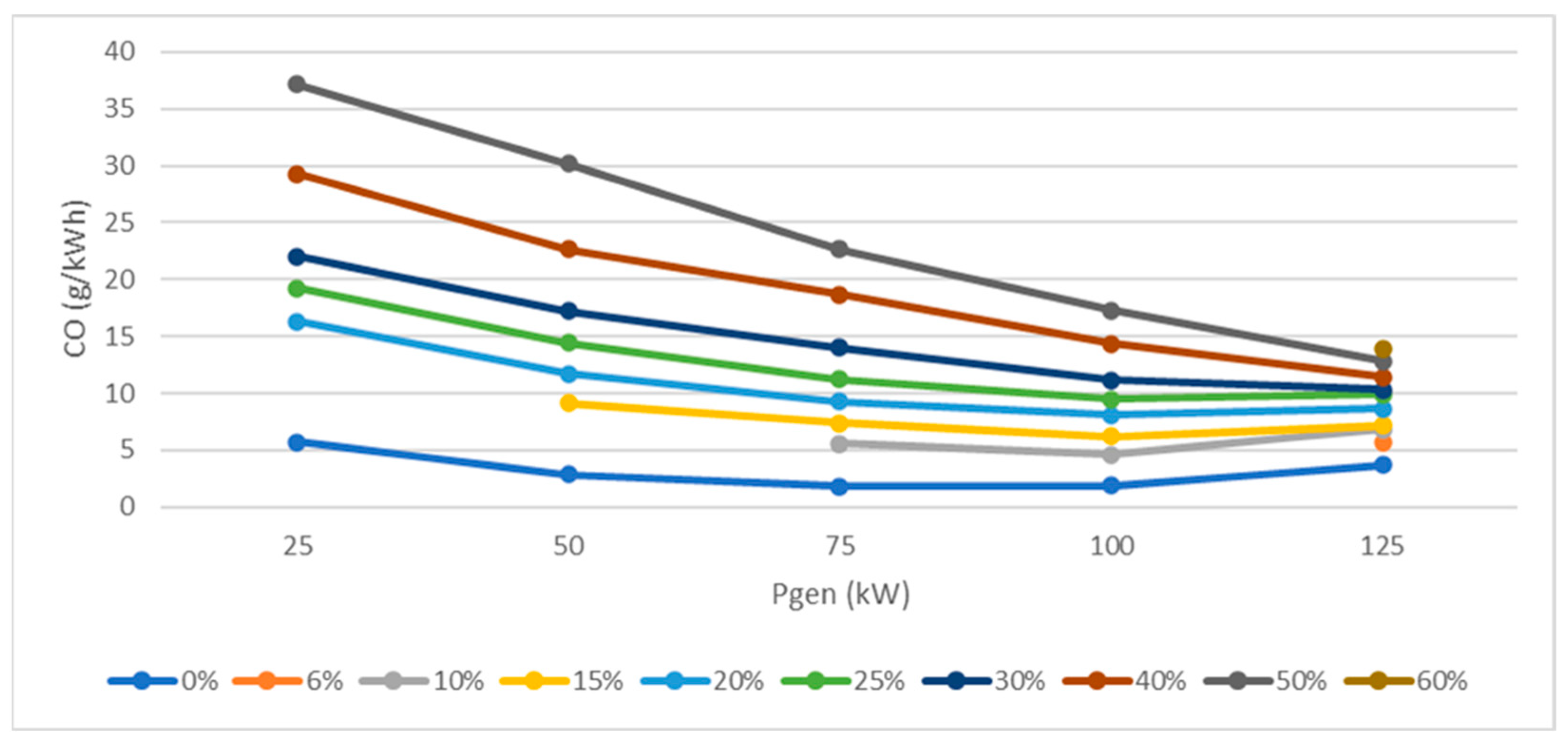
CO emissions increase (see Figure 11) with the addition of biomethane at all loads, particularly at low loads. Papagiannakis et al. [18] also observed that, at part engine loads, CO emissions are higher compared to emissions at high engine loads and biomethane substitution ratios. The results reveal a poor utilization of the gaseous fuel, leading to low engine efficiencies as well as high emissions of carbon monoxide (CO) and unburnt hydrocarbons, particularly at low and intermediate engine loads. This behavior can be attributed, in part, to the absence of optimization in the diesel injection timing (i.e., combustion ignition timing), a factor that should be noted because it plays a critical role in controlling the start and rate of combustion in dual-fuel engines. When methane is introduced into the combustion chamber, the overall ignition delay increases due to methane’s higher auto-ignition temperature and slower reactivity compared to diesel. If the diesel injection timing is not advanced accordingly, the ignition of the diesel pilot fuel occurs later in the cycle, causing a delayed combustion phasing, lower peak pressures, and an incomplete oxidation of the gaseous fuel. This leads to a lower brake thermal efficiency and elevated emissions of CO and unburnt hydrocarbons at low loads. Furthermore, dual-fuel combustion tends to be less efficient under light-load conditions due to poor air–fuel mixing and a weak combustion intensity. However, as the engine load increases, the in-cylinder temperature and pressure rise, promoting a more complete combustion of the gaseous fuel and resulting in improved efficiency and reduced emissions.
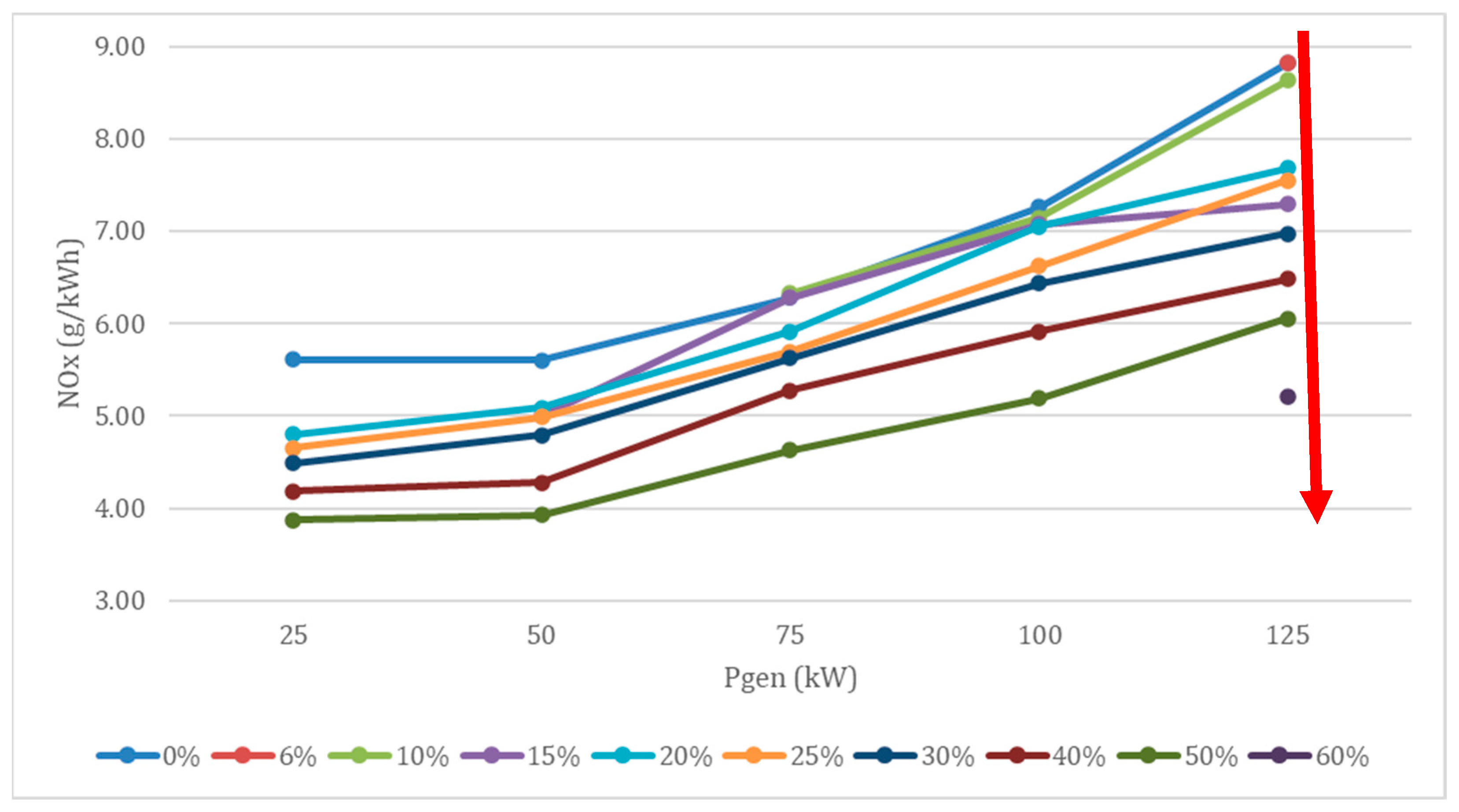
On the other hand, NOx emissions (see Figure 12) drop with increasing biomethane percentage across all loads. This is confirmed by Papagiannakis et al. [18], Misra et al. [20] (p. 332), and Bougessa et al. [21]. Note that the increasing biomethane percentage is linked to lower temperatures within the engine cylinders during the compression and combustion processes, which may be due to an “increase in specific molar heat” due to the introduction of biomethane [22] (see also Table 5). The direct injection of biomethane in the combustion chamber (injection strategies are examined below) could further reduce the in-cylinder temperature levels, further reducing the NOx percentage in exhaust gases.
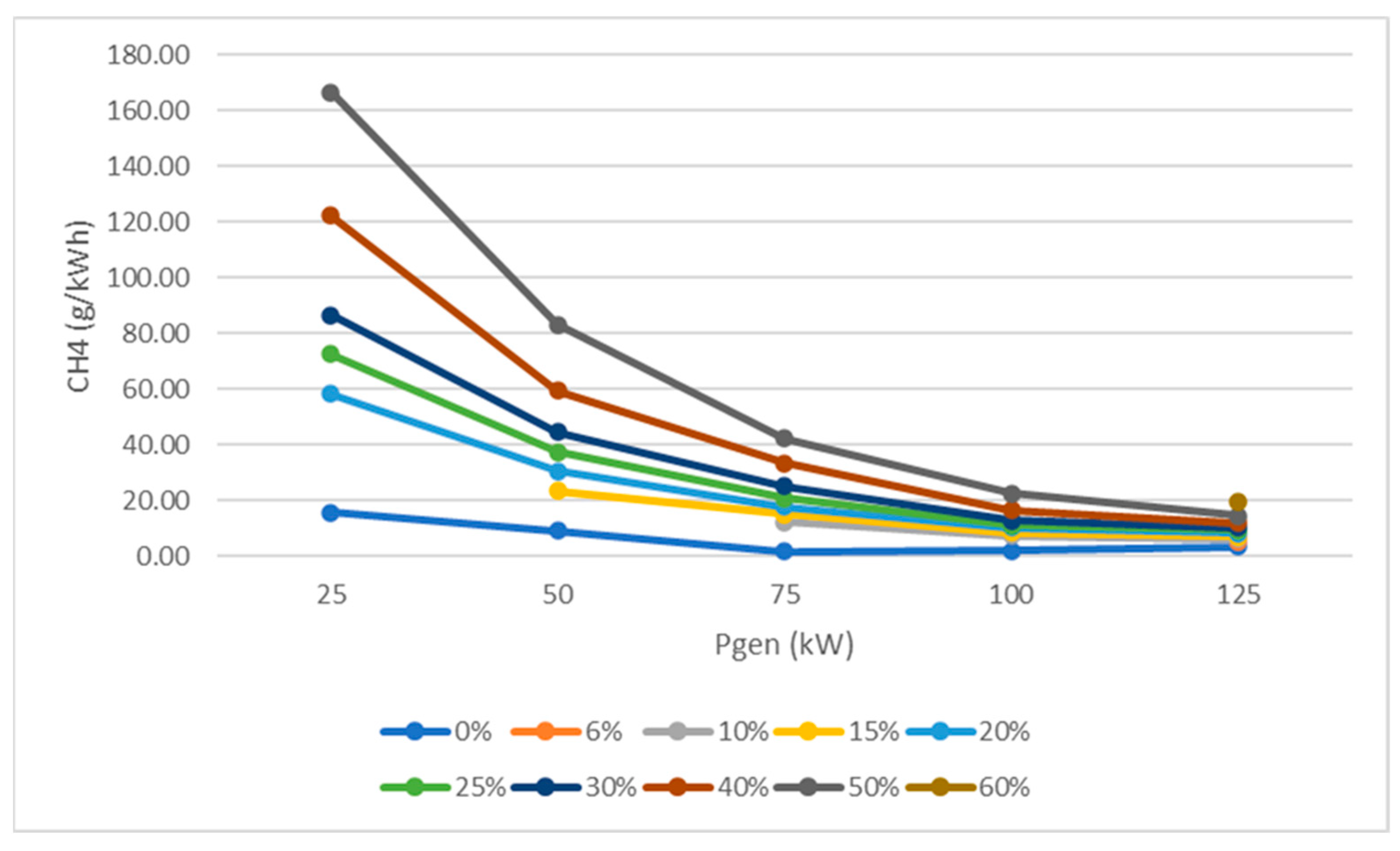
Figure 12 indicates that methane slipping occurs with increasing biomethane content, especially at low loads. At high loads, there is a notable reduction in methane slipping due to the improved utilization of the gaseous fuel. This is also confirmed by Papagiannakis et al. [18], who also report improvements in unburnt hydrocarbons (UHCs). On the other hand, Bougessa et al. [21] report a worsening in UHCs with the addition of a biogas enriched with H2 at various engine loads, possibly due to the use of biogas. Also, in their investigation, slight improvements in UHCs were seen by the increased proportion of H2, as it improves the combustion efficiency. In addition, Figure 13 shows traces of methane at 0%, indicating a calibration of the analyzer measuring CH4 emissions. Note that, when UHCs are collectively measured, the source and the generation mechanism are not determined; however, in our set of measurements, there are two conclusions to be made: (1) methane is part of the combustion products due to the slip phenomenon, and (2) unburned hydrocarbons are produced due to an incomplete combustion of the liquid fuel.
Table 6 shows a high percentage of biomethane slipping measured at the outlet, especially at low and medium loads. At high loads, the percentage of biomethane slipping decreases up to 14.18%. However, improvements in CH4 slipping can occur via a better control of the following: (1) valve timings, including variable valve timing; (2) the injection timing of biomethane, if injected directly into the cylinders; and (3) liquid fuel injection control. Furthermore, and as elaborated in the following subsections, improvements can occur through the utilization of a direct injection (DI) strategy in the engine cylinders.
The following should be noted:
  • Valve timing control combined with liquid fuel injection control could potentially reduce the biomethane slip and improve the quality of combustion. Such an investigation goes beyond the objectives of the current research, also requiring an experimental setup that supports both control strategies.
  • The injection timing of biomethane in the air manifold as currently retrofitted in the engine does not affect the parameters examined; it is not related to the thermodynamic cycle.
The biomethane injection in the current engine retrofits is via fumigation in the intake air manifold. In dual-fuel engines, the gaseous fuel can be either injected through the intake manifold via fumigation or Port Fuel Injection (PFI) or directly injected in the cylinder via direct injection (DI), while liquid fuel can be directly injected into the combustion chamber [23]. Note that multiple injections with gaseous dual fuels can produce a homogenous mixed lean fuel–air mixture [24,25,26], whereby the reactivity and thus combustion duration is controlled by the injection rate of the added gaseous fuels [27,28]. However, it is worthwhile reviewing the possibility of multiple diesel injection strategies in a premixed biomethane/air charge to highlight the impact on emissions and overall engine performance. Injection strategies are investigated for the performance to be optimized. Injection strategy plays a key role affecting both the engine performance and environmental footprint, especially considering biomethane slip and the quality of combustion. The direct injection of biomethane at the intake manifold is expected to improve mass flow rate control. However, the disadvantages related to slip are not addressed.
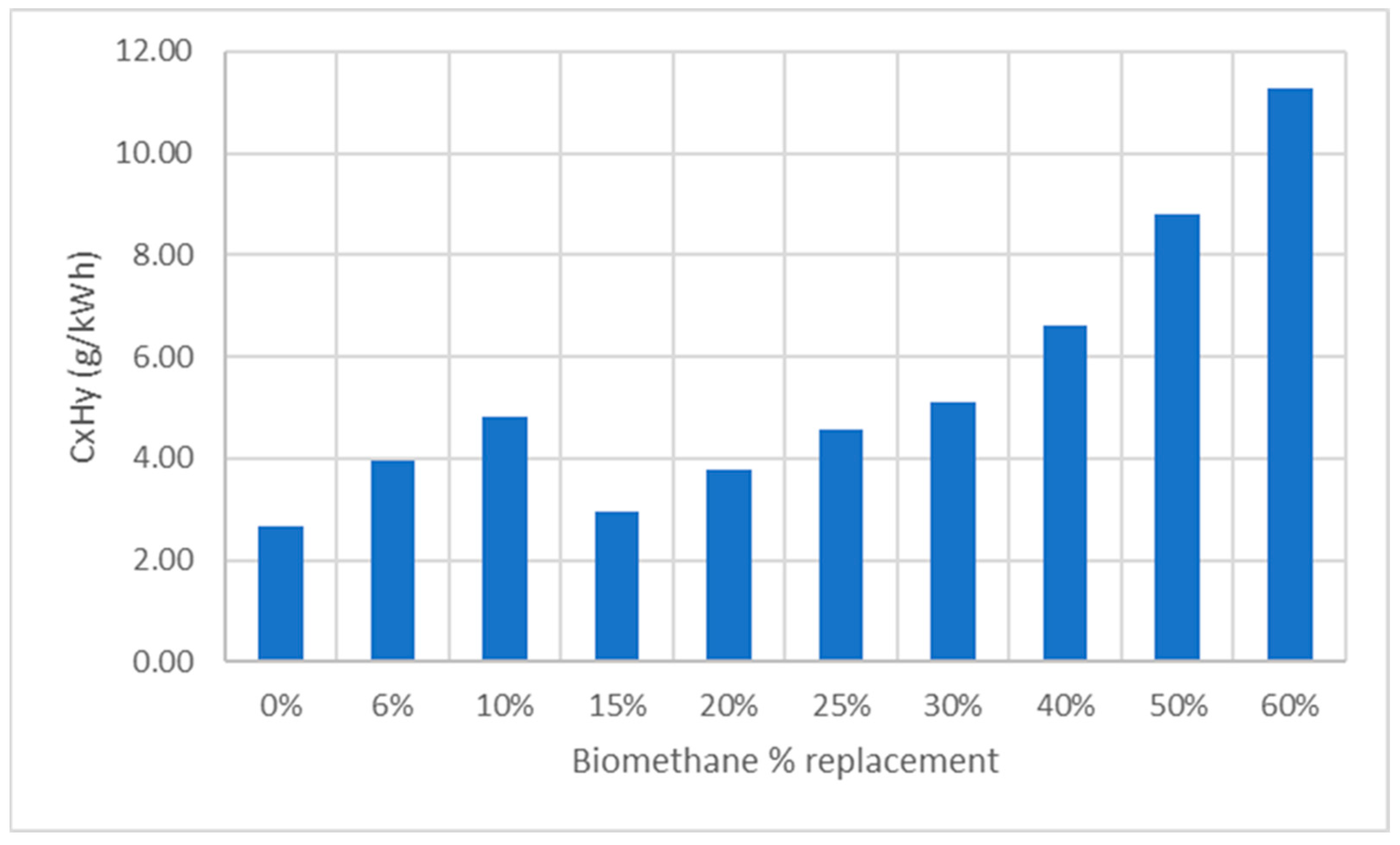
Unburnt hydrocarbons are increased by increasing the biomethane energy replacement, as per Figure 14. This is also possible due to the de-rating of the engine, as reported by Mallouppas et al. [14].
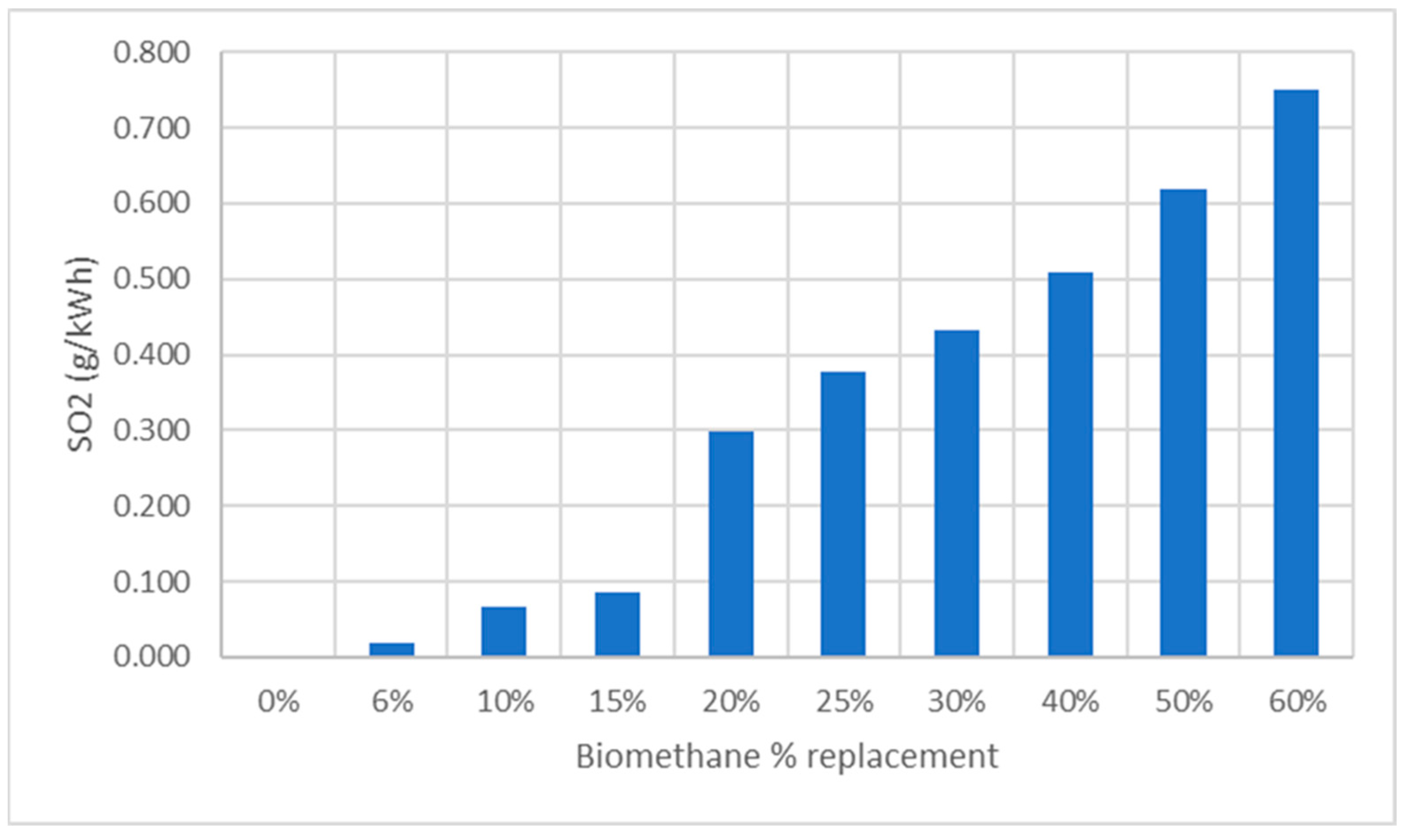
With an increasing biomethane percentage, the SO2 emissions increase (see Figure 15). Note that, at 0% biomethane replacement, there are no SO2 emissions recorded, indicating that these originate from biomethane. The only source of SO2 emissions is the presence of H2S.
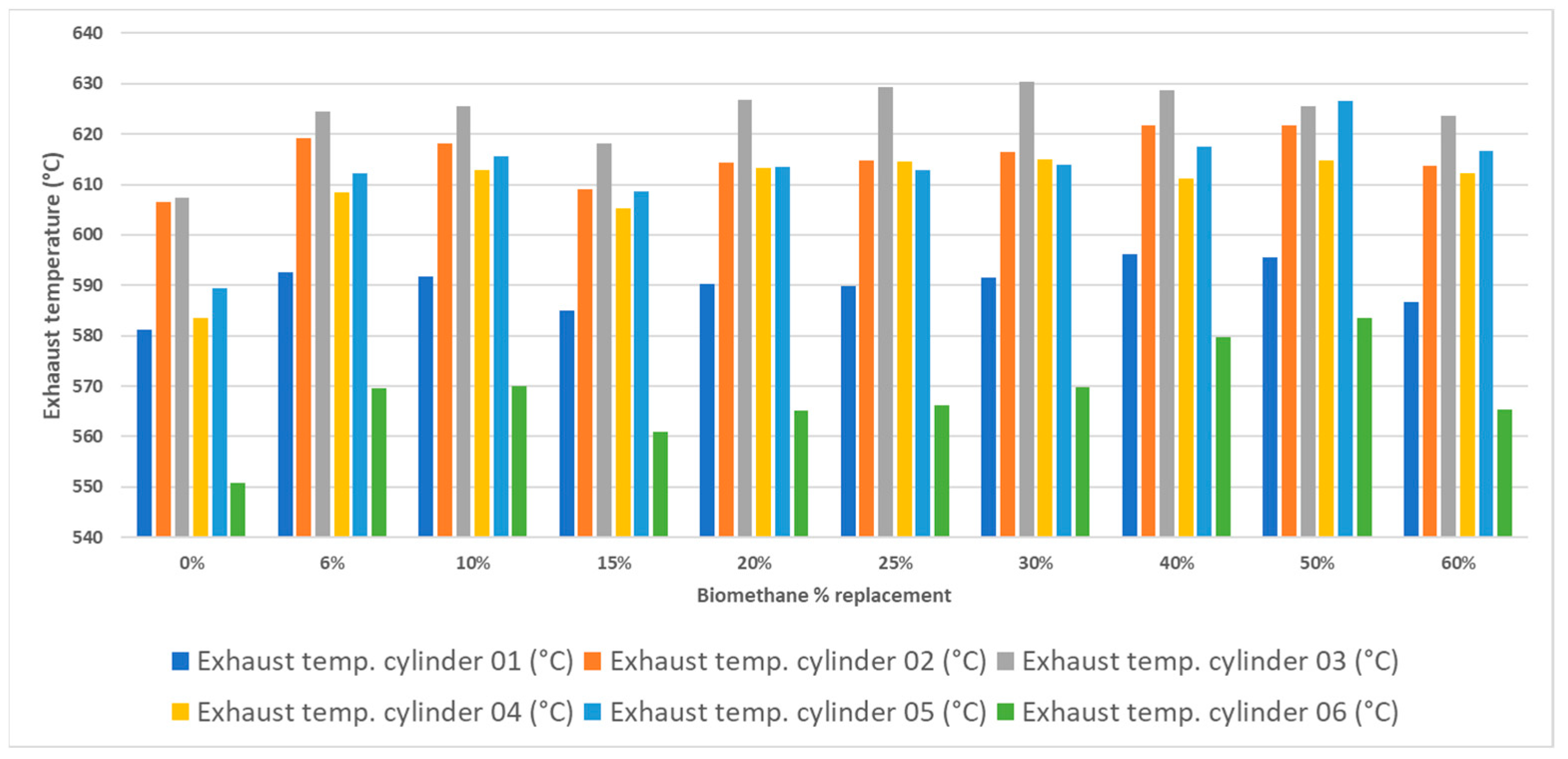
It is noteworthy that, during the measurement campaigns, cylinder-to-cylinder exhaust temperatures were recorded. The cylinder-to-cylinder exhaust temperature variation is more pronounced at 125 kW with the addition of biomethane (see Figure 16). At lower loads, this variation is not significant. The difference may be attributed to the manual cooling (by spraying water with a water hose) during the 125 kW test to prevent the overheating of the engine. To obtain more concrete conclusions, in-cylinder pressure and the corresponding rate of heat release examination are needed.

5. Conclusions

In this work, the emissions of a marine genset retrofitted to combust biomethane in a dual-fuel mode were assessed. Biomethane was injected up to 60% on an energy substitution basis at low, medium, and high engine loads. The engine load was controlled via a resistive load bank.
At low and medium loads under dual-fuel operation, the engine exhibited a poor utilization of gaseous fuel, resulting in a reduced engine efficiency, with elevated CO, and increased unburnt hydrocarbons, while simultaneously showing a reduction in NOx emissions, which is consistent with the existing literature. On the other hand, as biomethane energy substitution increased, a decline in engine efficiency was observed due to the worsening SFC, alongside increased SO2 emissions, attributed to the H2S present in biomethane, and significant methane slip at low loads, caused by the fumigation injection strategy. Conversely, with rising engine loads, improvements occurred in the SFC and overall engine efficiency; more pronounced variations in cylinder exhaust temperature were noted, especially under high loads and biomethane substitution, and methane slip decreased due to the enhanced gaseous fuel utilization.
The methodology and findings of this study demonstrate the feasibility of using biomethane in marine engines as a viable substitute for conventional fossil fuels, providing a practical pathway toward maritime decarbonization, particularly as the EU moves toward stricter emissions guidelines and regulations. Countries such as Cyprus, where large-scale RES penetration is limited by intermittency and curtailment, can benefit from locally produced compressed biomethane as a storable, dispatchable, and scalable solution for electricity generation, which can also be applied to the maritime sector, such as in cold-ironing and port electrification. In addition to the above, the scalability of the retrofit is also high, as the modifications required to enable dual-fuel operation are minimal and involve relatively low costs, while the resulting benefits are substantial, particularly in terms of reducing greenhouse gas emissions and delivering a positive environmental impact. Future investigations will focus on evaluating performance under dynamic loading conditions to better replicate real operating scenarios and assess the system’s capability to handle such variations in practice.

Author Contributions

Conceptualization, G.M., A.K., P.L. and S.P.; methodology, G.M.; validation, all authors; formal analysis, G.M., S.P. and A.K.; investigation, all authors; resources, all authors; data curation, all authors; writing—original draft preparation, G.M., P.L. and A.K.; writing—review and editing, all authors; visualization, G.M.; supervision, S.P.; project administration, G.M. and S.P. All authors have read and agreed to the published version of the manuscript.

Funding

This research was funded by the European Union-NextGeneration EU, through the Research and Innovation Foundation, Cyprus, under the framework of the project “Net-Zero-Emissions-CI: Towards bioCNG as a Carbon Negative Maritime Power Source”, CODEVELOP-REPowerEU/1223/0096.

Data Availability Statement

The original contributions presented in this study are included in the article. Further inquiries can be directed to the corresponding author.

Acknowledgments

The Cyprus Marine and Maritime Institute (CMMI) has been established as an EU Centre of Excellence in Marine and Maritime Research and Innovation and has received funding from the European Union’s Horizon 2020 research and innovation program within the framework of the CMMI/MaRITeC-X project under grant agreement No. 857586. In addition, the authors would also like to thank the consortium of Net-Zero-Emissions-CI for their support and coordination. The authors would also like to extend their thanks to Marios Drousiotis from PetroNav Shipmanagement LTD for his support and facilities extended.

Conflicts of Interest

Author Sotiris Petrakides was employed by the company InoMob LTD. The remaining authors declare that the research was conducted in the absence of any commercial or financial relationships that could be construed as potential conflicts of interest.

References

  1. Mallouppas, G.; Yfantis, E.A. Decarbonization in Shipping Industry: A Review of Research, Technology Development, and Innovation Proposals. J. Mar. Sci. Eng. 2021, 9, 415. [Google Scholar] [CrossRef]
  2. Mallouppas, G.; Yfantis, E.; Ioannou, C.; Paradeisiotis, A.; Ktoris, A. Application of Biogas and Biomethane as Maritime Fuels: A Review of Research, Technology Development, Innovation Proposals, and Market Potentials. Energies 2023, 16, 2066. [Google Scholar] [CrossRef]
  3. CMMI Cyprus Marine and Maritime Institute. Net-Zero-Emissions-CI: Towards bioCNG as a Carbon Negative Maritime Power Source. CMMI Cyprus Marine and Maritime Institute. 2025. Available online: https://www.cmmi.blue/net-zero-emissions-ci/ (accessed on 7 November 2025).
  4. Mallouppas, G.; Ktoris, A.; Yfantis, E.A.; Petrakides, S.; Drousiotis, M. A lifecycle analysis of a floating power plant using biomethane as a drop-in fuel for cold-ironing of vessels at anchorage. Energies 2025, 18, 253. [Google Scholar] [CrossRef]
  5. Oh, Y.-K.; Hwang, K.-R.; Kim, C.; Kim, J.R.; Lee, J.-S. Recent developments and key barriers to advanced biofuels: A short review. Bioresour. Technol. 2018, 257, 320–333. [Google Scholar] [CrossRef] [PubMed]
  6. Nelissen, D.; Faber, J.; van der Veen, R.; van Grinsven, A.; Shanthi, H.; van den Toorn, E. Availability and Costs of Liquefied Bio- and Synthetic Methane. The Maritime Shipping Perspective; CE Delft: Delft, The Netherlands, 2020. [Google Scholar]
  7. UNCTAD. The Biofuels Market: Current Situation and Alternative Scenarios; United Nations Conference on Trade and Development; United Nations: Geneva, Switzerland; New York, NY, USA, 2009. [Google Scholar]
  8. Nisiforou, O.; Shakou, L.; Margou, A.; Charalambides, A. A Roadmap towards the Decarbonization of Shipping: A Participatory Approach in Cyprus. Sustainability 2022, 14, 2185. [Google Scholar] [CrossRef]
  9. Bjerkan, K.Y.; Seter, H. Reviewing tools and technologies for sustainable ports: Does research enable decision making in ports? Transp. Res. Part D 2019, 72, 243–260. [Google Scholar] [CrossRef]
  10. Yfantis, E.; Mallouppas, G.; Ktoris, A.; Ioannou, C. Fit for 55—Impact on Cypriot shipping industry. In Preliminary Report—Assessment of the New Measures and Their Effect on the Shipping Industry and the Relevant Cyprus Economy Sectors; Cyprus Marine and Maritime Institute: Larnaka, Cyprus, 2022. [Google Scholar]
  11. Elalfy, D.A.; Gouda, E.; Kotb, M.F.; Bureš, V.; Sedhom, B.E. Comprehensive review of energy storage systems technologies, objectives, challenges, and future trends. Energy Strat. Rev. 2024, 54, 101482. [Google Scholar] [CrossRef]
  12. Worku, M.Y. Recent Advances in Energy Storage Systems for Renewable Source Grid Integration: A Comprehensive Review. Sustainability 2022, 14, 5985. [Google Scholar] [CrossRef]
  13. Blanco, H.; Faaij, A. A review at the role of storage in energy systems with a focus on Power to Gas and long-term storage. Renew. Sustain. Energy Rev. 2018, 81, 1049–1086. [Google Scholar] [CrossRef]
  14. Cyprus Marine and Maritime Institute. BioCH4-to-Market: BioMethane as a Drop-In Marine Biofuel: Developing a Virtual Gas-Grid Solution; CMMI: Larnaca, Cyprus, 2025. [Google Scholar]
  15. AMETEK Land. Lancom 4 User Guide; AMETEK Land: Dronfield, UK, 2018. [Google Scholar]
  16. MRU Gmbh. User Manual VARIOluxx; MRU Gmbh: Neckarsulm, Germany, 2021. [Google Scholar]
  17. Technoton. DFM Flow Meters. DFM 50/100/250/500 One-Chamber and Differential, version 8.1; Technoton: Prague, Czech Republic, 2021.
  18. Papagiannakis, R.G.; Hountalas, D.T.; Rakopoulos, C.D.; Rakopoulos, D.C. Combustion and Performance Characteristics of a DI Diesel Engine Operating from Low to High Natural Gas Supplement Ratios at Various Operating Conditions; SAE International: Warrendale, PA, USA, 2008; Volume 2008-01-1392, pp. 1–22. [Google Scholar]
  19. Cengel, Y.; Boles, M.; Kanoglu, M. Thermodynamics: An Engineering Approach, 9th ed.; McGraw-Hill Education: New York, NY, USA, 2019. [Google Scholar]
  20. Misra, A.; Yadav, M.S.A.; Singh, G. Proceedings of International Conference in Mechanical and Energy Technology, Smart Innovation, Systems and Technologies 174. In Chapter 30: Methane–Diesel Dual Fuel Engine: A Comprehensive Review; Springer Nature Singapore Pte Ltd.: Singapore, 2020; pp. 327–337. [Google Scholar]
  21. Bouguessa, R.; Tarabet, L.; Loubar, K.; Belmrabet, T.; Tazerout, M. Experimental investigation on biogas enrichment with hydrogen for improving the combustion in diesel engine operating under dual fuel mode. Int. J. Hydrogen Energy 2020, 45, 9052–9063. [Google Scholar] [CrossRef]
  22. Jena, S.P.; Acharya, S.K. Investigation on influence of thermal barrier coating on diesel engine performance and emissions in dual-fuel mode using upgraded biogas. Sustain. Environ. Res. 2019, 29, 24. [Google Scholar] [CrossRef]
  23. Guo, H.; Neill, W.S.; Liko, B. The Combustion and Emissions Performance of a Syngas-Diesel Dual Fuel Compression Ignition Engine. In Proceedings of the ASME 2016 Internal Combustion Engine Division Fall Technical Conference. American Society of Mechanical Engineers Digital Collection, Greenville, SC, USA, 9–12 October 2016. [Google Scholar]
  24. Pham, Q.; Park, S.; Agarwal, A.K.; Park, S. Review of dual-fuel combustion in the compression-ignition engine: Spray, combustion, and emission. Energy 2022, 250, 123778. [Google Scholar] [CrossRef]
  25. Seboldt, D.; Lejsek, D.; Bargende, M. Injection strategies for low HC raw emissions in SI engines with CNG direct injection. Automot. Engine Technol. 2016, 1, 81–91. [Google Scholar] [CrossRef]
  26. Mabson, C.; Faghani, E.; Kheirkhah, P.; Kirchen, P.; Rogak, S.; McTaggart-Cowan, G. Combustion and Emissions of Paired-Nozzle Jets in a Pilot-Ignited Direct-Injection Natural Gas Engine; SAE Technical Papers; SAE International: Warrendale, PA, USA, 2016; pp. 1–16. [Google Scholar] [CrossRef]
  27. Florea, R.; Neely, G.D.; Abidin, Z.; Miwa, J. Efficiency and Emissions Characteristics of Partially Premixed Dual-Fuel Combustion by Co-Direct Injection of NG and Diesel Fuel (DI 2); SAE Technical Papers; SAE International: Warrendale, PA, USA, 2016; pp. 1–10. [Google Scholar] [CrossRef]
  28. McTaggart-Cowan, G.; Mann, K.; Huang, J.; Singh, A.; Patychuk, B.; Zheng, Z.X.; Munshi, S. Direct Injection of Natural Gas at up to 600 Bar in a Pilot-Ignited Heavy-Duty Engine; SAE Technical Papers; SAE International: Warrendale, PA, USA, 2015. [Google Scholar] [CrossRef]
Figure 1. Cummins NT-855-G Genset before necessary retrofits.
Jmse 13 02389 g001
Figure 2. (a): Overall engine retrofits to inject (via fumigation) into the intake air manifold (top, retrofits in green color), and electronic control of the biomethane injection (bottom, in green color). (b): (i) Reducer: reduces biomethane pressure from 200 bar to injector pressure. (ii) Biomethane multi-measurement sensor. (iii) Biomethane filter. (c): (i) Injection system of biomethane at intake air manifold, including injectors. (ii) λ/NOx controller. (iii) HIK thermography camera.
Jmse 13 02389 g002
Figure 3. (a): Air intake flow meter installed just before the compressor of the turbocharger. (b): Fuel de-aerator, for accurate fuel flow measurements. (c): Resistive load bank for controlling the output power of the generator.
Jmse 13 02389 g003
Figure 4. Experimental setup illustrating sensors S1 to S9.
Jmse 13 02389 g004
Figure 5. HIKMicro M30 thermography camera to monitor whether engine has reached steady-state conditions. (Left): 900 rpm during warm-up. (Middle): 1500 rpm no-load. (Right): 1500 rpm during measurements.
Jmse 13 02389 g005
Figure 6. Real-time monitoring of emissions during load changes. Monitoring via Lancom4 gas analyzer.
Jmse 13 02389 g006
Figure 7. Engine efficiency with increasing biomethane substitution as a function of generator power.
Jmse 13 02389 g007
Figure 8. Specific fuel consumption (SFC; kg/kWh) at different biomethane blends as a function of generator power.
Jmse 13 02389 g008
Figure 9. Volumetric efficiency at different biomethane blends as a function of generator power.
Jmse 13 02389 g009
Figure 10. CO2 at different biomethane blends as a function of generator power.
Jmse 13 02389 g010
Figure 11. CO at different biomethane blends as a function of generator power.
Jmse 13 02389 g011
Figure 12. NOx at different biomethane blends as a function of generator power. The red arrow shows the drop in NOx emissions by increasing biomethane substitution at a given generator power.
Jmse 13 02389 g012
Figure 13. CH4 at different biomethane energy substitutions as a function of generator power.
Jmse 13 02389 g013
Figure 14. CxHy at different biomethane blends up to 60% at Pgen = 125 kW.
Jmse 13 02389 g014
Figure 15. SO2 as a function of biomethane % replacement at Pgen = 125 kW.
Jmse 13 02389 g015
Figure 16. Variation in cylinder temperature at the exhaust valve as a function of biomethane % energy substitution at Pgen = 125 kW.
Jmse 13 02389 g016
Table 1. Cummins NT-855 Genset specifications.
TypeQuantity
Displacement (lt)14
Engine speed (rpm)1500
Bore (mm)140
Stroke (mm)152
Fuel systemDirect injection
Number of cylinders6
Power (kW)180 @1500 rpm (100% load)
AspirationTurbocharged
Table 2. Average values of the chemical composition of biomethane after biogas upgrading.
TypeBiomethane Composition
Water (%)0.0
O2 (%)0.0
CH4 (%)94.30
CO2 (%)4.39
H2S (ppm)10
N2 (computed) (%)1.31
Table 3. Sensor ID as per Figure 4.
Sensor IDDescription [unit]
S1Mass air flow rage [kg/h]
S2Intake air temperature [°C]
S3Intake air manifold absolute pressure [bar]
S4Diesel flow meter [L/h]
S5Lambda [-λ] & NOx [ppm]
S6Biomethane injection pressure [bar]
S7Biomethane storage pressure [bar]
S8CH4 slip [ppm]
S9Ambient air temperature [°C]
S10Gas analyzer; CO, SO2, O2, NO2, NO (NOx as cumulative of NO2 and NO), CxHy, CO2, and water vapor) + flue gas temperature and ambient air temperature [°C]
S11Thermal camera
S12Exhaust temperature sensors per cylinder [°C]
S13Reducer water temperature [°C]
S14Engine speed [rpm]
Table 4. Testing matrix during the measurement campaigns. * Based on energy supplemented, where allowable, by the biomethane injection control. Note: for low loads, it was impossible to inject biomethane at low energy replacements due to difficulty in controlling the injectors. ** The engine RPM was kept constant to achieve a frequency of 50 Hz for the alternating current power supply. The test setup was constructed to handle an 80:20 biomethane–diesel ratio. During experimentation at approximately a 70:30 biomethane–diesel ratio, the marine genset exhibited engine knocking. To protect the equipment and avoid compromising the project, it was deemed appropriate to limit the study to the safely achievable substitution ratio of 60:40 biomethane–diesel ratio.
Fuel TypeTest TypeLoad Conditions (kW)
Engine Power: 147 kW
Drop in % (Linked to Biomethane Flow Rate) *Engine (rpm) **
MGOBaseline reference25, 50, 75, 100, 125n/a1500
MGO + BioCH4 25, 50, 75, 100, 1256, 10, 15, 20, 30, 40, 50, 601500
Table 5. Pressure, temperature, and specific heat capacity at constant pressure and constant volume and specific heat ratio (k) after the turbocharger of the air–biomethane mixture.
Pgen (kW)Energy Replacement (%)Ambient Air Temperature (K)Estimated Air–Biomethane Mixture Temperature (K)Air Pressure (kPa)Cp (kJ/kg.K)Cv (kJ/kg.K)Estimated k (-)
250%307.52317.11112.8331.00500.71801.399721
20%306.73316.45113.0261.00800.72041.399144
25%306.48316.42113.3251.00890.72121.398964
30%306.28316.21113.3251.01000.72211.398754
40%306.66316.60113.3251.01210.72381.398341
50%306.19316.89114.3251.01480.72601.397830
500%309.29325.61121.3111.00500.71801.399721
15%311.83328.48121.5911.00810.72051.399121
20%311.22329.04123.1651.00900.72121.398950
25%308.00325.74123.3251.01020.72231.398705
30%312.18330.16123.3251.01150.72331.398460
40%312.75331.50124.3251.01470.72591.397850
50%314.03333.62125.3681.01770.72841.397265
750%304.69329.23132.8911.00500.71801.399721
10%305.46332.14135.8801.00750.72001.399240
15%304.56331.46136.3251.00860.72101.399012
20%305.56333.21137.3251.01040.72241.398677
25%304.79332.36137.3251.01190.72361.398379
30%305.11332.70137.3251.01330.72481.398112
40%303.83332.56139.2091.01650.72741.397502
50%301.60331.49141.3211.02050.73061.396746
1000%308.94342.03144.6961.00500.71801.399721
10%301.88335.86147.2721.00800.72041.399143
15%301.83336.64148.5941.00950.72171.398841
20%302.46337.80149.3251.01090.72281.398581
25%302.05337.32149.3251.01280.72431.398218
30%301.89337.76150.3251.01450.72571.397889
40%300.49337.36152.2381.01810.72871.397197
50%299.39337.99155.3251.02260.73231.396351
1250%309.16353.96162.7581.00500.71801.399721
6%311.07355.22161.3251.00700.71971.399323
10%312.07356.33161.3251.00870.72101.399007
15%311.30354.74160.2351.01020.72221.398718
20%312.81356.50160.3251.01160.72341.398439
25%313.28357.00160.3251.01340.72481.398098
30%312.37355.94160.3251.01550.72661.397692
40%313.36357.00160.3251.01930.72961.396971
50%313.09356.65160.3251.02280.73781.396307
60%313.34358.49162.9921.02930.73781.395095
Table 6. % biomethane slipping per energy substitution and generator power.
Pgen (kW)6%10%15%20%25%30%40%50%60%
25n/an/an/a66.26%62.61%58.48%57.75%57.05%n/a
50n/an/a51.18%50.20%45.73%43.79%40.14%41.19%n/a
75n/a45.93%38.27%31.19%28.14%27.80%26.02%24.87%n/a
100n/a31.37%22.90%20.19%17.26%16.02%14.80%14.99%n/a
12537.40%24.75%20.92%17.88%15.93%14.18%12.23%11.71%11.54%
Disclaimer/Publisher’s Note: The statements, opinions and data contained in all publications are solely those of the individual author(s) and contributor(s) and not of MDPI and/or the editor(s). MDPI and/or the editor(s) disclaim responsibility for any injury to people or property resulting from any ideas, methods, instructions or products referred to in the content.