1. Introduction
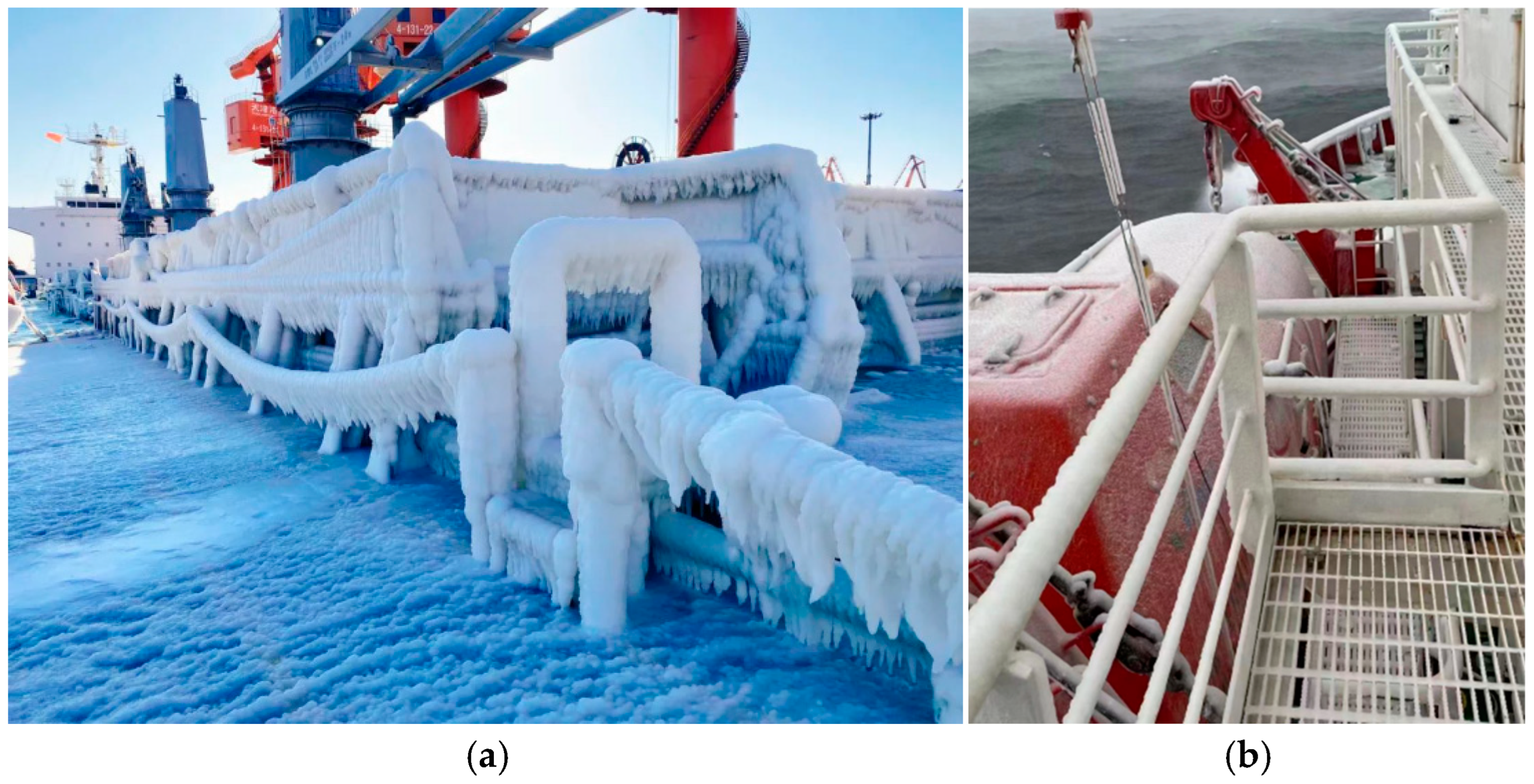
In arctic regions, the superstructures of vessels and offshore platforms are often exposed to harsh marine environments characterized by low temperatures and high humidity, making them highly susceptible to ice accretion. Visible ice accretion form on ship structures. These include decks, pipelines, and handrails, as shown in
Figure 1. The hazards posed by icing on arctic vessels and offshore platforms include the following: loss of structural integrity, failure of operational equipment and communication antennas, slippery handrails, ladders, or decks, lifeboats and firefighting equipment rendered inoperable, and blocked ventilation vents endangering the internal environment [
1,
2,
3]. More severely, ice accumulation can shift the vessel’s center of gravity, increasing the risk of capsizing and posing a significant threat to the vessel’s stability [
4]. Simultaneously, icing is extremely hazardous not only to the vessel and platform themselves but also critically endangers crew safety. Data indicates that in Norwegian waters, 22% of crew injuries are caused by slipping on ice covering handrails, decks, etc. [
5]. More critically, fatalities have occurred due to icing incidents [
6].
Icing on ships and offshore structures can be categorized into sea spray icing and atmospheric icing. Sea spray is primarily generated by waves impacting the structure, i.e., water droplets formed during wave slamming that are dispersed as spray [
8]. Studies indicate that spray droplets with a diameter of 30 μm require a wind speed of 12 m/s to reach a height exceeding 7 m; when the droplet diameter increases to 100 μm, a wind speed of 25 m/s is needed to transport the droplets to the same height [
9]. Atmospheric icing, on the other hand, refers to the process where seawater evaporation forms fog, and the small droplets within the fog, through mass and heat transfer with the cold polar air, become supercooled. These supercooled water droplets freeze upon impact with a structure or adhere to its surface, forming ice [
10]. Consequently, atmospheric icing can occur at any altitude. For typical arctic vessels and offshore platforms, with a freeboard height of around 5 m, the height of their typical superstructure elements already falls outside the dominant influence range of sea spray icing. Therefore, the primary icing mode for superstructures is atmospheric icing.
Current research on icing for ships and offshore structures often unfolds through review articles or numerical simulations. A.R. et al. [
11] reviewed the historical development of prediction models for atmospheric icing on ships and offshore structures, covering topics such as droplet trajectory, Liquid Water Content (LWC), heat balance at the phase interface, and icing models. Qi et al. [
12] established a mathematical model for the roll motion of a polar vessel hull considering ice accretion, employed CFD simulations to obtain damping parameters, and applied the ACER method for extreme roll analysis, comprehensively assessing the impact of icing on ship dynamic stability. Liu et al. [
13], focusing on deck equipment icing caused by sea spray, selected cylinders and square columns as research objects, systematically analyzing the influence of environmental factors on ice distribution, density, and growth rate. Deshpande, S. [
14] employed an integrated approach combining large-scale experiments, machine learning, and CFD coupling. This research established the universally applicable SPICE/SPICE2 model system for marine fog icing prediction. The framework provides new theoretical and technical support for future arctic vessel design and operational safety.
However, a greater volume of numerical simulation research targets aircraft wings and wind turbine blades. Wang et al. [
15], focusing on the NACA0012 airfoil commonly used in wind turbines, used FENSAP-ICE software to generate three-dimensional ice shapes while employing turbulence models to study the effect of icing on this airfoil. Iyad et al. [
16] used FENSAP-ICE to simulate the icing process on the airfoils of large 100 m wind turbine blades under different temperatures and LWC values in two regions of Central and Northern Europe. Ren et al. [
17], based on an Eulerian multiphase flow model, performed secondary development of a CFD icing calculation model to describe the formation and growth of ice crystals in supersonic and ultra-low temperature environments.
Icing tests targeting ships and offshore structures are relatively scarce. Liu et al. [
18] conducted systematic research on ice accretion characteristics of marine gas turbine intake covers under seawater droplet conditions. They utilized a self-built recirculating icing wind tunnel. The study employed multiple methods to calibrate the flow field and droplet field. Their findings indicate that low salinity promotes rime ice formation. Temperature decreases, LWC increases, and droplet size enlargement intensifies salinity’s effect on ice thickness. Ultimately, this leads to approximately 90% radial ice coverage on the intake surface.
Zhang, Y. et al. [
19] performed marine icing tests on NACA0018 airfoil blades. The experiments were conducted in a low-temperature winter wind tunnel. Results demonstrate linear growth of ice area and thickness over time. Salinity reduces ice accretion degree but has minimal impact on ice coverage. The primary icing region concentrates within −20% to 20% chord length range.
Experimental research on icing characteristics is similarly concentrated on structures like wings. Lian et al. [
20] systematically studied the icing distribution characteristics of the NACA63-412 airfoil within ambient temperature ranges of −5 °C to −15 °C and wind speeds of 5–15 m/s through icing wind tunnel tests. They revealed that the freezing rate of water droplets is significantly more sensitive to ambient temperature than the collection efficiency is to wind speed, confirming the more decisive influence of temperature on ice accretion mass. Shin J et al. [
21] tested a NACA 0012 airfoil wing in the Icing Research Tunnel (IRT) at NASA Lewis Research Center, focusing on the repeatability of ice shapes under a range of icing conditions. Ji Y et al. [
22], through controlled icing wind tunnel experiments, quantitatively revealed the dynamic growth characteristics of glaze ice on the leading edge of wind turbine blades. The experiments measured ice roughness under conditions of −5 °C and 10 m/s, and early boundary layer separation caused by icing was confirmed based on high-speed PIV observations. Test results from these wings and similar structures hold significant reference value for studying ice accretion characteristics on ships and offshore structures.
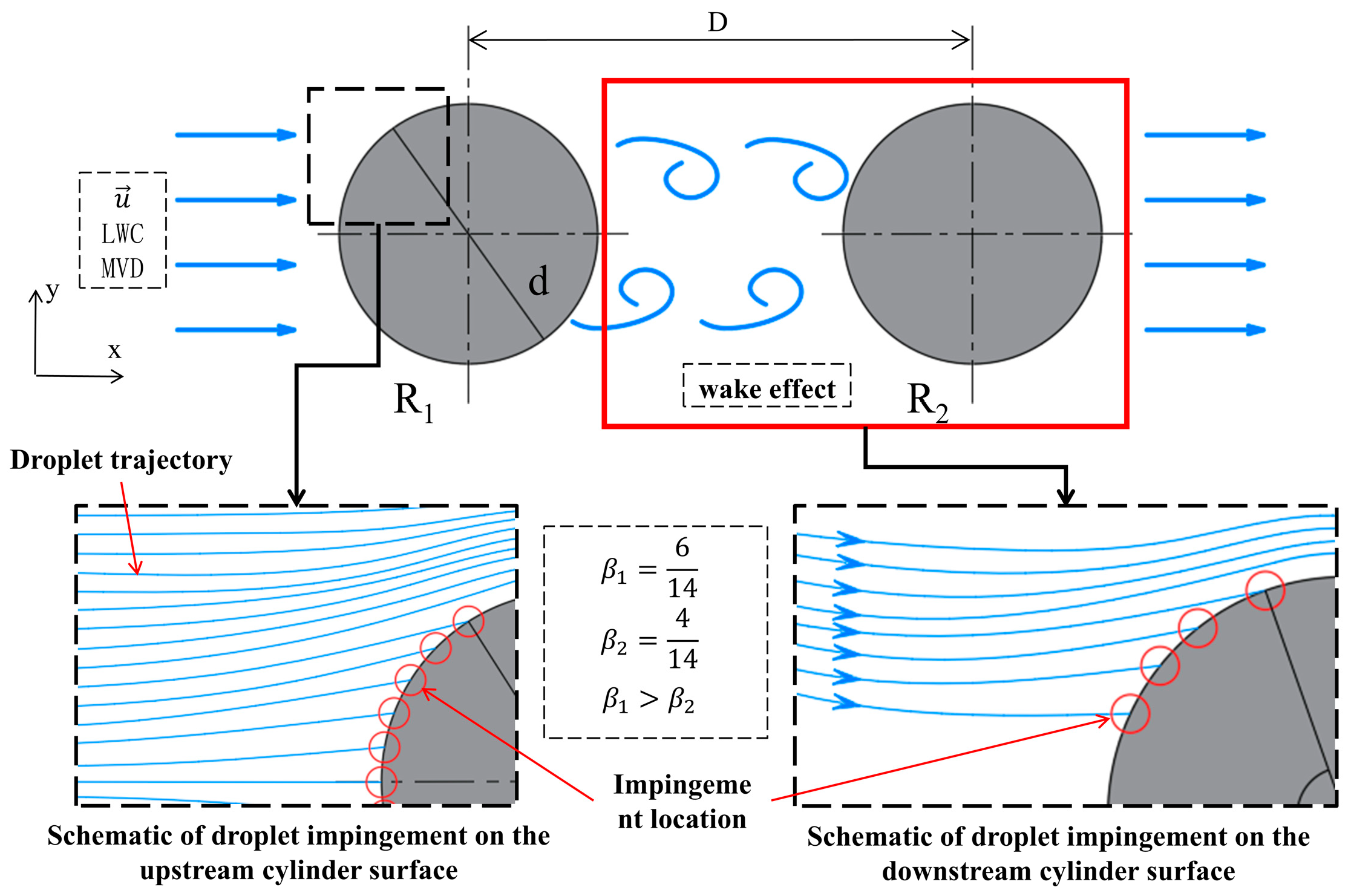
In summary, existing research remains largely confined to isolated structures (such as abstracted wings, cylinders, or square columns), focusing primarily on analyzing the influence of environmental parameters like wind speed, temperature, droplet collision efficiency, LWC, and droplet diameter on their icing characteristics. However, such cylindrical structures on actual vessels and offshore platforms do not exist in isolation but are densely distributed, forming clusters. Examples include ship masts, antennas, ventilation pipes, A-frames, and mooring bollards, as well as offshore platform support columns, riser groups, dolphin piles, and jacket legs. Under harsh arctic meteorological conditions, the low-temperature, high-humidity environment causes droplets to freeze rapidly on the surfaces of these cylindrical structures. This process does not occur individually or in isolation but is significantly influenced by complex wake flow fields. Compared to isolated structures, the mutual interference of flow fields between adjacent cylinders creates unique wake flow characteristics, including areas of accelerated flow, wake vortex streets, etc. These flow features significantly alter droplet collision efficiency and ice growth patterns. Notably, when two or more cylinders are arranged in tandem, the upstream cylinder can significantly attenuate the local droplet collision efficiency (β) and wind speed at the downstream cylinder, creating a shielding effect. When two or more cylinders are arranged in tandem, the upstream cylinder periodically sheds alternating vortices. This pattern forms the Kármán vortex street, which significantly reduces both the local droplet collection coefficient β and wind velocity at the downstream cylinder, creating a pronounced shielding effect.
Figure 2 illustrates the shielding effect of an upstream cylinder on a downstream cylinder. The droplet trajectories show 14 distinct paths. Among these, 6 trajectories impinge on the upstream cylinder surface. Only 4 trajectories reach the downstream cylinder. This leads to significantly lower ice accretion on the downstream cylinder compared to the upstream one. While existing research has predominantly focused on the icing of single cylinders or simple structures, the icing behavior of twin cylinders under wake flow fields lacks systematic investigation.
Therefore, conducting an in-depth analysis of wake flow field effects is crucial. This analysis specifically examines ice accretion morphology and distribution on twin-cylinder structures. Such investigation will enhance the safety and reliability of ships and offshore structures in cold environments. This research holds significant theoretical and engineering value. It directly contributes to ensuring the safety of arctic navigation.
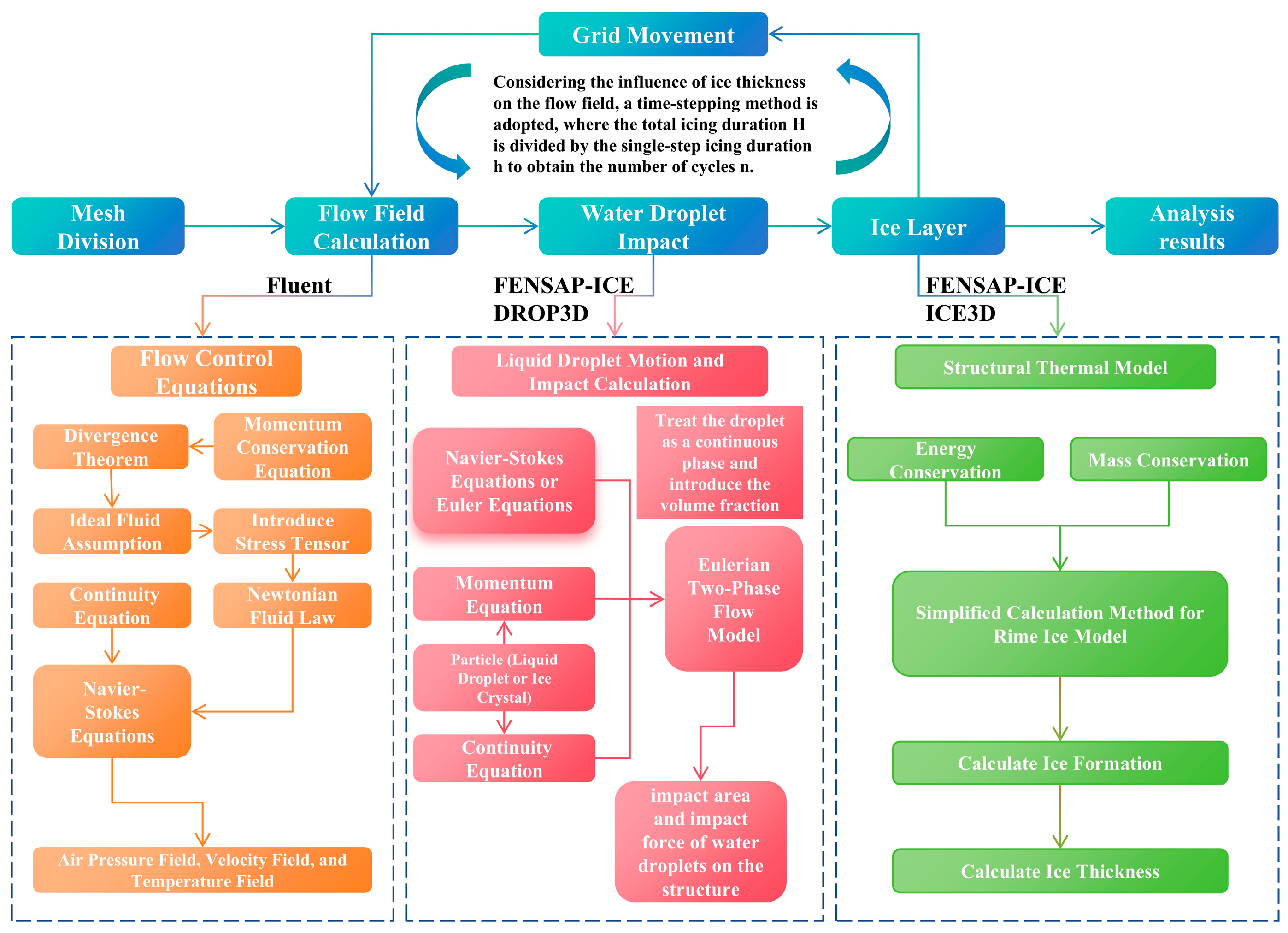
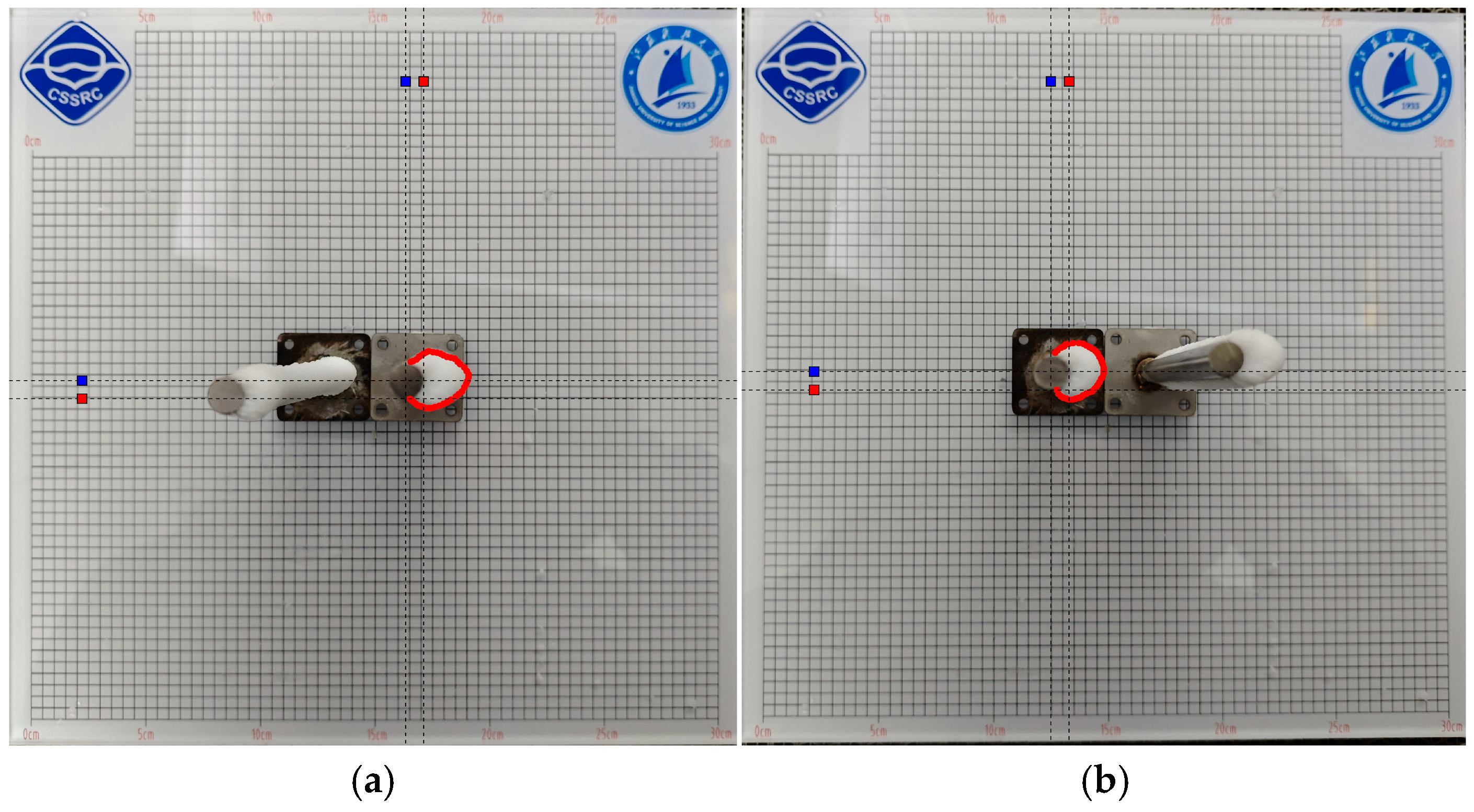
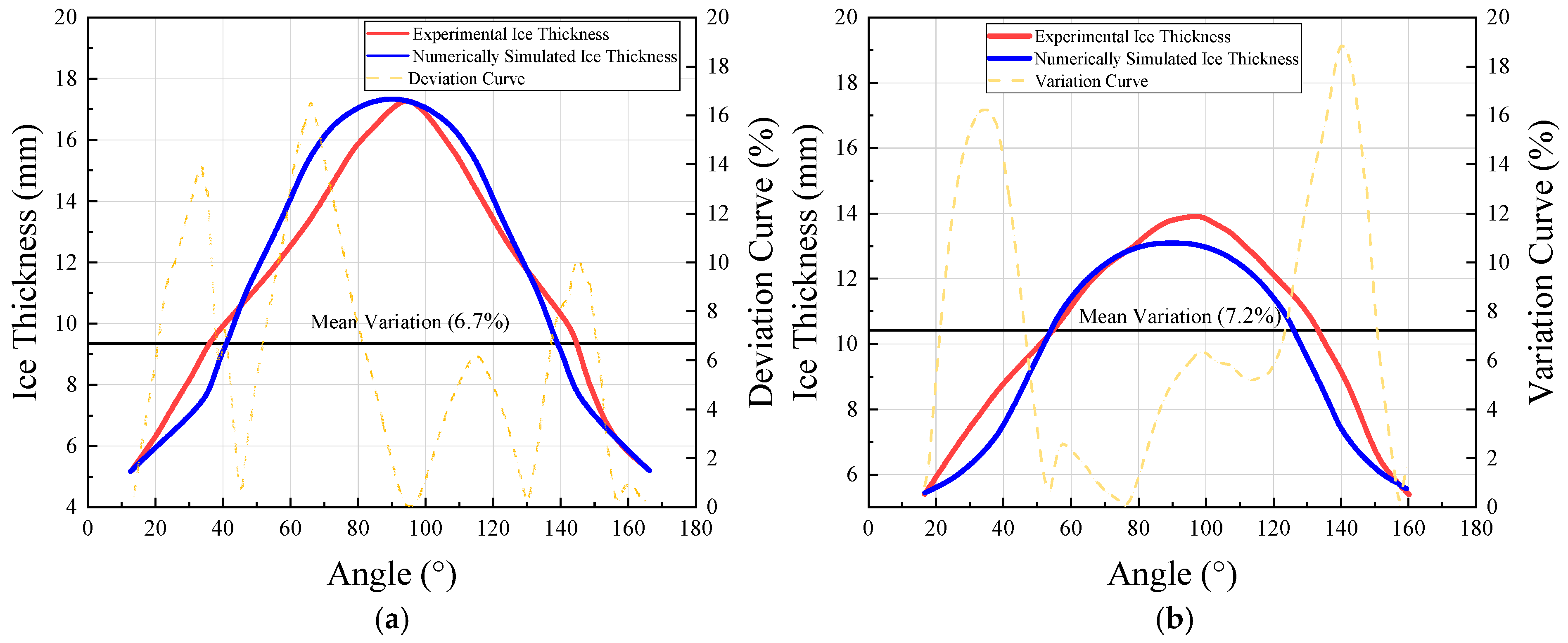
To address this, the present study, focusing on the icing of twin-cylinder structures, innovatively proposes a numerical model for icing in wake flow. This model employs two identical-sized cylinders arranged in tandem to simulate cylindrical structures on vessels and offshore platforms, specifically analyzing the shielding effect exerted by the upstream cylinder on the downstream one. Corresponding wind tunnel experiments were conducted, involving two cylinders of identical size fixed sequentially at a set distance within the wind tunnel. Under conditions of a wind speed of 5 m/s and a Liquid Water Content (LWC) of 2.0 g/m3, the ice mass and layer thickness on both the front and rear cylinders were measured and recorded over a 30 min period to validate the reliability of the numerical simulation method. The numerical simulation itself is based on a coordinated iterative algorithm constructed using Fluent 2022 R1 and FENSAP-ICE 2022 R1 software: Fluent 2022 R1 first calculates the wake flow field, followed by FENSAP-ICE 2022 R1 solving for ice growth and updating the mesh for the ice shape. Through ‘n’ iterative cycles of a fixed duration, a dynamic coupled calculation of the flow field and ice accretion is achieved. The influences of spacing, diameter, and wind speed on ice mass, shape, and other characteristics are further analyzed. This model can profoundly reveal the specific mechanism by which the upstream cylinder influences the ice layer growth on the downstream cylinder within the wake flow field.
Section 2 of this paper discusses the meteorological conditions and theoretical foundations of ice accretion;
Section 3 elaborates on the numerical prediction method and its experimental validation;
Section 4 describes and analyzes the numerical simulation results;
Section 5 provides a discussion; and
Section 6 presents the conclusion.
5. Discussion
Wake flow has comprehensive and complex effects on structural icing. Variations in wind speed, distance, diameter, and wind direction all induce changes in the wake flow characteristics. This section integrates the findings from
Section 4 to comprehensively analyze the icing mechanism of twin-cylinder structures.
The analysis utilizes flow field contours and droplet collection distribution patterns. It specifically examines how vortices influence droplet transport. This investigation further explores the mechanism by which wake flow affects icing characteristics.
Additionally, the study addresses the relationship between ice mass and geometric parameters. A dimensionless parameter—the Distance-to-Diameter Ratio (D/d)—is proposed. This ratio enables dimensionless analysis of wake flow effects on cylindrical structure icing.
5.1. Influence of Vortices on Droplet Transport
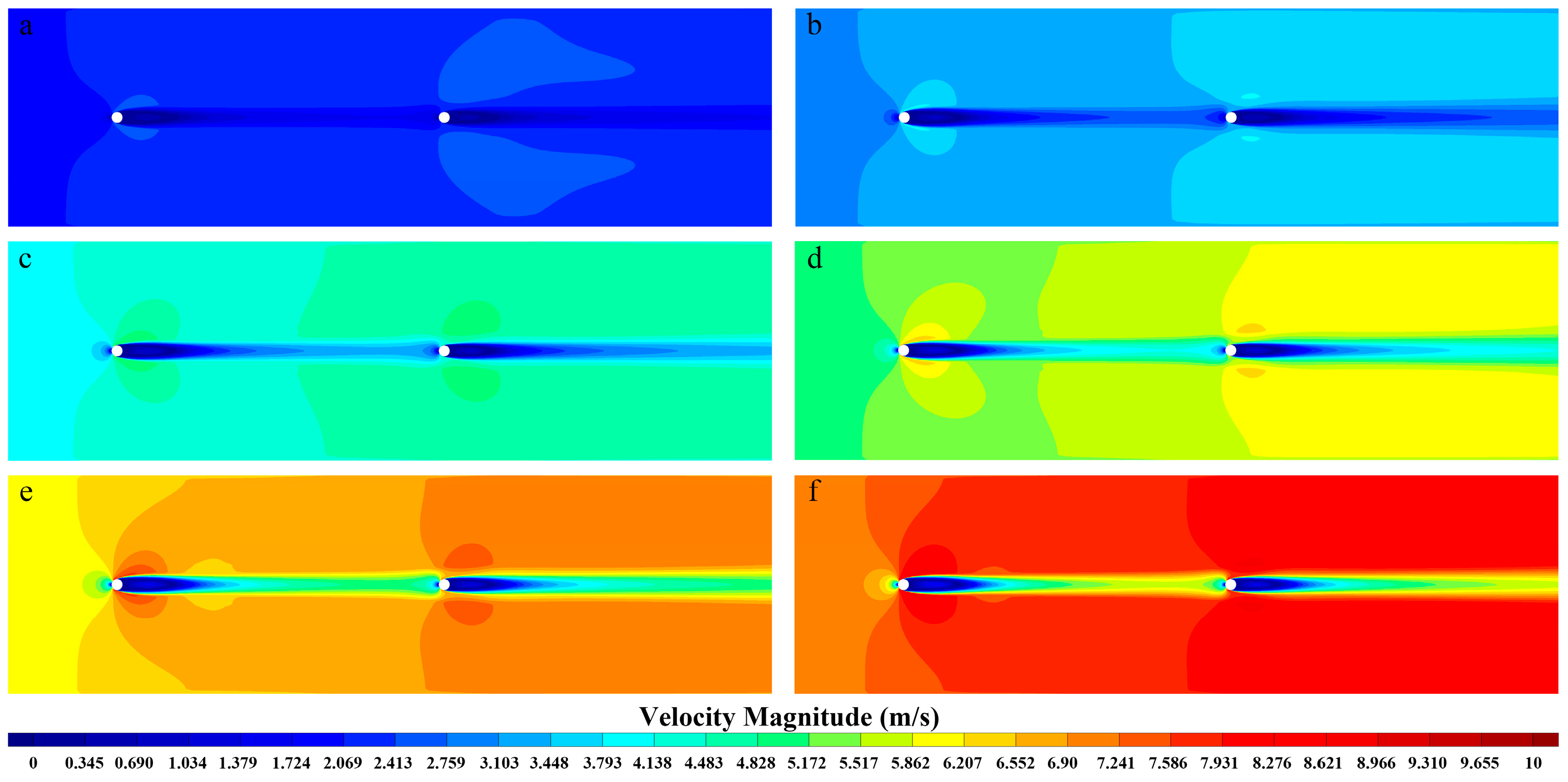
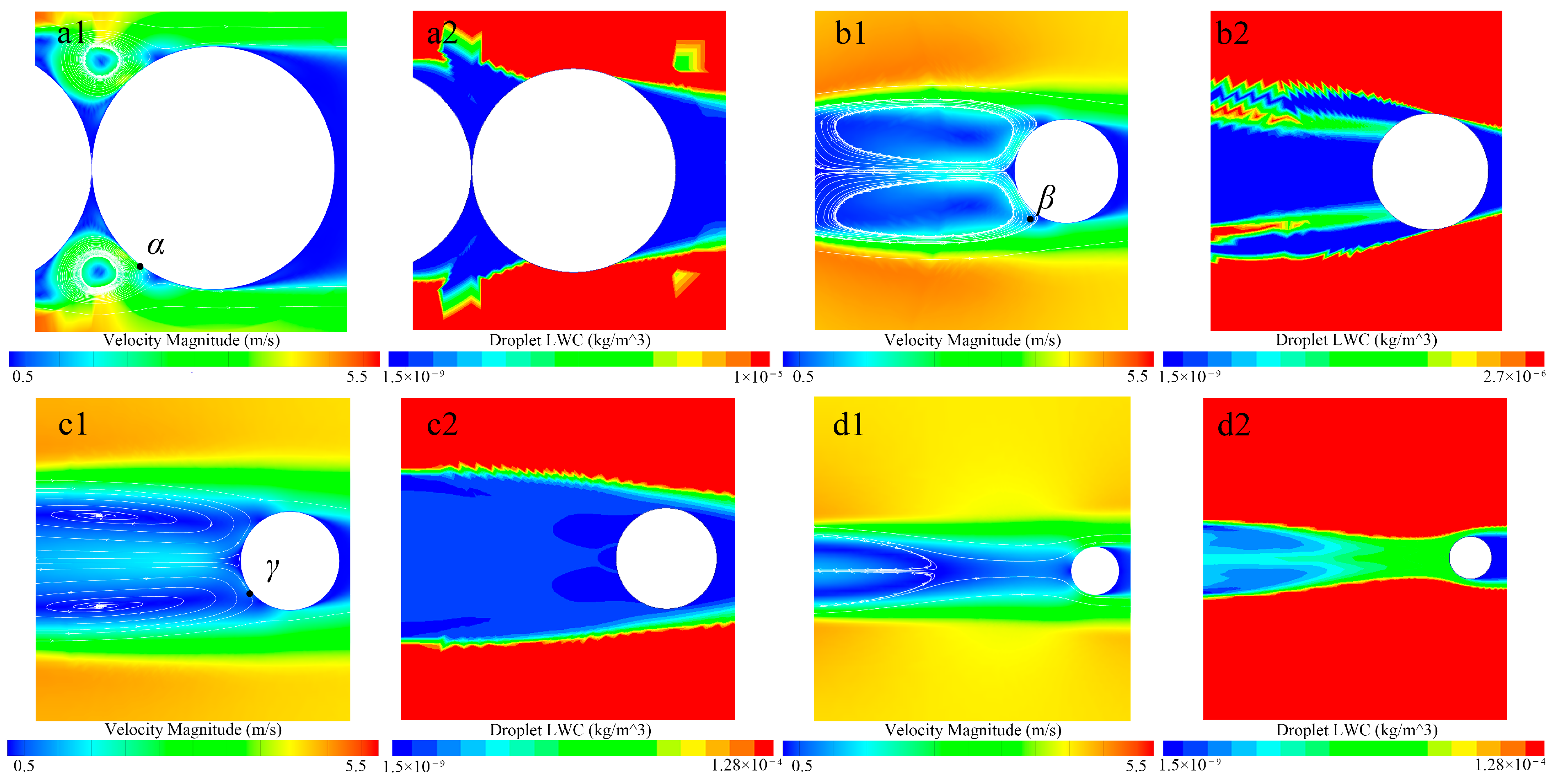
Figure 24 illustrates the droplet transport characteristics around the downstream cylinder under the influence of vortices in the wake flow field at a wind speed of 4 m/s. In the figure, d1 and d2 represent the flow field contour and droplet collection efficiency contour, respectively, when the center-to-center distance between the two cylinders is 450 mm; whereas a1–c1 and a2–c2 correspond to the flow field and droplet collection efficiency distribution at distances of 50 mm, 150 mm, and 250 mm, respectively.
All cylinders in the figure have a diameter of 50 mm. To clearly display the wake vortices, the contour plots have been scaled at different ratios, resulting in circles of varying sizes in the presentation.
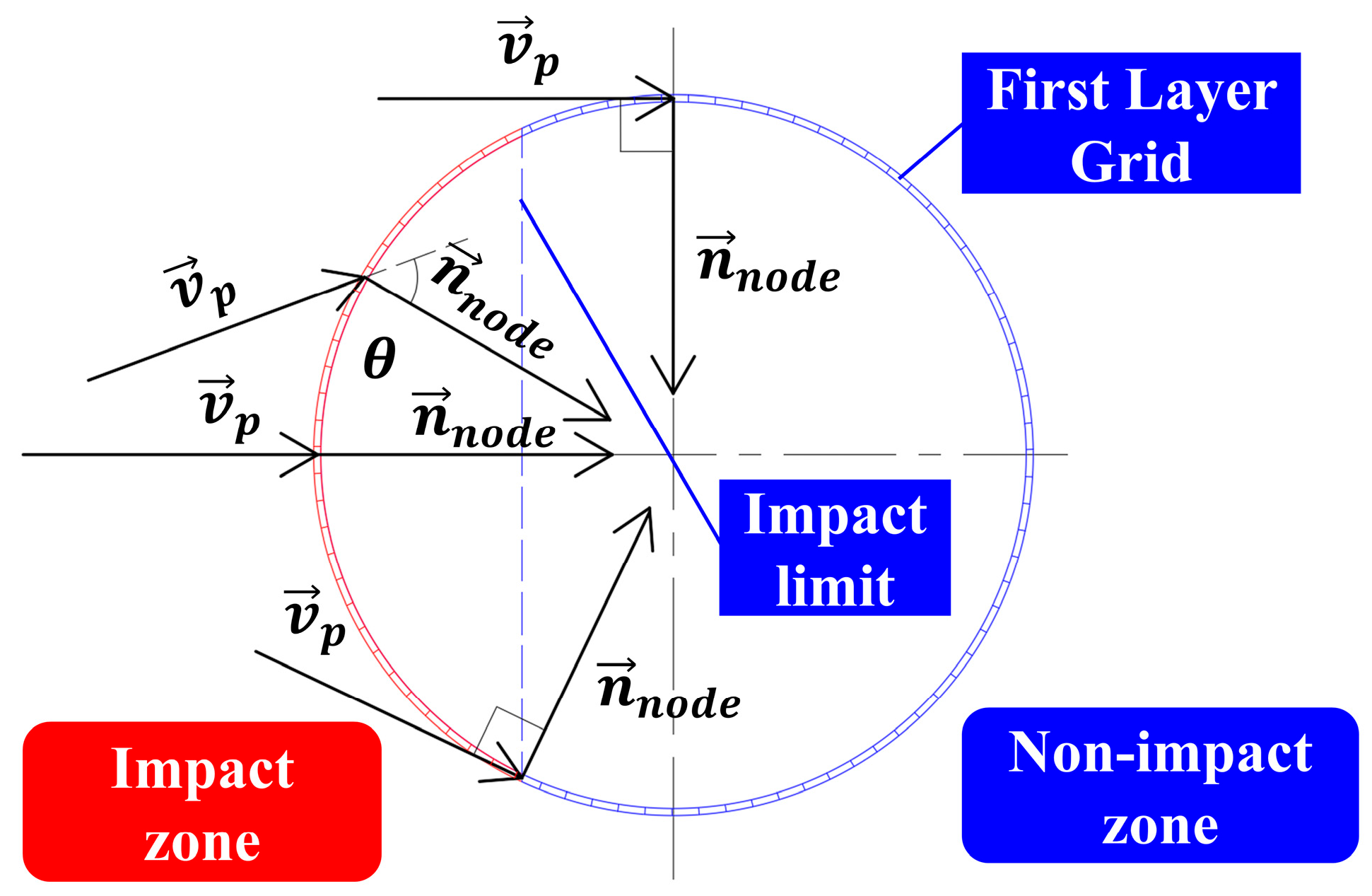
It is clearly evident from the figure that the regions where the droplet collection efficiency begins to increase are located on the side surfaces of the downstream cylinder, not on the front surface. Furthermore, these locations (annotated as α, β, γ in the figure) precisely correspond to the turning points of the reverse flow within the upstream cylinder’s wake vortex. The underlying mechanism is as follows: when the distance is small, the downstream cylinder resides within the wake region of the upstream cylinder. The upstream wake vortex directly act upon the surface of the downstream cylinder, causing the angle between the reverse flow velocity vector and the wall normal to far exceed the critical angle for droplet impingement. Consequently, the droplet Impact Zone is pushed towards the sides, resulting in a low collection efficiency on the front surface.
Further observation reveals that as the distance increases, the flow velocity and droplet collection efficiency at locations α, β, and γ gradually decrease. This occurs because, at smaller distances, the downstream cylinder constrains the form of the upstream wake vortex. As the distance increases, the scale of the wake vortex expands, leading to increased kinetic energy dissipation of the entrained droplets within the vortex and a corresponding weakening of the flow velocity. This mechanism also explains the phenomenon where the ice mass decreases with increasing distance within the smaller distance range.
As shown in d1 and d2, when the distance reaches 450 mm, the downstream cylinder has essentially moved out of the direct influence of the upstream wake vortices and is only subject to residual wake interference. At this point, droplet collection begins to occur on the front surface of the downstream cylinder, and the collection efficiency increases significantly. The reason is that the flow field approaches free stream conditions, the droplet velocity vectors no longer exhibit reverse flow, and the angle between the velocity near the front surface and the wall normal falls below the critical impingement angle. Therefore, the droplet Impact Zone once again covers the front surface of the cylinder. As the distance increases further, the influence of the wake continues to weaken, and the ice mass correspondingly increases.
5.2. Influence of Distance-to-Diameter Ratio (D/d) on Icing Characteristics
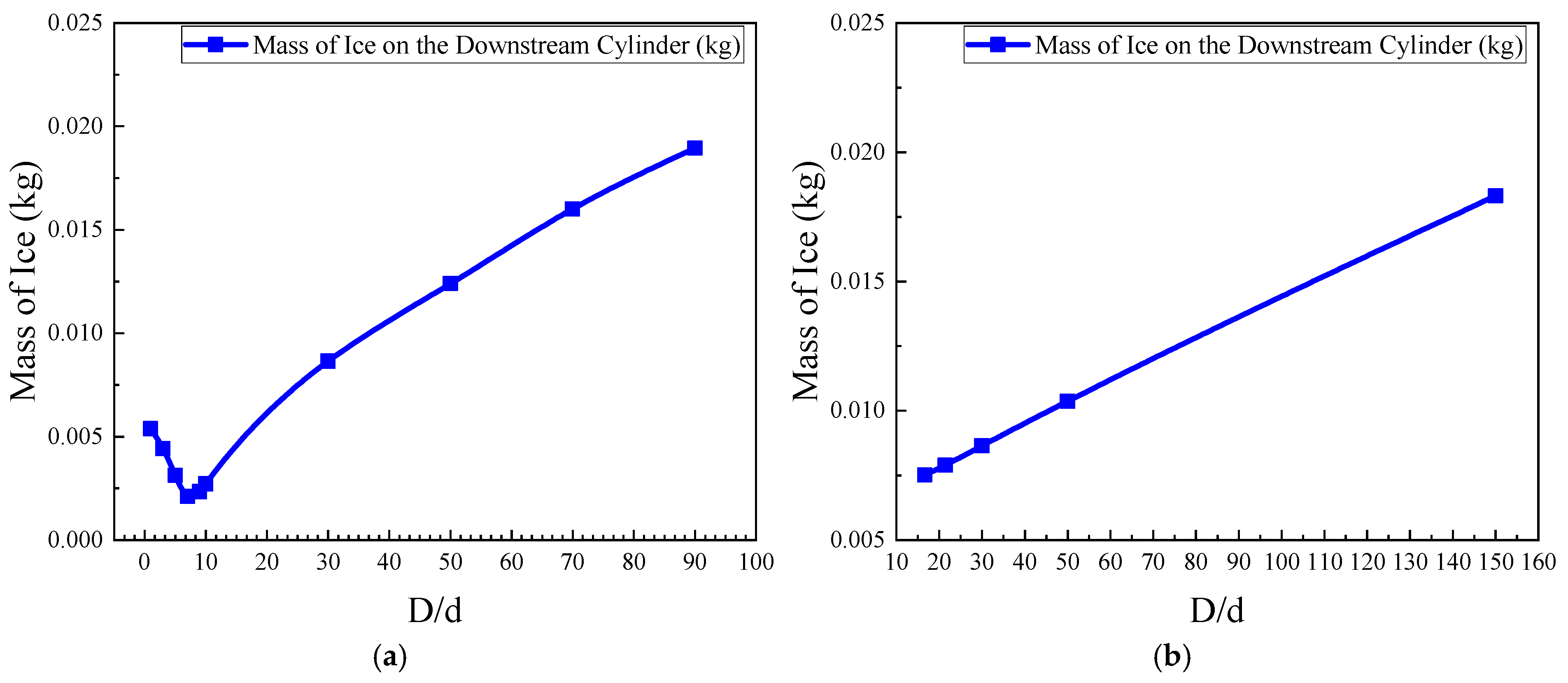
Figure 25 illustrates the relationship between the Mass of Ice on the Downstream Cylinder and the dimensionless parameter—Distance-to-Diameter Ratio (D/d)—by non-dimensionalizing the distance and diameter using the ice mass data from
Section 4.1.2 and
Section 4.1.3. Integrating the findings from
Section 4.1.2 and
Section 4.1.3 with the figure, it can be observed that the Distance-to-Diameter Ratio clearly demonstrates that the Mass of Ice on the Downstream Cylinder is directly proportional to the Distance and inversely proportional to the diameter. However, it is noteworthy that when this ratio is less than 7, the Mass of Ice on the Downstream Cylinder exhibits an anomalous variation. Within this range, the ice mass decreases as the Distance-to-Diameter Ratio increases.
The phenomenon occurs due to the following mechanism: When the Distance-to-Diameter ratio (D/d) between the upstream and downstream cylinders is small, the front surface of the downstream cylinder lies entirely within the wake vortex region of the upstream cylinder. This region exhibits significantly reduced flow velocity and highly disordered flow direction. Consequently, almost no ice grows on the windward side of the downstream cylinder.
Meanwhile, the flow field disturbed by the upstream cylinder reaches the downstream cylinder with relatively higher velocities on its sides. This results in a much higher droplet collection rate on the sides compared to the shielded front surface. Therefore, ice accumulation shifts toward the sides of the downstream cylinder.
Based on the vortex analysis in
Section 5.1, it can be concluded that when D/d approaches 7, the downstream cylinder transitions from being influenced by the wake vortices to being primarily affected by the general wake flow. This ratio represents the critical value for this transition.
5.3. Limitations and Future Work
This study, combining numerical simulations and wind tunnel experiments, has revealed the wake shielding effect present in twin-cylinder structures and its impact on icing characteristics, while also verifying the reliability of the proposed coupled model. This study employs numerical simulation methods. The methods include Computational Fluid Dynamics (CFD). They also cover droplet collection analysis. Furthermore, they involve ice accretion modeling with heat and mass transfer processes. Although these simulations require substantial computational resources, they offer significant advantages in engineering applications.
They are more efficient than physical experiments and field surveys. These traditional methods often involve high costs, long durations, and challenging variable control. Our approach enables systematic investigation of complex physical phenomena. It achieves this with lower costs and shorter timeframes.
Moreover, the method provides unique parameter control capabilities. It enables precise isolation of individual variable effects. This capability is crucial for revealing underlying physical mechanisms.
Consequently, the high-precision results from our CFD simulations provide reliable data for polar vessel and offshore structure design. They also establish a solid foundation for developing rapid engineering assessment models. However, constrained by the current research model and conditions, several limitations remain that warrant further investigation in future work:
Model Simplifications and Applicability Limits: This study focused solely on a tandem twin-cylinder model. Although this model effectively captures the core shielding phenomenon, it does not encompass complex scenarios found on actual vessels, such as multiple cylindrical members, non-circular cross-sections (e.g., square columns, I-beams), and three-dimensional spatial arrangements. These geometric and layout factors could lead to richer wake interference and ice accretion patterns.
Limitations of Environmental Parameters: The research primarily concentrated on the effects of distance, diameter, wind speed, and wind direction angle. The systematic influence of other key environmental parameters (e.g., water droplet diameter distribution, temperature variations, presence of ice crystals) was insufficiently explored. Given the complexity and variability of the arctic environment, changes in these parameters could significantly alter the icing mechanism and the strength of the shielding effect, necessitating parametric analysis in subsequent studies.
Scale and Scope of Experimental Validation: Although the current wind tunnel experiments validated the numerical model’s reliability under specific conditions, limitations remain regarding the tested distances, number of test cases, and ice shape measurement accuracy. Future work could employ Particle Image Velocimetry (PIV) for flow field measurements, expand the parameter range (including more tandem and side-by-side arrangements), and conduct full-scale validation tests to provide a more comprehensive empirical basis for the model.
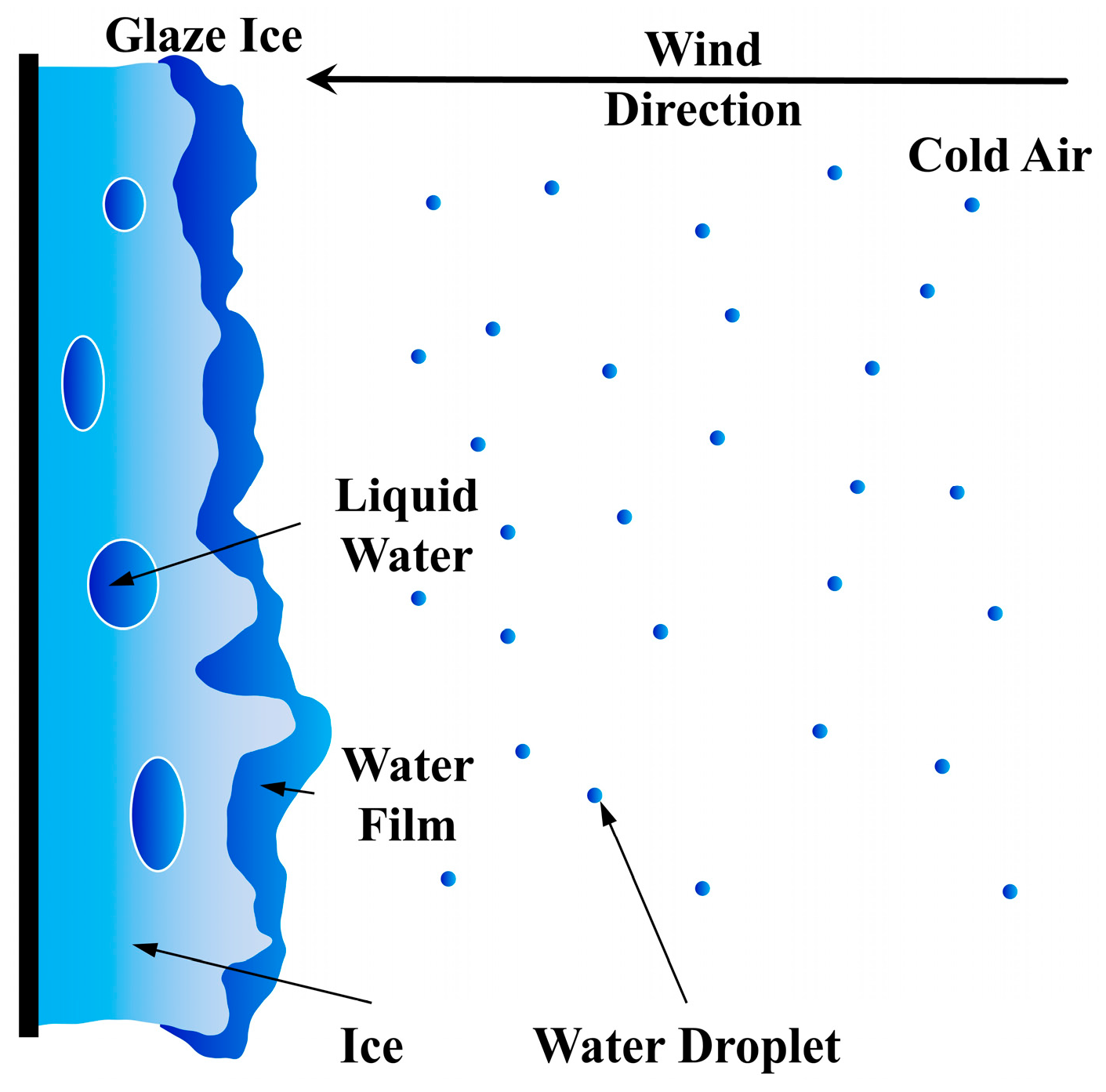
Limitation of the Icing Model: A significant limitation of the numerical simulations in this study lies in the selection of the icing model. Constrained by the employed Ansys FENSAP-ICE solver and its computational framework, this study uniformly applied the Rime Ice Model. This model assumes instantaneous and complete freezing of all supercooled droplets impacting the structure surface, without considering potential post-impingement phenomena such as water film flow, splashing, or secondary evaporation/melting. While this assumption provides a reasonable approximation under low-temperature, low Liquid Water Content conditions and significantly simplifies thermodynamic calculations, it deviates from the formation mechanisms of glaze ice or mixed ice possible in actual atmospheric icing. Under glaze ice conditions, droplets do not freeze completely immediately upon impact but form a flowing water film that subsequently freezes gradually over a longer distance. This leads to smoother, denser ice shapes and potentially unique geometric features like “horn ice” or “ice bridges.” Therefore, the conclusions regarding ice shape prediction and growth rate in this study are more applicable to typical rime ice conditions. Future work should introduce more complex multi-phase icing models to capture the intricacies of water film flow and phase-change thermodynamics, thereby enhancing the model’s predictive accuracy and generalizability across a wider range of meteorological conditions.
Suggested future research directions include the following:
Extending the numerical model to multiple members, various arrangements (e.g., side-by-side, staggered), and realistic three-dimensional structures to study icing characteristics under more complex wake interference.
Systematically investigating the sensitivity and patterns of the shielding effect under the coupled influence of multiple parameters such as Median Volumetric Diameter (MVD), temperature, and ice crystal content.
Combining machine learning algorithms with extensive numerical and experimental data to build rapid ice accretion prediction models, supporting real-time control for ship anti-/de-icing systems.
Introducing multi-phase icing models for accurate ice shape prediction. The primary task for subsequent research is to break through the limitations of the single rime ice model by introducing multi-phase icing models capable of describing water film flow, splashing, and refreezing processes (e.g., extended models based on the Messinger model). By coupling the solutions of fluid dynamics, droplet impingement, and surface water film transport equations, precise simulation of glaze ice, mixed ice, and their characteristic shapes (e.g., “horn ice,” “ice bridges”) can be achieved. This will significantly enhance the numerical model’s ability to predict complex real-world icing phenomena and provide a more reliable basis for assessing the load risks associated with different ice types.
6. Conclusions
This study investigated the influence of the wake flow field on the ice accretion morphology and distribution of twin-cylinder structures on arctic vessels and offshore platforms, aiming to reveal the shielding effect induced by complex wake flows and its mechanism of influence on icing characteristics. A coordinated iterative dynamic coupling numerical model based on Fluent and FENSAP-ICE was constructed and validated against tandem twin-cylinder wind tunnel experiments (wind speed 5 m/s, LWC = 2.0 g/m3). The developed fluid–ice dynamic coupling model demonstrated good reliability and high agreement with the experimental results. Subsequently, the ice accretion evolution under the influence of multiple parameters, including distance, diameter, and wind speed, was systematically analyzed. The main conclusions are as follows:
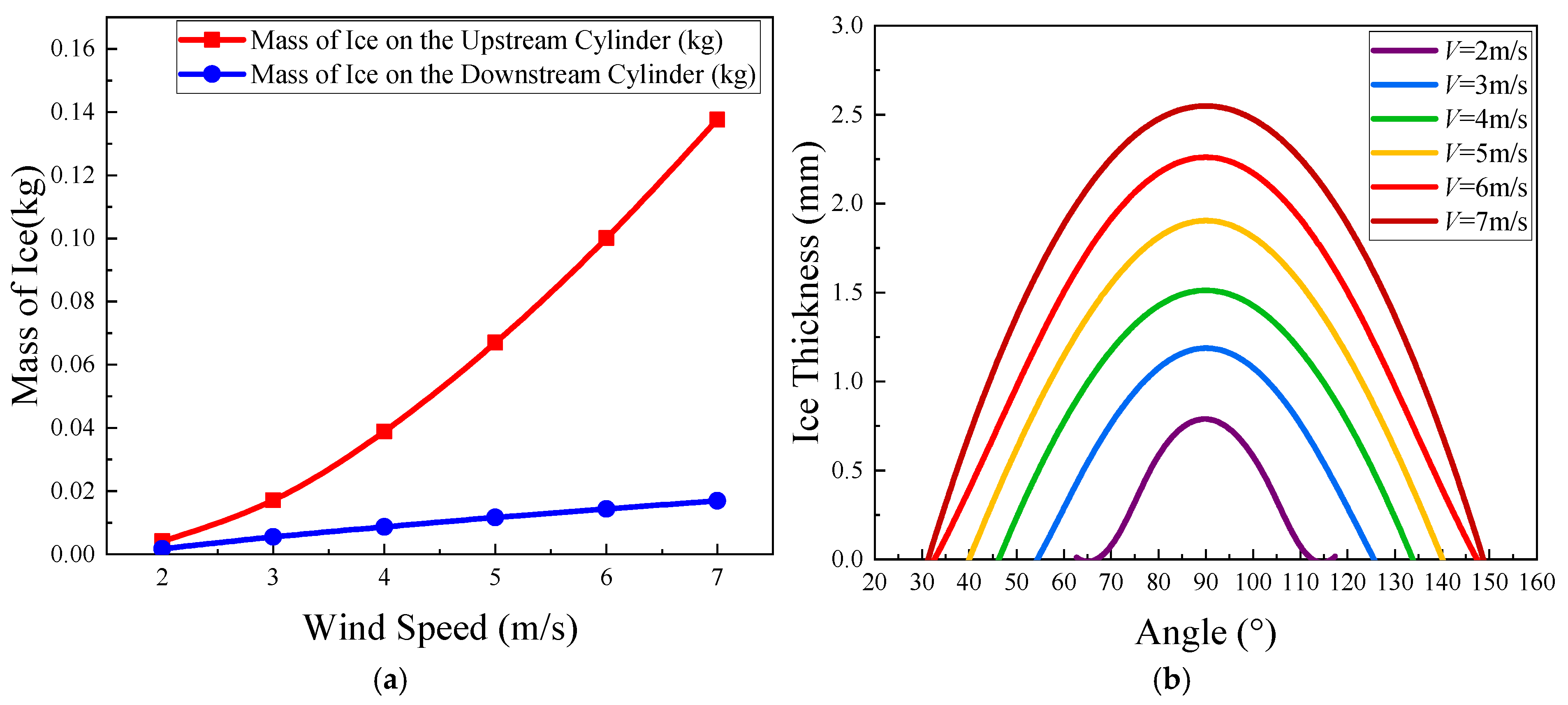
The study confirmed the significant shielding effect of the upstream structure’s wake on the downstream ice accretion: the Mass of Ice on the Downstream Cylinder was significantly lower than that on the upstream cylinder. Specifically, when the wind speed is 2 m/s, the Mass of Ice on the Upstream Cylinder is 2.33 times that of the downstream cylinder. When the wind speed increases to 3 m/s, this ratio rises to 3.15. At wind speeds of 4 m/s, 5 m/s, 6/m/s, and 7 m/s, the ratios reach 4.5, 5.77, 7, and 8.14, respectively. Finally, the ice shape distribution evolved from the sides towards the center. The locations of significant droplet impingement highly coincided with the turning points of the wake vortex reverse flow.
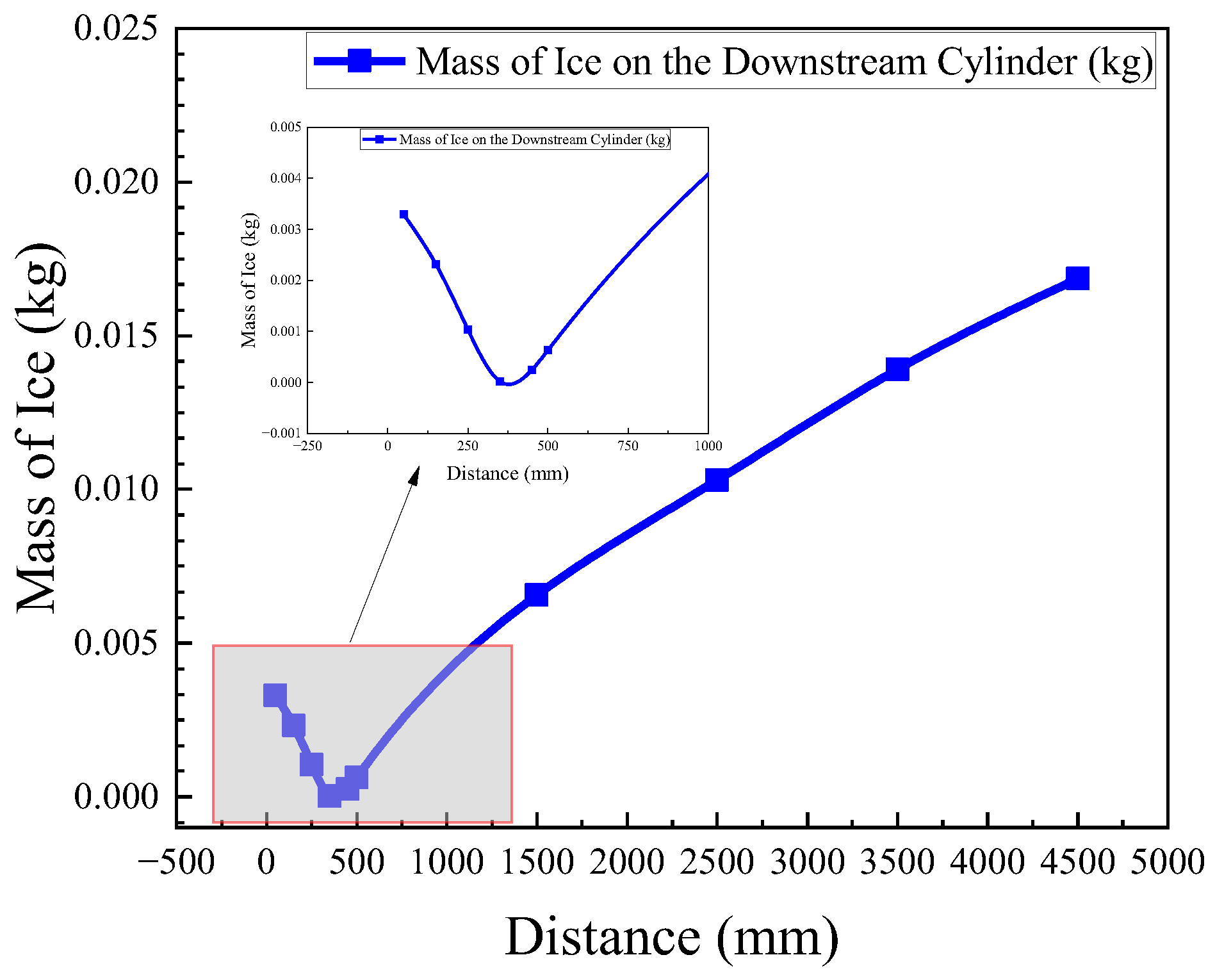
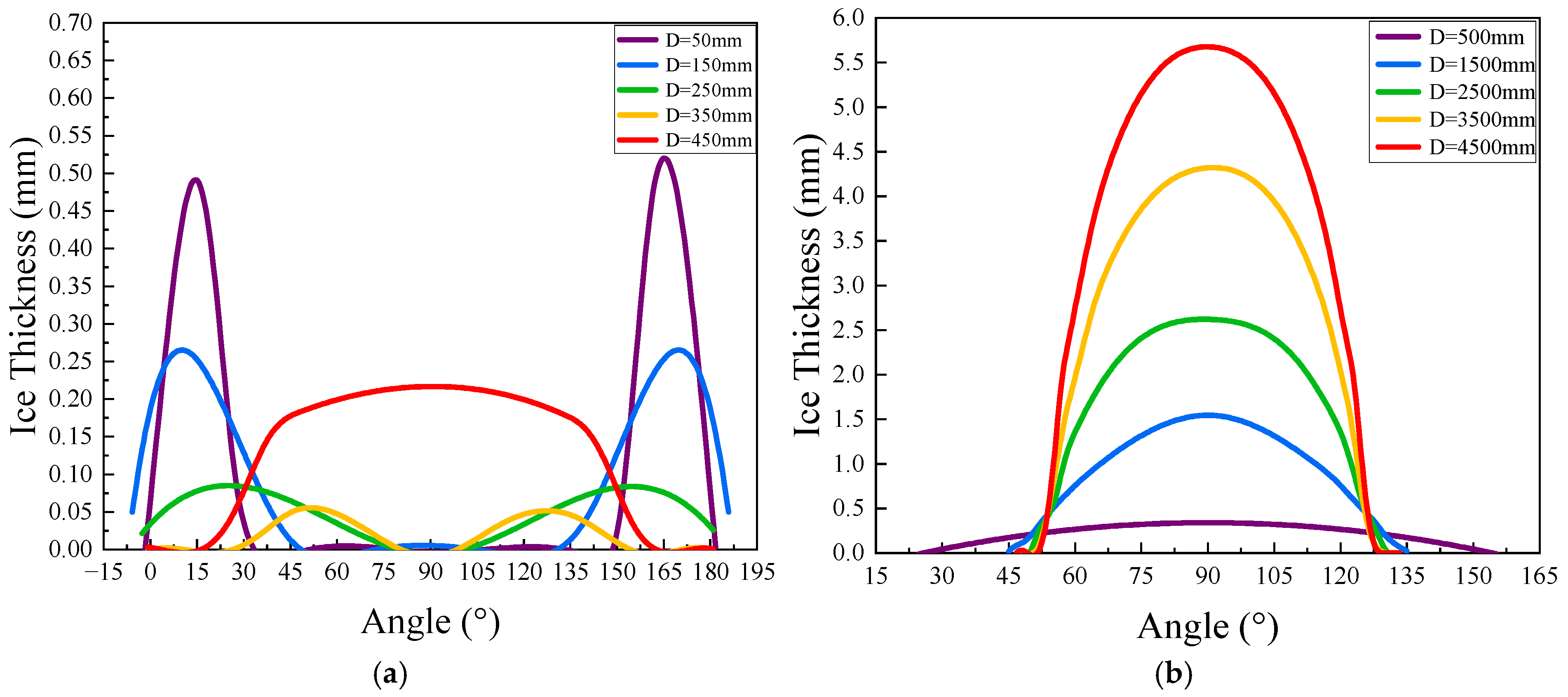
The existence of a critical distance and its nonlinear influence mechanism was discovered: Within the Distance range of 50~350 mm, the ice mass gradually decreases as the Distance increases. When the Distance reaches 350 mm, the ice mass begins to recover slowly. Beyond 450 mm, it shows a linear increasing trend with further increase in Distance. At smaller distances, the downstream cylinder resided in a low-speed vortex region, resulting in minimal frontal impingement; as the distance increased, the wake influence weakened, and frontal ice accretion resumed; the ice mass showed a trend of first decreasing and then increasing, reaching a minimum precisely at the distance where the direct influence of the wake vortices diminished.
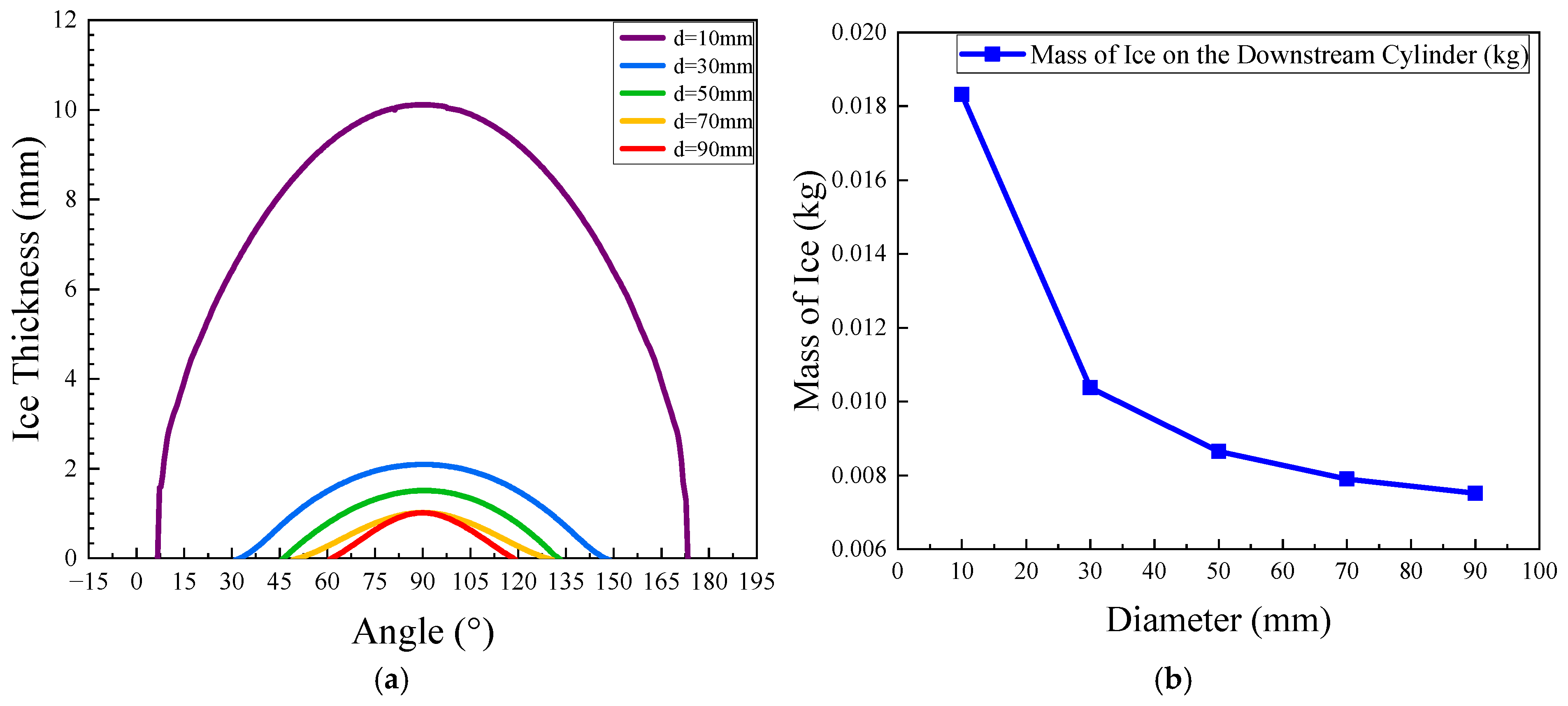
The inverse relationship between cylinder diameter and ice mass was discovered: When the diameter decreased from 90 mm to 30 mm, the ice mass increased by 0.00286 g. The maximum difference in ice thickness remained within 2 mm. However, when the diameter further reduced from 30 mm to 10 mm, both ice mass and shape underwent abrupt changes. The diameter and ice mass exhibit an inversely proportional relationship.
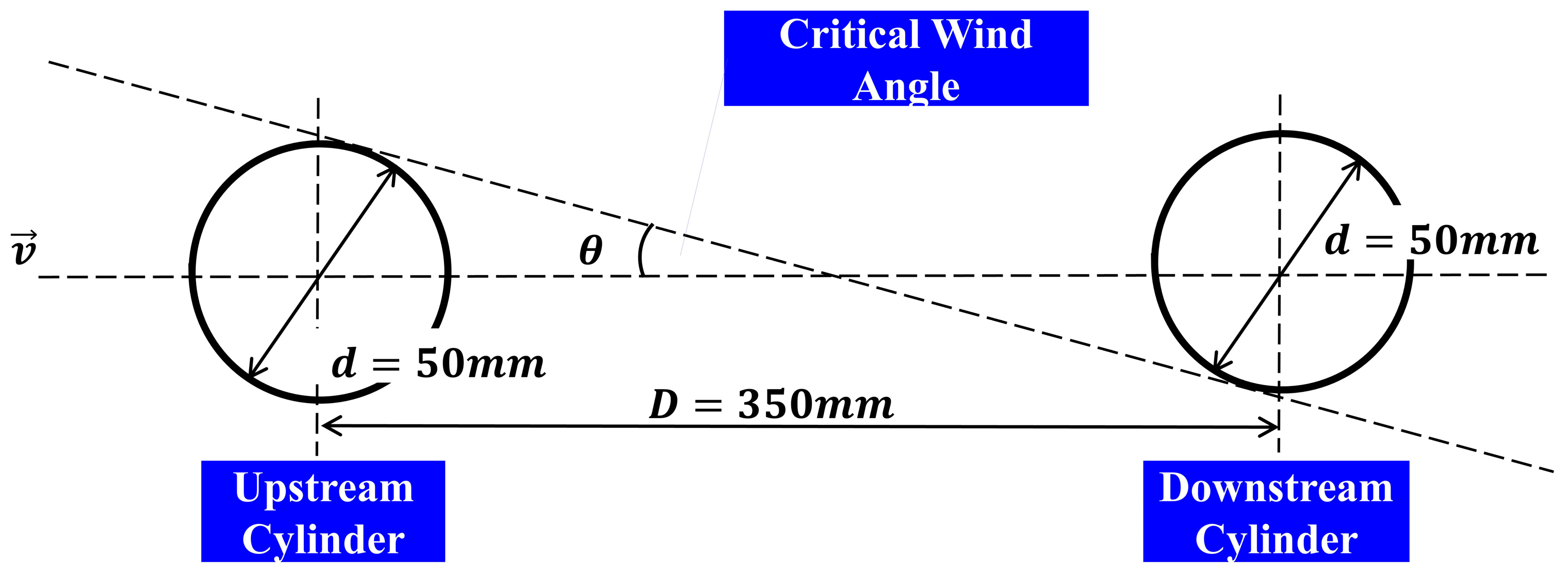
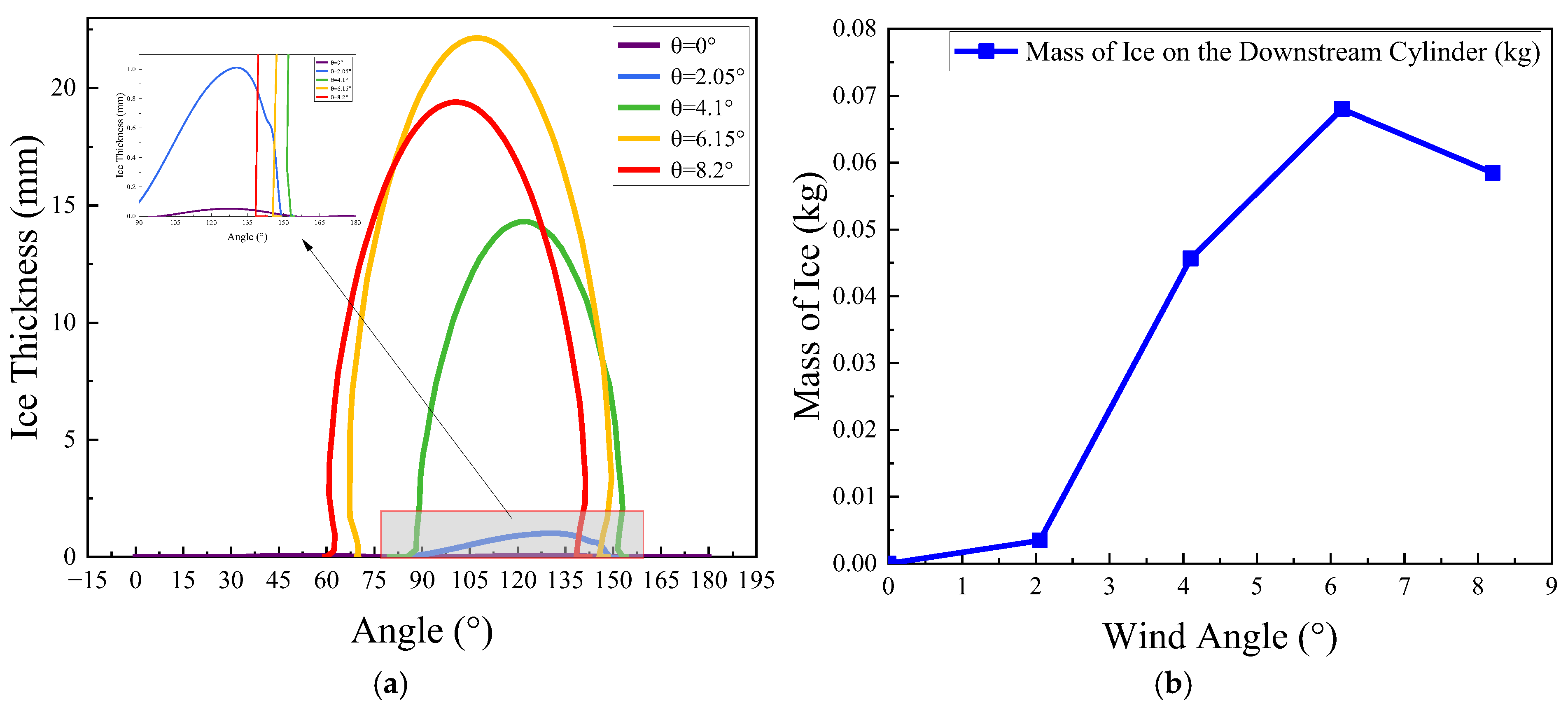
The influence of wind direction angle changes on the shielding effect for the downstream cylinder was investigated: As the wind direction angle increases, the overall ice shape initially moves away from the cylinder axis. When the wind direction angle reaches 6.15°, the ice shape begins to converge toward the axis. Before this point, increasing wind direction angle leads to greater ice thickness. However, when the wind direction angle exceeds 6.15°, both ice mass and thickness start to decrease. Changes in the wind direction angle also caused nonlinear variations in the Mass of Ice on the Downstream Cylinder; furthermore, changes in the wind direction angle could cause the shielding effect of the upstream cylinder to fail.
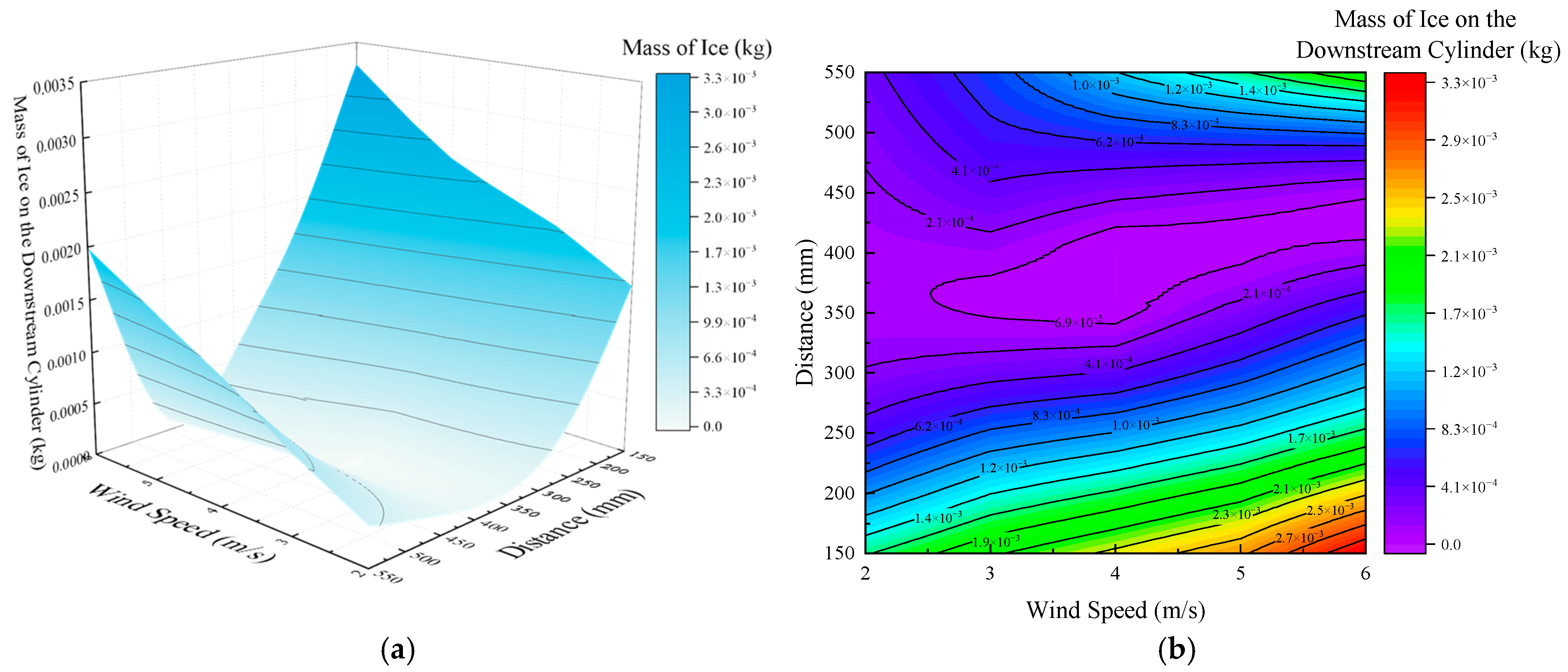
The multi-variable coupling effect was supplementarily analyzed, examining whether the nonlinear variation patterns of ice mass under different distances and wind speeds still held. When the distance is greater than 450 mm or less than 300 mm, increasing wind speed leads to a sharp rise in ice mass; whereas when the distance falls between these two values, the influence of wind speed is significantly weaker. The presence of a “valley” in the numerical results indicates the existence of an optimal operating range for the shielding effect. The nonlinear influence mechanism present in single-variable analyzes also persists under multi-variable coupling.
This work breaks through the limitations of traditional icing research on isolated structures, systematically revealing for the first time the influence of the wake flow field on the ice accretion morphology and distribution of twin-cylinder structures. The proposed numerical method provides a quantitative prediction reference for the anti-/de-icing design of cylindrical structures on arctic vessels and offshore platforms, holding significant engineering value for enhancing the safety of arctic navigation and operations. Subsequent research can be extended to more complex scenarios involving multiple cylinder interactions, various arrangement forms, and multi-parameter coupling.