Article

Passive Acoustic Detection of Vessel Activity by Low-Energy Wireless Sensors
Intelligent Sensing and Communications Group, School of Engineering, Newcastle University, Newcastle upon Tyne NE1 7RU, UK
*
Author to whom correspondence should be addressed.
J. Mar. Sci. Eng. 2022, 10(2), 248; https://doi.org/10.3390/jmse10020248
Submission received: 12 January 2022 / Revised: 8 February 2022 / Accepted: 9 February 2022 / Published: 12 February 2022
(This article belongs to the Special Issue New Challenges in Autonomous Underwater Networks)

Abstract

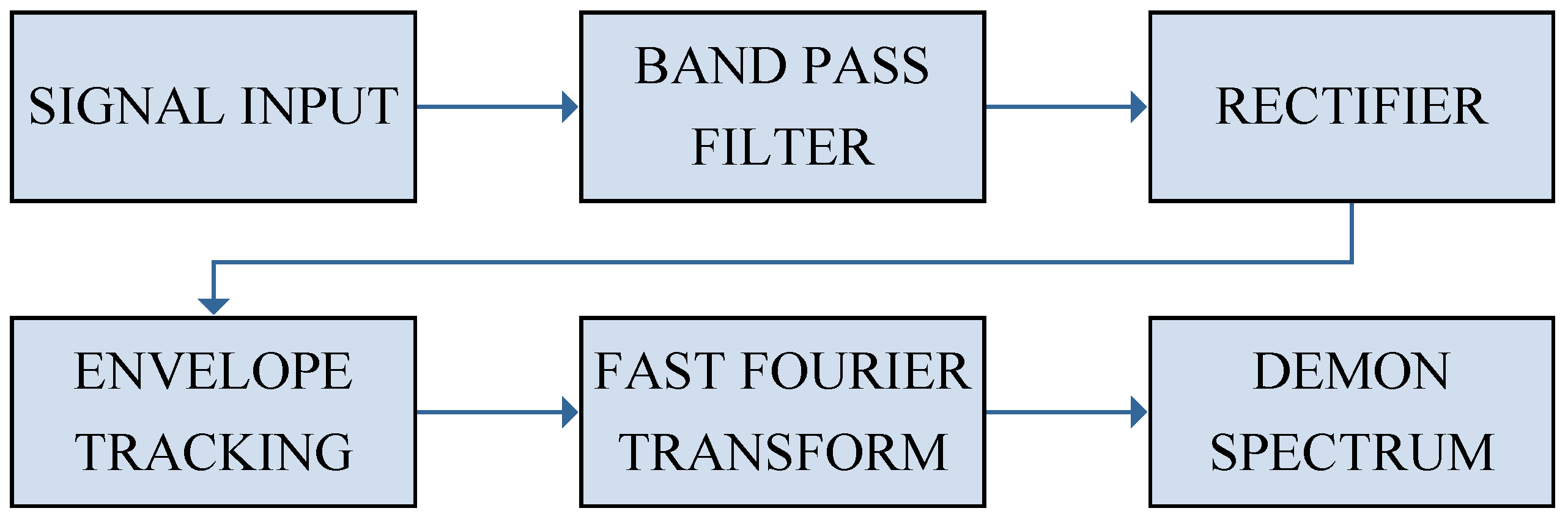
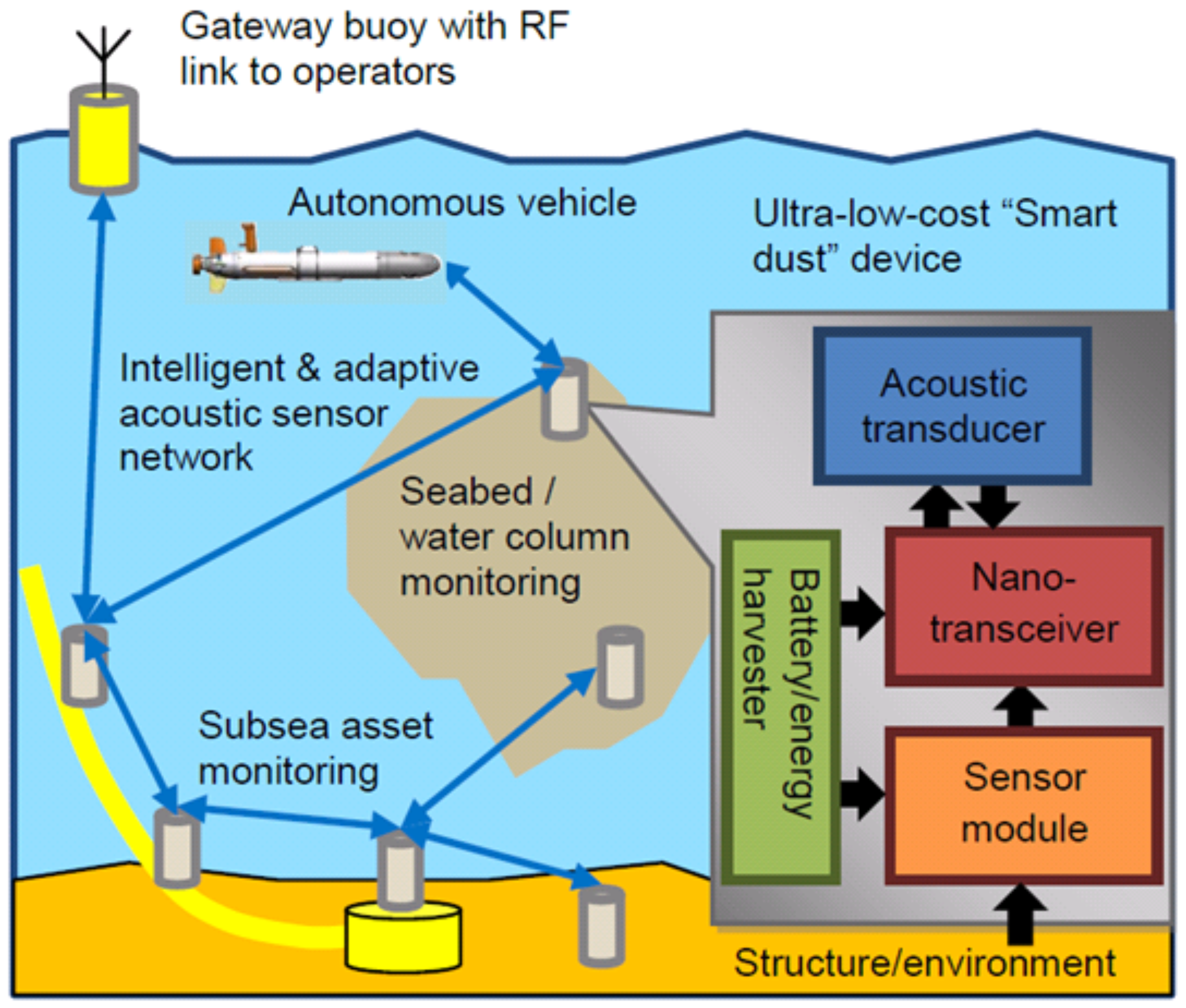
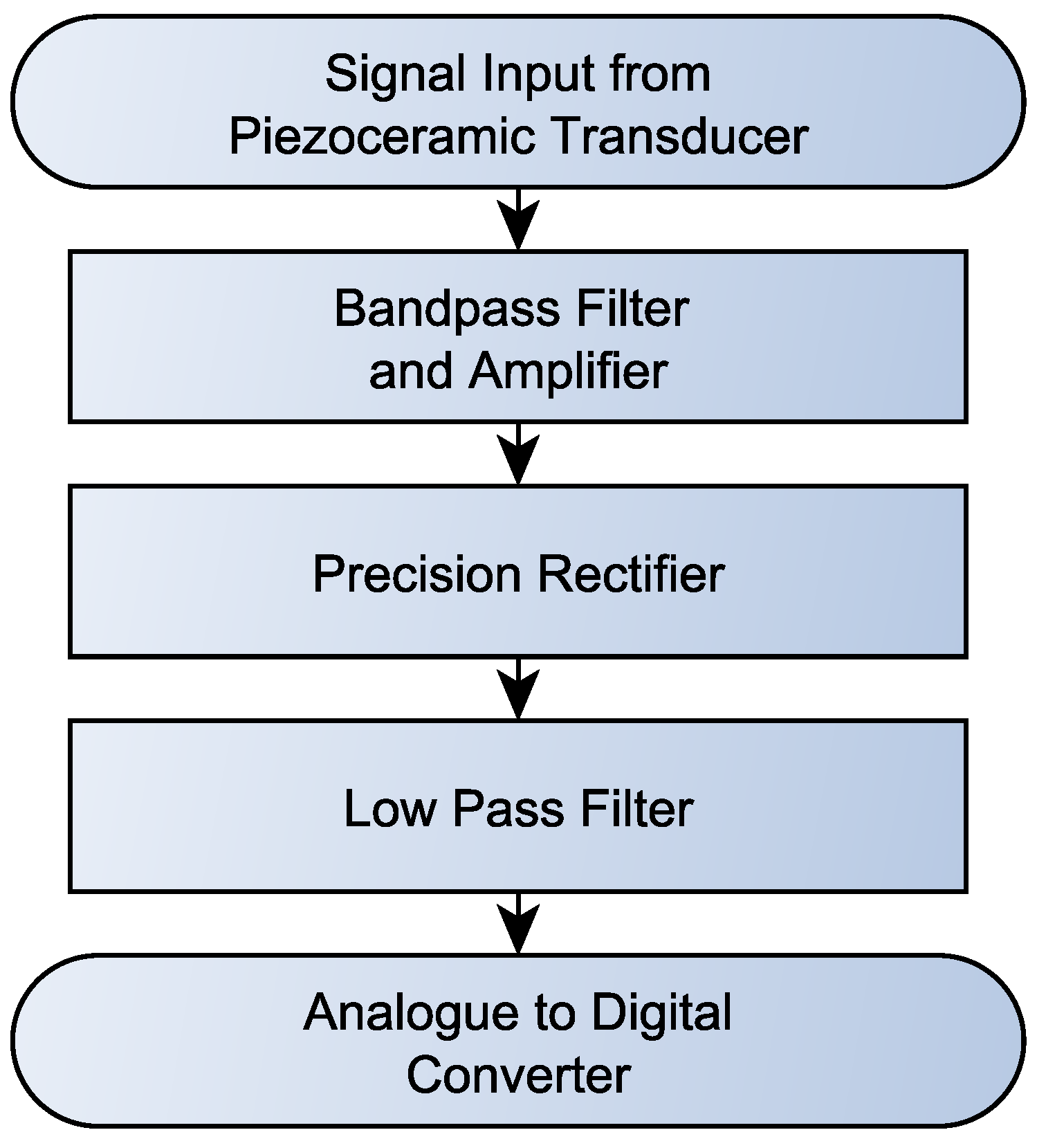
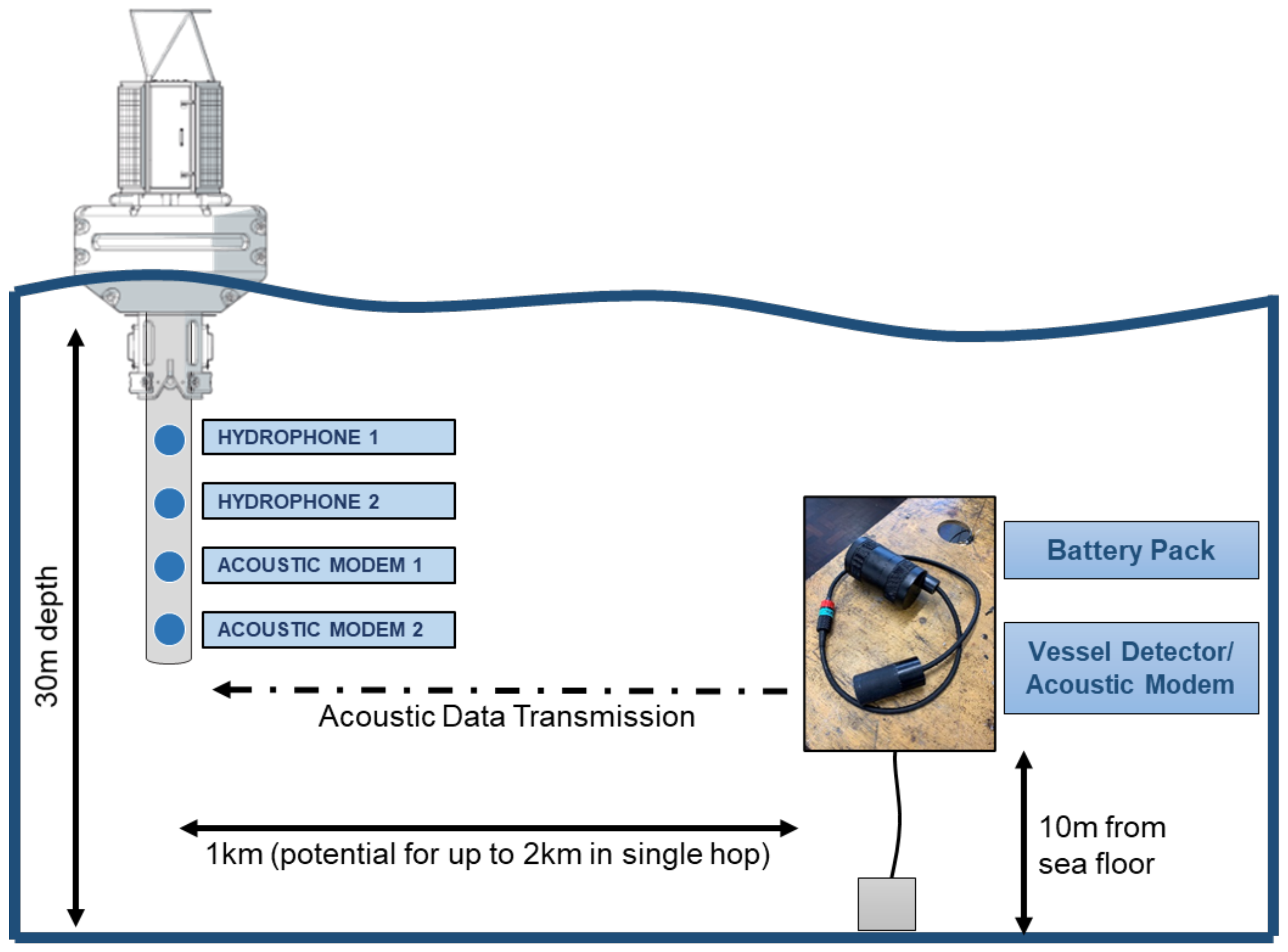
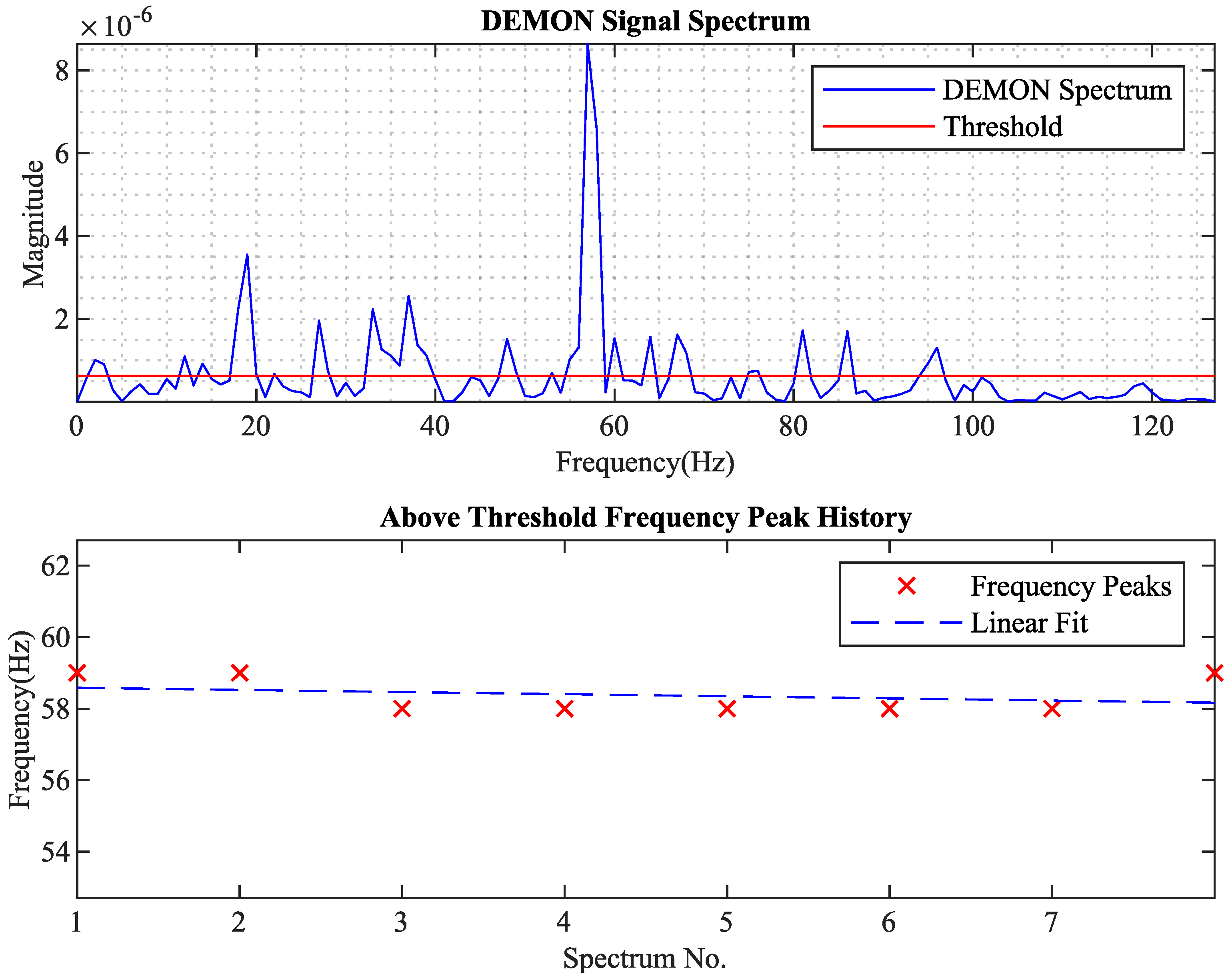
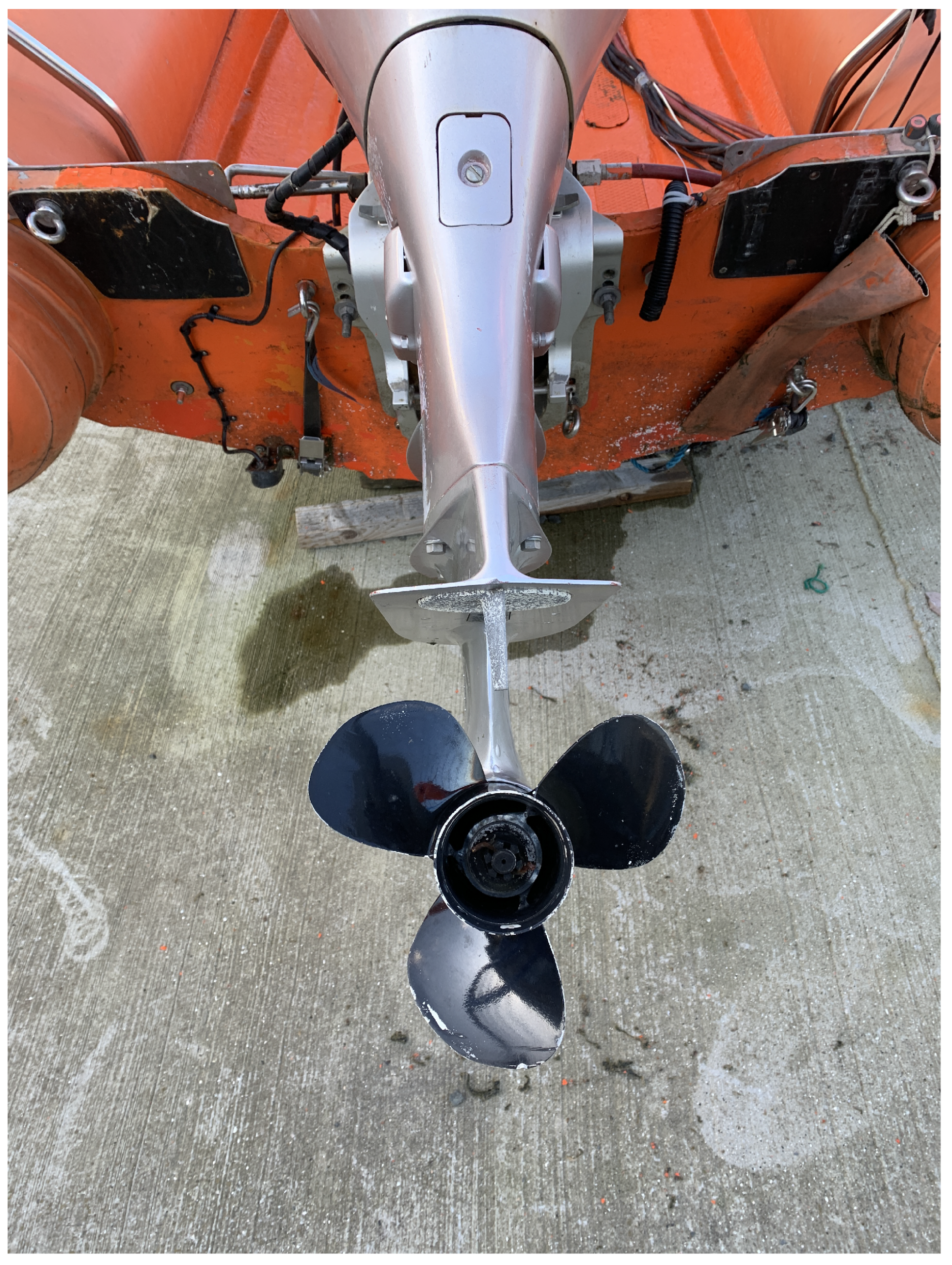
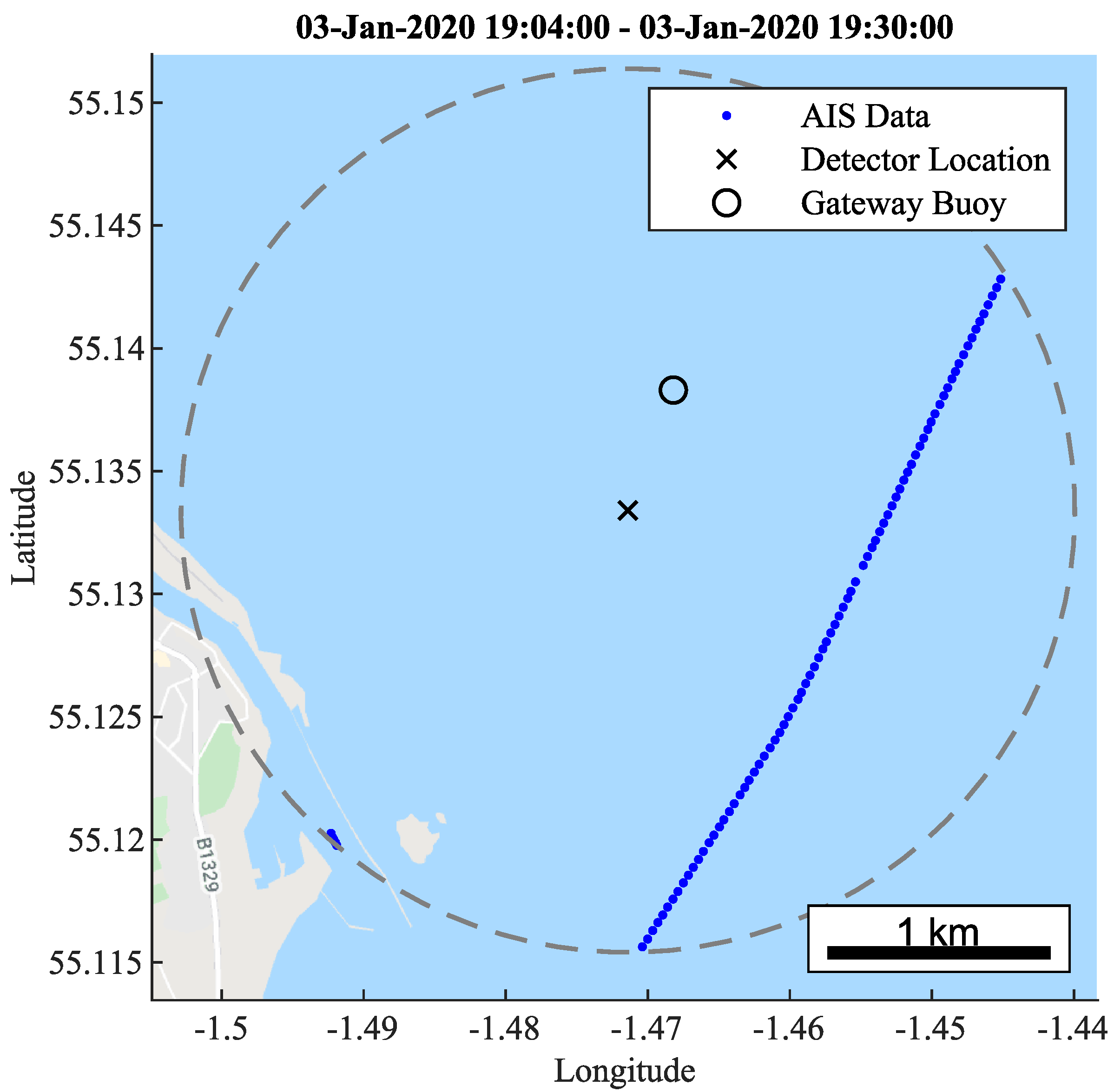
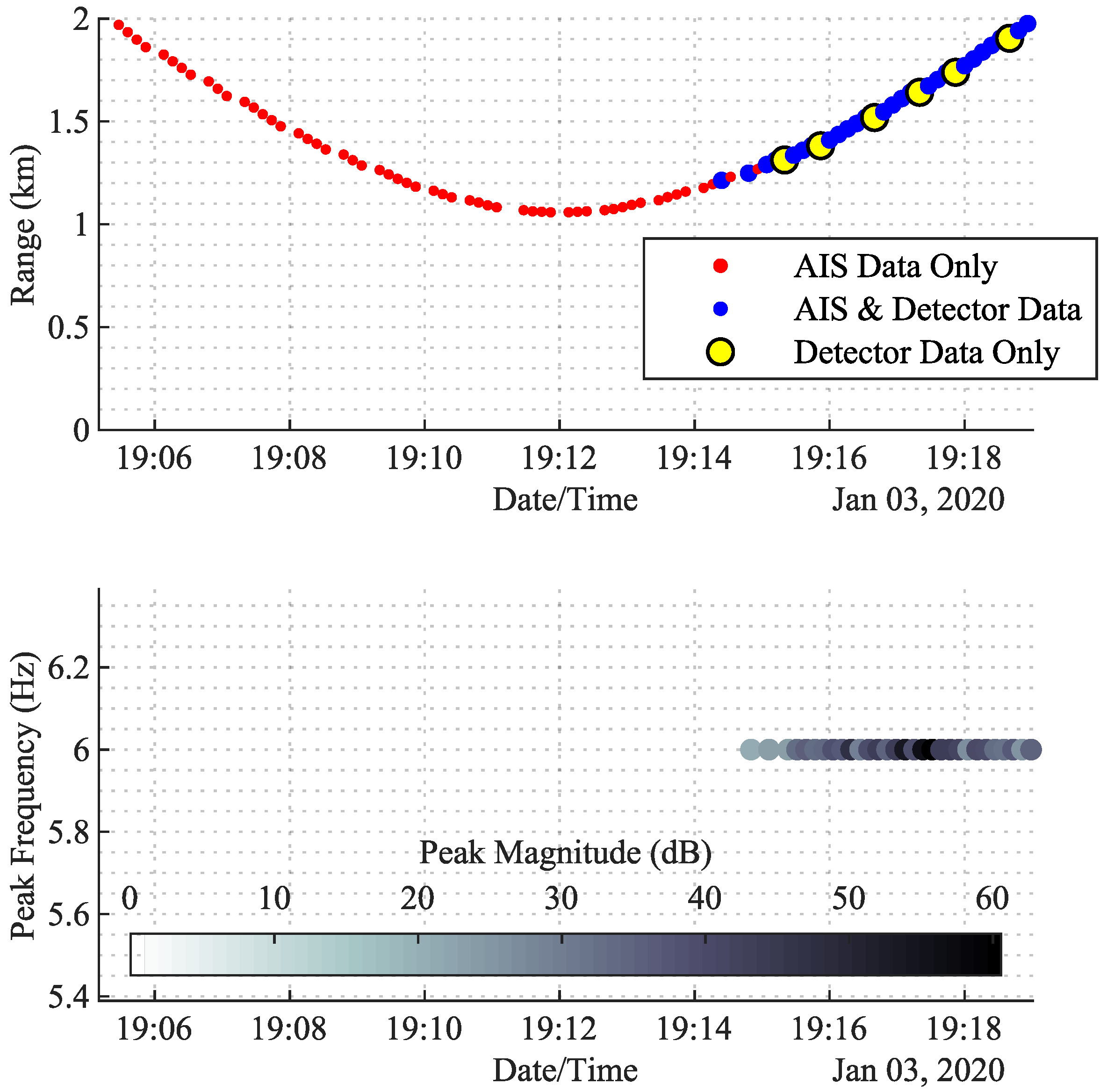
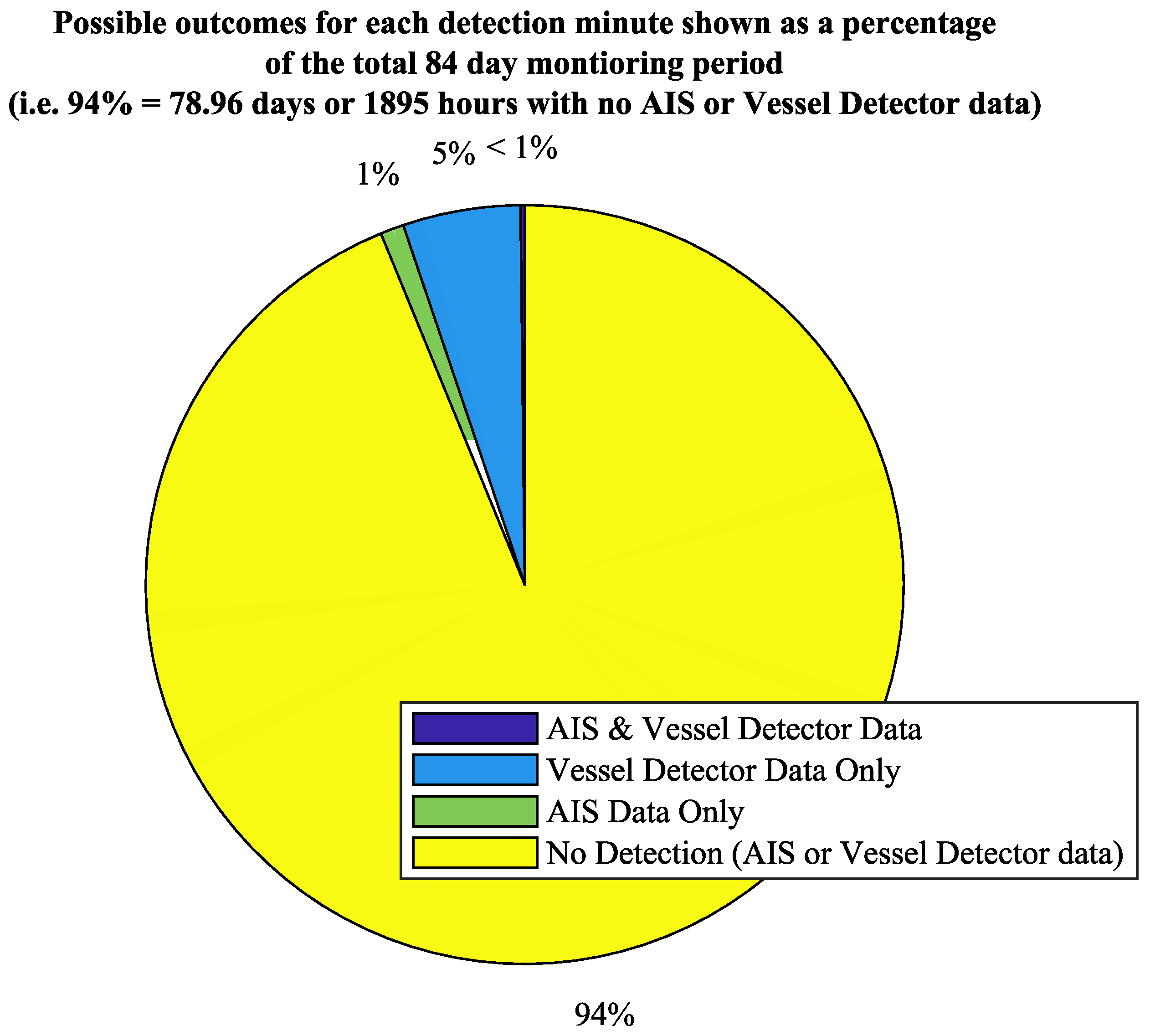
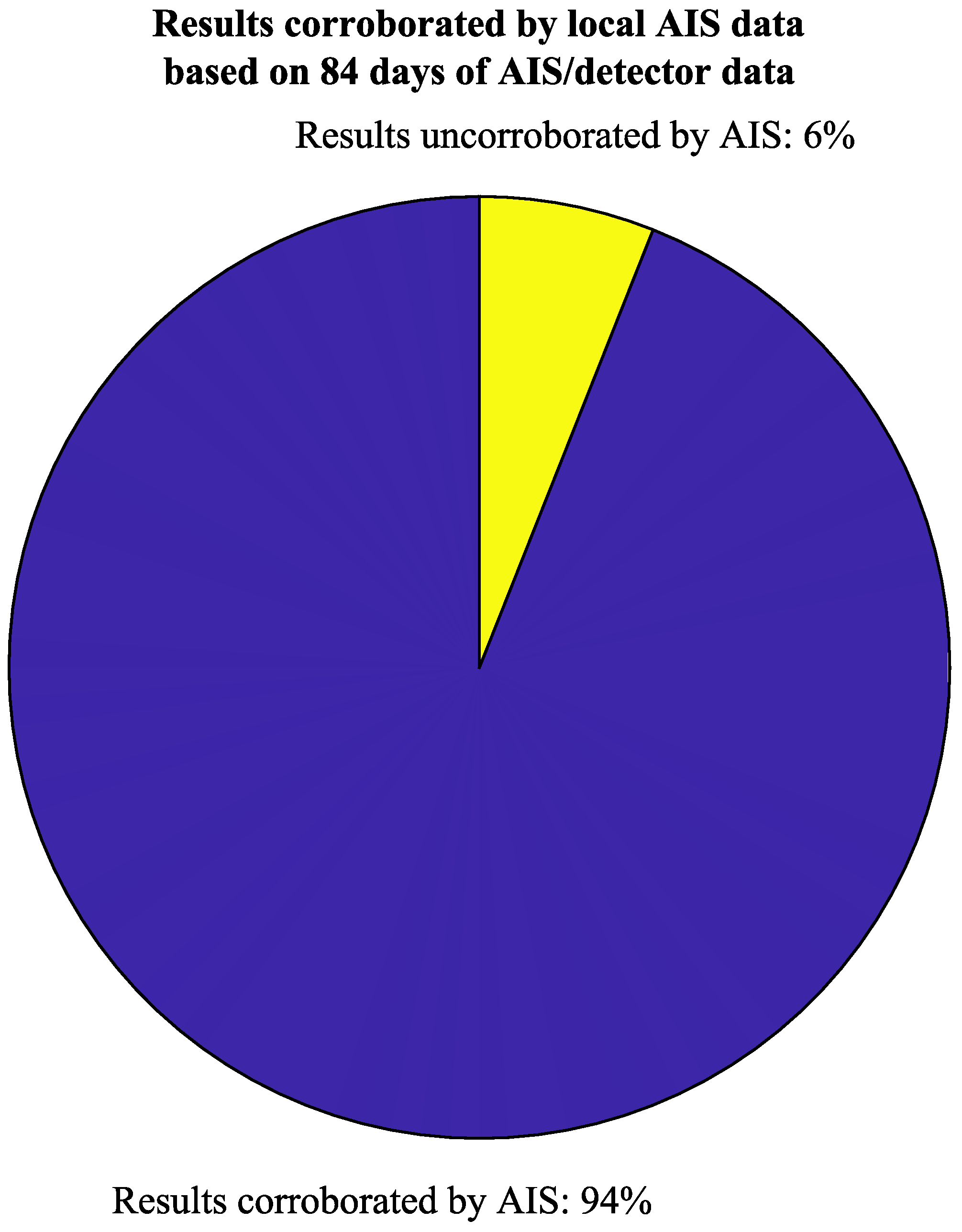
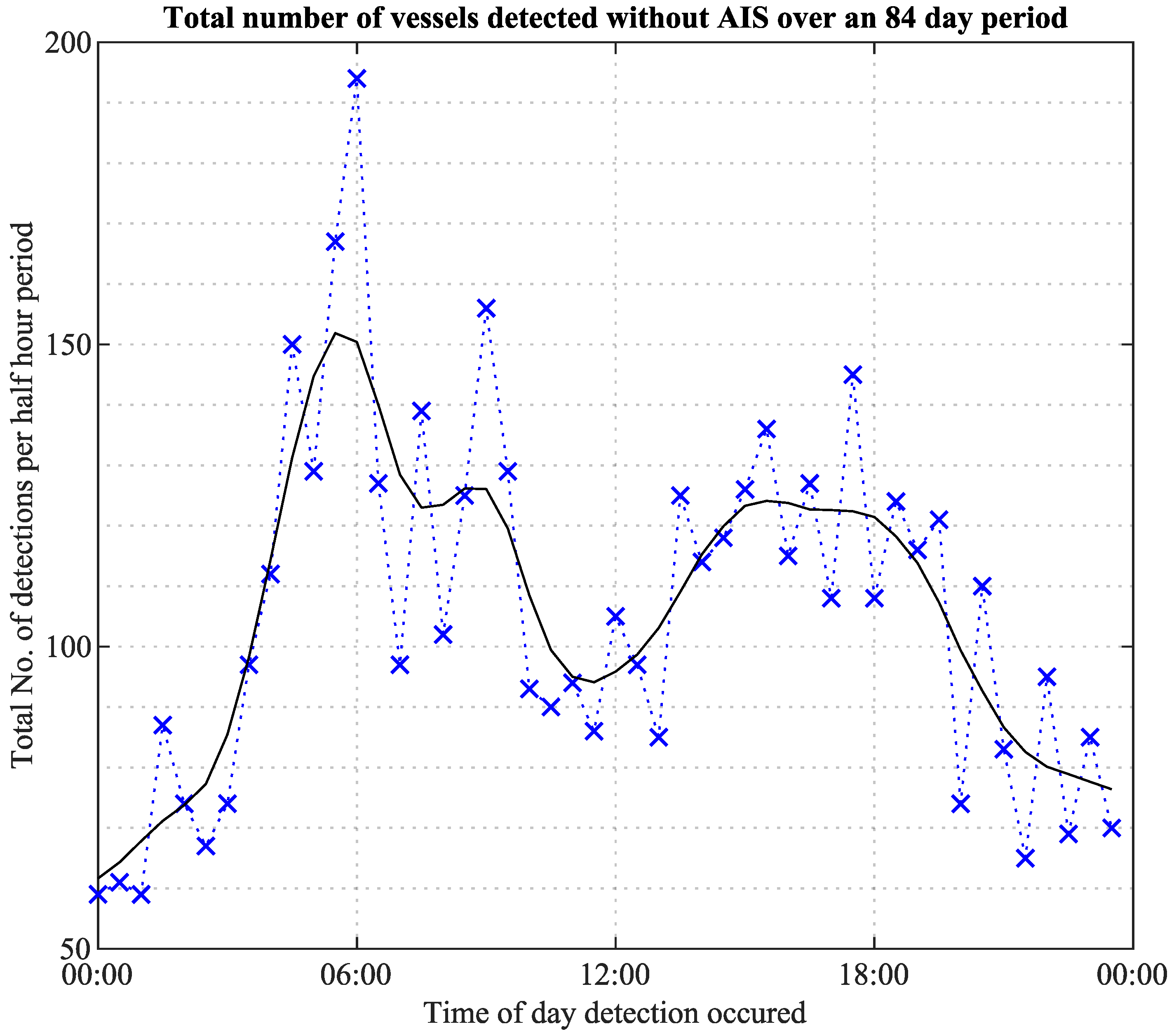
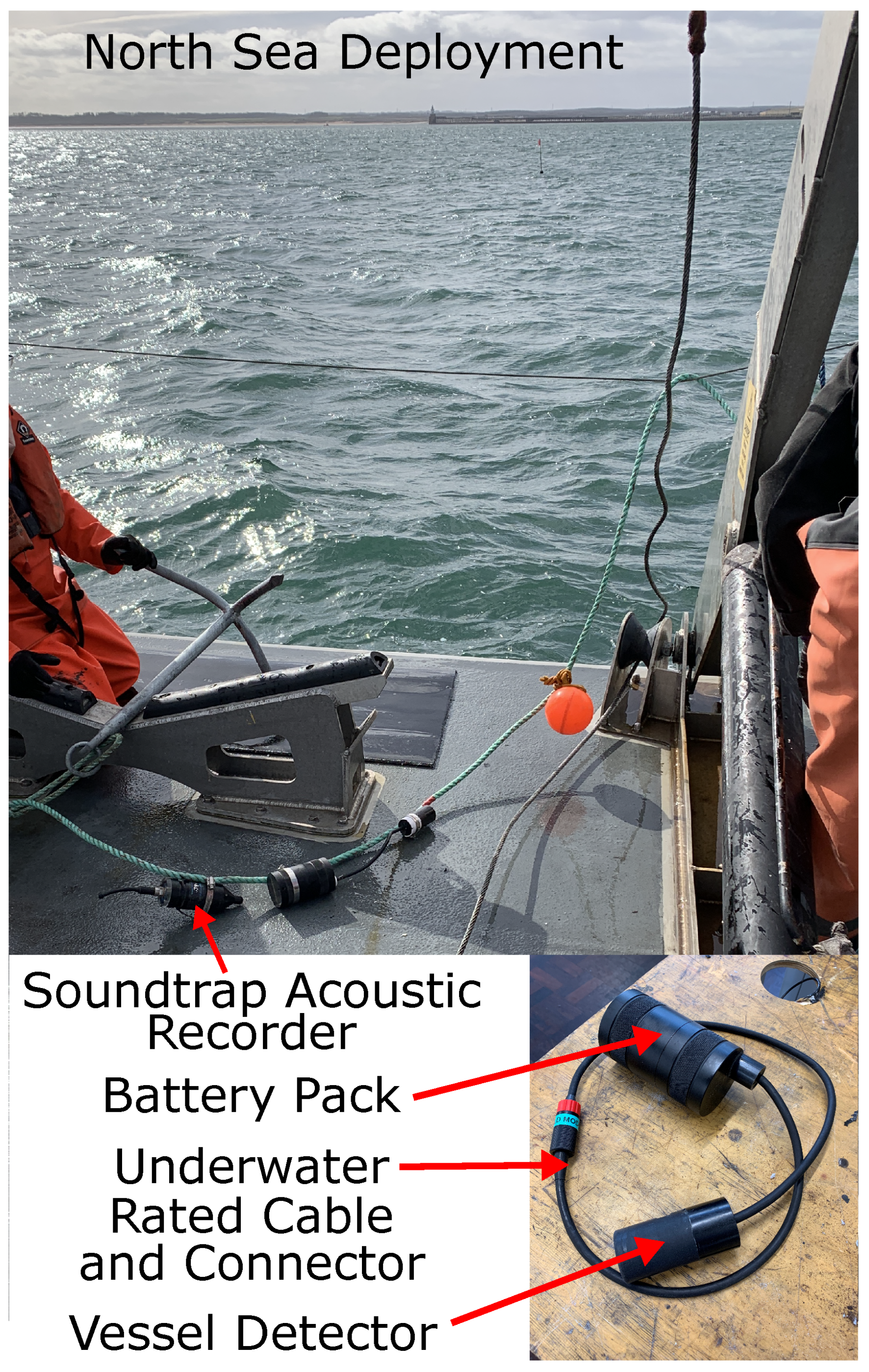
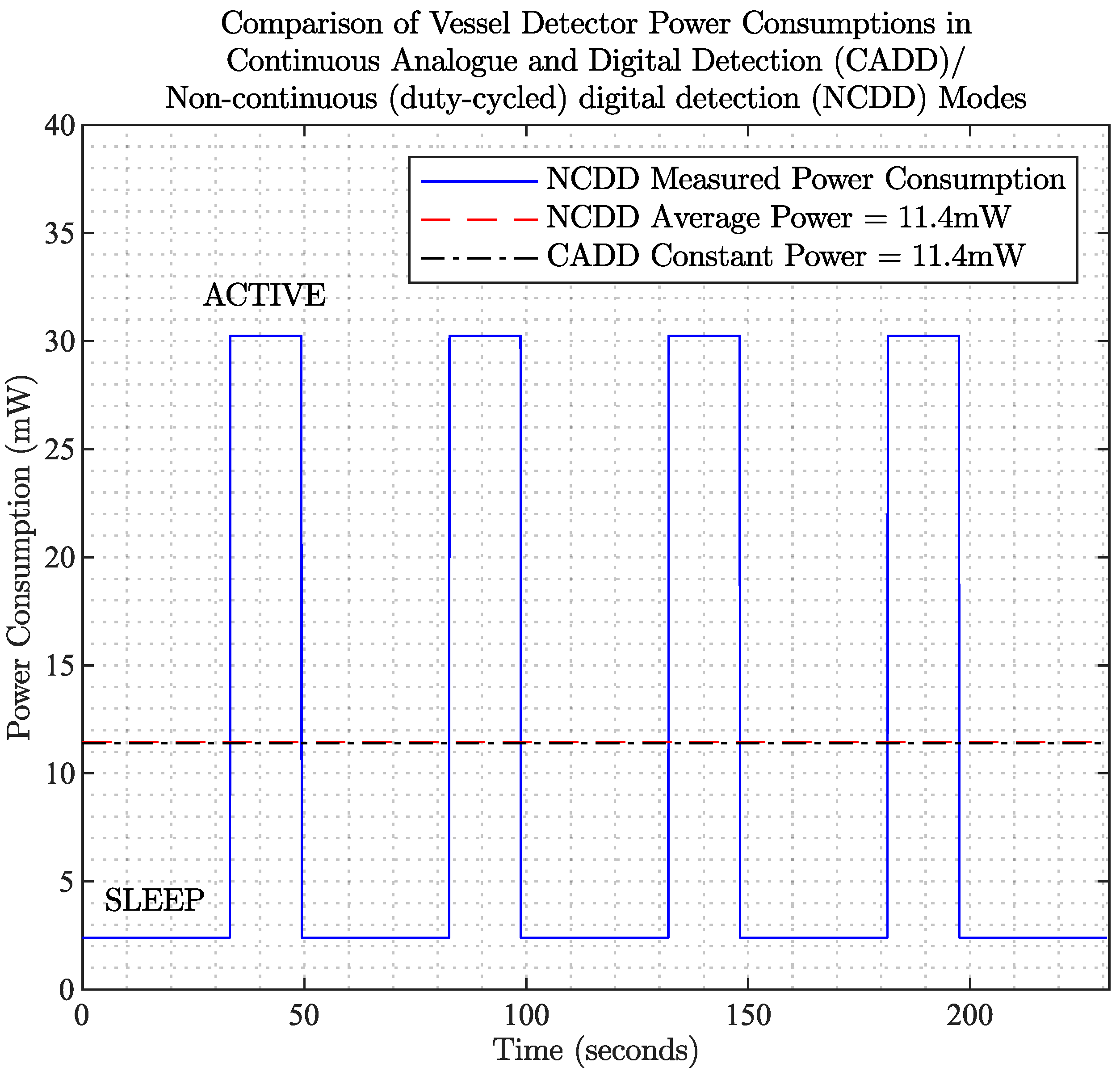
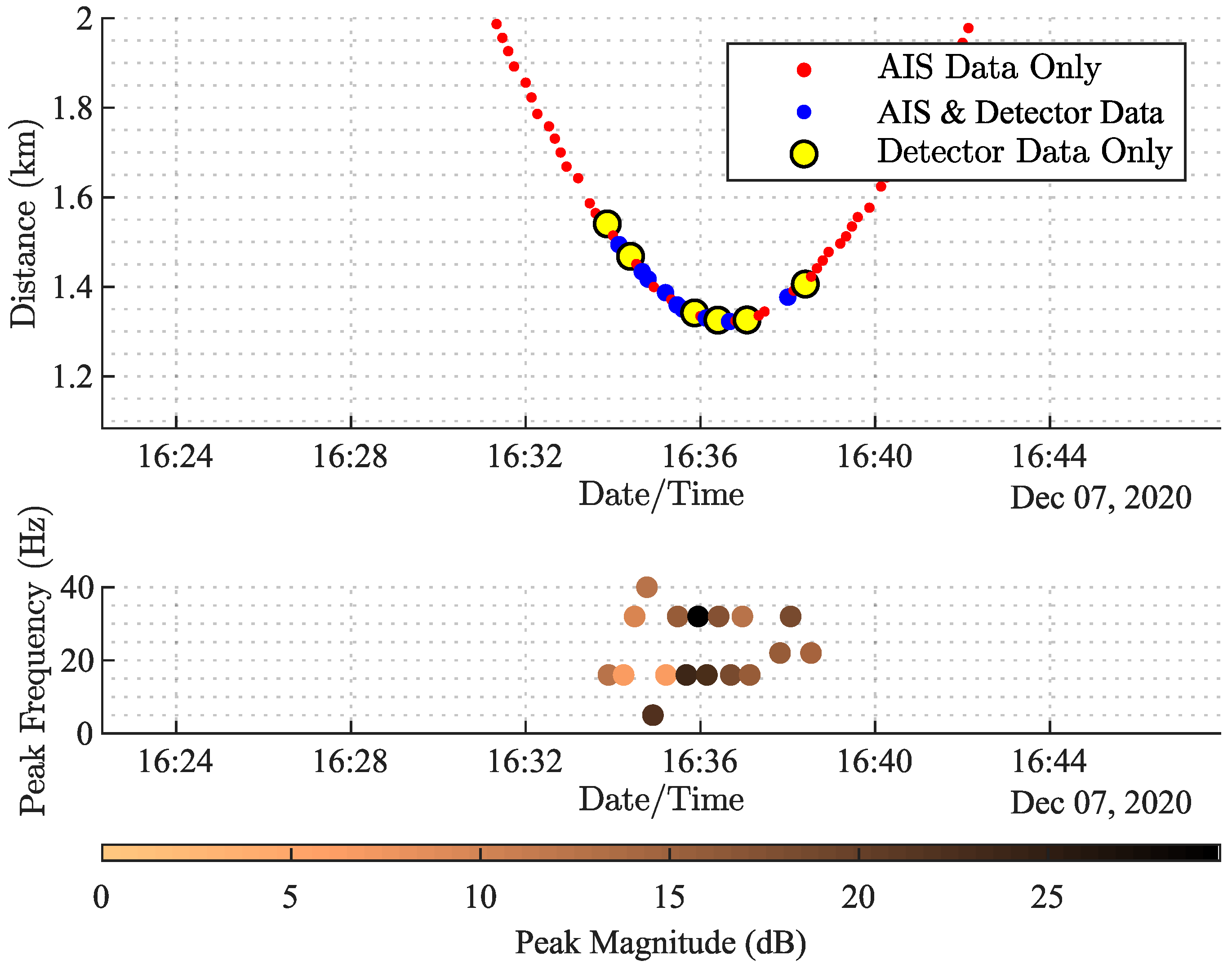
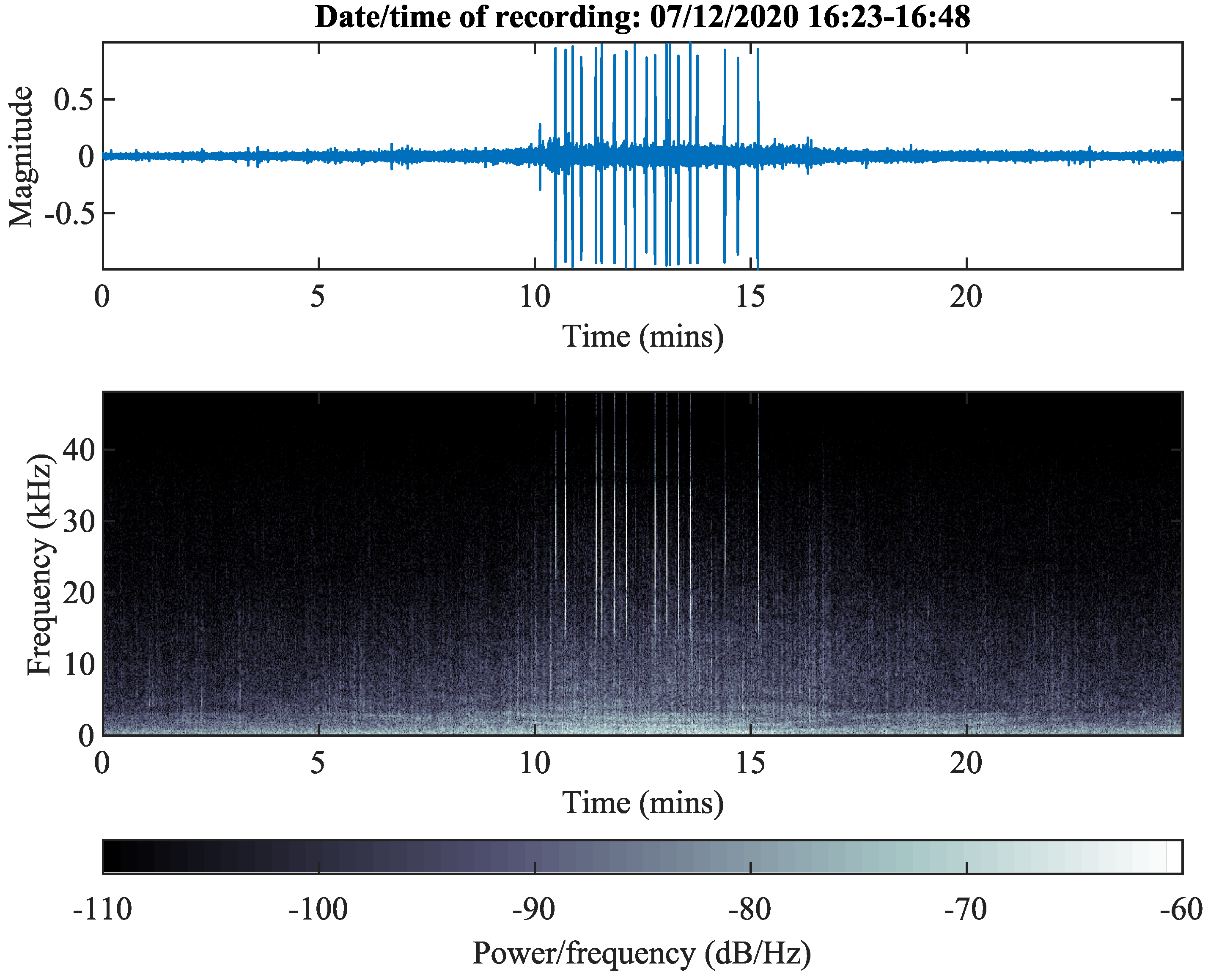
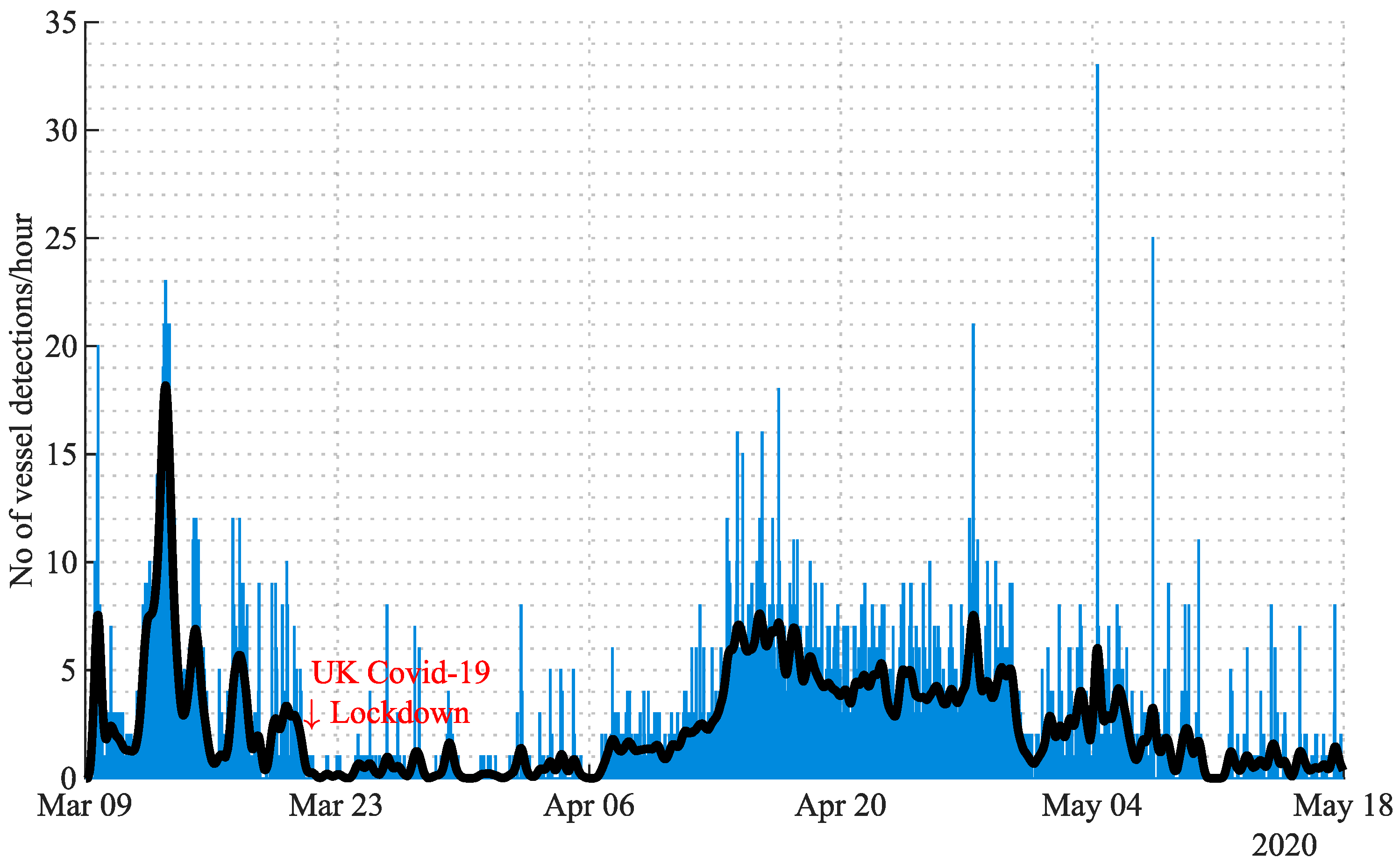
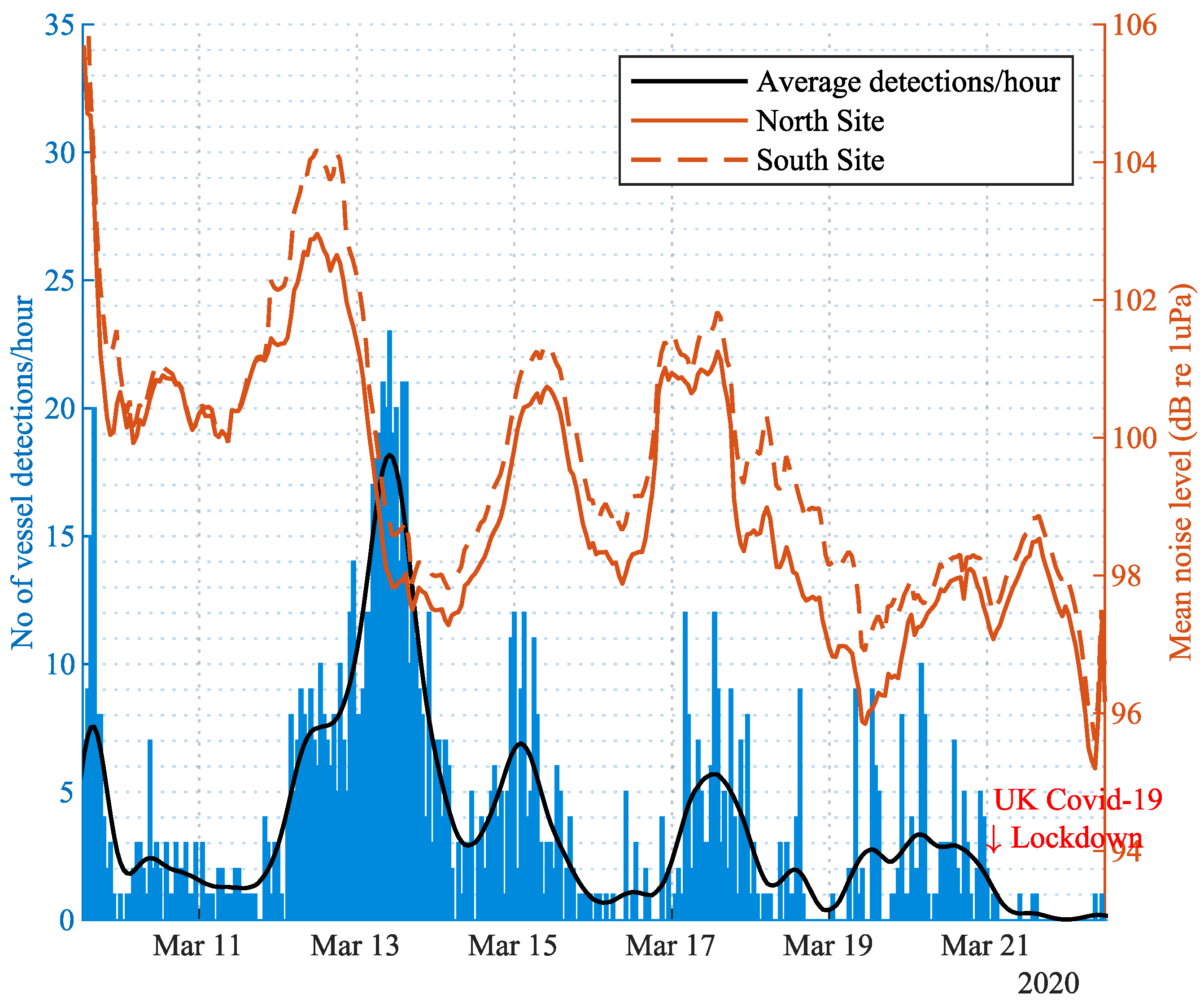
This paper presents the development of a low-energy passive acoustic vessel detector to work as part of a wireless underwater monitoring network. The vessel detection method is based on a low-energy implementation of Detection of Envelope Modulation On Noise (DEMON). Vessels produce a broad spectrum modulated noise during propeller cavitation, which the DEMON method aims to extract for the purposes of automated detection. The vessel detector design has different approaches with mixtures of analogue and digital processing, as well as continuous and duty-cycled sampling/processing. The detector re-purposes an existing acoustic modem platform to achieve a low-cost and long-deployment wireless sensor network. This integrated communication platform enables the detector to switch between detection/communication mode seamlessly within software. The vessel detector was deployed at depth for a total of 84 days in the North Sea, providing a large data set, which the results are based on. Open sea field trial results have shown detection of single and multiple vessels with a 94% corroboration rate with local Automatic Identification System (AIS) data. Results showed that additional information about the detected vessel such as the number of propeller blades can be extracted solely based on the detection data. The attention to energy efficiency led to an average power consumption of 11.4 mW, enabling long term deployments of up to 6 months using only four alkaline C cells. Additional battery packs and a modified enclosure could enable a longer deployment duration. As the detector was still deployed during the first UK lockdown, the impact of COVID-19 on North Sea fishing activity was captured. Future work includes deploying this technology en masse to operate as part of a network. This could afford the possibility of adding vessel tracking to the abilities of the vessel detection technology when deployed as a network of sensor nodes.
Keywords: passive acoustics; propeller cavitation; DEMON; low energy; wireless underwater sensor; vessel detection passive acoustics; propeller cavitation; DEMON; low energy; wireless underwater sensor; vessel detection