Article

Gradient Warming After Low-Temperature Storage Extends Shelf Life and Maintains Fruit Quality of Korla fragrant pears

1
College of Mechanical and Electronic Engineering, Tarim University, Alaer 843300, China
2
Modern Agricultural Engineering Key Laboratory at Universities of Education Department of Xinjiang Uygur Autonomous Region, Alaer 843300, China
3
Xinjiang Production and Construction Corps Key Laboratory of Utilization and Equipment of Special Agricultural and Forestry Products in Southern Xinjiang, Alaer 843300, China
*
Author to whom correspondence should be addressed.
These authors contributed equally to this work.
Agriculture 2026, 16(7), 729; https://doi.org/10.3390/agriculture16070729
Submission received: 21 January 2026 / Revised: 21 March 2026 / Accepted: 23 March 2026 / Published: 26 March 2026
(This article belongs to the Section Agricultural Product Quality and Safety)

Abstract

In the postharvest supply chain, directly moving Korla fragrant pears from ice temperature storage to ambient display readily induces quality deterioration, shortens shelf life, and causes substantial economic losses. Using Korla fragrant pears as the study system, we propose a gradual rewarming protocol. We optimised temperature and time parameters with response surface methodology and validated the protocol by comparing changes in shelf-life quality and microstructure under gradual versus direct rewarming. Results indicate that rewarming at 6 °C for 12 h is the optimal condition for maintaining overall postharvest quality. Under these conditions, gradient rewarming significantly improved physical and chemical quality. Compared with direct rewarming, weight loss decreased by 2.6 percent, firmness increased to 4.23 kg/cm2, the peak soluble solids content reached 12.5%, the respiratory peak was delayed and the rate slowed, and shelf life was extended by about 80%. Microstructural verification showed a more compact cellular arrangement, reduced intercellular spaces, and the mildest degree of cell collapse in pears subjected to gradient rewarming. The proposed gradient rewarming protocol provides theoretical and practical guidance for optimising temperature control strategies across the postharvest cold chain and retail stages for Korla fragrant pears.

1. Introduction

As a characteristic fruit of Xinjiang, the Korla fragrant pear is prone to rapid postharvest quality deterioration during distribution when storage and preservation are inadequate [1,2]. Regulating storage temperature can effectively extend shelf life [3,4,5] and provides an important basis for preservation strategies for this type of fruit. However, most studies have focused on physiological and quality changes during long-term low-temperature storage [6,7,8], whereas the critical transitional step before entry into the sales environment, namely rewarming prior to release from storage, has received insufficient attention. This step directly determines the fruit’s adaptive responses when moving from low-temperature to ambient conditions. If mishandled, it may exacerbate chilling injury and induce pronounced fluctuations in quality, thereby undermining the practical benefits of storage and preservation [9,10]. Consequently, ensuring a smooth transition from near-freezing storage to the retail stage has become a key bottleneck constraining the high-quality development of the Korla fragrant pear industry [11,12]. Developing a scientifically sound rewarming protocol for release from storage has therefore become an urgent priority for reducing postharvest losses and extending shelf life.
In postharvest storage, the shelf life of Korla fragrant pears is regulated by multiple factors, including fruit maturity, ambient humidity, gas composition, microbial infection, and postharvest treatments. Among these, storage temperature is widely recognised as the key environmental factor that shapes physiological metabolism and quality retention. Current studies show that storage temperature exerts a pronounced effect on pear quality. For example, Wang et al. [3] found that Korla fragrant pears stored at 0 °C exhibited smaller changes in shelf-life quality than those stored at 5 °C. In addition, temperature management during release from storage is also critical. Inappropriate procedures readily exacerbate chilling injury, induce surface condensation, trigger sharp rises in respiration, and cause metabolic disorder. In recent years, gradient rewarming, as a scientific approach to release from storage, has shown considerable promise for preserving the postharvest quality of diverse fruits and vegetables. By slowing the rate of temperature change, this method effectively mitigates physiological damage in chilling-sensitive produce caused by abrupt thermal shifts. Studies indicate that gradient rewarming helps maintain membrane integrity, delays nutrient loss, modulates the activity of key enzymes in respiratory metabolism, reduces ethylene production, and delays cell wall degradation, thereby extending shelf life. Work by Liu et al. [13] also confirmed that gradient rewarming can extend the shelf life of Korla fragrant pears by three to five days while maintaining flavour quality. From a microstructural perspective, quality deterioration is often accompanied by changes in cellular tissues. For example, Justyna Cybulska et al. [14] observed during apple storage that enlargement of intercellular spaces is significantly associated with reduced firmness, and Gao et al. [15] demonstrated in grape preservation that cellular structural integrity directly affects appearance and shelf life. Collectively, these studies show that mitigating temperature shock can markedly reduce membrane damage, lessen the accumulation of reactive oxygen species, and maintain the balance of antioxidant enzyme systems, which is crucial for preserving postharvest quality. However, for temperature-sensitive fruits such as Korla fragrant pear, research on the rewarming process after release from storage, a critical temperature transition stage, remains scarce. The industry commonly adopts direct warming, which may entail the above problems. It is therefore necessary to investigate the changes in critical parameters during rewarming, establish a stable and reliable rewarming protocol, and further elucidate the associated patterns of tissue and cellular change, so as to provide a theoretical basis for optimising postharvest rewarming procedures.
Focusing on Korla fragrant pears, we measured the dynamics of firmness, soluble solids, respiration rate, weight loss, and decay rate, compared the effects of gradual versus direct rewarming on shelf-life quality and microstructure, elucidated how rewarming mode shapes quality changes, and ultimately identified the optimal rewarming parameters. These findings provide systematic theoretical support and technical solutions for optimising postharvest cold chain logistics and reducing quality losses in Korla fragrant pears.

2. Materials and Methods

2.1. Experimental Materials and Design

Selection of pear samples: The Korla fragrant pears used in this experiment were harvested from a 25-year-old pear orchard within the campus of Tarim University. The fruits were harvested in mid-September (approximately 138 days after full bloom), with individual fruit weights ranging from 100 to 120 g. After being stored at a low temperature (0 ± 0.5) °C and relative humidity of 85% for 90 days, a total of 300 Korla fragrant pears with uniform size were selected as the initial samples.
To ensure sample representativeness, for each experimental condition, we first strictly selected pears with a regular shape, intact peduncles, no mechanical damage, and no pests or diseases from a pool of 400 pears, followed by random sampling. A two-factor experimental design was adopted: (1) rewarming method of pears (two levels: direct rewarming and gradient rewarming); (2) storage time after cold-storage removal (four levels: 1 d, 3 d, 6 d, and 9 d). Before the experiment (Day 0), 12 pears were randomly selected for an initial measurement of indicators, serving as controls for subsequent experiments. In the formal experiment, each treatment combination (rewarming method × storage time) comprised 12 pears, of which 6 were used for physicochemical analysis and 6 for microstructural observation, with three replicates per group. The physicochemical analysis group underwent non-destructive testing (determination of decay rate, weight loss rate, and respiration rate) followed by destructive testing (determination of firmness and soluble solids content, SSC); To investigate the changes in the internal structure of fragrant pears under different warming treatments, samples were taken from the shrivelled areas, particularly the stem basin and calyx basin. The samples were fixed with 2.5% glutaraldehyde, followed by gradient dehydration using 30%, 50%, 70%, 85%, 95%, and 100% ethanol (China National Pharmaceutical Group Chemical Reagent Co., Ltd., Shanghai, China). The surface microstructure of the fragrant pears was then observed using a scanning electron microscope (JEM-2100Plus, Japan) the microstructural observation group was examined using scanning electron microscopy and ultra-depth-of-field microscopy.

2.2. Experimental Methods

2.2.1. Optimisation of Rewarming Conditions

Single-factor experiments were first conducted to examine the effects of rewarming temperature and rewarming duration on the storage quality of Korla fragrant pears, based on Wang et al. [16]. The temperatures tested were 2, 4, 6, 8, and 10 °C, and the durations were 0, 6, 12, 18. and 24 h, respectively. Based on Du et al. [17], pears were stored under combined conditions of temperature and time, and then placed in a uniform environment of 20 °C and 85% relative humidity (RH) for storage. A decay incidence of 40% in pears is generally regarded as the critical threshold for commercial value, beyond which the product recovery rate plummets, posing a risk of entire batch rejection [18]. Pre-trial results indicated that after 9 days of storage under these conditions, the decay rate of pears approached 40%. Therefore, this study set the shelf life at 9 days to systematically evaluate the effects of different rewarming treatments on the storage quality of the fruit and our preliminary observations; pears held under various combinations of temperature and time and then stored for nine days in the same environment (20 °C, 85% relative humidity) exhibited a decay rate approaching 40%; accordingly, shelf life was defined as nine days. On this basis, response surface methodology was employed with storage temperature and time as the two factors, and five physicochemical responses, namely firmness, soluble solids content, respiration rate, weight loss rate, and decay rate, to optimise the rewarming parameters. Considering the sensitivity thresholds of chilling-sensitive produce to temperature change, 2 °C was selected as the starting temperature for the gradient to mitigate stress injury to the membrane system caused by abrupt temperature shifts. Building on these settings, we further examined the influence of different release strategies on pear quality by comparing a gradual rewarming group (Group A) with a direct rewarming control (CK). The gradual rewarming group employed staged warming and, after completing the intermediate temperature phase, was transferred to a simulated shelf environment at 20 °C and 85% relative humidity. The direct rewarming group was moved directly from cold storage to the same environment. Each group comprised 300 fruits with three replicates. Temperature and humidity were controlled by a constant temperature and humidity chamber (HWS-30B, Beijing Hengnuo Lixing Technology Co., Ltd., Beijing, China). Data were recorded every two hours, and at the end of each storage stage, samples were taken to determine physiological and quality indices.

2.2.2. Selection of Physicochemical Indices for Korla Fragrant Pear

Firmness is a key indicator of tissue texture and softening and directly shapes consumers’ perception of freshness [19,20]. A decline in firmness manifests as softening of the flesh and reduced elasticity, leading to diminished crispness and markedly poorer chewiness at consumption. Sensory defects such as mealy texture, excessive softness, or prominent fibrousness are often observed, greatly diminishing commercial value. The soluble solids content (SSC) [21] represents the total of sugars, acids, and other soluble nutrients in fruit, directly reflecting flavour quality and maturity. After harvest, macromolecules such as starch gradually convert to soluble sugars, causing an initial rise in SSC, followed by a decline due to respiratory consumption. Respiration rate is a core indicator of postharvest metabolic intensity and is directly related to energy consumption, heat accumulation, and the pace of senescence. Abrupt temperature changes can trigger wound respiration, accelerating the loss of nutrients [22]. Weight loss rate arises mainly from transpiration and respiratory consumption and directly indicates the ability of fruit to retain moisture and maintain fullness of appearance. A large temperature differential increases the vapour pressure gradient between the fruit and the environment, leading to rapid water loss. In postharvest physiology, Hu [23] emphasised that weight loss exceeding 5 percent significantly impairs commercial value. A sudden temperature change causes an explosive rise in the respiration rate, which consumes substantial nutrients, reflected by a fall in SSC, and generates respiratory heat. Accumulated respiratory heat intensifies transpiration, which in turn drives a rapid increase in weight loss and fruit wilting. Cellular structure is damaged, evidenced by reduced firmness, and disease resistance declines. Structural disruption and diminished resistance increase susceptibility to microbial infection, resulting in a marked rise in the decay rate. In summary, firmness, SSC, respiration rate, weight loss rate, and decay rate were selected as the comprehensive indices for evaluation.

2.3. Determination of Physicochemical Indices in Korla Fragrant Pear

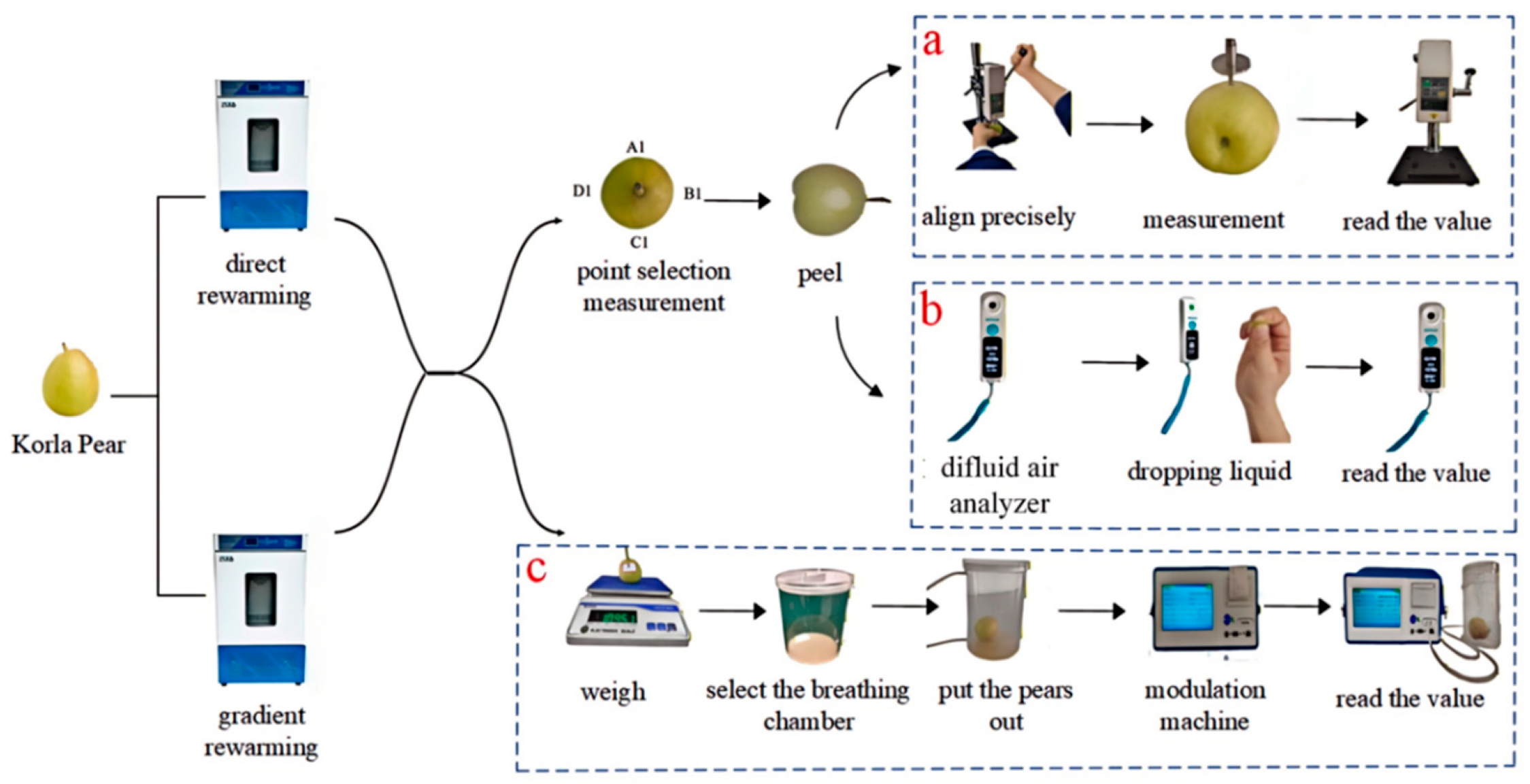
Figure 1 shows the basic workflow for the measurement of parameters in the Korla fragrant pear.
After placing the pears in a constant temperature and humidity environment, their physicochemical indicators were measured.
Pear Firmness Measurement: On the equatorial plane of the Korla fragrant pear, one point was selected every 90° as a measurement point. The pear epidermis was removed using a scalpel. The penetrometer was depressed slowly, ensuring the cut surface remained perpendicular to the probe until the penetrometer’s scale line made full contact with the pear flesh. The position indicated by the pointer on the dial at this moment was recorded as the firmness value. After each measurement, the penetrometer pointer was returned to zero to ensure the accuracy of the next measurement. All test data were recorded, and the results are expressed as the mean value in kg/cm2 (Figure 1a).
Measurement of Soluble Solids Content (SSC): A DiFluid Air refractometer was used. On the equatorial section of the pear, one point was selected every 90° as a measurement point. A piece of flesh with skin was cut, and the juice was squeezed onto the DiFluid Air refractometer. The reading was taken and recorded. The test result is expressed as the mean value (Figure 1b).
Electronic Nose Measurement: The instrument was adjusted to its optimal working state. The pear sample mass was input, the number of tests was set to 10, and the interval time was set to 60 s before commencing measurement (Figure 1c).

2.3.1. Measurement of Firmness in Korla Fragrant Pear

For pears subjected to different rewarming modes, one point at every 90 degrees along the equatorial plane was selected for measurement. The peel was removed with a scalpel, and the penetrometer was pressed down slowly, ensuring the cut surface remained perpendicular to the probe, until the scale line fully contacted the pear. A digital fruit firmness tester (GY-2, Aiduobao Co., Ltd., Yueqing, Zhejiang, China) was used to record the firmness value (as shown in Figure 1a). After each measurement, the penetrometer was reset to zero to ensure the accuracy of subsequent readings. Data from each trial were recorded, and mean values were reported in units of kg/cm2.

2.3.2. Determination of Soluble Solids Content in Korla Fragrant Pear

SSC under different rewarming modes was measured using a DiFluid Air handheld instrument (LB32, Suwei Electronic Technology Co., Ltd., Guangzhou, China). One point every 90 degrees at the equator was selected for measurement. Sections of flesh with peel were cut, juice was expressed and dropped onto the DiFluid Air instrument, and readings were recorded. Results were reported as mean values (as shown in Figure 1b).

2.3.3. Determination of Weight Loss Rate in Korla Fragrant Pear

Changes in fruit mass under different rewarming modes were monitored to quantify percentage weight loss. The weight loss rate was determined using the method of Cai [24]; see Equation (1). For each storage condition, fifteen intact fruits were selected and labelled. After weighing on an electronic balance (CN-FDC50002, Youkeweite Electronic Technology Co., Ltd., Kunshan, China), fruits were immediately returned to the original storage environment.
W = M 0 M 1 M 0 × 100 %
In the equation, W denotes percentage weight loss (%), M 0 denotes the initial mass (g), and M 1 denotes the mass after water loss (g).

2.3.4. Determination of Respiration Rate in Korla Fragrant Pear

Pears subjected to different rewarming modes were numbered and weighed. The fruit and vegetable respirometer (Shandong Hengmei Electronic Technology Co., Ltd., Weifang, China, HM GX20) was calibrated to optimal operating status; the mass of each pear was entered, the number of measurements was set to ten with an interval of 60 s, and measurement commenced (as shown in Figure 1c). Following the advances summarised by Wang [25] on the respiration rate in fruit and vegetables, this study adopted the closed-system method. Respiration rate is commonly expressed as the O2 consumption rate, r o 2 , and the CO2 production rate, r c o 2 , with the calculation for pears given by Equations (2) and (3):
r o 2 = y o 2 t 0 y o 2 t V 100 w t t 0
r c o 2 = y c o 2 t y c o 2 t 0 V 100 w t t 0
where r o 2 is the oxygen consumption rate, m3 per kilogram per second; r c o 2 is the carbon dioxide production rate, m3 per kilogram per second; V is the free volume, m3; w is the mass of fruit within the package, kg; y o 2 t 0 and y c o 2 t 0 are the volume fractions of O2 and CO2 in the container at time t0, percent; y o 2 t and y o 2 t are the volume fractions at time t, percent; and t0 is the initial time, seconds.

2.3.5. Scanning Electron Microscopy Under Different Rewarming Modes

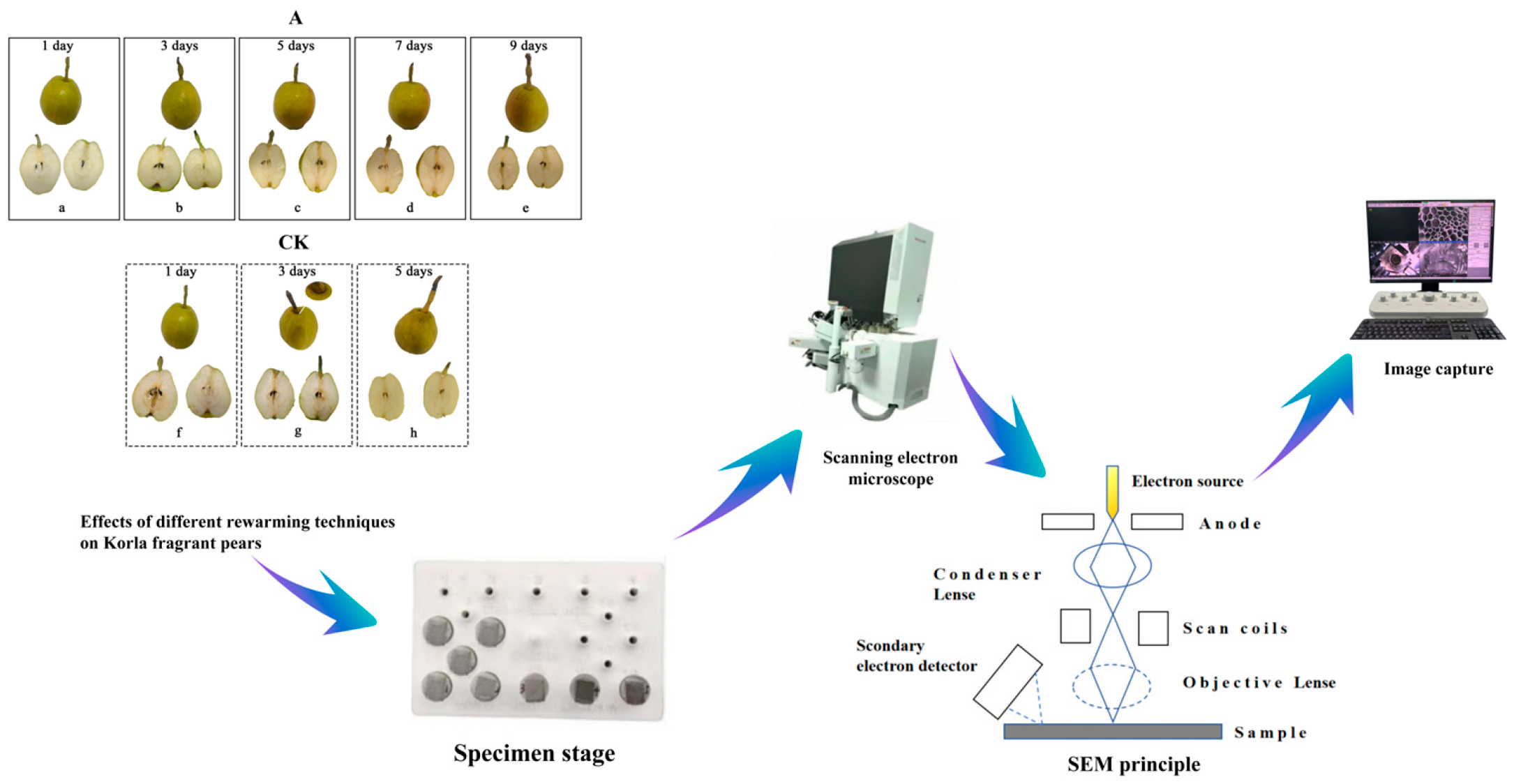
To investigate the changes in the internal structure of fragrant pears under different rewarming methods, samples were taken from the wrinkled areas of the pears, especially from the stem basin and calyx basin. The samples were fixed with 2.5% glutaraldehyde, followed by gradient dehydration using 30%, 50%, 70%, 85%, 95%, and 100% ethanol, and then observed under a scanning electron microscope (JEM-2100Plus, JEOL Ltd., Tokyo, Japan) to examine the surface micromorphology of the pears. The experimental workflow is shown in Figure 2. The samples were mounted on a sample stage, sputter-coated with gold in a vacuum environment, and then subjected to SEM imaging for microscopic scanning. The scanning parameters are listed in Table 1.

2.4. Experimental Design and Statistical Analysis Methods

To ensure the reliability and statistical validity of the research conclusions, a completely randomised block design was adopted for the experiment. Different rewarming gradient treatments were set up, with each treatment having three biological replicates. All measurements were conducted in triplicate. Data analysis was performed using SPSS 20.0 and Excel 2021 software. Differences were analysed by Duncan’s multiple range test, with a significance level set at p < 0.05. Figures were generated using Origin 2024 software.

3. Results and Discussion

3.1. Optimisation of Critical Parameters

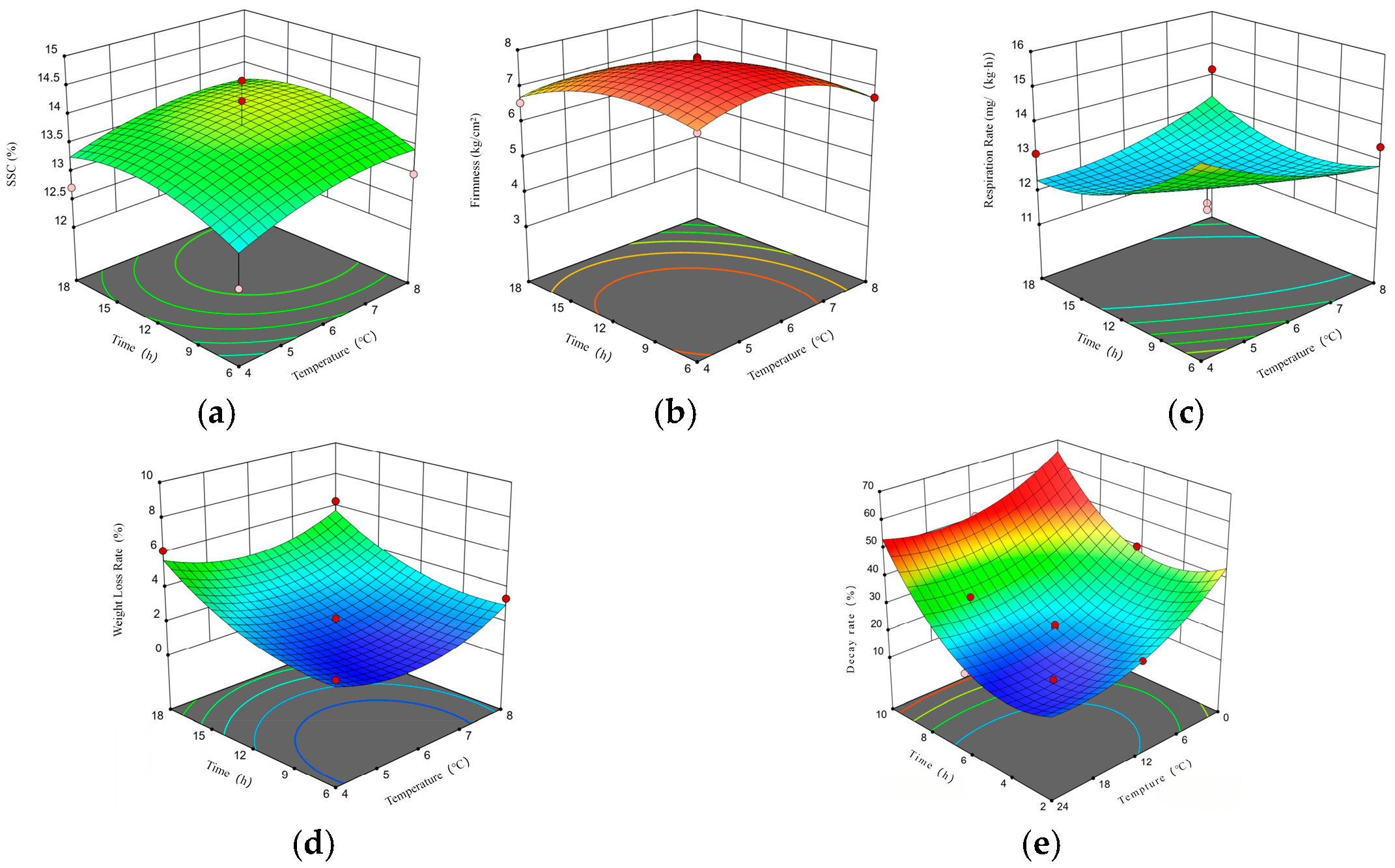
To achieve the optimal parameter combination, key parameters were optimised, and the experimental design factors are presented in Table 2. The results, as shown in Table 3 and Figure 3, reveal the synergistic effects of storage temperature and duration on the postharvest storage quality of fragrant pears. Figure 2a shows that the soluble solids content (SSC) first increased and then decreased under different combinations of temperature and time, reaching a peak at 6 °C for 12 h. This trend is consistent with the physiological process of starch converting to sugar during fruit ripening and the subsequent intensification of respiratory consumption. Similarly, the firmness change in Figure 2b also exhibited an initial increase followed by a decrease, with the optimal firmness maintained at 6 °C for 12 h. This indicates that this condition effectively delayed the activity of cell wall-degrading enzymes (such as pectinase and cellulase), thereby helping to maintain the structural integrity of fruit cells. These findings are consistent with the conclusions of Li et al. [26] on apricots and Liang et al. [27] on peaches, further supporting the universality and effectiveness of gradient rewarming in the postharvest treatment of cold-sensitive fruits and vegetables. Figure 2c indicates that the respiration rate first decreased and then increased with the treatment conditions, reaching its lowest point at 6 °C for 12 h. This suggests that this combination significantly inhibited the respiratory metabolism of fragrant pears, which may be related to the suppression of mitochondrial respiratory chain enzyme activity and ethylene biosynthesis by low temperature. Figure 2d,e show that the weight loss rate and decay rate generally increased with prolonged storage time, but both were at their lowest levels under the 6 °C, 12 h condition. This reflects the effectiveness of this condition in reducing water transpiration and the risk of microbial infection, as low temperature inhibits transpiration and reduces pathogen activity. These results are also corroborated by the studies of Jiang [28] on lychee and Zhang et al. [29].
To obtain the optimum parameters, we used the best temperature and duration as targets, combined with Equations (3) and (4), and applied Design Expert for constrained optimisation within the specified ranges of the factors.
Objective function:
F = M a x 1 A B M a x Y 2 A B M i n Y 3 A B M i n Y 4 A B M i n Y 5 A B
Constraints:
2 A 10 0 B 24
The optimised solution yielded a storage temperature of 6.762 °C and a duration of 11.669 h. For operational convenience, these were rounded to 6 °C and 12 h, under which all five physicochemical indices remained within their optimal ranges.
In summary, among the tested combinations of temperature (2, 4, 6, 8, 10 °C) and duration (0, 6, 12, 18, 24 h), storage at 6 °C for 12 h is the optimal condition for maintaining the overall postharvest quality of Korla fragrant pears. Accordingly, the combination of 6 °C and 12 h lies at a physiological equilibrium point, maximising the steady state among firmness, nutritional status, moisture, and disease resistance, thereby achieving the most pronounced comprehensive preservation effect and extending shelf life. On the basis of the identified critical storage temperature (6 °C) and critical duration (12 h), we further examined how different rewarming modes affect shelf-life quality. Two release strategies were compared: direct rewarming and gradual rewarming. The gradual rewarming treatment employed staged warming to simulate the slow temperature transition following interruption of the cold chain. By comparing physiological and quality changes during a simulated shelf life under the two modes, we systematically assessed how the rewarming strategy impacts postharvest handling adaptability and shelf stability.

3.2. Validation of Different Rewarming Protocols

3.2.1. Effects of Rewarming Mode on Appearance Quality of Korla Fragrant Pears

Figure 2 illustrates the alterations in the quality of fragrant pears subjected to different rewarming regimes. The results demonstrate that the appearance of pears in both treatments gradually changed during storage, with the peel transitioning from an initial glossy and turgid state to a shrivelled one. However, significant differences were observed in the rate and extent of quality deterioration between Group A (stepwise rewarming treatment) and the control CK group (direct rewarming). At the initial storage stage (1 d), the external morphology of fruits in both groups was largely similar, characterised by taut skin, a bright yellow-green hue with a reddish blush, and no conspicuous visual disparities. Nevertheless, at the microscopic physiological level, the abrupt temperature shift had already induced an increase in cell membrane permeability in the CK group, triggering the early onset of enzymatic browning. Consequently, the flesh of the CK group exhibited slight browning (Figure 2f), whereas the flesh of Group A remained snow-white. During days 2–3, Group A, benefiting from the gradual temperature elevation strategy, effectively maintained the stability of the cell membrane structure and retarded the leakage of water and electrolytes. The fruits retained a taut, glossy peel with no marked alteration in appearance. In contrast, the CK group, experiencing severe temperature fluctuations, underwent metabolic dysregulation and a respiratory burst. This was manifested as a diminution of peel gloss, the emergence of slight wrinkles in the stem and calyx basins, and a decline in fruit turgidity (Figure 2g), accompanied by a progressive deepening of internal browning. Over days 3–5, although the appearance quality of Group A declined slightly, the fruits remained relatively turgid, with a dry surface and vivid coloration, retaining good marketability. This was ascribed to the progressive rewarming mitigating transpiration and sustaining fruit water balance along with the integrity of the epicuticular wax layer. Conversely, the CK group entered a phase of accelerated quality deterioration, characterised by intensified wrinkling of the peel, overall wilting and softening of the fruit, dull colouration, and the appearance of mould spots and brown rot lesions. By day 5, although Group A had entered the senescence stage, the fruits showed no evident overall shrinkage; the CK group, however, had become severely shrivelled and wilted, with a dull greyish colour and enlarged and multiplied lesions (Figure 2h), and had essentially lost all commercial value. This is also consistent with Tang’s et al. [30] research on Korla fragrant pears.

3.2.2. Effects of Rewarming Mode on Decay Rate of Korla Fragrant Pears

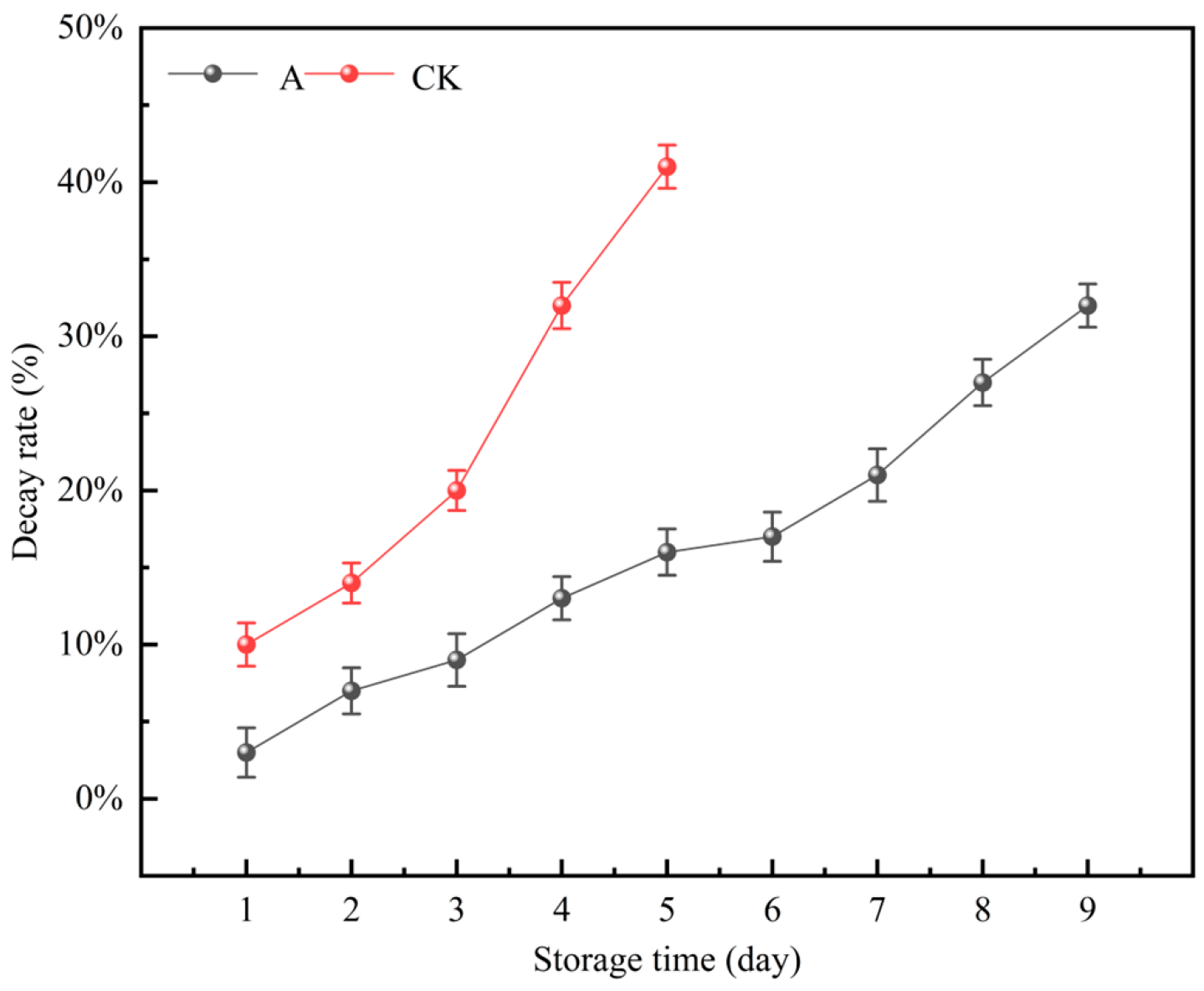
Figure 4 shows the variation in decay incidence of Korla fragrant pears subjected to divergent rewarming regimes. Under both modes, the decay rate increased overall with the storage time. However, the control (CK) consistently exhibited higher decay than the gradient rewarming group (A), with a clear acceleration from day 3 onwards (Figure 2b) and decay approaching 40% by day 9. By contrast, decay in Group A increased more gradually and remained effectively suppressed throughout storage, reaching about 30% on day 9. Physiologically, the rapid rise in decay after day 3 in CK is likely associated with stress responses induced by abrupt temperature change. Evidence indicates that sharp thermal shifts damage cellular membranes, induce membrane lipid peroxidation, and increase membrane permeability, thereby accelerating respiration and ethylene production, which promotes rapid tissue softening and entry into senescence. Such stress also reduces the activity of enzymes in the phenylpropanoid pathway, weakening innate defence and facilitating pathogen infection and spread, ultimately leading to a steep rise in decay. In contrast, the gradient rewarming used in Group A, through a slow and staged increase in temperature, mitigated thermal stress on fruit physiology. This treatment helped to maintain membrane integrity, reduce the accumulation of reactive oxygen species, and sustain higher activities of defence-related enzymes, thereby delaying senescence and enhancing resistance to pathogenic microbes. Consequently, treatment A effectively suppressed the rise in decay and markedly delayed the decay process, in agreement with previous reports that progressive rewarming reduces the incidence of postharvest diseases in fruit and vegetables. In summary, an appropriate rewarming strategy can significantly influence postharvest decay by modulating physiological metabolism and disease resistance, providing an important basis for the storage and preservation of Korla fragrant pears.

3.2.3. Effects of Rewarming Mode on the Firmness of Korla Fragrant Pears

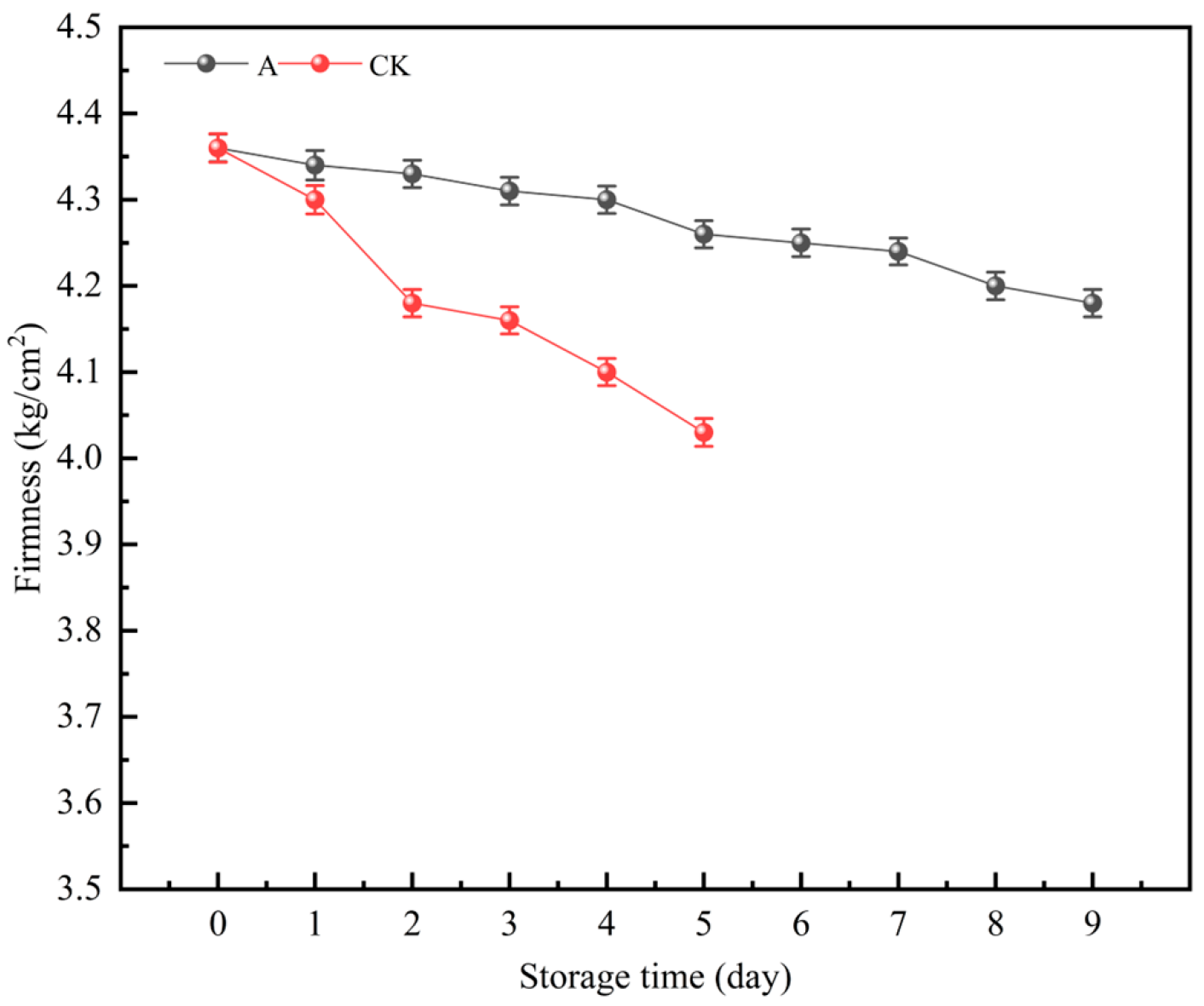
As shown in Figure 5, the pattern of change indicates that under both rewarming strategies, pear firmness declined overall with increasing storage time, but the decrease in Group A (gradient warming) was clearly slower than in CK (conventional rewarming). According to previous studies, the fall in firmness is mainly associated with changes in the cell wall; for example, Zhang et al. [29] reported that pectin degradation and alterations in cell wall morphology are key determinants of firmness change. We therefore consider that differences in firmness reflect the stability of the internal cellular structure. The integrity of cell wall components, the state of intercellular adhesion, and the distribution of water together determine the capacity of the fruit to retain firmness. Statistical analysis showed a significant difference in firmness between groups A and CK (p < 0.05, see Table A1 in Appendix A), which supports this mechanistic inference. From the firmness trajectories, Group A exhibited a gentle decline throughout storage, with no distinct softening inflexion, indicating a stable cellular structure. In contrast, CK entered a rapid softening phase on days 2 to 3, with a sharp fall in firmness, probably because the temperature shock compromised structural integrity, accelerated the degradation of cell wall polysaccharides, and promoted water redistribution. The data show that Group A still maintained relatively high firmness in the later storage period, for example, 4.23 kg/cm2 on day 9, thereby delaying softening; by contrast, firmness in CK declined rapidly, and by day 5, the fruit had largely lost commercial value. Mechanistically, the gradient warming applied to Group A may have restrained the abrupt rise in the activities of cell wall-degrading enzymes, helping to maintain cell wall stability, enhance resistance to injury during postharvest logistics, preserve commercial texture and appearance, and extend the effective shelf life. These findings are consistent with the conclusions reported by Li et al. [26] for apricot and by Liang [27] for peach. Thus, an appropriate rewarming treatment can, by modulating the activities of enzymes related to cell wall metabolism, maintain the order and mechanical properties of the cell wall. This not only delays softening but also increases resistance to mechanical damage during subsequent logistics, with important practical implications for extending the shelf life of Korla fragrant pears and maintaining marketable quality.

3.2.4. Effects of Rewarming Mode on Soluble Solids Content in Korla Fragrant Pears

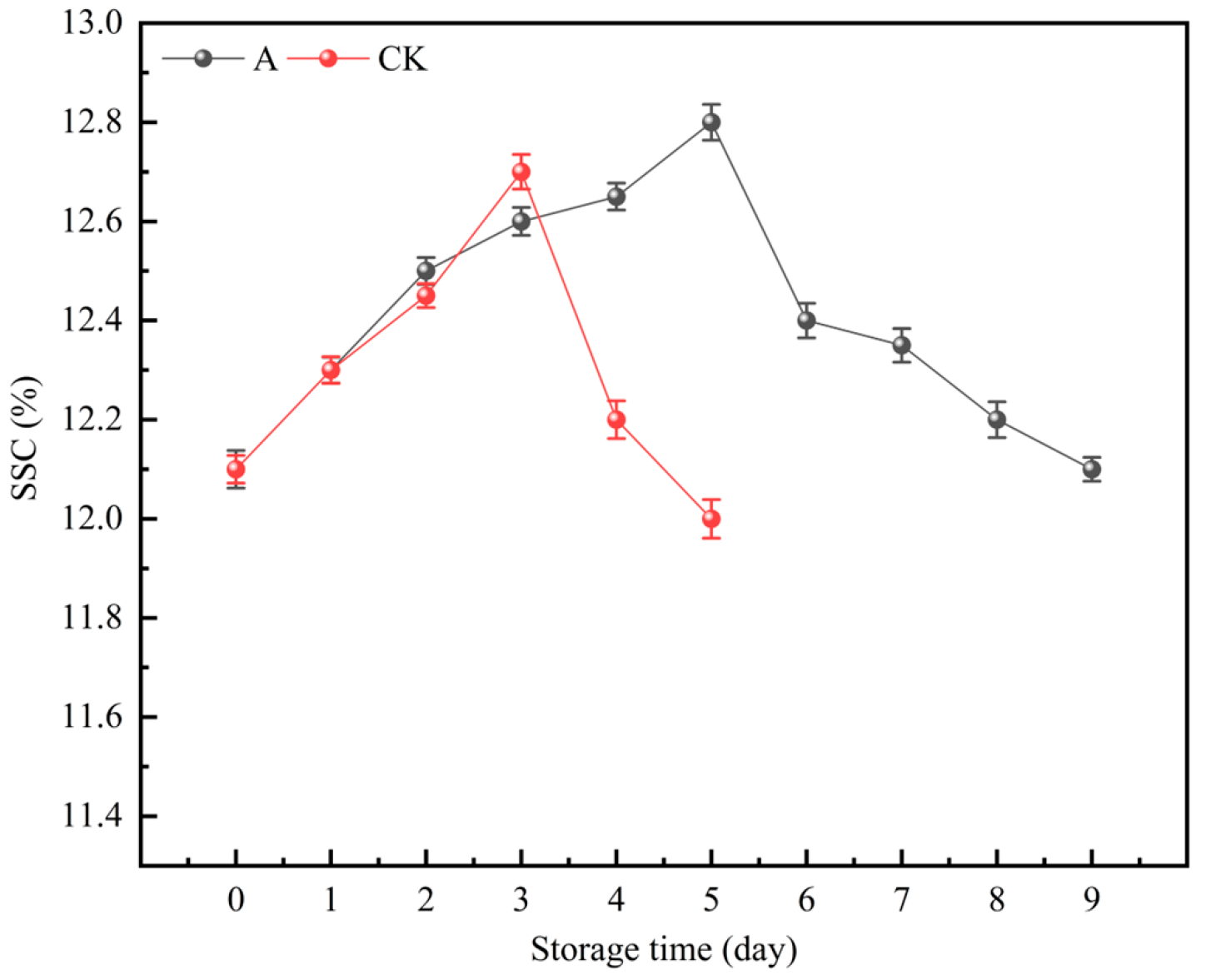
As shown in Figure 6, the effects of different rewarming strategies on soluble solids content (SSC) indicate that under both treatments, SSC first increased and then declined with storage time, a pattern closely related to postharvest sugar metabolism and ripening. Physiologically, the rise in SSC mainly results from the conversion of carbohydrates such as starch, whereas the subsequent decline is associated with respiratory consumption and further metabolic conversions. In comparison, the SSC peak in CK appeared earlier, around day 3, and then fell rapidly, indicating active sugar metabolism but a short maintenance period. In Group A, SSC increased more gradually, with the peak delayed to about day 5 at approximately 12.5%, and the decline after the peak was slower. This divergence was statistically significant between the groups (p < 0.05, see Table A2 in Appendix A), indicating that gradual warming can modulate sugar metabolism, delay the conversion of starch to soluble sugars, and suppress respiration, thereby maintaining a more stable sugar level and flavour quality. From the perspective of quality retention, treatment A was more conducive to sustaining a high sugar status for longer during shelf life, effectively extending the period of desirable flavour. To systematically elucidate how rewarming affects postharvest quality, we further measured physiological indices such as the weight loss rate and respiration rate, in order to analyse from multiple angles the pathways through which rewarming influences fruit quality by regulating metabolic processes. Therefore, staged rewarming, as in Group A, by regulating the activities of key enzymes in sugar metabolism and the respiration rate, significantly delayed the decline in SSC and favoured the retention of flavour and nutritional quality during storage, providing a physiological basis for optimising postharvest rewarming protocols.

3.2.5. Effects of Rewarming Mode on Weight Loss Rate in Korla Fragrant Pears

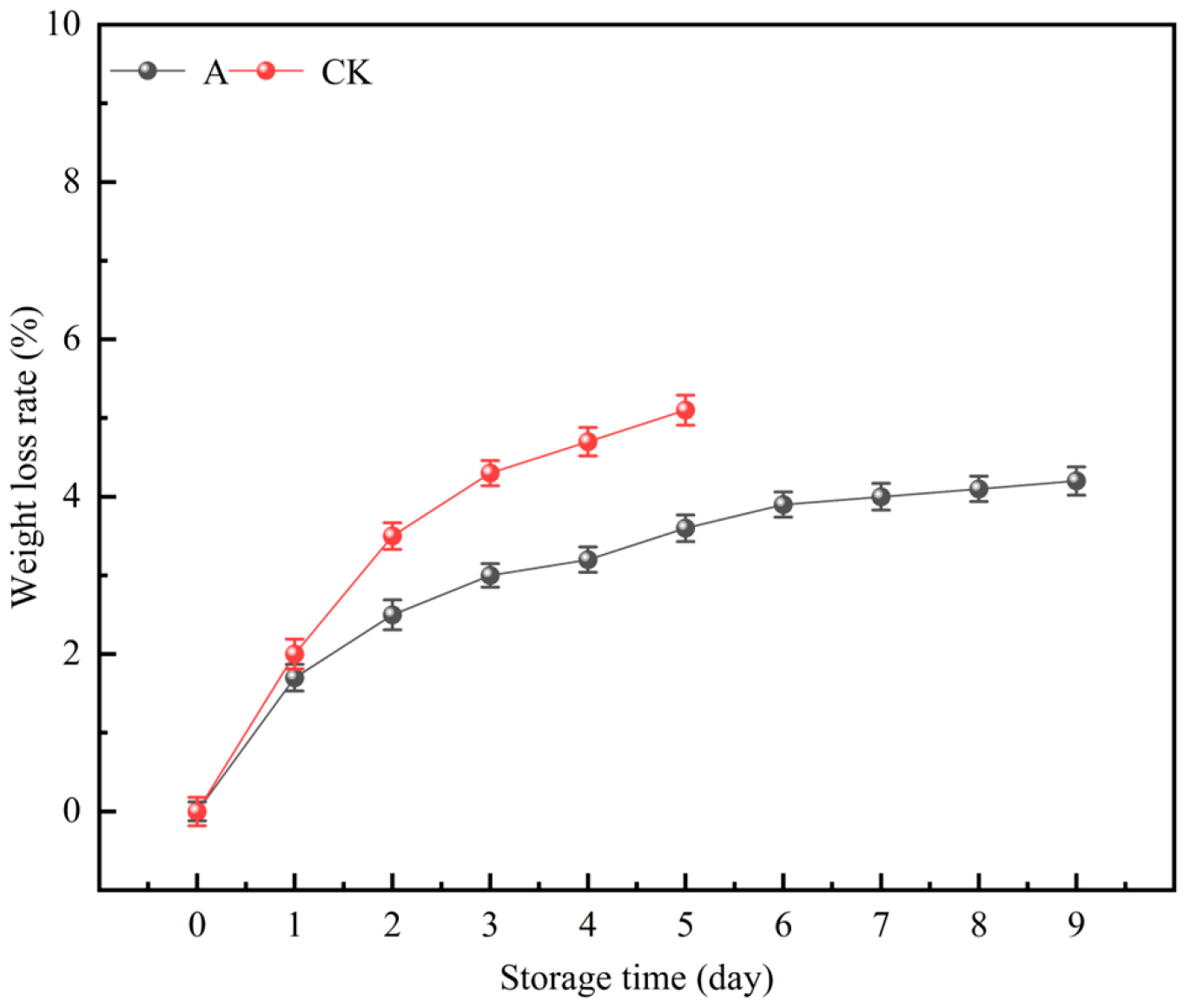
As shown in Figure 7, different rewarming regimes had a marked effect on changes in the weight loss rate during storage. Under both treatments, the weight loss rate increased with storage time, indicating ongoing losses of water and nutrients during shelf life. The control with direct rewarming (CK) had the highest weight loss rate throughout storage, reflecting a relatively poor capacity to retain moisture, whereas the staged rewarming treatment (Group A) also increased over time but remained significantly lower than CK. Notably, on day 5 of shelf life, the weight loss rate in Group A was 2.6% lower than in CK, a significant difference (p < 0.05, see Table A4 in Appendix A), indicating that staged rewarming effectively suppresses mass loss during storage. Physiologically, weight loss arises mainly from transpiration-driven water loss together with the consumption of dry matter through respiration. Previous studies have shown that sharp temperature fluctuations disrupt stomatal regulation and may damage the cuticle (e.g., Li et al., 2020 [26]). The abrupt temperature change experienced by CK likely intensified transpiration via these mechanisms, while the higher respiration rate accelerated the breakdown and consumption of cellular constituents. By contrast, the gradient rewarming used in Group A helped to maintain membrane integrity and epidermal function, reducing non-stomatal water loss (as supported by studies such as Wang et al., 2024 [20]). In addition, by lowering the respiration rate, this treatment slowed metabolic processes, thereby better maintaining water and nutrient status during storage and preserving external plumpness and marketable quality. These results are consistent with earlier studies; for example, Zhang et al. [29] reported in postharvest apples that progressive rewarming significantly reduced water loss and maintained fresh weight. Our findings further corroborate this view, indicating that tailoring the rewarming regime to regulate postharvest physiological activity is an effective means to control weight loss and extend shelf life, with clear physiological underpinnings and practical value.

3.2.6. Effects of Rewarming Mode on the Respiration Rate of Korla Fragrant Pears

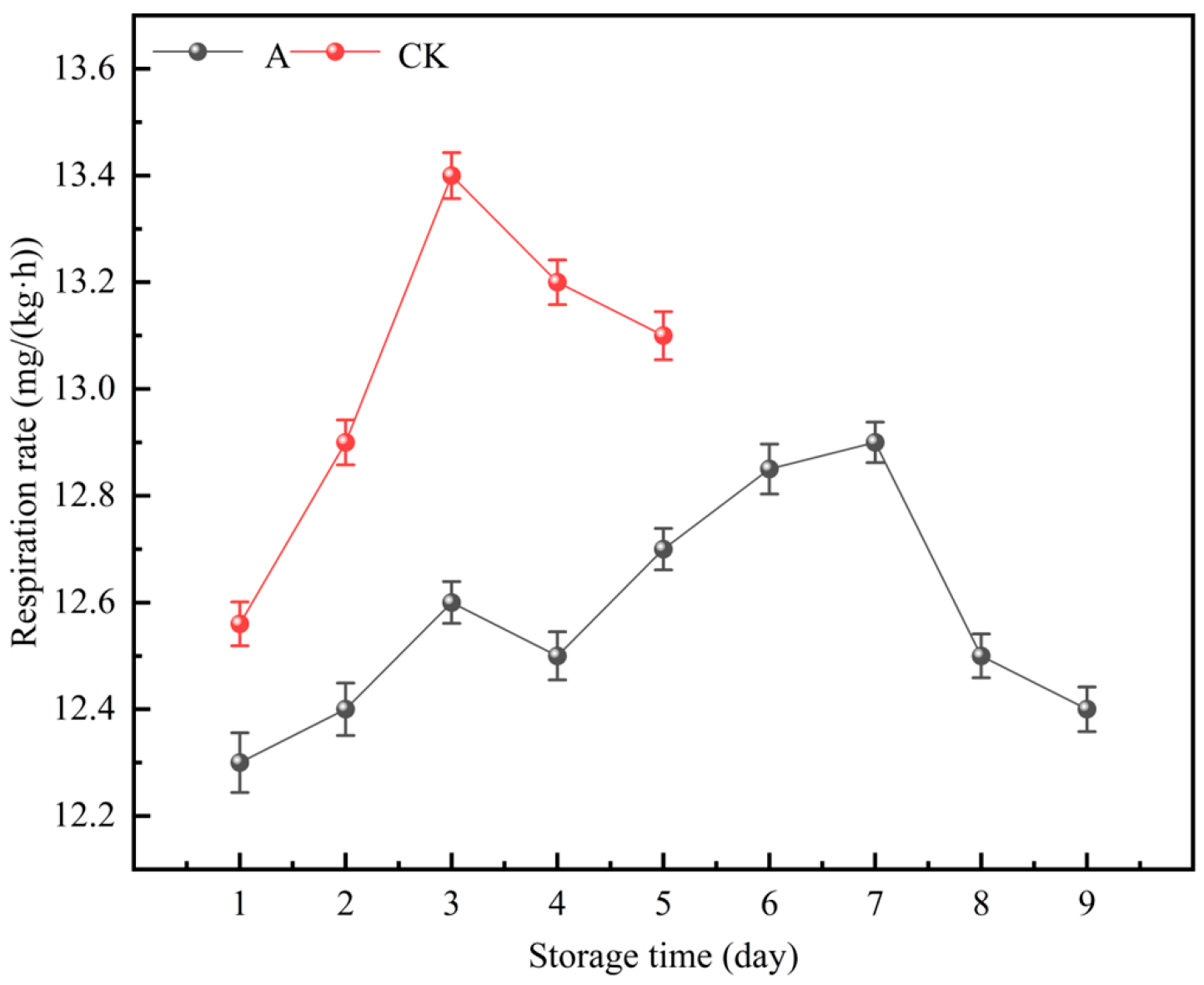
Figure 8 shows the effects of different rewarming modes on the respiration rate of Korla fragrant pears during shelf life. From a respiratory physiology perspective, postharvest respiratory metabolism is a key determinant of storage quality and shelf life. As shown under both rewarming treatments, the respiration rate first increased and then declined with storage time, a pattern that is typical of climacteric fruit. Specifically, the respiratory peak in the control (CK) occurred on day 3 of shelf life with a peak rate of 13.4 mg/(kg·h), whereas in Group A, the peak was delayed to day 7 with a peak rate of 12.5 mg/(kg·h), approximately six percent lower than CK (p < 0.05, see Table A3 in Appendix A). Mechanistically, changes in the respiration rate are closely related to the degree of temperature stress experienced by the fruit. CK exhibited a steep early respiratory peak, showing a typical “wound respiration” phenomenon. This is mainly because fruits were moved directly from a near-ice-temperature storage environment to ambient shelves, and the sharp temperature difference imposed thermal stress that increased membrane permeability and disturbed metabolism, triggering a high-intensity respiratory burst as cells attempted to repair damage. Previous studies have shown that such respiratory bursts accelerate the consumption of nutrients and promote the accumulation of reactive oxygen species, marking the onset of senescence and quality deterioration. By contrast, the scientifically designed gradient warming used in Group A allowed fruit to adapt slowly to the change in temperature, effectively avoiding severe thermal stress and helping to maintain the stability of the membrane structure and enzyme systems, so that respiratory metabolism proceeded more smoothly and in an orderly way. The intensification of respiratory metabolism further exacerbates weight loss through several pathways. On the one hand, an elevated respiration rate directly speeds the consumption of substrates such as soluble sugars and organic acids; on the other hand, the heat released by respiration raises fruit temperature, increases the vapour pressure difference between fruit and the environment, markedly enhances transpiration, and accelerates water loss. Our data show that during the respiratory peak in CK, from day 2 to day 5, the weight loss curve rose most steeply, consistent with the physiological rule that enhanced respiration drives water loss. In Group A, delaying the respiratory peak and reducing respiratory intensity not only reduced nutrient loss but also effectively suppressed the transpiration enhanced by respiratory heat, thereby helping to maintain a lower weight loss rate and slow senescence. These results are consistent with existing postharvest physiological research and further confirm that optimising the rewarming regime to regulate respiratory metabolism is an effective strategy for maintaining shelf-life quality in Korla fragrant pears. To further elucidate the cellular mechanisms by which different rewarming modes affect quality, we subsequently conducted additional observations of the microstructure.

3.3. Microstructure of Korla Fragrant Pear

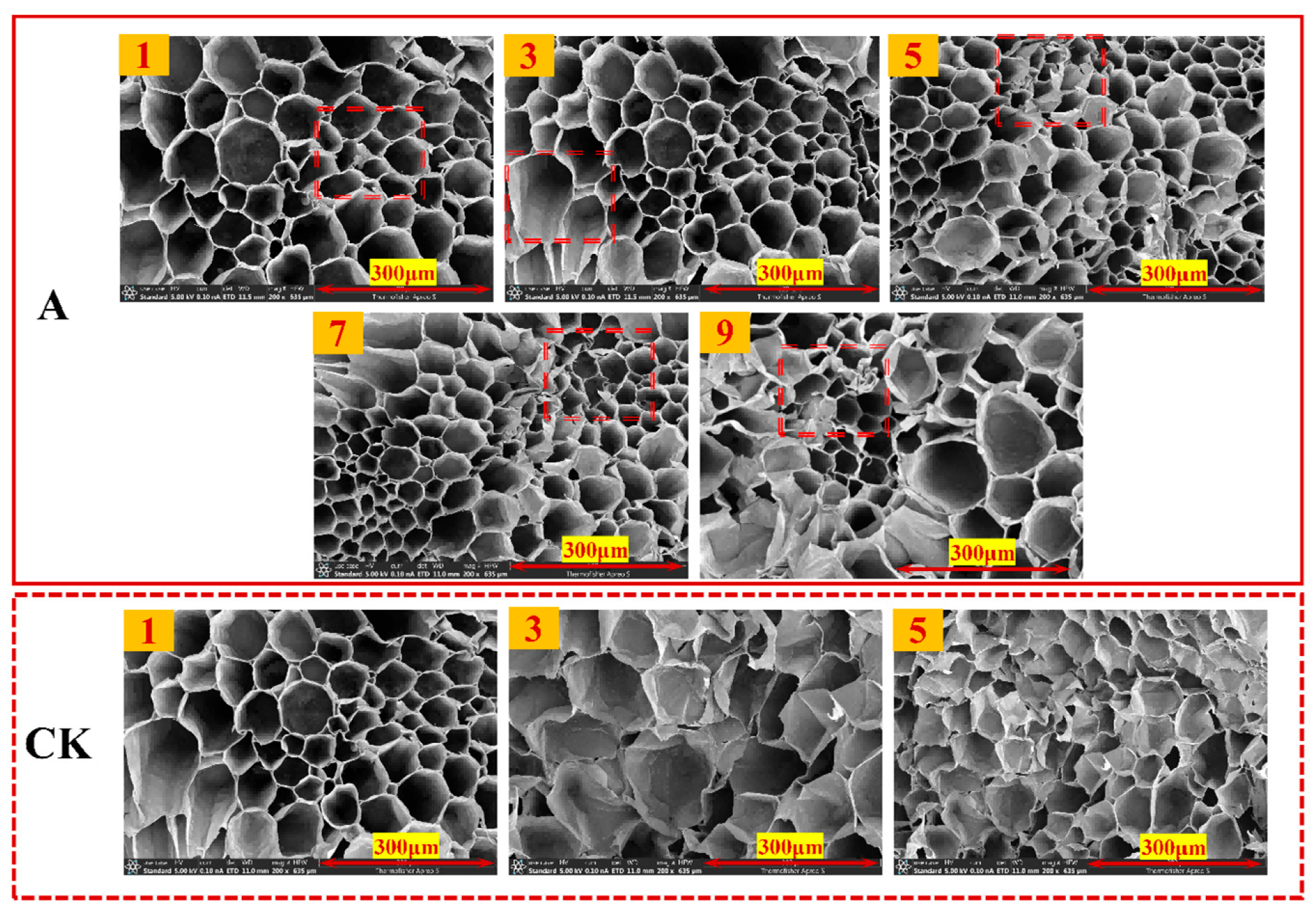
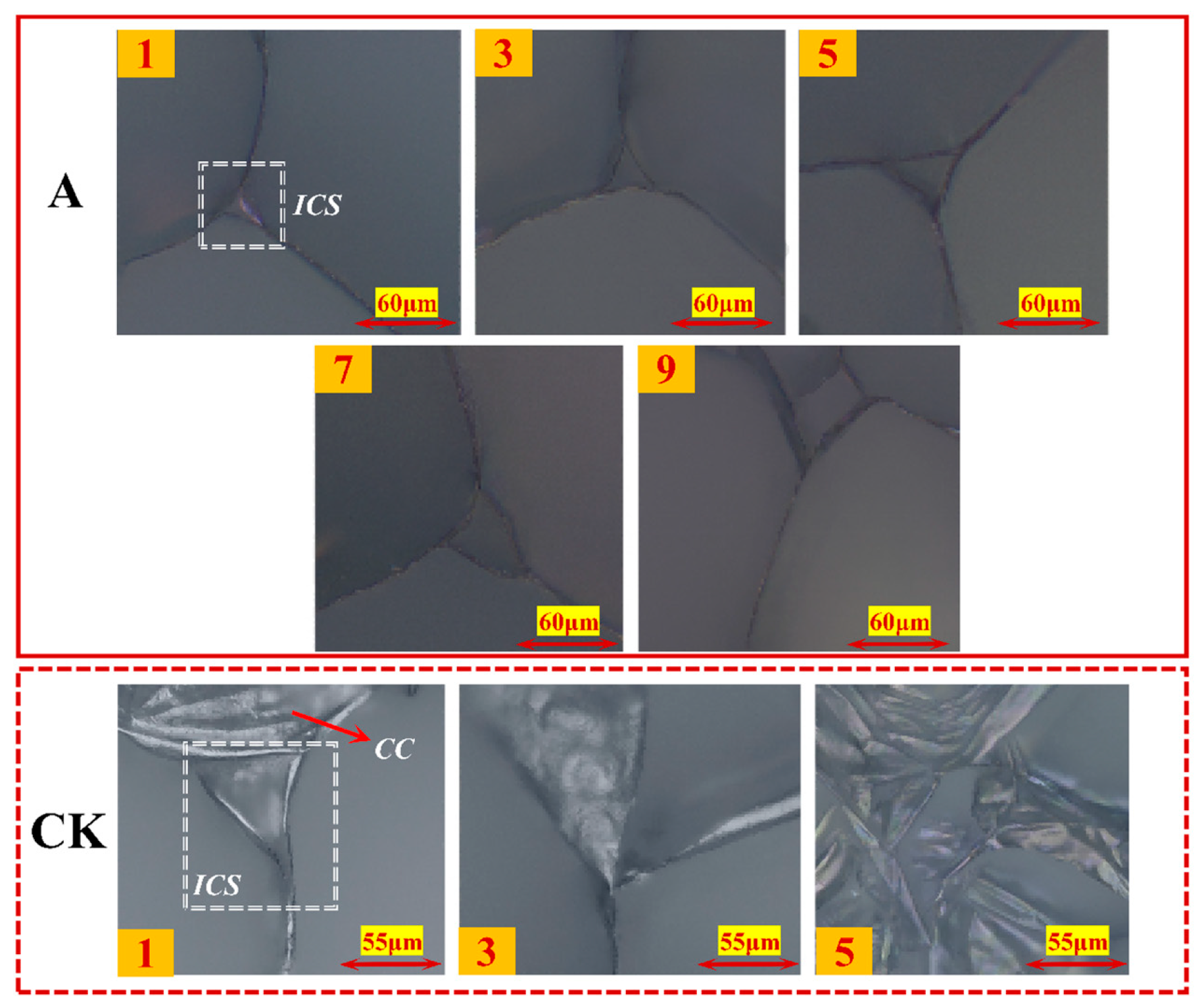
As shown in Figure 9 and Figure 10, the intercellular spaces in the flesh increased progressively in both groups as storage time advanced. From the perspectives of postharvest biology and cellular structure, changes in intercellular spaces directly reflect water migration and the stability of tissue architecture during shelf life. Overall, structural integrity declined in both groups as shelf life progressed, manifested as an enlargement of intercellular spaces, relaxation, and even collapse of cell walls. These microstructural deteriorations underpin macroscopic weight loss, wrinkling, and quality decline. At the start of storage, day 1, cellular structures in both groups remained relatively intact, with orderly cell arrangement, densely distributed intercellular pores, and no obvious collapse. Subtle differences were nevertheless apparent. In CK, some pores appeared open, intercellular spaces had begun to enlarge, and localised cells showed signs of dehydration with slight collapse, whereas cells in Group A remained more compact and orderly. This indicates that the different rewarming strategies influenced cellular water status from the early storage stage. By day 3, the structural divergence became more pronounced. In CK, severe dehydration caused pronounced collapse of cell walls, widespread disintegration of cellular architecture, and near loss of intercellular spaces, with the tissue as a whole displaying marked collapse. This corresponded to visible wrinkling of the peel and indicated entry into an irreversible stage of damage. In contrast, although Group A also exhibited dehydration and enlargement of intercellular spaces, the extent of change was much milder than in CK, and cellular morphology remained relatively intact, indicating that gradient rewarming effectively mitigated rapid structural collapse. By day 5, cells in CK were essentially fully dehydrated and collapsed with severe structural damage, marking the end of the marketable shelf life, consistent with the earlier respiratory peak and the steep rise in weight loss. Even by day 9, dehydration and collapse in Group A were less severe than those in CK on day 5, further confirming at the cellular level that gradient rewarming significantly delayed the senescence of the tissue structure.
From the standpoint of cellular water physiology and membrane system stability, these differences arise primarily from the rewarming strategies. In CK, the rapid rise in temperature disrupted water balance across the cell boundary faster than cells could perform osmotic adjustment, leading to a rapid efflux of water, separation of the protoplast from the wall, and consequent wrinkling and collapse of the wall. Related studies indicate that rapid temperature changes increase membrane permeability and impair tonoplast function, accelerating the movement of intracellular water into intercellular spaces and thereby aggravating tissue wilting. In Group A, the slow, staged gradient rewarming allowed extracellular water to melt gradually and the osmotic pressure inside and outside the cell to change gently. Cells could repair damage and regain morphology while rehydrating, so most retained good structure and firmness after rewarming. Previous reports show that progressive warming helps maintain membrane integrity and promotes the redistribution of water, thereby alleviating structural damage. The scanning electron micrographs clearly demonstrate that severe cell collapse and structural disintegration in CK are the direct microscopic causes of rapid wilting, wrinkling, and loss of elasticity, whereas the relative integrity of cells in Group A explains the effective delay in weight loss and the maintenance of a plump appearance and better storage quality. Thus, scientifically designed gradient rewarming, by preserving cellular morphology, significantly suppressed quality deterioration during shelf life, in agreement with current postharvest physiology, which emphasises the role of temperature management in maintaining the cellular structure and water homeostasis.
In summary, gradient rewarming, by modulating water metabolism, respiratory intensity, and cellular stability, collectively delayed senescence and deterioration, extending commercial suitability to nine days and providing a scientific basis for cold chain storage and transport. Through staged warming, gradient rewarming markedly improved shelf-life quality via coordinated optimisation across multiple dimensions. In terms of appearance, the peel in the gradient rewarming group remained taut and glossy, with no obvious wrinkling by day 5, whereas the control exhibited wrinkling, wilting, and mould spots by day 3 due to abrupt temperature change. Regarding physicochemical attributes, the gradient rewarming group showed a gentler decline in firmness, the highest SSC peak, a delayed respiratory peak, and a 12% reduction in peak intensity, effectively curbing nutrient consumption and metabolic disorder. At the microstructural level, electron microscopy showed tightly arranged cells with slow dehydration under gradient rewarming, while direct rewarming caused rapid cell collapse and near complete structural failure by day 5. In addition, the decay rate was significantly lower in the gradient rewarming group than in the direct rewarming group.

4. Conclusions

By systematically analysing the effects of different release strategies on shelf-life quality in Korla fragrant pears, we draw the following conclusions.
Under the experimental conditions, the rewarming condition of 6 °C for 12 h was most conducive to preserving the quality of fragrant pears. Response surface analysis further indicated that the parameter combination of 6.12 °C and 11.65 h yielded the optimal overall performance across various physicochemical indices.
Gradient rewarming markedly enhanced shelf-life quality. Compared with traditional direct rewarming, gradient rewarming at 6 °C for 12 h clearly improved all indices. Specifically, the decay rate decreased by about 80%, weight loss fell by 2.6%, firmness increased by 15% to 4.23 kg/cm2, the peak soluble solids content of 12.5% appeared 3 days later, the respiratory peak was delayed, the respiration rate decreased by 6%, and shelf life was extended by about 80%.
Microstructural verification showed that pears subjected to gradient rewarming had tightly arranged cells with mild collapse and retained a relatively intact structure by day 9, whereas the direct rewarming group exhibited extensive cellular collapse by day 5. These results explain, at the cellular level, how gradient rewarming helps to maintain firmness and delay wilting and quality deterioration.
In summary, this study confirms that a gradient warming protocol centred on 12 h at 6 °C can effectively delay postharvest senescence, preserve fruit quality, and extend the shelf life of Korla fragrant pears, thereby providing a preliminary basis for temperature management in cold chain logistics and retail settings. It is worth noting that, owing to the geographical scope and experimental conditions of the present study, this work is not intended to offer definitive conclusions, but rather serves as an exploratory investigation within the field of postharvest temperature gradient research. As such, it establishes an experimental foundation for subsequent studies on parameter optimisation and dynamic regulation under a broader range of conditions. Subsequent research could further explore parameter adaptation and dynamic regulation under varying storage durations.

Author Contributions

Conceptualization, H.L. (Haipeng Lan) and X.Y.; methodology, T.Z.; software, S.C.; validation, T.Z., S.C., and X.Y.; formal analysis, H.L. (Haiyang Liu); investigation, Y.X.; resources, Y.G.; data curation, X.Y.; writing—original draft preparation, T.Z.; writing—review and editing, H.L. (Haipeng Lan); visualisation, J.G.; supervision, H.L. (Haipeng Lan); project administration, X.Y.; funding acquisition, H.L. (Haipeng Lan). All authors have read and agreed to the published version of the manuscript.

Funding

This work was supported by the Chinese Natural Science Foundation, grant number 32260618.

Institutional Review Board Statement

Not applicable.

Informed Consent Statement

Not applicable.

Data Availability Statement

The original contributions presented in this study are included in the article. Further inquiries can be directed to the corresponding author.

Acknowledgments

The authors are grateful to the anonymous reviewers for their comments.

Conflicts of Interest

The authors declare no conflicts of interest.

Appendix A

Table A1. Firmness regression analysis under different warming methods.
FirmnessFSignificancetDegree of FreedomSignificance (Two-Tailed)Average Difference ValueStandard Error DifferenceLower Limit of Confidence IntervalUpper Limit of Confidence Interval
3dEqual variances not assumed2.86<0.001−6.95798<0.001−0.070.01−0.09−0.05
Equal variances not assumed −6.95787.257<0.001−0.070.01−0.09−0.05
5dEqual variances not assumed16.507<0.001−11.89798<0.001−0.140.01−0.17−0.12
Equal variances not assumed −11.89774.204<0.001−0.140.01−0.17−0.12
Table A2. Regression analysis of soluble solids under different ripening methods.
SSCFSignificancetDegree of FreedomSignificance (Two-Tailed)Average Difference ValueStandard Error DifferenceLower Limit of Confidence IntervalUpper Limit of Confidence Interval
1dEqual variances not assumed20.035<0.001−15.34898<0.001−0.430.02−0.49−0.38
Equal variances not assumed −15.34871.977<0.001−0.430.02−0.49−0.38
3dEqual variances not assumed16.507<0.001−11.8998<0.001−0.140.01−0.17−0.12
Equal variances not assumed −11.8974.204<0.001−0.140.01−0.17−0.12
5dEqual variances not assumed21.973<0.001−41.25698<0.001−0.650.015−0.68−0.62
Equal variances not assumed −41.25668.67<0.001−0.650.015−0.68−0.62
Table A3. Regression analysis of respiratory rate under different rewarming methods.
Respiratory RateFSignificancetDegree of FreedomSignificance (Two-Tailed)Average Difference ValueStandard Error DifferenceLower Limit of Confidence IntervalUpper Limit of Confidence Interval
1dEqual variances not assumed4.338<0.001130.92698<0.0010.9140.00690.9280.901
Equal variances not assumed 130.92686.189<0.0010.9140.00690.9010.928
3dEqual variances not assumed31.487<0.00119.18598<0.0010.4380.03150.5420.667
Equal variances not assumed 19.18557.972<0.0010.4380.03150.54210.667
5dEqual variances not assumed41.393<0.00130.66697.8<0.0010.6090.001980.550.57
Equal variances not assumed 30.66671.875<0.0010.6090.001980.550.57
Table A4. Regression analysis of weight loss rate under different rewarming methods.
Weight Loss RateFSignificancetDegree of FreedomSignificance (Two-Tailed)Average Difference ValueStandard Error DifferenceLower Limit of Confidence IntervalUpper Limit of Confidence Interval
1dEqual variances not assumed3.036<0.00192.02398<0.0011.140.011.111.16
Equal variances not assumed 92.02389.048<0.0011.140.011.111.16
3dEqual variances not assumed20.846<0.00191.38298<0.0011.140.011.121.17
Equal variances not assumed 91.38275.372<0.0011.140.011.121.17
5dEqual variances not assumed0.53<0.001201.7698<0.0012.300.012.272.32
Equal variances not assumed 201.7690.521<0.0012.300.012.272.32

References

  1. Zhao, D.; Xu, L.X.; Wu, W.; Zhang, F. Synthesis of a novel core-shell magnetic covalent organic framework for the enrichment and detection of AFM1 and AFM2 in milk and dairy products using HPLC-MS/MS. Future Foods 2026, 6, 413–420. [Google Scholar] [CrossRef]
  2. Cifuentes-Araya, N.; Ardiles, A.; Sepúlveda, B.; Areche, C. Green recovery of bioactive phenolics and nutrients from Murta (Ugni molinae Turcz) fruit through nanofiltration, and their identification by tandem mass spectrometry. Appl. Food Res. 2026, 6, 101595. [Google Scholar] [CrossRef]
  3. Wang, J.; Zhang, H.; Li, X.W.; Feng, H.M.; Zhu, X.; Sun, S.W. Effect of Storage Temperature on the Quality and Physiological Activity of Fragrant Pears During Shelf Life. North. Hortic. 2009, 7, 231–235. [Google Scholar]
  4. Li, X.W. Study on Characteristic Quality of Postharvest Fragrant Pears. Master’s Thesis, Xinjiang Agricultural University, Urumqi, China, 2010; pp. 100–102. [Google Scholar]
  5. Deng, B.; Han, Y.Y.; Han, Y.W.; Liang, P.; Liu, Y.; Yan, S.J. Optimal Temperature and Humidity Conditions of Korla fragrant pear under Slow Cooling. Packag. Eng. 2016, 37, 45–50. [Google Scholar]
  6. Wang, Z.; Peng, Y.; Liu, J.R.; Wang, H.; Wang, H.B.; Li, L.G. Quality and Physiological Changes of ‘Luli’ Apple during Cold Storage. Food Sci. 2023, 44, 136–143. [Google Scholar]
  7. Rodionova, L.Y.; Sobol, I.V.; Donchenko, L.V. Analysis of the influence of low temperature on the change of physicochemical parameters of fruit and berry raw materials during storage. IOP Conf. Ser. Earth Environ. Sci. 2021, 624, 012166. [Google Scholar]
  8. Valenzuela, J.L.; Manzano, S. Oxidative Stress Associated with Chilling Injury in Immature Fruit: Postharvest Technological and Biotechnological Solutions. Int. J. Mol. Sci. 2017, 18, 1467. [Google Scholar] [CrossRef]
  9. Mahmoud, K.S.; Kazem, A. Postharvest Polyamine Application Alleviates Chilling Injury and Affects Apricot Storage Ability. J. Agric. Food Chem. 2012, 60, 8947–8953. [Google Scholar] [CrossRef]
  10. Nilo, R.; Saffie, C. Proteomic analysis of peach fruit mesocarp softening and chilling injury using difference gel electrophoresis (DIGE). BMC Genom. 2010, 11, 43. [Google Scholar] [CrossRef]
  11. Prisacaru, A.E.; Ghinea, C.; Albu, E.; Paduret, S. Storage Impact on the Physicochemical and Microbiological Stability of Apricot, Cherry, Raspberry, and Strawberry Jams. Foods 2025, 14, 1695. [Google Scholar] [CrossRef]
  12. Shi, C.; Fang, D.L.; Huang, C.B.; Lyu, L.F.; Wu, W.L.; Li, W.L. Electrospun biopolymer material for antimicrobial function of fresh fruit and vegetables: Application perspective and challenges. LWT 2023, 174, 114374. [Google Scholar] [CrossRef]
  13. Liu, R.J.; Li, X.W.; Zhang, T.; Liu, F.J. Effects of 1-MCP Treatment on the Softening of Korla fragrant pear Fruit during Shelf Life. J. Xinjiang Agric. Univ. 2021, 44, 375–381. [Google Scholar]
  14. Cybulska, J.; Pieczywek, P.M. The effect of Ca2+ and cellular structure on apple firmness and acoustic emission. Eur. Food Res. Technol. 2012, 235, 119–128. [Google Scholar] [CrossRef]
  15. Gao, J.F.; Feng, J. Preservation Effects of High Molecular Weight Chitosan and the Mixture on Grapes during Shelf-Life. Storage Process 2022, 22, 9–15. [Google Scholar]
  16. Wang, W.X.; Liu, L.C.; Zeng, H.B.; Liu, X.T.; Zhu, L.Y.; Zhang, M.; Qin, J.F.; Qin, X.M. Implementation and achievements of project for high quality scientific journals by China Association for Science and Technology (CAST): A case study of Transactions of the Chinese Society of Agricultural Engineering. Trans. Chin. Soc. Agric. Eng. 2014, 30, 336–340. [Google Scholar]
  17. Du, L.X.; Zhao, X.M.; Yang, Y.; Li, B.B.; Xie, J.X.; Ma, L.; Bai, Y.Q.; Li, D.; Fu, D.Q.; Li, X.W. 1-Methylcyclopropene Treatment benefits the Retention of the Aroma Components and Quality of Korla fragrant pear during Postharvest Storage. Sci. Technol. Food Ind. 2018, 39, 230–237. [Google Scholar]
  18. Wenneker, M.; van Rijswick, P.C.J.; Pham, K.T.K.; Kerkhof, E.; Bos, R.; Harteveld, D.O.C. First Report of Phytophthora chlamydospora Causing Postharvest Fruit Rot on Apples and Pears in the Netherlands. Plant Dis. 2021, 105, 713. [Google Scholar] [CrossRef]
  19. Ma, Y.T.; Ma, X.Y.; Fan, Z.M.; Liu, X.; Wang, X. Extraction strategies and structure-property relationships of pectin: A review for sustainable utilization of fruit and vegetable by-products. Food Meas. 2026. [Google Scholar] [CrossRef]
  20. Wang, J.; Zhang, H.; Li, X.; Feng, H.; Zhu, X.; Sun, S. Nondestructive Determination of Epicarp Hardness of Passion Fruit Using Near-Infrared Spectroscopy during Storage. Foods 2024, 13, 783. [Google Scholar] [CrossRef]
  21. Huang, X.; Wang, H.K.; Luo, W.J.; Xue, S.; Hayat, F.; Gao, Z.H. Prediction of loquat soluble solids and titratable acid content using fruit mineral elements by artificial neural network and multiple linear regression. Sci. Hortic. 2021, 278, 109873. [Google Scholar] [CrossRef]
  22. Rieger, M.; Lo Bianco, R. Roles of sorbitol and sucrose in growth and respiration of ‘Encore’ peaches at the three developmental stages. J. Am. Soc. Hortic. Sci. 2002, 127, 297–302. [Google Scholar] [CrossRef]
  23. Hu, Z.C.; Shu, C.; Zhu, H.J.; Hu, C.F.; Su, F.X.; Jiang, Q.J. Research Progress on Postharvest Quality Deterioration and Preservation of Chinese Bayberry Fruit. Packag. Eng. 2025, 46, 106. [Google Scholar]
  24. Cai, M.; Kuang, Z.J.; Li, Q.T.; Kuang, S.M. Dynamic Monitoring and Experimental Analysis of Banana Quality During Refrigerated Transportation. Refrlgeration 2023, 42, 40–45. [Google Scholar]
  25. Wang, X.Y.; Li, X.; Wang, J.; Zhu, J.Y. Advances of Respiration Rate in Modified Atmosphere Packaging for Fruits and Vegetables. J. China Agric. Mach. 2008, 8, 94–100. [Google Scholar]
  26. Li, Y.L.; Cui, K.B.; Shi, L.; Zhu, Z.S.; Li, L.; Liu, Y.; Zhu, X. Effect of Near Freezing Temperature Storage on Chilling Injury and Active Oxygen Metabolism of Apricot Fruit. Food Sci. 2020, 41, 177–183. [Google Scholar]
  27. Liang, Q.S.; Leng, P.; He, Y.L.; Hu, J.F. Effect of different out-store tests after ice-temperature preservation in ‘Okubao’ peach (Prunus persica L. Batsch) on cell wall components and activities of related enzymes. J. China Agric. Univ. 2010, 15, 14–18. [Google Scholar]
  28. Jiang, Y.M.; Li, B.Y. Effects of low-temperature acclimation on browning of litchi fruit in relation to shelf life. J. Hortic. Sci. Biotechnol. 2003, 78, 437–440. [Google Scholar] [CrossRef]
  29. Zhang, Y. Post-harvest cold shock treatment enhanced antioxidant capacity to reduce chilling injury and improves the shelf life of guava (Psidium guajava L.). Front. Sustain. Food Syst. 2024, 8, 1297056. [Google Scholar] [CrossRef]
  30. Tang, W.; Chen, J.; Ren, L.; Liu, Q.; Chen, G.; Jiang, Y. Isolation and Identification of the Pathogens of Blackhead Disease of Kuerle Fragrant Pear. Sci. Technol. Food Ind. 2011, 32, 366–368. [Google Scholar]
Figure 1. Workflow for measurement of parameters in the Korla fragrant pear.
Agriculture 16 00729 g001
Figure 2. Workflow for scanning electron microscopy of Korla fragrant pear tissues under different rewarming modes.
Agriculture 16 00729 g002
Figure 3. Temporal changes in physicochemical indices of pears under different temperatures and durations. (a) Effects of temperature and duration on SSC. (b) Effects on firmness. (c) Effects on respiration rate. (d) Effects on weight loss rate. (e) Effects on decay rate.
Agriculture 16 00729 g003
Figure 4. Variation in decay incidence of Korla fragrant pears subjected to divergent rewarming regimes.
Agriculture 16 00729 g004
Figure 5. Changes in firmness of Korla fragrant pears under different rewarming modes.
Agriculture 16 00729 g005
Figure 6. Changes in soluble solids content under different rewarming modes.
Agriculture 16 00729 g006
Figure 7. Changes in the weight loss rate under different rewarming modes.
Agriculture 16 00729 g007
Figure 8. Changes in the respiration rate under different rewarming modes.
Agriculture 16 00729 g008
Figure 9. Scanning electron micrographs of Korla fragrant pear tissues.
Agriculture 16 00729 g009
Figure 10. Ultrastructural changes in Korla fragrant pear tissues. (A) Scanning electron micrographs of Korla fragrant pear tissues at 1, 3, 5, 7, and 9 days. (CK) Ultrastructural changes at 1, 3, 5 days. ICS, intercellular space; CC, cell collapse.
Agriculture 16 00729 g010
Table 1. Operating parameters of scanning electron microscope for fragrant pear.
Application ParametersAccelerating Voltage (HV)Current Value (curr)Detection Type (det)Working Distance (WD)Magnification (mag)Horizontal Field-of-View Width (HWF)
Standard5.00 kv0.10 nAETD (Secondary Electron Detection)11.50 mm200×300/60/55 μm
Table 2. Test factor coding table.
LevelTemperature (°C)Time (h)
−α20
−146
0612
1818
α1024
Table 3. Experimental design and results.
Factor 1Factor 2Response 1Response 2Response 3Response 4Response 5
StdRunA: Temperature (°C)B: Time (h)Firmness (kg/cm2)Decay Rate (%)SSC (%)Respiration Rate (%)Weightlessness Rate (%)
112467.362512.3313.101.80
213865.973813145.20
374188.151712.7211.401.70
448186.813313.3013.803.30
552127.802412.9011.101.50
6610125.215113.7015.606.50
72606.124012.5212.903.70
886247.711913.1013.401.80
9116127.552113.7711.702.30
1016127.582214.6012.601.50
1196127.512313.8012.301.60
12106127.522114.2612.302.20
1336127.532113.7611.502.10
Disclaimer/Publisher’s Note: The statements, opinions and data contained in all publications are solely those of the individual author(s) and contributor(s) and not of MDPI and/or the editor(s). MDPI and/or the editor(s) disclaim responsibility for any injury to people or property resulting from any ideas, methods, instructions or products referred to in the content.