6.1. Research Findings
The impact of government regulation on safe production practices of agricultural enterprises within the context of food safety and sustainable development was empirically explored in this study.
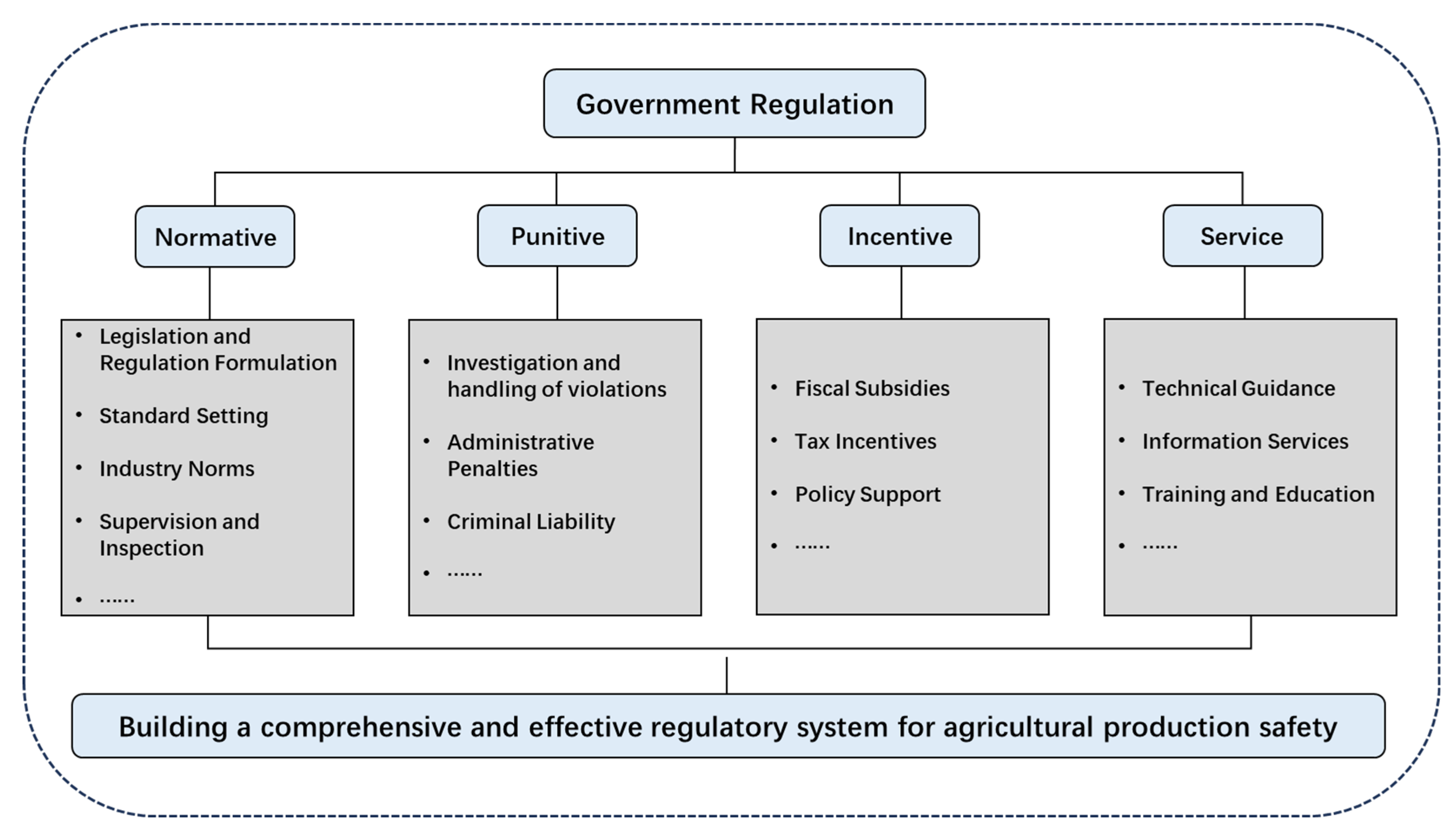
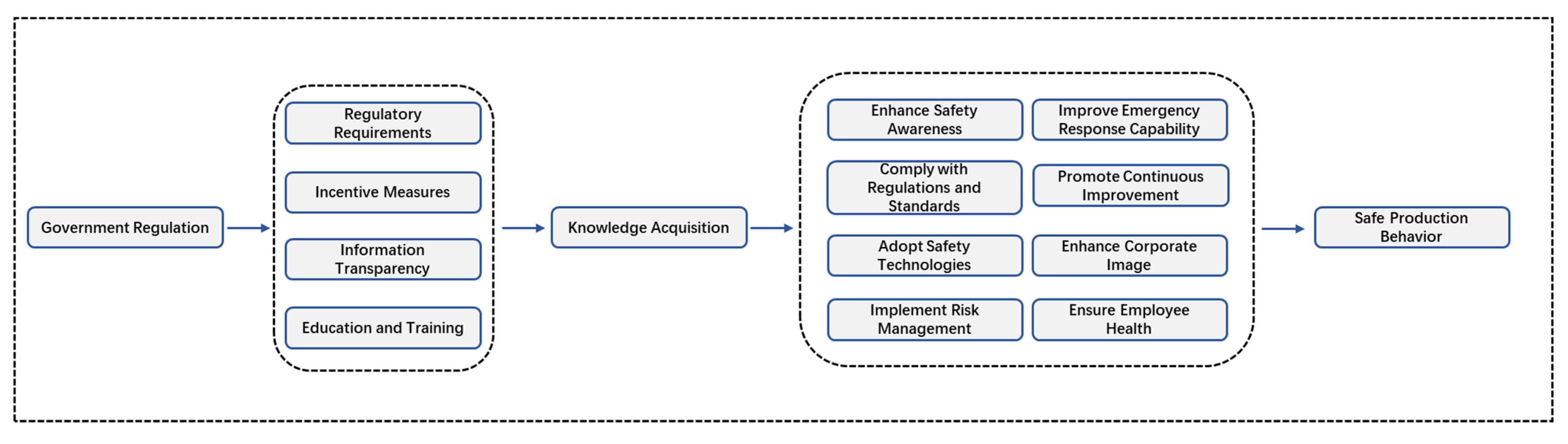
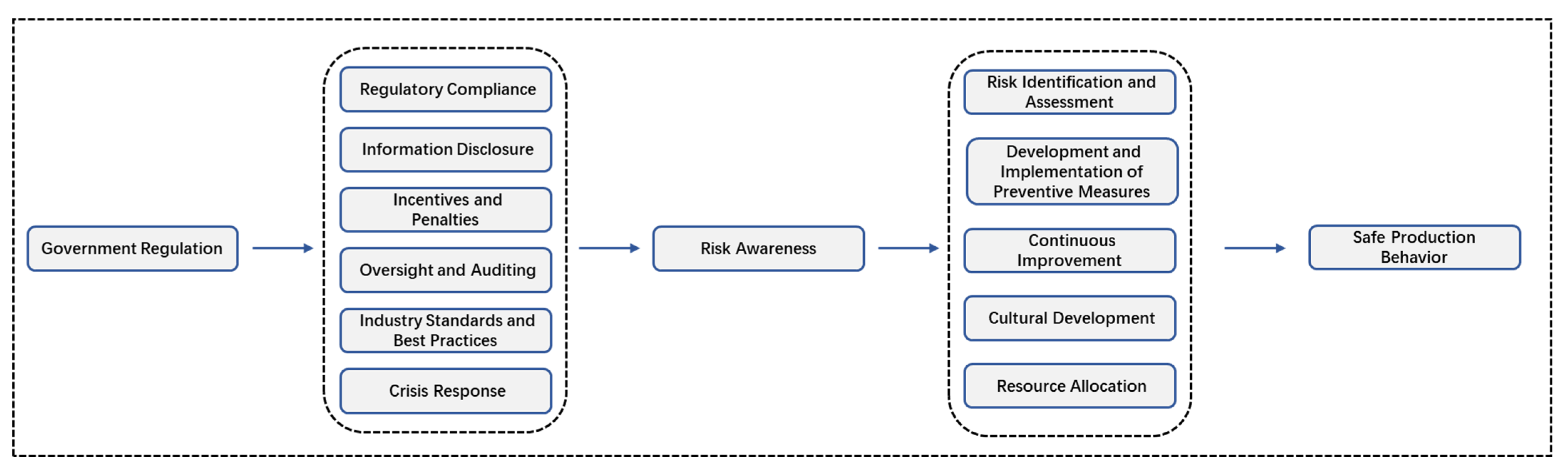
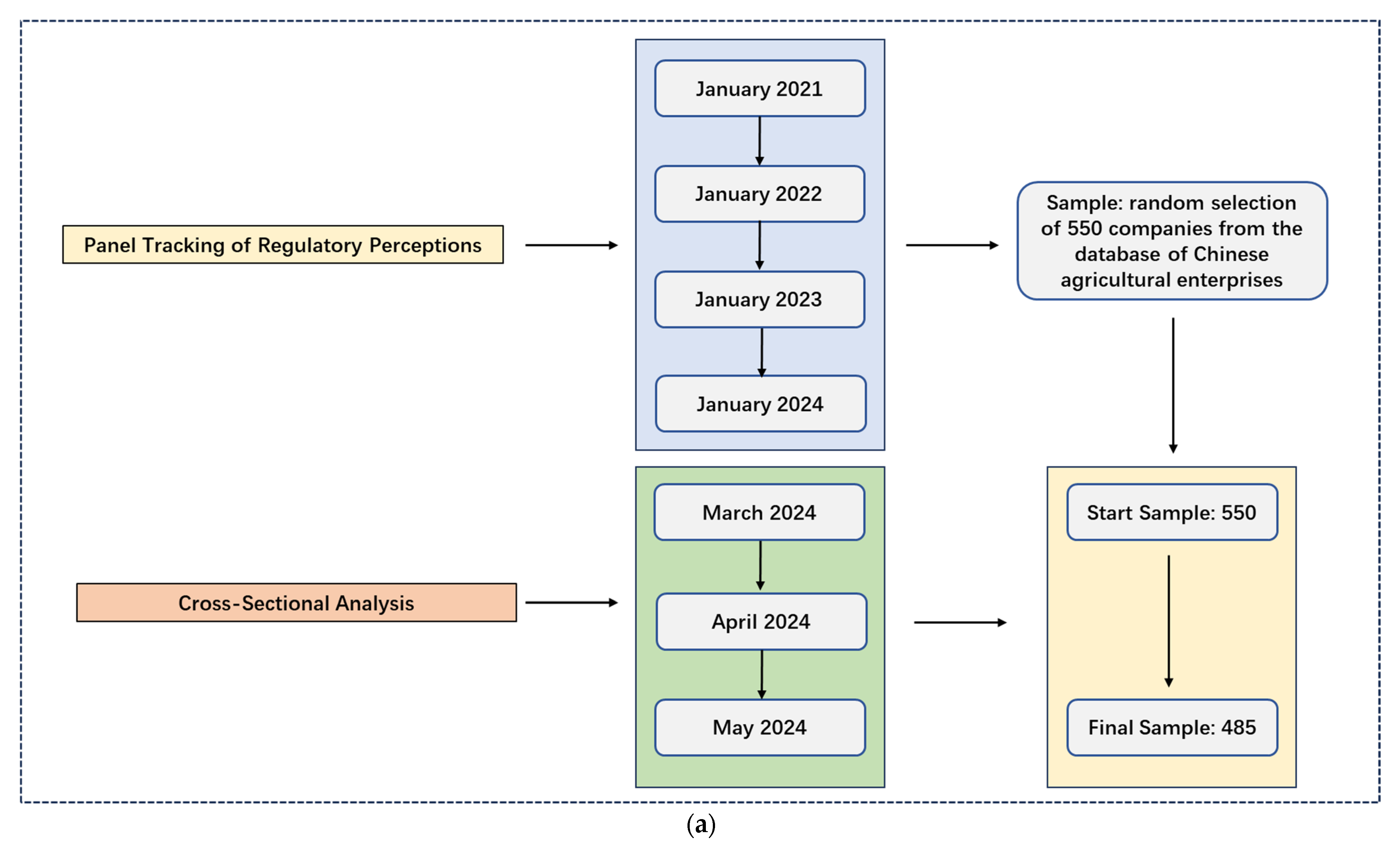
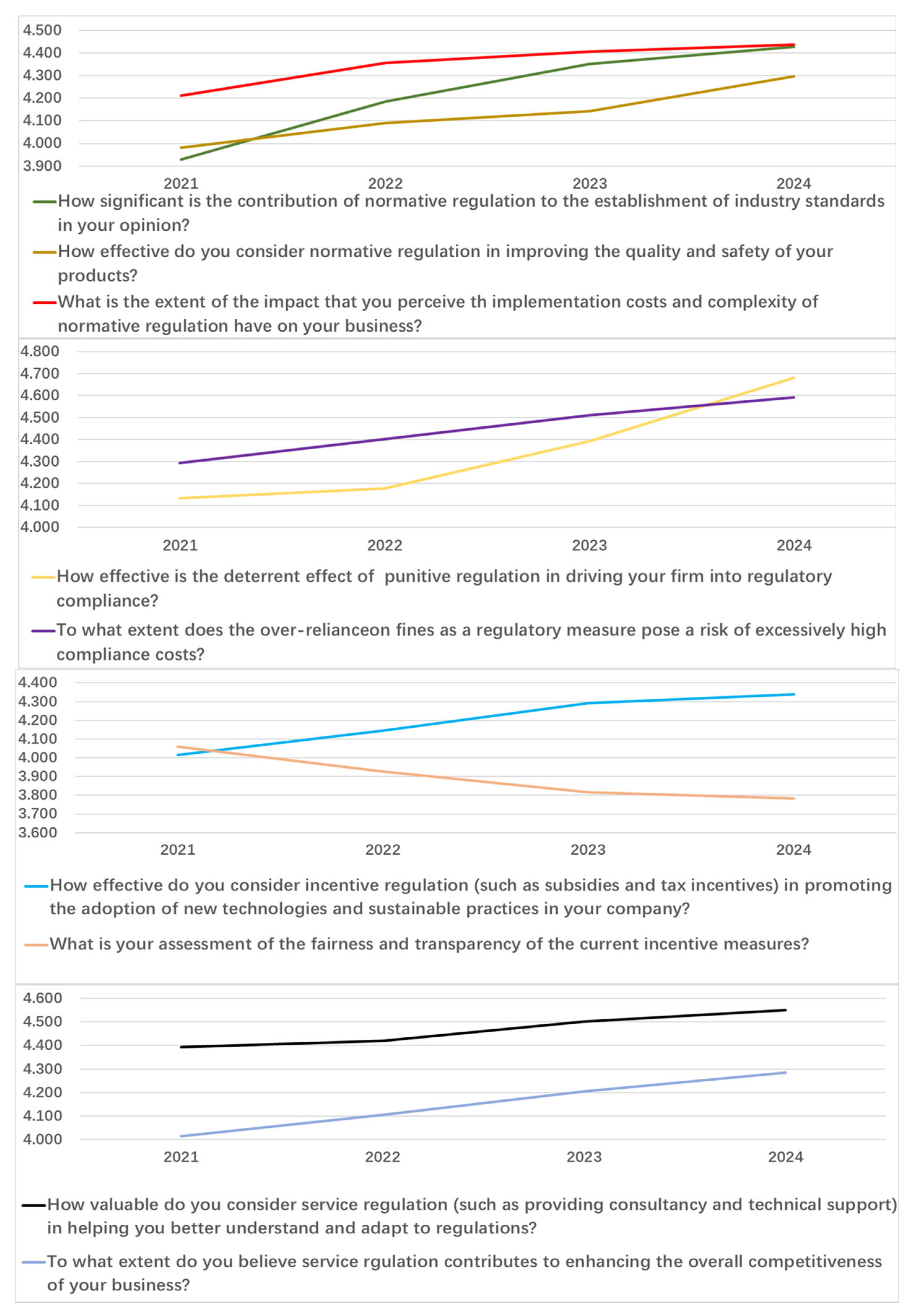
Over the course of research tracked from January 2021 to January 2024, this study uncovered several key findings: First, businesses largely perceive that normative regulation contributes to the creation of industry standards, thereby improving product quality and safety. However, they also highlight challenges related to implementation costs and the complexity involved. On the other hand, punitive regulation is viewed as a strong deterrent, effectively compelling businesses to adhere to established guidelines. Nonetheless, there is a worry that an over-reliance on fines might result in disproportionately high compliance expenses. Regulation incentives, like tax breaks and subsidies, are seen as successful in driving businesses to embrace new technologies and sustainable practices. However, maintaining fairness and transparency in these incentives is crucial. Enterprise’s view service regulations, such as offering consulting and technical assistance, as beneficial, though perceived fairness declined from 4.059 in 2021 to 3.782 in 2024. This type of regulation aids in improving their understanding and compliance with rules, ultimately boosting their competitiveness.
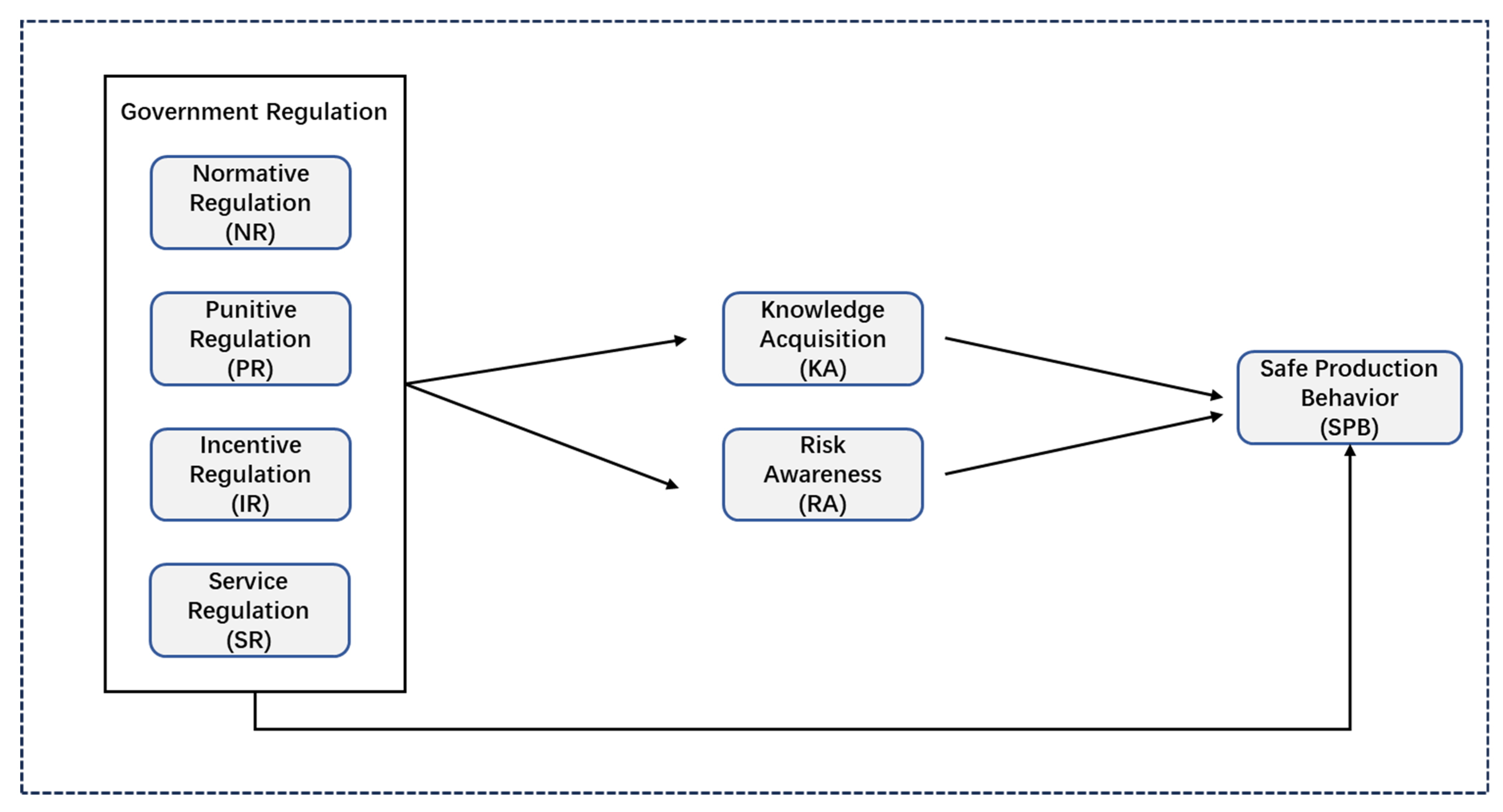
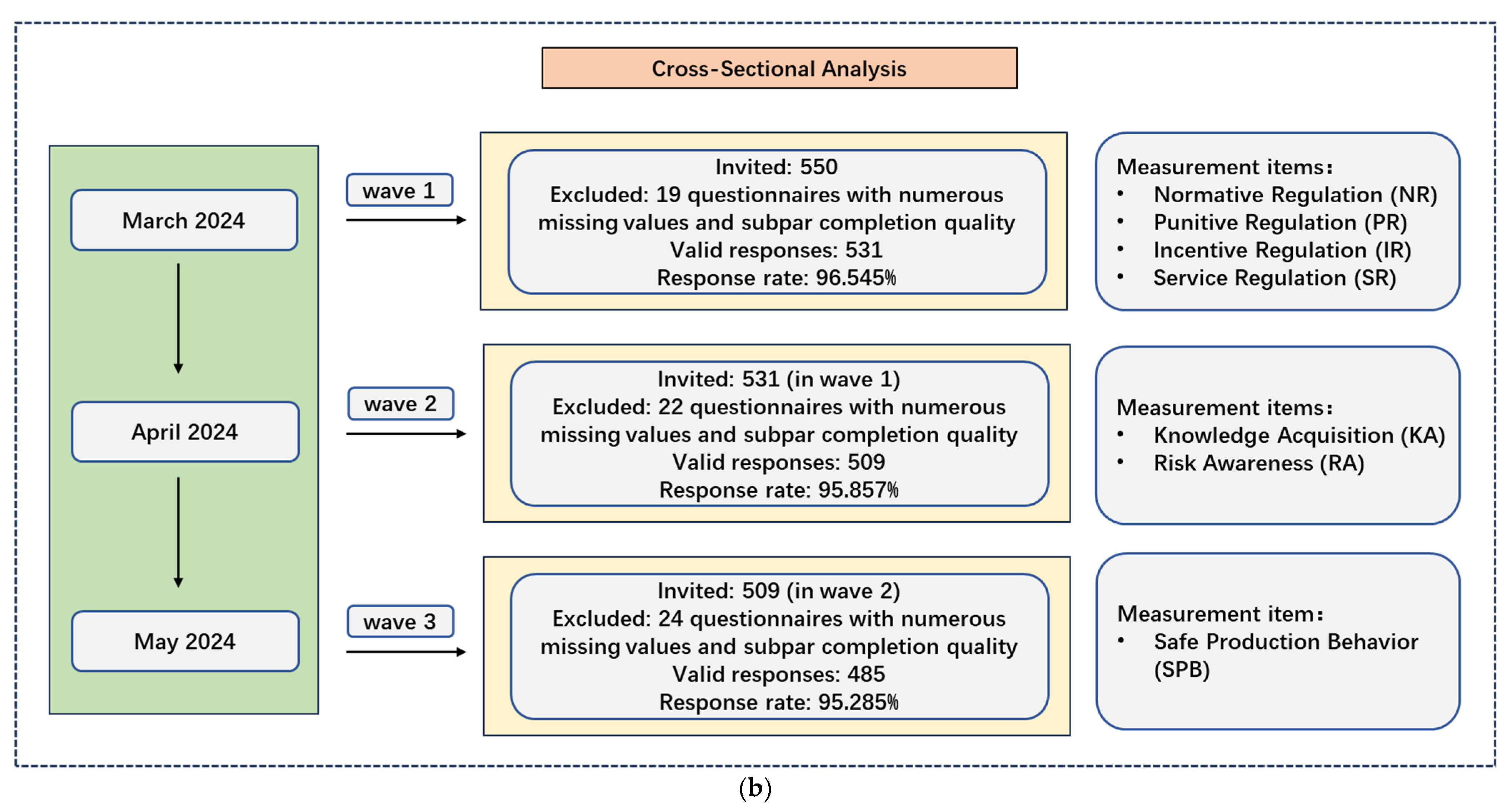
Using the three-wave survey from March 2024 to May 2024 and performing an empirical analysis using the structural equation modeling approach, the findings reveal that four distinct types of government oversight—normative regulation, punitive regulation, incentive regulation, and service regulation—not only directly foster safe production within agricultural businesses but also act indirectly through mediators such as knowledge acquisition and risk awareness. Additionally, each type of regulation bolsters knowledge acquisition and elevates risk awareness within enterprises. Simultaneously, knowledge acquisition and risk awareness play significant roles in promoting the safe production practices of agricultural enterprises. Furthermore, comparing the mediating impacts reveals that knowledge acquisition and risk awareness do not significantly differ in effect sizes across the four regulatory pathways (
Table 8). This non-statistically-significant difference was detected suggests that both mechanisms—cognitive–technical capacity building (knowledge acquisition) and preventive attitudinal orientation (risk awareness)—play equally important and complementary roles in translating regulatory interventions into behavioral changes, instead of one mechanism dominating the other. This finding enriches prior research that focuses primarily on coercive compliance or economic incentives, instead highlighting the central role of information diffusion and normative influence in agricultural safety governance.
Additionally, verifying measurement invariance across different size categories of agricultural enterprises in this research emphasizes the robustness and generalizability of the study model. This invariance indicates that the constructs related to government regulation, knowledge acquisition, risk awareness, and safe production behavior are measured consistently and can be meaningfully compared among enterprises of varying sizes. Therefore, the relationships between these variables, as described by the model, are likely to be valid for agricultural enterprises irrespective of their scale. However, it is worth noting that the invariance between different size groups in this study does not imply that the model can be automatically applied to different regulatory environments or countries.
The panel-tracking design provides temporal context, while the 2024 SEM identifies stable structural relationships. The SEM analysis captures the interrelationships between government regulation, knowledge acquisition, risk awareness, and safety production at a single point in time, while the longitudinal data track how these relationships evolve over a three-year period. This temporal approach is particularly important in understanding how the effects of government regulation on safety production change over time, as enterprises become more attuned to regulatory changes and adjust their internal processes. The longitudinal survey also highlights the resilience and adaptability of agricultural enterprises in responding to different regulatory types, which might not be immediately apparent from the SEM analysis alone. Together, these two approaches offer a comprehensive view of the impact of government regulation on safety production, blending a snapshot of causal relationships with insights into their development over time.
6.2. Theoretical Contributions
To contextualize our contributions, it is essential to situate our findings within prior research. Existing studies reveal three main limitations. First, most rely on cross-sectional designs [
22,
24,
97], which cannot capture regulatory dynamics over time. Second, prior work often examines single regulatory instruments in isolation [
33,
98], whereas our framework of four regulatory types enables systematic comparison. Third, few studies have empirically tested dual mediation mechanisms; our evidence that knowledge acquisition and risk awareness exert equivalent mediating effects challenges the prevailing emphasis on coercive or economic pathways as the primary regulatory mechanisms.
At its core, this study enriches the regulatory theory by delineating a nuanced landscape of government regulation in the agricultural sector, thereby advancing our understanding of how different regulatory strategies—normative, punitive, incentive, and service—affect enterprise behavior and outcomes. It enriches the monolithic view of regulation by elucidating the differential impacts and complexities involved.
Second, this research significantly bolsters the theoretical framework of institutional theory, particularly by examining how external regulatory pressures shape the internal mechanisms of organizations. The empirical evidence of the mediating role of knowledge acquisition and risk awareness in the regulatory context provides a robust foundation for understanding how institutions are internalized and operationalized within firms, contributing to a more dynamic and nuanced view of institutional isomorphism and adaptation.
Third, in the realm of the resource-based view (RBV), the study offers an innovative perspective by considering government regulation as a critical resource that can enhance a firm’s capabilities. By demonstrating that regulatory interventions can foster knowledge acquisition and heighten risk awareness, the research expands the RBV to include regulatory inputs as a source of competitive advantage, which is particularly relevant in the agricultural sector where safety standards are paramount.
Fourth, the study also makes an original contribution to the theory of organizational learning by highlighting the role of regulation in facilitating a learning environment that promotes safer production practices. This underscores the importance of regulatory frameworks in not only shaping immediate compliance but also fostering long-term learning and adaptation within organizations.
In addition, the finding of mediation effects’ non-statistically-significant difference was detected, wherein both knowledge acquisition and risk awareness exhibit similar mediating effects in the relationship between government regulation and safety production, which carries significant theoretical implications for understanding the mechanisms that drive regulatory impacts. This finding suggests that government regulations influence safety production in agricultural enterprises through two parallel yet equally important pathways: one that enhances the intellectual capacity of organizations (knowledge acquisition) and another that improves their understanding of safety risks (risk awareness). Theoretical frameworks often focus on either cognitive processes or psychological factors separately, but this study’s findings indicate that both are integral to the success of regulatory interventions. By demonstrating that both mediators play comparable roles, this study suggests that regulatory types—whether normative, punitive, incentive-based, or service-oriented—are equally effective in facilitating safety outcomes through these two dimensions. The implication is that regulatory effects are not dependent on a single mechanism but rather operate through a combination of knowledge transfer and heightened safety consciousness, offering a more comprehensive view of regulatory influence on organizational behavior.
Fifth, furthermore, utilizing a protracted longitudinal inquiry, this study showcases the ever-changing interplay between governmental regulation and corporate conduct. This temporal perspective is reinforced by recent evidence that leading enterprises can serve as knowledge intermediaries in diffusing safety standards [
99]. This methodology not only assists scholars in gaining deeper insights into the progression of regulatory measures and their enduring influence on corporate practices but also establishes a factual basis for shaping the theory of regulatory dynamics. Ultimately, it serves as a valuable point of reference for forthcoming investigations.
Sixth, the study makes a significant contribution to the existing literature by presenting empirical proof that the elements of government regulation, acquisition of knowledge, awareness of risks, and engagement in safe behavior are consistently assessed in enterprises of different scales. This consistency in measurement is an important theoretical progression as it confirms the comparability of these elements and enables valuable comparisons across different groups. It indicates that the theoretical framework established in this study is robust and can be utilized to analyze safety dynamics in agricultural enterprises, regardless of their scale.
Seventh, the study’s findings have implications for future research by suggesting that the model’s constructs and relationships may be transferable to other contexts. The demonstrated invariance across enterprise sizes opens the door for the model to be tested in different geographical locations, regulatory environments, or even other industries where similar constructs may be relevant. This potential for generalization enhances the model’s theoretical value and suggests that the insights derived from this research could inform safety practices and regulatory strategies in a wide range of settings.
Eighth, this study holds substantial importance for global agricultural theoretical development from an international standpoint. By drawing on these conclusions, other countries and regions can create specific theoretical measures and actions that support safe agricultural production, improve product quality, and boost international competitiveness. Ultimately, this contributes to the sustainable development of agriculture on a global scale.
Lastly, the study offers a sophisticated theoretical contribution to the field of strategic management by integrating these various theoretical perspectives into a cohesive framework that explains the multifaceted influence of government regulation on safety production in agricultural enterprises. It provides a comprehensive model that can guide both policy-makers in designing effective regulatory strategies and managers in aligning their safety production behaviors with regulatory requirements, thus bridging the gap between theory and practice in a manner that is both enlightening and actionable.
6.3. Practice and Management Contributions
This study makes important contributions in practical and managerial aspects, both at the enterprise and government policy levels. These contributions align with recent policy analyses emphasizing differentiated regulatory strategies [
28,
100]. At the enterprise level, the research offers precise strategies and guidelines for enhancing safe production practices. Organizations can adjust their internal training and management practices in accordance with various forms of government regulation (normative, punitive, incentive, service), develop efficient risk management and compliance frameworks, invest in sustainable technologies and practices, and engage proactively in government-provided service-focused regulations, ultimately boosting their regulatory flexibility and competitiveness. Moreover, the research highlights the crucial intermediary function of acquiring knowledge and being aware of risks in connecting government regulations with safe production practices in corporations. It suggests that companies should boost employees’ grasp of regulations and risk awareness through ongoing training and educational initiatives, to better comply with government requirements and elevate safety standards. Additionally, businesses should proactively seek out and implement strategies like subsidies and tax breaks in incentive-driven regulations to reach both economic gains and environmental accountability.
According to the findings of this study, the following specific measures for enhancing safe production practices in agricultural enterprises are recommended:
Normative regulation: (1) Actively acquire and adhere to the agricultural standards for safe production and operational procedures set forth by the government to ensure that production activities are in accordance with legal and regulatory requirements. (2) Implement an internal management system for safe production, perform routine self-examinations and evaluations to guarantee the efficient execution of all safety measures. (3) Enhance employee training in safe production to improve their comprehension and adherence to safe production regulations.
Punitive regulation: (1) Implement a thorough internal system for reporting and addressing violations, urging employees to report safety hazards and non-compliance behaviors proactively. (2) Hold frequent training sessions on safe production laws and regulations to guarantee that employees grasp the repercussions of non-compliance and improve their self-control. (3) Establish consistent communication with government regulatory bodies to stay informed about current regulatory requirements and penalty guidelines, preventing unnecessary violations.
Incentive regulation: (1) Proactively seek government-offered incentives and financial aid aimed at enhancing safety production, and utilize these funds to upgrade safety facilities and technological processes. (2) Integrate safety production performance metrics into the employee assessment and rewards system, incentivizing staff to engage actively in safety practices. (3) Engage in safety production competitions and evaluations coordinated by governmental bodies, achieving recognition and rewards for excellent performance.
Service regulation: (1) Employ the secure production consultation services offered by the government to tackle safety concerns in the manufacturing process and boost the standard of secure production. (2) Engage in secure production workshops and technical conferences arranged by the government or industry groups to enhance employees’ understanding and abilities in secure production. (3) Create communication channels with government regulatory bodies to promptly receive policy and technical updates concerning secure production.
Knowledge acquisition: (1) Create an internal platform for sharing knowledge on safe production within the organization, motivating staff to exchange their insights and expertise in safe production. (2) Arrange frequent training sessions on safe production knowledge, featuring presentations by specialists to boost the proficiency of employees. (3) Partner with universities and research organizations to engage in research and development endeavors concerning safe production, gaining access to the most up-to-date knowledge in this domain.
Risk awareness: (1) Regularly conduct safety risk assessments in production to identify potential safety hazards and create appropriate preventive and response strategies. (2) Implement a safety production accident learning program, examining both internal and external industry incidents to improve staff’s understanding of risks. (3) Develop an early warning system for safety risks in production to quickly address government-issued safety alerts and implement preventative actions.
By implementing the aforementioned measures, agricultural businesses can more efficiently address government regulations, improve their internal safety production protocols, and advance their overall safety production with the intermediary benefits of knowledge acquisition and increased risk awareness.
At the government policy level, this study offers empirical proof for policymakers on enhancing regulatory strategies. Additionally, policymakers can use the direct evidence presented in the study regarding the efficiency of various government regulations to evaluate the effects of current regulatory measures and implement any required modifications to boost regulation efficiency and effectiveness.
Based on the tracking survey results of the long-term dynamic changes between government regulation and enterprises from 2021 to 2024, the following improvement measures are proposed to optimize the effectiveness of government regulation:
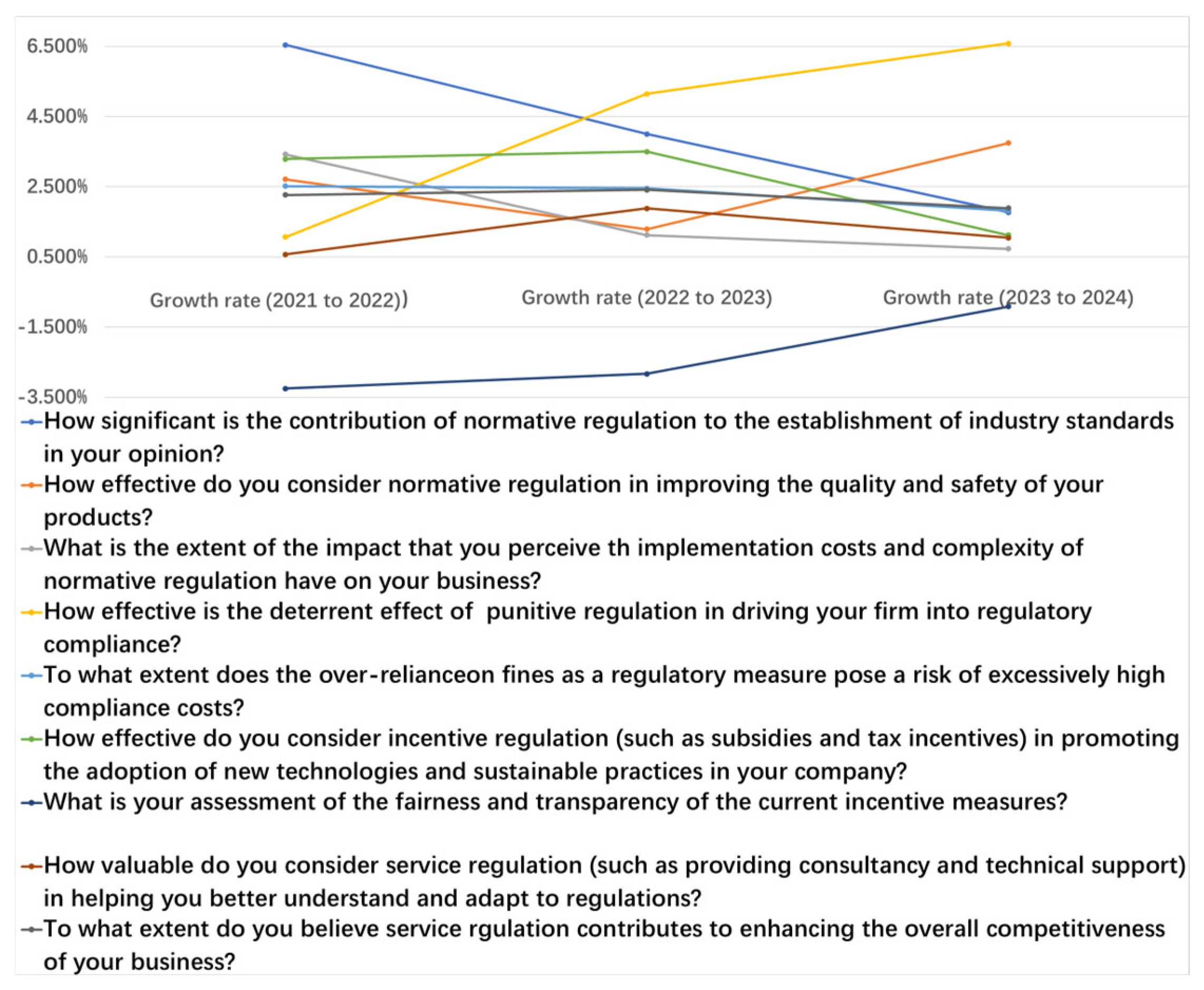
Normative regulation: (1) The role of normative regulation in setting industry standards is increasingly recognized as significant. However, the reduction in growth rates indicates potential regulatory fatigue or diminished regulatory efficiency. Therefore, the government should reevaluate normative regulation implementation to ensure its effectiveness and efficiency. It is advisable for the government to streamline regulatory requirements, offer clearer guidance, and use digital technology to improve the transparency and functionality of regulation. (2) The costs and complexity of implementation as perceived by enterprises continue to rise, though at a decelerated rate, which could mean that businesses are gradually adapting to regulatory measures. The government should keep optimizing regulatory processes, minimizing unnecessary administrative burdens, and providing training and support to help enterprises better understand and comply with regulations.
Punitive regulation: Relying too much on fines could result in increased compliance expenses, and despite the decrease in growth, it is necessary for the government to consider a variety of regulatory strategies. The suggestion is for the government to implement additional rewards for businesses that follow regulations and offer advisory support for compliance in order to lessen the reliance on fines.
Incentive regulation: (1) A decrease in the rate of growth in the effectiveness of incentive regulation suggests the need for potential updates or modifications to existing incentive measures. It is important for the government to periodically assess incentive policies to ensure they align with market advancements and technological innovations, while also improving policy transparency to mitigate uncertainties for businesses. (2) The diminishing fairness and transparency ratings for incentive measures, albeit at a slower rate, warrant careful consideration. The government should strive to enhance the transparency and predictability of regulatory actions to ensure all businesses have equal opportunity to access incentives, and clearly outline the criteria and benchmarks for eligibility.
Comprehensive regulatory approach: A holistic approach to regulation should be embraced by the government, combining normative, punitive, incentive, and service aspects to establish a balanced and efficient regulatory framework. It is advisable for the government to engage in ongoing communication with businesses, solicit input, and promptly modify regulatory actions to guarantee that regulation achieves desired outcomes without placing undue burdens on enterprises.
In addition, the non-statistically-significant difference in the mediating effects of knowledge acquisition and risk awareness has critical implications for regulatory policy design. Since both factors equally facilitate improvements in safety production, policymakers and regulatory bodies should prioritize interventions that address both knowledge and awareness in tandem. This suggests that regulatory policies should not merely focus on providing information or training (knowledge acquisition) or on enforcing safety compliance (risk awareness) in isolation. Instead, a more integrated approach is necessary, where both aspects are nurtured simultaneously. For example, safety regulations could include a balanced mix of educational initiatives that provide enterprises with the necessary knowledge, along with awareness campaigns or incentives that enhance recognition of safety risks. This dual approach ensures that safety production is enhanced on both cognitive and psychological fronts. Furthermore, it also suggests that the regulatory framework should be flexible and adaptable to various types of enterprises, acknowledging that different regulatory strategies—normative, punitive, incentive-based, and service-oriented—can all effectively foster safety outcomes, as long as they simultaneously encourage both knowledge enhancement and risk awareness.
Beyond the specific focus on the Chinese context in this study, we recognize that the findings may have broader implications, particularly for other emerging economies experiencing similar socio-economic transitions. While the specific institutional and cultural factors in China influence the results, many of the trends identified, such as the relationship between policy implementation and market response, may be observed in other developing nations facing comparable challenges in modernization and economic development. Therefore, while caution is warranted in generalizing across diverse contexts, the insights gained from this study could inform similar research and policy-making in other countries with evolving market structures and developmental trajectories.
To sum up, this study offers practical and managerial contributions by equipping enterprises with specific strategies and actionable guidelines to refine safety production behaviors, bolster risk management and knowledge acquisition, and foster sustainable development practices. Concurrently, it supplies the government with empirical evidence to refine regulatory approaches, enhance regulatory efficiency and effectiveness, and move closer to achieving food safety and sustainable development objectives.