1. Introduction
Tomato yellow leaf curl virus (TYLCV) is one of the most destructive viral diseases affecting tomato production worldwide. Infection with TYLCV causes yellowing and curling of young leaves, severe growth suppression, inhibition of flower truss formation, and substantial yield reduction [
1,
2]. The virus is primarily transmitted by the whitefly
Bemisia tabaci, and under protected cultivation systems it can spread rapidly due to confined growing environments and continuous cropping practices. In Korea, greenhouse tomato production is commonly operated under year-round cultivation systems, which increases the persistent risk of TYLCV outbreaks. Once infection occurs, it can lead to significant economic losses due to reduced productivity and unstable crop performance [
3,
4].
The severity of TYLCV damage is strongly influenced by environmental conditions. Previous studies have shown that high-temperature environments tend to promote viral replication and symptom expression, resulting in more pronounced growth suppression and yield loss. Conversely, under lower-temperature conditions, symptom development may be mitigated or delayed [
5,
6]. These findings indicate that the impact of TYLCV infection should not be interpreted solely as the direct effect of a pathogen, but rather as a complex stress response arising from the interaction between viral infection and environmental factors, particularly temperature. Such interactions are especially relevant in greenhouse production systems where environmental conditions vary seasonally and can influence host–virus dynamics.
In Korean greenhouse tomato production, large-fruited red cultivars dominate the market due to their commercial value and consumer preference. These cultivars are widely cultivated with the aim of achieving stable yield under intensive production systems. However, even within the same cultivar, growth performance and yield response may vary considerably depending on annual climatic variation, differences in cultivation timing, and the stage at which virus infection occurs [
7,
8]. Previous TYLCV studies have mainly focused on comparing growth suppression and yield reduction between infected and non-infected plants. However, many of these studies were conducted under single-year experiments or restricted environmental conditions, limiting their ability to capture the combined effects of environmental variability and virus infection over multiple growing seasons.
In addition, relatively limited attention has been given to the physiological mechanisms underlying yield reduction caused by TYLCV infection. In tomato, photosynthetic performance, canopy light interception, and source–sink relationships are closely linked to fruit growth and yield formation, indicating that physiological traits can provide a mechanistic basis for explaining productivity variation [
9,
10]. Physiological indicators such as net photosynthetic rate and chlorophyll fluorescence are sensitive parameters that reflect plant stress status and photosynthetic efficiency. Despite their potential to quantitatively explain plant responses to viral infection, attempts to integrate these physiological traits into predictive models for yield variation remain scarce [
11]. Although physiological and crop modeling approaches have been increasingly applied in tomato under non-stress or production-oriented conditions, including canopy photosynthesis analysis, whole-plant physiological regulation, and greenhouse crop modeling, comparable studies explicitly addressing pathogen-driven physiological constraints remain limited [
12,
13]. In particular, the development of yield prediction models based on physiological traits under conditions where biotic stress (virus infection) interacts with environmental stress factors, such as seasonal temperature variation, remains an important research challenge in greenhouse tomato production systems, particularly because existing tomato modeling studies have largely focused on non-infected crops or production optimization rather than pathogen-driven physiological constraints [
14].
Therefore, the objective of this study was to investigate the effects of TYLCV infection and environmental variation on plant growth, physiological responses, and yield formation in greenhouse-grown tomatoes over two growing years in Chuncheon, Korea. Two widely cultivated large-fruited tomato cultivars were used for TYLCV inoculation experiments, and growth characteristics, photosynthetic responses, and yield traits were comprehensively evaluated under different seasonal temperature conditions. Furthermore, regression models based on key physiological traits, including photosynthetic parameters and chlorophyll fluorescence indicators, were developed to assess the feasibility of predicting tomato yield under TYLCV infection conditions. The findings of this study are expected to improve the quantitative understanding of productivity loss caused by TYLCV infection and provide a scientific basis for data-driven management strategies and decision-making support in greenhouse tomato production systems.
2. Materials and Methods
2.1. Plant Materials and Cultivation
Two large-fruited red tomato (Solanum lycopersicum L.) cultivars widely cultivated in Korean greenhouse production systems, ‘Daphnis’ and ‘Pink Star’, were used in this study. Experiments were conducted in a plastic-film greenhouse located in Chuncheon, Korea (37.915° N, 127.766° E), under uniform cultivation and management conditions for two consecutive growing seasons. Seeds were sown on 10 January 2021 and 15 January 2022 in commercial seedling trays (72 cells) filled with horticultural substrate. Twenty-one days after sowing, seedlings with fully expanded true leaves were transplanted into rockwool cubes (Plantop 10 × 10 × 10 cm, Grodan Co., Roermond, The Netherlands) and subsequently transferred to rockwool slabs (Growbag 120 × 12 × 7.5 cm, Grodan Co., Roermond, The Netherlands) on 4 March 2021 and 10 March 2022. Planting density was maintained at 6.8 stems m−2. Plants were trained using a two-stem system commonly applied in greenhouse tomato cultivation. One lateral shoot below the first flower truss was retained as the second stem, while other lateral shoots were removed. Fruit set was induced from the first flower truss, and lower leaves and unnecessary shoots were periodically removed to maintain canopy balance.
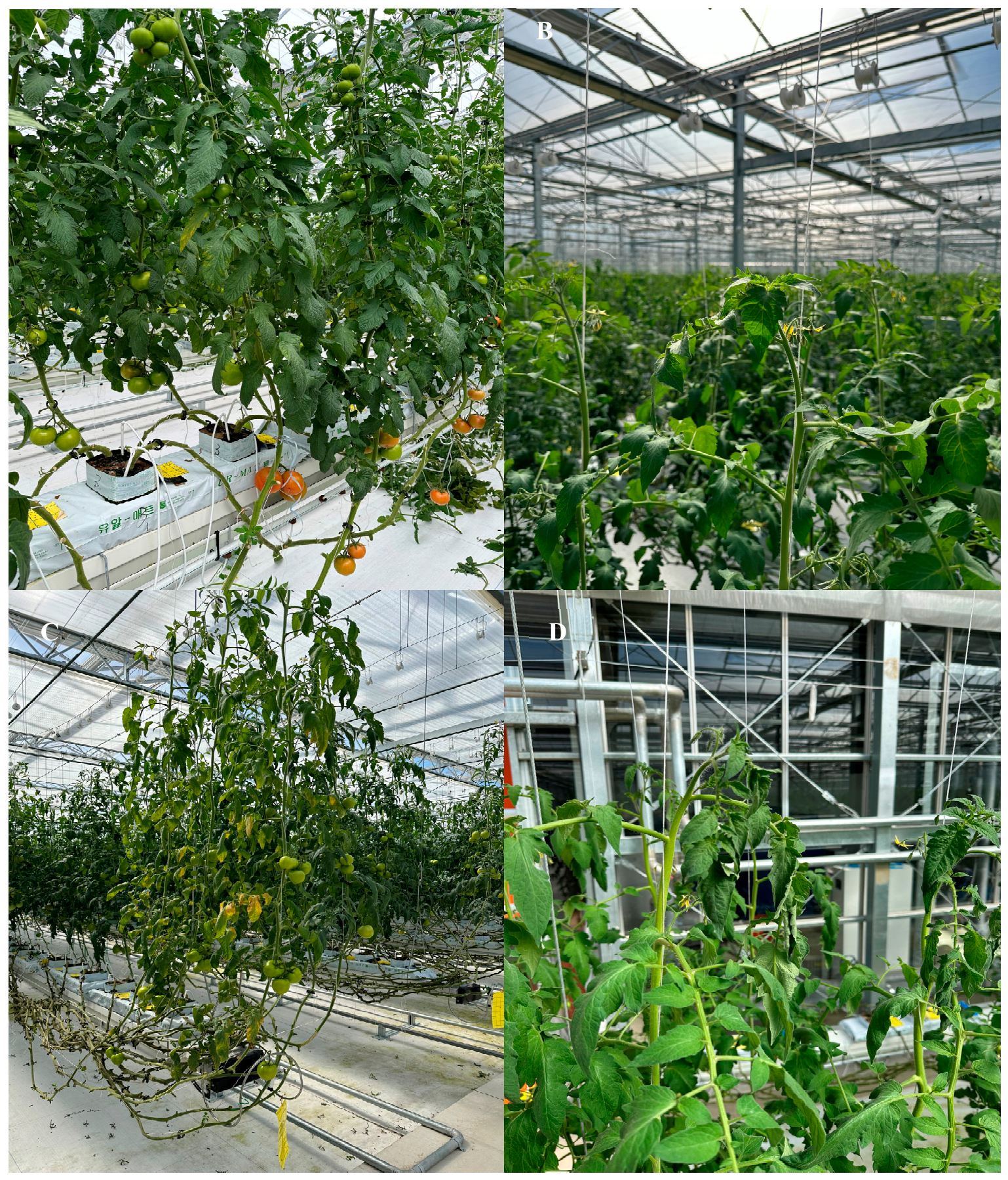
The TYLCV inoculum used in this study was obtained in 2021 from greenhouse-grown tomato plants collected from a commercial farm in Chuncheon, Gangwon Province, Korea. The source plants showed typical TYLCV symptoms, including yellowing and curling of young leaves. The presence of TYLCV in the source plants was confirmed by PCR using TYLCV-specific primers. TYLCV inoculation was conducted after the experimental plants were fully established. To minimize growth inhibition caused by early infection, mechanical inoculation was performed on plants that had developed at least the third flower truss. Sap extracted from PCR-confirmed TYLCV-infected leaves was suspended in phosphate buffer and applied to the leaf surfaces, whereas control plants received phosphate buffer only. After inoculation, the experimental plants were monitored for symptom development, and TYLCV infection was re-confirmed by PCR using the same TYLCV-specific primers. Inoculated plants showing positive PCR results exhibited leaf yellowing and curling symptoms consistent with TYLCV infection. Sequencing-based validation of the viral isolate was not performed in this study. To visually document the effects of TYLCV infection on plant morphology, representative images of both healthy and infected plants were captured under greenhouse conditions. Photographs were taken at comparable growth stages to ensure consistency in developmental status. Both canopy structure and shoot apex morphology were recorded to illustrate differences in vegetative growth and symptom expression between treatments. These visual observations are presented in
Figure 1.
2.2. Environmental Data Collection
Environmental conditions were monitored using an integrated greenhouse control system (MAXIMIZER 4.2.0 build 4771, Priva B.V., The Netherlands). Air temperature, relative humidity, solar radiation, and CO
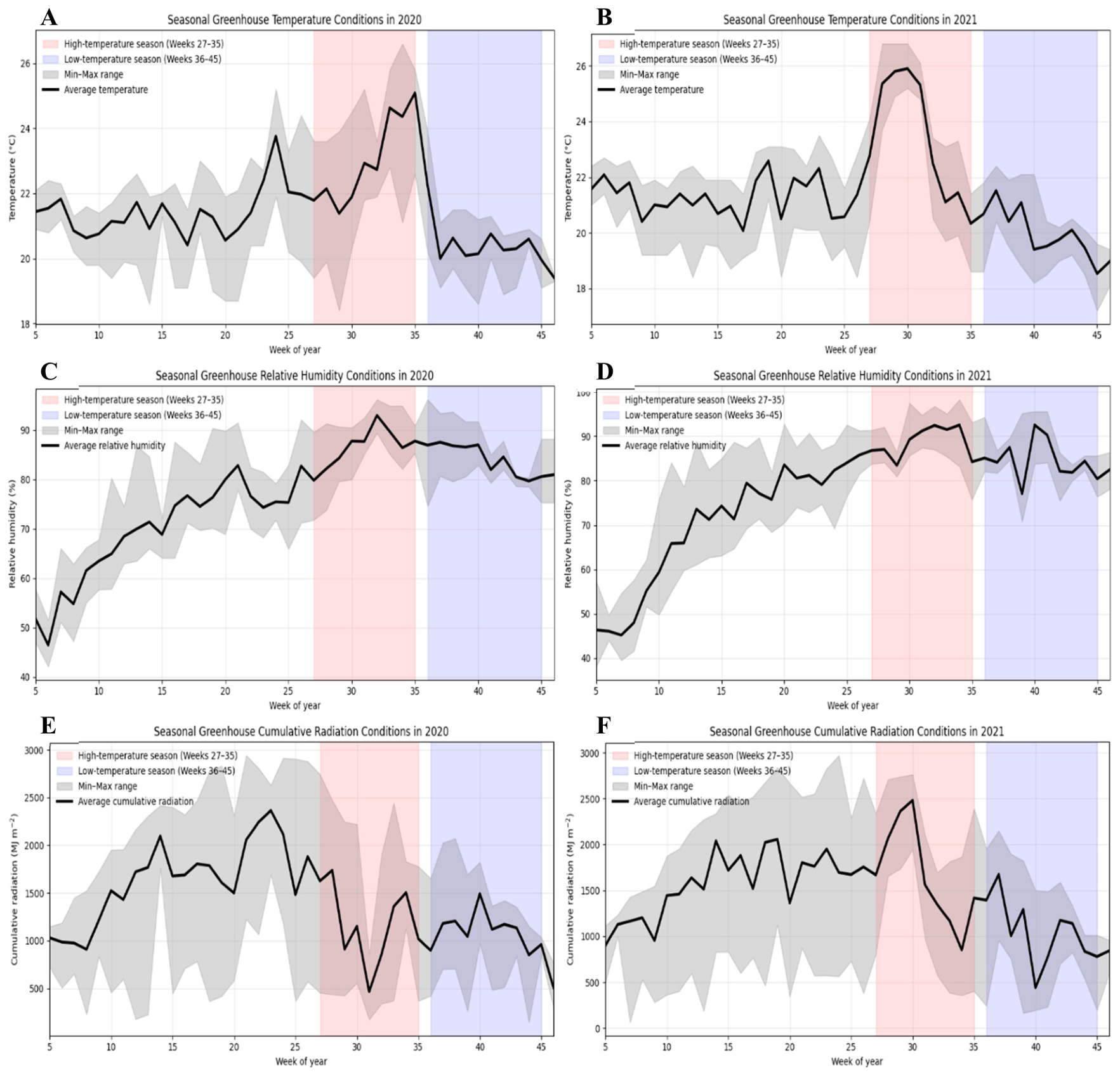
2 concentration inside the greenhouse were automatically recorded at 5 min intervals throughout the cultivation period, together with outside temperature and humidity. For environmental analysis, the cultivation period was divided into a high-temperature season (July–August) and a low-temperature season (September–November). Environmental data were averaged daily and summarized into monthly and seasonal means. Annual environmental variation is presented in
Figure 2. Greenhouse climate was automatically regulated using heating, ventilation, air circulation, and shading or thermal screens according to a standard management program. Daytime CO
2 concentration was maintained at 400–500 ppm. Irrigation and fertilization were supplied through a non-recirculating fertigation system using a modified Hoagland nutrient solution containing balanced macro- and micronutrients for tomato cultivation. The electrical conductivity (EC) of the nutrient solution was maintained between 2.1 and 2.8 dS m
−1. Substrate moisture content was maintained at 55–65% and continuously monitored using sensors inserted into the rockwool medium.
2.3. Growth and Yield Measurements
Growth measurements were conducted weekly during the high-temperature (1 July–31 August) and low-temperature (1 September–31 October) seasons. Ten stems per treatment (TYLCV-infected and healthy control) were selected for each cultivar, resulting in a total of 40 stems that were repeatedly measured throughout the experiment. Measured parameters included plant height increment, truss height, stem diameter, leaf length, leaf width, leaf number, leaf area, number of flowering trusses, number of fruit-setting trusses, and yield. Plant height was defined as the vertical distance from the rockwool slab surface to the apical meristem, and growth increment was calculated from successive measurements. Stem diameter was measured below the first flowering truss, while leaf length and width were measured from a representative leaf immediately below the flowering truss. The number of flowering trusses was defined as trusses with at least one fully opened flower or fruits smaller than 2 cm in diameter, whereas fruit-setting trusses contained fruits larger than 2 cm.
Leaf area index (LAI) was estimated non-destructively using the empirical equation proposed by Jang et al. (2021) [
15]:
where SD represents planting density (stems m
−2), L1 represents leaf number on the main stem, and L2 represents leaf number on the lateral stem. Leaf length and width were measured from representative leaves at the same developmental position in all treatments to ensure consistency in comparative evaluation. In this study, the estimated LAI values were used primarily as a relative indicator of canopy development among treatments rather than as an absolute measure of leaf area. Because TYLCV infection may induce leaf yellowing and curling, which could influence the accuracy of equation-based estimation, the LAI results should be interpreted with caution under infected conditions.
Fruits were harvested when surface coloration exceeded 80%. The number of harvested fruits and total fruit weight were recorded at each harvest. Total yield per plant was calculated as cumulative fruit weight during the cultivation period, and average fruit weight was obtained by dividing total yield by fruit number. Yield values were expressed as yield per stem for statistical comparison.
To quantify yield loss caused by TYLCV infection, relative reduction (%) was calculated as
where Healthy mean and Virus mean represent the average values of healthy and TYLCV-infected plants under the same cultivar and seasonal conditions.
2.4. Physiological Measurements
Physiological responses were evaluated using chlorophyll fluorescence and photosynthetic gas exchange measurements. Measurements were conducted on leaves at the same developmental stage following TYLCV inoculation. One representative leaf per plant (the second fully expanded leaf) was selected for measurement to ensure consistency in the developmental stage. Chlorophyll fluorescence was measured on the second fully expanded leaf using a portable fluorometer (Junior-PAM, Heinz Walz GmbH, Germany). Leaves were dark-adapted for 20 min before measurement. A saturating pulse of blue light (445 nm, 2800 µmol m
−2 s
−1) was applied to record minimum fluorescence (
Fo), maximum fluorescence (
Fm), and variable fluorescence (
Fv =
Fm −
Fo). The maximum quantum efficiency of photosystem II (
Fv/
Fm) was calculated as
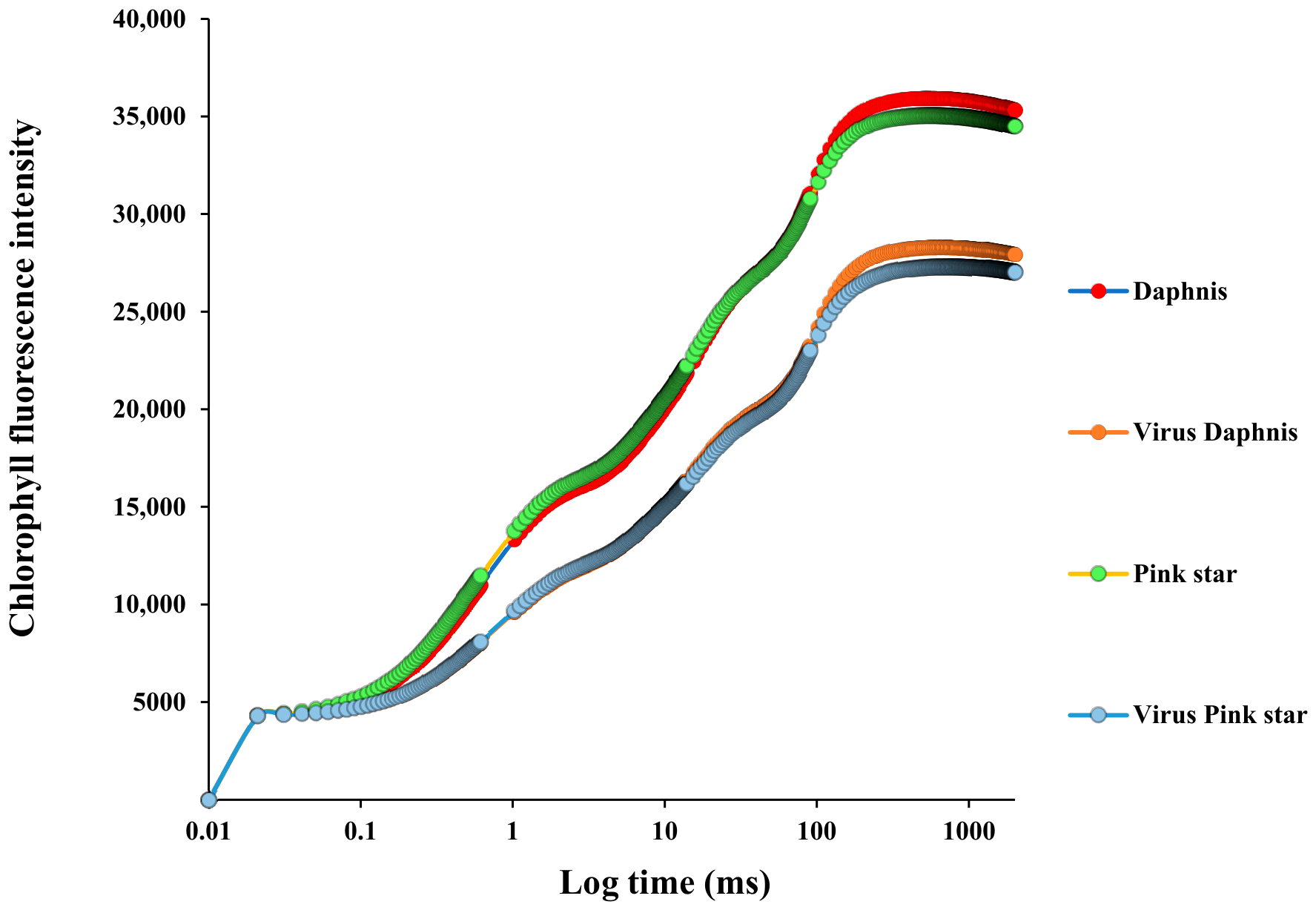
To evaluate electron transport characteristics in photosystem II, chlorophyll fluorescence OJIP transient analysis was also conducted.
Photosynthetic gas exchange was measured using a portable photosynthesis system (LI-6800, LI-COR Biosciences, Lincoln, NE, USA). Measurements were conducted between 07:00 and 09:00 to minimize diurnal variation. Fully expanded leaves without visible damage were placed in the chamber, and data were recorded after gas exchange stabilized.
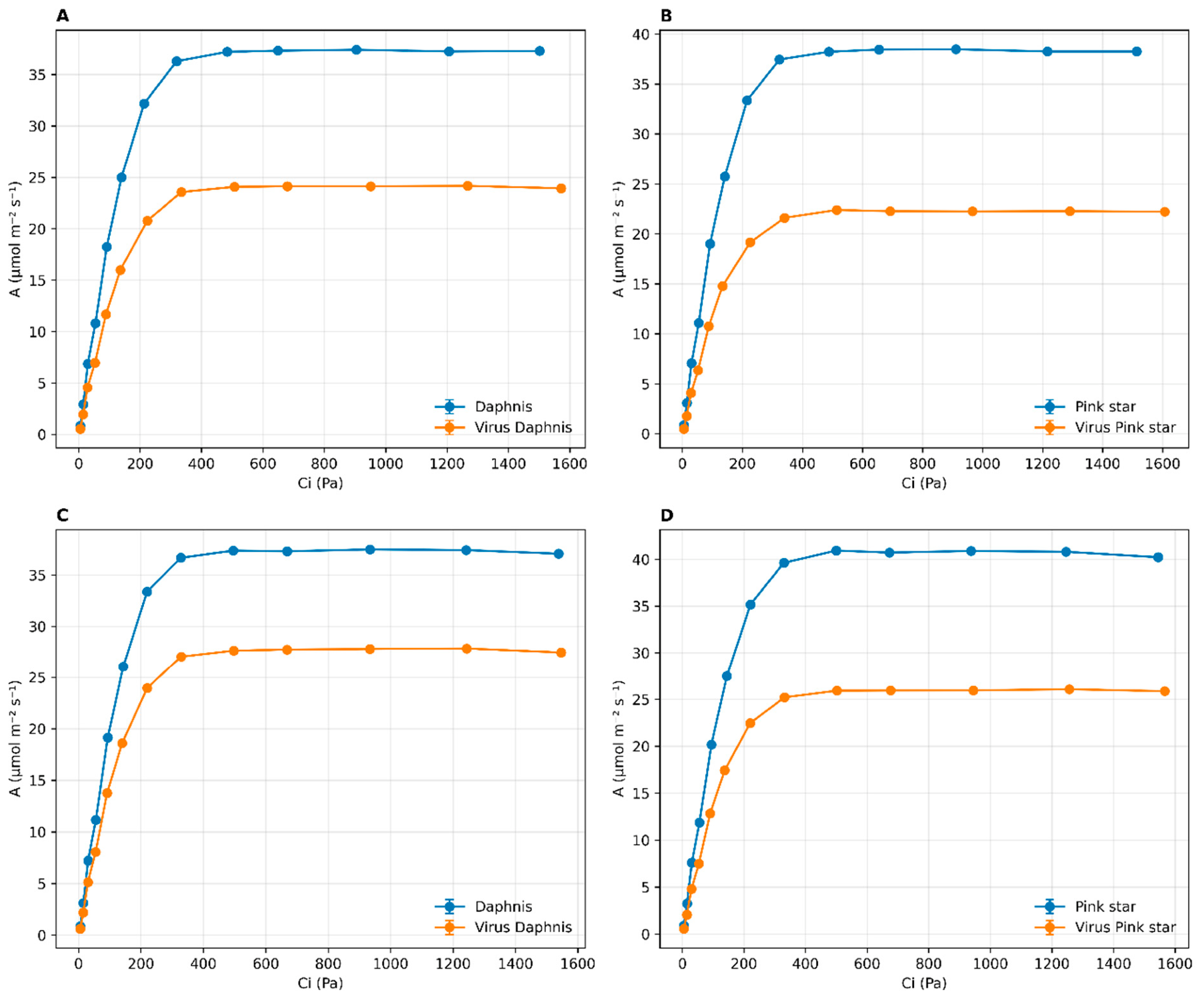
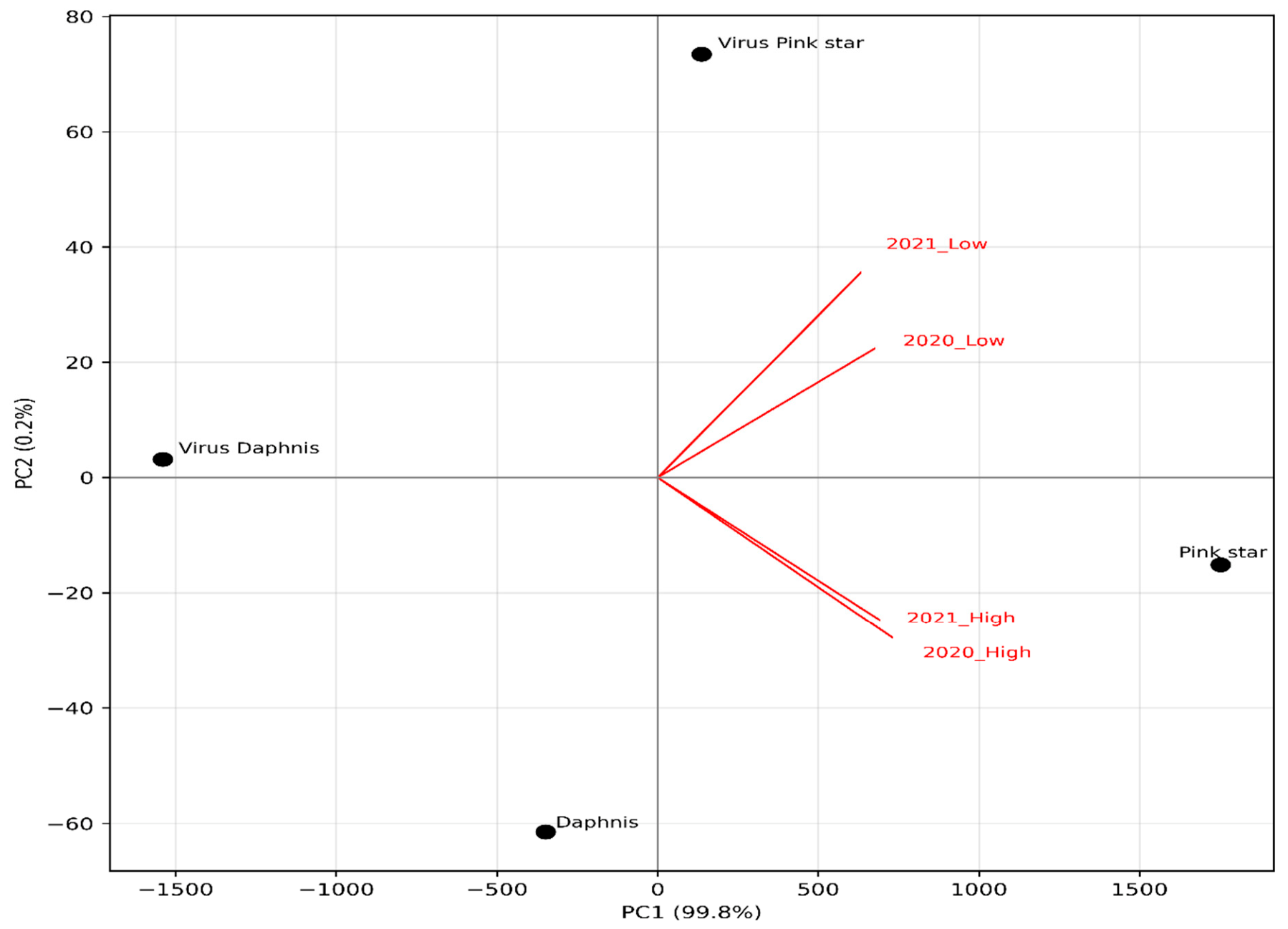
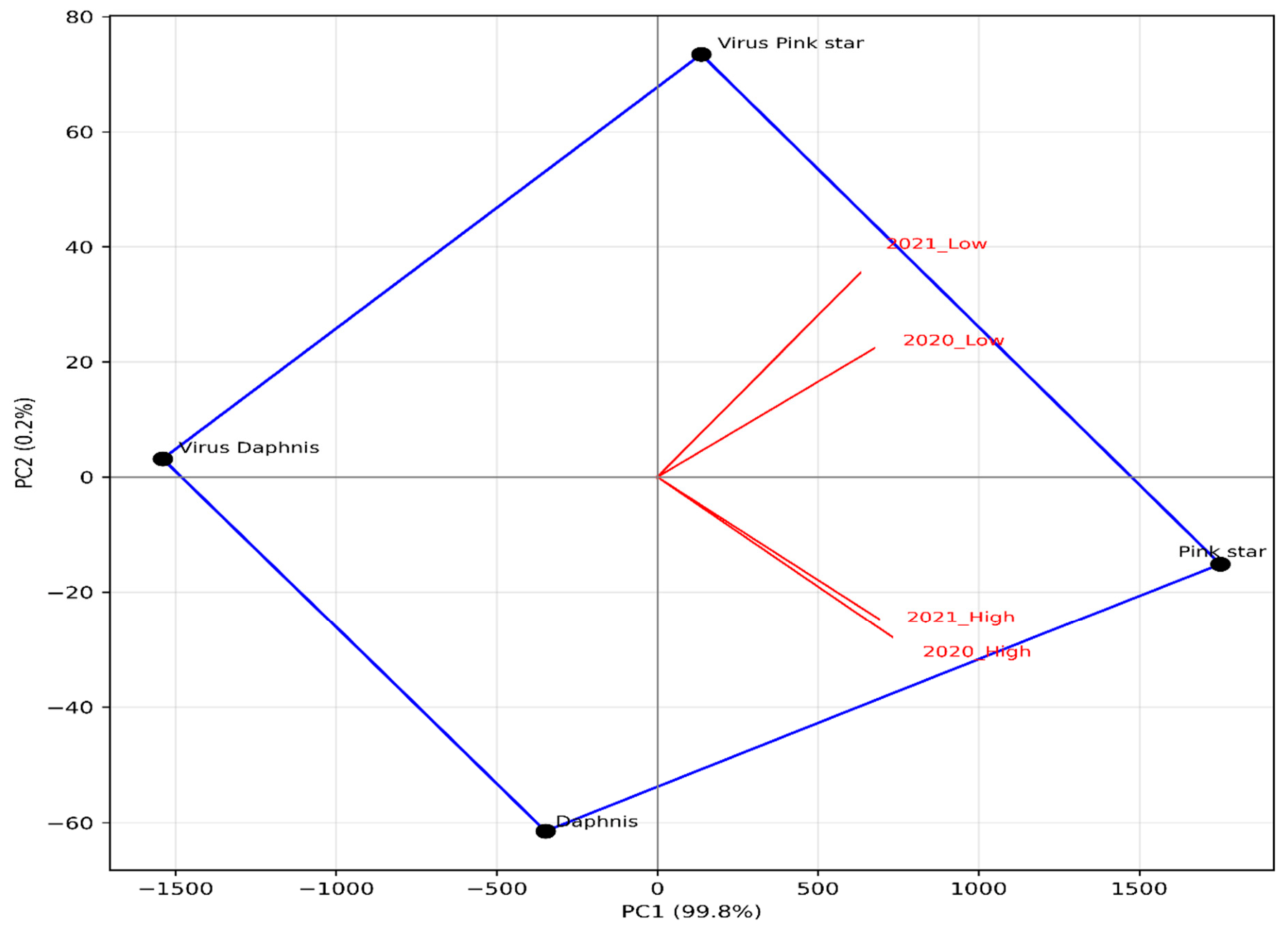
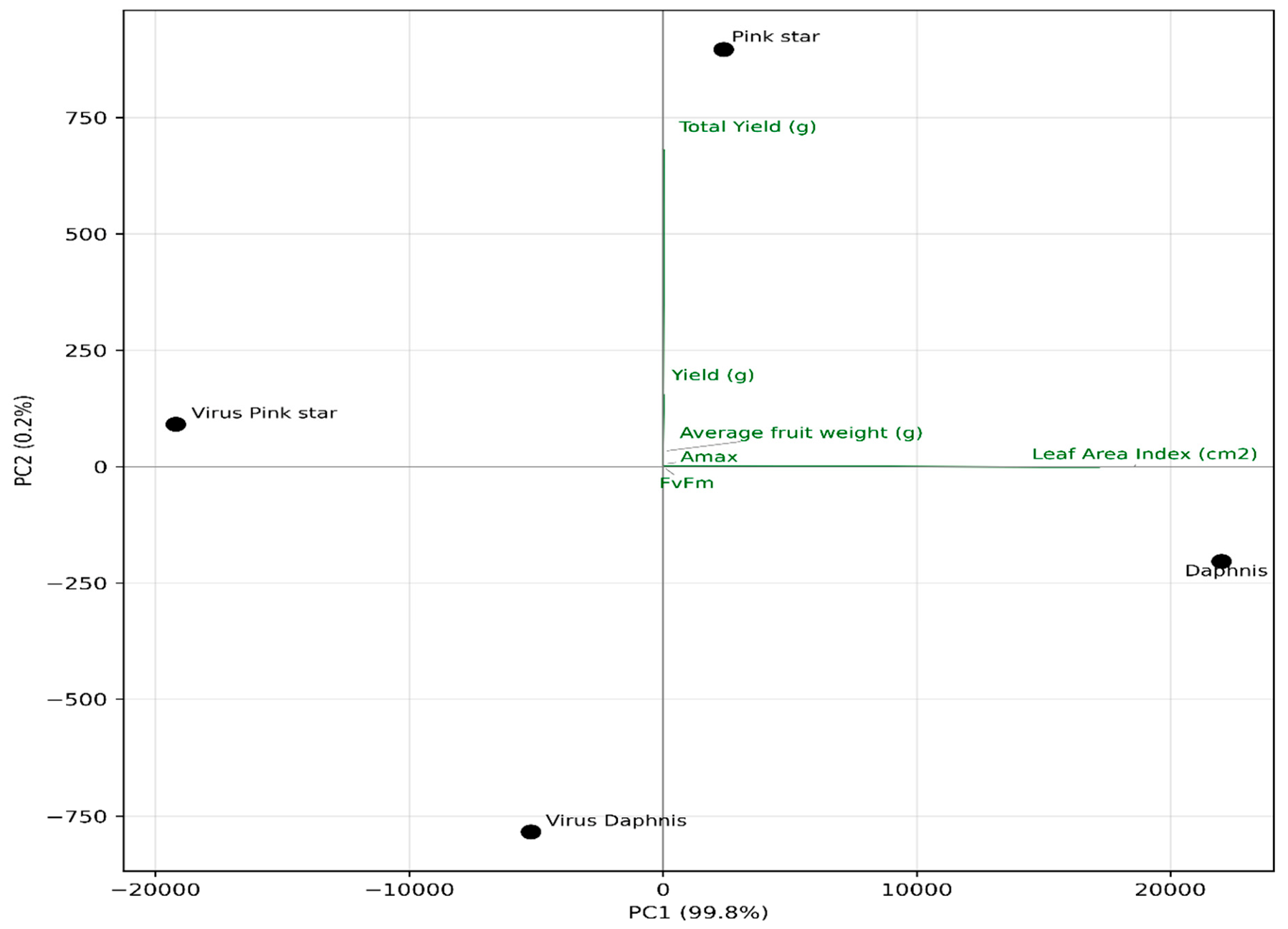
CO2 response curves (A–Ci curves) were obtained by stepwise adjustment of chamber CO2 concentration. Net photosynthetic rate (A; µmol m−2 s−1) and intercellular CO2 concentration (Ci; Pa) were recorded at each step to construct A–Ci curves. Intercellular CO2 concentration at 300 ppm (Ci300) and maximum photosynthetic rate (Amax) were used as key physiological indicators. Relationships among yield and physiological or growth traits were analyzed using GGE and GT biplot analyses based on principal component analysis (PCA). Trait relationships and genotype responses were visualized using the first two principal components (PC1 and PC2). All analyses were performed using R statistical software (R version 4.3.1).
2.5. Yield Prediction Model
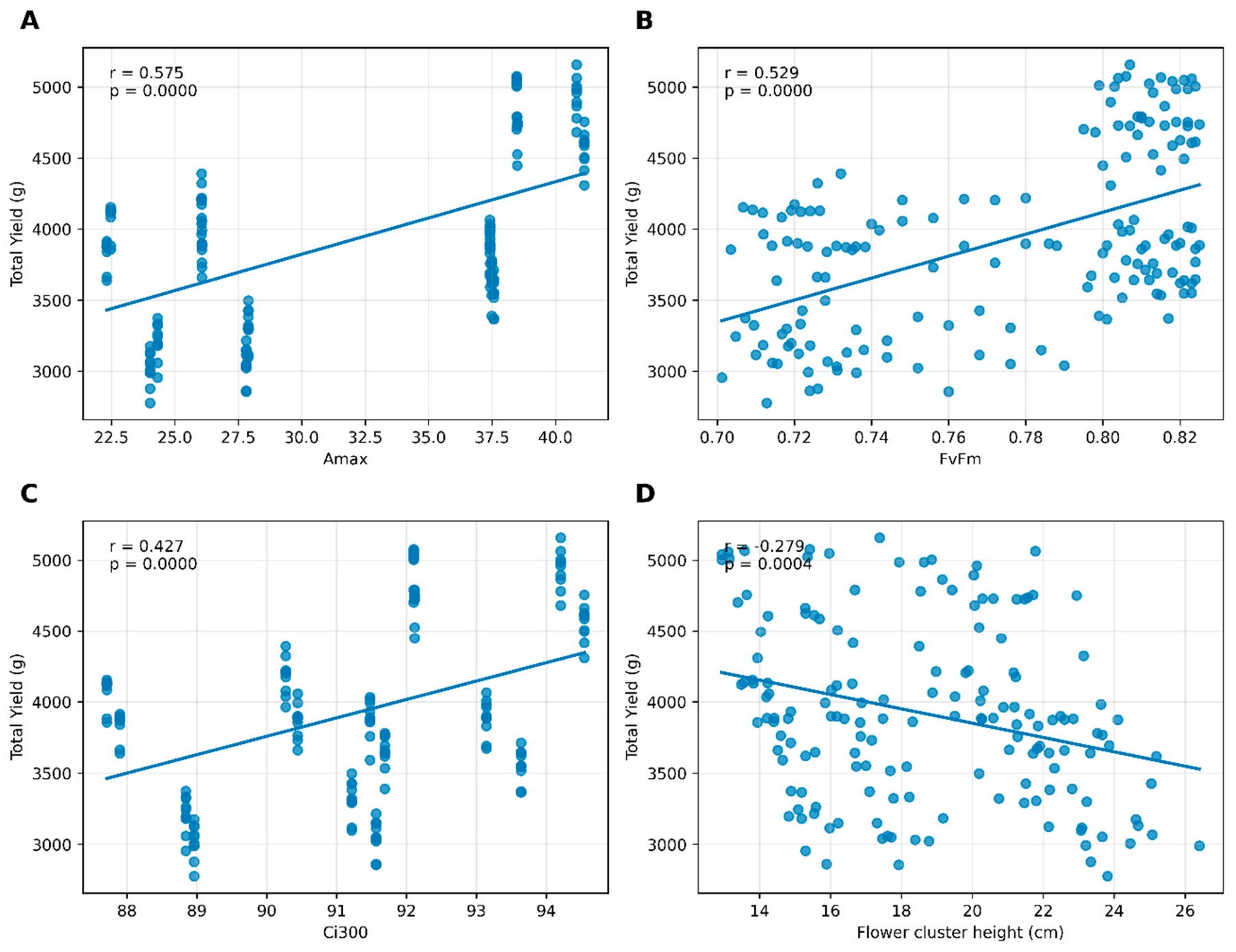
To explain and predict yield variation under TYLCV infection, a multiple linear regression model was developed using physiological and growth traits. Total yield per stem (g) was used as the dependent variable. Pearson correlation analysis was first conducted to identify traits significantly associated with yield. Variables showing significant correlations (Amax, Fv/Fm, Ci300, and truss height) were selected as candidate predictors. Multicollinearity among variables was evaluated using variance inflation factors (VIFs), and variables with VIF values exceeding 10 were excluded.
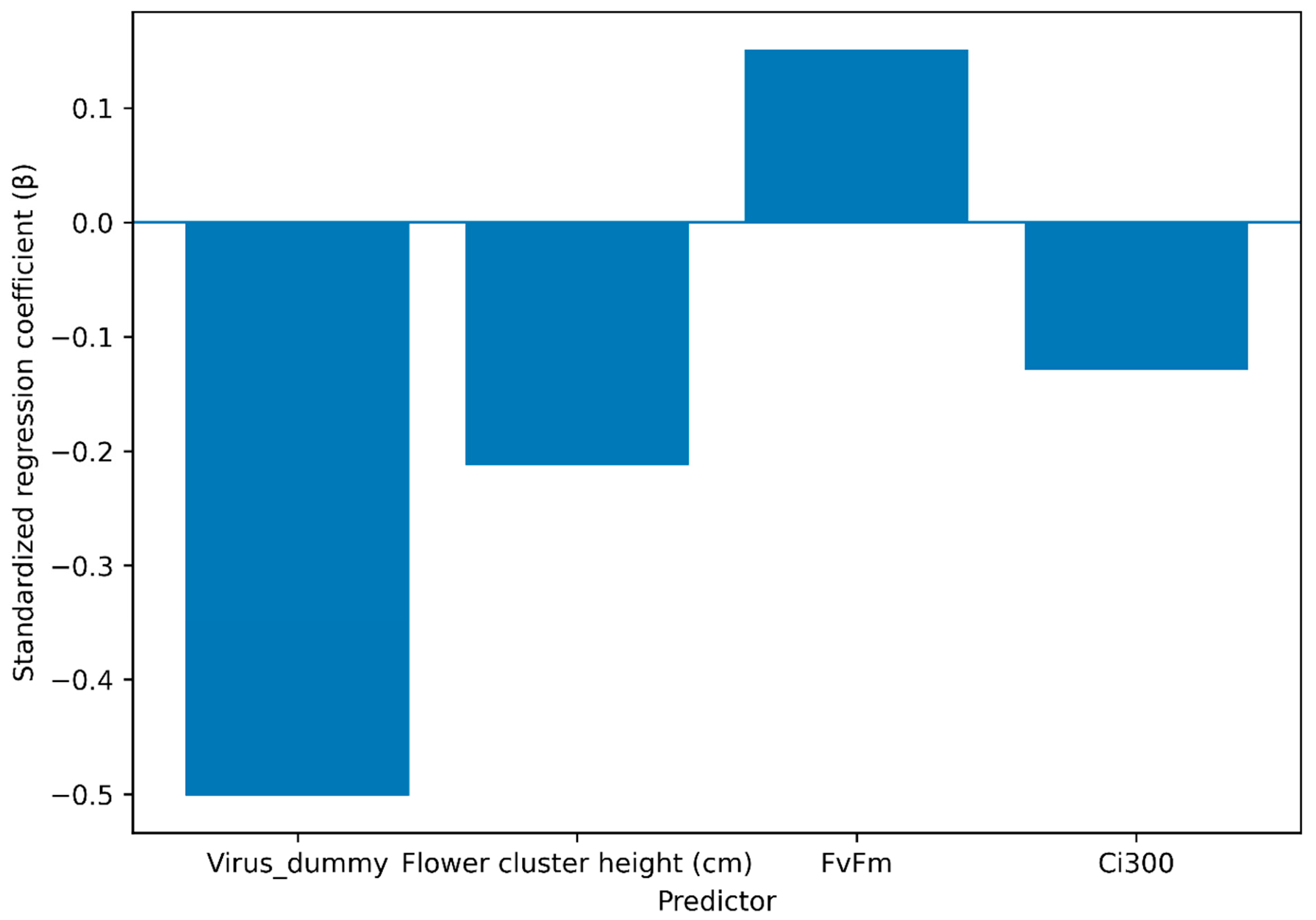
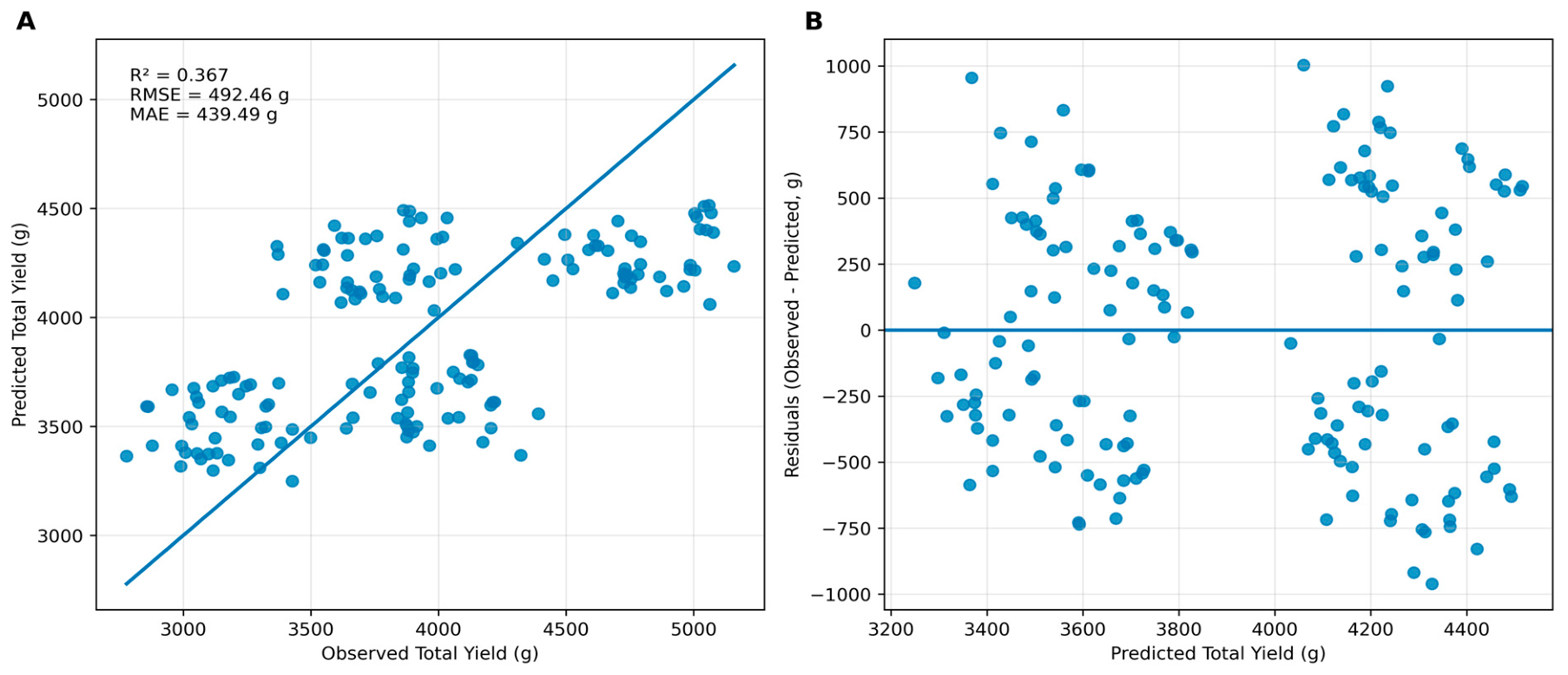
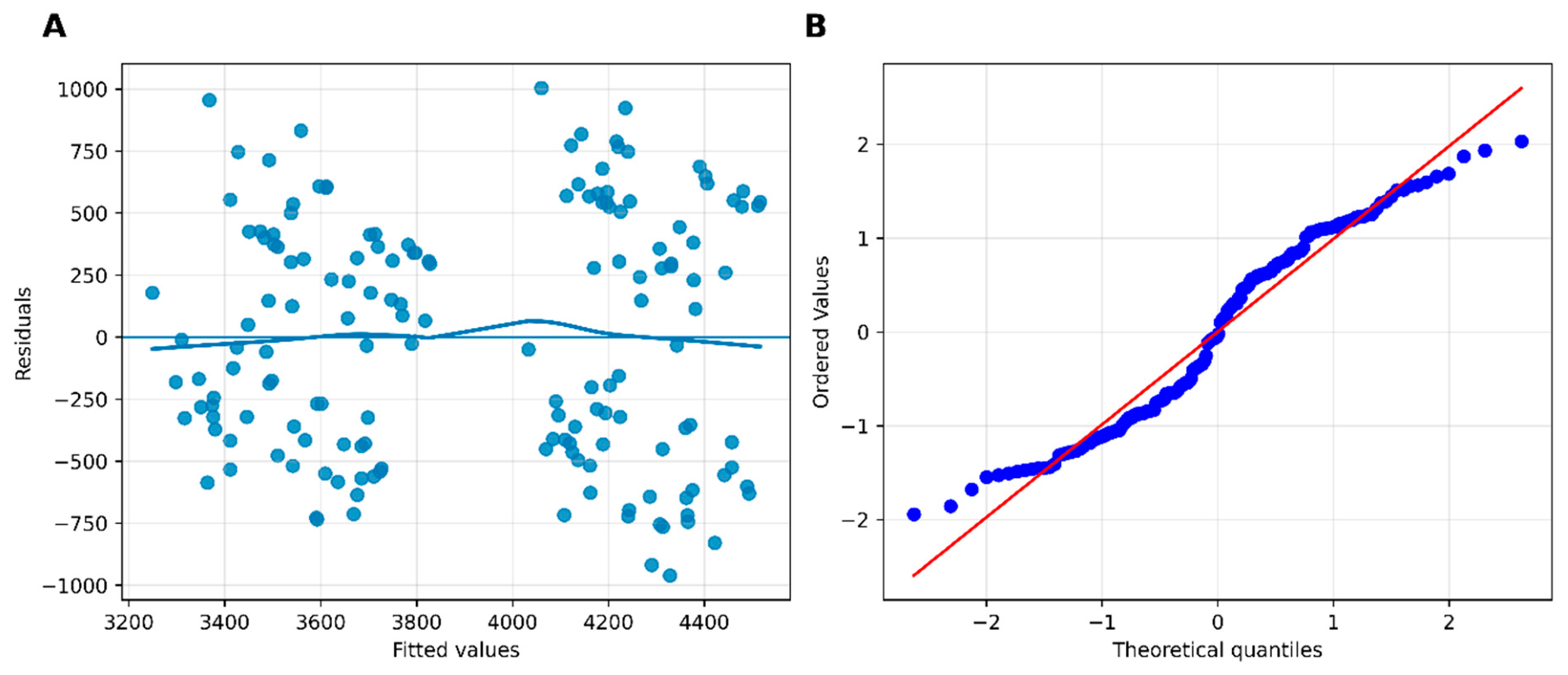
Stepwise regression was applied to determine the final predictors. In the final model, Fv/Fm and Ci300 were selected as key explanatory variables. TYLCV infection status was included as a dummy variable (healthy = 0, infected = 1). Model performance was evaluated using the coefficient of determination (R2), root mean square error (RMSE), and mean absolute error (MAE). RMSE reflects the square root of the average squared prediction errors and is more sensitive to large deviations, whereas MAE represents the average absolute difference between observed and predicted values and provides a more robust measure of overall prediction accuracy. Regression assumptions were assessed using residual distribution and normal Q–Q plots. All analyses were performed using R software.
2.6. Statistical Analysis
Growth, physiological, and yield data were analyzed using two-way analysis of variance (ANOVA) with cultivar and seasonal environment as factors. Mean comparisons were performed using Tukey’s HSD test at p < 0.05, and effect sizes were evaluated using partial η2. Relationships among traits were examined using Pearson correlation analysis. GGE and GT biplot analyses were conducted to visualize genotype–environment interactions and trait relationships. All statistical analyses and graphical visualizations were performed using R statistical software (R version 4.3.1).
4. Discussion
This study investigated the effects of tomato yellow leaf curl virus (TYLCV) infection on plant growth, physiological responses, and yield formation in greenhouse-grown tomatoes and evaluated the potential of physiological traits for predicting yield under virus infection conditions. The results demonstrated that TYLCV infection influences not only visible disease symptoms but also key physiological and structural processes, including photosynthetic performance, canopy development, and reproductive formation, ultimately leading to yield reduction [
1,
16]. By integrating physiological indicators related to photosynthesis with plant growth traits, this study provides a more comprehensive understanding of the physiological mechanisms through which viral infection affects tomato productivity.
TYLCV infection significantly altered the photosynthetic performance of tomato leaves. In the chlorophyll fluorescence OJIP transient analysis, infected plants exhibited reduced fluorescence increases during the J–I–P phases, indicating decreased electron transport efficiency in photosystem II (PSII) [
17,
18]. Changes in the OJIP fluorescence curve are commonly used as indicators of photochemical efficiency and electron transport dynamics in the photosynthetic apparatus. The reduction in
Fv/
Fm further confirmed that TYLCV infection decreased the maximum photochemical efficiency of PSII [
19,
20]. Similar responses have been reported in virus-infected plants, where viral infection can induce structural changes in chloroplasts or reduce chlorophyll content, both of which are closely associated with declines in photosynthetic efficiency. Therefore, the fluorescence responses observed in this study suggest that TYLCV infection may impose structural or functional constraints on the photosynthetic apparatus.
Alterations in the photosynthetic system were also reflected in reduced carbon assimilation capacity. The
A–
Ci response curve analysis showed that TYLCV-infected plants exhibited lower net photosynthetic rates under similar intercellular CO
2 concentrations, particularly at higher
Ci levels. This pattern suggests that TYLCV infection may influence not only stomatal regulation but also the biochemical processes of photosynthesis. Reduced photosynthetic rates are generally associated with factors such as decreased Rubisco activity, limitations in electron transport, or impaired chloroplast function [
21,
22]. Viral infection may simultaneously affect these processes by reducing stomatal conductance and altering chloroplast structure and photosynthetic enzyme activity, thereby resulting in both stomatal and non-stomatal limitations in photosynthesis.
Reduced photosynthetic performance may also influence plant growth and canopy structure. In the present study, TYLCV infection decreased leaf length, leaf width, and leaf area index (LAI), which may be associated with reduced assimilate production. In greenhouse tomato production systems, canopy structure and LAI are key traits determining the crop’s capacity to intercept light. A reduction in LAI decreases light interception per unit ground area and may consequently limit the carbon supply required for fruit enlargement [
9]. Consistent with this interpretation, GT biplot analysis showed that total yield was positioned in a similar direction to LAI and average fruit weight, indicating a close relationship between canopy development and fruit production [
14]. These results suggest that TYLCV infection affects yield formation through both reduced photosynthetic capacity and altered canopy structure [
10]. In addition, because LAI was estimated using an empirical equation based on leaf length and width, the accuracy of LAI estimation may have been affected by TYLCV-induced leaf deformation, such as yellowing and curling. Therefore, the LAI values in this study should be interpreted primarily as a relative indicator of canopy development rather than an absolute measure of leaf area.
The relative contributions of genotype and environmental conditions to yield variation were also evaluated. The GGE biplot analysis indicated that yield variation was more strongly explained by genotype effects than by seasonal environmental conditions. This finding suggests that productivity differences among cultivars may occur even under similar environmental conditions [
5]. In this study, the cultivar ‘Pink Star’ consistently showed higher yield potential than ‘Daphnis’, and its productivity remained relatively stable even under TYLCV infection conditions. These results imply that cultivar-specific characteristics such as growth vigor, photosynthetic capacity, or carbon allocation patterns may contribute to yield stability [
23]. Although many previous TYLCV studies have primarily focused on resistance genes, the present results suggest that physiological traits may also play an important role in explaining cultivar-specific productivity differences [
24].
Seasonal environmental conditions also influenced the magnitude of TYLCV effects. TYLCV replication and symptom expression are generally known to be enhanced under high-temperature conditions. In the present study, yield reduction was more pronounced during the high-temperature season, indicating that environmental stress may amplify the negative effects of viral infection. Under high-temperature conditions, plants often experience increased respiration and reduced photosynthetic efficiency. When viral infection occurs simultaneously, the plant carbon balance may be further disrupted, leading to greater reductions in growth and productivity [
6,
25]. Therefore, the interaction between viral infection and temperature stress may intensify physiological constraints on crop performance [
26].
Another objective of this study was to evaluate the potential of physiological traits for predicting tomato yield. Correlation analysis showed that maximum net photosynthetic rate (Amax) and
Fv/
Fm were positively associated with total yield, highlighting the importance of photosynthetic performance in determining crop productivity [
11]. In the multiple regression analysis, virus infection status was identified as the most influential predictor of yield variation, indicating that disease stress acts as a major limiting factor for tomato production [
27]. Although the explanatory power of the regression model was moderate (R
2 = 0.367), the results demonstrate that physiological trait-based models can provide a useful framework for predicting yield under virus infection conditions. Similar modeling approaches have also been reported in tomato under non-infected conditions, including process-based greenhouse growth models and fruit growth prediction models, which have been used to improve model localization, cultivar-specific calibration, and predictive precision under controlled environments [
28,
29].
However, the developed model did not fully explain the observed variation in tomato yield, indicating several limitations of the present study. First, although TYLCV infection was confirmed by PCR in both source and inoculated plants, sequencing-based validation of the viral isolate was not performed. In addition, the possibility of mixed infection with other mechanically transmissible viruses cannot be completely excluded. These factors may have introduced uncertainty in the interpretation of virus-specific effects on physiological responses and yield formation. Second, the regression model showed only moderate explanatory power (R2 = 0.367), suggesting that yield formation in greenhouse tomato production is influenced by multiple interacting factors beyond the physiological traits considered in this study. Environmental conditions, crop management practices, plant architectural traits, and genetic variability among cultivars may all contribute to yield variation and were not fully captured in the current model framework. Third, the estimation of leaf area index (LAI) was based on an empirical equation using leaf length and width, which may be affected by TYLCV-induced leaf deformation such as yellowing and curling. Therefore, LAI values should be interpreted primarily as a relative indicator of canopy development rather than an absolute measure of leaf area under virus infection conditions.
Future research should aim to address these limitations by incorporating more comprehensive datasets and validation approaches. In particular, sequencing-based virus identification and screening for potential co-infections would improve the reliability of infection characterization. In addition, integrating environmental variables, canopy structural parameters, and genotype-specific traits into modeling frameworks may enhance predictive accuracy. With the advancement of smart farming and precision agriculture technologies, real-time monitoring of plant physiological responses could further support the development of robust, data-driven yield prediction models under both biotic and abiotic stress conditions.
Overall, this study demonstrates that TYLCV infection reduces tomato productivity by simultaneously affecting photosynthetic performance, canopy development, and reproductive processes. In addition, the integration of physiological traits provided a quantitative framework for understanding the mechanisms underlying yield reduction and highlighted the potential of physiological trait-based approaches for predicting crop productivity under viral infection conditions. These findings may contribute to improving disease management strategies and productivity forecasting in greenhouse tomato production systems.





 ,
,