Numerical simulations of the internal and external flow patterns for the three nozzle designs were conducted using ANSYS Fluent 2022 software [
24], with analyses performed on the internal pressure distribution, velocity distribution within the nozzle, axial velocity profile at the nozzle outlet, velocity profile at the 120 mm cross-section of the nozzle outlet, and velocity profile at the 200 mm cross-section of the nozzle outlet. Based on the analysis of nozzles with different structures for each design, optimal single-factor variables were selected to conduct an orthogonal experimental design, thereby identifying the optimal combination of parameters.
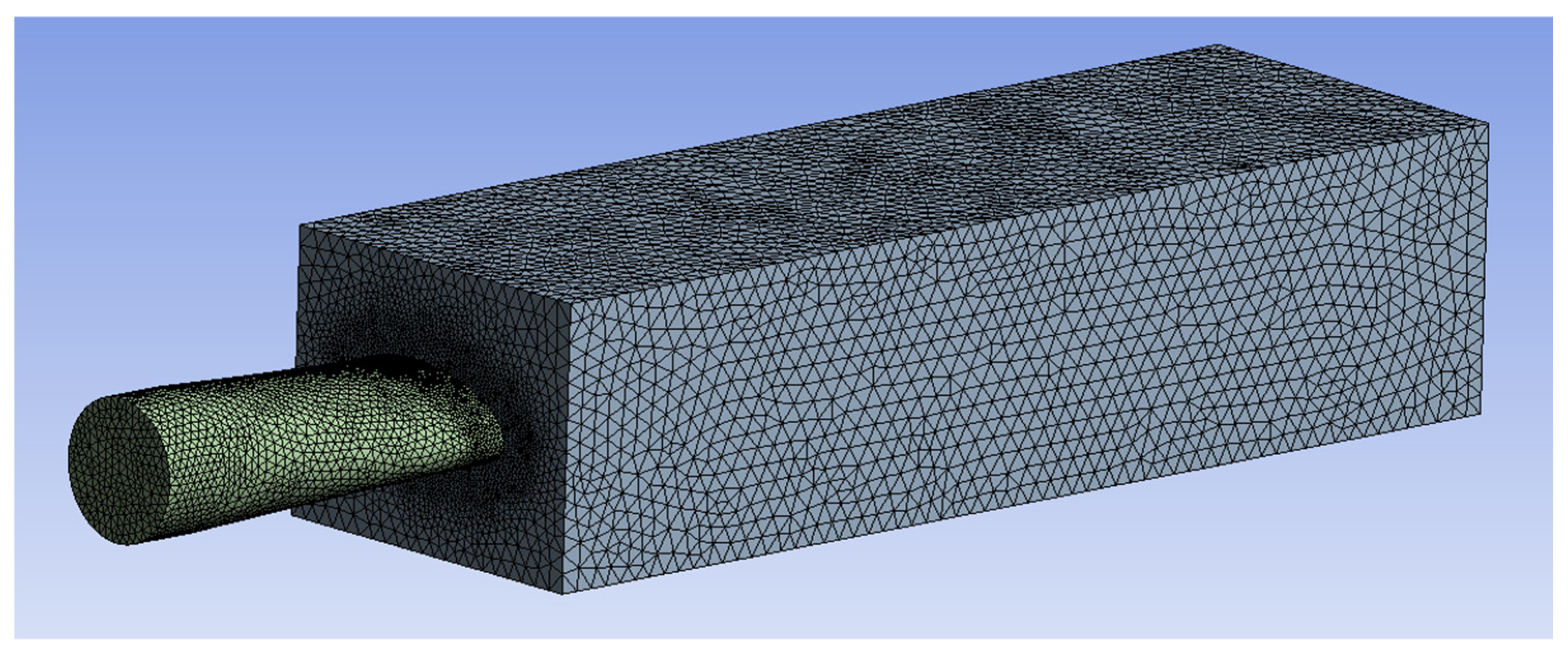
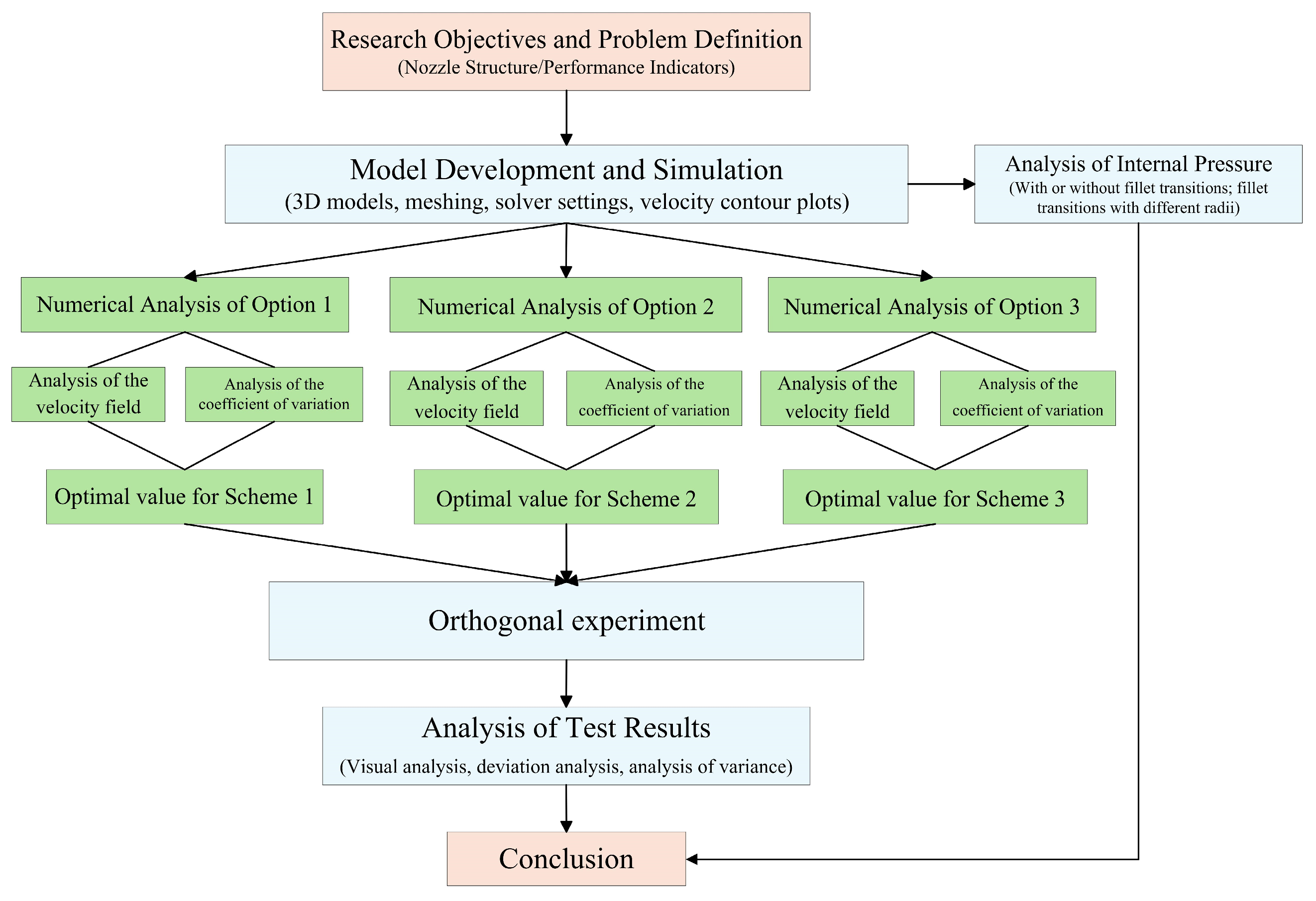
Figure 5 illustrates the flow field simulation and numerical analysis workflow for this study.
3.1. Pressure Distribution Inside the Nozzle
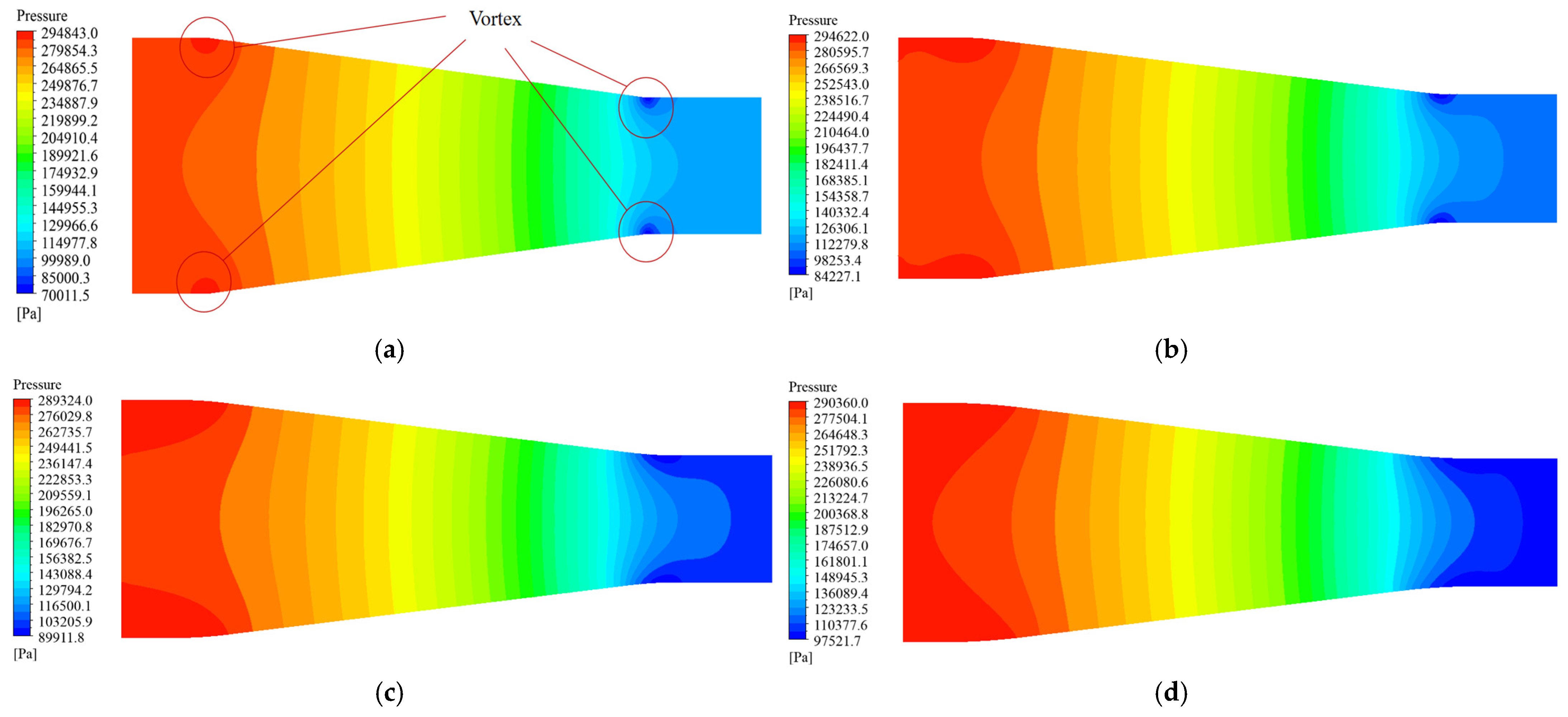
As shown in
Figure 6a, the streamlines curve at the junction between the inlet and outlet sections; the pressure on the outer side of the pipe wall is higher than that on the inner side, and there is a marked pressure jump at the bend, which is prone to generating vortices and causing energy losses. In the case of a nozzle without a fillet transition, there is a distinct local high-pressure zone at the inlet, whilst a local low-pressure zone appears on the wall of the straight section at the nozzle outlet, indicating that flow separation has occurred at this point, resulting in vortex losses and significant pressure losses. As shown in
Figure 6b–d, after adding transition sections with different fillet radii (
R), the internal pressure distribution tends to become more uniform, the gradient changes slow down, the local high-pressure zones shrink, and the overall pressure drop becomes more gradual. When
R is 20 mm, the improvement in suppressing vortices is limited, and a small-scale vortex zone still exists at the transition point; when
R is 50 mm, the flow conditions are significantly optimised; the distribution of pressure contour lines in the constriction section becomes smoother and more uniform, and the vortex regions almost disappear, though they still exist; when
R is 80 mm, the distribution of internal pressure gradients is uniform, the vortex regions disappear, pressure losses are reduced, and the flow at the outlet is most stable. Based on the above analysis, the introduction of a fillet transition effectively reduces flow resistance, suppresses vortex formation, improves the nozzle’s aerodynamic performance, and enhances flow efficiency and stability. A comparison shows that increasing the fillet transition radius significantly optimises the internal pressure distribution within the nozzle and improves the flow state. When the fillet transition radius
R is 80 mm, the nozzle’s internal flow performance approaches the optimum, whilst the internal flow losses are greatest in nozzles without a fillet transition.
3.2. Numerical Analysis of Scheme 1
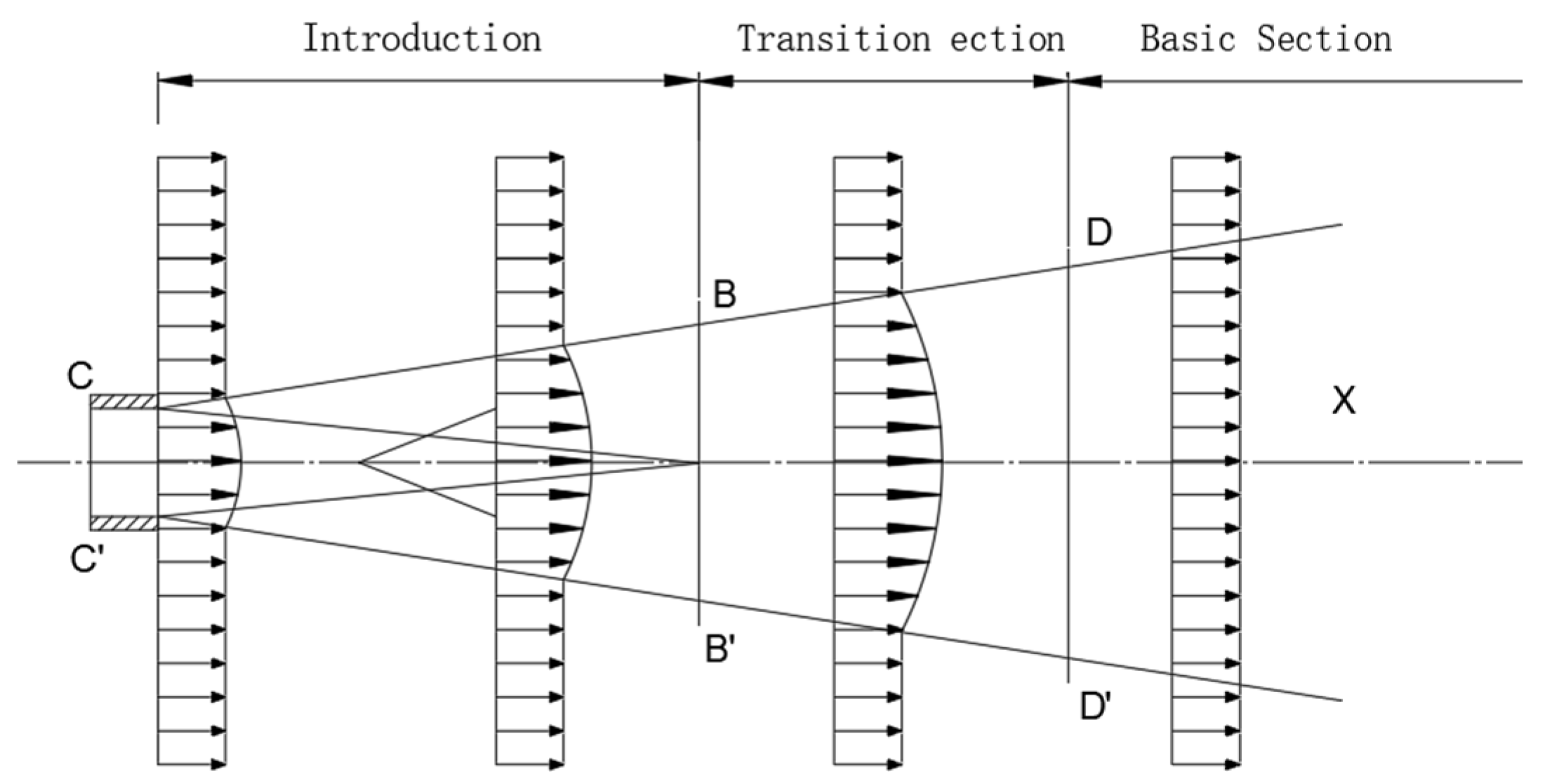
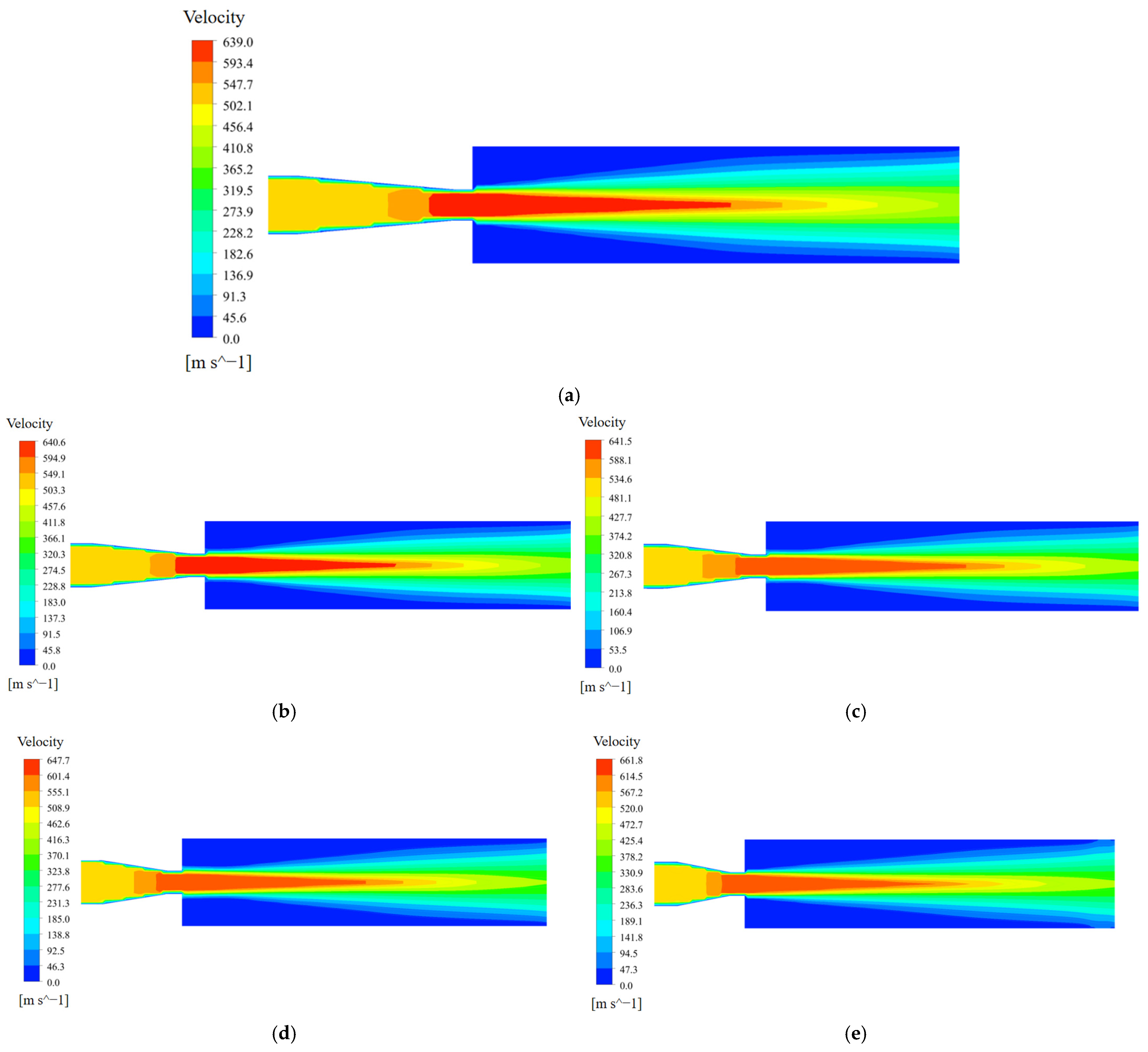
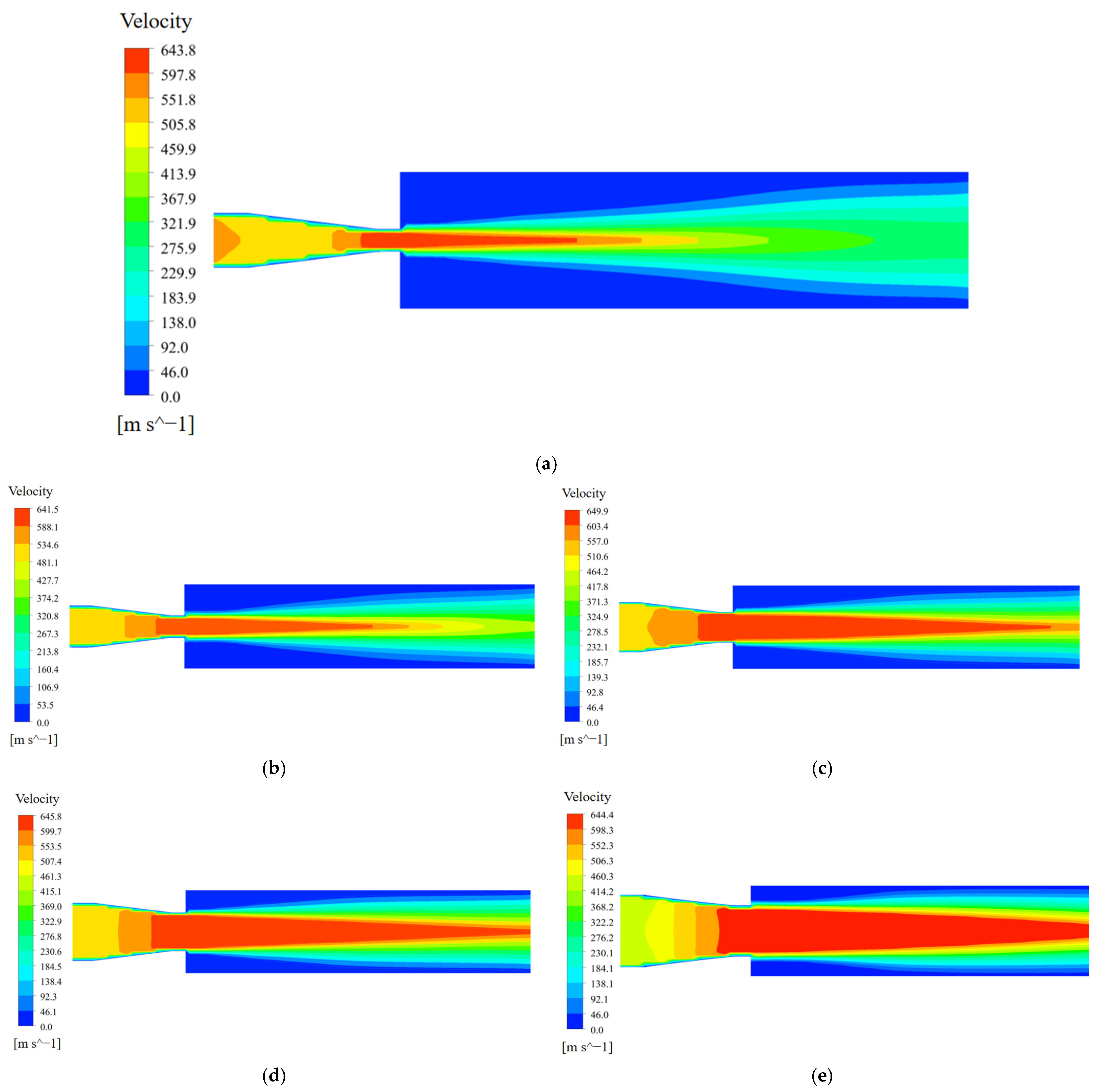
Figure 7 shows the velocity field distribution of nozzles with different contraction angles, as processed using CFD-Post. The jet shapes produced by nozzles of different structures are all laminar, which meets the basic requirements of the impurity removal and sorting device. However, there are certain differences in the outer flow field conditions, maximum velocity, and core length of the jet among nozzles with different structural parameters. When the nozzle contraction angle is 10°, 12°, 14°, 18°, and 22°, the maximum velocities are 639 m/s, 640.6 m/s, 641.5 m/s, 647.7 m/s, and 661.8 m/s, respectively. It can be observed that as the contraction angle increases, the maximum velocity of the flow field also increases.
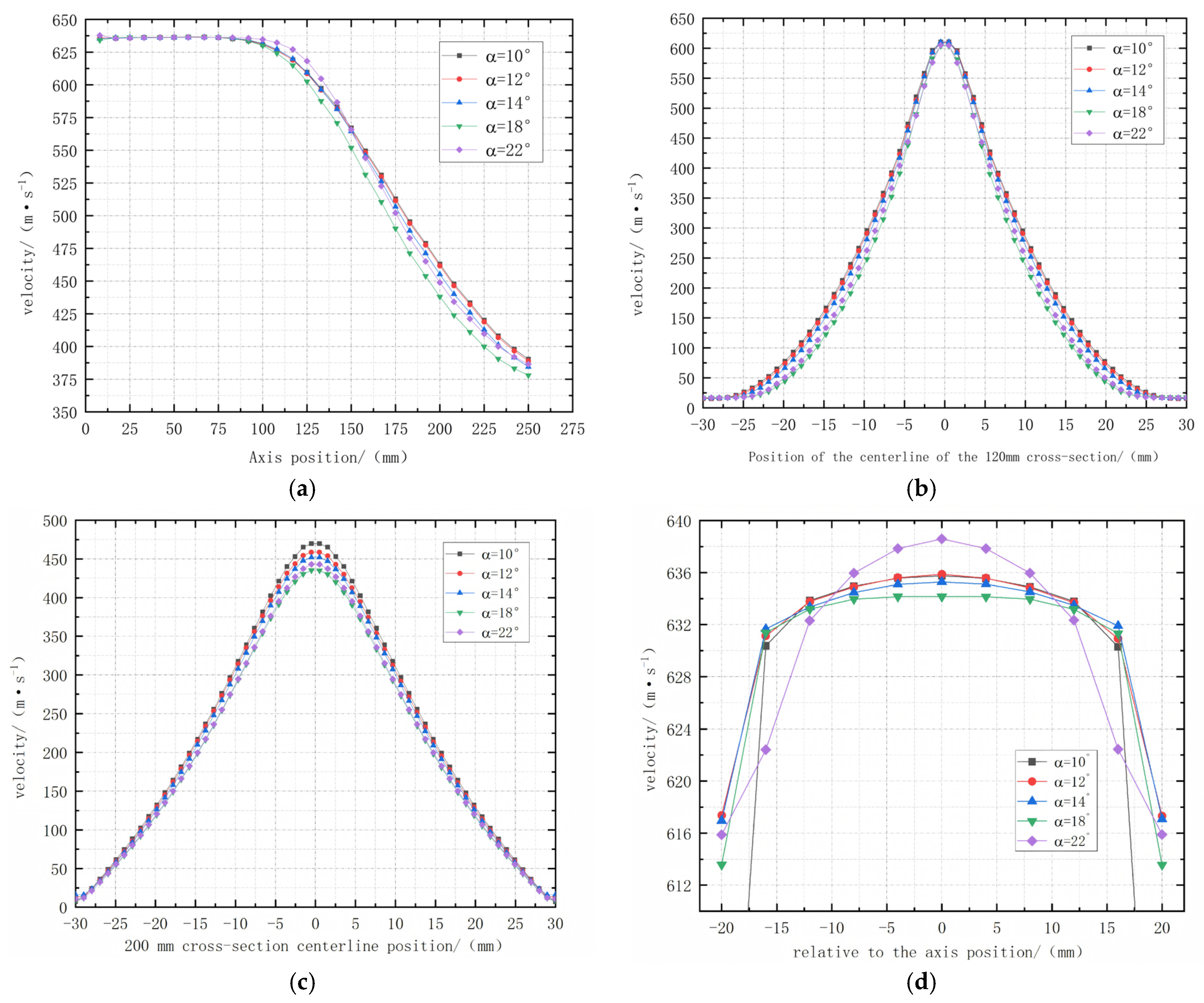
Figure 8a shows the variation in axial velocity along the flow direction for nozzles with different contraction angles. The jet core region refers to the section where the axial velocity remains high and stable; its length reflects the jet’s ability to maintain momentum. In the initial section, the axial velocity for all contraction angles remains essentially constant at 635–640 m/s, with only minimal decay, indicating that the core region is stable and that turbulent diffusion has not yet significantly affected the main flow velocity. In the transition section, the velocity begins to decrease slowly, and differences among the various angles gradually become apparent: the velocity for the 22° contraction angle is slightly higher than that of the other angles, while for the remaining angles, the rate of decay accelerates as the contraction angle increases, with the 18° contraction angle exhibiting the fastest decay. Upon entering the main stage, velocity decay significantly accelerates, and the velocity differences between angles widen markedly. The smaller the contraction angle, the slower the decay and the higher the retained velocity. The decay processes for contraction angles of 10° and 12° are relatively similar in this stage, indicating that reducing the contraction angle to 10° has a minimal further impact on the degree of decay. Overall, when the nozzle contraction angle is between 10° and 14°, the axial velocity decay is slower, the jet penetration capability is stronger, and a more favorable axial velocity distribution can be achieved.
Figure 8b shows the axial velocity distribution curve for a 120 mm cross-section at the nozzle outlet. All curves exhibit a typical Gaussian bell-shaped distribution, with the highest velocity at the axial position of 0 mm, gradually decreasing radially toward both sides until approaching 0, consistent with the radial velocity distribution characteristics of a free jet. To quantify the lateral diffusion characteristics of the jet, the jet half-width is introduced (defined as the radial distance at which the velocity drops to half the maximum velocity at that cross-section; in this paper, the full width at half height is used). Regarding the axial peak velocity, the peak velocities for contraction angles of 10°, 12°, and 14° are relatively close, with a peak velocity of approximately 615 m/s; the peak velocities for contraction angles of 18° and 22° are similar, with a peak velocity of approximately 610 m/s. The curves for contraction angles of 18° and 22° exhibit faster radial decay and a smaller jet half-width, indicating a more concentrated jet core and weaker radial diffusion; The curves for contraction angles of 10°, 12°, and 14° exhibit a gentler radial decay, a larger half-width, more thorough radial diffusion of the jet, stronger mixing with the surrounding fluid, and a larger coverage area for the high-speed jet. Analysis indicates that a contraction angle of 10–14° at the 120 mm outlet position is more conducive to achieving a wider jet influence range and stronger mixing effects.
Figure 8c shows the axial velocity distribution curve at the 200 mm cross-section downstream of the nozzle outlet. Compared to the 120 mm cross-section, the peak velocity at the 200 mm cross-section decreases by approximately 25% overall, indicating that the jet continues to attenuate as it propagates downstream.
Figure 8d shows the velocity distribution curves for the nozzle outlet cross-sections at different contraction angles. All exhibit a symmetrical parabolic distribution, with the highest velocity at the axial position, gradually decreasing radially, and reaching a minimum at the wall. This distribution characteristic conforms to the basic laws of flow within the nozzle. The contraction angle has a significant effect on the velocity distribution at the nozzle outlet. By calculating the non-uniformity coefficient (M) of the velocity distribution at the outlet cross-section, the data obtained are shown in
Table 6.
As the contraction angle increased from 10° to 14°, the non-uniformity coefficient gradually decreased from 3.58% to 1.10%, indicating a continuous improvement in flow uniformity; when the contraction angle was further increased to 18° and 22°, the non-uniformity coefficient rose to 1.28% and 1.41%, respectively, showing a trend toward deteriorating uniformity. Therefore, within the range of contraction angles examined in Scheme 1, there exists an optimal contraction angle range (α approximately 12–14°) where flow uniformity is optimal and the non-uniformity coefficient can reach a minimum of 1.10%. This result provides an important basis for subsequent orthogonal experiments on geometric parameters.
In summary, in this study, when the nozzle contraction angle is controlled between 12° and 14°, the overall performance of the flow field is optimal, achieving a good balance between the core velocity of the jet and flow uniformity.
3.3. Numerical Analysis of Scheme 2
Figure 9 shows the axial velocity distribution for nozzles with different parameters.
λ has a significant effect on the jet half-width and cross-sectional velocity; as
λ increases, the axial velocity first rises and then falls, whilst the jet half-width continues to increase. When
λ is 0.61, the half-width is small and the velocity profile is steep; the jet is concentrated but lacks sufficient diffusion. When
λ is 0.66, the half-width increases significantly and the radial velocity profile is flattest, maintaining a high flow velocity over a wide range, thereby achieving a good balance between concentration and diffusion. When
λ is 0.7, the half-width increases slowly and the axial velocity decreases slightly, indicating that an excessive ratio of outlet height to inlet diameter tends to exacerbate energy dissipation and increase central momentum loss.
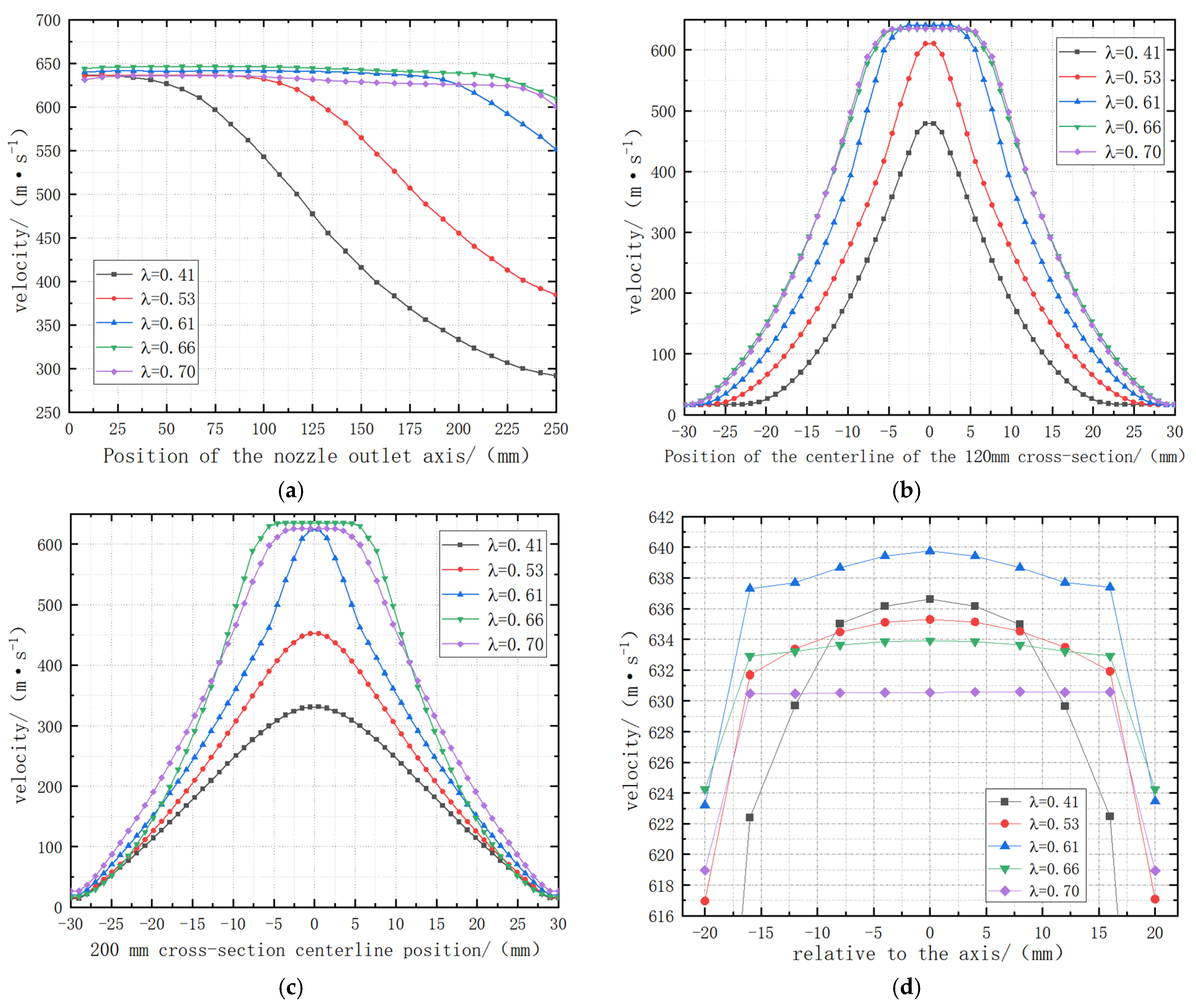
Figure 10a shows the variation in the axial velocity of the jet for different values of
λ. The higher the value of
λ, the slower the jet velocity decays; appropriately increasing the value of
λ can effectively delay the velocity decay and improve the jet’s velocity retention capability.
Figure 10b shows the axial velocity distribution at the 120 mm outlet cross-section.
λ has a significant influence on the jet half-width and cross-sectional velocity: as
λ increases, the axial velocity first rises and then falls, whilst the jet half-width continues to increase. When
λ is 0.61, the half-width is small and the velocity distribution curve is steep; the jet is concentrated but insufficiently diffused. When
λ is 0.66, the half-width increases significantly, and the radial velocity distribution curve is the flattest, maintaining high flow velocities over a wider range, thereby achieving a good balance between concentration and diffusion. When
λ is 0.70, the half-width increases slowly and the axial velocity decreases slightly, indicating that an excessively large outlet height tends to exacerbate energy dissipation and increase central momentum loss.
Figure 10c shows the axial velocity distribution at the 200 mm cross-section at the outlet; all curves exhibit a typical Gaussian bell-shaped distribution. Compared with the 120 mm cross-section, the overall velocity reduction at the 200 mm cross-section decreases as the nozzle height increases, with a maximum reduction of approximately 50%. As
λ increases, the peak velocity rises significantly. A greater throat height implies a larger flow cross-sectional area; under constant flow conditions, this allows for higher static energy to be obtained by reducing the velocity coefficient, thereby increasing the core velocity of the jet. As
λ increases, the jet half-width gradually increases; however, when
λ is 0.66, the rate of decline in axial velocity at the cross-section is faster than when
λ is 0.7 at distances greater than 12.5 mm from the centre. This indicates that for
λ = 0.66, the optimal injection distance should be less than 200 mm. Analysis shows that when
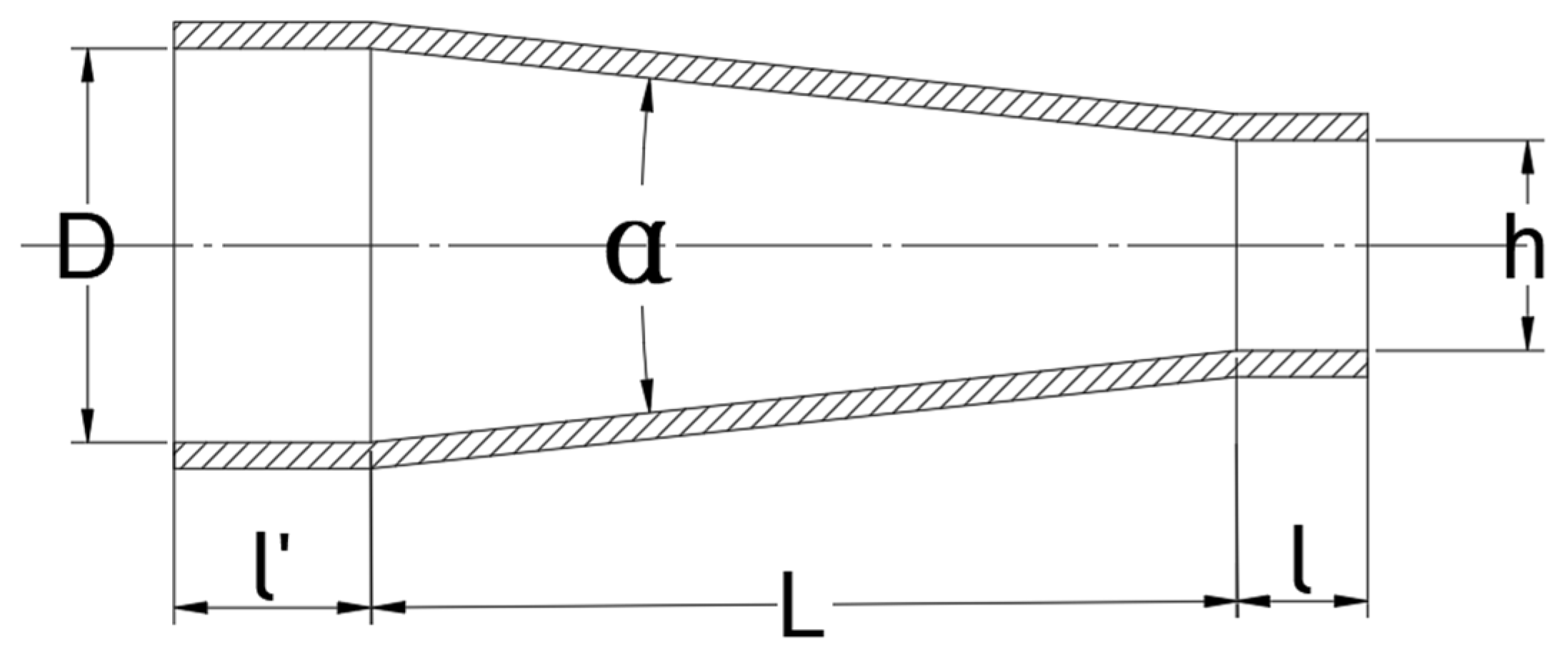
λ is 0.66—i.e., with an inlet diameter of 42 mm and an outlet height of 28 mm—the jet core is at its longest and the velocity remains most stable. This configuration maintains the jet flow rate whilst achieving moderate radial diffusion, resulting in superior uniformity of the velocity distribution over medium to long distances.
Analysis of the velocity distribution curve at the nozzle outlet cross-section shown in
Figure 10d reveals that when
λ is less than 0.61, velocity uniformity is poor and there is a distinct low-velocity region at the edges; when
λ is moderate (
λ ≈ 0.66), the jet velocity is high and the distribution is uniform, resulting in optimal flow field performance; when
λ is high (
λ ≥ 0.66), velocity uniformity is maintained, but the overall velocity decreases, leading to a reduction in energy efficiency.
As can be seen from the data in
Table 7, as
λ increases from 0.41 to 0.66, the coefficient of variation decreases steadily from 3.10% to 0.79%, a reduction of 2.31%. When
λ increases from 0.41 to 0.53, the coefficient of variation drops sharply from 3.10% to 1.10%, representing the most significant improvement. Thereafter, as the outlet height was further increased, the rate of decrease in the non-uniformity coefficient gradually slowed. When
λ increased from 0.66 to 0.70, the non-uniformity coefficient rebounded from 0.79% to 0.85%, showing a slight increase. This indicates that excessively increasing the ratio of outlet height to inlet diameter may slightly degrade the uniformity of flow within the cross-section. Taking into account both uniformity and structural efficiency, a ratio of
λ = 0.66 between the outlet height and the inlet diameter is the optimal solution, i.e., an outlet height of 28 mm and an inlet diameter of 42 mm. This configuration achieves good uniformity whilst avoiding structural redundancy.
3.4. Numerical Analysis of Scheme 3
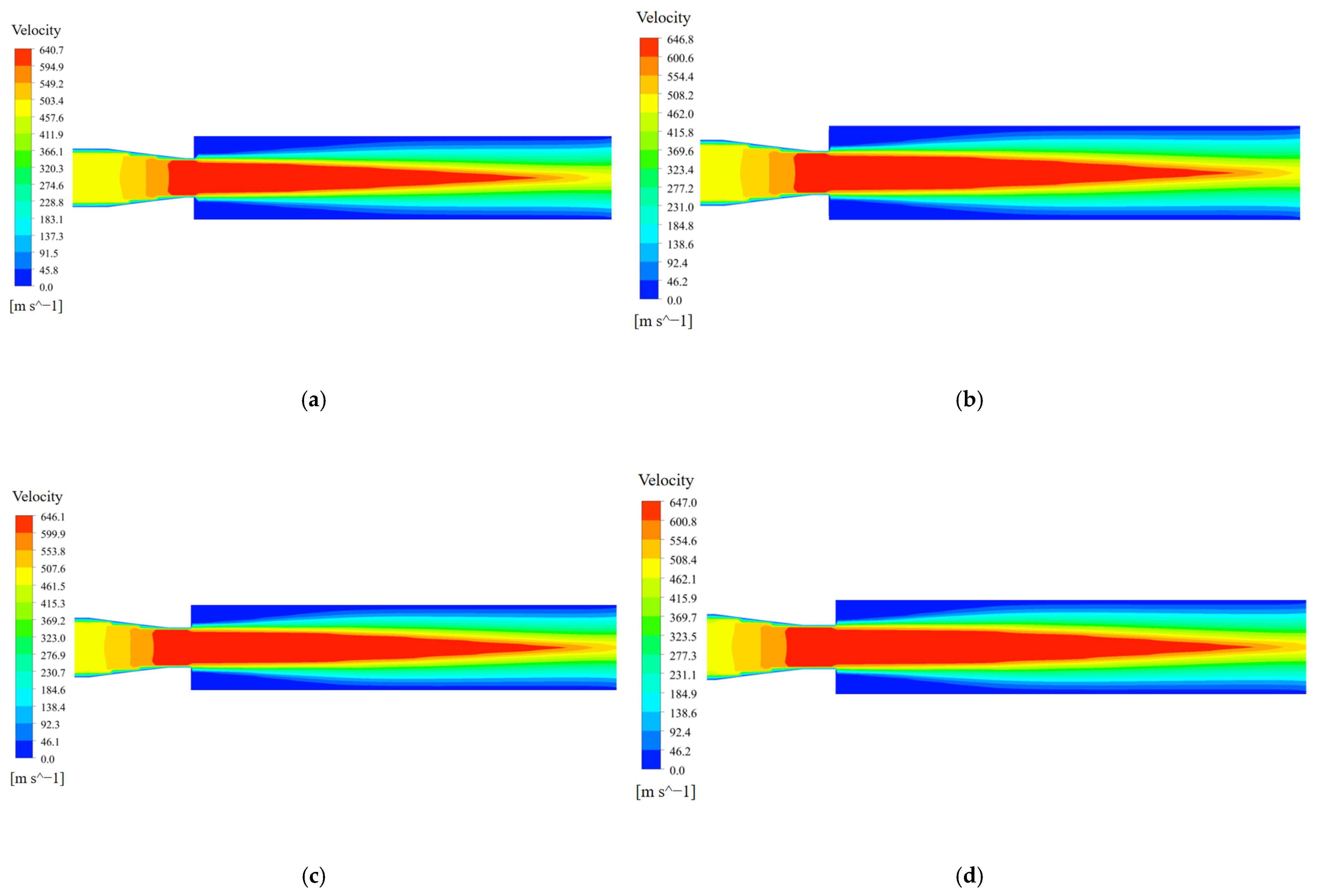
Figure 11 and
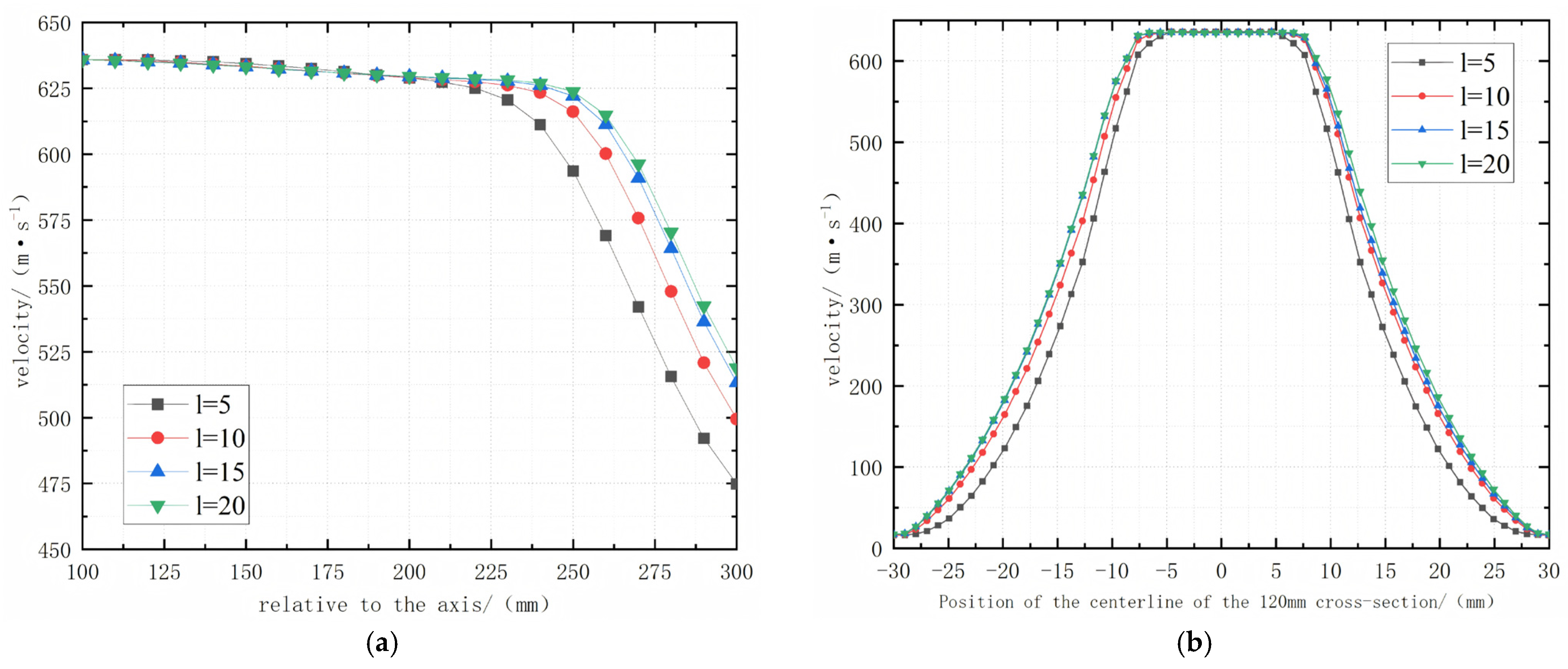
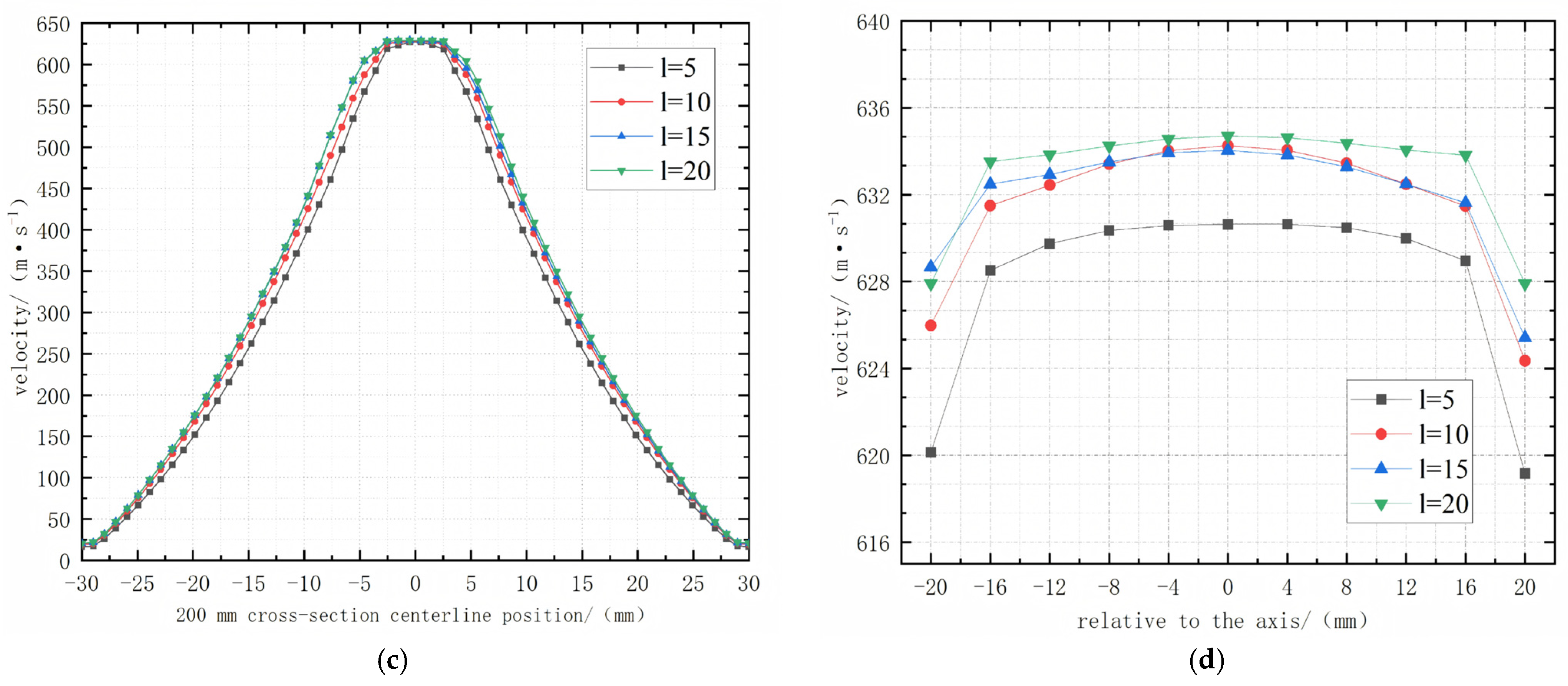
Figure 12a show the velocity flow field and axial velocity distribution curves for different nozzle lengths. As the nozzle length increases, the core region of the jet extends, and the maximum velocity gradually increases. Within the jet core, the axial velocity for each nozzle length remains in the range of 630–640 m/s, with minimal attenuation. Upon entering the attenuation zone, the axial velocity shows a marked downward trend, and the shorter the nozzle length, the faster the attenuation rate. When the nozzle length is 5 mm, the velocity drops to approximately 475 m/s at the 300 mm mark, whereas with a 20 mm nozzle length, it remains at approximately 520 m/s. This difference can be attributed to the increased nozzle length, allowing the fluid to develop more fully within the nozzle, reducing the boundary layer thickness and enhancing the stability of the jet core, thereby effectively delaying downstream velocity decay and improving jet stiffness. From an engineering application perspective, long nozzles are more suitable for operations requiring high-speed jets over long distances, while short nozzles offer cost advantages in close-range operations.
Figure 12b shows the axial velocity distribution at the 120 mm cross-section. Nozzle length has a significant effect on the radial distribution; as the nozzle length increases, the peak axial velocity rises. When the nozzle length is 5 mm, the peak velocity is approximately 620 m/s, and when the nozzle length is 20 mm, it increases to approximately 640 m/s. Long nozzles correspond to a larger jet half-width, while short nozzles result in a smaller jet half-width. When the nozzle length is 20 mm, the radial distribution of the jet is more uniform, the cross-sectional velocity non-uniformity is lowest, and the mixing effect is superior. Long nozzles can simultaneously increase the axial peak velocity and radial uniformity, making them suitable for demanding mid-range application scenarios.
Figure 12c shows the axial velocity distribution at a cross-section 200 mm downstream of the nozzle. The peak velocity does not decrease significantly compared to the 120 mm cross-section, and the effect of nozzle length on the radial distribution becomes more pronounced. When the nozzle length is 5 mm, the axial peak velocity is approximately 625 m/s, while it reaches about 640 m/s when the nozzle length is 20 mm; the advantage of the long nozzle in maintaining core velocity is more evident. The jet half-width is largest and radial uniformity is optimal when the orifice length is 20 mm. The effect of orifice length on velocity is far smaller than that of nozzle height; nozzle height is the primary optimization parameter, while orifice length is a secondary optimization parameter.
Analysis of the velocity distribution curves at the outlet cross-section in
Figure 12d shows that all velocity curves exhibit a typical symmetrical parabolic distribution with a high center and low sides, consistent with the velocity characteristics of a supersonic jet outlet. As the orifice length increased from 5 mm to 20 mm, the overall velocity level at the outlet cross-section continued to rise. The maximum axial velocity increased from approximately 632.9 m/s to 634.7 m/s, an increase of 1.8 m/s, and the uniformity of the velocity distribution across the cross-section was significantly improved. According to the data in
Table 7, when the nozzle length increased from 5 mm to 15 mm, the non-uniformity coefficient decreased from 0.85% to 0.72%, a reduction of 0.13%, indicating a trend of gradual improvement in uniformity. When the nozzle length was increased from 15 mm to 20 mm, the reduction in the non-uniformity coefficient was only 0.01%. Within the nozzle length range of Scheme 3, appropriately lengthening the nozzle can improve flow uniformity at the outlet cross-section, but the improvement effect slows down after exceeding a certain value. The detailed values for the coefficient of variation are given in
Table 8. A nozzle length of 15 mm is the optimal solution, as it significantly improves uniformity while avoiding the material costs and space requirements associated with excessive length.
In summary, a nozzle length of 15 mm is essentially equivalent to a 20 mm nozzle in terms of axial velocity decay rate, peak cross-sectional velocity, and radial uniformity. It can meet the requirements for jet stiffness and uniformity in the vast majority of applications. At the same time, its shorter machining length significantly reduces material and manufacturing costs, offering outstanding value for money. Therefore, given the need to balance performance and cost-effectiveness, a nozzle length of 15 mm is the preferred choice.
3.5. Validating Optimal Combinations Using Orthogonal Experiments
In actual industrial production and scientific research, there are often many factors to consider, and the levels of each factor typically number at least three. If comprehensive experiments were conducted for all possible combinations, the number of experiments required would be enormous. Therefore, orthogonal experimental design is widely used to analyze the effects of multiple factors on evaluation metrics. This method utilizes standardized orthogonal tables and, based on the principle of orthogonality, selects representative experimental points characterized by “uniform dispersion and orderly comparability.” It is a commonly used optimization technique for multi-factor, multi-level experiments. For a 4-factor, 3-level experiment, arranging the design according to L9(34) requires only 9 trials, thereby significantly reducing the workload. By rationally utilizing this characteristic of orthogonal experiments to design and arrange the trials, it is possible to comprehensively compare and process the experimental data with the fewest possible number of trials, thereby identifying the optimal combination of levels that influences the performance indicators.
Based on the results of the numerical analysis described above, the non-uniformity coefficient (M) of the outlet cross-section was identified as the evaluation criterion, and three experimental ‘factors’ were defined: factor A: contraction angle (
α); factor B:
λ (outlet height/inlet diameter); and factor C: nozzle length (
l). This constitutes one evaluation criterion and three experimental factors. Orthogonal experiments are essentially designed to facilitate the fitting of linear models; they assume that, within the range under investigation, there is an approximate linear relationship between the response variable and the factors, with the range of levels representing the scope within which the linear assumption holds approximately. To test this linear relationship, each factor is typically assigned 2–3 levels. An orthogonal array requires that the frequency of all level combinations be the same between any two columns, and that the different levels within each column are, ideally, equally spaced numerically. This equidistance allows the orthogonal array to be used directly for the least-squares estimation of single-regression coefficients, with the effects of each factor being independent of one another. Taking practical considerations into account, calculations have determined that for this experiment, the equidistance will be set to 1 (one minimum unit), with each factor having 3 levels. Thus, factor A has 3 levels: 12° (Level 1), 13° (Level 2) and 14° (Level 3); factor B has 3 levels: 0.65 (Level 1), 0.66 (Level 2) and 0.67 (Level 3); and factor C has 3 levels: 14 mm (Level 1), 15 mm (Level 2) and 16 mm (Level 3). The specific factor levels are shown in
Table 9.
In this orthogonal experiment, the objective is to identify an optimal combination of element levels that minimizes the non-uniformity coefficient at the nozzle outlet. Based on the factors and levels established in the previous experiment, and without considering interactions between factors, a blank column was included in the design, and a full L
9(3
4) orthogonal array was selected for the experimental layout. The specific experimental design is shown in
Table 10.
The experiments were conducted according to the design specified in the orthogonal experimental design table. The non-uniformity coefficients of the nozzle outlet cross-section were measured for each test condition; the results are shown in
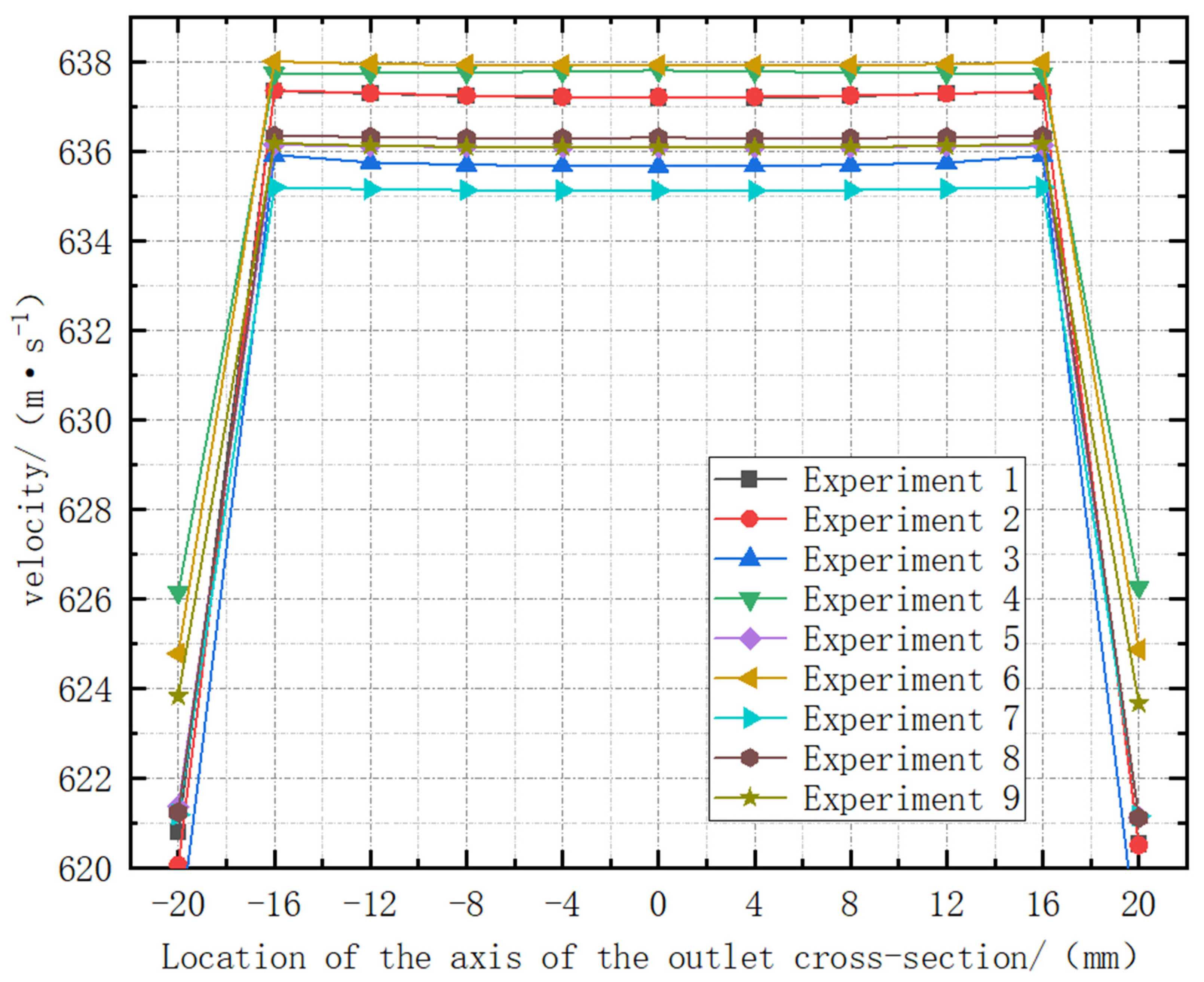
Table 11 above. The axial velocity curve of the outlet cross-section is shown in
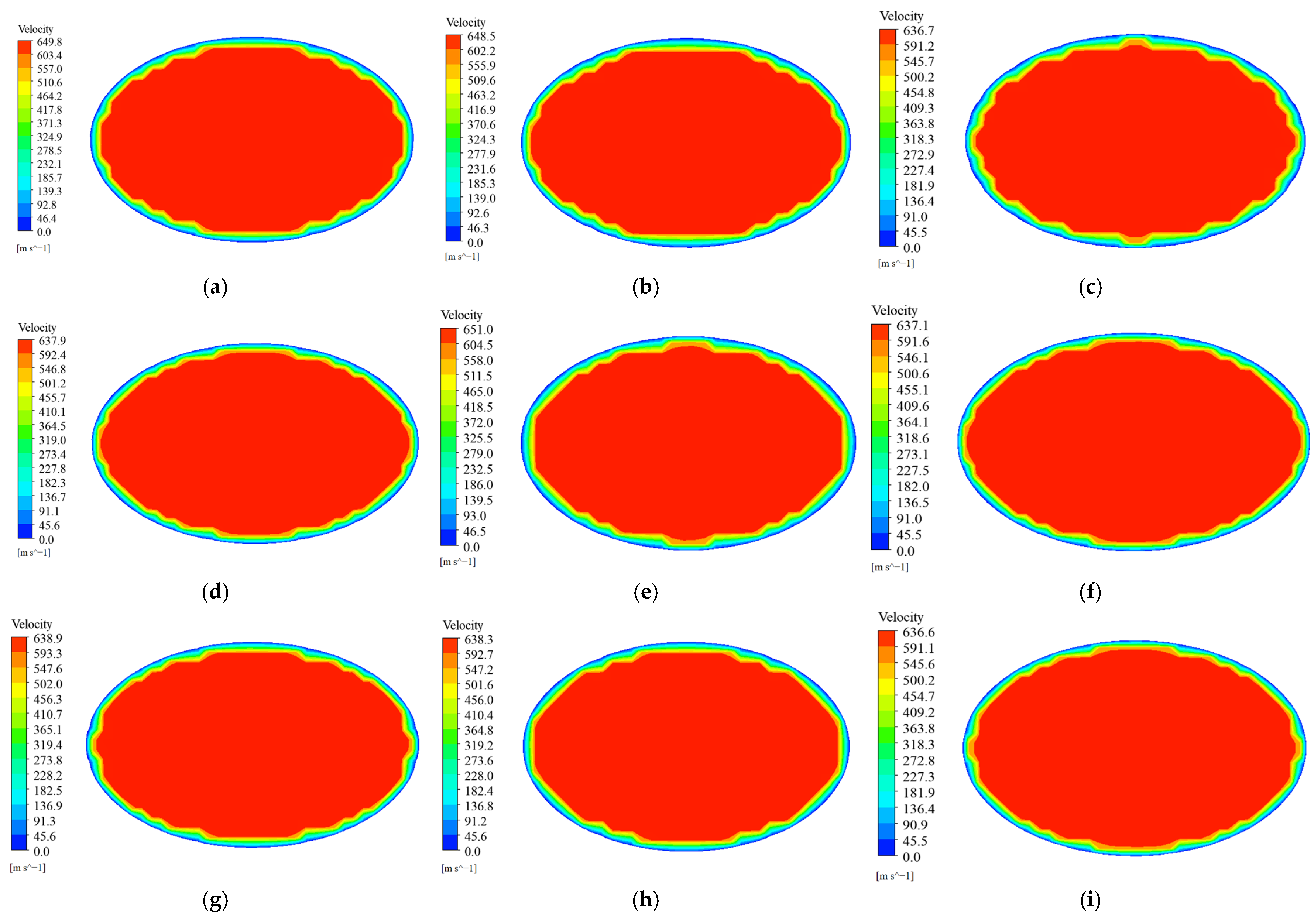
Figure 13, and the velocity distribution of the outlet cross-section is shown in
Figure 14. In data analysis and statistics, both visual analysis and analysis of variance play important roles. The former facilitates a more intuitive understanding of the data’s implications through simple visualisation; the latter is a more in-depth statistical method, primarily used to compare whether there are significant differences between the means of different groups and to investigate the sources of such differences. In this study, the results were analysed using an orthogonal design with a two-way ANOVA to determine whether the effects of each factor on the evaluation indicators were significant.
An intuitive analysis of the orthogonal experiments on the outlet cross-sectional non-uniformity coefficient is presented; the results and deviation analysis are shown in
Table 12 and
Table 13 respectively. The deviation analysis indicates that the three factors influence the outlet cross-sectional non-uniformity coefficient in descending order of significance: A, B and C. The relationship between the ranges (R) is A > B > C > D (blank column); a larger range indicates that the factor has a more significant influence on the experimental results. Therefore, in this orthogonal experiment, the influence of each factor on the nozzle outlet cross-sectional non-uniformity coefficient, from primary to secondary, is as follows: contraction angle (
α),
λ (outlet height/inlet diameter), and nozzle length (
l).
The test criterion is the non-uniformity coefficient of the nozzle outlet cross-section; a smaller value is better. A smaller value of the factor deviation Ki is more advantageous for reducing the orthogonal test criterion; that is, the smaller Ki is, the smaller the non-uniformity coefficient (M) becomes. In the table below, the levels corresponding to the minimum values of K1, K2, and K3 are A2, B1, and C2, respectively. Through visual analysis, the level 2 corresponding to the minimum deviation K2 of 2.65 for factor A is selected as the optimal level for factor A; the level 1 corresponding to the minimum deviation K1 of 2.68 for factor B is selected as the optimal level for factor B; For factor C, the level corresponding to the minimum deviation K2 of 2.78 is selected as the optimal level for factor C. The optimal combination of factor levels identified through this orthogonal experiment is Test No. 4: A1_B2_C2 (Convergence angle α is 13 degrees, λ is 0.65 (outlet height is 27 mm, inlet diameter is 41 mm), and nozzle length l is 15 mm).
Based on the analysis of variance for the non-uniformity coefficient of the nozzle outlet cross-section (see
Table 14 for results), the F-test was used to assess the significance of each factor on the test indicators. Under a significance level of 0.01 and 0.05, with degrees of freedom
f1 = 2 and
f2 = 2: the
p-value for factor B falls between 0.01 and 0.05, indicating that
λ (outlet height/inlet diameter) has a significant effect on the test indicators (*); The
p-value for factor A is less than 0.01, indicating that the contraction angle has a highly significant effect on the test indicators (**); factor C, however, has no significant effect.
Table 14 also shows that factor A is the most critical, with variations in its levels accounting for 77.16% of the total sum of squares; factor B is the next most significant, accounting for 18.25%; variations in factor C have no significant effect; furthermore, there are data fluctuations caused by error.
This orthogonal experimental design is based on the assumption of additivity of main effects, namely that the contribution of interactions between factors to the response variable is relatively small and insufficient to significantly alter the selection of the optimal parameter combination. Under this assumption, no interaction columns are included in the orthogonal table design, and the corresponding analysis of variance model does not include interaction terms. Following completion of the orthogonal experiment, the optimal combination identified through the analysis of main effects was selected for comparison and validation against several candidate combinations. The results indicate that the actual sorting accuracy of the optimal combination derived from the orthogonal design remains superior to that of the other candidate combinations, indirectly suggesting that the interactions did not have a substantial impact on the conclusions drawn from the main effects.
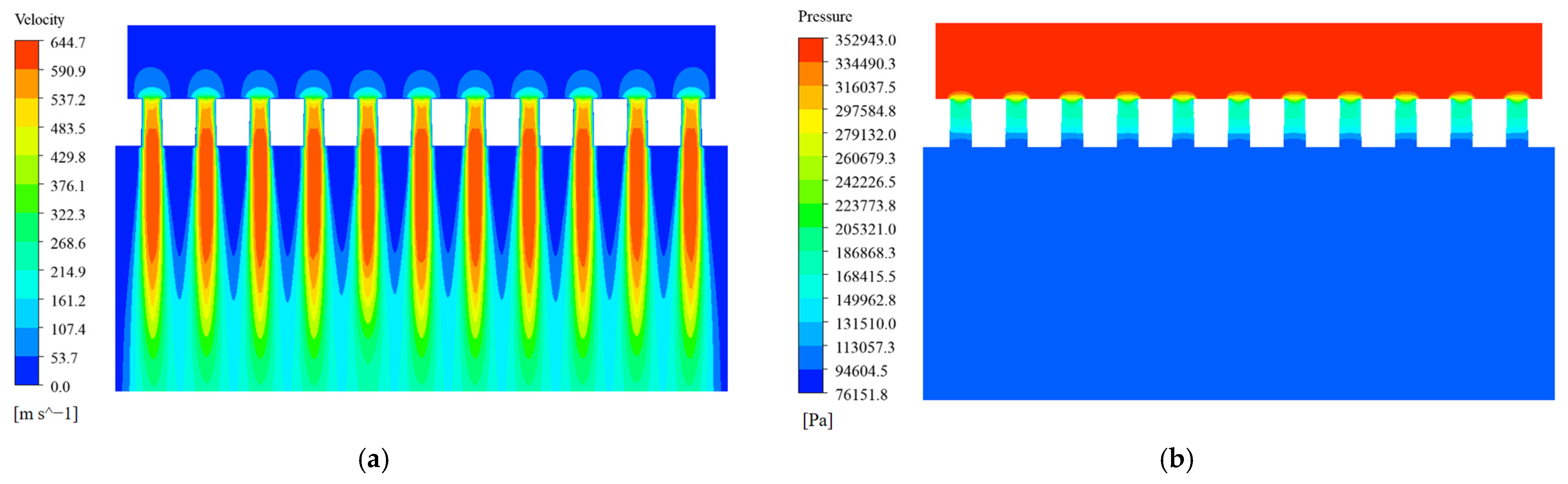
The simulation results for the optimized nozzle shown in
Figure 15 indicate that the gas is compressed in the throat, where the pressure decreases; it expands nearly completely in the expansion section, reaching a velocity close to its maximum value, while the outlet static pressure approaches ambient pressure, thereby effectively reducing pressure loss. The axial velocity distribution shows that this nozzle generates a confined high-flow gas stream with strong entrainment capability and a more concentrated jet direction, thereby enhancing the accuracy and stability of the spray.