


Article

The Impact of New Agricultural Management Entities’ Participation on the Transfer Price of Contracted Land Management Rights: Evidence from Northeast China

1
School of Public Administration and Law, Northeast Agricultural University, Harbin 150030, China
2
Research Center of Modern Agriculture Development, Northeast Agricultural University, Harbin 150030, China
*
Author to whom correspondence should be addressed.
Agriculture 2026, 16(1), 34; https://doi.org/10.3390/agriculture16010034
Submission received: 4 November 2025 / Revised: 14 December 2025 / Accepted: 21 December 2025 / Published: 23 December 2025
(This article belongs to the Section Agricultural Economics, Policies and Rural Management)

Abstract

The significant transformation of agricultural production and operation models has reshaped the supply-demand structure of rural land, providing growth opportunities for new agricultural management entities characterized by large-scale operation. Their large-scale land demand has directly driven an upward trend in the transfer prices of contracted land management rights. By analyzing this practical phenomenon, this study explores the intrinsic logic behind the rising transfer prices of contracted land management rights under the participation of new agricultural management entities, aiming to provide references for further regulating the formation mechanism of transfer prices and promoting the healthy development of the land transfer market. Based on the sample survey data of farmers from the Songnen Plain and Sanjiang Plain in Northeast China, this study adopts the cluster-robust Ordinary Least Squares (OLS) model and moderating effect model for analysis. The results show that the participation of new agricultural management entities exerts a positive impact on the transfer price of contracted land management rights; the impact of new agricultural management entities’ participation on the transfer price is positively moderated by agricultural production efficiency; and the impact also presents heterogeneity across different villages and land parcels. Compared with remote villages and paddy parcels, the participation of new agricultural management entities has a more significant impact on the transfer price of contracted land management rights in township-adjacent villages and dryland parcels. Therefore, to reasonably standardize the transfer price of contracted land management rights, efforts should focus on further strengthening policy guidance to standardize the participation mechanism of new agricultural management entities, regulating the transfer market to establish a dynamic monitoring mechanism for transfer prices, and strengthening the training and guidance for new agricultural management entities to connect and drive farmers so as to improve the agricultural production efficiency of individual farmers.

1. Introduction

As one of the effective means to optimize the allocation of land factors and promote appropriate-scale agricultural operations [1], the transfer of contracted land management rights provides a solid foundation for the realization of agricultural modernization. A reasonable transfer price of contracted land management rights is crucial for ensuring the healthy functioning of the rural land factor market and safeguarding farmers’ rights and interests [2].
Globally, driven by multiple factors, the rise in land rents has become a common trend in the agricultural factor markets of many countries [3,4]. In China, with the continuous enhancement of the market economy’s penetration into the rural land factor market, the process of market-oriented allocation of rural land factors has been steadily advanced. In this process, the agricultural production and operation model has undergone a significant transformation. The increasing transfer of contracted land management rights has not only reshaped the supply-demand structure of rural land but also provided favorable conditions for farmers to expand their operation scale. Against this backdrop, new agricultural management entities characterized by large-scale operation have been emerging and growing. Through appropriate scale operation, these entities achieve the optimal allocation of production factors, which distinguishes them significantly from the scattered operation model of traditional smallholder farmers, and their organizational forms present a diversified development trend [5]. Meanwhile, they often have a large-scale demand for land, and this structural change in the supply-demand relationship has directly driven up the transfer prices of contracted land management rights. In 2022, the average annual rental price for farmland in China was significantly higher than that in the United States during the same year [6]. However, elevated land costs not only compress farmers’ grain production profits but also increase their inclination toward cultivating cash crops. This simultaneously undermines grain production stability and exacerbates the phenomenon of “non-grain conversion” of arable land, posing a potential threat to national food security [7].
To address this challenge, the central government has introduced a series of policy measures in recent years. The 2024 Central No. 1 Document proposed to “improve the land transfer price formation mechanism and explore effective methods to prevent unreasonable increases in transfer costs”. The Third Plenary Session of the 20th CPC Central Committee further emphasized the need to improve the transfer price formation mechanism of contracted land management rights. The 2025 Central No. 1 Document further proposed to “encourage the release of transfer price indices and in-kind rent calculation to stabilize transfer costs at a reasonable level”. At the local level, some counties and cities have also issued guidance prices for the transfer of contracted land management rights, providing more standardized management and services for such transfers.
Notably, as the primary transferees of contracted land management rights, new agricultural management entities generally pay transfer fees that are higher than the market price, leading to a structural imbalance between the capitalization level of land factors and the actual benefits of agricultural production. From a deeper perspective, this imbalance is not only a direct result of land demand but also significantly impacts agricultural production layout and resource allocation efficiency through pathways such as agricultural productivity. Against this backdrop, studying the influence of new agricultural management entities on the transfer prices of contracted land management rights holds significant theoretical and practical importance.
Academic research has extensively examined the transfer prices of contracted land management rights. Regarding the factors influencing these prices, land endowment characteristics include factors such as land quality, location, and levelness [8,9,10]; from the perspective of agricultural production and management, the main influencing factors primarily encompass agricultural returns and land tenure stability [11,12]. Additionally, government intervention, market regulation, and agricultural subsidies also influence transfer prices [13,14,15,16]. Among these factors, some scholars have focused on the impact of farmers’ social networks and their choice of transfer partners. Specifically, farmers often select appropriate partners and determine reasonable rental rates based on their specific circumstances [17,18]. Under the traditional model, farmers tend to transfer land to relatives and friends for free or at a relatively low transfer price [19,20]. This allows flexible adjustments to the transfer price, term, and method according to the needs of both parties, while also gaining certain personal connections to improve their social status in the village [21,22]. However, as rural land factor markets gradually integrate into the market economy system, farmers’ transfer motivations have undergone a significant transformation. Economic rationality is progressively replacing traditional relationship networks, driving the rural land factor market from a relationship-based market toward a factor-based market. Consequently, the influence of social relationship networks on the transfer prices of contracted land management rights is diminishing [23,24].
Moreover, beyond the transformation of farmers’ land transfer behaviors, changes in the supply-demand structure of the rural land factor market also affect the transfer price of contracted land management rights. The growth of new agricultural management entities has driven improvements in agricultural production efficiency and optimization of land factor allocation [25]; relying on comparative advantages such as operational scale and technology application, they have secured advantageous market positions [26]. The economies of scale generated by large-scale operations have led them to form a relatively high willingness to pay, which not only directly affects the level of transfer prices of contracted land management rights in the market [27], but also drives individual farmers to participate in land transfers through demonstration effects [28,29], thereby indirectly influencing the transfer prices. Evidently, while new agricultural management entities have advanced the development of the rural land factor market through scale expansion, they have also led to a gradual upward trend in the transfer price of contracted land management rights [30,31]. This has caused land to progressively deviate from its inherent value as a production factor, intensifying the phenomenon of land capitalization [32,33].
A review of existing literature reveals that scholars have conducted relatively in-depth research on the transfer price of contracted land management rights, which provides valuable references for this study. However, several issues warrant further exploration. First, international scholars have predominantly examined land rental prices from perspectives such as government subsidies, while Chinese scholars have mostly conducted theoretical and empirical analyses on the phenomenon of zero or low rent from the perspective of “human relationship-based rent”. While some studies have noted that the participation of new agricultural management entities has driven up the transfer price of contracted land management rights, most of them adopt a single indicator to measure the participation behavior of new agricultural management entities, failing to fully capture the multi-dimensional characteristics of their participation. Meanwhile, studies on the impact of new agricultural management entities on transfer prices have primarily relied on qualitative analysis, with relatively limited empirical evidence. The specific mechanisms of influence require further investigation. Therefore, using survey data of farmers from typical black soil regions in the Songnen Plain and Sanjiang Plain, this study quantifies the participation of new agricultural management entities from multiple dimensions at the land parcel level and explores its impact on the transfer price of contracted land management rights and the underlying mechanisms. It aims to provide a theoretical basis and practical reference for regulating the rural land factor market and standardizing the transfer price of contracted land management rights.

2. Theoretical Analysis and Research Hypotheses

2.1. The Impact of New Agricultural Management Entities’ Participation on the Transfer Prices of Contracted Land Management Rights

With the transformation of rural production and lifestyle, the traditional decentralized operation model has gradually become inadequate for meeting the demands of modern agriculture. New agricultural management entities, however, possess not only higher agricultural management capabilities but also greater adaptability to market changes, gradually emerging as the backbone of agricultural and rural modernization. Against the background of market-oriented allocation of land factors, new agricultural management entities can enhance the efficiency of rural land factor allocation, but they also intensify competition within the rural land factor market, which in turn drives up the transfer price of contracted land management rights. On the one hand, new agricultural management entities hold significant advantages in connecting with modernized large markets. Their competitiveness in terms of agricultural product quality and yield enables them to establish long-term partnerships with agricultural processing enterprises more readily. This not only grants them greater initiative in market integration but also enhances their market competitiveness in land transfers. Consequently, they are willing to pay higher transfer fees to achieve large-scale operations, thereby directly elevating the transfer price of contracted land management rights [34]. Therefore, to secure a competitive edge in the market, new agricultural management entities are often willing to pay higher transfer fees to attract farmers to transfer their land, thereby directly driving up the overall price of contracted land management rights. On the other hand, new agricultural management entities typically exert a demonstration effect in agricultural production and management, which enables them to obtain policy support more efficiently in terms of operation scale and technology application, thereby facilitating continuous growth and expansion. During this process, they achieve scale expansion by raising the transfer prices of contracted land management rights. Moreover, the total supply of contracted land within a village is rigid. That is, over a given period, the area of contracted land in a village remains relatively fixed, and the amount of land available for transfer has a clear upper limit. Meanwhile, new agricultural management entities generally require large and concentrated land holdings to achieve scaled production [31]. As the number of new agricultural management entities increases and their demand for participating in contracted land management rights transfers expands, the rural land factor market is gradually shifting toward a state of tight supply and demand imbalance. In this market environment, new agricultural management entities often enhance their competitiveness by proactively raising the transfer prices of contracted land management rights to compete for limited land resources, thereby driving a sustained upward trend in transfer prices.
In summary, the participation of new agricultural management entities exerts a positive impact on the transfer price of contracted land management rights. Thus, the following research hypothesis is proposed:
Hypothesis 1. 
The participation of new agricultural management entities drives up the transfer price of contracted land management rights.

2.2. The Moderating Effect of Agricultural Production Efficiency

The impact of new agricultural management entities’ participation on the transfer price of contracted land management rights is moderated by agricultural production efficiency. From a cost–benefit perspective, the improvement in agricultural production efficiency has laid the economic foundation for new agricultural management entities to enhance their ability to pay transfer prices [35]. Agricultural production efficiency primarily manifests as output levels per unit of input during rural production and operation. Leveraging advantages in capital, technology, and management, agricultural management entities can more fully convert efficiency gains into tangible returns [31]. On one hand, mechanized farming significantly reduces labor costs in agricultural production and operation, with its comparative advantages becoming more pronounced as operational scale expands. Simultaneously, these entities are better equipped to implement precision fertilization and water-saving irrigation techniques, thereby lowering per-unit production costs while increasing grain yields. On the other hand, modern agricultural production models combined with scaled operations can enhance both the quantity and quality of agricultural products. This enables them to command higher grain prices in the market, ultimately boosting overall agricultural profitability. Therefore, new agricultural management entities typically demonstrate greater capacity to pay for the transfer of contracted land management rights. From the perspective of market competition, regions with higher agricultural productivity often feature a greater number of new agricultural management entities, leading to more intense competition for land and driving up the transfer prices of contracted land management rights. Differences in agricultural productivity essentially reflect variations in land output capacity. High-quality plots yield greater economic value per unit area, making them the core resource contested by new agricultural management entities [36]. Such plots typically possess advantages such as improved agricultural infrastructure and superior land resource endowments, rendering them scarce in land competition. To secure the management rights of premium plots, new agricultural management entities will proactively raise their intended transfer prices to enhance competitiveness. In response, other entities often follow suit with price increases to avoid losing access to these high-quality resources, ultimately forming a market competition pattern where “the highest bidder wins.” Figure 1 illustrates the theoretical framework of this study. Consequently, the following research hypothesis is proposed:
Hypothesis 2. 
Agricultural production efficiency can amplify the impact of new agricultural management entities’ participation on the transfer price of contracted land management rights.

3. Materials and Methods

3.1. Data Sources

The data in this study comes from a sample survey of farmers conducted by the research team in the Songnen Plain and Sanjiang Plain in September 2024. Based on the development level of new agricultural management entities and the status of contracted land management rights transfers, one representative county-level city was selected from each plain (Hailun City in the Songnen Plain and Huanan County in the Sanjiang Plain). Within each county/city, 3–4 townships were selected. Each township included 4–5 villages, with approximately 15 households randomly visited per village. The survey covered 7 townships, 28 administrative villages, and 465 grain-farming households. The questionnaire comprised a household survey and a village survey. The household survey inquired about land management practices and the transfer of contracted land management rights. The village survey targeted village officials familiar with local affairs, focusing on basic village information.
In stark contrast to the fragmented farmland patterns in southern China [37], the average contracted land area per household in the surveyed region far exceeded the national average, with the operation scale of ordinary farmers generally reaching several hectares [38]. Simultaneously, the transfer of contracted land management rights is relatively common in the study area, and there is a clear trend of farmers expanding their operation scale by transferring in contracted land, which has led to some farmers operating up to hundreds of land parcels. Since the management and transfer patterns are largely consistent across multiple parcels owned by the same farmer, data from approximately three representative parcels per farmer was selected for analysis.
The reason for using parcel-level data is that most farmers in the survey area cultivate different crops simultaneously, and the transfer prices for dryland and paddy fields differ. Thus, household-level data cannot accurately reflect the specific transfer price of contracted land management rights. Additionally, given that the transfer of contracted land management rights is typically driven by market demand, transfer-out households often play a passive role in most cases, while transfer-in households, as demanders, are the primary drivers of transfers. Analyzing data from transferred-in parcels can more effectively reveal the changing trend of the transfer price of contracted land management rights. Therefore, samples of non-transferring households and transfer-out households were excluded from the original data, leaving 410 transfer-in household samples and a total of 1240 land parcel samples. After removing missing and invalid values, 1231 valid samples remained, with a questionnaire validity rate of 99.27%.

3.2. Variable Setting

3.2.1. Dependent Variable

Transfer price of contracted land management rights. It refers to the fee paid by the transferee to obtain land management rights during the transfer process of rural contracted land management rights. Specifically, this transfer occurs when the contracted land right holder assigns the land management rights to the transferee through methods such as sub-contracting, leasing, or shareholding. In this study, the transfer price of contracted land management rights is set as the explained variable. It is a continuous variable, characterized by the actual transfer-in price of the land parcel.

3.2.2. Independent Variable

Participation of new agricultural management entities. This study defines new agricultural management entities as specialized households, family farms, farmers’ professional cooperatives, and leading agricultural enterprises [39]. Based on the cultivated land resource endowment in the survey area and with reference to relevant studies [40], farmers with an operation scale of 20 hectares are defined as specialized households. Family farms, farmers’ professional cooperatives, and leading agricultural enterprises are identified according to actual registration and operational status within villages. Meanwhile, Table 1 measures the participation of new agricultural management entities from five dimensions: subject composition, spatial distribution, scale difference, structural vitality, and industrialization capacity. The reasons for selecting these five dimensions are as follows: subject composition reflects the quantitative foundation of new agricultural management entities; spatial distribution indicates their coverage in the transfer of contracted land management rights within the village; scale difference demonstrates their differentiation characteristics; structural vitality embodies the diversity of their organizational forms; and industrialization capacity reflects their leading role in the development of agricultural industrialization.
Specifically, the proportion of new agricultural management entities reflects the ratio of various types of new agricultural management entities to the village’s registered household population. A higher proportion indicates a greater number of such entities in the village. The choice of registered household population as a reference is due to the fact that some registered farming households, influenced by urbanization, may transfer their contracted land to other agricultural operators and subsequently seek employment elsewhere. Throughout this process, their transfer decisions remain influenced by new agricultural management entities. Therefore, using registered household numbers as the benchmark provides a more comprehensive reflection of the overall impact of new agricultural management entities on the village. The density of new agricultural management entities is calculated by the number of such entities per unit area of transferred contracted land, which reflects the breadth of their participation in contracted land transfer. The extreme ratio of transfer scale is obtained by dividing the maximum contracted land transfer scale in a village by the average scale. It reflects the operational scale differentiation between new agricultural management entities and ordinary farmers, where a high extreme ratio indicates that contracted land is concentrated in the hands of a small number of new agricultural management entities. The number of types of new agricultural management entities reflects the diversity of such entity types within a village. And the criterion of “whether there are leading agricultural enterprises” is selected because these enterprises typically possess stronger financial, technological, and channel advantages, which can significantly affect the large-scale production level and market competitiveness of agriculture in the region.
This study uses principal component analysis (PCA) to synthesize the five indicators into a single variable, which is used to characterize the participation of new agricultural management entities. The PCA model is capable of reducing multiple highly correlated indicators into a few uncorrelated principal components, simplifying the analysis while retaining key original information. Since the participation of new agricultural management entities in this study involves multi-dimensional indicators that pose a risk of multicollinearity, the adoption of the PCA model effectively addresses this issue. First, all indicators underwent standardization with a mean of 0 and variance of 1 to eliminate the impact of differing measurement scales. Second, the suitability of PCA for each indicator was assessed primarily through KMO and Bartlett’s tests. Results showed a KMO value of 0.524, exceeding the critical threshold of 0.5, while Bartlett’s test yielded a significance level of 0.000, indicating suitability for PCA [41]. Meanwhile, principal components are extracted according to the standard that the cumulative variance contribution rate is not less than 85% [42]. Finally, a principal component factor with a cumulative variance contribution rate of 88.78% is extracted, and the participation level of new agricultural management entities is calculated based on this factor.

3.2.3. Moderating Variable

Agricultural production efficiency. It refers to the ratio between the production factors invested and the agricultural products produced during the agricultural production process, reflecting the effectiveness of agricultural resource utilization and output capacity. As a non-radial and non-oriented data envelopment analysis method, the Slack-Based Measure (SBM) model can directly incorporate slack variables representing input redundancy and output deficiency when measuring efficiency. It accurately captures the characteristics of inefficient resource allocation in the production process, enhancing the objectivity of efficiency evaluation while preserving the actual production status of decision-making units. As the basic unit for production decision-making and management by agricultural operators, analyzing input-output data at the land parcel level can identify the agricultural production efficiency of agricultural operators in a more micro-level manner. Therefore, this study focuses on the parcel level. Drawing on existing research [43,44] and combining it with the actual survey data, the SBM model is adopted to measure the agricultural production efficiency of parcels. The input indicators include parcel-level capital inputs (seeds, chemical fertilizers, pesticides, machinery, and water-electricity), the number of labor input days at the parcel level, and parcel scale, while the parcel-level total output value is used as the output indicator (Table 2).

3.2.4. Control Variables

To ensure the reliability of regression results, Table 3 integrates relevant research [45,46,47,48] and field investigations in the case area to select control variables across four dimensions: individual characteristics, land parcel characteristics, household characteristics, and village characteristics. Individual characteristics include gender, age, and education level. Land parcel characteristics include parcel area, parcel quality, parcel location, status of land transfer contract signing, and land transfer term. Household characteristics include total household population, presence of village cadres in the household, ownership of agricultural machinery, and number of household members engaged in non-agricultural employment. Village characteristics include the village’s road condition and the village’s economic development level.

3.3. Model Selection

3.3.1. Baseline Regression Model

Due to the intra-group correlation of the data at the village level in this study, directly using the OLS model while ignoring clustering will lead to the underestimation of standard errors, thereby resulting in incorrect statistical inferences. Therefore, to mitigate within-group correlations, this study employs a cluster-robust OLS model for empirical analysis. First, the direct impact of the participation of new agricultural management entities on the transfer price of contracted land management rights is verified, and the benchmark regression model is constructed as follows:
Y i = α 0 + β i X i   + γ i K i   + ε i
In the equation, Y i represents the transfer price of contracted land management rights, X i denotes the participation of new agricultural management entities, K i represents control variables, α 0 is the constant term, β i and γ i are regression coefficients, and ε i is the random error term.

3.3.2. Moderation Effect Model

Before conducting the moderation effect analysis, to mitigate multicollinearity issues, the independent variables and moderator variables are centered. The interaction term was incorporated into the regression model to analyze the moderating effect on agricultural production efficiency. The model is constructed as follows:
Y i = α 0 + β i X i + γ i U i + δ i X i U i + μ i K i + ε i
In the equation, Y i represents the transfer price of contracted land management rights, X i denotes the participation of new agricultural management entities, U i represents agricultural production efficiency, X i U i denotes the interaction term between the two, K i represents control variables, α 0 is the constant term, β i ,   γ i ,   δ i ,   μ i are regression coefficients, and ε i is the random error term.

4. Results and Analysis

4.1. Baseline Regression Results and Analysis

Before conducting the baseline regression, the variance inflation factor (VIF) was calculated using Stata 17.0 software. The results show that the maximum VIF value is 1.27 and the mean VIF is 1.13, indicating no significant multicollinearity among the independent variables.
In Table 4, the estimated coefficients of “Participation of new agricultural management entities” are 0.089 in Model 1 (without control variables) and 0.104 in Model 2 (with control variables), both statistically significant at the 5% level. This indicates that the participation of new agricultural management entities exerts a significant positive impact on the transfer price of contracted land management rights. This is because new agricultural management entities possess unique advantages in market access and resource integration, which ultimately translate into a higher willingness to pay for the transfer of contracted land management rights. On the one hand, compared with small-scale farmers engaged in scattered operations, new agricultural management entities typically possess more mature market access capabilities, which can effectively overcome the problem of disconnection between production and sales faced by traditional small-scale farmers. Simultaneously, they often maintain stable sales networks, which can reduce intermediary costs and information asymmetry risks. On the other hand, new agricultural management entities demonstrate stronger risk resilience and resource access advantages. When confronting natural hazards like extreme weather or market risks such as grain price fluctuations, they can employ effective measures to mitigate losses in agricultural production and operations. Furthermore, by leveraging technological applications and other means, they can more efficiently align with government agricultural support policies, thereby reducing upfront investment costs in agricultural production and operations. This enables new agricultural management entities to accept a higher transfer price of contracted land management rights. Thus, hypothesis 1 is verified.
Among the control variables, beyond common demographic factors, the estimated coefficient of “land transfer term” is −0.053 with a p-value of 0.028, suggesting that the land transfer term has a significant negative impact on the transfer price at the 5% significance level. From the perspective of contract stability, longer transfer periods enhance contract stability. For land transferors, this avoids the uncertainty of renegotiation upon short-term contract expiration. For the transferee, long-term contracts enable agricultural operators to undertake projects requiring long-term cost recovery, such as soil improvement and agricultural facility construction, thereby promoting sustained investment in the transferred land. Additionally, long-term transfers can eliminate unnecessary transaction costs, resulting in relatively lower transfer prices. For the variable “presence of village cadres in the household,” the estimated coefficient is −0.050 with a p-value of 0.087, indicating that this variable exerts a significant negative impact on the transfer price of contracted land management rights at the 10% significance level. Within the relational society of rural areas, village cadres often possess greater access to information and higher status. Some farmers, seeking to expand their rural social networks, may transfer their contracted land to village cadres at lower prices. Additionally, the estimated coefficient of “village’s economic development level” is 0.073 with a p-value of 0.041, demonstrating that the village’s economic development level has a significant positive impact on the transfer price at the 5% significance level. On the one hand, economically advanced villages typically invest more in agricultural infrastructure, making agricultural production processes like transportation and purchasing supplies more convenient, which in turn drives up transfer prices. On the other hand, higher economic development may attract more new agricultural management entities. Driven by land demand, these entities are willing to pay higher transfer prices for premium parcels.

4.2. Robustness Tests

To verify the accuracy of the analytical results, this study conducted a robustness test on the benchmark regression. Based on relevant research and the actual conditions of the survey area [49], an ordered interval was used to measure the transfer price of contracted land management rights; the specific classification is presented in Table 5. Model 3 in Table 6 employs a cluster-robust OLS model, while Model 4 uses an ordered Probit model with cluster-standardized errors at the village level to control for potential within-group correlations and conduct robustness tests. Additionally, to mitigate the impact of extreme values on the regression results, Table 7 applies a 1% winsorization to the transfer price of contracted land management rights. The results of Models 3 and 5 indicate that the p-value of “Participation of new agricultural operation entities” is less than 0.05, while the results of Models 4 and 6 show that the p-value of this variable is less than 0.01. These findings collectively demonstrate that the participation of new agricultural operation entities exerts a significantly positive impact on the transfer price of contracted land management rights. The significance levels of all variables align with those from the benchmark regression, confirming the robustness of the benchmark regression.

4.3. Discussion on Endogeneity

In benchmark regression, endogeneity issues may arise due to sample selection bias or omitted variables. Therefore, this study employs the instrumental variables method to address endogeneity. Table 8 selects the “average transfer price of contracted land management rights in the village last year” as the instrumental variable for the participation of new agricultural management entities. The two-stage least squares (2SLS) method is used for testing, and standard errors are clustered at the village level to control for correlations among land parcels within the same village.
The reasons for selecting this instrumental variable are as follows: First, the average transfer price of contracted land management rights in the village last year is closely related to the participation of new agricultural management entities. A higher transfer price last year reflects better land conditions in the region, indicating higher agricultural income potential, which attracts new agricultural management entities to participate in large-scale transfers. Furthermore, a higher transfer price generates a dual effect through the market screening mechanism. On one hand, it promotes farmers with superior resource endowments to transform into new agricultural management entities, increasing agricultural operating income through new agricultural operation methods. On the other hand, the price threshold increases the participation cost of small-scale farmers, which may gradually squeeze out small-scale farmers with weak risk resistance from the transfer market, thereby creating conditions for the participation of new agricultural management entities in transfers. Therefore, the previous year’s average village transfer price of contracted land management rights can affect the current participation of new agricultural management entities, meaning the instrumental variable satisfies the relevance requirement.
Second, last year’s average transfer price of contracted land management rights in villages is a pre-determined variable and cannot be reversely affected by unobserved factors in the current year. Thus, this instrumental variable is completely independent of the regression error term in the current year, meeting the exogeneity requirement. Meanwhile, unlike the price of general commodities, land has particularities as a commodity. The transfer price of contracted land management rights this year is mainly affected by factors such as the resource endowment of the land parcel and the previous period’s grain price. The final price is determined by the supply-demand relationship under the participation of new agricultural management entities this year. In practice, last year’s transfer price only serves as a market reference and does not have direct pricing power. Moreover, the average transfer price of contracted land management rights in the village last year effectively strips away the inherent heterogeneity of individual plots, retaining only common village-level information. It lacks the capacity to directly influence the transfer price for any single farmer in the current year. Therefore, last year’s transfer price of contracted land management rights can only indirectly affect the current year’s transfer price by influencing the current participation of new agricultural management entities, satisfying the exclusion restriction assumption of instrumental variables.
The 2SLS regression results show that the instrumental variable passes the weak relevance test. After accounting for endogeneity issues, the positive impact of the participation of new agricultural management entities on the transfer price of contracted land management rights still exists. The results after robustness and endogeneity tests once again verify the rationality of Hypothesis 1.

4.4. Moderating Effect Analysis

This study further analyzes the moderating effect of agricultural production efficiency on the impact of new agricultural management entities’ participation on the transfer price of contracted land management rights (Table 9). The interaction term between agricultural production efficiency and the participation of new agricultural management entities is significant at the 5% level, indicating that agricultural production efficiency can exert a moderating effect. Moreover, the coefficient of the main effect is consistent with that of the interaction term, which confirms that agricultural production efficiency can further strengthen the upward trend of the transfer price of contracted land management rights driven by the participation of new agricultural management entities.
According to the theory of differential rent, the emergence of differential rent II stems from the excess profit generated when the output value of land under certain inputs exceeds the average profit due to differences in productivity. Compared with traditional small-scale farmers, new agricultural management entities usually have higher agricultural productivity. On one hand, they possess stronger financial resources and access to premium crop varieties, significantly boosting output efficiency per unit of land. On the other hand, their scaled operations and scientific management systems effectively reduce input procurement costs and agricultural production management expenses, further amplifying marginal returns on investment. Therefore, new agricultural management entities will take the initiative to increase their willingness to pay for the transfer price of contracted land management rights to obtain more high-quality land parcels. With the continuous improvement of agricultural production efficiency, their marginal profit space further expands and their profit expectations strengthen accordingly. This positive feedback will prompt these entities to continuously raise the transfer price they are willing to pay, ultimately driving the continuous rise in the market transfer price of contracted land management rights.
Additionally, referring to relevant studies [50,51], this study groups the sample into high and low agricultural productivity cohorts based on mean values and conducts grouped regression analysis. The moderating effect is tested by observing the coefficient differences between the two groups. Within the high agricultural productivity cohort, the participation of new agricultural management entities significantly impacts the transfer price of contracted land management rights, whereas this effect is insignificant in the low productivity cohort. That is, as agricultural production efficiency improves, the impact of new agricultural management entities’ participation on the transfer price tends to become significant. Thus, it can be concluded that agricultural production efficiency plays a moderating role in the impact of new agricultural management entities’ participation on the transfer price of contracted land management rights, and Hypothesis 2 is verified.

4.5. Heterogeneity Analysis

To further examine the heterogeneous impact of new agricultural management entities’ participation on the transfer price of contracted land management rights across different villages, this study classifies villages based on their distance to the nearest town: villages with a distance below the mean are defined as “township-adjacent villages,” while those above the mean are defined as “remote villages.” Additionally, given variations in agricultural production methods across different land parcels, this study further distinguishes between dryland parcels and paddy field parcels to analyze the heterogeneous impact of new agricultural management entities’ participation on the transfer price (Table 10).
Results indicate that in township-adjacent villages, the participation of new agricultural management entities significantly and positively influences the transfer prices of contracted land management rights, whereas this effect is not significant in remote villages. On one hand, township-adjacent villages offer relatively convenient agricultural production and management, lower logistics costs for agricultural products, and higher land economic value. On the other hand, proximity to townships provides more non-agricultural employment opportunities, leading some farmers to transfer their contracted land. This attracts new agricultural management entities, driving up the transfer prices of contracted land management rights. Regarding plot heterogeneity, the impact effect of dryland parcels is significant at the 5% level, while paddy field parcels are not significant. The reason is that the cultivation processes of corn and soybeans facilitate the use of mechanized and automated equipment, making it easier for parcels to achieve concentrated and contiguous operation through transfer, thereby realizing economies of scale. Thus, the transfer price of dryland parcels is more susceptible to the participation of new agricultural management entities. In contrast, rice cultivation requires more meticulous management, with certain production stages necessitating hired labor to assist agricultural activities, resulting in relatively higher production costs. Therefore, compared to dryland parcels, the transfer prices of paddy fields are less affected by the participation of new agricultural management entities.

5. Conclusions and Policy Implications

5.1. Conclusions

Currently, China is experiencing a surge in the transfer prices of contracted land management rights and a severe trend of land capitalization. This not only hinders the optimal allocation of rural land resources but also undermines the stability of grain production, posing a threat to national food security. Therefore, regulating the transfer prices of contracted land management rights is crucial to addressing this issue. Based on this, this study utilizes survey data collected by the research team from farmers in the Songnen Plain and Sanjiang Plain to examine the impact of new agricultural management entities on the transfer prices of contracted land management rights. The conclusions are as follows: First, based on the benchmark regression and multiple robustness tests, it is concluded that the participation of new agricultural management entities drives up the transfer prices of contracted land management rights. As their involvement deepens, these prices exhibit an upward trend. Second, regarding the moderating effect test, the p-value of the interaction term between the participation of new agricultural management entities and agricultural production efficiency is less than 0.05, passing the statistical significance test at the 5% level. This indicates that the impact of new agricultural management entities’ participation on the transfer price is moderated by agricultural production efficiency; that is, higher production efficiency significantly amplifies the influence of their participation on transfer prices. Third, the heterogeneity analysis reveals that the coefficient of new agricultural management entities’ participation passes the statistical significance test at the 10% level in town-adjacent villages and at the 5% level in dry land parcels. It is evident that the impact of new agricultural management entities’ participation on the transfer price of contracted land management rights exhibits heterogeneity across villages and land parcels. Compared to remote villages and paddy fields, the participation of new agricultural management entities significantly influences the transfer price of contracted land management rights in township-adjacent villages and dryland parcels.

5.2. Policy Implications

Based on the conclusions of this study, the following implications are proposed:
First, given the large plot sizes in Northeast China, a moderately large-scale operation is crucial to improving agricultural efficiency. Therefore, it is necessary to strengthen policy guidance and standardize the participation mechanism of new agricultural management entities; to formulate special support policies to encourage new agricultural management entities to participate in the transfer of contracted land management rights in an orderly manner; and to support them in developing an appropriate scale of operation through subsidies and other means. Meanwhile, to prevent individual farmers from being marginalized due to the continuous rise in the transfer price of contracted land management rights, policy guidance can incorporate the effectiveness of new agricultural management entities in driving farmers’ income growth into the assessment and evaluation system, forming a quantitative restraint mechanism. In-depth cooperation between new agricultural management entities and individual farmers should be established through order linkage, service linkage, and technical factor linkage to achieve a pattern of sound development.
Second, significant variations exist in land quality across different regions of Northeast China, and the transfer prices also differ among various types of land plots. Therefore, it is essential to regulate the land transfer market and establish a dynamic monitoring mechanism for transfer prices. On the one hand, this requires improving the land transfer price assessment mechanism by introducing professional appraisal agencies and developing a scientific and reasonable price reference system that accounts for regional differences and land parcel quality grades, thereby providing a basis for market transactions. On the other hand, it involves guiding both parties in reasonably determining transfer fees by publishing guidance prices and price indices for the transfer of contracted land management rights. This will promote the formation of reasonable transfer prices for contracted land management rights, thereby effectively curbing excessive land capitalization.
Third, agricultural production in Northeast China is more suited to mechanized operations, yet some farmers lack sufficient understanding and application capabilities regarding new types of agricultural machinery. Therefore, it is imperative to strengthen the training and guidance provided by new agricultural management entities to connect and drive farmers so as to comprehensively improve the agricultural production efficiency of individual farmers. On the one hand, leveraging the technical expertise and agricultural experience of these entities provides targeted agricultural training to individual farmers in areas such as smart farming equipment application and the promotion of efficient planting techniques, effectively improving their agricultural production and management capabilities. On the other hand, it establishes regional agricultural production service platforms centered around new agricultural management entities. By integrating agricultural machinery resources and optimizing service processes, these platforms will offer individual farmers high-quality, cost-effective services such as agricultural machinery operations and unified pest control. This approach not only alleviates the financial burden of individual farmers purchasing machinery but also effectively boosts agricultural production efficiency through scaled services, thereby enhancing the quality and productivity of agricultural output.

Author Contributions

Z.W.: conceived and designed research topics for data analysis and wrote the original draft and manuscript revision. S.H.: conceived and designed the research themes, reviewed and edited the original draft, and acquired funding. All authors have read and agreed to the published version of the manuscript.

Funding

This research was funded by the National Key Research and Development Program of China (2024YFD1500900) and the Project of the Humanities and Social Sciences Research Planning Fund of the Ministry of Education of China (24YJA790015).

Institutional Review Board Statement

According to Article 32 of the Administrative Measures for Ethical Review of Life Science and Medical Research Involving Humans in China, studies utilizing human data or biospecimens—which do not cause harm to individuals, involve sensitive personal information or commercial interests, or employ anonymized data—may be exempt from ethical review (https://www.gov.cn/zhengce/zhengceku/2023-02/28/content_5743658.htm, accessed on 20 October 2025). This study does not fall within the scope of ethical research, as it does not involve animal or human clinical experiments and is not unethical. At the same time, all participants were conducted under the premise of ensuring anonymity and were fully informed of the reasons for conducting the survey and the use of relevant data. No personal identity information was collected during the survey process. Participants can withdraw at any time, and their anonymity and confidentiality are guaranteed. Participation is completely voluntary, and there are no conflicts of interest or potential risks for power holders. This study complies with the Helsinki Declaration and falls under the category of exempted research.

Informed Consent Statement

This study adopted the questionnaire survey method and strictly followed the relevant rules of the 1975 Helsinki Declaration revised in 2013. The collection and use of personal information in this study were conducted with verbal consent from the participants. All information will be kept strictly confidential, and participation is entirely voluntary.

Data Availability Statement

The datasets used and/or analyzed during the current study are available from the corresponding author on reasonable request.

Conflicts of Interest

The authors declare that they have no known competing financial interests or personal relationships that could have appeared to influence the work reported in this paper.

References

  1. Luo, B.; Geng, P. New quality agricultural productivity: Theoretical framework, core concepts, and enhancement pathways. Issues Agric. Econ. 2024, 4, 13–26. (In Chinese) [Google Scholar] [CrossRef]
  2. Tan, S.; Tong, B.; Zhang, J. How did the land contract disputes evolve? Evidence from the Yangtze River Economic Belt, China. Land 2023, 12, 1334. [Google Scholar] [CrossRef]
  3. Zhang, Y.; Yuan, S.; Wang, J.; Cheng, J.; Zhu, D. How do the different types of land costs affect agricultural crop-planting selections in China? Land 2022, 11, 1890. [Google Scholar] [CrossRef]
  4. Deaton, B.J.; Lawley, C. A survey of literature examining farmland prices: A Canadian focus. Can. J. Agric. Econ./Rev. Can. d’agroeconomie 2022, 70, 95–121. [Google Scholar] [CrossRef]
  5. Wei, B.; Luo, M. The impact of rural collective property rights system reform on the establishment of new agricultural operators. Econ. Surv. 2024, 41, 44–55. (In Chinese) [Google Scholar] [CrossRef]
  6. Qi, Y.; Zhang, J.; Chen, X.; Li, Y.; Chang, Y.; Zhu, D. Effect of farmland cost on the scale efficiency of agricultural production based on farmland price deviation. Habitat. Int. 2023, 132, 102745. [Google Scholar] [CrossRef]
  7. Koguashvili, P.; Ramishvili, B. Specific of agricultural land’s price formation. Ann. Agrar. Sci. 2018, 16, 324–326. [Google Scholar] [CrossRef]
  8. Shen, Y.; Zhu, S.; Deng, Y.; Teng, L.; Zhao, R. An analysis of the factors of the price of farmland use rights’ circulation-the experience from farmers and regional level. China Rural Surv. 2012, 3, 2–17. (In Chinese) [Google Scholar] [CrossRef]
  9. Sklenicka, P.; Molnarova, K.; Pixova, K.C.; Salek, M.E. Factors affecting farmland prices in the Czech Republic. Land Use Policy 2013, 30, 130–136. [Google Scholar] [CrossRef]
  10. Koemle, D.; Lakner, S.; Yu, X. The impact of Natura 2000 designation on agricultural land rents in Germany. Land Use Policy 2019, 87, 104013. [Google Scholar] [CrossRef]
  11. Jacoby, H.G.; Li, G.; Rozelle, S. Hazards of expropriation: Tenure insecurity and investment in rural China. Am. Econ. Rev. 2002, 92, 1420–1447. [Google Scholar] [CrossRef]
  12. Czyżewski, B.; Matuszczak, A. A new land rent theory for sustainable agriculture. Land Use Policy 2016, 55, 222–229. [Google Scholar] [CrossRef]
  13. Lehn, F.; Bahrs, E. Analysis of factors influencing standard farmland values with regard to stronger interventions in the German farmland market. Land Use Policy 2018, 73, 138–146. [Google Scholar] [CrossRef]
  14. Lin, W.; Huang, J. Impacts of agricultural incentive policies on land rental prices: New evidence from China. Food Policy 2021, 104, 102125. [Google Scholar] [CrossRef]
  15. Wu, X.; Shang, X.; He, P. Paid or free: Government subsidy, farmer differentiation and land transfer Rent. Econ. Probl. 2021, 12, 59–66. (In Chinese) [Google Scholar] [CrossRef]
  16. Huang, J.; Zhang, Z. The logic and governance of local government’s participation in the “non-grain” transfer of cultivated land: A case study based on planting and greening of cultivated land. China Land Sci. 2023, 37, 114–123. (In Chinese) [Google Scholar] [CrossRef]
  17. He, L.; Huang, J. Social capital, government guidance and contract choice in agricultural land transfer. PLoS ONE 2024, 19, e0303392. [Google Scholar] [CrossRef]
  18. Fang, T.; Zhou, Y.; Wang, L.; Shi, D.; Duan, X. The impact of multiplex relationships on households’ informal farmland transfer in rural China: A network perspective. J. Rural Stud. 2024, 112, 103419. [Google Scholar] [CrossRef]
  19. Deininger, K.; Jin, S. Securing property rights in transition: Lessons from implementation of China’s rural land contracting law. J. Econ. Behav. Organ. 2009, 70, 22–38. [Google Scholar] [CrossRef]
  20. Li, S.; Jiang, Y.; Luo, B.; Zheng, X. The impact of dialect diversity on rent-free farmland transfers: Evidence from Chinese rural household surveys. Land 2024, 13, 251. [Google Scholar] [CrossRef]
  21. Yao, Z.; Zheng, Z. Informal agricultural land market: Mechanism and empiricalevidence of “renqing rent” land transfer behavior. Financ. Trade Res. 2020, 31, 27–39. (In Chinese) [Google Scholar] [CrossRef]
  22. Leonhardt, H. How close are they? Using proximity theory to understand the relationship between landlords and tenants of agricultural land. J. Rural. Stud. 2024, 107, 103257. [Google Scholar] [CrossRef]
  23. Li, X.; Ito, J. An empirical study of land rental development in rural Gansu, China: The role of agricultural cooperatives and transaction costs. Land Use Policy 2021, 109, 105621. [Google Scholar] [CrossRef]
  24. Fan, P.; Mishra, A.K.; Feng, S.; Su, M. From informal farmland rental to market-oriented transactions: Do China’s Land Transfer Service Centers help? J. Agric. Econ. 2025, 76, 74–97. [Google Scholar] [CrossRef]
  25. Li, S.; Fan, X.; Du, G. Transition through collaboration: New agricultural business entities can promote crop rotation adoption in Heilongjiang, China. Land 2025, 14, 814. [Google Scholar] [CrossRef]
  26. He, J.; Zhu, C. Development of new agricultural management subject and choice of rural land circulation mode from the perspective of new structural economics: Taking Jiangsu province as an example. J. Northeast Norm. Univ. Philos. Soc. Sci. 2020, 70, 45–53. (In Chinese) [Google Scholar] [CrossRef]
  27. Chen, J. How new agricultural management entities “embedded” into rural society: Theoretical perspective of relational work. J. Northwest AF Univ. (Soc. Sci. Ed.) 2018, 18, 18–24. (In Chinese) [Google Scholar] [CrossRef]
  28. Baumgartner, P.; Von Braun, J.; Abebaw, D.; Müller, M. Impacts of large-scale land investments on income, prices, and employment: Empirical analyses in Ethiopia. World Dev. 2015, 72, 175–190. [Google Scholar] [CrossRef]
  29. Zheng, L. Big hands holding small hands: The role of new agricultural operating entities in farmland abandonment. Food Policy 2024, 123, 102605. [Google Scholar] [CrossRef]
  30. Jayne, T.S.; Chamberlin, J.; Traub, L.; Sitko, N.; Muyanga, M.; Yeboah, F.K.; Anseeuw, W.; Chapoto, A.; Wineman, A.; Nkonde, C.; et al. Africa’s changing farm size distribution patterns: The rise of medium-scale farms. Agric. Econ. 2016, 47, 197–214. [Google Scholar] [CrossRef]
  31. Li, J.; Qin, F. How to overcome the demand dilemma of farmland transfer in China? Evidence from the development of new agricultural operators. J. Manag. World 2022, 38, 84–99. (In Chinese) [Google Scholar] [CrossRef]
  32. Qiu, T.; Luo, B.; He, Q. Does land rent between acquaintances deviate from the reference point? Evidence from rural China. China World Econ. 2020, 28, 29–50. [Google Scholar] [CrossRef]
  33. Fu, H.; Peng, Y.; Zheng, L.; Liu, Q.; Zhou, L.; Zhang, Y.; Kong, R.; Turvey, C.G. Heterogeneous choice in WTP and WTA for renting land use rights in rural China: Choice experiments from the field. Land Use Policy 2022, 119, 106123. [Google Scholar] [CrossRef]
  34. Du, T.; Zhu, D.; Wang, Z.; Li, C. Research on structure differentiation of farmland transfer price: Based on the survey data of five provinces in the Huang-Huai-Hai Region. J. Agrotech. Econ. 2022, 7, 96–108. (In Chinese) [Google Scholar] [CrossRef]
  35. Ma, W.; Zhu, Z.; Zhou, X. Agricultural mechanization and cropland abandonment in rural China. Appl. Econ. Lett. 2022, 29, 526–533. [Google Scholar] [CrossRef]
  36. Chen, L.; Peng, J.; Chen, Y.; Cao, Q. Will agricultural infrastructure construction promote land transfer? Analysis of China’s high-standard farmland construction policy. Sustainability 2024, 16, 9234. [Google Scholar] [CrossRef]
  37. Wang, P.; Wu, H. Cooperative-owned enterprises driving the adoption of rice-crab integrated farming and resource conservation effects: Synergistic mechanisms of organization, technology, and policy. J. Agric. Resour. Environ. 2025, 42, 1563–1572. (In Chinese) [Google Scholar] [CrossRef]
  38. Huo, Y.; Ye, S.; Wu, Z.; Zhang, F.; Mi, G. Barriers to the development of agricultural mechanization in the North and Northeast China plains: A farmer survey. Agriculture 2022, 12, 287. [Google Scholar] [CrossRef]
  39. Huang, Z.; Liang, Q. Agricultural organizations and the role of farmer cooperatives in China since 1978: Past and future. China Agric. Econ. Rev. 2018, 10, 48–64. [Google Scholar] [CrossRef]
  40. Shi, R.; Zhou, S. To what extent does agriculture become over-intensivein China: Evidence from farmers’ of Heilongjiang agricultural reclamation. J. Agrotech. Econ. 2024, 6, 4–17. (In Chinese) [Google Scholar] [CrossRef]
  41. Li, X.; Chen, G. Research on the relationship between information technology input, technological innovation dynamic capabilities and enterprise performance. Sci. Technol. Prog. Policy 2019, 36, 100–107. (In Chinese) [Google Scholar] [CrossRef]
  42. Liu, Y.; Zhou, Y.; Li, Y. Rural regional system and rural revitalization strategy in China. Acta Geogr. Sin. 2019, 74, 2511–2528. (In Chinese) [Google Scholar] [CrossRef]
  43. Xu, Z.; Duan, J.; Zhan, L.; Yan, C.; Huang, Z. Multifactor configurational pathways driving the eco-efficiency of cultivated land utilization in China: A dynamic panel QCA. Land 2025, 14, 1549. [Google Scholar] [CrossRef]
  44. Huang, S.; Deng, Y. Operation scale, adoption of black land protection techniques and farmland management efficiency: Moderating effect of farmland fragmentation. China Land Sci. 2025, 39, 70–81. (In Chinese) [Google Scholar] [CrossRef]
  45. Ma, W.; Zhu, Z. A note: Reducing cropland abandonment in China-do agricultural cooperatives play a role? J. Agric. Econ. 2020, 71, 929–935. [Google Scholar] [CrossRef]
  46. Zavalloni, M.; D’Alberto, R.; Raggi, M.; Viaggi, D. Farmland abandonment, public goods and the CAP in a marginal area of Italy. Land Use Policy 2021, 107, 104365. [Google Scholar] [CrossRef]
  47. Zheng, L.; Qian, W. The impact of land certification on cropland abandonment: Evidence from rural China. China Agric. Econ. Rev. 2022, 14, 509–526. [Google Scholar] [CrossRef]
  48. Wang, Y.; Yang, A.; Yang, Q. The extent, drivers and production loss of farmland abandonment in China: Evidence from a spatiotemporal analysis of farm households survey. J. Clean. Prod. 2023, 414, 137772. [Google Scholar] [CrossRef]
  49. Xu, Y.; Li, X.; Xin, L. Differentiation of scale-farmland transfer rent and its influencing factors in China. Acta Geogr. Sin 2021, 76, 753–763. (In Chinese) [Google Scholar] [CrossRef]
  50. Tang, L.; Luo, X.; Zhang, J. Social supervision, group identity and farmers’ domestic waste centralized disposal behavior: An analysis based on mediation effect and regulation effect of the face concept. China Rural Surv. 2019, 2, 18–33. (In Chinese) [Google Scholar] [CrossRef]
  51. Ma, Q.; Zheng, S. The impact of information acquisition channels on farmers’ green control technology behavior. J. Northwest AF Univ. (Soc. Sci. Ed.) 2023, 23, 109–119. (In Chinese) [Google Scholar] [CrossRef]
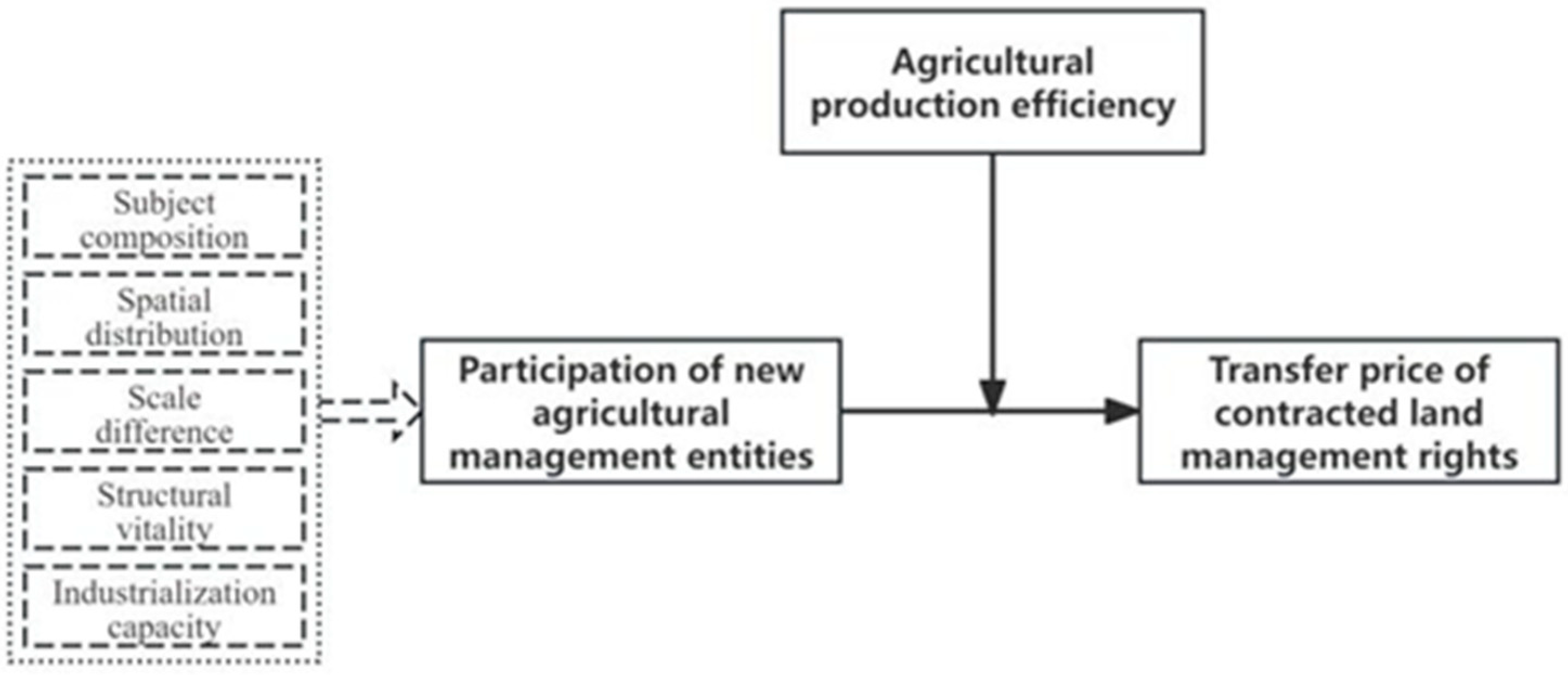
Figure 1. Theoretical analysis framework.
Agriculture 16 00034 g001
Table 1. Descriptive statistics of indicators for new agricultural management entities’ participation.
Indicator NameIndicator Definition and AssignmentMeanStd. Dev.MinMax
Participation of new agricultural management entitiesSubject compositionProportion of new agricultural management entities: ratio of the number of various types of new agricultural management entities in the village to the total number of registered households in the village0.1020.1060.0060.45
Spatial distributionDensity of new agricultural management entities: ratio of the number of various types of new agricultural management entities in the village to the area of contracted land transferred in the village0.0680.0540.0080.208
Scale
difference
Extreme value ratio of land transfer scale: ratio of the maximum land transfer scale to the average land transfer scale in a village3.4501.2631.7858.163
Structural vitalityNumber of types of new agricultural management entities: count of specialized households, family farms, farmers’ professional cooperatives, and leading agricultural enterprises in the village2.8360.47124
Industrialization capacityWhether there are leading agricultural enterprises in the village: Yes = 1; no = 00.1100.31301
Table 2. Descriptive statistics of indicators for agricultural production efficiency.
Indicator NameIndicator Definition and AssignmentMeanStd. Dev.MinMax
Agricultural production efficiencyInput indicatorsTotal capital input per plot, unit: ten thousand Yuan0.7923.1420.0494.667
Labor input of land parcel, unit: days64.31139.2607240
Land parcel scale, unit: hectares1.4915.3900.013133.333
Output indicatorsTotal output value of land parcel, unit: Ten Thousand Yuan17,442.87510.5110.015291.6
Table 3. Data description.
Variable TypeVariable NameVariable Definition and AssignmentMeanStd. Dev.MinMax
Dependent variableTransfer price of contracted land management rightsActual transfer price, unit: ten thousand Yuan1.1650.1930.2251.8
Independent variableParticipation of new agricultural management entitiesCalculated via principal component analysis0.0000.592−0.7931.896
Moderating variableAgricultural production efficiencyCalculated via the SBM model0.5020.1530.1711
Individual characteristicsGenderMale = 1; female = 00.8590.34801
AgeActual survey value, unit: years52.3858.2413277
Education levelPrimary school or below = 1; junior high = 2; senior high = 3; vocational school or technical secondary = 4; college or above = 51.7330.77115
Land parcel characteristicsParcel areaActual survey value, unit: hectares1.4915.3900.013133.333
Parcel qualityVery poor = 1; poor = 2; average = 3; good = 4; very good = 53.3920.86615
Parcel locationDistance from plot to home, unit: km1.6992.253030
Status of land transfer contract signingYes = 1; no = 00.3460.47601
Land transfer termActual survey value, unit: year1.0460.35918
Household characteristicsTotal household populationActual survey value, unit: person3.6241.376110
Presence of village cadres in the householdYes = 1; no = 00.1290.33601
Ownership of agricultural machineryYes = 1; no = 00.9430.23201
Number of household members engaged in non-agricultural employmentActual survey value, unit: person0.4320.78706
Village characteristicsVillage’s road conditionCompared to other villages in this township: very poor = 1; poor = 2; average = 3; fair = 4; good = 53.5610.92415
Village’s economic development levelCompared to other villages in this township: very low = 1; low = 2; average = 3; high = 4; very high = 53.4440.61424
Table 4. Baseline regression results.
VariableModel 1Model 2
Participation of new agricultural management entities0.089 **
(0.041)
0.104 **
(0.038)
Gender 0.010
(0.026)
Age 0.003 **
(0.001)
Education level 0.015
(0.015)
Parcel area 0.0001
(0.001)
Parcel quality 0.002
(0.008)
Parcel location −0.003
(0.05)
Status of land transfer contract signing 0.015
(0.026)
Land transfer term −0.053 **
(0.023)
Total household population 0.010
(0.008)
Presence of village cadres in the household −0.050 *
(0.028)
Ownership of agricultural machinery 0.030
(0.031)
Number of household members engaged in non-agricultural employment −0.009
(0.014)
Village’s road condition 0.032
(0.023)
Village’s economic development level 0.073 **
(0.034)
Observations12311231
R20.0750.214
Note: * p < 0.1, ** p < 0.05; the values in parentheses represent the robust standard errors for clustering.
Table 5. Assignment of the transfer price of contracted land management rights.
Transfer Price of Contracted Land Management Rights[0, 0.15](0.15, 0.3](0.3, 0.45](0.45, 0.6](0.6, 0.75](0.75, 0.9](0.9, 1.05](1.05, 1.2](1.2, 1.35](1.35, 1.5](1.5, +∞]
Assigned value1234567891011
Table 6. Replacing variable characterization and analysis models.
VariableModel 3Model 4
Participation of new agricultural management entities0.623 **
(0.244)
0.618 ***
(0.232)
Control variablesYESYES
Observations12311231
R2; Pseudo R20.2040.074
Note: ** p < 0.05, *** p < 0.01; the values in parentheses represent the robust standard errors for clustering.
Table 7. Tail truncation results.
VariableModel 5Model 6
Participation of new agricultural management entities0.071 **
(0.031)
0.084 ***
(0.026)
Control variablesNOYES
Observations12121212
R20.0580.184
Note: ** p < 0.05, *** p < 0.01; the values in parentheses represent the robust standard errors for clustering.
Table 8. Instrumental variable test results.
VariableFirst StageSecond Stage
Instrumental variable1.064 **
(0.522)
Participation of new agricultural management entities 0.677 **
(0.304)
Control variablesYESYES
Observations12311231
Wald F-test135.66 (16.380)
Note: ** p < 0.05; the values in parentheses represent the robust standard errors for clustering. Values in parentheses for the Wald F-test are the critical values for the weak instrument test at the 10% significance level.
Table 9. Moderating effect test.
VariableModerating EffectLow Agricultural ProductivityHigh Agricultural Productivity
Participation of new agricultural management entities0.105 ***
(0.036)
0.041
(0.033)
0.143 ***
(0.045)
Agricultural production efficiency−0.206 **
(0.081)
Interaction term0.141 **
(0.068)
Control variablesYESYESYES
Observations1231708523
R20.2420.2030.268
Note: ** p < 0.05, *** p < 0.01; the values in parentheses represent the robust standard errors for clustering.
Table 10. Results of heterogeneity analysis.
VariableTownship-Adjacent VillagesRemote VillagesDryland
Parcels
Paddy
Parcels
Participation of new agricultural management entities0.089 *
(0.044)
0.01
(0.083)
0.085 **
(0.035)
−0.125
(0.123)
Control variablesYESYESYESYES
Observations764467978253
R20.1640.4000.2820.249
Note: * p < 0.1, ** p < 0.05; the values in parentheses represent the robust standard errors for clustering.
Disclaimer/Publisher’s Note: The statements, opinions and data contained in all publications are solely those of the individual author(s) and contributor(s) and not of MDPI and/or the editor(s). MDPI and/or the editor(s) disclaim responsibility for any injury to people or property resulting from any ideas, methods, instructions or products referred to in the content.


