A Comprehensive Review on Equine Milk: Composition, Functional Properties, Technological Applications, and Future Perspectives

 ,
,  ,
,  ,
,  , and
, and
Abstract
1. Introduction
2. Materials and Methods: Review Strategy
3. Equine Population Dynamics and Production Across the Globe
3.1. Worldwide Equine Demographics
3.2. Equine Populations Utilized for Milk Production
4. Mare and Donkey Milk: Therapeutic Potential and Role in Human Nutrition
4.1. Historical Overview
4.2. Mechanistic Basis of the Functional and Health-Related Properties of Mare and Donkey Milk
4.3. Contemporary Trends and Market Integration of Mare and Donkey Milk Within Global Dairy Systems
4.3.1. Transition from Traditional Use to Global Consumption
4.3.2. Nutritional and Biomedical Context of Contemporary Consumption
4.3.3. Applications in Cosmetics and Dermatology
4.3.4. Socio-Economic Dimensions and Rural Development
4.3.5. Regional Case Studies Beyond Europe
4.4. Composition and Bioactivity of Mare and Donkey Milk
4.4.1. Protein Composition and Digestibility
4.4.2. Bioactive Proteins and Immunological Activity
4.4.3. Bioactive Peptides and Fermentation-Derived Functionality
4.4.4. Comparative Protein Profiles Across Mammalian Species
4.4.5. Lipid Content and Fatty Acid Composition
4.4.6. Cardiovascular Health Indices (AI and TI)
4.4.7. Lactose Content and Gastrointestinal Tolerance
4.5. Mare and Donkey Milk Technological Processing
Nutritional Suitability for Sensitive Populations
5. Therapeutic and Functional Properties of Fresh Mare and Donkey Milk and Processed Products
5.1. Therapeutic Uses of Equine Fresh Milk
5.2. Therapeutic Uses of Processed Products from Mare and Donkey Milk
6. Animal Welfare Practices in Mare and Donkey Milk Production
6.1. Housing and Environmental Conditions
6.2. Access to Pasture and Exercise
6.3. Feeding and Nutritional Management
6.4. Stress Reduction and Handling Practices
6.5. Links Between Welfare and Product Quality
6.6. Regulatory Compliance and Certification
6.7. Sustainability and Economic Implications
7. Industry Challenges, Sustainable Valorization, and Standardization in Mare and Donkey Milk Production
- -
- standardization of milking protocols—research should define optimal milking frequency, timing relative to foal suckling, and handling procedures to minimize stress and preserve bioactive components; comparative studies across small- and medium-scale farms can identify best practices that balance yield, milk quality, and animal welfare.
- -
- breed-specific compositional mapping—systematic characterization of mare and donkey milk across breeds can clarify variations in protein fractions (casein/whey ratio), lipid profiles, lactose content, and concentrations of lysozyme and lactoferrin; this data will support traceability, breed-specific functional product development, and conservation of heritage breeds.
- -
- controlled clinical trials for CMPA and sensitive populations—randomized controlled trials should evaluate hypoallergenic potential, digestive tolerance, and immunomodulatory effects in infants, children, and adults with Cow’s Milk Protein Allergy; dose–response studies and longitudinal follow-ups will strengthen evidence for health claims while identifying potential limitations.
- -
- impact of processing on bioactive compounds—studies should assess how pasteurization, fermentation, and lyophilization affect protein integrity, peptide bioactivity, and lipid oxidation. Experimental comparisons between raw, thermally treated, and fermented products can guide processing choices that maximize functional benefits without compromising safety.
- -
- microbiome–mare and donkey milk interactions—investigation of gut microbiota responses to fresh and fermented mare and donkey milk can elucidate mechanisms behind observed health effects, including modulation of beneficial bacterial populations and production of bioactive metabolites; integrating metabolomics and metagenomics approaches may link specific milk components to microbial and host outcomes.
- -
- sustainability and Life-Cycle Assessment (LCA)—quantifying environmental impacts, including greenhouse gas emissions, water footprint, land-use efficiency, and energy inputs, will provide evidence for low-input, resilient dairy systems; assessments should consider pasture management, supplementation practices, and integration with agroecological landscapes to optimize both productivity and ecosystem services.
8. Conclusions
Author Contributions
Funding
Data Availability Statement
Conflicts of Interest
References
- Verhulst, L.; Kerre, S.; Goossens, A. The unsuspected power of mare’s milk. Contact Dermat. 2016, 74, 376–377. [Google Scholar] [CrossRef]
- Li, M.; Kang, S.; Zheng, Y.; Shao, J.; Zhao, H.; An, Y.; Cao, G.; Li, Q.; Yue, X.; Yang, M. Comparative metabolomics analysis of donkey colostrum and mature milk using ultra-high-performance liquid tandem chromatography quadrupole time-of-flight mass spectrometry. J. Dairy Sci. 2020, 103, 992–1001. [Google Scholar] [CrossRef]
- Pânzaru, C.; Doliș, M.G.; Radu-Rusu, R.-M.; Pascal, C.; Maciuc, V.; Davidescu, M.-A. Equine Milk and Meat: Nutritious and Sustainable Alternatives for Global Food Security and Environmental Sustainability—A Review. Agriculture 2024, 14, 2290. [Google Scholar] [CrossRef]
- Kaskous, S. Cow’s milk consumption and risk of disease. Emir. J. Food Agric. 2021, 33, 1–11. [Google Scholar]
- Bertino, E.; Cavallarin, L.; Cresi, F.; Tonetto, P.; Peila, C.; Ansaldi, G.; Raia, M.; Varalda, A.; Giribaldi, M.; Conti, A.; et al. A Novel Donkey Milk–Derived Human Milk Fortifier in Feeding Preterm Infants: A Randomized Controlled Trial. J. Pediatr. Gastroenterol. Nutr. 2019, 68, 116–123. [Google Scholar] [CrossRef] [PubMed]
- Cresi, F.; Maggiora, E.; Pirra, A.; Tonetto, P.; Rubino, C.; Cavallarin, L.; Giribaldi, M.; Moro, G.E.; Peila, C.; Coscia, A. Effects on Gastroesophageal Reflux of Donkey Milk-Derived Human Milk Fortifier Versus Standard Fortifier in Preterm Newborns: Additional Data from the FortiLat Study. Nutrients 2020, 12, 2142. [Google Scholar] [CrossRef] [PubMed]
- Tidona, F.; Criscione, A.; Devold, T.G.; Bordonaro, S.; Marletta, D.; Vegarud, G.E. Protein composition and micelle size of donkey milk with different protein patterns: Effects on digestibility. Int. Dairy J. 2014, 35, 57–62. [Google Scholar] [CrossRef]
- Trinchese, G.; Cavaliere, G.; De Filippo, C.; Aceto, S.; Prisco, M.; Chun, J.T.; Penna, E.; Negri, R.; Muredda, L.; Demurtas, A.; et al. Human Milk and Donkey Milk, Compared to Cow Milk, Reduce Inflammatory Mediators and Modulate Glucose and Lipid Metabolism, Acting on Mitochondrial Function and Oleylethanolamide Levels in Rat Skeletal Muscle. Front. Physiol. 2018, 9, 32. [Google Scholar] [CrossRef]
- Matei, A.C.; Creangă, Ș.; Davidescu, M.A.; Doboș, B.I.; Poroșnicu, I.; Mădescu, B.M. Research on the Economic Efficiency of Farms in the Function of the Milking System. Sci. Pap. Ser. D Anim. Sci. 2020, 58, 296–300. [Google Scholar]
- Davidescu, M.A.; Grădinaru, A.C.; Creangă, Ș. Endangered Romanian Cattle Breeds—Between Traditional Breeding and Genetic Conservation. In Scientific Papers-Animal Science Series: Lucrări Ştiinţifice—Seria Zootehnie; University of Agricultural Sciences and Veterinary Medicine Iasi: Iasi, Romania, 2021; Volume 75, pp. 66–75. [Google Scholar]
- Ugidos-Rodríguez, S.; Matallana-González, M.C.; Sánchez-Mata, M.C. Lactose malabsorption and intolerance: A review. Food Funct. 2018, 9, 4056–4068. [Google Scholar] [CrossRef] [PubMed]
- Rațu, R.N.; Cârlescu, P.M.; Usturoi, M.G.; Lipșa, F.D.; Veleșcu, I.D.; Arsenoaia, V.N.; Florea, A.M.; Ciobanu, M.M.; Radu-Rusu, R.-M.; Postolache, A.N.; et al. Effects of Dairy Cows Management Systems on the Physicochemical and Nutritional Quality of Milk and Yogurt, in a North-Eastern Romanian Farm. Agriculture 2023, 13, 1295. [Google Scholar] [CrossRef]
- Gateway to Dairy Production and Products. Available online: https://www.fao.org/dairy-production-products/dairy/other-animals/ (accessed on 10 November 2025).
- Martini, M.; Altomonte, I.; Tricò, D.; Lapenta, R.; Salari, F. Current Knowledge on Functionality and Potential Therapeutic Uses of Donkey Milk. Animals 2021, 11, 1382. [Google Scholar] [CrossRef]
- Musaev, A.; Sadykova, S.; Anambayeva, A.; Saizhanova, M.; Balkanay, G.; Kolbaev, M. Mare’s Milk: Composition, Properties, and Application in Medicine. Arch. Razi Inst. 2021, 76, 1125–1135. [Google Scholar]
- Barreto, Í.M.L.G.; Rangel, A.H.d.N.; Urbano, S.A.; Bezerra, J.d.S.; Oliveira, C.A.d.A. Equine Milk and Its Potential Use in the Human Diet. Food Sci. Technol. Int. 2019, 39, 1–7. [Google Scholar] [CrossRef]
- Cunsolo, V.; Saletti, R.; Muccilli, V.; Gallina, S.; Di Francesco, A.; Foti, S. Proteins and bioactive peptides from donkey milk: The molecular basis for its reduced allergenic properties. Food Res. Int. 2017, 99, 41–57. [Google Scholar] [CrossRef]
- Singh, M.P.; Vashisht, P.; Singh, L.; Awasti, N.; Sharma, S.; Mohan, C.; Singh, T.P.; Sharma, S.; Shyam, S.; Charles, A.P.R. Donkey Milk as a Non-Bovine Alternative: A Review of Its Nutri-Functional Properties, Applications, and Challenges. J. Food Sci. Technol. 2024, 61, 1652–1661. [Google Scholar] [CrossRef] [PubMed]
- Miraglia, N.; Saastamoinen, M.; Martin-Rosset, W. Role of pastures in mares and foals management in Europe. In Nutrition and Feeding of the Broodmare; Miraglia, N., Martin-Rosset, W., Eds.; Academic Publishing: Wageningen, The Netherlands, 2006; Volume 120, pp. 279–297. [Google Scholar]
- Singer, J.W.; Bamka, W.J.; Kluchinski, D.; Govindasamy, R. Using the recommended stocking density to predict equine pasture management. J. Equine Vet. Sci. 2002, 22, 73–76. [Google Scholar] [CrossRef]
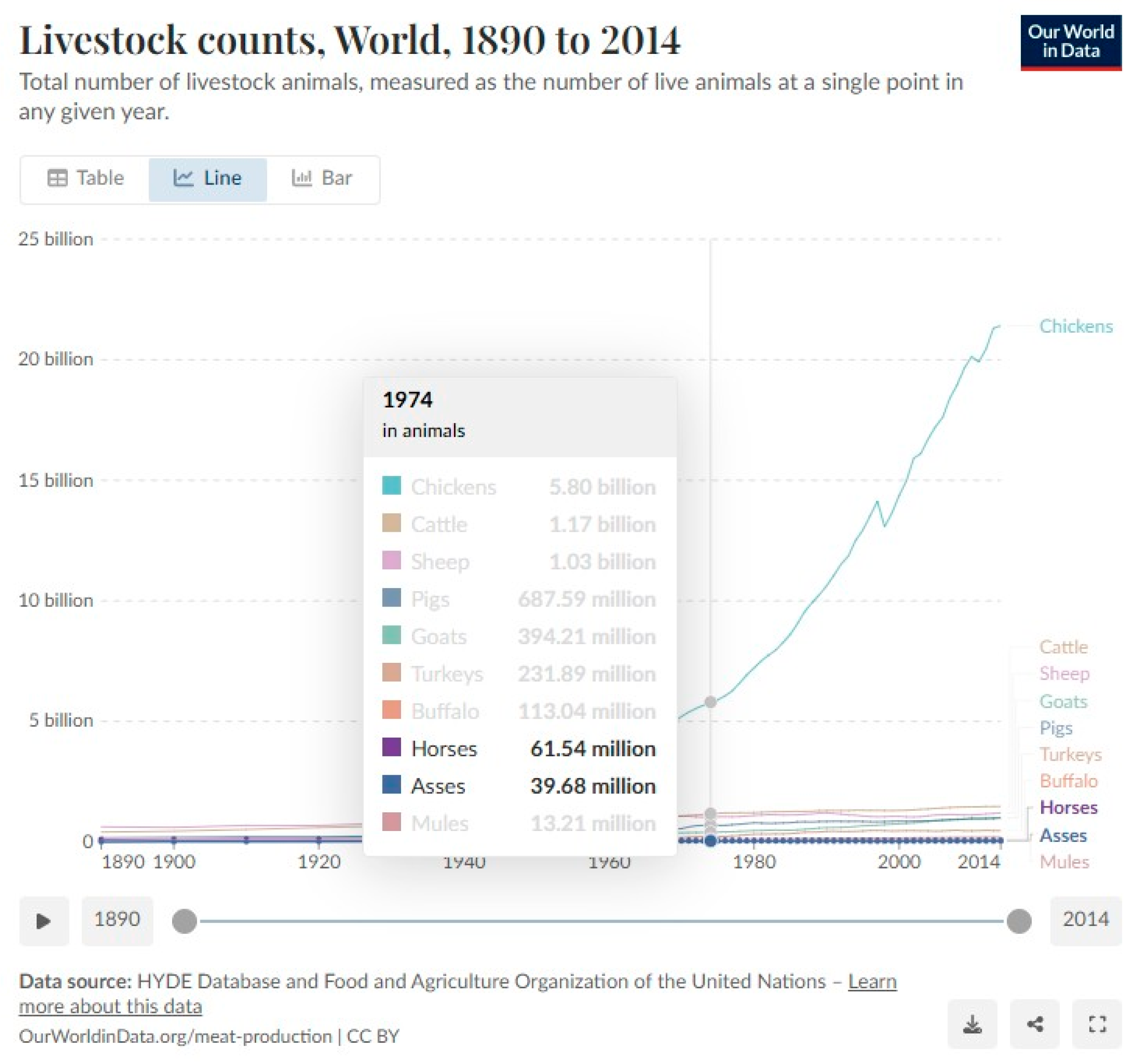
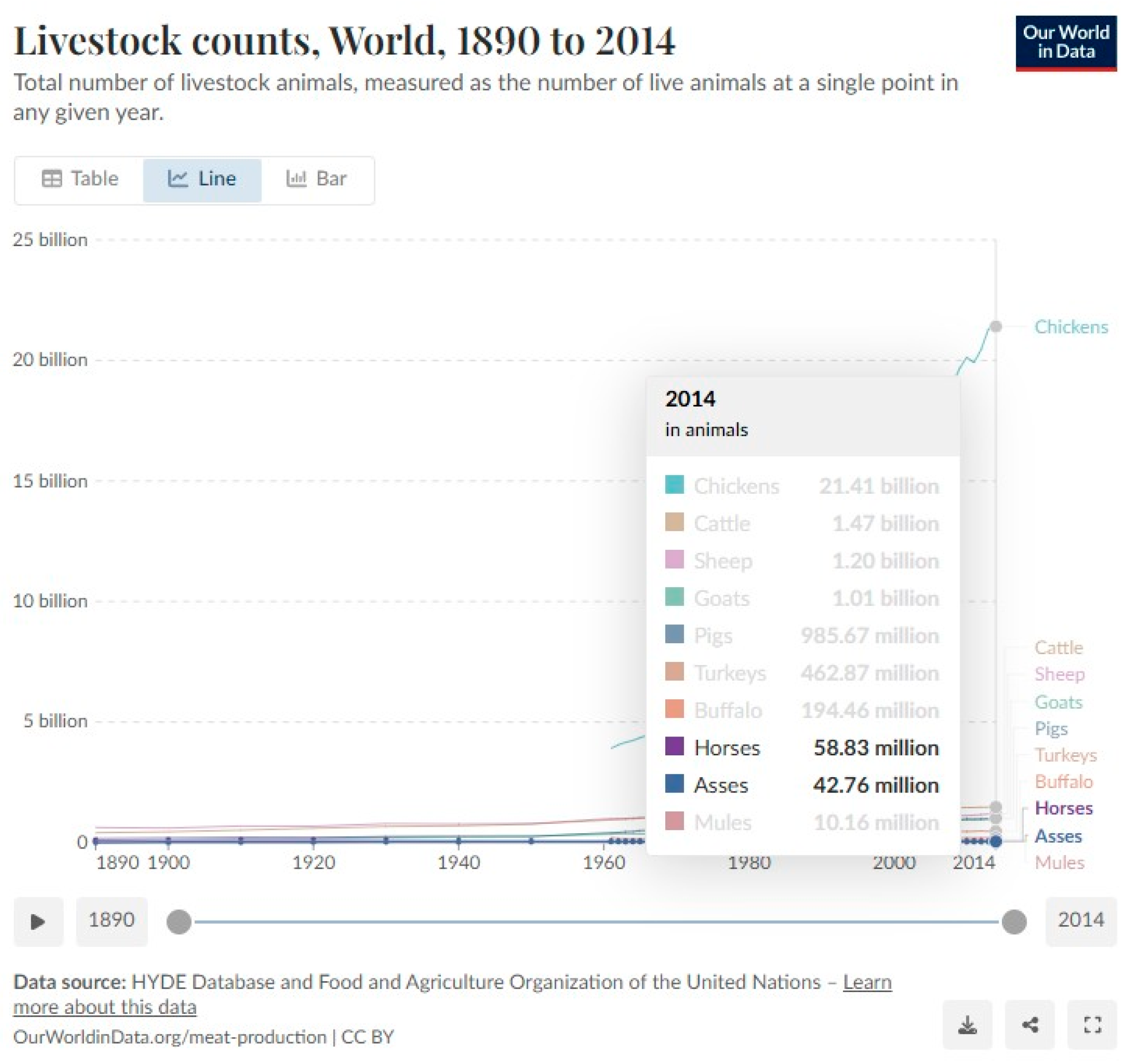
- Livestock Counts, World, 1890 to 2014. Available online: https://ourworldindata.org/grapher/livestock-counts (accessed on 10 November 2025).
- Davidescu, M.A.; Creangă, Ș.; Henea, M.E.; Grădinaru, A.C. Agriculture and milk production in Romania: Retrospectives and trends in the European context. AAB Bioflux 2020, 12, 58–66. [Google Scholar]
- Cosentino, C.; Paolino, R.; Musto, M.; Freschi, P. Innovative use of jenny milk from sustainable rearing. In The Sustainability of Agro-Food and Natural Resource Systems in the Mediterranean Basin; Vastola, A., Ed.; Springer International Publishing: Cham, Switzerland, 2015; pp. 113–132. [Google Scholar]
- Nielsen, S.S.; Joosten, L. Sustainability in livestock production: Impacts and opportunities. Sustainability 2022, 14, 82–100. [Google Scholar]
- Liu, L.L.; Fang, C.; Ma, H.Y.; Yu, X.; Lv, S.P.; Liu, W.J. Development and validation of KASP markers for the milk traits genes in Kazakh horse. J. Appl. Anim. Res. 2020, 48, 293–299. [Google Scholar] [CrossRef]
- Rivero, M.J.; Cooke, A.S.; Gandarillas, M.; Leon, R.; Merino, V.M.; Velásquez, A. Nutritional composition, fatty acids profile and immunoglobulin G concentrations of mare milk of the Chilean Corralero horse breed. PLoS ONE 2024, 19, e0310693. [Google Scholar] [CrossRef]
- Sharifan, P.; Roustaee, R.; Shafiee, M.; Longworth, Z.L.; Keshavarz, P.; Davies, I.G.; Webb, R.J.; Mazidi, M.; Vatanparast, H. Dairy Consumption and Risk of Cardiovascular and Bone Health Outcomes in Adults: An Umbrella Review and Updated Meta-Analyses. Nutrients 2025, 17, 2723. [Google Scholar] [CrossRef]
- Plotuna, A.-M.; Hotea, I.; Ban-Cucerzan, A.; Imre, K.; Herman, V.; Nichita, I.; Popa, I.; Tîrziu, E. Bioactive Protein Profile and Compositional Evolution of Donkey Milk Across Lactation Reflecting Its Nutritional and Functional Food Value. Foods 2025, 14, 4284. [Google Scholar] [CrossRef]
- Demine, S.; Renard, P.; Arnould, T. Mitochondrial Uncoupling: A Key Controller of Biological Processes in Physiology and Diseases. Cells 2019, 8, 795. [Google Scholar] [CrossRef]
- Chevalait, A Producer of Fresh Mare’s Milk. Available online: https://www.chevalait.com/en/blog/chevalait-a-producer-of-fresh-mare-s-milk-n18 (accessed on 13 November 2025).
- European Commission—Food, Farming, Fisheries. Available online: https://food.ec.europa.eu/food-safety/labelling-and-nutrition/nutrition-and-health-claims/health-claims (accessed on 13 November 2025).
- Commission Implementing Regulation (EU) 2022/424 of 14 March 2022. Available online: https://eur-lex.europa.eu/legal-content/EN/TXT/PDF/?uri=CELEX:32022R0424& (accessed on 13 November 2025).
- Reiter, A.S.; Reed, S.A. Lactation in horses. Anim. Front. 2023, 13, 103–107. [Google Scholar] [CrossRef] [PubMed] [PubMed Central]
- Chavatte-Palmer, P.; Arnaud, G.; Duvaux-Ponter, C.; Brosse, L.; Bougel, S.; Daels, P.; Guillaume, D.; Clément, F.; Palmer, E. Quantitative and Qualitative Assessment of Milk Production After Pharmaceutical Induction of Lactation in the Mare. J. Vet. Intern. Med. 2002, 16, 472–477. [Google Scholar] [CrossRef] [PubMed][Green Version]
- Luštrek, B.; Simcic, M.; Kaic, A.; Potocnik, K. Report on Mare’s Milk Analysis. ICAR Technical Series No. 21. Available online: https://www.icar.org/wp-content/uploads/documents/ICAR-Technical-Series-21-Puerto-Varas-2017-Proceedings.pdf?utm_source=chatgpt.com (accessed on 13 November 2025).
- Blanco-Doval, A.; Barron, L.J.R.; Aldai, N. Nutritional Quality and Socio-Ecological Benefits of Mare Milk Produced under Grazing Management. Foods 2024, 13, 1412. [Google Scholar] [CrossRef] [PubMed]
- Boranbayeva, T.; Dossimova, Z.; Zhalelov, D.; Zhunisbek, A.; Bolat, A.; Toishimanov, M. Influence of Lactation, Age and Foaling Factors on the Quality Composition, Fatty and Amino Acid Profile of Mare’s Milk Under Pasture Conditions. Foods 2025, 14, 2880. [Google Scholar] [CrossRef]
- European Food Safety Authority (EFSA). Health Claims. Available online: https://www.efsa.europa.eu/en/safe2eat/health-claims (accessed on 13 November 2025).
- Van der Burg, L.J.; Muller, I. Horse milking industry in The Netherlands and Flanders. Tijdschr. Voor Diergeneeskd. 2011, 136, 257–261. [Google Scholar]
- Histories, 4: Herodotus. Available online: https://lexundria.com/hdt/4/mcly (accessed on 17 November 2025).
- Herodotus, The Histories A. D. Godley, Ed. Available online: https://www.perseus.tufts.edu/hopper/text?doc=Perseus%3Atext%3A1999.01.0126%3Abook%3D4&force=y (accessed on 17 November 2025).
- Temkin, O. Galenism: Rise and Decline of a Medical Philosophy; Cornell University Press: Ithaca, NY, USA, 1956; pp. 23–37. [Google Scholar]
- Dhanani, A. Avicenna’s Canon of Medicine: An Introduction to its Use in Western Medicine. J. Islam. Stud. 2007, 18. [Google Scholar]
- Pliny the Elder, The Natural History John Bostock, M.D., F.R.S., H.T. Riley, Esq., B.A., Ed. pp: 12–18. Available online: https://www.perseus.tufts.edu/hopper/text?doc=plin.+nat.+toc (accessed on 17 November 2025).
- Yule, H.; Burnell, A.C. The Travels of Marco Polo; Penguin Classics: London, UK, 1993; pp. 54–55. [Google Scholar]
- Lonnerdal, B. Human milk: Bioactive proteins/peptides, their role in infant health and development. Front. Nutr. 2016, 3, 26. [Google Scholar]
- Maciuc, V.; Pânzaru, C.; Ciocan-Alupii, M.; Radu-Rusu, C.-G.; Radu-Rusu, R.-M. Comparative Assessment of the Nutritional and Sanogenic Features of Certain Cheese Sorts Originating in Conventional Dairy Farms and in “Mountainous” Quality System Farms. Agriculture 2024, 14, 172. [Google Scholar] [CrossRef]
- Ugwu, C.P.; Abarshi, M.M.; Mada, S.B.; Sanusi, B.; Nzelibe, H.C. Camel and Horse Milk Casein Hydrolysates Exhibit Angiotensin Converting Enzyme Inhibitory and Antioxidative Effects In Vitro and In Silico. Int. J. Pept. Res. Ther. 2019, 25, 1595–1604. [Google Scholar] [CrossRef]
- Fratini, F.; Turchi, B.; Pedonese, F.; Pizzurro, F.; Ragaglini, P.; Torracca, B.; Tozzi, B.; Galiero, A.; Nuvoloni, R. Does the addition of donkey milk inhibit the replication of pathogen microorganisms in goat milk at refrigerated condition? Dairy Sci. Technol. 2016, 96, 243–250. [Google Scholar] [CrossRef]
- Businco, L.; Giampietro, P.G.; Lucenti, P.; Lucaroni, F.; Pini, C.; Di Felice, G.; Iacovacci, P.; Curadi, C.; Orlandi, M. Allergenicity of mare’s milk in children with cow’s milk allergy. J. Allergy Clin. Immunol. 2000, 105, 1031–1034. [Google Scholar] [CrossRef]
- Rațu, R.N.; Ciobanu, M.M.; Radu-Rusu, R.M.; Usturoi, M.G.; Ivancia, M.; Doliș, M.G. Study on the chemical composition and nitrogen fraction of milk from different animal species. Sci. Pap. Ser. D Anim. Sci. 2021, 64, 374–379. [Google Scholar]
- Rațu, R.N.; Doliș, M.G.; Murariu, O.C.; Hodorcă, R.M.; Onose, I.; Usturoi, M.G. Studies regarding quantitative evaluation of milk proteins gathered from different animal breeds as source for a healthy nourishment of athletes. In Proceedings of the 4th International Conference of the Universitaria Consortium (ICU 2018): The Impact of Sport and Physical Education Science on Today’s Society, Iasi, Romania, 26 September 2018; ICU: Iasi, Romania, 2018; pp. 303–308. [Google Scholar]
- Davidescu, M.A.; Pânzaru, C.; Mădescu, B.M.; Radu-Rusu, R.M.; Doliș, M.G.; Simeanu, C.; Usturoi, A.; Ciobanu, A.; Creangă, Ș. Genetic Diversity and Phylogenetic Analysis of the Endangered Transylvanian Pinzgau Cattle: A Key Resource for Biodiversity Conservation and the Sustainability of Livestock Production. Agriculture 2024, 14, 2234. [Google Scholar] [CrossRef]
- Panzaru, C.; Radu-Rusu, R.M.; Dolis, M.G.; Nistor, M.; Maciuc, V.; Davidescu, M.A. Contributions to the Study of Milk Quality from Various Cattle Breeds. Sci. Study Res. Chem. Chem. Eng. Biotechnol. Food Ind 2024, 25, 393–401. [Google Scholar]
- Nistor, C.E.; Băcilă, V.; Avram, P.; Usturoi, A.; Avarvarei, B.V. Evaluation of raw milk quality gathered from north east area of Romania. Sci. Pap. Ser. D Anim. Sci. 2019, 62, 289–295. [Google Scholar]
- Martini, M.; Altomonte, I.; Licitra, R.; Salari, F. Short communication: Technological and seasonal variations of vitamin D and other nutritional components in donkey milk. J. Dairy Sci. 2018, 101, 8721–8725. [Google Scholar] [CrossRef]
- Furtado, T.; King, M.; Perkins, E.; McGowan, C.; Chubbock, S.; Hannelly, E.; Rogers, J.; Pinchbeck, G. An Exploration of Environmentally Sustainable Practices Associated with Alternative Grazing Management System Use for Horses, Ponies, Donkeys and Mules in the UK. Animals 2022, 12, 151. [Google Scholar] [CrossRef]
- Dai, F.; Dalla Costa, E.; Burden, F.; Judge, A.; Minero, M. The development of guidelines to improve dairy donkey management and welfare. Ital. J. Anim. Sci. 2019, 18, 189–193. [Google Scholar] [CrossRef]
- Pânzaru, C.; Doliș, M.G.; Radu-Rusu, R.M.; Davidescu, M.A. Blood Sugar and Protein Levels in the Milk of Dairy Cattle Based On Their Physiological State. Sci. Pap. Anim. Sci. Biotechnol. 2023, 57, 162–167. [Google Scholar]
- Bednarski, M.; Kupczyński, R. Factors Affecting Milk Productivity, Milk Quality and Dairy Cow Health. Animals 2024, 14, 3707. [Google Scholar] [CrossRef]
- Matei, M.; Petrescu, S.I.; Flocea, E.I.; Lăpușneanu, D.M.; Simeanu, D.; Pop, I.M. Variation in Mineral Oil Hydrocarbons Content of Milk During Processing. Sci. Pap. Ser. D Anim. Sci. 2024, 67, 490–499. [Google Scholar]
- Miraglia, N.; Salimei, E.; Fantuz, F. Equine Milk Production and Valorization of Marginal Areas—A Review. Animals 2020, 10, 353. [Google Scholar] [CrossRef]
- Salimei, E.; Fantuz, F. Equid milk for human consumption. Int. Dairy J. 2012, 24, 130–142. [Google Scholar] [CrossRef]
- Barłowska, J.; Polak, G.; Janczarek, I.; Tkaczyk, E. The influence of selected factors on the nutritional value of mare’s milk (access to pasture, lactation number, foal sex). Animals 2023, 13, 1152. [Google Scholar] [CrossRef]
- Sarti, L.; Martini, M.; Brajon, G.; Barni, S.; Salari, F.; Altomonte, I.; Ragona, G.; Mori, F.; Pucci, N.; Muscas, G.; et al. Donkey’s Milk in the Management of Children with Cow’s Milk Protein Allergy: Nutritional and Hygienic Aspects. Ital. J. Pediatr. 2019, 45, 102. [Google Scholar] [CrossRef]
- Spada, V.; Ferranti, P.; Chianese, L.; Salimei, E.; Addeo, F.; Picariello, G. Antibacterial potential of donkey’s milk disclosed by untargeted proteomics. J. Proteom. 2021, 231, 104007. [Google Scholar] [CrossRef] [PubMed]
- D’Alessandro, A.G.; Martemucci, G. Influence of milking number and frequency on milk production in Martina Franca breed asses. Ital. J. Anim. Sci. 2007, 6, 643–645. [Google Scholar] [CrossRef]
- Vincenzetti, S.; Pucciarelli, S.; Polzonetti, V.; Polidori, P. Role of Proteins and of Some Bioactive Peptides on the Nutritional Quality of Donkey Milk and Their Impact on Human Health. Beverages 2017, 3, 34. [Google Scholar] [CrossRef]
- Albertos, I.; López, M.; Jiménez, J.-M.; Cao, M.J.; Corell, A.; Castro-Alija, M.J. Characterisation of Zamorano-Leonese Donkey Milk as an Alternative Sustainably Produced Protein Food. Front. Nutr. 2022, 9, 872409. [Google Scholar] [CrossRef] [PubMed]
- Claudia, P. Study on the Dynamics of Some Morphological and Reproduction Parameters in the Shagya Horse Population at Rădăuți Stud Farm. Ph.D. Thesis, University of Agricultural Sciences and Veterinary Medicine Iasi, Iasi, Romania, 2021. Available online: http://193.231.26.26/handle/20.500.12811/1916 (accessed on 10 December 2025).
- Guha, S.; Sharma, H.; Deshwal, G.K.; Rao, P.S. A comprehensive review on bioactive peptides derived from milk and milk products of minor dairy species. Food Prod. Process. Nutr. 2021, 3, 2. [Google Scholar] [CrossRef]
- Kanetkar, P.; Paswan, V.K.; Rose, H.; Shehata, A.M.; Felix, J.; Bunkar, D.S.; Rathaur, A.; Yamini, S.; Bhinchhar, B.K. Appraisal of some ethnic milk products from minor milch animal species around the world: A review. J. Ethn. Foods 2023, 10, 40. [Google Scholar] [CrossRef]
- Park, Y.W.; Juárez, M.; Ramos, M.; Haenlein, G.F.W. Physico-chemical characteristics of goat and sheep milk. Small Rumin. Res. 2007, 68, 88–113. [Google Scholar] [CrossRef]
- Vargas-Ramella, M.; Pateiro, M.; Maggiolino, A.; Faccia, M.; Franco, D.; De Palo, P.; Lorenzo, J.M. Buffalo Milk as a Source of Probiotic Functional Products. Microorganisms 2021, 9, 2303. [Google Scholar] [CrossRef]
- Almasri, R.S.; Bedir, A.S.; Ranneh, Y.K.; El-Tarabily, K.A.; Al Raish, S.M. Benefits of Camel Milk over Cow and Goat Milk for Infant and Adult Health in Fighting Chronic Diseases: A Review. Nutrients 2024, 16, 3848. [Google Scholar] [CrossRef]
- Lou, X.; Shao, W.; Wu, Y.; Ma, H.; Chen, H.; Zheng, N.; Zhao, Y. Peptidomic Analysis of Potential Bioactive Peptides in Mare Milk Under Different Heat Treatment Conditions. Foods 2024, 13, 3592. [Google Scholar] [CrossRef]
- Coroian, A.; Erler, S.; Matea, C.T.; Mireșan, V.; Răducu, C.; Bele, C.; Coroian, C.O. Seasonal changes of buffalo colostrum: Physicochemical parameters, fatty acids and cholesterol variation. Chem. Cent. J. 2013, 7, 40. [Google Scholar] [CrossRef] [PubMed]
- Ljubojević Pelić, D.; Popov, N.; Gardić, E.; Vidaković Knežević, S.; Žekić, M.; Gajdov, V.; Živkov Baloš, M. Seasonal Variation in Essential Minerals, Trace Elements, and Potentially Toxic Elements in Donkey Milk from Banat and Balkan Breeds in the Zasavica Nature Reserve. Animals 2025, 15, 791. [Google Scholar] [CrossRef] [PubMed]
- Longodor, A.L.; Miresan, V.; Raducu, C.; Coroian, A. Influence of the area and lactation on physico-chemical parameters and the content of heavy metals in the donkey milk. Sci. Pap. Ser. D Anim. Sci. 2018, 61, 127–131. [Google Scholar]
- Pelić, D.L.; Lazić, S.; Baloš, M.Z. Chemical contaminants in donkey milk: A review of literature on sources, routes and pathways of contamination, regulatory framework, health risks, and preventive measures. Heliyon 2024, 10, e39999. [Google Scholar] [CrossRef]
- Feştilă, I.; Mireşan, V.; Răducu, C.; Coroian, A.; Constantinescu, R.; Cocan, D. Study of Productive Performances in a Dairy Cows Population of Simmental Type Breed. Bull. UASVM Anim. Sci. Biotechnol. 2011, 68, 165–169. [Google Scholar]
- Gheorghe-Irimia, R.A.; Şonea, C.; Gurău, M.; Tăpăloagă, D.; Tăpăloagă, P.R. Milk Production Forecast Analysis in Romania—A Problem to Possible Solutions Approach. Ann. ‘Valahia’ Univ. Târgovişte. (Agric.) 2023, 15, 18–25. [Google Scholar] [CrossRef]
- Tudor, L.; Pițuru, M.-T.; Gheorghe-Irimia, R.-A.; Șonea, C.; Ilie, L.-I.; Tăpăloagă, D. Optimizing milk production, quality and safety through essential oil applications—Review. Farmacia 2023, 71, 900–910. [Google Scholar] [CrossRef]
- Gheorghe-Irimia, R.A.; Tăpăloagă, D.; Şonea, C.; Tăpăloagă, P.R.; Beia, S.I. Future trends in milk fat content: A five-year forecast for Romania and the European Union. In Scientific Papers Series Management, Economic Engineering in Agriculture and Rural Development; University of Agricultural Sciences and Veterinary Medicine, Bucharest: Bucharest, Romania, 2024; Volume 24, pp. 361–368. [Google Scholar]
- Faustini, M.; Vigo, D.; Brecchia, G.; Agradi, S.; Draghi, S.; Curone, G.; Atigui, M.; Sboui, A.; Quattrone, A.; Fehri, N.E. Camel (Camelus dromedarius L. and Camelus bactrianus L.) Milk Composition and Effects on Human Type 1 and Type 2 Diabetes Mellitus: A Review. Biology 2025, 14, 1162. [Google Scholar] [CrossRef]
- Şonea, C.; Gheorghe-Irimia, R.A.; Al Dulaimi, M.K.H.; Udrea, L.; Tăpăloagă, D.; Tăpăloagă, P.R. Optimizing feed formulation strategies for attaining optimal nutritional balance in high-performing dairy goats in intensive farming production systems. Ann. ‘Valahia’ Univ. Târgovişte. (Agric.) 2024, 16, 55–66. [Google Scholar] [CrossRef]
- Coroian, A.; Coroian, C.O.; Matea, C.T.; Mireșan, V.; Odagiu, A.; Răducu, C.; Dărăban, S. Characterization of some milk components, function of lactation, in buffaloes. ABAH Bioflux 2011, 3, 135–140. [Google Scholar]
- Sofyan, D. Health benefits of sheep milk. Int. Dairy J. 2020, 109, 104–112. [Google Scholar]
- López, C. Chemical composition of sheep milk and its contribution to the development of dairy products. J. Dairy Sci. 2005, 88, 29–45. [Google Scholar]
- Meza-Herrera, C.A.; Navarrete-Molina, C.; Macias-Cruz, U.; Arellano-Rodriguez, G.; De Santiago-Miramontes, A.; Sariñana-Navarrete, M.A.; Marin-Tinoco, R.I.; Perez-Marin, C.C. Dairy Goat Production Systems: A Comprehensive Analysis to Reframe Their Global Diversity. Animals 2024, 14, 3717. [Google Scholar] [CrossRef]
- Marcone, S.; Belton, O.; Fitzgerald, D.J. Milk-derived bioactive peptides and their health promoting effects: A potential role in atherosclerosis. Br. J. Clin. Pharmacol. 2017, 83, 152–162. [Google Scholar] [CrossRef]
- Boukrouh, S.; Noutfia, A.; Moula, N.; Avril, C.; Hornick, J.-L.; Chentouf, M.; Cabaraux, J.-F. Effects of Sulla Flexuosa Hay as Alternative Feed Resource on Goat’s Milk Production and Quality. Animals 2023, 13, 709. [Google Scholar] [CrossRef] [PubMed]
- Bodnár, Á.; Egerszegi, I.; Kuchtik, J.; Penksza, K.; Póti, P.; Pajor, F. Effect of grazing on composition, fatty acid profile and nutritional indices of the goat milk and cheese. J. Anim. Feed. Sci. 2021, 30, 320–328. [Google Scholar] [CrossRef]
- Flis, Z.; Molik, E. Importance of Bioactive Substances in Sheep’s Milk in Human Health. Int. J. Mol. Sci. 2021, 22, 4364. [Google Scholar] [CrossRef]
- Zhu, L.; Fan, Z.; Li, W.; Shan, Y. Goat Milk Exhibits a Higher Degree of Protein Oxidation and Aggregation than Cow Milk During Cold Storage. Foods 2025, 14, 852. [Google Scholar] [CrossRef]
- Voronina, O.A.; Zaitsev, S.Y.; Savina, A.A.; Rykov, R.A.; Kolesnik, N.S. Seasonal Changes in the Antioxidant Activity and Biochemical Parameters of Goat Milk. Animals 2023, 13, 1706. [Google Scholar] [CrossRef]
- Paszczyk, B.; Czarnowska-Kujawska, M.; Klepacka, J.; Tońska, E. Health-Promoting Ingredients in Goat’s Milk and Fermented Goat’s Milk Drinks. Animals 2023, 13, 907. [Google Scholar] [CrossRef]
- Muñoz-Salinas, F.; Andrade-Montemayor, H.M.; De la Torre-Carbot, K.; Duarte-Vázquez, M.Á.; Silva-Jarquin, J.C. Comparative Analysis of the Protein Composition of Goat Milk from French Alpine, Nubian, and Creole Breeds and Holstein Friesian Cow Milk: Implications for Early Infant Nutrition. Animals 2022, 12, 2236. [Google Scholar] [CrossRef] [PubMed]
- Jankiewicz, M.; van Lee, L.; Biesheuvel, M.; Brouwer-Brolsma, E.M.; van der Zee, L.; Szajewska, H. The Effect of Goat-Milk-Based Infant Formulas on Growth and Safety Parameters: A Systematic Review and Meta-Analysis. Nutrients 2023, 15, 2110. [Google Scholar] [CrossRef]
- Xu, Q.; Wei, L.; Chen, X.; Zhu, H.; Wei, J.; Zhu, M.; Khan, M.Z.; Wang, C.; Zhang, Z. Nutritional Composition and Biological Activities of Donkey Milk: A Narrative Review. Foods 2025, 14, 2337. [Google Scholar] [CrossRef]
- Vidaković Knežević, S.; Vranešević, J.; Popov, N.; Knežević, S.; Ljubojević Pelić, D.; Živkov Baloš, M. Impact of Balkan and Banat Donkey Milk on the Technological Process, Microbiological Quality, Composition, and Consumer Acceptability of Rolled Cheese. Foods 2025, 14, 2041. [Google Scholar] [CrossRef]
- Šarić, L.; Premović, T.; Šarić, B.; Čabarkapa, I.; Todorić, O.; Miljanić, J.; Lazarević, J.; Karabasil, N. Microbiological Quality of Raw Donkey Milk from Serbia and Its Antibacterial Properties at Pre-Cooling Temperature. Animals 2023, 13, 327. [Google Scholar] [CrossRef]
- Zhou, M.; Huang, F.; Du, X.; Liu, G.; Wang, C. Analysis of the Differentially Expressed Proteins in Donkey Milk in Different Lactation Stages. Foods 2023, 12, 4466. [Google Scholar] [CrossRef]
- Ncube, K.T.; Modiba, M.C.; Mpofu, T.J.; Nephawe, K.A.; Mtileni, B. Genomic Tools for Medicinal Properties of Goat Milk for Cosmetic and Health Benefits: A Narrative Review. Int. J. Mol. Sci. 2025, 26, 893. [Google Scholar] [CrossRef]
- Benjamin-van Aalst, O.; Dupont, C.; van der Zee, L.; Garssen, J.; Knipping, K. Goat Milk Allergy and a Potential Role for Goat Milk in Cow’s Milk Allergy. Nutrients 2024, 16, 2402. [Google Scholar] [CrossRef] [PubMed]
- Malacarne, M.; Criscione, A.; Franceschi, P.; Bordonaro, S.; Formaggioni, P.; Marletta, D.; Summer, A. New Insights into Chemical and Mineral Composition of Donkey Milk Throughout Nine Months of Lactation. Animals 2019, 9, 1161. [Google Scholar] [CrossRef]
- Plotuna, A.-M.; Hotea, I.; Nichita, I.; Popa, I.; Imre, K.; Herman, V.; Tîrziu, E. Phytogenic and Nutritional Strategies to Improve Milk Production and Microbiological Quality in Lactating Donkeys. Animals 2025, 15, 3060. [Google Scholar] [CrossRef] [PubMed]
- Nath, A.; Vatai, G.; Bánvölgyi, S. Functional Foods and Bioactive Compounds through Environmentally Benign Emerging Processes. Processes 2023, 11, 1182. [Google Scholar] [CrossRef]
- Martirosyan, D. Functional Food Science and Bioactive Compounds. Bioact. Compd. Health Dis. 2025, 8, 218–229. [Google Scholar] [CrossRef]
- Martirosyan, D.; Lampert, T.; Lee, M. A comprehensive review on the role of food bioactive compounds in functional food science. Funct. Food Sci. 2022, 2, 64–78. [Google Scholar] [CrossRef]
- Park, Y.W.; Nam, M.S. Bioactive Peptides in Milk and Dairy Products: A Review. Korean J. Food Sci. Anim. Resour. 2015, 35, 831–840. [Google Scholar] [CrossRef] [PubMed] [PubMed Central]
- Arshad, Z.; Shahid, S.; Hasnain, A.; Yaseen, E.; Rahimi, M. Functional Foods Enriched with Bioactive Compounds: Therapeutic Potential and Technological Innovations. Food Sci. Nutr. 2025, 7, e71024. [Google Scholar] [CrossRef] [PubMed] [PubMed Central]
- Generalić Mekinić, I.; Šimat, V. Bioactive Compounds in Foods: New and Novel Sources, Characterization, Strategies, and Applications. Foods 2025, 14, 1617. [Google Scholar] [CrossRef]
- Cieslak, J.; Wodas, L.; Borowska, A.; Sadoch, J.; Pawlak, P.; Puppel, K.; Kuczynska, B.; Mackowski, M. Variability of lysozyme and lactoferrin bioactive protein concentrations in equine milk in relation to LYZ and LTF gene polymorphisms and expression. J. Sci. Food Agric. 2017, 97, 2174–2181. [Google Scholar] [CrossRef] [PubMed]
- Liu, Y.; Ma, Q.; Khan, M.Z.; Wang, M.; Xiang, F.; Zhang, X.; Kou, X.; Li, S.; Wang, C.; Li, Y. Proteomic Profiling of Donkey Milk Exosomes Highlights Bioactive Proteins with Immune-Related Functions. Int. J. Mol. Sci. 2025, 26, 2892. [Google Scholar] [CrossRef]
- Šarić, L.; Pezo, L.; Šarić, B.; Plavšić, D.; Jovanov, P.; Karabasil, N.; Gubić, J. Calcium-dependent antibacterial activity of donkey’s milk against Salmonella. Ann. Microbiol. 2017, 67, 185–194. [Google Scholar] [CrossRef]
- Scott, B.D. Best Management Practices for Equine Disease Prevention. Extension Horse Specialist. The Texas A&M System. Available online: https://agrilifelearn.tamu.edu/s/product/best-management-practices-for-equine-disease-prevention/01t4x000002dEwlAAE (accessed on 11 December 2025).
- McLean, A.K.; Navas Gonzalez, F.J. Can scientists influence donkey welfare? Historical perspective and a contemporary view. J. Equine Vet. Sci. 2018, 65, 25–32. [Google Scholar] [CrossRef]
- Labelling for High Animal Welfare Products. Available online: https://eu-cap-network.ec.europa.eu/projects/practice-abstracts/labelling-high-animal-welfare-products_en (accessed on 11 December 2025).
- Advancing Animal Welfare: A Global Perspective on Regulations, Certification, and Labelling. Available online: https://www.iamz.ciheam.org/agendas/animal-welfare-regulation-certification-labelling/? (accessed on 11 December 2025).
- Comin, V.C.; Karsburg, H.F.; Souza, B.M.S.; Almeida, H.M.S.; Neira, L.M.; Rossi, G.A.M. Perception of animal welfare and its certification system by Brazilian consumers and dairy farmers. J. Dairy Res. 2022, 89, 53–56. [Google Scholar] [CrossRef]
- Infascelli, L.; Tudisco, R.; Iommelli, P.; Capitanio, F. Milk Quality and Animal Welfare as a Possible Marketing Lever for the Economic Development of Rural Areas in Southern Italy. Animals 2021, 11, 1059. [Google Scholar] [CrossRef]
- Papademas, P.; Mousikos, P.; Aspri, M. Valorization of donkey milk: Technology, functionality, and future prospects. JDS Commun. 2022, 3, 228–233. [Google Scholar] [CrossRef]
- Li, Y.; Ma, Q.; Li, M.; Liu, W.; Liu, Y.; Wang, M.; Wang, C.; Khan, M.Z. Non-Bovine Milk as Functional Foods with Focus on Their Antioxidant and Anti-Inflammatory Bioactivities. Antioxidants 2025, 14, 801. [Google Scholar] [CrossRef] [PubMed]
- Fantuz, F.; Todini, L.; Salimei, E.; Fatica, A.; Mariani, P.; Marcantoni, F.; Ferraro, S. Milk Yield, Major Milk Components and Macro Minerals in Blood Serum of Lactating Donkeys, as Affected by Dietary Trace Element Supplementation and Stage of Lactation. Animals 2025, 15, 1073. [Google Scholar] [CrossRef] [PubMed]
- Lu, H.; Zhang, W.; Sun, S.; Mei, Y.; Zhao, G.; Yang, K. Effect of Supplementary Feeding on Milk Volume, Milk Composition, Blood Biochemical Index, and Fecal Microflora Diversity in Grazing Yili Mares. Animals 2023, 13, 2415. [Google Scholar] [CrossRef] [PubMed]
- Food Hygiene. Available online: https://food.ec.europa.eu/food-safety/biological-safety/food-hygiene_en? (accessed on 26 December 2025).



| Year | Species | Livestock (N) | Lactating Individuals (%) | Annual Production/Individual (Liters) | Estimated Total Production (Liters/Year) c | |
|---|---|---|---|---|---|---|
| 2019 | Mares a | 58,819,179 | 20 | 2160 | ~25.4 billion | |
| Jennies b | 51,603,917 | 15 | 336 | ~2.6 billion | ||
| 2020 | Mares a | 59,592,065 | 20 | 2160 | ~25.7 billion | |
| Jennies b | 52,780,596 | 15 | 336 | ~2.65 billion | ||
| 2021 | Mares a | 59,780,596 | 20 | 2160 | ~25.8 billion | |
| Jennies b | 52,075,158 | 15 | 336 | ~2.63 billion | ||
| 2022 | Mares a | 60,581,289 | 20 | 2160 | ~26.2 billion | |
| Jennies b | 51,687,273 | 15 | 336 | ~2.61 billion | ||
| Year | Species * | Annual Production (Tonnes) | Principal European Producers |
|---|---|---|---|
| 2019–2022 | Mares | 200–300 | France, Belgium, Netherlands, Italy |
| Jennies | Several hundred | Italy, Greece, Spain |
| Species | |||||||
|---|---|---|---|---|---|---|---|
| Item | Mare a | Jenny b | Cow c | Sheep d | Goat e | Buffalo f | Camel g |
| Casein (%) | 1.1–1.4 | 0.7–1.0 | 2.6–2.8 | 3.8–4.2 | 2.4–2.7 | 3.2–4.0 | 1.6–2.8 |
| Bioactive proteins/peptides | Lysozyme, lactoperoxidase, cytokines, anti-inflammatory peptides | Lysozyme, lactoferrin, immunoglobulins, growth factors | Beta-lactoglobulin, casein-derived peptides, immune-active peptides | Antioxidant peptides, lactoperoxidase | Gut-health peptides | ACE-inhibitory peptides, lactoferrin, lysozyme | Lactoferrin, lysozyme, immunoglobulins, lactoperoxidase, peptidoglycan recognition protein |
| Bioactive peptides (mg/mL) | 1.5–2.5 | 1.0–1.8 | 2.0–4.0 | 3.5–5.0 | 2.5–3.5 | - | 0.9–2.9 |
| Conjugated linoleic acid (CLA, mg/g fat) | 1.0–1.5 | 1.0–1.2 | 3.5–7.0 | 6.0–11.0 | 4.0–8.0 | - | - |
| Omega-3 fatty acids (mg/100 g fat) | 70–100 | 60–90 | 30–50 | 40–60 | 20–40 | - | - |
| Unsaturated fats (%) | 60–70 | 55–65 | 25–35 | 30–40 | 27–35 | - | - |
| Vitamins (general) | A, B-complex, C, D, E | A, B-complex, C, D, E | A, B-complex, C, D, E | A, B-complex, C, D, E | A, B-complex, C, D, E | A, B-complex, C, D, E | A, B-complex, C, D, E |
| Carotenoids (µg/100 mL) | 0.3–0.5 | 0.2–0.4 | 15–30 | 20–40 | 8–15 | 12–25 | 0.1–0.3 |
| Minerals (mg/100 mL) | Ca 110–130, P 85–100, Mg 10–15, K 150–200, Na 35–40 | Ca 35–45, P 20–30, Mg 6–10, K 150–200, Na 15–20 | Ca 120–130, P 90–100, Mg 10–15, K 140–150, Na 40–50 | Ca 160–180, P 110–130, Mg 20–25, K 150–200, Na 45–55 | Ca 120–140, P 90–100, Mg 10–15, K 180–200, Na 40–50 | Ca 120–140, P 90–110, Mg 12–18, K 150–180, Na 40–50 | Ca 90–110, P 60–90, Mg 8–12, K 120–160, Na 30–40 |
| Digestibility | High | Very high | Moderate | Low–moderate | High | Moderate–high | High |
| Milk Type | Dominant Precursor Proteins | Primary Peptide Release Mechanism | Major Functional Proteins | Functional Advantage d |
|---|---|---|---|---|
| Equine (mares and jennies) a | whey-dominant (40–60%), casein-low (αs1-casein minimal) | enzymatic hydrolysis during consumption; fermentation (e.g., kumîs) | mares: high α-La, lysozyme, lactoferrin female donkeys: lysozyme-rich, lactoferrin, Ig | easy and rapid release of small peptides due to soft curd formation and low αs1-casein content. |
| Ruminants (cow, sheep, goat) b | casein-dominant (80%+) (αs1 and β-caseins) | enzymatic hydrolysis during digestion (slow); specific technological processing (cheese-making) | bovine: low lysozyme, moderate LF ovine: high total protein caprine: some bioactivity | high yield of specific peptides (e.g., β-casomorphins) but slower release due to firm gastric curds |
| Camel c | casein-to-whey ratio is closer to ruminants, but lacks β-lactoglobulin; rich in immunoglobulins | enzymatic hydrolysis; fermentation (traditional Shubat) | high lactoferrin | unique peptide profile due to the absence of β-lactoglobulin and different casein micelle structure, offering high stability |
| Species | |||||||
|---|---|---|---|---|---|---|---|
| Item | Mare a | Jenny b | Cow c | Sheep d | Goat e | Buffalo f | Camel g |
| Average fat content (%) | 1.2–4.2 | 0.4–1.2 | 3.5–4.6 | ≥7.1 | 4.1–6.7 | 6.0–15.0 | 3.8–5.4 |
| Key fatty acid/compound notes | Low total fat High lactose content | Low total fat High lactose content | Mix of unsaturated and saturated fatty acids, CLA | Mix of unsaturated fatty acids (including Omega-3) | High short-chain and medium-chain fatty acids | High mono-unsaturated and saturated fatty acids | Rich in mono- and polyunsaturated fatty acids |
| Digestibility (Health Benefits) | Therapeutic uses Similar to human milk | Hypoallergenic alternative, easy on renal load (closest to human milk) | General energy and fat-soluble vitamin absorption | Highest energy, cardiovascular, anti-inflammatory | Easiest to digest due to smaller fat globules | High energy density, excellent for rich dairy products | High in Vitamin C (similar to human milk content) |
| Milk origin | |||||||
|---|---|---|---|---|---|---|---|
| Item | Mare a | Jenny b | Cow c | Sheep d | Goat e | Buffalo f | Camel g |
| AI/TI trend | Very low AI/TI (AI ≈ 1.06; TI ≈ 0.68) | Very low AI/TI (few standardized values) | Higher AI/TI | High AI/TI | Moderate AI/TI | High AI/TI | Lower than cow, higher than equines |
| PUFA:SFA | High | High | Low | Lower PUFA | Moderate | Low PUFA | Moderate-high |
| UFA:SFA | High | High | Low-moderate | Low | Moderate-high | Low | Moderate |
| n-6:n-3 ratio | Low | Low | High | High | Low-moderate | High | Moderate |
| LA:ALA ratio | Low | Low | High | High | Moderate | High | Moderate |
| H/H ratio | High | High | Low | Low | High | Low | Moderate |
| HPI | High | High | Low | Low | Moderate-high | Low | Moderate |
| Species | |||||||
|---|---|---|---|---|---|---|---|
| Item | Mare a | Jenny b | Cow c | Sheep d | Goat e | Buffalo f | Camel g |
| Lactose content (%) | approx. 6.0–6.8 | approx. 6.0–6.5 | approx. 4.8–5.0 | approx. 4.8–5.2 | approx. 4.5–4.8 | approx. 4.8–5.0 | approx. 4.8–5.0 |
| Observations (tolerance) | Generally well tolerated; suitable for mild lactose intolerance | Often better tolerated than cow milk; suitable for sensitive individuals | May cause discomfort in lactose-intolerant individuals | Often tolerated by people with mild lactose intolerance | Often tolerated by people with mild lactose intolerance | Less suitable for lactose-intolerant individuals | Often better tolerated than cow milk; some hypoallergenic properties |
| Type of Product | Species | Fat (%) | Protein (%) | Lactose (%) | Bioactive Proteins and Peptides | Observations |
|---|---|---|---|---|---|---|
| Fresh pasteurized milk | Mares a | 1.0–1.3 | 1.5–1.8 | 6.0–6.8 | α-lactalbumin, β-lactoglobulin, lactoferrin, lysozyme, immunoglobulins | Mild pasteurization (63 °C, for 30 min) preserves most bioactive proteins; easily digestible |
| Jennies b | 0.2–1.2 | 1.1–1.6 | 6.0–6.5 | α-lactalbumin, β-lactoglobulin, lactoferrin, lysozyme, immunoglobulins | Very low fat; lactose-rich; mild pasteurization maintains protein functionality | |
| Yogurt | Mares a | 1.0–1.3 | 1.5–1.8 | 5.0–6.0 | Whey proteins + fermentation-derived peptides; α-lactalbumin, β-lactoglobulin partially preserved | Lactose partially metabolized; improved digestibility; mild acidity; probiotic potential |
| Jennies b | 0.2–1.2 | 1.1–1.6 | 5.0–6.0 | Whey proteins + fermentation-derived peptides | Lactose partially metabolized; soft texture; probiotic and functional food potential | |
| Kefir | Mares a | 1.0–1.3 | 1.5–1.8 | 4.8–5.8 | Whey proteins + bioactive peptides; probiotics (Lactobacillus, Leuconostoc, yeasts) | Slight effervescence; improved digestibility; immunomodulatory effects |
| Jennies b | 0.2–1.2 | 1.1–1.6 | 4.8–5.8 | Whey proteins + bioactive peptides; probiotics | Soft, drinkable texture; probiotic-rich; suitable for lactose-sensitive individuals | |
| Probiotic drink | Mares a | 1.0–1.3 | 1.5–1.8 | 5.0–6.5 | Whey proteins + fermentation peptides; live cultures | Liquid form, high digestibility, functional beverage |
| Jennies b | 0.2–1.2 | 1.1–1.6 | 5.0–6.5 | Whey proteins + fermentation peptides; live cultures | Liquid form, soft texture; probiotic activity; suitable for sensitive populations |
| Processing Method | Temperature/Time | Key Effects on Microbial Safety | Impact on Bioactive Proteins/Peptides | Nutritional/Functional Notes |
|---|---|---|---|---|
| LTLT Pasteurization | 63 °C, 30 min | Reduces pathogens (Listeria, Salmonella, E. coli) | Preserves most bioactive proteins: α-lactalbumin, β-lactoglobulin, lactoferrin, lysozyme, immunoglobulins | Mild processing; easy digestibility; functional activity maintained |
| HTST Pasteurization | 72 °C, 15 s | Reduces pathogens | Most bioactive proteins preserved; slight loss of sensitive proteins | Preferred for functional dairy products; maintains nutritional and bioactive properties |
| Ultra-High Temperature (UHT) | ≥135 °C, 2–5 s | Sterilizes milk; extended shelf-life | Denatures whey proteins; reduces bioactive peptide formation; may decrease digestibility | Suitable for long shelf-life products, but lower functional activity |
| Fermentation (Yogurt/Kefir/Probiotic drinks) | 25–42 °C (varies by culture) | Improves microbial safety via acidification | Whey proteins partially preserved; bioactive peptides generated | Lactose partially metabolized; improved digestibility; probiotic effects; immunomodulatory benefits |
| Lyophilization/Freeze-drying | Low temperature, vacuum drying | Long shelf-life; microbial load minimal | Bioactive proteins largely preserved | Powder form; functional properties maintained; easy storage and transport |
| Species | Product | Key Features | Technological Features | Therapeutic Applications | Starter Culture |
|---|---|---|---|---|---|
| Mares a | Yogurt | Mildly acidic, fluid to semi-fluid texture, high retention of bioactive whey proteins, good digestibility | Weak curd formation due to low casein; rapid acidification supported by high lactose; requires controlled incubation | Clinical nutrition, CMPA (Cow’s Milk Protein Allergy) pediatric use, functional dairy | Selected LAB (e.g., Lactobacillus bulgaricus, Streptococcus thermophilus, Lactobacillus rhamnosus) |
| Kefir | Lightly effervescent, aromatic, rich in probiotics and bioactive peptides | Efficient fermentation due to lactose richness; CO2 and mild ethanol production; good foaming | Functional beverages, gut microbiota modulation, immune support | Kefir grains (LAB + yeasts) | |
| Probiotic drink | Smooth, fluid product; partially hydrolyzed lactose; excellent digestibility; stable probiotic counts | Remains liquid because of low casein; starter grows well; minimal syneresis | Supplements, lactose-sensitive consumers, therapeutic diets | Lactobacillus spp. + Bifidobacterium spp. | |
| Jennies b | Yogurt | Fluid or very soft texture; delicate flavor; high digestibility; preserved lysozyme and bioactive proteins | Very weak gel formation because of low casein; high lysozyme inhibits some LAB; long fermentation time | Hypoallergenic nutrition, pediatric diets, functional dairy | Enriched LAB cultures (often Lactobacillus + Streptococcus, sometimes with texture-enhancing adjuncts) |
| Kefir | Mildly effervescent but less CO2 than mare kefir; probiotic-rich; antimicrobial profile influenced by lysozyme | Slower fermentation; reduced yeast activity; low ethanol formation | Probiotic beverages, geriatric diets, immune modulation | Adapted kefir grains (LAB + yeasts capable of tolerating lysozyme) | |
| Probiotic drink | Very smooth drink, mild taste, partially hydrolyzed lactose, very high digestibility | Remains liquid; excellent stability; minimal curd | Therapeutic nutrition, post-illness recovery, products for sensitive consumers | LAB + bifidobacteria blends selected for lysozyme tolerance |
| Species | Product | Key Features | Applications | Technological Processing |
|---|---|---|---|---|
| Mare a | Freeze-dried powder | Excellent preservation of α-lactalbumin, β-lactoglobulin, immunoglobulins; good solubility; low microbial load; extended shelf-life | Clinical nutrition, dietary supplements, maternal/infant nutrition, therapeutic formulations | Full lyophilization under vacuum (low temperature dehydration) |
| Milk–based infant formula | Whey-rich profile similar to human milk; hypoallergenic potential; high digestibility; suitable osmolarity | Infants with CMPA, pediatric clinical diets, transitional feeding | Reconstitution + fortification + freeze-drying | |
| Nutraceutical powder | High in bioactive peptides (antioxidant, antimicrobial); retains lactoferrin and lysozyme; functional amino acid profile | Functional foods, immune-support supplements, anti-inflammatory formulations | Freeze-dried and incorporated into functional blends | |
| Cosmetic ingredient | Rich in vitamins C and B-complex, whey proteins with antioxidant effects; moisturizer, skin barrier support | Skincare creams, serums, masks, dermocosmetic formulations | Extraction or freeze-drying followed by micronization | |
| Colostrum freeze-dried powder | High immunoglobulin content, antimicrobial peptides, growth factors; sensitive to heat | Immune-boosting supplements, post-illness recovery formulas | Gentle lyophilization of colostrum | |
| Jennies b | Freeze-dried donkey milk powder | High lysozyme stability, preserved lactoferrin, immunoglobulins; excellent microbial safety due to lysozyme; long shelf-life | Infant nutrition, hypoallergenic clinical diets, dietary supplements | Complete freeze-drying under vacuum |
| Milk–based infant formula | Protein profile closest to human milk among domestic species; very low allergenicity; high whey fraction | CMPA (Cow’s Milk Protein Allergy) infants, pediatric hypoallergenic formulas | Reconstitution + fortification + freeze-drying | |
| Nutraceutical ingredient | Strong antimicrobial activity (lysozyme), balanced amino acid profile, antioxidant peptides | Supplements, functional drinks, immune-support and gut-health products | Freeze-dried and added to functional blends | |
| Cosmetic ingredient | Hydrating, anti-aging properties; lysozyme and lactoferrin contribute to antimicrobial and skin-calming effects | Moisturizers, soaps, creams, serums, therapeutic skincare | Extracted or freeze-dried + cosmetic processing | |
| Freeze-dried fermented donkey milk powder | Probiotic preservation, enhanced peptide release, reduced lactose, stable microbiota counts | Probiotic powders, sensitive-digestive supplements, functional foods | Fermentation → lyophilization |
Disclaimer/Publisher’s Note: The statements, opinions and data contained in all publications are solely those of the individual author(s) and contributor(s) and not of MDPI and/or the editor(s). MDPI and/or the editor(s) disclaim responsibility for any injury to people or property resulting from any ideas, methods, instructions or products referred to in the content. |
© 2026 by the authors. Licensee MDPI, Basel, Switzerland. This article is an open access article distributed under the terms and conditions of the Creative Commons Attribution (CC BY) license.
Share and Cite
Pânzaru, C.; Davidescu, M.A.; Simeanu, C.; Pascal, C.; Usturoi, A.; Doliș, M.G. A Comprehensive Review on Equine Milk: Composition, Functional Properties, Technological Applications, and Future Perspectives. Agriculture 2026, 16, 120. https://doi.org/10.3390/agriculture16010120
Pânzaru C, Davidescu MA, Simeanu C, Pascal C, Usturoi A, Doliș MG. A Comprehensive Review on Equine Milk: Composition, Functional Properties, Technological Applications, and Future Perspectives. Agriculture. 2026; 16(1):120. https://doi.org/10.3390/agriculture16010120
Chicago/Turabian StylePânzaru, Claudia, Mădălina Alexandra Davidescu, Cristina Simeanu, Constantin Pascal, Alexandru Usturoi, and Marius Gheorghe Doliș. 2026. "A Comprehensive Review on Equine Milk: Composition, Functional Properties, Technological Applications, and Future Perspectives" Agriculture 16, no. 1: 120. https://doi.org/10.3390/agriculture16010120
APA StylePânzaru, C., Davidescu, M. A., Simeanu, C., Pascal, C., Usturoi, A., & Doliș, M. G. (2026). A Comprehensive Review on Equine Milk: Composition, Functional Properties, Technological Applications, and Future Perspectives. Agriculture, 16(1), 120. https://doi.org/10.3390/agriculture16010120