


Abstract
Black soil, as a vital environment for food production, is currently facing severe degradation. Earthworm tillage is recognized as an effective approach to improving black soil structure; however, its optimal implementation strategy remains unclear. In this study, a pot experiment using Pak Choi (Brassica rapa L. ssp. chinensis) was conducted under an orthogonal design with three factors—earthworm size, application timing, and quantity. Combined with yield measurement, analysis of variance (ANOVA), and grey relational analysis (GRA), the effects of earthworm application on plant growth and soil structure were systematically evaluated. In addition, Computer Tomography (CT) scanning and three-dimensional reconstruction were employed to visualize the pore structures of representative soil samples. The results showed that large earthworms significantly enhanced both leaf and root biomass of Pak Choi, exhibiting a stronger promoting effect than small earthworms. Application at the sowing stage resulted in the greatest yield improvement, whereas applications at other growth stages had limited effects. The number of earthworms did not show a statistically significant impact under the experimental conditions, and its potential influence requires further verification under more refined density gradients. Overall, this study elucidates the mechanisms by which earthworm tillage improves soil structure and promotes crop growth, providing a theoretical basis for the restoration and sustainable utilization of degraded black soil.
1. Introduction
As one of the world’s rare arable soil resources, black soil possesses a unique humus layer and granular structure that are of vital ecological importance to global food security [1,2]. The Northeast Plain of China, covering approximately 1.244 million square kilometers, is one of the three major black soil regions worldwide [3]. Benefiting from its distinct climate, hydrological conditions, and dense vegetation, this region has developed a deep and fertile black soil layer [4]. However, long-term unsustainable agricultural practices, excessive mechanization, insufficient application of organic fertilizers, and low rates of straw return have accelerated black soil degradation [5,6]. Studies have shown that the formation of one meter of black soil requires nearly 300 million years, whereas its current degradation rate has reached about one centimeter per year, far exceeding its natural recovery capacity [7]. Soil degradation leads to declining fertility and increasing pollution [8], resulting in an estimated annual grain loss of about 10 billion kilograms and economic losses exceeding 20 billion Chinese Yuan (CNY). Meanwhile, the excessive use of chemical fertilizers and the low utilization efficiency of organic fertilizers (less than 30%) further exacerbate soil compaction [9], desertification, and salinization, posing a severe threat to the sustainable agricultural productivity of Northeast China [10].
The degradation of black soil is primarily reflected in the deterioration of soil structure, especially the reduction of macropores [11]. The main approaches to improving soil structure include mechanical, chemical, and biological methods [12]. Among them, mechanical and biological approaches are considered effective for creating macropores and preventing further degradation [13]. Although mechanical tillage can temporarily improve soil structure, it often produces random, non-directional cracks that may fragment the soil matrix and hinder root growth [14]. In contrast, biologically induced macropores exhibit greater porosity and connectivity, with larger pore diameters that better maintain soil structural stability and ensure uniform pore distribution [15]. Among biological improvement measures, earthworms—often referred to as “ecosystem engineers”—play a key role in enhancing soil structure [16]. Darwin (1881) first documented earthworms’ role in creating soil macropores through burrowing, noting their ability to turn over soil equivalent to 14.5 tons per acre annually, a process critical for maintaining soil aeration and water retention [17]. Bouché, M. B. (1977). categorized earthworms into epigeic, endogeic, and anecic functional groups [18], emphasizing that anecic species (e.g., Lumbricus terrestris) create vertically oriented burrows essential for deep soil aeration and root penetration. Their burrowing activities form intricate, cylindrical tunnels that create macropores and significantly increase soil porosity [15]. These burrows are typically well-oriented, smooth, and highly permeable, thereby improving soil water infiltration and air circulation [19].
Numerous studies have demonstrated that Eisenia fetida significantly influence soil pore structure, pore size distribution, and connectivity [3,20]. For instance, earthworm activity can enhance soil permeability and water-holding capacity, effectively mitigating soil degradation. Wu et al. reported that decomposed straw can substantially stimulate earthworm activity, and when combined with Bacillus subtilis, it provides a sustainable food source that greatly improves earthworm survival in degraded black soils [3]. This synergistic interaction between straw and microorganisms optimizes soil pore structure and enhances water and air transport [21]. Similarly, Sebastian et al. found that earthworm mucus accelerates straw decomposition and promotes the formation of stable macropore structures through bonding with soil aggregates, thereby creating favorable conditions for crop growth [22]. Although many studies have confirmed the positive effects of earthworms on soil structural improvement, their field-scale applications and compatibility with agricultural production systems remain insufficiently explored.
Against this background, the present study combines orthogonal experimental design and pot trials to systematically investigate the effects of earthworm application timing, population density, and body size on soil pore structure and crop growth using CT scanning technology [23]. Focusing on plant growth performance, the study compares leaf and root development of Pak Choi (Brassica rapa L. ssp. chinensis) to identify key factors significantly affecting crop yield and to determine the optimal strategy for earthworm-mediated soil improvement. Furthermore, CT three-dimensional reconstruction combined with AVIZO 9.2 software was employed to quantitatively characterize changes in soil pore features, channel morphology, and connectivity under different treatments, providing a visual basis for identifying functional indicators of soil structure [13].
Therefore, this study aimed to systematically evaluate the effects of earthworm size, introduction time, and introduction density on the growth performance of Brassica rapa L. ssp. Chinensis and the structural characteristics of black soil. Through a combination of orthogonal experimental design, CT three-dimensional reconstruction, and grey relational analysis, this study sought to identify the optimal earthworm introduction strategy and clarify the mechanisms by which earthworm activity regulates soil structure and plant growth.
2. Materials and Methods
2.1. Experimental Materials
The Pak Choi (Brassica rapa L. ssp. chinensis) seeds used in this experiment were of the “Qinggeng Susheng” cultivar, purchased from Degao Seed Co., Ltd., Dezhou, China. The Bacillus subtilis powder was provided by Shandong Rise Marine Biotechnology Co., Ltd., Shandong, China. The experimental earthworms, Eisenia fetida (Taiping No. 2 strain), were obtained from Hongjinlong Biotechnology Co., Ltd., Liaoning, China. Eisenia fetida is a variety with a high reproduction rate and strong stress resistance, most commonly found in the 20 cm of organic soil. In previous studies, it was found that under the combined effects of Eisenia fetida activity, maize straw addition, and Bacillus subtilis, the formation of a reticulated macropore structure was promoted, which significantly improved the pore characteristics and structural stability of black soil. Therefore, Eisenia fetida was selected as the experimental species in this study [3].
The test soil was collected from the top 0–20 cm plow layer of a wheat cultivation field located in the Nongbo Agricultural Park, Changchun City, Jilin Province, China. According to the World Reference Base for Soil Resources (WRB, 2006), the experimental soil is classified as a Haplic Chernozem, which is typical of the black soil region in northeastern China. The collected black soil was air-dried, passed through a 2 mm sieve, and carefully cleared of gravel, roots, and other debris to ensure homogeneity. Composite soil samples were prepared by mixing subsamples collected from three random sampling points. The basic physicochemical properties of the soil are shown in Table 1. The basic physicochemical properties of the test soil were analyzed following standard procedures. Total nitrogen was determined using the Kjeldahl digestion method proposed by Bremner (1960) [24]. Total phosphorus and total potassium were measured using the HF–HClO4 digestion method described by Jackson (1959) [25]. Alkaline hydrolysis nitrogen was quantified using the alkaline hydrolysis diffusion method of Cornfield (1960) [26]. Specifically, available phosphorus was determined using the Olsen method [27], which is widely recommended for neutral to calcareous soils like the black soil in this study. Specifically, 2.50 g of air-dried soil (passed through a 2 mm sieve) was extracted with 50 mL of 0.5 mol/L NaHCO3 solution (pH 8.5) by shaking at 25 °C for 30 min. The filtrate was then reacted with a molybdenum-antimony chromogenic reagent, and the absorbance was measured at 880 nm using a spectrophotometer. This method primarily extracts water-soluble phosphorus, weakly adsorbed phosphorus, and some readily soluble phosphate, representing the phosphorus fraction directly available for plant uptake in the short term. Available potassium was analyzed using the ammonium acetate extraction-flame photometry method [25], which is a standard protocol for determining exchangeable and water-soluble potassium in soils. Briefly, 10.00 g of air-dried soil was extracted with 50 mL of 1 mol/L NH4OAc solution (pH 7.0) by shaking for 30 min. The filtrate was then measured for potassium concentration using a flame photometer at a wavelength of 766.5 nm. This method quantifies the potassium fraction that can be immediately absorbed by plant roots, including water-soluble K+ and exchangeable K+ on soil colloids. And the aggregate size distribution is listed in Table 2.
Table 1.
Basic physical and chemical properties of the test soil.
Table 2.
Aggregate distribution grades of the test soil determined by the wet-sieving method [8].
2.2. Preparation of Fermented Straw
Activation and pretreatment of microbial inoculant: Bacillus subtilis powder was dissolved in sterile water at a ratio of 1:100 (w/v) and incubated at 25 °C for 2 h to activate the bacteria.
Straw pretreatment: Corn straw was chopped into 0.5–1 cm fragments. Water was then added to adjust the moisture content to 50–60%, which was verified when the straw could be compacted by hand without dripping water.
Mixing and fermentation: The activated bacterial suspension was evenly sprayed onto the chopped straw at 2% of the dry weight. The mixture was placed into fermentation barrels covered with cotton cloth and incubated at 25 °C for 15 days. After fermentation, the straw turned dark yellow, became soft in texture, and emitted no moldy odor, indicating successful fermentation.
2.3. Pot Experiment
The pot experiment was conducted in November 2024 in a greenhouse at the Nongbo Agricultural Park, Changchun City, China (125°25′52″ E, 43°48′52″ N). During the experiment, the temperature was maintained between 25 °C and 30 °C, and relative humidity between 50% and 70%, conditions favorable for Brassica rapa L. ssp. chinensis growth [28].
Cylindrical transparent acrylic pots with a height of 40 cm and a cross-sectional area of 256 cm2 were used. Each pot was filled with approximately 9.5 kg of air-dried black soil, and during pot preparation, the soil was compacted layer by layer to a firmness of approximately 100 kPa. When the soil height reached about 25 cm, 50 g of fermented straw was uniformly applied to form a compacted straw layer (approximately 1 cm thick), after which an additional ~10 cm of compacted soil was added to complete the pot filling.
Based on agricultural production conditions, four earthworm application timings were designed: pre-sowing (PS), sowing (S), after germination (AG), and growth period (GP). In the PS treatment, earthworms were added to the pots seven days before sowing; in the S treatment, earthworms were introduced simultaneously with the seeds; in the AG treatment, earthworms were applied immediately after seed germination; and in the GP treatment, earthworms were added 14 days after germination. For the AG and GP treatments, earthworms were introduced into the soil through a standardized procedure to ensure that their placement depth and position were consistent with those in the PS and S treatments. Specifically, a vertical cylindrical hole (~2 cm in diameter) was made along the inner wall of the pot, extending downward until reaching the fermented straw layer. At the bottom of this hole, an additional horizontal channel was carefully created toward the center of the pot to match the original introduction location. Earthworms were then placed into the hole and gently guided into the soil. Finally, the hole was backfilled with the original soil to restore surface integrity and prevent moisture loss. This procedure ensured comparable earthworm activity zones among different introduction timings.
Two earthworm size levels were set: large earthworms (body length > 7 cm) and small earthworms (body length < 4 cm). A mixed-level orthogonal design L16(21 × 42) was established, incorporating three factors (earthworm size, application timing, and quantity). This design selects 16 representative treatments from 32 full-factorial combinations to balance experimental efficiency and result reliability. Each treatment was replicated three times. Earthworm quantities were applied as follows: 3, 6, 9, and 12 individuals per pot, which corresponds to earthworm densities of 117, 234, 351, and 468 individuals per square meter, respectively. These densities were selected based on the range typically encountered in agricultural settings, with the aim of assessing the effects of varying earthworm densities on soil structure and plant growth. The high-density treatments were intended to explore the potential maximum benefits of earthworm activity on the experimental crops. The detailed experimental design is shown in Table 3.
Table 3.
Orthogonal experimental scheme.
Each experimental pot was sown with 3–5 seeds of Brassica rapa L. ssp. chinensis at a depth of 2 cm, followed by gentle compaction to optimize seed–soil contact. After germination, poorly positioned or weak seedlings were removed to ensure uniform growth, leaving only one healthy seedling per container for the duration of the experiment. During the early growth stage, watering was performed every three days, and during the vegetative growth stage, watering frequency was adjusted to once every seven days, with equal water volume applied to each pot. The experimental period lasted for 40 days, with the counting starting from the sowing date of each individual sample. After 40 days of cultivation, distilled water was gently applied to the root zone to loosen the soil, and the entire plant was carefully uprooted with minimal root damage. The roots and shoots were thoroughly rinsed with distilled water using a soft brush. Roots and leaves were then separated, and root fresh weight, average root diameter, leaf fresh weight, and leaf length were measured. Subsequently, all plant tissues were oven-dried at 65 °C for 48 h until a constant weight was achieved, and their dry weights were recorded [29].
2.4. Orthogonal Experimental Design and Analysis of Variance (ANOVA)
Orthogonal experimental design is an effective method for multi-factor and multi-level experiments [30]. It minimizes the number of experimental runs while maximizing the amount of information obtained under limited experimental conditions. This approach reduces experimental error and enhances the accuracy and reliability of results.
Analysis of variance (ANOVA) is a statistical technique used to determine the significance of different factors and their interactions on experimental outcomes. By comparing between-group and within-group variances, ANOVA evaluates the impact of each factor on the response variables and identifies whether these effects are statistically significant [31,32]. The experimental factors and their corresponding levels were designed as shown in Table 4 Orthogonal design of experimental factors and levels, where Factor A represents earthworm size, Factor B denotes earthworm release period, and Factor C indicates the number of releases. Based on this design, the specific orthogonal experimental conditions were set as presented in Table 5 Orthogonal experimental conditions (L16(21 × 42)), which comprehensively covers different combinations of earthworm size, release period, and release quantity for subsequent experimental investigations. For clarity, the 16 orthogonal treatments were coded as T1–T16 throughout the manuscript, where “T” stands for “treatment”.
Table 4.
Orthogonal design of experimental factors and levels.
Table 5.
Orthogonal experimental conditions (L16(21 × 42)).
2.5. Grey Relational Analysis (GRA)
Several methods are available for analyzing the influence of variables on outcomes, including regression analysis [33], response surface methodology [34], multi-objective decision-making [35], and grey relational analysis (GRA) [30]. Among them, GRA is particularly suitable for studies with limited sample sizes. Unlike conventional approaches that rely on large datasets and specific distribution assumptions, GRA can produce reliable results even from small datasets. Moreover, it is effective in handling multivariate data by quantifying the degree of correlation between indicators and objectives, focusing on trend relationships rather than strict statistical distributions. This enables comprehensive optimization and pattern prediction under small-sample conditions [36].
In this study, multiple evaluation indicators were used, including leaf fresh weight, root fresh weight, root length, and average root diameter of Brassica rapa L. ssp. chinensis. As the experimental data were obtained from an orthogonal design with a limited dataset, the use of GRA was highly appropriate. GRA was employed to assess the comprehensive effects of different factors and to identify the optimal earthworm application strategy under field conditions. The core idea was to use plant growth parameters as response variables and to quantify the overall contribution of each treatment to plant growth. The implementation procedure of GRA was as follows:
- Determination of sequences:
Define the reference sequence (mother sequence, X0) that reflects the system behavior and comparison sequences (subsequences, Xi, i = 1, 2, …, m) representing influencing factors.
- 2.
- Data collection and matrix construction:
If the sample number is n, the data matrix is:
expressed as X = [Xi(k)], where Xi(k) represents the value of the i-th sequence at the k-th sample point (k = 1, 2, …, n).
- 3.
- Normalization (dimensionless processing):
Since variables have different physical dimensions, normalization is necessary to eliminate scale effects and ensure comparability. The normalized sequence is calculated as:
The grey relational coefficient (GRC) between the reference and comparison sequences is then computed as:
where ρ is the distinguishing coefficient, set to 0.5 [37] in this study. The overall grey relational grade (GRG) is calculated as the mean of all GRC values. A GRG value closer to 1 indicates a stronger correlation [32].
2.6. CT Image Acquisition and Processing
CT images were acquired using a Dachang Sunshine32 XCT scanner (Shenyang, China). The scanning parameters were as follows: scan time 1.50 s, collimation 8 × 0.55 mm, peak voltage 140 kV, tube current 140 mA, and voxel resolution 512 × 512 × 261 μm3, covering a field of view of 512 × 512 mm2. After ANOVA, samples exhibiting the most distinct treatment differences (T3, T4, T15, and T16) were selected for CT scanning to highlight the structural contrasts.
For 3D image reconstruction and analysis, Avizo 9.2 software (Thermo Fisher Scientific, Waltham, MA, USA) was employed. To accurately extract pore characteristics, a multi-threshold segmentation method was applied [38], which effectively minimized boundary ambiguities commonly caused by single-threshold segmentation [39]. This approach improved the precision of pore feature identification. Subsequently, key pore parameters, such as three-dimensional porosity and planar porosity, were quantitatively analyzed. These analyses revealed the geometric morphology and connectivity of pore structures formed under different earthworm treatments and further clarified their specific impacts on Brassica rapa L. ssp. chinensis growth and soil functionality.
The detailed workflow of CT image processing and analysis is outlined as follows.
Step 1: Image preprocessing and format conversion. The original CT image files were first imported into Avizo 9.2 software for preprocessing. The “Convert Image Type” module was employed to convert the raw images into a byte-type format, with the Output Type set to 8-bit unsigned to ensure compatibility with subsequent computational analyses. The “Volume Edit” module was then applied to perform spatial and pixel-level editing of the images. This step aimed to isolate the final region of interest (ROI) by removing areas that might interfere with the analysis and generating a corresponding mask image for later processing.
Step 2: Threshold segmentation and binarization. Threshold-based segmentation was conducted using the “Interactive Thresholding” module on the preprocessed images obtained from Step 1. The first task was to identify the slice position for processing; in this study, the slice containing the highest density of earthworm-induced pores was selected to enhance the visibility of the pore structures. The Intensity Range parameter was then iteratively adjusted to separate the target regions (pores) from the solid matrix, generating a thresholded image. Subsequently, the “Arithmetic” module was used to perform a custom pixel-wise arithmetic operation. The thresholded image was set as Input A and the mask image as Input B, with the expression defined as A × B. This operation preserved valid void information within the ROI and produced a refined Result data file containing the isolated pore regions.
Step 3: Quantitative and visualization analysis. The resulting Result data file from Step 2 was subjected to quantitative and visualization analyses. The “Labeling” and “Label Analysis” modules were employed to calculate the pore volume fraction and to perform attribute analysis on each connected pore region. The quantitative results were output in tabular form for statistical interpretation. To further visualize the 3D pore network, the “Separate Objects” module was used to segment the image objects within the Result dataset and to generate the Pore Network Model (PNM) file (Result(4). PNM). The generated model was then visualized by selecting Show under the display tab, allowing direct observation of the topological relationships among pore throats and pore nodes.
Overall, the above workflow encompasses the complete analytical process from CT image preprocessing, threshold segmentation, and quantitative analysis to 3D visualization and pore network modeling. This integrated approach enables a detailed quantification and characterization of the microstructural features of the porous media within the potting soil, providing a reliable methodological foundation for analyzing the structural effects of earthworm activity.
3. Results and Discussion
3.1. Effects of Earthworm Inoculation on Plant Biomass
3.1.1. Effects of Earthworm Size on Plant Biomass
After the pot experiment, data were grouped according to earthworm size. The statistical results of plant biomass under different earthworm size treatments are presented in Table 6. The results indicated that the Big Earthworm (BE) group exhibited higher biomass values than the Small Earthworm (SE) group. Specifically, leaf fresh weight increased by 24.7%, root fresh weight by 26.9%, root diameter by 11.8%, and root length by 22.4%.
Table 6.
Statistical table of plant biomass.
The boxplot statistical results of plant leaf fresh weight, root length, average root diameter, and root fresh weight after treatments with big earthworms (BE group) and small earthworms (SE group) are shown in Figure 1.
Figure 1.
(A–D) show the boxplot statistical results of plant leaf fresh weight, root length, average root diameter, and root fresh weight after treatments with big earthworms (BE group) and small earthworms (SE group). Green circles represent individual data points in the BE group, and orange circles represent individual data points in the SE group; the red dot in each boxplot indicates the mean value of the respective group. Among them, the symbols represent significance levels as follows: *** indicates extremely significant difference (p < 0.001) and * indicates significant difference (0.01 < p < 0.05). Abbreviations: BE = Big Earthworm; SE = Small Earthworm.
For leaf fresh weight (Figure 1A), the BE group had a significantly higher median value than the SE group (F(1,46) = 17.448, p < 0.001). Data from the BE group were concentrated within a narrower interquartile range (IQR), with most values clustering at higher levels, whereas the SE group displayed a wider distribution toward lower values. The non-overlapping confidence intervals and highly significant differences indicate that large earthworms have a consistent positive effect on leaf biomass accumulation.
A similar trend was observed for root length (Figure 1B): the BE group exhibited a significantly greater median than the SE group (F(1,46) = 11.588, p < 0.001), with more uniform root growth and lower variability. For average root diameter (Figure 1C), the BE group also outperformed the SE group (F(1,46) = 4.111, 0.001 < p < 0.05), showing higher central tendency and less data dispersion. Likewise, root fresh weight (Figure 1D) was significantly higher in the BE group (F(1,46) = 10.574, p < 0.05).
Overall, the BE group consistently exhibited superior plant performance in all measured traits, suggesting that larger earthworms promote both aboveground (leaf) and belowground (root) biomass accumulation. The BE group also showed more concentrated data distributions, reflecting not only higher productivity but also greater growth stability. This can be attributed to the ability of large earthworms to construct deeper and wider burrows, improving soil aeration and accelerating organic matter decomposition, thereby enhancing nutrient availability for plant uptake. In contrast, the SE group displayed greater variability and lower biomass accumulation, likely because smaller earthworms have a limited capacity to modify soil physical and chemical properties. Consequently, large earthworms exert stronger and more stable effects on crop yield and growth uniformity.
These findings are consistent with the long-standing view of earthworms as “ecosystem engineers”, originally emphasized by Darwin and later formalized in ecological classifications of functional groups [17]. Larger endogeic or epigeic individuals typically construct wider and deeper burrows, generate greater bioturbation, and produce more casts per unit time, thereby exerting stronger effects on soil physical structure than smaller individuals [25]. Previous studies in temperate arable soils have shown that earthworm activity can reduce bulk density, increase macroporosity and saturated hydraulic conductivity, and facilitate root penetration along biogenic channels, ultimately enhancing shoot and root biomass of crops such as wheat and maize [20]. Our results for Brassica rapa L. ssp. chinensis are in line with these observations, suggesting that the size-dependent modification of the pore network was a major driver of the improved biomass in the BE treatment.
The more concentrated data distribution in the BE group also suggests that large earthworms provided a relatively homogeneous soil environment within the pots, reducing small-scale heterogeneity in aeration and water availability. In contrast, the SE group showed greater variability and a higher frequency of low biomass values, which is likely related to the limited capacity of small earthworms to restructure soil aggregates and create persistent macropores. Although this study did not directly quantify changes in soil hydraulic properties or nutrient availability, earlier work in the same black soil region has demonstrated that Eisenia fetida can form reticulated macropore networks and improve pore connectivity under similar straw-amended conditions [3,40]. Taken together, these results reinforce the idea that, under black soil conditions, earthworm body size is a key determinant of their engineering effects on soil structure and, consequently, crop performance.
3.1.2. Effects of Earthworm Application Timing on Plant Biomass
To further clarify the effects of earthworm release timing on the growth performance of Brassica rapa L. ssp. chinensis. Figure 2 presents the box-and-whisker plots of leaf fresh weight, root length, average root diameter, and root fresh weight across the different treatments. These visual comparisons provide an intuitive understanding of how the timing of earthworm introduction influences above-ground and below-ground biomass accumulation, thereby revealing the optimal intervention period for maximizing plant growth promotion.
Figure 2.
Boxplot statistical results of plant growth traits under different earthworm application timings. Panels (A–D) represent leaf fresh weight, root length, average root diameter, and root fresh weight of Pak Choi (Brassica rapa L. ssp. chinensis), respectively, under pre-sowing (PS), sowing (S), after germination (AG), and growth period (GP) treatments. Grey circles represent individual data points in the PS group, red circles represent individual data points in the S group, green circles represent individual data points in the AG group, and orange circles represent individual data points in the GP group; the red dot in each boxplot indicates the mean value of the respective group. Significance levels are indicated as follows: *** represents extremely significant difference (p < 0.001), ** represents very significant difference (p < 0.01), and * represents significant difference (p < 0.05). Abbreviations: PS = pre-sowing; S = sowing; AG = after germination; GP = growth period.
Significant differences in plant biomass were observed among treatments with different earthworm application timings. For leaf fresh weight (Figure 2A), the differences among groups were highly significant (F(3,44) = 9.254, p < 0.001). The sowing-stage treatment (S group) exhibited the highest leaf fresh weight, which was 36.76% higher than that of the pre-sowing treatment (PS group), 17.93% higher than that of the post-germination treatment (AG group), and 34.87% higher than that of the growth-stage treatment (GP group). Pairwise comparisons indicated that the leaf fresh weight of the S group was significantly greater than that of the PS group (p < 0.001), GP group (p < 0.001), and AG group (p = 0.015).
Root length showed a similar trend (Figure 2B). The S group exhibited the best performance among all treatments (F(3,44) = 18.28, p < 0.001), with mean root length values 15.78%, 48.04%, and 45.12% higher than those of the AG, GP, and PS groups, respectively.
For average root diameter (Figure 2C), the S group also outperformed the PS and AG groups (F(3,44)= 4.443, p < 0.001), with increases of 26.60% and 22.26%, respectively. Although the mean root diameter in the S group was 9.56% higher than in the GP group, this difference was not statistically significant.
Root fresh weight followed the same pattern (Figure 2D). The S group had significantly higher root fresh weight than all other treatments (F(3,44) = 6.755, p < 0.001), with increases of 42.99%, 30.04%, and 41.70% compared with the PS, AG, and GP groups, respectively.
These results clearly demonstrate that earthworm application timing exerts a significant influence on plant biomass accumulation, particularly affecting both leaf and root traits. Among all treatments, sowing-stage earthworm application (S group) consistently achieved the highest values for leaf fresh weight, root length, average root diameter, and root fresh weight. This finding indicates that the sowing period represents the optimal window for maximizing the growth-promoting effects of earthworms.
Previous studies have emphasized that earthworm activity during crop establishment and early growth improves soil structure, nutrient mineralization, and rhizosphere conditions, thereby promoting root proliferation and aboveground biomass accumulation [41]. As roots progressively occupy available pore space, structural changes occurring later in the season are generally considered to have weaker impacts on plant growth, because the potential for root system reconfiguration is reduced.
The superior performance of the S group may be attributed to the immediate improvement in soil structure following earthworm introduction at the sowing stage. Earthworm activity at this time enhances soil aeration and water-holding capacity, providing favorable conditions for root establishment and early nutrient uptake [42,43]. In contrast, applying earthworms after germination (AG group) or during the growth stage (GP group) was less effective. At these later stages, the already developed root system may occupy available ecological niches within the soil, thereby limiting the extent to which earthworm activity can improve soil structure or nutrient availability [44].
Although pre-sowing application (PS group) also enhanced plant growth relative to the control, its effects were weaker than those of the S group. This may be due to the partial decline of soil improvement effects during the interval between earthworm introduction and seed germination.
In summary, earthworm application timing plays a crucial role in influencing plant growth, especially in terms of leaf and root biomass. Applying earthworms before or during sowing is most beneficial, likely because earthworm activity during these stages improves soil porosity, aeration, and moisture retention, thereby facilitating root development and nutrient absorption [19]. In contrast, applications after germination or during later growth stages yield relatively limited effects, possibly due to competition between existing roots and earthworms for space and resources within the soil.
3.1.3. Effects of Earthworm Earthworm Inoculation Rates on Plant Biomass
To further evaluate the influence of earthworm inoculation rates on plant growth performance, Brassica rapa L. ssp. chinensis was cultivated under four different earthworm densities. Figure 3 presents the box-and-whisker plots illustrating the variations in key plant biomass traits, including leaf fresh weight, root length, root average diameter, and root fresh weight. These results provide a visual comparison of how increasing earthworm density affects both above-ground and below-ground biomass accumulation.
Figure 3.
Effects of earthworm inoculation rates (3, 6, 9, 12) on plant traits: (a) leaf fresh weight, (b) root length, (c) root diameter, (d) root fresh weight. Grey circles represent individual data points in the 3 earthworm inoculation rate group, red circles represent individual data points in the 6 earthworm inoculation rate group, green circles represent individual data points in the 9 earthworm inoculation rate group, and orange circles represent individual data points in the 12 earthworm inoculation rate group; the red dot in each boxplot indicates the mean value of the respective group.
For leaf fresh weight (Figure 3a), slight differences were observed among treatments, with the group receiving six earthworms per pot showing marginally higher median values. However, none of these differences reached statistical significance. Root length exhibited a similar pattern (Figure 3b): substantial overlap was observed among all treatments, and no consistent increasing or decreasing trend was detected with increasing earthworm density. For average root diameter (Figure 3c), data variability was relatively high, and no clear separation between treatments was found. Root fresh weight followed the same trend (Figure 3d): the interquartile ranges overlapped substantially, and data distributions were scattered across all treatments.
In summary, variations in earthworm inoculation density did not result in significant or systematic changes in aboveground or belowground biomass accumulation. The absence of significant differences among groups suggests that, within the range tested in this experiment, increasing earthworm density did not measurably promote plant growth.
Several factors may explain these results. First, the experiment was conducted in pots with a soil surface area of 256 cm2. The applied earthworm densities—equivalent to 117, 234, 351, and 468 individuals per square meter—were considerably higher than those typically found under field conditions [44]. Previous studies have reported that under conventional tillage systems, the average earthworm density is approximately 51 individuals per square meter, whereas under crop rotation systems, the density can reach about 124 individuals per square meter [45]. Moreover, even during the less active autumn season, the earthworm density in the 0–10 cm surface soil layer was observed to be around 57.41 individuals per square meter [46]. Evidently, the densities used in this experiment were several times higher than those occurring naturally in agricultural soils. It is important to recognize that while moderate earthworm densities can enhance soil aeration, water retention, and nutrient cycling, excessively high densities may negatively impact plant growth by causing excessive soil disturbance, root damage, and nutrient imbalance [47]. Intensive burrowing and casting in a limited space may lead to excessive fragmentation of aggregates, localized compaction around burrow walls, or rapid turnover of macropores, all of which can destabilize the pore network and disturb root–soil contact. The results observed in this study may, therefore, reflect the potential detrimental effects of very high earthworm densities, which are uncommon in natural or agricultural settings. These factors highlight the importance of balancing earthworm density for optimizing their ecological benefits without compromising plant growth. Future studies should consider exploring more ecologically relevant density levels to fully understand the thresholds beyond which earthworm populations may begin to have a negative effect on plant performance. At such high densities, excessive earthworm activity in all treatments may have caused similar degrees of soil disturbance, thereby minimizing relative differences in soil structure improvement and nutrient dynamics among treatments. Second, the limited volume of the pots restricted earthworm movement and burrow formation, preventing full expression of their ecological functions. Under natural field conditions, earthworm activity enhances soil aeration, water retention, and nutrient mineralization efficiency. However, under potted conditions, reduced spatial heterogeneity likely constrained these beneficial effects. Consequently, even at the highest density, plant biomass accumulation did not show measurable advantages compared with lower-density treatments.
Overall, under pot conditions, earthworm inoculation density was not a primary determinant of plant biomass accumulation. The confined experimental environment may have masked potential density-dependent effects that are more likely to emerge under field conditions. Future studies should employ larger-scale soil systems with ecologically relevant density gradients to more accurately capture the potential influence of earthworm abundance on plant growth.
3.2. Gray Correlation Analysis Results
To further quantify the relative importance of each factor affecting the growth performance of Brassica rapa L. ssp. chinensis, grey relational analysis (GRA) was conducted to evaluate the associations between earthworm-related variables and plant biomass traits. The resulting average grey relational grade (GRG) values for each factor and treatment level are illustrated in Figure 4. This analysis provides an integrative perspective on how earthworm size, release period, and number of releases influence key plant growth indicators, including leaf fresh weight, root length, root average diameter, and root fresh weight.
Figure 4.
Average GRG values of different factors at cach level. (a–d) Grey relational levels of earthworm size, earthworm release period, and number of releases on (a) leaf fresh weight, (b) root length, (c) root average diameter, and (d) root fresh weight, respectively. Higher grey relational levels indicate stronger associations between factors and growth indicators.
Based on the GRG values presented in Figure 4, the degree of influence of different levels of the three major factors—earthworm size (ES), earthworm release period (ERP), and number of releases (NR)—on the biomass traits of Brassica rapa L. ssp. chinensis was determined. The GRG values across different factor levels exhibited a broadly consistent trend, suggesting that the effects of each variable were uniform in direction and magnitude.
Among the three factors, earthworm size showed a stable and relatively high correlation with all biomass indices, with GRG values of approximately 0.7 for both large and small earthworms. This indicates that earthworm size exerts a strong and consistent effect on plant growth, influencing both aboveground (leaf fresh weight) and belowground (root length, root diameter, and root fresh weight) parameters in a similar manner.
In contrast, the GRG values associated with the earthworm release period varied considerably across treatments, demonstrating its greater influence on plant growth dynamics. As shown by the yellow line in Figure 4a, the GRG values for leaf fresh weight were 0.51 (PS), 0.55 (S), 0.76 (AG), and 0.40 (GP). The after-germination (AG) group exhibited the highest GRG, followed by the pre-sowing (PS) and sowing (S) groups, while the growing period (GP) group had the lowest correlation. When combined with the results from Figure 2A, it can be inferred that the AG treatment had the strongest negative impact on leaf biomass, while the S treatment—with a moderately high GRG—was positively correlated with enhanced leaf growth, confirming its promoting effect.
A similar trend was observed for root length (Figure 4b). The GRG values for the AG and S groups were 0.58 and 0.55, respectively, while those for the GP and PS groups were 0.40 and 0.42. The AG group again showed the strongest correlation but negatively influenced root elongation, whereas the S group demonstrated a strong and positive association, leading to significantly longer roots. This suggests that synchronization between earthworm activity and root establishment is crucial: when earthworms are present during sowing, the burrow network formed in parallel with root exploration offers low-resistance pathways and improved aeration for root penetration. In contrast, when earthworms are introduced after germination, the newly formed burrows may partially replace rather than complement the root exploration front, resulting in shorter and less extensively distributed roots.
For root average diameter (Figure 4c), the AG and S groups also exhibited relatively high GRG values (0.65 and 0.60, respectively), indicating strong correlations with root morphology. The AG group’s high GRG was associated with a reduction in root thickness, while the S group displayed a positive relationship, significantly promoting root expansion. In contrast, the PS (0.48) and GP (0.43) groups showed weak associations with this trait. These results imply that earthworm activity during the early establishment phase not only affects root length but also modifies root architectural traits, including radial growth. Increased root diameter in the S group is likely related to improved nutrient availability and more stable water supply in earthworm burrows, which favors the development of thicker, transport-efficient roots. Conversely, the thinner roots observed in the AG group may reflect a stress response to unstable soil physical conditions and competition for limited pore space.
A comparable pattern was observed in root fresh weight (Figure 4d). The AG group exhibited the highest correlation (GRG = 0.70), followed by PS (0.55) and S (0.53). However, when combined with Figure 2D, it becomes evident that the AG group’s high GRG corresponded to a negative effect—reducing root biomass—whereas the S group promoted root development with a moderate-to-high GRG value. Together with the other root traits, this indicates that earthworm introduction after germination can strongly reshape root growth, but in an unfavorable direction under the present experimental conditions.
Overall, the GRA results demonstrate that earthworm size and release period are the dominant factors influencing the biomass traits of Brassica rapa L. ssp. chinensis, while the number of releases exerts a minimal effect. More importantly, the impact of the release period can be either positive or negative depending on timing. The sowing (S) treatment showed a strong positive correlation with biomass accumulation in both leaves and roots, whereas the after-germination (AG) treatment, despite its high GRG value, negatively affected plant growth. This highlights the necessity of jointly interpreting GRG values with actual trait responses: high GRG indicates that a factor level strongly “controls” the outcome, but agronomic benefit depends on whether that control enhances or suppresses growth. The consistency of multi-trait results confirms that introducing earthworms during the sowing period is the optimal strategy for maximizing biomass accumulation and improving plant growth performance. From an application perspective, these findings suggest that earthworm-based soil management should prioritize aligning earthworm activity with the crop establishment stage, rather than simply increasing inoculation frequency or density at later growth stages.
3.3. Analysis of Leaf Growth Rate
To further investigate the temporal dynamics of plant growth under different earthworm release periods, the leaf length growth curves of Brassica rapa L. ssp. Chinensis were analyzed over the 40-day cultivation period. The growth trajectories under the four treatments—pre-sowing (PS), sowing (S), after-germination (AG), and growing period (GP)—are presented in Figure 5. This analysis aimed to clarify how the timing of earthworm introduction influences the continuous growth process of Brassica rapa L. ssp. chinensis from early establishment to maturity.
Figure 5.
Growth curve of Brassica rapa L. ssp. chinensis blade length as a function of growth time under different earthworm addition time treatments (PS, S, AG, GP). Abbreviations: PS (Pre-sowing), S (Sowing), AG (After germination), GP (Growing period).
As shown in Figure 5, the leaf growth rates of Brassica rapa L. ssp. chinensis exhibited similar overall trends across the four treatments, though their magnitudes varied considerably. During the early growth stage (0–10 days), the PS group, in which earthworms were introduced before sowing, displayed a markedly lower leaf length growth rate than the other three groups. This suggests that early earthworm introduction may have disrupted the initial soil–seed interaction, delaying seedling establishment. A likely explanation is that pre-sowing earthworm activity generated excessive macropores in the topsoil, which enhanced water infiltration but reduced surface water retention. As a result, the young roots of Brassica rapa L. ssp. chinensis, which remain shallow during the early stage, were unable to access sufficient soil moisture, thus slowing early growth.
Between 10 and 20 days of growth, the leaf elongation rate of all treatments slowed down. This period corresponds to the vegetative expansion phase of Brassica rapa L. ssp. chinensis, during which photosynthetic resources are mainly allocated to leaf broadening and canopy expansion rather than longitudinal growth, thereby ensuring optimal light interception for subsequent development [48].
During the 20–25 days period, both the S and PS groups showed a noticeable rebound in leaf elongation rate compared with their earlier stages and with the AG and GP groups. This increase is likely attributable to the progressive development of root systems that had by then reached deeper soil layers. In these groups, earthworms had already formed interconnected macropore networks that enhanced soil aeration, drainage, and nutrient mobility. Such favorable soil physical conditions promoted root proliferation and nutrient absorption, thereby accelerating leaf elongation during this growth phase [49].
From 25 to 40 days, the leaf growth rate stabilized, maintaining the level observed during the previous phase. Notably, the leaf length of plants in the S group remained consistently higher—by approximately 10 cm—than that of plants in the other three treatments. This result demonstrates that introducing earthworms at the sowing stage provides a continuous advantage throughout the plant’s later growth stages, facilitating sustained leaf elongation and greater plant height.
The S group maintained its growth advantage throughout the late growth stage, indicating that earthworm activity during this period created optimal soil aeration and moisture conditions for root respiration and nutrient uptake. These favorable conditions further enhanced metabolic efficiency and sustained vegetative growth. In contrast, overly early (PS) or delayed (AG and GP) earthworm introduction failed to synchronize with root establishment, leading to suboptimal soil–plant interactions and restricted growth performance.
Overall, the growth curve analysis confirms that the timing of earthworm introduction plays a decisive role in regulating the growth dynamics of Brassica rapa L. ssp. chinensis. Introducing earthworms during the sowing period represents the optimal strategy, as it synchronizes soil structural improvement with the critical root establishment phase, thereby maximizing water and nutrient availability and promoting continuous plant development.
By comparing the leaf length growth rates of Brassica rapa L. ssp. chinensis under different earthworm introduction densities (as shown in Figure 6), it was observed that the growth curves of all groups were nearly identical with a high degree of overlap, showing similar changes in growth rate. Several plausible reasons for this phenomenon are proposed:
Figure 6.
Growth curves of pakchoi blade length as a function of growth time under different experimental conditions. (a) Effect of earthworm addition time (3, 6, 9, 12 d) on blade length growth. (b) Influence of earthworm addition amount (BE, SE treatments) on blade length growth. Abbreviations: BE = Big Earthworm; SE = Small Earthworm.
First, this experiment adopted a pot culture system with a cross-sectional area of 256 cm2, and the selected earthworm density gradients were 117 ind./m2, 234 ind./m2, 351 ind./m2, and 468 ind./m2. This density gradient may have been excessively high, resulting in minimal differences in soil structure modifications caused by earthworm activity. Additionally, the variations in soil structure may have had little differential impact on improving crop growth rates, making it impossible to significantly distinguish the leaf growth rates of Brassica rapa L. ssp. chinensis among different density treatments.
Second, under high-density conditions, the disturbance of soil structure by earthworms tends to reach saturation. As a result, the differences in soil structure improvement among different treatments were negligible, failing to produce distinguishable differences in growth performance.
Third, the pot environment restricted the activity area and space of earthworms, preventing them from fully moving and interacting within the soil. Even in groups with higher earthworm densities, the modification of soil structure did not reach the level observed under natural conditions. This further contributed to the lack of significant differences in leaf growth rates of Brassica rapa L. ssp. chinensis among different density groups.
Overall, under the limited conditions of pot culture, the effects of earthworm introduction density and timing on the leaf growth rate of Brassica rapa L. ssp. chinensis were limited. However, this does not imply that differences in earthworm density would not affect crop growth in natural field-like environments. This aspect requires further verification through larger-scale and longer-duration experiments.
3.4. CT Image Analysis
Based on the results of previous significance analysis, four samples (T3, T4, T15, and T16) were selected for CT three-dimensional (3D) scanning. These four groups exhibited significant differences and representativeness in the orthogonal design: T3 and T4 were the treatment groups with 6 and 12 large earthworms introduced at the sowing stage, respectively, representing the optimal combinations of earthworm introduction time and size; T15 and T16 were the treatment groups with 6 and 12 small earthworms introduced at the growth period, respectively, representing the combinations with relatively poor growth performance. By comparing these two types of typical treatments, the differences in the effects of earthworm size and introduction time on soil structure could be highlighted under the same introduction number, thereby revealing the mechanism of earthworms in improving soil pore structure more intuitively [50].
Figure 7 presents the 3D visualization results of soil pore structures under different treatments, including (a) the Pore Network Model (PNM), (b) the Ball-and-Stick Model, and (c) the Pore Skeleton Diagram. As shown in Figure 7a, the number of pores and their connectivity in T3 and T4 were markedly superior to those in T15 and T16. The pore networks in T3 and T4 were well developed and uniformly distributed, indicating that the introduction of large earthworms at the sowing stage effectively improved the soil structure. The Ball-and-Stick Model (Figure 7b) further revealed the relationships between pore nodes and throats: T3 and T4 displayed a higher density of interconnected pore spheres, whereas T15 and T16 exhibited fewer pores with weaker linkages. The Pore Skeleton Diagram (Figure 7c) confirmed these observations, showing that T3 and T4 possessed more complex topological frameworks and higher degrees of connectivity. Together, these results demonstrate that introducing large earthworms at the sowing stage significantly enhances soil porosity and structural complexity.
Figure 7.
(Color online) Visualizations of pore structures for different samples. (a) PNM of group T3; (b) Ball-and-stick model of group T3; (c) Pore skeleton diagram of group T3; (d) PNM of group T4; (e) Ball-and-stick model of group T4; (f) Pore skeleton diagram of group T4; (g) PNM of group T15; (h) Ball-and-stick model of group T15; (i) Pore skeleton diagram of group T15; (j) PNM of group T16; (k) Ball-and-stick model of group T16; (l) Pore skeleton diagram of group T16. Intuitively showing the differences in soil pore networks, ball-and-stick connections, and skeleton morphologies under different earthworm introduction treatments.
Quantitative 3D porosity results are summarized in Table 7. Overall, the pore distribution characteristics of T3 and T4 were significantly superior to those of T15 and T16. Among all treatments, T3 exhibited the highest 3D porosity (0.1174), nearly 98 times greater than that of T16. Both the number of marked voxels and mask voxels in T3 were substantially higher than in T15 and T16, indicating a well-developed pore system. Although the pore volume fraction of T4 was slightly lower than that of T3, its mask volume was the highest among all groups, suggesting that this treatment promoted enhanced pore connectivity and spatial continuity. These findings confirm that the T3 and T4 treatments not only increased the number of soil pores but also optimized their spatial configuration, thereby improving pathways for water and air transmission [41]. Conversely, T15 and T16 exhibited significantly lower pore volume fractions and fewer marked voxels, indicating that their respective treatments had limited effects on soil pore development.
Table 7.
Three-dimensional porosity.
Figure 8 further illustrates the distributions of pore volume, pore surface area, and equivalent radius across the four treatments. As shown in Figure 8, the pore volume and surface area curves for T3 and T4 displayed greater fluctuations and wider distribution ranges, reflecting the existence of numerous large and morphologically complex pores within the soil matrix [51]. In particular, the maximum pore volume in T3 reached approximately 1500 mm3, while the corresponding peak pore surface area exceeded 1500 mm2. In contrast, the curves of T15 and T16 were relatively flat, with low and narrowly distributed peaks, indicating limited pore formation and underdeveloped pore networks. The equivalent radius distribution further supported these findings: T3 and T4 exhibited broader and more continuous pore size spectra, whereas T15 and T16 were confined to small-radius pores. This pattern confirms that the latter treatments did not substantially modify the soil pore architecture [52].
Figure 8.
Time-series plots of pore volume, surface area, and equivalent radius for different treatments (T3, T4, T15, T16). The abscissa represents the pore number, and the ordinate represents pore volume [mm3], surface area [mm2], and equivalent radius [mm], respectively.
In summary, the CT 3D reconstruction results revealed pronounced differences in the effects of earthworm size and release timing on soil pore structure improvement. The introduction of large earthworms at the sowing stage (T3 and T4) markedly enhanced soil porosity and pore network complexity, characterized by abundant, well-connected, and evenly distributed macropores with wide ranges of pore volumes and surface areas. Such structural optimization improves soil aeration, enhances water retention, and creates a more favorable environment for root growth and nutrient exchange. In contrast, introducing small earthworms during the growing period (T15 and T16) had limited influence on soil structure, resulting in lower porosity, reduced connectivity, and a pore size distribution dominated by small pores. These findings highlight that both earthworm size and release timing are critical factors in optimizing the soil physical environment for sustainable crop production.
3.5. Limitations and Outlook
Although the present study provides clear evidence that earthworm size and introduction timing significantly influence both the biomass accumulation of Brassica rapa L. ssp. chinensis and the improvement of black soil structure, several limitations related to the pot experiment design should be acknowledged.
First, the confined pot environment inherently restricts the natural burrowing and dispersal behaviors of earthworms, limiting the formation of large and continuous biopores that typically occur in field soils. This spatial constraint may have reduced the expression of earthworm ecological functions such as vertical mixing, deep soil ventilation, and nutrient redistribution. Consequently, the soil structure improvement and plant growth effects observed under pot conditions might underestimate the potential impact under actual field environments.
Second, the relatively high earthworm densities used in this study, although suitable for small-scale controlled experiments, may not fully reflect the population dynamics or equilibrium densities found in natural agroecosystems. Overcrowding in a limited soil volume could lead to overlapping activity zones and competition among individuals, thereby weakening the gradient effects of introduction density and potentially masking density-dependent responses.
Third, environmental parameters such as temperature, moisture dynamics, and microbial community interactions are relatively homogeneous in a greenhouse pot system compared with open-field conditions. These controlled factors, while ensuring experimental repeatability, may reduce ecological realism. In the field, variations in microclimate, soil compaction, and organic matter distribution can significantly alter earthworm behavior and consequently affect soil structural outcomes.
Therefore, although the findings of this study provide important mechanistic insights and quantitative evidence for optimizing earthworm introduction strategies, caution should be exercised when extrapolating these results to large-scale field conditions. Future studies should include long-term field trials across multiple soil types and crop species to validate the applicability of the identified optimal strategy—introducing large earthworms during the sowing stage—under diverse agricultural settings. Combining in-situ monitoring of earthworm activity with high-resolution imaging and soil physical measurements will be essential for developing a more comprehensive understanding of earthworm–soil–plant interactions in natural environments.
4. Conclusions
In this study, orthogonal design combined with analysis of variance (ANOVA) significance analysis, CT three-dimensional (3D) reconstruction, and grey relational analysis (GRA) was employed to systematically evaluate the effects of earthworm size, introduction time, and introduction density on the growth of Pak Choi (Brassica rapa L. ssp. chinensis) and soil structure. This approach enabled the quantitative analysis of crop biomass, root morphology, and soil pore characteristics.
The results showed that earthworm size had a significant effect on the growth of Brassica rapa L. ssp. chinensis:Big earthworms (BE group) were significantly superior to small earthworms (SE group) in promoting both aboveground and underground biomass (Table 6). Specifically, compared with the SE group, the BE group increased leaf fresh weight by approximately 24.7% (p < 0.001), root fresh weight by 26.9% (p < 0.05), root length by 11.8% (p < 0.001), and average root diameter by 22.4% (p < 0.05). The data distribution of the BE group was more concentrated with lower variability, indicating that large earthworms exerted a stable and uniform promoting effect on plant growth. Regarding introduction time, the duration of earthworm activity significantly affected plant growth (p < 0.001). Among all application timings, sowing-stage introduction (S group) achieved the best effect: plants in the S group consistently exhibited the highest leaf and root fresh weights, as well as greater root length and average root diameter, whereas the pre-sowing (PS), after-germination (AG), and growth-period (GP) groups showed significantly lower values (Figure 2). Overall, the S group was characterized by a faster growth rate and higher biomass accumulation, confirming that the sowing stage is the optimal window for maximizing the growth-promoting effects of earthworms. CT 3D analysis further verified these effects: the porosities of samples T3 and T4 (treated with large earthworms in the S group) were 0.1174 and 0.0684, respectively, which were significantly higher than those of samples T15 (0.0139) and T16 (0.0012) (treated with small earthworms in the GP group), with an increase range of 8–98 times. In terms of introduction density, no significant differences were observed among different gradients (p > 0.05). This may be attributed to the fact that the earthworm density used in the experiment was higher than the conventional field level, and the pot space was limited—leading to overlapping activity ranges among different treatments and thus weakening the density effect. GRA results showed that the grey relational degrees of earthworm size and introduction time were both above 0.6, while that of introduction density was below 0.4. This further confirmed that size and timing were the key factors affecting plant growth and soil structure. In summary, “introducing large earthworms at the sowing stage” was proven to be the optimal strategy for improving black soil structure and increasing Brassica rapa L. ssp. chinensis yield.
The innovation of this study lies in the combination of orthogonal design, CT 3D reconstruction, and GRA to construct a multi-dimensional comprehensive evaluation system from crop phenotype to soil microstructure, systematically revealing the mechanism by which earthworms improve soil structure and promote crop growth. The research results provide a theoretical basis for the precise introduction of earthworms in agricultural production and hold important guiding significance for the restoration and sustainable utilization of degraded black soil. However, this study still has limitations: first, the experiment was based on a pot system, and spatial constraints may have underestimated the effects of earthworm density and activity range; second, the research object was only Brassica rapa L. ssp. chinensis, so the crop universality of the results needs further verification. Future research should conduct long-term fixed-position experiments under field conditions, combined with multi-crop and multi-season dynamic monitoring, to further optimize the earthworm introduction strategy.
In conclusion, this study clarifies the key roles of earthworm size and introduction time in regulating black soil structure and crop growth, verifies the significant effects of “introducing large earthworms at the sowing stage” in increasing yield and improving soil, and provides scientific support for constructing a green, efficient, and sustainable modern agricultural system.
Author Contributions
Conceptualization, Z.W. and B.W.; methodology, Z.Y.; software, P.C.; validation, B.W., S.X. and Y.L.; formal analysis, Y.L. and P.C.; investigation, S.X. and H.P.; resources, B.W. and Q.W.; data curation, B.W., Z.W. and Q.W.; writing-original draft preparation, Z.W.; writing-review and editing, B.W., H.P. and Q.W.; visualization, S.X.; supervision, Z.Y. and Y.L.; project administration, Q.W.; funding acquisition, B.W. and H.P. All authors have read and agreed to the published version of the manuscript.
Funding
This research was supported by the National Natural Science Foundation of China Youth Science Fund Project (3220152034), the Scientific Research Project of Education Department of Jilin Province (No. JJKH20241270KJ), the China Postdoctoral Science Foundation (No. 2023M731277), the National Natural Science Foundation of China (No. 52405314), and the Jilin Provincial Department of Human Resources and Social Security’s “Postdoctoral Talent Support in Jilin Province” Project of China (820231342418).
Data Availability Statement
The original contributions presented in the study are included in the article, and further inquiries can be directed to the corresponding author.
Conflicts of Interest
The authors declare that they have no conflicts of interest.
References
- Wang, W.; Deng, X.; Yue, H. Black soil conservation will boost China’s grain supply and reduce agricultural greenhouse gas emissions in the future. Environ. Impact Assess. Rev. 2024, 106, 107482. [Google Scholar] [CrossRef] [Scilit]
- Feng, H.; Han, X.; Biswas, A.; Zhang, M.; Zhu, Y.; Ji, Y.; Lu, X.; Chen, X.; Yan, J.; Zou, W. Long-term organic material application enhances black soil productivity by improving aggregate stability and dissolved organic matter dynamics. Field Crops Res. 2025, 328, 109946. [Google Scholar] [CrossRef] [Scilit]
- Wu, B.; Chen, P.; Liu, Y.; Yin, Z.; Wang, Q.; Xu, S.; Zhang, J.; Bai, B.; Zhou, D.; Liu, Y. Earthworm (Eisenia fetida) Mediated Macropore Network Formation in Black Soil: Decay Straw as a Trigger for Sustainable Tillage. Agriculture 2025, 15, 1397. [Google Scholar] [CrossRef] [Scilit]
- Qu, Y.; Pan, C.; Guo, H. Factors Affecting the Promotion of Conservation Tillage in Black Soil—The Case of Northeast China. Sustainability 2021, 13, 9563. [Google Scholar] [CrossRef] [Scilit]
- Al-Mayahi, A.K.; Al-Ismaily, S.S.; Breitenstein, D.; Al-Busaidi, H.S.; Al-Maktoumi, A.K.; Lehmann, P.; Or, D.; Kacimov, A.R.; Fahrni, S.; Al-Shukaili, A.H. Soil water distribution and dynamics across prescribed capillary barriers under evaporating surfaces. Biosyst. Eng. 2023, 226, 55–70. [Google Scholar] [CrossRef] [Scilit]
- Zhang, Y.; Zhang, G.; Zhang, N.; Xing, S.; Zhang, Y. Response of soil erosion resistance to incorporated straw affected by different microbial inoculants in the black soil region of Northeast China. Agric. Ecosyst. Environ. 2025, 392, 109765. [Google Scholar] [CrossRef] [Scilit]
- Mai, J.; Wang, Z.; Hu, F.; Huang, J.; Zhao, S. Study on soil hydraulic properties of slope farmlands with different degrees of erosion degradation in a typical black soil region. Peerj 2023, 11, e15930. [Google Scholar] [CrossRef] [Scilit]
- Yoder, R.E. A Direct Method of Aggregate Analysis of Soils and a Study of the Physical Nature of Erosion Losses. Agron. J. 1936, 28, 337–351. [Google Scholar] [CrossRef] [Scilit]
- Kopittke, P.M.; Menzies, N.W.; Wang, P.; Mckenna, B.A.; Lombi, E. Soil and the intensification of agriculture for global food security. Environ. Int. 2019, 132, 105078. [Google Scholar] [CrossRef] [Scilit]
- Niu, C.C.; Wang, Q.; Zhang, W.; Wang, K.; Guo, Z. Evaluation and Classification of Black Soil Structure Degradation in Jilin by Factor Analysis and Dynamic Clustering Analysis. Adv. Mater. Res. 2011, 301-303, 472–477. [Google Scholar] [CrossRef] [Scilit]
- Peng, J.; Yang, Q.; Zhang, C.; Ni, S.; Wang, J.; Cai, C. Aggregate pore structure, stability characteristics, and biochemical properties induced by different cultivation durations in the Mollisol region of Northeast China. Soil Tillage Res. 2023, 233, 105797. [Google Scholar] [CrossRef] [Scilit]
- Bonachela, S.; López, J.C.; Granados, M.R.; Magán, J.J.; Hernández, J.; Baille, A. Effects of gravel mulch on surface energy balance and soil thermal regime in an unheated plastic greenhouse. Biosyst. Eng. 2020, 192, 1–13. [Google Scholar] [CrossRef] [Scilit]
- Budhathoki, S.; Lamba, J.; Srivastava, P.; Williams, C.; Arriaga, F.; Karthikeyan, K.G. Impact of land use and tillage practice on soil macropore characteristics inferred from X-ray computed tomography. Catena 2022, 210, 105886. [Google Scholar] [CrossRef] [Scilit]
- Léonard, J.; Perrier, E.; Rajot, J.L. Biological macropores effect on runoff and infiltration: A combined experimental and modelling approach. Agric. Ecosyst. Environ. 2004, 104, 277–285. [Google Scholar] [CrossRef] [Scilit]
- Ma, L.; Shao, M.A.; Fan, J.; Wang, J.; Li, Y. Effects of earthworm (Metaphire guillelmi) density on soil macropore and soil water content in typical Anthrosol soil. Agric. Ecosyst. Environ. 2021, 311, 107338. [Google Scholar] [CrossRef] [Scilit]
- Barron, C.; Santelices, M.; Clunes, J.; Pinochet, D. Does earthworm density change the quality of degraded volcanic soil? Appl. Soil Ecol. 2024, 193, 105154. [Google Scholar] [CrossRef] [Scilit]
- Darwin, C.R. The Formation of Vegetable Mould through the Action of Worms; John Murray: London, UK, 1881. [Google Scholar]
- Bouché, M.B. Lombriciens de France. Écologie et Systématique; INRA: Paris, France, 1972. [Google Scholar]
- Hallam, J.; Berdeni, D.; Grayson, R.; Guest, E.J.; Holden, J.; Lappage, M.G.; Prendergast-Miller, M.T.; Robinson, D.A.; Turner, A.; Leake, J.R.; et al. Effect of earthworms on soil physico-hydraulic and chemical properties, herbage production, and wheat growth on arable land converted to ley. Sci. Total Environ. 2020, 713, 136491. [Google Scholar] [CrossRef] [Scilit]
- Wu, B.; Chen, P.; Yin, Z.; Xu, S.; Liu, Y.; Wang, Q.; Wang, Z.; Ye, J. Study on the Improved Black Soil Structure Under Biological Tillage on Brassica chinensis L. Yield. Agronomy 2025, 15, 2532. [Google Scholar] [CrossRef] [Scilit]
- Liu, J.; Ding, Y.; Ji, Y.; Gao, G.; Wang, Y. Effect of Maize Straw Biochar on Bacterial Communities in Agricultural Soil. Bull. Environ. Contam. Toxicol. 2020, 104, 333–338. [Google Scholar] [CrossRef] [Scilit]
- Bottinelli, N.; Henry-Des-Tureaux, T.; Hallaire, V.; Mathieu, J.; Benard, Y.; Duc Tran, T.; Jouquet, P. Earthworms accelerate soil porosity turnover under watering conditions. Geoderma 2010, 156, 43–47. [Google Scholar] [CrossRef] [Scilit]
- Pagenkemper, S.K.; Athmann, M.; Uteau, D.; Kautz, T.; Peth, S.; Horn, R. The effect of earthworm activity on soil bioporosity—Investigated with X-ray computed tomography and endoscopy. Soil Tillage Res. 2015, 146, 79–88. [Google Scholar] [CrossRef] [Scilit]
- Bremner, J.M. Determination of nitrogen in soil by the Kjeldahl method. J. Agric. Sci. 1960, 55, 11–33. [Google Scholar] [CrossRef] [Scilit]
- Jackson, M.L. Soil chemical analysis. Verlag: Prentice Hall, Inc., Englewood Cliffs, NJ. 1958, 498 S. DM 39.40. Z. Pflanzenernaehr. Dueng. Bodenk. 1959, 85, 251–252. [Google Scholar] [CrossRef] [Scilit]
- Cornfield, A.H. A method for the determination of hydrolyzable nitrogen in soil. J. Sci. Food Agric. 1960, 11, 204–208. [Google Scholar] [CrossRef] [Scilit]
- Olsen, S.R. Estimation of available phosphorus in soils by extraction with sodium bicarbonate. MP-IARS Pp 1954. [Google Scholar]
- Priadi, D.; Wibowo, H.; Mulyaningsih, E.S. The Growth Optimization of Pak Choy (Brassica rapa L. var. chinensis) in Household-Scale Aquaponics System. J. Biodjati (Online) 2019, 4, 175–183. [Google Scholar] [CrossRef] [Scilit]
- Yu, Y.; Xu, Z.; Cui, M.; Li, J. Feasibility assessment of biochar amendment for mitigating phytotoxicity of polyvinyl chloride micro/nano-plastics: A study based on lettuce pot experiments. Environ. Pollut. 2024, 362, 124964. [Google Scholar] [CrossRef] [Scilit]
- Tian, Z.; Zhang, B.; Wang, Q.; Jia, R.; Ma, D.; Xie, G. Evaluation of the influence of different conditions on the Na/Cl release and characteristics of high-alkali coal pyrolysis products by orthogonal and single-factor experiments. Fuel 2025, 391, 134602. [Google Scholar] [CrossRef] [Scilit]
- Song, C.; Wang, H.; Sun, Z.; Wei, Z.; Yu, H.; Chen, H.; Wang, Y. Optimization of process parameters using the Grey-Taguchi method and experimental validation in TRIP-assisted steel. Mater. Sci. Eng. A 2020, 777, 139084. [Google Scholar] [CrossRef] [Scilit]
- Lodhi, B.K.; Agarwal, S. Optimization of Machining Parameters in WEDM of AISI D3 Steel Using Taguchi Technique. Procedia CIRP 2014, 14, 194–199. [Google Scholar] [CrossRef] [Scilit]
- Zhou, X.; Wang, T. Uncertainty Analysis and Risk Assessment for Variable Settlement Properties of Building Foundation Soils. Buildings-Basel 2025, 15, 2369. [Google Scholar] [CrossRef] [Scilit]
- Yang, C.; Zeng, Q.; Hu, J.; Zhu, W. Study on Performance Optimization of Red Mud–Mineral Powder Composite Cementitious Material Based on Response Surface Methodology. Buildings-Basel 2025, 15, 2339. [Google Scholar] [CrossRef] [Scilit]
- Li, K.; Liu, J.; Gu, X.; Yang, Y.; Chang, C.; Chen, H.; Wan, L.; Lin, Y. Dynamic decision-making of UAV swarm based on constrained multi-objective optimization under incomplete interference information. Chin. J. Aeronaut. 2025, 103846. [Google Scholar] [CrossRef] [Scilit]
- Wang, Q.; Mutailipu, M.; Xiong, Q.; Jing, X.; Yang, Y. Small-Sample Short-Term Photovoltaic Output Prediction Model Based on GRA-SSA-GNNM Method. Processes 2024, 12, 2485. [Google Scholar] [CrossRef] [Scilit]
- Srinivasan, V.P.; Palani, P.K.; Balamurugan, S. Experimental investigation on EDM of Si3N4–TiN using grey relational analysis coupled with teaching-learning-based optimization algorithm. Ceram. Int. 2021, 47, 19153–19168. [Google Scholar] [CrossRef] [Scilit]
- Abdel-Salam, M.; Houssein, E.H.; Emam, M.M.; Samee, N.A.; Gharehchopogh, F.S.; Bacanin, N. EATHOA: Elite-evolved hiking algorithm for global optimization and precise multi-thresholding image segmentation in intracerebral hemorrhage images. Comput. Biol. Med. 2025, 196, 110835. [Google Scholar] [CrossRef] [Scilit]
- Lei, B.; Fan, J. Image thresholding segmentation method based on minimum square rough entropy. Appl. Soft Comput. 2019, 84, 105687. [Google Scholar] [CrossRef] [Scilit]
- Al-Maliki, S.; Al-Taey, D.K.A.; Al-Mammori, H.Z. Earthworms and eco-consequences: Considerations to soil biological indicators and plant function: A review. Acta Ecol. Sin. 2021, 41, 512–523. [Google Scholar] [CrossRef] [Scilit]
- Hallam, J.; Holden, J.; Robinson, D.A.; Hodson, M.E. Effects of winter wheat and endogeic earthworms on soil physical and hydraulic properties. Geoderma 2021, 400, 115126. [Google Scholar] [CrossRef] [Scilit]
- Mao, N.; Shao, M.; Wang, X.; Wei, X. Earthworms regulate plants’ effects on soil microbial nutrient limitations: Examinations with contrasting soils and moisture. J. Environ. Manag. 2023, 329, 117061. [Google Scholar] [CrossRef] [Scilit]
- Turunen, M.; Hyväluoma, J.; Keskinen, R.; Kaseva, J.; Nikama, J.; Reunamo, A.; Rasa, K. Pore structure of wastewater sludge chars and their water retention impacts in different soils. Biosyst. Eng. 2021, 206, 6–18. [Google Scholar] [CrossRef] [Scilit]
- Giuliani, L.M.; Hallett, P.D.; Loades, K.W. Effects of soil structure complexity to root growth of plants with contrasting root architecture. Soil Tillage Res. 2024, 238, 106023. [Google Scholar] [CrossRef] [Scilit]
- Torppa, K.A.; Taylor, A.R. Alternative combinations of tillage practices and crop rotations can foster earthworm density and bioturbation. Appl. Soil Ecol. 2022, 175, 104460. [Google Scholar] [CrossRef] [Scilit]
- Kishimoto-Yamada, K.; Minamiya, Y. Earthworm species and density in semi-natural grasslands on rice paddy levees in Japanese satoyama. Biodivers. Data J. 2020, 8, e56531. [Google Scholar] [CrossRef] [Scilit]
- Arnone, J.A., 3rd; Zaller, J.G. Earthworm effects on native grassland root system dynamics under natural and increased rainfall. Front. Plant Sci. 2014, 5, 152. [Google Scholar] [CrossRef] [Scilit] [PubMed] [PubMed Central]
- Harun, A.N.; Ahmad, R.; Mohamed, N.; Rahim, A.R.A.; Kaidi, H.M. Morphological and Physiological Responses of Brassica chinensis on Different Far-Red (FR) Light Treatments Using Internet-of-Things (IoT) Technology. Agriculture 2021, 11, 728. [Google Scholar] [CrossRef] [Scilit]
- Li, Y.; Wang, S.; Lu, M.; Zhang, Z.; Chen, M.; Li, S.; Cao, R. Rhizosphere interactions between earthworms and arbuscular mycorrhizal fungi increase nutrient availability and plant growth in the desertification soils. Soil Tillage Res. 2019, 186, 146–151. [Google Scholar] [CrossRef] [Scilit]
- Jarvis, N.J. A review of non-equilibrium water flow and solute transport in soil macropores: Principles, controlling factors and consequences for water quality. Eur. J. Soil Sci. 2020, 71, 279–302. [Google Scholar] [CrossRef] [Scilit]
- Mele, G.; Buscemi, G.; Gargiulo, L.; Terribile, F. Soil burrow characterization by 3D image analysis: Prediction of macroinvertebrate groups from biopore size distribution parameters. Geoderma 2021, 404, 115292. [Google Scholar] [CrossRef] [Scilit]
- Deeks, L.K.; Williams, A.G.; Dowd, J.F.; Scholefield, D. Quantification of pore size distribution and the movement of solutes through isolated soil blocks. Geoderma 1999, 90, 65–86. [Google Scholar] [CrossRef] [Scilit]
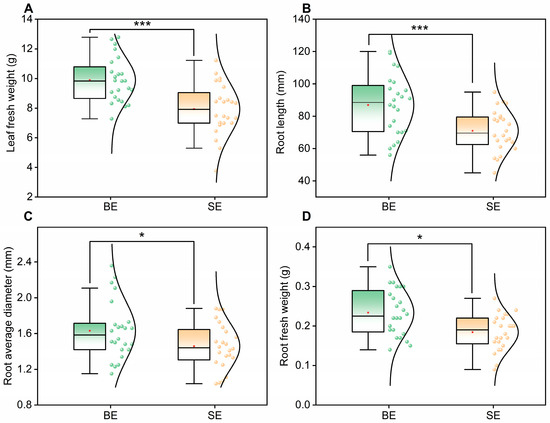
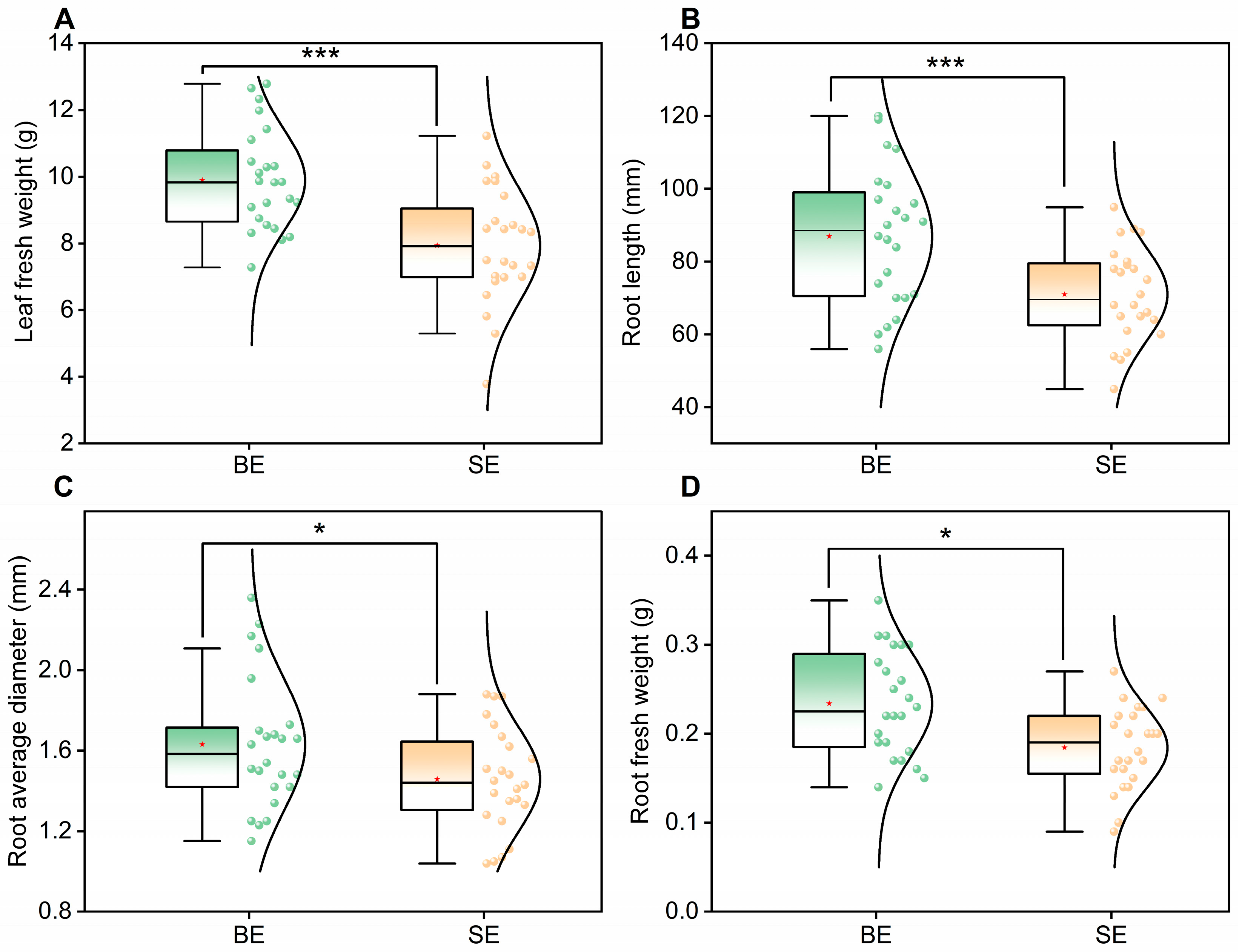
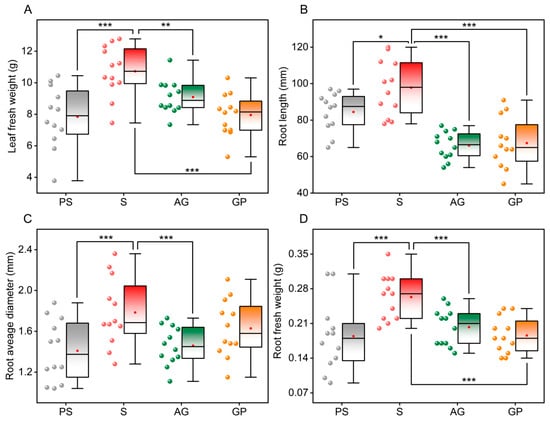
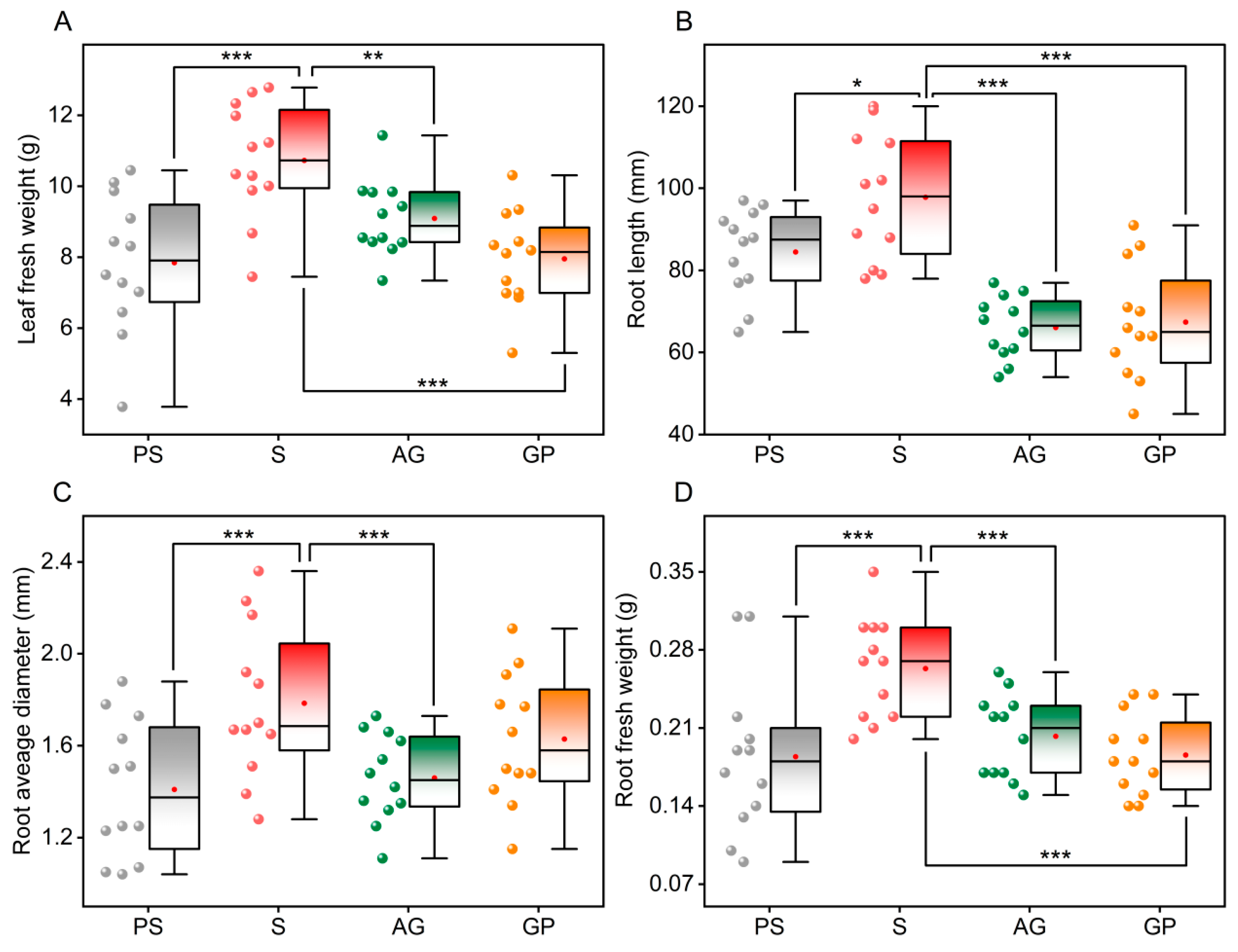
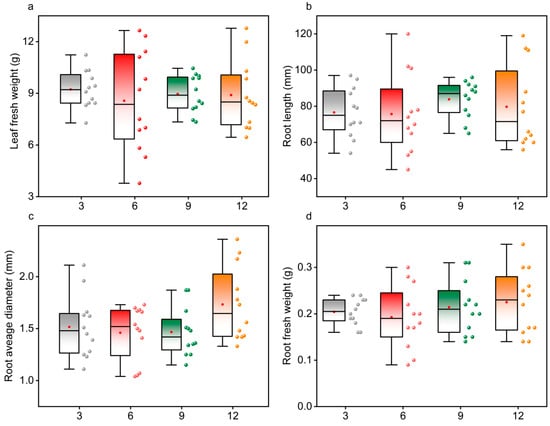
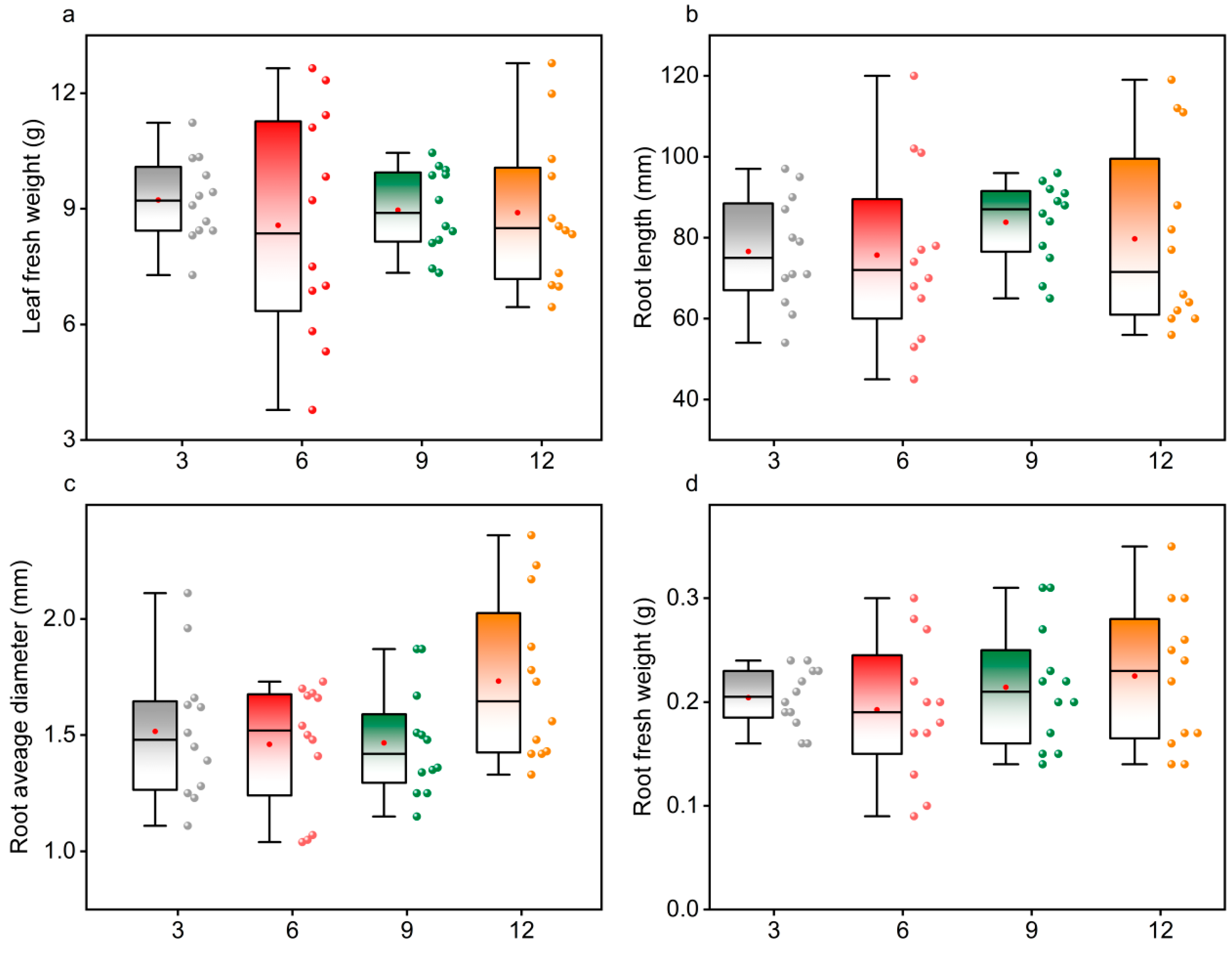
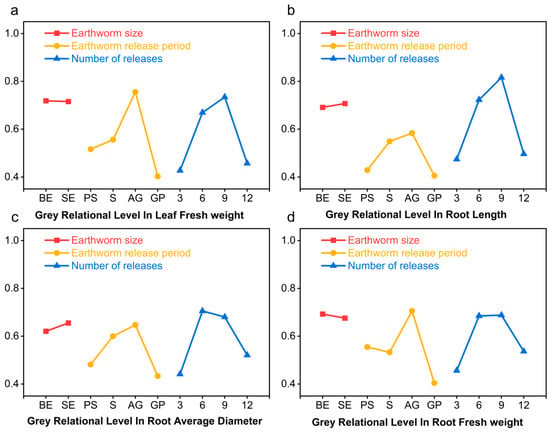
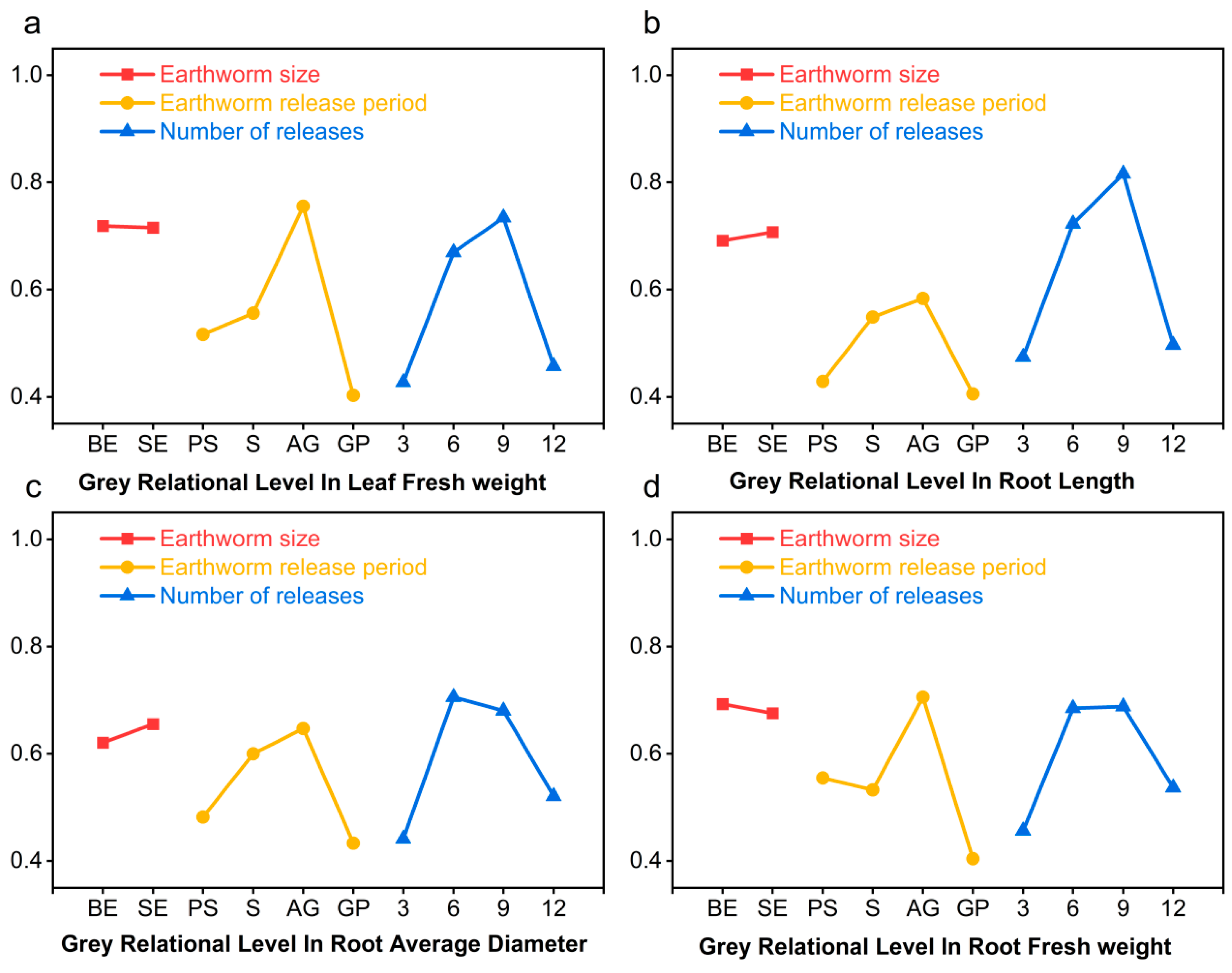
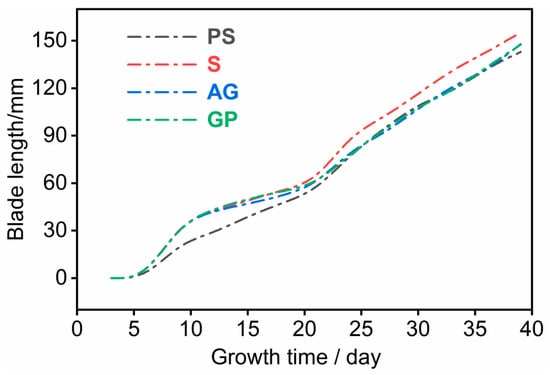
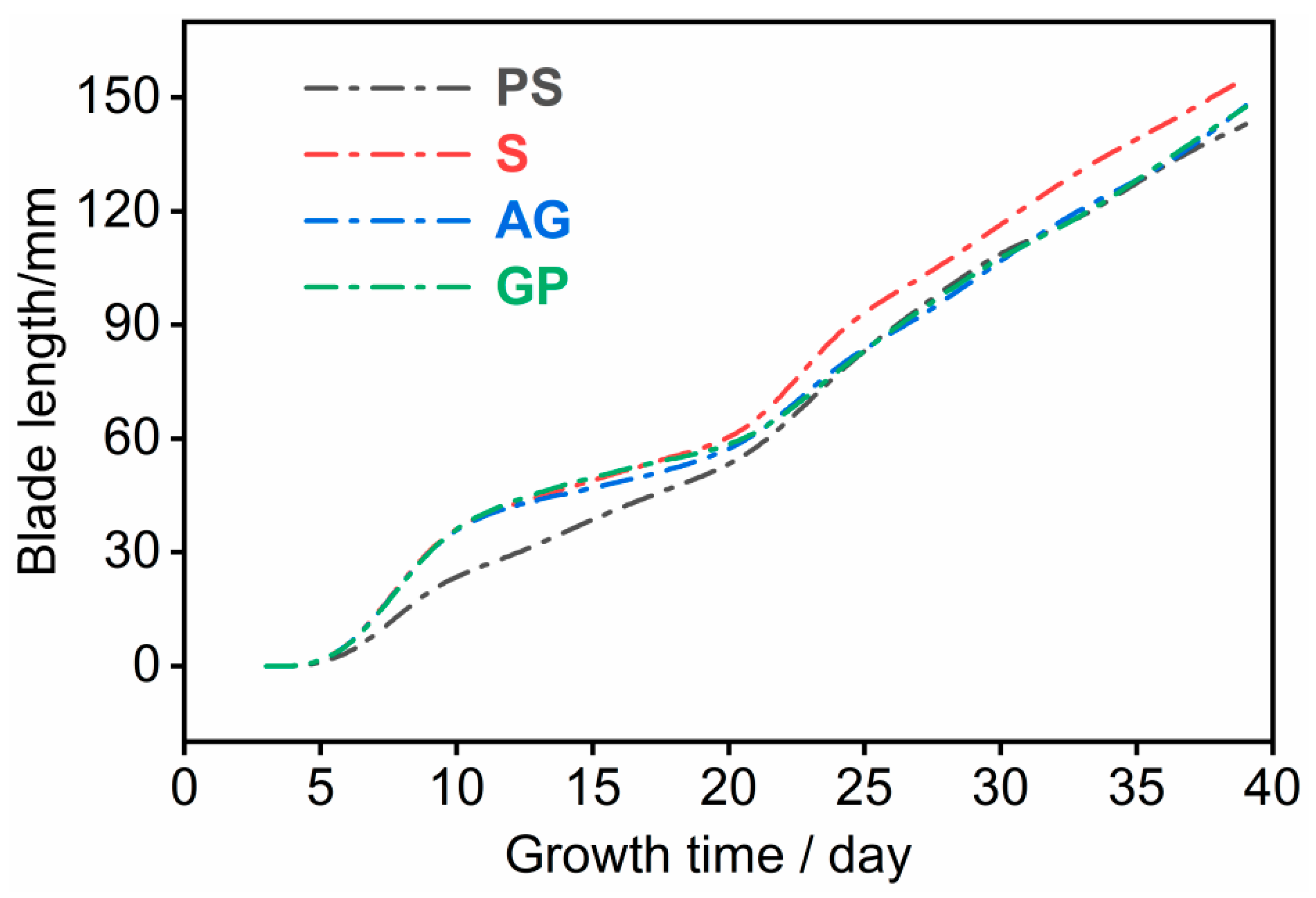
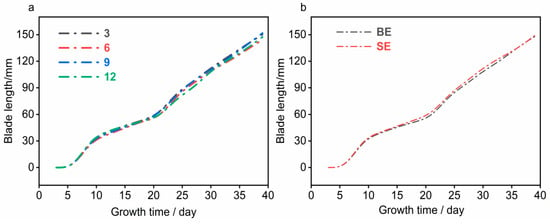
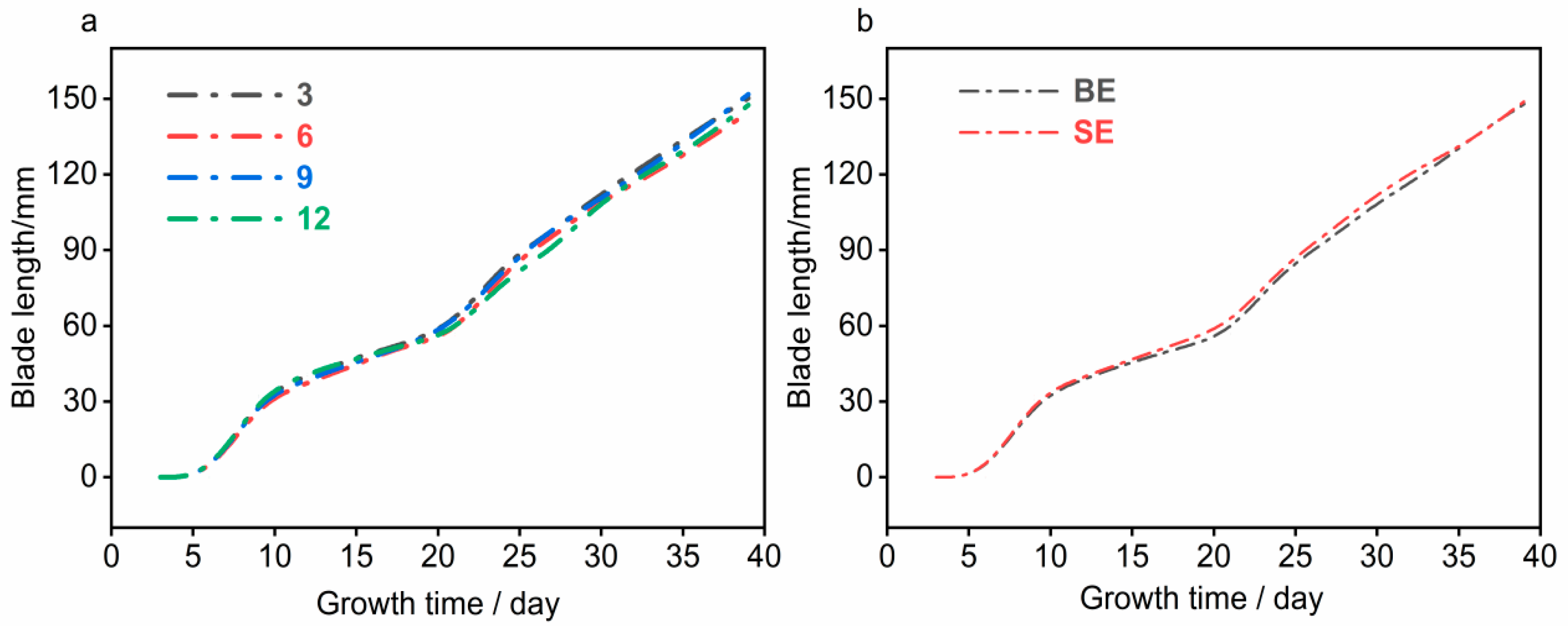
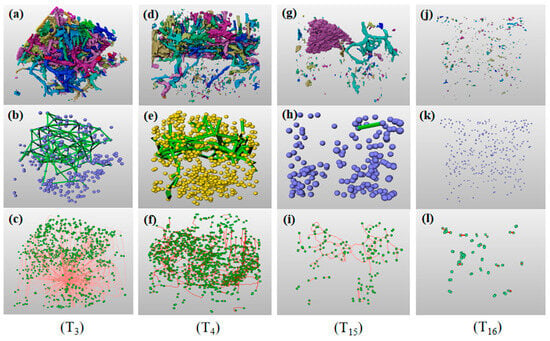
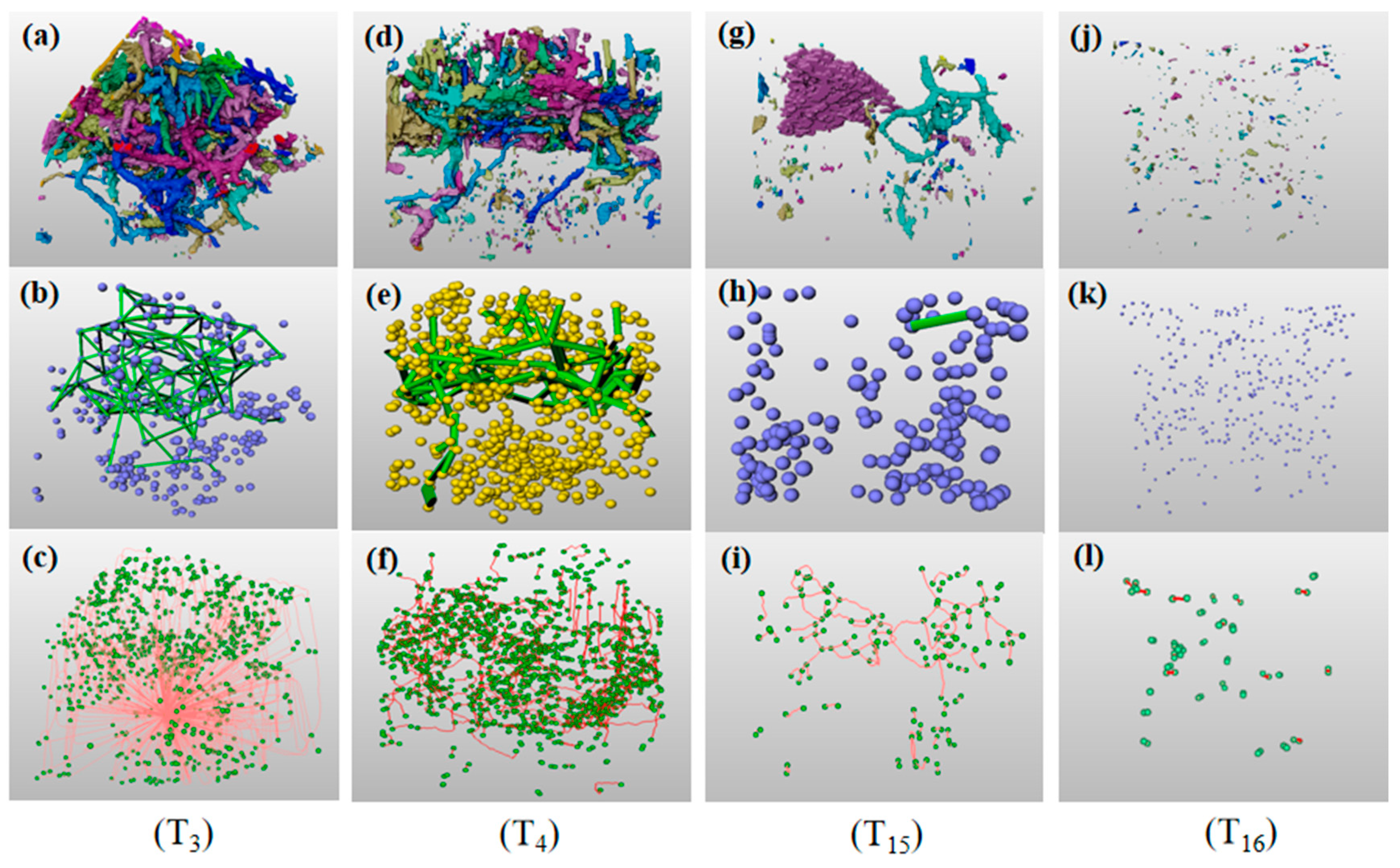
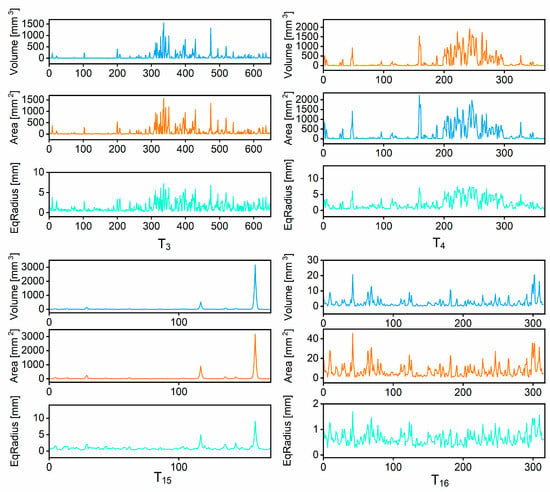
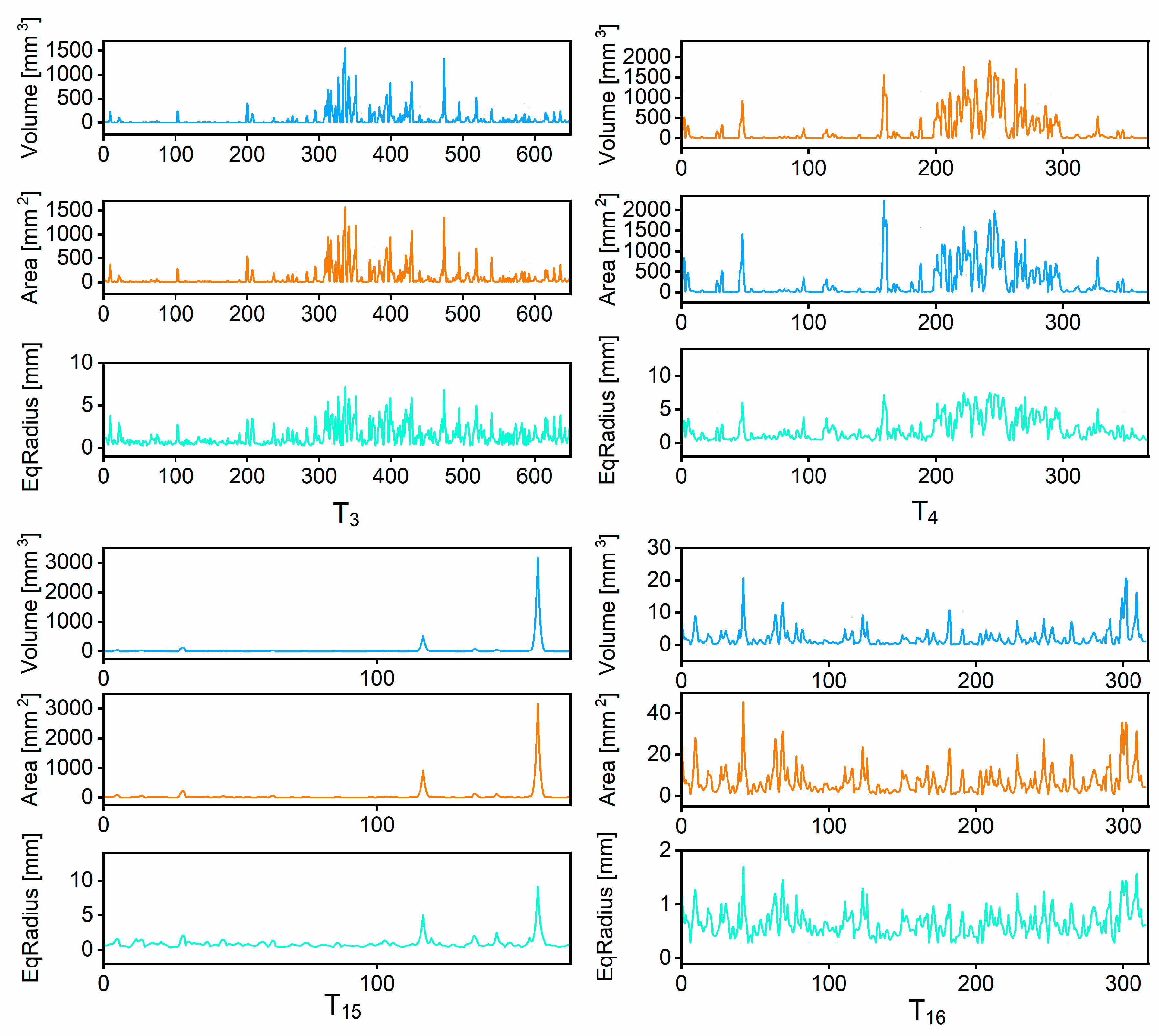

Disclaimer/Publisher’s Note: The statements, opinions and data contained in all publications are solely those of the individual author(s) and contributor(s) and not of MDPI and/or the editor(s). MDPI and/or the editor(s) disclaim responsibility for any injury to people or property resulting from any ideas, methods, instructions or products referred to in the content. |
© 2025 by the authors. Licensee MDPI, Basel, Switzerland. This article is an open access article distributed under the terms and conditions of the Creative Commons Attribution (CC BY) license (https://creativecommons.org/licenses/by/4.0/).