Article

Design and Optimization of Power Harrow Soil Crushing Components for Coastal Saline–Alkali Land

1
College of Mechanical & Electronic Engineering, Shandong Agricultural University, Tai’an 271018, China
2
Yellow River Delta Intelligent Agricultural Machinery and Equipment Industry Research Academy, Dongying 257000, China
3
Shandong Agricultural Equipment Intelligent Engineering Laboratory, Tai’an 271018, China
*
Authors to whom correspondence should be addressed.
Agriculture 2025, 15(2), 206; https://doi.org/10.3390/agriculture15020206

Submission received: 27 December 2024 / Revised: 16 January 2025 / Accepted: 17 January 2025 / Published: 18 January 2025
(This article belongs to the Section Agricultural Technology)

Abstract

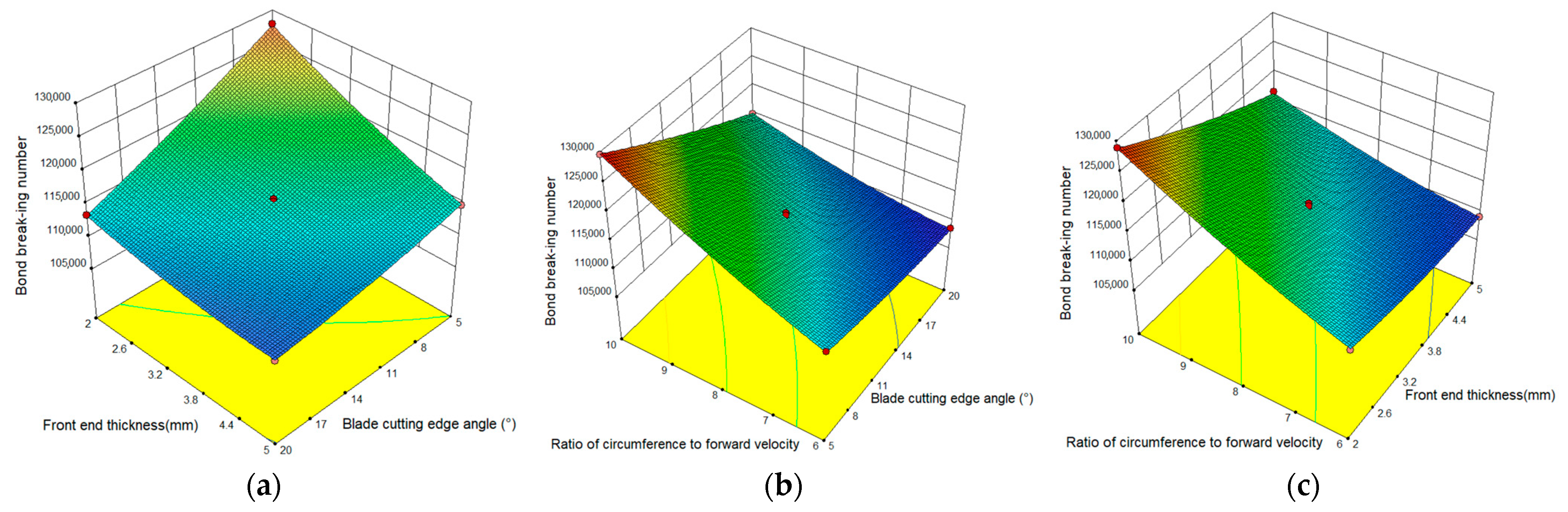
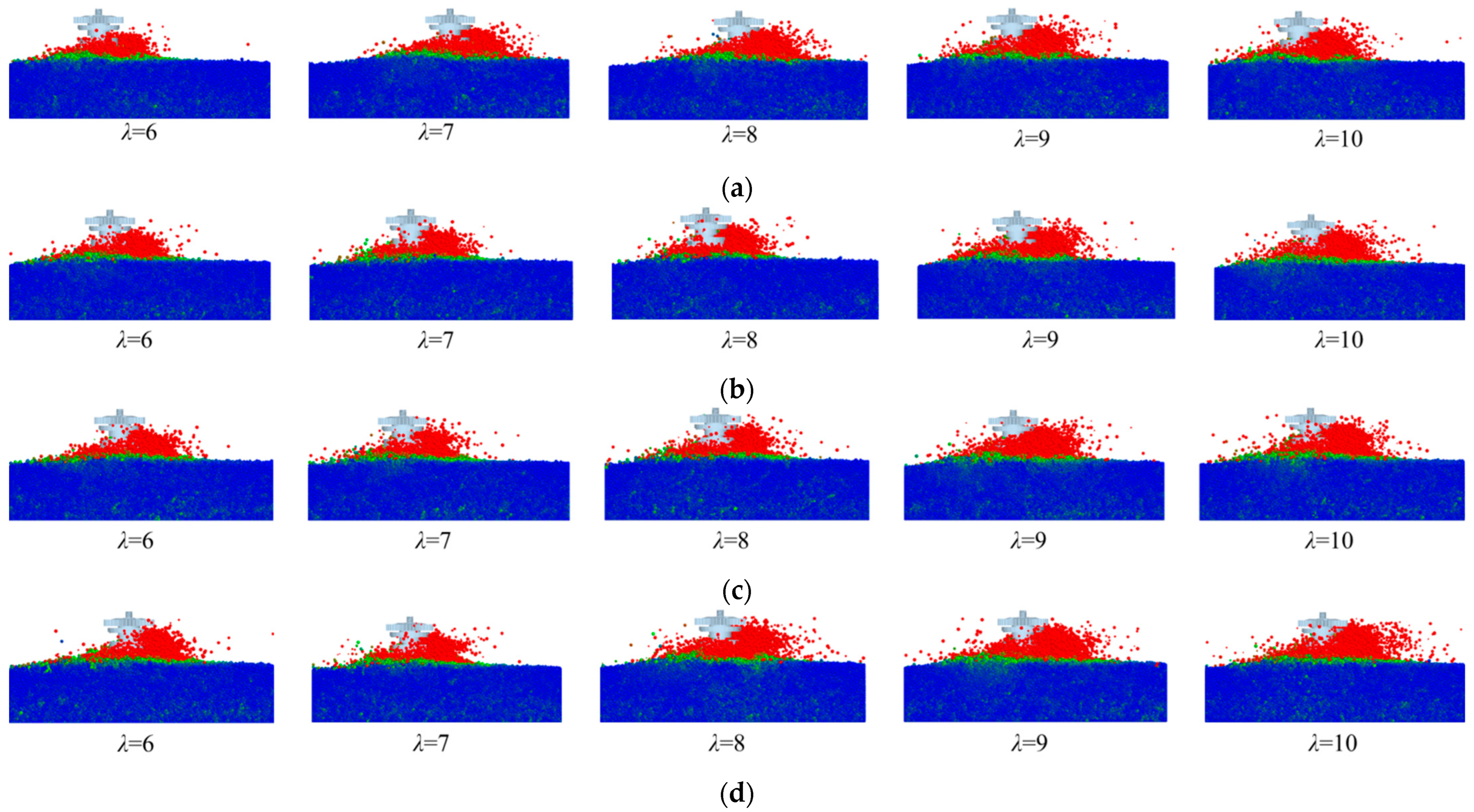
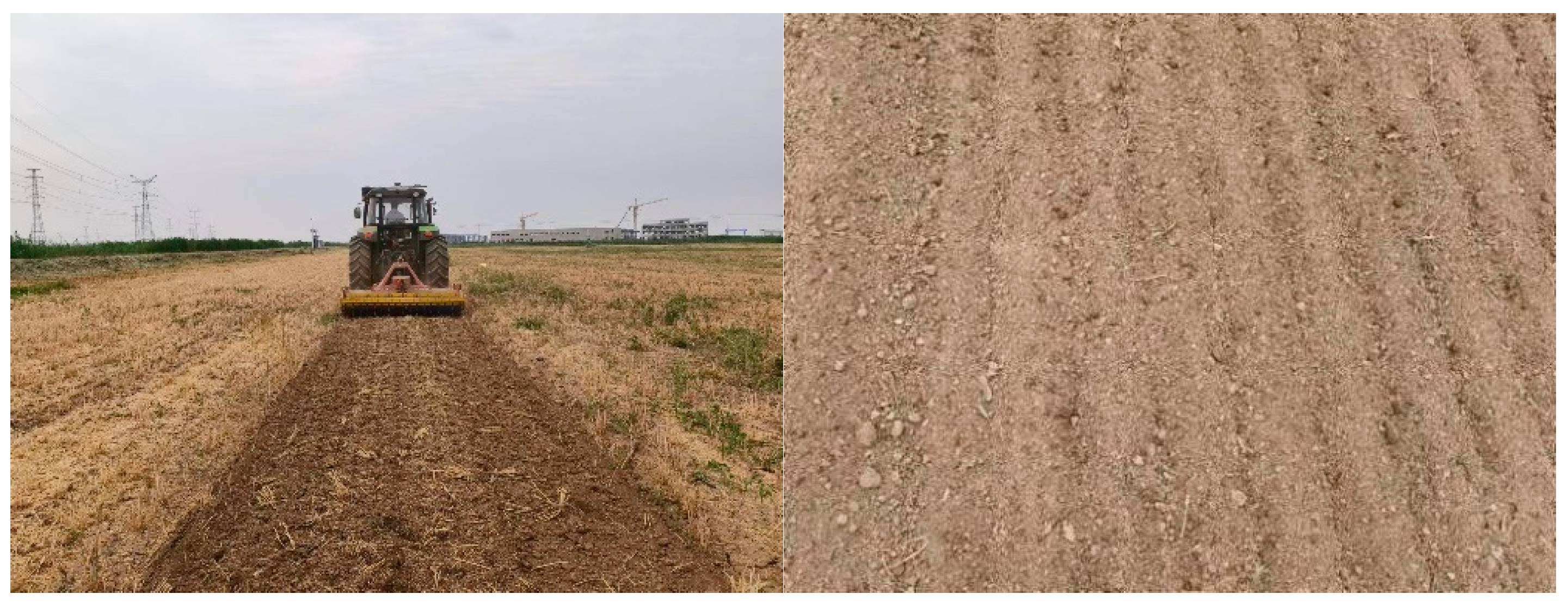
In China, there are approximately 36.7 million hectares of available saline–alkali land. The quality of land preparation significantly influences the yield of crops grown in saline–alkali soil. However, saline–alkali soil is highly compacted, and, currently, the market lacks land-preparation products specifically tailored to the unique characteristics of saline–alkali land. The soil crushing performance of existing power harrows fails to meet the requirements for high-quality land preparation, thus affecting crop planting yields. Consequently, it is imperative to conduct research on the design and performance improvement of the soil crushing components of power harrows for saline–alkali land. This paper centers on the key soil crushing component, the harrow blade, and conducts research from the perspectives of kinematics and dynamics. Initially, the ranges of key structural and motion parameters are determined, such as the angle of the harrow blade cutting edge, the thickness of the of the harrow blade cutting edge, and the ratio of the circumferential speed to the forward speed. Subsequently, through simulation tests integrating the Discrete Element Method (DEM) and the Box–Behnken Design (BBD), the optimal parameter combination is identified. The impact of the forward speed and the rotational speed of the vertical-shaft rotor on soil disturbance is analyzed. The relationship between soil disturbance and soil heaping is explored, and an optimal forward speed of around 6 km/h is determined. Field tests are conducted to verify the cause of soil heaping. The test results show that the soil crushing rates are all above 85%, with an average soil crushing rate of 88.66%. These test results have achieved the predetermined objectives and meet the design requirements.
Keywords: saline–alkali soil; power harrow; Discrete Element Method; key components saline–alkali soil; power harrow; Discrete Element Method; key components