2.1. Measurement of Physical Parameters of Maize Kernels
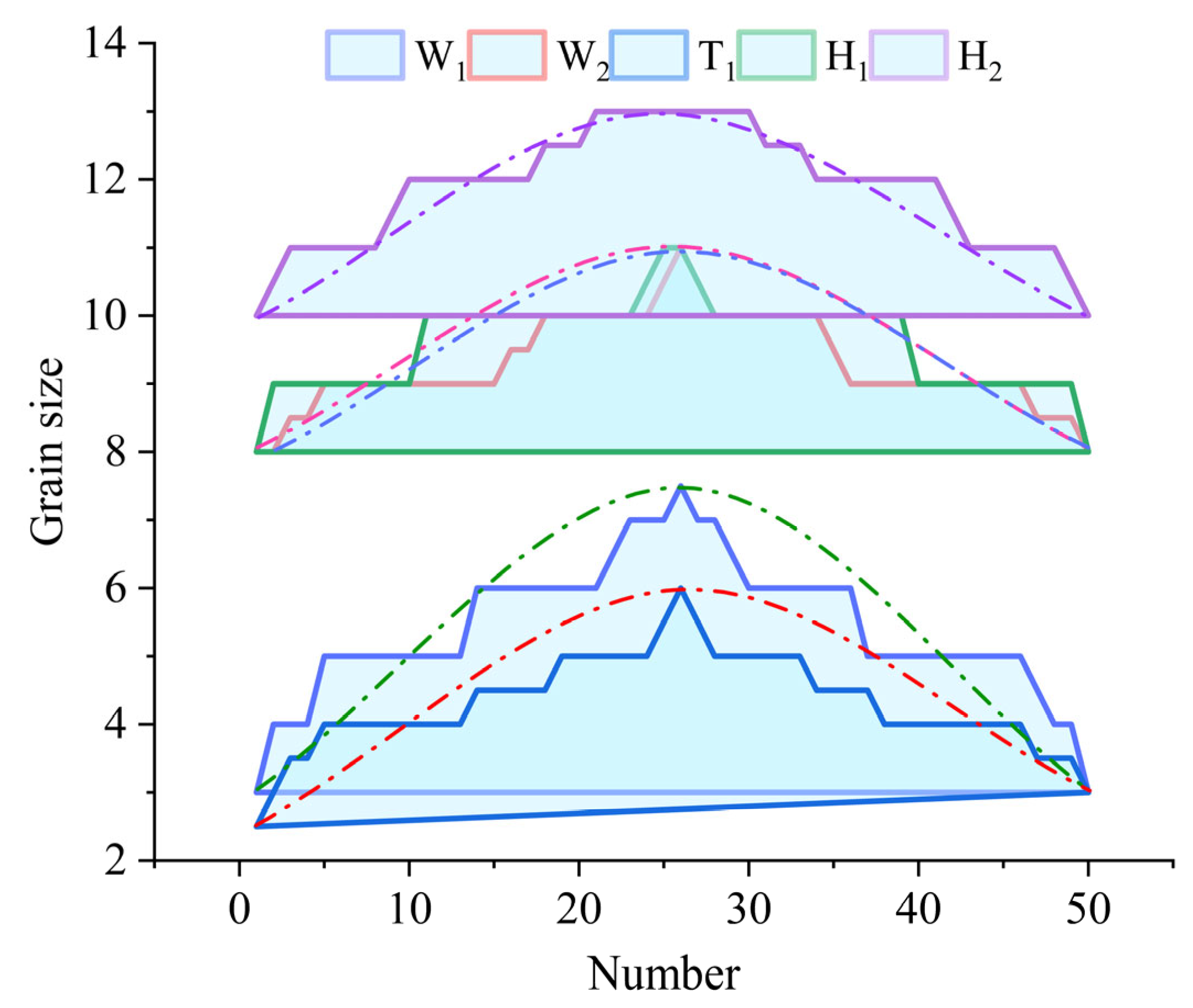
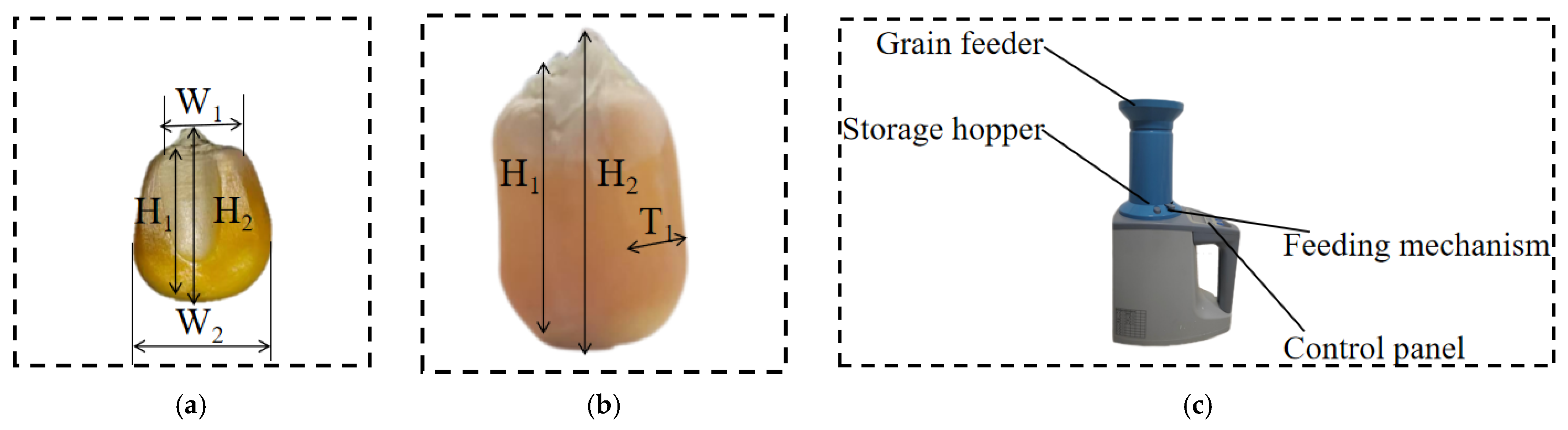
Dimensional characterization was performed on fifty randomly selected maize kernels, measuring five parameters, W1 (width at the point of maximum curvature change), W2 (maximum width), T1 (maximum thickness), H2 (height excluding the germ), and H1 (total height), as shown in
Figure 1. The detailed measurements are presented in
Table 1; the seed size distribution basically conformed to a normal distribution, as shown in
Figure 1.
The Huanghuaihai region is characterized by biannual crop maturation. Corn is typically harvested with a moisture content ranging from 25% to 35%. Due to the need for immediate wheat sowing after the corn harvest, there is insufficient time to dry the corn kernels to lower moisture levels. Therefore, threshing operations must be conducted under high-moisture conditions. Due to the different times for the planting and harvesting of maize in different regions, the moisture content will deviate, combined with the local maize planting spacing and planting pattern; in order to be able to expand the scope of this paper’s research, the selection of maize kernels with a moisture content of 26%, 30% and 34% was made.
In accordance with the GB/T 10362-2008 standard for corn moisture’s determination, intact kernels were randomly sampled from the cob and analyzed using an LDS-1G computerized moisture meter (
Beijing YINO Technologies,
Beijing,
China), as shown in
Figure 2c. The measured moisture content was 26%, 30%, and 34%, with a measurement tolerance of ±0.5%.
2.2. Seed Force Area Division
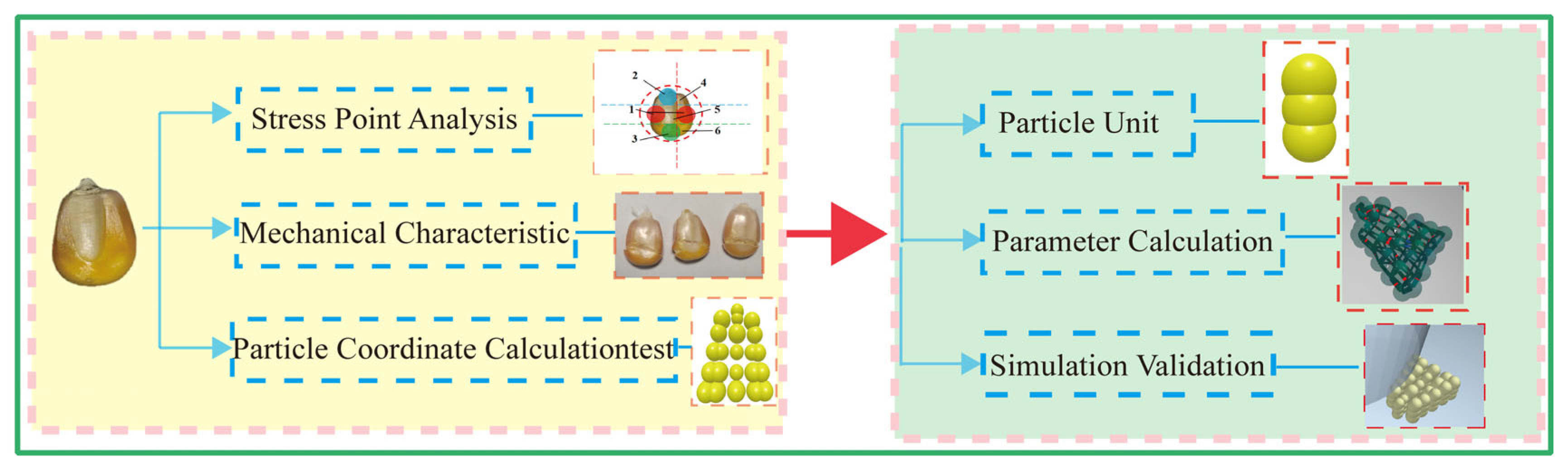
In DEM simulations of threshing processes, contact forces between threshing components and kernels must reach critical thresholds to detach kernels from the cob while preserving their integrity. Excessive rotational speeds can cause mechanical forces that rupture kernels, increasing grain breakage rates. Therefore, threshing forces must be optimized to achieve complete detachment without compromising the kernels’ integrity.
Current DEM simulations estimate kernel breakage rates using contact parameters such as collision frequency and normal forces. However, corn kernels have heterogeneous material properties, with distinct hardness gradients in the pericarp, endosperm, and germ. Traditional quasi-static compression tests with universal testing machines (UTMs) measure bulk crushing forces by recording the peak stress during whole-kernel compression, but they fail to accurately capture localized failure thresholds.
This method measures the maximum crushing force, but during threshing and simulation, grains rarely achieve full surface contact with the threshing element. Instead, the contact is often limited to line contact. Due to this line contact phenomenon and the material heterogeneity of grains, localized contact forces may fail to reach region-specific failure thresholds or exceed bulk compressive strength thresholds, leading to inaccurate breakage classifications. Grain rupture is misclassified when applied stresses fall below localized critical values or exceed bulk material limits. Additionally, the crushing rates vary depending on the impact location, introducing a certain degree of error.
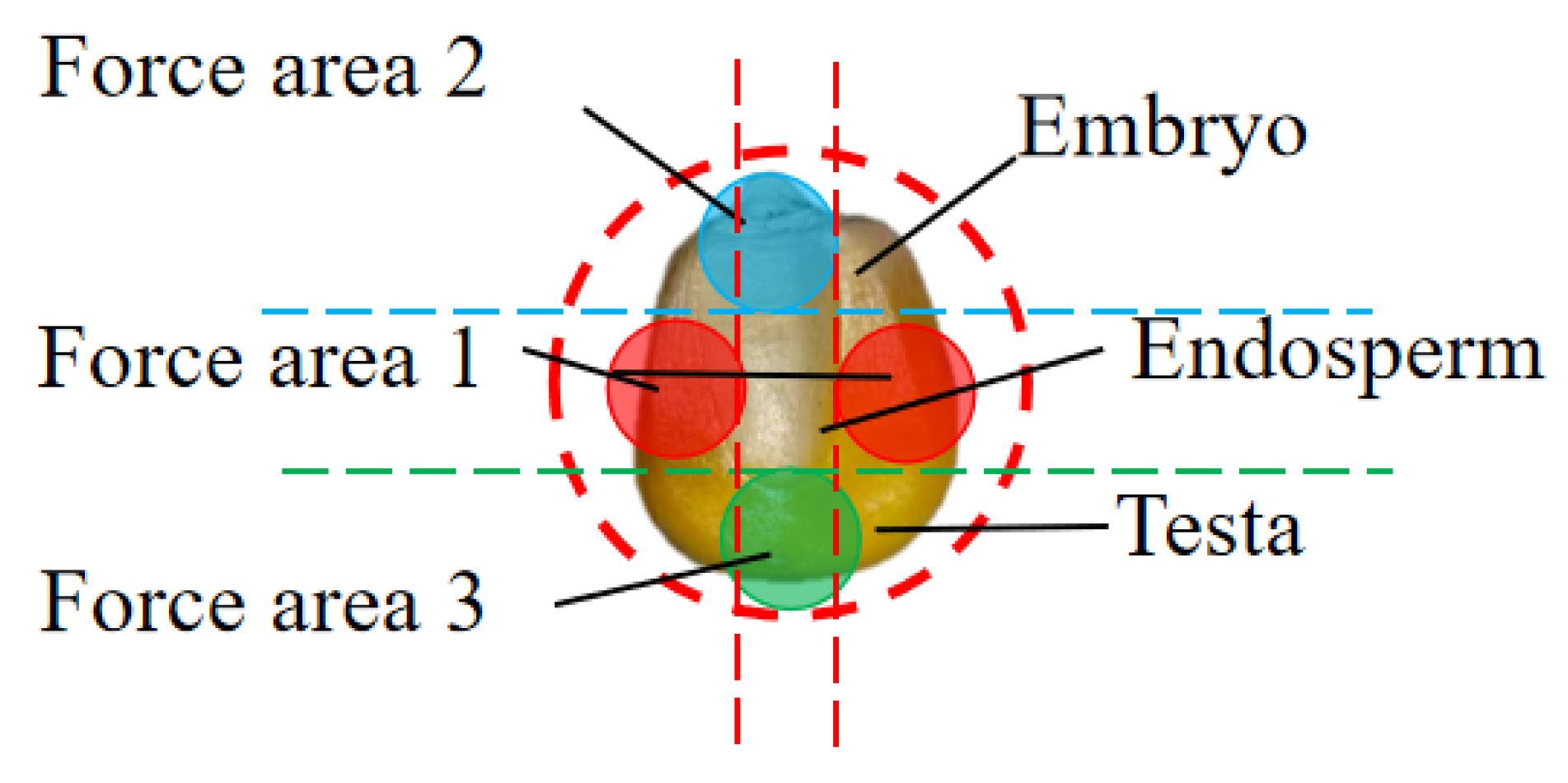
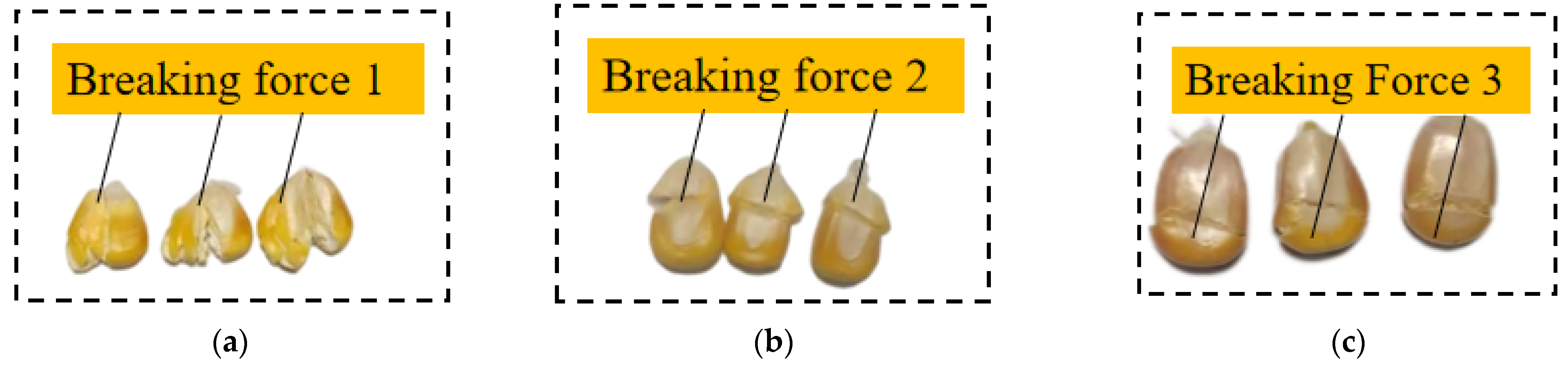
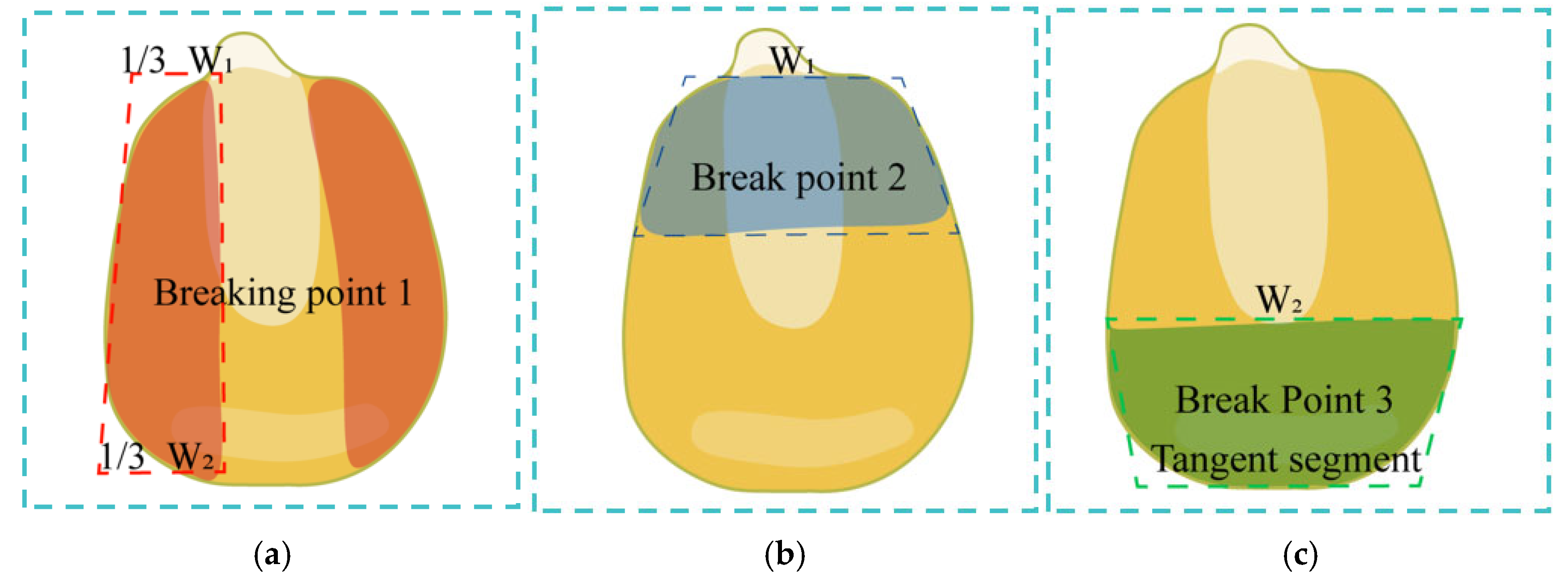
Following the established protocol, the kernel length excluding the germ (H2) was divided into three biomechanical stress zones based on force distribution patterns. Force areas 2 and 3 were positioned at the upper and lower thirds of H2, respectively. i.e., below the blue and green dotted lines in
Figure 3. Similarly, the total kernel width (W2) was divided into lateral thirds, with symmetrical force application areas located at the left and right third-width positions; the symmetrical force application points were located outside the red dotted lines on the left and right, respectively. These areas, designated as FP1, FP2, and FP3 (
Figure 3), correspond to the vertices of an internal tangent quadrilateral geometry. Quasi-static compression tests were performed at each force application area to determine the critical failure thresholds of individual kernels under localized loading. In order to ensure that the platen corresponded to the force area of the seed, when placing the seed position, the seed size was measured and placed in strict accordance with the size of the force.
2.4. Definition of Spherical Particle Coordinates
Maize kernels are not homogeneous due to their composition, so the distribution of moisture within the kernel is also not homogeneous, which can negatively affect the modeling and parameter calculation of the kernel. Before determining the coordinates of spherical grains, the following assumptions were made: 1. The internal moisture of the seed grain is uniformly distributed and remains unchanged under external forces. 2. External environmental factors, such as temperature and humidity, are assumed to have no influence on the seed grain during model construction.
Building upon prior specifications, kernel geometry was constrained by a maximum width W
2 and thickness T
1. A 2D coordinate system originated from the kernel’s apex particle center, with constituent spherical particles mapped via discrete coordinates (i, j), where i and j represent the horizontal row and vertical column indices, respectively. That is, the center of the ball of each particle is regarded as a mass point; the coordinates have nothing to do with the distance between the centers of the balls of each particle but only represent the position of the center of the ball in relation to the whole corn kernel; e.g., the coordinates of the topmost particle are (0, 0), those of the leftmost particle of the second row are (−1, −1) and those of the middle particles of the second row are (0, −1), and so on, and the coordinates of each particle are as shown in
Table 3.
In the process of building up individual maize kernels, to ensure simulated crushing conditions of the maize kernels during threshing and that the crushing site is at the same location as the previously described force area, a gap was left between the different fracture sites of the same kernel to allow for the use of a bond to connect the individual spherical particles later. According to the location of the force area, a gap was left between the 3rd row of particles and the 4th row of particles; and a gap was left between (±1, j) (0 < j ≤ 5) and (0, j) (0 < j ≤ 5) particles.
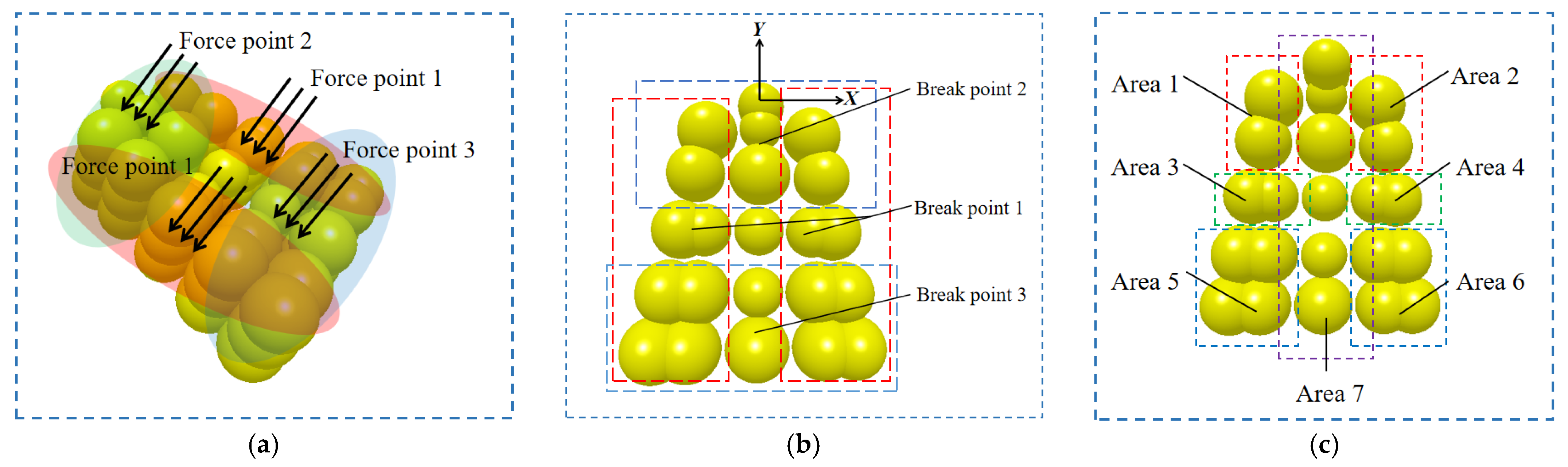
When establishing the corn kernel model, it should be ensured that the size of each force area is the same as the size of the broken kernel, so rows 4–5 at the bottom of force area 1 are modeled by the superposition of two spheres, and according to the shape and structure of the corn kernel, which presents a four-pronged shape with a narrow upper part and a wide lower part, rows 2 and 3 of force area 1 are modeled with a single sphere connection. To simulate the irregular boundary when the grain breaks, and at the same time to ensure that the bond key can be generated smoothly when establishing the discrete element model of the grain, the radius of the spherical particles at (1, 3) and (−1, 3) is set to 0.9 mm when establishing the grain model, and the same is done for force areas 2 and 3. A single corn kernel consists of 22 spherical particles of different sizes, whose coordinates and contact radii are shown in
Table 3, and the distribution of the individual spherical particles and breaking areas that make up the kernel is shown in
Figure 6a,b.
To ensure variability in bond parameters between the force areas of the maize kernel, the kernel model was divided into seven distinct regions, labeled area 1 through to area 7. Adjacent regions are connected by bonds, with each bond type assigned unique parameters. The division of these regions is illustrated in
Figure 6c.
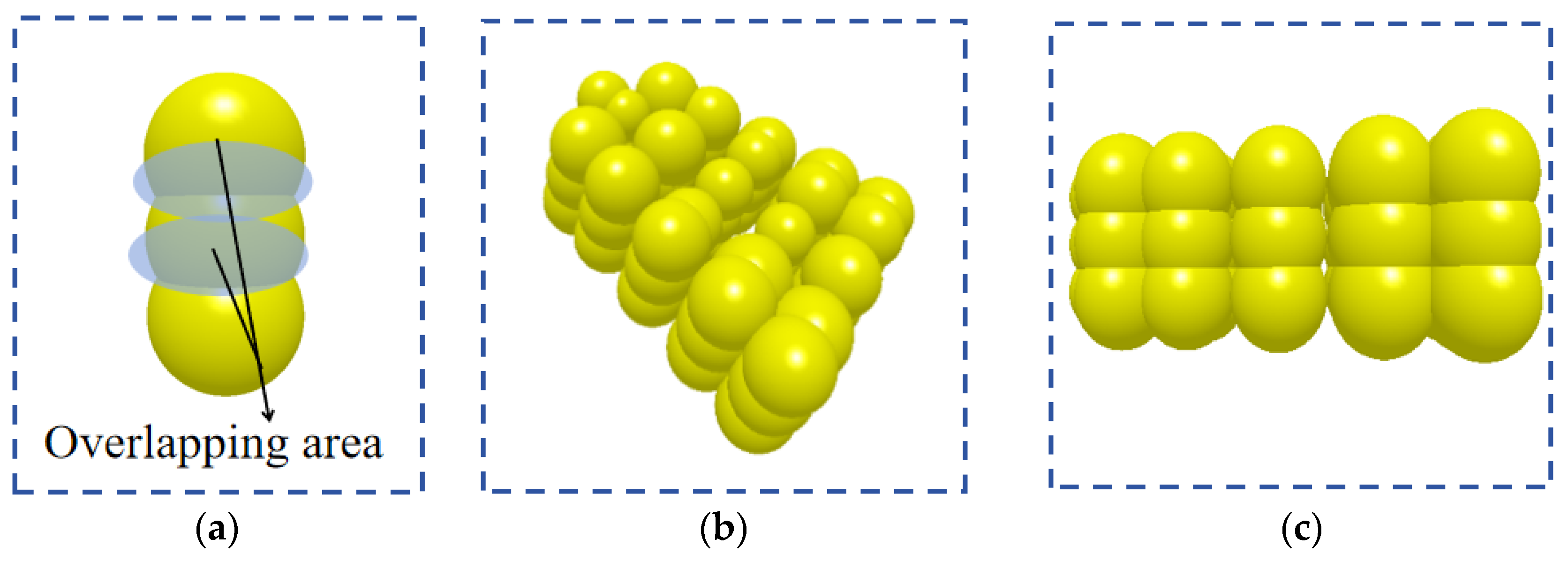
To ensure that fractures at each force area align with the measured size of the maize kernel, the model was constructed using spherical particles with small radii. However, this approach affects the thickness of the kernel model. To compensate for this limitation, a granular unit for the maize kernel was introduced, as shown in
Figure 7a. This granular unit features a three-layer arrangement, where three spherical particles are connected to form strips with overlapping sections between each granule. Each strip particle is treated as a single structural unit representing the corn seed grain. The final maize kernel model is shown in
Figure 7b,c.
2.5. Calculation of Seed Density
After constructing the seed model based on the Martingale rule, its density must be recalculated. This adjustment is necessary because the spherical particles forming the seed model are connected by bonds, which create gaps to accommodate bond formation. These gaps result in changes to the seed’s overall density. So seed density should be recalculated.
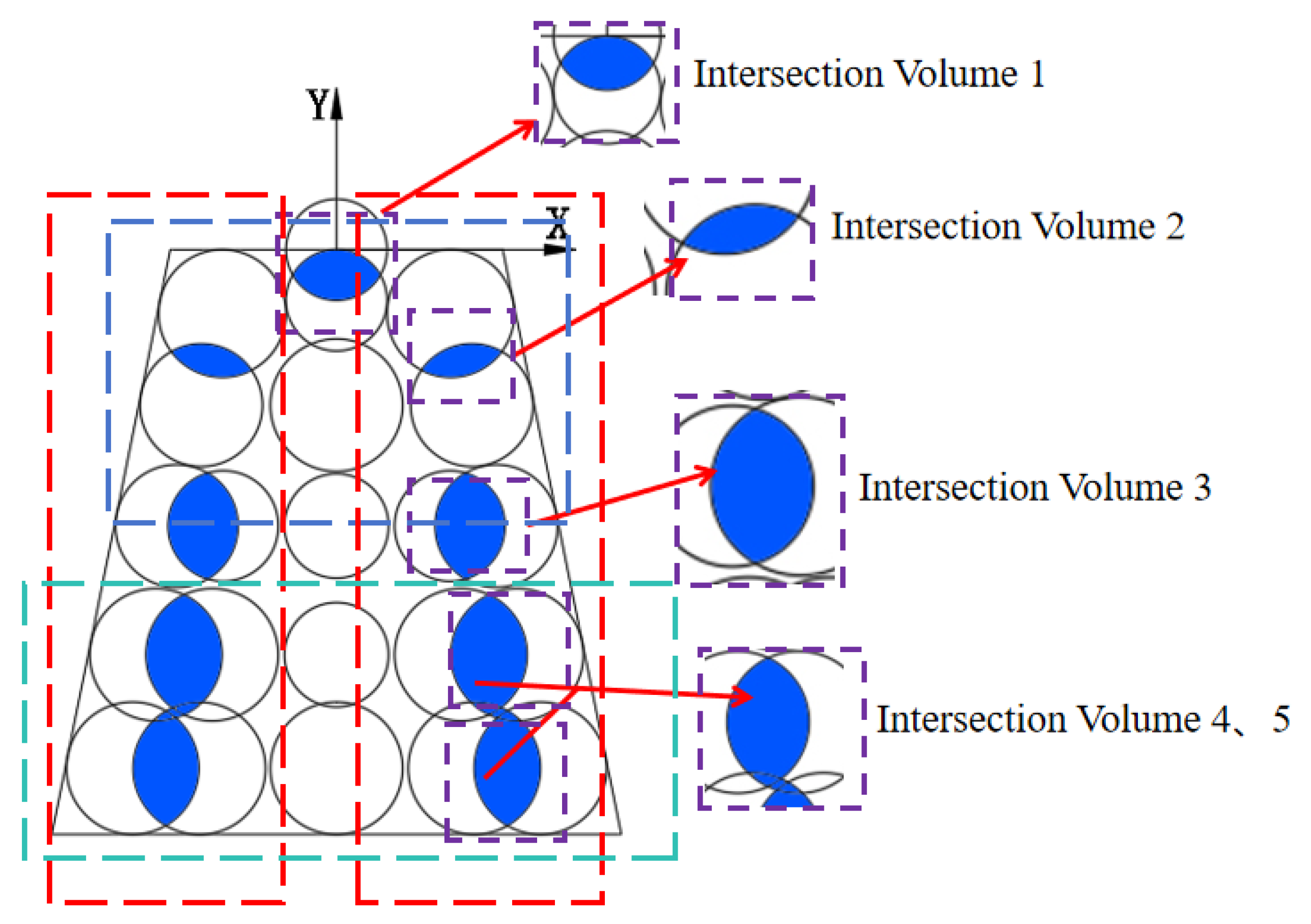
As shown in
Figure 8, the seed model consists of 22 spherical particles. The total seed volume can be calculated in the EDEM pre-processing module by summing the individual volumes of the spheres that form the seed. However, certain particles overlap, specifically pairs such as (0, 0) and (0, −1), (±1, −1) and (±1,−2), (±1, −3) and (±2, −3), (±1, −4) and (±2, −4), and (±1, −5) and (±2, −5). These overlapping regions, referred to as intersection areas 1–5, must be subtracted from the total volume to accurately determine the seed grain volume.
The overlapping volume between particles primarily takes the form of a spherical crown. This can be simplified by calculating the volume of the spherical crown using the formula for the overlapping volume of spheres with equal radii.
In the formula, V represents the overlap volume of spherical particles (mm3), r represents the radius of spherical particles (mm), and d represents the spherical distance (mm).
By substituting the radius of the spherical particles and the distance between their centers, the overlapping volume for spherical particles of an equal radius is calculated. The results are presented in
Table 4.
According to the formula for the overlapping volume of spheres of unequal radii,
In the formula, V represents the overlap volume of spherical particles (mm3), r1, and r2 represent the radius of overlapping spherical particles (mm), and d represents the spherical center distance between two spherical particles (mm).
Substituting the radius of the spherical particles with the sphere center distance gives the overlapping volume of spherical particles of unequal radii, and the results are shown in
Table 5.
After calculating the overlapping volume of each spherical particle, the total volume of each particle composing the seed grain was measured using EDEM software. First, individual spherical particles were defined in the Bulk Material section during the pre-processing stage of EDEM and classified by radius. Seven radii were established: 0.75 mm, 0.825 mm, 0.85 mm, 0.9 mm, 1 mm, 1.04 mm, and 1.08 mm. The corresponding volumes of these spherical particles, measured under the Properties section of the Bulk Material module, are presented in
Table 6The volume of each spherical particle is named
Vi (0 <
i ≤ 7) and is obtained by summing the volumes as follows:
In the formula, Vz represents monolayer seed volume (mm3), Vi represents the volume of each spherical particle (mm3), and Vc represents the overlap volume of spherical particles (mm3).
Based on the given equation, the volume of a single seed grain monolayer is calculated to be 72.712 mm
3. Since the seeds are arranged in three layers, the overlapping volume of the spherical particles within a single particle unit must also be considered. As the spherical particles in the particle unit have identical radii, the overlap volume can be determined using the formula for spheres of equal radius. The calculated overlap volumes between particle units are presented in
Table 7.
Considering the overlapping volume
Vc1 of spherical particles in the granule unit in the seed volume, the total volume of seeds should be
In the formula, Vz1 represents the total volume of individual seeds (mm3), Vi represents the overlap volume of individual spherical particles (mm3), Vc represents the overlap volume of spherical particles of monolayer seeds (mm3), and Vc1 represents the overlap volume between particulate units (mm3).
Eventually, the total volume Vz1 of individual kernels can be calculated to be 218.136 mm3, and according to the density equation, the density ρ of the established maize kernels can be calculated to be 1375 kg/m3, which matches with the density of the actual maize kernels (1100–1400 kg/m3).
2.6. Calculation of Seed Bonding Parameters
Prior to the generation of bonds, the normal stiffness per unit area, shear stiffness per unit area, normal strength, and shear strength of the seeds must be calculated to establish the bond’s relevant parameters.
To calculate the bond-related parameters, the force area of the modeled seed must first be defined and determined. As shown in
Figure 9a, force area 1 corresponds to the area of the red trapezium formed when force area 1 is crushed under pressure. The dimensions of this trapezium—its length, width, and height—are approximated as follows: the bottom length is one-third of W
1, the lower bottom length is one-third of W
2, and the height is equal to H
2. These dimensions are derived based on the seed’s overall size, where each is one-third of the corresponding seed dimension. As shown in
Figure 9b, the area of force area 2, when crushed under pressure, is referred to as stress area 2. Based on the pressure dimensions described earlier, stress area 2 is simplified to the area of the blue trapezoid. The dimensions of the blue trapezoid are approximated as follows: the height of the upper base is W
1, the height of the lower base is one-third of the seed grain’s width at one-third of the height of H
2, and the trapezoid’s overall height is one-third of H
2. Similarly, as shown in
Figure 9c, the area of force area 3, when crushed under pressure, is referred to as force area 3. This area is simplified to the green trapezoid for ease of calculation. The upper base of the green trapezoid is defined by approximating the arc-shaped bottom edge of the seed grain as a horizontal straight line in space. This produces two tangent points located on both the arc-shaped bottom edge and the horizontal line. The horizontal distance between these tangent points defines the length of the upper base of the green trapezoid, while the length of the lower base is equal to W
2.
Substituting the maize kernel size parameters measured in 2.1, 1/3W1 is used as the upper bottom length of the trapezoid of stress area 1, 1/3W2 is used as the lower bottom length of the trapezoid of stress area 1, and H1 is used as the trapezoid height of the trapezoid of stress area 1.
At the stage of elastic deformation of the seeds (deformation < 5%), the elastic deformation of the seeds is 0.046. The shear stiffness per unit area of the constructed seed model was calculated based on the strain formula, the equation for the modulus of elasticity, the equation for the normal stiffness, and the Poisson’s ratio of 0.35:
According to the relationship between tangential stiffness per unit area and the normal stiffness equation,
In the formula, Ks′ represents tangential stiffness per unit area (N/m2), Kn′ represents normal stiffness per unit area, and μ represents the Poisson’s ratio.
The compressive strength of the seeds was calculated according to the compressive strength formula,
The shear strength of the seeds was calculated and according to the shear strength formula,
In the formula, τ represents seed shear strength (Pa), and k represents the scale factor, usually 0.5–0.7; here the average of the two is taken (Pa).
The other two regions of maize kernels were modeled in the same way, and the three bond parameters were finally calculated as shown in
Table 8.
2.6.1. Simulation of Mechanical Tests
Simulation of mechanical property tests is a common method used in research (Liu, et al., 2022, Ramaj, et al., 2024) [
26,
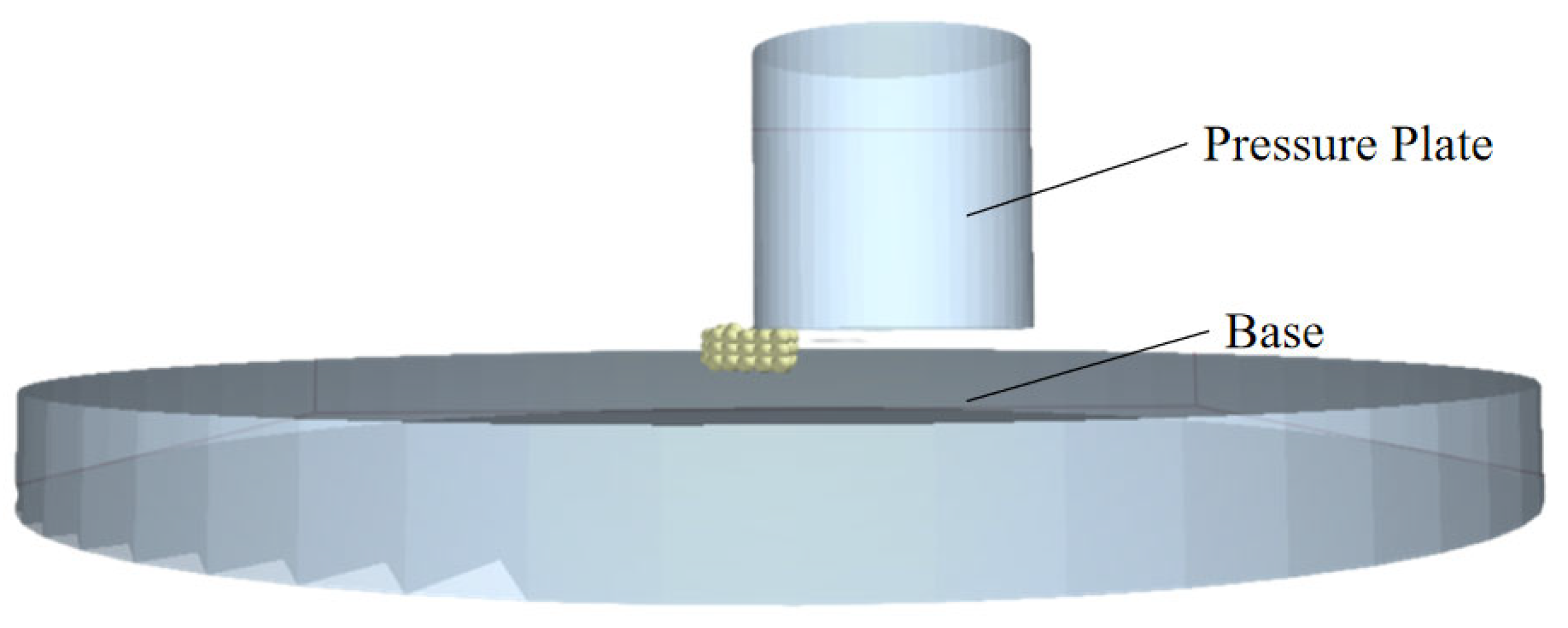
27]. To validate the accuracy of the simulation model, mechanical property tests were conducted in EDEM. The three-dimensional plastron model was constructed using
SolidWorks (
v2020), and a seed grain was generated through the particle factory, as shown in
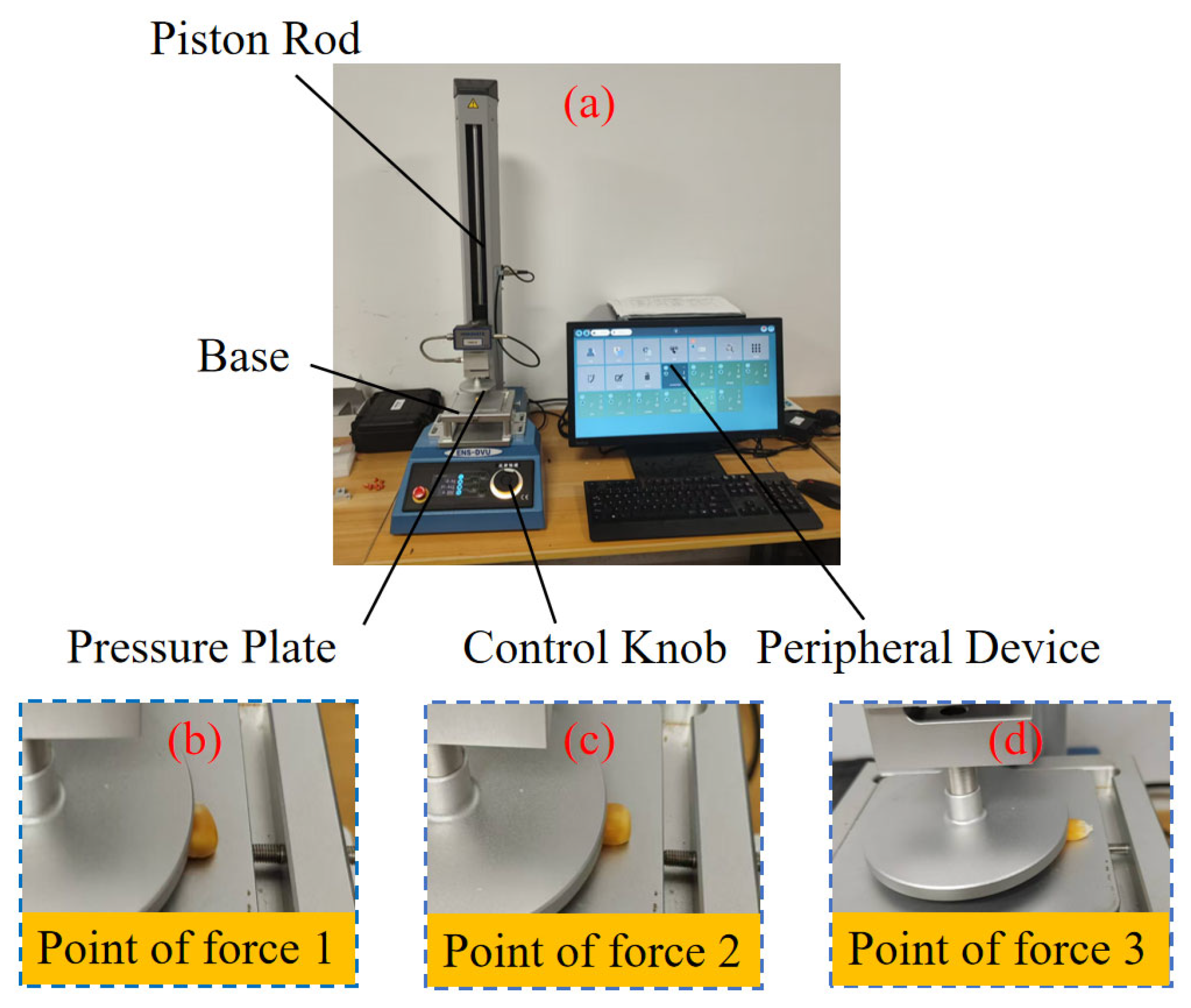
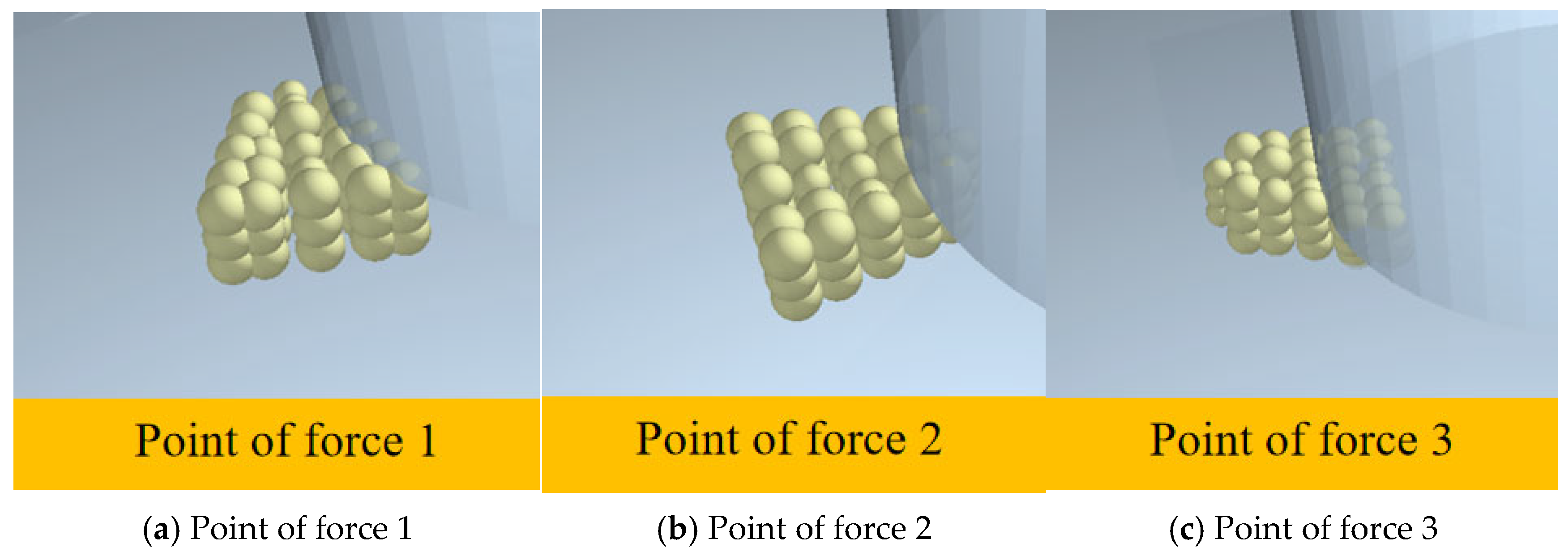
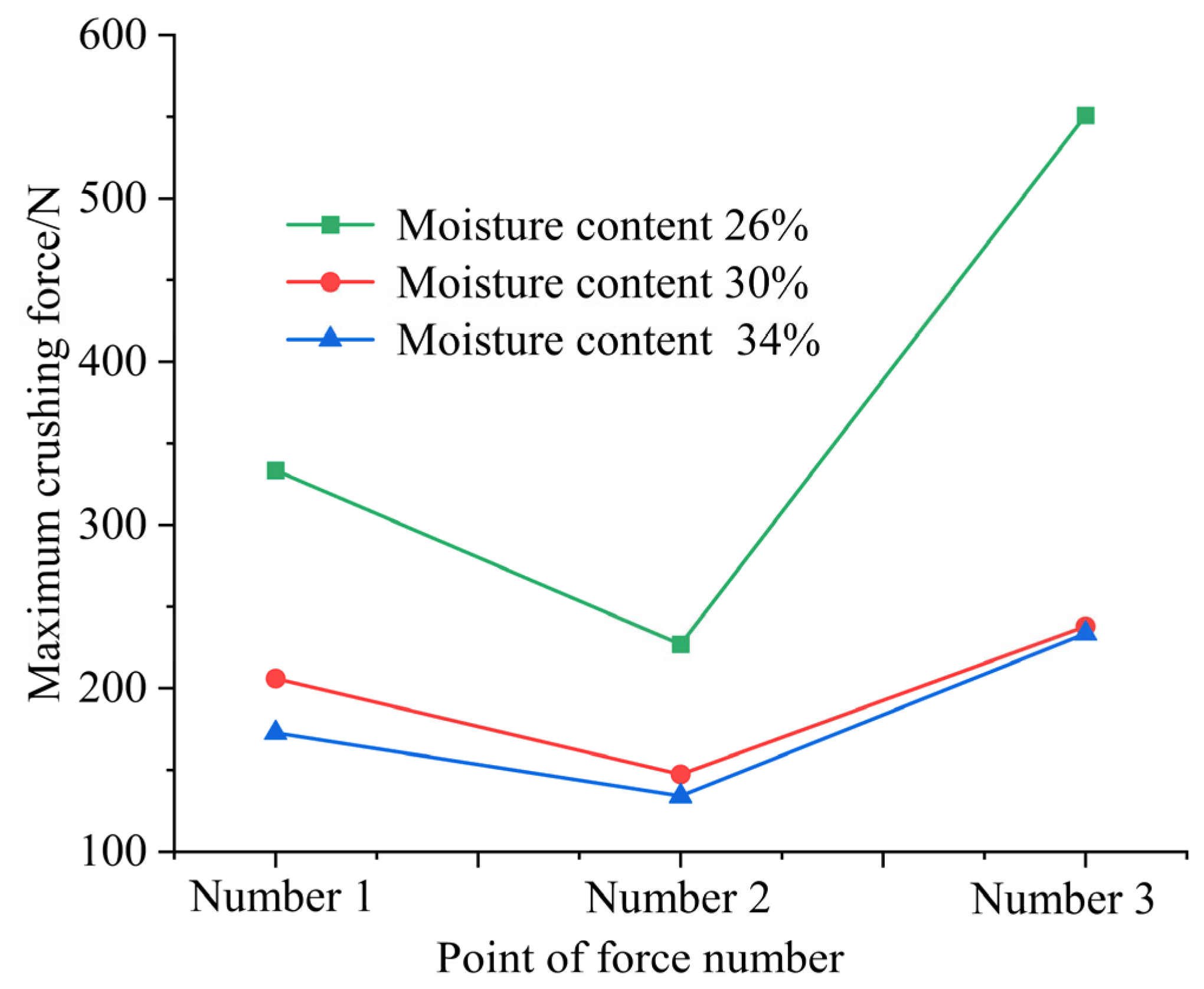
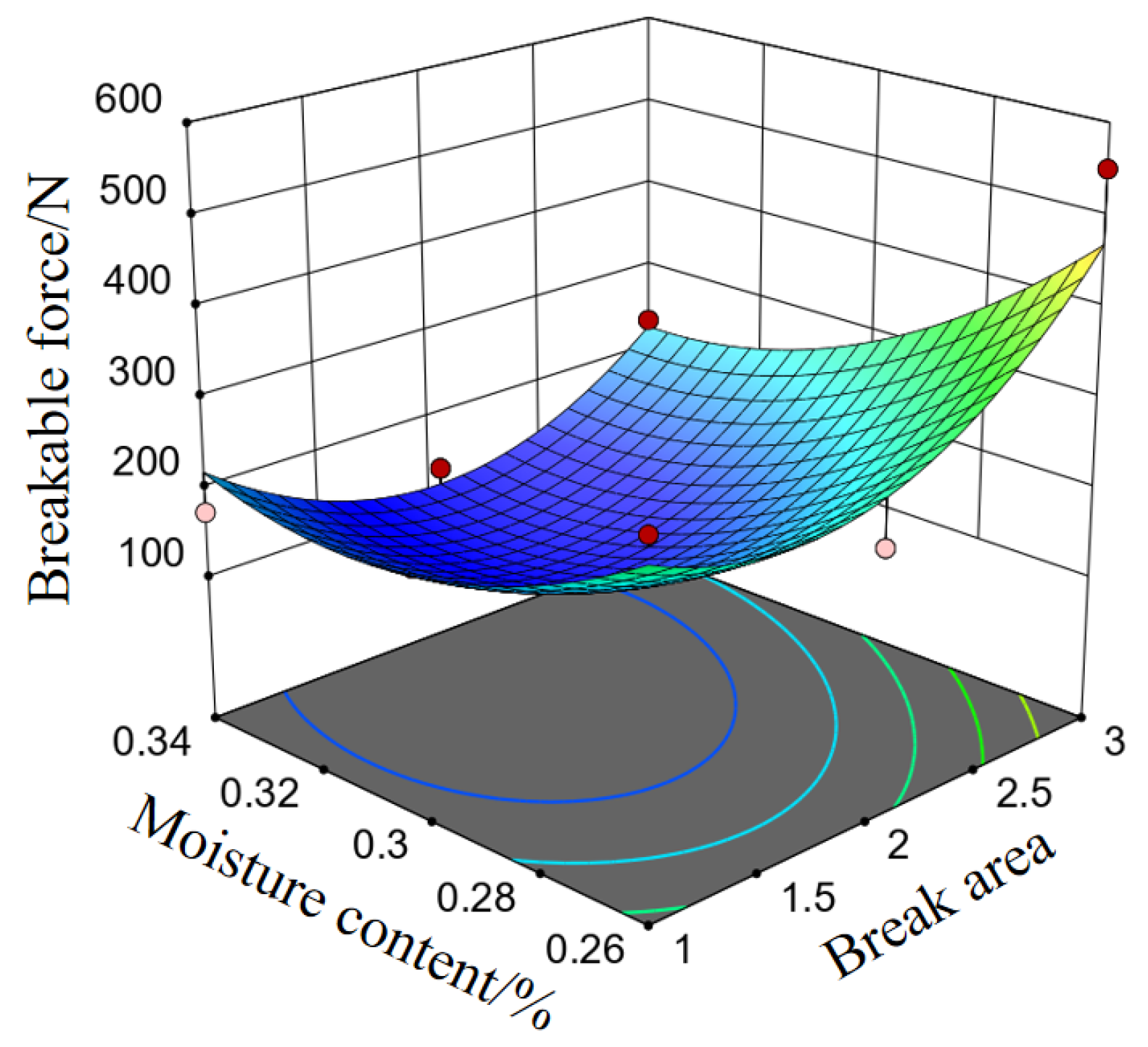
Figure 10. Since moisture content significantly influences the mechanical properties of seed grains, bonding parameters were set based on a moisture content of 26%. When the generated seed grain was placed flat on the base of the texture meter, the control platen applied force at three designated areas, as illustrated in
Figure 11. Existing studies indicate that the critical crushing force of seed grains is independent of the loading rate; therefore, the loading rate of the indenter was increased to 0.01 m/s to reduce the simulation time. The experiment was terminated when the seed grain collapsed, as individual spherical particles composing the seed grain could not be compressed in EDEM.
2.6.2. Seed Bonding
Seed bonding (bond generation) was carried out in the Meta-Particle section of the EDEM pre-treatment plate. Prior to generating bond keys, particle models were created in the Bulk Material section. A total of seven particle models were developed based on their radii, as detailed in
Table 9.
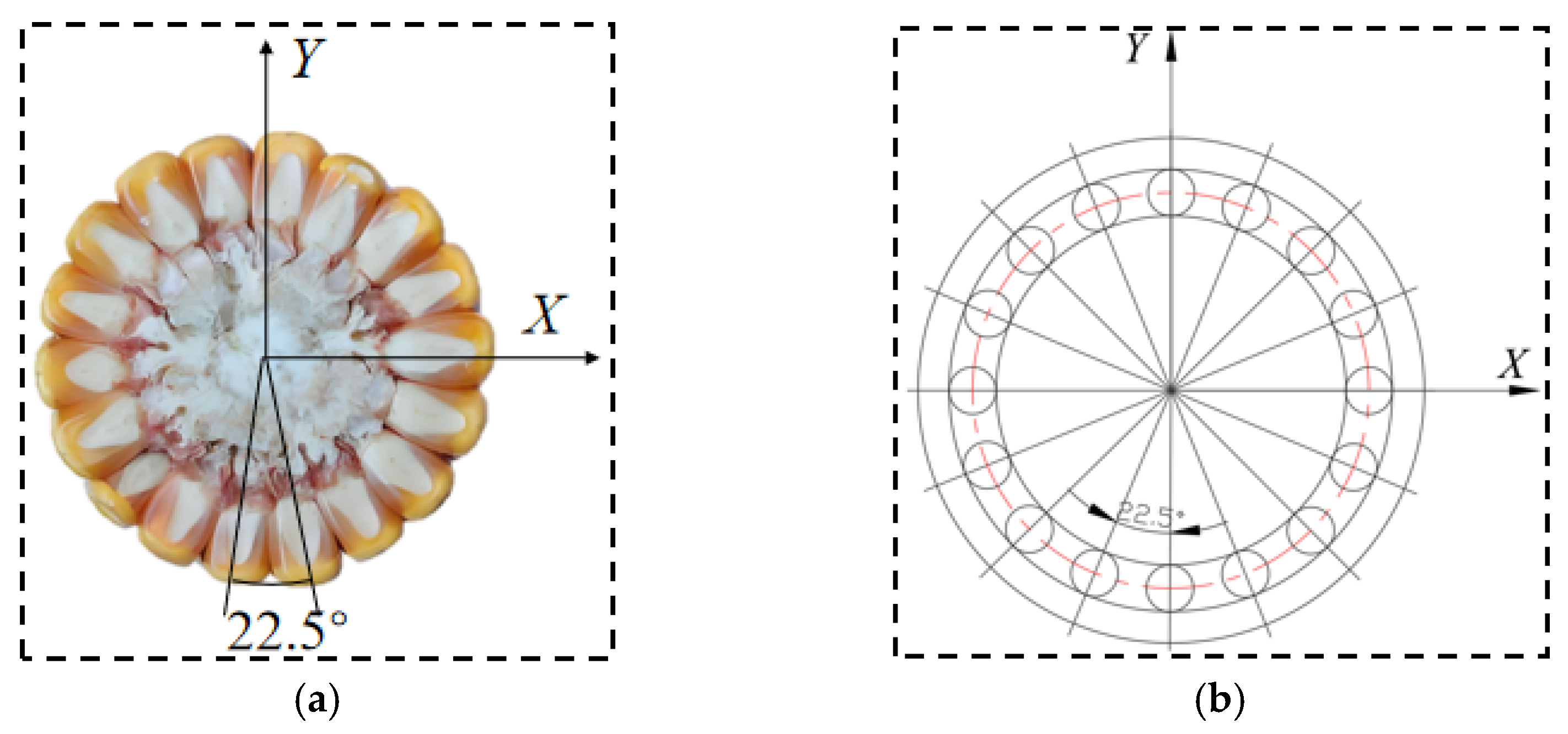
In the Physics section of the EDEM pre-processing board, we selected the Bonding V2 model and input the contact parameters for the bulk material. Next, we imported the coordinates of the kernel model into the cell below the Meta-Particle. To ensure a seamless connection with the mandrel, the overall coordinates of the kernel model were re-planned. A two-dimensional coordinate system was established based on the corn cob cross-section, as shown in
Figure 12. The connecting line was defined using the center of an adjacent kernel and the mandrel center. The kernel spacing angle was determined by the angle between two connecting lines. For the variety “Zheng dan 958,” the number of kernels in a single circle of corn is 16, resulting in a neighboring kernel spacing angle of 22.5°. This value was calculated using trigonometric formulas.
In the formulas, x represents the seed’s horizontal coordinate, y represents the seed’s longitudinal coordinates, R represents the distance between the mandrel and the center of the seed(mm), and represents the seed spacing angle (°).
The final calculation results are shown in
Table 10.
From the above, the process of building a discrete meta-model of breakable seeds is shown in
Figure 13.
2.7. Stacking Angle Test
Stacking angle experiments are a common method for analyzing the mechanical properties of grains and verifying the accuracy of discrete element models (Li, et al., 2025, Chen, et al., 2020) [
6,
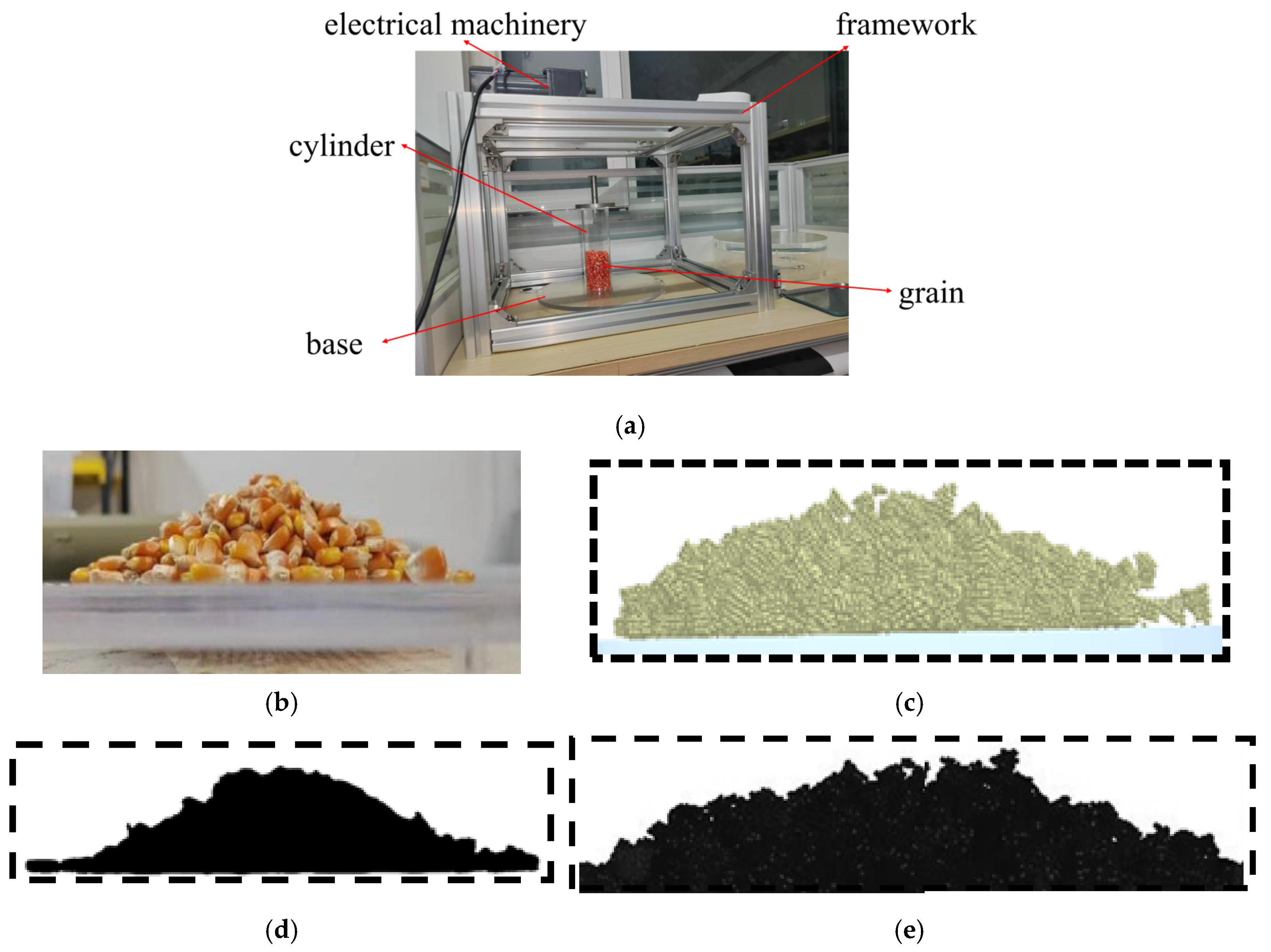
28]. To verify the accuracy of the established seed model, a seed stacking angle test was conducted using a custom-built measuring instrument, as shown in
Figure 12a. The instrument consists of an outer frame, motor, traction wire, cylinder, and base, with the cylinder and base made of organic glass. A total of 260 g of seeds was weighed and placed in the cylinder, which was lifted at a constant speed of 0.05 m/s. As the cylinder rose, the seeds scattered freely onto the base, forming a stacking angle, as illustrated in
Figure 12b. The experiment was repeated three times, and the average value was recorded as the final result.
The acquired stacking angle images were processed in
MATLAB (
v2023) through binarization, edge extraction, and linear fitting. Simulation tests of the stacking angle were conducted in EDEM, as illustrated in
Figure 14c. A three-dimensional model of the stacking angle tester was created using SolidWorks. Based on reference (Cui T et al., 2023) [
29], the collision recovery coefficient between seeds was set to 0.086, the static friction coefficient to 0.484, and the kinetic friction coefficient to 0.103. The test step size was set to 6.34 × 10
−7 s. The seed stacking process, as shown in
Figure 14d,e, was simulated until the seeds became completely stationary.
2.8. Traditional Model Stacking Angle Experiment
The stacking angle test mainly measures the coefficient of friction of the kernel, the flow characteristics and the friction characteristics between the particles, which are affected by the roughness; the grain size distribution; and the water content of the kernel. While in the actual threshing process, the cob is often threshed by rubbing, i.e., the friction and impact effects of the maize kernel and the threshing element; in this paper, the friction effects can be measured by the stacking angle, and the impact effects can be measured by the mechanical properties test. According to reference (Wang Y, et al., 2020) [
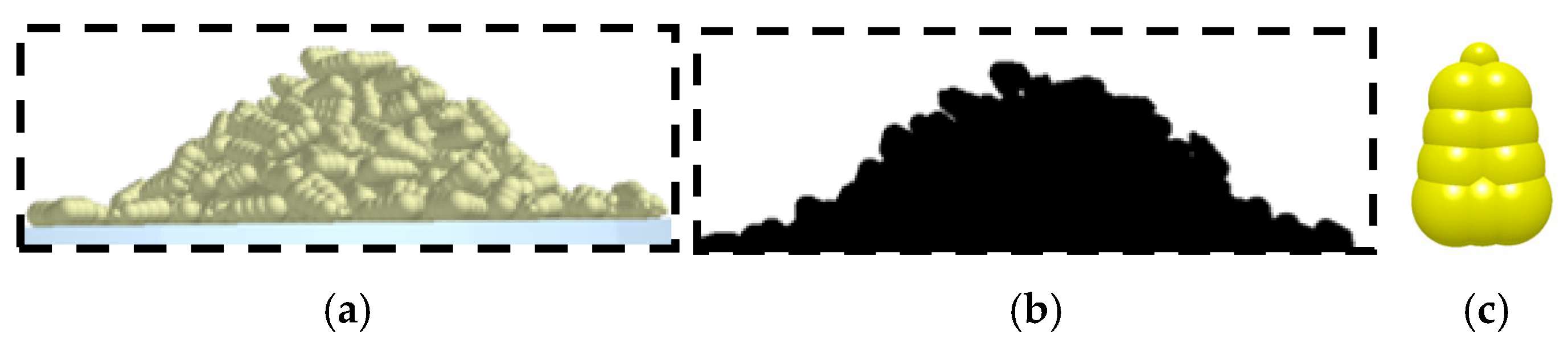
30], the discrete element model was built by modeling the seeds with a traditional 10-ball filling, as shown in
Figure 15c.
The model was applied to stacking angle experiments, ensuring that parameters such as dynamic and static friction factors, contact coefficients, time steps, and mesh sizes matched the experimental settings described in the paper. The experiment was conducted three times, and the average value was used as the final result. The simulation process is illustrated in
Figure 15a.
The 10-ball filling model underwent edge detection and binarization steps using MATLAB. The resulting binarized image of the model is shown in
Figure 15b.
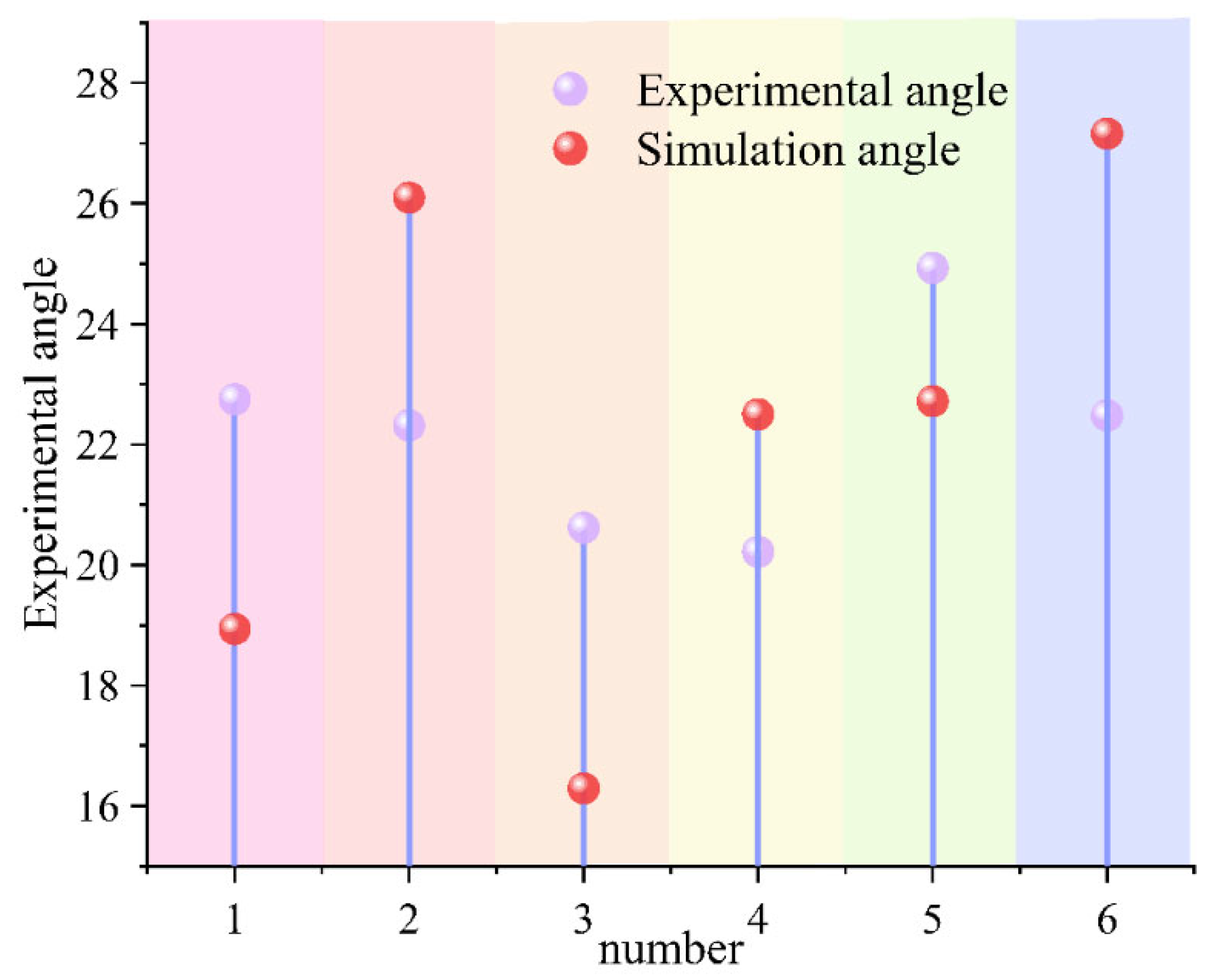
The stacking angle of the 10-ball filling model was calculated, with an average value of 26.71°. The experiment was conducted three times, and the experimental stacking angles are presented in
Figure 16.