Article

Enhancing Broiler Weight Estimation through Gaussian Kernel Density Estimation Modeling

1
Graduate School of Artificial Intelligence, Jeonju University, Jeonju-si 55069, Republic of Korea
2
Artificial Intelligence Research Center, Jeonju University, Jeonju-si 55069, Republic of Korea
*
Author to whom correspondence should be addressed.
Agriculture 2024, 14(6), 809; https://doi.org/10.3390/agriculture14060809

Submission received: 24 April 2024 / Revised: 16 May 2024 / Accepted: 21 May 2024 / Published: 23 May 2024
(This article belongs to the Section Farm Animal Production)

Abstract

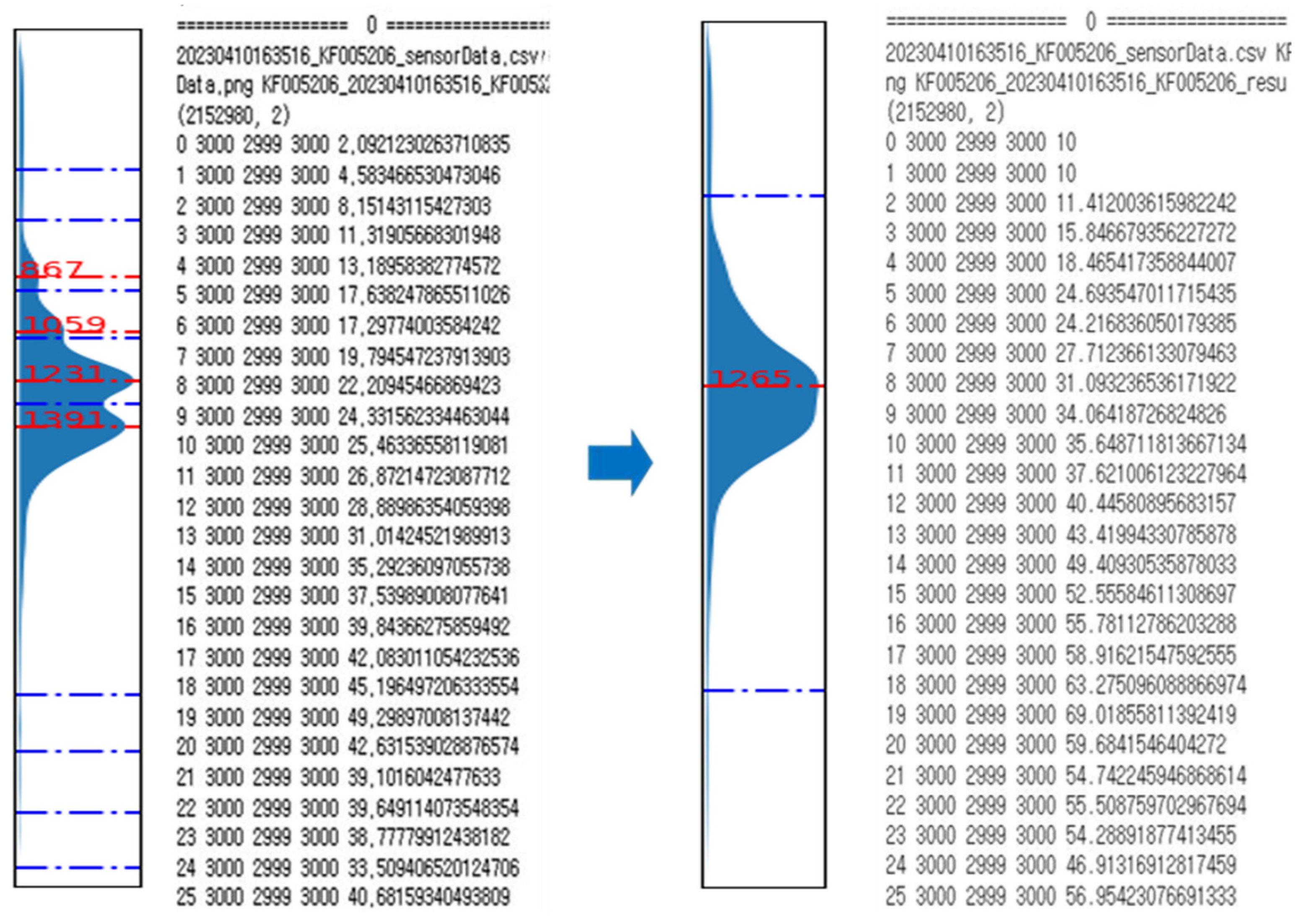
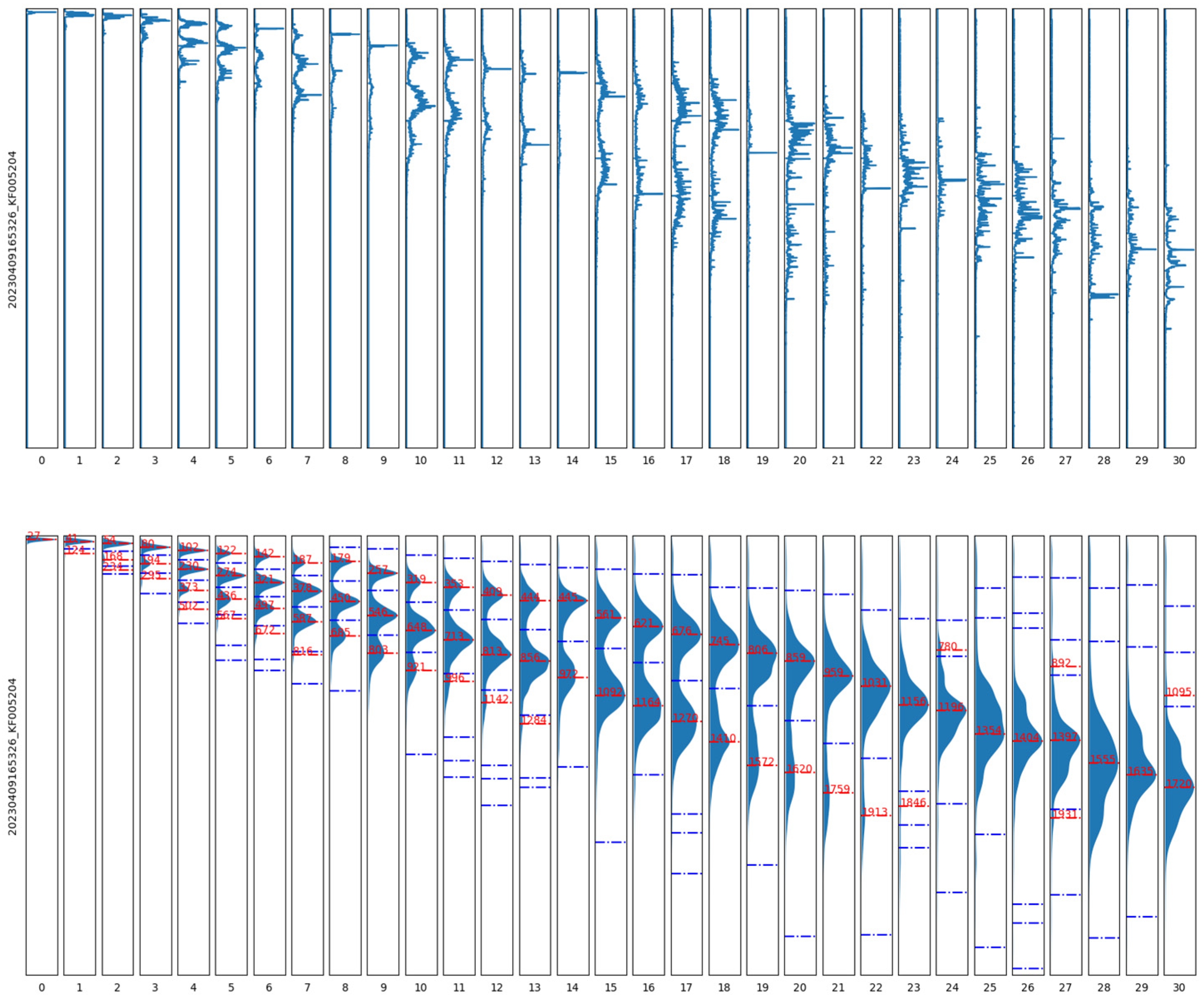
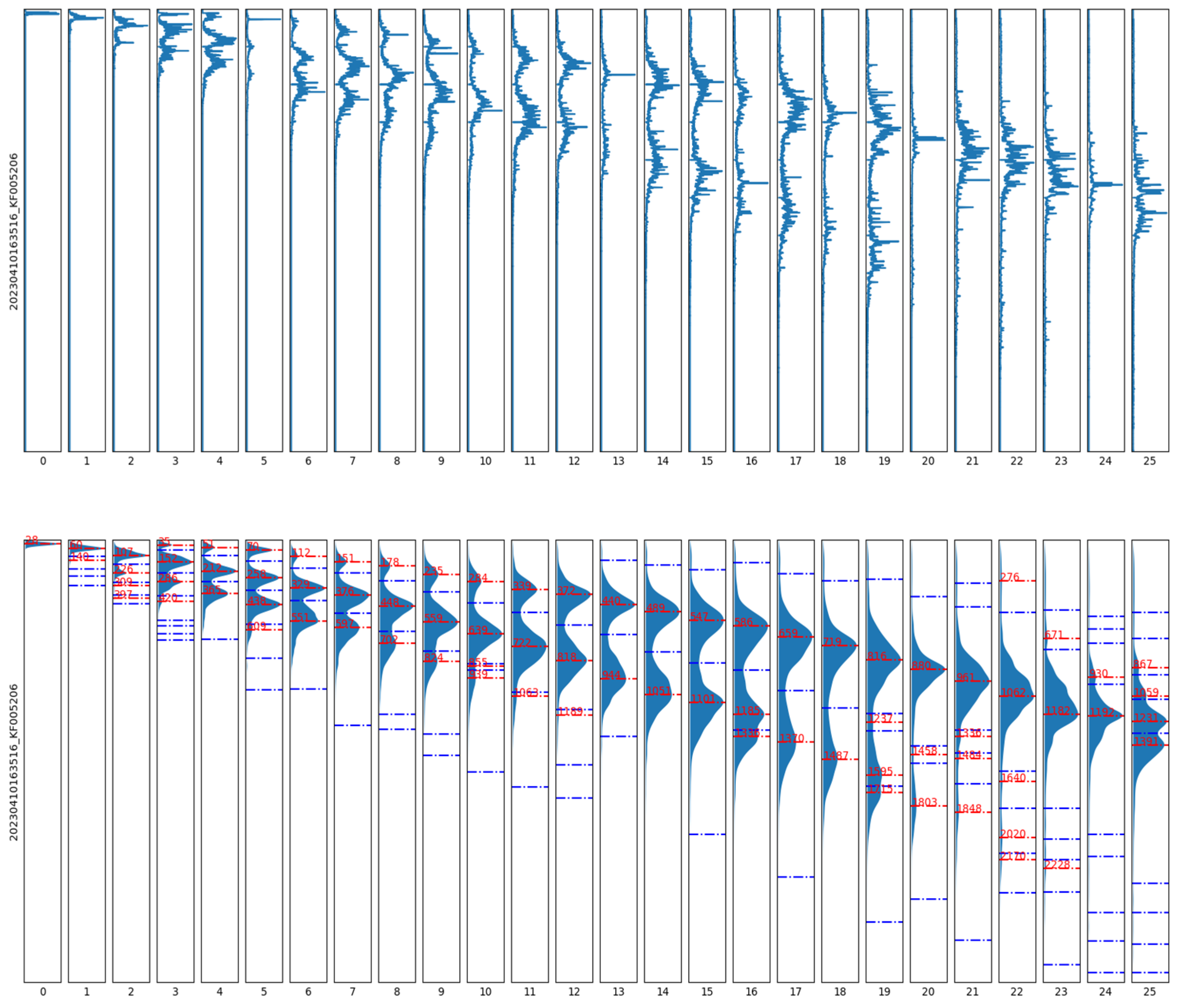
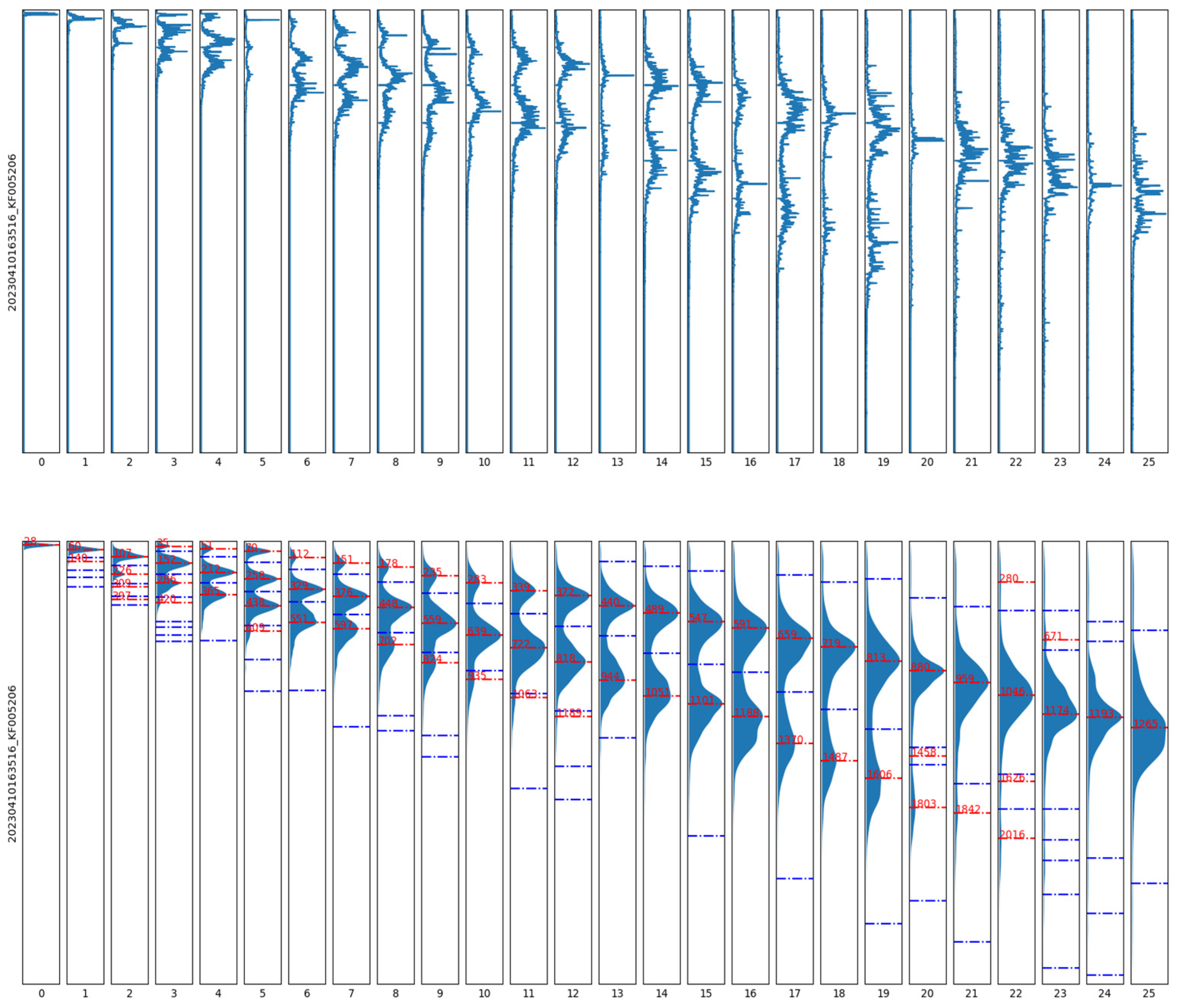
The management of individual weights in broiler farming is not only crucial for increasing farm income but also directly linked to the revenue growth of integrated broiler companies, necessitating prompt resolution. This paper proposes a model to estimate daily average broiler weights using time and weight data collected through scales. In the proposed model, a method of self-adjusting weights in the bandwidth calculation formula is employed, and the daily average weight representative value is estimated using KDE. The focus of this study is to contribute to the individual weight management of broilers by intensively researching daily fluctuations in average broiler weight. To address this, weight and time data are collected and preprocessed through scales. The Gaussian kernel density estimation model proposed in this paper aims to estimate the representative value of the daily average weight of a single broiler using statistical estimation methods, allowing for self-adjustment of bandwidth values. When applied to the dataset collected through scales, the proposed Gaussian kernel density estimation model with self-adjustable bandwidth values confirmed that the estimated daily weight did not deviate beyond the error range of ±50 g compared with the actual measured values. The next step of this study is to systematically understand the impact of the broiler environment on weight for sustainable management strategies for broiler demand, derive optimal rearing conditions for each farm by combining location and weight data, and develop a model for predicting daily average weight values. The ultimate goal is to develop an artificial intelligence model suitable for weight management systems by utilizing the estimated daily average weight of a single broiler even in the presence of error data collected from multiple weight measurements, enabling more efficient automatic measurement of broiler weight and supporting both farms and broiler demand.
Keywords: broiler; weight management; kernel density estimation; Gaussian kernel density estimation model; environmental impact broiler; weight management; kernel density estimation; Gaussian kernel density estimation model; environmental impact