Article

The More the Better? Reconsidering the Welfare Effect of Crop Insurance Premium Subsidy

College of Economics and Management, Nanjing Agricultural University, Nanjing 210095, China
*
Author to whom correspondence should be addressed.
Agriculture 2024, 14(11), 2050; https://doi.org/10.3390/agriculture14112050

Submission received: 5 October 2024 / Revised: 28 October 2024 / Accepted: 10 November 2024 / Published: 14 November 2024
(This article belongs to the Section Agricultural Economics, Policies and Rural Management)

Abstract

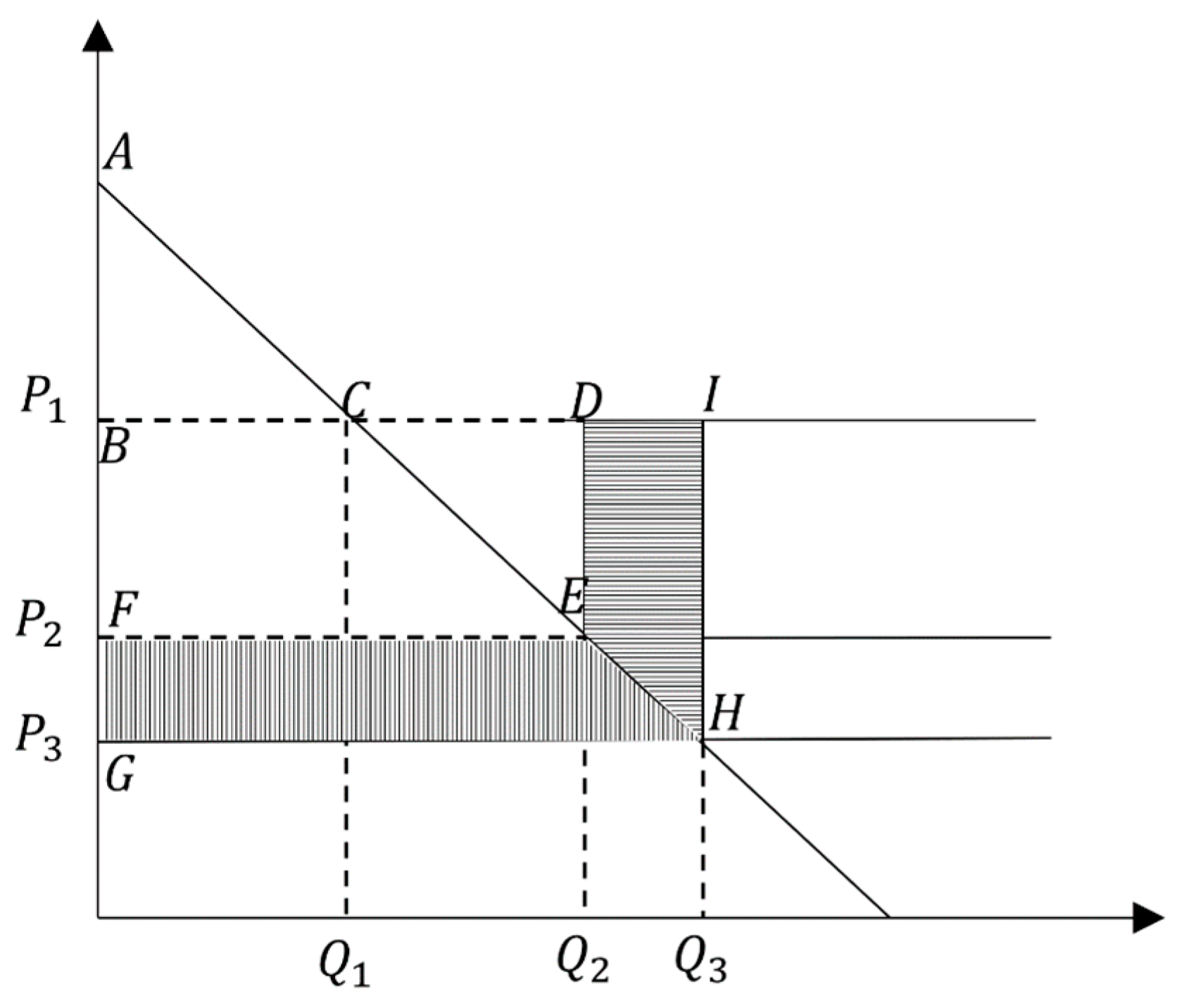
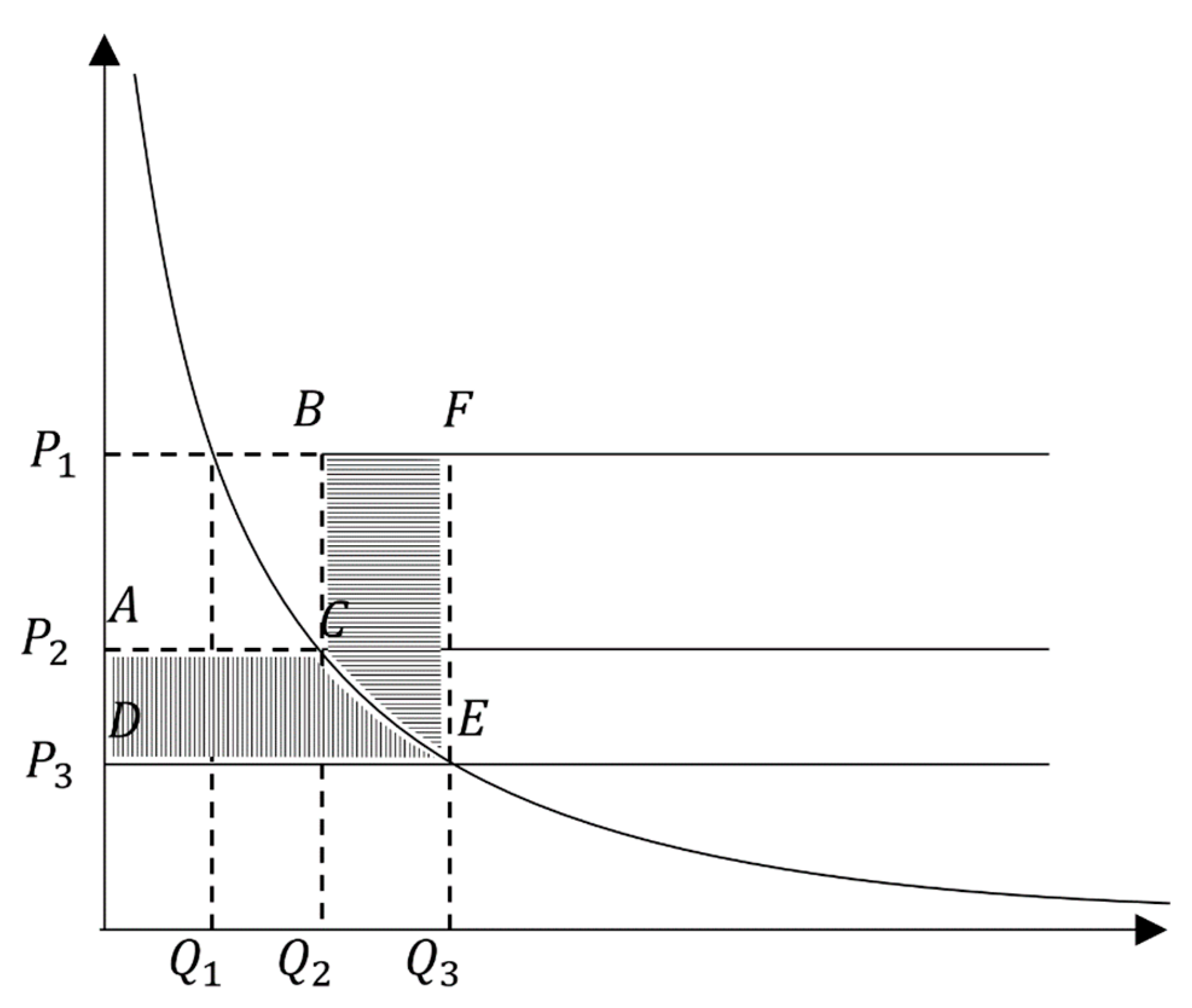
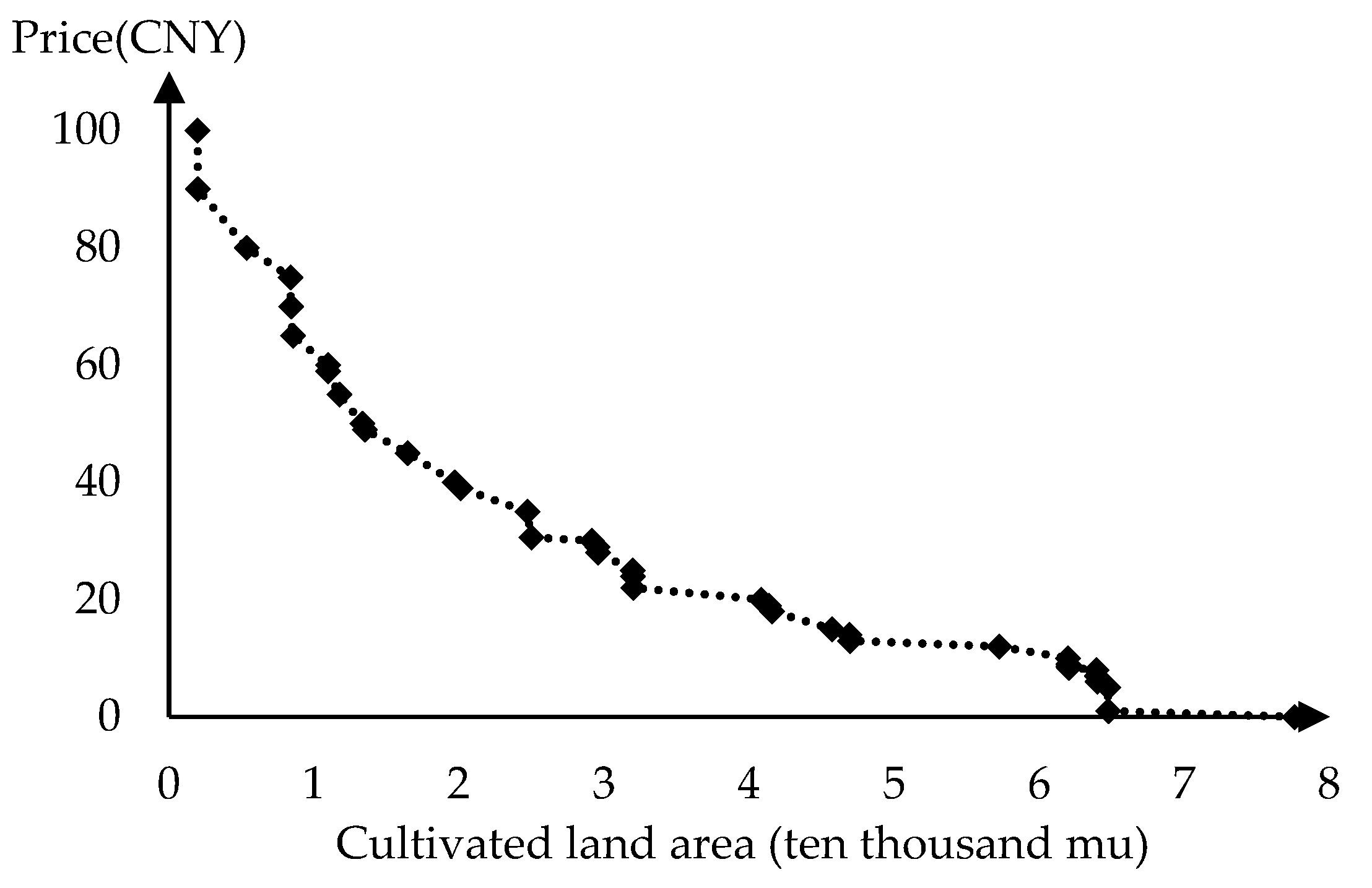
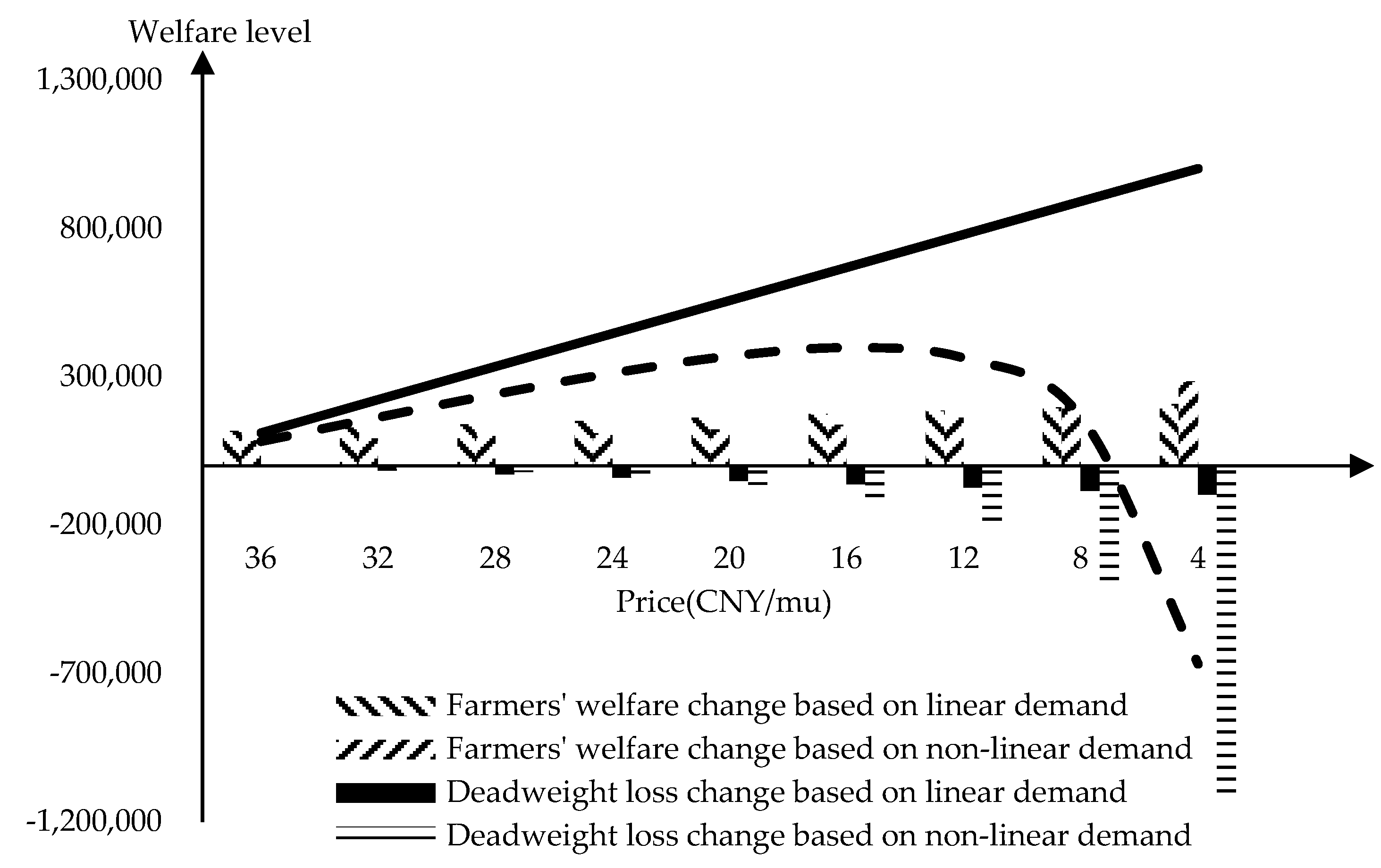
China has invested substantial financial subsidies to promote the development of crop insurance; however, the insurance demand among farmers remains notably low, resulting in significant welfare loss. Based on a field survey conducted in 2021 in seven major grain-producing counties in Jiangsu Province, this study analyses the relationship between premium subsidy rates and the welfare effects of subsidies through theoretical model derivation and explores the impact of farmer heterogeneity on the results. This study innovatively introduces a power law distribution model to elucidate the distributional characteristics of farmers’ crop insurance demand, demonstrates the significant limitations of the linear demand model in welfare research, and effectively analyzes the welfare effects of China’s current crop insurance premium subsidy policy. The results indicate that: (1) the actual crop insurance demand of farmers aligns more closely with a power law distribution, and its long-tailed characteristics refute the assumption of linear distribution; (2) there exists an inverted “U”-shaped relationship between the subsidy ratio and the welfare effect, and an excessively high subsidy ratio produces substantial unnecessary losses; (3) variations in welfare effects exist among farmers in different regions, risk attitudes, and cultivation scales, but the range of differences between groups is limited.
Keywords: crop insurance; power-law demand; premium subsidy; welfare effect crop insurance; power-law demand; premium subsidy; welfare effect