


Antipsychotic Drugs and the Risk of Diabetic Complications: A Systematic Review of Clinical Evidence

 , ,
, ,
Abstract
1. Introduction
1.1. Antipsychotic Drugs
1.2. Hyperglycemic Complications
1.3. Hospitalization Rates and Epidemiology for Diabetic Ketoacidosis and Hyperglycemic Hyperosmolar State
1.4. Pathophysiology of Diabetic Ketoacidosis and Hyperglycemic Hyperosmolar State
1.5. Pathogenesis of Diabetic Ketoacidosis and Hyperglycemic Hyperosmolar State
1.6. Management of Diabetic Ketoacidosis and Hyperglycemic Hyperosmolar State
1.7. Treatment with Antipsychotic Drugs and Diabetic Adverse Events
2. Methods
2.1. Search Strategy and Databases
2.2. Data Screening and Abstraction
2.3. Eligibility Criteria
2.3.1. Exposure Assessment of Antipsychotic Drugs
2.3.2. Outcomes
2.3.3. Study Design
2.4. Inclusion and Exclusion Criteria
2.4.1. Inclusion Criteria
2.4.2. Exclusion Criteria
2.5. Biomarkers
2.6. Critical Appraisal
3. Results
3.1. Selection of Studies
3.2. Demographic Characteristics
3.3. Specific Outcomes
Diabetic Ketoacidosis
3.4. Hyperglycemic Hyperosmolar State
3.5. History of Diabetes
3.6. Relevant Biomarkers
Glucose
3.7. Hemoglobin A1c (HbA1c)
3.8. Presence of Ketones
3.9. Treatment with Insulin and Recovery
3.10. Olanzapine and Clozapine and Diabetic Ketoacidosis
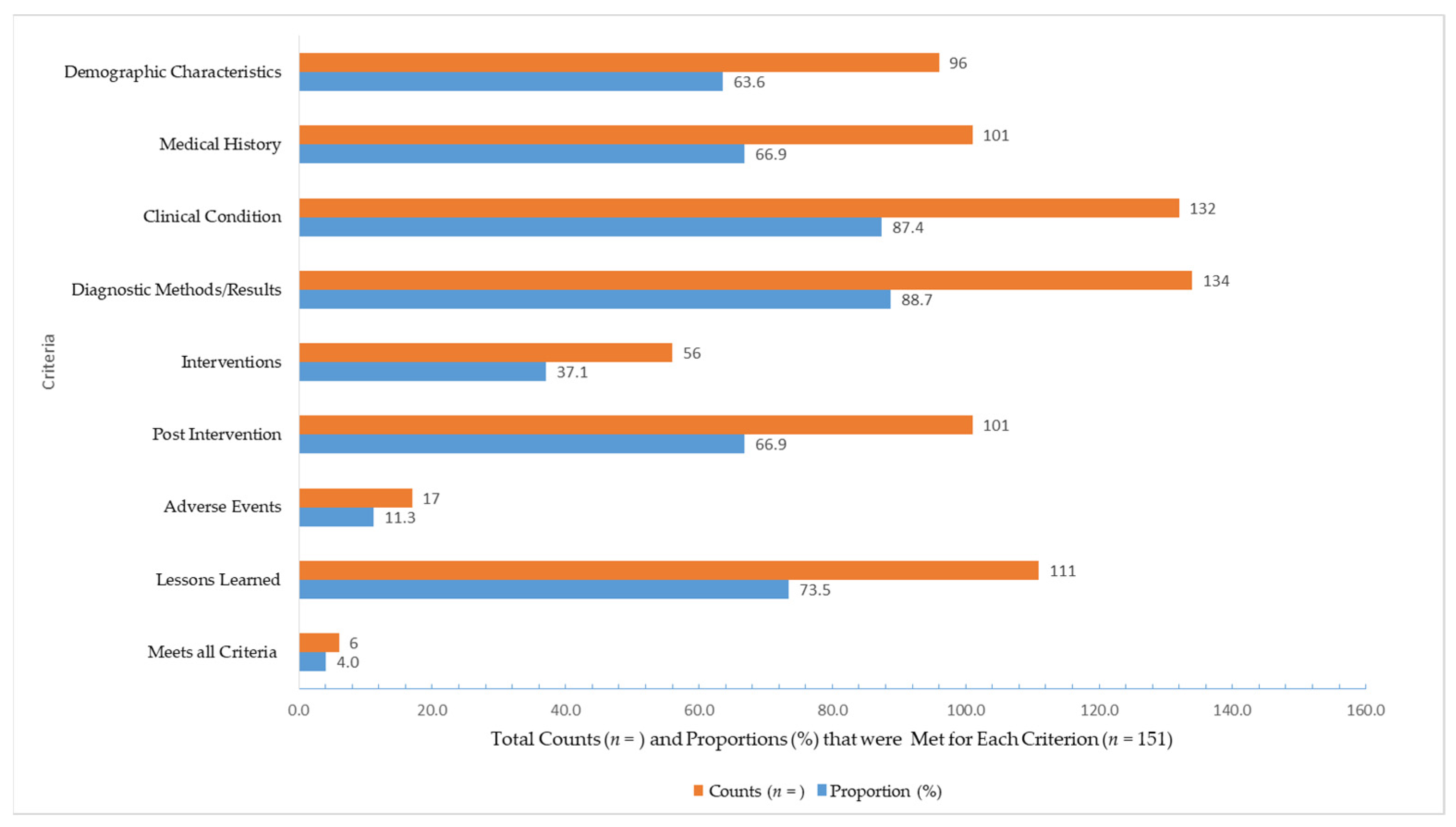
3.11. Critical Appraisal of Case Reports
4. Discussion
5. Strengths
6. Limitations
7. Conclusions
Supplementary Materials
Author Contributions
Funding
Institutional Review Board Statement
Informed Consent Statement
Data Availability Statement
Acknowledgments
Conflicts of Interest
Correction Statement
References
- Mucci, F.; Arone, A.; Gurrieri, R.; Weiss, F.; Russomanno, G.; Marazziti, D. Third-generation antipsychotics: The Quest for the key to neurotrophism. Life 2025, 15, 391. [Google Scholar] [CrossRef] [PubMed]
- Ricci, V.; Sarni, A.; Martinotti, G.; Maina, G. Comparative analysis of third-generation antipsychotics in first-episode schizophrenia: Efficacy, safety, and cognitive impacts. A narrative review. Int. Clin. Psychopharmacol. 2025, 40, 191–206. [Google Scholar] [CrossRef]
- Aringhieri, S.; Carli, M.; Kolachalam, S.; Verdesca, V.; Cini, E.; Rossi, M.; McCormick, P.J.; Corsini, G.U.; Maggio, R.; Scarselli, M. Molecular targets of atypical antipsychotics: From mechanism of action to clinical differences. Pharmacol. Ther. 2018, 192, 20–41. [Google Scholar] [CrossRef]
- Carli, M.; Kolachalam, S.; Longoni, B.; Pintaudi, A.; Baldini, M.; Aringhieri, S.; Fasciani, I.; Annibale, P.; Maggio, R.; Scarselli, M. Atypical Antipsychotics and Metabolic Syndrome: From Molecular Mechanisms to Clinical Differences. Pharmaceuticals 2021, 14, 238. [Google Scholar] [CrossRef]
- Kasper, S.; Resinger, E. Cognitive effects and antipsychotic treatment. Psychoneuroendocrinology 2003, 28, 27–38. [Google Scholar] [CrossRef] [PubMed]
- Stip, E.; Lussier, I.; Babai, M.; Fabian, J.L.; Link, C. Seroquel and cognitive improvement in patients with schizophrenia. Biol. Psychiatry 1996, 40, 434–435. [Google Scholar] [CrossRef]
- Alberti, K.G.M.M.; Zimmet, P.; Shaw, J. Metabolic syndrome—A new world-wide definition. A Consensus Statement from the International Diabetes Federation. Diabet. Med. 2006, 23, 469–480. [Google Scholar] [CrossRef]
- Ananth, J.; Parameswaran, S.; Gunatilake, S. Side effects of atypical antipsychotic drugs. Curr. Pharm. Des. 2004, 10, 2219–2229. [Google Scholar] [CrossRef]
- Buse, J.B.; Cavazzoni, P.; Hornbuckle, K.; Hutchins, D.; Breier, A.; Jovanovic, L. A retrospective cohort study of diabetes mellitus and antipsychotic treatment in the United States. J. Clin. Epidemiol. 2003, 56, 164–170. [Google Scholar] [CrossRef] [PubMed]
- Caro, J.J.; Ward, A.; Levinton, C.; Robinson, K. The risk of diabetes during olanzapine use compared with risperidone use: A retrospective database analysis. J. Clin. Psychiatry 2002, 63, 1135–1139. [Google Scholar] [CrossRef]
- Fayfman, M.; Pasquel, F.J.; Umpierrez, G.E. Management of Hyperglycemic Crises: Diabetic Ketoacidosis and Hyperglycemic Hyperosmolar State. Med. Clin. N. Am. 2017, 101, 587–606. [Google Scholar] [CrossRef] [PubMed]
- Gianfrancesco, F.; Grogg, A.; Mahmoud, R.; Wang, R.-H.; Meletiche, D. Differential effects of antipsychotic agents on the risk of development of type 2 diabetes mellitus in patients with mood disorders. Clin. Ther. 2003, 25, 1150–1171. [Google Scholar] [CrossRef] [PubMed]
- Evans, K. Diabetic ketoacidosis: Update on management. Clin. Med. 2019, 19, 396–398. [Google Scholar] [CrossRef]
- Gerich, J.E.; Martin, M.M.; Recant, L. Clinical and metabolic characteristics of hyperosmolar nonketotic coma. Diabetes 1971, 20, 228–238. [Google Scholar] [CrossRef]
- Goguen, J.; Gilbert, J. Hyperglycemic Emergencies in Adults. Can. J. Diabetes 2018, 42, S109–S114. [Google Scholar] [CrossRef]
- Umpierrez, G.; Korytkowski, M. Diabetic emergencies—Ketoacidosis, hyperglycaemic hyperosmolar state and hypoglycaemia. Nat. Rev. Endocrinol. 2016, 12, 222–232. [Google Scholar] [CrossRef]
- Gosmanov, A.R.; Gosmanova, E.O.; Kitabchi, A.E. Hyperglycemic Crises: Diabetic Ketoacidosis and Hyperglycemic Hyperosmolar State. In Endotext; Feingold, K.R., Adler, R.A., Ahmed, S.F., Anawalt, B., Blackman, M.R., Chrousos, G., Corpas, E., de Herder, W.W., Dhatariya, K., Dungan, K., et al., Eds.; MDText.com, Inc.: South Dartmouth, MA, USA, 2000. Available online: https://www.ncbi.nlm.nih.gov/books/NBK279052/ (accessed on 10 September 2023).
- Hassan, E.M.; Mushtaq, H.; Mahmoud, E.E.; Chhibber, S.; Saleem, S.; Issa, A.; Nitesh, J.; Jama, A.B.; Khedr, A.; Boike, S.; et al. Overlap of diabetic ketoacidosis and hyperosmolar hyperglycemic state. World J. Clin. Cases 2022, 10, 11702–11711. [Google Scholar] [CrossRef]
- Kitabchi, A.E.; Umpierrez, G.E.; Murphy, M.B.; Kreisberg, R.A. Hyperglycemic crises in adult patients with diabetes: A consensus statement from the American Diabetes Association. Diabetes Care 2006, 29, 2739–2748. [Google Scholar] [CrossRef]
- Kitabchi, A.E.; Umpierrez, G.E.; Miles, J.M.; Fisher, J.N. Hyperglycemic crises in adult patients with diabetes. Diabetes Care 2009, 32, 1335–1343. [Google Scholar] [CrossRef]
- Stoner, G.D. Hyperosmolar Hyperglycemic State. Am. Fam. Physician 2017, 96, 729–736. [Google Scholar] [PubMed]
- Benoit, S.R.; Zhang, Y.; Geiss, L.S.; Gregg, E.W.; Albright, A. Trends in Diabetic Ketoacidosis Hospitalizations and In-Hospital Mortality—United States, 2000–2014. MMWR Morb. Mortal. Wkly. Rep. 2018, 67, 362–365. [Google Scholar] [CrossRef]
- Zhong, V.W.; Juhaeri, J.; Mayer-Davis, E.J. Trends in Hospital Admission for Diabetic Ketoacidosis in Adults with Type 1 and Type 2 Diabetes in England, 1998–2013: A Retrospective Cohort Study. Diabetes Care 2018, 41, 1870–1877. [Google Scholar] [CrossRef] [PubMed]
- Thomas, M.; Harjutsalo, V.; Feodoroff, M.; Forsblom, C.; Gordin, D.; Groop, P.-H. The Long-Term Incidence of Hospitalization for Ketoacidosis in Adults with Established T1D—A Prospective Cohort Study. J. Clin. Endocrinol. Metab. 2020, 105, 231–241. [Google Scholar] [CrossRef]
- Wang, Z.H.; Kihl-Selstam, E.; Eriksson, J.W. Ketoacidosis occurs in both Type 1 and Type 2 diabetes—A population-based study from Northern Sweden. Diabet. Med. 2008, 25, 867–870. [Google Scholar] [CrossRef]
- Karges, B.; Rosenbauer, J.; Holterhus, P.-M.; Beyer, P.; Seithe, H.; Vogel, C.; Böckmann, A.; Peters, D.; Müther, S.; Neu, A.; et al. Hospital admission for diabetic ketoacidosis or severe hypoglycemia in 31,330 young patients with type 1 diabetes. Eur. J. Endocrinol. 2015, 173, 341–350. [Google Scholar] [CrossRef] [PubMed]
- Miller, K.M.; Foster, N.C.; Beck, R.W.; Bergenstal, R.M.; DuBose, S.N.; DiMeglio, L.A.; Maahs, D.M.; Tamborlane, W.V.; Network, T.E.C. Current state of type 1 diabetes treatment in the U.S.: Updated data from the T1D Exchange clinic registry. Diabetes Care 2015, 38, 971–978. [Google Scholar] [CrossRef]
- Fishbein, H.A.; Palumbo, P.J. Acute Metabolic Complications in Diabetes. In Diabetes in America, 2nd ed.; National Diabetes Data Group, NIH Publication No. 95-1468; National Institute of Diabetes and Digestive and Kidney Diseases, NIH: Bethesda, MD, USA, 1995; pp. 283–291. [Google Scholar]
- Kitabchi, A.E.; Umpierrez, G.E.; Murphy, M.B.; Barrett, E.J.; Kreisberg, R.A.; Malone, J.I.; Wall, B.M. Management of hyperglycemic crises in patients with diabetes. Diabetes Care 2001, 24, 131–153. [Google Scholar] [CrossRef]
- Pasquel, F.J.; Umpierrez, G.E. Hyperosmolar hyperglycemic state: A historic review of the clinical presentation, diagnosis, and treatment. Diabetes Care 2014, 37, 3124–3131. [Google Scholar] [CrossRef]
- MacIsaac, R.J.; Lee, L.Y.; McNeil, K.J.; Tsalamandris, C.; Jerums, G. Influence of age on the presentation and outcome of acidotic and hyperosmolar diabetic emergencies. Intern. Med. J. 2002, 32, 379–385. [Google Scholar] [CrossRef] [PubMed]
- Fourtner, S.H.; Weinzimer, S.A.; Katz, L.E.L. Hyperglycemic hyperosmolar non-ketotic syndrome in children with type 2 diabetes. Pediatr. Diabetes 2005, 6, 129–135. [Google Scholar] [CrossRef] [PubMed]
- Bhowmick, S.K.; Levens, K.L.; Rettig, K.R. Hyperosmolar hyperglycemic crisis: An acute life-threatening event in children and adolescents with type 2 diabetes mellitus. Endocr. Pract. 2005, 11, 23–29. [Google Scholar] [CrossRef]
- Chen, H.-F.; Wang, C.-Y.; Lee, H.-Y.; See, T.-T.; Chen, M.-H.; Jiang, J.-Y.; Lee, M.-T.; Li, C.-Y. Short-term case fatality rate and associated factors among inpatients with diabetic ketoacidosis and hyperglycemic hyperosmolar state: A hospital-based analysis over a 15-year period. Intern. Med. 2010, 49, 729–737. [Google Scholar] [CrossRef]
- Rosenbloom, A.L. Hyperglycemic hyperosmolar state: An emerging pediatric problem. J. Pediatr. 2010, 156, 180–184. [Google Scholar] [CrossRef] [PubMed]
- Zeitler, P.; Haqq, A.; Rosenbloom, A.; Glaser, N.; Drugs and Therapeutics Committee of the Lawson Wilkins Pediatric Endocrine Society. Hyperglycemic hyperosmolar syndrome in children: Pathophysiological considerations and suggested guidelines for treatment. J. Pediatr. 2011, 158, 9–14.e2. [Google Scholar] [CrossRef] [PubMed]
- Fadini, G.P.; de Kreutzenberg, S.V.; Rigato, M.; Brocco, S.; Marchesan, M.; Tiengo, A.; Avogaro, A. Characteristics and outcomes of the hyperglycemic hyperosmolar non-ketotic syndrome in a cohort of 51 consecutive cases at a single center. Diabetes Res. Clin. Pract. 2011, 94, 172–179. [Google Scholar] [CrossRef] [PubMed]
- Wang, J.-Y.; Wang, C.-Y.; Huang, Y.-S.; Chen, P.-F.; Huang, K.-Y.; Chou, P.; Lian, W.-C.; Lee, C.-C. Increased risk of ischemic stroke after hyperosmolar hyperglycemic state: A population-based follow-up study. PLoS ONE 2014, 9, e94155. [Google Scholar] [CrossRef] [PubMed]
- Wachtel, T.J. The diabetic hyperosmolar state. Clin. Geriatr. Med. 1990, 6, 797–806. [Google Scholar] [CrossRef]
- Alberti, K.G.M.M.; Christensen, N.J.; Iversen, J.; Ørskov, H. Role of glucagon and other hormones in development of diabetic ketoacidosis. Lancet 1975, 305, 1307–1311. [Google Scholar] [CrossRef]
- Ghimire, P.; Dhamoon, A.S. Ketoacidosis. In StatPearls; StatPearls Publishing: Treasure Island, FL, USA, 2023. Available online: https://www.ncbi.nlm.nih.gov/books/NBK534848/ (accessed on 11 January 2026).
- Guenette, M.D.; Hahn, M.; Cohn, T.A.; Teo, C.; Remington, G.J. Atypical antipsychotics and diabetic ketoacidosis: A review. Psychopharmacology 2013, 226, 1–12. [Google Scholar] [CrossRef]
- Vuk, A.; Kuzman, M.R.; Baretic, M.; Osvatic, M.M. Diabetic ketoacidosis associated with antipsychotic drugs: Case reports and a review of literature. Psychiatr. Danub. 2017, 29, 121–135. [Google Scholar] [CrossRef]
- Haddad, N. Risk of Diabetic Ketoacidosis and Hyperglycemic Hyperosmolar State Associated with the Use of Antipsychotic Drugs. Ph.D. Thesis, Univesity of Ottawa, Ottawa, ON, Canada, 6 October 2023. [Google Scholar]
- Whicher, C.; Brewster, S.; Holt, R.I. Antipsychotics and schizophrenia, and their relationship to diabetes. Pract. Diabetes 2019, 36, 147–151a. [Google Scholar] [CrossRef]
- Tricco, A.C.; Lillie, E.; Zarin, W.; O’Brien, K.K.; Colquhoun, H.; Levac, D.; Moher, D.; Peters, M.D.J.; Horsley, T.; Weeks, L.; et al. PRISMA extension for scoping reviews (PRISMA-ScR): Checklist and explanation. Ann. Intern. Med. 2018, 169, 467–473. [Google Scholar] [CrossRef]
- Clarivate Analytics. EndNote (Version X9) [Computer Software]. 2018. Available online: https://endnote.com/ (accessed on 11 January 2026).
- Evidence Partners. Distiller SR [Computer Software]. 2018. Available online: https://www.distillersr.com/ (accessed on 30 April 2023).
- Wiener, K. Whole Blood Glucose: What are We Actually Measuring? Ann. Clin. Biochem. Int. J. Biochem. Lab. Med. 1995, 32, 1–8. [Google Scholar] [CrossRef]
- Sacks, D.B. A1C versus glucose testing: A comparison. Diabetes Care 2011, 34, 518–523. [Google Scholar] [CrossRef] [PubMed]
- Kim, H.S. Blood glucose measurement: Is serum equal to plasma? Diabetes Metab. J. 2016, 40, 365–366. [Google Scholar] [CrossRef] [PubMed]
- Gurung, P.; Zubair, M.; Jialal, I. Plasma glucose. In StatPearls; StatPearls Publishing: Treasure Island, FL, USA, 2024. Available online: https://www.ncbi.nlm.nih.gov/books/NBK541081/ (accessed on 11 January 2026).
- Sacks, D.B.; Arnold, M.; Bakris, G.L.; Bruns, D.E.; Horvath, A.R.; Lernmark, Å.; Metzger, B.E.; Nathan, D.M.; Kirkman, M.S. Guidelines and Recommendations for Laboratory Analysis in the Diagnosis and Management of Diabetes Mellitus. Diabetes Care 2023, 46, e151–e199. [Google Scholar] [CrossRef] [PubMed]
- Consensus Committee. Consensus statement on the worldwide standardization of the hemoglobin A1C measurement. Diabetes Care 2007, 30, 2399–2400. [Google Scholar] [CrossRef]
- Gagnier, J.J.; Kienle, G.; Altman, D.G.; Moher, D.; Sox, H.; Riley, D.; CARE Group. The CARE guidelines: Consensus-based clinical case reporting guideline development. Headache 2013, 53, 1541–1547. [Google Scholar] [CrossRef]
- Moola, S.; Munn, Z.; Tufanaru, C.; Aromataris, E.; Sears, K.; Sfetcu, R.; Currie, M.; Lisy, K.; Qureshi, R.; Mattis, P.; et al. Chapter 7: Systematic Reviews of Etiology and Risk. In JBI Manual for Evidence Synthesis; Aromataris, E., Munn, Z., Eds.; JBI: Miami, FL, USA, 2020; Available online: https://synthesismanual.jbi.global (accessed on 5 January 2026). [CrossRef]
- Adhoni, M.Z.U.; Assadi, R.R.; Abbas, S. One-year course of olanzapine-induced diabetic ketoacidosis: A case report. Dubai Diabetes Endocrinol. J. 2021, 27, 158–161. [Google Scholar] [CrossRef]
- Agrawal, Y.; Lingala, K.; Tokala, H.; Kalavakunta, J.K. Antipsychotic Therapy-Induced New Onset Diabetic Ketoacidosis. Am. J. Ther. 2016, 23, e1944–e1945. [Google Scholar] [CrossRef]
- Ai, D.; Roper, T.A.; Riley, J.A. Diabetic ketoacidosis and clozapine. Postgrad. Med. J. 1998, 74, 493–494. [Google Scholar] [CrossRef]
- Akunjee, M.; Gandhi, S.M.; Nylen, E. Atypical antipsychotic and metabolic complications. Diabetes 2018, 67, 714-P. [Google Scholar] [CrossRef]
- Al-Amri, H.S. Olanzapine-induced diabetic ketoacidosis in a Saudi female. Bahrain Med. Bull. 2009, 331, 144–146. [Google Scholar]
- Alex, S.M.; Menon, V.P.; Sabarish, B.; Umadevi, P.; Dipu, T.S. Clozapine-induced diabetic ketoacidosis: A case report. Asian J. Pharm. Clin. Res. 2018, 11, 1–2. [Google Scholar] [CrossRef]
- Almahmood, M.; Saied, A.; Eltazi, I.; Al-Qudah, B.M.; Alalawi, A.; Peediyakkal, M.Z.K.; Nashwan, A.J. Olanzapine-induced diabetic ketoacidosis and neuroleptic malignant syndrome: A case report. Cureus 2025, 17, e95327. [Google Scholar] [CrossRef]
- Ananth, J.; Johnson, K.M.; Levander, E.M.; Harry, J.L. Diabetic ketoacidosis, neuroleptic malignant syndrome, and myocardial infarction in a patient taking risperidone and lithium carbonate. J. Clin. Psychiatry 2004, 65, 724. [Google Scholar] [CrossRef] [PubMed]
- Aruna; Paulose, A.P. Chlorpromazine induced diabetes mellitus. J. Assoc. Physicians India 1995, 43, 146. [Google Scholar]
- Atabay, E.; Rodopman Arman, A. Olanzapine-induced diabetic ketoacidosis. Psychiatry Clin. Psychopharmacol. 2019, 29, S129–S263. [Google Scholar] [CrossRef]
- Avella, J.; Wetli, C.V.; Wilson, J.C.; Katz, M.; Hahn, T. Fatal olanzapine-induced hyperglycemic ketoacidosis. Am. J. Forensic Med. Pathol. 2004, 25, 172–175. [Google Scholar] [CrossRef] [PubMed]
- Avram, A.M.; Patel, V.; Taylor, H.C.; Kirwan, J.P.; Kalhan, S. Euglycemic clamp study in clozapine-induced diabetic ketoacidosis. Ann. Pharmacother. 2001, 35, 1381–1387. [Google Scholar] [CrossRef]
- Bae, H.; Lee, J.H.; Je, S.; Lee, S.-H.; Choi, H. Diabetic ketoacidosis associated with second-generation antipsychotics: A case study and review of literature. Psychiatry Investig. 2024, 21, 111–122. [Google Scholar] [CrossRef]
- Buch, H.; Clifford, G.; Barton, D.; Scarpello, J. Diabetic ketoacidosis secondary to olanzapine. Br. J. Diabetes 2003, 3, 373–374. [Google Scholar] [CrossRef]
- Cabrera, M.A.; Hobart, K.S.; Posada, J. Persistent altered mental status. Curr. Psychiatry 2021, 20, 41, 47–50. [Google Scholar] [CrossRef]
- Cardinale, M.; Cungi, P.J.; Meaudre, E. Green plasma and a blocked CRRT circuit due to drug-induced hyperlipidemia. Intensive Care Med. 2019, 45, 1305–1306. [Google Scholar] [CrossRef]
- Chellamuthu, P.; Kong, M.-F.; Gregory, R. Ketosis-prone type 2 diabetes: An increasingly recognised entity. Pract. Diabetes Int. 2010, 27, 118–119. [Google Scholar] [CrossRef]
- Cho, D.Y.; Lindenmayer, J.-P. Aripiprazole-induced agitation after clozapine discontinuation: A case report. J. Clin. Psychiatry 2009, 70, 141–143. [Google Scholar] [CrossRef] [PubMed]
- Church, C.O.; Stevens, D.L.; Fugate, S.E. Diabetic ketoacidosis associated with aripiprazole. Diabet. Med. 2005, 22, 1440–1443. [Google Scholar] [CrossRef] [PubMed]
- Colli, A.; Cocciolo, M.; Francobandiera, F.; Rogantin, F.; Cattalini, N. Diabetic ketoacidosis associated with clozapine treatment. Diabetes Care 1999, 22, 176–177. [Google Scholar] [CrossRef]
- Courvoisie, H.E.; Cooke, D.W.; Riddle, M.A. Olanzapine-induced diabetes in a seven-year-old boy. J. Child Adolesc. Psychopharmacol. 2004, 14, 612–616. [Google Scholar] [CrossRef]
- Croarkin, P.E.; Jacobs, K.M.; Bain, B.K. Diabetic ketoacidosis associated with risperidone treatment? Psychosomatics 2000, 41, 369–370. [Google Scholar] [CrossRef]
- Crown, N.; Feltham, M.; Bayliff, C.D. Olanzapine-Induced Diabetic Ketoacidosis Resulting in Prolongation of Hospital Stay: Clinical Outcome and Cost Issues. Can. J. Hosp. Pharm. 2007, 60, 192–194. [Google Scholar]
- Dahri, K.; Brown, G. Combined Olanzapine—And Risperidone-Induced Diabetic ketoacidosis. Can. J. Hosp. Pharm. 2002, 55, 282–283. [Google Scholar]
- Das, S.; Palappallil, D.S.; Kartha, A.; Rajan, V. Quetiapine-induced Diabetic Ketoacidosis. Indian J. Psychol. Med. 2018, 40, 93–95. [Google Scholar] [CrossRef] [PubMed]
- de Boer, C.; Gaete, H.P. Neuroleptic malignant syndrome and diabetic keto-acidosis. Br. J. Psychiatry 1992, 161, 856–858. [Google Scholar] [CrossRef] [PubMed]
- Dhamija, R.; Verma, R. Diabetic ketoacidosis induced by aripiprazole in a 12-year-old boy. Diabetes Care 2008, 31, e50. [Google Scholar] [CrossRef]
- Dibben, C.R.M.; Kalavalapalli, S.S.; Linnington, H.E.J.; Hynes, F.A.; Dinneen, S.F.; Adler, A.I.; McKenna, P.J. Diabetes associated with atypical antipsychotic treatment may be severe but reversible: Case report. Int. J. Psychiatry Med. 2005, 35, 307–311. [Google Scholar] [CrossRef]
- Doodnauth, A.V.; Canaday, F.; Omar, K.; Arancibia, R. An atypical precipitant for life threatening new onset DKA. Am. J. Respir. Crit. Care Med. 2021, 203, A2927. [Google Scholar] [CrossRef]
- Fulbright, A.R.; Breedlove, K.T. Complete Resolution of Olanzapine-Induced Diabetic Ketoacidosis. J. Pharm. Pract. 2006, 19, 255–258. [Google Scholar] [CrossRef]
- Gandhi, S.; Ganesh, M. SUN-167 quetiapine-induced hypertriglyceridemia and hyperglycemia presenting as simultaneous diabetic ketoacidosis and acute pancreatitis. J. Endocr. Soc. 2019, 3, SUN-167. [Google Scholar] [CrossRef]
- Gatta, B.; Rigalleau, V.; Gin, H. Diabetic ketoacidosis with olanzapine treatment. Diabetes Care 1999, 22, 1002–1003. [Google Scholar] [CrossRef]
- Goldstein, L.E.; Sporn, J.; Brown, S.; Kim, H.; Finkelstein, J.; Gaffey, G.K.; Sachs, G.; Stern, T.A. New-onset diabetes mellitus and diabetic ketoacidosis associated with olanzapine treatment. Psychosomatics 1999, 40, 438–443. [Google Scholar] [CrossRef]
- Greenfield, J.; McGrath, M.; Kossard, S.; Charlesworth, J.; Campbell, L. ANCA-positive vasculitis induced by thioridazine: Confirmed by rechallenge. Br. J. Dermatol. 2002, 147, 1265–1267. [Google Scholar] [CrossRef]
- Hepburn, K.; Brzozowska, M.M. Diabetic ketoacidosis and severe hypertriglyceridaemia as a consequence of an atypical antipsychotic agent. BMJ Case Rep. 2016, 2016, bcr2016215413. [Google Scholar] [CrossRef]
- Hörber, S.; Hudak, S.; Kächele, M.; Overkamp, D.; Fritsche, A.; Häring, H.-U.; Peter, A.; Heni, M. Unusual high blood glucose in ketoacidosis as first presentation of type 1 diabetes mellitus. Endocrinol. Diabetes Metab. Case Rep. 2018, 2018, 18–0094. [Google Scholar] [CrossRef]
- Howes, O.D.; Rifkin, L. Diabetic Keto-Acidotic (DKA) Diabetic keto-acidotic (DKA) coma following olanzapine initiation in a previously euglycaemic woman and successful continued therapy with olanzapine. J. Psychopharmacol. 2004, 18, 435–437. [Google Scholar] [CrossRef]
- Hui Fang, C.E.; Rafey, M.F.; Cunningham, A.; Dinneen, S.F.; Finucane, F.M. Risperidone-induced type 2 diabetes presenting with diabetic ketoacidosis. Endocrinol. Diabetes Metab. Case Rep. 2018, 2018, 18–0031. [Google Scholar] [CrossRef]
- Hussain, M.; Tiwana, H.Z.J.; Sivanandham, R.; Barsoum, A.; Bagheri, S.; Hussain, S.; Lam, J.; Adial, A. Aripiprazole-induced diabetic ketoacidosis and hypertriglyceridemia triggering concurrent pancreatitis: A case report. Am. J. Respir. Crit. Care Med. 2024, 209, A5680. [Google Scholar] [CrossRef]
- Itoh, Y.; Sagawa, R.; Kinoshita, H.; Tamba, S.; Yamamoto, K.; Yamada, Y.; Matsuzawa, Y. Small-intestinal necrosis due to non-occlusive mesenteric ischemia with diabetic ketoacidosis after quetiapine treatment. Diabetol. Int. 2019, 10, 225–230. [Google Scholar] [CrossRef] [PubMed]
- Iwaku, K.; Otuka, F.; Taniyama, M. Acute-Onset Type 1 Diabetes that Developed During the Administration of Olanzapine. Intern. Med. 2017, 56, 335–339. [Google Scholar] [CrossRef]
- Jain, A.K.; Shah, A.; Bhat, G. Olanzapine-Induced Diabetic Ketoacidosis: A Reversible Etiology Overlooked in Psychiatric Patients. AACE Clin. Case Rep. 2024, 10, 14–16. [Google Scholar] [CrossRef] [PubMed]
- Jalota, R.; Bond, C.; José, R.J. Quetiapine and the development of the metabolic syndrome. QJM Int. J. Med. 2015, 108, 245–247. [Google Scholar] [CrossRef]
- Johnson, R.P.; Al-Taher, M.T.; Madlock, L.E.; Guo, M.; Nasdahl, C.S. Increasing insulin dose for olanzapine-related diabetes. Am. J. Psychiatry 2002, 159, 150–151. [Google Scholar] [CrossRef]
- Juneja, P.; Nanduri, A.; Gulati, U.; Gabriel, A. 128: Olanzapine-induced diabetes mellitus presenting with DKA and acute pancreatitis due to COVID-19. Crit. Care Med. 2021, 49, 49. [Google Scholar] [CrossRef]
- Kahn, D.; Bourgeois, J.A.O. Acute pancreatitis and diabetic ketoacidosis in a schizophrenic patient taking olanzapine. J. Clin. Psychopharmacol. 2007, 27, 397–400. [Google Scholar] [CrossRef]
- Kanagaretnam, D.; Duke, A.; Alahakoon, T.I.; Zen, M. Joint 2021 ADIPS-SOMANZ annual scientific meeting abstracts. Obstet. Med. 2022, 15, 3–52. [Google Scholar] [CrossRef]
- Kasmi, Y. A case of clozapine-induced diabetic ketoacidosis. Psychiatrist 2013, 37, 36. [Google Scholar] [CrossRef]
- Kibbey, K.J.; Roberts, A.M.; Nicholson, G.C. Diabetic ketoacidosis and elevated serum lipase in the setting of aripiprazole therapy. Diabetes Care 2010, 33, e96. [Google Scholar] [CrossRef] [PubMed]
- Kinoshita, H.; Miyagatani, Y.; Murao, M.; Kamimura, Y. Regular Follow-up of Olanzapine Blood Levels and Impaired Glucose Tolerance in Olanzapine-induced Diabetic Ketoacidosis: A Case Report. Clin. Neuropsychopharmacol. Ther. 2014, 5, 1–4. [Google Scholar] [CrossRef]
- Kostakoğlu, A.E.; Yazici, K.M.; Erbas, T.; Güvener, N. Ketoacidosis as a side-effect of clozapine: A case report. Acta Psychiatr. Scand. 1996, 93, 217–218. [Google Scholar] [CrossRef]
- Koval, M.S.; Rames, L.J.; Christie, S. Diabetic ketoacidosis associated with clozapine treatment. Am. J. Psychiatry 1994, 151, 1520–1521. [Google Scholar] [CrossRef] [PubMed]
- Kyriazis, I.A.; Korovesis, K.; Bashir, S.; Liakouras, A.; Partheniou, C. Diabetic ketoacidosis and severe dyslipidemia in an adult psychotic man with olanzapine treatment. J. Clin. Psychopharmacol. 2006, 26, 92–94. [Google Scholar] [CrossRef]
- Lafayette, J.M.; Pirl, W.F.; Henderson, D.C. Low-dose clozapine and diabetic ketoacidosis. Psychosomatics 2003, 44, 249–252. [Google Scholar] [CrossRef] [PubMed]
- Laghate, V.D.; Gupta, S.B. Acute pancreatitis and diabetic ketoacidosis in non-diabetic person while on treatment with sodium valproate, chlorpromazine and haloperidol. J. Assoc. Physicians India 2004, 52, 257–258. [Google Scholar] [PubMed]
- Lim, M.B.; Wander, S.; Ahmad, Z.; London, J.; Mark, S.; Mehraban, S.; Takhalov, Y.; De Souza, N. Unmasking the risk: A case of olanzapine-induced hyperosmolar hyperglycemic state with diabetic ketoacidosis overlap. Endocr. Pract. 2025, 31, S115–S116. [Google Scholar] [CrossRef]
- Lindenmayer, J.; Patel, R. Olanzapine-induced ketoacidosis with diabetes mellitus. Am. J. Psychiatry 1999, 156, 1471. [Google Scholar] [CrossRef]
- Lu, C.-H.; Yan, Y.-H. Risperidone-associated newly diagnosed diabetes and fatal diabetes ketoacidosis in a young schizophrenic patient. Diabetes Res. Clin. Pract. 2009, 83, e66–e67. [Google Scholar] [CrossRef]
- Macfarlane, D.; Fisher, M. A combination of atypical antipsychotics and diabetic ketoacidosis. Pract. Diabetes Int. 2006, 23, 205–206. [Google Scholar] [CrossRef]
- Madsen, K.R. Fatal hypertriglyceridaemia, acute pancreatitis and diabetic ketoacidosis possibly induced by quetiapine. BMJ Case Rep. 2014, 2014, bcr2013202039. [Google Scholar] [CrossRef]
- Mahmoud, A.; Jain, A.; Aly, A.; Sweedan, Y.; Ayaz, S.Z. Simultaneous presentation of severe hypertriglyceridemia, pancreatitis, and diabetic ketoacidosis in a patient on second-generation antipsychotic. Chest 2023, 164, A2889–A2890. [Google Scholar] [CrossRef]
- Makhzoumi, Z.H.; McLean, L.P.; Lee, J.H.; Ibe, A.I. Diabetic ketoacidosis associated with aripiprazole. Pharmacother. J. Hum. Pharmacol. Drug Ther. 2008, 28, 1198–1202. [Google Scholar] [CrossRef]
- Maksimoviæ, B.; Pavliæ-Renar, I. Diabetes mellitus associated with second generation antipsychotics: Two case reports and review of the literature. Diabetol. Croat. 2006, 34, 111–116. [Google Scholar]
- Marlowe, K.F.; Howard, D.; Chung, A. New onset diabetes with ketoacidosis attributed to quetiapine. South. Med. J. 2007, 100, 829–831. [Google Scholar] [CrossRef]
- Maule, S.; Giannella, R.; Lanzio, M.; Villari, V. Diabetic ketoacidosis with clozapine treatment. Diabetes Nutr. Metab. 1999, 12, 187–188. [Google Scholar] [PubMed]
- McCalmon, S.; Weide, L.G. Clozapine induced insulin dependence. J. Endocr. Soc. 2021, 5, A372. [Google Scholar] [CrossRef]
- Miller, M. Diabetic Ketoacidosis Possibly Precipitated by Loxapine. Clin. Schizophr. Relat. Psychoses 2008, 2, 163–165. [Google Scholar] [CrossRef]
- Mithat, B.; Alpaslan, T.; Bulent, C.; Cengiz, T. Risperidone-associated transient diabetic ketoacidosis and diabetes mellitus type 1 in a patient treated with valproate and lithium. Pharmacopsychiatry 2005, 38, 105–106. [Google Scholar] [CrossRef]
- Mohan, D.; Gordon, H.; Hindley, N.; Barker, A. Schizophrenia and diabetes mellitus. Br. J. Psychiatry 1999, 174, 180–181. [Google Scholar] [CrossRef]
- Muench, J.; Carey, M. Diabetes mellitus associated with atypical antipsychotic medications: New case report and review of the literature. J. Am. Board Fam. Pract. 2001, 14, 278–282. [Google Scholar]
- Murakami, H.; Norita, K.; Ikeda, A. A case of urinary retention triggered by urethritis in olanzapine-induced diabetic ketoacidosis. Intern. Med. 2025, 65, 497–502. [Google Scholar] [CrossRef]
- Nagamine, T. Atypical diabetes mellitus caused by olanzapine. Aust. N. Z. J. Psychiatry 2021, 55, 1207–1208. [Google Scholar] [CrossRef]
- Nahas, M.; Krishna, V.; Lohiya, S. Diabetic ketoacidosis presenting in an ‘atypical’ way. Scientific Abstracts. J. Gen. Intern. Med. 2010, 25, 205–567. [Google Scholar] [CrossRef]
- Nakanishi, S.; Sato, H.; Oikawa, Y.; Ikebukuro, K.; Shimada, A. Shared pathogenic features between serotonin receptor antagonist-associated diabetic ketosis and ketosis-prone type 2 diabetes: A case report. Cureus 2025, 17, e82833. [Google Scholar] [CrossRef]
- Ng, Z.K.; Broussard, B.A. A case of diabetic ketoacidosis (DKA) secondary to olanzapine use. Am. J. Respir. Crit. Care Med. 2024, 209, A3385. [Google Scholar] [CrossRef]
- Niazy, M.N.; Baidas, G.; Neyyarapally, T.I.; Shuja-Ud-Din. Severe diabetic ketoacidosis precipitated by an atypical antipsychotic drug. Bahr Med Bull. 2007, 29, 143–145. [Google Scholar]
- Nicolai, J.; Smith, S.J.; Keunen, R.W.M. Simultaneous side effects of both clozapine and valproate. Intensive Care Med. 2001, 27, 943. [Google Scholar] [CrossRef] [PubMed]
- Ogunnaya, F.; Makanga, D.; Mallam, S.; Aroke, D. Unraveling the complex interplay: Diabetic ketoacidosis as a sweet catalyst for risperidone-induced neuroleptic malignant syndrome. Crit. Care 2024, 166, A2996–A2997. [Google Scholar] [CrossRef]
- Patel, V.B.; Bulchandani, D.G.; Kyner, J.L. Severe Insulin Resistance Associated with Atypical Antipsychotic Agents. Integrated Physiology/Obesity. Diabetes 2011, 60, A680–A702. [Google Scholar] [CrossRef]
- Pathmanathan, I.; Somasekharan, V. Sugar, Sugar, how’d you get so high? Abstracts from the 36th Annual Meeting of the Society of General Internal Medicine. J. Gen. Intern. Med. 2013, 28, 1–489. [Google Scholar] [CrossRef]
- Peterson, G.A.; Byrd, S.L. Diabetic ketoacidosis from clozapine and lithium cotreatment. Am. J. Psychiatry 1996, 153, 737–738. [Google Scholar] [CrossRef]
- Pierides, M. Clozapine monotherapy and ketoacidosis. Br. J. Psychiatry 1997, 171, 90–91. [Google Scholar] [CrossRef]
- Pillai, L.V.; Husainy, S.M.K.; Ramchandani, K. Diabetic ketoacidosis associated with atypical antipsychotic drug, clozapine treatment: Report of a case and review of literature. Indian J. Crit. Care Med. 2006, 10, 193–196. [Google Scholar] [CrossRef]
- Popli, A.P.; Konicki, P.E.; Jurjus, G.J.; Fuller, M.A.; Jaskiw, G.E. Clozapine and associated diabetes mellitus. J. Clin. Psychiatry 1997, 58, 108–111. [Google Scholar] [CrossRef]
- Ragucci, K.R.; Wells, B.J. Olanzapine-induced diabetic ketoacidosis. Ann. Pharmacother. 2001, 35, 1556–1558. [Google Scholar] [CrossRef]
- Rahat, K.; Baljit, S.; Narinder, S.; Jaswinder, S. Diabetic ketoacidosis—An atypical presentation with newer antipsychotic, olanzapine toxicity. Med.-Leg. Update 2005, 5, 25–26. [Google Scholar]
- Rashid, J.; Starer, P.J.; Javaid, S. Pancreatitis and diabetic ketoacidosis with quetiapine use. Psychiatry 2009, 6, 34–37. [Google Scholar]
- Ratnakaran, B.; Sethulakshmi, S. Diabetic Ketoacidosis Associated with Quetiapine Treatment: A Case Report. Kerala J. Psychiatry 2015, 28, 34–37. [Google Scholar]
- Reddymasu, S.; Bahta, E.; Levine, S.; Manas, K.; Slay, L.E. Elevated lipase and diabetic ketoacidosis associated with aripiprazole. JOP J. Pancreas 2006, 7, 303–305. [Google Scholar]
- Sa, Y.K.; Yang, H.; Jung, H.K.; Son, J.W.; Lee, S.S.; Kim, S.R.; Cha, B.Y.; Son, H.Y.; Pae, C.-U.; Yoo, S.J. Olanzapine-induced diabetic ketoacidosis and neuroleptic malignant syndrome with rhabdomyolysis: A case report. Endocrinol. Metab. 2013, 28, 70–75. [Google Scholar] [CrossRef] [PubMed]
- Sato, Y.; Yasui-Furukori, N.; Moriyama, T.; Kaneko, S. New-onset diabetic ketoacidosis in a schizophrenic patient with multiple autoimmune disease during treatment with risperidone. Prog. Neuro-Psychopharmacol. Biol. Psychiatry 2008, 32, 577–578. [Google Scholar] [CrossRef] [PubMed]
- Seaburg, H.L.; McLendon, B.M.; Doraiswamy, P.M. Olanzapine-associated severe hyperglycemia, ketonuria, and acidosis: Case report and review of literature. Pharmacother. J. Hum. Pharmacol. Drug Ther. 2001, 21, 1448–1454. [Google Scholar] [CrossRef] [PubMed]
- Selva, K.A.; Scott, S.M. Diabetic ketoacidosis associated with olanzapine in an adolescent patient. J. Pediatr. 2001, 138, 936–938. [Google Scholar] [CrossRef]
- Shin, M.H.; Jeong, J.W.; Yu, T.Y. Concurrence of clozapine-induced diabetic ketoacidosis and neuroleptic malignant syndrome: A case report. Medicine 2025, 104, e44172. [Google Scholar] [CrossRef]
- Singh, A.K.; Agrawal, P.K.; Ahmad, J. Atypical antipsychotic olanzapine induced diabetic ketoacidosis. J. Diabetol. 2013, 4, 2. [Google Scholar] [CrossRef]
- Sirois, F. New-onset diabetic ketoacidosis associated with quetiapine: A case report. Gen. Hosp. Psychiatry 2008, 30, 587–588. [Google Scholar] [CrossRef] [PubMed]
- Skwiersky, S.; Singh, G.; Banerji, M. Olanzapine induced hypercholesterolemia in a schizophrenic patient. 2020 AACE Annual Scientific & Clinical Congress Abstracts. Endocr. Pract. 2020, 26, 1–332. [Google Scholar] [CrossRef]
- Smith, H.; Kenney-Herbert, J.; Knowles, L. Clozapine-induced diabetic ketoacidosis. Aust. N. Z. J. Psychiatry 1999, 33, 120–121. [Google Scholar] [CrossRef] [PubMed]
- Straker, D.; Mendelowitz, A.; Karlin, L. Near fatal ketoacidosis with olanzapine treatment. Psychosomatics 2002, 43, 339–340. [Google Scholar] [CrossRef]
- Strassnig, M.; Awerbuck, J.; Ganguli, R. Diabetes resolution following discontinuation of a second-generation antipsychotic. Clin. Schizophr. Relat. Psychoses 2013, 6, 202–203. [Google Scholar] [CrossRef]
- Takahashi, M.; Ohishi, S.; Katsumi, C.; Moriya, T.; Miyaoka, H. Rapid onset of quetiapine-induced diabetic ketoacidosis in an elderly patient: A case report. Pharmacopsychiatry 2005, 38, 183–184. [Google Scholar] [CrossRef]
- Taslipinar, A.; Yazici, M.; Kebapcilar, L.; Gök, D.E.; Fiahin, M.; Yetkin, S. A case of diabetic ketoacidosis associated with risperidone treatment. Turk. J. Endocrinol. Metab. 2008, 12, 97–98. [Google Scholar]
- Tavakoli, S.A.; Arguisola, M.S. Diabetic ketoacidosis in a patient treated with olanzapine, valproic acid, and venlafaxine. South. Med. J. 2003, 96, 729–730. [Google Scholar] [CrossRef] [PubMed]
- Thanikonda, V.; Jalil, F.; Kantorovich, V. MON-675 Ziprasidone induced diabetic ketoacidosis. J. Endocr. Soc. 2020, 4, MON-675. [Google Scholar] [CrossRef]
- Torrey, E.F.; Swalwell, C.I. Fatal olanzapine-induced ketoacidosis. Am. J. Psychiatry 2003, 160, 2241. [Google Scholar] [CrossRef]
- Tsuchiyama, N.; Ando, H.; Ota, T.; Sakurai, M.; Takamura, T. Modulating effects of olanzapine on the development of diabetic ketoacidosis. Diabet. Med. 2004, 21, 300–301. [Google Scholar] [CrossRef]
- Tugwell, B.D.; King, D.S.; Kaiser, S.M. An Unexpected Case of Diabetic Ketoacidosis on the Psychiatry Ward: Olanzapine-Associated Adult Ketosis-Prone Type 2 Diabetes Mellitus. Can. J. Diabetes 2020, 44, 216–218. [Google Scholar] [CrossRef]
- Varma, M.K.; Connolly, K.; Fulton, B. Life-threatening hyperglycemia and acidosis related to olanzapine: A case report and review of the literature. J. Intensive Care Med. 2007, 22, 52–55. [Google Scholar] [CrossRef]
- Vincent, B.; James, A.; Sreekrishnan, T.; Kumar, G.; Vijayan, M. A case report on risperidone induced diabetic ketoacidosis. Int. J. Pharm. Sci. Rev. Res. 2017, 42, 97–99. [Google Scholar]
- Waldman, J.C.; Yaren, S. Atypical antipsychotics and glycemia: A case report. Can. J. Psychiatry 2002, 47, 686–687. [Google Scholar] [CrossRef]
- Watkins, J.; Ray, S.M.; Gillion, A.; Finch, C.K. Aripiprazole-Induced Diabetic Ketoacidosis: Remaining Vigilant. Hosp. Pharm. 2011, 46, 432–435. [Google Scholar] [CrossRef]
- Wilson, D.R.; D’Souza, L.; Sarkar, N.; Newton, M.; Hammond, C. New-onset diabetes and ketoacidosis with atypical antipsychotics. Schizophr. Res. 2002, 59, 1–6. [Google Scholar] [CrossRef] [PubMed]
- Wong, J.O.; Fu, J.C.; Hung, G.B. Olanzapine-induced diabetic ketoacidosis in a Chinese man. Hong Kong Med. J. 2007, 13, 73–74. [Google Scholar]
- Ahuja, N.; Palanichamy, N.; Mackin, P.; Lloyd, A. Olanzapine-induced hyperglycaemic coma and neuroleptic malignant syndrome: Case report and review of literature. J. Psychopharmacol. 2010, 24, 125–130. [Google Scholar] [CrossRef]
- Balzan, M.; Cacciottolo, J.M. Neuroleptic malignant syndrome presenting as hyperosmolar non-ketotic diabetic coma. Br. J. Psychiatry 1992, 161, 257–258. [Google Scholar] [CrossRef]
- Campanella, L.M.; Lartey, R.; Shih, R. Severe hyperglycemic hyperosmolar nonketotic coma in a nondiabetic patient receiving aripiprazole. Ann. Emerg. Med. 2009, 53, 264–266. [Google Scholar] [CrossRef]
- Cerimele, J.M. Hyperosmolar hyperglycemic state in a patient taking risperidone. Prim. Care Companion J. Clin. Psychiatry 2008, 10, 255. [Google Scholar] [CrossRef]
- Chen, P.S.; Yang, Y.K.; Yeh, T.L.; Lo, Y.C.; Wang, Y.T. Nonketotic hyperosmolar syndrome from olanzapine, lithium, and valproic acid cotreatment. Ann. Pharmacother. 2003, 37, 919–920. [Google Scholar] [CrossRef]
- Chen, W.Y.; Chen, C.C.; Hung, G.C. Hyperglycemic hyperosmolar state associated with low-dose quetiapine treatment in a patient with bipolar disorder. Curr. Drug Saf. 2011, 6, 207–208. [Google Scholar] [CrossRef] [PubMed]
- Cheslock, M.; Garry, R.T.; Stewart, J.T. Quetiapine leads to hyperosmolar hyperglycemic state in a nonagenarian. Ann. Long-Term Care 2022. [Google Scholar] [CrossRef]
- Endoh, I.; Kodani, E.; Yoshikawa, M.; Endoh, Y.; Kusama, Y.; Atarashi, H. Olanzapine-related life-threatening hyperosmolar hyperglycemic syndrome: A case report. J. Clin. Psychopharmacol. 2012, 32, 130–132. [Google Scholar] [CrossRef] [PubMed]
- Franco, E.; Lin, S.; Chaudhari, S. Why is Grandma Unresponsive? Abstracts. J. Am. Geriatr. Soc. 2012, 60, S1–S242. [Google Scholar] [CrossRef]
- Franco, J.M.; Vallabhajosyula, S.; Griffin, T.J. Quetiapine-induced hypertriglyceridemia causing acute pancreatitis. BMJ Case Rep. 2015, 2015, bcr2015209571. [Google Scholar] [CrossRef]
- Hanyu, S.; Kojima, Y.; Murai, T.; Kawashima, H. Lurasidone-induced hyperosmolar hyperglycemic syndrome: A case report. Neuropsychopharmacol. Rep. 2022, 42, 377–379. [Google Scholar] [CrossRef]
- Kaino, K.; Kumagai, R.; Furukawa, S.; Isono, M.; Muramatsu, A.; Fujii, M.; Muta, Y.; Asada, T.; Fujihara, K.; Yagyu, H. Reversible splenial lesion syndrome with a hyperosmolar hyperglycemic state and neuroleptic malignant syndrome caused by olanzapine. J. Diabetes Investig. 2017, 8, 392–394. [Google Scholar] [CrossRef]
- Kaya, A.; Turan, E.; Öztürk, M.; Savut, B.; Kulaksızoğlu, M.; Gönülalan, G. Hyperosmolar Nonketotic State Associated with Quetiapine. Turk. J. Endocrinol. Metab. 2014, 18, 140–142. [Google Scholar] [CrossRef]
- Khan, I.; Vasudevan, V.; Arjomand, F.; Ali, R.; Shahzad, S. Quetiapine Induced Fatal Neuroleptic Malignant Syndrome (NMS) and Hyperosmolar Hyperglycemic Nonketotic Coma (HHNC). Chest 2011, 140, 113A. [Google Scholar] [CrossRef]
- Khanal, B.; Tharu, B.; Tharu, S.; Khanal, A. MON-LB122 Psychiatric medication induced diabetes mellitus. J. Endocr. Soc. 2020, 4, MON-LB122. [Google Scholar] [CrossRef]
- Létourneau, G.; Abdel-Baki, A.; Dubreucq, S.; Mahone, M.; Granger, B. Hyperosmolar hyperglycemic state associated with ziprasidone treatment: A case report. J. Clin. Psychopharmacol. 2011, 31, 671–673. [Google Scholar] [CrossRef]
- Maust, M.S.; Muramatsu, R.S.; Egan, K.; Ahmed, I. Perphenazine-Associated Hyperosmolar Hyperglycemic State. J. Clin. Psychopharmacol. 2015, 35, 485–486. [Google Scholar] [CrossRef] [PubMed]
- McCall, M.; Bourgeois, J.A. Olanzapine-induced hyperglycemic hyperosmolar nonketotic coma: A case report. J. Clin. Psychopharmacol. 2004, 24, 670–673. [Google Scholar] [CrossRef] [PubMed]
- Meatherall, R.; Younes, J. Fatality from olanzapine induced hyperglycemia. J. Forensic Sci. 2002, 47, 893–896. [Google Scholar] [CrossRef]
- Milano, A.; Tadevosyan, A.; Hart, R.; Luizza, A.; Eberhardt, M. An uncommon complication of hyperosmolar hyperglycemic state: Bilateral above knee amputations. Am. J. Emerg. Med. 2016, 34, 341.e1–341.e2. [Google Scholar] [CrossRef]
- Raza, S. Quetiapine an Uncommon Cause of Hyperosmolar Non-Ketotic Coma. Psychiatry Online. 2007. Available online: https://www.priory.com/psychiatry/Quetiapine_diabetes.htm (accessed on 11 January 2025).
- Rock, W.; Elias, M.; Lev, A.; Saliba, W.R. Haloperidol-induced neuroleptic malignant syndrome complicated by hyperosmolar hyperglycemic state. Am. J. Emerg. Med. 2009, 27, 1018.e1–1018.e3. [Google Scholar] [CrossRef] [PubMed]
- Roefaro, J.; Mukherjee, S.M. Olanzapine-lnduced hyperglycemic nonketonic coma. Ann. Pharmacother. 2001, 35, 300–302. [Google Scholar] [CrossRef]
- Short, J.A.; Nolan, J. Neuroleptic malignant syndrome and hyperosmolar, non-ketotic hyperglycaemic coma. Pract. Diabetes Int. 1995, 12, 138–139. [Google Scholar] [CrossRef]
- Takanobu, K.; Okazaki, D.; Ogawa, T.; Watanabe, S.; Oka, M.; Murakami, S.; Ura, H. Hyperosmolar hyperglycemic state secondary to neuroleptic malignant syndrome. Am. J. Emerg. Med. 2015, 33, 126.e1–126.e2. [Google Scholar] [CrossRef] [PubMed]
- Tollefson, G.; Lesar, T. Nonketotic hyperglycemia associated with loxapine and amoxapine: Case report. J. Clin. Psychiatry 1983, 44, 347–348. [Google Scholar]
- Vakharia, M.; Pehlivan, D.; Hoyos-Martinez, A.; Glaze, D.G.; Tosur, M. New-onset diabetes presenting with hyperosmolar hyperglycemic state in a lean adolescent with atypical Rett syndrome using antipsychotics. Clin. Diabetes 2022, 40, 503–507. [Google Scholar] [CrossRef]
- Yeung, S.Y.A.; Lee, S. Quetiapine induced atypical neuroleptic malignant syndrome and hyperosmolar hyperglycemic state. Crit. Care Med. 2015, 43, 303. [Google Scholar] [CrossRef]
- Jin, H.; Meyer, J.M.; Jeste, D.V. Atypical antipsychotics and glucose dysregulation: A systematic review. Schizophr. Res. 2004, 71, 195–212. [Google Scholar] [CrossRef]
- English, P.; Williams, G. Hyperglycaemic crises and lactic acidosis in diabetes mellitus. Postgrad. Med. J. 2004, 80, 253–261. [Google Scholar] [CrossRef] [PubMed]
- Kruljac, I.; Cacic, M.; Cacic, P.; Kirigin, L.S.; Ostojic, V.; Stefanovic, M.; Vrkljan, M. Incidence of diabetic ketoacidosis and ketoacidosis in Caucasian adults with type 2 diabetes mellitus: A population-based study. Endocr. Oncol. Metab. 2017, 3, 14–24. [Google Scholar] [CrossRef]
- Mallinger, J.B.; Fisher, S.G.; Brown, T.; Lamberti, J.S. Racial disparities in the use of second-generation antipsychotics for the treatment of schizophrenia. Psychiatr. Serv. 2006, 57, 133–136. [Google Scholar] [CrossRef] [PubMed]
- Ventura, A.M.B.; Hayes, R.D.; Fonseca de Freitas, D. Ethnic disparities in clozapine prescription for service-users with schizophrenia-spectrum disorders: A systematic review. Psychol. Med. 2022, 52, 2212–2223. [Google Scholar] [CrossRef]
- Ying, J.; Chew, Q.H.; Wang, Y.; Sim, K. Global Neuropsychopharmacological Prescription Trends in Adults with Schizophrenia, Clinical Correlates and Implications for Practice: A Scoping Review. Brain Sci. 2024, 14, 6. [Google Scholar] [CrossRef]
- Sugawara, N.; Yasui-Furukori, N.; Shimoda, K. Risk evaluation of diabetic ketoacidosis associated with antipsychotics among patients with schizophrenia in the Japanese adverse event report database. J. Psychosom. Res. 2023, 175, 111533. [Google Scholar] [CrossRef]
- Suvisaari, J.; Keinänen, J.; Eskelinen, S.; Mantere, O. Diabetes and Schizophrenia. Curr. Diabetes Rep. 2016, 16, 16. [Google Scholar] [CrossRef] [PubMed]
- Ward, M.; Druss, B. The epidemiology of diabetes in psychotic disorders. Lancet Psychiatry 2015, 2, 431–451. [Google Scholar] [CrossRef]
- Orsolini, L.; Pompili, S.; Volpe, U. Schizophrenia: A Narrative Review of Etiopathogenetic, Diagnostic and Treatment Aspects. J. Clin. Med. 2022, 11, 5040. [Google Scholar] [CrossRef]
- Henderson, D.C.; Cagliero, E.; Copeland, P.M.; Louie, P.M.; Borba, C.P.; Fan, X.; Freudenreich, O.; Goff, D.C. Elevated hemoglobin A1c as a possible indicator of diabetes mellitus and diabetic ketoacidosis in schizophrenia patients receiving atypical antipsychotics. J. Clin. Psychiatry 2007, 68, 533–541. [Google Scholar] [CrossRef]
- Bak, M.; Fransen, A.; Janssen, J.; van Os, J.; Drukker, M. Almost all antipsychotics result in weight gain: A meta-analysis. PLoS ONE 2014, 9, e94112. [Google Scholar] [CrossRef] [PubMed]
- Henderson, D.C.; Copeland, P.M.; Borba, C.P.; Daley, T.B.; Nguyen, D.D.; Cagliero, E.; Evins, A.E.; Zhang, H.; Hayden, D.L.; Freudenreich, O.; et al. Glucose metabolism in patients with schizophrenia treated with olanzapine or quetiapine: A frequently sampled intravenous glucose tolerance test and minimal model analysis. J. Clin. Psychiatry 2006, 67, 789–797. [Google Scholar] [CrossRef]
- Tomasik, J.; Lago, S.G.; Vázquez-Bourgon, J.; Papiol, S.; Suárez-Pinilla, P.; Crespo-Facorro, B.; Bahn, S. Association of Insulin Resistance with Schizophrenia Polygenic Risk Score and Response to Antipsychotic Treatment. JAMA Psychiatry 2019, 76, 864–867. [Google Scholar] [CrossRef]
- Henneman, D.H.; Altschule, M.D.; Goncz, R.M. Carbohydrate metabolism in brain disease: II. Glucose metabolism in schizophrenic, manic-depressive, and involutional psychoses. AMA Arch. Intern. Med. 1954, 94, 402–416. [Google Scholar] [CrossRef]
- Kooy, F.H. Hyperglyæmia in mental disorders. Brain 1919, 42, 214–290. [Google Scholar] [CrossRef]
- Kasanin, J. The Blood Sugar Curve in Mental Disease: II. The Schizophrenic (Dementia PRAECOX Groups). Arch. NeurPsych. 1926, 16, 414. [Google Scholar] [CrossRef]
- Freyberg, Z.; Aslanoglou, D.; Shah, R.; Ballon, J.S. Intrinsic and Antipsychotic Drug-Induced Metabolic Dysfunction in Schizophrenia. Front. Neurosci. 2017, 11, 432. [Google Scholar] [CrossRef] [PubMed]
- Ballon, J.S.; Pajvani, U.; Freyberg, Z.; Leibel, R.L.; Lieberman, J.A. Molecular pathophysiology of metabolic effects of antipsychotic medications. Trends Endocrinol. Metab. 2014, 25, 593–600. [Google Scholar] [CrossRef]
- Heald, A.; Pendlebury, J.; Anderson, S.; Narayan, V.; Guy, M.; Gibson, M.; Haddad, P.; Livingston, M. Lifestyle factors and the metabolic syndrome in schizophrenia: A cross-sectional study. Ann. Gen. Psychiatry 2017, 16, 12. [Google Scholar] [CrossRef]
- Rado, J. The complex inter-relationship between diabetes and schizophrenia. Curr. Diabetes Rev. 2017, 13, 195–212. [Google Scholar] [CrossRef]
- Szmulewicz, A.G.; Angriman, F.; Pedroso, F.E.; Vazquez, C.; Martino, D.J. Long-Term Antipsychotic Use and Major Cardiovascular Events. J. Clin. Psychiatry 2017, 78, e905–e912. [Google Scholar] [CrossRef]
- Vancampfort, D.; Stubbs, B.; Mitchell, A.J.; De Hert, M.; Wampers, M.; Ward, P.B.; Rosenbaum, S.; Correll, C.U. Risk of metabolic syndrome and its components in people with schizophrenia and related psychotic disorders, bipolar disorder and major depressive disorder: A systematic review and meta-analysis. World Psychiatry 2015, 14, 339–347. [Google Scholar] [CrossRef] [PubMed]
- Álvarez-Jiménez, M.; González-Blanch, C.; Crespo-Facorro, B.; Hetrick, S.; Rodríguez-Sánchez, J.M.; Pérez-Iglesias, R.; Vázquez-Barquero, J.L. Antipsychotic-Induced Weight Gain in Chronic and First-Episode Psychotic Disorders. CNS Drugs 2008, 22, 547–562. [Google Scholar] [CrossRef]
- Bak, M.; Drukker, M.; Cortenraad, S.; Vandenberk, E.; Guloksuz, S. Antipsychotics result in more weight gain in antipsychotic naive patients than in patients after antipsychotic switch and weight gain is irrespective of psychiatric diagnosis: A meta-analysis. PLoS ONE 2021, 16, e0244944. [Google Scholar] [CrossRef]
- Correll, C.U.; Lencz, T.; Malhotra, A.K. Antipsychotic drugs and obesity. Trends Mol. Med. 2011, 17, 97–107. [Google Scholar] [CrossRef]
- Huhn, M.; Nikolakopoulou, A.; Schneider-Thoma, J.; Krause, M.; Samara, M.; Peter, N.; Arndt, T.; Bäckers, L.; Rothe, P.; Cipriani, A.; et al. Comparative efficacy and tolerability of 32 oral antipsychotics for the acute treatment of adults with multi-episode schizophrenia: A systematic review and network meta-analysis. Lancet 2019, 394, 939–951. [Google Scholar] [CrossRef]
- Leucht, S.; Cipriani, A.; Spineli, L.; Mavridis, D.; Örey, D.; Richter, F.; Samara, M.; Barbui, C.; Engel, R.R.; Geddes, J.R.; et al. Comparative efficacy and tolerability of 15 antipsychotic drugs in schizophrenia: A multiple-treatments meta-analysis. Lancet 2013, 382, 951–962. [Google Scholar] [CrossRef]
- Parsons, B.; Allison, D.B.; Loebel, A.; Williams, K.; Giller, E.; Romano, S.; Siu, C. Weight effects associated with antipsychotics: A comprehensive database analysis. Schizophr. Res. 2009, 110, 103–110. [Google Scholar] [CrossRef]
- Pillinger, T.; McCutcheon, R.A.; Vano, L.; Mizuno, Y.; Arumuham, A.; Hindley, G.; Beck, K.; Natesan, S.; Efthimiou, O.; Cipriani, A.; et al. Comparative effects of 18 antipsychotics on metabolic function in patients with schizophrenia, predictors of metabolic dysregulation, and association with psychopathology: A systematic review and network meta-analysis. Lancet Psychiatry 2020, 7, 64–77. [Google Scholar] [CrossRef]
- Rummel-Kluge, C.; Komossa, K.; Schwarz, S.; Hunger, H.; Schmid, F.; Lobos, C.A.; Kissling, W.; Davis, J.M.; Leucht, S. Head-to-head comparisons of metabolic side effects of second generation antipsychotics in the treatment of schizophrenia: A systematic review and meta-analysis. Schizophr. Res. 2010, 123, 225–233. [Google Scholar] [CrossRef] [PubMed]
- Koller, E.; Schneider, B.; Bennett, K.; Dubitsky, G. Clozapine-associated diabetes. Am. J. Med. 2001, 111, 716–723. [Google Scholar] [CrossRef] [PubMed]
- Koller, E.A.; Doraiswamy, P.M. Olanzapine-Associated Diabetes Mellitus. Pharmacother. J. Hum. Pharmacol. Drug Ther. 2002, 22, 841–852. [Google Scholar] [CrossRef]
- Haddad, N.; Alami, A.; Gravel, C.A.; Tsui, D.; Chen, Y.; Momoli, F.; Mattison, D.; Farhat, N.; Krewski, D. Antipsychotic Drugs and Diabetic Ketoacidosis: A Disproportionality Analysis of the FDA Adverse Event Reporting System. Pharmacoepidemiology 2025, 4, 27. [Google Scholar] [CrossRef]
- Yu, L.; Wu, S.; Deng, Y.; Lei, J.; Yu, L.; Li, W. Insulin resistance induced by olanzapine and other second-generation antipsychotics in Chinese patients with schizophrenia: A comparative review and meta-analysis. Eur. J. Clin. Pharmacol. 2019, 75, 1621–1629. [Google Scholar] [CrossRef]
- Onda, K.; Ichwansyah, R.; Boku, S. Risk of diabetes mellitus with olanzapine compared to clozapine: A systematic review and meta-analysis. Psychiatry Clin. Neurosci. Rep. 2025, 4, e70215. [Google Scholar] [CrossRef]
- Alonso-Pedrero, L.; Bes-Rastrollo, M.; Marti, A. Effects of antidepressant and antipsychotic use on weight gain: A systematic review. Obes. Rev. 2019, 20, 1680–1690. [Google Scholar] [CrossRef]
- Campforts, B.; Drukker, M.; Crins, J.; van Amelsvoort, T.; Bak, M. Association between antipsychotic medication and clinically relevant weight change: Meta-analysis. BJPsych Open 2023, 9, e18. [Google Scholar] [CrossRef] [PubMed]
- Tek, C.; Kucukgoncu, S.; Guloksuz, S.; Woods, S.W.; Srihari, V.H.; Annamalai, A. Antipsychotic-induced weight gain in first-episode psychosis patients: A meta-analysis of differential effects of antipsychotic medications. Early Interv. Psychiatry 2016, 10, 193–202. [Google Scholar] [CrossRef] [PubMed]
- American Diabetes Association; American Psychiatric Association; American Association of Clinical Endocrinologists; North American Association for the Study of Obesity. Consensus development conference on antipsychotic drugs and obesity and diabetes. Diabetes Care 2004, 27, 596–601. [Google Scholar] [CrossRef] [PubMed]
- Balhara, Y.P. Diabetes and psychiatric disorders. Indian J. Endocrinol. Metab. 2011, 15, 274–283. [Google Scholar] [CrossRef]
- Expert Group. Schizophrenia and diabetes 2003: Expert Consensus Meeting, Dublin, 3–4 October 2003—Consensus summary. Br. J. Psychiatry Suppl. 2004, 47, S112–S114. [Google Scholar]
- Nissen, T.; Wynn, R. The clinical case report: A review of its merits and limitations. BMC Res. Notes 2014, 7, 264. [Google Scholar] [CrossRef] [PubMed]
- Chakra, C.N.A.; Pariente, A.; Pinet, M.; Nkeng, L.; Moore, N.; Moride, Y. Case Series in Drug Safety: A review to determine characteristics and quality. Drug Saf. 2010, 33, 1081–1088. [Google Scholar] [CrossRef] [PubMed]
- Ban, T.A. The role of serendipity in drug discovery. Dialog. Clin. Neurosci. 2006, 8, 335–344. [Google Scholar] [CrossRef] [PubMed]
- BMJ Case Reports. Authors—BMJ Case Reports. 2026. Available online: https://casereports.bmj.com/pages/authors (accessed on 8 January 2026).
- Bradley, P.J. Guidelines to authors publishing a case report: The need for quality improvement. AME Case Rep. 2018, 2, 12. [Google Scholar] [CrossRef]


| Diagnostic Criteria | DKA | HHS | ||
|---|---|---|---|---|
| Mild | Moderate | Severe | ||
| Plasma glucose, mg/dL | >250 | >250 | >250 | >600 |
| (mmol/L) | (>13.9) | (>13.9) | (>13.9) | (>33.3) |
| Presence of ketones in urine or blood | Positive | Positive | Positive | Small traces |
| Confirmation of acidosis: | ||||
| Serum bicarbonate, mmol/L | 15–18 | 10–<15 | <10 | >18 |
| pH | 7.25–7.30 | 7.00–<7.24 | <7.00 | >7.30 |
| Anion gap | >10 | >12 | >12 | <12 |
| Mental health changes | Alert | Alert/drowsy | Stupor/coma | Stupor/coma |
| Antipsychotic Treatment | Glucose Monitoring |
|---|---|
| Prior to treatment with an APD | Fasting or random blood glucose and HbA1c before initiation |
| First year of treatment with an APD | 1. Fasting or random blood glucose at 3 months 2. HbA1c at 6 months and 12 months |
| Established on an APD | HbA1c annually if previous result ≈ 6.0% |
| Change in APD treatment | HbA1c at 3, 6 and 12 months after change in treatment, then as per established |
| Patient No. | Citation | Age, Sex, Race | Diagnosis | Primary APD (Total Dose if Specified, mg/day) | Plasma/Serum Glucose 3 at Presentation (mg/dL) | HbA1c at Presentation (%) |
|---|---|---|---|---|---|---|
| 1 | Adhoni et al. (2021) [57] | 21, M, African | PS | Olanz. (10) | 575 | 12.5 |
| 2 | Agrawal et al. (2016) [58] | 45, M, African American | BD | Olanz. | 896 (st) | NS |
| 3 | Ai et al. (1998) [59] | 30, M, Afro-Caribbean | SCZ | Cloz. (300) | 448.2 | 11 |
| 4 | Akunjee et al. (2018) [60] | 36, NS, African American | SCZ | Olanz. | NS | 13.7 |
| 5 | Al-Amri (2009) [61] | 27, F, Arab | BD | Olanz. (10) | 800 | NS |
| 6 | Alex et al. (2018) [62] | 38, M, Indian | SCZ, BD | Cloz. (250) | 378 | 14 |
| 7 | Almahmood et al. (2025) 2 [63] | 69, M, NS | AD | Olanz. (10) | 599.4 | 8.2 |
| 8 | Ananth et al. (2004) [64] | 46, M, NS | BD | Risp. (3) | 1201 | NS |
| 9 | Aruna and Paulose (1995) [65] | 26, M, NS | BD | Chlorp. (1000) | NS | 4.2 |
| 10 | Atabay and Rodopman Arman (2019) [66] | 17, M, NS | BD | Olanz. (15) | 486.1 (st) | NS |
| 11 | Avella et al. (2004) (Case 1) [67] | 37, F, African American | SCZ, BD, BPD | Olanz. (15) | N/A (vitreous postmortem) | NS |
| 12 | Avella et al. (2004) (Case 2) [67] | 27, M, Caucasian | BD | Olanz. (7.5) | N/A (vitreous postmortem) | 14.2 (postmortem) |
| 13 | Avella et al. (2004) (Case 3) [67] | 34, M, Caucasian | SCZ | Olanz. (7.5) | N/A (vitreous postmortem) | 14.7 (postmortem) |
| 14 | Avram et al. (2001) [68] | 33, M, Caucasian | SCZ | Cloz. (100) | 626 | 14 |
| 15 | Bae et al. (2024) [69] | 35, M, NS | SCZ | Palip. (234 mg/month) Queti. (400) | 1086.4 (st) | 14.4 |
| 16 | Buch et al. (2003) [70] | 42, M, Caucasian | SCZ | Olanz. (15) | 720 | NS |
| 17 | Cabrera et al. (2021) [71] | 24, M, NS | SCZ | Fluph. (25 mg injection/2 weeks) | 1700 | NS |
| 18 | Cardinale et al. (2019) [72] | 46, F, NS | DEP | Arip. | 720 | NS |
| 19 | Chellamuthu et al. (2010) [73] | 42, M, Asian | SCZ | Risp. | 1679.4 | 13.8 |
| 20 | Cho and Lindenmayer (2009) [74] | 45, F, Black | SCZ | Cloz. | 448 (st) | NS |
| 21 | Church et al. (2005) [75] | 34, F, African American | SCZ | Arip. (30) | 577.8 | NS |
| 22 | Colli et al. (1999) [76] | 31, M, Caucasian | SCZ, BD | Cloz. (200) | 756 | NS |
| 23 | Courvoisie et al. (2004) [77] | 7, M, Caucasian | BD | Olanz. (2.5) | 302 | NS |
| 24 | Croarkin et al. (2000) 4 [78] | 42, M, Caucasian | MDD w/PS | Risp. (4) | 565 | 11.4 |
| 25 | Crown et al. (2007) [79] | NS, NS, African Canadian | DEP, ANX, PS | Olanz. (10) | 806.4 | 14.9 |
| 26 | Dahri and Brown (2002) [80] | 22, M, Caucasian | SCZ | Olanz (10)/Risp. (8) | 496.8 | NS |
| 27 | Das et al. (2018) [81] | 40, F, NS | BD | Quet. (400) | 443 | 9.2 |
| 28 | de Boer and Gaete (1992) [82] | 44, M, NS | SCZ | Chlorp. (800) | 1262 (st) | NS |
| 29 | Dhamija and Verma (2008) [83] | 12, M, Caucasian | MD | Arip. | 535.4 (st) | NS |
| 30 | Dibben et al. (2005) (Case 1) [84] | 51, F, Caucasian | SCZ | Quet. (400) | 1068.5 (st) | 7.2 |
| 31 | Dibben et al. (2005) (Case2) [84] | 33, M, Asian | SCZ | Risp. (1.8) | 1332.6 (st) | 13.4 |
| 32 | Doodnauth et al. (2021) [85] | 29, M, African American | ASD | Risp. | 1080 | 9.7 |
| 33 | Fulbright and Breedlove, (2006) [86] | 42, M, African American | SCZ | Olanz. (40) | 1686 | NS |
| 34 | Gandhi and Ganesh (2019) [87] | 34, M, NS | BD, SCZ | Quet. | 684.6 (st) | NS |
| 35 | Gatta et al. (1999) [88] | 31, M, Caucasian | TRD | Olanz. (10) | 648 | 14.7 |
| 36 | Goldstein et al. (1999) (Case 1) [89] | 42, F, Caucasian | SCZ | Olanz. (10) | 882 | 11.6 |
| 37 | Goldstein et al. (1999) (Case 2) [89] | 40, F, Caucasian | SCZ | Olanz. (10) | 1160 | NS |
| 38 | Greenfield et al. (2002) [90] | 38, M, NS | SCZ | Thior. | 993.9 (st) | 13.6 |
| 39 | Hepburn and Brzozowska (2016) [91] | 44, M, NS | SCZ | Cloz. | 469.7 (st) | 14.6 |
| 40 | Hörber et al. (2018) [92] | 52, F, NS | SCZ | Risp. | 1889.4 (st) | 12.2 |
| 41 | Howes and Rifkin (2004) [93] | 41, F, NS | SCZ | Olanz. (20) | 1236.6 | NS |
| 42 | Hui Fang et al. (2018) 1 [94] | 28, M, NS | OCD | Risp. (1) | 826.6 (st) | 10.8 |
| 43 | Hussain et al. (2024) [95] | 35, M, NS | SCZ, BD | Arip. | 591 | 16 |
| 44 | Itoh et al. (2019) [96] | 66, M, NS | DEP | Quet. (25) | 1709 | 13.1 |
| 45 | Iwaku et al. (2017) [97] | 32, M, NS | SCZ | Olanz. (5) | 490 | 15.5 |
| 46 | Jain et al. (2024) [98] | 73, F, African American | DEP w/PS | Olanz. (5) | 748 | 11.8 |
| 47 | Jalota et al. (2015) [99] | 21, M, Asian | SCZ | Quet. | 378 | 13.3 |
| 48 | Johnson et al. (2002) [100] | 49, M, Caucasian | SCZ | Olanz. (20) | 368 | NS |
| 49 | Juneja et al. (2021) [101] | 31, M, NS | SCZ | Olanz. | 952 (st) | 14 |
| 50 | Kahn and Bourgeois, (2007) [102] | 29, M, African American | SCZ | Olanz. (30) | 1652 | 15.2 |
| 51 | Kanagaretnam et al. (2022) [103] | 31, F, NS | SCZ | Cloz. (300) | 154.6 (st) | 6.2 |
| 52 | Kasmi (2013) [104] | 29, M, Arab | NS | Cloz. (275) | NS | NS |
| 53 | Kibbey et al. (2010) [105] | 29, M, Asian | SCZ | Arip. (40) | 874.9 (st) | 15.9 |
| 54 | Kinoshita et al. (2014) [106] | 29, M, Asian | DEP | Olanz. (2.5) | 925.2 (st) | 9.6 |
| 55 | Kostakoğlu et al. (1996) [107] | 42, M, NS | SCZ | Cloz. (350) | 447 | NS |
| 56 | Koval et al. (1994) [108] | 34, F, African American | SCZ | Cloz. (250) | 1224 | NS |
| 57 | Kyriazis et al. (2006) [109] | 33, M, Caucasian | PS | Olanz. (20) | 478 | NS |
| 58 | Lafayette et al. (2003) [110] | 22, F, Hispanic/ Italian | SCZ | Cloz. (150) | 512 | 12.2 |
| 59 | Laghate and Gupta (2004) [111] | 31, M, NS | BD | Chlorp. (200)/Halop. (10) | 580 | NS |
| 60 | Lim et al. (2025) 1 [112] | 30, M, NS | SCZ | Olanz. | 1926.4 (st) | 13 |
| 61 | Lindenmayer and Patel (1999) [113] | 50, M, African American | SCZ, ASPD | Olanz. (30) | 1344 (st) | NS |
| 62 | Lu and Yan (2009) [114] | 27, M, NS | SCZ | Risp. | 1297 | 13.7 |
| 63 | Macfarlane and Fisher (2006) [115] | 33, M, NS | SCZ | Olanz. (10) | 1422 | NS |
| 64 | Madsen (2014) [116] | 27, M, NS | ANX | Quet. (400) | 564.5 (st) | NS |
| 65 | Mahmoud et al. (2023) [117] | 28, M, NS | BD | Olanz. | 735 | NS |
| 66 | Makhzoumi et al. (2008) [118] | 44, M, African American | SCZ | Arip. (30) | 813 | 14.9 |
| 67 | Maksimoviæ and Pavliæ-Renar (2006) [119] (Case 2) | 29, M, Caucasian | SCZ | NS | 610.9 (st) | 12.9 |
| 68 | Marlowe et al. (2007) [120] | 45, M, NS | SCZ | Quet. (800) | 1492 | NS |
| 69 | Maule et al. (1999) [121] | 50, F, Caucasian | SCZ | Cloz. (400) | 1000 | NS |
| 70 | McCalmon and Weide (2021) [122] | 23, M, African Amercian | SCZ | Cloz. | 547.7 (st) | 12.3 |
| 71 | Miller (2008) [123] | 56, M, African American | SCZ | Loxap. (100) | 722 | NS |
| 72 | Mithat et al. (2005) [124] | 37, M, NS | BD | Risp. (4) | 647 | NS |
| 73 | Mohan (1999) [125] | 30, M, Black | SCZ | Cloz. (325) | 383 (st) | NS |
| 74 | Muench and Carey (2001) [126] | 38, M, Caucasian | SCZ | Olanz. (20) | 765 | 13.4 |
| 75 | Murakami et al. (2025) [127] | 58, F, NS | SCZ | Olanz. (12.5) | 919 | 17.6 |
| 76 | Nagamine (2021) [128] | 31, M, Asian | SCZ | Olanz. (20) | 545.4 | 7.6 |
| 77 | Nahas et al. (2010) [129] | 45, F, NS | BD | Olanz. | 715 | 10.3 |
| 78 | Nakanishi et al. (2025) [130] | 49, M, NS | BD | Quet. (300) | 284 | 12.8 |
| 79 | Ng and Broussard (2024) [131] (Abstract) | 66, F, NS | BD | Olanz. (5) | 718 | 14 |
| 80 | Niazy et al. (2007) [132] | 28, M, Arab | SCZ | Olanz. | 794.3 (st) | NS |
| 81 | Nicolai et al. (2001) [133] | 33, M, Indian | SCZ | Cloz. (450) | 1717.2 | NS |
| 82 | Ogunnaya et al. (2024) [134] | 58, M, NS | Dementia | Risp. | 576.8 (st) | NS |
| 83 | Patel et al. (2011) [135] (Case 1) | 32, M, NS | SCZ | Arip. | 1249.9 (st) | NS |
| 84 | Pathmanathan and Somasekharan (2013) [136] | 53, M, NS | SCZ | Quet. (600) | 452 | 14.2 |
| 85 | Peterson and Byrd (1996) [137] | 46, M, African American | SCZ | Cloz. (500) | 762 | NS |
| 86 | Pierides (1997) [138] | 50, M, NS | SCZ | Cloz. (300) | 423 | NS |
| 87 | Pillai et al. (2006) [139] | 45, M, NS | SCZ | Cloz. | 465.9 (st) | 8.9 |
| 88 | Popli et al. (1997) [140] | 32, M, Black | SCZ | Cloz. (425) | 930 | NS |
| 89 | Ragucci and Wells (2001) [141] | 46, F, African American | BD, DEP | Olanz. (15) | 1071.8 (st) | 11.7 |
| 90 | Rahat et al. (2005) [142] | 28, M, NS | SCZ | Olanz. | 616 (st) | NS |
| 91 | Rashid et al. (2009) [143] | 30, F, Asian | SCZ | Quet. (200) | 1210.7 (st) | NS |
| 92 | Ratnakaran (2015) [144] | 68, M, NS | DEP | Quet. (25) | 363 | NS |
| 93 | Reddymasu et al. (2006) [145] | 33, M, African American | SCZ | Arip. | 1981.3 (st) | NS |
| 94 | Sa et al. (2013) [146] | 29, M, NS | PRD, HYP, PS | Olanz. (10) | 1216 | 13.8 |
| 95 | Sato et al. (2008) [147] | 46, F, Asian | SCZ | Risp. (3) | 926 | 12.2 |
| 96 | Seaburg et al. (2001) [148] | 27, M, African American | SCZ | Olanz. (10) | 1388.8 (st) | NS |
| 97 | Selva and Scott (2001) [149] | 16, F, Hispanic | MDD, AVH | Olanz. (15) | 669 | 17.7 |
| 98 | Shin et al. 2025 [150] | 23, M, NS | SCZ | Cloz. (100) | 500 | 11.5 |
| 99 | Singh et al. (2013) [151] | 35, M, NS | SCZ | Olanz. (10) | 625 | NS |
| 100 | Sirois (2008) [152] | 41, F, Black | DEP w/PS | Quet. (400) | 1472.4 | NS |
| 101 | Skwiersky et al. (2020) [153] | 20, M, NS | SCZ | Olanz. (15) | 519.7 (st) | 20.1 |
| 102 | Smith et al. (1999) [154] | 40, M, Afro-Caribbean | SCZ | Cloz. | 1108.8 (st) | NS |
| 103 | Straker et al. (2002) [155] | 44, F, African American | SCZ | Olanz. (20) | 560 (st) | 5.9 |
| 104 | Strassnig et al. (2013) (Case 1) [156] | 25, F, Canadian Aboriginal | SCZ | Cloz. | 660.6 | NS |
| 105 | Takahashi et al. (2005) [157] | 72, M, Asian | Dementia | Quet. (50) | 973 | NS |
| 106 | Taslipinar et al. (2008) [158] | 26, M, NS | SCZ | Risp. (6) | 338 | 11.2 |
| 107 | Tavakoli and Arguisola (2003) [159] | 35, M, Caucasian | BD | Olanz. (5) | NS | NS |
| 108 | Thanikonda et al. (2020) [160] | 32, F, African American | BD | Zipra. | 1247.7 (st) | NS |
| 109 | Torrey and Swalwell (2003) [161] | 45, M, NS | BD | Olanz. (30) | N/A (vitreous postmortem) | NS |
| 110 | Tsuchiyama et al. (2004) [162] | 28, M, Asian | SCZ | Olanz. (10) | 1209.6 (st) | 13.7 |
| 111 | Tugwell et al. (2020) [163] | 28, F, African | PM, PS | Olanz. (40) | 896.4 | 15.8 |
| 112 | Varma et al. (2007) [164] | 35, F, NS | BD | Olanz. (10) | 1844.6 (st) | 13.2 |
| 113 | Vincent et al. (2017) [165] | 39, M, NS | BD, SCZ | Risp. (3) | 457 | 15.3 |
| 114 | Vuk et al. (2017) [43] | 33, M, Caucasian | SCZ | Cloz. (200) | 1224.1 (st) | 8.5 |
| 115 | Waldman and Yaren (2002) [166] | 33, M, Aboriginal | SCZ | Olanz. (30) | 756 (st) | NS |
| 116 | Watkins et al. (2011) [167] | 55, M, African American | DEP | Arip. (10) | 799.7 (st) | 13.5 |
| 117 | Whicher et al. (2019) [45] | 28, M, NS | SCZ | Olanz. (10) | 483.8 (st) | NS |
| 118 | Wilson et al. (2002) (Case 1) [168] | 48, M, African American | PS | Olanz. (30) | 404.3 (st) | NS |
| 119 | Wilson et al. (2002) (Case 2) [168] | 38, F, African American | SCZ | Olanz. (15) | 647.4 (st) | NS |
| 120 | Wilson et al. (2002) (Case 3) [168] | 64, M, Caucasian | SCZ | Quet. (40) | NS | NS |
| 121 | Wilson et al. (2002) (Case 4) [168] | 26, F, African American | SCZ | Risp. (3) | 489.4 (st) | NS |
| 122 | Wilson et al. (2002) (Case 5) [168] | 33, M, African American | SCZ | Cloz. (550) | 355 (st) | NS |
| 123 | Wong et al. (2007) [169] | 22, M, Asian | SCZ, DPD | Olanz. (10) | 721.8 | 11.9 |
| Patient No. | Citation | Age, Sex, Race | Diagnosis | Primary APD (Total Dose if Specified, mg/day) | Plasma/Serum Glucose 3 at Presentation (mg/dL) | HbA1c at Presentation (%) |
|---|---|---|---|---|---|---|
| 1 | Ahuja et al. (2010) [170] | 35, F, Caucasian | BD | Olanz. (10) | 1647 | 13.2 |
| 2 | Balzan and Cacciottolo (1992) [171] | 50, M, Caucasian | DEP w/PS | Halop. (20) | 907.2 (st) | NS |
| 3 | Campanella et al. (2009) [172] | 48, M, NS | SCZ, DEP | Arip. (30) | 2845 | NS |
| 4 | Cerimele (2008) [173] | 39, M, NS | SLPE | Risp. (4) | 1179 | 14.6 |
| 5 | Chen et al. (2003) [174] | 33, M, Asian | BD | Olanz. (5) | 1121 | 13.6 |
| 6 | Chen et al. (2011) [175] | 39, M, NS | BD | Quet. (100) | 815 | 13.3 |
| 7 | Cheslock et al. (2022) 2 [176] | 96, F, NS | AD | Quet. (12.5) | 864.6 (st) | NS |
| 8 | Endoh et al. (2012) [177] | 36, M, Asian | NA | Olanz. (7.5) | 1797.6 (st) | 12.3 |
| 9 | Franco et al. (2012) [178] | 66, F, Hispanic | AD | Quet. (100) | 957 | NS |
| 10 | Franco et al. (2015) [179] | 50, M, Caucasian | BD | Quet. | 597 (st) | 10.4 |
| 11 | Hanyu et al. 2022 [180] | 81, M, NS | BD | Luras. (20) | 698 | NS |
| 12 | Hui Fang et al. (2018) 1 [94] | 28, M, NS | OCD | Risp. (1) | 826.6 (st) | 10.8 |
| 13 | Kaino et al. (2017) [181] | 27, F, NS | PD | Olanz. (20) | 762 | 13.4 |
| 14 | Kaya et al. (2014) [182] | 67, M, NS | DEP w/PS | Quet. (200) | 776 | 12 |
| 15 | Khan et al. (2011) [183] | 36, M, NS | MDD | Quet. (400) | 2198 | NS |
| 16 | Khanal et al. (2020) [184] | 67, M, African American | PS | Risp. | 1447 (st) | 10 |
| 17 | Létourneau et al. (2011) [185] | 26, M, Caucasian | SCZ | Zipras. (160) | 1371 (st) | 13.5 |
| 18 | Lim et al. (2025) 1 [112] | 30, M, NS | SCZ | Olanz. | 1720 | 13 |
| 19 | Maust et al. (2015) [186] | 19, M, African American | SCZ | Perph. (8) | 995 | 9.7 |
| 20 | McCall and Bourgeois (2004) [187] | 35, F, African American | BD | Olanz. (10) | 2023.5 (st) | NS |
| 21 | Meatherall et al. (2002) [188] | 31, M, NS | SCZ | Olanz. (20) | 284 | 12.3 |
| 22 | Milano et al. (2016) [189] | 41, F, NS | BD | NS | 1403 | NS |
| 23 | Raza S. (2007) [190] | 37, F, NS | PS | Quet. | 2278.1 (st) | NS |
| 24 | Rock et al. (2009) [191] | 25, M, NS | SCZ, M.S. | Halop. | 880 | NS |
| 25 | Roefaro and Mukherjee (2001) [192] | 51, M, Caucasian | PTSD, BD | Olanz. (25) | 1596 | 13.3 |
| 26 | Short and Nolan (1995) [193] | 61, F, NS | SCZ | Cloz. (250) | 1541 | NS |
| 27 | Takanobu et al. (2015) [194] | 47, M, NS | SCZ | Risp. (6) | 449.1 (st) | 7 |
| 28 | Tollefson et al. (1983) [195] | 49, F, NS | BD | Loxap. (150) | 1055 (st) | NS |
| 29 | Vakharia et al. 2022 [196] | 17, F, Hispanic | Mood disorder/ aggression | Risp. | 844 | 11.5 |
| 30 | Yeung and Lee. (2015) [197] | 45, M, African American | NS | Quet. (400) | 1568 (st) | NS |
| Characteristic | DKA (n = 123) 1,2 | HHS (n = 30) 1,2 | Overall (n = 151) 2 |
|---|---|---|---|
| Biological Sex (n, %) | |||
| Male | 90 (73.2) | 20 (66.7) | 108 (71.5) |
| Female | 31 (25.2) | 10 (33.3) | 41 (27.2) |
| NS | 2 (1.6) | 0 (0.0) | 2 (1.3) |
| Age, y (n, %) | |||
| <18 | 4 (3.3) | 1 (3.3) | 5 (3.3) |
| 18–29 | 32 (26.0) | 5 (16.7) | 36 (23.8) |
| 30–39 | 40 (32.5) | 10 (33.3) | 49 (32.5) |
| 40–49 | 29 (23.6) | 5 (16.7) | 34 (22.5) |
| 50–59 | 10 (8.1) | 3 (10.0) | 13 (8.6) |
| 60–69 | 5 (4.1) | 4 (13.3) | 9 (6.0) |
| >69 | 2 (1.6) | 2 (6.7) | 4 (2.6) |
| NS | 1 (0.8) | 0 (0.0) | 1 (0.7) |
| Mean Age [95% CI] | 37 ± 12.3 [95% CI: 34.8–39.2] | 43.7 ± 18.1 [95% CI: 37–50.2] | |
| Race 3 (n, %) | |||
| African Descent 4 | 33 (26.8) | 4 (13.3) | 37 (24.5) |
| Caucasian | 21 (17.1) | 5 (16.7) | 26 (17.2) |
| Asian | 11 (8.9) | 2 (6.7) | 13 (8.6) |
| Other | 9 (7.3) | 2 (6.7) | 11 (7.3) |
| NS | 49 (39.8) | 17 (56.7) | 64 (42.4) |
| Mental Health Diagnoses (n, %) | |||
| Schizophrenia | 72 (58.5) | 6 (20) | 77 (51.0) |
| Bipolar Disorder | 18 (14.6) | 8 (26.7) | 26 (17.2) |
| Depressive Disorders | 8 (6.5) | 3 (10.0) | 11 (7.3) |
| Psychosis Disorders | 3 (2.4) | 2 (6.7) | 5 (3.3) |
| Other Diagnoses 5 | 8 (6.5) | 6 (20.0) | 13 (8.6) |
| Two or More Diagnoses 6 | 13 (10.6) | 4 (13.3) | 17 (11.3) |
| NS | 1 (0.8) | 1 (3.3) | 2 (1.3) |
| Primary APD Causing Complication (n, %) | |||
| Atypical Antipsychotics | |||
| Olanzapine | 52 (42.3) | 8 (26.7) | 59 (39.1) |
| Clozapine | 24 (19.5) | 1 (3.3) | 25 (16.6) |
| Quetiapine | 14 (11.4) | 8 (26.7) | 22 (14.6) |
| Risperidone | 14 (11.4) | 5 (16.7 | 18 (11.9) |
| Aripiprazole | 9 (7.3) | 1 (3.3) | 10 (6.6) |
| Ziprasidone | 1 (0.8) | 1 (3.3) | 2 (1.3) |
| Lurasidone | 0 (0.0) | 1 (3.3) | 1 (0.7) |
| Typical Antipsychotics | 5 (4.1) | 4 (13.3) | 9 (6.0) |
| Combination of Two APDs | 3 (2.4) | 0 (0.0) | 3 (2.0) |
| NS | 1 (0.8) | 1 (3.3) | 2 (1.3) |
| Type of APD Therapy 7 (n, %) | |||
| Monotherapy | 89 (72.4) | 22 (73.3) | 110 (72.8) |
| Polypharmacy | 34 (27.6) | 8 (26.7) | 41 (27.2) |
| AAP Discontinued (n, %) | |||
| Yes | 86 (69.9) | 22 (73.3) | 106 (70.2) |
| No | 17 (13.8) | 0 (0.0) | 17 (11.3) |
| NS/N/A | 20 (16.3) | 8 (26.7) | 28 (18.5) |
| Antipsychotic Switching (n, %) | |||
| After DKA/HHS | 41 (33.3) | 6 (20.0) | 46 (30.5) |
| No | 37 (30.1) | 9 (30.0) | 45 (29.8) |
| Other (NS, U, N/A) | 45 (36.6) | 15 (50.0) | 60 (39.7) |
| Comorbidities Prior to Event (n, %) | |||
| Yes | 34 (27.6) | 14 (46.7) | 47 (31.1) |
| No | 29 (23.6) | 6 (20.0) | 35 (23.2) |
| NS | 60 (48.8) | 10 (33.3) | 69 (45.7) |
| Other Issues (n, %) | |||
| Substance/Alcohol Abuse | 15 (12.2) | 5 (16.7) | 20 (13.2) |
| Tobacco Use | 7 (5.7) | 0 (0.0) | 7 (4.6) |
| Tobacco Use and Alcohol Abuse/Tobacco Use and Substance Abuse | 2 (1.6) | 0 (0.0) | 2 (1.3) |
| No | 38 (30.9) | 10 (33.3) | 48 (31.8) |
| NS | 61 (49.6) | 15 (50.0) | 74 (49.0) |
| Characteristic | DKA (n = 123) 1,2 | HHS (n = 30) 1,2 |
|---|---|---|
| Counts (%) | ||
| History of Diabetes as Detailed in the Case Report 3 (n, %) | ||
| Family history | 30 (24.4) | 6 (20.0) |
| Patient history | 9 (7.3) | 5 (16.6) |
| Patient and family history | 2 (1.6) | 0 (0.0) |
| No family history | 2 (1.6) | 2 (6.6) |
| No patient history | 37 (30.1) | 5 (16.6) |
| No patient or family history | 46 (37.4) | 7 (23.3) |
| NS | 11 (8.9) | 6 (20.0) |
| Diagnosis with DM (n, %) | ||
| Prior to complication | 10 (8.1) | 7 (23.3) |
| After complication | 41 (33.3) | 9 (30) |
| Total diagnosis with DM (prior and after complication) | 51 (41.5) | 16 (53.3) |
| Case Reports with Reported Plasma/Serum Glucose Levels in mg/dL | ||
| Before complication | 114.2 ±25 [95% CI: 104.5–123.9] | 115.7 ± 39.4 [95% CI: 86.9–146.3] |
| Avg. plasma/serum glucose ± SD | (n = 29) | (n = 11) |
| At presentation | 842.8 ± 413.3 [95% CI: 776.2–919.5] | 1252.8 ± 593.3 [95% CI: 1027.1–1478.5] |
| Avg. plasma/serum glucose ± SD | (n = 114) | (n = 30) |
| After resolution | 156.4 ± 67.7 [95% CI: 136.3–176.5] | 128.3 ± 33.9 [95% CI: 100–156.6] |
| Avg. plasma/serum glucose ± SD | (n = 47) | (n = 8) |
| HbA1c test | ||
| Before complication | 6.5 ± 1.87 [CI: 5.2–7.7] | 5.7 ± 0.80 [CI: 5.0–6.4] |
| Avg. HbA1c ± SD | (n = 12) | (n = 8) |
| At presentation | 11.5 ± 3.02 [CI: 10.8–12.3] | 12.0 ± 1.91 [CI: 11.1–12.9] |
| Avg. HbA1c ± SD | (n = 62) | (n = 17) |
| After resolution | 6.6 + 1.77 [CI: 5.9–7.3] | 6.2 ± 0.74 [CI: 5.9–6.5] |
| Avg. HbA1c ± SD | (n = 27) | (n = 11) |
| Presence of Blood or Urine Ketones (n, %) | ||
| Ketone positive | 99 (80.5) | 12 (40.0) |
| Ketone negative | 0 (0.0) | 11 (36.7) |
| NS/NA | 24 (19.5) | 7 (23.3) |
| Weight 4,5 (n, %) | ||
| Overweight/Obese | 61 (49.6) | 12 (40) |
| Weight ↑ | 33 (26.8) | 5 (16.7) |
| Weight ↓ | 19 (15.4) | 2 (6.7) |
| No change | 13 (10.6) | 3 (10.0) |
| Change NS | 58 (47.2) | 20 (66.7) |
| Type of Recovery 6 (n, %) | ||
| Full | 33 (26.8) | 4 (13.3) |
| Partial | 69 (56.1) | 20 (66.7) |
| Fatal | 8 (6.5) | 4 (13.3) |
| NS/U | 13 (10.6) | 2 (6.7) |
| Citation | Primary APD/Outcome |
|---|---|
| Avella et al. (2004) [67] (Case 1) | Olanzapine/DKA |
| Avella et al. (2004) [67] (Case 2) | Olanzapine/DKA |
| Avella et al. (2004) [67] (Case 3) | Olanzapine/DKA |
| de Boer and Gaete (1992) [82] | Chlorpromazine/DKA |
| Khan et al. (2011) [183] | Quetiapine/HHS |
| Lu and Yan (2009) [114] | Risperidone/DKA |
| Madsen (2014) [116] | Quetiapine/DKA |
| Meatherall et al. (2002) [188] | Olanzapine/HHS |
| Milano et al. (2016) [189] 1 | NS/HHS |
| Pillai et al. (2006) [139] | Clozapine/DKA |
| Rock et al. (2009) [191] | Haloperidol/HHS |
| Torrey and Swalwell (2003) [161] | Olanzapine/DKA |
| DKA | ||
|---|---|---|
| Characteristic | Olanzapine (n = 53) 1,2 | Clozapine (n = 24) 2 |
| Gender (n, %) | ||
| Female | 15 (28.3) | 6 (25) |
| Male | 36 (67.9) | 18 (75) |
| Unknown | 2 (3.8) | 0 (0.0) |
| Mean Age, y [95% CI] | 35.5 ± 12.8 [95% CI: 32.0–39.0] | 35.1 ± 8.4 [95% CI: 31.6–38.6] |
| Race (n, %) 3,4 | ||
| Caucasian | 12 (22.6) | 4 (16.7) |
| African Descent | 15 (28.3) | 9 (37.5) |
| Other | 8 (15.0) | 5 (20.8) |
| NS | 18 (34.0) | 6 (25.0) |
| Diagnosis (n, %) | ||
| Schizophrenia | 27 (50.9) | 21 (87.5) |
| Bipolar Disorder | 11 (20.8) | 0 (0.0) |
| Other 5 | 15 (28.3) | 2 (8.3) |
| NS | 0 (0.0) | 1 (4.2) |
| Median Time to Complication (in Months) | 6 [IQR: 3–18] (n = 50) | 2 [IQR: 1–4] (n = 23) |
| Dose (mg/day); [mean ± SD] 6 | 15.1 ± 9.1 [95% CI: 12.3–17.9] (n = 44) | 310.3 ± 126.9 [95% CI: 247.2–373.4] (n = 18) |
| APD Discontinued (n, %) | 39 (73.6) | 16 (66.7) |
| Switching After DKA or HHS (n, %) | 20 (37.7) | 9 (37.5) |
| Recovery 4 | ||
| Full | 16 (30.2) | 4 (16.7) |
| Partial | 28 (52.8) | 17 (70.8) |
| Fatal | 4 (7.5) | 1 (4.2) |
| NS/U | 5 (9.4) | 2 (8.3) |
Disclaimer/Publisher’s Note: The statements, opinions and data contained in all publications are solely those of the individual author(s) and contributor(s) and not of MDPI and/or the editor(s). MDPI and/or the editor(s) disclaim responsibility for any injury to people or property resulting from any ideas, methods, instructions or products referred to in the content. |
© 2026 by the authors. Licensee MDPI, Basel, Switzerland. This article is an open access article distributed under the terms and conditions of the Creative Commons Attribution (CC BY) license.
Share and Cite
Haddad, N.; Farhat, N.; Gravel, C.A.; Chen, Y.; Momoli, F.; Mattison, D.R.; Goguen, J.; Krewski, D. Antipsychotic Drugs and the Risk of Diabetic Complications: A Systematic Review of Clinical Evidence. J. Clin. Med. 2026, 15, 3107. https://doi.org/10.3390/jcm15083107
Haddad N, Farhat N, Gravel CA, Chen Y, Momoli F, Mattison DR, Goguen J, Krewski D. Antipsychotic Drugs and the Risk of Diabetic Complications: A Systematic Review of Clinical Evidence. Journal of Clinical Medicine. 2026; 15(8):3107. https://doi.org/10.3390/jcm15083107
Chicago/Turabian StyleHaddad, Nisrine, Nawal Farhat, Christopher A. Gravel, Yue Chen, Franco Momoli, Donald R. Mattison, Jeannette Goguen, and Daniel Krewski. 2026. "Antipsychotic Drugs and the Risk of Diabetic Complications: A Systematic Review of Clinical Evidence" Journal of Clinical Medicine 15, no. 8: 3107. https://doi.org/10.3390/jcm15083107
APA StyleHaddad, N., Farhat, N., Gravel, C. A., Chen, Y., Momoli, F., Mattison, D. R., Goguen, J., & Krewski, D. (2026). Antipsychotic Drugs and the Risk of Diabetic Complications: A Systematic Review of Clinical Evidence. Journal of Clinical Medicine, 15(8), 3107. https://doi.org/10.3390/jcm15083107


