Review

Exercise-Based Cardiac Rehabilitation for Peripheral Artery Disease

1
Department of Translational Medical Sciences, Federico II University of Naples, via S. Pansini 5, 80131 Naples, Italy
2
Cardiology and Intensive Care Unit, Department of Cardiology, “Umberto I” Hospital, 84014 Nocera Inferiore, Italy
3
Department of General Medicine, “Ospedale del Mare”, ASL Napoli 1 Centro, 80147 Naples, Italy
4
Cardiology Unit, “V. Monaldi” Hospital, University of Campania “Luigi Vanvitelli”, 80131 Naples, Italy
5
Cardiology Unit, Institute National Cancer, IRCCS, Foundation “G. Pascale”, 80131 Naples, Italy
6
Department of Medicine Surgery and Dentistry “Scuola Medica Salernitana”, University of Salerno, 84084 Salerno, Italy
7
Cardiology Unit, Department of Medical and Translational Sciences, University of Campania “Luigi Vanvitelli”, “V. Monaldi” Hospital, University of Campania “L. Vanvitelli”, 80131 Naples, Italy
*
Author to whom correspondence should be addressed.
These authors contributed equally to this work.
J. Clin. Med. 2026, 15(8), 2826; https://doi.org/10.3390/jcm15082826
Submission received: 7 March 2026 / Revised: 27 March 2026 / Accepted: 2 April 2026 / Published: 8 April 2026
(This article belongs to the Section Clinical Rehabilitation)

Abstract

Peripheral artery disease (PAD) is a pervasive atherosclerotic condition affecting well over 100 million adults worldwide and associated with major functional limitations, reduced quality of life, and elevated risks of myocardial infarction, stroke, limb events, and mortality. Exercise therapy—preferably supervised or delivered through structured, monitored home-based programs—is a first-line, guideline-endorsed therapy that improves walking performance and patient-reported outcomes and contributes to comprehensive secondary prevention. This review synthesizes mechanistic underpinnings (endothelial, angiogenic, metabolic, and autonomic) and appraises the comparative effectiveness, safety, and implementation models of supervised exercise therapy (SET), structured home-based and hybrid programs, and alternative modalities in PAD. Finally, we summarize policy aspects and persistent gaps to guide clinical practice and future research.

1. Introduction

Lower-extremity peripheral artery disease (PAD) is a chronic, occlusive manifestation of atherosclerosis, increasingly recognized as a heterogeneous condition encompassing multiple clinical and functional phenotypes, characterized clinically by intermittent claudication, rest pain, non-healing ulcers, or critical limb-threatening ischemia (CLTI) [1]. Diagnostic confirmation relies on a resting ankle–brachial index (ABI) ≤ 0.90, with toe pressures and transcutaneous oxygen measurements helpful in suspected CLTI [2].
However, beyond these classical manifestations, patients may present multiple phenotypes, with distinct clinical, functional, anatomical, biological and metabolic characteristics. Functional phenotypes are defined by reduced walking capacity and exercise tolerance, which can be present even in the absence of classical claudication, highlighting that limitations in mobility and quality of life may occur independently of symptomatic status [1]. Anatomical phenotypes, which are crucial for therapeutic decision-making, are often classified according to the TASC II (TransAtlantic Inter-Society Consensus) criteria, distinguishing lesions by location, length, and complexity [3]:
  • Type A lesions: short, focal stenoses or occlusions, usually amenable to endovascular therapy;
  • Type B lesions: slightly longer or multiple lesions, still generally treated percutaneously;
  • Type C lesions: more extensive occlusions or complex patterns, where surgical bypass may be preferred;
  • Type D lesions: diffuse, multisegmental disease, often requiring surgical intervention.
Recognition of these anatomical phenotypes helps predict functional limitation, exercise tolerance, and the likely response to rehabilitation interventions or revascularization strategies. Biological and genetic phenotypes reflect underlying molecular and inflammatory pathways, including variations in vascular remodeling, endothelial function, and susceptibility influenced by specific genetic polymorphisms, while metabolic phenotypes, such as metabolically healthy versus unhealthy obesity, contribute to differential risk and progression of PAD [4].
PAD confers high risks for major adverse cardiovascular events (MACEs) or major adverse limb events (MALEs) and impaired function even among patients without classic claudication. Contemporary multi-society guidelines (ACC/AHA 2024; ESC/ESVS 2024) re-affirm structured exercise as a core component of care, along with high-intensity statin therapy, smoking cessation, antithrombotic strategies, and individualized consideration of revascularization where indicated [2].
The global epidemiology of PAD points to an aging population, with gender, socioeconomic, and geographic disparities. The Lancet Global Health 2019 GBD assessment estimated ≈113 million people ≥40 years living with PAD in 2019. Newer analyses confirm high contributions from modifiable risk factors and rising total numbers despite heterogeneous age-standardized trends. These data underscore the need for scalable exercise solutions integrated with preventive therapies [5,6].
The heterogeneity of PAD phenotypes suggests that exercise-based rehabilitation should be considered within a patient-centered framework, taking into account differences in clinical presentation, functional capacity, and anatomical disease burden.
The goal of this review is to synthesize current evidence on exercise-based rehabilitation for PAD, integrating mechanistic insights, clinical effectiveness, safety, and implementation strategies, while highlighting gaps and future research priorities.

2. Methods

This narrative review was conducted using a structured literature search to identify relevant studies on exercise-based rehabilitation in peripheral artery disease (PAD).
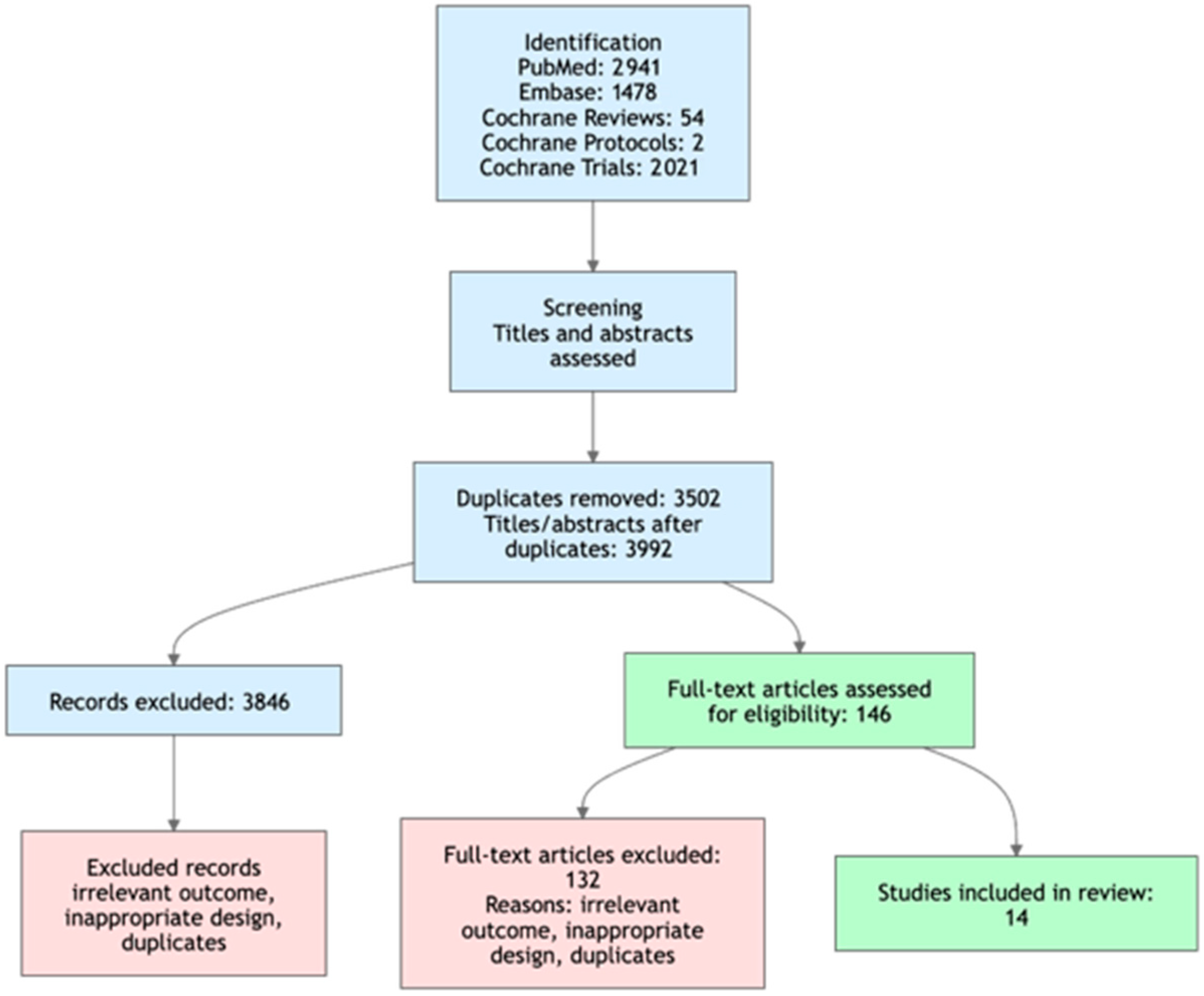
A systematic search was performed in PubMed, Embase, and the Cochrane Library for articles published between 1 January 2010 and 31 January 2026. The search strategy included combinations of the following terms: (“peripheral artery disease” OR “PAD”) AND (“exercise therapy” OR “rehabilitation” OR “walking” OR “supervised exercise therapy” OR “home-based exercise”). The search strategy was adapted for each database using appropriate controlled vocabulary and keywords. In the Cochrane Library, broader terms such as “peripheral arterial disease” and “intermittent claudication” were used to account for differences in indexing and terminology (Figure 1).
Eligible studies included randomized controlled trials, meta-analyses, and major international guideline documents focusing on exercise interventions in patients with PAD. Observational studies were considered when providing complementary or real-world evidence. Case reports, non-clinical studies, and articles not published in English were excluded.
Study selection was based on relevance to the topic and methodological quality. Titles and abstracts were initially screened, followed by full-text assessment of selected articles. Emphasis was placed on recent and high-quality evidence, including contemporary randomized trials and meta-analyses.
Given the narrative nature of this review, a formal quantitative synthesis was not performed. However, key methodological elements were predefined to enhance transparency and reproducibility, in line with the core principles of the PRISMA recommendations.

3. Beneficial Effects of Exercise Training in PAD: Mechanistic Overview

3.1. Endothelial Function and Nitric Oxide (NO)

Intermittent ambulatory exercise increases pulsatile and mean shear stress across conduit and resistance vessels, activating endothelial NO synthase (eNOS) and improving vasodilator reserve. This shear stress-dependent mechanism is a central pathway through which exercise exerts favorable effects on endothelial function and vascular adaptation [7]. Exercise also modulates oxidative stress and enhances antioxidant enzyme expression, further preserving NO bioactivity and reducing endothelial dysfunction [8].
Mechanistically, the hemodynamic stimulus of repeated exercise bouts increases endothelial shear stress, upregulates eNOS expression and phosphorylation, and enhances NO release, while exercise-induced upregulation of antioxidant defenses mitigates NO degradation by reactive oxygen species, collectively improving vasodilator capacity [9].
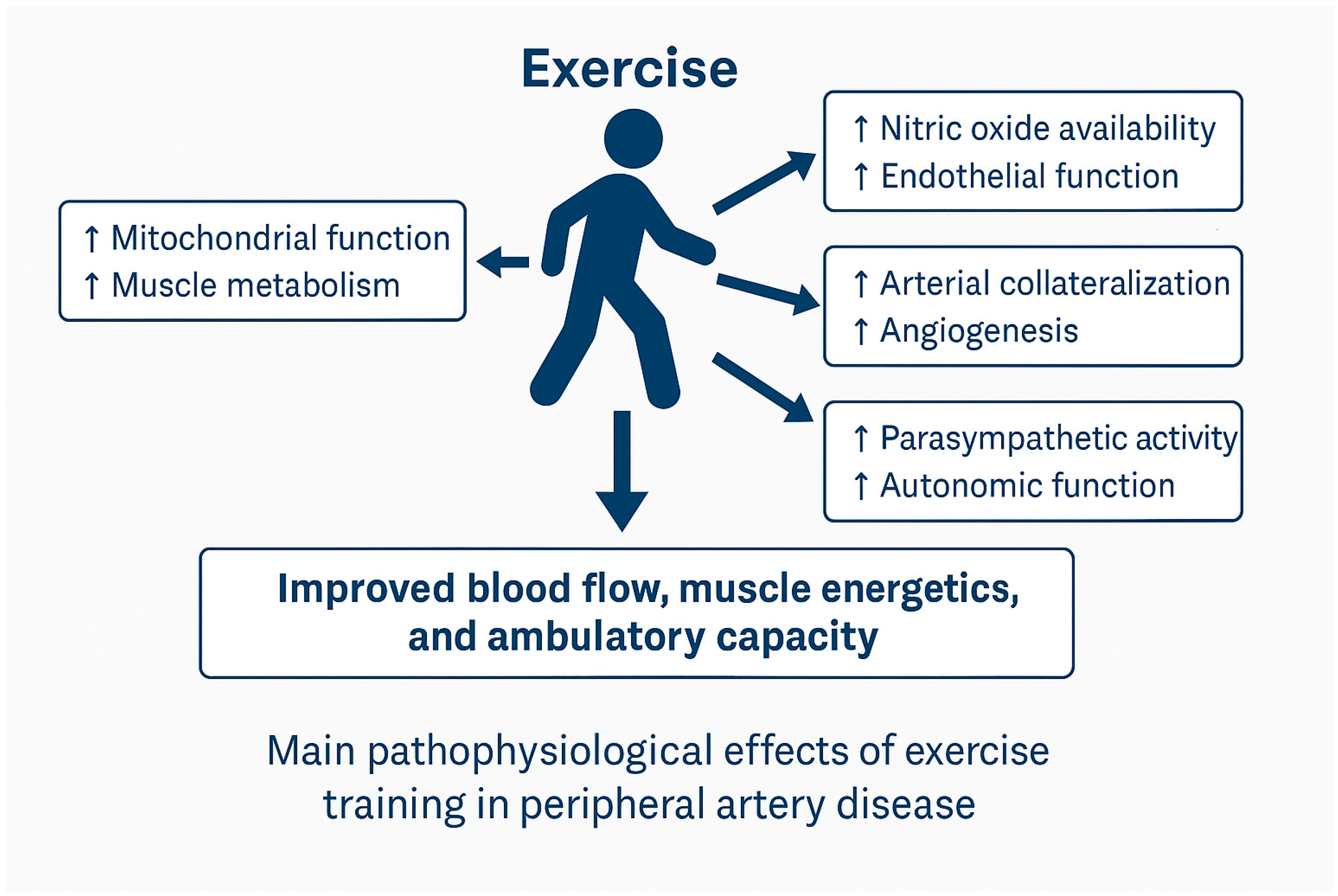
Brachial artery flow-mediated dilatation (FMD) is widely used as a surrogate for endothelial function and is predictive of cardiovascular risk [10], and each 1% decrement in FMD is associated with an approximately 8–13% increase the risk of future cardiovascular events [11]. Meta-analytic evidence in PAD specifically shows that structured exercise improves brachial artery FMD, while broader cardiovascular populations corroborate exercise-induced FMD gains [12,13] (Figure 2).

3.2. Angiogenesis and Collateralization

Repeated ischemic stimuli during exercise trigger a cascade of pro-angiogenic mediators, including vascular endothelial growth factor (VEGF), fibroblast growth factor (FGF), and hypoxia-inducible factor 1α (HIF-1α), which promote capillary rarefaction reversal, and stimulate the formation of collateral vessels [14].
Experimental work in skeletal muscle, including single-cell transcriptomic analysis in animal models, indicates that specific subsets of endothelial cells are metabolically primed for angiogenesis. Endothelial cells expressing high levels of transcription factors such as ATF3/4, enriched in oxidative muscle regions, exhibit greater angiogenic potential and proliferative responses to exercise stimuli, possibly through metabolic regulation of amino acid uptake and vascular expansion pathways [15]. While quantifying human collaterals non-invasively is challenging, improved treadmill and 6 min walk performance after SET is consistent with physiological flow redistribution and microvascular remodeling [16] (Figure 2).

3.3. Skeletal Muscle Metabolism and Mitochondria

PAD muscle exhibits mitochondrial dysfunction, fiber type shifts, and impaired oxidative phosphorylation. Exercise training (particularly walking to moderate–severe claudication) enhances mitochondrial biogenesis (↑PGC-1α), oxygen extraction, and lactate kinetics—delaying pain onset and increasing endurance. Functional gains (PFWD, MWD, and 6MWD) observed across trials reflect these peripheral adaptations, even when ABI changes are modest [16,17] (Figure 2).

3.4. Autonomic Balance and Baroreflex

PAD is often accompanied by sympathetic predominance and blunted heart-rate variability. Exercise training favorably modulates autonomic control and baroreflex function, which correlates with improved ambulatory capacity and may contribute to systemic risk reduction [18] (Figure 2).

3.5. Inflammation and Oxidative Stress

Exercise exerts anti-inflammatory and antioxidant effects.
Chronic inflammation is a key driver of atherosclerosis [19]. Pro-inflammatory cytokines such as interleukins (ILs) and tumor necrosis factor (TNF)-α contribute to vascular dysfunction by triggering endothelial activation via NF-κB signaling [20], promoting eNOS uncoupling [21], and increasing the expression of adhesion molecules that facilitate monocyte attachment and differentiation into macrophages [20,22]. These processes further enhance platelet aggregation and coagulation, ultimately accelerating atherosclerotic progression, with C-reactive protein (CRP) implicated in PAD development and severity [23].
In patients with PAD, exercise showed reductions in CRP or IL-6 [24,25].
A meta-analysis in PAD found significant FMD improvement without parallel reductions in CRP/IL-6/TNF-α, suggesting that endothelial benefits can occur independently or precede measurable systemic inflammatory change, possibly reflecting early or localized vascular adaptations [12] (Figure 2).

4. Supervised Exercise Therapy (SET): The Gold Standard

4.1. Protocol and Implementation

Guidelines advise structured, intermittent walking aiming for moderate–severe claudication (3–4/5 pain scale) before resting, 30–45 (up to 60) minutes per session, at least three days/week, and over 12 weeks or longer. Programs should individualize treadmill grade/speed, monitor hemodynamics and symptoms, and embed education and risk-factor management. The CMS covers up to 36 sessions (with potential extensions), facilitating program expansion, although copays and access remain barriers [2]. Key trials, meta-analyses, and real-world studies on exercise therapy in PAD are reported in Table 1.

4.2. Effectiveness

Randomized trials and meta-analyses consistently show SET improves maximal and pain-free walking distances and 6 min walk distance versus usual care. Notably, in the CLEVER study (aortoiliac disease), six months of SET improved peak walking time more than primary stenting; at 18 months, both SET and stenting remained superior to medical therapy alone, with functional outcomes broadly comparable [27]. Systematic umbrellas confirm robust effects on walking and quality of life [17,27,39].

4.3. Endovascular Therapy Plus SET vs. SET Alone

The ERASE trial randomized patients with claudication to selective endovascular revascularization plus SET versus SET alone. At 12 months, the combination achieved greater improvements in MWD and PFWD, with favorable cost-effectiveness from societal perspectives—supporting the “exercise-first, revascularize-when-appropriate” paradigm and highlighting synergy when anatomy and symptoms warrant [28,29].

4.4. HIIT and Alternative Intensities Within SET

Although high-intensity interval paradigms can improve endothelial function in cardiometabolic populations, PAD trials emphasize ischemia-inducing walking as the stimulus most consistently linked to functional gains. The LITE trial found that home-based low-intensity walking (avoiding symptoms) did not improve 12-month 6MWD compared with high-intensity walking that provoked leg symptoms. Supervised protocols should therefore target symptom-limited intensities with careful monitoring [31].

5. Home-Based and Hybrid Exercise Models

5.1. Why We Need Them

Despite reimbursement, SET uptake remains low. Early Medicare data (2017–2018) showed only ~1.3% of beneficiaries diagnosed with claudication participated in SET; most did not complete all sessions. Barriers include limited program availability, copayments, travel/time, and low provider referral rates. Surveys in urban PAD cohorts confirm physician non-referral and copays as common obstacles [40,41].

5.2. Safety of Home-Based Programs

A systematic review of 27 studies (147,810 patient-hours) reported only four related adverse events (≈1 per 36,953 h), three cardiac, mostly occurring when walking to high pain levels; safety appears greater with pre-exercise cardiac screening. Importantly, structured, monitored home programs differ from unstructured “go home and walk” advice [35].

5.3. What Works at Home

McDermott’s GM-CBT trial demonstrated that a structured home-based walking program using group-mediated cognitive behavioral strategies improved 6MWD by ~53 m at six months vs. attention control, with gains in patient-perceived walking ability and physical activity.
Recent large randomized data confirm that structured home-based walking exercise significantly improves 6 min walk distance compared with control, with adherence unaffected by age, sex, or baseline functional status, although certain comorbidities may influence adverse events [34].
Conversely, a trial relying primarily on wearable monitoring plus telephone coaching (HONOR) showed no improvement, underscoring that behavioral structure and periodic in-person support drive efficacy [26,42]. A recent meta-analysis demonstrated that home-based exercise interventions significantly improve both pain-free walking distance and maximal walking distance compared with control groups, with clinically meaningful effects on walking performance [38].

5.4. Digital and Hybrid Designs

Contemporary randomized data (e.g., WalkingPad RCT) show that adding app-supported behavior change to prescribed home-based walking can improve PFWD/MWD and quality of life versus prescription alone. Hybrid models that begin with brief supervised phases and transition to monitored home training (e.g., HY-PAD) have shown high adherence and clinically meaningful functional gains, offering scalable pathways where SET capacity or patient logistics are limiting [36].
Extending this behavioral paradigm, the GAMEPAD trial demonstrated that gamification combined with automated coaching significantly increased daily ambulatory activity compared with wearable monitoring alone, demonstrating that behavioral economic strategies can enhance ambulatory activity in PAD [43]. Whether these activity gains translate into durable improvements in functional performance and clinical outcomes warrants further study.

5.5. Real-World Outcomes and Program Completion

Within a large health system’s first five years of CMS coverage, just 773/5320 PAD patients were referred and 415 enrolled; only ~50% completed SET, yet completers achieved significant functional and quality-of-life improvements. Such findings reinforce the need for system-level referral prompts, copay mitigation, and integrated vascular/cardiac rehabilitation teams [44].

6. Alternative and Adjunct Exercise Modalities

6.1. Resistance Training

Lower-limb resistance training increases strength and may improve walking capacity; meta-analyses suggest meaningful effects on strength, with variable transfer to walking compared with treadmill-based SET. When orthopedic limitations or severe pain preclude walking, resistance sessions (2–3×/week, targeting major muscle groups, with 1–3 sets of 8–12 reps at moderate intensity) can be used as a bridge or adjunct [17].

6.2. Arm Ergometry (Arm Crank)

Upper-body endurance training can elicit cross-transfer benefits to leg function by improving systemic cardiovascular fitness and autonomic regulation when lower-limb ischemia limits adherence—useful particularly in early phases or for patients awaiting revascularization [45,46].

6.3. Cycling

Stationary cycling is often better tolerated than treadmill walking and improves cardiorespiratory fitness, though walking-specific improvements are generally smaller than with SET because the ischemic stimulus to calf musculature is less targeted. Cycling can complement walking in order to accumulate aerobic minutes within symptom tolerances [16].

6.4. Hydrotherapy

Small controlled studies report that combining a supervised program with lower-limb whirlpool massage can improve impedance plethysmography indices and 6MWD versus exercise alone—hypothesized via vasodilation and reduced peripheral resistance—though the evidence base remains early and requires replication [47,48].

7. Clinical Outcomes

7.1. Functional Performance

Across RCTs and meta-analyses, SET produces large improvements in MWD (~120–200 m or more), PFWD, and 6MWD, with clinically meaningful changes that exceed those achieved by usual care and often rival those after revascularization at medium-term follow-up. Patient-reported walking impairment domains (distance, speed, and stairs) also improve substantially [17,27,49,50].

7.2. Endothelial Function

Exercise training increases brachial FMD in PAD; mechanistic work suggests benefits are optimized at moderate–vigorous intensities and accrue across diverse cardiometabolic states. Given the prognostic value of FMD, these vascular adaptations may represent an important pathway linking exercise to event risk reduction [12,13,51,52].

7.3. Quality of Life (QoL)

Both SET and revascularization improve disease-specific QoL. In CLEVER, certain QoL scales favored stenting early while treadmill performance favored SET, indicating complementary roles. Combination strategies (ER+SET) can provide larger short-term gains where anatomy and symptoms justify intervention [27,28].

7.4. ABI and Hemodynamics

ABI may rise modestly in some trials, yet functional improvement frequently exceeds hemodynamic change, reflecting dominant peripheral adaptations. Clinicians should therefore prioritize symptom-targeted training and function-based outcomes rather than ABI alone [16].

7.5. Mortality and Hospitalizations

Although PAD exercise trials are typically underpowered for mortality, participation in comprehensive cardiac rehabilitation programs is associated with improved survival and risk-factor control in PAD cohorts. Observational evidence suggests that SET may reduce the subsequent need for endovascular/surgical procedures compared with non-participants [40,53,54].

8. Prehabilitation and Post-Revascularization Rehabilitation

Prehabilitation—4–8 weeks of structured training before planned interventions—aims to improve functional reserve and perioperative resilience. Post-revascularization, combining SET with guideline-directed medical therapy improves walking distances more than either strategy alone and may reduce repeat interventions by addressing the systemic and peripheral drivers of exertional limitation [2,28,55,56,57].

9. Safety, Risk Stratification, and Contraindications

SET is safe when delivered under direct supervision with appropriate screening and monitoring; adverse events are rare. For home-based programs, systematic review evidence indicates very low event rates, with most complications occurring when patients push to severe pain intensities and in programs lacking cardiac screening—hence the importance of initial evaluation, progressive loading, and clear stop rules. Absolute contraindications mirror those in general cardiac rehabilitation (e.g., unstable angina, decompensated heart failure, and critical limb ischemia with infection) [2,37,58].

10. Patient Education and Communication

Engagement in exercise-based rehabilitation for PAD is fundamentally influenced not only by the exercise prescription itself but also by patient education, communication strategies, and behavioral support. Adherence to exercise programs remains a critical determinant of efficacy, yet real-world data indicate suboptimal participation and completion rates, particularly for SET. The emerging literature suggests that addressing educational needs and motivation may improve adherence and functional outcomes.
Understanding patient barriers and motivations is essential: many individuals with PAD face logistical challenges (transportation and time constraints), misconceptions about pain and exercise safety, and lack of confidence in self-managed programs. Structured education interventions that address these factors can empower patients to participate and sustain activity over time.
Randomized trials incorporating behavioral and educational components underscore the value of this approach. For example, group-mediated cognitive behavioral HBET strategies, such as those used in the GOALS trial, significantly improved 6 min walk distance and physical activity levels compared with control conditions, highlighting how education and group support can enhance adherence and outcomes in home-based settings [26]. Similarly, behavior-change interventions delivered by trained therapists (e.g., walking exercise behavior change versus usual care) have been shown to improve 6 min walk distance over short-term follow-up periods, suggesting that motivational communication strategies can facilitate engagement, even in clinical populations with intermittent claudication [33].
A growing body of evidence also supports the integration of technology to augment education and communication. Smartphone-enabled tools and mobile apps that provide motivational messages, progress tracking, and education on goals and symptoms have been proposed as promising adjuncts to conventional programs, with trial protocols such as the WalkingPad study explicitly incorporating educational and motivational intervention components [59]. Although definitive results from these technology-driven strategies are still forthcoming, they exemplify how patient communication can be embedded within exercise regimens to support self-management and adherence.
Observational evidence and scoping reviews further reinforce the importance of communication and educational support in routine care [60]. Barriers to implementation of best-practice exercise protocols often include insufficient patient education about the benefits and safety of exercise, inconsistent reinforcement of goals, and limited provider communication about how to manage symptoms during activity.
Taken together, these data suggest that patient education and structured communication should be considered core components of exercise therapy for PAD. Effective strategies include personalized counseling on symptom management and exercise goals, behavioral support to address motivation and self-efficacy, use of group support or peer engagement, and, where feasible, incorporation of digital tools to reinforce adherence and provide ongoing feedback. Future research should continue to evaluate the optimal content, delivery methods, and timing of educational interventions within PAD rehabilitation to maximize both adherence and clinical outcomes.

11. Implementation and Policy

Despite coverage and strong guidelines, SET referral and completion are modest: in early national data, only ~1.3% of eligible Medicare beneficiaries enrolled within 19 months of coverage, copays and travel/time logistics were key barriers, and most referring clinicians had not prescribed SET. Health system registries confirm low referral rates but meaningful gains among completers. Addressing copays, embedding referral prompts in vascular/cardiology clinics and co-locating PAD programs within cardiac rehabilitation are pragmatic steps forward [40,41,44]. The 2024 ESC/ESVS consensus and ESVS guideline for asymptomatic PAD/claudication emphasize supervised or structured community/home-based programs as core therapy, while acknowledging unmet needs and disparities across Europe. This converges with 2024 ACC/AHA guidelines, which elevates structured exercise alongside pharmacotherapy and selective revascularization [16,61].

12. Practical Exercise Prescription in PAD (SET or Structured Home Programs)

Assessment and baseline: ABI with waveforms, symptom profile, risk amplifiers (diabetes, CKD, and smoking), fall risk/orthopedic issues; consider baseline 6MWT and/or graded treadmill test to individualize speed/grade and monitor calf muscle StO2 if available [2].
Aerobic component (walking centered): 3–5 days/week; warm-up 5–10 min; walk at a speed/grade that brings on moderate–severe claudication within 3–5 min; continue walking until 3–4/5 pain, then rest until symptoms resolve; repeat cycles to total 30–45 min; cool-down 5–10 min. Progress by increasing grade/speed or reducing rest intervals as tolerated; seek ischemic stimulus but avoid maximal, intolerable pain [2].
Adjunct modalities: Cycle ergometry or arm crank on non-walking days to accumulate 150–300 min/week moderate-to-vigorous aerobic activity if feasible; add 2–3 days/week of resistance training targeting lower limbs to augment strength, balance, and daily function [16,17].
Behavioral scaffolding for home or hybrid: Use pedometers/accelerometers, app-supported goal setting, and scheduled coaching; consider a brief supervised phase to establish intensity and technique, then transition to monitored home training with periodic in-person reassessments [35].
Safety tips: Educate on red flags (chest pain, syncope, new rest pain/wounds, and infection); consider pre-exercise cardiac screening in higher-risk patients; titrate intensity to symptom targets; maintain foot care and appropriate footwear; and ensure hydration and medication adherence [37].

13. Special Populations

Older adults and frailty: Prioritize safety, balance, and progressive loading; consider seated/recumbent modalities early. Even small functional gains can translate into meaningful independence improvements [16,62].
Diabetes and microvascular disease: Glycemic variability influences walking tolerance; careful glucose monitoring around sessions and foot surveillance are critical. Exercise also improves endothelial function in diabetes, supporting its inclusion as a vascular health intervention [63].
Women and socioeconomically disadvantaged groups: Epidemiology indicates disproportionate impacts and access barriers; flexible scheduling, transportation support, and copay assistance can help close gaps in participation [5,64,65].

14. Clinical Pathway for PAD Management in CR

A clinical pathway for PAD management in CR is proposed:
(1)
Confirm diagnosis and phenotype (asymptomatic, claudication, and CLTI) with ABI and targeted testing;
(2)
Initiate guideline-directed medical therapy (statins, antiplatelets, and smoking cessation; consider rivaroxaban 2.5 mg bid + aspirin in appropriate patients for MACE/MALE risk reduction);
(3)
Enroll in SET (or structured hybrid/home if SET access limited), delivering a progressive, symptom-targeted walking program with risk-factor management;
(4)
Reassess at 12 weeks: If insufficient improvement and anatomy is amenable, consider selective endovascular/surgical revascularization, with post-procedure rehabilitation to consolidate gains;
(5)
Long-term maintenance through community programs, digital tools, and periodic supervised “boosters”.

15. Unresolved Questions and Research Priorities

Despite robust evidence supporting structured exercise therapy as first-line treatment for claudication, several critical gaps remain in our understanding of how exercise should be optimized, personalized and integrated into comprehensive PAD care.
Most randomized trials of supervised or home-based exercise in PAD have been powered for functional endpoints such as maximal walking distance or 6 min walk distance, with limited data on major clinical events. Although increased physical activity is associated with lower cardiovascular mortality in PAD cohorts, definitive evidence that structured exercise independently reduces MACE or MALE is lacking [2]. Prospective, event-driven studies are needed to determine whether exercise confers incremental prognostic benefit beyond guideline-directed medical therapy and whether functional improvements translate into reduced hospitalizations, revascularization procedures, amputation, or mortality, particularly in high-risk subgroups (e.g., people with diabetes or polyvascular disease) where mechanistic benefits have been inferred but not directly linked to clinical endpoints.
Moreover, although walking to moderate–severe claudication pain has traditionally been considered the most effective stimulus for improving walking performance in PAD, emerging evidence suggests that the optimal training intensity may vary substantially across individuals and according to the outcomes prioritized. The LITE (Low-Intensity Exercise Intervention in PAD) trial suggests a potential paradox in community-based exercise therapy for PAD, as patients who walk through pain often achieve greater functional improvements but limited gains in quality of life, whereas those who avoid pain may report better quality of life despite smaller functional improvements [31]. Also, a network meta-analysis showed variable effects of exercise intensity (high-pain vs. low-pain protocols) on functional outcomes [66].
These findings suggest that the efficacy of exercise therapy in PAD cannot be defined solely by objective functional metrics, but should also incorporate patient-reported outcomes, including perceived walking ability, symptom burden, and quality of life. In clinical practice, exercise prescriptions should therefore be considered dynamic and individualized, with training intensity titrated according to symptom tolerance, functional response, and patient priorities.
Systematic integration of patient-reported outcomes alongside objective measures may facilitate a more patient-centered evaluation of treatment effectiveness and guide the ongoing adjustment of exercise prescriptions.
Emerging pharmacological strategies, including newer antithrombotic agents, have been highlighted as central to the management of PAD due to the high thrombotic and limb event risk observed in this population, underscoring the importance of tailored antithrombotic approaches in daily practice [67]. PCSK9 inhibitors, SGLT2 inhibitors, and GLP-1 receptor agonists possess established cardiovascular and metabolic benefits, and narrative reviews in PAD suggest potential effects on limb outcomes and systemic risk, though evidence remains controversial and limited.
PCSK9 not only regulates LDL-C metabolism but also participates in vascular pathological processes and correlates with PAD severity, suggesting potential roles in disease modification beyond lipid lowering [68]. Meta-analyses in PAD indicate that PCSK9 inhibitors significantly reduce LDL-C, major adverse cardiovascular events, major amputations, and myocardial infarction in high-risk PAD populations, although their effects on vascular hemodynamic parameters (e.g., ABI and FMD) are less clear [69]. Furthermore, pharmacotherapies such as SGLT2-i and GLP-1RA exhibit effects on inflammatory pathways and plaque biology, indicating a mechanistic rationale for benefits beyond glycemic control, but more clinical data are needed to determine their interaction with structured exercise interventions in PAD [70].
Furthermore, emerging digital technologies offer opportunities to enhance personalization and monitoring of exercise programs. Artificial intelligence (AI) can support adaptive exercise prescriptions and risk stratification based on real-time patient data, while 3D printing, although primarily procedural in vascular surgery, exemplifies the broader trend toward precision medicine that could eventually inform patient-specific rehabilitation strategies [71,72].
Future studies should aim to define individualized intensity thresholds, integrate real-time symptom monitoring and patient-reported outcomes, and determine whether adaptive exercise strategies can improve both adherence and long-term clinical outcomes in PAD rehabilitation.

16. Conclusions

Exercise training is the therapeutic linchpin for claudication: it addresses the peripheral problem (ischemic muscle energetics), vascular dysfunction (endothelial/angiogenic), and systemic risk (autonomic balance and fitness), delivering durable improvements in walking ability and quality of life. SET remains the gold standard where available; structured, monitored, home or hybrid programs are safe and effective solutions to reach more patients. Embedding exercise within comprehensive cardiac rehabilitation, reducing copays, and expanding referral pathways are essential to translate the science into routine care for the millions living with PAD.

Author Contributions

Conceptualization, F.G. and M.P.; methodology, G.C., G.V., F.C., C.T., C.S. and A.M.; writing—original draft preparation, F.G. and M.P.; writing—review and editing, G.C., G.V., F.C., C.T., C.S., A.M., C.I., M.C., V.R. and A.D. All authors have read and agreed to the published version of the manuscript.

Funding

This research received no external funding.

Data Availability Statement

No new data were created or analyzed in this study.

Conflicts of Interest

The authors declare no conflicts of interest.

References

  1. Shamaki, G.R.; Markson, F.; Soji-Ayoade, D.; Agwuegbo, C.C.; Bamgbose, M.O.; Tamunoinemi, B.-M. Peripheral Artery Disease: A Comprehensive Updated Review. Curr. Probl. Cardiol. 2022, 47, 101082. [Google Scholar] [CrossRef] [Scilit] [PubMed]
  2. Gornik, H.L.; Aronow, H.D.; Goodney, P.P.; Arya, S.; Brewster, L.P.; Byrd, L.; Chandra, V.; Drachman, D.E.; Eaves, J.M.; Ehrman, J.K.; et al. 2024 ACC/AHA/AACVPR/APMA/ABC/SCAI/SVM/SVN/SVS/SIR/VESS Guideline for the Management of Lower Extremity Peripheral Artery Disease: A Report of the American College of Cardiology/American Heart Association Joint Committee on Clinical Practice Guidelines. Circulation 2024, 149, e1313–e1410. [Google Scholar] [CrossRef] [Scilit]
  3. Norgren, L.; Hiatt, W.R.; Dormandy, J.A.; Nehler, M.R.; Harris, K.A.; Fowkes, F.G.R.; TASC II Working Group. Inter-Society Consensus for the Management of Peripheral Arterial Disease (TASC II). J. Vasc. Surg. 2007, 45, S5–S67. [Google Scholar] [CrossRef] [Scilit]
  4. Pérez-Hernández, N.; Rodríguez-Pérez, J.M.; Nicanor-Juárez, L.E.; Torres-Machorro, A.; García-Alva, J.R.; Villamil-Castañeda, C.; Borgonio-Cuadra, V.M.; Flores-García, M. Genetic Insights into Peripheral Artery Disease: A Narrative Review. Biomedicines 2025, 13, 2723. [Google Scholar] [CrossRef] [Scilit]
  5. GBD 2019 Peripheral Artery Disease Collaborators. Global Burden of Peripheral Artery Disease and Its Risk Factors, 1990–2019: A Systematic Analysis for the Global Burden of Disease Study 2019. Lancet Glob. Health 2023, 11, e1553–e1565. [Google Scholar] [CrossRef] [Scilit]
  6. Liu, W.; Yang, C.; Chen, Z.; Lei, F.; Qin, J.-J.; Liu, H.; Ji, Y.-X.; Zhang, P.; Cai, J.; Liu, Y.-M.; et al. Global Death Burden and Attributable Risk Factors of Peripheral Artery Disease by Age, Sex, SDI Regions, and Countries from 1990 to 2030: Results from the Global Burden of Disease Study 2019. Atherosclerosis 2022, 347, 17–27. [Google Scholar] [CrossRef] [Scilit] [PubMed]
  7. Sprague, B.; Chesler, N.C.; Magness, R.R. Shear Stress Regulation of Nitric Oxide Production in Uterine and Placental Artery Endothelial Cells: Experimental Studies and Hemodynamic Models of Shear Stresses on Endothelial Cells. Int. J. Dev. Biol. 2010, 54, 331–339. [Google Scholar] [CrossRef] [Scilit]
  8. Sallam, N.; Laher, I. Exercise Modulates Oxidative Stress and Inflammation in Aging and Cardiovascular Diseases. Oxidative Med. Cell. Longev. 2016, 2016, 7239639. [Google Scholar] [CrossRef] [Scilit]
  9. Ungvari, Z.; Kaley, G.; de Cabo, R.; Sonntag, W.E.; Csiszar, A. Mechanisms of Vascular Aging: New Perspectives. J. Gerontol. A Biol. Sci. Med. Sci. 2010, 65, 1028–1041. [Google Scholar] [CrossRef] [Scilit] [PubMed]
  10. Thijssen, D.H.J.; Bruno, R.M.; Van Mil, A.C.C.M.; Holder, S.M.; Faita, F.; Greyling, A.; Zock, P.L.; Taddei, S.; Deanfield, J.E.; Luscher, T.; et al. Expert Consensus and Evidence-Based Recommendations for the Assessment of Flow-Mediated Dilation in Humans. Eur. Heart J. 2019, 40, 2534–2547. [Google Scholar] [CrossRef] [Scilit]
  11. Ras, R.T.; Streppel, M.T.; Draijer, R.; Zock, P.L. Flow-Mediated Dilation and Cardiovascular Risk Prediction: A Systematic Review with Meta-Analysis. Int. J. Cardiol. 2013, 168, 344–351. [Google Scholar] [CrossRef] [Scilit] [PubMed]
  12. Lee, J.; Zarezadehmehrizi, A.; LaVoy, E.C.; Markofski, M.M.; Park, Y. Exercise Training Improves Brachial Artery Endothelial Function, but Does Not Alter Inflammatory Biomarkers in Patients with Peripheral Artery Disease: A Systematic Review and Meta-Analysis. J. Cardiovasc. Transl. Res. 2024, 17, 585–597. [Google Scholar] [CrossRef] [Scilit] [PubMed]
  13. Tao, X.; Chen, Y.; Zhen, K.; Ren, S.; Lv, Y.; Yu, L. Effect of Continuous Aerobic Exercise on Endothelial Function: A Systematic Review and Meta-Analysis of Randomized Controlled Trials. Front. Physiol. 2023, 14, 1043108. [Google Scholar] [CrossRef] [Scilit]
  14. Tryfonos, A.; Tzanis, G.; Pitsolis, T.; Karatzanos, E.; Koutsilieris, M.; Nanas, S.; Philippou, A. Exercise Training Enhances Angiogenesis-Related Gene Responses in Skeletal Muscle of Patients with Chronic Heart Failure. Cells 2021, 10, 1915. [Google Scholar] [CrossRef] [Scilit]
  15. Fan, Z.; Turiel, G.; Ardicoglu, R.; Ghobrial, M.; Masschelein, E.; Kocijan, T.; Zhang, J.; Tan, G.; Fitzgerald, G.; Gorski, T.; et al. Exercise-Induced Angiogenesis Is Dependent on Metabolically Primed ATF3/4+ Endothelial Cells. Cell Metab. 2021, 33, 1793–1807.e9. [Google Scholar] [CrossRef] [Scilit]
  16. Mazzolai, L.; Belch, J.; Venermo, M.; Aboyans, V.; Brodmann, M.; Bura-Rivière, A.; Debus, S.; Espinola-Klein, C.; Harwood, A.E.; Hawley, J.A.; et al. Exercise Therapy for Chronic Symptomatic Peripheral Artery Disease: A Clinical Consensus Document of the European Society of Cardiology Working Group on Aorta and Peripheral Vascular Diseases in Collaboration with the European Society of Vascular Medicine and the European Society for Vascular Surgery. Eur. J. Vasc. Endovasc. Surg. 2024, 45, 1303–1321. [Google Scholar] [CrossRef] [Scilit]
  17. Peñín-Grandes, S.; López-Ortiz, S.; Maroto-Izquierdo, S.; Menéndez, H.; Pinto-Fraga, J.; Martín-Hernández, J.; Lista, S.; Lucia, A.; Santos-Lozano, A. Winners Do What They Fear: Exercise and Peripheral Arterial Disease-an Umbrella Review. Eur. J. Prev. Cardiol. 2024, 31, 380–388. [Google Scholar] [CrossRef] [Scilit]
  18. Brenner, I.K.M.; Brown, C.A.; Hains, S.J.M.; Tranmer, J.; Zelt, D.T.; Brown, P.M. Low-Intensity Exercise Training Increases Heart Rate Variability in Patients with Peripheral Artery Disease. Biol. Res. Nurs. 2020, 22, 24–33. [Google Scholar] [CrossRef] [Scilit]
  19. Sorriento, D.; Iaccarino, G. Inflammation and Cardiovascular Diseases: The Most Recent Findings. Int. J. Mol. Sci. 2019, 20, 3879. [Google Scholar] [CrossRef] [Scilit]
  20. Theofilis, P.; Sagris, M.; Oikonomou, E.; Antonopoulos, A.S.; Siasos, G.; Tsioufis, C.; Tousoulis, D. Inflammatory Mechanisms Contributing to Endothelial Dysfunction. Biomedicines 2021, 9, 781. [Google Scholar] [CrossRef] [Scilit]
  21. Alp, N.J.; Channon, K.M. Regulation of Endothelial Nitric Oxide Synthase by Tetrahydrobiopterin in Vascular Disease. Arterioscler. Thromb. Vasc. Biol. 2004, 24, 413–420. [Google Scholar] [CrossRef] [Scilit]
  22. Han, J.; Ulevitch, R.J. Limiting Inflammatory Responses during Activation of Innate Immunity. Nat. Immunol. 2005, 6, 1198–1205. [Google Scholar] [CrossRef] [Scilit]
  23. Shankar, A.; Li, J.; Nieto, F.J.; Klein, B.E.K.; Klein, R. Association between C-Reactive Protein Level and Peripheral Arterial Disease among US Adults without Cardiovascular Disease, Diabetes, or Hypertension. Am. Heart J. 2007, 154, 495–501. [Google Scholar] [CrossRef] [Scilit]
  24. Januszek, R.; Mika, P.; Konik, A.; Petriczek, T.; Nowobilski, R.; Niżankowski, R. Effect of Treadmill Training on Endothelial Function and Walking Abilities in Patients with Peripheral Arterial Disease. J. Cardiol. 2014, 64, 145–151. [Google Scholar] [CrossRef] [Scilit]
  25. Lin, M.-L.; Fu, T.-C.; Hsu, C.-C.; Huang, S.-C.; Lin, Y.-T.; Wang, J.-S. Cycling Exercise Training Enhances Platelet Mitochondrial Bioenergetics in Patients with Peripheral Arterial Disease: A Randomized Controlled Trial. Thromb. Haemost. 2021, 121, 900–912. [Google Scholar] [CrossRef] [Scilit] [PubMed]
  26. McDermott, M.M.; Liu, K.; Guralnik, J.M.; Criqui, M.H.; Spring, B.; Tian, L.; Domanchuk, K.; Ferrucci, L.; Lloyd-Jones, D.; Kibbe, M.; et al. Home-Based Walking Exercise Intervention in Peripheral Artery Disease: A Randomized Clinical Trial. JAMA 2013, 310, 57–65. [Google Scholar] [CrossRef] [Scilit] [PubMed]
  27. Murphy, T.P.; Cutlip, D.E.; Regensteiner, J.G.; Mohler, E.R.; Cohen, D.J.; Reynolds, M.R.; Massaro, J.M.; Lewis, B.A.; Cerezo, J.; Oldenburg, N.C.; et al. Supervised Exercise versus Primary Stenting for Claudication Resulting from Aortoiliac Peripheral Artery Disease: Six-Month Outcomes from the Claudication: Exercise versus Endoluminal Revascularization (CLEVER) Study. Circulation 2012, 125, 130–139. [Google Scholar] [CrossRef] [Scilit]
  28. Fakhry, F.; Spronk, S.; van der Laan, L.; Wever, J.J.; Teijink, J.A.W.; Hoffmann, W.H.; Smits, T.M.; van Brussel, J.P.; Stultiens, G.N.M.; Derom, A.; et al. Endovascular Revascularization and Supervised Exercise for Peripheral Artery Disease and Intermittent Claudication: A Randomized Clinical Trial. JAMA 2015, 314, 1936–1944. [Google Scholar] [CrossRef] [Scilit]
  29. Fakhry, F.; Rouwet, E.V.; Spillenaar Bilgen, R.; van der Laan, L.; Wever, J.J.; Teijink, J.A.W.; Hoffmann, W.H.; van Petersen, A.; van Brussel, J.P.; Stultiens, G.N.M.; et al. Endovascular Revascularization Plus Supervised Exercise Versus Supervised Exercise Only for Intermittent Claudication: A Cost-Effectiveness Analysis. Circ. Cardiovasc. Interv. 2021, 14, e010703. [Google Scholar] [CrossRef] [Scilit] [PubMed]
  30. Lane, R.; Harwood, A.; Watson, L.; Leng, G.C. Exercise for Intermittent Claudication. Cochrane Database Syst. Rev. 2017, 12, CD000990. [Google Scholar] [CrossRef] [Scilit] [PubMed]
  31. McDermott, M.M.; Spring, B.; Tian, L.; Treat-Jacobson, D.; Ferrucci, L.; Lloyd-Jones, D.; Zhao, L.; Polonsky, T.; Kibbe, M.R.; Bazzano, L.; et al. Effect of Low-Intensity vs High-Intensity Home-Based Walking Exercise on Walk Distance in Patients with Peripheral Artery Disease: The LITE Randomized Clinical Trial. JAMA 2021, 325, 1266–1276. [Google Scholar] [CrossRef] [Scilit]
  32. Whipple, M.O.; Xu, S.; Zhang, D.; Guralnik, J.M.; Spring, B.; Tian, L.; Treat-Jacobson, D.; Zhao, L.; Criqui, M.H.; McDermott, M.M. Home-Based Exercise and Patient-Reported Outcome Measures in Peripheral Artery Disease: The LITE Randomized Clinical Trial. Am. J. Cardiol. 2025, 244, 41–47. [Google Scholar] [CrossRef] [Scilit] [PubMed]
  33. Bearne, L.M.; Volkmer, B.; Peacock, J.; Sekhon, M.; Fisher, G.; Galea Holmes, M.N.; Douiri, A.; Amirova, A.; Farran, D.; Quirke-McFarlane, S.; et al. Effect of a Home-Based, Walking Exercise Behavior Change Intervention vs Usual Care on Walking in Adults with Peripheral Artery Disease: The MOSAIC Randomized Clinical Trial. JAMA 2022, 327, 1344–1355. [Google Scholar] [CrossRef] [Scilit]
  34. Thangada, N.D.; Zhang, D.; Zhao, L.; Tian, L.; McDermott, M.M. Safety and Efficacy of Home-Based Walking Exercise for Peripheral Artery Disease. J. Vasc. Surg. 2025, 81, 441–449.e1. [Google Scholar] [CrossRef] [Scilit] [PubMed]
  35. Silva, I.; Moreira, C.S.; Pedras, S.; Oliveira, R.; Veiga, C.; Moreira, L.; Santarém, D.; Guedes, D.; Paredes, H. Effect of a Monitored Home-Based Exercise Program Combined with a Behavior Change Intervention and a Smartphone App on Walking Distances and Quality of Life in Adults with Peripheral Arterial Disease: The WalkingPad Randomized Clinical Trial. Front. Cardiovasc. Med. 2023, 10, 1272897. [Google Scholar] [CrossRef] [Scilit]
  36. Terada, T.; Hausen, M.; Mir, H.; Reed, J.L.; Coutinho, T.D. A Hybrid Rehabilitation Program for Adults with Peripheral Artery Disease (HY-PAD): A Pre-Post Intervention Study to Assess Its Feasibility. CJC Open 2025, 7, 110–119. [Google Scholar] [CrossRef] [Scilit]
  37. Waddell, A.; Seed, S.; Broom, D.R.; McGregor, G.; Birkett, S.T.; Harwood, A.E. Safety of Home-Based Exercise for People with Intermittent Claudication: A Systematic Review. Vasc. Med. 2022, 27, 186–192. [Google Scholar] [CrossRef] [Scilit]
  38. Xu, Z.; Chuo, J.; Zhao, X. Effectiveness of Home-Based Walking Exercise for Patients with Peripheral Artery Disease and Intermittent Claudication: A Systematic Review and Meta-Analysis. BMJ Open 2025, 15, e086013. [Google Scholar] [CrossRef] [Scilit]
  39. Lanzi, S. From Bed Rest to Never-Ending Walk: Highlighting the Importance of Exercise Training in Patients with Peripheral Artery Disease. Eur. J. Prev. Cardiol. 2024, 31, 378–379. [Google Scholar] [CrossRef] [Scilit]
  40. Divakaran, S.; Carroll, B.J.; Chen, S.; Shen, C.; Bonaca, M.P.; Secemsky, E.A. Supervised Exercise Therapy for Symptomatic Peripheral Artery Disease Among Medicare Beneficiaries Between 2017 and 2018: Participation Rates and Outcomes. Circ. Cardiovasc. Qual. Outcomes 2021, 14, e007953. [Google Scholar] [CrossRef] [Scilit] [PubMed]
  41. Cetlin, M.D.; Polonsky, T.; Ho, K.; Zhang, D.; Tian, L.; Zhao, L.; Greenland, P.; Treat-Jacobson, D.; Kibbe, M.R.; Criqui, M.H.; et al. Barriers to Participation in Supervised Exercise Therapy Reported by People with Peripheral Artery Disease. J. Vasc. Surg. 2023, 77, 506–514. [Google Scholar] [CrossRef] [Scilit]
  42. McDermott, M.M.; Spring, B.; Berger, J.S.; Treat-Jacobson, D.; Conte, M.S.; Creager, M.A.; Criqui, M.H.; Ferrucci, L.; Gornik, H.L.; Guralnik, J.M.; et al. Effect of a Home-Based Exercise Intervention of Wearable Technology and Telephone Coaching on Walking Performance in Peripheral Artery Disease: The HONOR Randomized Clinical Trial. JAMA 2018, 319, 1665–1676. [Google Scholar] [CrossRef] [Scilit]
  43. Fanaroff, A.C.; Coratti, S.; Farraday, D.; Norton, L.; Rareshide, C.; Zhu, J.; Levin, M.G.; Damrauer, S.M.; Giri, J.S.; Chokshi, N.P.; et al. Effect of Gamification Plus Automated Coaching to Increase Physical Activity Among Patients with Peripheral Artery Disease: The GAMEPAD Randomized Controlled Trial. J. Am. Heart Assoc. 2025, 14, e038921. [Google Scholar] [CrossRef] [Scilit] [PubMed]
  44. Whipple, M.O.; Burt, M.A.; Pergolski, A.L.; McArthur, P.; Treat-Jacobson, D.; Salisbury, D.L. Uptake and Outcomes of Supervised Exercise Therapy for Peripheral Artery Disease: The Importance of Vascular Medicine Specialists at a Large Midwestern Health Care System during the First 5 Years of CMS Reimbursement. Vasc. Med. 2024, 29, 112–119. [Google Scholar] [CrossRef] [Scilit] [PubMed]
  45. Hollings, M.; Mavros, Y.; Freeston, J.; Fiatarone Singh, M. The Effect of Progressive Resistance Training on Aerobic Fitness and Strength in Adults with Coronary Heart Disease: A Systematic Review and Meta-Analysis of Randomised Controlled Trials. Eur. J. Prev. Cardiol. 2017, 24, 1242–1259. [Google Scholar] [CrossRef] [Scilit]
  46. Marterer, N.; Mugele, H.; Schäfer, S.K.; Faulhaber, M. Effects of Upper Body Exercise Training on Aerobic Fitness and Performance in Healthy People: A Systematic Review. Biology 2023, 12, 355. [Google Scholar] [CrossRef] [Scilit]
  47. Kapusta, J.; Kapusta, A.; Babicki, M.; Irzmański, R. Evaluation of Peripheral Circulatory Changes Following Hydrotherapy and Controlled Physical Training in Patients with Atherosclerotic Lower Limb Ischemia. Life 2024, 14, 1578. [Google Scholar] [CrossRef] [Scilit]
  48. Cucato, G.; Longano, P.P.; Perren, D.; Ritti-Dias, R.M.; Saxton, J.M. Effects of Additional Exercise Therapy after a Successful Vascular Intervention for People with Symptomatic Peripheral Arterial Disease. Cochrane Database Syst. Rev. 2024, 5, CD014736. [Google Scholar] [CrossRef] [Scilit] [PubMed]
  49. Saratzis, A.; Paraskevopoulos, I.; Patel, S.; Donati, T.; Biasi, L.; Diamantopoulos, A.; Zayed, H.; Katsanos, K. Supervised Exercise Therapy and Revascularization for Intermittent Claudication: Network Meta-Analysis of Randomized Controlled Trials. JACC Cardiovasc. Interv. 2019, 12, 1125–1136. [Google Scholar] [CrossRef] [Scilit]
  50. Pandey, A.; Banerjee, S.; Ngo, C.; Mody, P.; Marso, S.P.; Brilakis, E.S.; Armstrong, E.J.; Giri, J.; Bonaca, M.P.; Pradhan, A.; et al. Comparative Efficacy of Endovascular Revascularization Versus Supervised Exercise Training in Patients with Intermittent Claudication: Meta-Analysis of Randomized Controlled Trials. JACC Cardiovasc. Interv. 2017, 10, 712–724. [Google Scholar] [CrossRef] [Scilit]
  51. Lee, J.; Kang, M.; Park, Y. Exercise Training Enhances Brachial Artery Endothelial Function, Possibly via Improved HDL-C, Not LDL-C and TG, in Patients with Coronary Artery Disease: A Systematic Review and Meta-Analysis. Am. J. Cardiovasc. Drugs 2025, 25, 399–410. [Google Scholar] [CrossRef] [Scilit] [PubMed]
  52. Luk, T.-H.; Dai, Y.-L.; Siu, C.-W.; Yiu, K.-H.; Chan, H.-T.; Lee, S.W.L.; Li, S.-W.; Fong, B.; Wong, W.-K.; Tam, S.; et al. Effect of Exercise Training on Vascular Endothelial Function in Patients with Stable Coronary Artery Disease: A Randomized Controlled Trial. Eur. J. Prev. Cardiol. 2012, 19, 830–839. [Google Scholar] [CrossRef] [Scilit]
  53. Anghel, R.; Adam, C.A.; Mitu, O.; Marcu, D.T.M.; Onofrei, V.; Roca, M.; Costache, A.D.; Miftode, R.S.; Tinica, G.; Mitu, F. Cardiac Rehabilitation and Mortality Risk Reduction in Peripheral Artery Disease at 6-Month Outcome. Diagnostics 2022, 12, 1500. [Google Scholar] [CrossRef] [Scilit] [PubMed]
  54. Yasu, T. Comprehensive Cardiac Rehabilitation Program for Peripheral Arterial Diseases. J. Cardiol. 2022, 80, 303–305. [Google Scholar] [CrossRef] [Scilit] [PubMed]
  55. Nordanstig, J.; Taft, C.; Hensäter, M.; Perlander, A.; Österberg, K.; Jivegård, L. Two-Year Results from a Randomized Clinical Trial of Revascularization in Patients with Intermittent Claudication. Br. J. Surg. 2016, 103, 1290–1299. [Google Scholar] [CrossRef] [Scilit]
  56. Klaphake, S.; Buettner, S.; Ultee, K.H.; van Rijn, M.J.; Hoeks, S.E.; Verhagen, H.J. Combination of Endovascular Revascularization and Supervised Exercise Therapy for Intermittent Claudication: A Systematic Review and Meta-Analysis. J. Cardiovasc. Surg. 2018, 59, 150–157. [Google Scholar] [CrossRef] [Scilit]
  57. Bø, E.; Bergland, A.; Stranden, E.; Jørgensen, J.J.; Sandbaek, G.; Grøtta, O.J.; Hisdal, J. Effects of 12 Weeks of Supervised Exercise After Endovascular Treatment: A Randomized Clinical Trial. Physiother. Res. Int. 2015, 20, 147–157. [Google Scholar] [CrossRef] [Scilit]
  58. Waddell, A.; Denton, F.; Powell, R.; Broom, D.R.; Birkett, S.T.; McGregor, G.; Harwood, A.E. Home-Based Circuit Training and Community Walking for Intermittent Claudication. Ann. Vasc. Surg. 2024, 105, 38–47. [Google Scholar] [CrossRef] [Scilit]
  59. Silva, I.; Pedras, S.; Oliveira, R.; Veiga, C.; Paredes, H. WalkingPad Protocol: A Randomized Clinical Trial of Behavioral and Motivational Intervention Added to Smartphone-Enabled Supervised Home-Based Exercise in Patients with Peripheral Arterial Disease and Intermittent Claudication. Trials 2022, 23, 326. [Google Scholar] [CrossRef] [Scilit]
  60. Abaraogu, U.O.; Abaraogu, O.D.; Dall, P.M.; Tew, G.; Stuart, W.; Brittenden, J.; Seenan, C.A. Exercise Therapy in Routine Management of Peripheral Arterial Disease and Intermittent Claudication: A Scoping Review. Ther. Adv. Cardiovasc. Dis. 2020, 14, 1753944720924270. [Google Scholar] [CrossRef] [Scilit]
  61. Nordanstig, J.; Behrendt, C.-A.; Baumgartner, I.; Belch, J.; Bäck, M.; Fitridge, R.; Hinchliffe, R.; Lejay, A.; Mills, J.L.; Rother, U.; et al. Editor’s Choice—European Society for Vascular Surgery (ESVS) 2024 Clinical Practice Guidelines on the Management of Asymptomatic Lower Limb Peripheral Arterial Disease and Intermittent Claudication. Eur. J. Vasc. Endovasc. Surg. 2024, 67, 9–96. [Google Scholar] [CrossRef] [Scilit]
  62. Giallauria, F.; Di Lorenzo, A.; Venturini, E.; Pacileo, M.; D’Andrea, A.; Garofalo, U.; De Lucia, F.; Testa, C.; Cuomo, G.; Iannuzzo, G.; et al. Frailty in Acute and Chronic Coronary Syndrome Patients Entering Cardiac Rehabilitation. J. Clin. Med. 2021, 10, 1696. [Google Scholar] [CrossRef] [Scilit]
  63. Qiu, B.; Zhou, Y.; Tao, X.; Hou, X.; Du, L.; Lv, Y.; Yu, L. The Effect of Exercise on Flow-Mediated Dilation in People with Type 2 Diabetes Mellitus: A Systematic Review and Meta-Analysis of Randomized Controlled Trials. Front. Endocrinol. 2024, 15, 1347399. [Google Scholar] [CrossRef] [Scilit] [PubMed]
  64. Lucà, F.; Abrignani, M.G.; Parrini, I.; Di Fusco, S.A.; Giubilato, S.; Rao, C.M.; Piccioni, L.; Cipolletta, L.; Passaretti, B.; Giallauria, F.; et al. Update on Management of Cardiovascular Diseases in Women. J. Clin. Med. 2022, 11, 1176. [Google Scholar] [CrossRef] [Scilit] [PubMed]
  65. Marinus, N.; Vigorito, C.; Giallauria, F.; Haenen, L.; Jansegers, T.; Dendale, P.; Feys, P.; Meesen, R.; Timmermans, A.; Spildooren, J.; et al. Frailty Is Highly Prevalent in Specific Cardiovascular Diseases and Females, but Significantly Worsens Prognosis in All Affected Patients: A Systematic Review. Ageing Res. Rev. 2021, 66, 101233. [Google Scholar] [CrossRef] [Scilit]
  66. Perks, J.; Zaccardi, F.; Paterson, C.; Houghton, J.S.M.; Nickinson, A.T.O.; Pepper, C.J.; Rayt, H.; Yates, T.; Sayers, R. Effect of High-Pain versus Low-Pain Structured Exercise on Walking Ability in People with Intermittent Claudication: Meta-Analysis. Br. J. Surg. 2022, 109, 686–694. [Google Scholar] [CrossRef] [Scilit]
  67. Bonaca, M.P.; Barnes, G.D.; Bauersachs, R.; Bessada, Y.; Conte, M.S.; Dua, A.; Hess, C.N.; Serhal, M.; Mena-Hurtado, C.; Weitz, J.I.; et al. Antithrombotic Strategies for Patients with Peripheral Artery Disease: JACC Scientific Statement. J. Am. Coll. Cardiol. 2024, 84, 936–952. [Google Scholar] [CrossRef] [Scilit]
  68. Gao, Y.; Zhang, J.; Jiang, N.; Wang, L.; Cao, T.; Xie, Y.; He, H.; Li, L. PCSK9 in Peripheral Arterial Disease: Mechanisms and Therapeutic Perspectives. Sci. Prog. 2025, 108, 368504251370679. [Google Scholar] [CrossRef] [Scilit] [PubMed]
  69. Hamzah, K.A.; Kurmasha, Y.H.; Abdrabo, M.F.; Srour, M.F.; Al-Shammari, A.S.; Badi, M.H.I.; Shweliya, M.A.; Jena, N.; Sattar, Y. Effects of PCSK9 Inhibitors on Vascular Function, Lipid Profile, and Cardiovascular Outcomes in Patients with Peripheral Artery Disease: A Systematic Review and Meta-Analysis. Int. J. Cardiol. Cardiovasc. Risk Prev. 2026, 29, 200590. [Google Scholar] [CrossRef] [Scilit]
  70. Caturano, A.; D’Ardes, D.; Simeone, P.G.; Lessiani, G.; Gregorio, N.D.; Andreetto, L.; Grassi, D.; Serra, C.; Santilli, F.; Guagnano, M.T.; et al. SGLT2 Inhibitors and GLP-1 Receptor Agonists in PAD: A State-of-the-Art Review. J. Clin. Med. 2025, 14, 5549. [Google Scholar] [CrossRef] [Scilit]
  71. Deligiannis, A.; Sotiriou, P.; Deligiannis, P.; Kouidi, E. The Role of Artificial Intelligence in Exercise-Based Cardiovascular Health Interventions: A Scoping Review. J. Funct. Morphol. Kinesiol. 2025, 10, 409. [Google Scholar] [CrossRef] [Scilit] [PubMed]
  72. Mikołajewska, E.; Mikołajewski, D.; Mikołajczyk, T.; Paczkowski, T. A Breakthrough in Producing Personalized Solutions for Rehabilitation and Physiotherapy Thanks to the Introduction of AI to Additive Manufacturing. Appl. Sci. 2025, 15, 2219. [Google Scholar] [CrossRef] [Scilit]
Figure 1. Search strategy.
Jcm 15 02826 g001
Figure 2. Main pathophysiological effects of exercise training in peripheral artery disease. Repeated ischemia–reperfusion during structured walking and adjunct modalities (e.g., cycling and resistance training) increases endothelial shear stress (↑eNOS/NO; improved brachial FMD), stimulates collateral vessel growth and capillarization (↑VEGF signaling), improves mitochondrial function and oxidative metabolism in ischemic skeletal muscle (↑PGC 1α–driven biogenesis; delayed lactate accumulation), and rebalances autonomic control (↑parasympathetic tone; improved HRV). These adaptations translate into higher pain free and maximum walking distances, better 6 min walk performance, modest ABI gains, and improved quality of life. Importantly, they complement risk factor modification and comprehensive cardiac rehabilitation.
Jcm 15 02826 g002
Table 1. Key trials, meta-analyses, and real-world studies on exercise therapy in PAD.
Study (Year) Population/Setting Arms/Intervention Primary Outcome Key Results Follow-Up Notes
GOALS (2013) [26]PAD (IC + non-IC)HBET (group-mediated cognitive behavioral) vs. Control6MWD; treadmill walking; WIQHBET improved 6MWD by +53.5 m vs. control; improved treadmill time & WIQ6 mos.Classic RCT for HBET programs
CLEVER (2013) [27]Aortoiliac PAD with ICOMC vs. Stent vs. SETPeak walking time (graded treadmill); QoLSET > Stent at 6 mos. for treadmill performance; both SET and Stent > OMC at 18 mos.; QoL favored Stent early6 and 18 mos.Functional vs. QoL trade-offs; importance of maintenance
ERASE (2015; 2021) [28,29]IC (aortoiliac/femoropopliteal)SET vs. Endovascular + SETMWD+282 m with combination vs. SET alone; cost-effective from societal perspective12 mos.Supports synergy when anatomy warrants intervention
Lane et al. (2017) [30]IC (meta-analysis of 32 RCTs)SET vs. OMCPFWD; MWD; ABI; QoL; mortality/amputationSET improved PFWD and MWD (MD ≈ 82–120 m). No effect on ABI, mortality, or amputation. Some QoL domains improved2 wks. to 24 mos.moderate heterogeneity; high-quality evidence for walking distance improvements;
LITE (2021; 2025) [31,32] PAD with diverse symptomsHigh-intensity (symptom-eliciting) HBET vs. Low-intensity (pain-free) HBET vs. Control6MWD; PROMsHigh-intensity +34–45 m at 12 mos.; low-intensity no benefit vs. control; PROMs improved mainly with high-intensity12 mos.Coaching weekly; accelerometer-monitored
MOSAIC (2022) [33]PAD with ICHBET vs. Control6MWDHBET improved 6MWD by +16.7 m vs. control at 3 mos.3 mos.Multicenter RCT. Walking exercise with motivational behavior change delivered by physical therapists improved walking distance; further durability research needed
Thangada et al. (2025) [34]PAD RCTs (n ≈ 719)HBET vs. SET treadmill vs. controls6MWD and treadmill outcomesHBET > SET for 6MWD (+≈24 m); SET > HBET for treadmill distance6 mos.Provides head-to-head evidence; supports HBET first-line
Silva et al. (2023) [35]IC; single-centerHBET + behavior change ± smartphone appPFWD; MWD; 6MWD; QoLBoth arms improved at 3 mos.; MWD advantage with app at 6 mos. in sensitivity analyses3–6 mos.Digital augmentation potentially helpful
HY-PAD feasibility (2025) [36]PAD; pre–post4 wks. SET then 8 wks. HBET with calls6MWD; WIQ+56 m 6MWD; high adherence; few adverse events12 wks.Feasibility; needs controlled trials
Waddell et al. (2022) [37]IC; 27 studies; 147, 810 patient-hoursHBET (varied)Complication rate≈1 related event/36,953 patient-hours; most without cardiac screeningVariedSupports safe HBEP with prudent screening
Xu et al. (2025) [38]IC; 8 RCTsHBET vs. controlPFWD/MWDHBET improved PFWD and MWD (SMD ~0.47–0.67)6–52 wks.Intensity/adherence likely moderators.
High heterogeneity
Lee et al. (2024) [12]1301 PAD participants (meta-analysis of 18 studies; some with CAD comorbidities)Structured aerobic training (SET/HBET)FMD; inflammatory biomarkersIncreased brachial FMD following training; No significant change in inflammatory biomarkersVaried (mean 17 wks.; range 6–40 wks.)Mechanistic support for vascular benefit
Abbreviations: 6MWD—6 min walk distance; FMD—flow-mediated dilation; HBET—home-based exercise therapy; IC—intermittent claudication; MWD—maximal walking distance; OMC—optimal medical care; PAD—peripheral artery disease; PFWD—pain-free walking distance; PROMs—patient-reported outcome measures; QoL—quality of life; SET—supervised exercise therapy; WIQ—Walking Impairment Questionnaire.
Disclaimer/Publisher’s Note: The statements, opinions and data contained in all publications are solely those of the individual author(s) and contributor(s) and not of MDPI and/or the editor(s). MDPI and/or the editor(s) disclaim responsibility for any injury to people or property resulting from any ideas, methods, instructions or products referred to in the content.