1. Introduction
Endovascular management of intracranial aneurysms using stent-based techniques, including both stent-assisted coiling (stent with adjunctive coils) and approaches without coil placement (single or multiple stent implantation), constitutes a cornerstone of contemporary neurointerventional therapy. Although these procedures are clinically effective, they may result in significant exposure to ionizing radiation due to extended fluoroscopy, multiple digital subtraction angiography (DSA) acquisitions, and additional imaging steps required for accurate device deployment and assessment of treatment outcomes [
1,
2].
In this context, dose optimization in accordance with the as low as reasonably achievable (ALARA) principle [
3] and systematic monitoring of angiography-reported dose indicators, including dose-area product (DAP), reference air kerma (Ka,r), and fluoroscopy time (FT), are of particular importance. Diagnostic reference levels (DRLs) serve as practical benchmarks to identify procedures associated with unusually high doses and to promote harmonization of practice across operators and centers [
4,
5]. However, DRLs for neurointerventional procedures remain limited, and direct comparisons are complicated by variations in case complexity and treatment strategies, such as stent-assisted coiling, stent-only approaches, coil-only embolization, flow-diverter implantation, or woven endovascular bridge (WEB) devices [
6,
7].
This study aimed to characterize the distribution of radiation dose metrics in stent-based intracranial aneurysm treatment (stent-only or stent-assisted coiling) and to establish local DRLs for this specific group of interventions. Accordingly, only patients treated with stent-assisted endovascular embolization were included. A retrospective evaluation was conducted on a broad spectrum of endovascular neurointerventions performed between 2018 and 2024 at a single university medical center. The analysis considered patient sex, body weight, and age, and the results were compared with data reported in the scientific literature published between 2013 and 2025.
2. Materials and Methods
Retrospective data from 2018 to 2024 were utilized, and in accordance with applicable regulations, approval by the Bioethics Committee Faculty of Medicine, Collegium Medicum, University of Warmia and Mazury was not required. The cohort consisted of 132 consecutive patients treated at the University Hospital in Olsztyn for intracranial aneurysms using stent-based endovascular techniques, either with or without adjunctive coiling. The study population comprised 105 women and 27 men aged 24 to 81 years, with a mean age of 54 years (
Table 1).
Table 2 presents the treatment modalities, indicating whether treatment involved only a stent, a stent with adjunctive coil embolization, or if more than one stent was deployed during the procedure.
2.1. Angiography Procedure Room
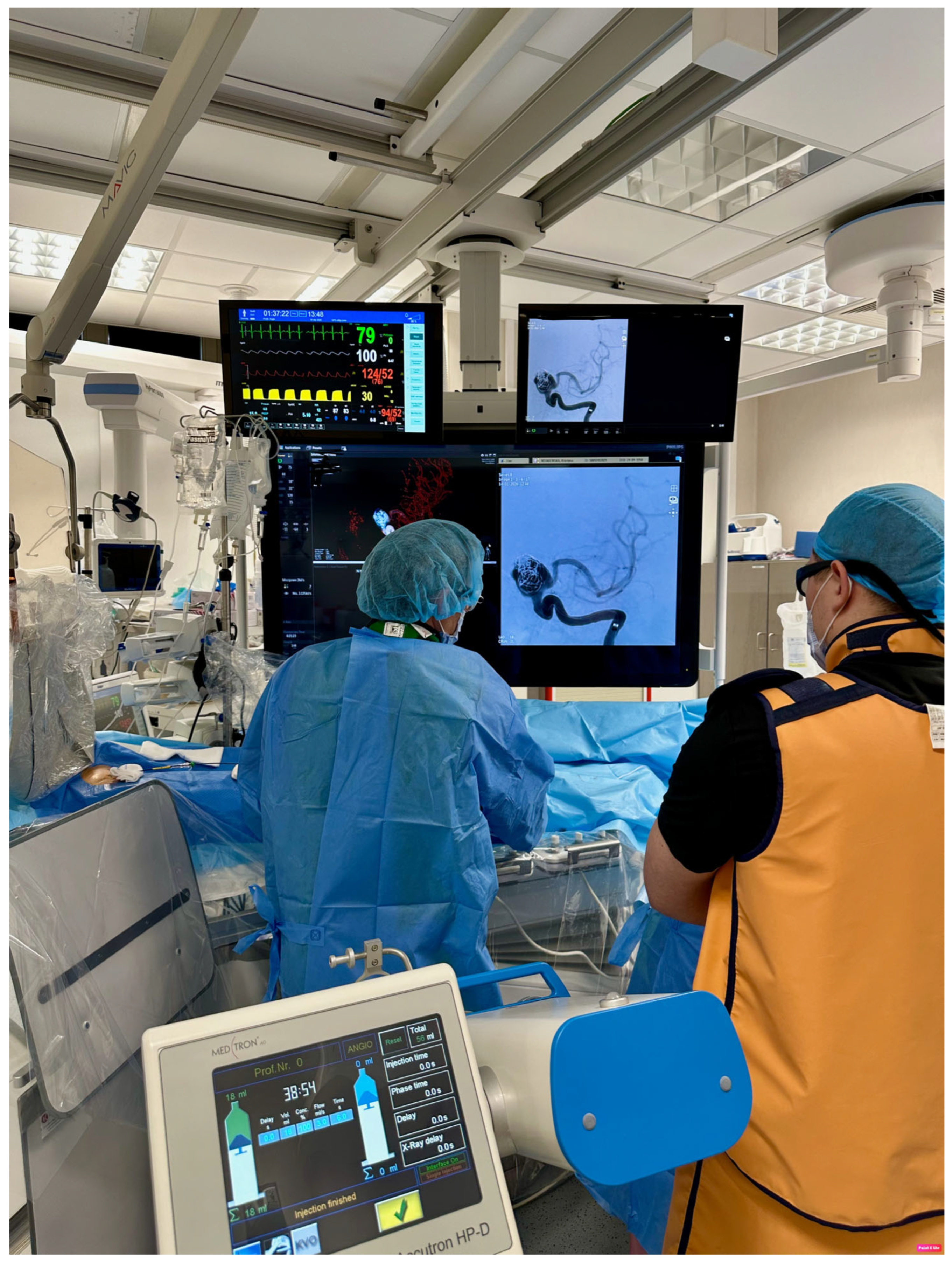
All interventions were performed in a dedicated angiography suite equipped with a Philips Azurion ClarityIQ b-plane w7 b20 system (Philips Medical Systems, Best, The Netherlands) featuring a 30 × 30 cm flat-panel detector, three-dimensional (3D) imaging, and advanced visualization functions. Modern angiography platforms typically provide a single, large-format monitor that supports multiple layout options, including a wide-screen configuration [
6] and a conventional view that replicates the classic multi-monitor arrangement. In single-plane procedures, the wide-screen layout can reduce the need for image magnification, providing an effective method to lower radiation exposure for both patients and the clinical staff (
Figure 9). The Philips Azurion system also incorporates automatic beam filtration, which continuously and dynamically introduces copper–aluminum prefilters into the X-ray beam based on patient thickness, field size, source-to-image distance, and the selected exposure settings. This filtration removes the low-energy portion of the spectrum while preserving angiographic contrast and image quality, operating in real time alongside automatic adjustment of the mean realized tube voltage (kV), tube current-time product per frame (mA), and frame rate.
2.2. Low-Dose Technique
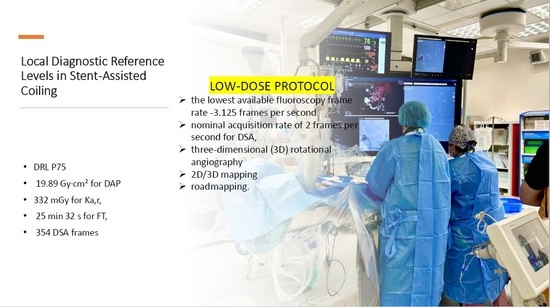
All endovascular interventions were performed using an approach that prioritized the maximum feasible reduction in frame rate in both fluoroscopy and DSA, supported by modern angiographic equipment. Sustained clinical experience with low acquisition settings was also essential. The operator developed this competence through extended observation and hands-on training under a specialist who routinely performed procedures at reduced frame rates [
8]. During the initial five years of a 12-year clinical practice period, the operator worked with an angiography system of lower performance than the currently used Azurion platform (installed and in routine operation since 2018). This experience increased tolerance to the less smooth image sequences inherent to low frame rates, which reflects reduced temporal resolution rather than diminished image quality, and strengthened the spatial perception required for accurate visualization of vascular pathology. As described in the “Angiographic system and quality control” section, regular quality control (QC) testing confirms that image quality under these low-dose settings remains within diagnostic requirements for neuroangiographic imaging.
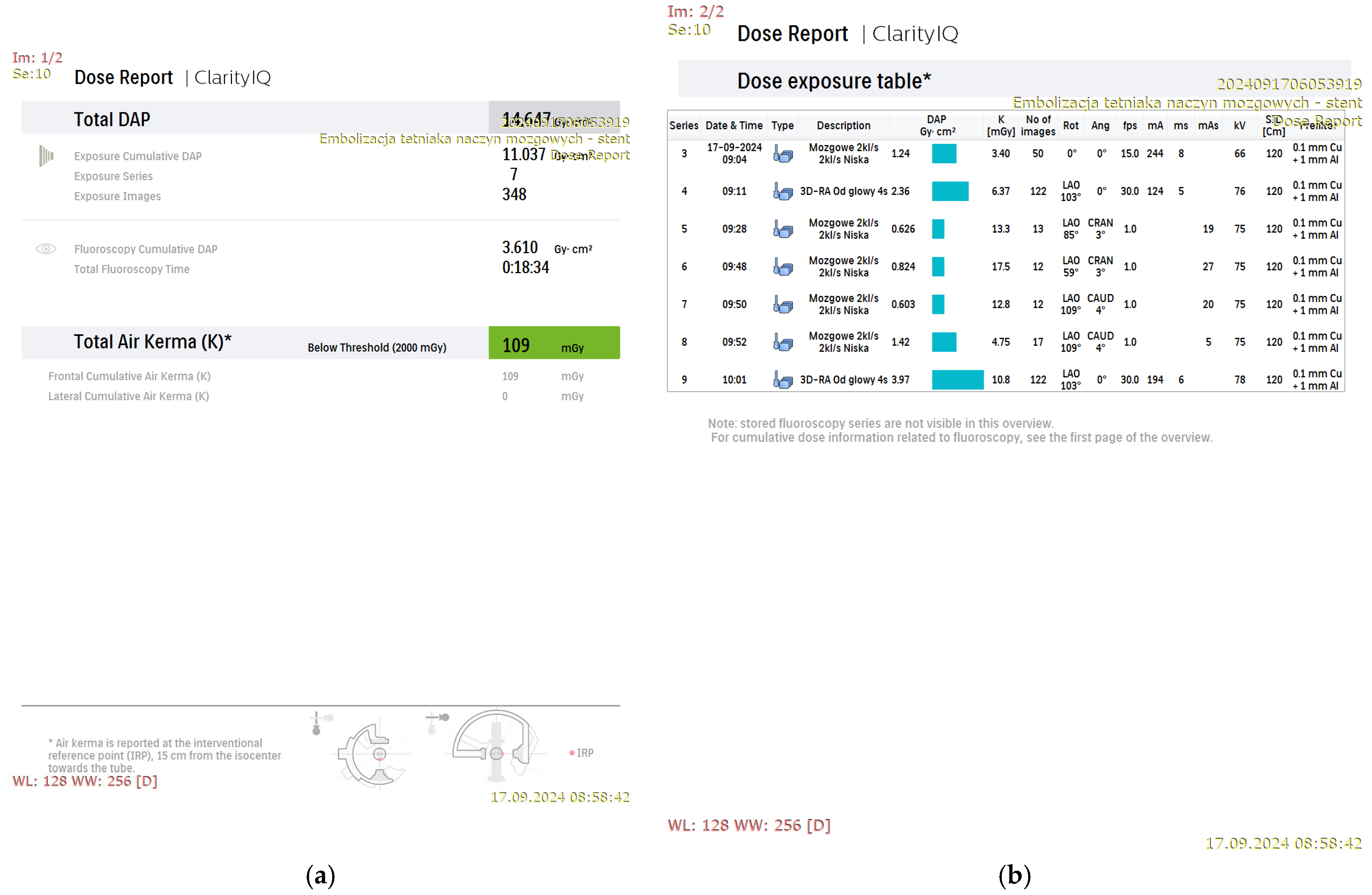
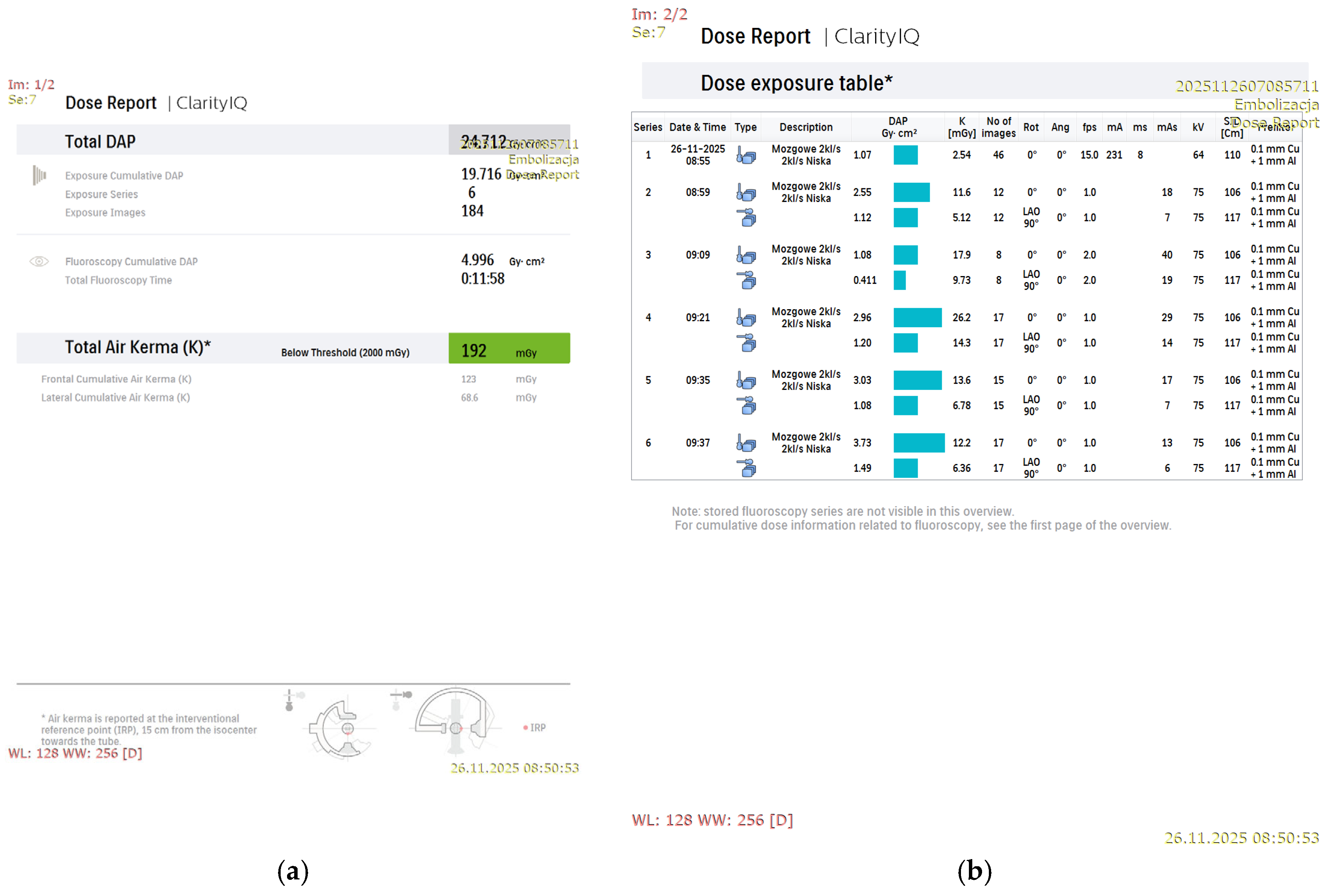
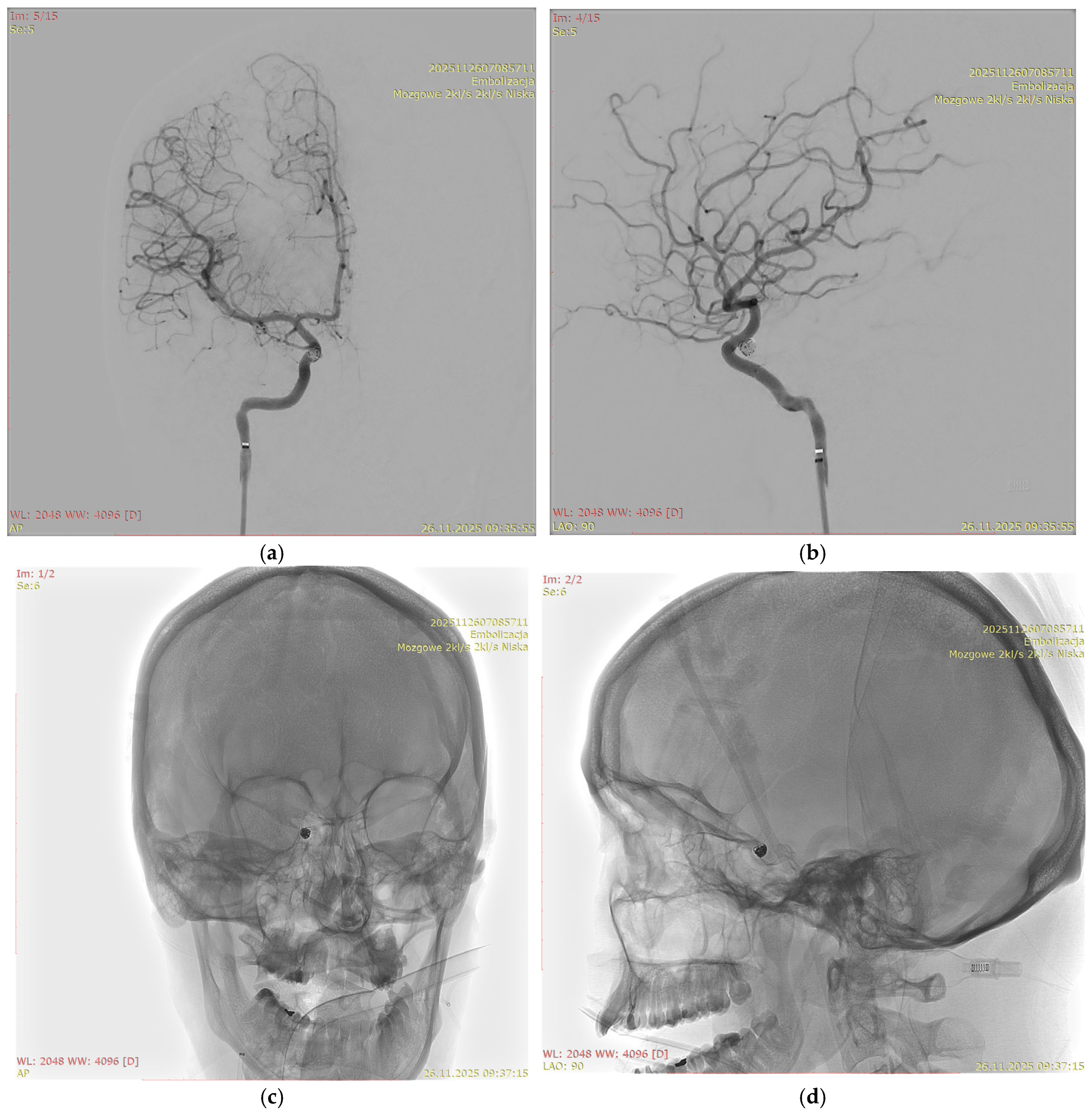
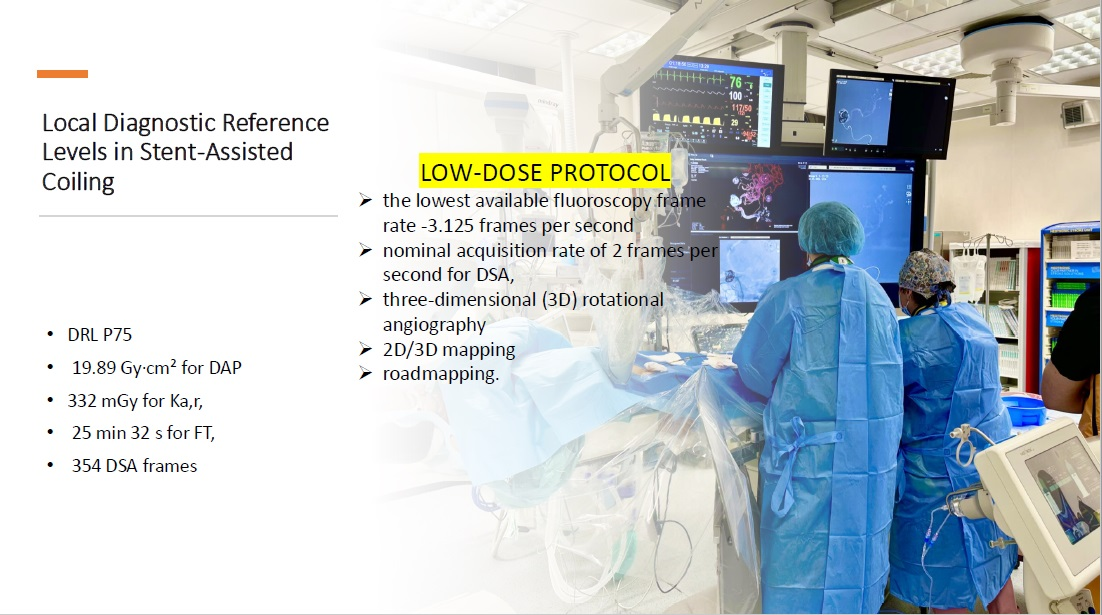
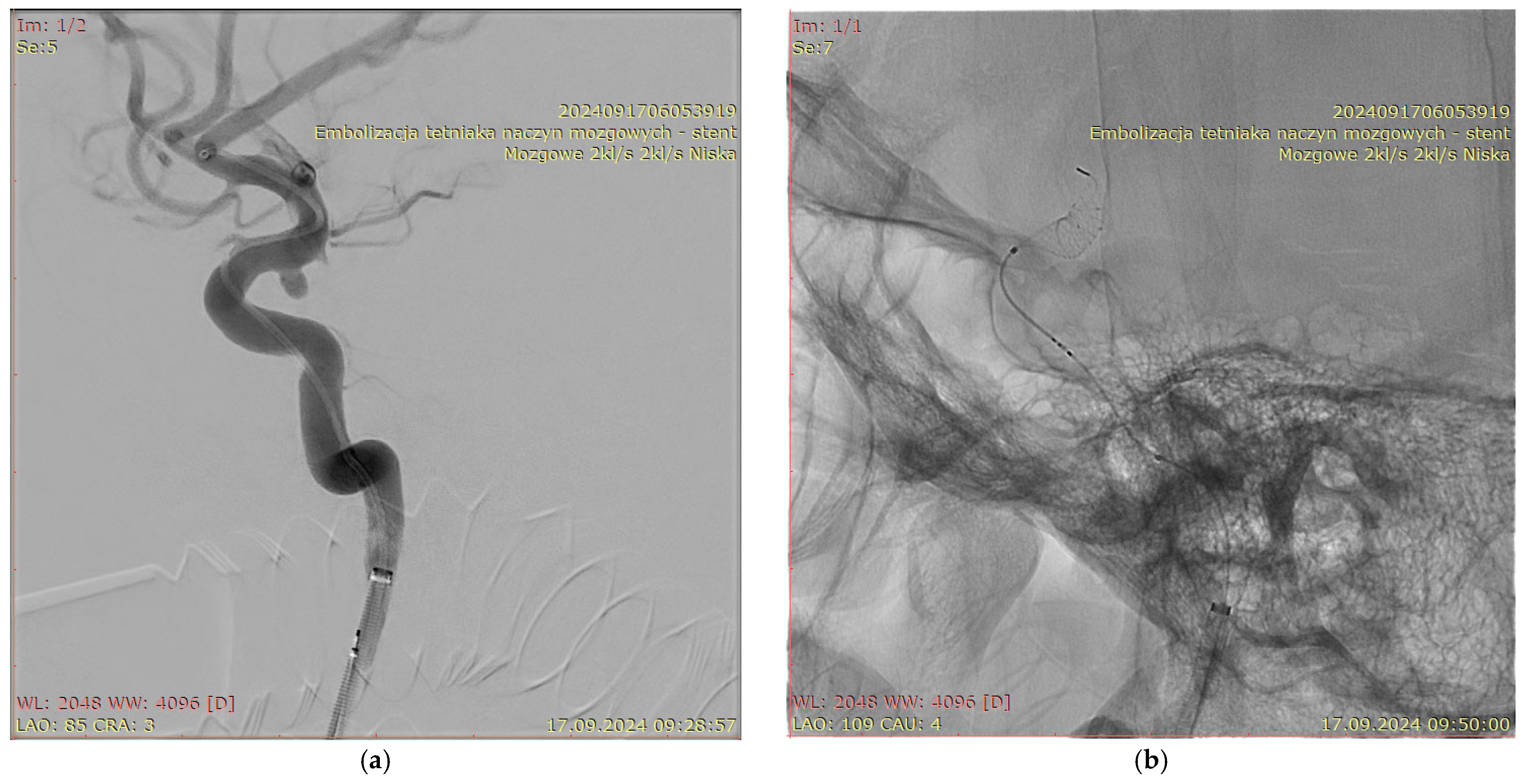
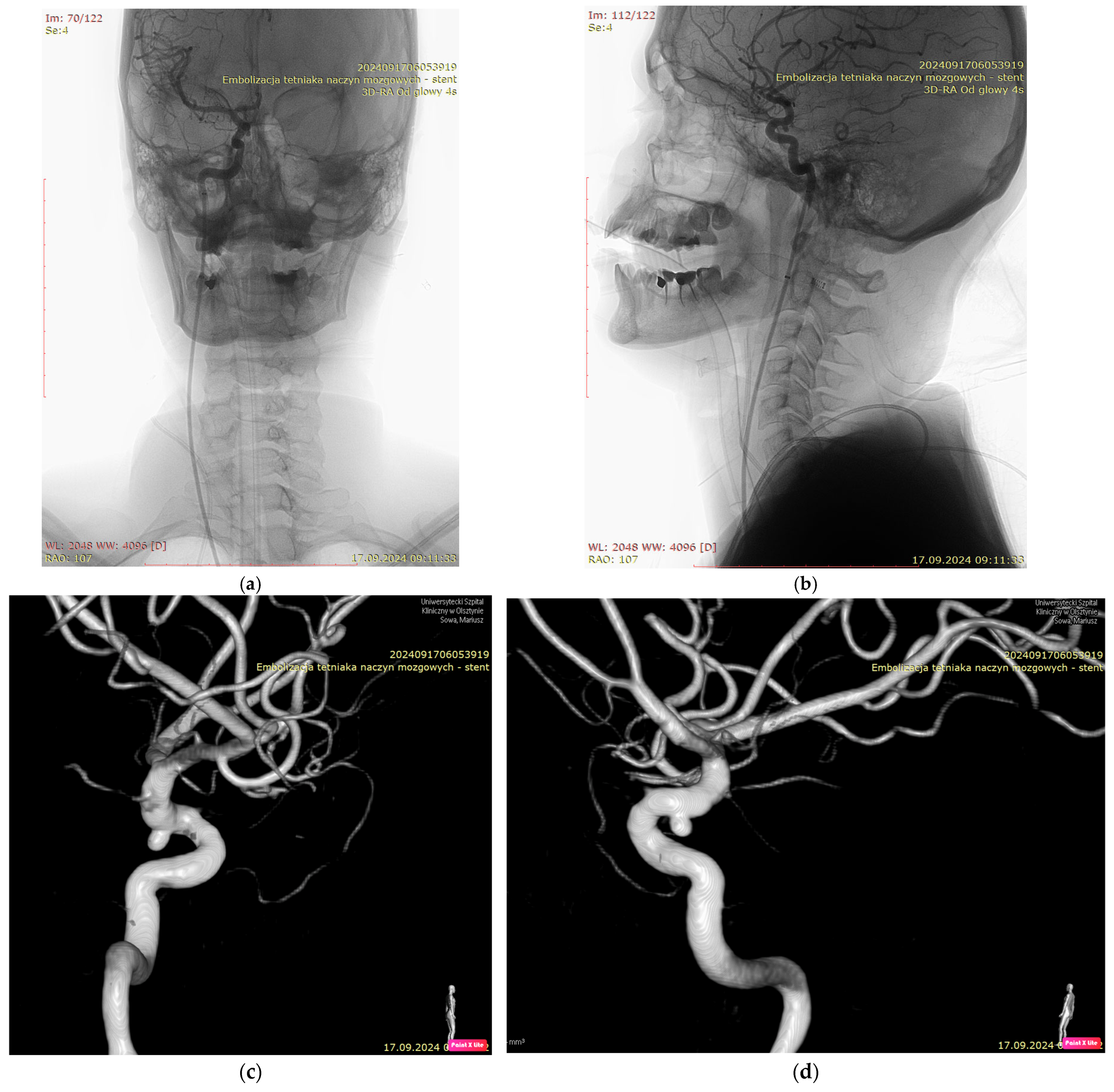
The system was configured with baseline nominal frame rates of 2 frames per second (fps) for DSA and 3.125 fps for fluoroscopy to achieve the lowest feasible radiation exposure during the procedure (
Figure 1b and
Figure 5b). Additionally, DSA was performed using a multiphase acquisition protocol comprising three phases: an initial phase of 4 s at 2 fps, a second phase of 8 s at 1 fps, and a venous phase at 0.5 fps, further reducing patient radiation exposure.
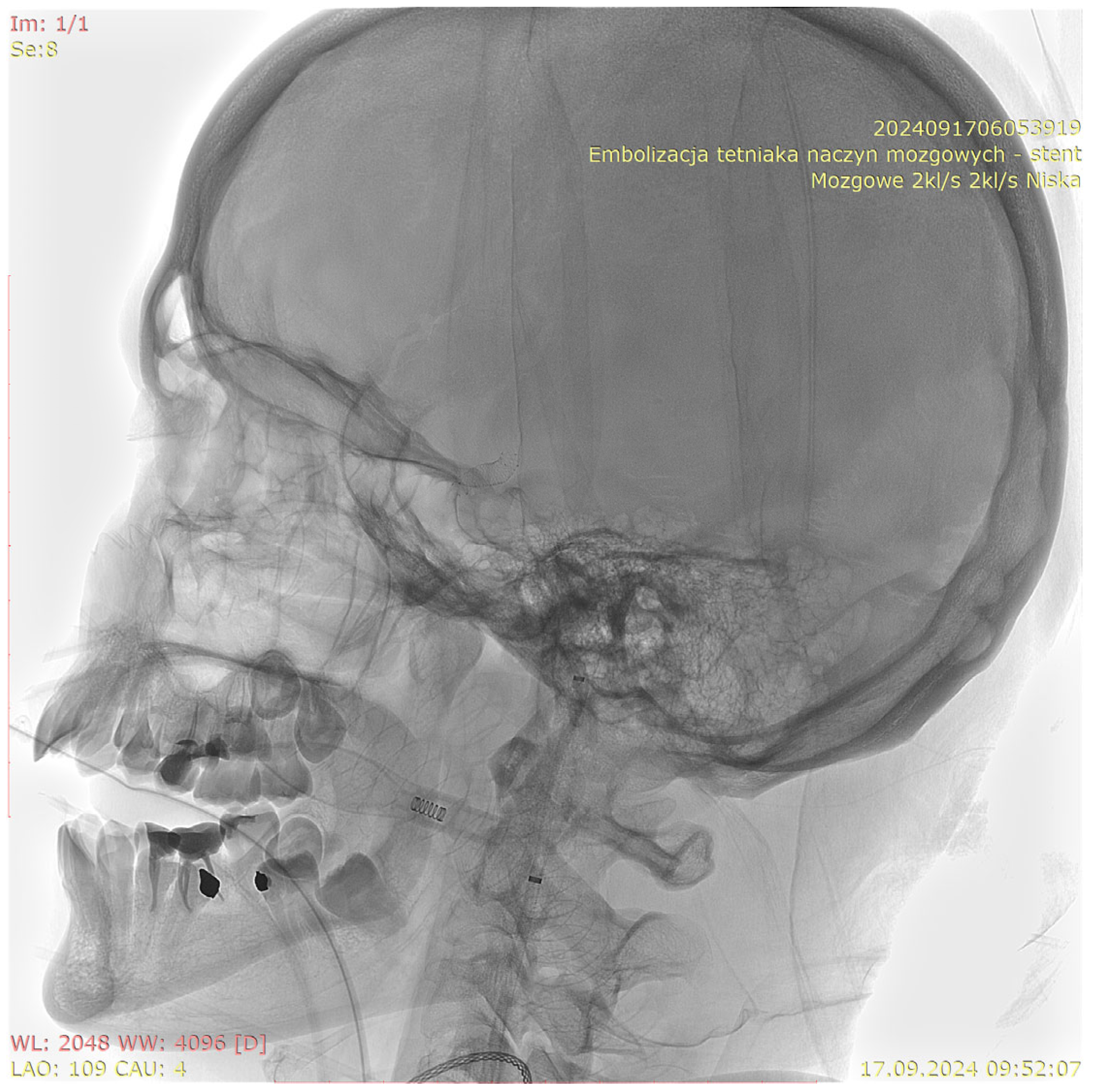
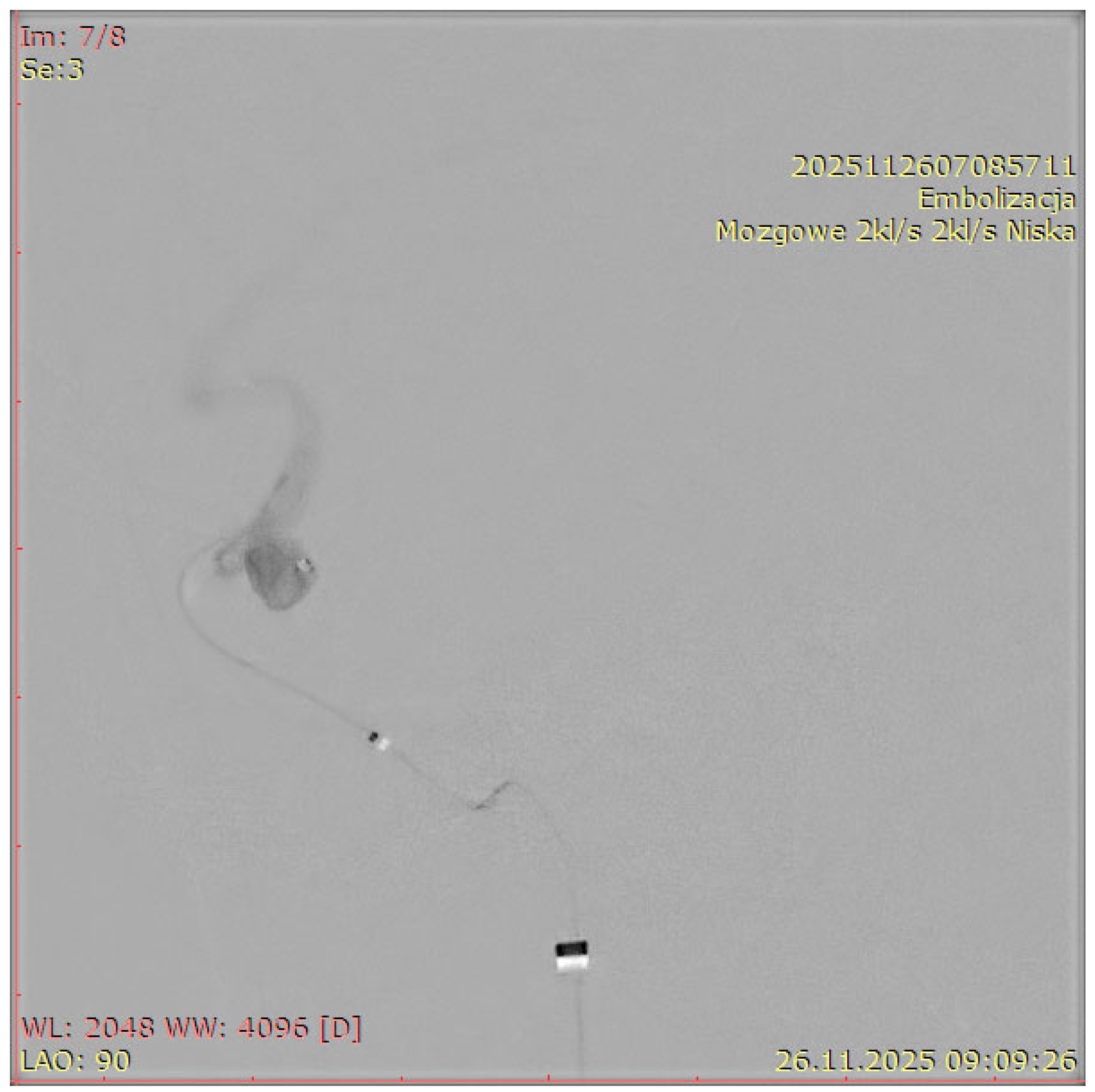
The nominal DSA frame rates were influenced by automatic exposure adaptation (LOW mode), which was activated by the operator. The acquisition reports “Description” field includes the Polish entry “mózgowe 2 kl/s, 2 kl/s niska” (“Cerebral 2 fps, 2 fps Low”), confirming selection of LOW mode. In this mode, Azurion algorithms use inputs such as patient tissue thickness, geometric configuration (projection angles), filtration, and other parameters to automatically adjust the frame rate and exposure settings, maintaining adequate image quality while minimizing radiation dose. As a result, radiation exposure is reduced for both patients and medical staff.
The dynamics of low-dose protocol optimization, as shown in
Figure 5b, demonstrate variability in acquisition frame rate across consecutive series during the procedure. In the first series, at the onset of the therapeutic intervention, the acquisition began at 15 fps despite the low-dose settings. In the second series, the frame rate was reduced to 1 fps, with a brief increase to 2 fps recorded in the third series. From series 4 to 6, the frame rate was maintained at 1 fps throughout the procedure. These fluctuations reflect algorithm-driven adaptation to changing imaging conditions.
To characterize the exposure settings achieved in clinical practice, we retrospectively extracted technical parameters from the system dose reports for all procedures included in the study.
For the DSA series, we calculated the mean realized tube voltage (kV), mAs, filtration (Sr), and the effective frame rate. The corresponding values for the whole cohort were:
- -
mA: [26.18 mA ± 13.8/1–65]
- -
kV: [74.58 kV ± 2.83/61–84]
- -
Sr: [0.1 mm Cu + 1 mm Al, for almost all cases]
- -
fps: [2.81 ± 4.55/0.5–15].
For fluoroscopy, in addition to the total FT, we used the dose report to extract the associated DAP values for all procedures:
- -
FT in seconds: [1389.17 ± 607.73/609–4342]
- -
fluoroscopy-related DAP: [6.682 ± 4.620/1.32–29.569]
The data indicate that the low-dose approach translated beyond nominal protocol settings into the exposure parameters applied in routine clinical work.
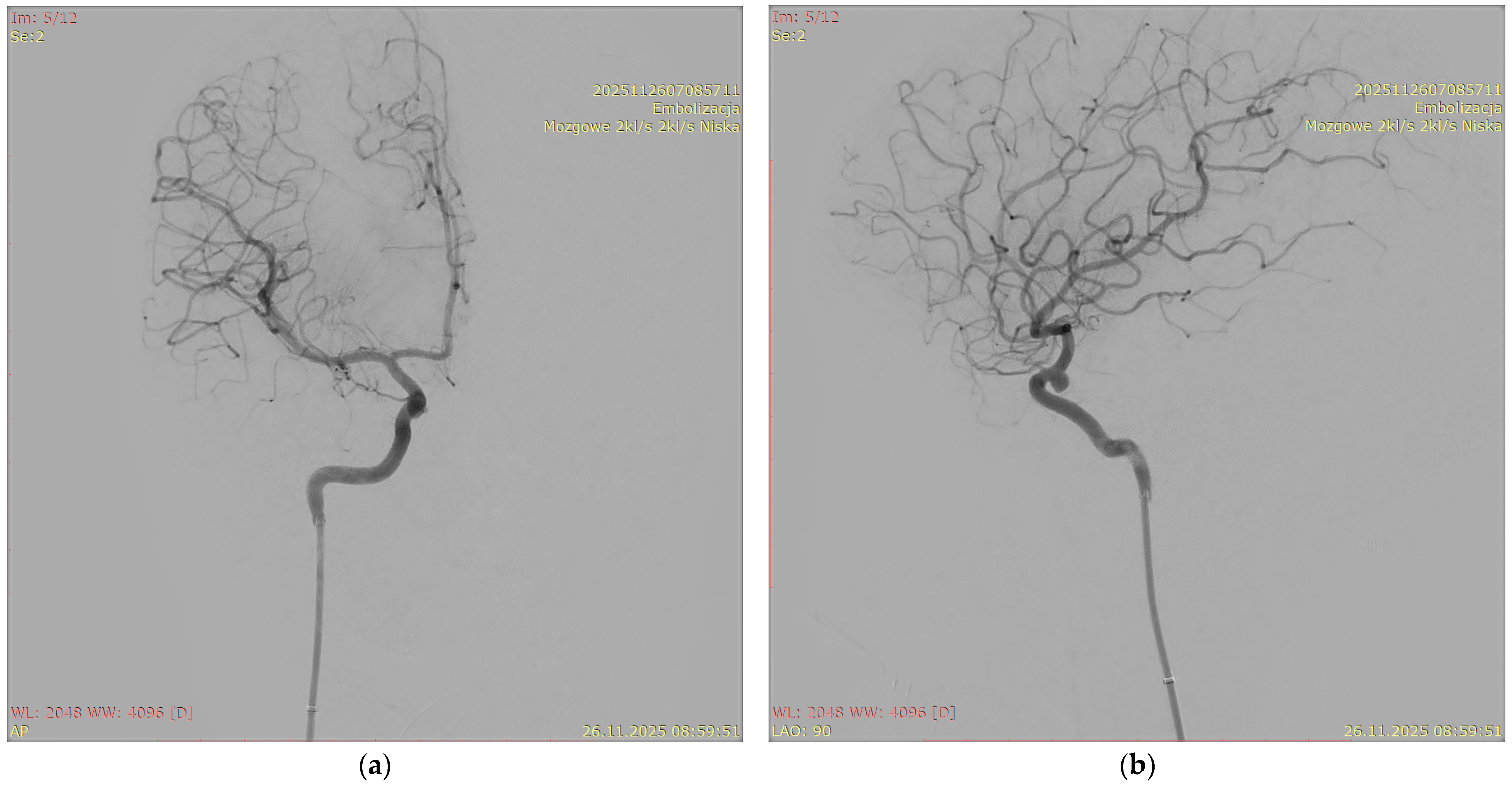
The radiation exposure per case was influenced by the imaging configuration required to adequately visualize the target lesion. Single-plane acquisition was employed when technically and clinically sufficient, whereas biplane imaging was selected for anatomies and lesion characteristics that were more complex, such as challenging aneurysm locations, significant vessel tortuosity, or intricate morphology.
2.3. Angiographic System and Quality Control
A structured QC program is implemented in the angiography suite in accordance with the manufacturer’s recommendations and national QC guidelines. Additionally, specialist tests mandated by the national regulatory framework are conducted on a monthly and annual basis. The system undergoes an annual service inspection to verify the technical condition of the equipment and ensure that the quality of acquired images remains within required specifications.
2.4. Three-Dimensional Rotational Angiography
On the Azurion platform, 3D rotational angiography (3D-RA) is performed using a semi-automated workflow. Once the operator initiates the sequence, the C-arm executes a pre-set rotational sweep with automatic image capture and on-system volumetric reconstruction. Key acquisition parameters, such as dose level, frame rate, rotation range, and contrast injection settings, are selected in advance.
At our institution, 3D-RA is acquired using a standardized protocol with fixed geometry and acquisition settings (122 images, LAO 103°, 30 fps, SID 120 cm). Despite consistent nominal parameters, the recorded dose metrics (DAP and Ka,r) exhibit minor variation between runs. This variation is attributable to patient-dependent factors, such as body habitus, positioning, and attenuation, as well as the behavior of the automatic exposure control, which adapts tube output, including tube current and pulse width, to maintain image quality while minimizing radiation dose.
Of the 132 procedures, 3D-RA was performed in 88 cases (66.6%). It was acquired once in 49 procedures, twice in 36 procedures, three times in three procedures, and four times in one procedure. For each 3D-RA acquisition, the mean DAP and Ka,r were 3.99 ± 0.70 Gy·cm2 and 11.1 ± 2.2 mGy, respectively.
Most 3D-RA acquisitions (93.2%; 82 out of 88) were performed using single-plane imaging.
Table 3 summarizes the utilization patterns of 3D-RA in the analyzed endovascular procedures. It presents the percentage distribution of cases in which 3D-RA was performed, the frequency of acquisitions per procedure (single versus multiple acquisitions), and the proportion of 3D-RA use in treatments conducted with a single X-ray tube/frontal projection compared to those performed with a dual-tube system that enables simultaneous frontal and lateral projection.
2.5. Computed Tomography Scan
Routine non-contrast head computed tomography (CT) was performed within 24 h of endovascular treatment to enable early identification of post-procedural complications. The primary purpose of this control imaging was to rule out acute intracranial hemorrhage, cerebral infarction, or clinically relevant cerebral edema related to the intervention. Additionally, the scan was used to verify the stability of the embolic material and to provide a baseline for interpreting any subsequent neurological deterioration.
The angiography suite functions as a hybrid operating room equipped for both endovascular and neurosurgical procedures, which enables intra-procedural CT imaging when clinically indicated. In this series, intra-procedural CT was utilized in 4 of 132 interventions to support ventricular drainage implantation.
The mean DAP per CT acquisition was 28.4 ± 0.4 Gy·cm2, and the mean Ka,r was 67.5 ± 1.3 mGy.
2.6. Intraoperative Somatosensory Evoked Potential Monitoring
Following the institution’s introduction of somatosensory evoked potential (SSEP) intraoperative monitoring in 2024, SSEP has been routinely applied during diagnostic and therapeutic evaluations for complex cerebrovascular disease and is generally required for interventional cases. In 2024, SSEP was used in 18 stent-assisted endovascular procedures; however, this sample size is insufficient for meaningful statistical analysis. Nevertheless, the 75th percentile (P75) dose metrics for procedures with SSEP were comparable to those in the overall angiography cohort (DAP: 20.23 vs. 19.89; Ka,r: 273 vs. 236). These preliminary findings indicate that implementing SSEP monitoring does not increase radiation dose during diagnostic procedures. Further studies are underway to validate this observation in a larger cohort.
2.7. Statistical Analysis
Consistent with International Commission on Radiological Protection (ICRP) Publication 135 [
9], all available observations were retained for analysis. Due to substantial dispersion and large standard deviations (SDs) in dose metrics, the data were log-transformed (log10), yielding distributions closer to normal.
Statistical analysis was conducted in Python 3.12 using the pandas 2.3.3 and SciPy 1.16.2 libraries, with visualizations generated using matplotlib 3.10.3. Given the observational and non-randomized study design, the analytical approach was primarily descriptive. Continuous variables were summarized as mean ± SD with range, while skewed distributions were reported as median (P50) with interquartile range (P25-P75). Normality was assessed using the Shapiro–Wilk test. Between-group comparisons were performed using Student’s t-test for approximately normally distributed data, the Mann–Whitney U test for non-parametric independent samples, and Wilcoxon’s signed-rank test for paired data. Statistical significance was defined as p < 0.05 (95% confidence level).
3. Results
Table 4 provides descriptive statistics for the entire cohort of intracranial aneurysm stent procedures, with or without adjunctive coil embolization (132). Reported metrics include typical values (P50), local diagnostic reference levels (P75), and means and SDs for DAP, Ka,r, FT, and the number of DSA frames per procedure. The sample size of each treatment subgroup (including adjunctive coiling and stent number/placement categories) is provided in
Table 2.
Analysis of DAP, Ka,r, FT, and the number of DSA frames revealed that all parameters were significantly higher in procedures performed with two X-ray tubes (n = 48) than in those performed with a single tube (n = 84).
Comparative analysis of DAP, Ka,r, FT, and the number of DSA frames between women (
n = 105) and men (
n = 27) showed higher DAP, Ka,r, and DSA frame counts in men, whereas FT did not differ significantly between sexes (
Table 4). Given the small number of male patients, these comparisons should be interpreted with caution due to limited statistical power. The observed differences may be partly explained by differences in the distribution of single-plane imaging. Specifically, 15/27 men were treated with a single-plane configuration, while the majority of women (69/84) were also treated in this mode. This distribution could have contributed to lower dose metrics in women. Additionally, the groups differed substantially in anthropometric characteristics: mean body weight was 71.9 ± 14.9 kg in women and 85.0 ± 15.81 kg in men, while mean height was 1.64 ± 0.06 m in women and 1.75 ± 0.08 m in men, potentially influencing radiation exposure parameters.
A biplane imaging system (frontal and lateral C-arms) was used in 48 of 132 intracranial aneurysm embolization procedures (36.4%). Procedures performed exclusively in the frontal projection were associated with significantly lower radiation exposure than those performed with both frontal and lateral projections. As shown in
Table 3, most 3D-RA acquisitions were conducted in single-plane mode (93.2%; 82 of 88;
p < 0.05). In these cases, the operator relied on 3D reconstructions and roadmapping for spatial orientation and procedural guidance, which typically allowed the omission of an additional lateral projection. These findings suggest that the use of 3D-RA may reduce patient radiation exposure by decreasing the number of required projections.
These observations are consistent with prior reports by the authors on local DRLs for diagnostic cerebral angiography and for coil-only aneurysm embolization [
10].
Overall, radiation appears to be strongly influenced by the number of projections required for reliable visualization of vascular pathology. The selection between single-plane and biplane imaging was further determined by clinical and anatomical factors, such as lesion location, vessel diameter, vessel course, and aneurysm morphology, which may account for higher dose levels in more complex cases. The data also suggest that increased aneurysm morphological complexity may be associated with higher X-ray exposure; however, this relationship requires confirmation in future studies.
To further characterize the study population, a dedicated subgroup of patients treated with a single stent and adjunctive coil embolization was identified.
Table 4 includes a subgroup of 104 patients who received a single stent and adjunctive coils. The values of DAP, Ka,r, FT, and the number of DSA frames in this subgroup did not differ significantly from those observed in the overall patient cohort (
p < 0.05, 95% confidence level).
4. Discussion
Establishing DRLs for endovascular treatment of intracranial aneurysms poses significant challenges, primarily due to limited procedural reproducibility and substantial heterogeneity in treatment techniques and vascular lesions. Variations in aneurysm size, location, and morphology, as well as overall procedural complexity, contribute to this heterogeneity. To enhance cohort homogeneity and enable a more meaningful assessment of radiation exposure, a subgroup was delineated comprising aneurysm treatments performed with stents alone or with stents and coils (stent-assisted coiling). This approach narrowed the analytical scope and facilitated a more focused interpretation of DRL results for this subgroup.
Our previous studies established local DRLs for diagnostic cerebral angiography [
11] and aneurysm embolization using coils only [
10]. In both analyses, a low-dose strategy was implemented, resulting in patient radiation exposure metrics that were comparable to the lowest values reported in the literature over the past decade (
Table 5).
Importantly, most publications addressing DRLs in endovascular treatment of cerebral aneurysms do not stratify results by technique (e.g., stent, stent-assisted coiling, coils alone), which substantially limits direct comparisons [
14,
15,
16,
17,
18,
19,
20,
21,
22,
23,
24,
25,
26,
27]. A summary of these studies is provided in
Table 5. In this context, the values obtained in our study are substantially lower: the P75 for DAP was 19.89 Gy·cm
2, and the P75 for Ka,r was 332 mGy. By comparison, the P75 values for DAP reported in the studies summarized range from 123 to 272.8 Gy·cm
2, while the corresponding P75 values for Ka,r range from 1171 to 4240 mGy. Comparability is further constrained by differences in case mix, angiography system generation and configuration, and acquisition settings as well as reporting conventions and the inclusion/exclusion of adjunct imaging (e.g., intraprocedural CT).
DRLs for flow-diverter procedures have also been reported [
12,
22,
28]; however, studies that clearly separate a “stent plus coils” subgroup remain scarce. Rai et al. [
12] reported such a subgroup in a study primarily focused on woven endovascular bridge (WEB) treatment. Since WEB eligibility selects cases based on aneurysm anatomy and morphology, direct comparison with the present cohort is limited. In Rai et al. [
12], the median Ka,r for the stent-assisted embolization subgroup was 3442 mGy, and the FT was 6 min (
n = 29). Ihn et al. [
13] evaluated a partially comparable population but included both stent-assisted coiling and balloon-assisted coiling, further limiting comparability; in that study, the median Ka,r was 2104 mGy and the FT was 40.9 min. Notably, FT does not directly correspond to Ka,r, as Ka,r is also influenced by the number and type of acquisitions (e.g., DSA, 3D-RA), system geometry, and collimation. These parameters may vary substantially across centers and studies, even when FT is similar.
Despite these limitations, the published evidence may serve as an approximate benchmark for overall exposure levels in aneurysm treatment. Against this background, our results, encompassing more complex cases requiring stent-assisted coiling, appear lower than many values reported in
Table 5, acknowledging the limited cross-study comparability. Moreover, our previously established DRLs based on 245 coil-only embolization procedures were comparable to the exposure levels observed in the present stent-assisted coiling analysis (
Table 5). We observed these findings in association with the consistent implementation of the low-dose technique within a standardized workflow on a modern biplane system.
According to Pearl et al. [
7], the total ionizing radiation dose during a single procedure is determined by multiple interacting factors, including patient characteristics (e.g., body habitus), vascular anatomy, clinical indications, technical parameters, and operator-dependent procedural efficiency. Key technical determinants include the number of DSA acquisitions per procedure, DSA frame rate, fluoroscopy frame rate, detector technology (image intensifier or flat-panel detector), collimation strategy, and system geometry, particularly the source-to-image distance (SID).
In our cohort, imaging mode was associated with procedural dose: procedures performed with single-plane acquisition when feasible showed lower DAP/Ka,r than those requiring biplane imaging (
Table 4). This is expected from a physical and workflow perspective, as biplane operation activates an additional X-ray tube/detector chain and may increase the cumulative acquisition burden (e.g., total frames and runs), thereby increasing patient exposure. Importantly, biplane imaging remains indispensable in complex anatomy and device navigation; therefore, our findings support a pragmatic strategy of preferential single-plane use when clinically appropriate, with escalation to biplane imaging dictated by procedural complexity rather than as a default setting.
Operator experience is also essential, including avoiding fluoroscopy during phases without active catheter/guidewire manipulation and deliberately applying exposure-reduction strategies [
29]. In addition, physicians performing these procedures should be familiar with the angiography system specifications and default DSA acquisition settings [
30]. Kahn et al. [
31] demonstrated that modifying factory-default system configurations can substantially reduce exposure. The literature indicates that lowering fluoroscopy frame rate from 15 to 7.5 fps is associated with a significant reduction in radiation dose for both patients and staff [
7,
30,
32]. Furthermore, flat-panel detector systems have enabled exposure reductions to approximately 30% compared with older image intensifier systems [
33]. From an organizational perspective, routine intraprocedural head CT was not performed; it was used only when an external ventricular drain was implanted. Additional reductions were achieved by limiting the number of acquisitions and the number of catheterized vessels based on prior imaging (CT angiography [CTA], magnetic resonance angiography [MRA], DSA), thereby avoiding repeated assessment of the aortic arch and carotid bifurcations and focusing the procedure on vessels supplying a known lesion, particularly during follow-up examinations.
Three-dimensional rotational angiography (3D-RA) is typically more dose intensive than a short fluoroscopy run; however, selective 3D-RA use may improve spatial understanding of aneurysm geometry and facilitate working-projection selection, potentially reducing the need for repeated DSA acquisitions and prolonged fluoroscopy. This potential “downstream” dose-saving effect may be particularly relevant in workflows that favor single-plane imaging, where accurate projection planning can partially compensate for the lack of simultaneous orthogonal views. Consequently, the relationship between 3D-RA frequency and total dose is not necessarily linear and likely depends on case complexity and the number of subsequent acquisitions avoided.
Operating at reduced frame rates primarily affects temporal resolution, resulting in less “smooth” image sequences rather than a deterioration of image quality per se. Familiarity with low frame-rate imaging increases operator tolerance to reduced sequence smoothness and improves the spatial perception required for precise visualization of vascular pathology. In practice, stepwise implementation, such as performing early procedural phases at lower frame rates until the target lesion is reached, facilitates feasibility assessment and allows comparison of dose-report metrics from procedures partly performed at low frame rates with those from earlier routine procedures.
In future prospective studies, a pragmatic stepwise implementation (e.g., protocol roll-out over time or matched historical comparisons) may help quantify dose effects while avoiding non-beneficial dose escalation solely for research purposes.
Dose reduction is beneficial provided it does not compromise procedural diligence and precision. Lower patient exposure also translates into reduced occupational exposure for the operator, who typically receives the highest scattered radiation dose within the interventional team.
5. Limitations
This study was designed as a single-center, retrospective dose audit with DRL analysis, which inherently limits generalizability and causal inference. All procedures were performed by a single highly experienced neurointerventionalist with long-standing familiarity with low-frame-rate imaging; therefore, reproducibility in less specialized settings and among less experienced operators remains uncertain and the reported DRLs should be interpreted as local benchmarks requiring external validation.
No contemporaneous control group using standard frame-rate protocols was available, which precludes attributing the observed low dose levels specifically to the low-dose strategy or to frame-rate reduction alone. The low-dose configuration represented routine clinical practice on the evaluated system throughout the study period, and conventional frame-rate settings were not used. A prospective protocol-comparison study involving dose escalation in a subgroup solely for research purposes was not undertaken, as it would have exposed patients to additional radiation without direct clinical benefit. Future prospective, pragmatic comparisons (e.g., step-wedge implementation, matched historical controls, or multicenter protocol comparisons) may help disentangle the contributions of individual dose-reduction components. Moreover, several subgroup analyses included small sample sizes (e.g., the male subgroup), potentially limiting statistical power; these findings should therefore be interpreted as exploratory.
All procedures were performed on a single biplane angiography platform employing vendor-specific dose-reduction and dose-optimization features, limiting transferability to other systems and configurations. Multicenter, multi-operator validation is required before these DRLs can be considered as broader reference benchmarks.
Radiation exposure was assessed only for the endovascular procedure itself. Follow-up CT examinations performed during hospitalization were not included and should be considered when evaluating cumulative patient exposure.
No formal, blinded, multi-reader image-quality assessment was performed to determine how reduced frame rates may affect operator-perceived image quality and angiographic interpretation. Accordingly, statements regarding preserved image adequacy reflect routine clinical acceptability and operator experience rather than objective validation. In addition, the retrospective dataset lacked structured information on aneurysm morphology, lesion size, the number of coils used, or neck-to-dome geometry, and did not provide objective procedural complexity metrics or cranial anthropometric parameters. Consequently, multivariable adjustment and quantitative assessment of potential confounding variables were limited. We also did not evaluate a learning-curve effect or temporal trends in dose over the study period; such analyses would require a dedicated design with case-mix control.
This dose audit did not include structured clinical outcome measures (e.g., technical success, complication rates, occlusion grading, or functional outcomes); therefore, the findings should be interpreted primarily as feasibility and dose-performance results rather than evidence of unchanged efficacy or safety.
Finally, at our center, stent-only treatment or stent-assisted coiling is typically reserved for aneurysms with unfavorable anatomy, including wide-neck lesions; therefore, case selection should be considered when comparing our results with more heterogeneous endovascular series.
6. Conclusions
This single-center retrospective dose audit of endovascular treatment of intracranial aneurysms using stent-only techniques or stent-assisted coiling on a modern biplane angiography system with a dedicated low-dose configuration established local DRLs for DAP and Ka,r that fall within the lower range of dose metrics reported in the literature. However, comparisons with published data are descriptive and should be interpreted with caution due to substantial methodological heterogeneity across studies and differences in equipment, protocols, operator practice, and case mix.
The low exposure levels observed were observed in association with the combined use of very low fluoroscopy and DSA frame rates, advanced dose-reduction technology, and extensive operator experience in low-dose imaging. These findings demonstrate the feasibility that, within a consistent, standardized workflow, low procedural doses can be achieved and local DRLs can be defined in appropriately selected cases treated with stents (with or without coils). Nevertheless, this retrospective audit was not designed to evaluate clinical safety endpoints, or procedural effectiveness, assess formally evaluate a learning curve, nor to isolate the independent contribution of frame-rate reduction from other determinants, including equipment configuration, operator practice, and case selection. In addition, no formal multi-reader image-quality assessment was performed, and no contemporaneous standard-frame-rate control group was available; therefore, causal attribution and statements beyond dose-performance and feasibility should be avoided. Further multicenter, multi-operator studies are required to confirm these observations and to support broader implementation of ambitious local DRLs.