Pelvic Congestion Syndrome: The Gynecological Perspective

 , ,
, ,  ,
,
Abstract
1. Introduction
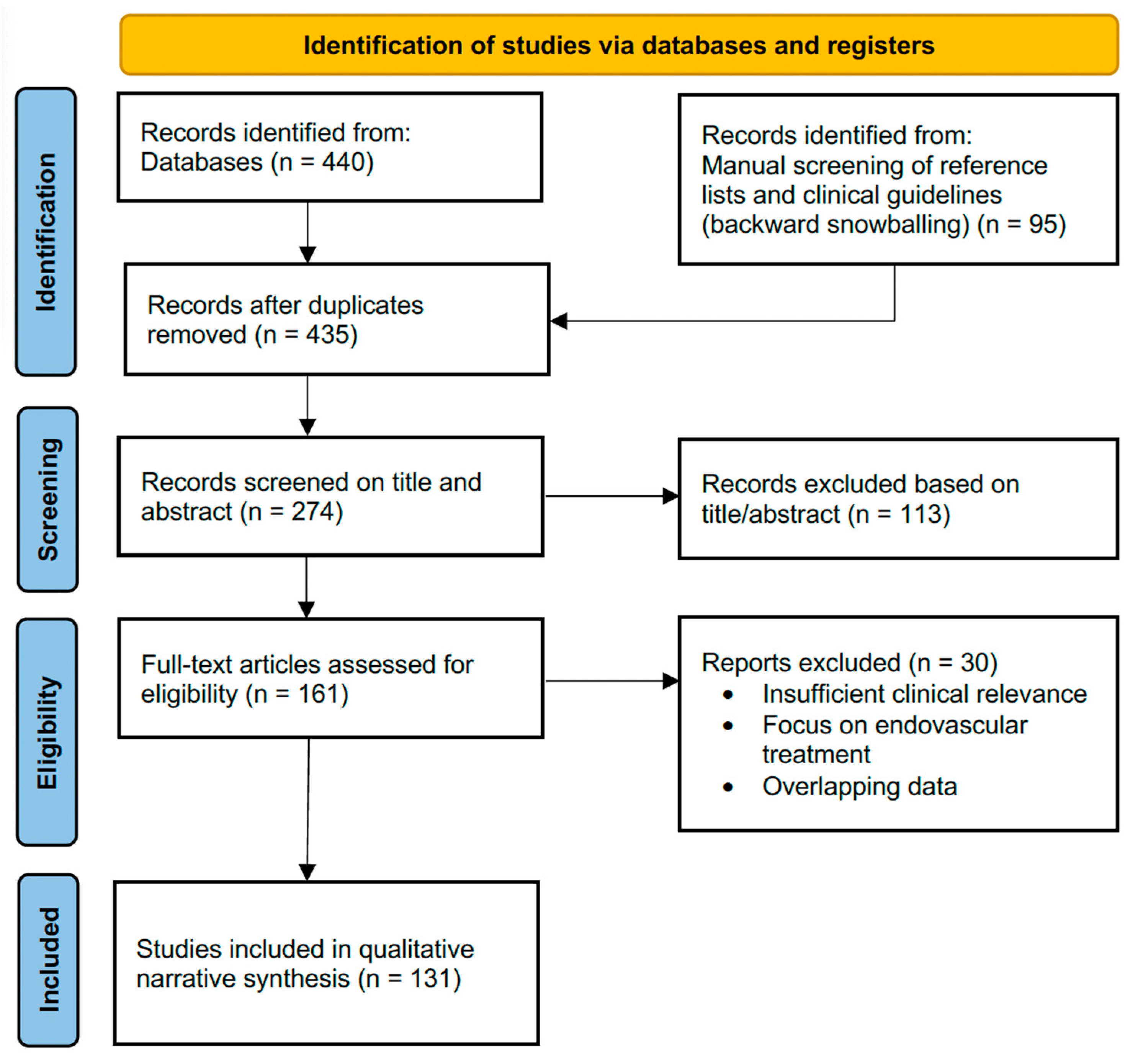
2. Materials and Methods
2.1. Search Strategy and Data Sources
2.2. Inclusion Criteria and Selection Process
2.3. Data Synthesis and Transparency
2.4. Declaration of Generative AI
3. Anatomy and Pathophysiology
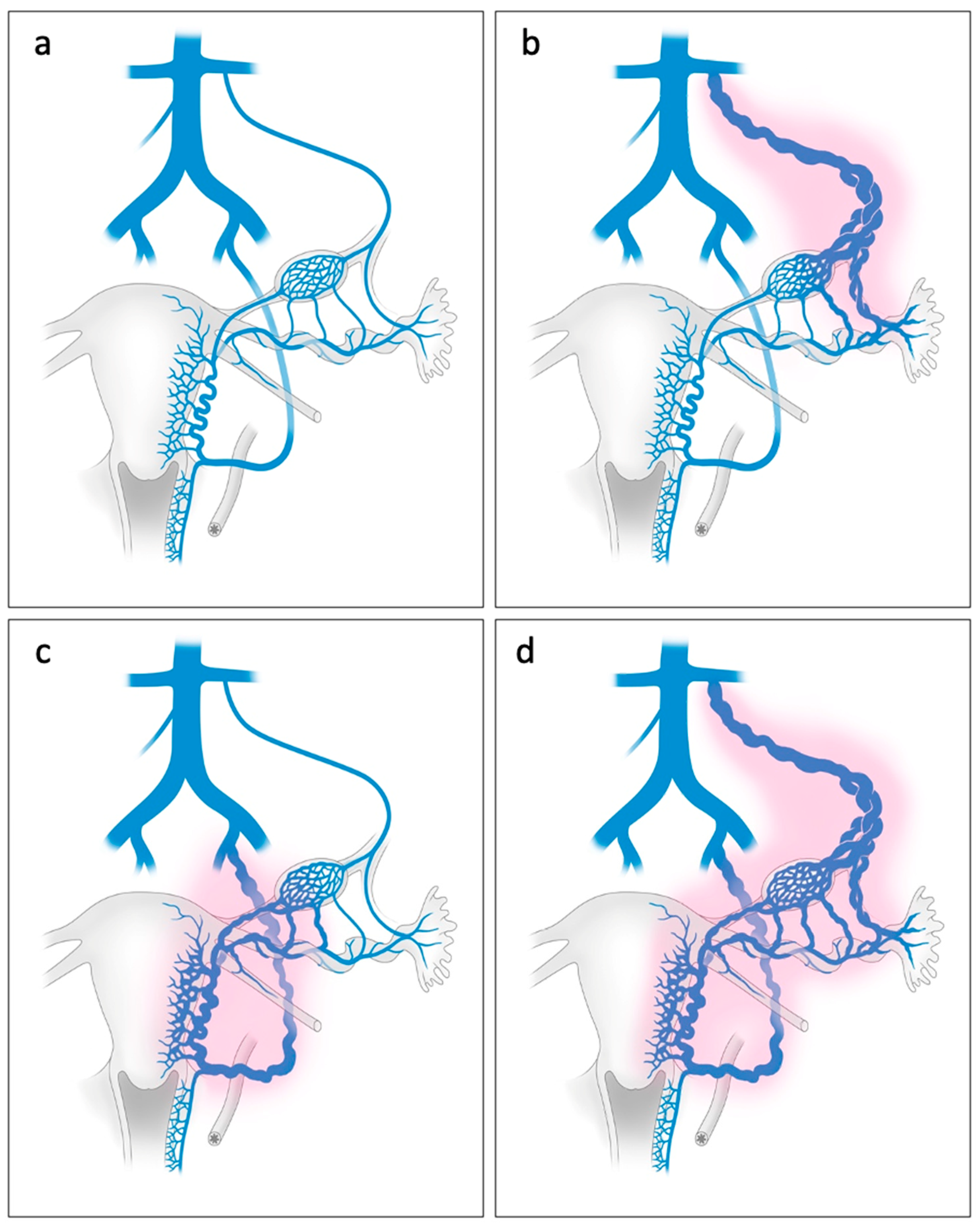
3.1. Anatomy of the Pelvic Venous System
3.2. Histology
3.3. Risk Factors
3.3.1. Hormonal Influence and Reproductive Age
3.3.2. Estrogen and Ovarian Physiology
3.3.3. Multiparity
4. Diagnosis of PCS
4.1. Clinical Appearance
4.2. Clinical Examination
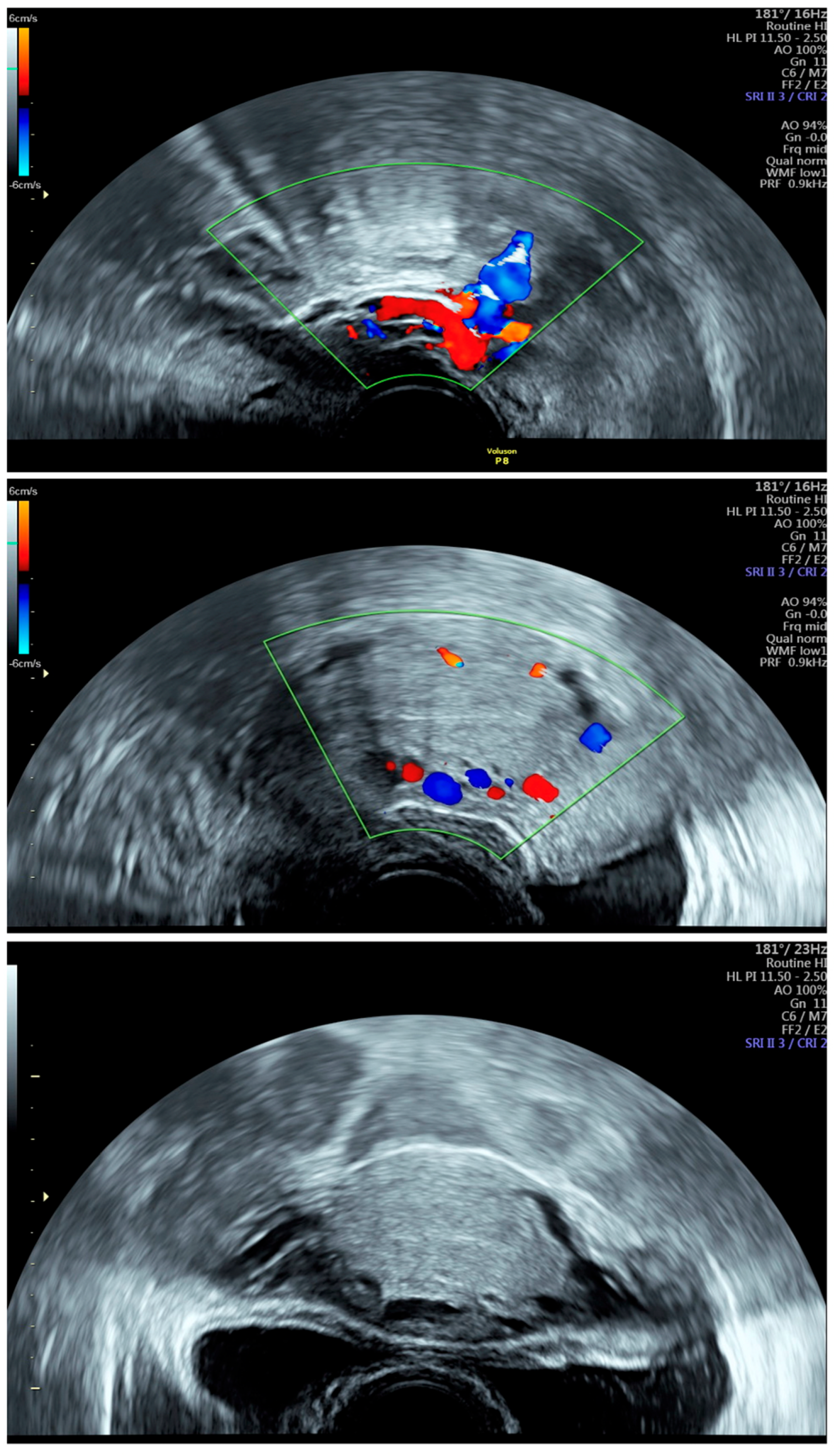
4.3. Ultrasound
4.4. Magnetic Resonance Imaging and Computed Tomography
4.4.1. Computed Tomography (CT)
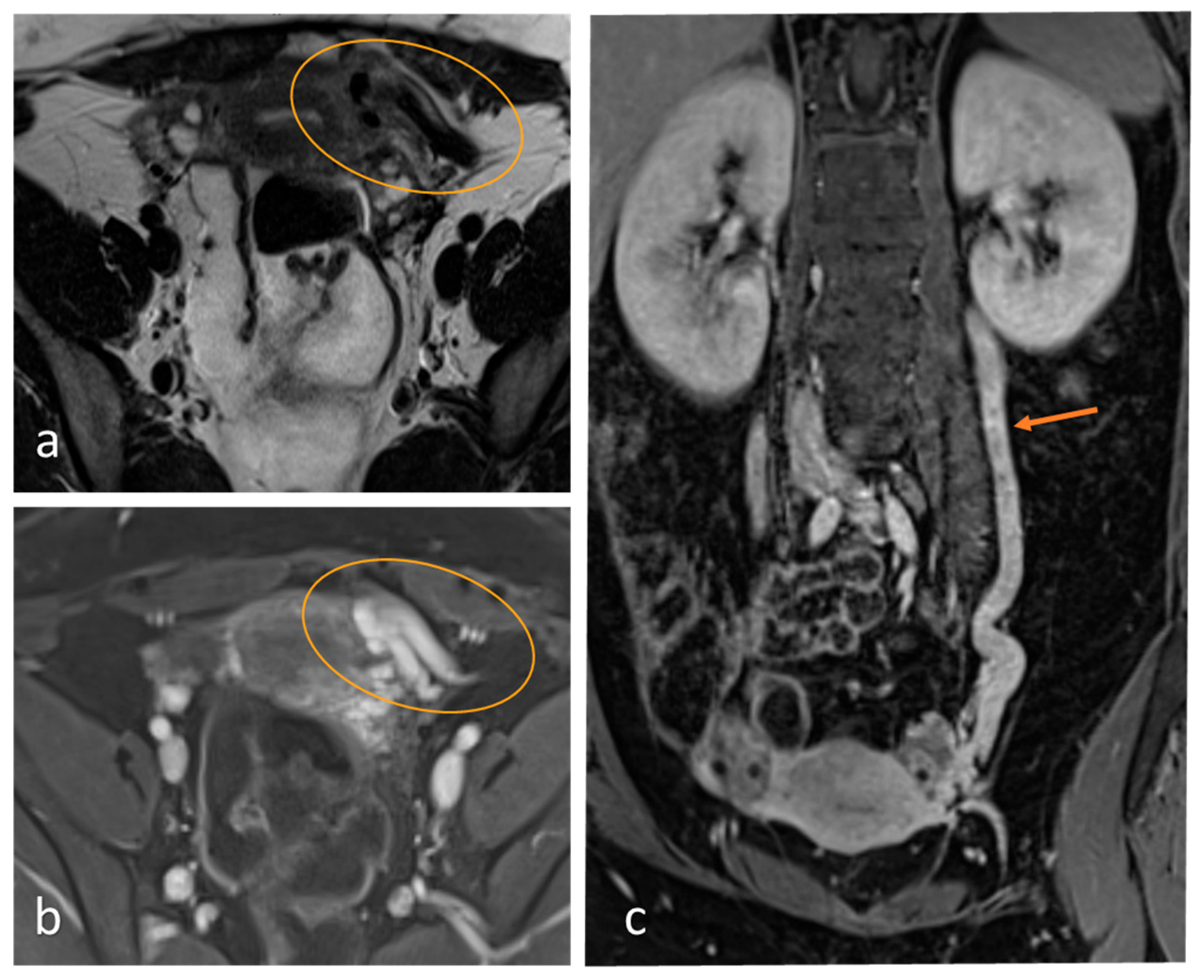
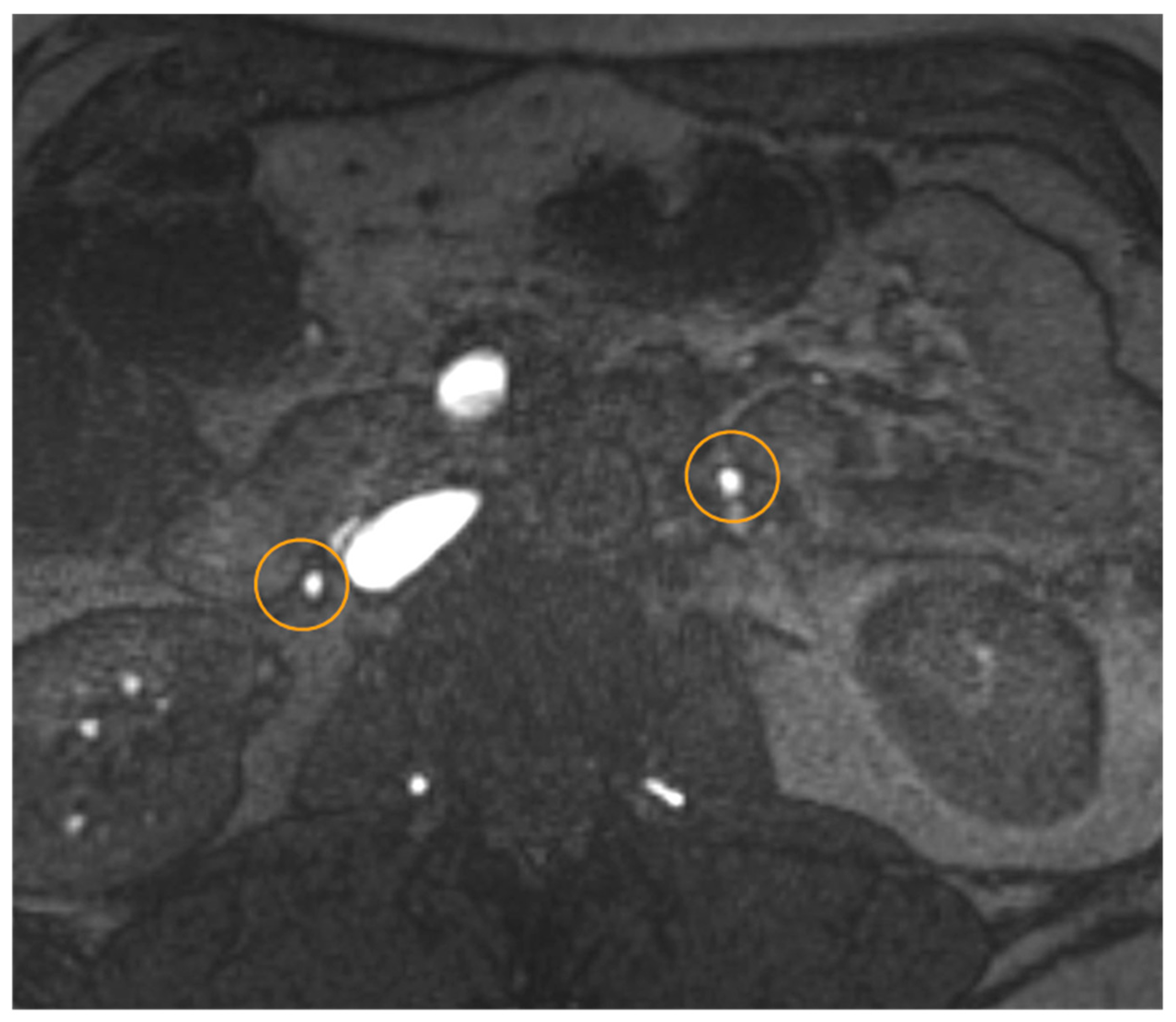
4.4.2. Magnetic Resonance Imaging/Magnetic Resonance Venography
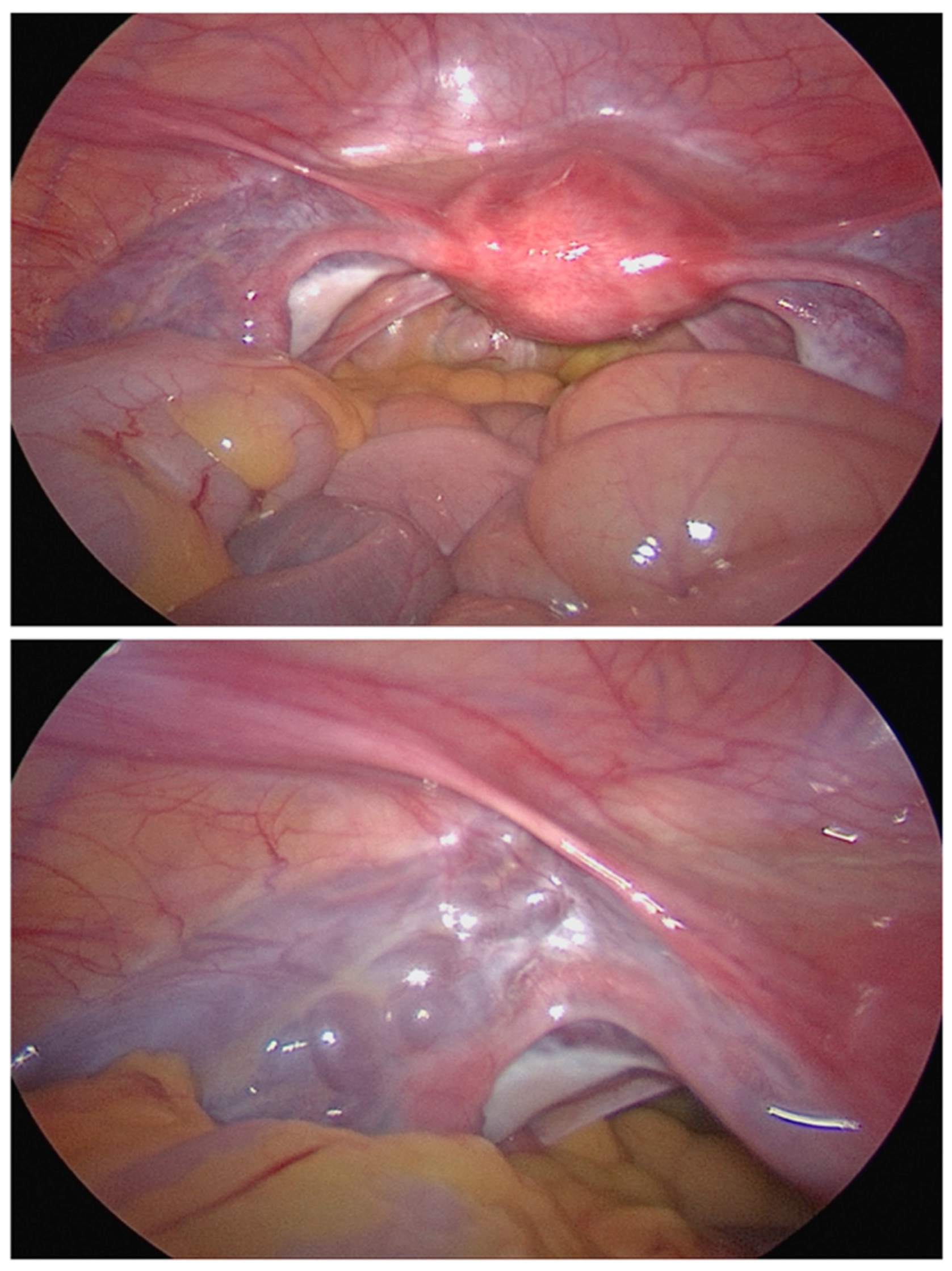
4.5. Laparoscopy
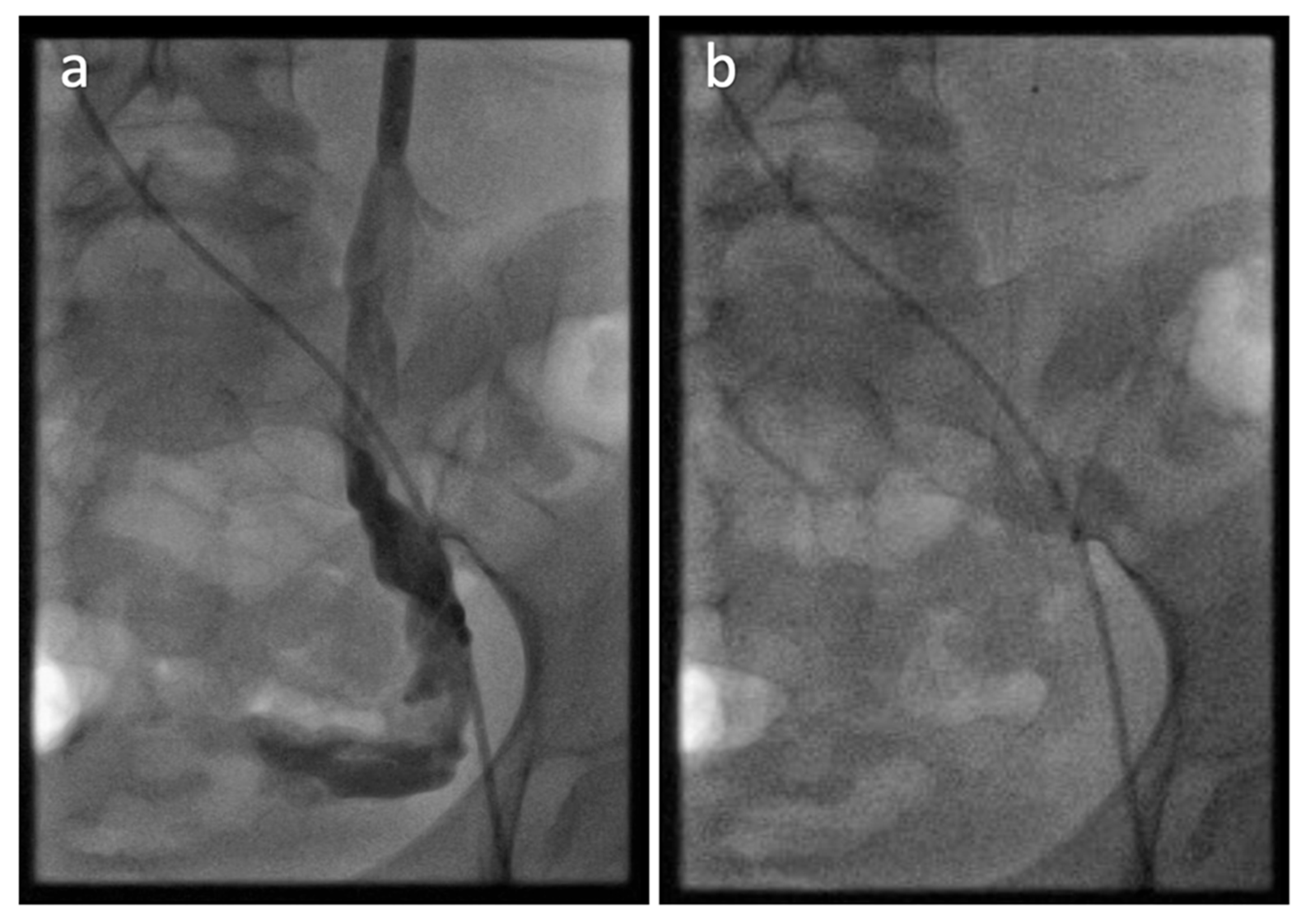
4.6. Venography
4.7. Conclusion: Diagnosis of PCS
4.8. Discussion: Diagnostics of PCS
5. Differential Diagnoses for PCS and CPP
5.1. The Problem with Endometriosis

| Endometriosis | PCS | |
|---|---|---|
| Dysmenorrhea | 90–100% [73,74] | Beginning 1 week before menses [74,75] |
| Dyschezia | 39% of patients with DIE [73] | Rare |
| Dyspareunia | 75%—deep, sharp, positional; cyclical [75] | 71–78%—dull ache, non-cyclical, worse post-coitus (65%) [74] |
| Bladder | Dysuria in 19% of patients with DIE [73] | Hematuria [26], daytime frequency, incomplete voiding, and nocturia to 65% [42] |
| Sterility/Infertility | Strongly associated [76] | Multiparity [36] |
| Pain pattern | Cyclical, worse with menstruation [77] | Not mainly cyclical, also worsens after standing or intercourse [74,78] |
| Clinical bimanual exam | Uterosacral ligament nodularity and pain, retroverted or fixed uterus [77] | Pelvic tenderness, fullness; often nonspecific [12] |
| Clinical inspection | Usually normal; in deep disease: possible bluish nodules or tenderness in posterior fornix [77] | Usually normal, may reveal vulvar, vaginal, or cervical varices (bluish dilated veins) [74] hemorrhoids and signs of CVI [46] |
| Risk factors | Early menarche, short cycles, nulliparity, estrogen exposure [77], family history | Multiparity, prolonged standing, CVI, hemorrhoids [46,78] |
| Ultrasound findings | Endometriomas (ground-glass cysts), ovarian adhesions, adenomyosis, sliding sign, DIE [77,79] | Dilated/tortuous pelvic veins (>7 mm) [49], venous reflux in Doppler [20] |
5.2. Differential Diagnoses for CPP
| Gynecological Differential Diagnoses for Chronic Pelvic Pain (CPP) | |||||
|---|---|---|---|---|---|
| Diagnosis | Incidence/Prevalence | Symptoms | Etiology | Treatment | Clinical Examination and Ultrasound |
| Endometriosis | Approx. 40,000/year in Germany: 33% of women undergoing laparoscopy for CPP [80] | Dysmenorrhea, dyspareunia, dyschezia and subfertility [81,82] | Endometrial tissue outside the uterine cavity and in myometrium. Many aspects still unclear. [80,83] | Medical amenorrhea (e.g., hormonal suppression) and/or surgery; multimodal pain management [80] | Vaginal sonography: sliding sign, adenomyosis, DIE nodes [79,84] |
| Adhesions/PID | 18–35% following PID; 36% of women with CPP show adhesions on laparoscopic findings [85] | CPP; Prev. history of PID or surgery [86] | Adhesions with possible nerve ingrowth, unclear correlation between the severity of adhesions and pain [87,88] | Adhesiolysis–-effectiveness unclear. [85,89] | Previous history of PID or surgery [90], sliding sign [47,90] |
| PCS | Approximately 30% prevalence, relevant in multiparous women [7,8,9,36] | Dull pelvic pain and congestion, worsened after prolonged standing or intercourse [91,92] | Venous valve insufficiency, hormonal influences [37] | Venography, Embolization [40] | Signs of varicosis [93], dilated veins, reflux in TVUS [35] |
| Ovarian retention/remnant syndrome | 84%with remaining ovarian tissue experienced pain [94,95] | Pain following hysterectomy or salpingo-oophorectomy [95] | Residual ovarian tissue after surgery causing pain [95,96] | Surgical removal of residual tissue [94,96] | No examination specifics or ultrasound findings |
| Fibroids | 14.5% of women with CPP had fibroids [97] | Chronic lower abdominal pain, often accompanied by bleeding disorders [97] | Benign uterine tumors [97] | Medical treatment (e.g., GnRH analogs, hormonal therapy) or surgical removal (myomectomy, LASH) [98] | TVUS: hypoechoic, round/oval masses, uterine enlargement, posterior acoustic shadowing [98] |
| Vulvodynia/Vestibulodynia | Prevalence: 8–28% [99,100] | Burning, stabbing, itching of the vulva, pain on touch or penetration [101,102] | Somat. pain disorder in vestibulodynia involves neuromyogenic and psychosomatic components. trigger: C. albicans [101,103,104] | Multimodal therapy: psychotherapy, local treatment (topical anesthetics, corticosteroids), physiotherapy [102,105] | Cotton swab test [105] |
| Non-Gynecological Differential Diagnoses for Chronic Pelvic Pain (CPP) | |||||
|---|---|---|---|---|---|
| Diagnosis | Incidence/Prevalence | Symptoms | Etiology | Treatment | Clinical Examination and Ultrasound |
| Irritable Bowel Syndrome | Around 1% [106] | Chronic symptoms > 3 months (e.g., pain, bloating), gut-related [107] | Functional disorder with no identifiable organic cause [107] | Symptom-oriented therapy depending on symptoms (diet, stress management, medication) [107] | Diagnosis by exclusion [107] |
| Crohn’s disease/Ulcerative colitis | 0.2% in Germany; 50% have CPP [108] | Lower abdominal pain, diarrhea, and weight loss [109,110] | Chronic inflammatory bowel disease (IBD), associated with HLA B27 [109] | Medical anti-inflammatory treatment; surgery if needed [109,110] | Ultrasound: wall thickening and signs of inflammatory activity in the colon are possible [110] |
| Celiac disease | 1.4% worldwide [111,112] | Dyspepsia, constipation, flatulence, fatigue, depression [112] | Autoimmune reaction to gluten. With HLA-DQ2 [112] | Gluten-free diet [112] | Dermatitis herpetiformis, signs of vitamin deficiency [112] |
| Diverticulitis and SUDD | Older women; prevalence in women aged 70–85 years: about 50% [113] | Left-sided pain, acute abdomen in case of perforation [113] | Diverticular inflammation [113] | Change of diet, antibiotics, and surgery during the inflammation-free interval [113] | Hypoechogenic wall thickening over 5 mm with loss of wall layers [113] |
| Interstitial cystitis/BPS | 52–500/100,000 women [114] | Pollakiuria, urinary urgency, and bladder pain [114] | Unclear, neurogenic and inflammatory components [114] | Increased fluid intake [114] | Diagnosis by exclusion [114] |
| Fibromyalgia | Common comorbidity in CPP [115,116] | Generalized pain, fatigue, and possibly RDS [116,117] | Functional, central sensitization [116,117] | Multimodal [116,117] | No specific findings on examination or ultrasound |
| Hernia/sciatic hernia | 2% diagnosed by laparoscopy in women with CPP [118] | Local searing pain, pain on exertion [118] | Hernia sac protrusion due to tissue weakness [118] | Surgical repair [118] | - |
6. Treatment of PCS
6.1. Analgesia
6.2. Compression Therapy
6.3. Hormonal Treatment
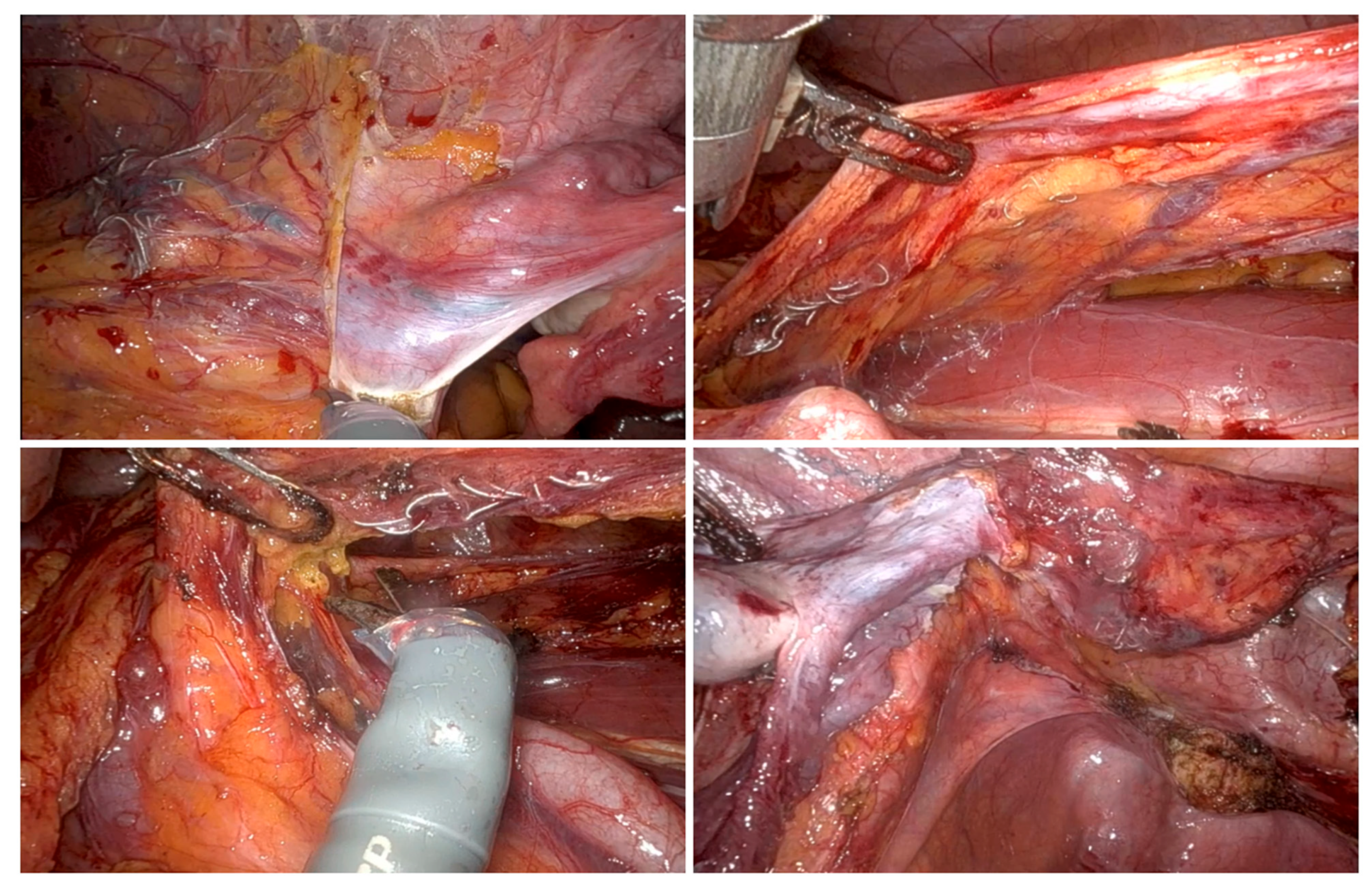
6.4. Laparoscopy
6.5. Endovascular Treatment
6.6. Conclusion: Treatment of PCS
6.7. Discussion: Treatment of PCS
7. Conclusions
Author Contributions
Funding
Data Availability Statement
Acknowledgments
Conflicts of Interest
Abbreviations
| AI | Artificial Intelligence |
| AMH | Anti-Müllerian Hormone |
| BPS | Bladder Pain Syndrome |
| CE-CT | Contrast-Enhanced Computed Tomography |
| cm/s | Centimeters per second |
| CO2 | Carbon Dioxide |
| CPP | Chronic Pelvic Pain |
| CT | Computed Tomography |
| CVI | Chronic Venous Insufficiency |
| DIE | Deep Infiltrating Endometriosis |
| E2/ER | Estrogen/Estrogen Receptor |
| FSH | Follicle-Stimulating Hormone |
| GnRH | Gonadotropin-Releasing Hormone |
| HLA | Human Leukocyte Antigen |
| IBD | Inflammatory Bowel Disease |
| IVC | Inferior Vena Cava |
| LASH | Laparoscopic Supracervical Hysterectomy |
| LH | Luteinizing Hormone |
| mm | Millimeters |
| MPA | Medroxyprogesterone Acetate |
| MPFF | Micronized Purified Flavonoid Fraction |
| MRI | Magnetic Resonance Imaging |
| MRV | Magnetic Resonance Venography |
| NSAIDs | Non-Steroidal Anti-Inflammatory Drugs |
| PCS | Pelvic Congestion Syndrome |
| PCOS | Polycystic Ovary Syndrome |
| PeVD | Pelvic Venous Disorders |
| PeVI/PVI | Pelvic Venous Insufficiency |
| PID | Pelvic Inflammatory Disease |
| PRISMA | Preferred Reporting Items for Systematic Reviews and Meta-Analyses |
| PVD | Pelvic Vein Diameter |
| RDS | Respiratory Distress Syndrome |
| s | Seconds |
| SUDD | Symptomatic Uncomplicated Diverticular Disease |
| TOF-MRA | Time-of-Flight MR Angiography |
| TVUS | Transvaginal Ultrasound |
| VAS | Visual Analog Scale |
References
- Ahangari, A. Prevalence of chronic pelvic pain among women: An updated review. Pain Physician 2014, 17, E141–E147. [Google Scholar] [CrossRef]
- Latthe, P.; Latthe, M.; Say, L.; Gülmezoglu, M.; Khan, K.S. WHO systematic review of prevalence of chronic pelvic pain: A neglected reproductive health morbidity. BMC Public Health 2006, 6, 177. [Google Scholar] [CrossRef]
- Huang, G.; Le, A.L.; Goddard, Y.; James, D.; Thavorn, K.; Payne, M.; Chen, I. A Systematic Review of the Cost of Chronic Pelvic Pain in Women. J. Obstet. Gynaecol. Can. 2022, 44, 286–293.e3. [Google Scholar] [CrossRef]
- Mahmood, T.A.; Templeton, A.A.; Thomson, L.; Fraser, C. Menstrual symptoms in women with pelvic endometriosis. Br. J. Obstet. Gynaecol. 1991, 98, 558–563. [Google Scholar] [CrossRef]
- Lamvu, G.; Carrillo, J.; Ouyang, C.; Rapkin, A. Chronic Pelvic Pain in Women: A Review. JAMA 2021, 325, 2381–2391. [Google Scholar] [CrossRef] [PubMed]
- Howard, F.M. The role of laparoscopy in chronic pelvic pain: Promise and pitfalls. Obstet. Gynecol. Surv. 1993, 48, 357–387. [Google Scholar] [CrossRef] [PubMed]
- Beard, R.W.; Highman, J.H.; Pearce, S.; Reginald, P.W. Diagnosis of pelvic varicosities in women with chronic pelvic pain. Lancet 1984, 2, 946–949. [Google Scholar] [CrossRef]
- Kuo, C.H.; Martingano, D.J.; Singh, P. Pelvic Congestion Syndrome. In StatPearls; StatPearls Publishing LLC.: Treasure Island, FL, USA, 2025. [Google Scholar]
- O’Brien, M.T.; Gillespie, D.L. Diagnosis and treatment of the pelvic congestion syndrome. J. Vasc. Surg. Venous Lymphat. Disord. 2015, 3, 96–106. [Google Scholar] [CrossRef] [PubMed]
- Pennec, V.L.; Douane, F.; Brun, J.L.; Thouveny, F.; Martinelli, T.; Bravetti, M.; Mastier, C.; Le Bras, Y.; Rogopoulos, A.; Barral, P.A.; et al. Endovascular management of pelvic congestion syndrome: An expert consensus statement from the French Society of Cardiovascular Imaging (SFICV), Interventional Radiology Federation (FRI), College of French Radiology Teachers (CERF), and French Society of Women’s Imaging (SIFEM). Diagn. Interv. Imaging 2025, 106, 356–366. [Google Scholar] [CrossRef]
- Soysal, M.E.; Soysal, S.; Vicdan, K.; Ozer, S. A randomized controlled trial of goserelin and medroxyprogesterone acetate in the treatment of pelvic congestion. Hum. Reprod. 2001, 16, 931–939. [Google Scholar] [CrossRef]
- Beard, R.W.; Reginald, P.W.; Wadsworth, J. Clinical features of women with chronic lower abdominal pain and pelvic congestion. Br. J. Obstet. Gynaecol. 1988, 95, 153–161. [Google Scholar] [CrossRef]
- Sisto, T.; Reunanen, A.; Laurikka, J.; Impivaara, O.; Heliövaara, M.; Knekt, P.; Aromaa, A. Prevalence and risk factors of varicose veins in lower extremities: Mini-Finland health survey. Eur. J. Surg. 1995, 161, 405–414. [Google Scholar]
- Whiteley, M.S.; Imran, H.A. Pelvic venous disorders (PeVD) are not well represented in obstetrics and gynaecology journals. Phlebology 2025, 40, 441–445. [Google Scholar] [CrossRef]
- Howard, F.M.; El-Minawi, A.M.; Sanchez, R.A. Conscious pain mapping by laparoscopy in women with chronic pelvic pain. Obstet. Gynecol. 2000, 96, 934–939. [Google Scholar] [CrossRef] [PubMed]
- Bałabuszek, K.; Toborek, M.; Pietura, R. Comprehensive overview of the venous disorder known as pelvic congestion syndrome. Ann. Med. 2022, 54, 22–36. [Google Scholar] [CrossRef]
- Page, M.J.; McKenzie, J.E.; Bossuyt, P.M.; Boutron, I.; Hoffmann, T.C.; Mulrow, C.D.; Shamseer, L.; Tetzlaff, J.M.; Akl, E.A.; Brennan, S.E.; et al. The PRISMA 2020 statement: An updated guideline for reporting systematic reviews. Int. J. Surg. 2021, 88, 105906. [Google Scholar] [CrossRef]
- Raffetto, J.D.; Qiao, X.; Beauregard, K.G.; Khalil, R.A. Estrogen receptor-mediated enhancement of venous relaxation in female rat: Implications in sex-related differences in varicose veins. J. Vasc. Surg. 2010, 51, 972–981. [Google Scholar] [CrossRef]
- Greiner, M.; Dadon, M.; Lemasle, P.; Cluzel, P. How Does the Pathophysiology Influence the Treatment of Pelvic Congestion Syndrome and is the Result Long-lasting? Phlebology 2012, 27, 58–64. [Google Scholar] [CrossRef] [PubMed]
- Park, S.J.; Lim, J.W.; Ko, Y.T.; Lee, D.H.; Yoon, Y.; Oh, J.H.; Lee, H.K.; Huh, C.Y. Diagnosis of pelvic congestion syndrome using transabdominal and transvaginal sonography. AJR Am. J. Roentgenol. 2004, 182, 683–688. [Google Scholar] [CrossRef] [PubMed]
- Kennedy, A.; Hemingway, A. Radiology of ovarian varices. Br. J. Hosp. Med. 1990, 44, 38–43. [Google Scholar]
- Barber, B.; Horton, A.; Patel, U. Anatomy of the Origin of the Gonadal Veins on CT. J. Vasc. Interv. Radiol. 2012, 23, 211–215. [Google Scholar] [CrossRef]
- Awad, A.S.; Taha, M.M.M.; Manaf, M.H.A.; Gad, M.M.M.; Mashhour, S.N. Role of multi-detector CT venography in evaluation of pelvic congestion syndrome. Egypt. J. Radiol. Nucl. Med. 2020, 51, 159. [Google Scholar] [CrossRef]
- Dimopoulos, C.; Bisdas, S.; Bisdas, T. Pudendal Nerve Irritation as Unique Symptom of Pelvic Congestion Syndrome. Case Rep. Neurol. Med. 2025, 2025, 7952359. [Google Scholar] [CrossRef]
- Possover, M.; Khazali, S.; Fazel, A. Pelvic congestion syndrome and May-Thurner syndrome as causes for chronic pelvic pain syndrome: Neuropelveological diagnosis and corresponding therapeutic options. Facts Views Vis. ObGyn 2021, 13, 141–148. [Google Scholar] [CrossRef]
- Kurklinsky, A.K.; Rooke, T.W. Nutcracker phenomenon and nutcracker syndrome. Mayo Clin. Proc. 2010, 85, 552–559. [Google Scholar] [CrossRef] [PubMed]
- Black, C.M.; Thorpe, K.; Venrbux, A.; Kim, H.S.; Millward, S.F.; Clark, T.W.; Kundu, S.; Martin, L.G.; Sacks, D.; York, J.; et al. Research reporting standards for endovascular treatment of pelvic venous insufficiency. J. Vasc. Interv. Radiol. 2010, 21, 796–803. [Google Scholar] [CrossRef] [PubMed]
- Khilnani, N.M.; Meissner, M.H.; Learman, L.A.; Gibson, K.D.; Daniels, J.P.; Winokur, R.S.; Marvel, R.P.; Machan, L.; Venbrux, A.C.; Tu, F.F.; et al. Research Priorities in Pelvic Venous Disorders in Women: Recommendations from a Multidisciplinary Research Consensus Panel. J. Vasc. Interv. Radiol. 2019, 30, 781–789. [Google Scholar] [CrossRef]
- Ahlberg, N.E.; Bartley, O.; Chidekel, N. Right and left gonadal veins. An anatomical and statistical study. Acta Radiol. Diagn. 1966, 4, 593–601. [Google Scholar] [CrossRef] [PubMed]
- MacColl, E.; Khalil, R.A. Matrix Metalloproteinases as Regulators of Vein Structure and Function: Implications in Chronic Venous Disease. J. Pharmacol. Exp. Ther. 2015, 355, 410–428. [Google Scholar] [CrossRef] [PubMed]
- Nykonenko, A.; Trailin, A.; Lazarashvili, Z.; Proczka, R.M.; Havrylenko, B.; Nykonenko, O. Morphological Changes of the Ovarian Vein in Pelvic Venous Disorders. Eur. J. Vasc. Endovasc. Surg. 2024, 67, 500–505. [Google Scholar] [CrossRef]
- Hodgkinson, C.P. Physiology of the ovarian veins during pregnancy. Obstet. Gynecol. 1953, 1, 26–37. [Google Scholar]
- Lee, A.J.; Robertson, L.A.; Boghossian, S.M.; Allan, P.L.; Ruckley, C.V.; Fowkes, F.G.; Evans, C.J. Progression of varicose veins and chronic venous insufficiency in the general population in the Edinburgh Vein Study. J. Vasc. Surg. Venous Lymphat. Disord. 2015, 3, 18–26. [Google Scholar] [CrossRef] [PubMed]
- Adams, J.; Reginald, P.W.; Franks, S.; Wadsworth, J.; Beard, R.W. Uterine size and endometrial thickness and the significance of cystic ovaries in women with pelvic pain due to congestion. Br. J. Obstet. Gynaecol. 1990, 97, 583–587. [Google Scholar] [CrossRef] [PubMed]
- Halligan, S.; Campbell, D.; Bartram, C.I.; Rogers, V.; El-Haddad, C.; Patel, S.; Beard, R.W. Transvaginal ultrasound examination of women with and without pelvic venous congestion. Clin. Radiol. 2000, 55, 954–958. [Google Scholar] [CrossRef]
- Rozenblit, A.M.; Ricci, Z.J.; Tuvia, J.; Amis, E.S., Jr. Incompetent and dilated ovarian veins: A common CT finding in asymptomatic parous women. AJR Am. J. Roentgenol. 2001, 176, 119–122. [Google Scholar] [CrossRef]
- Farquhar, C.M.; Rogers, V.; Franks, S.; Pearce, S.; Wadsworth, J.; Beard, R.W. A randomized controlled trial of medroxyprogesterone acetate and psychotherapy for the treatment of pelvic congestion. Br. J. Obstet. Gynaecol. 1989, 96, 1153–1162. [Google Scholar] [CrossRef]
- Viala, J.L.; Flandre, O.; Girardot, B.; Maamer, M. Histology of the pelvic vein. Initial approach. Phlebologie 1991, 44, 369–372; discussion 373. [Google Scholar]
- Gardenghi, L.A.; Dezotti, N.R.A.; Dalio, M.B.; Martins, W.P.; Joviliano, E.E.; Piccinato, C.E. Lower limb venous diameters and haemodynamics during pregnancy and postpartum period in healthy primigravidae. Phlebology 2017, 32, 670–678. [Google Scholar] [CrossRef]
- Antignani, P.L.; Lazarashvili, Z.; Monedero, J.L.; Ezpeleta, S.Z.; Whiteley, M.S.; Khilnani, N.M.; Meissner, M.H.; Wittens, C.H.; Kurstjens, R.L.; Belova, L.; et al. Diagnosis and treatment of pelvic congestion syndrome: UIP consensus document. Int. Angiol. 2019, 38, 265–283. [Google Scholar] [CrossRef]
- Hudelist, G.; Fritzer, N.; Thomas, A.; Niehues, C.; Oppelt, P.; Haas, D.; Tammaa, A.; Salzer, H. Diagnostic delay for endometriosis in Austria and Germany: Causes and possible consequences. Hum. Reprod. 2012, 27, 3412–3416. [Google Scholar] [CrossRef] [PubMed]
- Wong, W.Y.T.; Cheung, M.Y.; Brown, B.; Liang, E. Does Pelvic Congestion Cause Bladder Symptoms-Potential New Indication to Treat Pelvic Congestion. J. Med. Imaging Radiat. Oncol. 2025, 69, 221–227. [Google Scholar] [CrossRef]
- Maulenkul, T.; Kuandyk, A.; Makhadiyeva, D.; Dautova, A.; Terzic, M.; Oshibayeva, A.; Moldaliyev, I.; Ayazbekov, A.; Maimakov, T.; Saruarov, Y.; et al. Understanding the impact of endometriosis on women’s life: An integrative review of systematic reviews. BMC Women’s Health 2024, 24, 524. [Google Scholar] [CrossRef]
- Hobbs, J.T. The pelvic congestion syndrome. Br. J. Hosp. Med. 1990, 43, 200–206. [Google Scholar]
- Gavrilov, S.G.; Moskalenko, Y.P. Does pelvic congestion syndrome influence symptoms of chronic venous disease of the lower extremities? Eur. J. Obstet. Gynecol. Reprod. Biol. 2019, 243, 83–86. [Google Scholar] [CrossRef]
- Holdstock, J.M.; Dos Santos, S.J.; Harrison, C.C.; Price, B.A.; Whiteley, M.S. Haemorrhoids are associated with internal iliac vein reflux in up to one-third of women presenting with varicose veins associated with pelvic vein reflux. Phlebology 2015, 30, 133–139. [Google Scholar] [CrossRef] [PubMed]
- Yuvacı, H.U.; Cevrioğlu, A.S.; Gündüz, Y.; Akdemir, N.; Karacan, A.; Erkorkmaz, Ü.; Keskin, A. Does applied ultrasound prior to laparoscopy predict the existence of intra-abdominal adhesions? Turk. J. Med. Sci. 2020, 50, 304–311. [Google Scholar] [CrossRef]
- Patel, M.D.; Young, S.W.; Dahiya, N. Ultrasound of Pelvic Pain in the Nonpregnant Woman. Radiol. Clin. N. Am. 2019, 57, 601–616. [Google Scholar] [CrossRef] [PubMed]
- Pitoulias, A.G.; Andrioti Petropoulou, N.; Bontinis, V.; Chatzelas, D.A.; Bontinis, A.; Thano, A.; Pitoulias, G.A. Ultrasonography in the diagnosis of pelvic vein insufficiency, a systematic review and meta-analysis. Phlebology 2025, 40, 386–394. [Google Scholar] [CrossRef]
- Kim, T.S.; Yun, S.; Kim, W.; Ohe, H.; Lee, S.C.; Lee, S.H.; Yun, S.S. Guideline Development—The 2023 Korean Society for Phlebology Clinical Practice Guidelines for the Ultrasonographic Evaluation of Varicose Veins of the Lower Extremities. Ann. Phlebol. 2023, 21, 53–59. [Google Scholar] [CrossRef]
- Campbell, D.; Halligan, S.; Bartram, C.I.; Rogers, V.; Hollings, N.; Kingston, K.; Sahdev, A.; Beard, R.W. Transvaginal power Doppler ultrasound in pelvic congestion. Acta Radiol. 2003, 44, 269–274. [Google Scholar] [CrossRef] [PubMed]
- Szkodziak, F.; Woźniak, S.; Kudła, M.; Rogowska-Malicka, P.; Szkodziak, P.; Paszkowski, M.; Pyra, K.; Paszkowski, T. The usefulness of transvaginal ultrasonography in the diagnosis of pelvic venous disorders. Sci. Rep. 2025, 15, 24776. [Google Scholar] [CrossRef]
- Arnoldussen, C.W.; de Wolf, M.A.; Wittens, C.H. Diagnostic imaging of pelvic congestive syndrome. Phlebology 2015, 30, 67–72. [Google Scholar] [CrossRef] [PubMed]
- Jurga-Karwacka, A.; Karwacki, G.M.; Schoetzau, A.; Zech, C.J.; Heinzelmann-Schwarz, V.; Schwab, F.D. A forgotten disease: Pelvic congestion syndrome as a cause of chronic lower abdominal pain. PLoS ONE 2019, 14, e0213834. [Google Scholar] [CrossRef]
- Taylor, H.C., Jr. Vascular congestion and hyperemia; their effect on function and structure in the female reproductive organs; etiology and therapy. Am. J. Obstet. Gynecol. 1949, 57, 654–668. [Google Scholar] [CrossRef] [PubMed]
- Steenbeek, M.P.; van der Vleuten, C.J.M.; Schultze Kool, L.J.; Nieboer, T.E. Noninvasive diagnostic tools for pelvic congestion syndrome: A systematic review. Acta Obstet. Gynecol. Scand. 2018, 97, 776–786. [Google Scholar] [CrossRef]
- Aiob, A.; Gumin, D.; Luder Stinski, A.; Lowenstein, L.; Sharon, A. Diagnostic Accuracy of MRI Using the #Enzian Classification in Endometriosis: A Single-Center Retrospective Cohort Study. Gynecol. Obstet. Investig. 2025, 1. [Google Scholar] [CrossRef]
- Venbrux, A.C.; Chang, A.H.; Kim, H.S.; Montague, B.J.; Hebert, J.B.; Arepally, A.; Rowe, P.C.; Barron, D.F.; Lambert, D.; Robinson, J.C. Pelvic congestion syndrome (pelvic venous incompetence): Impact of ovarian and internal iliac vein embolotherapy on menstrual cycle and chronic pelvic pain. J. Vasc. Interv. Radiol. 2002, 13, 171–178. [Google Scholar] [CrossRef]
- Champaneria, R.; Shah, L.; Moss, J.; Gupta, J.K.; Birch, J.; Middleton, L.J.; Daniels, J.P. The relationship between pelvic vein incompetence and chronic pelvic pain in women: Systematic reviews of diagnosis and treatment effectiveness. Health Technol. Assess. 2016, 20, 1–108. [Google Scholar] [CrossRef]
- Paulus, T.; Minko, P.; Petersen, T.O.; Hoffmann, R.T.; Kern, P.; Abolmaali, N. Pelvic venous disorders in women—Diagnosis and therapy. Rofo 2025, 197, 1068–1076. [Google Scholar] [CrossRef] [PubMed]
- Lombardi, P.; Carr, J.C.; Allen, B.D.; Edelman, R.R. Updates in Magnetic Resonance Venous Imaging. Semin. Interv. Radiol. 2021, 38, 202–208. [Google Scholar] [CrossRef]
- Cochran, R.L.; Ghoshhajra, B.B.; Hedgire, S.S. Body and Extremity MR Venography: Technique, Clinical Applications, and Advances. Magn. Reson. Imaging Clin. N. Am. 2023, 31, 413–431. [Google Scholar] [CrossRef] [PubMed]
- Yang, D.M.; Kim, H.C.; Nam, D.H.; Jahng, G.H.; Huh, C.Y.; Lim, J.W. Time-resolved MR angiography for detecting and grading ovarian venous reflux: Comparison with conventional venography. Br. J. Radiol. 2012, 85, e117–e122. [Google Scholar] [CrossRef]
- Belenky, A.; Bartal, G.; Atar, E.; Cohen, M.; Bachar, G.N. Ovarian varices in healthy female kidney donors: Incidence, morbidity, and clinical outcome. AJR Am. J. Roentgenol. 2002, 179, 625–627. [Google Scholar] [CrossRef] [PubMed]
- Wagner, E.; Chandler, J.N.; Mihalov, L.S. Minimizing Trendelenburg Position for Laparoscopic Gynecologic Surgery [6L]. Obstet. Gynecol. 2019, 133, 130S. [Google Scholar] [CrossRef]
- Brahmbhatt, A.; Macher, J.; Shetty, A.N.; Chughtai, K.; Baah, N.O.; Dogra, V.S. Sonographic Evaluation of Pelvic Venous Disorders. Ultrasound Q. 2021, 37, 219–228. [Google Scholar] [CrossRef] [PubMed]
- Leiber, L.M.; Thouveny, F.; Bouvier, A.; Labriffe, M.; Berthier, E.; Aubé, C.; Willoteaux, S. MRI and venographic aspects of pelvic venous insufficiency. Diagn. Interv. Imaging 2014, 95, 1091–1102. [Google Scholar] [CrossRef]
- Pacheco, K.G.; Fortes de Oliveira, M.R. The Prevalence of Ovarian Varices in Patients with Endometriosis. Ann. Vasc. Surg. 2016, 34, 135–143. [Google Scholar] [CrossRef]
- Eskenazi, B.; Warner, M.L. Epidemiology of endometriosis. Obstet. Gynecol. Clin. N. Am. 1997, 24, 235–258. [Google Scholar] [CrossRef]
- Wardle, P.G.; Hull, M.G. Is endometriosis a disease? Baillieres Clin. Obstet. Gynaecol. 1993, 7, 673–685. [Google Scholar] [CrossRef]
- Marana, R.; Muzii, L.; Caruana, P.; Dell’Acqua, S.; Mancuso, S. Evaluation of the correlation between endometriosis extent, age of the patients and associated symptomatology. Acta Eur. Fertil. 1991, 22, 209–212. [Google Scholar]
- Reginald, P.W.; Adams, J.; Franks, S.; Wadsworth, J.; Beard, R.W. Medroxyprogesterone acetate in the treatment of pelvic pain due to venous congestion. Br. J. Obstet. Gynaecol. 1989, 96, 1148–1152. [Google Scholar] [CrossRef]
- Reiser, E.; Göbel, G.; Perricos-Hess, A.; Buchweitz, O.; Jaekel, M.; Westphal, E.; Rimbach, S.; Woelfler, M.; Kraemer, B.; Kolben, T.; et al. Evaluation of the association between self-reported pre-operative symptoms with surgically diagnosed endometriosis using the #ENZIAN classification in a multi-centre cohort. Hum. Reprod. 2025, 40, 1643–1650. [Google Scholar] [CrossRef]
- Perry, C.P. Current concepts of pelvic congestion and chronic pelvic pain. J. Soc. Laparoendosc. Surg. 2001, 5, 105–110. [Google Scholar]
- Del Forno, S.; Raspollini, A.; Doglioli, M.; Andreotti, A.; Spagnolo, E.; Lenzi, J.; Borghese, G.; Raimondo, D.; Arena, A.; Rodriguez, E.; et al. Painful sexual intercourse, quality of life and sexual function in patients with endometriosis: Not just deep dyspareunia. Arch. Gynecol. Obstet. 2024, 310, 2091–2100. [Google Scholar] [CrossRef] [PubMed]
- As-Sanie, S.; Mackenzie, S.C.; Morrison, L.; Schrepf, A.; Zondervan, K.T.; Horne, A.W.; Missmer, S.A. Endometriosis: A Review. JAMA 2025, 334, 64–78. [Google Scholar] [CrossRef] [PubMed]
- Becker, C.M.; Bokor, A.; Heikinheimo, O.; Horne, A.; Jansen, F.; Kiesel, L.; King, K.; Kvaskoff, M.; Nap, A.; Petersen, K.; et al. ESHRE guideline: Endometriosis. Hum. Reprod. Open 2022, 2022, hoac009. [Google Scholar] [CrossRef]
- Durham, J.D.; Machan, L. Pelvic congestion syndrome. Semin. Interv. Radiol. 2013, 30, 372–380. [Google Scholar] [CrossRef] [PubMed]
- Leonardi, M.; Condous, G. How to perform an ultrasound to diagnose endometriosis. Australas. J. Ultrasound Med. 2018, 21, 61–69. [Google Scholar] [CrossRef]
- Ulrich, U.; Buchweitz, O.; Greb, R.; Keckstein, J.; von Leffern, I.; Oppelt, P.; Renner, S.P.; Sillem, M.; Stummvoll, W.; De Wilde, R.L.; et al. National German Guideline (S2k): Guideline for the Diagnosis and Treatment of Endometriosis: Long Version—AWMF Registry No. 015-045. Geburtshilfe Frauenheilkd 2014, 74, 1104–1118. [Google Scholar] [CrossRef]
- Ozawa, Y.; Murakami, T.; Terada, Y.; Yaegashi, N.; Okamura, K.; Kuriyama, S.; Tsuji, I. Management of the Pain Associated with Endometriosis: An Update of the Painful Problems. Tohoku J. Exp. Med. 2006, 210, 175–188. [Google Scholar] [CrossRef]
- Gambone, J.C.; Mittman, B.S.; Munro, M.G.; Scialli, A.R.; Winkel, C.A. Consensus statement for the management of chronic pelvic pain and endometriosis: Proceedings of an expert-panel consensus process. Fertil. Steril. 2002, 78, 961–972. [Google Scholar] [CrossRef]
- Tokushige, N.; Markham, R.; Russell, P.; Fraser, I.S. Nerve fibres in peritoneal endometriosis. Hum. Reprod. 2006, 21, 3001–3007. [Google Scholar] [CrossRef] [PubMed]
- Burghaus, S.; Schäfer, S.D.; Beckmann, M.W.; Brandes, I.; Brünahl, C.; Chvatal, R.; Drahoňovský, J.; Dudek, W.; Ebert, A.D.; Fahlbusch, C.; et al. Diagnosis and Treatment of Endometriosis. Guideline of the DGGG, SGGG and OEGGG (S2k Level, AWMF Registry Number 015/045, August 2020). Geburtshilfe Frauenheilkd 2021, 81, 422–446. [Google Scholar] [CrossRef]
- van den Beukel, B.A.; de Ree, R.; van Leuven, S.; Bakkum, E.A.; Strik, C.; van Goor, H.; Ten Broek, R.P.G. Surgical treatment of adhesion-related chronic abdominal and pelvic pain after gynaecological and general surgery: A systematic review and meta-analysis. Hum. Reprod. Update 2017, 23, 276–288. [Google Scholar] [CrossRef] [PubMed]
- Chronic Pelvic Pain. ACOG Practice Bulletin No. 51. Chronic pelvic pain. Obstet. Gynecol. 2004, 103, 589–605. [Google Scholar] [CrossRef]
- Kligman, I.; Drachenberg, C.; Papadimitriou, J.; Katz, E. Immunohistochemical demonstration of nerve fibers in pelvic adhesions. Obstet. Gynecol. 1993, 82, 566–568. [Google Scholar] [PubMed]
- Sulaiman, H.; Gabella, G.; Davis, C.; Mutsaers, S.E.; Boulos, P.; Laurent, G.J.; Herrick, S.E. Growth of nerve fibres into murine peritoneal adhesions. J. Pathol. 2000, 192, 396–403. [Google Scholar] [CrossRef]
- Hammoud, A.; Gago, L.A.; Diamond, M.P. Adhesions in patients with chronic pelvic pain: A role for adhesiolysis? Fertil. Steril. 2004, 82, 1483–1491. [Google Scholar] [CrossRef]
- Drukker, L.; Sela, H.Y.; Reichman, O.; Rabinowitz, R.; Samueloff, A.; Shen, O. Sliding Sign for Intra-abdominal Adhesion Prediction Before Repeat Cesarean Delivery. Obstet. Gynecol. 2018, 131, 529–533. [Google Scholar] [CrossRef]
- Mahmoud, O.; Vikatmaa, P.; Aho, P.; Halmesmäki, K.; Albäck, A.; Rahkola-Soisalo, P.; Lappalainen, K.; Venermo, M. Efficacy of endovascular treatment for pelvic congestion syndrome. J. Vasc. Surg. Venous Lymphat. Disord. 2016, 4, 355–370. [Google Scholar] [CrossRef]
- Topolanski-Sierra, R. Pelvic Phlebography. Am. J. Obstet. Gynecol. 1958, 76, 44–52. [Google Scholar] [CrossRef]
- Marsh, P.; Holdstock, J.; Harrison, C.; Smith, C.; Price, B.A.; Whiteley, M.S. Pelvic vein reflux in female patients with varicose veins: Comparison of incidence between a specialist private vein clinic and the vascular department of a National Health Service District General Hospital. Phlebology 2009, 24, 108–113. [Google Scholar] [CrossRef] [PubMed]
- Magtibay, P.M.; Magrina, J.F. Ovarian remnant syndrome. Clin. Obstet. Gynecol. 2006, 49, 526–534. [Google Scholar] [CrossRef]
- Colombi, I.; Centini, G.; Martire, F.G.; Ginetti, A.; Cannoni, A.; Lazzeri, L.; Severi, F.M.; Zupi, E. Ovarian remnant syndrome: An unsuspected diagnosis. Facts Views Vis. Obgyn 2025, 17, 170–179. [Google Scholar] [CrossRef]
- Kho, R.M.; Abrao, M.S. Ovarian remnant syndrome: Etiology, diagnosis, treatment and impact of endometriosis. Curr. Opin. Obstet. Gynecol. 2012, 24, 210–214. [Google Scholar] [CrossRef]
- Zimmermann, A.; Bernuit, D.; Gerlinger, C.; Schaefers, M.; Geppert, K. Prevalence, symptoms and management of uterine fibroids: An international internet-based survey of 21,746 women. BMC Women’s Health 2012, 12, 6. [Google Scholar] [CrossRef]
- Arnreiter, C.; Oppelt, P. A Systematic Review of the Treatment of Uterine Myomas Using Transcervical Ultrasound-Guided Radiofrequency Ablation with the Sonata System. J. Minim. Invasive Gynecol. 2021, 28, 1462–1469. [Google Scholar] [CrossRef]
- Rosen, N.O.; Bergeron, S.; Pukall, C.F. Recommendations for the Study of Vulvar Pain in Women, Part 1: Review of Assessment Tools. J. Sex. Med. 2019, 17, 180–194. [Google Scholar] [CrossRef] [PubMed]
- Harlow, B.L.; Kunitz, C.G.; Nguyen, R.H.N.; Rydell, S.A.; Turner, R.M.; MacLehose, R.F. Prevalence of symptoms consistent with a diagnosis of vulvodynia: Population-based estimates from 2 geographic regions. Am. J. Obstet. Gynecol. 2014, 210, 40.e1–40.e8. [Google Scholar] [CrossRef]
- Bedford, L.; Parker, S.E.; Davis, E.; Salzman, E.; Hillier, S.L.; Foxman, B.; Harlow, B.L. Characteristics of the vaginal microbiome in women with and without clinically confirmed vulvodynia. Am. J. Obstet. Gynecol. 2020, 223, 406.e1–406.e16. [Google Scholar] [CrossRef] [PubMed]
- Bornstein, J.; Cohen, Y.; Zarfati, D.; Sela, S.; Ophir, E. Involvement of heparanase in the pathogenesis of localized vulvodynia. Int. J. Gynecol. Pathol. 2008, 27, 136–141. [Google Scholar] [CrossRef]
- Khandker, M.; Brady, S.S.; Stewart, E.G.; Harlow, B.L. Is Chronic Stress During Childhood Associated with Adult-Onset Vulvodynia? J. Women’s Health 2014, 23, 649–656. [Google Scholar] [CrossRef]
- Falsetta, M.L.; Foster, D.C.; Woeller, C.F.; Pollock, S.J.; Bonham, A.D.; Haidaris, C.G.; Stodgell, C.J.; Phipps, R.P. Identification of novel mechanisms involved in generating localized vulvodynia pain. Am. J. Obstet. Gynecol. 2015, 213, 38.e1–38.e12. [Google Scholar] [CrossRef]
- Haefner, H.K.; Collins, M.E.; Davis, G.D.; Edwards, L.; Foster, D.C.; Hartmann, E.H.; Kaufman, R.H.; Lynch, P.J.; Margesson, L.J.; Moyal-Barracco, M.; et al. The Vulvodynia Guideline. J. Low. Genit. Tract Dis. 2005, 9, 40–51. [Google Scholar] [CrossRef] [PubMed]
- Häuser, W.; Marschall, U.; Layer, P.; Grobe, T. The Prevalence, Comorbidity, Management and Costs of Irritable Bowel Syndrome. Dtsch. Arztebl. Int. 2019, 116, 463–470. [Google Scholar] [CrossRef]
- Keller, J.; Wedel, T.; Seidl, H.; Kreis, M.E.; Andresen, V.; Preiß, J.C.; Layer, P.; van der Voort, I. S3-Leitlinie der Deutschen Gesellschaft für Verdauungs- und Stoffwechselkrankheiten (DGVS) und der Deutschen Gesellschaft für Neurogastroenterologie und Motilität (DGNM) zu Definition, Pathophysiologie, Diagnostik und Therapie intestinaler Motilitätsstörungen. Z. Gastroenterol. 2011, 49, 374–390. [Google Scholar] [CrossRef] [PubMed]
- Hoffmann, J.C.; Preiß, J.C.; Autschbach, F.; Buhr, H.J.; Häuser, W.; Herrlinger, K.; Höhne, W.; Koletzko, S.; Krieglstein, C.F.; Kruis, W.; et al. S3-Leitlinie “Diagnostik und Therapie des Morbus Crohn”. Z. Gastroenterol. 2008, 46, 1094–1146. [Google Scholar] [CrossRef] [PubMed]
- Baumgart, D.C.; Sandborn, W.J. Crohn’s disease. Lancet 2012, 380, 1590–1605. [Google Scholar] [CrossRef]
- Sturm, A.; Atreya, R.; Bettenworth, D.; Bokemeyer, B.; Dignaß, A.; Ehehalt, R.; Germer, C.; Grunert, P.C.; Helwig, U.; Herrlinger, K.; et al. Aktualisierte S3-Leitlinie “Diagnostik und Therapie des Morbus Crohn” der Deutschen Gesellschaft für Gastroenterologie, Verdauungs- und Stoffwechselkrankheiten (DGVS). Z. Gastroenterol. 2022, 60, 332–418. [Google Scholar] [CrossRef]
- Singh, P.; Arora, A.; Strand, T.A.; Leffler, D.A.; Catassi, C.; Green, P.H.; Kelly, C.P.; Ahuja, V.; Makharia, G.K. Global Prevalence of Celiac Disease: Systematic Review and Meta-analysis. Clin. Gastroenterol. Hepatol. 2018, 16, 823–836.e2. [Google Scholar] [CrossRef]
- Felber, J.; Bläker, H.; Fischbach, W.; Koletzko, S.; Laaß, M.; Lachmann, N.; Lorenz, P.; Lynen, P.; Reese, I.; Scherf, K.; et al. Aktualisierte S2k-Leitlinie Zöliakie der Deutschen Gesellschaft für Gastroenterologie, Verdauungs- und Stoffwechselkrankheiten (DGVS). Z. Gastroenterol. 2022, 60, 790–856. [Google Scholar] [CrossRef]
- Leifeld, L.; Germer, C.-T.; Böhm, S.; Dumoulin, F.L.; Frieling, T.; Kreis, M.; Meining, A.; Labenz, J.; Lock, J.F.; Ritz, J.-P.; et al. S3-Leitlinie Divertikelkrankheit/Divertikulitis—Gemeinsame Leitlinie der Deutschen Gesellschaft für Gastroenterologie, Verdauungs- und Stoffwechselkrankheiten (DGVS) und der Deutschen Gesellschaft für Allgemein- und Viszeralchirurgie (DGAV). Z. Gastroenterol. 2022, 60, 613–688. [Google Scholar] [CrossRef]
- Tolle, J.; Kaftan, B.T.; Bschleipfer, T. S2K guideline on the diagnosis and treatment of interstitial cystitis (IC/BPS): Discussion of the current guideline using a case study. Urol. Ausg. A 2022, 61, 250–259. [Google Scholar] [CrossRef]
- Badura, A.S.; Reiter, R.C.; Altmaier, E.M.; Rhomberg, A.; Elas, D. Dissociation, Somatization, Substance Abuse, and Coping in Women with Chronic Pelvic Pain. Obstet. Gynecol. 1997, 90, 405–410. [Google Scholar] [CrossRef] [PubMed]
- Krasselt, M.; Baerwald, C. Fibromyalgia: Current recommendations for diagnosis and therapy. Dtsch. Med. Wochenschr 2018, 143, 1103–1108. [Google Scholar] [CrossRef]
- Yunus, M.B.; Masi, A.T.; Aldag, J.C. A controlled study of primary fibromyalgia syndrome: Clinical features and association with other functional syndromes. J. Rheumatol. Suppl. 1989, 19, 62–71. [Google Scholar] [PubMed]
- Miklos, J.R.; O’Reilly, M.J.; Saye, W.B. Sciatic Hernia As a Cause of Chronic Pelvic Pain in Women. Obstet. Gynecol. 1998, 91, 998–1001. [Google Scholar]
- AbdelHafeez, M.A.; Reda, A.; Elnaggar, A.; El-Zeneiny, H.; Mokhles, J.M. Gabapentin for the management of chronic pelvic pain in women. Arch. Gynecol. Obstet. 2019, 300, 1271–1277. [Google Scholar] [CrossRef]
- Papandreou, C.; Skapinakis, P.; Giannakis, D.; Sofikitis, N.; Mavreas, V. Antidepressant drugs for chronic urological pelvic pain: An evidence-based review. Adv. Urol. 2009, 2009, 797031. [Google Scholar] [CrossRef] [PubMed]
- Gavrilov, S.G.; Karalkin, A.V.; Turischeva, O.O. Compression treatment of pelvic congestion syndrome. Phlebology 2018, 33, 418–424. [Google Scholar] [CrossRef]
- Reginald, P.W.; Beard, R.W.; Kooner, J.S.; Mathias, C.J.; Samarage, S.U.; Sutherland, I.A.; Wadsworth, J. Intravenous dihydroergotamine to relieve pelvic congestion with pain in young women. Lancet 1987, 2, 351–353. [Google Scholar] [CrossRef]
- Akhmetzianov, R.V.; Bredikhin, R.A. Clinical Efficacy of Conservative Treatment with Micronized Purified Flavonoid Fraction in Female Patients with Pelvic Congestion Syndrome. Pain Ther. 2021, 10, 1567–1578. [Google Scholar] [CrossRef]
- Simsek, M.; Burak, F.; Taskin, O. Effects of micronized purified flavonoid fraction (Daflon) on pelvic pain in women with laparoscopically diagnosed pelvic congestion syndrome: A randomized crossover trial. Clin. Exp. Obstet. Gynecol. 2007, 34, 96–98. [Google Scholar] [PubMed]
- Gargiulo, T.; Mais, V.; Brokaj, L.; Cossu, E.; Melis, G.B. Bilateral laparoscopic transperitoneal ligation of ovarian veins for treatment of pelvic congestion syndrome. J. Am. Assoc. Gynecol. Laparosc. 2003, 10, 501–504. [Google Scholar] [CrossRef] [PubMed]
- Deska, T.; Mumme, A.; Geier, B.; Pennekamp, W.; Barbera, L. Videoskopische Ligatur der linken Vena ovarica bei pelviner venöser Insuffizienz. Phlebologie 2001, 30, 120–123. [Google Scholar] [CrossRef]
- Viriyaroj, V.; Akranurakkul, P.; Muyphuag, B.; Kitporntheranunt, M. Laparoscopic transperitoneal gonadal vein ligation for treatment of pelvic congestion secondary to Nutcracker syndrome: A case report. J. Med. Assoc. Thail. 2012, 95, S142–S145. [Google Scholar]
- Beard, R.W.; Kennedy, R.G.; Gangar, K.F.; Stones, R.W.; Rogers, V.; Reginald, P.W.; Anderson, M. Bilateral oophorectomy and hysterectomy in the treatment of intractable pelvic pain associated with pelvic congestion. Br. J. Obstet. Gynaecol. 1991, 98, 988–992. [Google Scholar] [CrossRef] [PubMed]
- Ignacio, E.A.; Dua, R.; Sarin, S.; Harper, A.S.; Yim, D.; Mathur, V.; Venbrux, A.C. Pelvic congestion syndrome: Diagnosis and treatment. Semin. Interv. Radiol. 2008, 25, 361–368. [Google Scholar] [CrossRef]
- Kim, H.S.; Malhotra, A.D.; Rowe, P.C.; Lee, J.M.; Venbrux, A.C. Embolotherapy for pelvic congestion syndrome: Long-term results. J. Vasc. Interv. Radiol. 2006, 17, 289–297. [Google Scholar] [CrossRef]
- Hanna, J.; Bruinsma, J.; Temperley, H.C.; Fernando, D.; O’Sullivan, N.; Hanna, M.; Brennan, I.; Ponosh, S. Efficacy of embolotherapy for the treatment of pelvic congestion syndrome: A systematic review. Ir. J. Med. Sci. 2024, 193, 1441–1451. [Google Scholar] [CrossRef]


Disclaimer/Publisher’s Note: The statements, opinions and data contained in all publications are solely those of the individual author(s) and contributor(s) and not of MDPI and/or the editor(s). MDPI and/or the editor(s) disclaim responsibility for any injury to people or property resulting from any ideas, methods, instructions or products referred to in the content. |
© 2026 by the authors. Licensee MDPI, Basel, Switzerland. This article is an open access article distributed under the terms and conditions of the Creative Commons Attribution (CC BY) license.
Share and Cite
Krambeck, C.; Tesch, K.; Watrowski, R.; Maass, N.; Alkatout, I. Pelvic Congestion Syndrome: The Gynecological Perspective. J. Clin. Med. 2026, 15, 1655. https://doi.org/10.3390/jcm15041655
Krambeck C, Tesch K, Watrowski R, Maass N, Alkatout I. Pelvic Congestion Syndrome: The Gynecological Perspective. Journal of Clinical Medicine. 2026; 15(4):1655. https://doi.org/10.3390/jcm15041655
Chicago/Turabian StyleKrambeck, Christian, Karolin Tesch, Rafał Watrowski, Nicolai Maass, and Ibrahim Alkatout. 2026. "Pelvic Congestion Syndrome: The Gynecological Perspective" Journal of Clinical Medicine 15, no. 4: 1655. https://doi.org/10.3390/jcm15041655
APA StyleKrambeck, C., Tesch, K., Watrowski, R., Maass, N., & Alkatout, I. (2026). Pelvic Congestion Syndrome: The Gynecological Perspective. Journal of Clinical Medicine, 15(4), 1655. https://doi.org/10.3390/jcm15041655