Review

Beyond the Usual Suspects: A Narrative Review of High-Yield Non-Traditional Risk Factors for Atherosclerosis


1
Department of Internal Medicine/Cardiology, Western Michigan University Homer Stryker School of Medicine, Beacon Kalamazoo Medical Center, Kalamazoo, MI 49007, USA
2
Department of Internal Medicine, University of Alabama at Birmingham, Birmingham, AL 35233, USA
3
College of William and Mary, Williamsburg, VA 23185, USA
4
Plano West Senior School, Plano, TX 75093, USA
5
Division of Cardiology, University of Alabama at Birmingham, Birmingham, AL 35233, USA
*
Author to whom correspondence should be addressed.
These authors contributed equally to this work.
J. Clin. Med. 2026, 15(2), 584; https://doi.org/10.3390/jcm15020584
Submission received: 17 December 2025 / Revised: 6 January 2026 / Accepted: 8 January 2026 / Published: 11 January 2026
(This article belongs to the Section Cardiovascular Medicine)

Abstract

Background: Cardiovascular risk models, such as the Framingham and atherosclerotic cardiovascular disease (ASCVD) calculators, have improved risk prediction but often fail to identify individuals who experience ASCVD events despite low or intermediate predicted risk. This suggests that underrecognized, non-traditional risk factors may contribute significantly to the development of atherosclerosis. Objective: This narrative review synthesizes and summarizes recent evidence on high-yield non-traditional risk factors for atherosclerosis, with a focus on clinically significant, emerging, and applicable contributors beyond conventional frameworks. This review is distinct in that it aggregates a wide array of non-traditional risk factors while also consolidating recent data on ASCVD in more vulnerable populations. Unlike the existing literature, this manuscript integrates in a single comprehensive review various domains of non-traditional atherosclerotic risk factors, including inflammatory, metabolic, behavioral, environmental, and physical pathways. An additional unique highlight in the same manuscript is the discussion of non-traditional risk factors for atherosclerosis in more vulnerable populations, specifically South Asians. We also focus on clinically actionable factors that can guide treatment decisions for clinicians. Results: Key non-traditional risk factors identified include inflammation and biomarker-based risk factors such as C-reactive protein or interleukin-6 levels, metabolic and microbial risk factors, behavioral factors such as E-cigarette use, and environmental or infectious risk factors such as air and noise pollution. We explore certain physical exam findings associated with atherosclerotic burden, such as Frank’s sign and Achilles tendon thickness. Conclusions: Atherosclerosis is a multifactorial process influenced by diverse and often overlooked factors. Integrating non-traditional risks into clinical assessment may improve early detection, guide prevention and personalize care. Future risk prediction models should incorporate molecular, behavioral, and environmental data to reflect the complex nature of cardiovascular disease.

1. Introduction

Cardiovascular disease (CVD) affects 621 million individuals worldwide, and two-thirds of CVD can be attributed to atherosclerosis [1]. Atherosclerosis, a chronic progressive, inflammatory disease characterized by arterial plaque buildup, underlies many cardiovascular conditions, including coronary artery disease (CAD), ischemic stroke, and peripheral vascular disease. Traditional risk factors for atherosclerosis include hypertension, dyslipidemia, diabetes, tobacco use, age, and family history. Despite decades of risk modeling, a substantial number of cardiovascular events occur in patients deemed low- or intermediate-risk by traditional tools such as the Framingham and Atherosclerotic Cardiovascular Disease (ASCVD) calculators [2]. This discrepancy suggests that non-traditional, under-recognized risk factors—ranging from immune dysregulation to psychosocial stress—play a greater role than previously understood.
Furthermore, certain populations are more vulnerable to cardiovascular disease, even in the absence of traditional risk factors. In this review, we seek to explore recent evidence on these populations and specifically highlight non-traditional risk factors for ASCVD in South Asians.
Despite their growing scientific support, many of these contributors remain underutilized in routine clinical risk assessment. This disconnect underscores the need for a comprehensive synthesis of high-yield, non-traditional atherosclerotic risk factors that are both clinically relevant and potentially modifiable.
In this narrative review, we aim to highlight the epidemiologically significant body of research for high-yield, non-traditional risk factors for atherosclerosis. We aim to provide clinicians, researchers, and healthcare policymakers with a practical, updated summary of these overlooked yet impactful contributors to ASCVD. This review article is distinct from prior ones in that it aggregates a wide array of non-traditional risk factors not listed in any single published piece of literature. In addition, previous review articles rarely synthesize recent research and evidence on ASCVD in more vulnerable populations, which we accomplish with this article. Lastly, this review paper seeks to translate emerging evidence into clear guidance for clinicians to risk-stratify patients and make treatment decisions, which distinguishes it from prior largely descriptive overviews.

2. Inflammation and Biomarker-Based Risk Factors

Atherosclerosis entails thickening of arteries with a decrease in lumen size, due to plaque formation. Cholesterol is the primary lipid component in atherosclerotic plaques. A crucial step in atherogenesis is the oxidation of low-density lipoprotein (LDL) and subsequent uptake by macrophages, which then become foam cells. These foam cells release pro-inflammatory cytokines that accelerate atherogenesis and plaque formation [3].

2.1. Lipoproteins, Apolipoproteins and Cholesterol Burden

There is a growing body of evidence in support of inflammatory and lipid-associated biomarkers involved in the pathogenesis of atherosclerosis. Historically, levels of total cholesterol have been heavily investigated and found to be associated with ASCVD. There is now a shift in focus to lipoproteins other than low-density lipoprotein (LDL). Among these, apolipoproteins have received significant attention, as they serve as an essential structural component to lipoproteins, in which cholesterol circulates.
Apolipoprotein B (ApoB), the structural protein of lipoproteins such as low-density lipoprotein (LDL) and very low-density lipoprotein (VLDL), has shown a robust and consistent association with cardiovascular events. ApoB particles traverse through arteries and can be trapped in arterial walls. While smaller ApoB particles contain less cholesterol, they bind more robustly with glycosaminoglycans in the arterial wall. In contrast, larger ApoB particles, which contain higher amounts of cholesterol, bind less robustly to the arterial wall, but once bound, end up releasing more cholesterol, thus resulting in damage [4]. As a result, ApoB particles, both small and large, are equally atherogenic. LDL can have high variability in cholesterol mass, which affects its atherogenicity. On the contrary, ApoB provides a more reliable estimator of atherosclerotic risk [5]. In a meta-analysis by Sniderman et al., ApoB was shown to be a more potent risk factor for cardiovascular risk than LDL cholesterol [6].
Lipoprotein(a) (Lp[a]) is a circulating lipoprotein that is atherogenic and a causal factor of CAD [7]. Lp(a) levels are affected by age, sex, lifestyle factors, and concomitant medical conditions. The LPA gene locus strictly controls Lp(a) levels [8]. The mechanism by which Lp(a) promotes atherosclerosis is not fully understood. Theories include the direct deposition of Lp(a) into the arterial wall. In addition, Lp(a) is thought to be more susceptible to oxidation than LDL, leading to the formation of foam cells. Lp(a) is also thought to induce endothelial dysfunction [9]. A 2025 retrospective study examined 484 patients with familial hypercholesterolemia (FH). They found that individuals with Lp(a) levels greater than or equal to 30 mg/dL were more likely to exhibit certain physical exam features, such as corneal arcus and increased Achilles tendon thickness. It is thought that apolipoprotein(a), a key component of Lp(a), has a high affinity for extracellular connective tissue components, resulting in these specific physical features. Recognition of this association has great clinical relevance in that FH patients with these physical exam findings should have an Lp(a) level checked [10], which can help predict ASCVD risk. Furthermore, elevated Lp(a) levels are associated with incident CAD even in individuals without first-degree relatives with heart disease [11].
Management of elevated Lp(a) remains a challenge and is actively being investigated. While a safe and effective treatment option is being investigated, the current literature suggests clinicians should address LDL levels and optimize all other modifiable risk factors [12].

2.2. ApoB/ApoA-I Ratio and Genetic Variants

The main structural protein component of high-density lipoprotein (HDL) is apoA-I. The balance between atherogenic and protective lipoproteins is often captured by the ApoB/apoA-I ratio. A meta-analysis by Forte et al. reported that individuals with peripheral artery disease (PAD) exhibited elevated ApoB levels and reduced apoA-I levels, yielding a significantly higher ApoB/apoA-I ratio—a superior predictor of atherosclerotic burden compared to LDL-C alone [13]. Zhang et al. retrospectively studied patients who had undergone percutaneous coronary intervention (PCI) and concluded that patients with an elevated ApoB/apoA-I ratio had a higher risk of major cardiovascular events one year post-PCI [14]. ApoB/apoA-I risk stratification goes beyond coronary atherosclerosis. For instance, in a study with type 2 diabetic patients, increased ApoB/apoA-I ratios were significantly associated with carotid atherosclerosis [15].

3. Inflammatory Cytokine Polymorphisms

Cytokines play an important role in the pathogenesis of atherosclerosis. For instance, in mice models with a genetic deficiency of tumor-necrosis factor alpha (TNF-a), there was demonstrated to be less uptake of LDL by macrophages and subsequent atherogenesis. TNF has been shown to be present in atherosclerotic plaques, and its levels are correlated with intimal thickness [16]. Therapy targeting TNF-alpha is the hallmark in managing conditions such as rheumatoid arthritis. In a study by Jacobsson, it was demonstrated that patients with rheumatoid arthritis treated with TNF blockers had a lower risk of developing CVD [17]. Immune cells, including macrophages, natural killer cells, neutrophils, and monocytes, also express interleukin-1 beta (IL-1β), a pro-inflammatory cytokine. In animal models, IL-1β accelerated intimal thickening [18]. Canakinumab is an IL-1β monoclonal antibody used in the treatment of select rare rheumatoid diseases. Ridker et al. demonstrated that canakinumab use led to a significantly lower rate of cardiovascular events compared to a placebo group [19]. While these studies demonstrate that anti-cytokine therapies can reduce cardiovascular events, their use in clinical practice for this purpose is limited.
Cytokine gene polymorphisms contribute to individual variability in inflammatory response and cardiovascular risk. For instance, a single-nucleotide polymorphism (SNP) in tumor necrosis factor-α’s(TNF-α)-1031C allele was found to be protective against atherogenesis in the carotid arteries [20].

3.1. Vasculitis

Systemic vasculitides are relatively autoimmune conditions that are associated with heightened inflammation. They result in immune-mediated injury ranging from small to large caliber blood vessels. Individuals with systemic vasculitides also tend to have concurrent systemic conditions such as hypertension and dyslipidemia, leading to increased ASCVD risk. Cardiac involvement can be seen in patients with vasculitides, particularly those such as polyarteritis nodosa and eosinophilic granulomatosis with polyangiitis. Accelerated atherosclerosis is thought to be secondary to vascular inflammation in conjunction with traditional cardiovascular risk factors. In addition, the mainstay treatment for many autoimmune conditions, glucocorticoids, is also linked with atherosclerosis. Sparse guidelines exist with regard to cardiovascular screening in patients with vasculitides [21]. Circulating biomarkers such as acute phase reactants and specific disease markers, such as antineutrophil cytoplasmic antibody, could be used to determine inflammatory burden and hence risk of atherosclerosis [22]. A 2023 study by Arevalo et al. compared ASCVD risk in patients with vasculitis compared to diabetes mellitus, a traditional risk factor. It found that patients with vasculitis were at higher risk of CVD and venous thromboembolism compared to patients with diabetes mellitus, emphasizing the importance of accounting for a patient’s vasculitis when stratifying their overall risk of ASCVD [23]. Appropriately controlling the underlying patient’s vasculitis is an essential component in their overall ASCVD risk-reduction.

3.2. C-Reactive Protein and Interleukin-6

Elevated C-reactive protein (CRP) and interleukin-6 (IL-6) levels can be seen in inflammatory conditions, and are implicated in the development and/or rupture of atherosclerotic plaque [24,25]. IL-6 is a regulator of inflammation and is found in atherosclerotic plaques. IL-6 has chemotactic properties that draw neutrophils and macrophages. This, in conjunction with the activation of endothelial cells, leads to atheroma production. In addition, IL-6 promotes the production and aggregation of platelets, leading to the formation of a thrombus. IL-6 also stimulates production of fibrinogen, which also amplifies platelet production. IL-6 can also promote the production of cellular adhesion molecules that result in the development of atherosclerosis [26]. On the other hand, CRP is an acute-phase protein also implicated in atherosclerosis. CRP is believed to hinder endothelial function and regeneration, leading to endothelial dysfunction and atherogenesis. CRP also activates and promotes diapedesis of leukocytes, leading to local inflammation [27].
Certain risk stratification tools, such as the Reynolds Risk Score, incorporate CRP levels in the assessment of cardiovascular risk [28]. Interestingly, certain therapies, such as statins, have been shown to reduce CRP levels [29]. Similarly, interleukin-6 (IL-6) is a proinflammatory cytokine that results in plaque formation and rupture [25]. A 2024 study analyzed IL-6 levels and cardiovascular mortality. They concluded that increased IL-6 levels were associated with increased all-cause mortality, in addition to worse cardiovascular outcomes [30].

3.3. Homocysteine

Homocysteine is a sulfur-containing amino acid thought to affect vascular inflammation through the promotion of oxidative stress [31]. In addition, homocysteine activates circulating leukocytes and platelets as well as stimulates vascular smooth muscle cell proliferation, leading to atherogenesis. Homocysteine can lead to expression of chemokines and adhesion molecules, resulting in circulating inflammatory cells adhering to the arterial wall [32]. In a 2006 study, homocysteine levels were associated with coronary artery calcium (CAC) scoring [33]. More recently, a 2020 study examined patients in the Multi-ethnic Study of Atherosclerosis (MESA) cohort. They concluded an association between homocysteine levels and incidence/progression of coronary calcifications [34]. The use of combined folic acid and B12-vitamin supplementation can be useful in decreasing homocysteine levels [35]. These vitamins serve as cofactors for the enzyme methionine synthase, which converts homocysteine into methionine and removes it from circulation.

3.4. Immune Dysfunction

A maladaptive immune response can lead to the initiation and progression of atherosclerosis [36]. Circulating monocytes are associated with severity and plaque size in atherosclerosis. The inhibition of monocytes in mice models leads to decreased atherogenesis [37]. Macrophages also promote atherogenesis in humans and actually play a role in every artery plaque formation [38]. At the onset of arterial damage, neutrophils are recruited to the site and induce a strong inflammatory response, thereby leading to atherosclerosis [39].

4. Metabolic and Microbial Risk Factors

4.1. Hyperuricemia

The end product of purine metabolism is uric acid. Hyperuricemia can be triggered by the intake of rich purine foods, alcohol intake, and consumption of high-fructose-containing foods. Hyperuricemia has been increasingly recognized as an independent contributor to atherosclerosis, primarily through its pro-inflammatory and oxidative effects on the endothelium, resulting in plaque formation [40]. For instance, intracellular uric acid is thought to promote oxidative stress via the formation of reactive oxygen species. In addition, uric acid itself can promote the production of inflammatory cytokines, chemokines, and adhesion factors, leading to the formation of atherosclerotic plaque [41]. In a large cohort study in Asia, Cui et al. demonstrated that uric acid is a stronger prognostic indicator in patients with no or few standard modifiable cardiovascular risk factors, such as diabetes, tobacco use, hypertension, and hyperlipidemia, compared to individuals with greater than two standard modifiable risk factors [42]. While current guidelines recommend treating symptomatic patients with hyperuricemia, treatment in asymptomatic patients is less clear and requires further investigation. Symptomatic patients, such as those with gout, may be treated with medications such as xanthine oxidase inhibitors, and uricosuric agents, uricase, as well as with risk factor modification, etc. [43].

4.2. Gut Microbiota and Cardiometabolic Effects

The gut microbiome plays a critical role in regulating host metabolism, inflammation, and immune responses. Microbial-derived metabolites—including short-chain fatty acids (SCFA), bile acids, and trimethylamine N-oxide (TMAO)—modulate lipid and glucose metabolism and can influence vascular tone and endothelial function. TMAO is traditionally thought to be pro-atherogenic [44]. During metabolism of phenylalanine, the gut microbiome produces phenylacetylglutamine (PAG), which can promote adverse cardiovascular phenotypes [45]. It is believed that exercise interventions can modulate the gut microbiome and reduce gut inflammation, thereby minimizing atherosclerotic risk [46].

4.3. Vitamin D Deficiency

Although the role of vitamin D in vascular health has long been debated, accumulating evidence suggests a relationship between deficiency and subclinical atherosclerosis. Vitamin D is thought to inhibit endothelial cell dysfunction and downregulate inflammatory processes, thereby slowing atherosclerosis [47]. Clinical trial data on the effects of vitamin D on atherosclerosis are more ambiguous, and as such, there are no clear clinical guidelines on this matter [48]. Recent data, including findings published in Desai et al., indicate that supplementation alone may not improve endothelial function, pointing instead to a complex, possibly nonlinear role of vitamin D in atherogenesis and also the need for further research on this topic [49].

5. Behavioral and Physiologic Risk Factors

5.1. Obstructive Sleep Apnea (OSA)

OSA is increasingly implicated in the pathogenesis of atherosclerosis due to its associations with oxidative stress and systemic inflammation. In animal models, intermittent hypoxia has been shown to trigger atherogenesis [50]. Particularly, intermittent hypoxia can lead to blood pressure augmentation, particularly diastolic pressures during hypoxic events. This is thought to lead to hemodynamic strain on the vascular wall, resulting in shear stress and subsequent inflammatory conditions and vascular remodeling, leading to atherosclerosis. In addition, OSA hypoxia can lead to the activation of the transcription factor, nuclear Factor kappa B, resulting in pro-inflammatory effects [50]. Notably, atherosclerosis has been found in patients with OSA without other traditional cardiovascular risk factors, and the severity of nocturnal hypoxia is directly correlated with atherosclerotic burden [51,52]. Dziewas et al. examined 214 patients with ischemic strokes and found that individuals with OSA were more likely to have atherosclerotic lesions in their carotid arteries [53]. Weinrech et al. noted a relationship between increasing apnea–hypopnea index (AHI) and CAC scoring [54]. Inflammatory mediators such as CRP and serum amyloid A are essential in the inflammatory cascade of OSA. Treatment of OSA with continuous positive airway pressure (CPAP) has not been consistently shown to decrease inflammatory mediators [55]. However, treatment with CPAP has been shown to decrease the progression of atherosclerosis [56].

5.2. Depression, Anxiety and Psychosocial Stress

Depression is associated with risk of cardiovascular disease. In depression, certain biological processes occur that lead to atherosclerosis, including decreased myocardial perfusion and noradrenergic hyperactivity [57]. While the specific pathogenesis of atherosclerotic plaque in depression is still being investigated, a 2025 review and meta-analysis clearly demonstrated that individuals with severe depressive symptoms had increased levels of CRP, IL-6, and TNF-a [58]. Saleh et al. also demonstrated that depression was associated with increased carotid intima-media thickness (CIMT) [59]. Scierka et al. reported a 24% increased risk of all-cause mortality among patients with PAD and comorbid depression [60]. Similarly, Brostow et al. noted that depression in PAD patients was associated with worsened ambulation and impaired lower extremity function, suggesting a bidirectional relationship between vascular insufficiency and mental health [61].
Post-procedural outcomes also appear affected. Zhang et al. reported a 57% increased risk of death or major adverse cardiovascular events (MACE) in patients with depression following percutaneous coronary intervention (PCI) [62]. Wu et al. [17] further demonstrated that depressive symptoms correlate with markers of subclinical atherosclerosis, including elevated CIMT, increased pulse wave velocity (PWV), and reduced flow-mediated dilation (FMD) [63]. Khan et al. reinforced these associations in CAD-free individuals, identifying a link between depression and CAC, fulfilling Bradford Hill causality criteria such as temporality and dose–response [64].
Although less extensively studied, anxiety disorders may also influence cardiovascular outcomes. Tully et al. found a significant association between generalized anxiety disorder (GAD) and MACE among outpatients with CAD [65]. Collectively, these findings emphasize the need to integrate mental health screening and intervention into cardiovascular risk assessment and management.

5.3. Alcohol Consumption

Alcohol exerts a dose-dependent effect on cardiovascular health. While traditionally light-to-moderate intake had been proposed to confer cardioprotection in some studies, higher levels of consumption are clearly deleterious. Notably, more recent research suggests that alcohol use at all levels is actually associated with increased cardiovascular risk [66]. Cardioprotection is thought to be secondary to antithrombotic effects as well as inhibition of atherosclerosis from LDL cholesterol [67]. In a 2025 study by Sui et al., moderate to heavy alcohol intake, defined as greater than 112 g per week, was associated with greater CIMT [68]. Additionally, heavy alcohol intake has been associated with increased risk of PAD [69]. Mechanistically, alcohol can promote atherosclerosis through oxidative stress, hypertension, dyslipidemia, and direct cardiotoxicity.

5.4. Electronic Cigarette Use

While tobacco cigarette use is a traditionally known cardiovascular risk factor, significantly less is known about the use of electronic cigarettes. The nicotine in electronic cigarettes is thought to lead to atherosclerotic plaque development. Through sympathetic nerve activity, nicotine is also thought to result in a pro-inflammatory environment. The flavoring component of electronic cigarettes is thought to lead to endothelial cell dysfunction as well as reactive oxygen species formation. Flavorants such as acetoin can lead to the release of interleukins, resulting in an inflammatory state. Electronic cigarettes also contain fine heavy metal particles thought to lead to vascular inflammation and endothelial dysfunction [70]. A 2023 cross-sectional study used an in vitro model to assess the proatherogenic changes found in blood monocytes in patients who used tobacco cigarettes, patients who used electronic cigarettes, and patients who were non-smokers. They determined that the proatherogenic changes were highest in the tobacco group, significantly less in electronic cigarette users, and the least in individuals who abstained from both [71].

5.5. Endocrine and Reproductive Vulnerability

Women with a history of adverse pregnancy outcomes such as gestational hypertension, preeclampsia, preterm delivery, or gestational diabetes are at higher risk for CAD, even if they are thought to traditionally be at low risk of ASCVD. A history of preeclampsia or small-for-gestational-age infants is thought to result in endothelial dysfunction, thereby triggering atherosclerosis [72]. In addition, women with polycystic ovary syndrome are at increased risk of subclinical atherosclerosis, likely due to elevated levels of circulating androgens along with increased underlying inflammation [73].

5.6. Chronic Kidney Disease (CKD)

With worsening CKD, risk of CAD progressively increases [74]. Notably, stable angina is a classical initial presentation for CAD. However, in patients with CKD, particularly with a glomerular filtration rate less than <45 mL/min/1.73 m2, acute myocardial infarction is more likely to be their initial presentation rather than simply stable angina [75]. With regard to screening for CAD, exercise testing and pharmacologic stress testing are less accurate in patients with CKD [76]. The mechanisms by which CKD stimulates atherosclerosis are still being investigated. A possible mechanism could be CKD-mineral bone disorder, which results in vascular calcifications. In patients with CKD, there is also thought to be modification of LDL and HDL, such as glycation and oxidation, which are associated with pathogenic pathway activation, leading to inflammation. In addition, CKD is marked by systemic inflammation, and patients frequently have elevated CRP and cytokine levels. There are also increased circulating levels of CD14+16+ monocytes that have been proposed to result in vascular damage. Traditionally, nephrotic-range proteinuria was thought to create a proatherogenic lipid profile. However, recent research has shown that even milder degree of proteinuria/microalbuminuria has been associated with ASCVD [77].

5.7. Chronic Obstructive Pulmonary Disease (COPD)

COPD leads to airflow limitations and pulmonary inflammation. Many patients with COPD have comorbid cardiovascular disease. Importantly, the majority of COPD in industrialized countries can be traced back to tobacco use, which is a risk factor for the development of concurrent ASCVD [78]. It is hypothesized that COPD causes systemic inflammation and subsequent endothelial dysfunction, which makes these patients prone to increased cardiovascular risk [79]. In addition, there is increased platelet activation and atherothrombosis [78]. COPD patients may also have higher CAC scoring in comparison to individuals without COPD [80]. Inhaled corticosteroid use has been associated with decreased cardiovascular events, likely due to a decrease in systemic inflammation as well as inhibition of immune cell recruitment and adhesion to the arterial wall [78].

5.8. Rheumatologic Conditions

Systemic inflammation seen in rheumatologic conditions such as rheumatoid arthritis (RA) and systemic lupus erythematosus (SLE) is thought to also contribute to cardiovascular risk [81]. For instance, arterial stiffening is seen in both RA and SLE. In SLE, IL-6 and CRP are thought to be inflammatory mediators implicated in arterial stiffening [82]. The use of biologic agents such as tumor necrosis factor alpha inhibitors is thought to decrease the rate of aortic stiffness in RA [83]. Cardiovascular risk assessment is therefore paramount in patients with rheumatologic conditions, and comorbid cardiovascular conditions should be closely monitored [84].

6. Environmental and Infectious Risk Factors

6.1. Air Pollution

Outdoor air pollution can be either natural or anthropogenic in origin [85]. Chronic exposure to fine particulate matter (PM2.5) has been associated with increased vascular inflammation, endothelial dysfunction, and arterial remodeling [86]. In particular, particulate matter exposure is thought to increase the levels of circulating sphingolipids that promote the production of lipoproteins and also atherosclerotic plaque. Particulate matter also promotes the production of reactive oxygen species and reactive nitrogen species. The increase in reactive oxygen species is thought to decrease the amount of circulating nitric oxide, inhibiting vascular relaxation. Increased oxidative stress results in increased oxidation of LDL, which accumulates in the intima. Exposure to certain airborne particles can lead to the production of TNF-alpha and IL-6, which promote chemotaxis and vascular wall damage. Air pollution also leads to increased expression of cellular adhesion molecules, which are critical in plaque formation. Particulate matter exposure can lead to increased levels of CD4 and CD8 T-cells, leading to atherosclerotic disease progression [85]. A meta-analysis by Akintoye et al. confirmed a significant correlation between PM2.5 exposure and CIMT, indicating a direct environmental contribution to subclinical atherosclerosis [87]. Similar findings were concluded in a study by Liu et al., in which particulate matter exposure was associated with increased CIMT as well [88]. Another type of air pollution, black carbon, can be correlated with traffic-related combustion products, specifically diesel particles. Wilker et al. concluded an association between black carbon exposure and CIMT in elderly men [89].

6.2. Noise Pollution

Transportation noise has been getting recent attention as well and has been associated with atherosclerosis. The release of stress hormones in response to noise has been postulated to play a role in the development of ASCVD [90]. Stress hormones, in turn, lead to the release of inflammatory markers such as IL-6 and IL-1β [91]. Noise pollution is also thought to affect DNA methylation and epigenetic patterns, upregulating inflammatory pathways [92].

6.3. Heavy Metal Exposure

Exposure to heavy metals such as arsenic and mercury has increased due to advances in industrialization and an increase in anthropogenic activities. This exposure results in oxidative stress, reactive oxygen species formation, and an inflammatory cascade that results in atherosclerosis. Public health interventions aimed towards curbing exposure are essential [93].

6.4. Helicobacter Pylori Infection

Helicobacter pylori, particularly strains expressing cytotoxin-associated gene A (CagA), has been implicated in promoting vascular inflammation. Diomedi et al. found that H. pylori infection was associated with increased CIMT [94]. Rahmani et al. further reported that H. pylori infection doubled the odds of myocardial infarction, reinforcing the pathogen’s relevance in cardiovascular risk stratification [95]. In a study involving patients with a first-time ischemic stroke, chronic H. pylori infection was associated with higher risk of stroke caused by small-artery occlusion [96]. In a large meta-analysis consisting of over 6000 H. pylori-positive patients and over 7000 H. pylori-negative patients, individuals positive for H. pylori had increased CIMT [97].

6.5. Respiratory Pathogens

Chronic infections with Chlamydia pneumoniae and Mycoplasma pneumoniae have also been linked to atherosclerosis. Jalili et al. conducted a meta-analysis demonstrating significant associations between these pathogens and subclinical as well as clinical vascular disease, likely due to sustained low-grade inflammation and endothelial injury [98].

6.6. Human Immunodeficiency Virus (HIV) Infection

With modern anti-retroviral therapy, HIV is now a chronic condition. It is hypothesized that HIV proteins may affect immune and vascular cells, triggering atherogenesis. In addition, immunodeficiency could result in translocation of the gut microbiome, resulting in plaque formation. Even latent HIV infection is associated with inflammatory markers such as CRP and IL-6, which could trigger atherogenesis [99].

7. Physical and Oral Indicators of Atherosclerosis

Emerging evidence suggests that certain physical and oral signs may serve as accessible, non-invasive markers of underlying atherosclerosis. Among these, diagonal earlobe crease (DELC), also known as Frank’s sign, and chronic periodontitis have gained increasing attention as clinical indicators of subclinical and overt cardiovascular disease.

7.1. Frank’s Sign

Frank’s sign, a diagonal ear lobe crease extending from the tragus to the earlobe’s edge, was first reported in 1973 and has since been studied as a potential physical marker of vascular disease. While its prevalence increases with age, several studies—including a systematic review by Pacei et al. have demonstrated an independent association between the presence of Frank’s sign and CAD, cerebrovascular disease, and PAD [100]. Its simplicity and visibility make it a potentially useful clinical cue for further cardiovascular evaluation, especially in patients without overt risk factors.

7.2. Periodontitis

Periodontal disease is a chronic inflammatory condition of the gingival and supporting tissues that has consistently been associated with systemic inflammation and atherosclerosis. Periodontal disease shares many risk factors with atherosclerotic disease progression, including increased inflammatory biomarkers such as CRP, increased levels of circulating leukocytes, vascular adhesion molecules, and pro-inflammatory cytokines [101]. Interestingly, microbiota from the periodontal area have been found in atherosclerotic plaque, raising the idea of possible bacterial translocation [102]. In addition, periodontal pathogens are able to oxidize lipoproteins, leading to atherogenesis [103]. Certain periodontal bacteria, such as P. gingivalis, can even infect vascular endothelial cells, leading to mitochondrial fragmentation and creation of reactive oxygen species [104]. Periodontitis is also thought to result in vascular calcification [105]. Lastly, P. gingivalis is also thought to result in plaque destabilization through the production of matrix metallopeptidase 9 [101]. A recent meta-analysis by Lu et al. found that periodontitis significantly elevated ASCVD risk, particularly in patients with metabolic syndrome [106]. Porphyromonas gingivalis is the dominant bacterial flora in subgingival plaque biofilms and is thought to trigger an inflammatory cascade and plaque formation in the vasculature [107]. A meta-analysis by Wang et al. also demonstrated increased PAD risk in individuals with periodontal disease [108].

8. Vulnerable Populations

Certain populations of individuals have higher rates of ASCVD in the absence of traditional risk factors. One group includes South Asians, defined as individuals from Sri Lanka, Pakistan, India, Bangladesh, and Nepal. It has been demonstrated that South Asians experience premature ASCVD. For instance, South Asians have increased rates of acute myocardial infarction at younger ages [109]. A study by Nanda demonstrated that Indian Asians aged 40 years and under experiencing an acute myocardial infarction were mostly of normal body weight, had a relatively low incidence of comorbidities, such as hypertension and diabetes, and largely did not participate in excessive cigarette smoking. They were more likely to have certain physical exam findings as well such as corneal arcus [110]. In addition, as demonstrated by Datey and Nanda, in Asian Indians, latent diabetes mellitus can be unmasked after acute myocardial infarction [111].
The Mediators of Atherosclerosis in South Asians Living in America (MASALA) study recruited South Asians to understand the relationship between non-traditional cardiovascular risk factors and atherosclerosis [112]. While traditionally high-density lipoprotein cholesterol (HDL-C) was thought to attenuate CAC density, in South Asians, there was a positive association between HDL-C concentration and CAC density. In addition, higher waist circumference was associated with lower CAC density in both men and women [113]. Furthermore, previous work by the Kulkarni and Nanda group has demonstrated that Asian Indians have highly atherogenic small, dense low-density lipoprotein levels, which predispose them to CAD [114]. In addition, as detailed above, Lp(a) levels are traditionally associated with atherosclerotic disease. In a 2019 study using MASALA study data, Lp(a) levels were higher in South Asian men compared to Whites, Hispanics, and Chinese-Americans. The INTERHEART Lp(a) study demonstrated elevated Lp(a) levels and increased risk of myocardial infarction in South Asians, Southeast Asians, Latin Americans, Chinese, and Europeans. The odds ratio for myocardial infarction was highest in South Asians, as demonstrated in a study by Pare et al. [115]. In addition, while Lp(a) levels are traditionally correlated with aortic valve calcifications, this association was not seen in South Asians in a 2020 study [116].
A 2019 study using data from the MASALA study analyzed CAC incidence and progression. They found that CAC progression was higher in South Asian men compared to South Asian women. In addition, they found that South Asian men had greater changes in CAC from initial to subsequent measurements compared to black, Latino, and Chinese men [117].
Psychosocial factors have also been implicated in the development of atherosclerosis in South Asians. Particularly, in a MASALA study, anxiety and depression were associated with increased CIMT in men, while stress was associated with increased CIMT in women [118].
A recent study by Gupta et al. examined North Indian patients presenting to the hospital for their first ST-elevation myocardial infarction. They noted approximately 25% of patients lacked traditional risk factors such as hypertension, hyperlipidemia, tobacco use, or diabetes mellitus, which was higher than what is seen in Western cohorts. This study underscored the notion that a lack of risk factors does not necessarily confer low risk of atherosclerotic disease. On the contrary, these patients likely have undetected vascular inflammation or genetic predisposition [119].
In a study by Markovitz et al., Asian Indians were noted to have elevated fibrinogen and platelet activation levels compared to white individuals. It is thought that hemostatic factors such as fibrinogen increase risk of thrombosis, thereby serving as a possible explanation for the increased coronary risk observed in Asian Indians [120]. In another study by Markovitz, South Indians with diabetes and CAD had higher levels of platelet activation as well [121].
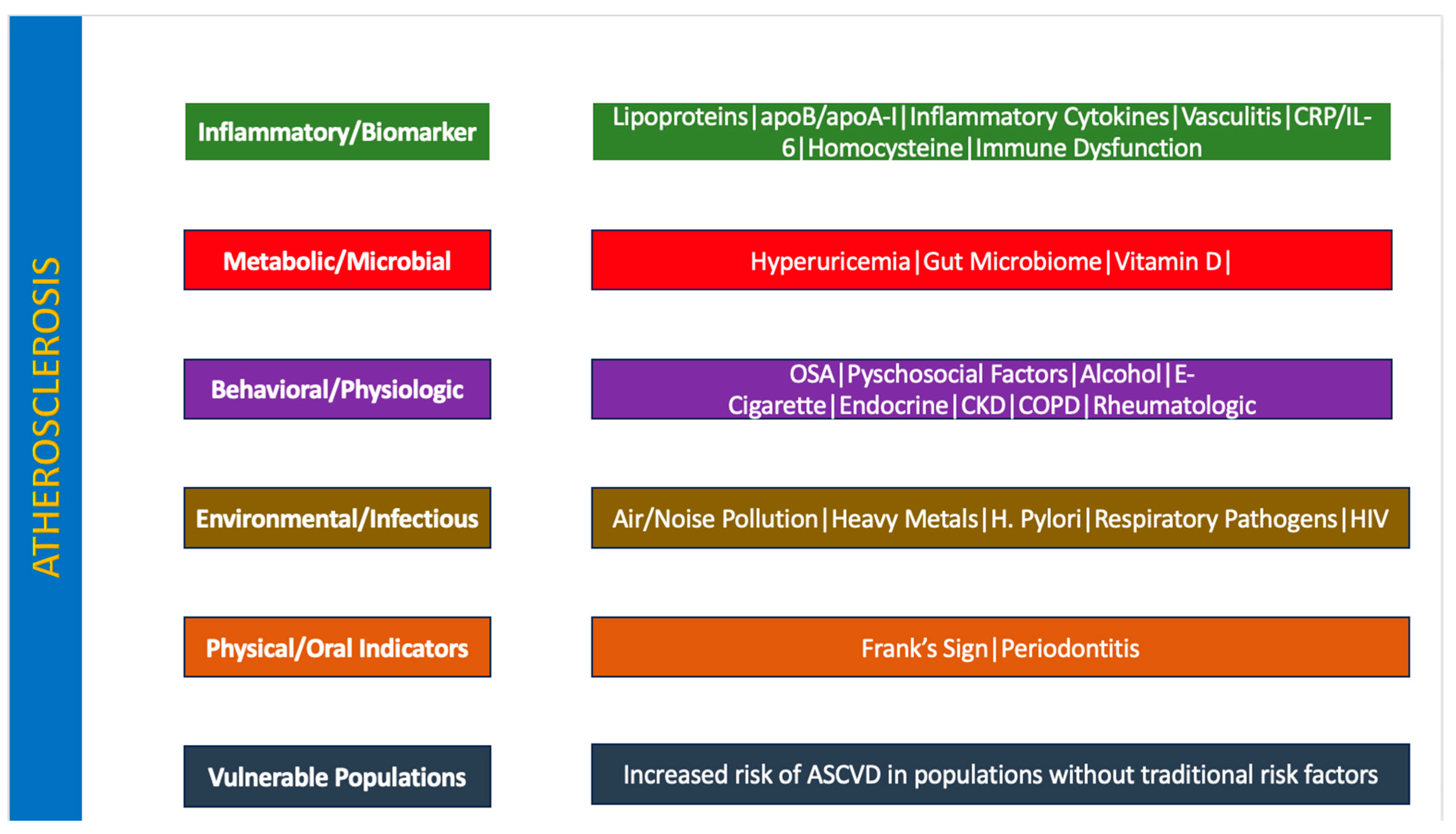
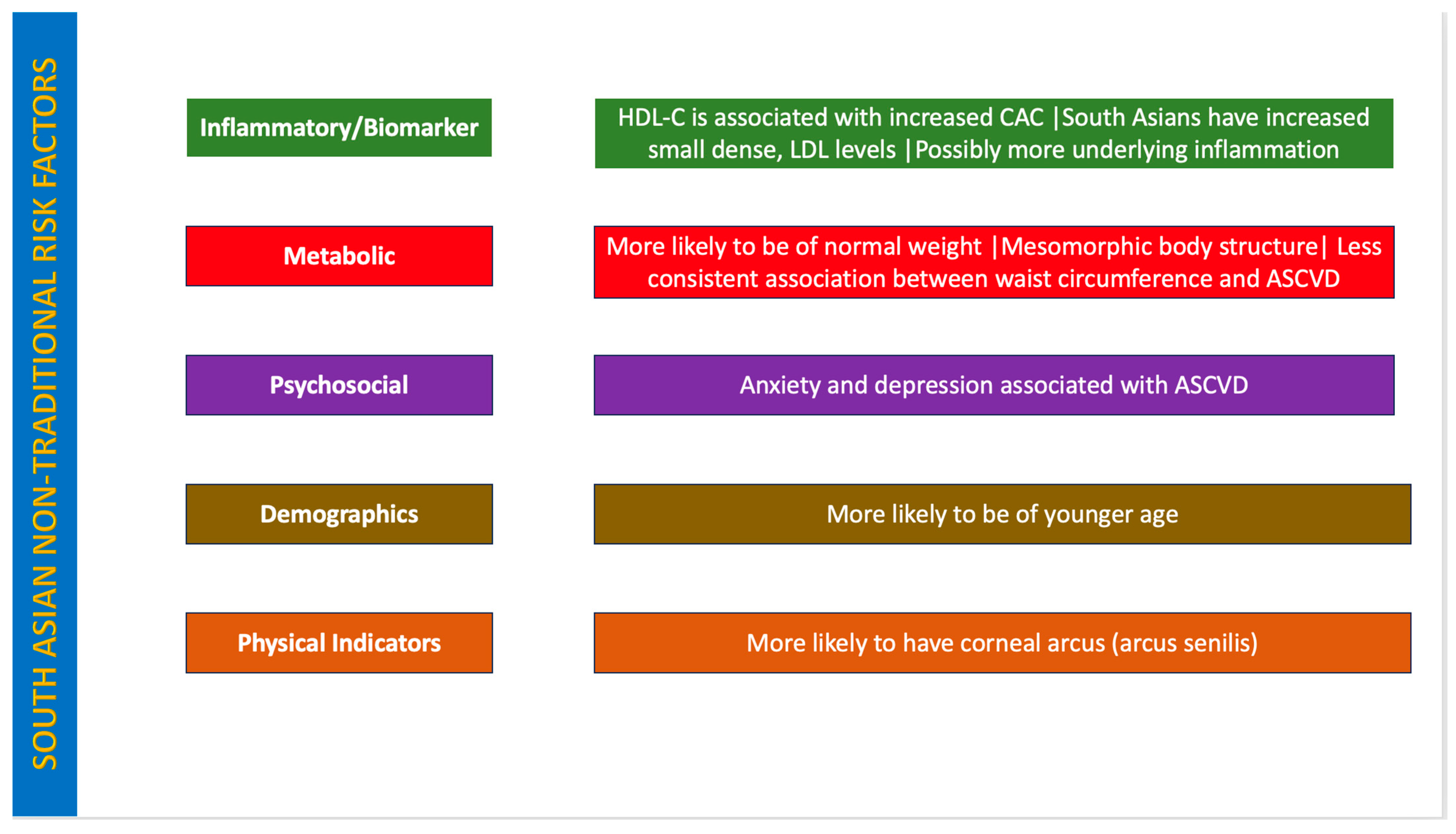
Table 1 and Table 2 show high-yield non-traditional risk factors for atherosclerosis and laboratory testing to stratify atherosclerotic risk, respectively. Figure 1 and Figure 2 depict a summary of non-traditional risk factors for atherosclerosis and a summary of these factors in South Asians, respectively.

9. Clinical Implications & Integration

9.1. Incorporating Non-Traditional Risk Factors into Practice

Several non-traditional risk factors—such as Lp(a), OSA, and periodontal disease—are clinically detectable using accessible tools, including laboratory assays, sleep studies, and oral health evaluations. Visual signs like Frank’s sign offer additional low-cost, non-invasive opportunities to prompt deeper risk evaluation.

9.2. Actionable vs. Emerging Factors

Some risk factors, such as OSA, depression, and H. pylori infection, are modifiable with existing therapies or lifestyle changes. Others, including microbiome profiles, cytokine polymorphisms, and apolipoprotein genotypes, remain primarily research-based but hold promise for precision risk stratification in the future.

9.3. Relevance to Preventive Care and Counseling

Primary care and cardiology providers can enhance risk communication by educating patients about these lesser-known contributors during routine visits. Intermediate-risk patients may benefit most from expanded evaluations that go beyond traditional models. Depression screening and oral health assessment, for example, are simple additions that may improve early detection and outcomes.

9.4. Toward Future Risk Assessment Tools

Next-generation risk stratification tools may incorporate molecular and behavioral data, including biomarkers, polygenic risk scores, and microbiome sequencing. These integrative approaches could lead to highly personalized cardiovascular risk profiles that better reflect the disease’s multifaceted origins.

10. Future Directions & Research Gaps

10.1. Standardization and Measurement

A significant barrier to implementation is the lack of standardized definitions and diagnostic criteria for many non-traditional risk factors, including depression, periodontitis, and gut dysbiosis. Harmonization across studies will be essential to improve reproducibility and comparability. Developing consensus frameworks could facilitate translation of emerging biomarkers, such as apolipoprotein B and inflammatory cytokine profiles, into clinical guidelines.

10.2. Prospective Multi-Ethnic Cohorts

Current literature often suffers from geographic and demographic limitations. Future research should prioritize large, longitudinal, multi-ethnic cohorts to confirm associations between metabolic, microbial, and psychosocial risk factors across diverse populations. In addition, continued research on vulnerable populations will offer more insight into non-traditional cardiovascular risk factors in these individuals.

10.3. Therapeutic Target Development

Emerging therapeutic targets include Lp(a), IL-1 and IL-6, and microbiota-influenced metabolic cascades. Randomized controlled trials will be necessary to determine whether modifying these factors translates into reduced atherosclerotic progression or event rates.

10.4. Integrative Models and Machine Learning

Artificial intelligence and systems biology approaches may revolutionize cardiovascular risk prediction by integrating genomic, proteomic, microbiomic, and environmental data. Machine learning models trained on multiomic datasets could yield precise, individualized risk algorithms.

11. Conclusions

Atherosclerosis is a multifactorial disease extending far beyond traditional lipid-centric frameworks. This review consolidates evidence linking inflammatory, infectious, metabolic, psychosocial, and physical markers—such as OSA, H. pylori, hyperuricemia, and periodontal disease—to increased ASCVD risk. Many of these risk factors are modifiable through established interventions or behavioral modification, offering tangible opportunities for prevention. Traditional scoring systems such as the Framingham and ASCVD calculators often underestimate risk in certain populations; integrating non-traditional factors like lipoprotein(a), psychosocial stress, and oral health measures could bridge that gap. In addition, special attention to vulnerable populations is crucial in understanding non-traditional risk factors. Future cardiovascular care will likely evolve toward multi-dimensional, precision-guided risk prediction grounded in molecular, behavioral, and environmental data, moving from population-based models toward truly individualized prevention and treatment.

Funding

This research received no external funding.

Data Availability Statement

No new data were created or analyzed in this study. Data sharing is not applicable to this article.

Acknowledgments

The authors would like to acknowledge Brendon Yu for his assistance with the literature search organization and data extraction during the early phases of manuscript development.

Conflicts of Interest

The authors have no conflicts of interest to disclose.

References

  1. Nielsen, R.V.; Fuster, V.; Bundgaard, H.; Fuster, J.J.; Johri, A.M.; Kofoed, K.F.; Douglas, P.S.; Diederichsen, A.; Shapiro, M.D.; Nicholls, S.J.; et al. Personalized Intervention Based on Early Detection of Atherosclerosis: JACC State-of-the-Art Review. J. Am. Coll. Cardiol. 2024, 83, 2112–2127. [Google Scholar] [CrossRef]
  2. Force, U.P.S.T. Risk Assessment for Cardiovascular Disease With Nontraditional Risk Factors: US Preventive Services Task Force Recommendation Statement. JAMA 2018, 320, 272–280. [Google Scholar] [CrossRef]
  3. Ajoolabady, A.; Pratico, D.; Lin, L.; Mantzoros, C.S.; Bahijri, S.; Tuomilehto, J.; Ren, J. Inflammation in atherosclerosis: Pathophysiology and mechanisms. Cell Death Dis. 2024, 15, 817. [Google Scholar] [CrossRef] [PubMed]
  4. Sniderman, A.D.; Thanassoulis, G.; Glavinovic, T.; Navar, A.M.; Pencina, M.; Catapano, A.; Ference, B.A. Apolipoprotein B Particles and Cardiovascular Disease: A Narrative Review. JAMA Cardiol. 2019, 4, 1287–1295. [Google Scholar] [CrossRef]
  5. De Oliveira-Gomes, D.; Joshi, P.H.; Peterson, E.D.; Rohatgi, A.; Khera, A.; Navar, A.M. Apolipoprotein B: Bridging the Gap Between Evidence and Clinical Practice. Circulation 2024, 150, 62–79. [Google Scholar] [CrossRef]
  6. Sniderman, A.D.; Williams, K.; Contois, J.H.; Monroe, H.M.; McQueen, M.J.; de Graaf, J.; Furberg, C.D. A meta-analysis of low-density lipoprotein cholesterol, non-high-density lipoprotein cholesterol, and apolipoprotein B as markers of cardiovascular risk. Circ. Cardiovasc. Qual. Outcomes 2011, 4, 337–345. [Google Scholar] [CrossRef]
  7. Björnson, E.; Adiels, M.; Taskinen, M.R.; Burgess, S.; Chapman, M.J.; Packard, C.J.; Borén, J. Lipoprotein(a) Is Markedly More Atherogenic Than LDL: An Apolipoprotein B-Based Genetic Analysis. J. Am. Coll. Cardiol. 2024, 83, 385–395. [Google Scholar] [CrossRef]
  8. Ruscica, M.; Sirtori, C.R.; Corsini, A.; Watts, G.F.; Sahebkar, A. Lipoprotein(a): Knowns, unknowns and uncertainties. Pharmacol. Res. 2021, 173, 105812. [Google Scholar] [CrossRef]
  9. Rehberger Likozar, A.; Zavrtanik, M.; Šebeštjen, M. Lipoprotein(a) in atherosclerosis: From pathophysiology to clinical relevance and treatment options. Ann. Med. 2020, 52, 162–177. [Google Scholar] [CrossRef]
  10. Murai, K.; Kataoka, Y.; Ray, K.K.; Funabashi, S.; Hori, M.; Ogura, M.; Doi, T.; Makino, H.; Noguchi, T.; Harada-Shiba, M. Corneal arcus and Achilles tendon thickness reflect circulating lipoprotein(a) levels in familial hypercholesterolemia: Implication for predicting future cardiovascular events. J. Clin. Lipidol. 2025, 19, 1273–1283. [Google Scholar] [CrossRef]
  11. Finneran, P.; Pampana, A.; Khetarpal, S.A.; Trinder, M.; Patel, A.P.; Paruchuri, K.; Aragam, K.; Peloso, G.M.; Natarajan, P. Lipoprotein(a) and Coronary Artery Disease Risk Without a Family History of Heart Disease. J. Am. Heart Assoc. 2021, 10, e017470. [Google Scholar] [CrossRef]
  12. Schade, D.S.; Adolphe, A.; Wann, S.; Eaton, R.P. Elevated Lipoprotein(a): A Treatment Challenge and a Practical Solution. Am. J. Med. 2025, 138, 1482–1484. [Google Scholar] [CrossRef] [PubMed]
  13. Forte, F.; Calcaterra, I.; Lupoli, R.; Orsini, R.C.; Chiurazzi, M.; Tripaldella, M.; Iannuzzo, G.; Di Minno, M.N.D. Association of apolipoprotein levels with peripheral arterial disease: A meta-analysis of literature studies. Eur. J. Prev. Cardiol. 2022, 28, 1980–1990. [Google Scholar] [CrossRef] [PubMed]
  14. Zhang, J.; Liu, M.; Gao, J.; Tian, X.; Song, Y.; Zhang, H.; Zhao, P. ApoB/ApoA-Ι is associated with major cardiovascular events and readmission risk of patients after percutaneous coronary intervention in one year. Sci. Rep. 2025, 15, 996. [Google Scholar] [CrossRef] [PubMed]
  15. Jun, J.E.; Choi, Y.J.; Lee, Y.H.; Kim, D.J.; Park, S.W.; Huh, B.W.; Lee, E.J.; Jee, S.H.; Hur, K.Y.; Choi, S.H.; et al. ApoB/ApoA-I ratio is independently associated with carotid atherosclerosis in type 2 diabetes mellitus with well-controlled LDL cholesterol levels. Korean J. Intern. Med. 2018, 33, 138–147. [Google Scholar] [CrossRef]
  16. Lutgens, E.; Joffre, J.; van Os, B.; Ait-Oufella, H. Targeting cytokines and immune checkpoints in atherosclerosis with monoclonal antibodies. Atherosclerosis 2021, 335, 98–109. [Google Scholar] [CrossRef]
  17. Jacobsson, L.T.; Turesson, C.; Gülfe, A.; Kapetanovic, M.C.; Petersson, I.F.; Saxne, T.; Geborek, P. Treatment with tumor necrosis factor blockers is associated with a lower incidence of first cardiovascular events in patients with rheumatoid arthritis. J. Rheumatol. 2005, 32, 1213–1218. [Google Scholar]
  18. Shimokawa, H.; Ito, A.; Fukumoto, Y.; Kadokami, T.; Nakaike, R.; Sakata, M.; Takayanagi, T.; Egashira, K.; Takeshita, A. Chronic treatment with interleukin-1 beta induces coronary intimal lesions and vasospastic responses in pigs in vivo. The role of platelet-derived growth factor. J. Clin. Investig. 1996, 97, 769–776. [Google Scholar] [CrossRef]
  19. Ridker, P.M.; Everett, B.M.; Thuren, T.; MacFadyen, J.G.; Chang, W.H.; Ballantyne, C.; Fonseca, F.; Nicolau, J.; Koenig, W.; Anker, S.D.; et al. Antiinflammatory Therapy with Canakinumab for Atherosclerotic Disease. N. Engl. J. Med. 2017, 377, 1119–1131. [Google Scholar] [CrossRef]
  20. Oda, K.; Tanaka, N.; Arai, T.; Araki, J.; Song, Y.; Zhang, L.; Kuchiba, A.; Hosoi, T.; Shirasawa, T.; Muramatsu, M.; et al. Polymorphisms in pro- and anti-inflammatory cytokine genes and susceptibility to atherosclerosis: A pathological study of 1503 consecutive autopsy cases. Hum. Mol. Genet. 2007, 16, 592–599. [Google Scholar] [CrossRef]
  21. Hendrickson, M.J.; Wallace, Z.S. Mechanisms and Screening for Atherosclerosis in Adults With Vasculitis. Arterioscler. Thromb. Vasc. Biol. 2025, 45, 3–10. [Google Scholar] [CrossRef]
  22. Misra, D.P.; Sharma, A.; Karpouzas, G.A.; Kitas, G.D. Cardiovascular risk in vasculitis. Best. Pract. Res. Clin. Rheumatol. 2023, 37, 101831. [Google Scholar] [CrossRef]
  23. Ana Belen Arevalo, H.Z.; Gomez, A.R.; Ko, K. Comparison of the Cardiovascular Risk in Patients with Vasculitis and Diabetes Mellitus. Arthritis Rheumatol. 2023, 75, 1377–1379. [Google Scholar]
  24. Amezcua-Castillo, E.; González-Pacheco, H.; Sáenz-San Martín, A.; Méndez-Ocampo, P.; Gutierrez-Moctezuma, I.; Massó, F.; Sierra-Lara, D.; Springall, R.; Rodríguez, E.; Arias-Mendoza, A.; et al. C-Reactive Protein: The Quintessential Marker of Systemic Inflammation in Coronary Artery Disease-Advancing toward Precision Medicine. Biomedicines 2023, 11, 2444. [Google Scholar] [CrossRef]
  25. Ridker, P.M.; Rane, M. Interleukin-6 Signaling and Anti-Interleukin-6 Therapeutics in Cardiovascular Disease. Circ. Res. 2021, 128, 1728–1746. [Google Scholar] [CrossRef]
  26. Reiss, A.B.; Siegart, N.M.; De Leon, J. Interleukin-6 in atherosclerosis: Atherogenic or atheroprotective? Clin. Lipidol. 2017, 12, 14–23. [Google Scholar]
  27. Kirkgöz, K. C-Reactive Protein in Atherosclerosis-More than a Biomarker, but not Just a Culprit. Rev. Cardiovasc. Med. 2023, 24, 297. [Google Scholar] [CrossRef]
  28. Ridker, P.M.; Buring, J.E.; Rifai, N.; Cook, N.R. Development and validation of improved algorithms for the assessment of global cardiovascular risk in women: The Reynolds Risk Score. JAMA 2007, 297, 611–619. [Google Scholar] [CrossRef]
  29. Albert, M.A.; Danielson, E.; Rifai, N.; Ridker, P.M. Effect of statin therapy on C-reactive protein levels: The pravastatin inflammation/CRP evaluation (PRINCE): A randomized trial and cohort study. JAMA 2001, 286, 64–70. [Google Scholar] [CrossRef]
  30. Khan, M.S.; Talha, K.M.; Maqsood, M.H.; Rymer, J.A.; Borlaug, B.A.; Docherty, K.F.; Pandey, A.; Kahles, F.; Cikes, M.; Lam, C.S.P.; et al. Interleukin-6 and Cardiovascular Events in Healthy Adults: MESA. JACC Adv. 2024, 3, 101063. [Google Scholar] [CrossRef]
  31. Fu, Y.; Wang, X.; Kong, W. Hyperhomocysteinaemia and vascular injury: Advances in mechanisms and drug targets. Br. J. Pharmacol. 2018, 175, 1173–1189. [Google Scholar] [CrossRef]
  32. Weiss, N.; Keller, C.; Hoffmann, U.; Loscalzo, J. Endothelial dysfunction and atherothrombosis in mild hyperhomocysteinemia. Vasc. Med. 2002, 7, 227–239. [Google Scholar] [CrossRef]
  33. Kullo, I.J.; Li, G.; Bielak, L.F.; Bailey, K.R.; Sheedy, P.F., 2nd; Peyser, P.A.; Turner, S.T.; Kardia, S.L. Association of plasma homocysteine with coronary artery calcification in different categories of coronary heart disease risk. Mayo Clin. Proc. 2006, 81, 177–182. [Google Scholar] [CrossRef]
  34. Karger, A.B.; Steffen, B.T.; Nomura, S.O.; Guan, W.; Garg, P.K.; Szklo, M.; Budoff, M.J.; Tsai, M.Y. Association Between Homocysteine and Vascular Calcification Incidence, Prevalence, and Progression in the MESA Cohort. J. Am. Heart Assoc. 2020, 9, e013934. [Google Scholar] [CrossRef]
  35. Maron, B.A.; Loscalzo, J. The treatment of hyperhomocysteinemia. Annu. Rev. Med. 2009, 60, 39–54. [Google Scholar] [CrossRef]
  36. He, C.; Kim, H.I.; Park, J.; Guo, J.; Huang, W. The role of immune cells in different stages of atherosclerosis. Int. J. Med. Sci. 2024, 21, 1129–1143. [Google Scholar] [CrossRef]
  37. Combadière, C.; Potteaux, S.; Rodero, M.; Simon, T.; Pezard, A.; Esposito, B.; Merval, R.; Proudfoot, A.; Tedgui, A.; Mallat, Z. Combined inhibition of CCL2, CX3CR1, and CCR5 abrogates Ly6C(hi) and Ly6C(lo) monocytosis and almost abolishes atherosclerosis in hypercholesterolemic mice. Circulation 2008, 117, 1649–1657. [Google Scholar] [CrossRef]
  38. Hou, P.; Fang, J.; Liu, Z.; Shi, Y.; Agostini, M.; Bernassola, F.; Bove, P.; Candi, E.; Rovella, V.; Sica, G.; et al. Macrophage polarization and metabolism in atherosclerosis. Cell Death Dis. 2023, 14, 691. [Google Scholar] [CrossRef]
  39. Silvestre-Roig, C.; Braster, Q.; Ortega-Gomez, A.; Soehnlein, O. Neutrophils as regulators of cardiovascular inflammation. Nat. Rev. Cardiol. 2020, 17, 327–340. [Google Scholar] [CrossRef]
  40. Yu, W.; Cheng, J.D. Uric Acid and Cardiovascular Disease: An Update From Molecular Mechanism to Clinical Perspective. Front. Pharmacol. 2020, 11, 582680. [Google Scholar] [CrossRef]
  41. Kimura, Y.; Tsukui, D.; Kono, H. Uric Acid in Inflammation and the Pathogenesis of Atherosclerosis. Int. J. Mol. Sci. 2021, 22, 12394. [Google Scholar] [CrossRef]
  42. Cui, K.; Song, Y.; Yin, D.; Song, W.; Wang, H.; Zhu, C.; Feng, L.; Fu, R.; Jia, L.; Lu, Y.; et al. Uric Acid Levels, Number of Standard Modifiable Cardiovascular Risk Factors, and Prognosis in Patients With Coronary Artery Disease: A Large Cohort Study in Asia. J. Am. Heart Assoc. 2023, 12, e030625. [Google Scholar] [CrossRef]
  43. FitzGerald, J.D. Gout. Ann. Intern. Med. 2025, 178, Itc33–Itc48. [Google Scholar] [CrossRef]
  44. Verhaar, B.J.H.; Prodan, A.; Nieuwdorp, M.; Muller, M. Gut Microbiota in Hypertension and Atherosclerosis: A Review. Nutrients 2020, 12, 2982. [Google Scholar] [CrossRef]
  45. Witkowski, M.; Weeks, T.L.; Hazen, S.L. Gut Microbiota and Cardiovascular Disease. Circ. Res. 2020, 127, 553–570. [Google Scholar] [CrossRef]
  46. Tang, H.; Huang, Y.; Yuan, D.; Liu, J. Atherosclerosis, gut microbiome, and exercise in a meta-omics perspective: A literature review. PeerJ 2024, 12, e17185. [Google Scholar] [CrossRef]
  47. Menezes, A.R.; Lamb, M.C.; Lavie, C.J.; DiNicolantonio, J.J. Vitamin D and atherosclerosis. Curr. Opin. Cardiol. 2014, 29, 571–577. [Google Scholar] [CrossRef]
  48. Jespersen, F.E.; Grimm, D.; Krüger, M.; Wehland, M. Current Knowledge of the Impact of Vitamin D in Coronary Artery Disease. Int. J. Mol. Sci. 2025, 26, 5002. [Google Scholar] [CrossRef]
  49. Desai, S.R.; Ko, Y.-A.; Liu, C.; Hafeez, Z.; Park, J.; Faaborg-Andersen, C.; Alvi, Z.; Alras, Z.; Alkhoder, A.A.; Martini, A.; et al. Vitamin D Deficiency, Inflammation, and Diminished Endogenous Regenerative Capacity in Coronary Heart Disease. JACC Adv. 2024, 3, 100804. [Google Scholar] [CrossRef]
  50. Lévy, P.; Pépin, J.L.; Arnaud, C.; Baguet, J.P.; Dematteis, M.; Mach, F. Obstructive sleep apnea and atherosclerosis. Prog. Cardiovasc. Dis. 2009, 51, 400–410. [Google Scholar] [CrossRef]
  51. Arnaud, C.; Dematteis, M.; Pepin, J.L.; Baguet, J.P.; Lévy, P. Obstructive sleep apnea, immuno-inflammation, and atherosclerosis. Semin. Immunopathol. 2009, 31, 113–125. [Google Scholar] [CrossRef] [PubMed]
  52. Lu, M.; Wang, Z.; Zhan, X.; Wei, Y. Obstructive sleep apnea increases the risk of cardiovascular damage: A systematic review and meta-analysis of imaging studies. Syst. Rev. 2021, 10, 212. [Google Scholar] [CrossRef] [PubMed]
  53. Dziewas, R.; Ritter, M.; Usta, N.; Boentert, M.; Hor, H.; Dittrich, R.; Schäbitz, W.R.; Ringelstein, E.B.; Young, P. Atherosclerosis and obstructive sleep apnea in patients with ischemic stroke. Cerebrovasc. Dis. 2007, 24, 122–126. [Google Scholar] [CrossRef]
  54. Weinreich, G.; Wessendorf, T.E.; Erdmann, T.; Moebus, S.; Dragano, N.; Lehmann, N.; Stang, A.; Roggenbuck, U.; Bauer, M.; Jöckel, K.H.; et al. Association of obstructive sleep apnoea with subclinical coronary atherosclerosis. Atherosclerosis 2013, 231, 191–197. [Google Scholar] [CrossRef]
  55. Lui, M.M.; Sau-Man, M. OSA and atherosclerosis. J. Thorac. Dis. 2012, 4, 164–172. [Google Scholar] [CrossRef]
  56. Sulina, D.; Puskás, S.; Magyar, M.T.; Oláh, L.; Kozák, N. The effect of continuous positive airway pressure therapy on early atherosclerosis in patients with severe obstructive sleep apnea-hypopnea syndrome. Sleep Breath. 2025, 29, 71. [Google Scholar] [CrossRef]
  57. Tiemeier, H.; van Dijck, W.; Hofman, A.; Witteman, J.C.M.; Stijnen, T.; Breteler, M.M.B. Relationship Between Atherosclerosis and Late-Life Depression: The Rotterdam Study. Arch. General. Psychiatry 2004, 61, 369–376. [Google Scholar] [CrossRef]
  58. Rus, M.; Sava, C.N.; Ardelean, A.I.; Pasca, G.; Andronie-Cioara, F.L.; Crisan, S.; Judea Pusta, C.T.; Guler, M.I. Exploring the Connection Between Depression, Inflammatory Biomarkers, and Atherosclerotic Coronary Artery Disease. J. Clin. Med. 2025, 14, 2946. [Google Scholar] [CrossRef]
  59. Saleh, C.; Ilia, T.S.; Schöpfer, R.; Seidl, U.; Deraita, J.; Todua-Lennigk, S.; Lieb, J.; Budincevic, H.; Trzcinska, M.; Hovhannisyan, K.; et al. Atherosclerosis and depression: Is carotid intima-media thicker in patients with depression compared to matched control individuals? A systematic review and meta-analysis. J. Psychiatr. Res. 2024, 173, 216–224. [Google Scholar] [CrossRef]
  60. Scierka, L.E.; Mena-Hurtado, C.; Ahmed, Z.V.; Yousef, S.; Arham, A.; Grimshaw, A.A.; Harris, K.M.; Burg, M.; Vriens, P.W.; Heyligers, J.; et al. The association of depression with mortality and major adverse limb event outcomes in patients with peripheral artery disease: A systematic review and meta-analysis. J. Affect. Disord. 2023, 320, 169–177. [Google Scholar] [CrossRef]
  61. Brostow, D.P.; Petrik, M.L.; Starosta, A.J.; Waldo, S.W. Depression in patients with peripheral arterial disease: A systematic review. Eur. J. Cardiovasc. Nurs. 2017, 16, 181–193. [Google Scholar] [CrossRef]
  62. Zhang, W.Y.; Nan, N.; Song, X.T.; Tian, J.F.; Yang, X.Y. Impact of depression on clinical outcomes following percutaneous coronary intervention: A systematic review and meta-analysis. BMJ Open 2019, 9, e026445. [Google Scholar] [CrossRef]
  63. Wu, Y.; Sun, D.; Wang, B.; Li, Y.; Ma, Y. The relationship of depressive symptoms and functional and structural markers of subclinical atherosclerosis: A systematic review and meta-analysis. Eur. J. Prev. Cardiol. 2020, 25, 706–716. [Google Scholar] [CrossRef] [PubMed]
  64. Khan, S.A.; Shahzad, U.; Zarak, M.S.; Channa, J.; Khan, I.; Ghani, M.O.A. Association of Depression with Subclinical Coronary Atherosclerosis: A Systematic Review. J. Cardiovasc. Transl. Res. 2021, 14, 685–705. [Google Scholar] [CrossRef] [PubMed]
  65. Tully, P.J.; Cosh, S.M.; Baumeister, H. The anxious heart in whose mind? A systematic review and meta-regression of factors associated with anxiety disorder diagnosis, treatment and morbidity risk in coronary heart disease. J. Psychosom. Res. 2014, 77, 439–448. [Google Scholar] [CrossRef] [PubMed]
  66. Biddinger, K.J.; Emdin, C.A.; Haas, M.E.; Wang, M.; Hindy, G.; Ellinor, P.T.; Kathiresan, S.; Khera, A.V.; Aragam, K.G. Association of Habitual Alcohol Intake With Risk of Cardiovascular Disease. JAMA Netw. Open 2022, 5, e223849. [Google Scholar] [CrossRef]
  67. Kiechl, S.; Willeit, J.; Rungger, G.; Egger, G.; Oberhollenzer, F.; Bonora, E. Alcohol consumption and atherosclerosis: What is the relation? Prospective results from the Bruneck Study. Stroke 1998, 29, 900–907. [Google Scholar] [CrossRef]
  68. Sui, Y.; Zhang, R.; Liu, G.; Liu, Y.; Du, Y.; Zhang, Y.; Fu, S.; Nie, Z.; Qin, H.; Ma, L. Alcohol consumption and carotid intima-media thickness in different genders: A cross-sectional UK biobank study. Int. J. Cardiol. 2025, 439, 133644. [Google Scholar] [CrossRef]
  69. Yuan, S.; Wu, J.; Chen, J.; Sun, Y.; Burgess, S.; Li, X.; Åkesson, A.; Larsson, S.C. Association between alcohol consumption and peripheral artery disease: Two de novo prospective cohorts and a systematic review with meta-analysis. Eur. J. Prev. Cardiol. 2025, 32, 149–155. [Google Scholar] [CrossRef]
  70. Damay, V.A.; Setiawan; Lesmana, R.; Akbar, M.R.; Lukito, A.A.; Tarawan, V.M.; Martha, J.W.; Nugroho, J. Electronic Cigarette and Atherosclerosis: A Comprehensive Literature Review of Latest Evidences. Int. J. Vasc. Med. 2022, 2022, 4136811. [Google Scholar] [CrossRef]
  71. Kelesidis, T.; Sharma, M.; Sharma, E.; Ruedisueli, I.; Tran, E.; Middlekauff, H.R. Chronic Electronic Cigarette Use and Atherosclerosis Risk in Young People: A Cross-Sectional Study—Brief Report. Arterioscler. Thromb. Vasc. Biol. 2023, 43, 1713–1718. [Google Scholar] [CrossRef]
  72. Sederholm Lawesson, S.; Swahn, E.; Pihlsgård, M.; Andersson, T.; Angerås, O.; Bacsovics Brolin, E.; Bergdahl, E.; Blomberg, M.; Christersson, C.; Gonçalves, I.; et al. Association Between History of Adverse Pregnancy Outcomes and Coronary Artery Disease Assessed by Coronary Computed Tomography Angiography. JAMA 2023, 329, 393–404. [Google Scholar] [CrossRef]
  73. Gomez, J.M.D.; VanHise, K.; Stachenfeld, N.; Chan, J.L.; Merz, N.B.; Shufelt, C. Subclinical cardiovascular disease and polycystic ovary syndrome. Fertil. Steril. 2022, 117, 912–923. [Google Scholar] [CrossRef] [PubMed]
  74. Matsushita, K.; van der Velde, M.; Astor, B.C.; Woodward, M.; Levey, A.S.; de Jong, P.E.; Coresh, J.; Gansevoort, R.T. Association of estimated glomerular filtration rate and albuminuria with all-cause and cardiovascular mortality in general population cohorts: A collaborative meta-analysis. Lancet 2010, 375, 2073–2081. [Google Scholar] [CrossRef] [PubMed]
  75. Go, A.S.; Bansal, N.; Chandra, M.; Lathon, P.V.; Fortmann, S.P.; Iribarren, C.; Hsu, C.Y.; Hlatky, M.A. Chronic kidney disease and risk for presenting with acute myocardial infarction versus stable exertional angina in adults with coronary heart disease. J. Am. Coll. Cardiol. 2011, 58, 1600–1607. [Google Scholar] [CrossRef] [PubMed]
  76. Sarnak Mark, J.; Amann, K.; Bangalore, S.; Cavalcante João, L.; Charytan David, M.; Craig Jonathan, C.; Gill John, S.; Hlatky Mark, A.; Jardine Alan, G.; Landmesser, U.; et al. Chronic Kidney Disease and Coronary Artery Disease. JACC 2019, 74, 1823–1838. [Google Scholar] [CrossRef]
  77. Valdivielso, J.M.; Rodríguez-Puyol, D.; Pascual, J.; Barrios, C.; Bermúdez-López, M.; Sánchez-Niño, M.D.; Pérez-Fernández, M.; Ortiz, A. Atherosclerosis in Chronic Kidney Disease. Arterioscler. Thromb. Vasc. Biol. 2019, 39, 1938–1966. [Google Scholar] [CrossRef]
  78. Brassington, K.; Selemidis, S.; Bozinovski, S.; Vlahos, R. Chronic obstructive pulmonary disease and atherosclerosis: Common mechanisms and novel therapeutics. Clin. Sci. 2022, 136, 405–423. [Google Scholar] [CrossRef]
  79. Szucs, B.; Szucs, C.; Petrekanits, M.; Varga, J.T. Molecular Characteristics and Treatment of Endothelial Dysfunction in Patients with COPD: A Review Article. Int. J. Mol. Sci. 2019, 20, 4329. [Google Scholar] [CrossRef]
  80. Li, D.; Mao Song, S.; Casaburi, R.; Kinney Gregory, L.; Hokanson John, E.; Budoff, M. Chronic obstructive pulmonary disease is an independent risk factor for atherosclerosis: New evidence from copdgene study. JACC 2015, 65, A1168. [Google Scholar] [CrossRef][Green Version]
  81. Zimba, O.; Gasparyan, A.Y. Cardiovascular issues in rheumatic diseases. Clin. Rheumatol. 2023, 42, 2535–2539. [Google Scholar] [CrossRef]
  82. Roman, M.J.; Salmon, J.E. Cardiovascular Manifestations of Rheumatologic Diseases. Circulation 2007, 116, 2346–2355. [Google Scholar] [CrossRef]
  83. Mäki-Petäjä, K.M.; Hall, F.C.; Booth, A.D.; Wallace, S.M.; Yasmin; Bearcroft, P.W.; Harish, S.; Furlong, A.; McEniery, C.M.; Brown, J.; et al. Rheumatoid arthritis is associated with increased aortic pulse-wave velocity, which is reduced by anti-tumor necrosis factor-alpha therapy. Circulation 2006, 114, 1185–1192. [Google Scholar] [CrossRef] [PubMed]
  84. Hansildaar, R.; Vedder, D.; Baniaamam, M.; Tausche, A.K.; Gerritsen, M.; Nurmohamed, M.T. Cardiovascular risk in inflammatory arthritis: Rheumatoid arthritis and gout. Lancet Rheumatol. 2021, 3, e58–e70. [Google Scholar] [CrossRef]
  85. Seneviratne, A.N.; Miller, M.R. Air pollution and atherosclerosis. Atherosclerosis 2025, 406, 119240. [Google Scholar] [CrossRef]
  86. Miller, M.R.; Landrigan, P.J.; Arora, M.; Newby, D.E.; Münzel, T.; Kovacic, J.C. Environmentally Not So Friendly: Global Warming, Air Pollution, and Wildfires: JACC Focus Seminar, Part 1. J. Am. Coll. Cardiol. 2024, 83, 2291–2307. [Google Scholar] [CrossRef]
  87. Akintoye, E.; Shi, L.; Obaitan, I.; Olusunmade, M.; Wang, Y.; Newman, J.D.; Dodson, J.A. Association between fine particulate matter exposure and subclinical atherosclerosis: A meta-analysis. Eur. J. Prev. Cardiol. 2016, 23, 602–612. [Google Scholar] [CrossRef] [PubMed]
  88. Liu, X.; Lian, H.; Ruan, Y.; Liang, R.; Zhao, X.; Routledge, M.; Fan, Z. Association of Exposure to particular matter and Carotid Intima-Media Thickness: A Systematic Review and Meta-Analysis. Int. J. Environ. Res. Public. Health 2015, 12, 12924–12940. [Google Scholar] [CrossRef] [PubMed]
  89. Wilker, E.H.; Mittleman, M.A.; Coull, B.A.; Gryparis, A.; Bots, M.L.; Schwartz, J.; Sparrow, D. Long-term exposure to black carbon and carotid intima-media thickness: The normative aging study. Environ. Health Perspect. 2013, 121, 1061–1067. [Google Scholar] [CrossRef]
  90. Babisch, W. Stress hormones in the research on cardiovascular effects of noise. Noise Health 2003, 5, 1–11. [Google Scholar]
  91. Münzel, T.; Molitor, M.; Kuntic, M.; Hahad, O.; Röösli, M.; Engelmann, N.; Basner, M.; Daiber, A.; Sørensen, M. Transportation Noise Pollution and Cardiovascular Health. Circ. Res. 2024, 134, 1113–1135. [Google Scholar] [CrossRef]
  92. Eze, I.C.; Jeong, A.; Schaffner, E.; Rezwan, F.I.; Ghantous, A.; Foraster, M.; Vienneau, D.; Kronenberg, F.; Herceg, Z.; Vineis, P.; et al. Genome-Wide DNA Methylation in Peripheral Blood and Long-Term Exposure to Source-Specific Transportation Noise and Air Pollution: The SAPALDIA Study. Environ. Health Perspect. 2020, 128, 67003. [Google Scholar] [CrossRef]
  93. Pan, Z.; Gong, T.; Liang, P. Heavy Metal Exposure and Cardiovascular Disease. Circ. Res. 2024, 134, 1160–1178. [Google Scholar] [CrossRef]
  94. Diomedi, M.; Pietroiusti, A.; Silvestrini, M.; Rizzato, B.; Cupini, L.M.; Ferrante, F.; Magrini, A.; Bergamaschi, A.; Galante, A.; Bernardi, G. CagA-positive Helicobacter pylori strains may influence the natural history of atherosclerotic stroke. Neurology 2004, 63, 800–804. [Google Scholar] [CrossRef]
  95. Rahmani, Y.; Mohammadi, S.; Babanejad, M.; Rai, A.; Zalei, B.; Shahmohammadi, A. Association of Helicobacter Pylori with Presence of Myocardial Infarction in Iran: A Systematic Review and Meta-Analysis. Ethiop. J. Health Sci. 2017, 27, 433–440. [Google Scholar] [CrossRef] [PubMed][Green Version]
  96. Heuschmann, P.U.; Neureiter, D.; Gesslein, M.; Craiovan, B.; Maass, M.; Faller, G.; Beck, G.; Neundoerfer, B.; Kolominsky-Rabas, P.L. Association between infection with Helicobacter pylori and Chlamydia pneumoniae and risk of ischemic stroke subtypes: Results from a population-based case-control study. Stroke 2001, 32, 2253–2258. [Google Scholar] [CrossRef]
  97. Wang, X.; He, Q.; Jin, D.; Ma, B.; Yao, K.; Zou, X. Association between helicobacter pylori infection and subclinical atherosclerosis: A systematic review and meta-analysis. Medicine 2021, 100, e27840. [Google Scholar] [CrossRef] [PubMed]
  98. Jalili, M.; Nourmohammadi, H.; Sayehmiri, K. Chlamydia pneumoniae and Mycoplasma pneumoniae as Two Emerging Risk Factors in Atherosclerosis: Meta-Analysis Study and Systematic Review. Infect. Disord. Drug Targets 2022, 22, e210921196697. [Google Scholar] [CrossRef]
  99. Hsue, P.Y.; Waters, D.D. HIV infection and coronary heart disease: Mechanisms and management. Nat. Rev. Cardiol. 2019, 16, 745–759. [Google Scholar] [CrossRef]
  100. Pacei, F.; Bersano, A.; Brigo, F.; Reggiani, S.; Nardone, R. Diagonal earlobe crease (Frank’s sign) and increased risk of cerebrovascular diseases: Review of the literature and implications for clinical practice. Neurol. Sci. 2020, 41, 257–262. [Google Scholar] [CrossRef] [PubMed]
  101. Czerniuk, M.R.; Surma, S.; Romańczyk, M.; Nowak, J.M.; Wojtowicz, A.; Filipiak, K.J. Unexpected Relationships: Periodontal Diseases: Atherosclerosis-Plaque Destabilization? From the Teeth to a Coronary Event. Biology 2022, 11, 272. [Google Scholar] [CrossRef]
  102. Figuero, E.; Lindahl, C.; Marín, M.J.; Renvert, S.; Herrera, D.; Ohlsson, O.; Wetterling, T.; Sanz, M. Quantification of periodontal pathogens in vascular, blood, and subgingival samples from patients with peripheral arterial disease or abdominal aortic aneurysms. J. Periodontol. 2014, 85, 1182–1193. [Google Scholar] [CrossRef]
  103. Kim, H.J.; Cha, G.S.; Kim, H.J.; Kwon, E.Y.; Lee, J.Y.; Choi, J.; Joo, J.Y. Porphyromonas gingivalis accelerates atherosclerosis through oxidation of high-density lipoprotein. J. Periodontal Implant. Sci. 2018, 48, 60–68. [Google Scholar] [CrossRef]
  104. Dorn, B.R.; Dunn, W.A., Jr.; Progulske-Fox, A. Invasion of human coronary artery cells by periodontal pathogens. Infect. Immun. 1999, 67, 5792–5798. [Google Scholar] [CrossRef]
  105. Li, J.; Deng, J.; Shang, S.; Liu, G.; Song, W.; Sun, P.; Jiang, W.; Pan, K. Effect of Porphyromonas gingivalis lipopolysaccharide on calcification of human umbilical artery smooth muscle cells co-cultured with human periodontal ligament cells. Exp. Ther. Med. 2021, 21, 655. [Google Scholar] [CrossRef]
  106. Lu, L.; Zhao, D.; Li, C.; Sun, Y.; Geng, F.; Zhang, S.; Li, W.; Wang, S.; Pan, Y. The role of periodontitis in the development of atherosclerotic cardiovascular disease in participants with the components of metabolic syndrome: A systematic review and meta-analysis. Clin. Oral. Investig. 2024, 28, 339. [Google Scholar] [CrossRef] [PubMed]
  107. Ruan, Q.; Guan, P.; Qi, W.; Li, J.; Xi, M.; Xiao, L.; Zhong, S.; Ma, D.; Ni, J. Porphyromonas gingivalis regulates atherosclerosis through an immune pathway. Front. Immunol. 2023, 14, 1103592. [Google Scholar] [CrossRef] [PubMed]
  108. Wang, J.; Geng, X.; Sun, J.; Zhang, S.; Yu, W.; Zhang, X.; Liu, H. The risk of periodontitis for peripheral vascular disease: A systematic review. RCM 2019, 20, 81–89. [Google Scholar] [CrossRef]
  109. Joshi, P.; Islam, S.; Pais, P.; Reddy, S.; Dorairaj, P.; Kazmi, K.; Pandey, M.R.; Haque, S.; Mendis, S.; Rangarajan, S.; et al. Risk Factors for Early Myocardial Infarction in South Asians Compared With Individuals in Other Countries. JAMA 2007, 297, 286–294. [Google Scholar] [CrossRef]
  110. Nanda, N.C. Myocardial Infarction in Young Adults. J. J. J. Group Hosp. 1967, XII, 1–12. [Google Scholar]
  111. Datey, K.K.; Nanda, N.C. Hyperglycemia after acute myocardial infarction. Its relation to diabetes mellitus. N. Engl. J. Med. 1967, 276, 262–265. [Google Scholar] [CrossRef]
  112. Kanaya, A.M.; Kandula, N.; Herrington, D.; Budoff, M.J.; Hulley, S.; Vittinghoff, E.; Liu, K. Mediators of Atherosclerosis in South Asians Living in America (MASALA) study: Objectives, methods, and cohort description. Clin. Cardiol. 2013, 36, 713–720. [Google Scholar] [CrossRef] [PubMed]
  113. Al Rifai, M.; Kanaya, A.M.; Kandula, N.R.; Patel, J.; Al-Mallah, M.H.; Budoff, M.; Cainzos-Achirica, M.; Criqui, M.H.; Virani, S.S. Association of Coronary Artery Calcium Density and Volume With Predicted Atherosclerotic Cardiovascular Disease Risk and Cardiometabolic Risk Factors in South Asians: The Mediators of Atherosclerosis in South Asians Living in America (MASALA) Study. Curr. Probl. Cardiol. 2023, 48, 101105. [Google Scholar] [CrossRef]
  114. Kulkarni, K.R.; Markovitz, J.H.; Nanda, N.C.; Segrest, J.P. Increased prevalence of smaller and denser LDL particles in Asian Indians. Arterioscler. Thromb. Vasc. Biol. 1999, 19, 2749–2755. [Google Scholar] [CrossRef] [PubMed]
  115. Paré, G.; Çaku, A.; McQueen, M.; Anand, S.S.; Enas, E.; Clarke, R.; Boffa, M.B.; Koschinsky, M.; Wang, X.; Yusuf, S.; et al. Lipoprotein(a) Levels and the Risk of Myocardial Infarction Among 7 Ethnic Groups. Circulation 2019, 139, 1472–1482. [Google Scholar] [CrossRef]
  116. Makshood, M.; Joshi, P.H.; Kanaya, A.M.; Ayers, C.; Budoff, M.; Tsai, M.Y.; Blaha, M.; Michos, E.D.; Post, W.S. Lipoprotein (a) and aortic valve calcium in South Asians compared to other race/ethnic groups. Atherosclerosis 2020, 313, 14–19. [Google Scholar] [CrossRef]
  117. Kanaya, A.M.; Vittinghoff, E.; Lin, F.; Kandula, N.R.; Herrington, D.; Liu, K.; Blaha, M.; Budoff, M.J. Incidence and Progression of Coronary Artery Calcium in South Asians Compared With 4 Race/Ethnic Groups. J. Am. Heart Assoc. 2019, 8, e011053. [Google Scholar] [CrossRef]
  118. Shah, B.M.; Shah, S.; Kandula, N.R.; Gadgil, M.D.; Kanaya, A.M. Psychosocial Factors Associated with Subclinical Atherosclerosis in South Asians: The MASALA Study. J. Immigr. Minor. Health 2016, 18, 1317–1327. [Google Scholar] [CrossRef] [PubMed]
  119. Gupta, M.D.; Raturi, P.; Meenahalli Palleda, G.; Sharma, C.; Kunal, S.; Qamar, A.; Bansal, A.; Batra, V.; Safal, S.; Mehta, V.; et al. Clinical Profile and Outcomes of ST-Segment Elevation Myocardial Infarction Without Standard Modifiable Risk Factors. JACC Asia, 2025; in press. [Google Scholar] [CrossRef]
  120. Markovitz, J.H.; Kulkarni, K.; Goldschmidt-Clermont, P.; Kiefe, C.I.; Rustagi, P.; Sekar, P.; Nanda, N. Increased platelet activation and fibrinogen in Asian Indians. Potential implications for coronary risk. Eur. Heart J. 1998, 19, 720–726. [Google Scholar] [CrossRef]
  121. Deepa, R.; Mohan, V.; Premanand, C.; Rajan, V.; Karkuzhali, K.; Kaliyaperumal, V.; Agarwal, S.; Gross, M.; Markovitz, J. Accelerated platelet activation in Asian Indians with diabetes and coronary artery disease—The Chennai Urban Population Study (CUPS-13). J. Assoc. Physicians India 2006, 54, 704–708. [Google Scholar] [PubMed]
  122. Schaeffner, E.; Ketteler, M. Treatment standard: CKD in the geriatric patient. Nephrol. Dial. Transplant. 2025, 40, 1672–1679. [Google Scholar] [CrossRef] [PubMed]
Figure 1. Summary of Non-Traditional Risk Factors for Atherosclerosis: A summary of non-traditional risk factors of atherosclerosis grouped by the following categories: inflammatory/biomarker (green), metabolic/microbial (red), behavioral/physiologic (purple), environmental/infectious (brown), physical/oral indicators (orange), vulnerable populations (gray). This framework underscores measurable and potentially modifiable contributors beyond traditional lipid-centered risk models.
Jcm 15 00584 g001
Figure 2. Summary of non-traditional risk factors for atherosclerosis in South Asians: A summary of non-traditional risk factors for atherosclerosis in South Asians. High density lipoprotein-cholesterol (HDL-C), Coronary artery calcium (CAC), Atherosclerotic cardiovascular disease (ASCVD).
Jcm 15 00584 g002
Table 1. High-Yield Non-Traditional Risk Factors for Atherosclerosis.
DomainRisk FactorMechanismClinical Relevance
Inflammation & Biomarker-BasedApoB/ApoB:ApoA-I ratioStronger predictor of ASCVD than LDL-C; Routinely measurable; may guide lipid-lowering therapy decisions
Cytokine polymorphisms (IL-1, TNF-α variants)Variability in inflammatory response, mixed causal linksPrimarily research; potential for future personalized medicine
VasculitidesAccelerated atherosclerosis due to inflammationScreening/management should be integrated into CVD care
CRP and IL-6Accelerated atherosclerosis due to inflammationScreening/management should be integrated into CVD care
HomocysteineAccelerated atherosclerosis due to inflammationScreening/management should be integrated into CVD care
Metabolic & MicrobialHyperuricemiaIndependent predictor of coronary calcification and CADSerum uric acid is easily testable; target for intervention debated
Gut microbiota dysbiosis/TMAOAlters lipid metabolism and vascular toneEmerging research may guide personalized interventions
Vitamin D deficiencyAssociated with increased CIMT and plaque burdenScreening feasible; supplementation efficacy mixed
Behavioral & PhysiologicObstructive sleep apneaIncreases sympathetic drive, oxidative stress, and vascular dysfunctionDiagnosable via sleep studies; treatable with CPAP
Depression, anxiety, psychosocial stressLinked with higher mortality and impaired cardiovascular outcomesScreening/management should be integrated into CVD care
Alcohol useDose-dependent cardiotoxicity and oxidative stressCounseling and behavioral modification
E-Cigarette UseProatherogenic changesCounseling and behavioral modification
Chronic kidney diseaseLinked with increased atherosclerotic diseaseScreening/management should be integrated into CVD care
Chronic obstructive pulmonary diseaseLinked with increased atherosclerotic diseaseScreening/management should be integrated into CVD care
Rheumatologic conditionsLinked with increased atherosclerotic diseaseScreening/management should be integrated into CVD care
Environmental & InfectiousAir pollution (PM2.5)Associated with endothelial dysfunction and CIMT progressionPublic health and advocacy implications
Noise pollutionRelease of stress hormones in response to noisePublic health and advocacy implications
Heavy metal exposureAssociated with inflammation and atherosclerosisPublic health implications
Helicobacter pylori infectionAssociated with CIMT, impaired FMD, and MI riskTreatable infection; potential risk modifier
Chlamydia pneumoniae & Mycoplasma pneumoniaeChronic infection driving low-grade inflammationResearch-emerging; possible risk modifier
HIV infectionChronic inflammation/immunodeficiency, predisposing to atherosclerosisScreening/management should be integrated into CVD care
Physical & Oral IndicatorsFrank’s sign (earlobe crease)Associated with CAD, PAD, and strokeLow-cost, visible bedside cue
PeriodontitisMicrobial translocation & inflammationDental hygiene and periodontal care as prevention adjunct
ApoA-I = Apolipoprotein AI; ApoB = Apolipoprotein B; ASCVD = Atherosclerotic Cardiovascular Disease; CAD = Coronary Artery Disease; CIMT = Carotid Intima-Media Thickness; CPAP = Continuous Positive Airway Pressure; CRP = C-Reactive Protein; CVD = Cardiovascular Disease; FMD = Flow-Mediated Dilation; HIV = Human Immunodeficiency Virus; IL-1 = Interleukin-1; IL-6 = Interleukin-6; LDL-C = Low-Density Lipoprotein Cholesterol; MI = Myocardial Infarction; PAD = Peripheral Artery Disease; PM2.5 = Particulate Matter 2.5; TMAO = Trimethylamine-N-oxide; TNF-α = Tumor Necrosis Factor-Alpha.
Table 2. Laboratory Testing to Stratify Atherosclerotic Risk.
DomainLab TestInterpretationTherapy
Inflammation & Biomarker-BasedHigh Sensitivity CRPGreater than 3 mg/L indicates high inflammatory riskAddress the underlying inflammatory process
HomocysteineNormal < 15 µmol. Folic acid and vitamin B12
Uric AcidNormal range between 3.5 and 7.2 mg/dLIf symptomatic, urate-lowering therapy (xanthine oxidase inhibitor, uricosuric agents, etc.)
Metabolic & MicrobialVitamin D Normal 40–80 ng/mLVitamin D supplementation
FibrinogenNormal range between 200 and 400 mg/dL.Address the underlying inflammatory process
Glomerular filtration rateGlomerular filtration rates consistent with advanced CKD have increased atherosclerotic risk.If no other contraindications, renin–angiotensin–aldosterone system blockers or SGLT2 inhibitors can offer nephroprotection [122].
Urine creatinine>30 mg/g of urinary creatinine is thought to have increased atherosclerotic riskAddress the underlying kidney pathology.
Nontraditional LipidsApoB Greater than 100 mg/dL indicates higher atherosclerotic riskStandard dyslipidemia treatment (e.g., statins, ezetimibe, proprotein convertase subtilisin/kexin type 9 inhibitors) and aggressively modifying lifestyle risk factors.
Lp(a)>50 mg/dL is thought to represent the risk-enhancing cutoffStandard dyslipidemia treatment as above. Emerging targeted treatments in the pipeline.
ApoB = Apolipoprotein B; CKD = Chronic Kidney Disease; CRP = C-Reactive Protein; Lp(a) = Lipoprotein (a); SGLT2 = Sodium-Glucose Transporter 2.
Disclaimer/Publisher’s Note: The statements, opinions and data contained in all publications are solely those of the individual author(s) and contributor(s) and not of MDPI and/or the editor(s). MDPI and/or the editor(s) disclaim responsibility for any injury to people or property resulting from any ideas, methods, instructions or products referred to in the content.