Letrozole Co-Administration in Progestin-Primed Ovarian Stimulation (PPOS) Protocols for Patients Undergoing In Vitro Fertilization: A Systematic Review

 , , , , , and
Abstract
1. Introduction
2. Materials and Methods
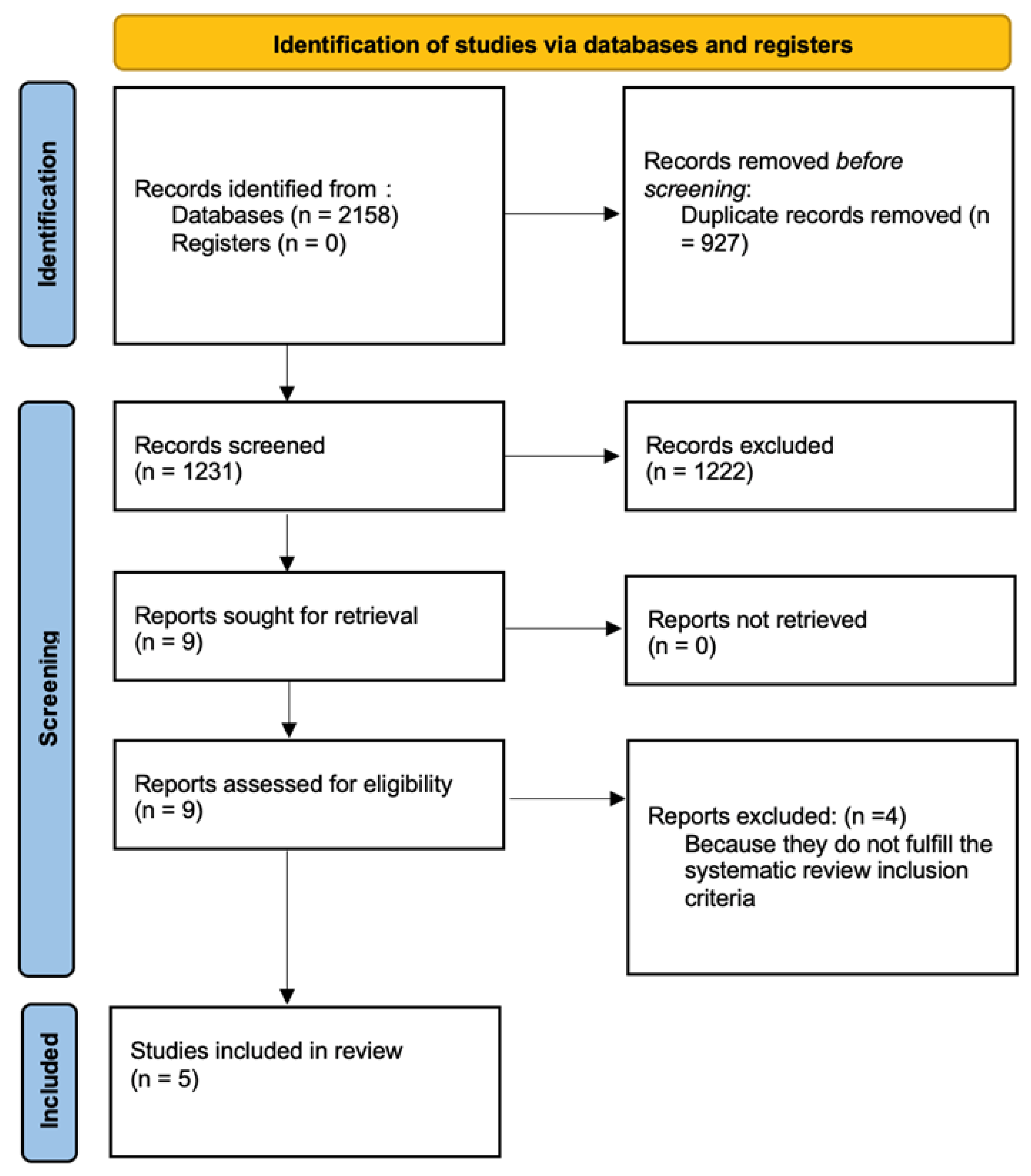
3. Results
3.1. General Characteristics of the Included Studies
3.2. Synthesis of the Results
3.2.1. Ovarian Stimulation Outcomes
3.2.2. Endocrine Profile and Premature LH Surge
3.2.3. Impact on Pregnancy Outcomes
4. Discussion
5. Conclusions
Supplementary Materials
Author Contributions
Funding
Institutional Review Board Statement
Informed Consent Statement
Data Availability Statement
Conflicts of Interest
References
- Grisendi, V.; La Marca, A. Individualization of controlled ovarian stimulation in vitro fertilization using ovarian reserve markers. Minerva Ginecol. 2017, 69, 250–258. [Google Scholar] [CrossRef] [PubMed]
- Sunkara, S.K.; Rittenberg, V.; Raine-Fenning, N.; Bhattacharya, S.; Zamora, J.; Coomarasamy, A. Association between the number of eggs and live birth in IVF treatment: An analysis of 400,135 treatment cycles. Hum. Reprod. 2011, 26, 1768–1774. [Google Scholar] [CrossRef] [PubMed]
- Harvey, A.J.; Willson, B.E.; Surrey, E.S.; Gardner, D.K. Ovarian stimulation protocols: Impact on oocyte and endometrial quality and function. Fertil. Steril. 2025, 123, 10–21. [Google Scholar] [CrossRef]
- Glujovsky, D.; Pesce, R.; Miguens, M.; Sueldo, C.E.; Lattes, K.; Ciapponi, A. How effective are the non-conventional ovarian stimulation protocols in ART? A systematic review and meta-analysis. J. Assist. Reprod. Genet. 2020, 37, 2913–2928. [Google Scholar] [CrossRef]
- Evans, N.P.; Richter, T.A.; Skinner, D.C.; Robinson, J.E. Neuroendocrine mechanisms underlying the effects of progesterone on the oestradiol-induced GnRH/LH surge. Reprod. Suppl. 2002, 59, 57–66. [Google Scholar]
- Chabbert-Buffeta, N.; Skinner, D.C.; Caraty, A.; Bouchard, P. Neuroendocrine effects of progesterone. Steroids 2000, 65, 613–620. [Google Scholar] [CrossRef]
- Giles, J.; Cruz, F.; Garcia-Velasco, J.A. Progestin-primed ovarian stimulation. Curr. Opin. Obstet. Gynecol. 2024, 36, 165–172. [Google Scholar] [CrossRef]
- Iorio, G.G.; Rovetto, M.Y.; Conforti, A.; Carbone, L.; Vallone, R.; Cariati, F.; Bagnulo, F.; Di Girolamo, R.; La Marca, A.; Alviggi, C. Severe Ovarian Hyperstimulation Syndrome in a Woman with Breast Cancer Under Letrozole Triggered with GnRH Agonist: A Case Report and Review of the Literature. Front. Reprod. Health 2021, 3, 704153. [Google Scholar] [CrossRef] [PubMed]
- Iorio, G.G.; Carbone, L.; Conforti, A.; Rovetto, M.Y.; Picarelli, S.; Cariati, F.; Strina, I.; Papanikolaou, E.; Alviggi, C. Ovarian Hyperstimulation Syndrome after GnRH Agonist Triggering and Freeze-All Protocol? Never Not, Hardly Ever: A Systematic Review of Case Reports. Gynecol. Obstet. Investig. 2022, 87, 259–265. [Google Scholar] [CrossRef]
- Vaiarelli, A.; Pittana, E.; Cimadomo, D.; Ruffa, A.; Colamaria, S.; Argento, C.; Giuliani, M.; Petrone, P.; Fabozzi, G.; Innocenti, F.; et al. A multicycle approach through DuoStim with a progestin-primed ovarian stimulation (PPOS) protocol: A valuable option in poor prognosis patients undergoing PGT-A. J. Assist. Reprod. Genet. 2025, 42, 255–264. [Google Scholar] [CrossRef]
- Haas, J.; Casper, R.F. In vitro fertilization treatments with the use of clomiphene citrate or letrozole. Fertil. Steril. 2017, 108, 568–571. [Google Scholar] [CrossRef]
- Andersen, C.Y.; Lossl, K. Increased intrafollicular androgen levels affect human granulosa cell secretion of anti-Mullerian hormone and inhibin-B. Fertil. Steril. 2008, 89, 1760–1765. [Google Scholar] [CrossRef]
- Nielsen, M.E.; Rasmussen, I.A.; Kristensen, S.G.; Christensen, S.T.; Møllgård, K.; Wreford Andersen, E.; Byskov, A.G.; Yding Andersen, C. In human granulosa cells from small antral follicles, androgen receptor mRNA and androgen levels in follicular fluid correlate with FSH receptor mRNA. Mol. Hum. Reprod. 2011, 17, 63–70. [Google Scholar] [CrossRef]
- Casper, R.F.; Mitwally, M.F. Use of the aromatase inhibitor letrozole for ovulation induction in women with polycystic ovarian syndrome. Clin. Obstet. Gynecol. 2011, 54, 685–695. [Google Scholar] [CrossRef]
- Vendola, K.; Zhou, J.; Wang, J.; Famuyiwa, O.A.; Bievre, M.; Bondy, C.A. Androgens promote oocyte insulin-like growth factor I expression and initiation of follicle development in the primate ovary. Biol. Reprod. 1999, 61, 353–357. [Google Scholar] [CrossRef] [PubMed]
- Lossl, K.; Freiesleben, N.L.C.; Wissing, M.L.; Petersen, K.B.; Holt, M.D.; Mamsen, L.S.; Anderson, R.A.; Andersen, C.Y. Biological and clinical rationale for androgen priming in ovarian stimulation. Front. Endocrinol. 2020, 11, 627. [Google Scholar] [CrossRef]
- Gallo, A.; Di Spiezio Sardo, A.; Conforti, A.; Iorio, G.G.; Zizolfi, B.; Buonfantino, C.; De Angelis, M.C.; Strina, I.; Marrone, V.; Bifulco, G.; et al. Assessing ovarian stimulation with letrozole and levonorgestrel intrauterine system after combined fertility-sparing approach for atypical endometrial lesions: A retrospective case-control study. Reprod. Biomed. Online 2024, 48, 103750. [Google Scholar] [CrossRef]
- Mukherjee, A.G.; Wanjari, U.R.; Nagarajan, D.; Vibhaa, K.K.; Anagha, V.; Joshua Paul, P.; Tharani Priya, T.; Chakraborty, R.; Renu, K.; Dey, A.; et al. Letrozole: Pharmacology, toxicity, and potential therapeutic effects. Life Sci. 2022, 310, 121074. [Google Scholar] [CrossRef] [PubMed]
- Lalami, I.; Labrosse, J.; Cedrin-Durnerin, I.; Comtet, M.; Vinolas, C.; Krief, F.; Sifer, C.; Peigne, M.; Grynberg, M. Is letrozole during ovarian stimulation useful in breast cancer patients undergoing fertility preservation to reduce early luteal progesterone levels following GnRH-agonist trigger? Reprod. Biol. Endocrinol. 2022, 20, 87. [Google Scholar] [CrossRef]
- Jiang, X.; Jiang, S.; Diao, H.; Deng, K.; Zhang, C. Progestin-primed ovarian stimulation protocol with or without letrozole for patients with normal ovarian reserve: A retrospective cohort study. J. Clin. Pharm. Ther. 2022, 47, 469–476. [Google Scholar] [CrossRef] [PubMed]
- Page, M.J.; McKenzie, J.E.; Bossuyt, P.M.; Boutron, I.; Hoffmann, T.C.; Mulrow, C.D.; Shamseer, L.; Tetzlaff, J.M.; Akl, E.A.; Brennan, S.E.; et al. The PRISMA 2020 statement: An updated guideline for reporting systematic reviews. BMJ 2021, 372, n71. [Google Scholar] [CrossRef]
- Arce, J.C.; Nyboe Andersen, A.; Collins, J. Resolving methodological and clinical issues in the design of efficacy trials in assisted reproductive technologies: A mini-review. Hum. Reprod. 2005, 20, 1757–1771. [Google Scholar] [CrossRef][Green Version]
- PICO Search Strategy. Available online: https://casp-uk.net/news/pico-search-strategy/ (accessed on 13 July 2025).
- Zegers-Hochschild, F.; Adamson, G.D.; Dyer, S.; Racowsky, C.; de Mouzon, J.; Sokol, R.; Rienzi, L.; Sunde, A.; Schmidt, L.; Cooke, I.D.; et al. The International Glossary on Infertility and Fertility Care, 2017. Fertil. Steril. 2017, 108, 393–406. [Google Scholar] [CrossRef]
- Stang, A. Critical evaluation of the Newcastle-Ottawa scale for the assessment of the quality of nonrandomized studies in meta-analyses. Eur. J. Epidemiol. 2010, 25, 603–605. [Google Scholar] [CrossRef]
- Cook, D.A.; Reed, D.A. Appraising the quality of medical education research methods: The Medical Education Research Study Quality Instrument and the Newcastle-Ottawa Scale-Education. Acad. Med. 2015, 90, 1067–1076. [Google Scholar] [CrossRef] [PubMed]
- Liu, Y.; Lin, J.; Chen, L.; Mao, X.; Wang, L.; Chen, Q.; Yu, S.; Kuang, Y. Letrozole cotreatment with progestin-primed ovarian stimulation in women with polycystic ovary syndrome undergoing IVF treatment. Front. Physiol. 2022, 13, 965210. [Google Scholar] [CrossRef]
- Liu, Y.; Lin, J.; Shen, X.; Zhu, Q.; Kuang, Y. Letrozole cotreatment improves the follicular output rate in high-body-mass-index women with polycystic ovary syndrome undergoing IVF treatment. Front. Endocrinol. 2023, 14, 1072170. [Google Scholar] [CrossRef]
- Wang, X.; Zhang, Y.; Diao, H.; Jiang, S.; Zhang, C. Letrozole cotreatment progestin-primed ovarian stimulation in women undergoing controlled ovarian stimulation for in vitro fertilization. J. Obstet. Gynaecol. Res. 2024, 50, 890–898. [Google Scholar] [CrossRef] [PubMed]
- Wang, L.; Xie, J.; Chu, Y.; Chen, J.; Jin, L.; Yue, J. Effect of letrozole cotreatment in progestin-primed ovarian stimulation on IVF/ICSI outcomes in POSEIDON group 3 and 4 poor responders: A retrospective cohort study. Eur. J. Med. Res. 2025, 30, 314. [Google Scholar] [CrossRef] [PubMed]
- Li, H.L.; Shen, B.B.; He, Z.L.; Wang, H.L.; Sun, Z.F. Progestin-primed ovarian stimulation with letrozole using different doses of medroxyprogesterone acetate per day: A retrospective cohort study. Front. Endocrinol. 2024, 15, 1429338. [Google Scholar] [CrossRef]
- Wang, X.; Tian, J.; Tian, L.; Chen, X.; Zhang, Z.; Diao, H.; Zhang, Y. The Follicular Output Rate was Improved with 3-Day Letrozole Administration Compared with 5-Day Letrozole Administration Under Progestin-Primed Ovarian Stimulation. Drug Des. Devel. Ther. 2025, 19, 4397–4406. [Google Scholar] [CrossRef]
- Zhang, Y.; Li, H.; Zhu, S.; Jiang, S.; Zhao, W.; Wang, X.; Tian, L.; Zhao, G.; He, N.; Diao, H.; et al. The comparison between fixed versus degressive doses of medroxyprogesterone acetate combined with letrozole in patients of progestin-primed ovarian stimulation protocol: A propensity score-matched study. Front. Endocrinol. 2023, 14, 1295787. [Google Scholar] [CrossRef]
- Li, X.; Chang, Y. Clinical application of letrozole combined with progestin-primed ovarian stimulation protocol in poor ovarian responders at advanced age. Fertil. Steril. 2021, 116, e264. [Google Scholar] [CrossRef]
- Guan, S.; Feng, Y.; Huang, Y.; Huang, J. Progestin-Primed Ovarian Stimulation Protocol for Patients in Assisted Reproductive Technology: A Meta-Analysis of Randomized Controlled Trials. Front. Endocrinol. 2021, 12, 702558. [Google Scholar] [CrossRef]
- Alviggi, C.; Marci, R.; Vallone, R.; Conforti, A.; Di Rella, F.; Strina, I.; Picarelli, S.; De Rosa, P.; De Laurentiis, M.; Yding Andersen, C.; et al. High progesterone levels during the luteal phase related to the use of an aromatase inhibitor in breast cancer patients. Eur. Rev. Med. Pharmacol. Sci. 2017, 21, 3134–3138. [Google Scholar]
- Yang, X.; Lin, G.; Lu, G.; Gong, F. Letrozole supplementation during controlled ovarian stimulation in expected high responders: A pilot randomized controlled study. Reprod. Biol. Endocrinol. 2019, 17, 43. [Google Scholar] [CrossRef]
- Bülow, N.S.; Skouby, S.O.; Warzecha, A.K.; Udengaard, H.; Andersen, C.Y.; Holt, M.D.; Grøndahl, M.L.; Nyboe Andersen, A.; Sopa, N.; Mikkelsen, A.L.E.; et al. Impact of letrozole co-treatment during ovarian stimulation with gonadotrophins for IVF: A multicentre, randomized, double-blinded placebo-controlled trial. Hum. Reprod. 2022, 37, 309–321. [Google Scholar] [CrossRef]
- Liu, R.; Zhou, L.; Chen, X.; He, H.; Cai, Z. Letrozole Supplementation and the Increased Risk of Elevated Progesterone Levels on Trigger Day. Front. Endocrinol. 2022, 13, 904089. [Google Scholar] [CrossRef]
- Griesinger, G.; Mannaerts, B.; Andersen, C.Y.; Witjes, H.; Kolibianakis, E.M.; Gordon, K. Progesterone elevation does not compromise pregnancy rates in high responders: A pooled analysis of in vitro fertilization patients treated with recombinant follicle-stimulating hormone/gonadotropin-releasing hormone antagonist in six trials. Fertil. Steril. 2013, 100, 1622–1628.e1-3. [Google Scholar] [CrossRef]
- Conforti, A.; Di Girolamo, R.; Guida, M.; Alviggi, C.; Casarini, L. Pharmacogenomics of LH and its receptor: Are we ready for clinical practice? Reprod. Biol. Endocrinol. 2025, 23, 29. [Google Scholar] [CrossRef]
- Conforti, A.; Tüttelmann, F.; Alviggi, C.; Behre, H.M.; Fischer, R.; Hu, L.; Polyzos, N.P.; Chuderland, D.; Rama Raju, G.A.; D’Hooghe, T.; et al. Effect of Genetic Variants of Gonadotropins and Their Receptors on Ovarian Stimulation Outcomes: A Delphi Consensus. Front. Endocrinol. 2022, 12, 797365. [Google Scholar] [CrossRef]
- Strączyńska, P.; Papis, K.; Morawiec, E.; Czerwiński, M.; Gajewski, Z.; Olejek, A.; Bednarska-Czerwińska, A. Signaling mechanisms and their regulation during in vivo or in vitro maturation of mammalian oocytes. Reprod. Biol. Endocrinol. 2022, 20, 37. [Google Scholar] [CrossRef]
- MacLennan, M.; Crichton, J.H.; Playfoot, C.J.; Adams, I.R. Oocyte development, meiosis, and aneuploidy. Semin. Cell Dev. Biol. 2015, 45, 68–76. [Google Scholar] [CrossRef]
- Elmerdahl Frederiksen, L.; Ølgaard, S.M.; Roos, L.; Petersen, O.B.; Rode, L.; Hartwig, T.; Ekelund, C.K.; Danish Central Cytogenetics Registry Study Group; Vogel, I. Maternal age and the risk of fetal aneuploidy: A nationwide cohort study of more than 500 000 singleton pregnancies in Denmark from 2008 to 2017. Acta Obstet. Gynecol. Scand. 2024, 103, 351–359. [Google Scholar] [CrossRef]
- Esteves, S.C.; Yarali, H.; Ubaldi, F.M.; Carvalho, J.F.; Bento, F.C.; Vaiarelli, A.; Cimadomo, D.; Özbek, İ.Y.; Polat, M.; Bozdag, G.; et al. Validation of ART Calculator for Predicting the Number of Metaphase II Oocytes Required for Obtaining at Least One Euploid Blastocyst for Transfer in Couples Undergoing in vitro Fertilization/Intracytoplasmic Sperm Injection. Front. Endocrinol. 2020, 10, 917. [Google Scholar] [CrossRef]
- Sonigo, C.; Sermondade, N.; Calvo, J.; Benard, J.; Sifer, C.; Grynberg, M. Impact of letrozole supplementation during ovarian stimulation for fertility preservation in breast cancer patients. Eur. J. Obstet. Gynecol. Reprod. Biol. X 2019, 4, 100049. [Google Scholar] [CrossRef]
- Conforti, A.; Esteves, S.C.; Humaidan, P.; Longobardi, S.; D’Hooghe, T.; Orvieto, R.; Vaiarelli, A.; Cimadomo, D.; Rienzi, L.; Ubaldi, F.M.; et al. Recombinant human luteinizing hormone co-treatment in ovarian stimulation for assisted reproductive technology in women of advanced reproductive age: A systematic review and meta-analysis of randomized controlled trials. Reprod. Biol. Endocrinol. 2021, 19, 91. [Google Scholar] [CrossRef]
- Marchiani, S.; Tamburrino, L.; Benini, F.; Pallecchi, M.; Bignozzi, C.; Conforti, A.; Alviggi, C.; Vignozzi, L.; Danza, G.; Pellegrini, S.; et al. LH supplementation of ovarian stimulation protocols influences follicular fluid steroid composition contributing to the improvement of ovarian response in poor responder women. Sci. Rep. 2020, 10, 12907. [Google Scholar] [CrossRef]
- Conforti, A.; Carbone, L.; Di Girolamo, R.; Iorio, G.G.; Guida, M.; Campitiello, M.R.; Ubaldi, F.M.; Rienzi, L.; Vaiarelli, A.; Cimadomo, D.; et al. Therapeutic management in women with a diminished ovarian reserve: A systematic review and meta-analysis of randomized controlled trials. Fertil. Steril. 2025, 123, 457–476. [Google Scholar] [CrossRef]


| Authors, Year | Country | Study Period and Design | Population | Intervention | Comparison | Outcome | Results |
|---|---|---|---|---|---|---|---|
| Jiang et al., 2022 [20] | Shiyan, China | October 2017–2019, Retrospective Cohort | 576 normal ovarian reserve | Group A: 327 PPOS + LE | Group B: 249 PPOS alone | Oocyte recruited and mature; days of gonadotrophins; total dose of gonadotrophins, total dose of MPA, levels of LH, FSH, progesterone and estradiol; fertilization rate, cleavage rate, blastocyst formation rate, high-quality embryo rate; methods of embryo preparation; stage of embryo transfer; endometrial thickness; number of embryos transferred; biochemical pregnancy rate, CPR, implantation rate, miscarriage rate, ectopic pregnancy rate and LBR. | Days of gonadotrophins were less in PPOS + LE; lower dose of MPA and gonadotrophins for stimulation in PPOS + LE; higher number of retrieved and mature oocytes in PPOS + LE; higher fertilization rate, cleavage rate, and blastocyst formation rate in PPOS + LE; similar pregnancy outcome. |
| Liu et al., 2022 [27] | Shanghai, China | January 2018–March 2021, Retrospective Cohort | 448 PCOS normal BMI | Group A: 224 PPOS + LE | Group B: 224 PPOS alone | Oocyte recruited and mature and fertilized; retrieval, mature and fertilization rate; duration of stimulation; total dose of gonadotrophins, levels of LH, FSH, progesterone and estradiol during stimulation; fertilization rate, cleavage stage and rate, blastocyst stage, high-quality embryo, cryopreserved rate, viable embryos; number of follicles > 10 mm at triggering; number of follicles > 14 mm at triggering; endometrial preparation; endometrial thickness; cancelation rate for nonviable embryos; OHSS; premature LH surge; cumulative CPR per transfer, implantation rate, miscarriage rate, ectopic pregnancy rate. | The implantation rate was higher in PPOS + LE; Letrozole co-treatment was associated with decreased oocyte maturity and fertilization rates compared to PPOS alone; higher number of follicles > 10 and >14 mm at triggering in PPOS + LE; lower percentage of women with profound pituitary suppression in PPOS + LE. Lower levels of estradiol and higher levels of LH and progesterone during stimulation in PPOS + LE. |
| Liu et al., 2023 [28] | Shanghai, China | January 2017–September 2022, Retrospective Cohort | 268 PCOS high BMI | Group A: 134 PPOS + LE | Group B: 134 PPOS alone | Oocytes retrieved, mature oocytes, fertilized oocytes, cleaved embryos, blastocyst embryos, high-quality embryos, viable embryos, cryopreserved embryos; cycle cancelation rate; FSH, LH, estradiol and progesterone levels during stimulation; mature oocyte rate, oocyte retrieval rate, fertilization rate; cleaved embryo rate; aspirated follicle number; FORT, follicles 10–12 mm at triggering, follicles 12–14 mm at triggering, follicles 14–16 mm at triggering, follicles > 16 mm at triggering; hMG dose, duration of stimulation; embryo transfer stage; number of embryo transferred; endometrial preparation and thickness, implantation rate, clinical pregnancy rate, miscarriage rate, LBR per cycle and per patient, ectopic pregnancy rate; neonatal weight. | Higher number of follicles 14–16 mm and >16 mm at triggering and higher FORT in PPOS + LE; lower mature oocyte rate in PPOS + LE; lower levels of estradiol, higher levels of LH during stimulation, progesterone increased only D9-11 during stimulation in PPOS + LE. |
| Wang et al., 2024 [29] | Shiyan, China | January 2016–2019, Retrospective Cohort | 2575 cycles (general infertile women) | Group A: 379 PPOS + LE | Group B: 379 PPOS alone | FSH, LH, estradiol at starting and at triggering during stimulation; duration of stimulation; dose of MPA and dose of gonadotrophins; retrieved and mature oocytes; number of fertilizations; good quality embryos; clinical pregnancy rate and live birth rate; stage of embryo transfer, number of embryos transferred. | The numbers of oocytes retrieved, mature oocytes, fertilization, and clinical pregnancy rates were more favorable in the PPOS + LE group than in the PPOS group. Duration of stimulation was more, dose of MPA was lower, LH was higher and estradiol was lower at triggering in PPOS + LE. |
| Wang et al., 2025 [30] | Shanghai, China | January 2018–2021, Retrospective Cohort | 557 POSEIDON: Group 3 (189) and Group 4 (368) | Group A: 111 POSEIDON 3; Group B: 214 POSEIDON 4 PPOS + LE | Group A: 78 Poseidon 3; Group B 154 Poseidon 4 PPOS alone | Total dose of gonadotrophins; duration of stimulation; LH and estradiol levels at triggering; Retrieved oocytes, MII oocytes, two pronuclei (2PN) embryos, available embryos (for cryopreservation), oocyte maturation rate (MII oocytes/total retrieved oocytes), normal fertilization rate (2PN embryos/MII oocytes), available embryo rate (available embryo/2PN cleavage embryos), premature LH surge rate. Endometrial thickness, endometrial preparation; dominant follicle; number of embryos transferred, stage of embryo at transfer. cancelation rate; ongoing pregnancy rate, biochemical pregnancy rate, clinical pregnancy rate, miscarriage rate, live birth rate, cumulative LBR and cumulative CPR; gestational age at delivery, neonatal gender and weight, delivery mode, neonatal and maternal complications. | Estradiol at triggering was lower and LH at triggering higher both for POSEIDON 3 and 4 in PPOS + LE; For POSEIDON group 4, the number of oocytes retrieved, mature oocytes, 2PN embryos and number of available embryos was higher in the PPOS + LE group. Gestational age at delivery was longer and mean birthweight was higher in PPOS + LE. |
| Authors, Year | ART | Gonadotrophin | Dose | Trigger | Progesterone Dose | Letrozole Dose | Day of Administration | Transfer |
|---|---|---|---|---|---|---|---|---|
| Jiang et al., 2022 [20] | IVF/ICSI | r-FSH | 75–150 IU (PPOS + LE); 150–225 IU (PPOS) | 0.1 mg triptorelin and 2000 IU hCG | MPA (10 mg) | 2.5 mg | LE: D2 of the menstrual cycle; MPA: gradually reduced according to serum LH level | 256 GnRHa FET HRT or FET HRT (PPOS + LE); 225 GnRHa FET HRT or FET HRT (PPOS); DET or SET; D3 or D5 ET |
| Liu et al., 2022 [27] | IVF/ICSI | hMG | 150–225 IU | 0.1 mg triptorelin and 1000 IU hCG | MPA (4 mg/d) | 2.5 mg | LE: D3-D7; MPA: D3 | 280 FET HRT (PPOS + LE); 294 FET HRT (PPOS); SET; D3 or D5 ET |
| Liu et al., 2023 [28] | IVF/ICSI | hMG | 150–225 IU | 0.1 mg triptorelin and 1000 IU hCG | MPA (4 mg/d) | 2.5 mg | LE: D3-D7; MPA: D3 | 163 FET HRT (PPOS + LE); 193 FET HRT (PPOS); SET; D3 or D5 ET |
| Wang et al., 2024 [29] | IVF/ICSI | Not stated | Not stated | 0.1 mg triptorelin and 2000 IU hCG | MPA (dose not specified) | dose not specified | LE: D3-D7; MPA: D6 | GnRHa FET HRT; SET; D5 ET |
| Wang et al., 2025 [30] | IVF/ICSI | Not stated | 150–300 IU | 0.1 mg triptorelin and 10,000 IU hCG OR 10,000 IU hCG OR 250 mgc r-hCG | MPA (10 mg/d) | 2.5–5 mg | LE: D2-D6; MPA: D2 until day trigger | GnRHa FET HRT or FET HRT; SET; D5 ET |
Disclaimer/Publisher’s Note: The statements, opinions and data contained in all publications are solely those of the individual author(s) and contributor(s) and not of MDPI and/or the editor(s). MDPI and/or the editor(s) disclaim responsibility for any injury to people or property resulting from any ideas, methods, instructions or products referred to in the content. |
© 2026 by the authors. Licensee MDPI, Basel, Switzerland. This article is an open access article distributed under the terms and conditions of the Creative Commons Attribution (CC BY) license.
Share and Cite
Di Girolamo, R.; Trinchillo, M.G.; Vigilante, L.; Ordichelli, R.; Giudice, M.; Iorio, G.G.; Strina, I.; Cariati, F.; Carbone, L. Letrozole Co-Administration in Progestin-Primed Ovarian Stimulation (PPOS) Protocols for Patients Undergoing In Vitro Fertilization: A Systematic Review. J. Clin. Med. 2026, 15, 410. https://doi.org/10.3390/jcm15020410
Di Girolamo R, Trinchillo MG, Vigilante L, Ordichelli R, Giudice M, Iorio GG, Strina I, Cariati F, Carbone L. Letrozole Co-Administration in Progestin-Primed Ovarian Stimulation (PPOS) Protocols for Patients Undergoing In Vitro Fertilization: A Systematic Review. Journal of Clinical Medicine. 2026; 15(2):410. https://doi.org/10.3390/jcm15020410
Chicago/Turabian StyleDi Girolamo, Raffaella, Maria Giuseppina Trinchillo, Luigi Vigilante, Roberta Ordichelli, Matteo Giudice, Giuseppe Gabriele Iorio, Ida Strina, Federica Cariati, and Luigi Carbone. 2026. "Letrozole Co-Administration in Progestin-Primed Ovarian Stimulation (PPOS) Protocols for Patients Undergoing In Vitro Fertilization: A Systematic Review" Journal of Clinical Medicine 15, no. 2: 410. https://doi.org/10.3390/jcm15020410
APA StyleDi Girolamo, R., Trinchillo, M. G., Vigilante, L., Ordichelli, R., Giudice, M., Iorio, G. G., Strina, I., Cariati, F., & Carbone, L. (2026). Letrozole Co-Administration in Progestin-Primed Ovarian Stimulation (PPOS) Protocols for Patients Undergoing In Vitro Fertilization: A Systematic Review. Journal of Clinical Medicine, 15(2), 410. https://doi.org/10.3390/jcm15020410