1. Introduction
The Ross procedure [
1] is renowned for its extended freedom from re-intervention and superior long-term survival rates compared to other aortic valve surgical interventions [
2,
3,
4]. Due to these favorable outcomes, it is predominantly utilized in pediatric and young adult populations. Additionally, its excellent hemodynamic profile, avoidance of anticoagulant therapy, and minimal risk of valve thrombosis further contribute to its benefits [
2,
3,
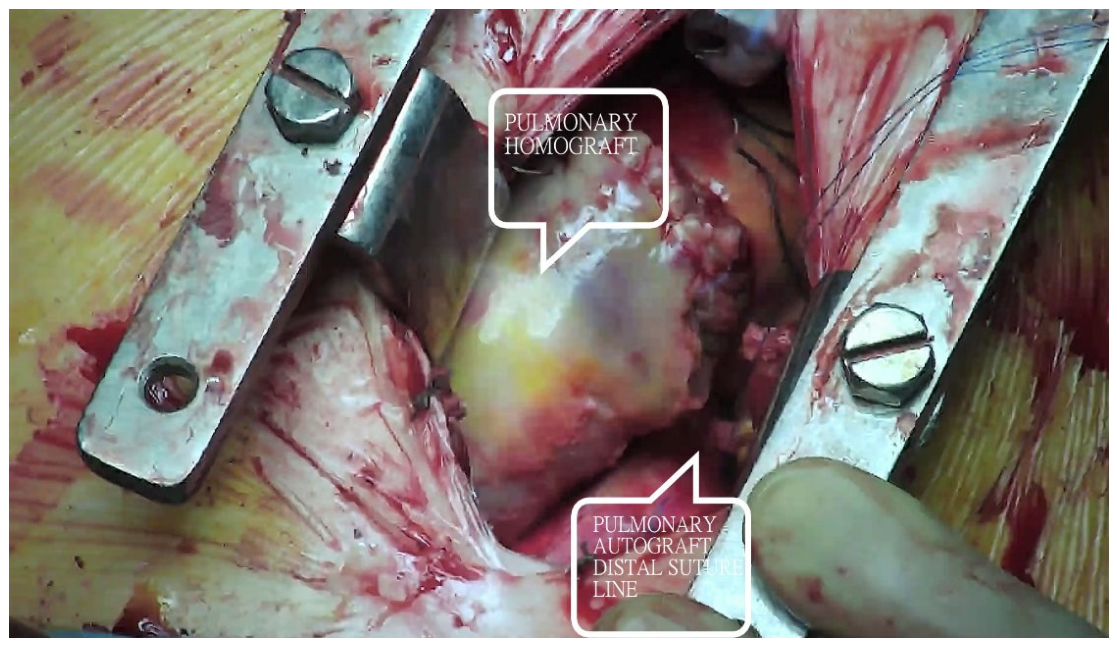
4]. Essentially, the Ross procedure involves the transplantation of the patient’s pulmonary autograft into the aortic position and the placement of a pulmonary homograft in the pulmonary position. By adopting a minimally invasive approach, we aim to merge the benefits of the living valve in the aortic position with those of ministernotomy, which include improved postoperative recovery, long-term quality of life, and superior cosmetic results [
5]. In contrast to previous cases documented by Franke et al. in 2009 [
5], our procedures were conducted through an arrow-shaped ministernotomy to the 3rd intercostal space, aligning with our standard approach for minimally invasive complex aortic surgeries, involving the aortic valve, aortic root and ascending aorta, such as the David II procedure, Yacoub procedure, Bentall procedure, cryopreserved aortic homograft implantation, and ascending aorta replacement [
6] This approach provides broad operative exposure for complex aortic procedures while maintaining the advantages of minimally invasive access and is notably shorter than the “J” partial sternotomy to the 4th intercostal space. Herein, we present the initial eleven cases of Ross procedures performed via an arrow-shaped ministernotomy approach to the 3rd intercostal space in adult patients.
Although the Ross procedure provides excellent long-term survival and hemodynamic outcomes, it is traditionally performed through a full median sternotomy. Because Ross candidates are frequently young, active adults with long life expectancy, reducing surgical trauma while preserving procedural safety is particularly attractive. Minimally invasive cardiac surgery has been associated with reduced postoperative pain, lower blood loss, earlier mobilization, shorter recovery, improved cosmetic results, and greater patient satisfaction. Therefore, adapting the Ross procedure to a minimally invasive approach may combine the biological advantages of a living autograft with the benefits of limited-access cardiac surgery.
3. Results
The aortic cross-clamp and perfusion times were consistent, ranging from 84 to 90 min and 144 to 184 min, respectively. Intraoperative transesophageal echocardiography confirmed satisfactory function of both the autograft and homograft valves, with no signs of regurgitation or transvalvular gradient. The postoperative period was uneventful, with patients being extubated on the same day as the surgery, typically 4 to 6 h after arriving in the intensive care unit (ICU). Postoperative drainage ranged between 200 and 700 mL, and none of the patients required reoperation for bleeding. The need for red blood cell transfusions was between 2 and 5 units. No atrioventricular block occurred postoperatively, eliminating the need for pacemaker implantation, and there were no cases of renal failure (
Table 1). Patients were transferred to the ward the next morning. Most were discharged between postoperative days 7 and 10, except for one patient who tested positive for COVID-19 (SARS-CoV-2) after the procedure but remained asymptomatic (
Table 1).
Pre-discharge evaluations, including chest X-ray, electrocardiogram (ECG), and transthoracic echocardiography (TTE), showed excellent results. There were no pleural or pericardial effusions, and both the neo-aortic and pulmonary valves were functioning well, alongside good left ventricular function. These outcomes were consistent with findings at the 3-month postoperative follow-up.
At the 3-month follow-up, transthoracic echocardiography demonstrated preserved left ventricular systolic function in all patients, with ejection fractions ranging from 55% to 68%. No patient exhibited aortic regurgitation, and all neo-aortic valves demonstrated excellent hemodynamic performance, with mean transvalvular gradients ranging from 3 to 8 mmHg. All patients remained in sinus rhythm. No evidence of autograft dysfunction, pulmonary homograft dysfunction, or need for reintervention was observed during the follow-up period (
Table 2).
Early postoperative recovery was uneventful in all patients. Mechanical ventilation time ranged between 4 and 8 h, while intensive care unit stay ranged from 24 to 48 h. No patient required reoperation for bleeding, permanent pacemaker implantation, renal replacement therapy, reintubation, or readmission. No episodes of postoperative atrial fibrillation, wound infection, sternal instability, stroke, or mortality were observed during the early postoperative period (
Table 3).
4. Discussion
The Ross procedure [
1] has long been recognized as one of the most effective methods for aortic valve replacement, particularly in pediatric and young adult populations. This procedure is favored for its excellent long-term outcomes, with substantial data supporting its effectiveness across various age groups, from children to young adults, and even up to patients aged 55–60 [
2,
3]. One of the primary reasons for the Ross procedure’s success lies in the exceptional hemodynamic performance of the pulmonary autograft, which is used to replace the diseased aortic valve. Additionally, the procedure eliminates the need for lifelong anticoagulant therapy, making it an attractive option for young, active individuals who want to avoid the limitations and risks associated with anticoagulation, such as bleeding complications and the need for regular monitoring.
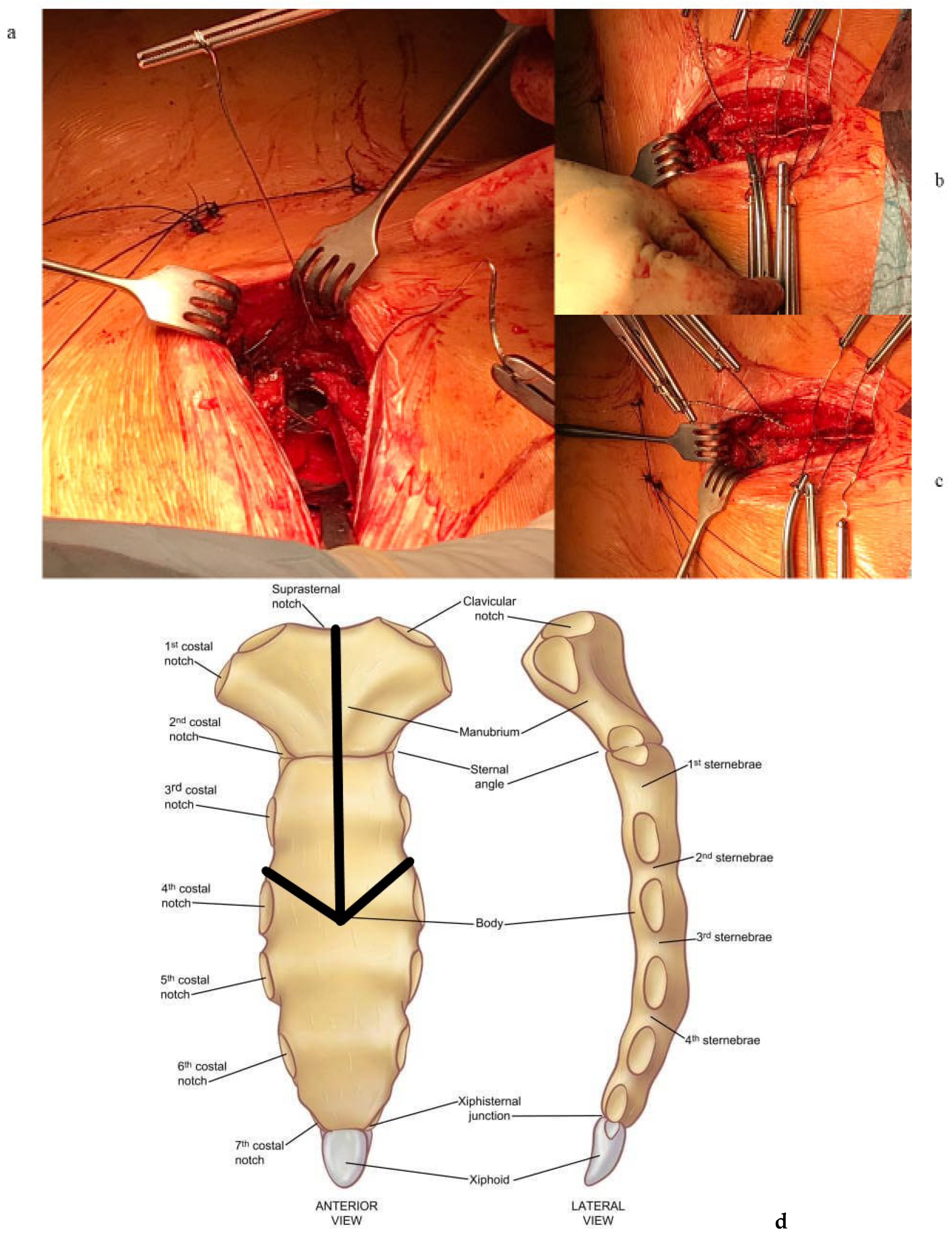
Given these advantages, we sought to explore whether the Ross procedure could be further optimized by employing a minimally invasive approach, specifically a ministernotomy to the 3rd intercostal space. This approach, performed in an arrow-shaped fashion, is already used routinely in our institution for various complex aortic procedures, such as the David II, Yacoub, and Bentall procedures, cryopreserved aortic homograft implantation, and ascending aorta replacement [
7,
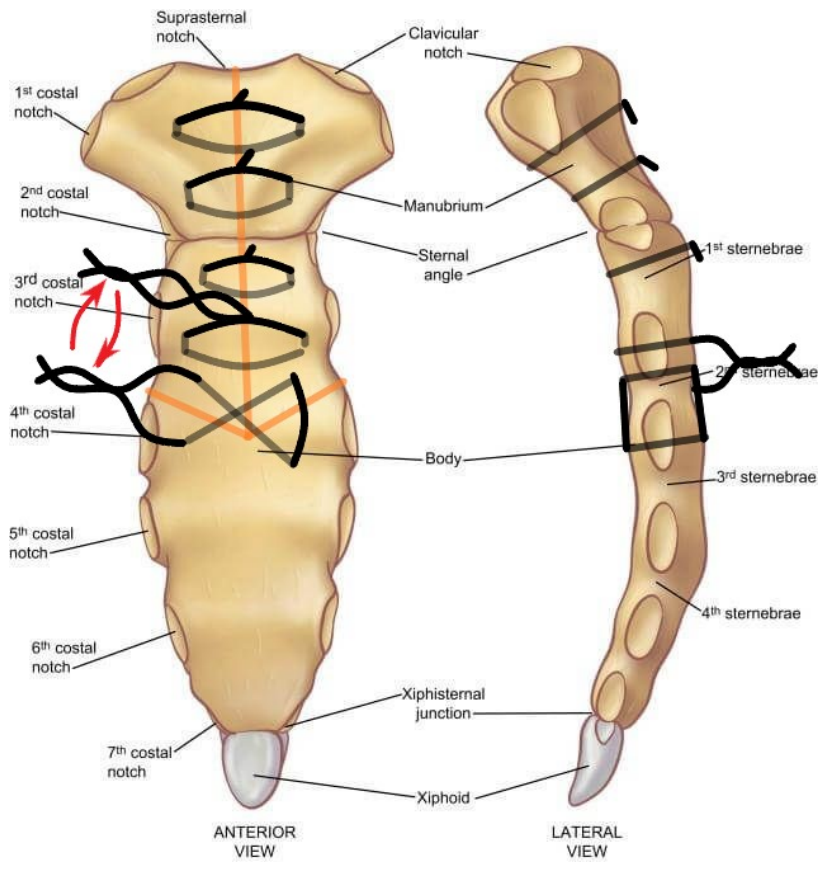
8]. This technique, illustrated in
Figure 1, offers several advantages over traditional full sternotomy, especially for young, active patients who benefit from a less invasive procedure. The V-shaped approach was selected because it reproduces the operative exposure routinely used in our minimally invasive complex aortic surgery program. In our experience, it provides excellent visualization for pulmonary autograft harvest, aortic root reconstruction, coronary button reimplantation, and pulmonary homograft implantation. We believe that the bilateral extension of the V-shaped sternotomy provides broader exposure than an L-shaped approach, which may be advantageous during the multiple reconstructive stages of the Ross procedure. However, the present study was not designed to compare minimally invasive access strategies directly, and therefore no definitive conclusions regarding superiority can be drawn. The ministernotomy approach may offer potential advantages regarding postoperative recovery and cosmetic appearance, although these outcomes were not formally evaluated in the present study [
6,
9].
In the case of the arrow-shaped ministernotomy, by dividing the sternum transversally in both directions, this approach allows for a wider operative field than other minimal access techniques while still reducing the length of the sternotomy. The broader operative exposure may facilitate performance of the multiple reconstructive stages of the Ross procedure while preserving the minimally invasive nature of the approach. According to Idserd et al., symmetrical bilateral retraction during V-shaped ministernotomy may reduce tension compared to one side (right) retraction on the internal thoracic arteries and has been proposed as one potential contributor to favorable postoperative recovery. However, the present study was not designed to evaluate this mechanism directly [
6]. Although no wound infections or sternal wound complications occurred in the present series, perioperative infection prevention remains an important component of care in all cardiac surgical procedures, including minimally invasive sternotomy approaches. All patients were managed according to our institution’s standard perioperative infection-prevention protocol. Additionally, the reduced length of the sternotomy results in better cosmetic outcomes, an important consideration for young and active patients concerned about visible scarring. Importantly, the durations of cardiopulmonary bypass (CPB) and aortic cross-clamping during the Ross procedures performed with this approach were within acceptable limits and were within acceptable ranges for Ross procedures reported in the literature. This consistency in surgical times is a key finding, as it demonstrates that this type of minimally invasive approach does not compromise the safety or reproducibility of the Ross procedure, which is known to be a technically demanding operation.
The Ross procedure itself presents significant challenges, largely due to the complexities involved in autograft and homograft implantation. Therefore, the importance of providing the surgeon with a generous and comfortable operative field, even in a minimally invasive setting, cannot be overstated. The arrow-shaped sternotomy, despite its minimally invasive nature, offers excellent exposure to the heart and great vessels, significantly improving the surgeon’s comfort to perform this rather demanding procedure. This may facilitate technical performance of the procedure, reduce the risk of complications, and contribute to better overall patient outcomes.
Based on our institutional experience spanning approximately 20 years, the V-shaped (arrow-shaped) ministernotomy has been routinely used for a variety of complex aortic procedures, including isolated aortic valve replacement, valve-sparing root replacement, ascending aortic replacement, and combined procedures. During this period, only three cases of sternal instability were observed, all associated with deep sternal wound infection. Although the present Ross series is too small to permit formal comparison with full sternotomy or other minimally invasive approaches, these observations suggest that satisfactory long-term sternal stability can be achieved with the closure technique described herein.
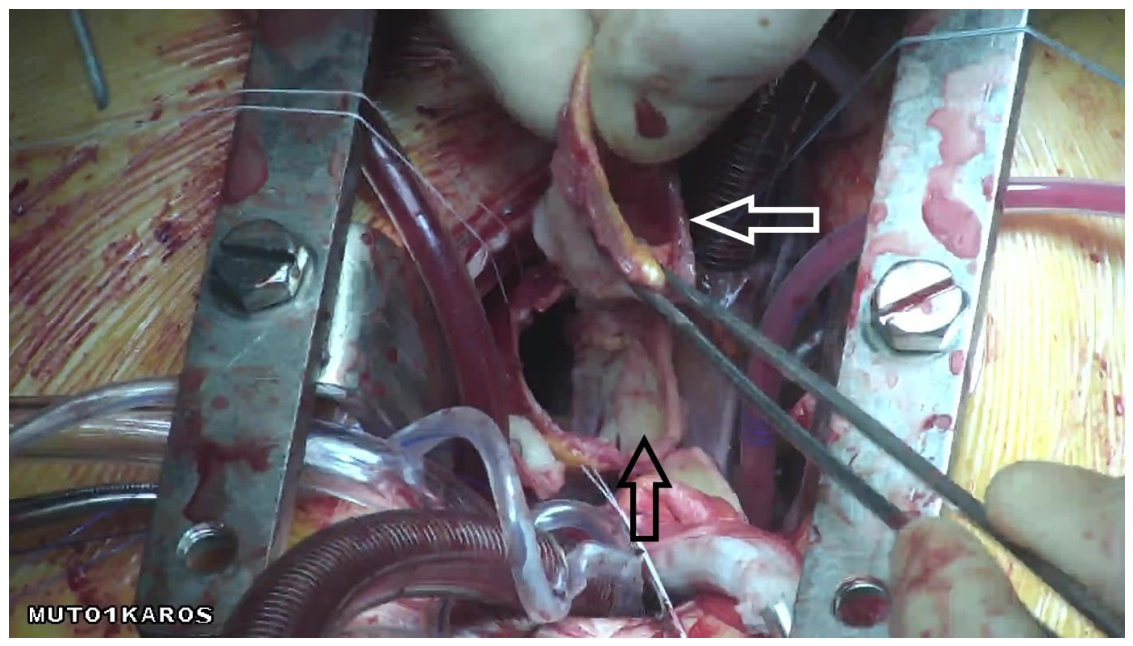
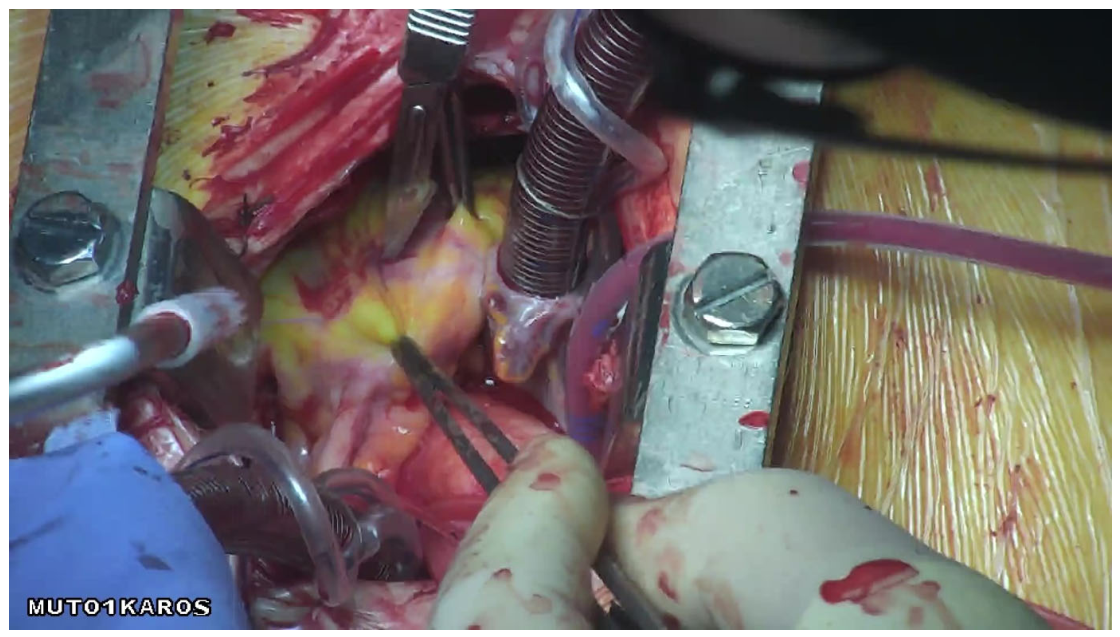
One of the recognized limitations of the Ross procedure is the potential for late failure of the pulmonary autograft. This is often caused by the dilatation of the neo-aortic root and the sino-tubular junction, which can lead to valve dysfunction over time. To prevent this complication, various techniques have been developed, including the use of Dacron grafts to wrap the pulmonary autograft and provide additional structural support [
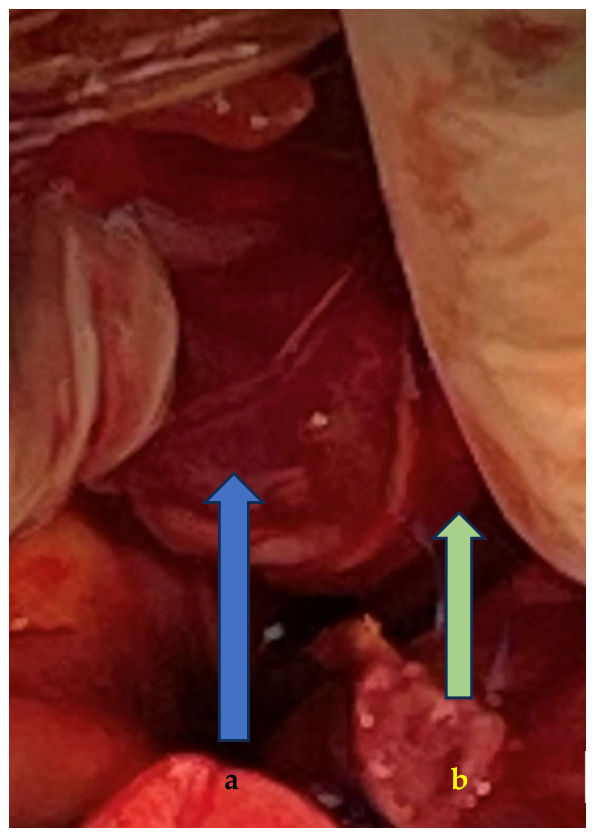
10]. However, in our series of patients, we employed a different strategy to reinforce the neo-aortic root. Instead of using a synthetic graft, we wrapped the neo-aortic root with the patient’s native aortic wall, specifically utilizing the noncoronary sinus of Valsalva
Figure 6. This approach has several advantages over traditional Dacron wrapping. First, it provides a certain degree of flexibility to the aortic root, preserving its natural bulb shape, which is crucial for the long-term function of the neo-aortic valve. Research has shown that maintaining this natural shape is essential for preventing valve dysfunction and ensuring the longevity of the autograft.
In addition to wrapping the neo-aortic root, we prepared larger coronary buttons during the procedure, which further stabilized the pulmonary autograft. This enhanced stability helps to reduce the risk of dilatation and provides additional support to the autograft, thus increasing its durability. Our approach, by preserving the flexibility and natural shape of the aortic root, offers a distinct advantage over the more rigid support provided by synthetic grafts, which can sometimes lead to complications such as aneurysm formation or valve dysfunction over time.
One of the criticisms frequently leveled against the Ross procedure is the fact that the pulmonary valve, which is used to replace the aortic valve, is itself replaced with a pulmonary homograft. Pulmonary homografts, while effective in the short and medium term, are known to degenerate over time, leading to the need for reoperation in some cases. This degeneration is often attributed to immune reactions, including an acute immune response to the homograft. The homografts used in the Ross procedure are typically selected based on size alone, without regard to ABO blood group compatibility or HLA matching, which may contribute to the immune response and subsequent degeneration [
11].
The following observations derive from previous institutional experience and are presented as background information relevant to pulmonary homograft durability rather than as results of the current cohort. To mitigate the risk of early homograft degeneration, we implemented a postoperative protocol involving the use of steroid therapy. Our patients received prednisolone at doses ranging from 4 to 12 mg for the first postoperative week. This steroid therapy is designed to prevent acute rejection by reducing the immune response during the critical early phase after homograft implantation. Additionally, we hypothesize that the process of homograft decellularization after implantation, combined with the reduced immune response from steroid therapy, may facilitate in vivo recellularization of the homograft with host endothelial cells. This process could extend the longevity of the pulmonary homograft by making it more like a native tissue rather than a foreign graft.
This hypothesis is supported by findings from DNA testing of explanted homograft valves. In two of our previous modified subcoronary aortic homograft implantation cases, we performed a “paternity” DNA test on cells from the explanted homograft valves, comparing them to cells from the patient’s harvested pericardial tissue. The results confirmed that the endothelial cells on the homograft were genetically identical to the patient’s own cells, providing evidence of in vivo recellularization. Additionally, these explanted valves were free from calcification or fibrosis and retained their normal elasticity, suggesting that the recellularization process may indeed prolong the life of the homograft.
Patient selection remains critical for the successful application of this technique. In our opinion, the arrow-shaped ministernotomy Ross procedure is particularly suitable for young and middle-aged adults with isolated aortic valve disease who are expected to derive long-term benefit from the Ross procedure and who value rapid recovery and improved cosmetic outcomes.
Limitations
This study represents a single-center case series with a limited number of patients and relatively short follow-up. Consequently, conclusions regarding long-term durability, comparative safety, effectiveness, or superiority over alternative minimally invasive approaches cannot be established. Furthermore, no direct comparison was performed with full sternotomy, J-shaped ministernotomy, or L-shaped ministernotomy. Larger multicenter studies with longer follow-up will be required to further evaluate clinical outcomes and validate the reproducibility of this approach.




 ,
,