

Practical Application of Polysomnography in Infants
 , ,
, ,
Abstract
1. Introduction
2. Materials and Methods
3. Results
- Studies evaluating polysomnography for sudden infant death syndrome
- 2.
- Studies evaluating polysomnography for the diagnosis of sleep disorders in various situations
- a.
- Depending on the infant
- b.
- Other factors
- 3.
- Studies evaluating treatment effectiveness
- 4.
- Modern methods and devices for monitoring sleep
4. Discussion
- 1.
- Usefulness of PSG as a diagnostic test
- 2.
- The importance of AHI in PSG in infants
- 3.
- The role of PSG in the management of various clinical conditions
- A.
- Pierre Robin sequence
- B.
- Down syndrome
- C.
- Laryngomalacia
- D.
- Gastroesophageal reflux disease (GERD)
- Motor abnormalities, including reduced resting tone of the lower esophageal sphincter, transient lower esophageal sphincter relaxations, impaired esophageal acid clearance, and delayed gastric emptying;
- Anatomical factors, such as a hiatal hernia;
- Visceral hypersensitivity;
- Impaired mucosal resistance [177].
- E.
- Sleep-disordered breathing in various clinical situations
- 4.
- Importance of PSG in the management of premature newborns
- 5.
- The usefulness of PSG in assessing treatment, with particular emphasis on caffeine and oxygen therapy
- 6.
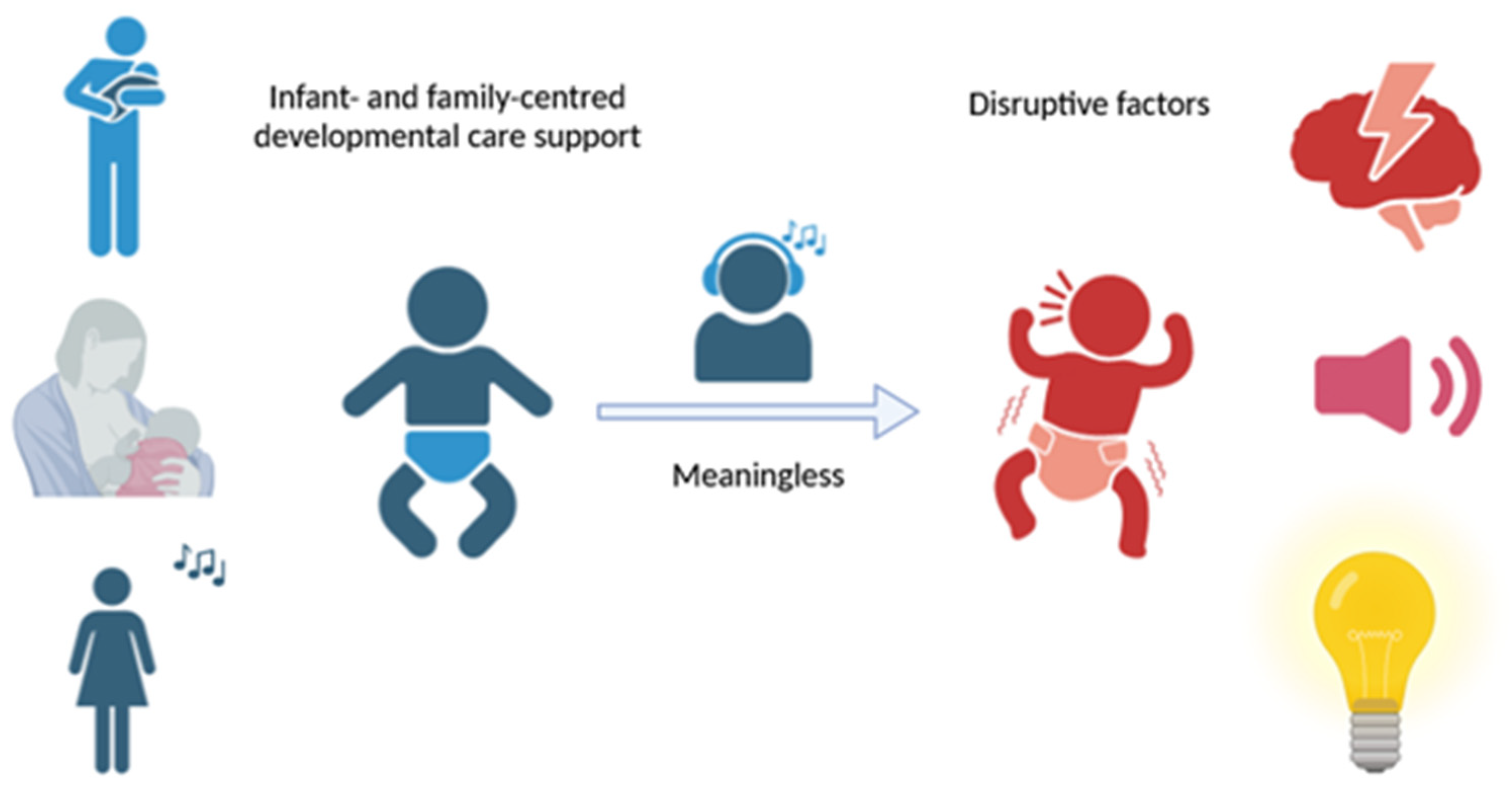
- The use of PSG in the assessment of parent–child relationships with particular emphasis on the NICU environment
- 7.
- The importance of sleep position in generating apnea
- 8.
- Alternatives to PSG as regards methods of diagnosis, assessment of sleep and breathing disorders
- 9.
- Future Ideas
5. Conclusions
Author Contributions
Funding
Institutional Review Board Statement
Informed Consent Statement
Data Availability Statement
Conflicts of Interest
Abbreviations
| AASM | American Academy of Sleep Medicine |
| AHI | Apnea–hypopnea index |
| ARI | Acid reflux index |
| AS | Active sleep |
| BMI | Body mass index |
| BMS | Bed mattress sensors |
| BPD | Bronchopulmonary dysplasia |
| BVFD | Bilateral vocal fold dysfunction |
| CAHI | Central apnea–hypopnea index |
| CAP | Cyclic alternating pattern |
| CAS | Central apnea syndrome |
| CHD | Congenital heart disease |
| CPAP | Continuous positive airway pressure |
| CRP | C-reactive protein |
| CSA | Central sleep apnea |
| CTS | Congenital tracheal stenosis |
| ECG | Electrocardiogram |
| EEG | Electroencephalography |
| ERS | European Respiratory Society |
| FEMOD | Fast and early mandibular osteodistraction |
| GER | Gastroesophageal reflux |
| GERD | Gastroesophageal reflux disease |
| HR | Heart rate |
| HRV | Heart rate variability |
| ICP | Isolated cleft palate |
| I-DS | Infants with Down syndrome |
| LG | Loop gain |
| MDO | Mandibular distraction osteogenesis |
| NICU | Neonatal intensive care unit |
| NIV | Non-invasive ventilation |
| NPV | Negative predictive value |
| NREM | Non-rapid eye movement |
| OAI | Obstructive apnea index |
| OAHI | Obstructive apnea-hypopnea index |
| OSA | Obstructive sleep apnea |
| CNS | Central nervous system |
| QS | Quiet sleep |
| PB | Periodic breathing |
| PG | Polygraphy |
| PMA | Postmenstrual age |
| PPV | Positive predictive value |
| PRS | Pierre Robin Sequence |
| PSG | Polysomnography |
| REM | Rapid eye movement |
| SDB | Sleep-disordered breathing |
| SGP | Supraglottoplasty |
| SIDS | Sudden infant death syndrome |
| SpO2 | Oxygen saturation |
| SRBD | Sleep-related breathing disorders |
| SWA | Slow-wave activity |
References
- Kushida, C.A.; Littner, M.R.; Morgenthaler, T.; Alessi, C.A.; Bailey, D.; Coleman, J., Jr.; Friedman, L.; Hirshkowitz, M.; Kapen, S.; Kramer, M.; et al. Practice parameters for the indications for polysomnography and related procedures: An update for 2005. Sleep 2005, 28, 499–521. [Google Scholar] [CrossRef] [PubMed]
- Dement, W.; Kleitman, N. Cyclic variations in EEG during sleep and their relation to eye movements, body motility, and dreaming. Electroencephalogr. Clin. Neurophysiol. 1957, 9, 673–690. [Google Scholar] [CrossRef] [PubMed]
- Gerstenslager, B.; Slowik, J.M. Sleep Study. [Updated 14 August 2023]. In StatPearls [Internet]; StatPearls Publishing: Treasure Island, FL, USA, 2025. Available online: https://www.ncbi.nlm.nih.gov/books/NBK563147/ (accessed on 14 August 2023).
- Horger, M.N. Novel and noninvasive methods for in-home sleep measurement and subsequent state coding in 12-month-old infants. Infant Behav. Dev. 2022, 69, 101775. [Google Scholar] [CrossRef]
- Asghari, A.; Mohammadi, F. Is Apnea-Hypopnea Index a proper measure for Obstructive Sleep Apnea severity? Med. J. Islam. Repub. Iran 2013, 27, 161–162. [Google Scholar] [PubMed] [PubMed Central]
- American Academy of Sleep Medicine. Obstructive Sleep Apnea; American Academy of Sleep Medicine: Darien, IL, USA, 2008. [Google Scholar]
- Park, J.G.; Ramar, K.; Olson, E.J. Updates on definition, consequences, and management of obstructive sleep apnea. Mayo Clin. Proc. 2011, 86, 549–555. [Google Scholar] [CrossRef] [PubMed]
- Solano-Pérez, E.; Coso, C.; Castillo-García, M.; Romero-Peralta, S.; Lopez-Monzoni, S.; Laviña, E.; Cano-Pumarega, I.; Sánchez-de-la-Torre, M.; García-Río, F.; Mediano, O. Diagnosis and Treatment of Sleep Apnea in Children: A Future Perspective Is Needed. Biomedicines 2023, 11, 1708. [Google Scholar] [CrossRef] [PubMed] [PubMed Central]
- Kaditis, A.G.; Alonso Alvarez, M.L.; Boudewyns, A.; Alexopoulos, E.I.; Ersu, R.; Joosten, K.; Larramona, H.; Miano, S.; Narang, I.; Trang, H.; et al. Obstructive Sleep Disordered Breathing in 2- to 18-Year-Old Children: Diagnosis and Management. Eur. Respir. J. 2016, 47, 69–94. [Google Scholar] [CrossRef] [PubMed]
- Marcus, C.L.; Brooks, L.J.; Ward, S.D.; Draper, K.A.; Gozal, D.; Halbower, A.C.; Jones, J.; Lehmann, C.; Schechter, M.S.; Sheldon, S.; et al. Diagnosis and Management of Childhood Obstructive Sleep Apnea Syndrome. Pediatrics 2012, 130, e714–e755. [Google Scholar] [CrossRef]
- Luz Alonso-Álvarez, M.; Canet, T.; Cubell-Alarco, M.; Estivill, E.; Fernández-Julián, E.; Gozal, D.; Jurado-Luque, M.J.; Lluch-Roselló, M.A.; Martínez-Pérez, F.; Merino-Andreu, M.; et al. Documento de consenso del síndrome de apneas-hipopneas durante el sueño en niños (versión completa). Arch. Bronconeumol. 2011, 47, 2–18. [Google Scholar] [CrossRef]
- Bitners, A.C.; Arens, R. Evaluation and Management of Children with Obstructive Sleep Apnea Syndrome. Lung 2020, 198, 257–270. [Google Scholar] [CrossRef]
- Dehlink, E.; Tan, H.-L. Update on Paediatric Obstructive Sleep Apnoea. J. Thorac. Dis. 2016, 8, 224–235. [Google Scholar] [CrossRef]
- Montgomery-Downs, H.E.; O’Brien, L.M.; Gulliver, T.E.; Gozal, D. Polysomnographic characteristics in normal preschool and early school-aged children. Pediatrics 2006, 117, 741–753. [Google Scholar] [CrossRef]
- Marcus, C.L.; Omlin, K.J.; Basinki, D.J.; Bailey, S.L.; Rachal, A.B.; Von Pechmann, W.S.; Keens, T.G.; Ward, S.L. Normal polysomnographic values for children and adolescents. Am. Rev. Respir. Dis. 1992, 146 Pt 1, 1235–1239. [Google Scholar] [CrossRef]
- Traeger, N.; Schultz, B.; Pollock, A.N.; Mason, T.; Marcus, C.L.; Arens, R. Polysomnographic values in children 2–9 years old: Additional data and review of the literature. Pediatr. Pulmonol. 2005, 40, 22–30. [Google Scholar] [CrossRef] [PubMed]
- Beck, S.E.; Marcus, C.L. Pediatric polysomnography. Sleep Med. Clin. 2009, 4, 393–406. [Google Scholar] [CrossRef]
- Ng, D.K.; Chan, C.H. A review of normal values of infant sleep polysomnography. Pediatr. Neonatol. 2013, 54, 82–87. [Google Scholar] [CrossRef]
- Daftary, A.S.; Jalou, H.E.; Shively, L.; Slaven, J.E.; Davis, S.D. Polysomnography Reference Values in Healthy Newborns. J. Clin. Sleep Med. 2019, 15, 437–443. [Google Scholar] [CrossRef] [PubMed] [PubMed Central]
- Henderson-Smart, D.J.; Pettigrew, A.G.; Campbell, D.J. Clinical apnea and brainstem neural function in preterm infants. N. Engl. J. Med. 1983, 308, 353–357. [Google Scholar] [CrossRef]
- Ramanathan, R.; Corwin, M.J.; Hunt, C.E.; Lister, G.; Tinsley, L.R.; Baird, T.; Silvestri, J.M.; Crowell, D.H.; Hufford, D.; Martin, R.J.; et al. Cardiorespiratory events recorded on home monitors: Comparison of healthy infants with those at increased risk for SIDS. JAMA 2001, 285, 2199–2207. [Google Scholar] [CrossRef]
- Goffinski, A.; Stanley, M.A.; Shepherd, N.; Duvall, N.; Jenkinson, S.B.; Davis, C.; Bull, M.J.; Roper, R.J. Obstructive sleep apnea in young infants with Down syndrome evaluated in a Down syndrome specialty clinic. Am. J. Med. Genet. Part A 2015, 167A, 324–330. [Google Scholar] [CrossRef]
- Reddy, V.S. Evaluation of upper airway obstruction in infants with Pierre Robin sequence and the role of polysomnography—Review of current evidence. Paediatr. Respir. Rev. 2016, 17, 80–87. [Google Scholar] [CrossRef]
- Pavone, M.; Caldarelli, V.; Khirani, S.; Colella, M.; Ramirez, A.; Aubertin, G.; Crinò, A.; Brioude, F.; Gastaud, F.; Beydon, N.; et al. Sleep disordered breathing in patients with Prader-Willi syndrome: A multicenter study. Pediatr. Pulmonol. 2015, 50, 1354–1359. [Google Scholar] [CrossRef]
- McGrath-Morrow, S.A.; Ryan, T.; McGinley, B.M.; Okelo, S.O.; Sterni, L.M.; Collaco, J.M. Polysomnography in preterm infants and children with chronic lung disease. Pediatr. Pulmonol. 2012, 47, 172–179. [Google Scholar] [CrossRef] [PubMed]
- Lutz, T.L.; Elliott, E.J.; Jeffery, H.E. Sudden unexplained early neonatal death or collapse: A national surveillance study. Pediatr. Res. 2016, 80, 493–498. [Google Scholar] [CrossRef]
- Smith, J.C.; Abdala, A.P.; Borgmann, A.; Rybak, I.A.; Paton, J.F. Brainstem respiratory networks: Building blocks and microcircuits. Trends Neurosci. 2013, 36, 152–162. [Google Scholar] [CrossRef]
- Abu-Shaweesh, J.M.; Martin, R.J. Neonatal apnea: What’s new? Pediatr. Pulmonol. 2008, 43, 937–944. [Google Scholar] [CrossRef] [PubMed]
- Wong, S.B.; Zhao, L.L.; Chuang, S.H.; Tsai, W.H.; Yu, C.H.; Tsai, L.P. Is prone sleeping dangerous for neonates? Polysomnographic characteristics and NDN gene analysis. Tzu Chi Med. J. 2019, 31, 113–117. [Google Scholar] [CrossRef] [PubMed] [PubMed Central]
- Wong, F.; Yiallourou, S.R.; Odoi, A.; Browne, P.; Walker, A.M.; Horne, R.S. Cerebrovascular control is altered in healthy term infants when they sleep prone. Sleep 2013, 36, 1911–1918. [Google Scholar] [CrossRef]
- Yiallourou, S.R.; Walker, A.M.; Horne, R.S. Prone sleeping impairs circulatory control during sleep in healthy term infants: Implications for SIDS. Sleep 2008, 31, 1139–1146. [Google Scholar] [CrossRef]
- Banderali, G.; Martelli, A.; Landi, M.; Moretti, F.; Betti, F.; Radaelli, G.; Lassandro, C.; Verduci, E. Short and long term health effects of parental tobacco smoking during pregnancy and lactation: A descriptive review. J. Transl. Med. 2015, 13, 327. [Google Scholar] [CrossRef]
- Coles, C.D.; Kable, J.A.; Lynch, M.E. Examination of gender differences in effects of tobacco exposure. In Gender Differences in Prenatal Substance Exposure; Lewis, M., Kestler, L., Eds.; American Psychological Association: Washington, DC, USA, 2012; pp. 99–120. [Google Scholar]
- Cornelius, M.D.; Day, N.L. The effects of tobacco use during and after pregnancy on exposed children: Relevance of findings for alcohol research. Alcohol. Res. Health 2000, 24, 242–249. [Google Scholar]
- Cornelius, M.D.; Day, N.L. Developmental consequences of prenatal tobacco exposure. Curr. Opin. Neurol. 2009, 22, 121–125. [Google Scholar] [CrossRef] [PubMed]
- Cornelius, M.D.; Ryan, C.M.; Day, N.L.; Goldschmidt, L.; Willford, J.A. Prenatal tobacco effects on neuropsychological outcomes among preadolescents. J. Dev. Behav. Pediatr. 2001, 22, 217–225. [Google Scholar] [CrossRef] [PubMed]
- Day, N.L.; Richardson, G.A.; Goldschmidt, L.; Cornelius, M.D. Effects of prenatal tobacco exposure on preschoolers’ behavior. J. Dev. Behav. Pediatr. 2000, 21, 180–188. [Google Scholar] [PubMed]
- Wiebe, S.A.; Clark, C.A.C.; De Jong, D.M.; Chevalier, N.; Espy, K.A.; Wakschlag, L. Prenatal tobacco exposure and self-regulation in early childhood: Implications for developmental psychopathology. Dev. Psychopathol. 2015, 27, 397–409. [Google Scholar] [CrossRef]
- de Sena, S.; Häggman, M.; Ranta, J.; Roienko, O.; Ilén, E.; Acosta, N.; Salama, J.; Kirjavainen, T.; Stevenson, N.; Airaksinen, M.; et al. NAPping PAnts (NAPPA): An open wearable solution for monitoring Infant’s sleeping rhythms, respiration and posture. Heliyon 2024, 10, e33295. [Google Scholar] [CrossRef] [PubMed] [PubMed Central]
- Paavonen, E.J.; Morales-Muñoz, I.; Pölkki, P.; Paunio, T.; Porkka-Heiskanen, T.; Kylliäinen, A.; Partonen, T.; Saarenpää-Heikkilä, O. Development of sleep-wake rhythms during the first year of age. J. Sleep Res. 2020, 29, e12918. [Google Scholar] [CrossRef]
- Sadeh, A. The role and validity of actigraphy in sleep medicine: An update. Sleep Med. Rev. 2011, 15, 259–267. [Google Scholar] [CrossRef]
- Camerota, M.; Tully, K.P.; Grimes, M.; Gueron-Sela, N.; Propper, C.B. Assessment of infant sleep: How well do multiple methods compare? Sleep 2018, 41, zsy146. [Google Scholar] [CrossRef]
- Harper, R.M.; Schechtman, V.L.; Kluge, K.A. Machine classification of infant sleep state using cardiorespiratory measures. Electroencephalogr. Clin. Neurophysiol. 1987, 67, 379–387. [Google Scholar] [CrossRef]
- Haddad, G.G.; Jeng, H.J.; Lai, T.L.; Mellins, R.B. Determination of sleep state in infants using respiratory variability. Pediatr. Res. 1987, 21, 556–562. [Google Scholar] [CrossRef]
- Ranta, J.; Airaksinen, M.; Kirjavainen, T.; Vanhatalo, S.; Stevenson, N.J. An open source classifier for bed mattress signal in infant sleep monitoring. Front. Neurosci. 2020, 14, 602852. [Google Scholar] [CrossRef]
- Schwichtenberg, A.J.; Choe, J.; Kellerman, A.; Abel, E.A.; Delp, E.J. Pediatric videosomnography: Can signal/video processing distinguish sleep and wake states? Front. Pediatr. 2018, 6, 158. [Google Scholar] [CrossRef]
- Li, W.; Yang, X.D.; Dai, A.N.; Chen, K. Sleep and wake classification based on heart rate and respiration rate. IOP Conf. Ser. Mater. Sci. Eng. 2018, 428, 012017. [Google Scholar] [CrossRef]
- Gaiduk, M.; Penzel, T.; Ortega, J.A.; Seepold, R. Automatic sleep stages classification using respiratory, heart rate and movement signals. Physiol. Meas. 2018, 39, 124008. [Google Scholar] [CrossRef] [PubMed]
- Gaiduk, M.; Serrano Alarcón, Á.; Seepold, R.; Martínez Madrid, N. Current status and prospects of automatic sleep stages scoring: Review. Biomed. Eng. Lett. 2023, 13, 247–272. [Google Scholar] [CrossRef] [PubMed]
- Dereymaeker, A.; Pillay, K.; Vervisch, J.; De Vos, M.; Van Huffel, S.; Jansen, K.; Naulaers, G. Review of sleep-EEG in preterm and term neonates. Early Hum. Dev. 2017, 113, 87–103. [Google Scholar] [CrossRef] [PubMed]
- Koolen, N.; Oberdorfer, L.; Rona, Z.; Giordano, V.; Werther, T.; Klebermass-Schrehof, K.; Stevenson, N.; Vanhatalo, S. Automated classification of neonatal sleep states using EEG. Clin. Neurophysiol. 2017, 128, 1100–1108. [Google Scholar] [CrossRef]
- Werth, J.; Atallah, L.; Andriessen, P.; Long, X.; Zwartkruis-Pelgrim, E.; Aarts, R.M. Unobtrusive sleep state measurements in preterm infants—A review. Sleep Med. Rev. 2017, 32, 109–122. [Google Scholar] [CrossRef]
- Lee, J.; Kim, H.C.; Lee, Y.J.; Lee, S. Development of generalizable automatic sleep staging using heart rate and movement based on large databases. Biomed. Eng. Lett. 2023, 13, 649–658. [Google Scholar] [CrossRef] [PubMed]
- Sazonova, N.A.; Sazonov, E.E.; Tan, B.; Schuckers, S.A.C. Sleep state scoring in infants from respiratory and activity measurements. In Proceedings of the 2006 International Conference of the IEEE Engineering in Medicine and Biology Society, New York, NY, USA, 30 August–3 September 2006; pp. 2462–2465. [Google Scholar] [CrossRef]
- Terrill, P.I.; Wilson, S.J.; Suresh, S.; Cooper, D.M.; Dakin, C. Application of recurrence quantification analysis to automatically estimate infant sleep states using a single channel of respiratory data. Med. Biol. Eng. Comput. 2012, 50, 851–865. [Google Scholar] [CrossRef]
- Isler, J.R.; Thai, T.; Myers, M.M.; Fifer, W.P. An automated method for coding sleep states in human infants based on respiratory rate variability. Dev. Psychobiol. 2016, 58, 1108–1115. [Google Scholar] [CrossRef]
- Tikotzky, L.; Ran-Peled, D.; Ben-Zion, H. A preliminary study on the performance of the Nanit auto-videosomnography scoring system against observed video scoring and actigraphy to estimate sleep-wake states in infants. Sleep Health 2023, 9, 611–617. [Google Scholar] [CrossRef]
- Sadeh, A.; Lavie, P.; Scher, A.; Tirosh, E.; Epstein, R. Actigraphic home-monitoring sleep-disturbed and control infants and young children: A new method for pediatric assessment of sleep-wake patterns. Pediatrics 1991, 87, 494–499. [Google Scholar]
- Sadeh, A.; De Marcas, G.; Guri, Y.; Berger, A.; Tikotzky, L.; Bar-Haim, Y. Infant sleep predicts attention regulation and behavior problems at 3–4 years of age. Dev. Neuropsychol. 2015, 40, 122–123. [Google Scholar] [CrossRef]
- Horger, M.N.; DeMasi, A.; Allia, A.M.; Scher, A.; Berger, S.E. Newly walking infants’ night sleep impacts next day learning and problem solving. Adv. Child Dev. Behav. 2021, 60, 57–83. [Google Scholar]
- Sadeh, A.; Raviv, A.; Gruber, R. Sleep patterns and sleep disruptions in school-age children. Dev. Psychol. 2000, 36, 291–301. [Google Scholar] [CrossRef]
- Ranta, J.; Ilen, E.; Palmu, K.; Salama, J.; Roienko, O.; Vanhatalo, S. An openly available wearable, a diaper cover, monitors infant’s respiration and position during rest and sleep. Acta Paediatr. 2021, 110, 2766–2771. [Google Scholar] [CrossRef] [PubMed]
- Thoman, E.B.; Tynan, W.D. Sleep states and wakefulness in human infants: Profiles from motility monitoring. Physiol. Behav. 1979, 23, 519–525. [Google Scholar] [CrossRef] [PubMed]
- Erkinjuntti, M.; Kero, P.; Halonen, J.P.; Mikola, H.; Sainio, K. Scsb method compared to eeg-based polygraphy in sleep state scoring of newborn infants. Acta Paediatr. 1990, 79, 274–279. [Google Scholar] [CrossRef] [PubMed]
- Ranta, J.R.; Aittokoski, T.; Tenhunen, M.; Alasaukko-Oja, M. Emfit QS heart rate and respiration rate validation. Biomed. Phys. Eng. Exp. 2019, 5, 025016. [Google Scholar] [CrossRef]
- Fyfe, K.L.; Odoi, A.; Yiallourou, S.R.; Wong, F.Y.; Walker, A.M.; Horne, R.S. Preterm Infants Exhibit Greater Variability in Cerebrovascular Control than Term Infants. Sleep 2015, 38, 1411–1421. [Google Scholar] [CrossRef] [PubMed] [PubMed Central]
- Fyfe, K.L.; Yiallourou, S.R.; Wong, F.Y.; Odoi, A.; Walker, A.M.; Horne, R.S. The Effect of Gestational Age at Birth on Post-Term Maturation of Heart Rate Variability. Sleep 2015, 38, 1635–1644. [Google Scholar] [CrossRef] [PubMed] [PubMed Central]
- Kacenelenbogen, N.; Dramaix-Wilmet, M.; Schetgen, M.; Roland, M. Not living with both parents is associated with more health- and developmental problems in infants aged 7 to 11 months: A cross sectional study. BMC Public Health 2015, 15, 159. [Google Scholar] [CrossRef] [PubMed] [PubMed Central]
- Kukkola, H.L.; Kirjavainen, T. Obstructive sleep apnea is position dependent in young infants. Pediatr. Res. 2023, 93, 1361–1367. [Google Scholar] [CrossRef] [PubMed] [PubMed Central]
- Coutier, L.; Guyon, A.; Reix, P.; Franco, P. Impact of prone positioning in infants with Pierre Robin sequence: A polysomnography study. Sleep Med. 2019, 54, 257–261. [Google Scholar] [CrossRef] [PubMed]
- Fyfe, K.L.; Yiallourou, S.R.; Wong, F.Y.; Odoi, A.; Walker, A.M.; Horne, R.S. Gestational age at birth affects maturation of baroreflex control. J. Pediatr. 2015, 166, 559–565. [Google Scholar] [CrossRef] [PubMed]
- Mason, G.M.; Kurdziel, L.B.F.; Spencer, R.M.C. The memory benefits of two naps per day during infancy: A pilot investigation. Infant Behav. Dev. 2021, 65, 101647. [Google Scholar] [CrossRef] [PubMed] [PubMed Central]
- Otte, R.A.; Long, X.; Westerink, J. A behavioral approach to annotating sleep in infants: Building on the classic framework. Physiol. Rep. 2022, 10, e15178. [Google Scholar] [CrossRef] [PubMed] [PubMed Central]
- Satomaa, A.L.; Mäkelä, T.; Saarenpää-Heikkilä, O.; Kylliäinen, A.; Huupponen, E.; Himanen, S.L. Slow-wave activity and sigma activities are associated with psychomotor development at 8 months of age. Sleep 2020, 43, zsaa061. [Google Scholar] [CrossRef] [PubMed]
- Kochiya, Y.; Hirabayashi, A.; Ichimaru, Y. Nocturnal heart rate variability in 1-year-old infants analyzed by using the Least Square Cosine Spectrum Method. J. Physiol. Anthropol. 2017, 36, 36. [Google Scholar] [CrossRef] [PubMed] [PubMed Central]
- Ben Jmaa, W.; Hernández, A.I.; Sutherland, M.R.; Cloutier, A.; Germain, N.; Lachance, C.; Martin, B.; Lebel, M.H.; Pladys, P.; Nuyt, A.M. Cardio-respiratory Events and Inflammatory Response After Primary Immunization in Preterm Infants < 32 Weeks Gestational Age: A Randomized Controlled Study. Pediatr. Infect. Dis. J. 2017, 36, 988–994. [Google Scholar] [CrossRef] [PubMed]
- Bat-Pitault, F.; Sesso, G.; Deruelle, C.; Flori, S.; Porcher-Guinet, V.; Stagnara, C.; Guyon, A.; Plancoulaine, S.; Adrien, J.; Da Fonseca, D.; et al. Altered sleep architecture during the first months of life in infants born to depressed mothers. Sleep Med. 2017, 30, 195–203. [Google Scholar] [CrossRef] [PubMed]
- Satomaa, A.L.; Saarenpää-Heikkilä, O.; Huupponen, E.; Kirjavainen, T.; Heinonen, J.; Himanen, S.L. Local changes in computational non-rapid eye movement sleep depth in infants. Clin. Neurophysiol. 2018, 129, 448–454. [Google Scholar] [CrossRef] [PubMed]
- Joshi, S.S.; Sivapalan, D.; Leclerc, M.J.; Kapur, N. Home continuous positive airway pressure therapy in infants: A single-center experience. J. Clin. Sleep Med. 2023, 19, 473–477. [Google Scholar] [CrossRef] [PubMed] [PubMed Central]
- Al-Iede, M.; Kumaran, R.; Waters, K. Home continuous positive airway pressure for cardiopulmonary indications in infants and children. Sleep Med. 2018, 48, 86–92, Erratum in Sleep Med. 2021, 86, 167. [Google Scholar] [CrossRef] [PubMed]
- Ruda, J.; Pinto, S.; Allarakhia, Z. Utility of polysomnography and video swallow studies in the management of pediatric patients with congenital idiopathic bilateral vocal fold dysfunction. Int. J. Pediatr. Otorhinolaryngol. 2020, 138, 110273. [Google Scholar] [CrossRef] [PubMed]
- Leon-Astudillo, C.; Wagner, M.; Salabarria, S.M.; Lammers, J.; Berthy, J.; Zingariello, C.D.; Byrne, B.J.; Smith, B.K. Polysomnography findings in children with spinal muscular atrophy after onasemnogene-abeparvovec. Sleep Med. 2023, 101, 234–237. [Google Scholar] [CrossRef] [PubMed]
- Osman, A.F.; Thomas, B.; Singh, N.; Collin, M.; Shekhawat, P.S. Impact of Infant-Polysomnography Studies on Discharge Management and Outcomes: A 5 Year Experience from a Tertiary Care Unit. J. Neonatal Biol. 2017, 6, 257. [Google Scholar] [CrossRef] [PubMed] [PubMed Central]
- Adeleye, A.; Ho, A.; Nettel-Aguirre, A.; Buchhalter, J.; Kirk, V. Noninvasive Positive Airway Pressure Treatment in Children Less than 12 Months of Age. Can. Respir. J. 2016, 2016, 7654631. [Google Scholar] [CrossRef] [PubMed] [PubMed Central]
- Stefanovski, D.; Tapia, I.E.; Lioy, J.; Sengupta, S.; Mukhopadhyay, S.; Corcoran, A.; Cornaglia, M.A.; Cielo, C.M. Respiratory indices during sleep in healthy infants: A prospective longitudinal study and meta-analysis. Sleep Med. 2022, 99, 49–57. [Google Scholar] [CrossRef] [PubMed] [PubMed Central]
- Kim, J.; Gueye-Ndiaye, S.; Mauer, E.; Modi, V.K.; Perlman, J.; Veler, H. Polysomnography use in complex term and preterm infants to facilitate evaluation and management in the neonatal intensive care unit. J. Clin. Sleep Med. 2021, 17, 1653–1663. [Google Scholar] [CrossRef] [PubMed] [PubMed Central]
- Tawfik, K.O.; Sedaghat, A.R.; Ishman, S.L. Trends in inpatient pediatric polysomnography for laryngomalacia and craniofacial anomalies. Ann. Otol. Rhinol. Laryngol. 2016, 125, 82–89. [Google Scholar] [CrossRef]
- Lim, K.; Quante, M.; Dijkstra, T.M.H.; Hilbert-Moessner, G.; Wiechers, C.; Dargaville, P.; Poets, C.F. Should obstructive hypopneas be included when analyzing sleep studies in infants with Robin Sequence? Sleep Med. 2022, 98, 9–12. [Google Scholar] [CrossRef] [PubMed]
- Khayat, A.; Bin-Hassan, S.; Al-Saleh, S. Polysomnographic findings in infants with Pierre Robin sequence. Ann. Thorac. Med. 2017, 12, 25–29. [Google Scholar] [CrossRef] [PubMed] [PubMed Central]
- Kirjavainen, T.; Vuola, P.; Suominen, J.; Saarikko, A. Micrognathia and cleft palate as a cause of obstructive sleep apnoea in infants. Acta Paediatr. 2024, 114, 1169–1178. [Google Scholar] [CrossRef] [PubMed]
- Cielo, C.M.; Taylor, J.A.; Vossough, A.; Radcliffe, J.; Thomas, A.; Bradford, R.; Lioy, J.; Tapia, I.E.; Assadsangabi, R.; Shults, J.; et al. Evolution of Obstructive Sleep Apnea in Infants with Cleft Palate and Micrognathia. J. Clin. Sleep Med. 2016, 12, 979–987. [Google Scholar] [CrossRef] [PubMed] [PubMed Central]
- Kochhar, R.; Modi, V.; de Silva, N.; Gueye-Ndiaye, S.; Neugarten, J.M.; Ward, M.J.; Gerber, L.M.; An, A.; Mauer, E.; Veler, H. Polysomnography-guided mandibular distraction osteogenesis in Pierre Robin sequence patients. J. Clin. Sleep Med. 2022, 18, 1749–1755. [Google Scholar] [CrossRef] [PubMed] [PubMed Central]
- Kanack, M.D.; Nakra, N.; Ahmad, I.; Vyas, R.M. Normal Neonatal Sleep Defined: Refining Patient Selection and Interpreting Sleep Outcomes for Mandibular Distraction. Plast. Reconstr. Surg. Glob. Open 2022, 10, e4031. [Google Scholar] [CrossRef] [PubMed] [PubMed Central]
- da Costa, A.L.; Manica, D.; Schweiger, C.; Kuhl, G.; Sekine, L.; Fagondes, S.C.; Collares, M.V.; Cauduro Marostica, P.J. The effect of mandibular distraction osteogenesis on airway obstruction and polysomnographic parameters in children with Robin sequence. J. Cranio-Maxillofac. Surg. 2018, 46, 1343–1347. [Google Scholar] [CrossRef] [PubMed]
- Bangiyev, J.N.; Traboulsi, H.; Abdulhamid, I.; Rozzelle, A.; Thottam, P.J. Sleep architecture in Pierre-Robin sequence: The effect of mandibular distraction osteogenesis. Int. J. Pediatr. Otorhinolaryngol. 2016, 89, 72–75. [Google Scholar] [CrossRef] [PubMed]
- Lee, J.J.; Thottam, P.J.; Ford, M.D.; Jabbour, N. Characteristics of sleep apnea in infants with Pierre-Robin sequence: Is there improvement with advancing age? Int. J. Pediatr. Otorhinolaryngol. 2015, 79, 2059–2067. [Google Scholar] [CrossRef] [PubMed]
- Coutier, L.; Gyapay, R.; Guyon, A.; Thieux, M.; Pouyau, R.; Blanc, S.; Ayari, S.; Griffon, L.; Giuseppi, A.; Adnot, P.; et al. Role of polysomnography in the management of obstructive sleep apnea during the first year of life in robin sequence: A prospective and longitudinal study. Sleep Med. 2024, 126, 73–81. [Google Scholar] [CrossRef] [PubMed]
- Zhong, J.; Luo, X.; Huang, Z.; Qiu, S.; Cheng, C.; Yang, L.; Yi, X.; Zeng, J.; Liu, D. The significance of evaluation of sleep respiration in infants with Pierre Robin sequence. Lin Chuang Er Bi Yan Hou Tou Jing Wai Ke Za Zhi 2020, 34, 496–498. (In Chinese) [Google Scholar] [CrossRef] [PubMed] [PubMed Central]
- Broucqsault, H.; Lamblin, M.D.; Hosana, G.; Fayoux, P. Evaluation of the efficacy of tongue-lip adhesion in Pierre Robin sequence. Eur. Ann. Otorhinolaryngol. Head Neck Dis. 2018, 135, 155–158. [Google Scholar] [CrossRef] [PubMed]
- Albino, F.P.; Wood, B.C.; Han, K.D.; Yi, S.; Seruya, M.; Rogers, G.F.; Oh, A.K. Clinical Factors Associated with the Non-Operative Airway Management of Patients with Robin Sequence. Arch. Plast. Surg. 2016, 43, 506–511. [Google Scholar] [CrossRef] [PubMed] [PubMed Central]
- Kam, K.; McKay, M.; MacLean, J.; Witmans, M.; Spier, S.; Mitchell, I. Surgical versus nonsurgical interventions to relieve upper airway obstruction in children with Pierre Robin sequence. Can. Respir. J. 2015, 22, 171–175. [Google Scholar] [CrossRef] [PubMed] [PubMed Central]
- Ramieri, V.; Basile, E.; Bosco, G.; Caresta, E.; Papoff, P.; Cascone, P. Three-dimensional airways volumetric analysis before and after fast and early mandibular osteodistraction. J. Cranio-Maxillofac. Surg. 2017, 45, 377–380. [Google Scholar] [CrossRef] [PubMed]
- Manica, D.; Schweiger, C.; Sekine, L.; Fagondes, S.C.; Kuhl, G.; Collares, M.V.; Marostica, P.J.C. Association of polysomnographic parameters with clinical symptoms severity grading in Robin sequence patients: A cohort nested cross-sectional study. Sleep Med. 2018, 43, 96–99. [Google Scholar] [CrossRef] [PubMed]
- Aaronson, N.L.; Jabbour, N. Can telemetry data obviate the need for sleep studies in Pierre Robin Sequence? Int. J. Pediatr. Otorhinolaryngol. 2017, 100, 238–241. [Google Scholar] [CrossRef] [PubMed]
- Cho, Y.; Kwon, Y.; DelRosso, L.; Sobremonte-King, M. Dysphagia severity is associated with worse sleep-disordered breathing in infants with Down syndrome. J. Clin. Sleep Med. 2023, 19, 883–887. [Google Scholar] [CrossRef] [PubMed] [PubMed Central]
- Cho, Y.; Kwon, Y.; Ruth, C.; Cheng, S.; DelRosso, L.M. The burden of sleep disordered breathing in infants with Down syndrome referred to tertiary sleep center. Pediatr. Pulmonol. 2023, 58, 1122–1126. [Google Scholar] [CrossRef] [PubMed] [PubMed Central]
- Cáceres, L.M.; Vargas, Á.D.S.; Rosas, G.M.; Pérez, E.B.; Poblano, A.; Miranda, R.S. Characterization of cyclic alternating pattern in infants with laryngomalacia. Sleep Sci. 2022, 15, 229–233. [Google Scholar] [CrossRef] [PubMed] [PubMed Central]
- Lajili, M.; Teissier, N.; Dudoignon, B.; Benoit, C.; Bellanger, S.; Kahn, L.; Van Den Abbeele, T.; Delclaux, C.; Bokov, P. Nap polysomnography in infants with laryngomalacia as a tool to predict treatment strategy. Eur. Arch. Otorhinolaryngol. 2024, 281, 3107–3113. [Google Scholar] [CrossRef] [PubMed] [PubMed Central]
- Verkest, V.; Verhulst, S.; Van Hoorenbeeck, K.; Vanderveken, O.; Saldien, V.; Boudewyns, A. Prevalence of obstructive sleep apnea in children with laryngomalacia and value of polysomnography in treatment decisions. Int. J. Pediatr. Otorhinolaryngol. 2020, 137, 110255. [Google Scholar] [CrossRef] [PubMed]
- Weinstein, J.E.; Lawlor, C.M.; Wu, E.L.; Rodriguez, K.H. Utility of polysomnography in determination of laryngomalacia severity. Int. J. Pediatr. Otorhinolaryngol. 2017, 93, 145–149. [Google Scholar] [CrossRef] [PubMed]
- Cialente, F.; Meucci, D.; Tropiano, M.L.; Salvati, A.; Torsello, M.; Savignoni, F.; Landolfo, F.; Dotta, A.; Trozzi, M. Changes in Breathing Patterns after Surgery in Severe Laryngomalacia. Children 2021, 8, 1120. [Google Scholar] [CrossRef] [PubMed] [PubMed Central]
- Makhout, S.; Boudewyns, A.; Van Hoorenbeeck, K.; Verhulst, S.; Van Eyck, A. Nocturnal pulse oximetry as a possible screening method for obstructive sleep apnea in infants with laryngomalacia. Sleep Med. 2022, 90, 91–95. [Google Scholar] [CrossRef] [PubMed]
- Sankaran, J.; Qureshi, A.H.; Woodley, F.; Splaingard, M.; Jadcherla, S.R. Effect of Severity of Esophageal Acidification on Sleep vs. Wake Periods in Infants Presenting with Brief Resolved Unexplained Events. J. Pediatr. 2016, 179, 42–48.e1. [Google Scholar] [CrossRef] [PubMed] [PubMed Central]
- Qureshi, A.; Malkar, M.; Splaingard, M.; Khuhro, A.; Jadcherla, S. The Role of Sleep in the Modulation of Gastroesophageal Reflux and Symptoms in NICU Neonates. Pediatr. Neurol. 2015, 53, 226–232. [Google Scholar] [CrossRef] [PubMed] [PubMed Central]
- Cheyrou-Lagrèze, O.; Hullo, E.; Taytard, J.; Giovannini-Chami, L.; Franco, P.; Ioan, I.C.; Coutier, L. Persistent and symptomatic periodic breathing beyond the neonatal period in full-term infants: A case series. Arch. Pediatr. 2024, 31, 256–263. [Google Scholar] [CrossRef] [PubMed]
- Ucrós, S.; Granados, C.; Parejo, K.; Guillén, F.; Ortega, F.; Restrepo, S.; Gil, F.; Guillén, M. Oxygen saturation, periodic breathing and apnea during sleep in infants 1 to 4 month old living at 2560 meters above sea level. Arch. Argent. Pediatr. 2015, 113, 341–344, (In English and Spanish). [Google Scholar] [CrossRef] [PubMed]
- Ucrós, S.; Granados, C.; Parejo, K.; Ortega, F.; Guillén, F.; Restrepo, S.; Gil, F.; Guillén, M. Oxygen saturation, periodic breathing, and sleep apnea in infants aged 1–4 months old living at 3200 meters above sea level. Arch. Argent. Pediatr. 2017, 115, 54–57, (In English and Spanish). [Google Scholar] [CrossRef] [PubMed]
- Pellen, G.; Pandit, C.; Castro, C.; Robinson, P.; Seton, C.; Fitzgerald, D.A.; Waters, K.; Cheng, A.T. Use of non-invasive ventilation in children with congenital tracheal stenosis. Int. J. Pediatr. Otorhinolaryngol. 2019, 127, 109672. [Google Scholar] [CrossRef] [PubMed]
- Shellhaas, R.A.; Kenia, P.V.; Hassan, F.; Barks, J.D.E.; Kaciroti, N.; Chervin, R.D. Sleep-Disordered Breathing among Newborns with Myelomeningocele. J. Pediatr. 2018, 194, 244–247.e1. [Google Scholar] [CrossRef] [PubMed] [PubMed Central]
- Mehta, B.; Waters, K.; Fitzgerald, D.; Badawi, N. Clinical characteristics, associated comorbidities and hospital outcomes of neonates with sleep disordered breathing: A retrospective cohort study. BMJ Paediatr. Open 2024, 8, e002639. [Google Scholar] [CrossRef] [PubMed] [PubMed Central]
- Hayashi, A.; Suresh, S.; Kevat, A.; Robinson, J.; Kapur, N. Central sleep apnea in otherwise healthy term infants. J. Clin. Sleep Med. 2022, 18, 2813–2817. [Google Scholar] [CrossRef] [PubMed] [PubMed Central]
- Singh, J.; Yeoh, E.; Castro, C.; Uy, C.; Waters, K. Polysomnography in infants with clinical suspicion of sleep-related breathing disorders. J. Clin. Sleep Med. 2022, 18, 2803–2812. [Google Scholar] [CrossRef] [PubMed] [PubMed Central]
- Meerkov, M.S.; Hassan, F.; Chervin, R.D.; Barks, J.D.; Carlson, M.D.; Shellhaas, R.A. Sleep-disordered breathing is common among term and near term infants in the NICU. Pediatr. Pulmonol. 2019, 54, 557–562. [Google Scholar] [CrossRef]
- Kombathula, R.; Ingram, D.G.; Ehsan, Z. Current Practice Patterns in the Diagnosis and Management of Sleep-Disordered Breathing in Infants. J. Clin. Sleep Med. 2019, 15, 1427–1431. [Google Scholar] [CrossRef] [PubMed] [PubMed Central]
- Cohen, G.; de Chazal, P. Automated detection of sleep apnea in infants: A multi-modal approach. Comput. Biol. Med. 2015, 63, 118–123. [Google Scholar] [CrossRef] [PubMed]
- Seppä-Moilanen, M.; Andersson, S.; Kirjavainen, T. Spontaneous and apnea arousals from sleep in preterm infants. Pediatr. Res. 2021, 89, 1261–1267. [Google Scholar] [CrossRef] [PubMed]
- Siriwardhana, L.S.; Yee, A.K.; Mann, D.L.; Dawadi, S.; Nixon, G.M.; Wong, F.Y.; Edwards, B.A.; Horne, R.S.C. Ventilatory control instability as a predictor of persistent periodic breathing in preterm infants. Pediatr. Res. 2022, 92, 513–519. [Google Scholar] [CrossRef] [PubMed] [PubMed Central]
- Decima, P.F.; Fyfe, K.L.; Odoi, A.; Wong, F.Y.; Horne, R.S. The longitudinal effects of persistent periodic breathing on cerebral oxygenation in preterm infants. Sleep Med. 2015, 16, 729–735. [Google Scholar] [CrossRef] [PubMed]
- Yee, A.K.; Shetty, M.; Siriwardhana, L.S.; Wong, F.Y.; Walter, L.M.; Horne, R.S.C. Autonomic cardiovascular control is altered by intermittent hypoxia in preterm infants. Acta Paediatr. 2023, 112, 2359–2367. [Google Scholar] [CrossRef] [PubMed]
- Llaguno, N.S.; Pedreira Mda, L.; Avelar, A.F.; Avena, M.J.; Tsunemi, M.H.; Pinheiro, E.M. Polysomnography assessment of sleep and wakefulness in premature newborns. Rev. Bras. Enferm. 2015, 68, 1109–1115, (In English and Portuguese). [Google Scholar] [CrossRef] [PubMed]
- Bach, V.; Delanaud, S.; Barcat, L.; Bodin, E.; Tourneux, P.; Libert, J.P. Distal skin vasodilation in sleep preparedness, and its impact on thermal status in preterm neonates. Sleep Med. 2019, 60, 26–30. [Google Scholar] [CrossRef] [PubMed]
- Procaskey, A.; White, H.; Simoneau, T.; Traeger, N.; Lahiri, T.; Abu Jawdeh, E.G.; Kremer, T.; Sheils, C.; Meyer, K.; Rosenkrantz, T.; et al. The optimization of home oxygen weaning in premature infants trial: Design, rationale, methods, and lessons learned. Contemp. Clin. Trials 2018, 75, 72–77. [Google Scholar] [CrossRef] [PubMed]
- Shellhaas, R.A.; Burns, J.W.; Barks, J.D.E.; Hassan, F.; Chervin, R.D. Maternal Voice and Infant Sleep in the Neonatal Intensive Care Unit. Pediatrics 2019, 144, e20190288, Erratum in Pediatrics 2020, 145, e20200631. [Google Scholar] [CrossRef] [PubMed] [PubMed Central]
- Levy, J.; Hassan, F.; Plegue, M.A.; Sokoloff, M.D.; Kushwaha, J.S.; Chervin, R.D.; Barks, J.D.; Shellhaas, R.A. Impact of hands-on care on infant sleep in the neonatal intensive care unit. Pediatr. Pulmonol. 2017, 52, 84–90. [Google Scholar] [CrossRef] [PubMed] [PubMed Central]
- Araújo, F.M.; Pedreira, M.D.L.G.; Avelar, A.F.M.; Pradella-Hallinan, M.L.C.; Tsunemi, M.H.; Pinheiro, E.M. Sleep and salivary cortisol in preterm neonates: A clinical, randomized, controlled, crossover study. Rev. Bras. Enferm. 2018, 71 (Suppl. 3), 1358–1365, (In English and Portuguese). [Google Scholar] [CrossRef] [PubMed]
- Atalah, Y.E.Y.; Barış, H.E.; Akdere, S.K.; Sabancı, M.; Özdemir, H.; Gücüyener, K.; Eralp, E.E.; Özek, E.; Boran, P. Effects of caffeine therapy for apnea of prematurity on sleep and neurodevelopment of preterm infants at 6 months of corrected age. J. Clin. Sleep Med. 2023, 19, 2075–2085. [Google Scholar] [CrossRef] [PubMed] [PubMed Central]
- Seppä-Moilanen, M.; Andersson, S.; Kirjavainen, T. Caffeine is a respiratory stimulant without effect on sleep in the short-term in late-preterm infants. Pediatr. Res. 2022, 92, 776–782, Erratum in Pediatr. Res. 2022, 92, 906. [Google Scholar] [CrossRef] [PubMed] [PubMed Central]
- Rossor, T.; Bhat, R.; Ali, K.; Peacock, J.; Rafferty, G.F.; Greenough, A. The effect of caffeine on the ventilatory response to hypercarbia in preterm infants. Pediatr. Res. 2018, 83, 1152–1157. [Google Scholar] [CrossRef] [PubMed]
- Das, P.; Kashyap, R.; Kotagal, S. Impact of Supplemental Oxygen on Obstructive Sleep Apnea of Infants. Children 2018, 5, 34. [Google Scholar] [CrossRef] [PubMed] [PubMed Central]
- Brockbank, J.; Astudillo, C.L.; Che, D.; Tanphaichitr, A.; Huang, G.; Tomko, J.; Simakajornboon, N. Supplemental Oxygen for Treatment of Infants with Obstructive Sleep Apnea. J. Clin. Sleep Med. 2019, 15, 1115–1123. [Google Scholar] [CrossRef] [PubMed] [PubMed Central]
- Seppä-Moilanen, M.; Andersson, S.; Kirjavainen, T. Supplemental Oxygen Treats Periodic Breathing without Effects on Sleep in Late-Preterm Infants. Neonatology 2022, 119, 567–574. [Google Scholar] [CrossRef] [PubMed] [PubMed Central]
- Flores-Fenlon, N.; Wright, N.; Lew, C.; Stavroudis, T.A.; Wee, C.P.; Davidson Ward, S.L.; Bansal, M. Retrospective analysis of inpatient polysomnogram characteristics and discharge outcomes in infants with bronchopulmonary dysplasia requiring home oxygen therapy. Pediatr. Pulmonol. 2021, 56, 88–96. [Google Scholar] [CrossRef] [PubMed] [PubMed Central]
- Derbin, M.; McKenna, L.; Chin, D.; Coffman, B.; Bloch-Salisbury, E. Actigraphy: Metrics reveal it is not a valid tool for determining sleep in neonates. J. Sleep Res. 2022, 31, e13444. [Google Scholar] [CrossRef] [PubMed] [PubMed Central]
- Unno, M.; Morisaki, T.; Kinoshita, M.; Saikusa, M.; Iwata, S.; Fukaya, S.; Yamashita, Y.; Nakayama, M.; Saitoh, S.; Iwata, O. Validation of actigraphy in hospitalised newborn infants using video polysomnography. J. Sleep Res. 2022, 31, e13437. [Google Scholar] [CrossRef] [PubMed]
- Montazeri, S.M.; Nevalainen, P.; Stevenson, N.J.; Vanhatalo, S. Sleep State Trend (SST), a bedside measure of neonatal sleep state fluctuations based on single EEG channels. Clin. Neurophysiol. 2022, 143, 75–83. [Google Scholar] [CrossRef] [PubMed]
- Wielek, T.; Del Giudice, R.; Lang, A.; Wislowska, M.; Ott, P.; Schabus, M. On the development of sleep states in the first weeks of life. PLoS ONE 2019, 14, e0224521. [Google Scholar] [CrossRef] [PubMed] [PubMed Central]
- Bravo, G.; Ysunza, A.; Arrieta, J.; Pamplona, M.C. Videonasopharyngoscopy is useful for identifying children with Pierre Robin sequence and severe obstructive sleep apnea. Int. J. Pediatr. Otorhinolaryngol. 2005, 69, 27–33. [Google Scholar] [CrossRef]
- Satomaa, A.L.; Saarenpää-Heikkilä, O.; Paavonen, E.J.; Himanen, S.L. The adapted American Academy of Sleep Medicine sleep scoring criteria in one month old infants: A means to improve comparability? Clin. Neurophysiol. 2016, 127, 1410–1418. [Google Scholar] [CrossRef] [PubMed]
- Martin, R.J. Cardiorespiratory Disorders During Sleep; Futura Publishing Company: New York, NY, USA, 1984; p. 21. [Google Scholar]
- Ryan, E.P.; Pollock, S.J.; Murant, T.I.; Bernstein, S.H.; Felgar, R.E.; Phipps, R.P. Activated human B lymphocytes express cyclooxygenase-2 and cyclooxygenase inhibitors attenuate antibody production. J. Immunol. 2005, 174, 2619–2626. [Google Scholar] [CrossRef] [PubMed]
- Leonardis, R.L.; Robison, J.G.; Otteson, T.D. Evaluating the management of obstructive sleep apnea in neonates and infants. JAMA Otolaryngol. Head Neck Surg. 2013, 139, 139–146. [Google Scholar] [CrossRef] [PubMed]
- Robison, J.G.; Wilson, C.; Otteson, T.D.; Chakravorty, S.S.; Mehta, D.K. Analysis of outcomes in treatment of obstructive sleep apnea in infants. Laryngoscope 2013, 123, 2306–2314. [Google Scholar] [CrossRef]
- Polytarchou, A.; Moudaki, A.; Van de Perck, E.; Boudewyns, A.; Kaditis, A.G.; Verhulst, S.; Ersu, R. An update on diagnosis and management of obstructive sleep apnoea in the first 2 years of life. Eur. Respir. Rev. 2024, 33, 230121. [Google Scholar] [CrossRef] [PubMed] [PubMed Central]
- Kaditis, A.G.; Alonso Alvarez, M.L.; Boudewyns, A.; Abel, F.; Alexopoulos, E.I.; Ersu, R.; Joosten, K.; Larramona, H.; Miano, S.; Narang, I.; et al. ERS statement on obstructive sleep disordered breathing in 1- to 23-month-old children. Eur. Respir. J. 2017, 50, 1700985. [Google Scholar] [CrossRef]
- Chiang, J.; Xiao, L.; Nigro, E.; St-Laurent, A.; Weinstock, L.; Law, E.; Janevski, J.; Kuyntjes, S.; Cithiravel, N.; Tran, T.; et al. Sleep disordered breathing in infants identified through newborn screening with spinal muscular atrophy. Sleep Med. 2023, 111, 161–169. [Google Scholar] [CrossRef] [PubMed]
- Henderson-Smart, D.J. The effect of gestational age on the incidence and duration of recurrent apnoea in newborn babies. Aust. Paediatr. J. 1981, 17, 273–276. [Google Scholar] [CrossRef]
- Eichenwald, E.C.; Aina, A.; Stark, A.R. Apnea frequently persists beyond term gestation in infants delivered at 24 to 28 weeks. Pediatrics 1997, 100, 354–359. [Google Scholar] [CrossRef]
- Martin, R.J.; Miller, M.J.; Carlo, W.A. Pathogenesis of apnea in preterm infants. J. Pediatr. 1986, 109, 733–741. [Google Scholar] [CrossRef] [PubMed]
- Anderson, I.C.; Sedaghat, A.R.; McGinley, B.M.; Redett, R.J.; Boss, E.F.; Ishman, S.L. Prevalence and severity of obstructive sleep apnea and snoring in infants with Pierre Robin sequence. Cleft Palate Craniofacial J. 2011, 48, 614–618. [Google Scholar] [CrossRef]
- Lam, D.J.; Jensen, C.C.; Mueller, B.A.; Starr, J.R.; Cunningham, M.L.; Weaver, E.M. Pediatric sleep apnea and craniofacial anomalies: A population-based case-control study. Laryngoscope 2010, 120, 2098–2105. [Google Scholar] [CrossRef] [PubMed]
- Almajed, A.; Viezel-Mathieu, A.; Gilardino, M.S.; Flores, R.L.; Tholpady, S.S.; Côté, A. Outcome following surgical interventions for micrognathia in infants with Pierre Robin sequence: A systematic review of the literature. Cleft Palate Craniofacial J. 2017, 54, 32–42. [Google Scholar] [CrossRef]
- Farhood, Z.; Ong, A.A.; Nguyen, S.A.; Gillespie, M.B.; Discolo, C.M.; White, D.R. Objective outcomes of supraglottoplasty for children with laryngomalacia and obstructive sleep apnea: A meta-analysis. JAMA Otolaryngol. Head Neck Surg. 2016, 142, 665–671. [Google Scholar] [CrossRef]
- Camacho, M.; Dunn, B.; Torre, C.; Sasaki, J.; Gonzales, R.; Liu, S.Y.; Chan, D.K.; Certal, V.; Cable, B.B. Supraglottoplasty for laryngomalacia with obstructive sleep apnea: A systematic review and meta-analysis. Laryngoscope 2016, 126, 1246–1255. [Google Scholar] [CrossRef] [PubMed]
- Daniel, M.; Bailey, S.; Walker, K.; Hensley, R.; Kol-Castro, C.; Badawi, N.; Cheng, A.; Waters, K. Airway, feeding and growth in infants with Robin sequence and sleep apnoea. Int. J. Pediatr. Otorhinolaryngol. 2013, 77, 499–503. [Google Scholar] [CrossRef] [PubMed]
- Franco, P.; Guyon, A.; Stagnara, C.; Flori, S.; Bat-Pitault, F.; Lin, J.S.; Patural, H.; Plancoulaine, S. Early polysomnographic characteristics associated with neurocognitive development at 36 months of age. Sleep Med. 2019, 60, 13–19. [Google Scholar] [CrossRef] [PubMed]
- Masters, I.B.; Harvey, J.M.; Wales, P.D.; O’Callaghan, M.J.; Harris, M.A. Clinical versus polysomnographic profiles in children with obstructive sleep apnoea. J. Paediatr. Child Health 1999, 35, 49–54. [Google Scholar] [CrossRef] [PubMed]
- Brooks, L.J.; Olsen, M.N.; Bacevice, A.M.; Beebe, A.; Konstantinopoulou, S.; Taylor, H.G. Relationship between sleep, sleep apnea, and neuropsychological function in children with Down syndrome. Sleep Breath. 2015, 19, 197–204. [Google Scholar] [CrossRef] [PubMed]
- Suresh, S.; Wales, P.; Dakin, C.; Harris, M.A.; Cooper, D.G. Sleep-related breathing disorder in Duchenne muscular dystrophy: Disease spectrum in the paediatric population. J. Paediatr. Child Health 2005, 41, 500–503. [Google Scholar] [CrossRef] [PubMed]
- Kerr, P.; Shoenut, J.P.; Millar, T.; Buckle, P.; Kryger, M.H. Nasal CPAP reduces gastroesophageal reflux in obstructive sleep apnea syndrome. Chest 1992, 101, 1539–1544. [Google Scholar] [CrossRef] [PubMed]
- Shepherd, K.L.; James, A.L.; Musk, A.W.; Hunter, M.L.; Hillman, D.R.; Eastwood, P.R. Gastro-oesophageal reflux symptoms are related to the presence and severity of obstructive sleep apnoea. J. Sleep Res. 2011, 20 Pt 2, 241–249. [Google Scholar] [CrossRef] [PubMed]
- Tawk, M.; Goodrich, S.; Kinasewitz, G.; Orr, W. The effect of 1 week of continuous positive airway pressure treatment in obstructive sleep apnea patients with concomitant gastroesophageal reflux. Chest 2006, 130, 1003–1008. [Google Scholar] [CrossRef] [PubMed]
- Santana-Miranda, R.; Murata, C.; Bruni, O.; Rosa, A.; Alvarado-Ruiz, G.; Castillo-Montoya, C.R.; Rojas-Zamorano, J.Á.; Esqueda-León, E.; Dominguez-Salazar, E.; Poblano, A.; et al. Cyclic alternating pattern in in-fants with congenital hypothyroidism. Brain Dev. 2019, 41, 66–71. [Google Scholar] [CrossRef] [PubMed]
- Rotenberg, B.; George, C.; Sullivan, K.; Wong, E. Wait times for sleep apnea care in Ontario: A multidisciplinary assessment. Can. Respir. J. 2010, 17, 170–174. [Google Scholar] [CrossRef] [PubMed] [PubMed Central]
- Kao, L.T.; Lee, H.C.; Lin, H.C.; Tsai, M.C.; Chung, S.D. Healthcare Service Utilization by Patients with Obstructive Sleep Apnea: A Population-Based Study. PLoS ONE 2015, 10, e0137459. [Google Scholar] [CrossRef] [PubMed] [PubMed Central]
- Watson, N.F. Health Care Savings: The Economic Value of Diagnostic and Therapeutic Care for Obstructive Sleep Apnea. J. Clin. Sleep Med. 2016, 12, 1075–1077. [Google Scholar] [CrossRef] [PubMed] [PubMed Central]
- Hoppenbrouwer, X.L.R.; Rollinson, A.U.; Dunsmuir, D.; Ansermino, J.M.; Dumont, G.; Oude Nijeweme-d’Hollosy, W.; Veltink, P.; Garde, A. Night to night variability of pulse oximetry features in children at home and at the hospital. Physiol. Meas. 2021, 42, 104003. [Google Scholar] [CrossRef] [PubMed]
- De Giorgi, F.; Palmiero, M.; Esposito, I.; Mosca, F.; Cuomo, R. Pathophysiology of gastro-oesophageal reflux disease. Acta Otorhinolaryngol. Ital. 2006, 26, 241–246. [Google Scholar] [PubMed] [PubMed Central]
- Curzi-Dascalova, L.; Bloch, J.; Vecchierini, M.; Bedu, A.; Vignolo, P. Physiological parameters evaluation following apnea in healthy premature infants. Neonatology 2000, 77, 203–211. [Google Scholar] [CrossRef] [PubMed]
- Henslee, J.A.; Schechtman, V.L.; Lee, M.Y.; Harper, R.M. Developmental patterns of heart rate and variability in prematurely-born infants with apnea of prematurity. Early Hum. Dev. 1997, 47, 35–50. [Google Scholar] [CrossRef]
- Patural, H.; Pichot, V.; Roche, F.; Giraud, A. Why, when and how to assess autonomic nervous system maturation in neonatal care units: A practical overview. Neurophysiol. Clin. 2023, 53, 102855. [Google Scholar] [CrossRef]
- Schmidt, B.; Roberts, R.S.; Davis, P.; Doyle, L.W.; Barrington, K.J.; Ohlsson, A.; Solimano, A.; Tin, W. Caffeine for Apnea of Prematurity Trial Group. Long-term effects of caffeine therapy for apnea of prematurity. N. Engl. J. Med. 2007, 357, 1893–1902. [Google Scholar] [CrossRef] [PubMed]
- Schmidt, B.; Roberts, R.S.; Anderson, P.J.; Asztalos, E.V.; Costantini, L.; Davis, P.G.; Dewey, D.; D’Ilario, J.; Doyle, L.W.; Grunau, R.E.; et al. Caffeine for Apnea of Prematurity (CAP) Trial Group. Academic Performance, Motor Function, and Behavior 11 Years After Neonatal Caffeine Citrate Therapy for Apnea of Prematurity: An 11-Year Follow-up of the CAP Randomized Clinical Trial. JAMA Pediatr. 2017, 171, 564–572. [Google Scholar] [CrossRef] [PubMed]
- Coutier, L.; Bierme, P.; Thieux, M.; Guyon, A.; Ioan, I.; Reix, P.; Franco, P. The role of sleep laboratory polygraphy in the evaluation of obstructive sleep apnea syndrome in Robin infants. Sleep Med. 2020, 72, 59–64. [Google Scholar] [CrossRef] [PubMed]


| No. | Title | Authors | Year of the Study | Study Population | Conclusions |
|---|---|---|---|---|---|
| 1. | Preterm Infants Exhibit Greater Variability in Cerebrovascular Control than Term Infants [66] | Karinna L Fyfe et al. | 2015 | 52 infants | Cerebrovascular regulation varies between the prone and supine positions in preterm infants. |
| 2. | The Effect of Gestational Age at Birth on Post-Term Maturation of Heart Rate Variability [67] | Karinna L Fyfe et al. | 2015 | 52 infants | Prone sleeping did not significantly affect heart rate variability (HRV) in preterm infants. |
| 3. | Not living with both parents is associated with more health and developmental problems in infants aged 7 to 11 months: a cross-sectional study [68] | Nadine Kacenelenbogen et al. | 2015 | 79,701 infants | This study indicates that not residing with both parents may constitute an independent risk factor for somatic health and psychomotor development in infants. |
| 4. | Obstructive sleep apnea is position-dependent in young infants [69] | Hanna-Leena Kukkola et al. | 2023 | 72 infants | In young infants, obstructive upper airway events are more frequent in the supine position than in lateral sleep positions. |
| 5. | Is prone sleeping dangerous for neonates? Polysomnographic characteristics and NDN gene analysis [29] | Shi-Bing Wong et al. | 2019 | 17 neonates | Tachycardia and respiratory instability observed in neonates during prone sleep suggest an increased susceptibility to cardiopulmonary events in this position. |
| 6. | Impact of prone positioning in infants with Pierre Robin sequence: a polysomnography study [70] | L Coutier et al. | 2019 | 21 infants | Prone positioning of infants resulted in improved sleep quality and only a partial correction of OSA in the vast majority of infants with Pierre Robin sequence (PRS). |
| 7. | Gestational Age at Birth Affects Maturation of Baroreflex Control [71] | Karinna L Fyfe et al. | 2015 | 21 patients | In very preterm infants, maturation of the bioresorbable scaffold was altered after reaching term-equivalent age. |
| No. | Title | Authors | Year of the Study | Study Population | Conclusions |
|---|---|---|---|---|---|
| 1. | The memory benefits of two naps per day during infancy: A pilot investigation [72] | Gina M Mason et al. | 2021 | 15 infants | At 9 months of age, two daily naps, rather than a single nap, are associated with enhanced memory performance. |
| 2. | A behavioral approach to annotating sleep in infants: Building on the classic framework [73] | Renée A Otte et al. | 2022 | 14 infants | Data from a pilot study indicated that the framework produces results comparable to those obtained through annotation based on PSG. |
| 3. | Slow-wave activity and sigma activities are associated with psychomotor development at 8 months of age [74] | Anna-Liisa Satomaa et al. | 2020 | 56 infants | In 8-month-old infants, the quality of NREM sleep exhibited local variations, primarily reflecting the regional phases of brain maturation. |
| 4. | Nocturnal heart rate variability in 1-year-old infants analyzed by using the Least Square Cosine Spectrum Method [75] | Yuko Kochiya et al. | 2017 | 6 infants | In 1-year-old infants, HR regularity fluctuated dynamically overnight. |
| 5. | Cardio-respiratory Events and Inflammatory Response After Primary Immunization in Preterm Infants < 32 Weeks Gestational Age: A Randomized Controlled Study [76] | Wissal Ben Jmaa et al. | 2017 | 362 neonates | In infants born <32 weeks, the first immunization raised C-reactive protein (CRP) levels. Ibuprofen reduced cardio-respiratory events but did not affect CRP or prostaglandin E2. |
| 6. | Altered sleep architecture during the first months of life in infants born to depressed mothers [77] | Flora Bat-Pitault et al. | 2017 | 64 infants | Altered sleep patterns were observed during the first months of life in infants born to mothers with depression, suggesting that the prenatal environment may heighten susceptibility to depression and potentially diminish neuroplasticity in these children. |
| 7. | Local changes in computational non-rapid eye movement sleep depth in infants [78] | Anna-Liisa Satomaa et al. | 2018 | 59 infants | Age-related changes in sleep depth are most likely associated with cortical maturation, whereas local variations in sleep depth may additionally reflect the use-dependent properties of slow-wave activity (SWA). |
| 8. | Home continuous positive airway pressure therapy in infants: a single-center experience [79] | Shambhavi Sahotra Joshi et al. | 2023 | 29 infants | Home continuous positive airway pressure (CPAP) is an effective long-term therapy in infancy, with successful weaning possible even after early initiation. |
| 9. | Home continuous positive airway pressure for cardiopulmonary indications in infants and children [80] | Montaha Al-Iede et al. | 2018 | 130 patients | Home CPAP effectively manages interstitial lung diseases and congenital cardiorespiratory disorders, with or without OSA. |
| 10. | Utility of polysomnography and video swallow studies in the management of pediatric patients with congenital idiopathic bilateral vocal fold dysfunction [81] | James Ruda et al. | 2020 | 46 infants | All patients with bilateral vocal fold dysfunction (BVFD) had OSA on postnatal PSG, and ~50% showed feeding dysfunction. |
| 11. | Polysomnography findings in children with spinal muscular atrophy after onasemnogene-abeparvovec [82] | Carmen Leon-Astudillo et al. | 2023 | 8 children | Sleep-disordered breathing (SDB) is prevalent in children with SMA, irrespective of age, treatment status, or level of motor function. |
| 12. | Impact of Infant-Polysomnography Studies on Discharge Management and Outcomes: A 5 Year Experience from a Tertiary Care Unit [83] | Ahmed Fageer Osman et al. | 2017 | 110 neonates | Cardiorespiratory monitoring, medications, and PSG studies do not serve as reliable predictors of outcomes. |
| 13. | Noninvasive Positive Airway Pressure Treatment in Children Less Than 12 Months of Age [84] | Adetayo Adeleye et al. | 2016 | 92 infants | The cohort showed severe SRBD, with treatment often recommended and strong agreement between interpreting and referring physicians. |
| 14. | Polysomnography Reference Values in Healthy Newborns [19] | Ameet S Daftary et al. | 2019 | 30 infants | Newborns showed reduced sleep efficiency and elevated AHI compared to older infants and children, suggesting current sleep apnea severity classifications may not apply to this age group. |
| 15. | Respiratory indices during sleep in healthy infants: A prospective longitudinal study and meta-analysis [85] | Darko Stefanovski et al. | 2022 | 30 infants | Healthy newborns exhibited higher central sleep apnea (CSA) and hypopnea index (CAHI) and obstructive apnea and hypopnea index (OAHI) compared to older children, with a spontaneous reduction in events and shifts in event types observed over the first six months. |
| 16. | Polysomnography use in complex term and preterm infants to facilitate evaluation and management in the neonatal intensive care unit [86] | James Kim et al. | 2021 | 31 infants | The findings indicate that PSG is an essential tool for the assessment and guidance of therapeutic interventions in complex term and preterm infants presenting with a wide range of comorbidities. |
| 17. | Sleep disordered breathing in infants identified through newborn screening with spinal muscular atrophy [87] | Jackie Chiang et al. | 2023 | 11 children | Children treated with onasemnogene-abeparvovec showed decreased SDB over time. |
| No. | Selected Clinical Conditions | Title | Authors | Year of the Study | Study Population | Conclusions |
|---|---|---|---|---|---|---|
| 1. | PRS | Should obstructive hypopneas be included when analyzing sleep studies in infants with Robin Sequence? [88] | Kathleen Lim et al. | 2022 | 20 infants | Incorporating obstructive hypopneas into the evaluation of OSA severity in infants with PRS resulted in a twofold increase in the obstructive event rate. |
| 2. | Polysomnographic findings in infants with Pierre Robin sequence [89] | Abdullah Khayat et al. | 2017 | 46 infants | This study confirmed a high prevalence of OSA in the study population. | |
| 3. | Micrognathia and cleft palate as a cause of obstructive sleep apnoea in infants [90] | Turkka Kirjavainen et al. | 2025 | 155 infants | The severity of OSA in infants with PRS is more strongly influenced by the presence of micrognathia than by the presence of a cleft palate. | |
| 4. | Evolution of Obstructive Sleep Apnea in Infants with Cleft Palate and Micrognathia [91] | Christopher M Cielo et al. | 2016 | 42 infants | Micrognathia, rather than isolated cleft palate (ICP), was found to be significantly associated with more severe OSA compared to the control group. Both midfacial and mandibular hypoplasia contributed to the presence of OSA in these populations. | |
| 5. | Polysomnography-guided mandibular distraction osteogenesis in Pierre Robin sequence patients [92] | Rashi Kochhar et al. | 2022 | 13 infants | This represents the first case series to employ PSG as a guiding tool for mandibular distraction osteogenesis (MDO) in patients with micrognathia, underscoring the need for jaw overcorrection to achieve resolution of OSA. | |
| 6. | Normal Neonatal Sleep Defined: Refining Patient Selection and Interpreting Sleep Outcomes for Mandibular Distraction [93] | Melissa D Kanack et al. | 2022 | 13 neonates | “Normal” neonates show more frequent obstructive events and lower oxygen nadirs than previously thought. | |
| 7. | The effect of mandibular distraction osteogenesis on airway obstruction and polysomnographic parameters in children with Robin sequence [94] | Amanda Lucas da Costa et al. | 2018 | 38 patients | MDO is an effective surgical intervention in pediatric patients, as evidenced by significant postoperative improvements in clinical symptoms, endoscopic grading assessments, and polysomnographic outcomes. | |
| 8. | Sleep architecture in Pierre-Robin sequence: The effect of mandibular distraction osteogenesis [95] | J.N. Bangiyev et al. | 2016 | 32 infants | MDO significantly improved sleep architecture in infants with PRS, reducing obstructive apneas, hypopneas, AHI, OAHI, and several hypoxia indicators during sleep. | |
| 9. | Characteristics of sleep apnea in infants with Pierre-Robin sequence: Is there improvement with advancing age? [96] | Jake J. Lee et al. | 2015 | 141 infants | Unlike prior studies in non-PRS patients, no age-related reduction in CSA or OSA severity was seen in infants with PRS. | |
| 10. | Role of polysomnography in the management of obstructive sleep apnea during the first year of life in Robin sequence: A prospective and longitudinal study [97] | Laurianne Coutier et al. | 2025 | 45 infants | Sleep and OSA improved spontaneously in PRS infants, nearing normal by 8 months. | |
| 11. | [The significance of evaluation of sleep respiration in infants with Pierre Robin sequence] [98] | Jianwen Zhong et al. | 2020 | 17 patients | Most infants with PRS exhibit sleep apnea and hypoxemia, necessitating early intervention and management. | |
| 12. | Evaluation of the efficacy of tongue-lip adhesion in Pierre Robin sequence [99] | H. Broucqsault et al. | 2018 | 37 patients | Tongue–lip adhesion effectively alleviated airway obstruction in all infants with PRS and achieved complete resolution of OSA in 29 patients. | |
| 13. | Clinical Factors Associated with the Non-Operative Airway Management of Patients with Robin Sequence [100] | Frank P Albino et al. | 2016 | 32 infants | Nonsurgical airway management proved effective in patients who maintained consistent weight gain and exhibited mild to moderate obstruction on PSG, with a mean AHI of fewer than 20 events per hour. | |
| 14. | Surgical versus nonsurgical interventions to relieve upper airway obstruction in children with Pierre Robin sequence [101] | Karen Kam et al. | 2015 | 139 patients | In this study, syndromic PRS and low birth weight patients often received early interventions like tracheostomy, with limited use of objective airway measures. | |
| 15. | Three-dimensional airways volumetric analysis before and after fast and early mandibular osteodistraction [102] | Valerio Ramieri et al. | 2017 | 4 patients | Fast early mandibular osteodistraction (FEMOD) effectively improves airway function and breathing in PRS and syndromic micrognathia patients. Three-dimensional volume rendering proved valuable for assessing airway volume increases. | |
| 16. | Association of polysomnographic parameters with clinical symptoms severity grading in Robin sequence patients: a cohort nested cross-sectional study [103] | Denise Manica et al. | 2018 | 80 patients | Polysomnographic parameters significantly correlated with clinical severity in PRS patients, with oxyhemoglobin saturation measures showing notably high R2 values. | |
| 17. | Can telemetry data obviate the need for sleep studies in Pierre Robin Sequence? [104] | Nicole Leigh Aaronson et al. | 2017 | 46 infants | In the assessment of infants with PRS, there was a high index of suspicion for OSA. In this series, telemetry data proved insufficient for reliably excluding severe OSA. | |
| 18. | I-DS | Dysphagia severity is associated with worse sleep-disordered breathing in infants with Down syndrome [105] | Yeilim Cho et al. | 2023 | 40 infants | Individuals with I-DS exhibited a notably high prevalence of dysphagia and SDB. The severity of dysphagia was found to correlate with the severity of the OAHI. |
| 19. | The burden of sleep disordered breathing in infants with Down syndrome referred to tertiary sleep center [106] | Yeilim Cho et al. | 2023 | 40 infants | This study emphasizes the substantial prevalence of SDB among individuals with I-DS referred to a sleep center, underscoring the necessity of PSG assessment in this patient population. | |
| 20. | Obstructive sleep apnea in young infants with Down syndrome evaluated in a Down syndrome specialty clinic [22] | Alida Goffinski et al. | 2015 | 59 infants | OSA is common and often severe in young I-DS infants. Medical issues like gastrointestinal problems, dysphagia, and congenital heart disease (CHD) can help identify those at higher risk. | |
| 21. | Laryngomalacia | Characterization of cyclic alternating pattern in infants with laryngomalacia [107] | Laura Mendoza Cáceres et al. | 2022 | 25 infants | Given sleep’s importance in neurodevelopment, clinicians should monitor infants with laryngomalacia for developmental delays, using the cyclic alternating pattern (CAP) as an early indicator to enable timely intervention. |
| 22. | Nap polysomnography in infants with laryngomalacia as a tool to predict treatment strategy [108] | Mariem Lajili et al. | 2024 | 39 infants | AHI from PSG may predict treatment needs and weight gain, supporting its use in diagnosis and management. | |
| 23. | Prevalence of obstructive sleep apnea in children with laryngomalacia and value of polysomnography in treatment decisions [109] | Valérie Verkest et al. | 2020 | 64 patients | OSA was diagnosed in 77.4% of laryngomalacia patients and may worsen symptoms, leading to interventions like CPAP or SGP. | |
| 24. | Utility of polysomnography in determination of laryngomalacia severity [110] | Jacqueline E Weinstein et al. | 2017 | 25 patients | In this cohort, PSG did not effectively assess laryngomalacia severity or predict surgery need. | |
| 25 | Changes in Breathing Patterns after Surgery in Severe Laryngomalacia [111] | Fabrizio Cialente et al. | 2021 | 81 infants | Supraglottoplasty (SGP) is a safe, effective treatment for severe laryngomalacia, improving breathing as shown by lung function tests. | |
| 26. | Nocturnal pulse oximetry as a possible screening method for obstructive sleep apnea in infants with laryngomalacia [112] | Sanae Makhout et al. | 2022 | 53 patients | Overnight pulse oximetry showed high sensitivity and positive predictive value (PPV) for diagnosing OSA in infants with laryngomalacia, but low specificity and negative predictive value (NPV) mean PSG remains necessary to rule out OSA when oximetry is normal. | |
| 27. | GER | Effect of Severity of Esophageal Acidification on Sleep vs. Wake Periods in Infants Presenting with Brief Resolved Unexplained Events [113] | Janani Sankaran et al. | 2016 | 25 infants | Severe esophageal acid exposure (ARI > 7%) was linked to more reflux symptoms when awake, while sleep appeared protective, possibly due to higher chemosensory thresholds. |
| 28. | The Role of Sleep in the Modulation of Gastroesophageal reflux and Symptoms in NICU Neonates [114] | Aslam Qureshi et al. | 2015 | 18 neonates | Contrary to expectations, GER frequency was lower during sleep, but its characteristics and symptom mechanisms differed. | |
| 29. | Persistent and symptomatic periodic breathing beyond the neonatal period in full-term infants: A case series [115] | Océane Cheyrou-Lagrèze et al. | 2024 | 10 infants | This study documents instances of persistent, symptomatic PB persisting beyond the first month of life in term-born infants. | |
| 30. | SDB | Oxygen saturation, periodic breathing and apnea during sleep in infants 1 to 4 month old living at 2560 m above sea level [116] | Santiago Ucrós et al. | 2015 | 35 infants | Oxygen saturation (SpO2) levels were reduced compared with sea-level values, accompanied by elevated indices of both PB and CSA. |
| 31. | Oxygen saturation, periodic breathing, and sleep apnea in infants aged 1–4 months old living at 3200 m above sea level [117] | Santiago Ucrós et al. | 2017 | 18 infants. | SpO2 was lower than that observed at sea level, whereas both PB and the CSA index were elevated, even after excluding apneas associated with PB. | |
| 32. | Use of non-invasive ventilation in children with congenital tracheal stenosis [118] | G. Pellen, C. Pandit et al. | 2019 | 16 patients | Patients with congenital tracheal stenosis (CTS) exhibit obstructive SDB. Trials of noninvasive ventilation (NIV) are generally well tolerated and lead to improvements in SDB. | |
| 33. | Sleep-disordered Breathing Among Newborns with Myelomeningocele [119] | Renée A Shellhaas et al. | 2017 | 20 newborns | The results suggest that infants with myelomeningocele could benefit from early, systematic screening for SDB as early as the first week of life. | |
| 34. | Clinical characteristics, associated comorbidities and hospital outcomes of neonates with sleep disordered breathing: a retrospective cohort study [120] | Bhavesh Mehta et al. | 2024 | 8 neonates | SDB poses a significant challenge in high-risk neonates, often associated with multiple comorbidities across various organ systems, thus requiring a multidisciplinary approach to optimize management. | |
| 35. | Central sleep apnea in otherwise healthy term infants [121] | Ayaka Hayashi et al. | 2022 | 52 infants | CSA in otherwise healthy term infants is typically associated with a favorable prognosis, with oxygen therapy often prescribed for approximately six months. | |
| 36. | Polysomnography in infants with clinical suspicion of sleep-related breathing disorders [122] | Jagdev Singh et al. | 2022 | 161 infants | Polysomnographic sleep metrics and the quantity of prescribed treatments were consistent, regardless of whether the PSG was performed during the day or at night. | |
| 37. | Sleep-disordered breathing is common among term and near term infants in the NICU [123] | Meera S Meerkov et al. | 2019 | 48 infants | SDB is prevalent in term and near-term newborns at risk for seizures. | |
| 38. | Current Practice Patterns in the Diagnosis and Management of Sleep-Disordered Breathing in Infants [124] | Rachana Kombathula et al. | 2019 | 54 infants | The results revealed significant variability in the practice patterns for diagnosing and managing SDB in infants. | |
| 39. | Automated detection of sleep apnea in infants: A multi-modal approach [125] | Gregory Cohen et al. | 2015 | 1079 infants | A multimodal approach combining ECG and pulse oximetry improves infant sleep apnea detection over single methods. | |
| 40. | Premature newborn | Spontaneous and apnea arousals from sleep in preterm infants [126] | Maija Seppä-Moilanen et al. | 2021 | 21 infants | In preterm infants, frequent spontaneous arousals cause fragmented sleep, but prolonged apneas or hypoxia rarely trigger arousals. |
| 41. | Ventilatory control instability as a predictor of persistent periodic breathing in preterm infants [127] | Leon S Siriwardhana et al. | 2022 | 32 infants | The progression of PB in preterm infants was associated with variations in loop gain (LG). | |
| 42. | The longitudinal effects of persistent periodic breathing on cerebral oxygenation in preterm infants [128] | Pauline F F Decima et al. | 2015 | 24 infants | Most preterm infants discharged without clinical respiratory issues had persistent PB. | |
| 43. | Autonomic cardiovascular control is altered by intermittent hypoxia in preterm infants [129] | Alicia K. Yee et al. | 2023 | 40 infants | This study presents new evidence that short apneas, especially PB, which are often overlooked or left untreated in neonatal units, can significantly affect autonomic cardiovascular control. | |
| 44. | Polysomnography assessment of sleep and wakefulness in premature newborns [130] | Nathalie Sales Llaguno et al. | 2015 | 13 infants. | Preterm newborns spent more time asleep than awake, with quiet sleep constituting the predominant sleep stage. | |
| 45. | Distal skin vasodilation in sleep preparedness, and its impact on thermal status in preterm neonates [131] | Véronique Bach et al. | 2019 | 18 neonates | Compensating for body heat loss and maintaining homeothermia would necessitate a 4% increase in metabolic heat production. | |
| 46. | The optimization of home oxygen weaning in premature infants trial: Design, rationale, methods, and lessons learned [132] | Alexander Procaskey et al. | 2018 | 196 infants | This trial presents a valuable opportunity to assess a novel home monitoring intervention for weaning in a vulnerable and rapidly maturing population. | |
| 47. | Parent–child relationship | Maternal Voice and Infant Sleep in the Neonatal Intensive Care Unit [133] | Renée A Shellhaas et al. | 2019 | 47 neonates | Neonates born at 33–34 weeks did not exhibit increased wakefulness in response to maternal voice, whereas those born at ≥35 weeks’ gestation demonstrated a pronounced response. |
| 48. | Impact of hands-on care on infant sleep in the neonatal intensive care unit [134] | Jennifer Levy et al. | 2017 | 25 infants | Disturbances in sleep and respiration in neonatal intensive care unit (NICU) infants are associated with the frequent hands-on care they receive. | |
| 49. | Sleep and salivary cortisol in preterm neonates: a clinical, randomized, controlled, crossover study [135] | Fabrícia Magalhães Araújo et al. | 2018 | 12 neonates | The use of ear protectors in preterm neonates had no impact on salivary cortisol levels or total sleep duration throughout the study periods. |
| No. | Title | Authors | Year of the Study | Study Population | Conclusions |
|---|---|---|---|---|---|
| 1. | Effects of caffeine therapy for apnea of prematurity on sleep and neurodevelopment of preterm infants at 6 months of corrected age [136] | Yaprak Ece Yola Atalah et al. | 2023 | 28 infants | Sleep parameters and neurodevelopmental outcomes at 6 months CA showed no differences between infants receiving caffeine therapy and those not. |
| 2. | Caffeine is a respiratory stimulant without effect on sleep in the short-term in late-preterm infants [137] | Maija Seppä-Moilanen et al. | 2022 | 21 infants | The frequency of arousals in response to hypoxia and short-term respiratory activity in late-preterm infants are increased by caffeine. |
| 3. | The effect of caffeine on the ventilatory response to hypercarbia in preterm infants [138] | Thomas Rossor et al. | 2018 | 26 infants | An increase in the ventilatory response to hypercarbia was observed following caffeine administration. |
| 4. | Impact of Supplemental Oxygen on Obstructive Sleep Apnea of Infants [139] | Piyush Das et al. | 2018 | 23 infants | In a sleep lab cohort, low-flow supplemental oxygen effectively treated infant OSA, likely by reducing hypoxemia, airway hypotonia, muscle fatigue, and LG. |
| 5. | Supplemental Oxygen for Treatment of Infants With Obstructive Sleep Apnea [140] | Justin Brockbank et al. | 2019 | 59 infants | A significant reduction in obstructive respiratory events and improved oxygenation, without evidence of impaired alveolar ventilation, was observed in infants with OSA who received supplemental oxygen. |
| 6. | Supplemental Oxygen Treats Periodic Breathing without Effects on Sleep in Late-Preterm Infants [141] | Maija Seppä-Moilanen et al. | 2022 | 18 infants | Periodic breathing and oxygen desaturations were significantly reduced by supplemental oxygen in late-preterm infants, without any alteration in sleep architecture. |
| 7. | Retrospective analysis of inpatient polysomnogram characteristics and discharge outcomes in infants with bronchopulmonary dysplasia requiring home oxygen therapy [142] | Nicole Flores-Fenlon et al. | 2021 | 127 patients | The findings reveal abnormal PSG features in infants with bronchopulmonary dysplasia (BPD) as early as 43 weeks’ CA, not previously reported before initial discharge. Severe BPD was associated with greater respiratory morbidity compared to nonsevere forms at similar CGA. |
| No. | Title | Authors | Year of the Study | Study Population | Conclusions |
|---|---|---|---|---|---|
| 1. | Novel and noninvasive methods for in-home sleep measurement and subsequent state coding in 12-month-old infants [4] | Melissa N. Horger | 2022 | 10 infants | The novel method combining actigraphy and cardiorespiratory monitoring is a feasible, low-resource, caregiver-friendly approach for studying the ultradian cycle, providing high-quality, naturalistic data valuable for infant research. |
| 2. | Actigraphy: Metrics reveal it is not a valid tool for determining sleep in neonates [143] | Matthew Derbin et al. | 2022 | 10 neonates | Without adequate representation of both sleep and wake states, actigraphy cannot be validated for sleep–wake discrimination in preterm infants, as indicated by the findings. |
| 3. | Validation of actigraphy in hospitalised newborn infants using video polysomnography [144] | Mitsuaki Unno et al. | 2022 | 40 newborns | Ankle-mounted actigraphy can provide an accurate assessment of sleep–wake states in neonates hospitalized in the NICU, according to the study. |
| 4. | An Open Source Classifier for Bed Mattress Signal in Infant Sleep Monitoring [45] | Jukka Ranta et al. | 2021 | 43 infants | Signals obtained from a piezoelectric sensor placed beneath the mattress enable technically feasible, automated, noninvasive tracking of sleep state cycles. |
| 5. | Sleep State Trend (SST), a bedside measure of neonatal sleep state fluctuations based on single EEG channels [145] | Saeed Montazeri Moghadam et al. | 2022 | 30 neonates | A single EEG channel allows high-fidelity detection of sleep state fluctuations, which can be presented as a clear and intuitive trend on bedside monitors. |
| 6. | On the development of sleep states in the first weeks of life [146] | Tomasz Wielek et al. | 2019 | 42 infants | Overall, the results demonstrated rapid maturation of newborn sleep characteristics during the first weeks of life, which could be effectively identified using machine learning techniques. |
| 7. | Automated classification of neonatal sleep states using EEG [51] | Ninah Koolen et al. | 2017 | 67 infants | A robust EEG-based sleep state classifier was developed, demonstrating consistent performance across a wide range of postmenstrual ages. |
| 8. | An automated method for coding sleep states in human infants based on respiratory rate variability [56] | Joseph R Isler et al. | 2016 | 49 infants | An automated method using respiratory variability reliably classified infant active sleep (AS) and quiet sleep (QS), matching standard scoring and physiological patterns. |
| 9. | The role of sleep laboratory polygraphy in the evaluation of obstructive sleep apnea syndrome in Robin infants [147] | L. Coutier et al. | 2020 | 20 infants | Given the severity of their condition, polygraphy (PG) appears to be a useful alternative for assessing OSA in infants with PRS, although PSG remains the gold standard for evaluation. |
| 10. | The adapted American Academy of Sleep Medicine sleep scoring criteria in one month old infants: A means to improve comparability? [148] | Anna-Liisa Satomaa et al. | 2016 | 88 infants | The adapted scoring rules demonstrated reproducibility, supporting their application in clinical practice in the absence of standardized recommendations. |
Disclaimer/Publisher’s Note: The statements, opinions and data contained in all publications are solely those of the individual author(s) and contributor(s) and not of MDPI and/or the editor(s). MDPI and/or the editor(s) disclaim responsibility for any injury to people or property resulting from any ideas, methods, instructions or products referred to in the content. |
© 2025 by the authors. Licensee MDPI, Basel, Switzerland. This article is an open access article distributed under the terms and conditions of the Creative Commons Attribution (CC BY) license (https://creativecommons.org/licenses/by/4.0/).
Share and Cite
Dera, K.; Ciebiera, M.; Dąbrowski, F.; Jackowska, T.; Dera, N. Practical Application of Polysomnography in Infants. J. Clin. Med. 2025, 14, 8670. https://doi.org/10.3390/jcm14248670
Dera K, Ciebiera M, Dąbrowski F, Jackowska T, Dera N. Practical Application of Polysomnography in Infants. Journal of Clinical Medicine. 2025; 14(24):8670. https://doi.org/10.3390/jcm14248670
Chicago/Turabian StyleDera, Kacper, Michał Ciebiera, Filip Dąbrowski, Teresa Jackowska, and Norbert Dera. 2025. "Practical Application of Polysomnography in Infants" Journal of Clinical Medicine 14, no. 24: 8670. https://doi.org/10.3390/jcm14248670
APA StyleDera, K., Ciebiera, M., Dąbrowski, F., Jackowska, T., & Dera, N. (2025). Practical Application of Polysomnography in Infants. Journal of Clinical Medicine, 14(24), 8670. https://doi.org/10.3390/jcm14248670