Article

Does Scapular and Thoracic Morphology Affect Latarjet Alpha Angle?

Department of Orthopedics and Traumatology, Faculty of Medicine, Istanbul University, Istanbul 34093, Turkey
*
Author to whom correspondence should be addressed.
J. Clin. Med. 2025, 14(1), 274; https://doi.org/10.3390/jcm14010274
Submission received: 6 December 2024 / Revised: 24 December 2024 / Accepted: 4 January 2025 / Published: 6 January 2025
(This article belongs to the Section Orthopedics)

Abstract

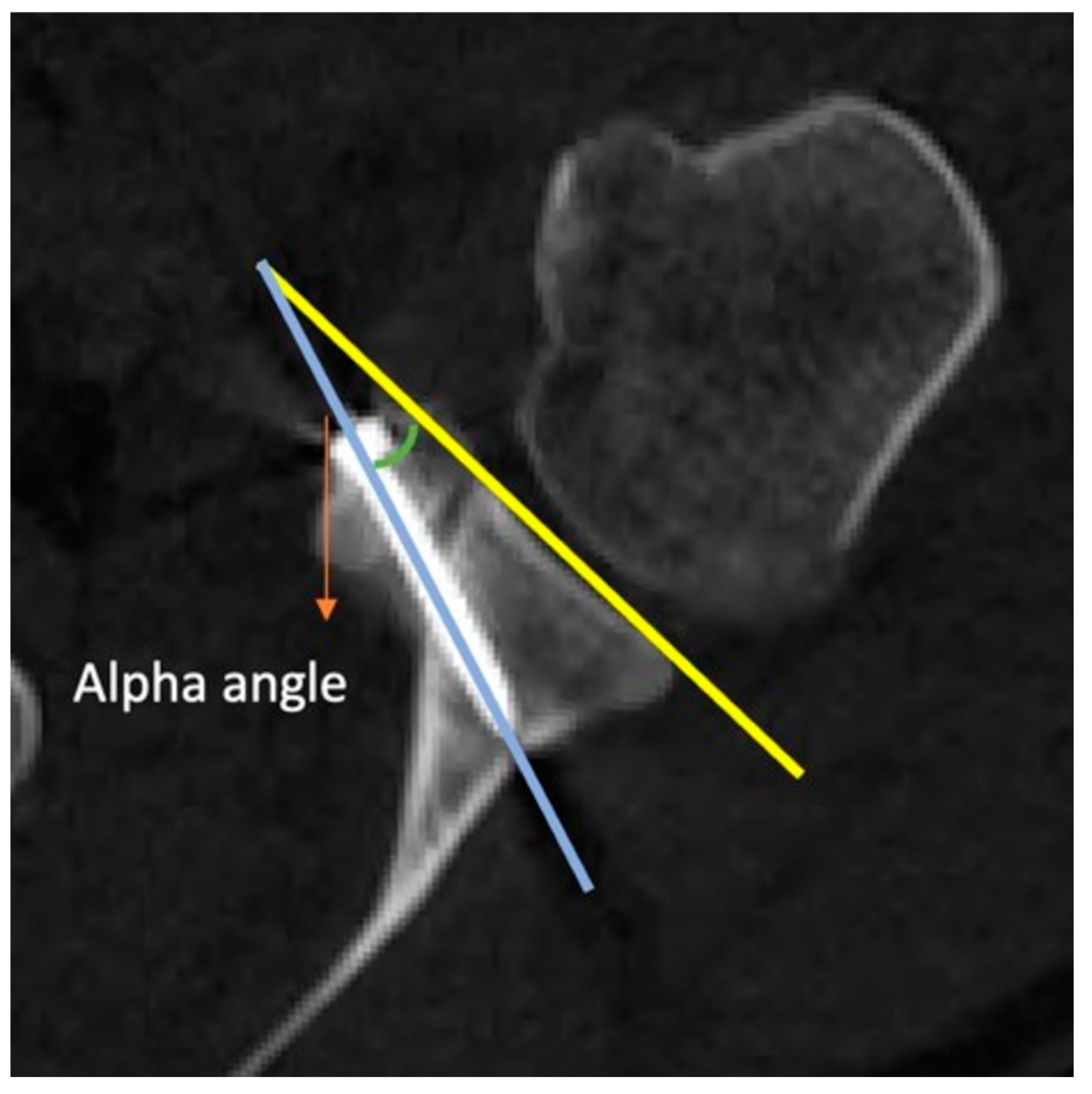
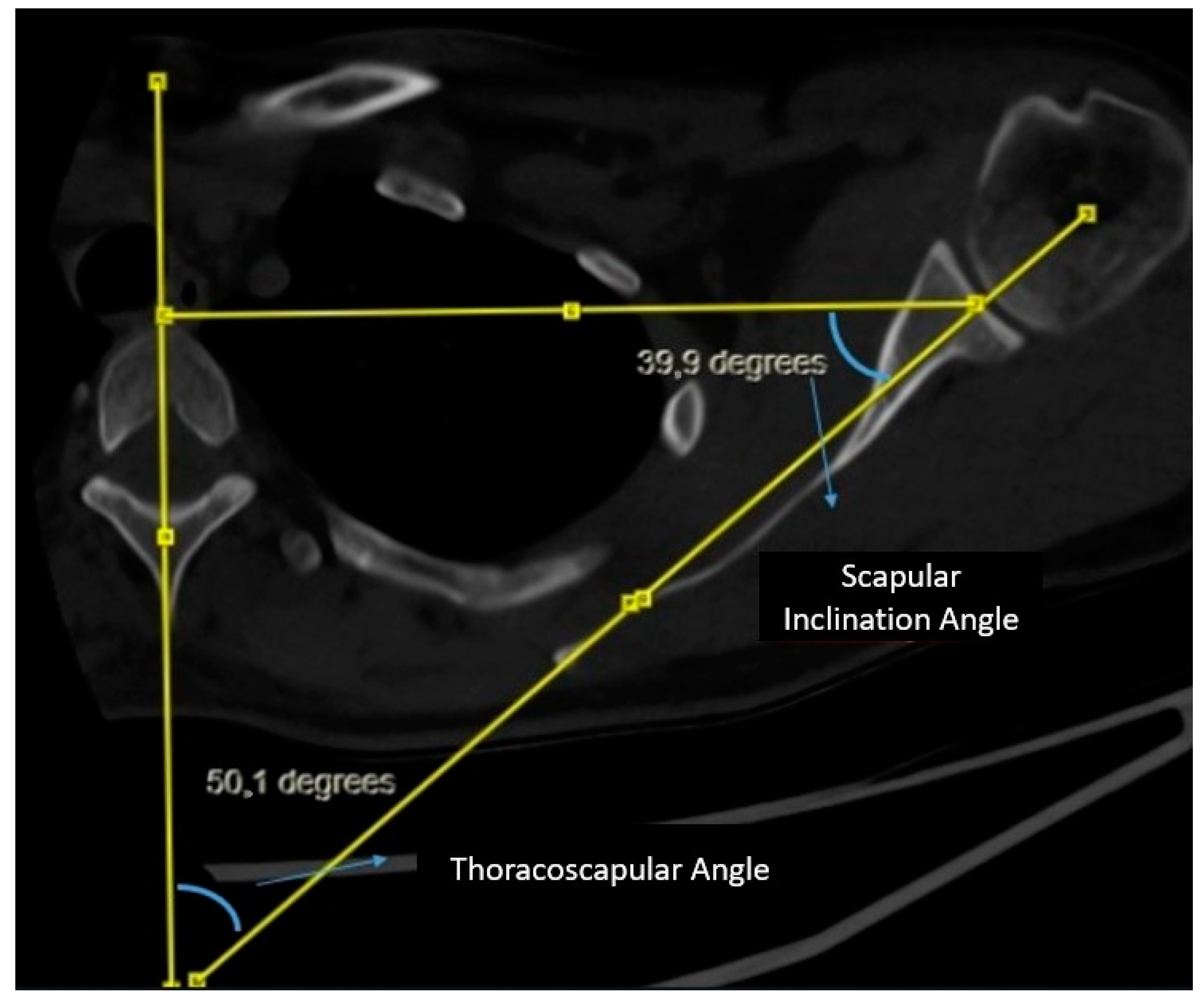
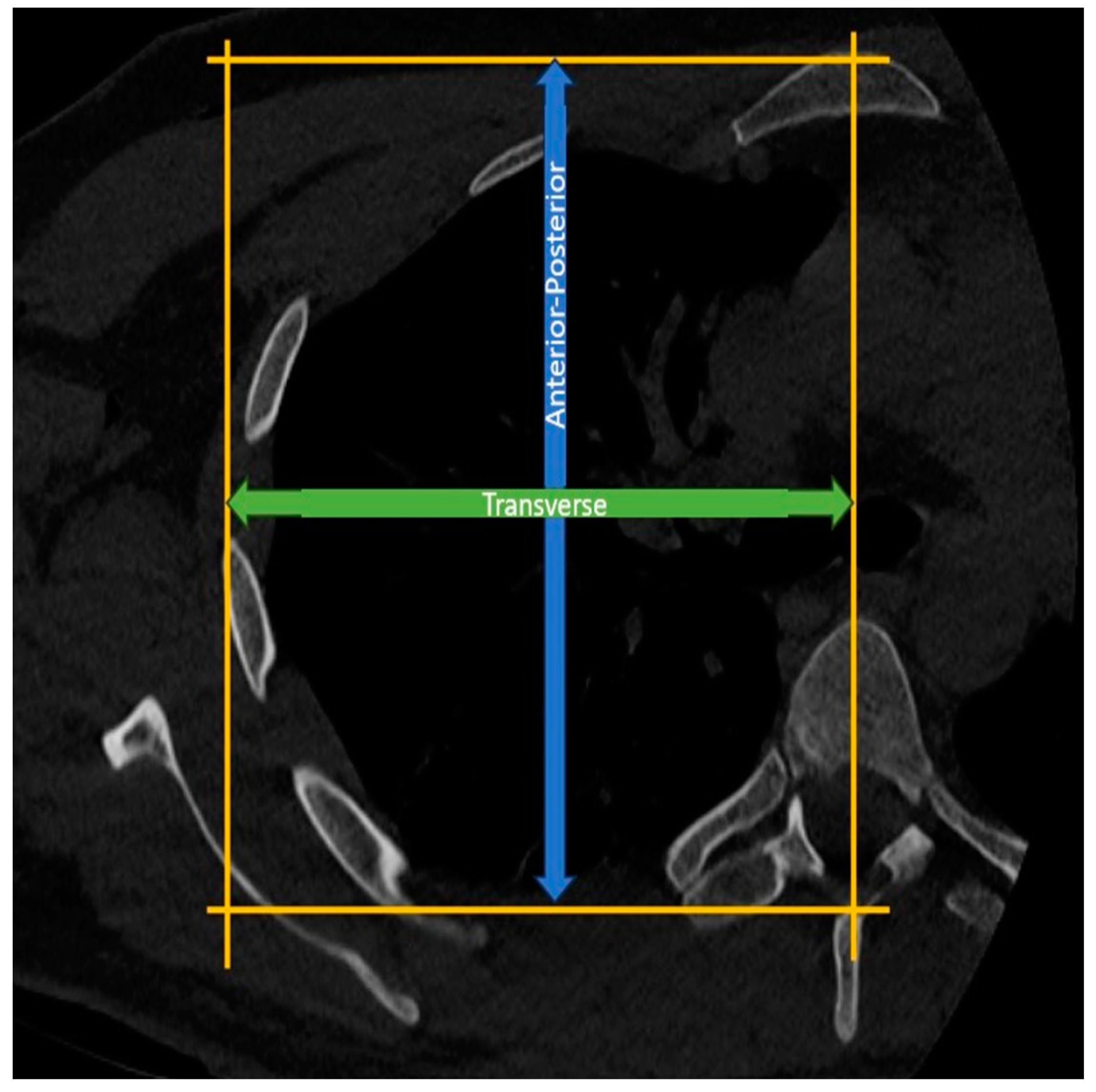
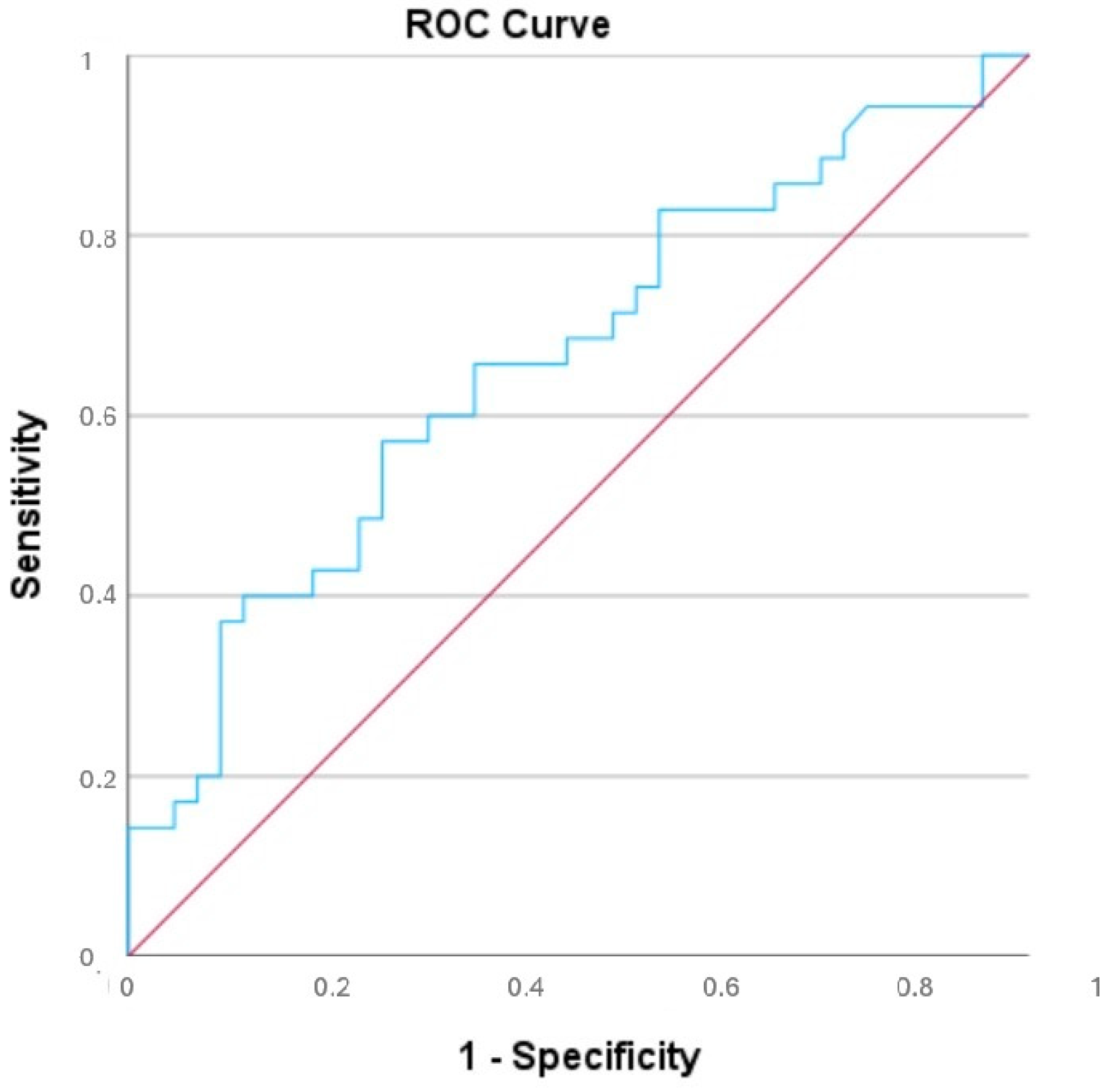
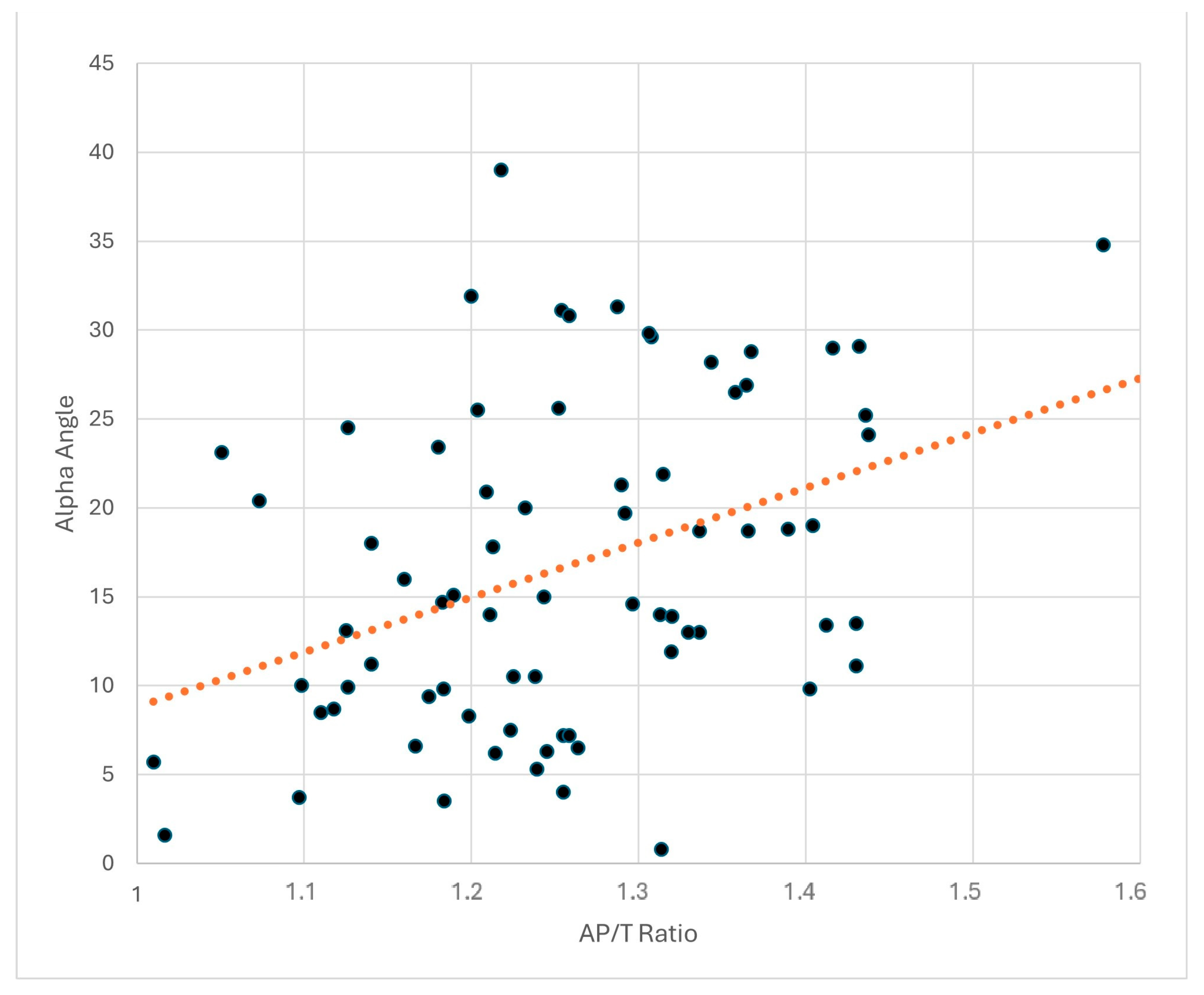
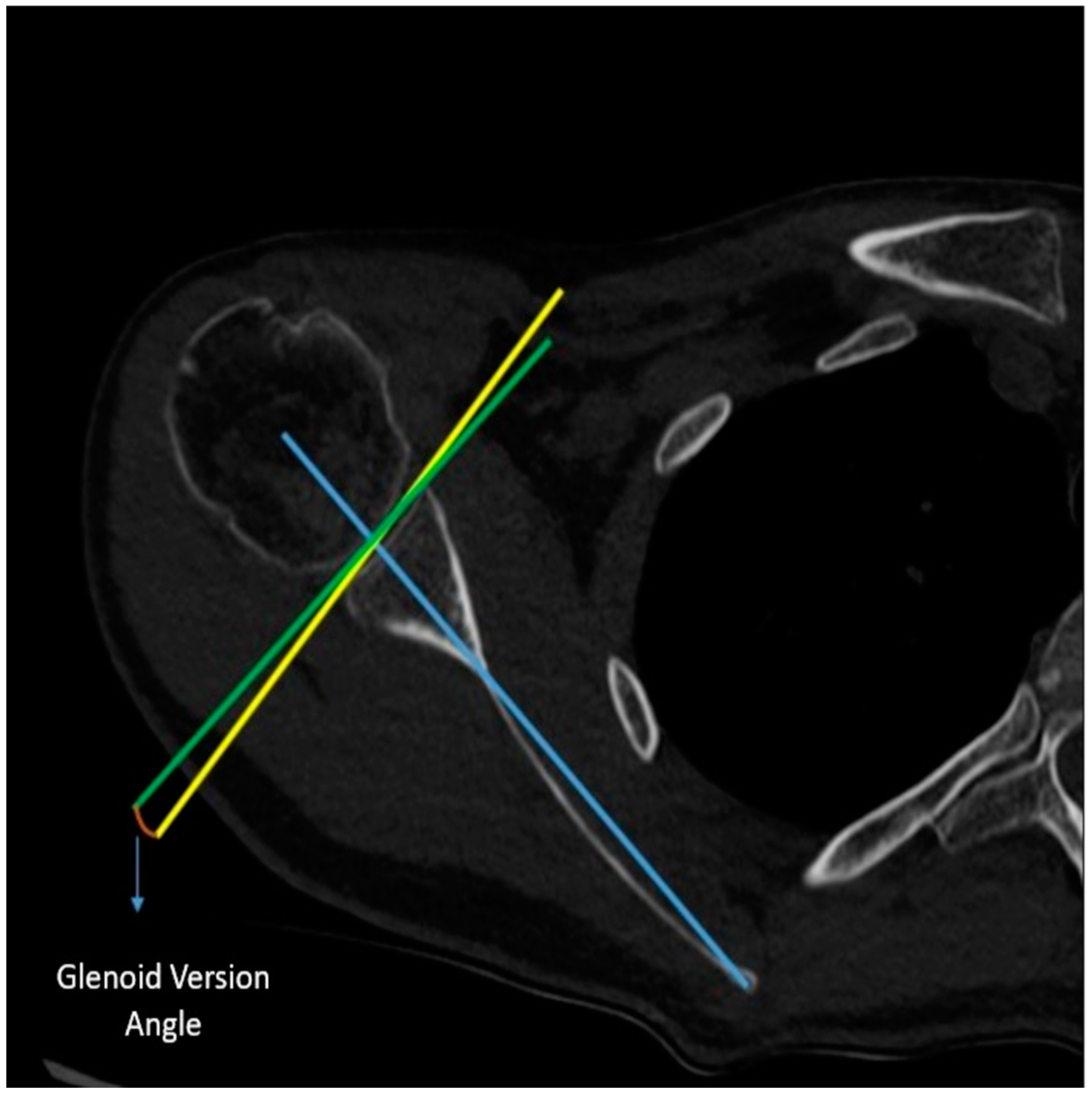
Purpose: This study aimed to determine the relationship between alpha angle (the angle between the screws and the glenoid) and thoracic diameters in patients undergoing the Latarjet procedure. Defining the relationship between thoracic morphology and alpha angle is aimed at filling the gap in the literature and improving surgical outcomes. Methods: This retrospective study analyzed 74 patients who underwent the Latarjet procedure for recurrent anterior shoulder instability between 2022 and 2024. All procedures were performed by the same surgeon using a standardized protocol to ensure consistency of surgical technique across cases. In postoperative chest CT scans, alpha angle, anteroposterior diameter of the thorax, transverse diameter of hemithorax, scapular inclination, and glenoid version were evaluated. Results: The study included predominantly male patients (90%) with a mean age of 26.4 ± 6.4 years who underwent Latarjet procedures predominantly on the right side (60%). Significant associations were observed between thoracic morphology and alpha angle on postoperative CT scans. There was a significant positive correlation between anterior-posterior/transverse diameter ratio (AP/T) and alpha angle (r = 0.407, p < 0.001), as well as correlations between scapular inclination, glenoid version, thoracoscapular angle, and alpha angle (r = 0.275, p = 0.018; r = 0.241, p = 0.039; r = −0.288, p = 0.013, respectively). Patients were divided based on an alpha angle threshold of 15 degrees, with results indicating worse outcomes for angles above this threshold. Additionally, the AP/T ratio demonstrated predictive value for poor outcomes (AUC = 0.660, p = 0.018) with a threshold of 1.2545. Conclusions: This study highlights the direct impact of thoracic morphology on the alpha angle observed on post-Latarjet chest CT scans. Specifically, patients with a higher ratio of anterior-posterior to transverse thoracic diameter (AP/T) show a proportional increase in alpha angle. When the AP/T ratio exceeds 1.25, surgeons may face challenges in achieving the target alpha angle.
Keywords: shoulder instability; Latarjet; thorax morphology; alpha angle shoulder instability; Latarjet; thorax morphology; alpha angle