Study Protocol

Chronic E. Coli Drug-Resistant Cystitis Treated with a Sequence of Modulated Extremely Low-Frequency Electromagnetic Fields: A Randomized Study of 148 Cases

1
Independent Researcher, ID Medicals, 00163 Rome, Italy
2
Independent Researcher, CRESO LLCs, 6830 Chiasso, Switzerland
*
Authors to whom correspondence should be addressed.
J. Clin. Med. 2024, 13(9), 2639; https://doi.org/10.3390/jcm13092639
Submission received: 23 March 2024 / Revised: 28 April 2024 / Accepted: 28 April 2024 / Published: 30 April 2024
(This article belongs to the Section Nephrology & Urology)

Abstract

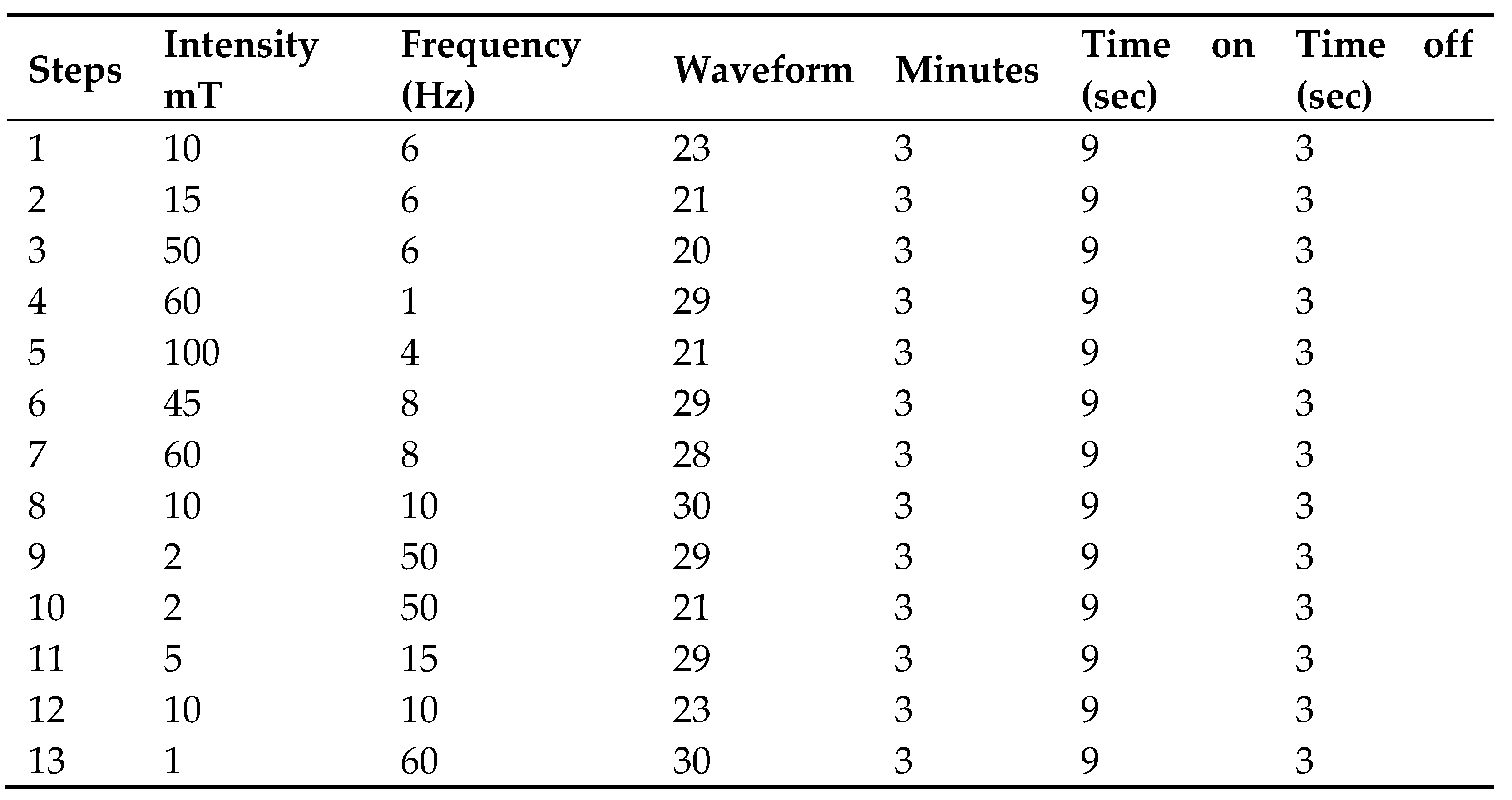
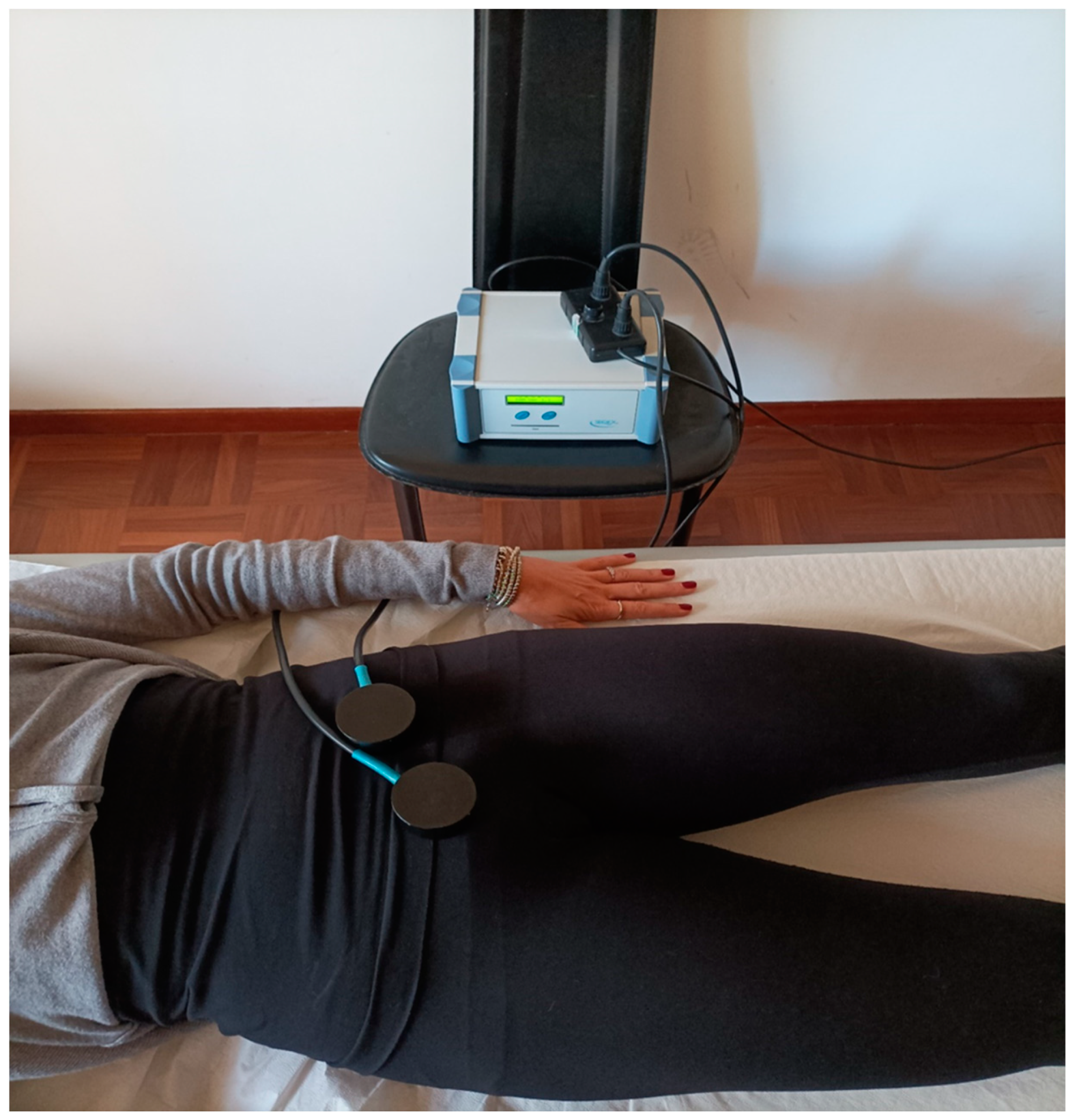
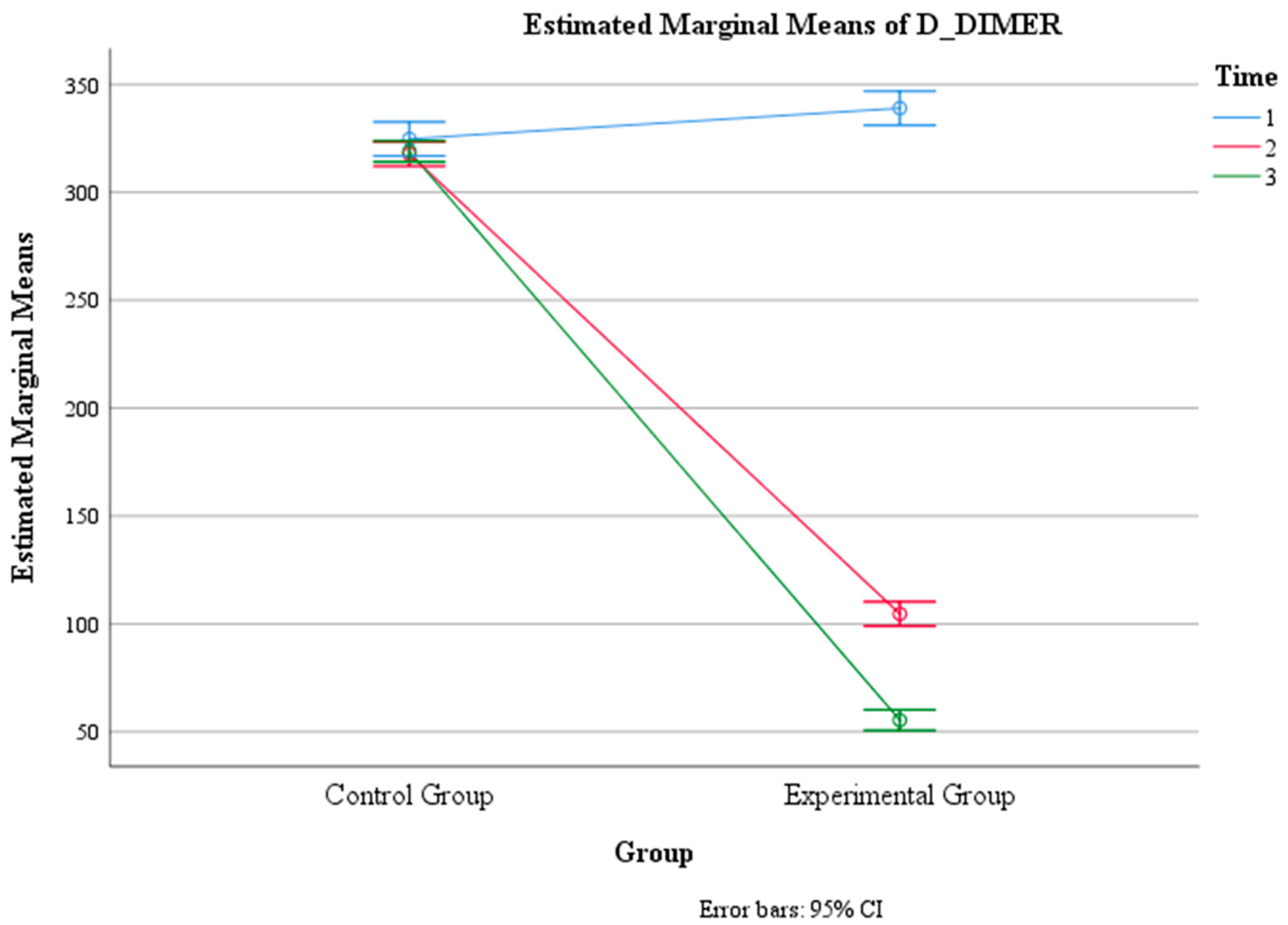
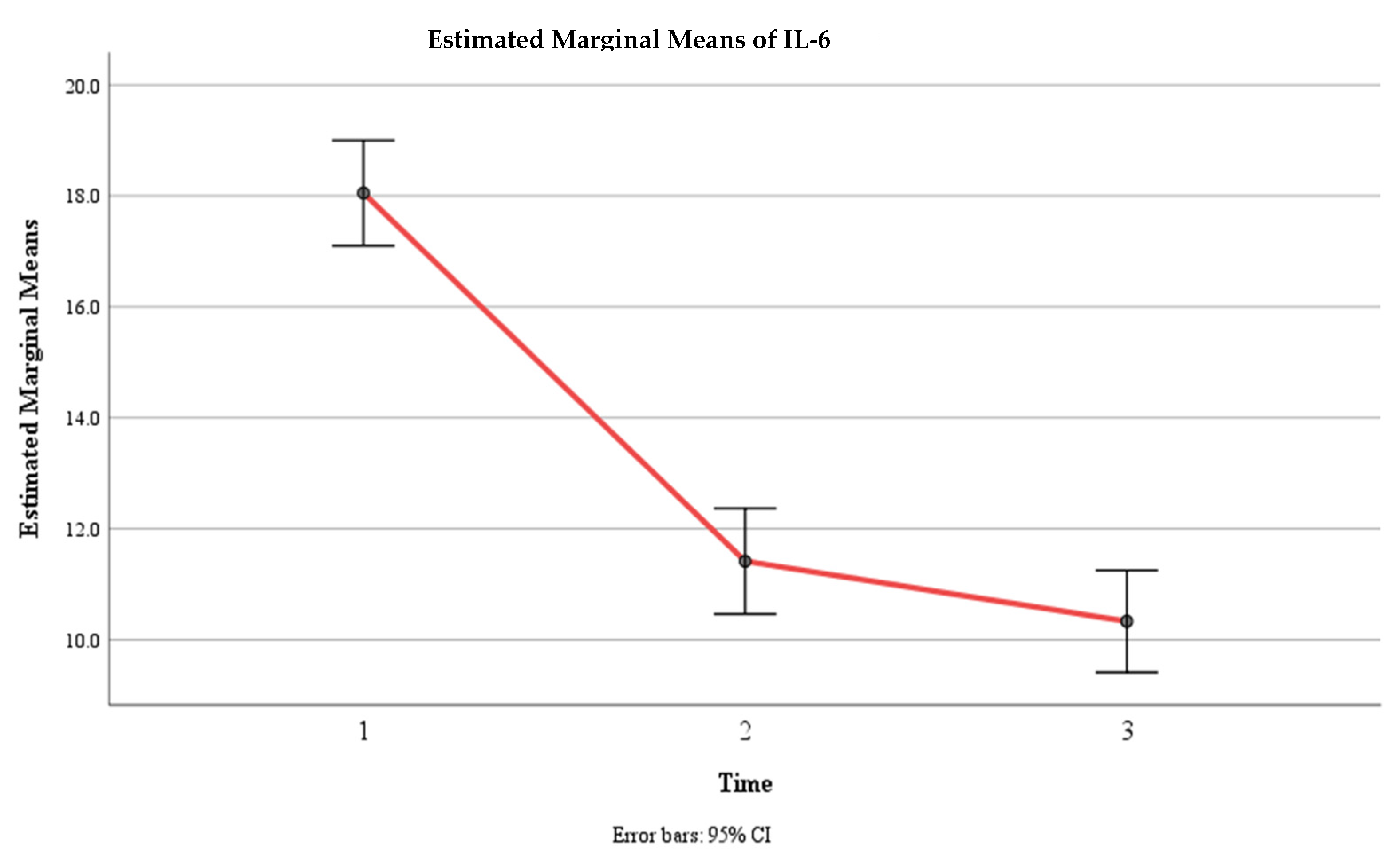
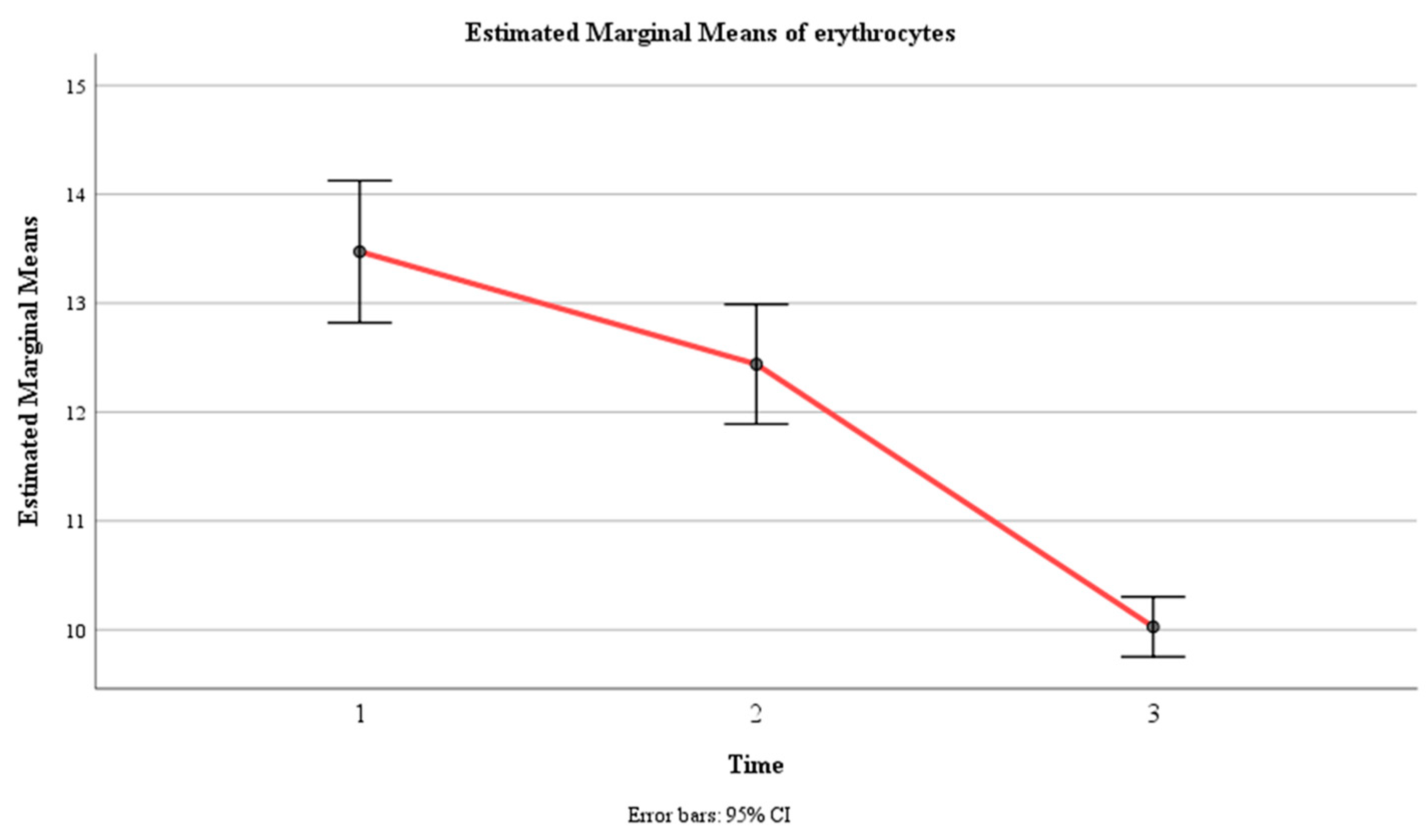
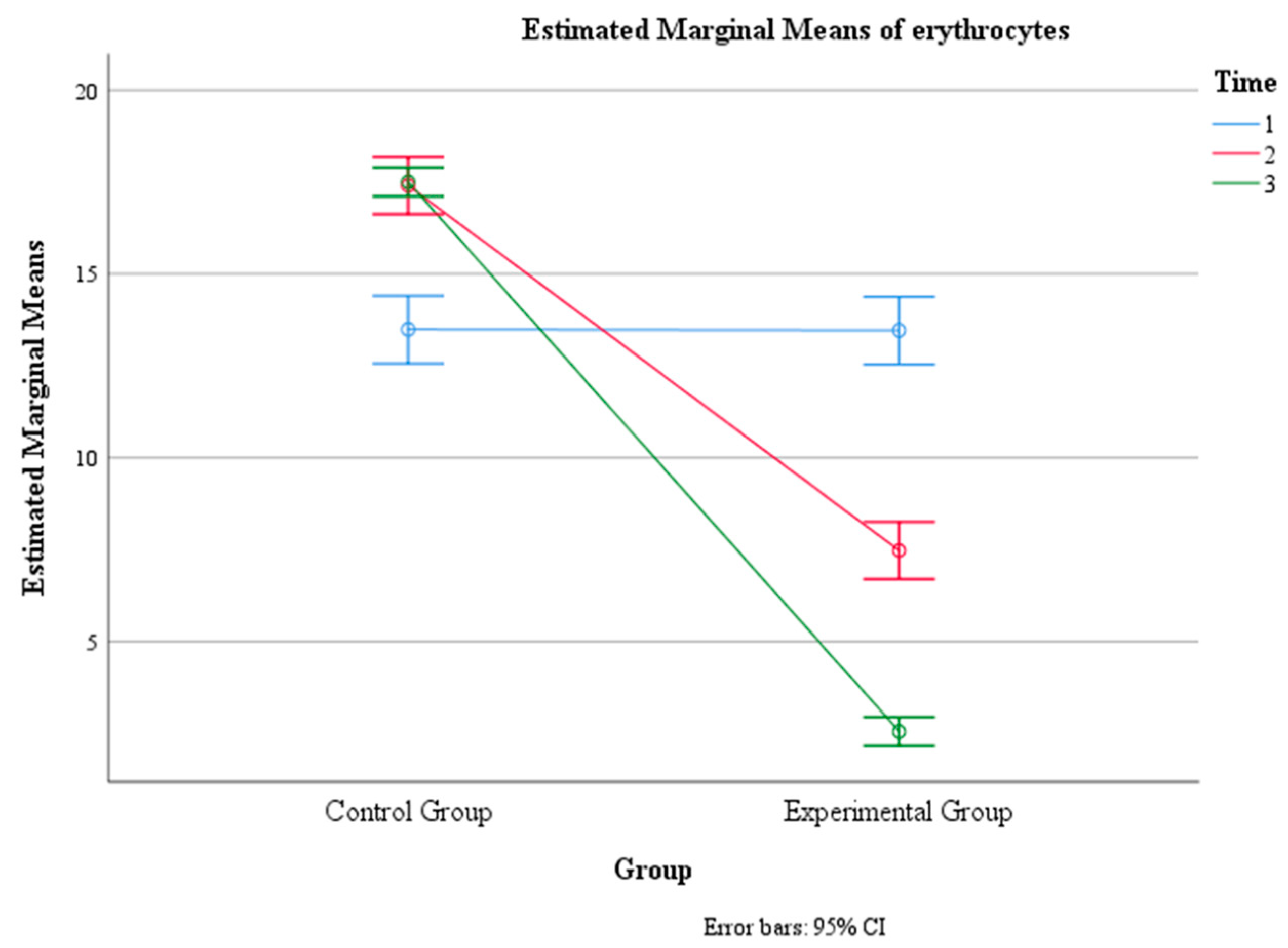
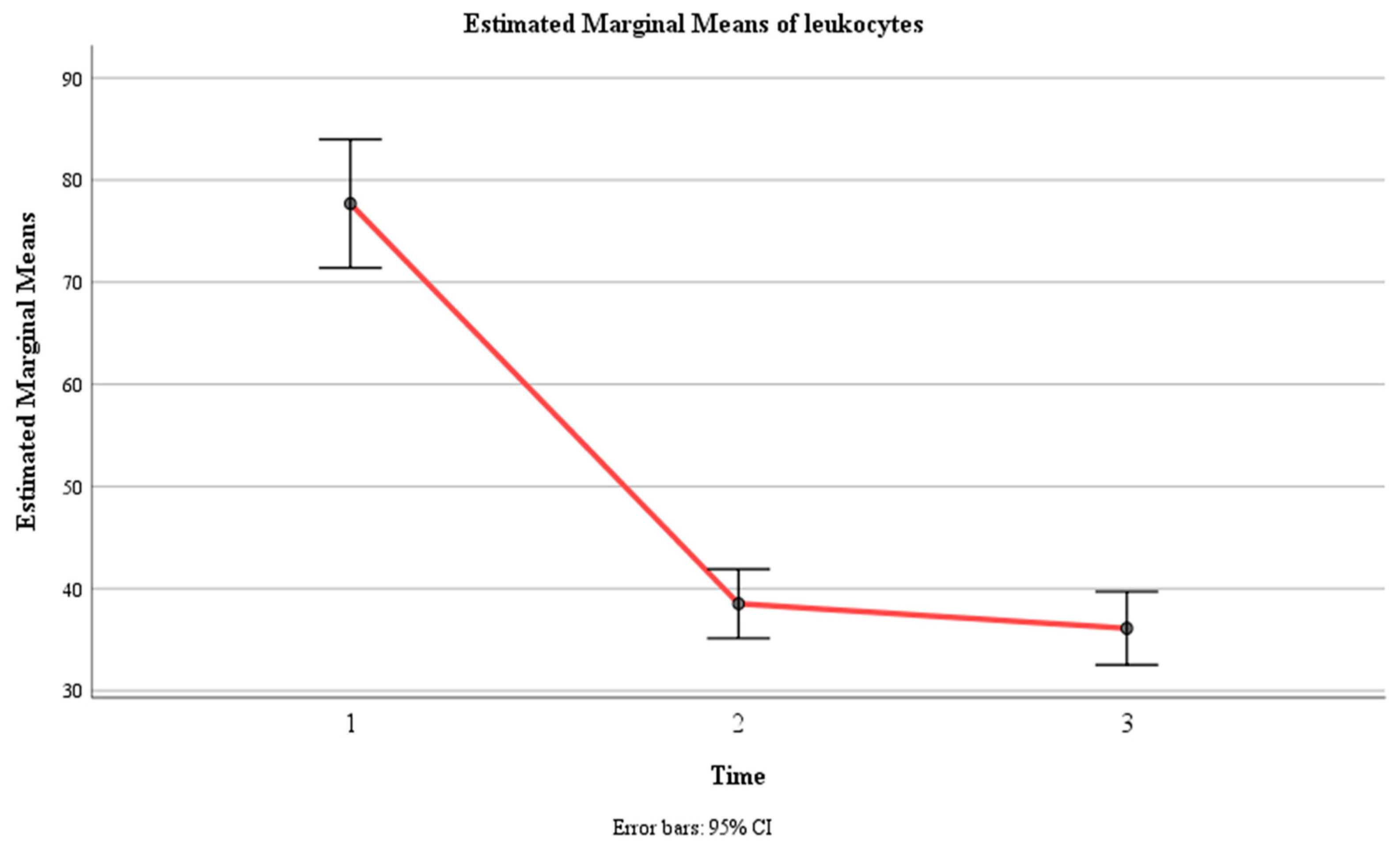
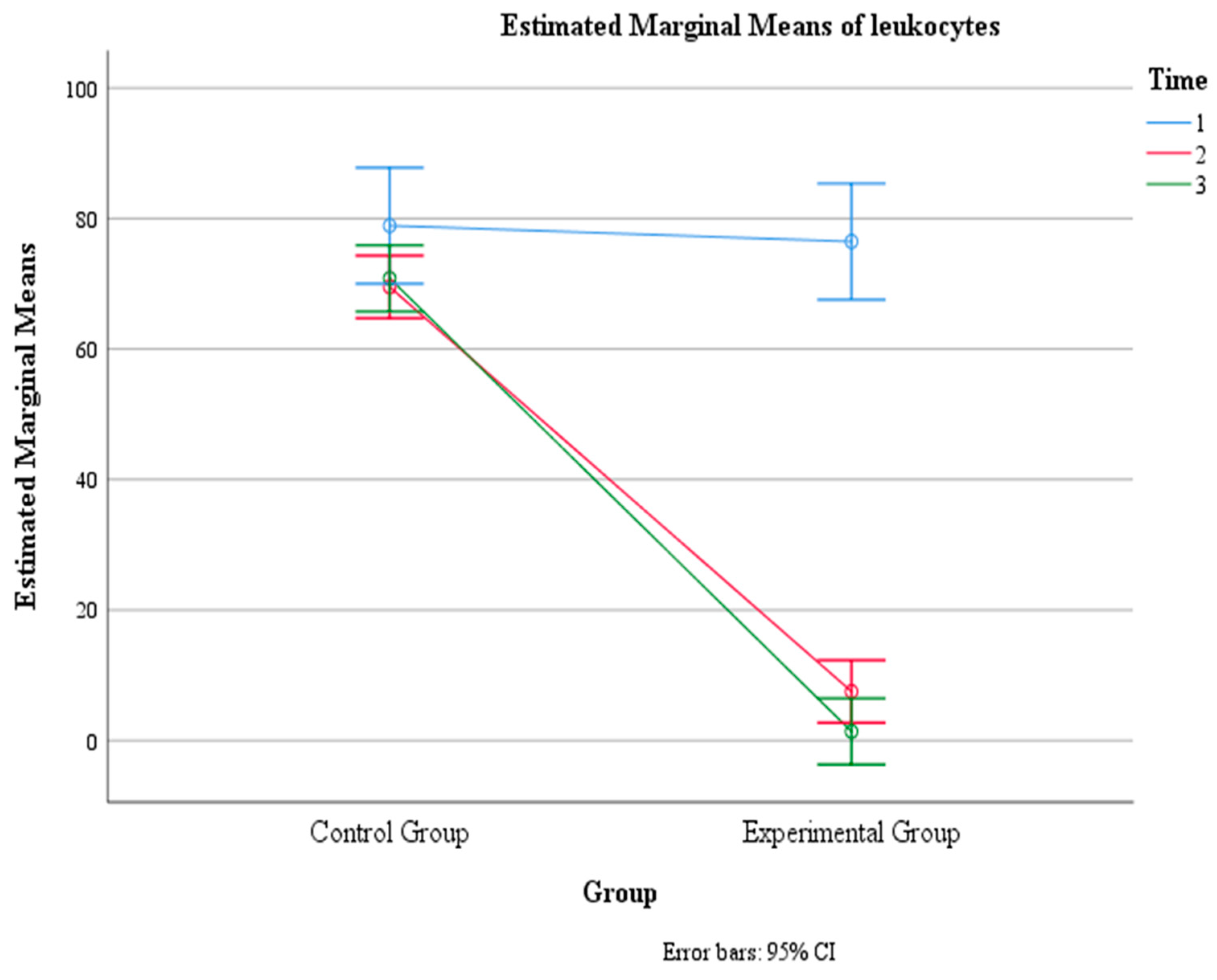
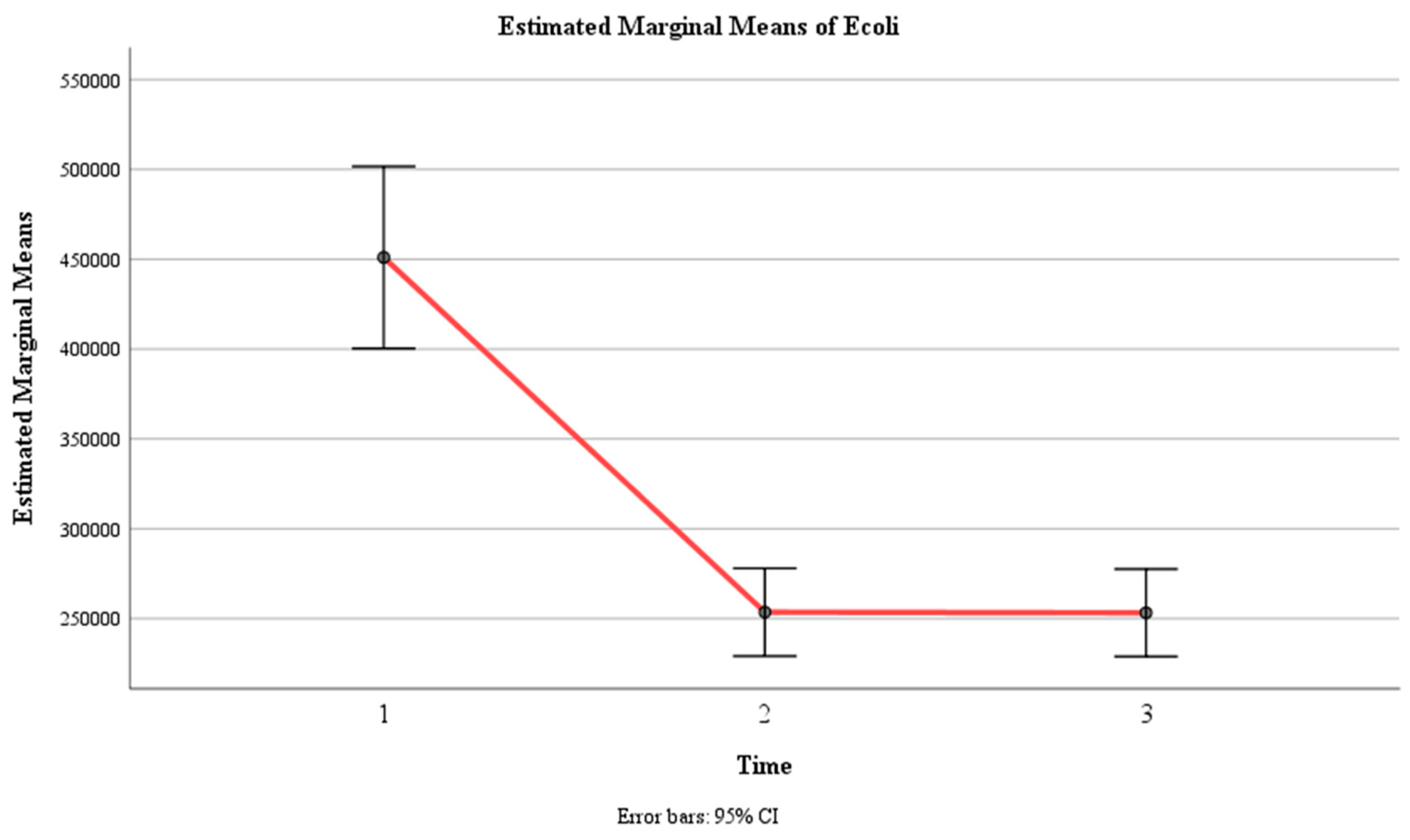
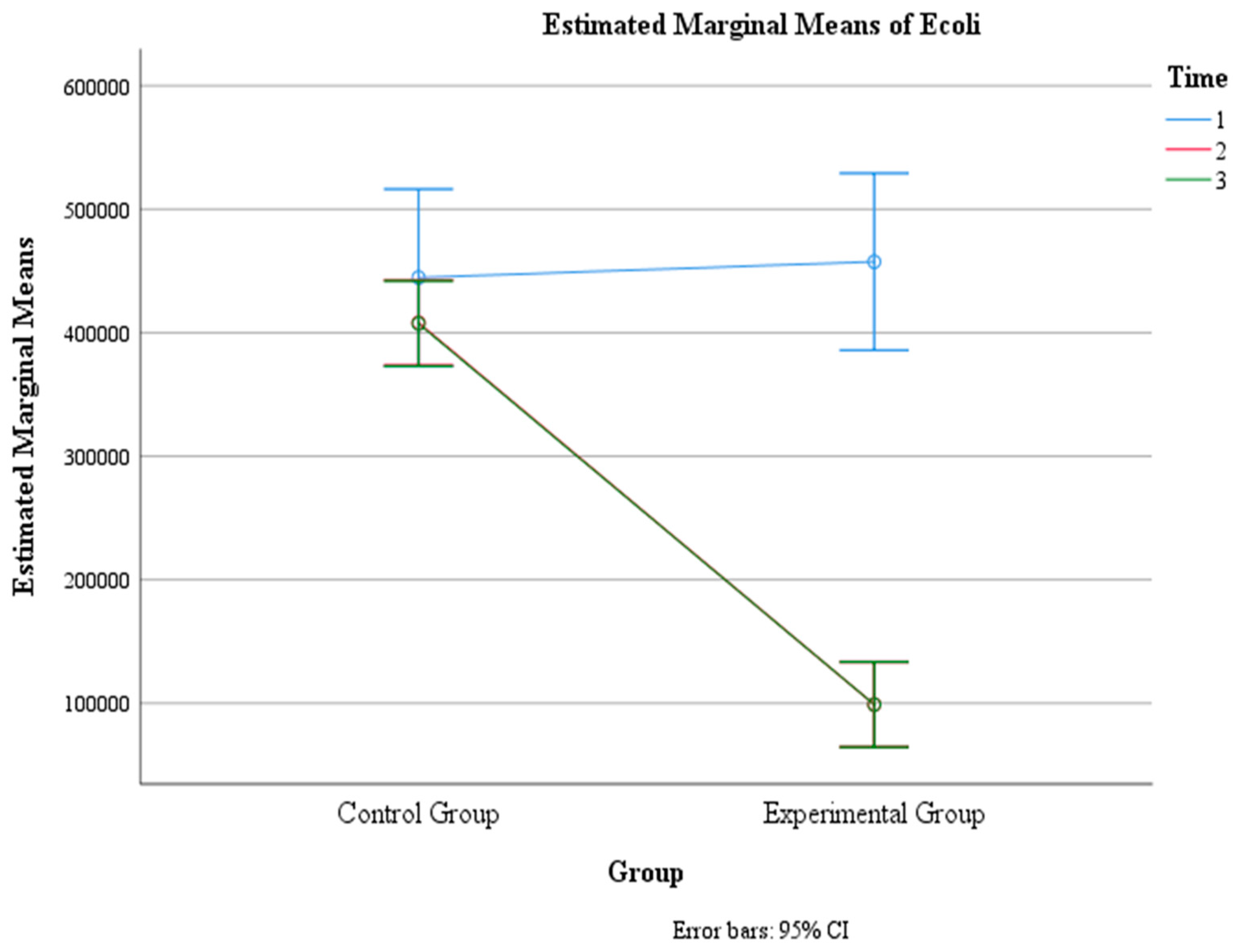
(1) Background: This study investigated the effects of sequenced electromagnetic fields, modulated at extremely low frequencies and intensities, in the treatment of drug-resistant Escherichia coli (E. coli)-induced chronic bacterial cystitis. (2) Methods: A total of 148 female participants, aged 18 to 80 years diagnosed with chronic bacterial cystitis caused by drug-resistant E. coli, were recruited for this study. Participants were randomly assigned to two groups: an experimental group (n = 74) with osteopathic palpation and assessment treated with a sequence of electromagnetic fields, and a control group (n = 74) receiving a placebo treatment. Both groups were assessed at this study’s outset, 4 weeks after eight applications, and at 12 weeks for symptomatic presentation and laboratory parameters. (3) Results: After 4 weeks of treatment, a significant difference was observed between the two groups regarding D-DIMER levels, IL-6 levels, erythrocyte levels, leukocyte levels, and E. coli levels (p < 0.001). By the 12th week, the experimental group continued to exhibit a significant reduction in the examined parameters compared to the control group (p < 0.001). Additionally, the treatment did not induce any side effects in the patients in the experimental group. (4) Conclusions: Treatment with coherently sequenced electromagnetic fields, modulated at an extremely low frequency and intensity, not only appears to provide an effective alternative for the symptoms of chronic bacterial cystitis caused by drug-resistant E. coli but also demonstrates a potent antibacterial effect.
Keywords: EMF (electromagnetic field); ELF (extremely low frequency); PEMF (pulsed electromagnetic field); E. coli (Escherichia coli); BSBI (signal sequence); osteopathic palpation; osteopathic assessment; osteopathic landmarks EMF (electromagnetic field); ELF (extremely low frequency); PEMF (pulsed electromagnetic field); E. coli (Escherichia coli); BSBI (signal sequence); osteopathic palpation; osteopathic assessment; osteopathic landmarks