Article

Comparison between Conventional and Digital Impressions for Determining Axes and Distances of Three Implants in Straight and Curved Lines: An In Vitro Study

1
Department of Oral Rehabilitation, The Maurice and Gabriela Goldschleger School of Dental Medicine, Faculty of Medical and Health Sciences, Tel Aviv University, Tel Aviv 6997801, Israel
2
Department of Orthodontics, The Maurice and Gabriela Goldschleger School of Dental Medicine, Faculty of Medical and Health Sciences, Tel Aviv University, Tel Aviv 6997801, Israel
*
Author to whom correspondence should be addressed.
These authors contributed equally to this work.
J. Clin. Med. 2024, 13(8), 2352; https://doi.org/10.3390/jcm13082352
Submission received: 25 March 2024 / Revised: 10 April 2024 / Accepted: 16 April 2024 / Published: 18 April 2024

Abstract

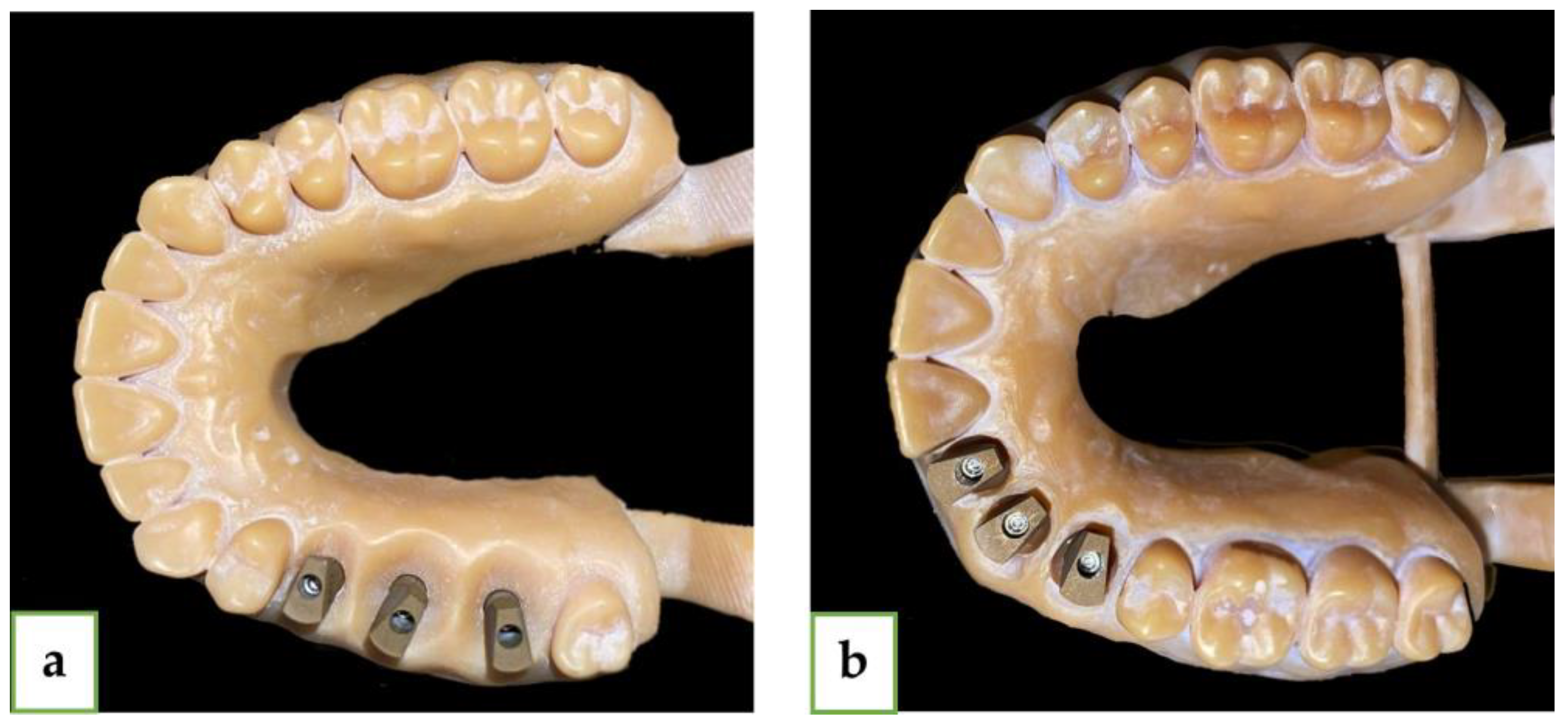
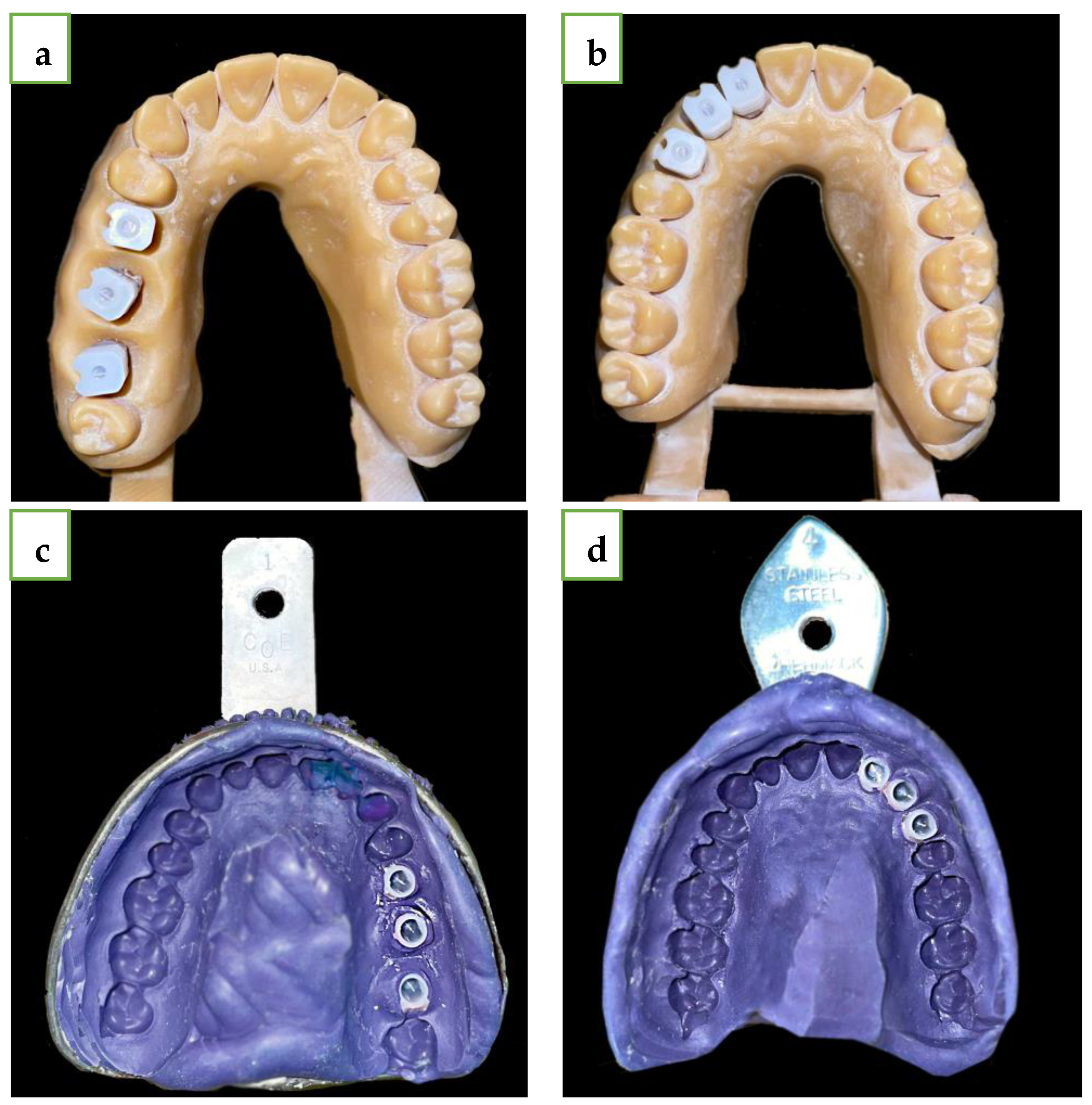
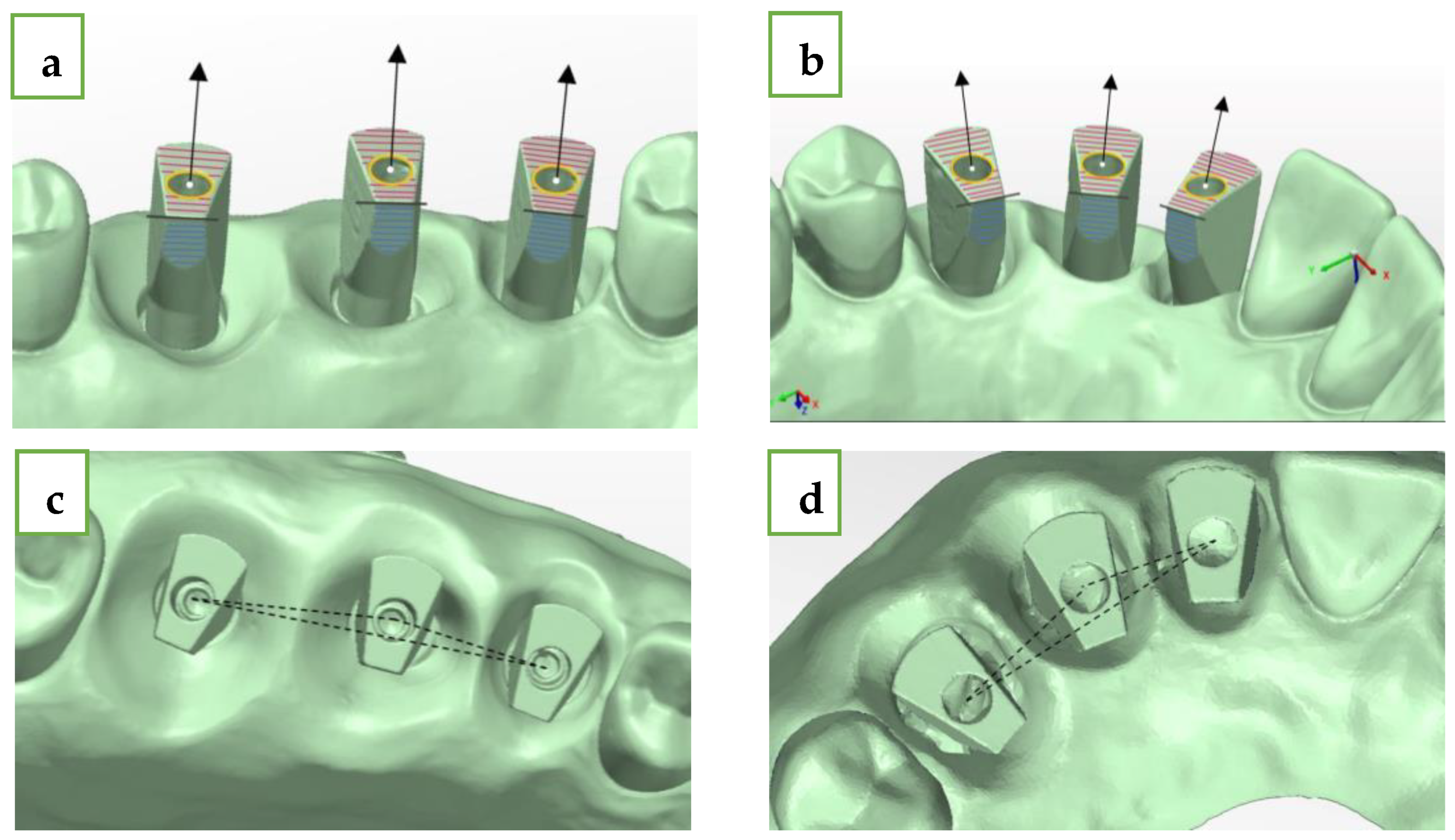
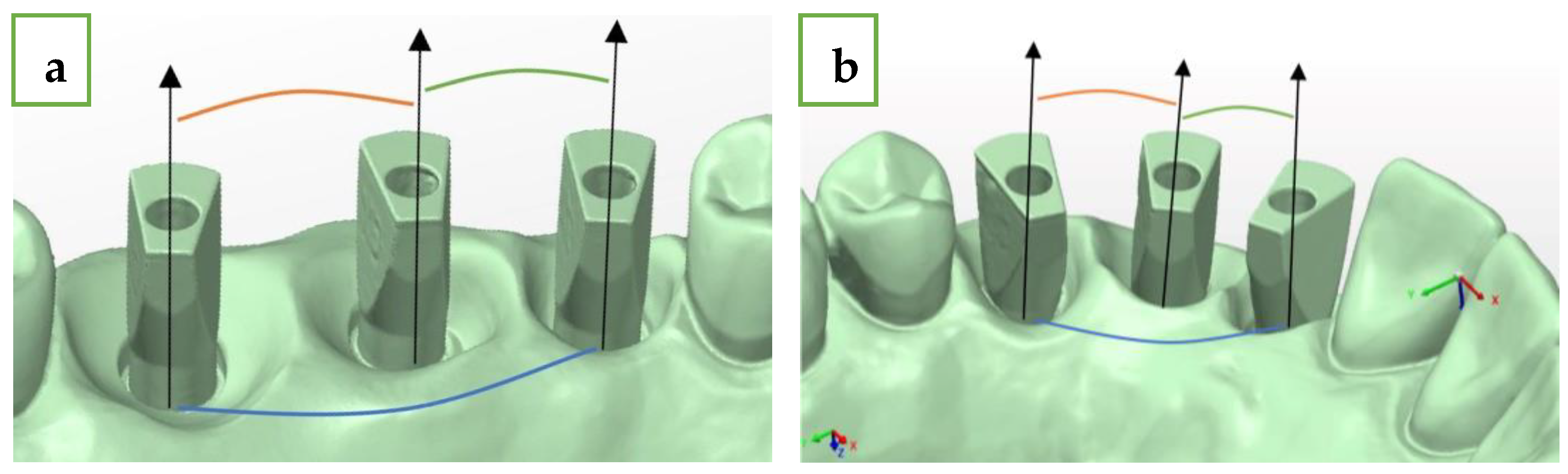
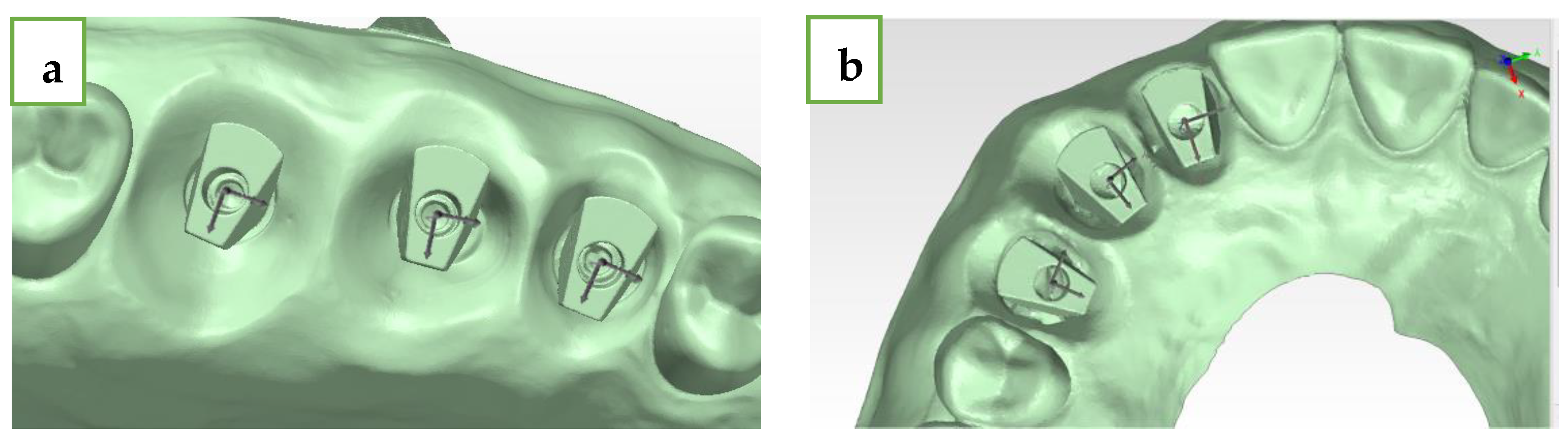
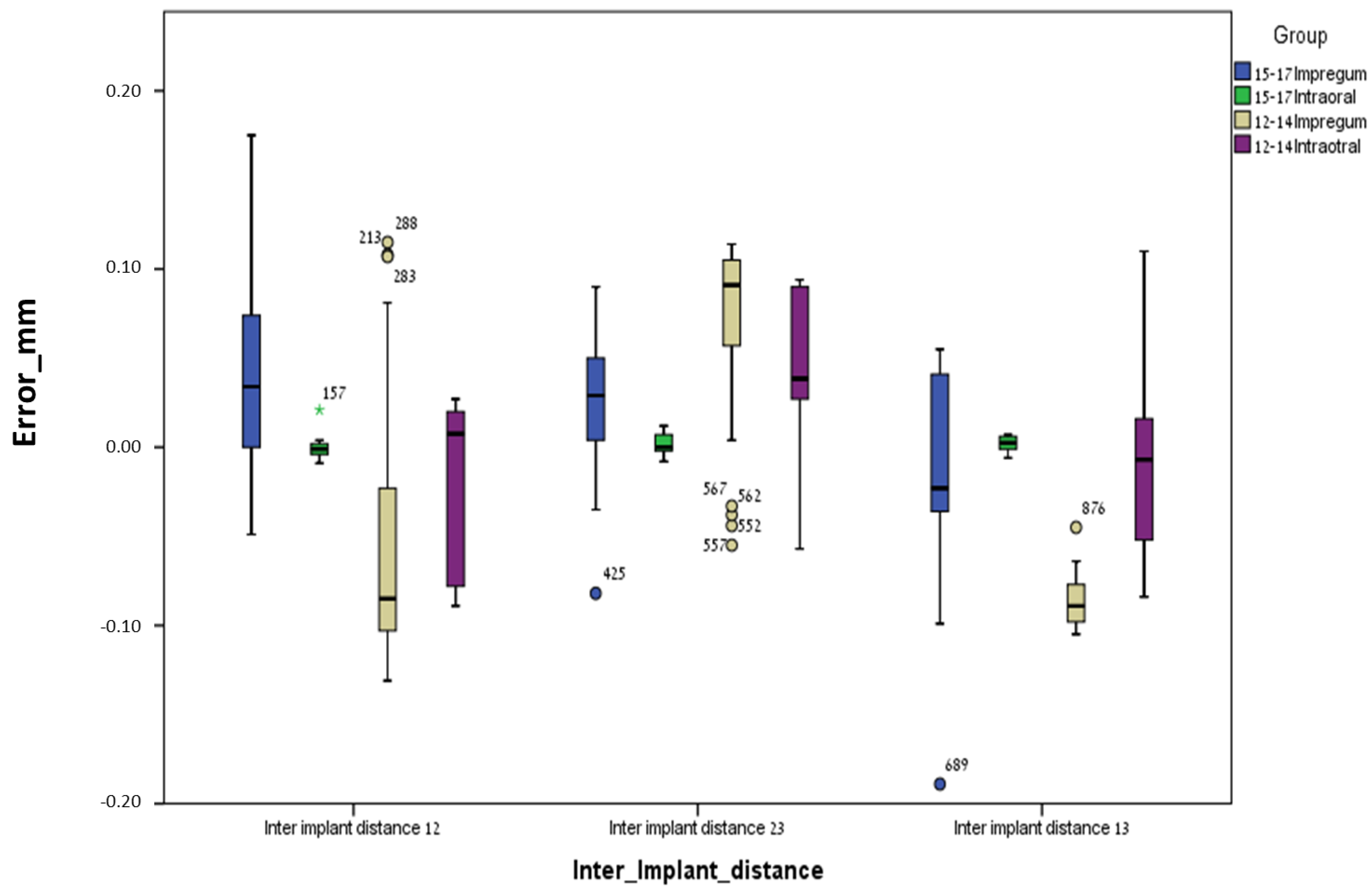
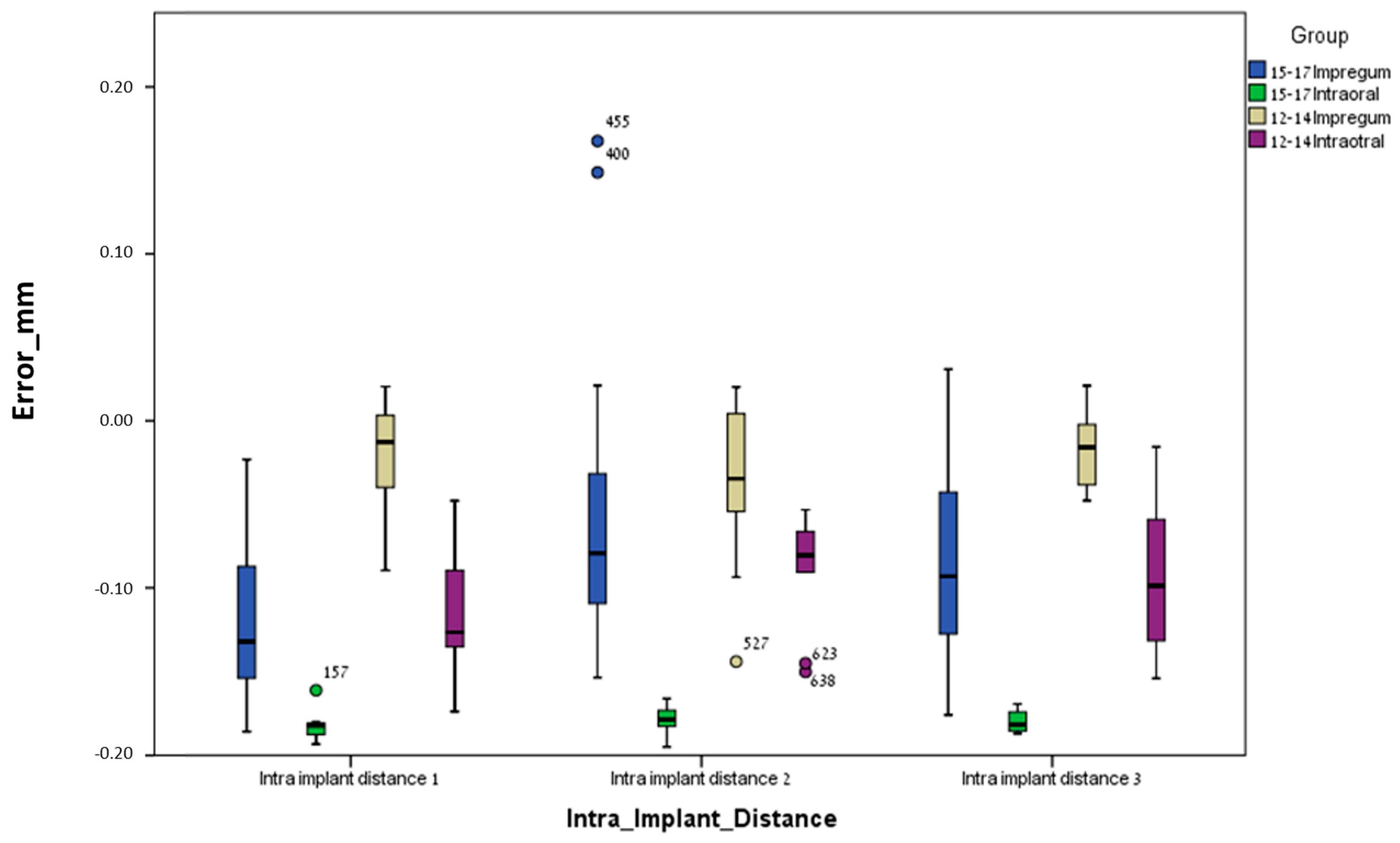
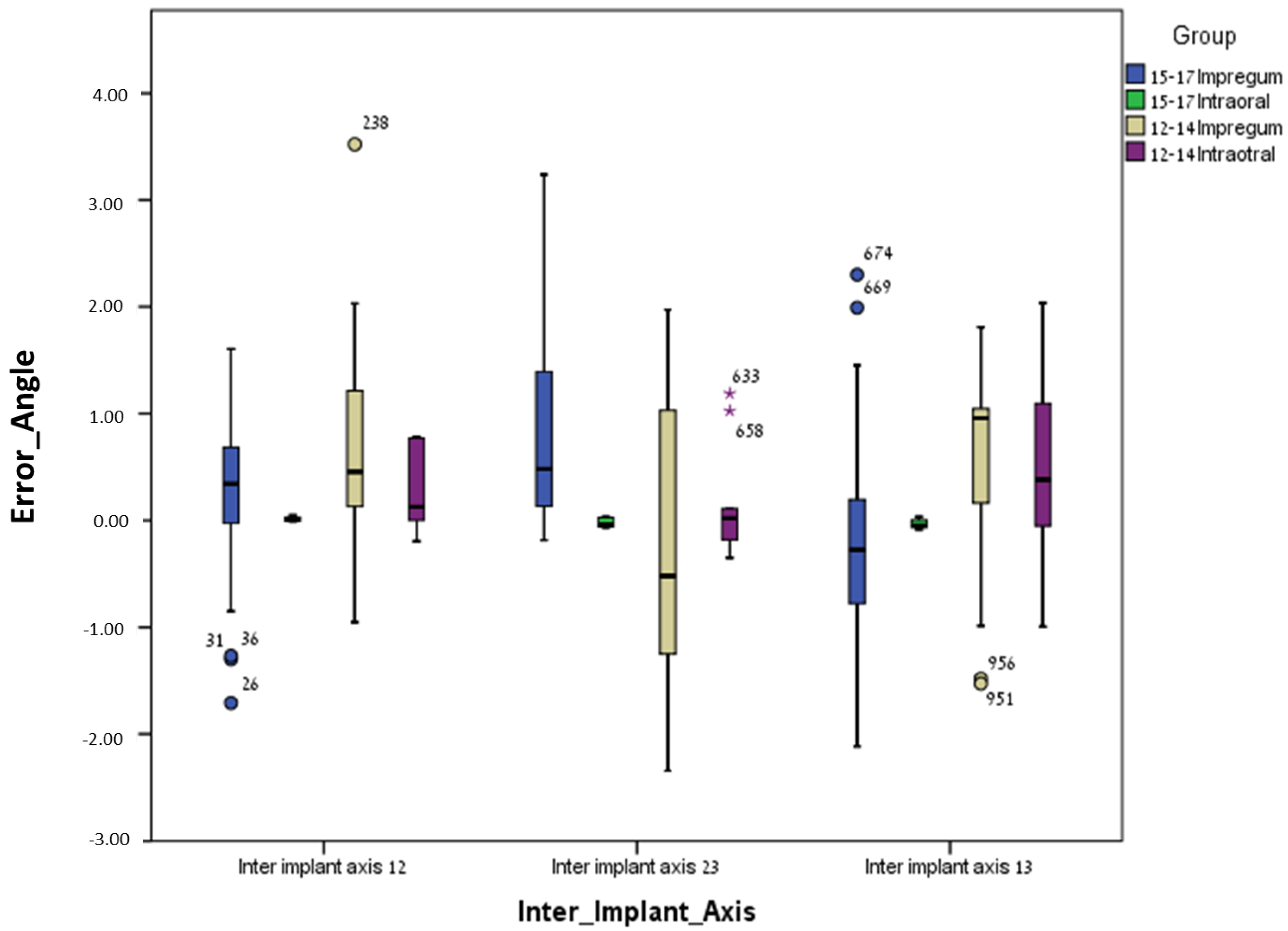
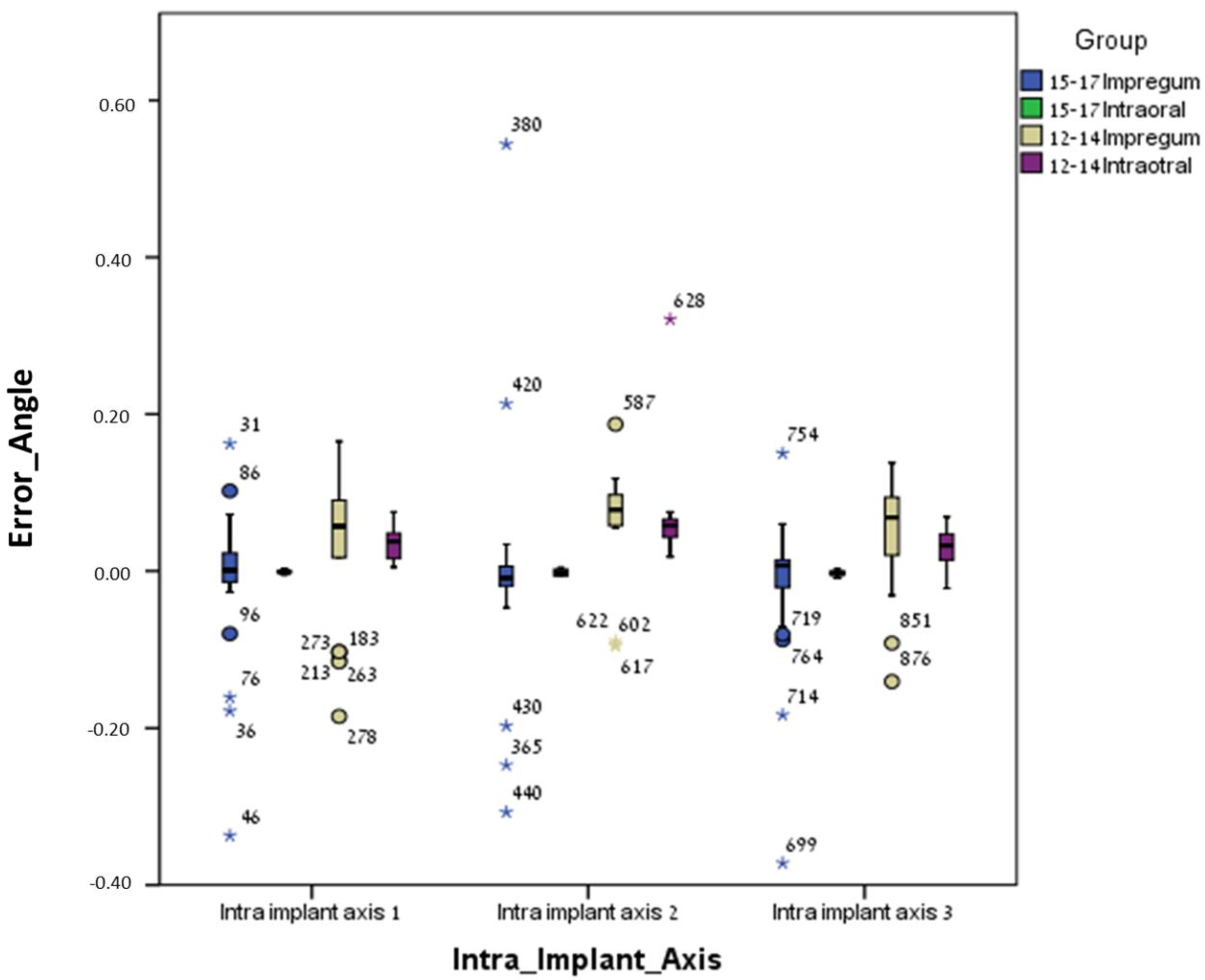
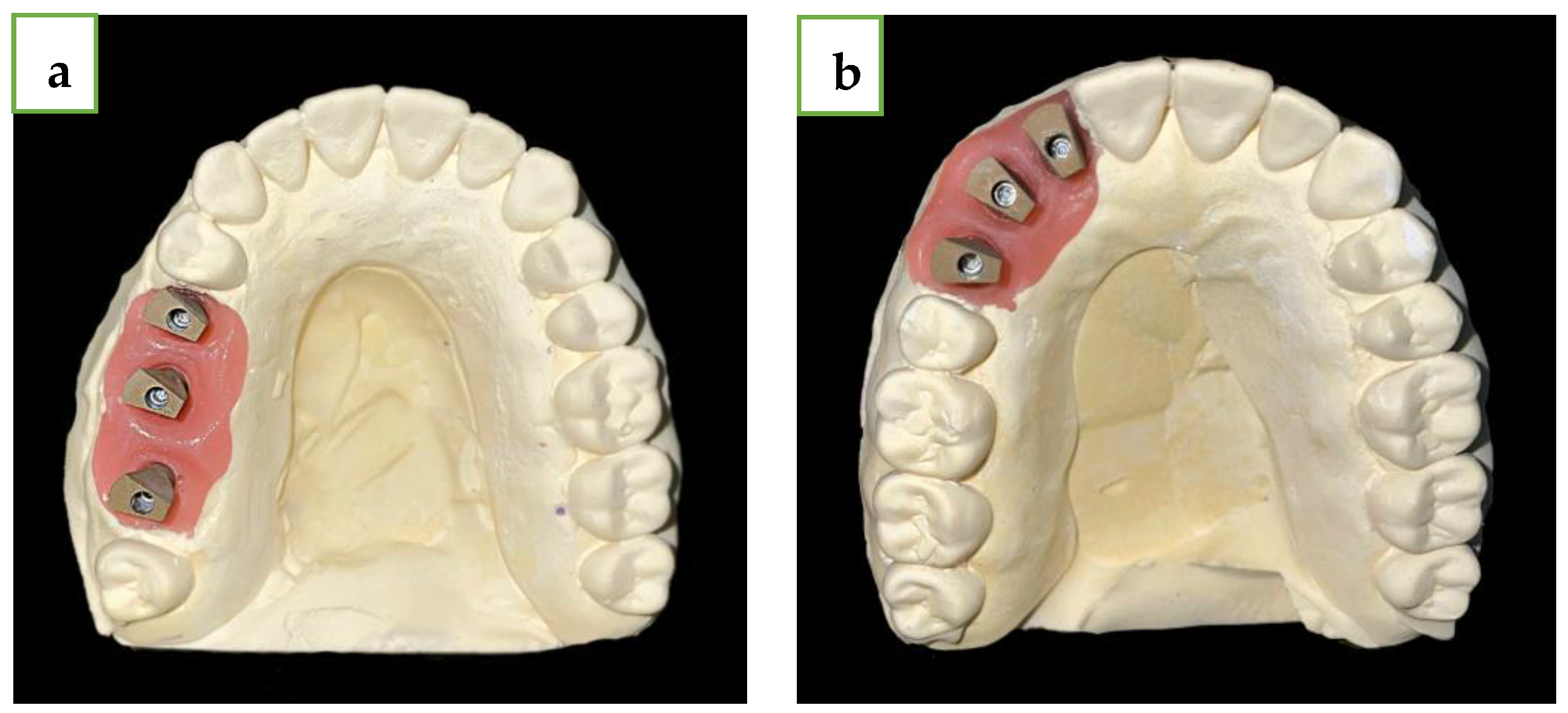
Background: In this study, we aimed to compare the effects of conventional and digital impressions on several parameters (inter-implant distance, intra-implant distance, inter-implant axis, and intra-implant axis) of three implants in curved lines and straight lines by using a laboratory scanner (LBS) versus an intra-oral scanner (IOS). Methods: Two 3D models were fabricated using a printer, each model with three internal hex implants analogues at the positions of 15#,16#,17# (straight line) and 12#,13#,14# (curved line). Standard intra-oral scan bodies (ISBs) were used, and the two models were scanned using 7 Series dental wings (LBS, reference model), followed by ten scans with Primescan (digital method). Standard Tessellation Language (STL) files were created. Five polyether impressions were taken from each model (straight and curved), and gypsum type 4 models were poured; each model was scanned five times to create a total of 25 STL files for each group (conventional method). The comparison between all the STL files (conventional and digital) was made by superimposition of the STL files on the STL reference model laboratory file using a 3D analyzing software. A Kolmogorov–Smirnov test was performed, followed by Mann–Whitney tests and Wilcoxon signed-rank tests. (p < 0.05). Results: For the conventional method, the mean errors were significantly higher for the curved line model (12–14) compared to the straight line model (15–17) for most parameters (p < 0.05). For the digital method, the mean errors were significantly higher for the curved-line model (12–14) compared to the straight line model (15–17) in half of the parameters (p < 0.05). Within the curved line model (12–14) and the straight line model (15–17), the mean errors between the conventional method and the digital method were not significant for most variables. Conclusions: The difference between curved lines and straight lines has an impact on the mean error of the conventional method. Both methods are reliable for straight and curved lines in partially dentate situations.
Keywords: CAD-CAM; scan abutment; ISB; implant axis; laboratory scanner; intra-oral scanner; polyether; conventional mpression; Primescan; dental implants; oral rehabilitation CAD-CAM; scan abutment; ISB; implant axis; laboratory scanner; intra-oral scanner; polyether; conventional mpression; Primescan; dental implants; oral rehabilitation